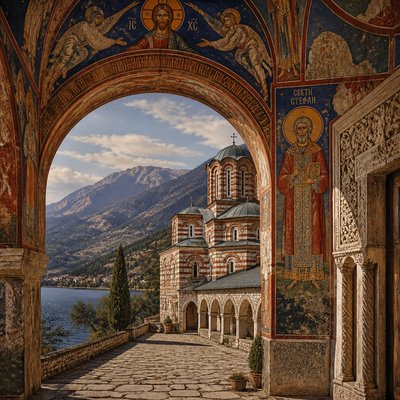
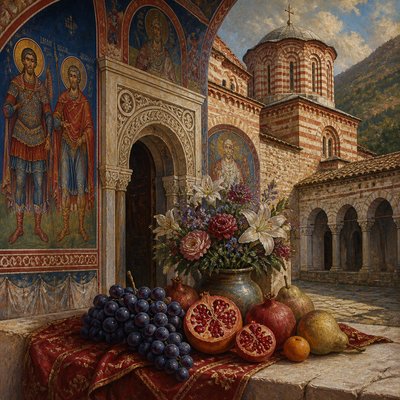
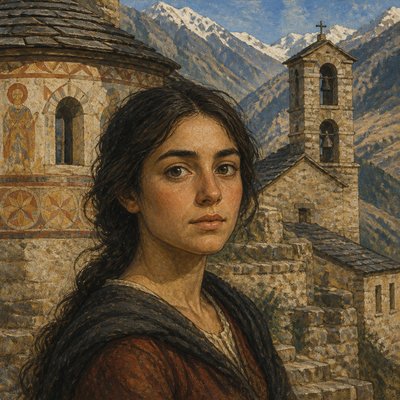
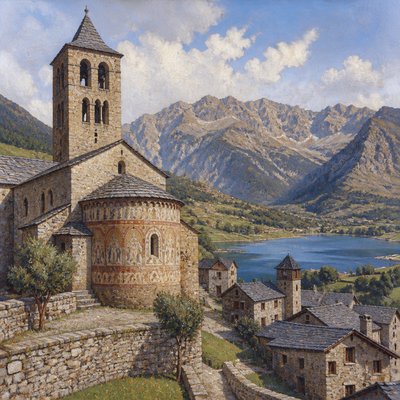
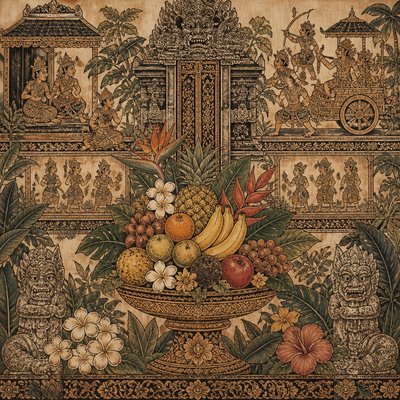
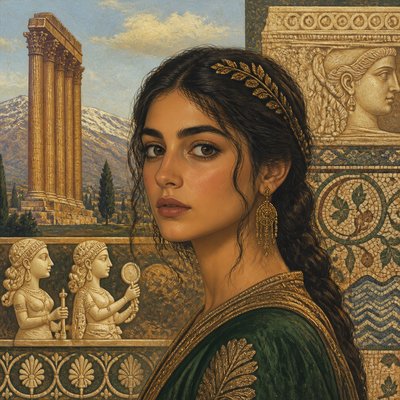
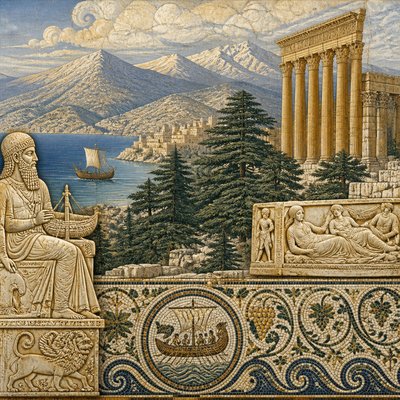
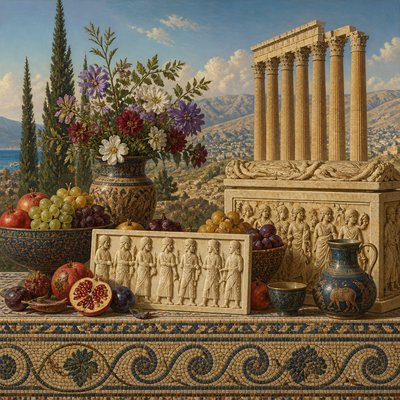
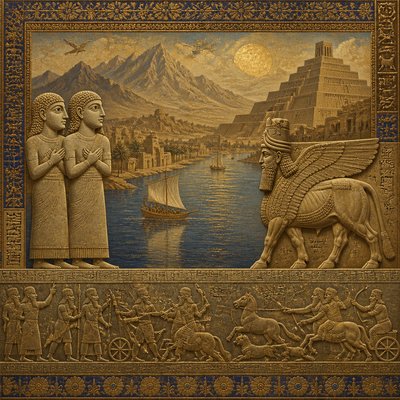
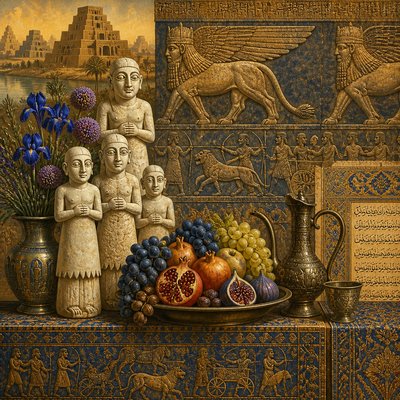
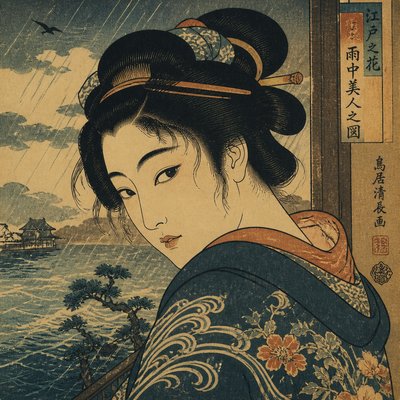
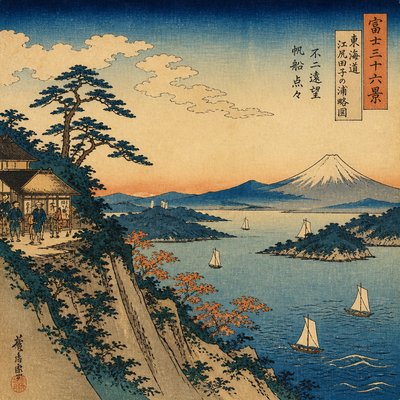
Stone Lithography Print Style
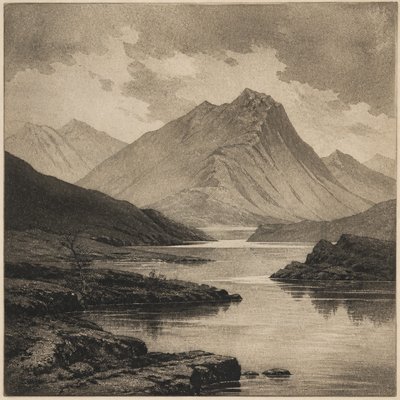
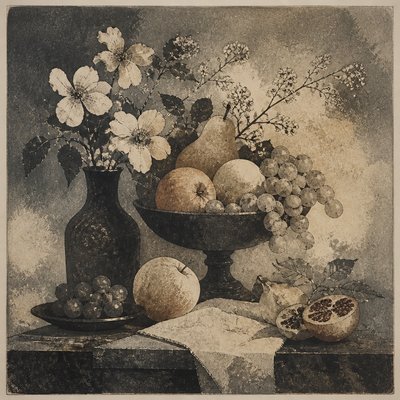
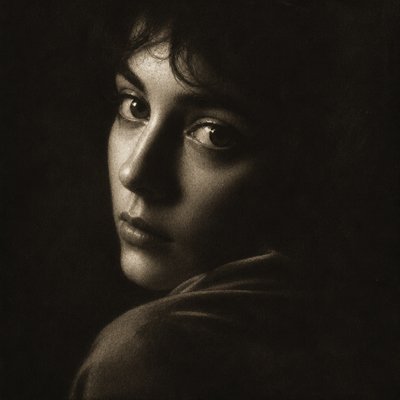
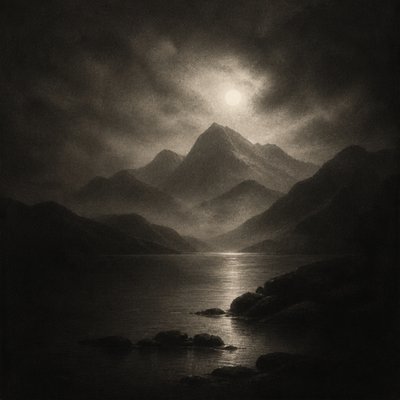
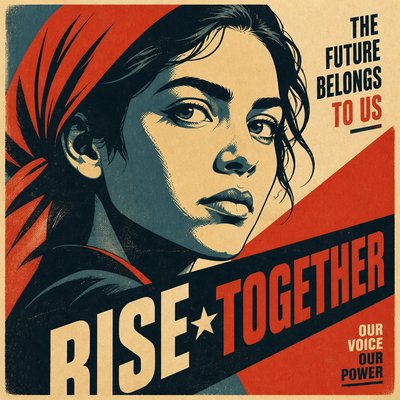
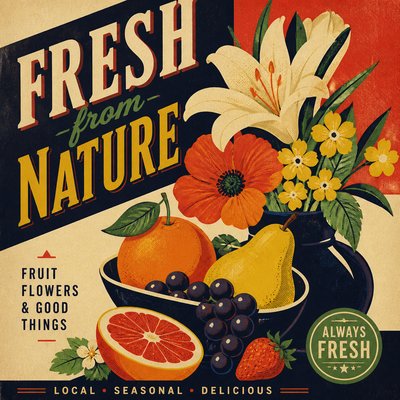
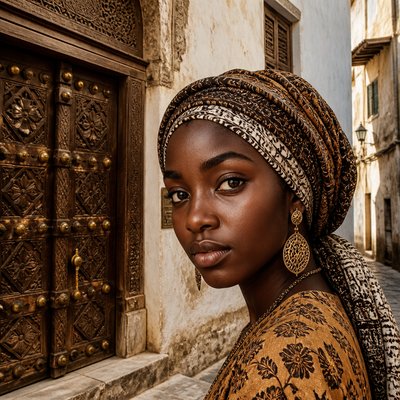
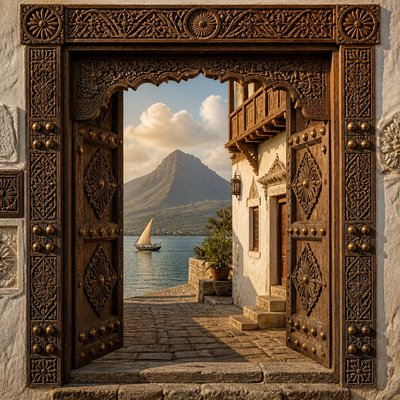
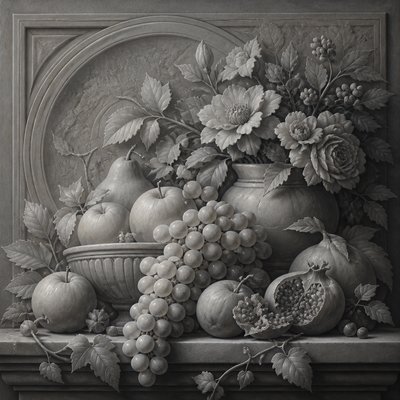
Explore Stone Lithography Print Style: greasy crayon marks, buttery tones, rich blacks, stone grain, and vintage poster character.
Instantly rendered in Stone Lithography Print — or transform a photo

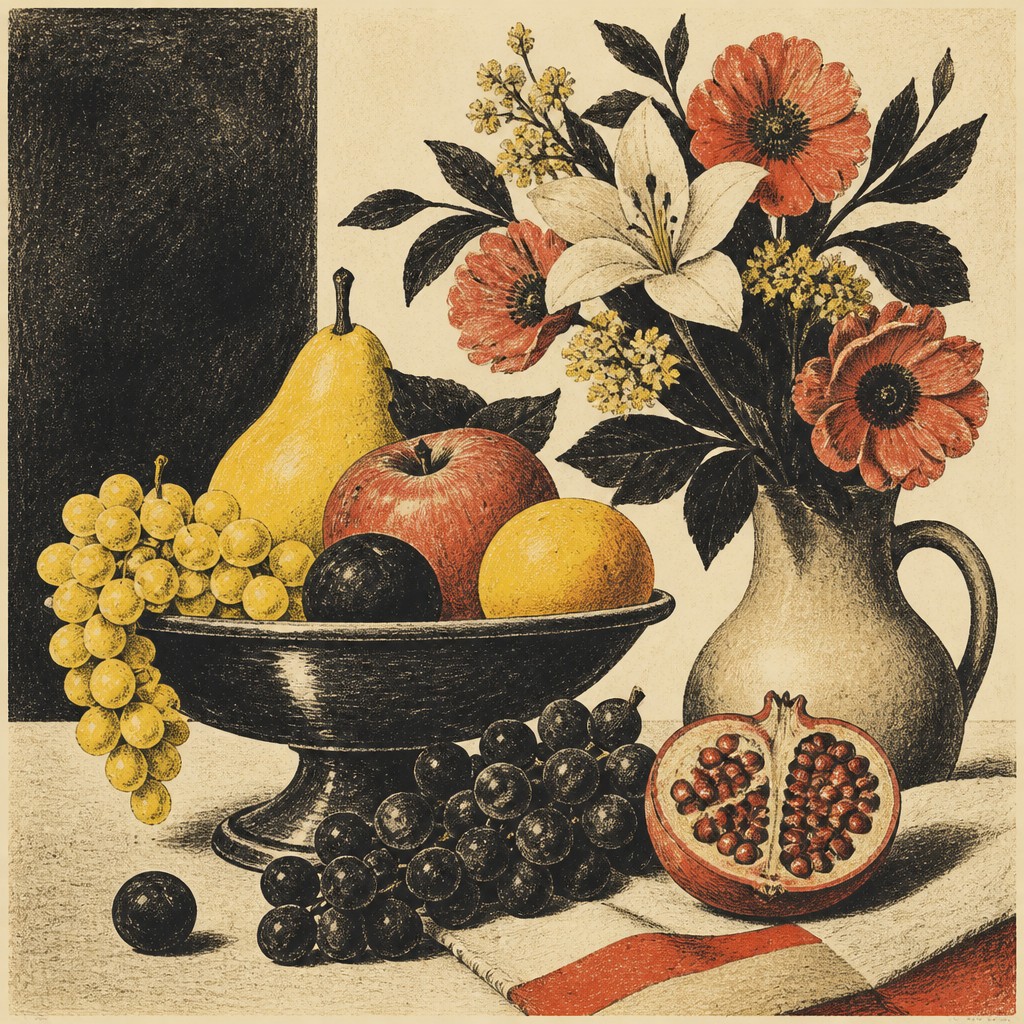
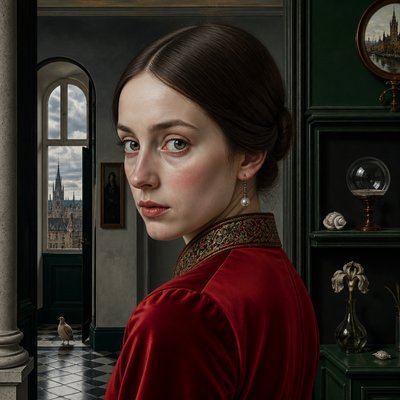
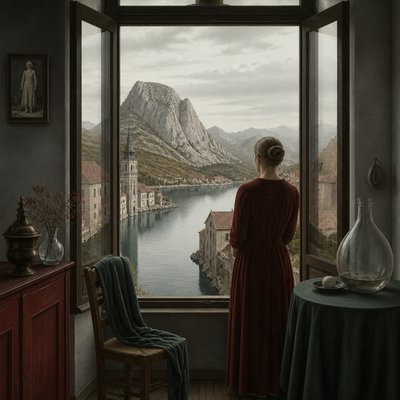
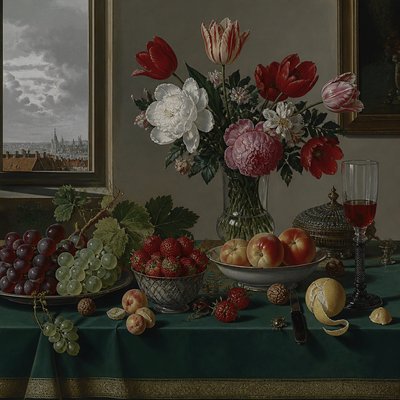
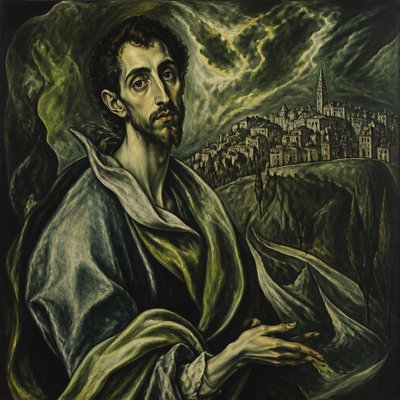
Stone Lithography Print Gallery
Tap any artwork to explore it
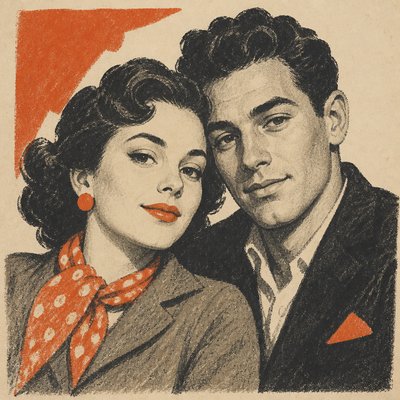
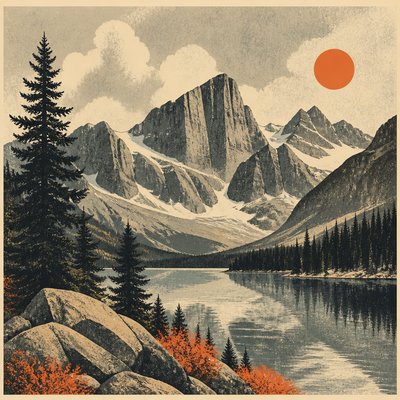
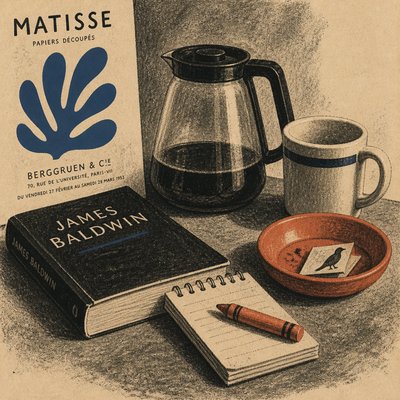
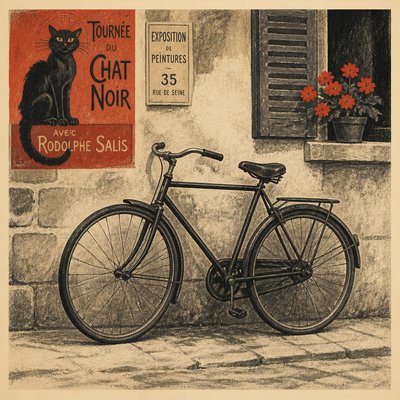
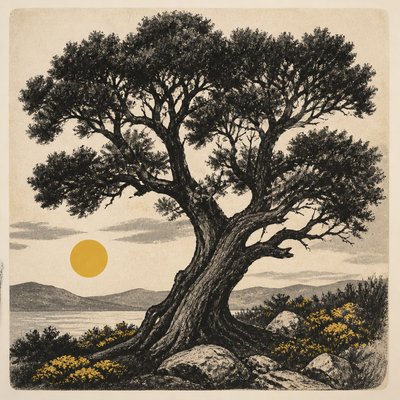
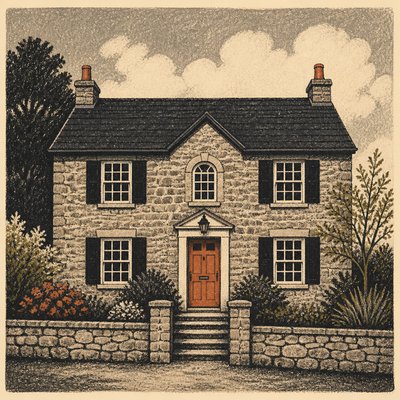
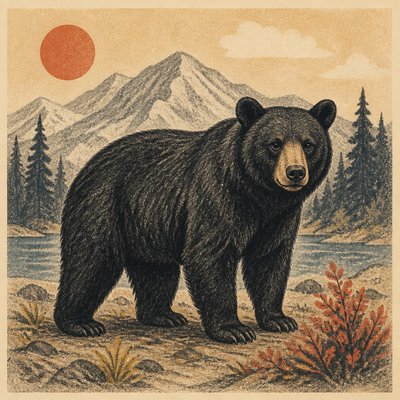
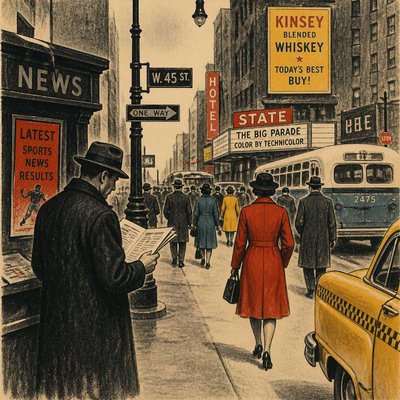
What is Stone Lithography Print Style?
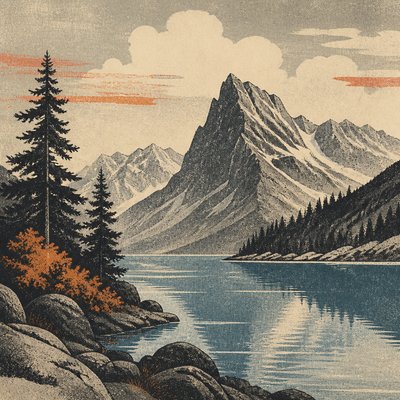
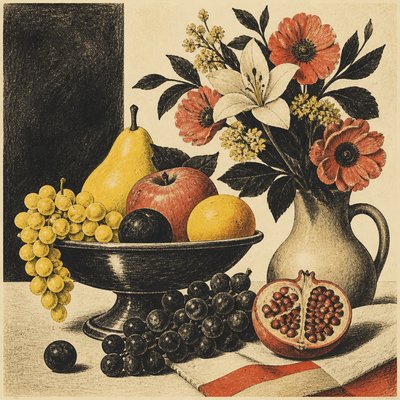
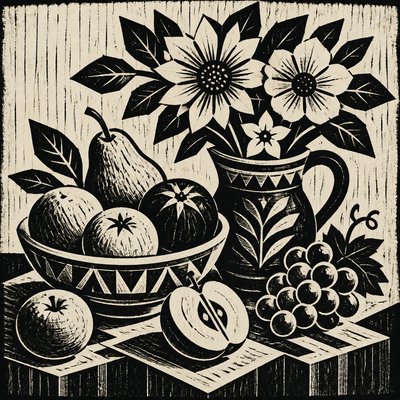
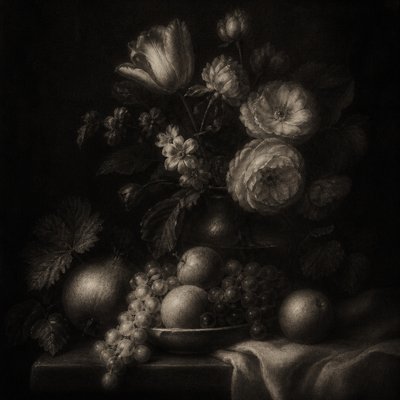
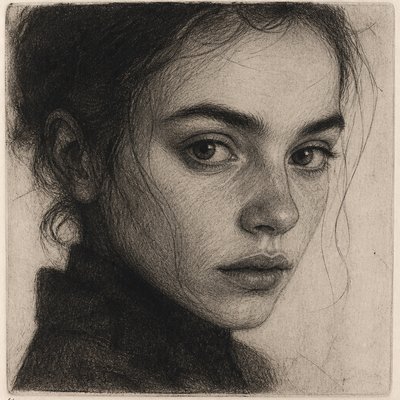
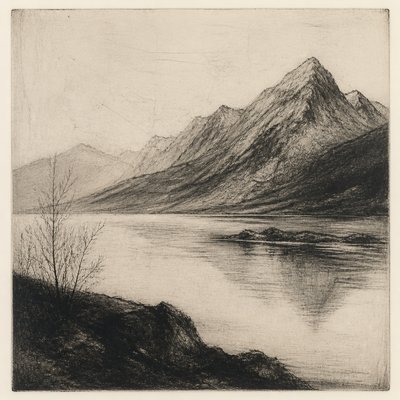
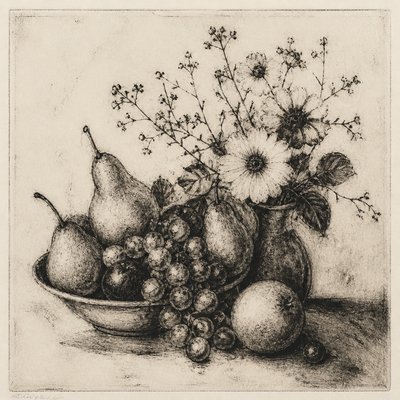
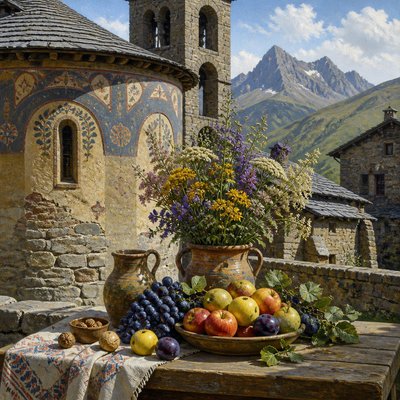
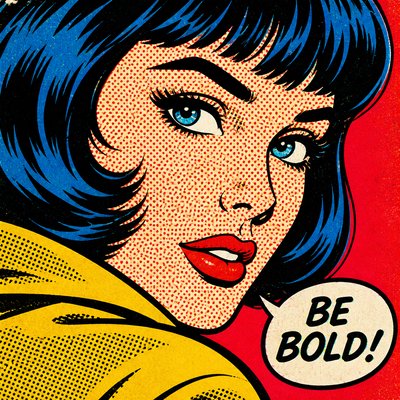
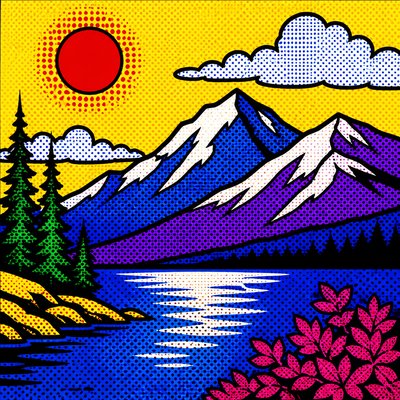
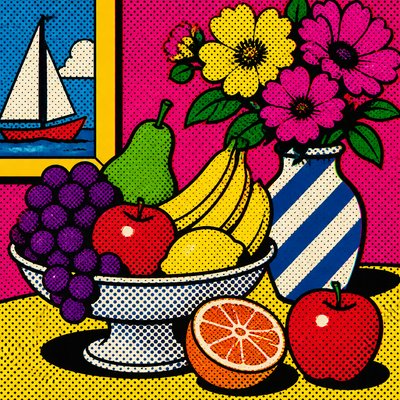
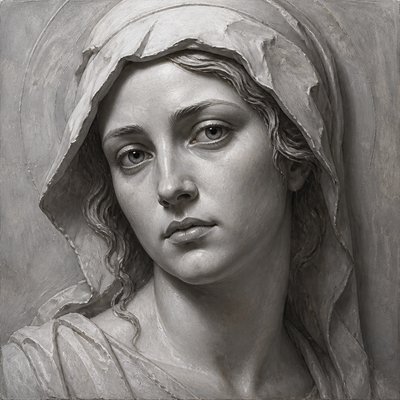
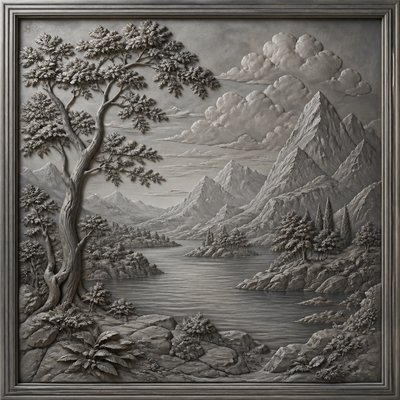
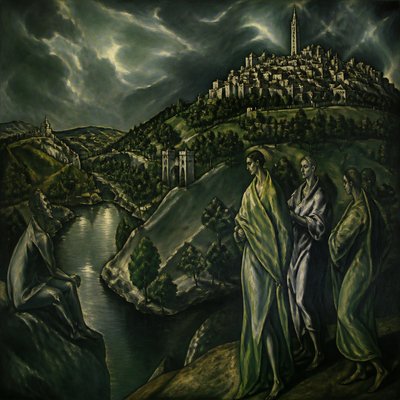
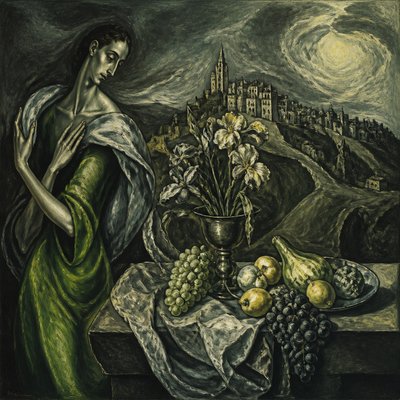
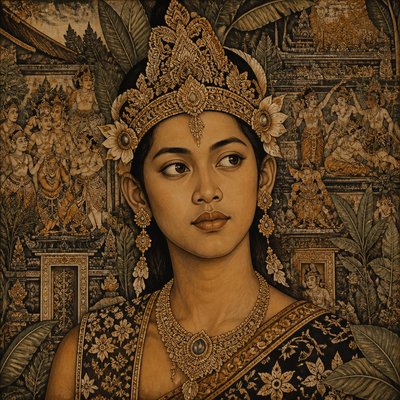
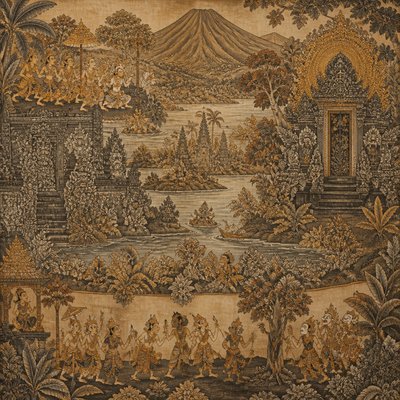
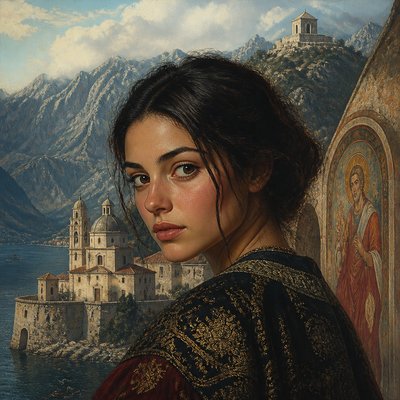
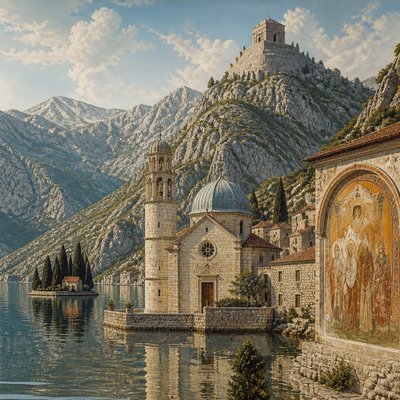
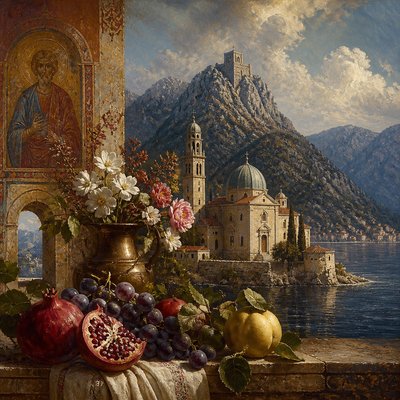
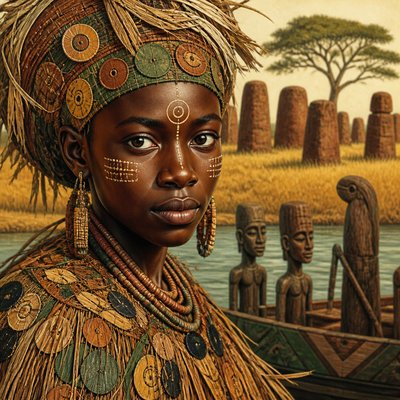
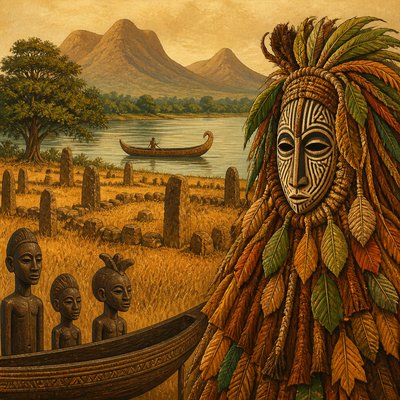
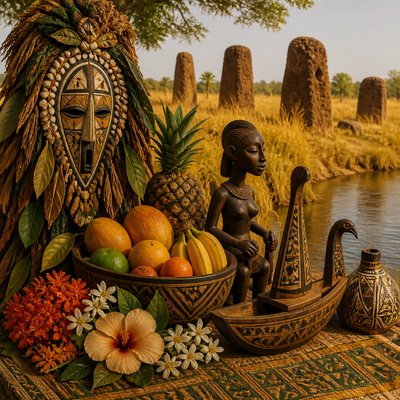
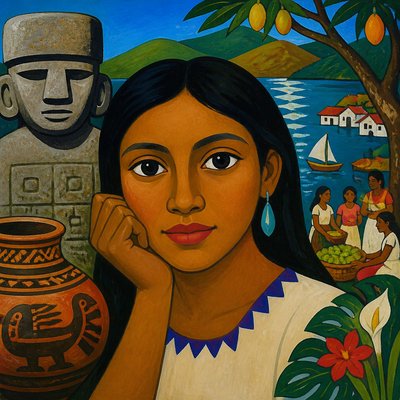
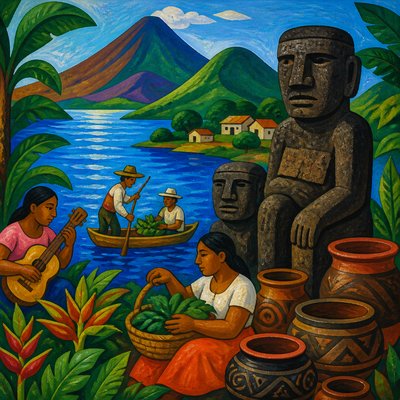
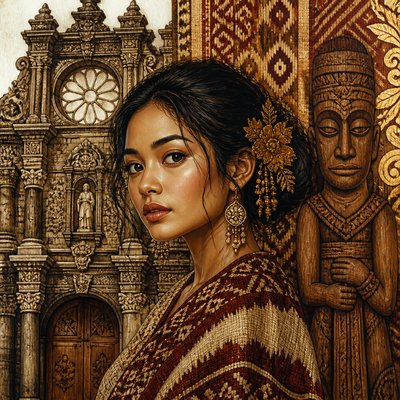
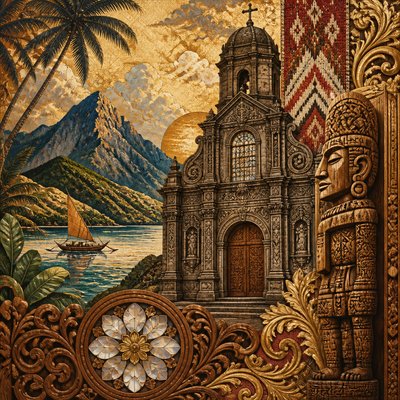
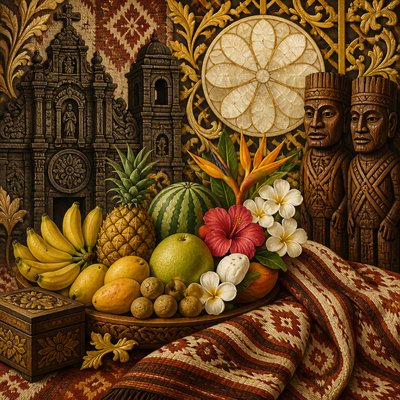
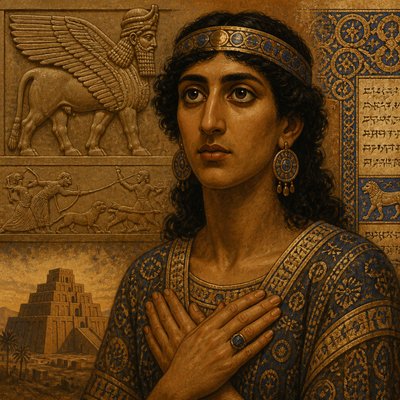
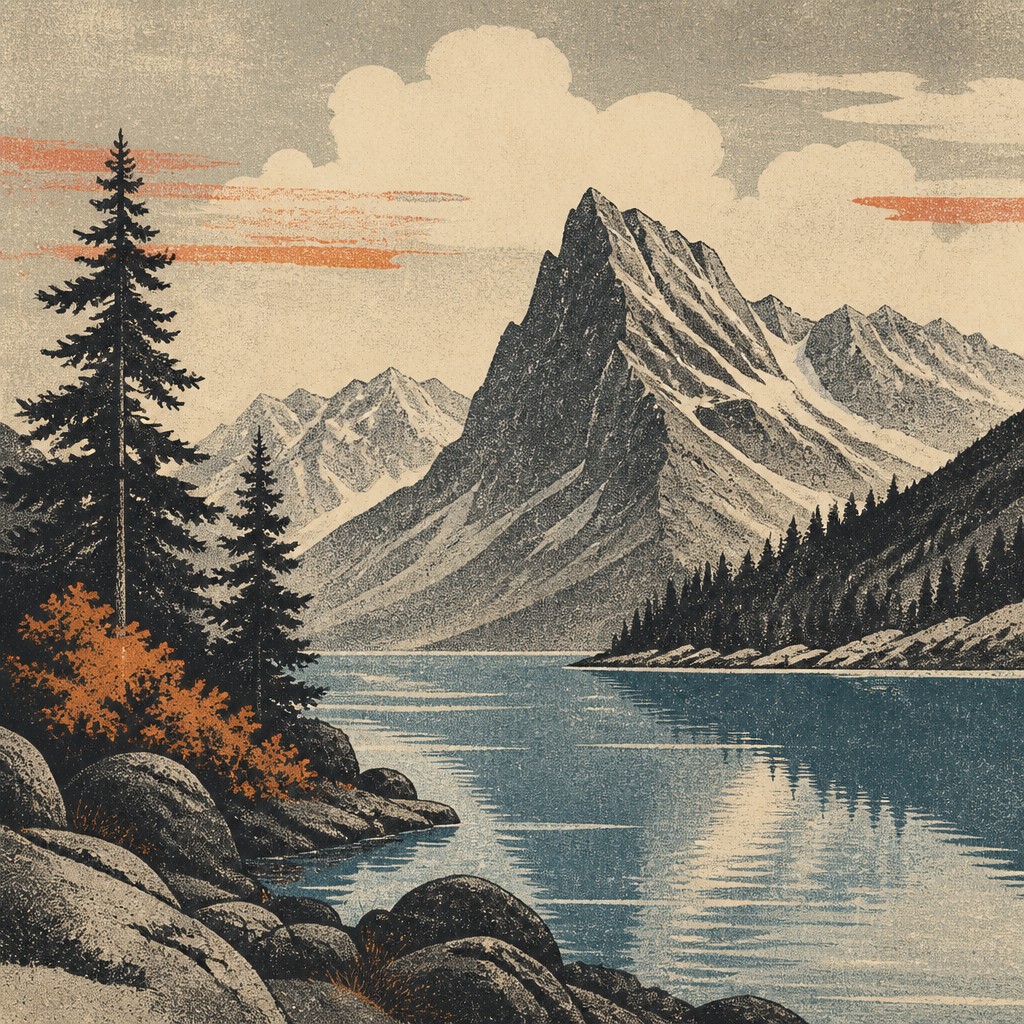
Stone Lithography Print Style is a contemporary descriptive aesthetic based on the tactile appearance of lithographic prints made with greasy crayons and ink on limestone. It combines broad, velvety tonal passages with dense matte blacks, lightly mottled stone texture, simplified contours, and restrained spot-color accents. The result feels printed rather than digitally painted: physical, slightly irregular, and strongly graphic.
Its visual identity comes from the particular way lithography translates drawing into tone. Grease-receptive marks hold ink while dampened areas resist it, allowing artists to create soft transitions, grainy shading, and expressive marks without relying on engraved lines. In stylized applications, these qualities are often paired with poster-like composition, bold silhouettes, limited colors, and a gently weathered surface.
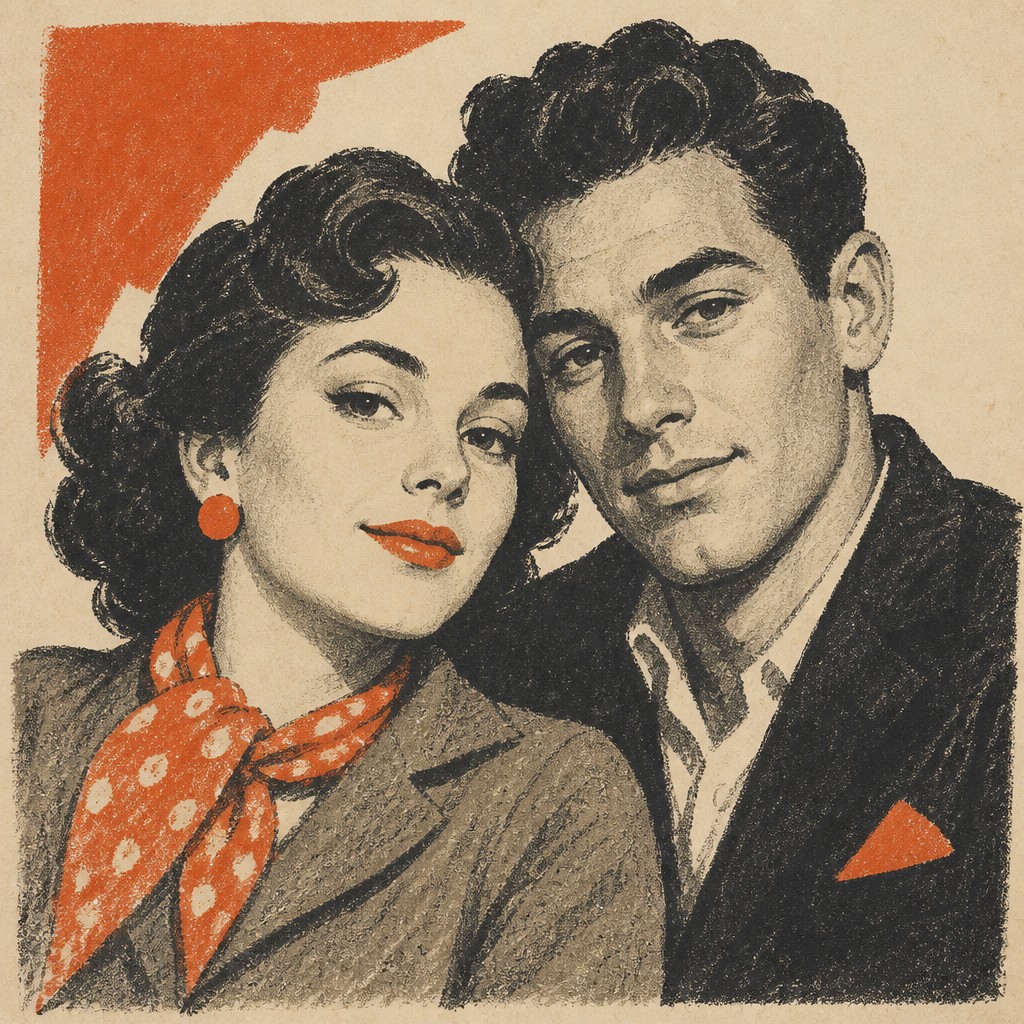
Try It On Your Photos
Upload any photo and convert it into Stone Lithography Print Style — drag the sliders to compare before and after.
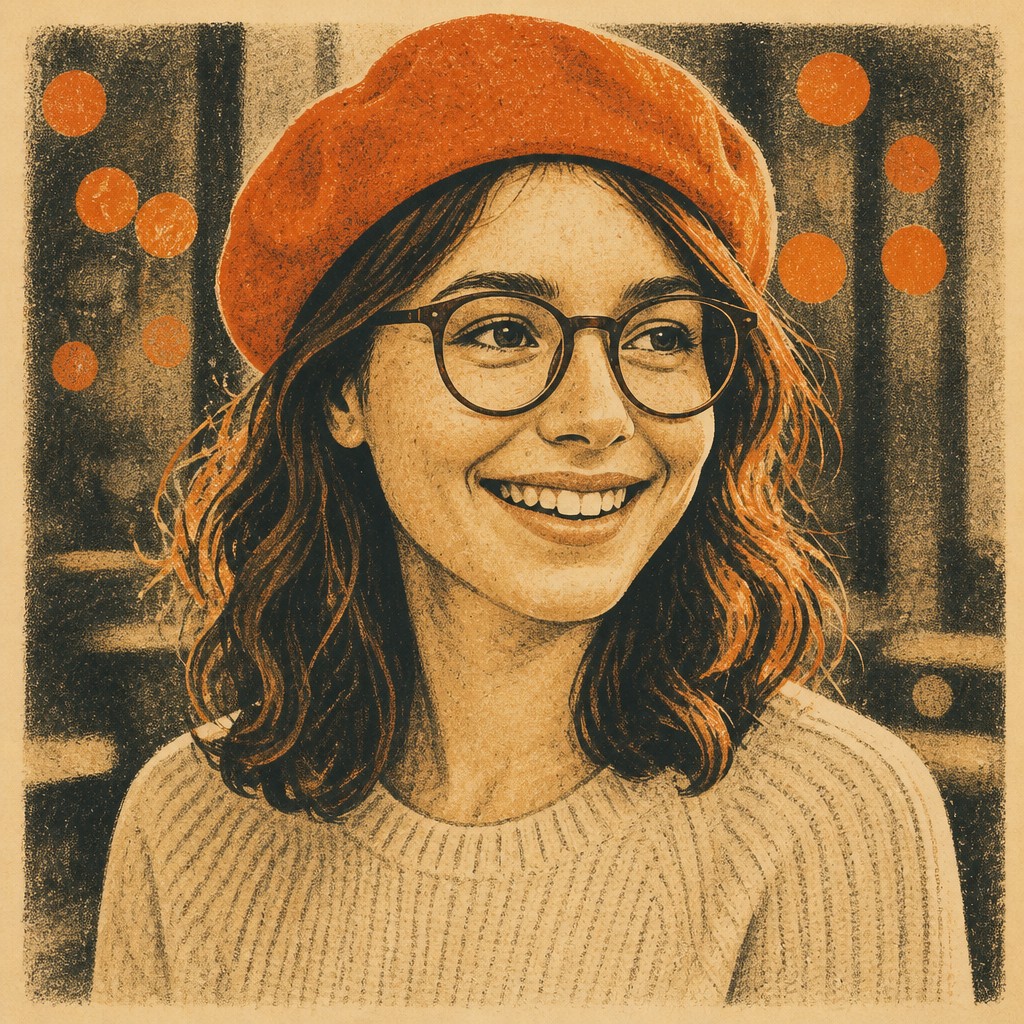

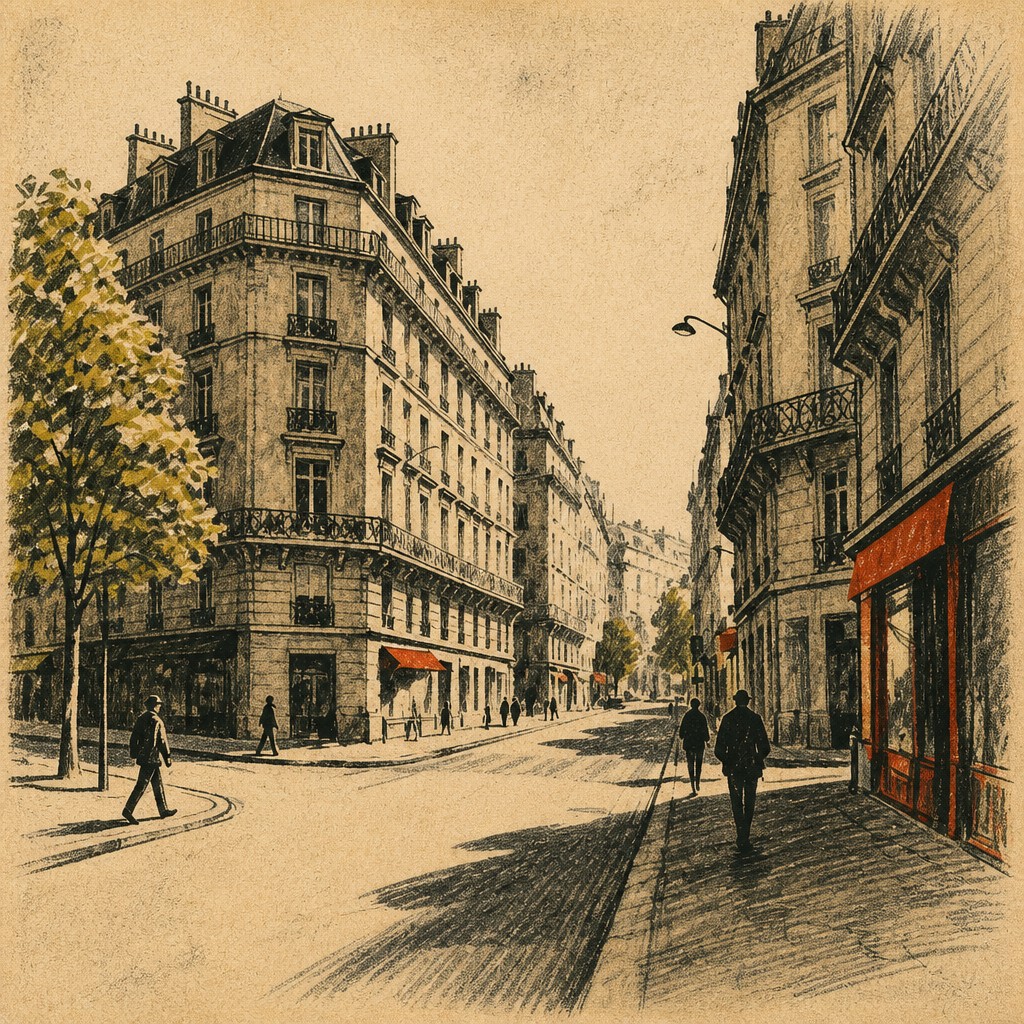

What Defines Stone Lithography Print Style
The signature details, up close
Greasy crayon texture
Visible strokes, scumbles, and rubbed marks suggest drawing with a grease-based lithographic crayon. The texture may remain legible inside shadows, contours, and midtone passages.
Buttery continuous tones
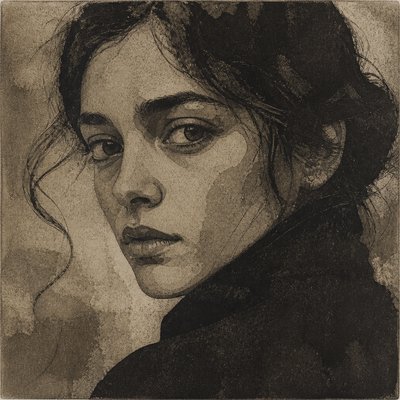
Shading moves through broad, soft gradations rather than cleanly separated digital steps. These transitions give the image a chalky, tactile, almost velvety surface.
Rich matte blacks
Deep black areas anchor the composition and create strong poster contrast. They tend to look dense and absorbent rather than glossy or airbrushed.
Subtle stone grain
Fine speckling, porous irregularity, and faint tonal noise evoke the surface of limestone and the uneven transfer of ink onto paper.
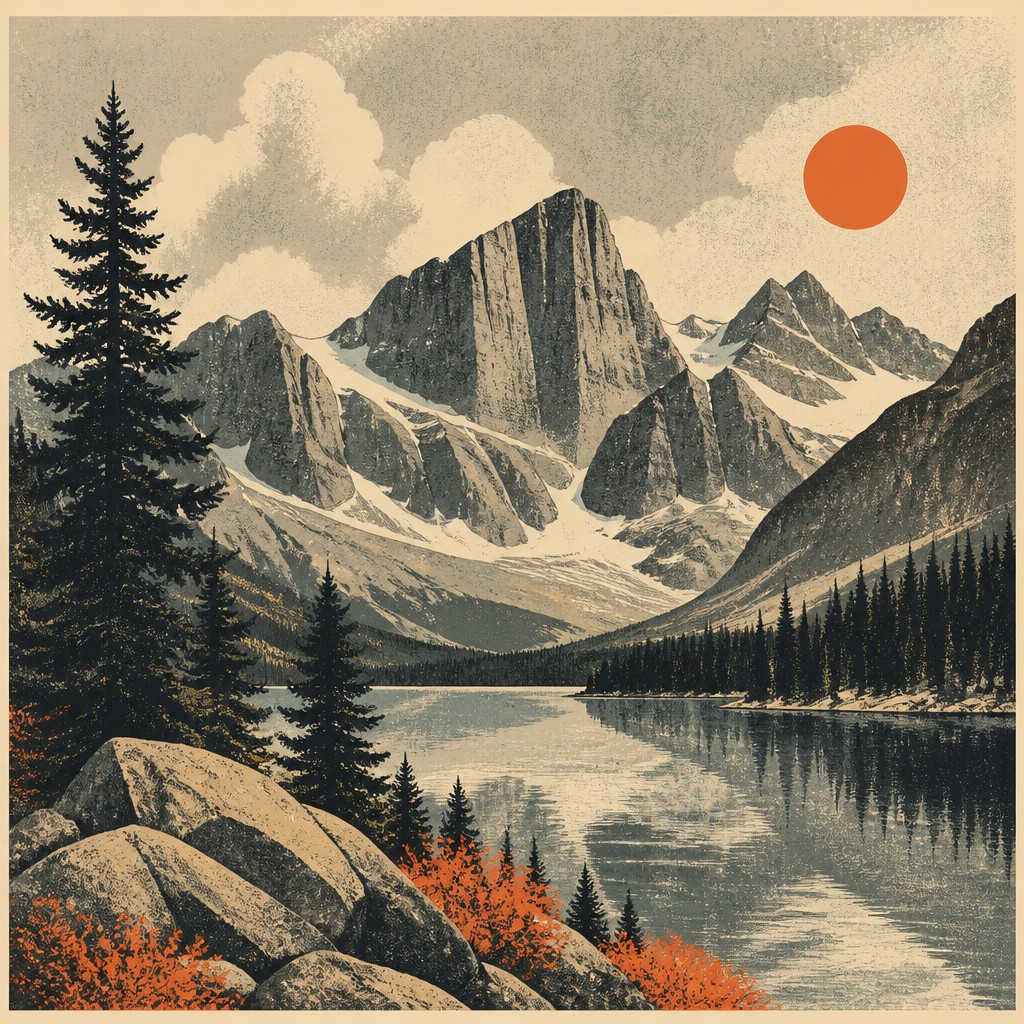
Limited spot colors
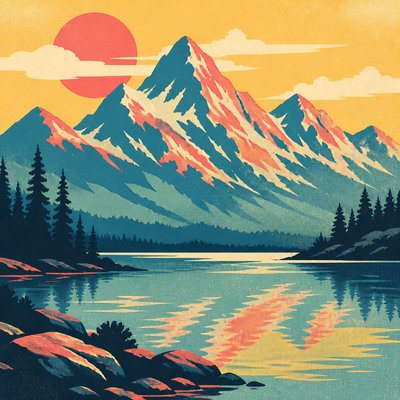
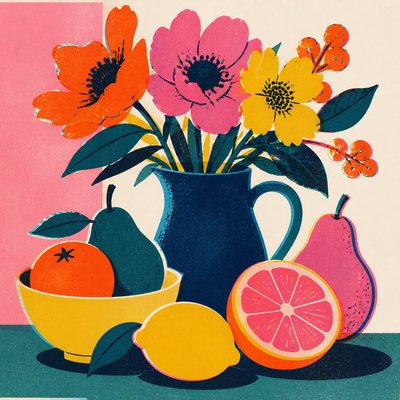
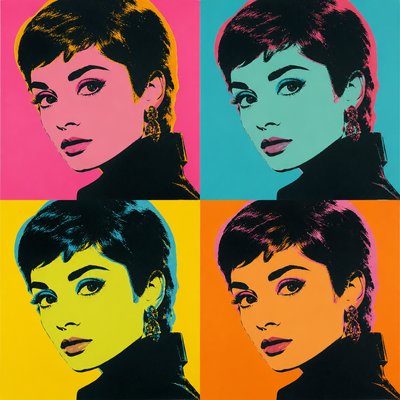
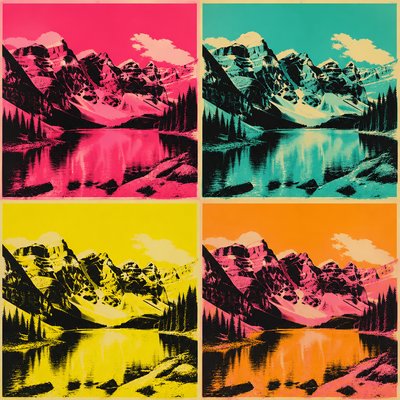
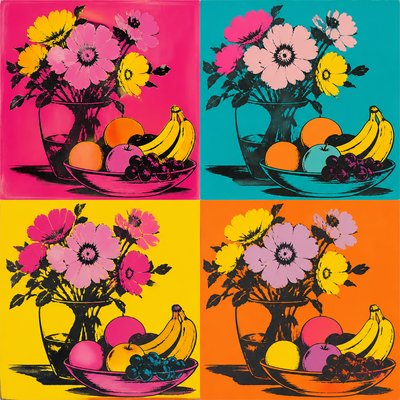
A small palette of muted or assertive accent colors is placed against black, cream, or warm paper tones. Color behaves as a printed layer rather than as fully blended digital paint.
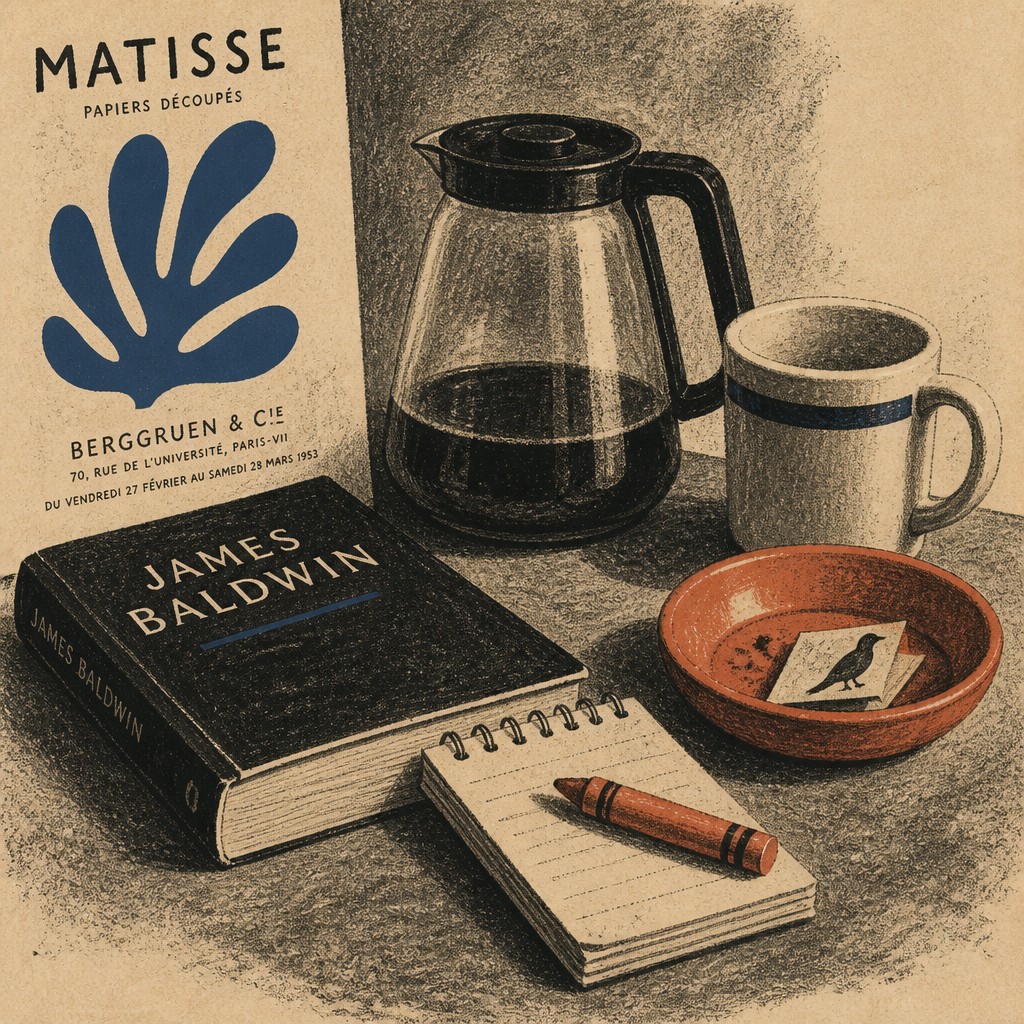
Poster-like simplification
Forms are reduced to readable silhouettes, strong masses, and clear focal arrangements. The style favors immediate visual impact without losing handmade irregularity.
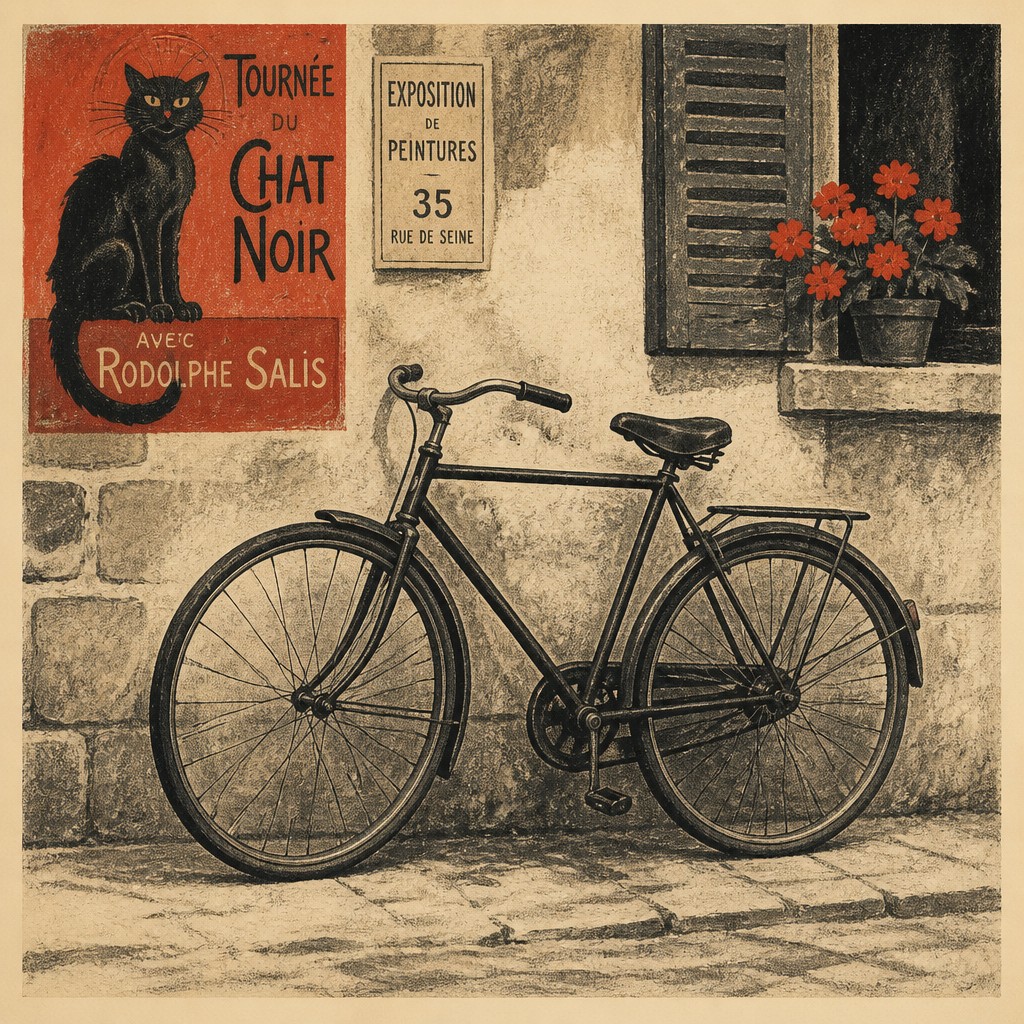
Aged printed surface
Slight ink variation, paper warmth, edge wear, and restrained misregistration can suggest an old print. These effects should remain subtle enough to preserve the underlying drawing.
Try It
Create Videos in Stone Lithography Print Style
Styles aren't just for stills — describe a scene or animate an image and get a short video rendered in Stone Lithography Print. Press play to see this pond come to life.
Make a VideoStone Lithography Print Prompt Ideas
Start from an idea — each one opens the generator with the style ready to go. See all 40 Stone Lithography Print prompts →
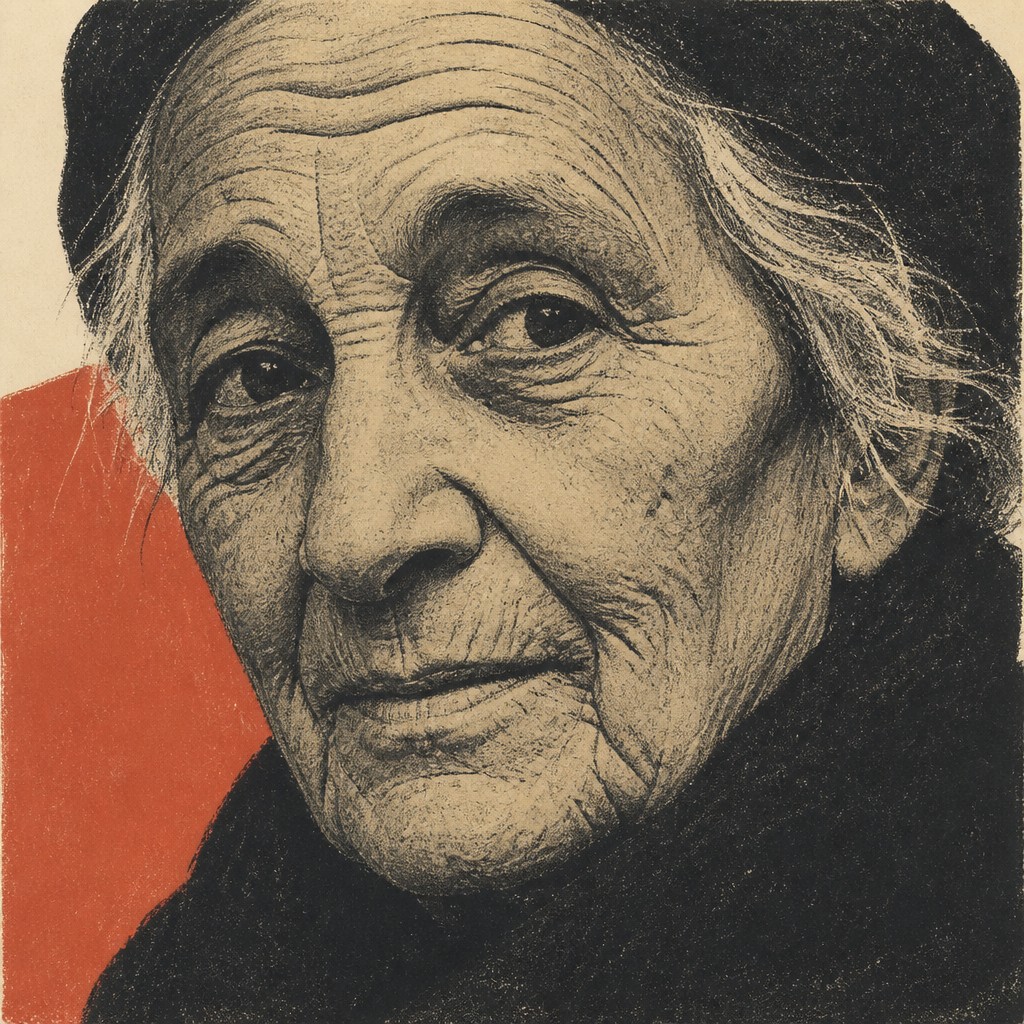
“close-up portrait of an elderly person with expressive weathered features”
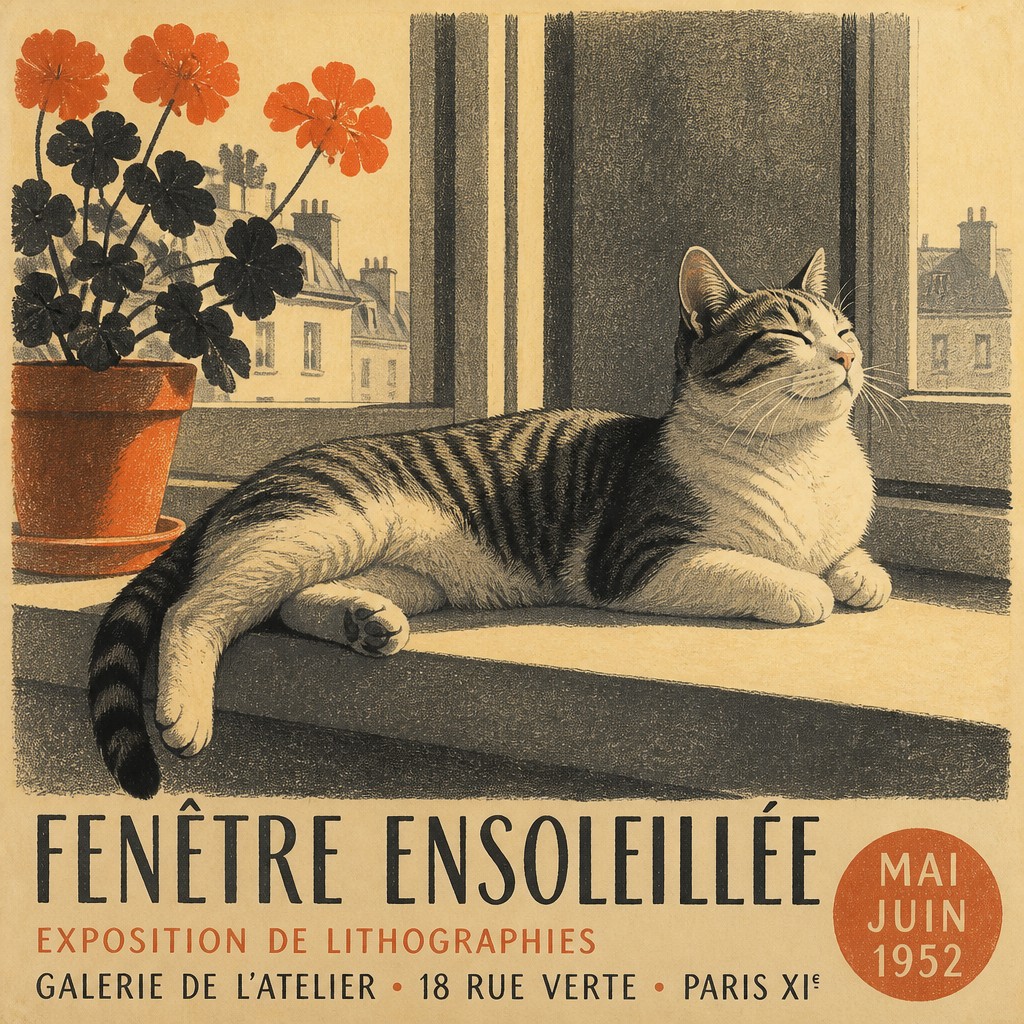
“a cat lounging in a sunlit window”
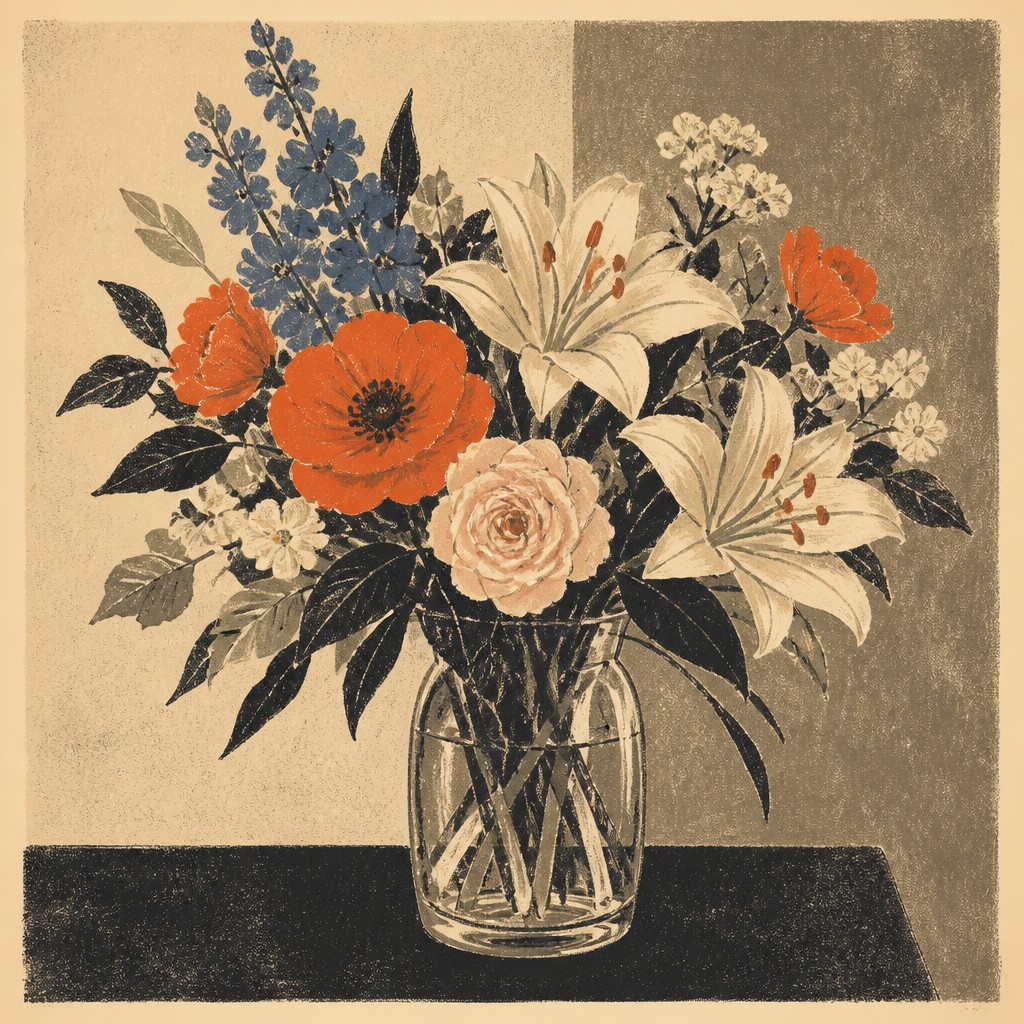
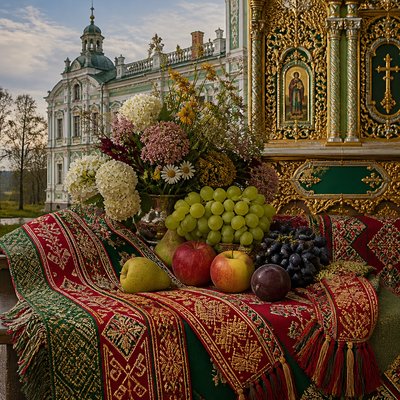
“bouquet of flowers in a glass vase”
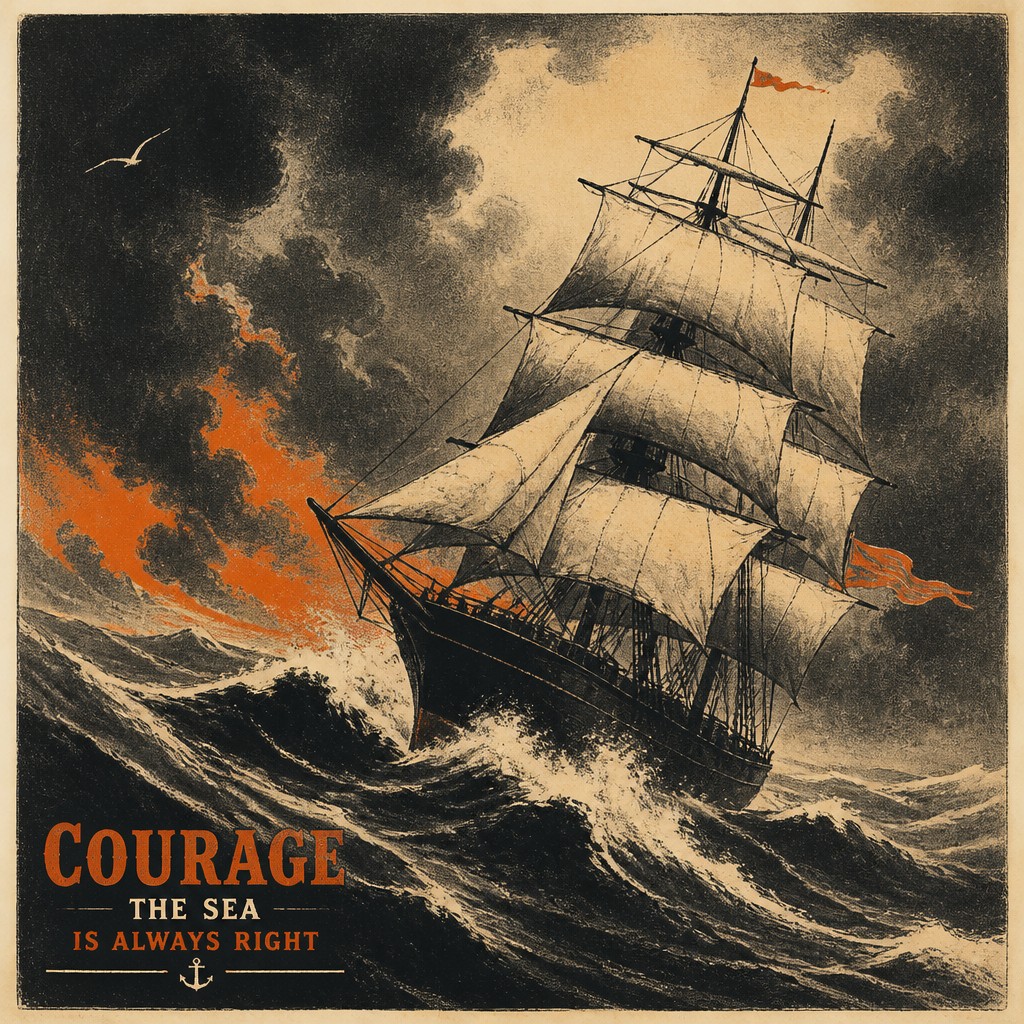
“sailing ship on a stormy sea”
How to Create Stone Lithography Print Art
Master the craft step by step — or skip straight to creating. Read the full guide →
- 1
Draw with grease-like marks
Traditionally, use lithographic crayon or tusche on prepared limestone and build tones through rubbing, dilution, and layered marks. For a non-lithographic physical approach, work with waxy black media on textured paper and scan the result.
- 2
Build tones before color
Establish a strong black-and-cream value structure first, using broad midtones and decisive dark masses. Add only a few spot colors afterward so the image retains a printed, organized appearance.
- 3
Use a limited digital palette
In digital software, work with charcoal, wax, chalk, or grain brushes and avoid perfectly smooth gradients. Apply paper texture and tonal noise through separate layers, keeping the main silhouettes crisp enough to read.
- 4
Simulate print imperfections carefully
Introduce faint speckles, uneven ink density, softened edges, and slight color misregistration rather than heavy filters. The goal is the character of a handmade print, not generic damage or excessive distressing.
- 5
Write prompts around material and structure
For prompt-based generation, specify greasy crayon marks, continuous lithographic tones, matte black masses, limestone grain, limited spot colors, warm paper, and vintage poster composition. Name the subject and lighting clearly, then request restrained texture so details do not dissolve.
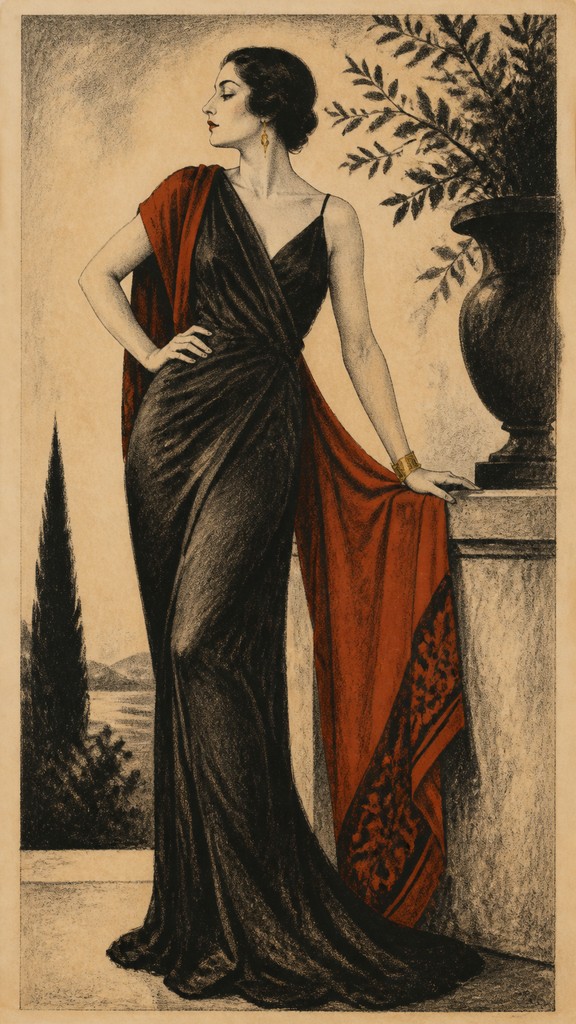
The Story
History & Origins of Stone Lithography Print
Stone lithography developed in Europe at the end of the eighteenth century as a planographic printing process based on the mutual resistance of grease and water. Artists could draw directly onto a porous limestone surface with greasy crayon, tusche, or other materials, producing continuous tones and a more flexible, painterly image than many earlier reproductive methods. During the nineteenth century, lithography became important for illustrated books, sheet music, commercial advertisements, theater posters, and color printing.
The named style is best understood as a modern aesthetic synthesis rather than a formally recognized historical movement. It draws selectively from crayon lithography, nineteenth-century poster lithography, chromolithographic color separation, and the worn surfaces of vintage printed ephemera, while adapting those qualities for contemporary illustration and digital image-making.
Influences: The style is closely related to crayon lithography, commercial and theatrical poster lithography, chromolithographic printmaking, editorial illustration, and the reduced color structures of vintage graphic design. It also shares qualities with charcoal drawing, monotype surfaces, screen printing, and early twentieth-century printed ephemera, while its bold silhouettes can overlap with modernist poster composition and contemporary risograph-inspired illustration.

Frequently Asked Questions
What defines Stone Lithography Print Style?
It is defined by greasy crayon-like marks, soft continuous tones, dense matte blacks, subtle limestone or paper grain, and a limited printed color palette. Strong silhouettes and poster-oriented composition are usually as important as the surface texture.
Is this an actual historical art movement?
No. The label is a contemporary descriptive style rather than the name of a distinct historical movement. It refers to a visual synthesis inspired by the techniques and appearance of stone lithography, especially crayon lithography and vintage poster printing.
How does it differ from engraving or woodcut?
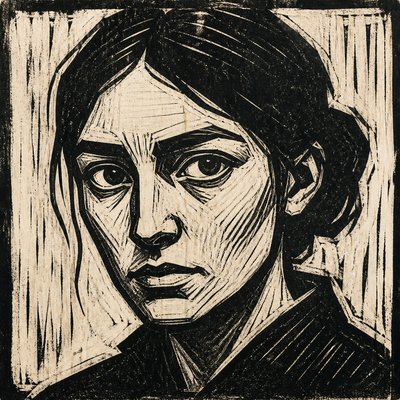
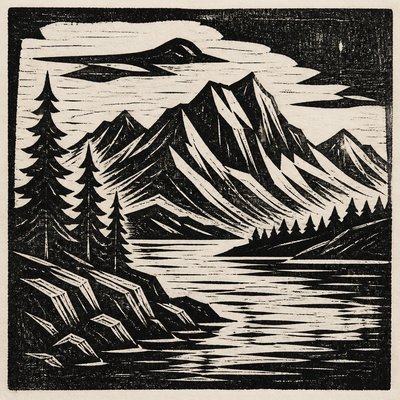
Engraving generally emphasizes incised lines and controlled hatching, while woodcut relies on carved relief shapes and often sharper graphic contrasts. Stone lithography can produce softer, more painterly continuous tones and visibly rubbed or grainy crayon marks.
Can photographs be transformed into this look?
Yes, but photographs usually need strong simplification first. Reduce the image to clear value masses, preserve a few important contours, apply a limited spot-color palette, and add restrained crayon and paper texture so the result resembles a print rather than a filtered photograph.
What subjects work well with this style?
Posters, landscapes, plants, animals, travel scenes, still lifes, architecture, and portraits all work well. Subjects with clear silhouettes and bold light-dark organization are especially effective because the style depends on readable printed shapes.
How can I avoid making the image look like generic grunge?
Keep the grain fine and connected to the drawing or paper rather than covering every area with random scratches. Prioritize lithographic tonal transitions, greasy mark-making, limited colors, and intentional composition; use aging effects only as a supporting detail.

Create your first Stone Lithography Print artwork
Describe anything — or upload a photo — and see it in Stone Lithography Print Style in seconds.
Related Styles
Discover similar art styles