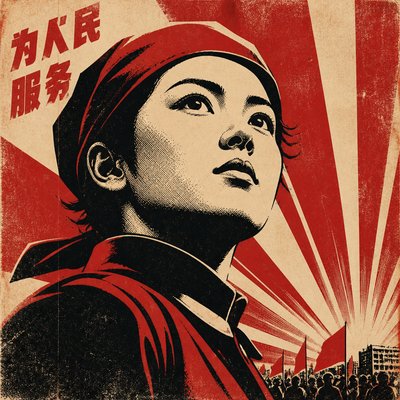
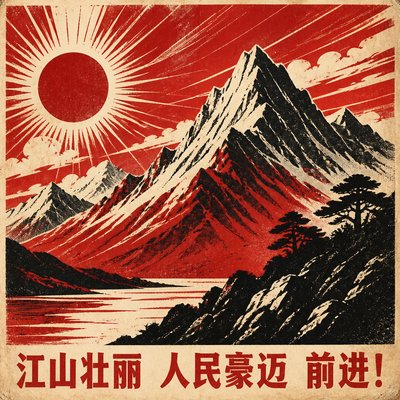
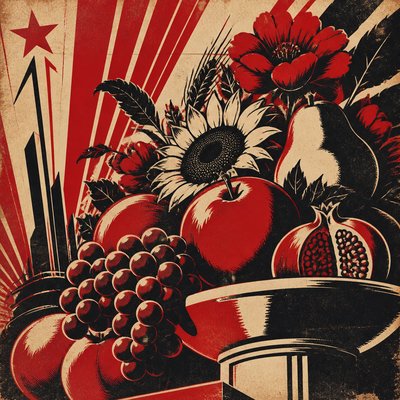
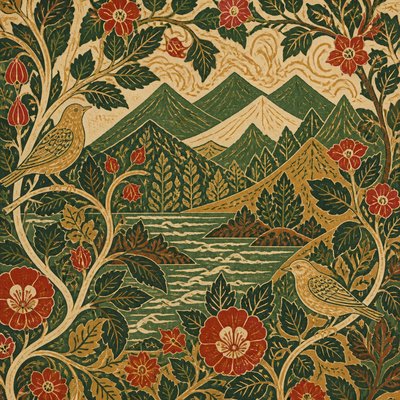
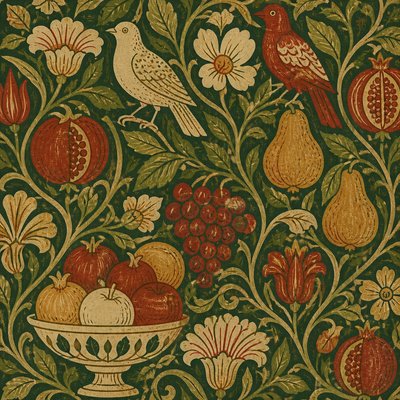
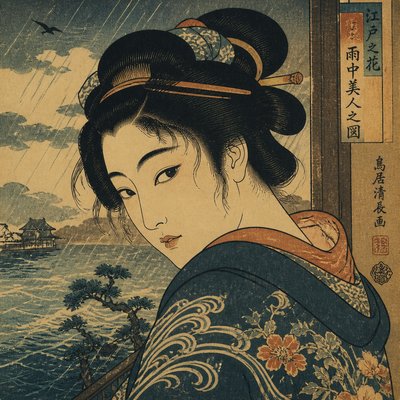
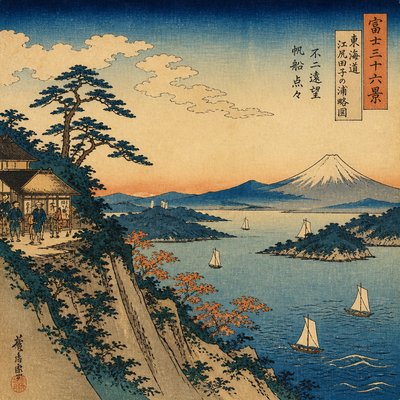
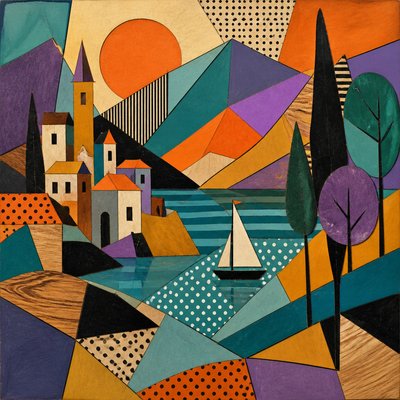
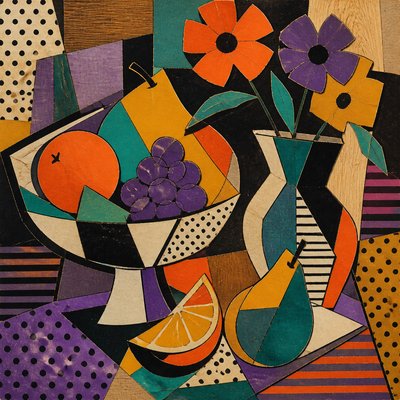
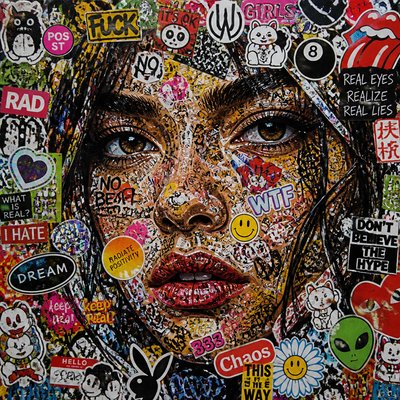
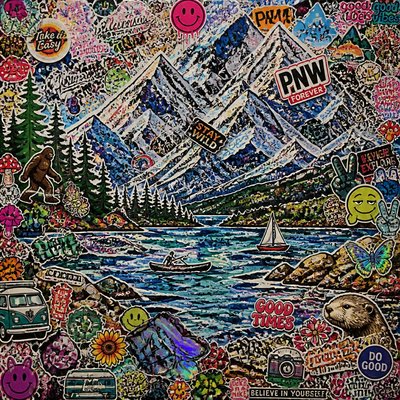
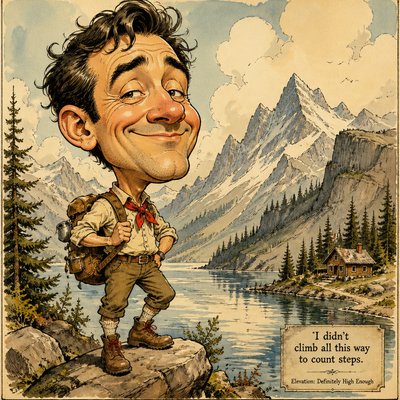
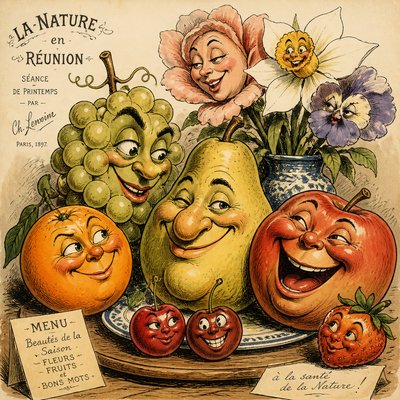
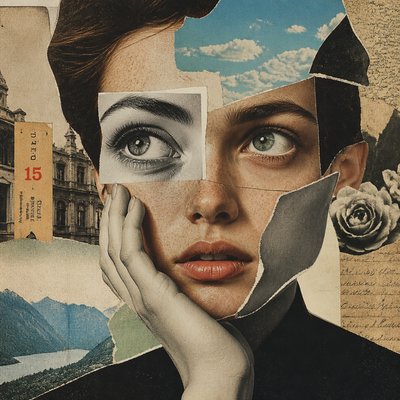
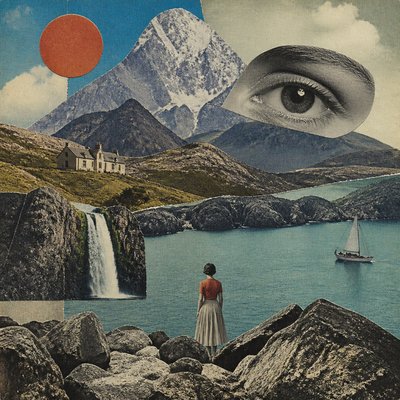
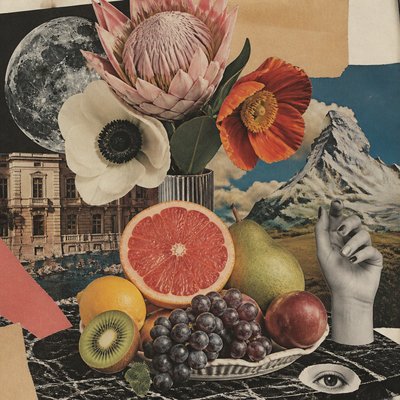
Woodcut Print Style
Explore woodcut print style: carved black lines, grainy ink, stark contrast, and handmade relief-print character for bold images.
Instantly rendered in Woodcut Print — or transform a photo
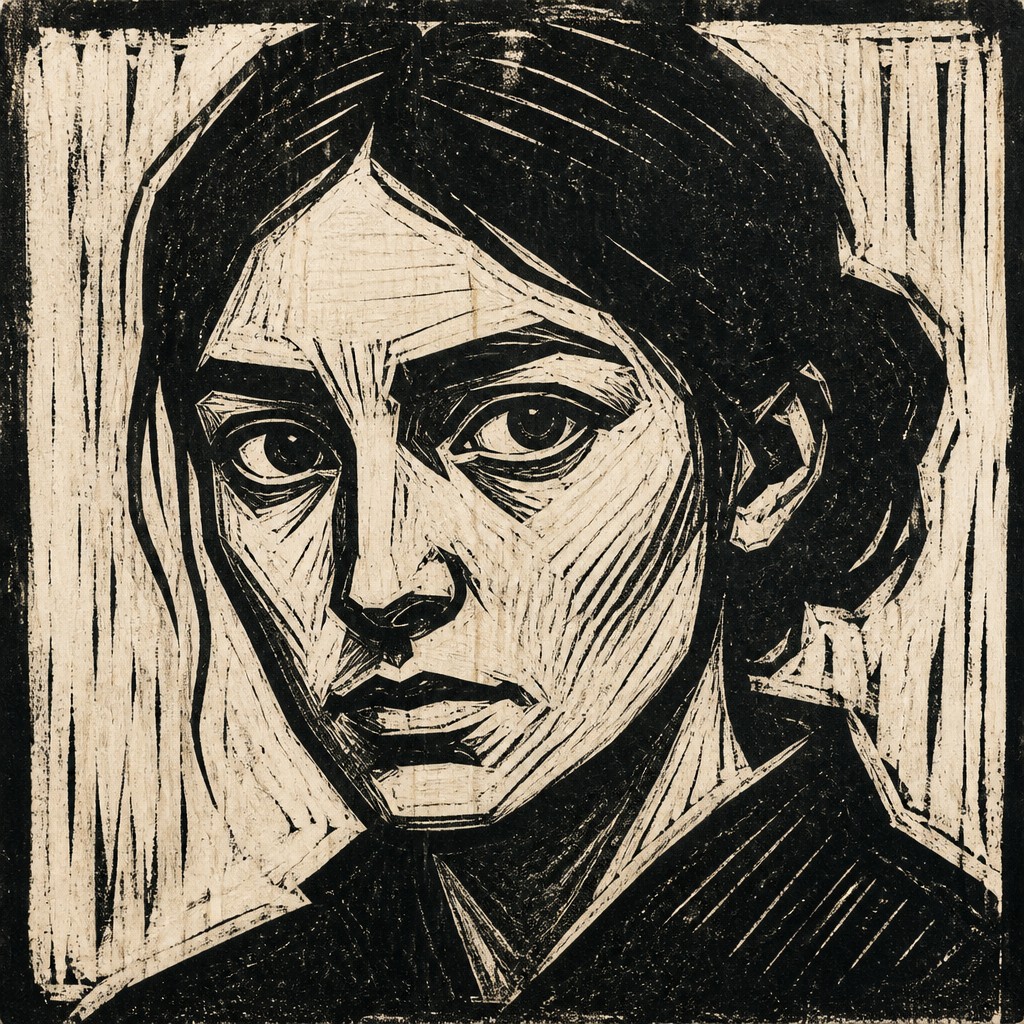
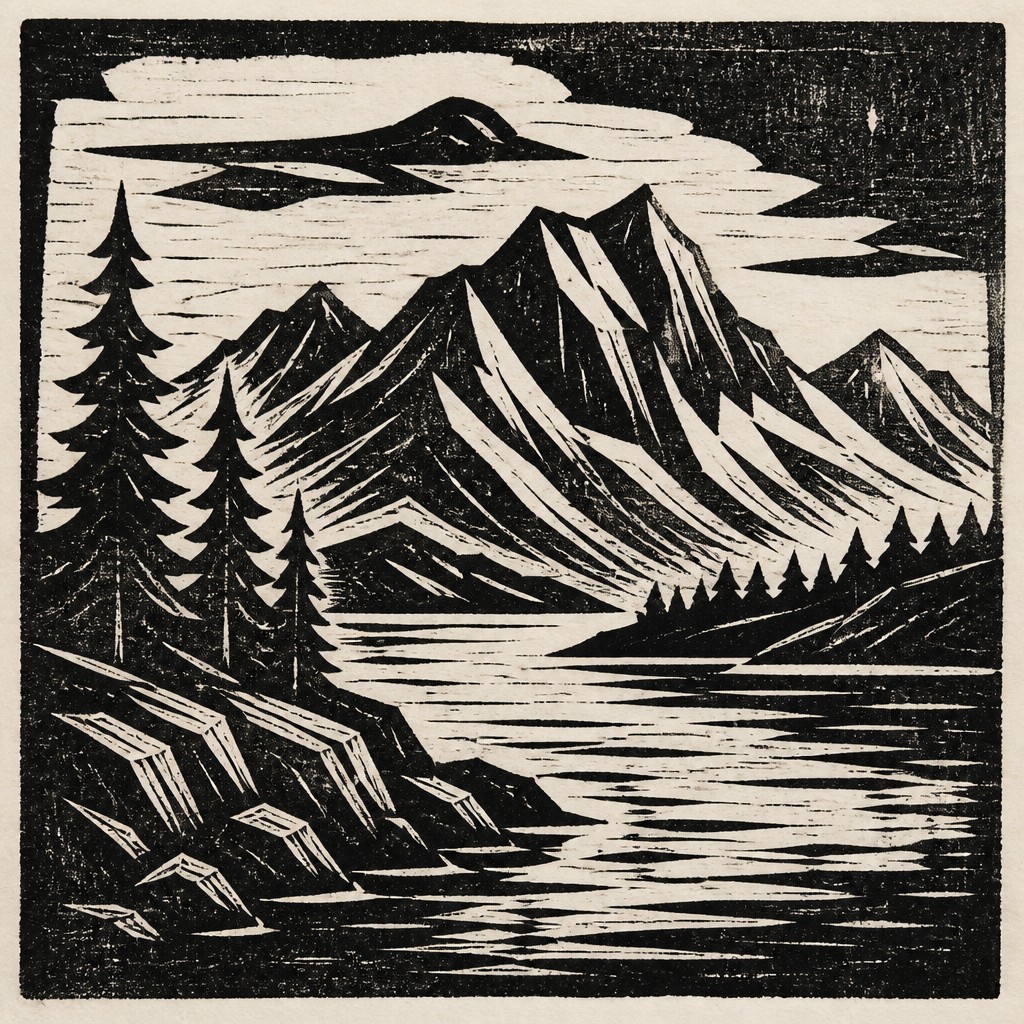
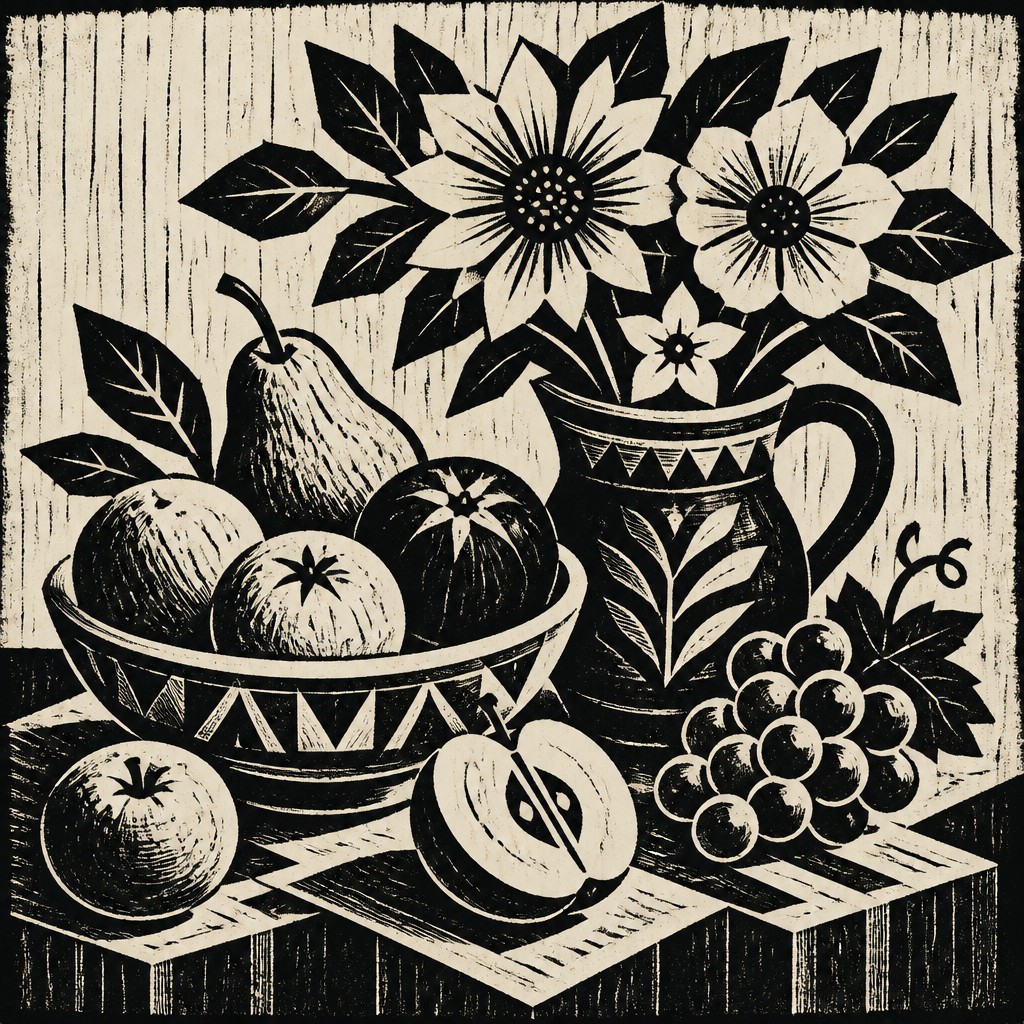
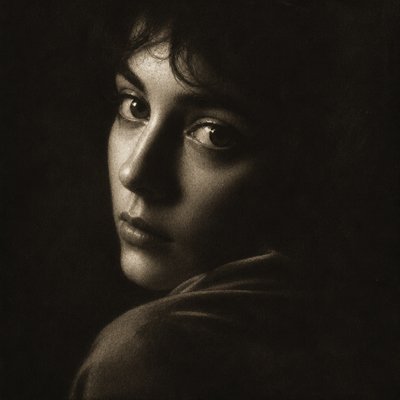
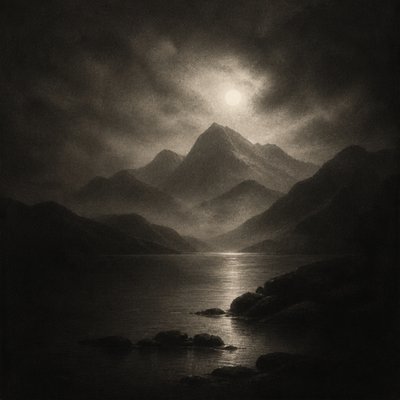
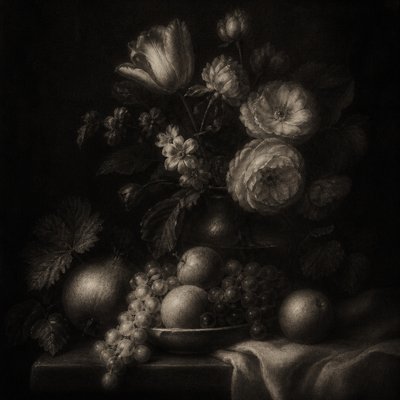
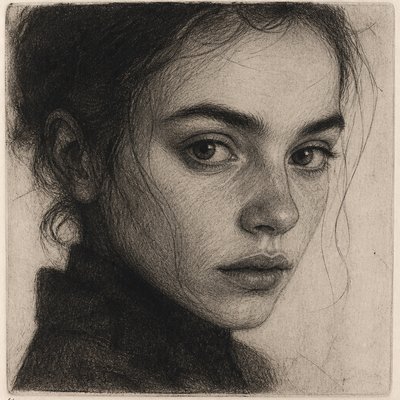
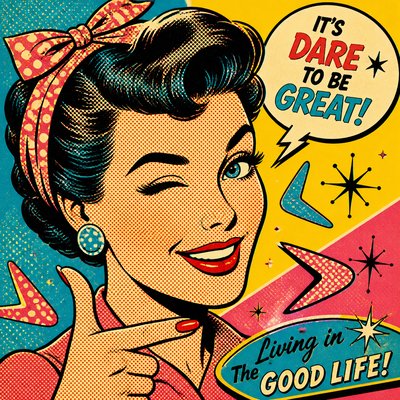
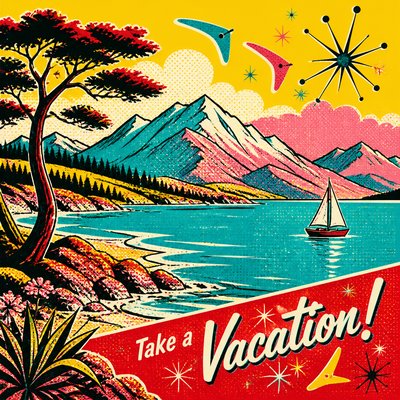
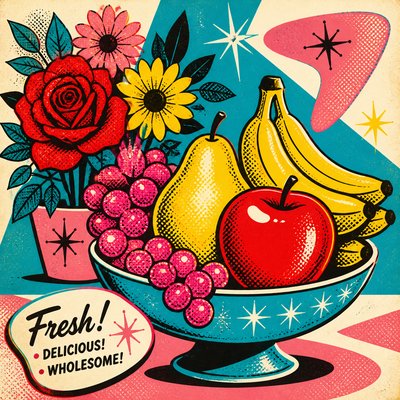
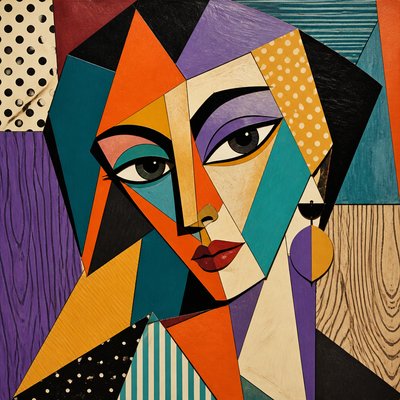
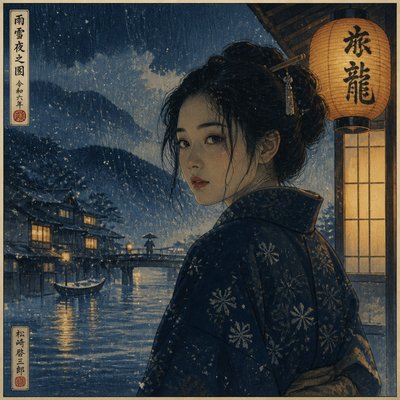
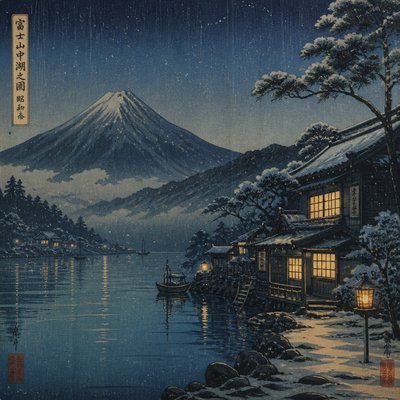
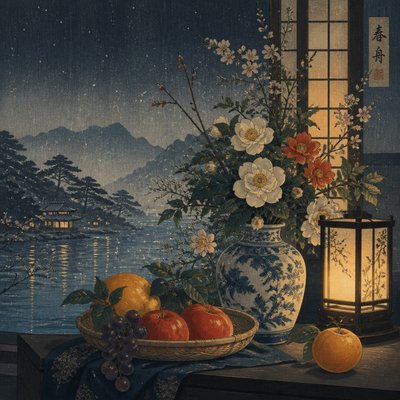
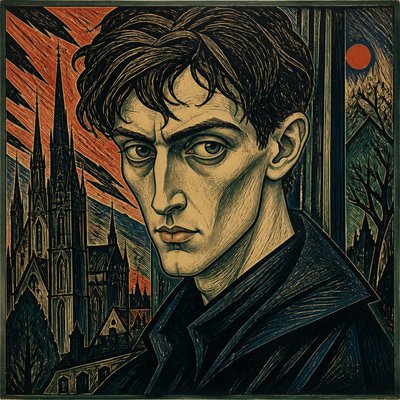
Woodcut Print Gallery
Tap any artwork to explore it
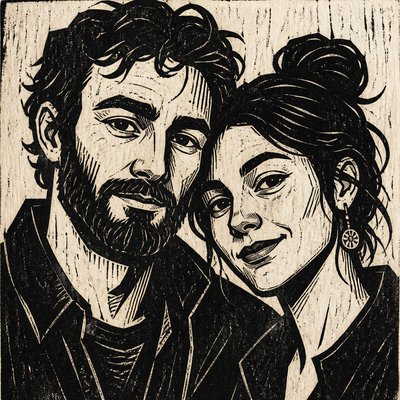
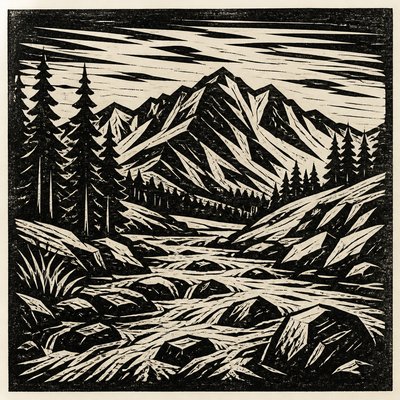
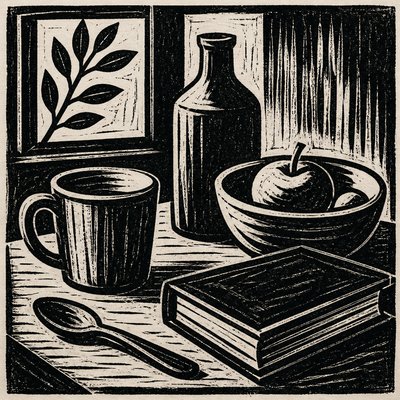
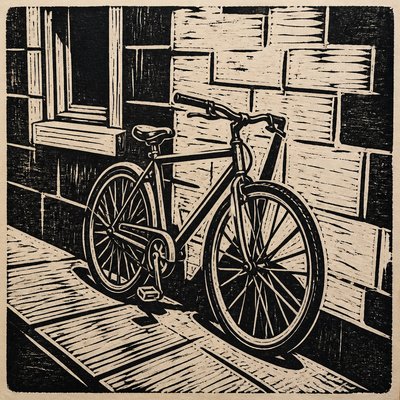
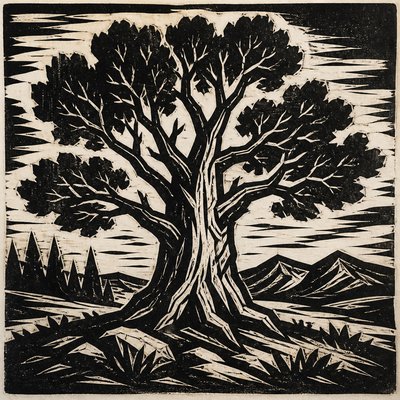
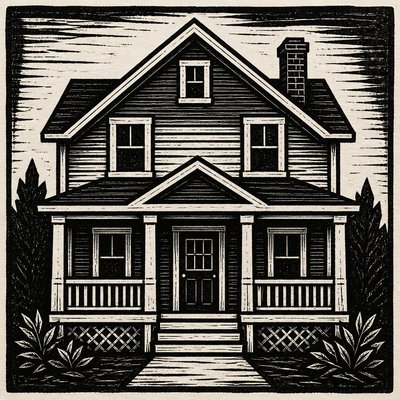
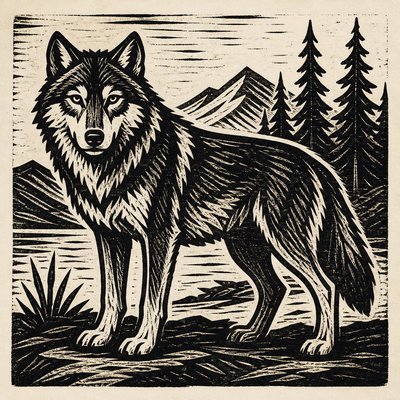
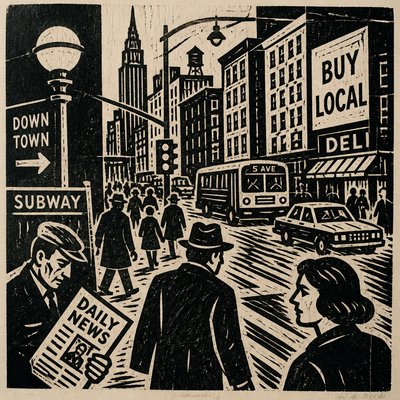
What is Woodcut Print Style?
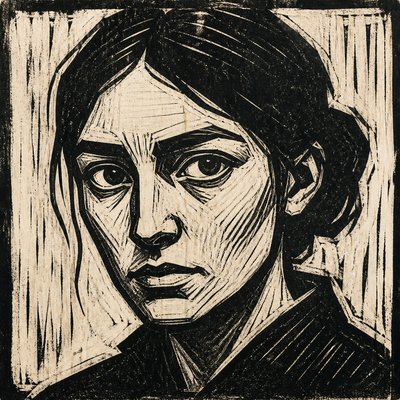
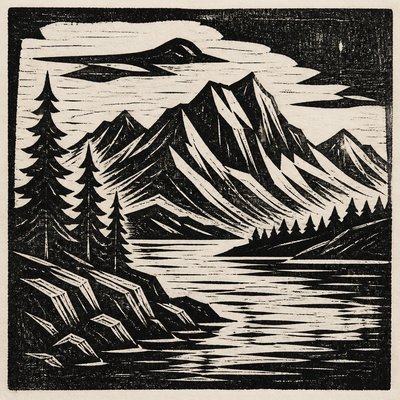
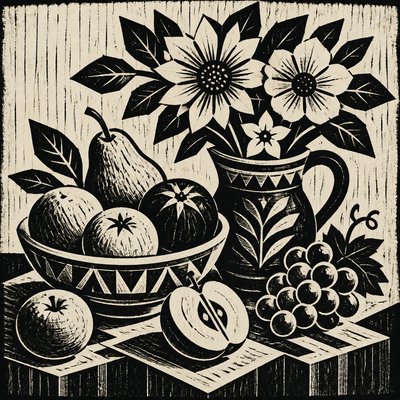
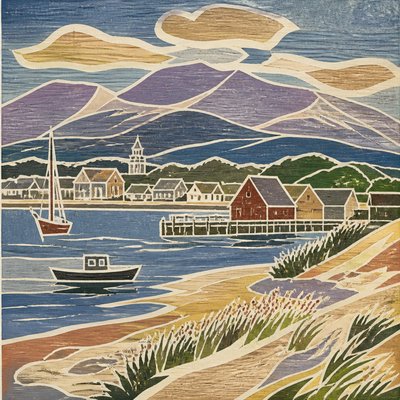
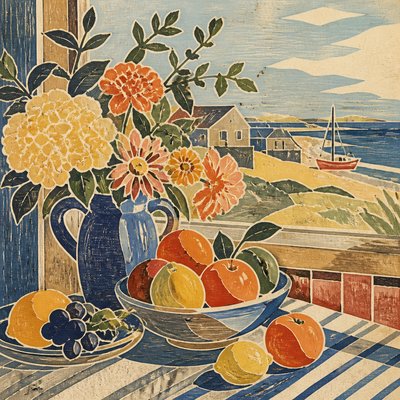
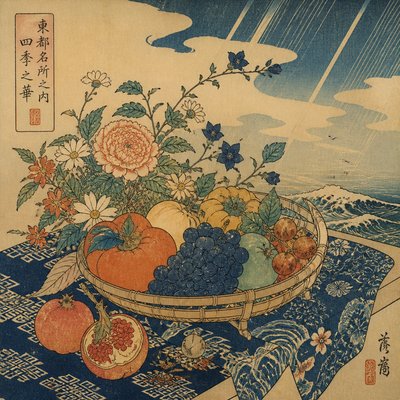
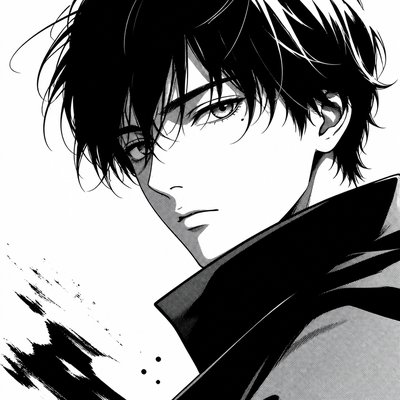
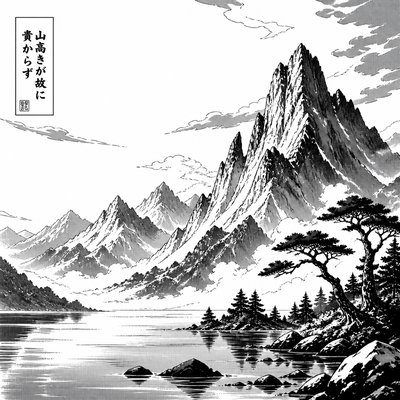
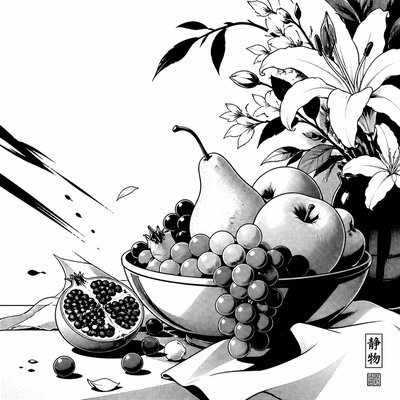
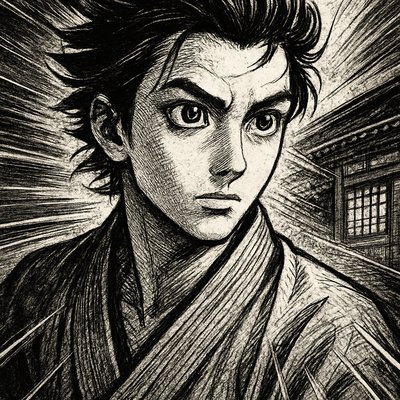
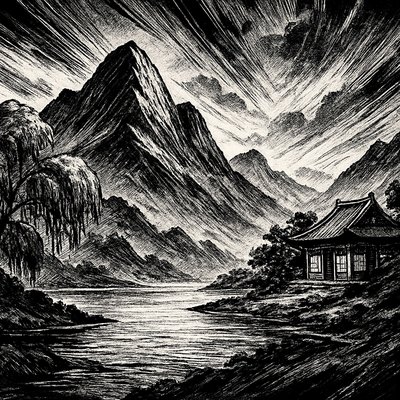
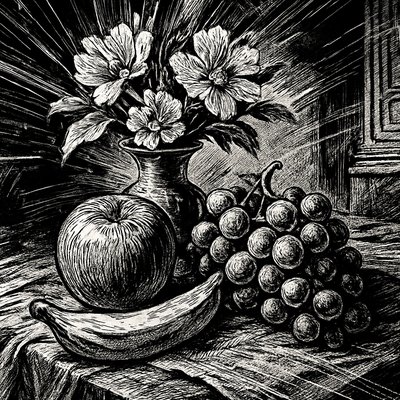
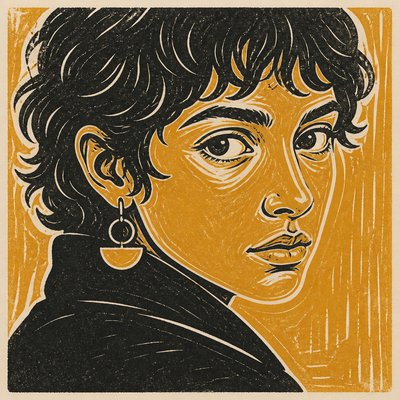
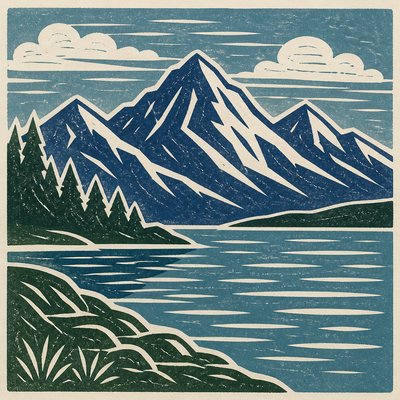
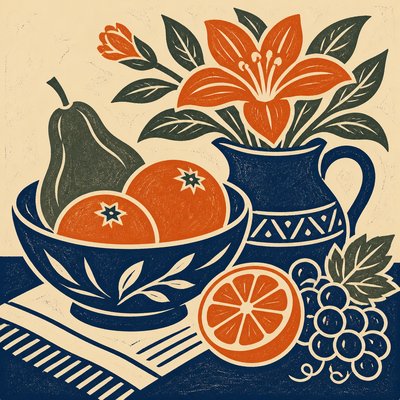
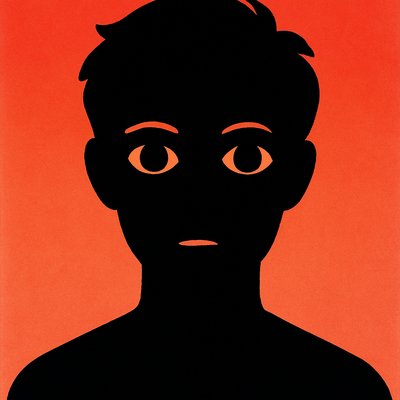
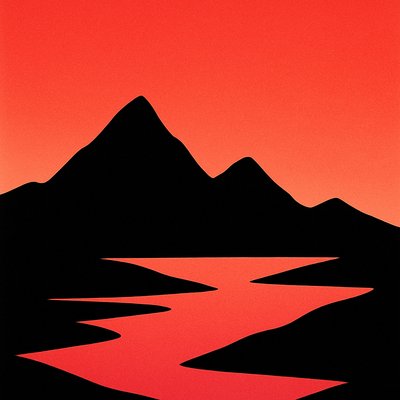
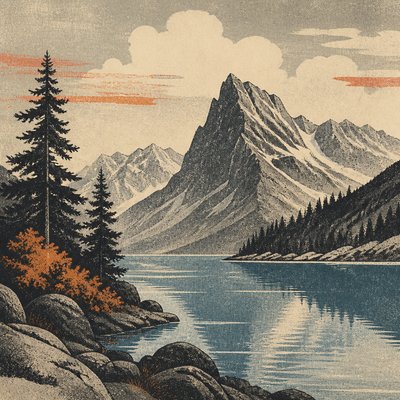
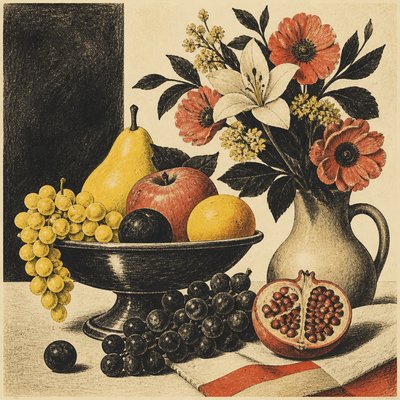
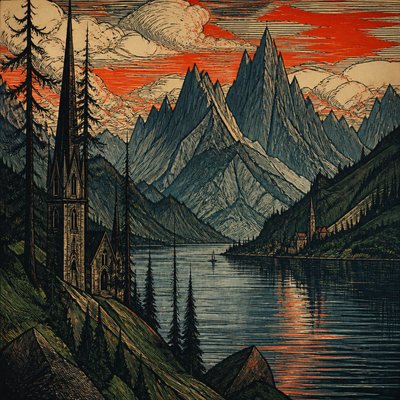
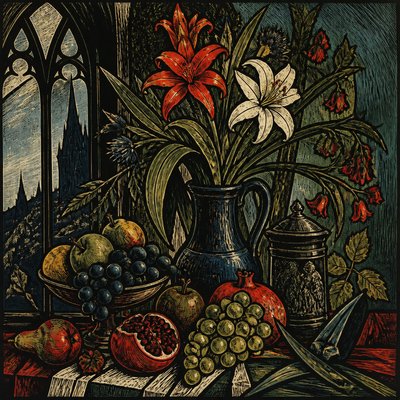
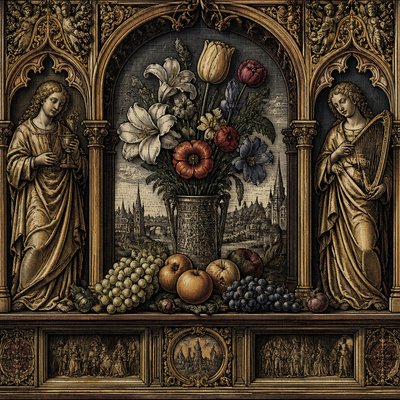
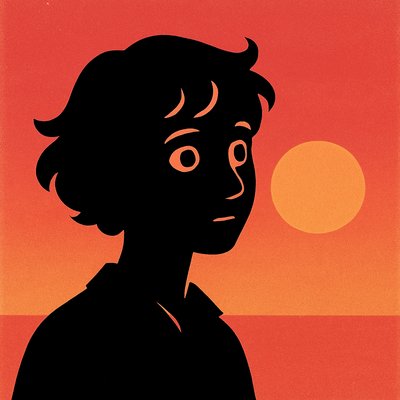
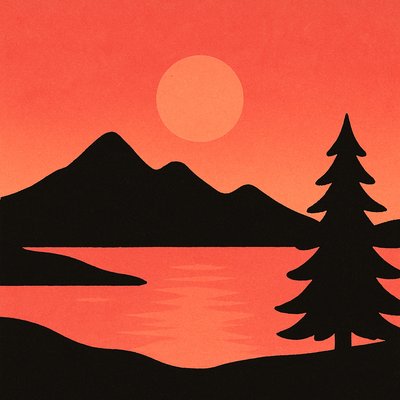
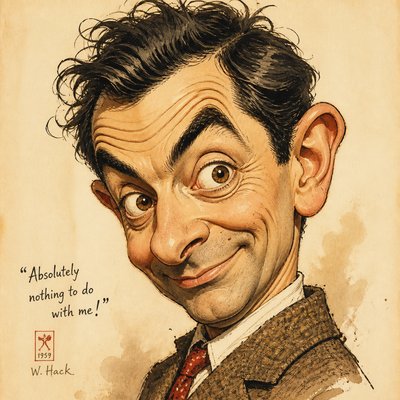
Woodcut print style is a relief-print aesthetic built from bold carved lines, simplified shapes, and areas of dense black ink. The image appears to have been cut into a wooden block, where raised surfaces receive ink and recessed areas remain white or lightly colored. Its visual language is direct, graphic, and tactile rather than softly modeled or fully realistic.
The style is defined by high contrast, angular contours, irregular edges, and visible signs of physical making. Grain patterns may show through solid ink fields, while slightly uneven registration and rough hand-pressed texture suggest the pressure, material, and limitations of a traditional printing process. These constraints produce an expressive look that works equally well for storytelling, posters, editorial images, folk subjects, and symbolic scenes.
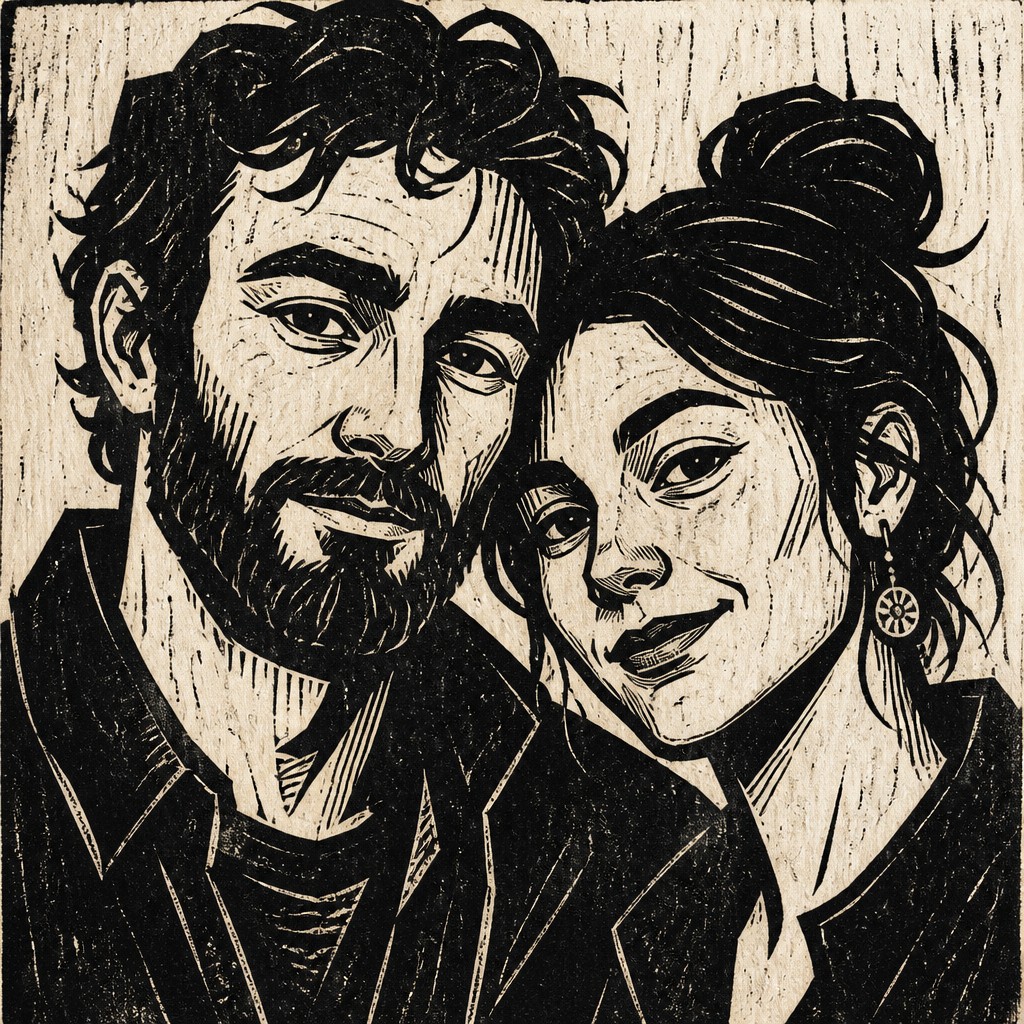
Try It On Your Photos
Upload any photo and convert it into Woodcut Print Style — drag the sliders to compare before and after.
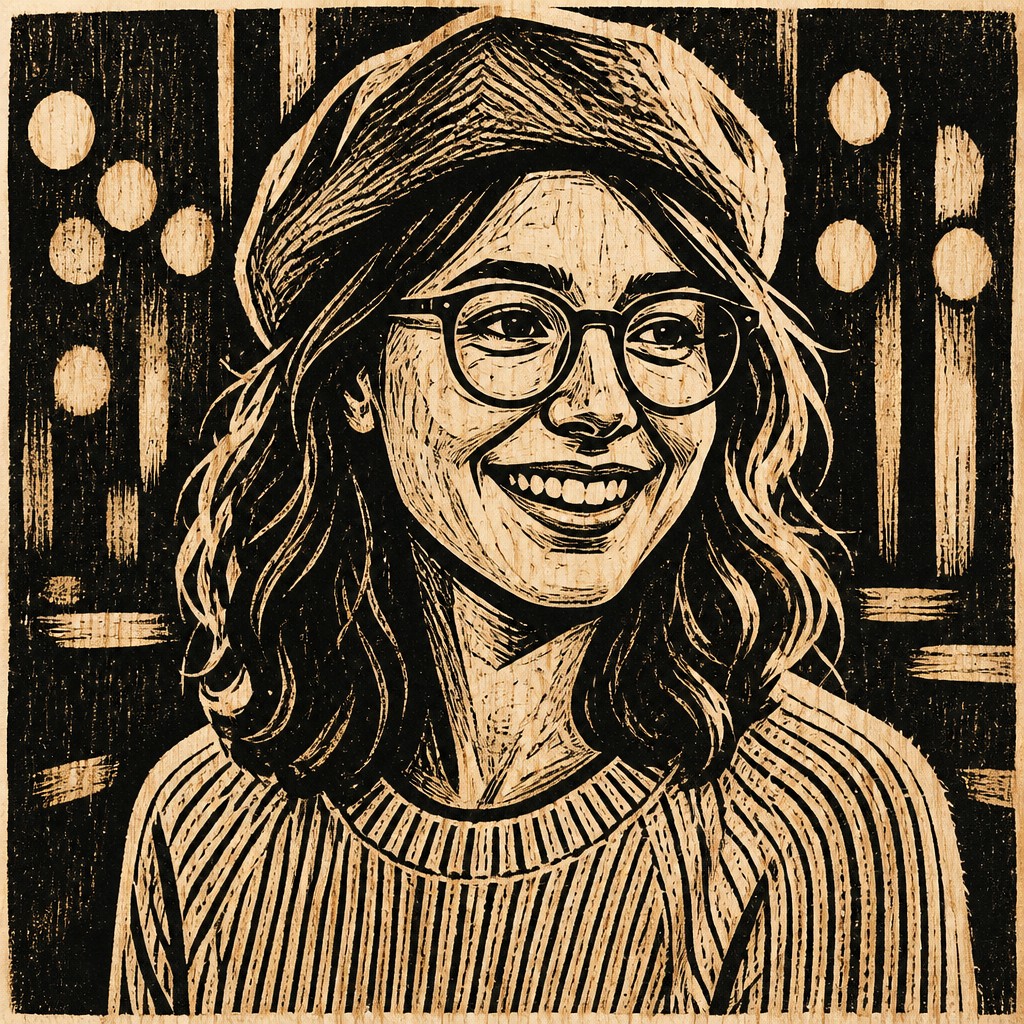

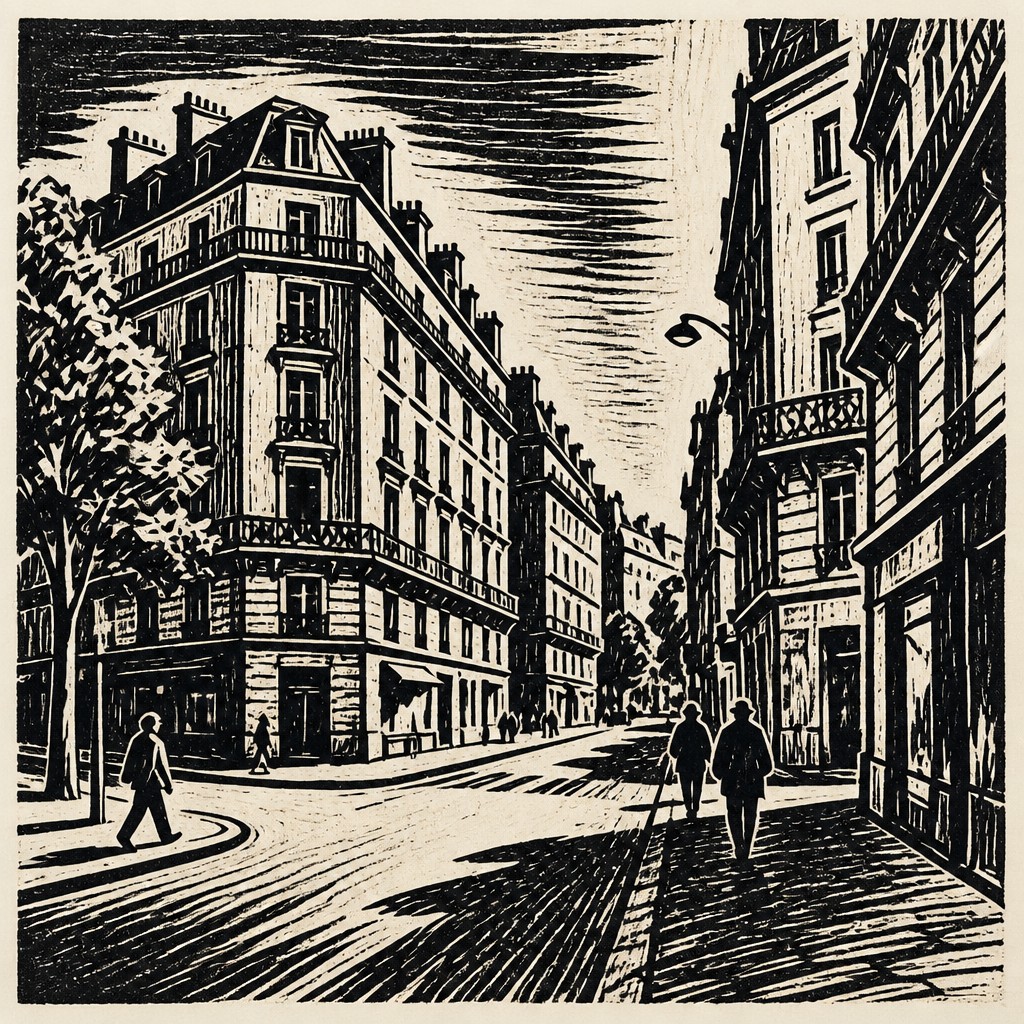

What Defines Woodcut Print Style
The signature details, up close
Carved contour lines
Forms are described with confident black marks that resemble channels cut into a printing block. Lines may be angular, varied in width, and slightly uneven rather than mechanically smooth.
Stark tonal contrast
The palette commonly centers on black ink and unprinted paper, with very limited gray or muted color. Shadows are organized as graphic masses instead of gradual photographic transitions.
Visible wood grain
Parallel streaks, knots, and broken textures can appear inside broad ink areas. These marks reveal the material character of the block and prevent flat blacks from feeling digitally uniform.
Simplified forms
Complex subjects are reduced to recognizable silhouettes, planes, and emblematic details. Selective omission makes the composition legible at a distance.
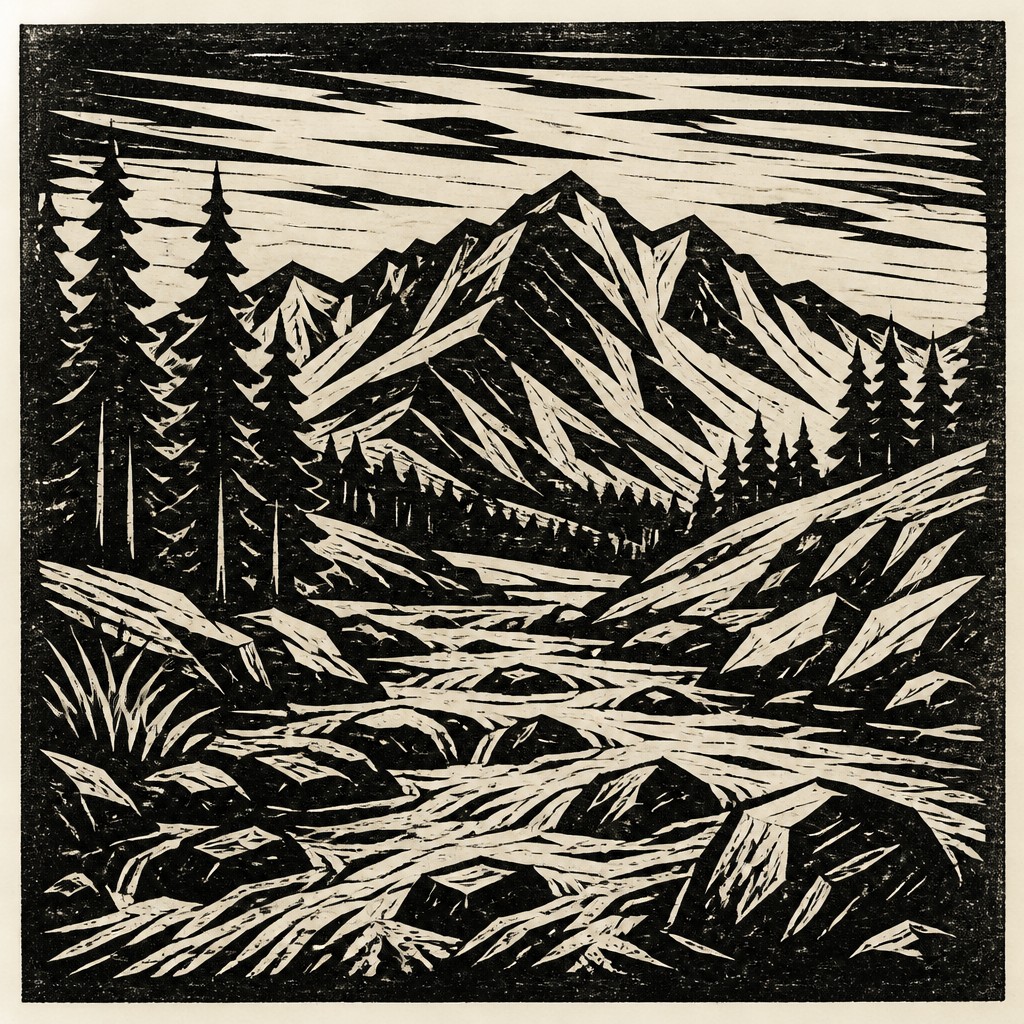
Chiseled angularity
Edges often have faceted corners and deliberate cuts, giving figures, architecture, foliage, and animals a sturdy carved character. Curves are frequently broken into short directional strokes.
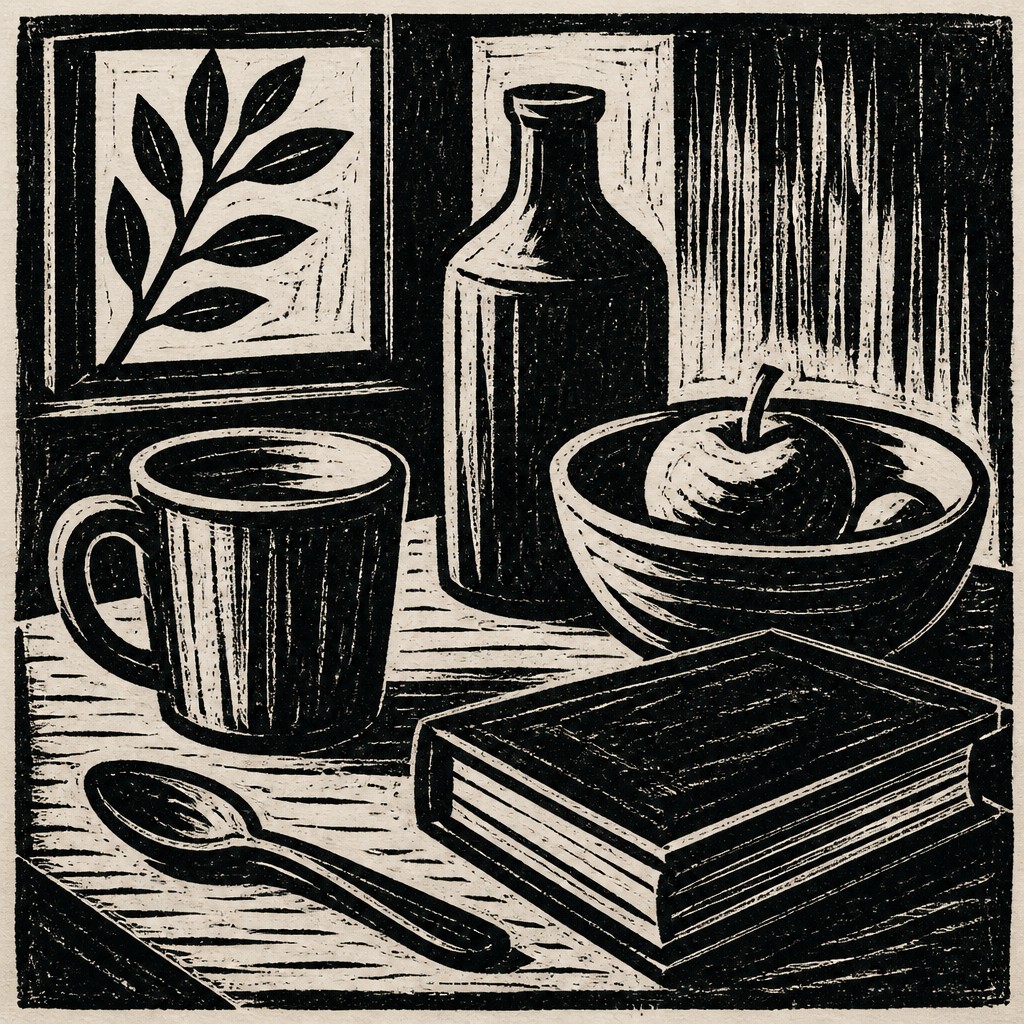
Ink and paper texture
Uneven coverage, dry-brush gaps, speckling, and fibrous paper add tactile variation. The result should suggest an impression made by pressure rather than a perfectly polished digital surface.
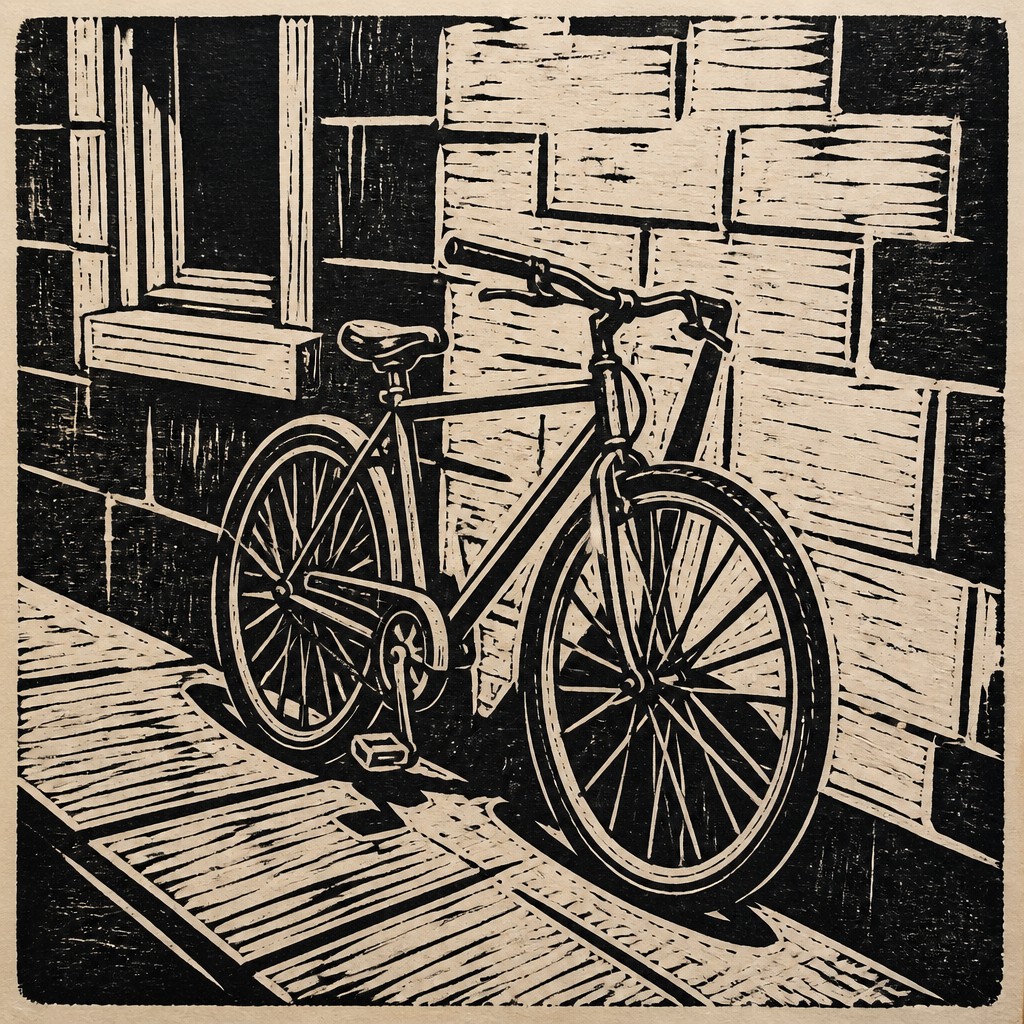
Slight registration irregularity
When multiple colors or blocks are used, small shifts between layers can create a handmade misalignment. This imperfection reinforces the physical printmaking illusion.
Try It
Create Videos in Woodcut Print Style
Styles aren't just for stills — describe a scene or animate an image and get a short video rendered in Woodcut Print. Press play to see this pond come to life.
Make a VideoWoodcut Print Prompt Ideas
Start from an idea — each one opens the generator with the style ready to go. See all 40 Woodcut Print prompts →
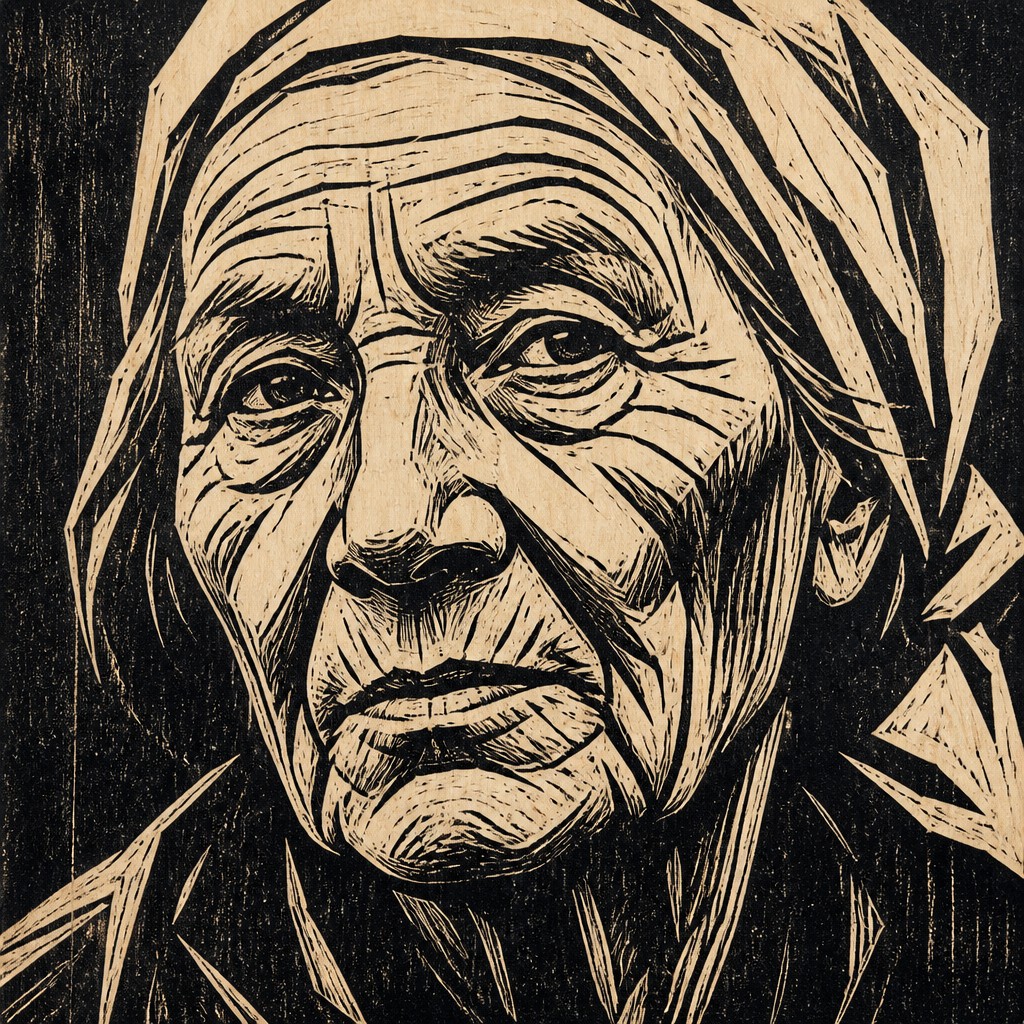
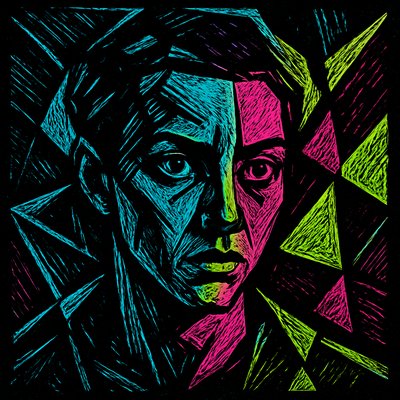
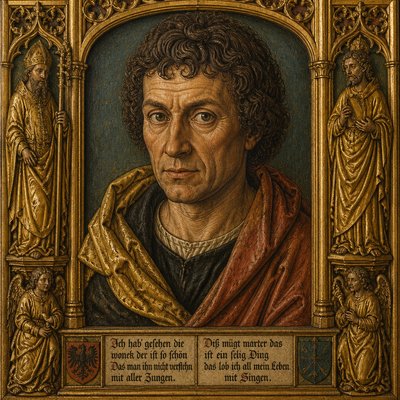
“close-up portrait of an elderly person with expressive weathered features”
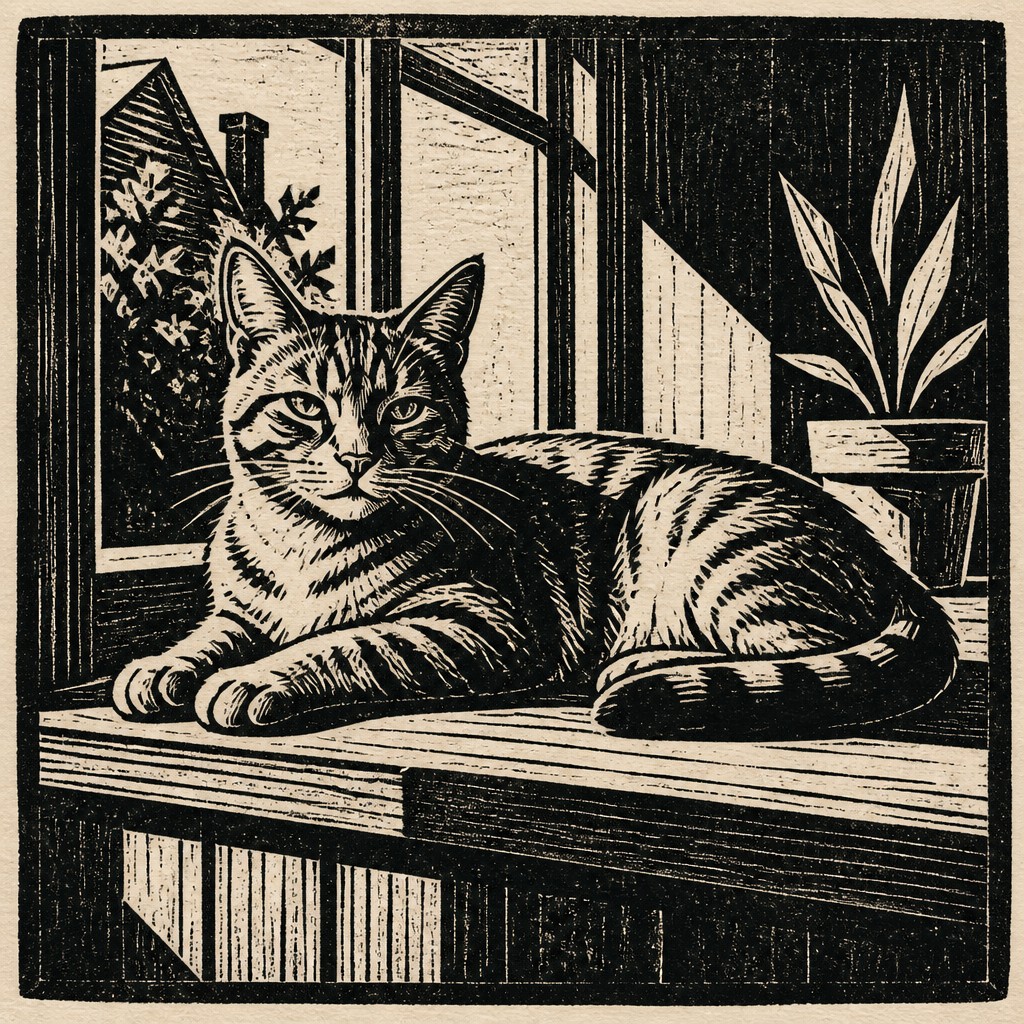
“a cat lounging in a sunlit window”
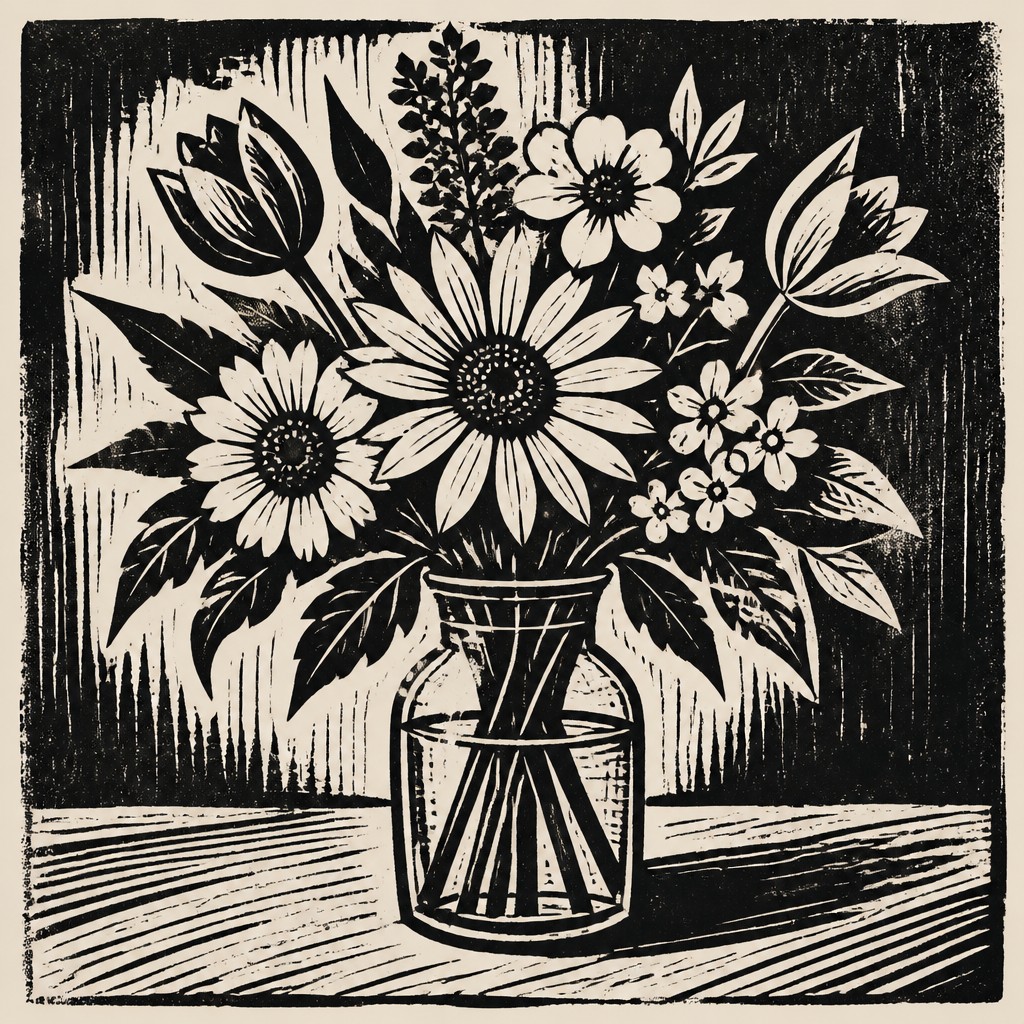
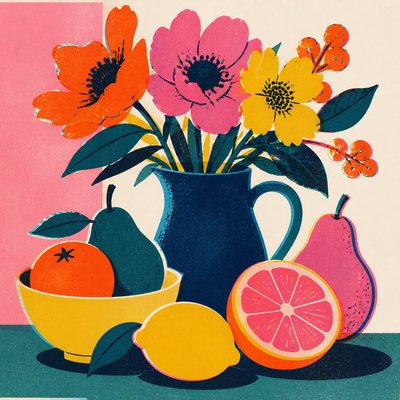
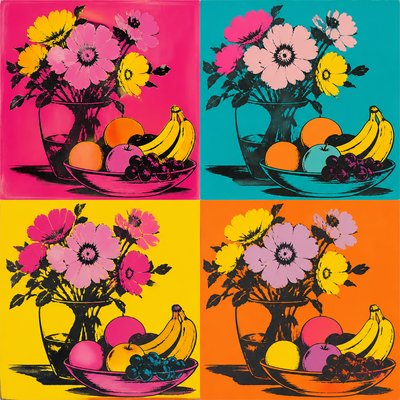
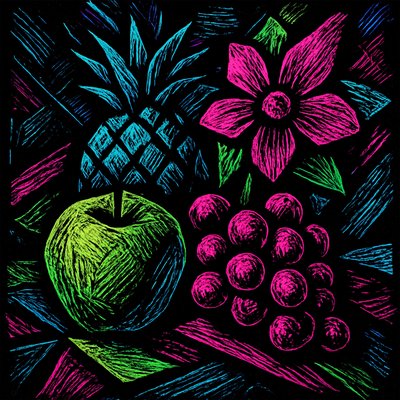
“bouquet of flowers in a glass vase”
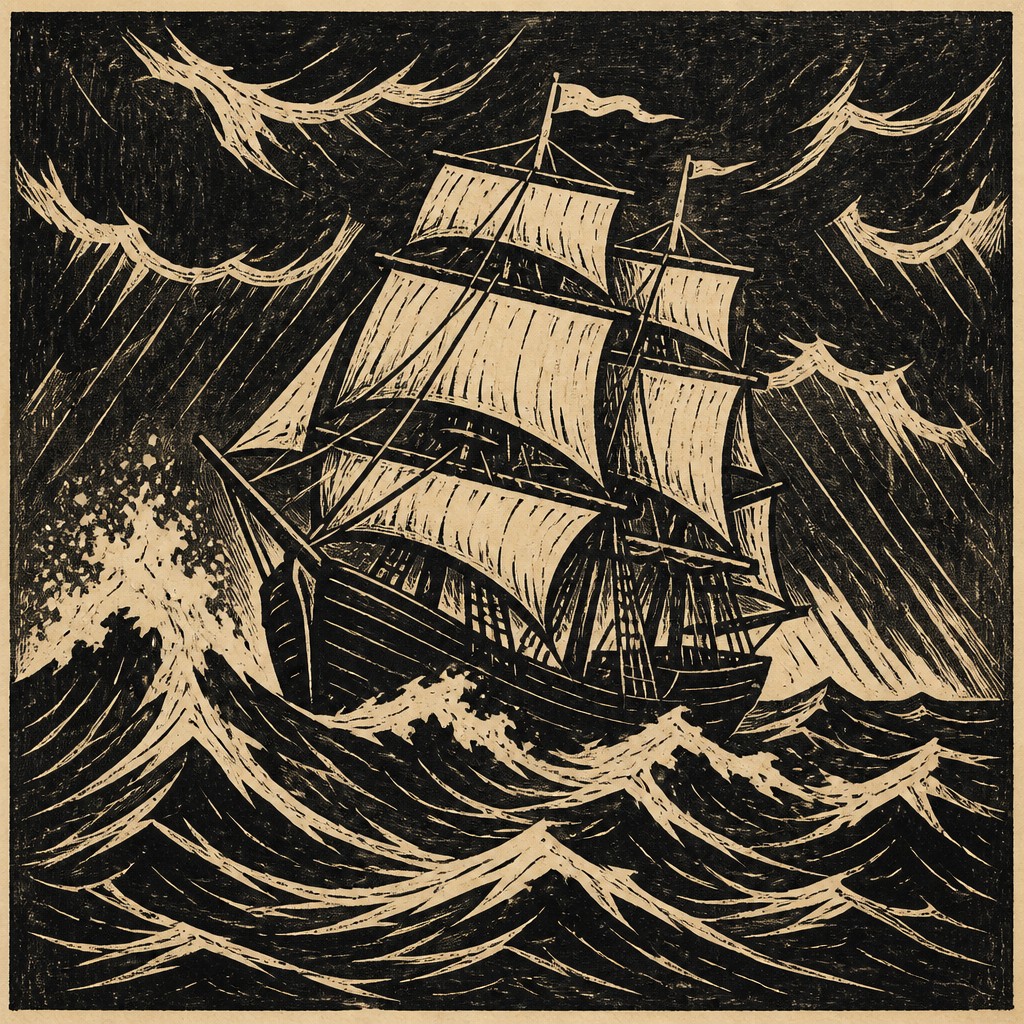
“sailing ship on a stormy sea”
How to Create Woodcut Print Art
Master the craft step by step — or skip straight to creating. Read the full guide →
- 1
Plan positive and negative shapes
Begin with a strong silhouette and decide which areas will remain the paper color. In traditional relief printing, remember that the block prints a reversed image and that carved areas do not receive ink.
- 2
Carve for line variety
Use broad gouges for open textures and fine cuts for hair, fabric, foliage, or facial detail. Varying the width and direction of marks creates rhythm and avoids a uniform stencil effect.
- 3
Build contrast before detail
Reduce the subject to a small number of tonal masses before adding hatching or grain. Strong light-dark organization is more characteristic than an abundance of small marks.
- 4
Add physical print imperfections
For digital work, introduce paper fibers, uneven ink density, carved edges, restrained speckling, and subtle layer misregistration. Keep these textures subordinate to the main subject so the image remains readable.
- 5
Use a relief-print workflow
A practical traditional method is to draw on a wood or lino block, carve away the nonprinting areas, roll ink over the raised surface, and press onto damp or dry paper. Digital artists can imitate this process with thresholded shapes, vector cuts, textured brushes, and multiply ink layers.
- 6
Prompt for material behavior
When generating an image, specify carved black contours, limited colors, visible grain in ink fields, rough paper, stark shapes, and slight registration shift. Include the subject, composition, and lighting separately so the material style does not overwhelm the scene.

The Story
History & Origins of Woodcut Print
Woodblock printing developed in East Asia centuries before it became established in Europe, with early Chinese woodblock books and images appearing by the first millennium. The technique later spread through neighboring regions and was adapted for religious imagery, texts, popular pictures, and color printing. In Europe, woodcut printing became widespread from the late medieval period onward, supported by the growth of paper production and the expanding circulation of inexpensive printed images.
European printmakers refined the medium during the Renaissance, while later revival movements returned to its stark contours and handmade irregularity. Modern poster design, expressionist graphics, political prints, folk art, comics, and contemporary illustration have all adapted woodcut conventions. The digital version is best understood as an aesthetic lineage from relief printing rather than as a separate historical movement.
Influences: The style draws primarily from East Asian woodblock traditions, European medieval and Renaissance relief prints, and later revivalist printmaking. It also shares visual strategies with expressionist graphics, folk illustration, political posters, editorial engraving, linocut, screen printing, and comics that favor heavy outlines and economical shading. Contemporary interpretations often combine these traditions with digital texture design and limited-palette poster aesthetics.
Frequently Asked Questions
What defines woodcut print style?
It is defined by carved-looking black contours, stark light-dark contrast, simplified forms, and tactile ink or paper texture. Visible grain, rough edges, and small printing irregularities make the image feel physically pressed from a relief block.
How is woodcut different from engraving or etching?
Woodcut is a relief process: ink sits on the raised surface of a carved block. Engraving and etching are generally intaglio processes, in which lines cut into a plate hold ink and often produce finer, more fluid detail and a different impression texture.
Does woodcut art have to be black and white?
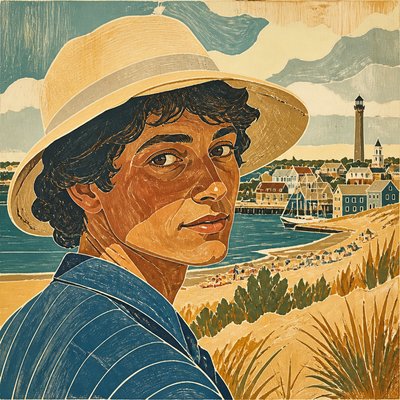
No. Black and white is the most recognizable version because it emphasizes carved shapes and contrast, but historical woodblock traditions also include layered color printing. Restrained ochre, red, blue, or green can work well when each color behaves like a separate printed block.
How can I make a photo look like a woodcut?
Convert the image into a clear high-contrast structure, simplify small details, and replace smooth shading with carved lines, hatching, and solid ink shapes. Add paper fibers, grain, uneven ink coverage, and modest edge irregularity after the main tonal design is established.
What subjects work well in this style?
Subjects with clear silhouettes and strong light-dark relationships work especially well, including animals, landscapes, architecture, portraits, plants, folklore scenes, and dramatic events. Busy scenes should be simplified so the major figures and forms do not merge into one black mass.
Where is woodcut print style commonly used?
It appears in fine-art prints, book illustration, posters, editorial graphics, packaging, album artwork, educational images, comics, and folk-inspired design. Its limited palette and strong contours also make it effective for visual storytelling and reproduction at small sizes.

Create your first Woodcut Print artwork
Describe anything — or upload a photo — and see it in Woodcut Print Style in seconds.
Related Styles
Discover similar art styles