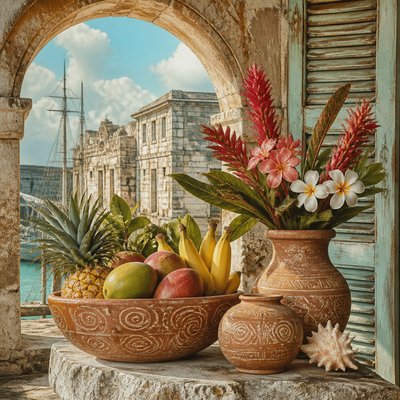
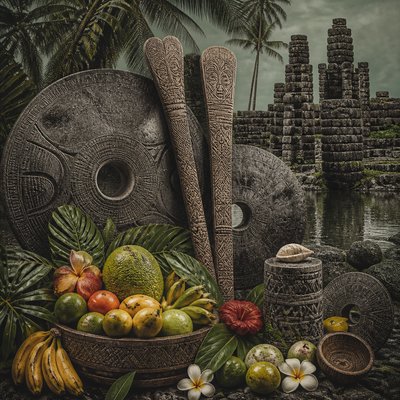
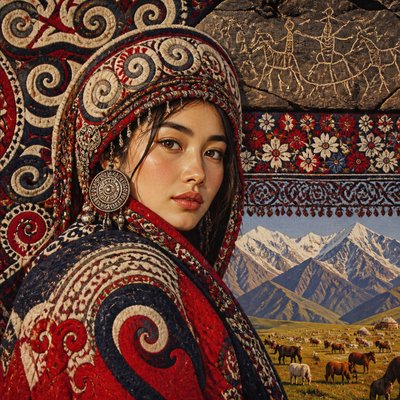
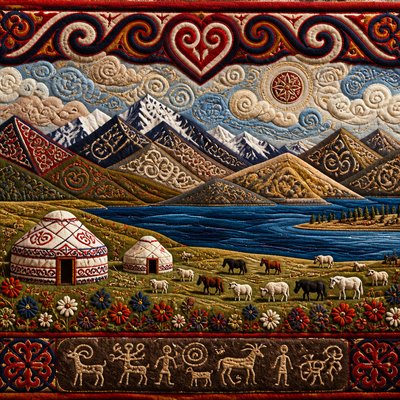
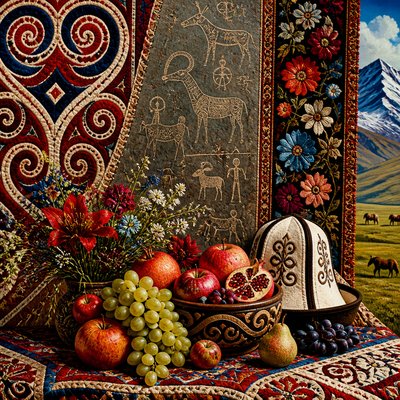
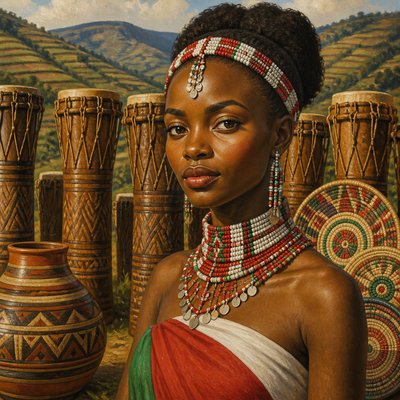
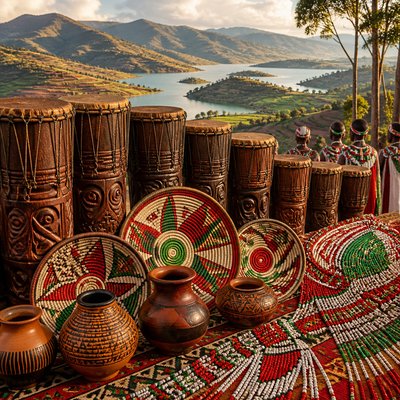
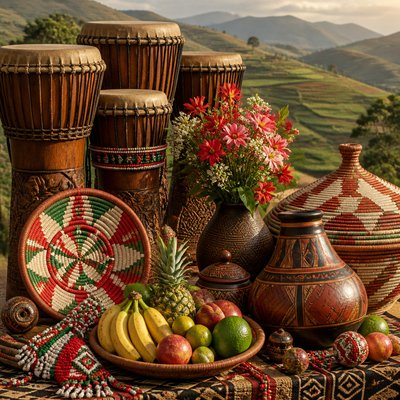
Arts and Crafts Style
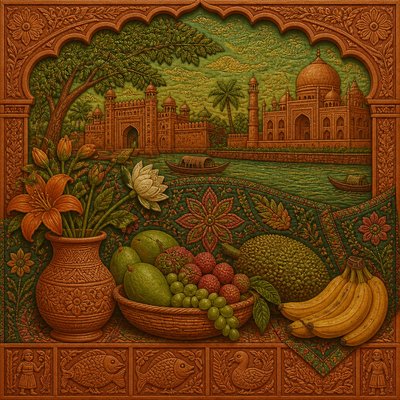
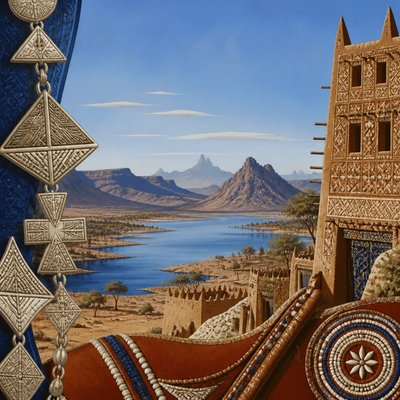
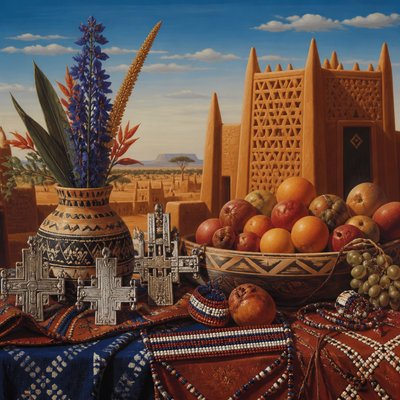
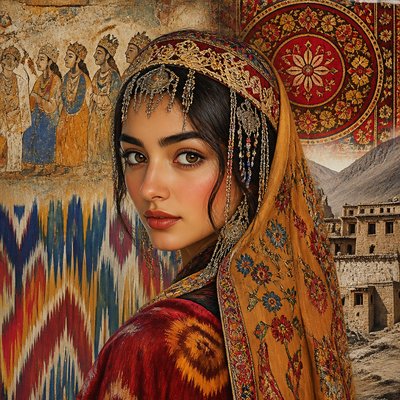
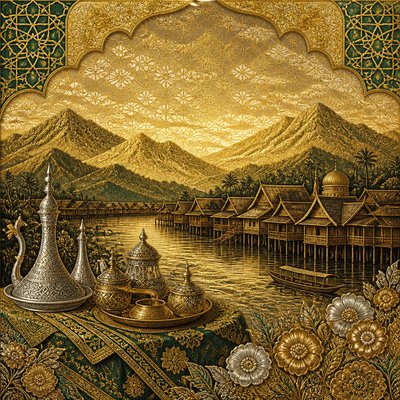
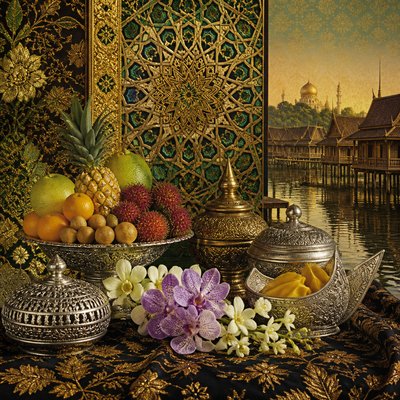
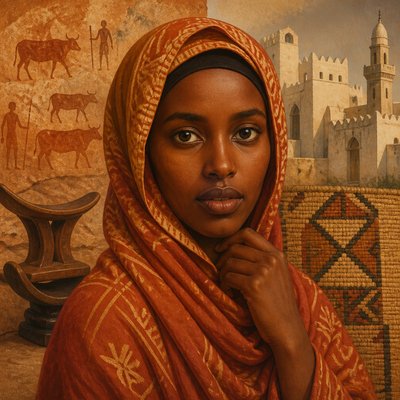
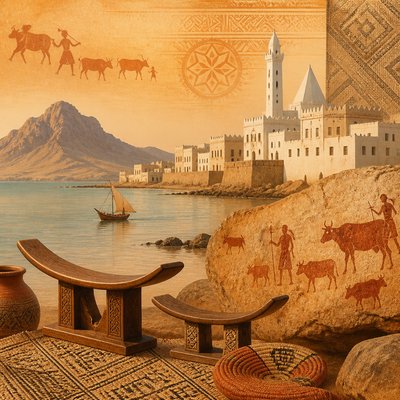
Explore Arts and Crafts style: handcrafted botanical patterns, natural materials, medieval ornament, and deep earthy colors shaped by honest workmanship.
Instantly rendered in Arts and Crafts — or transform a photo
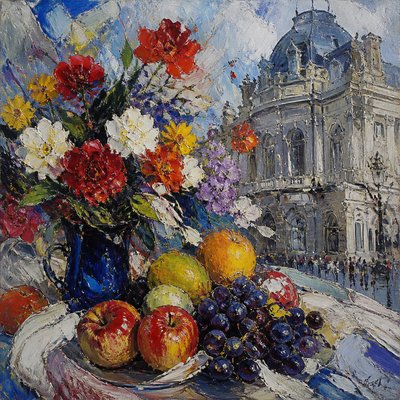
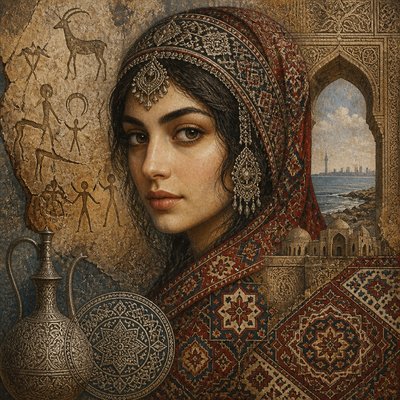
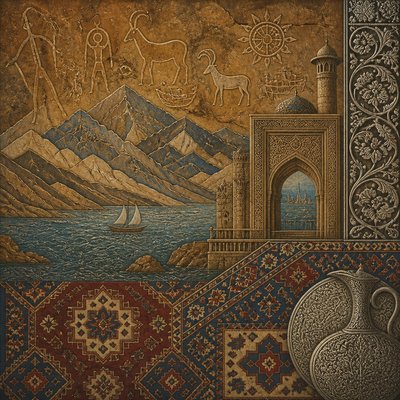
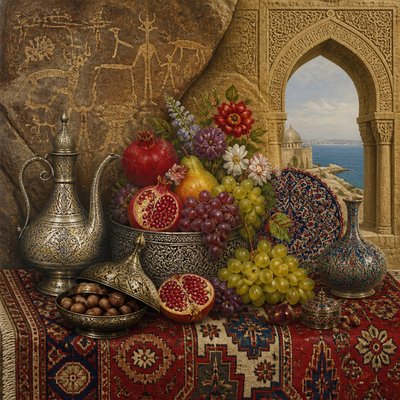
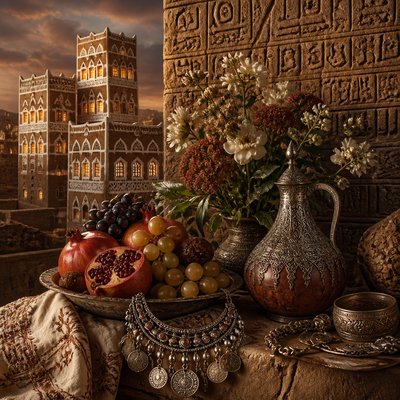
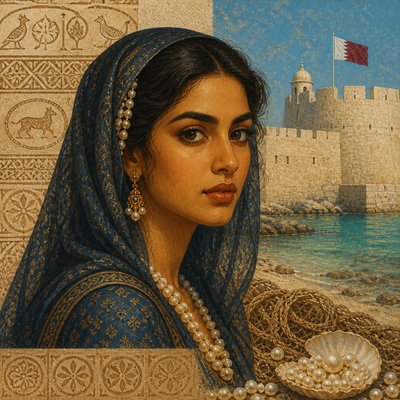
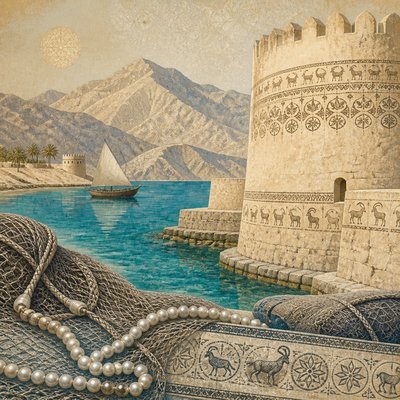
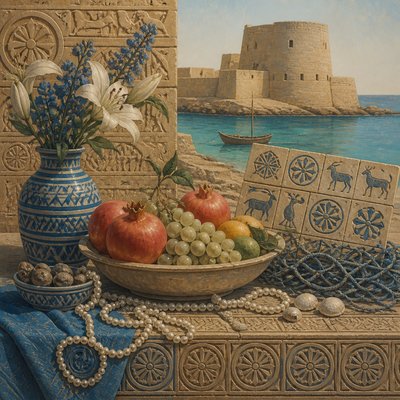
Arts and Crafts Gallery
Tap any artwork to explore it
What is Arts and Crafts Style?
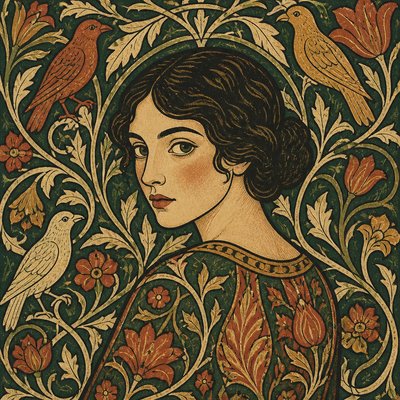
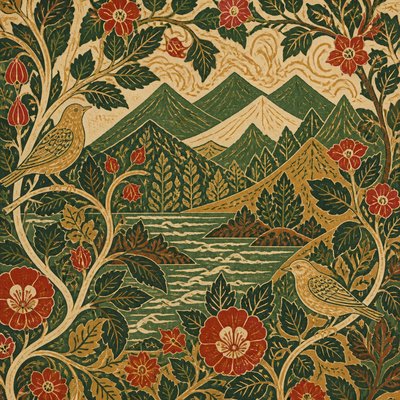
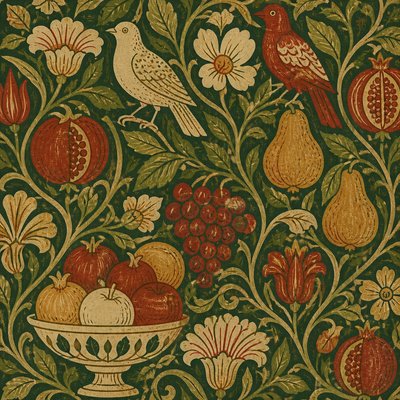
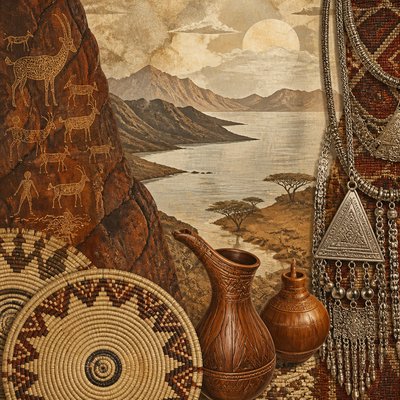
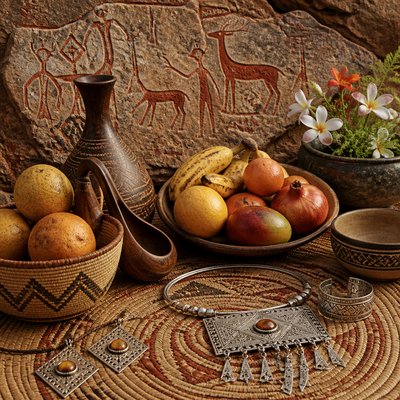
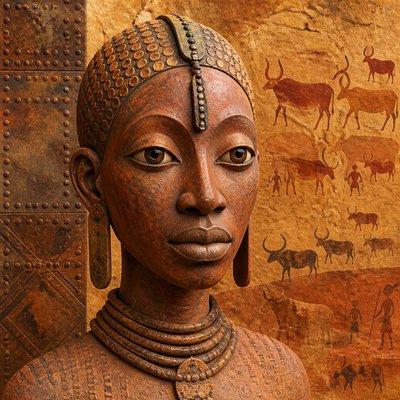
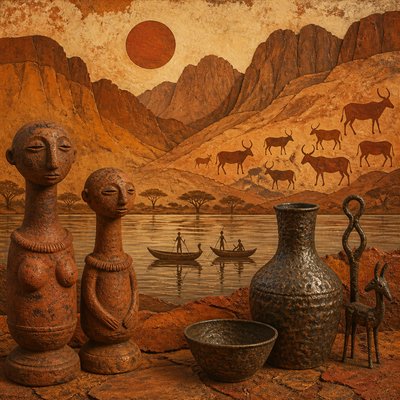
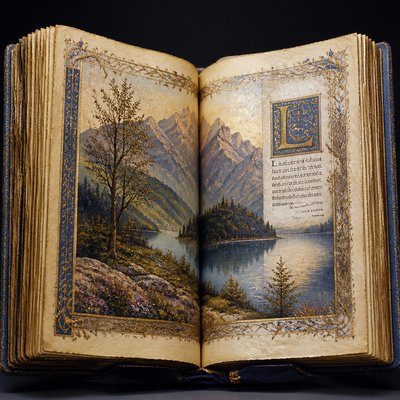
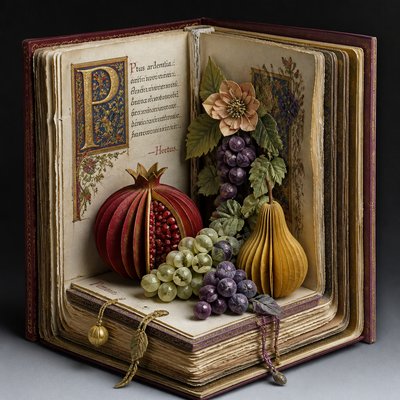
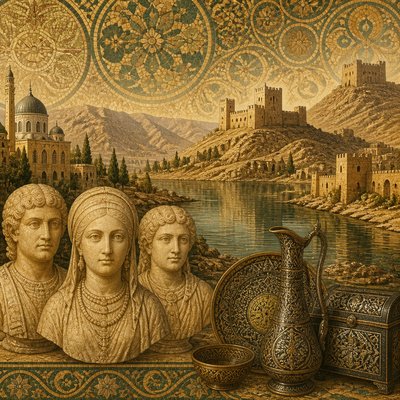
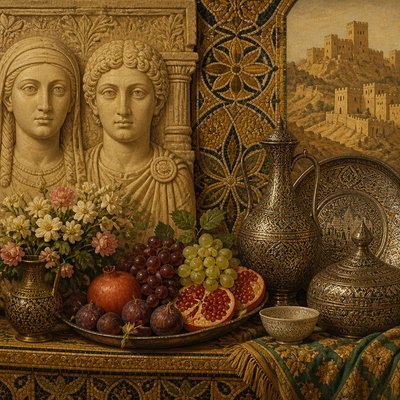
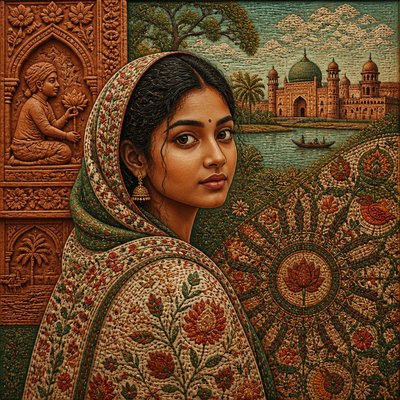
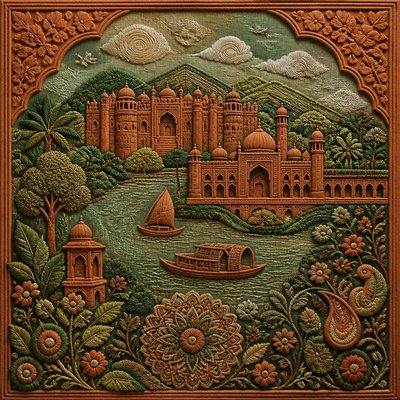
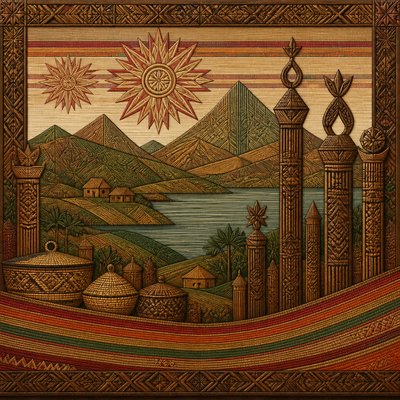
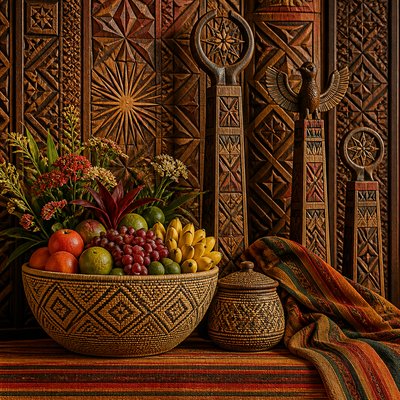
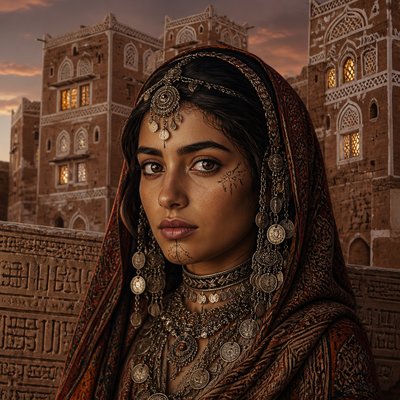
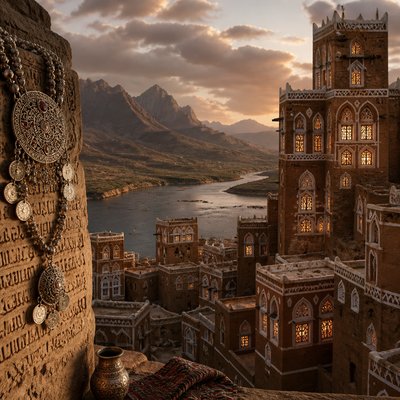
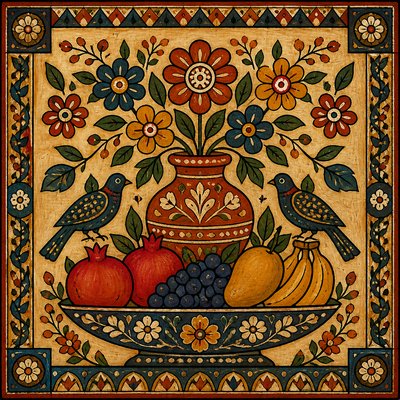
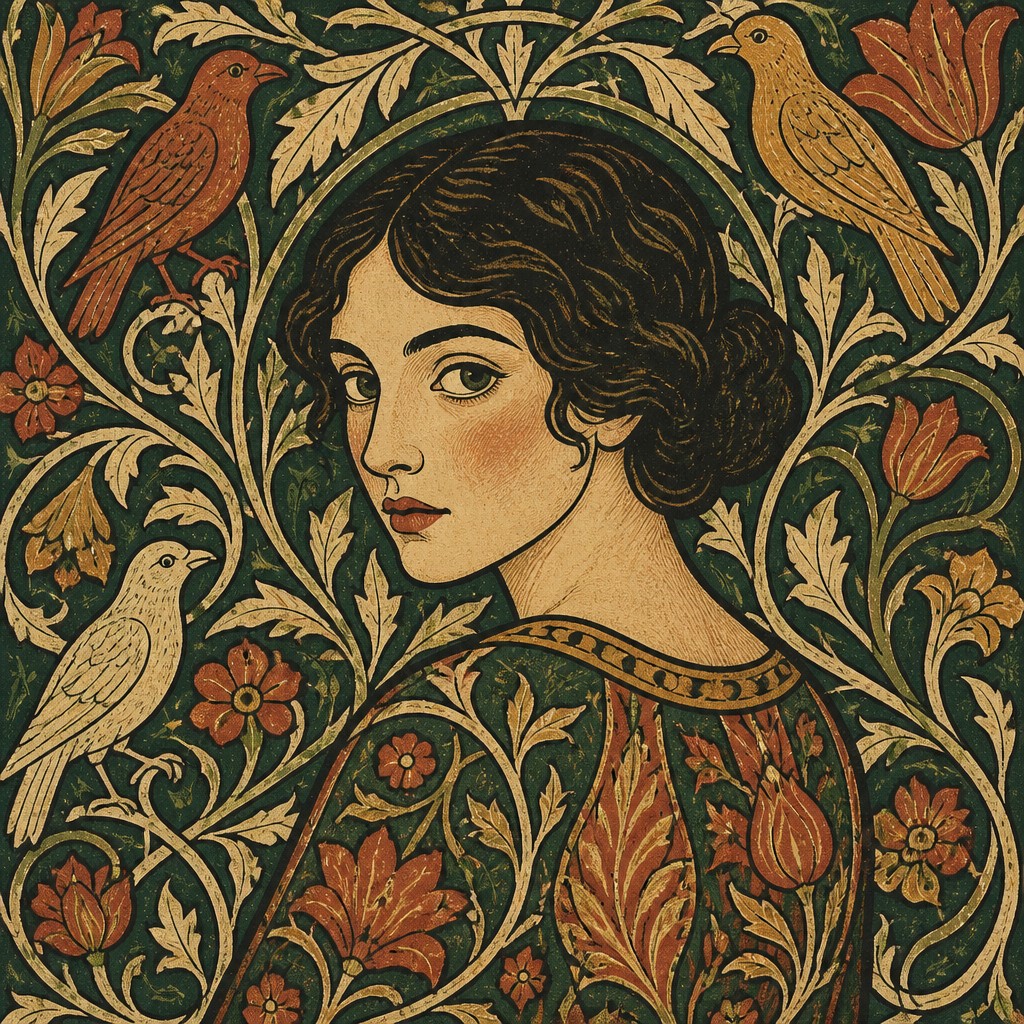
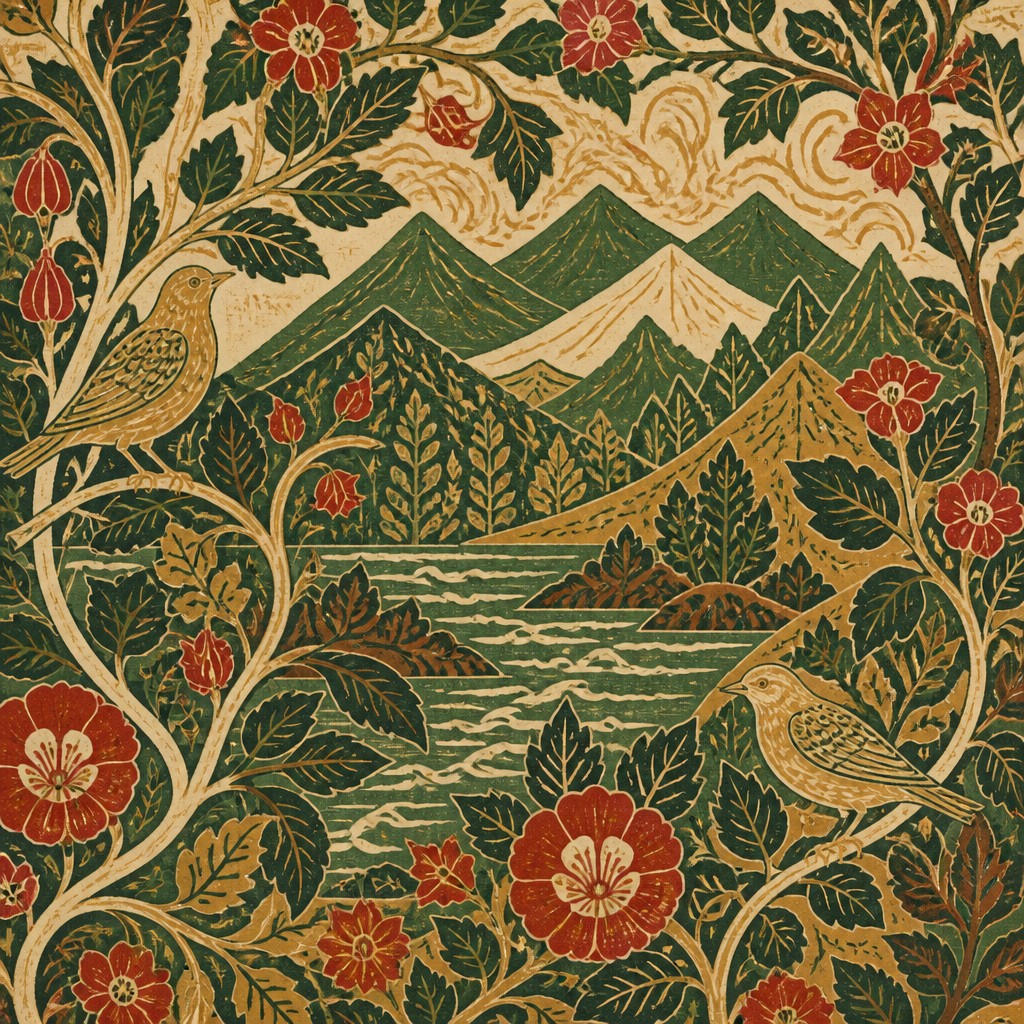
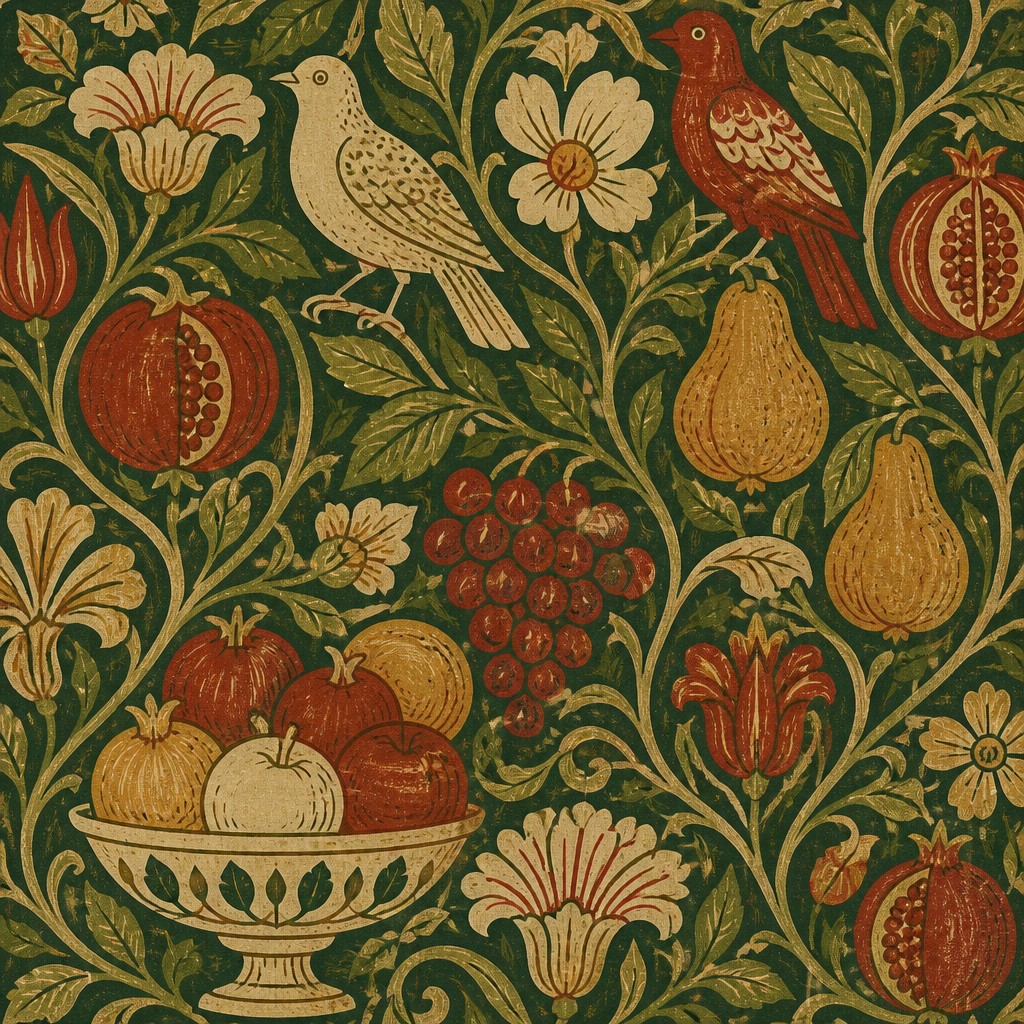
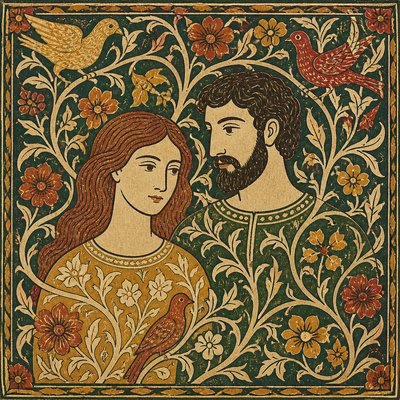
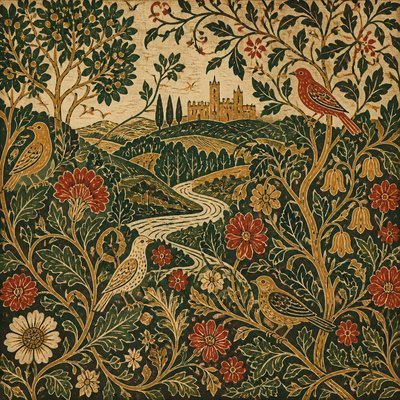
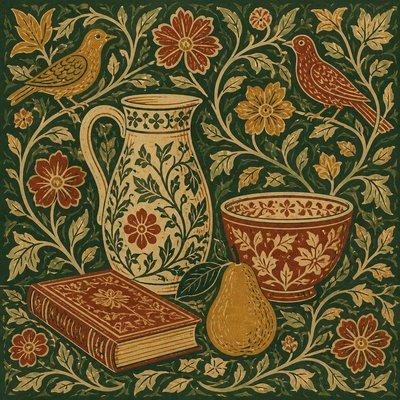
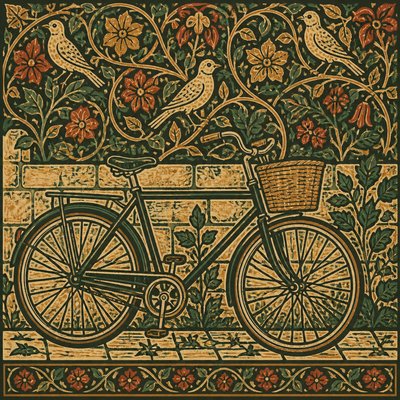
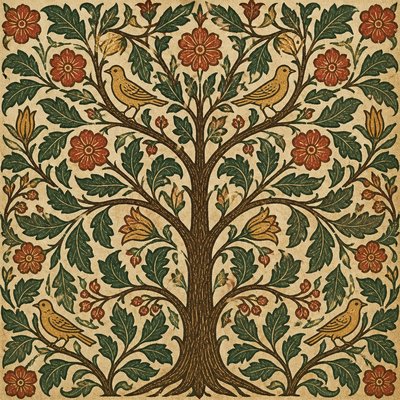
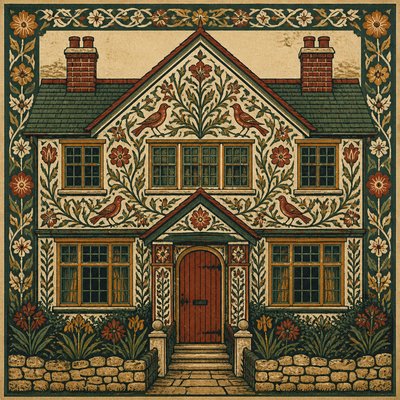
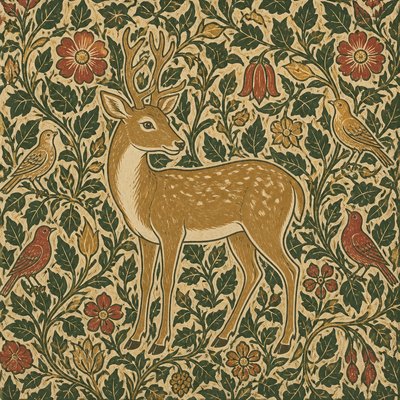
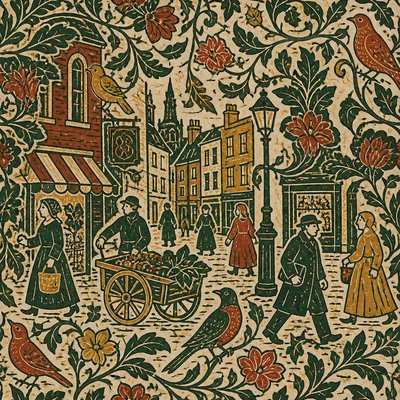
Arts and Crafts style is a late nineteenth-century design language centered on handcrafted production, functional beauty, and the expressive qualities of natural materials. Its visual identity includes stylized plants, interlacing stems, birds, flowers, geometric borders, and medieval-inspired ornament arranged in balanced, often repeating compositions. Deep forest green, madder red, ochre, brown, muted blue, and cream create a warm, grounded palette.
The style looks deliberately made rather than mechanically perfect. Flat shapes, simplified contours, visible grain, uneven ink coverage, woven surfaces, carved details, and modest irregularities communicate the labor of the maker. Although associated especially with wallpapers, textiles, books, furniture, ceramics, metalwork, and domestic interiors, Arts and Crafts design also provides a strong framework for illustration, pattern design, and contemporary digital images.
Try It On Your Photos
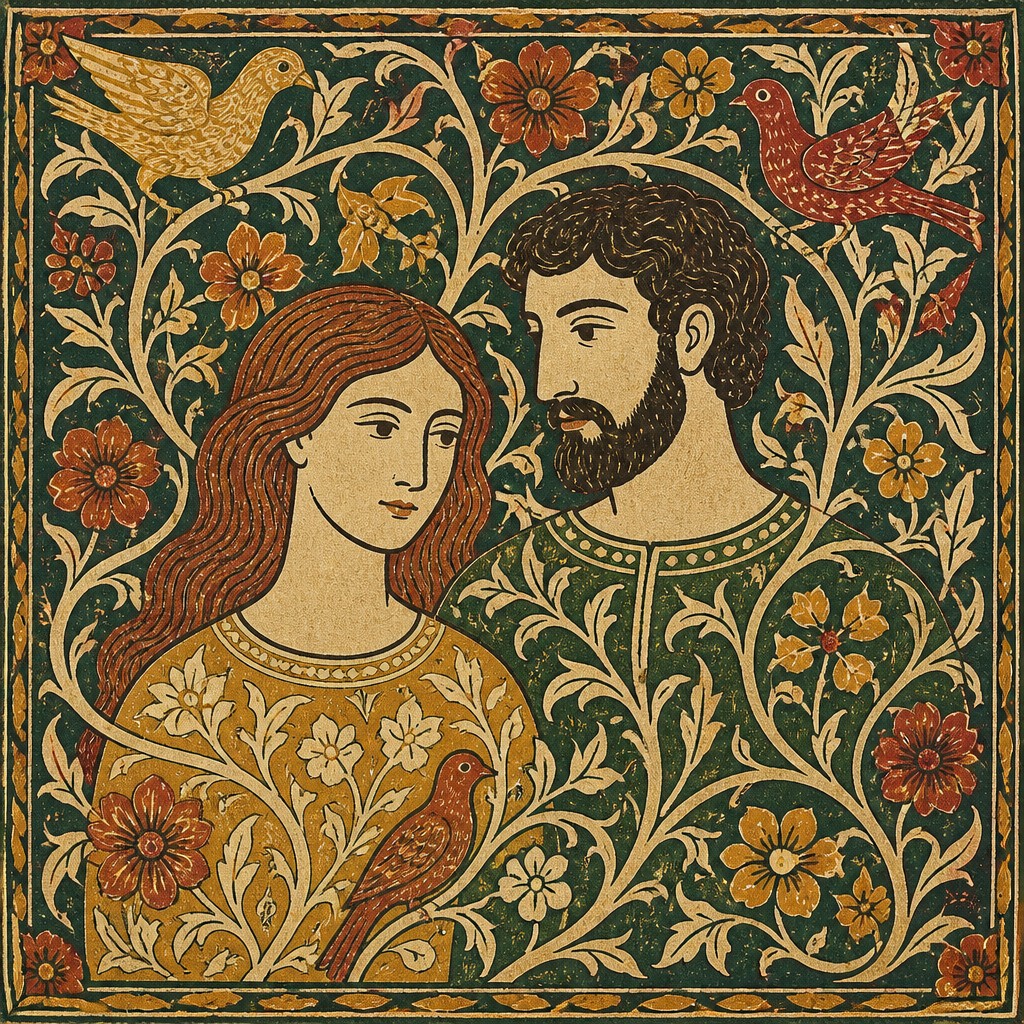
Upload any photo and convert it into Arts and Crafts Style — drag the sliders to compare before and after.


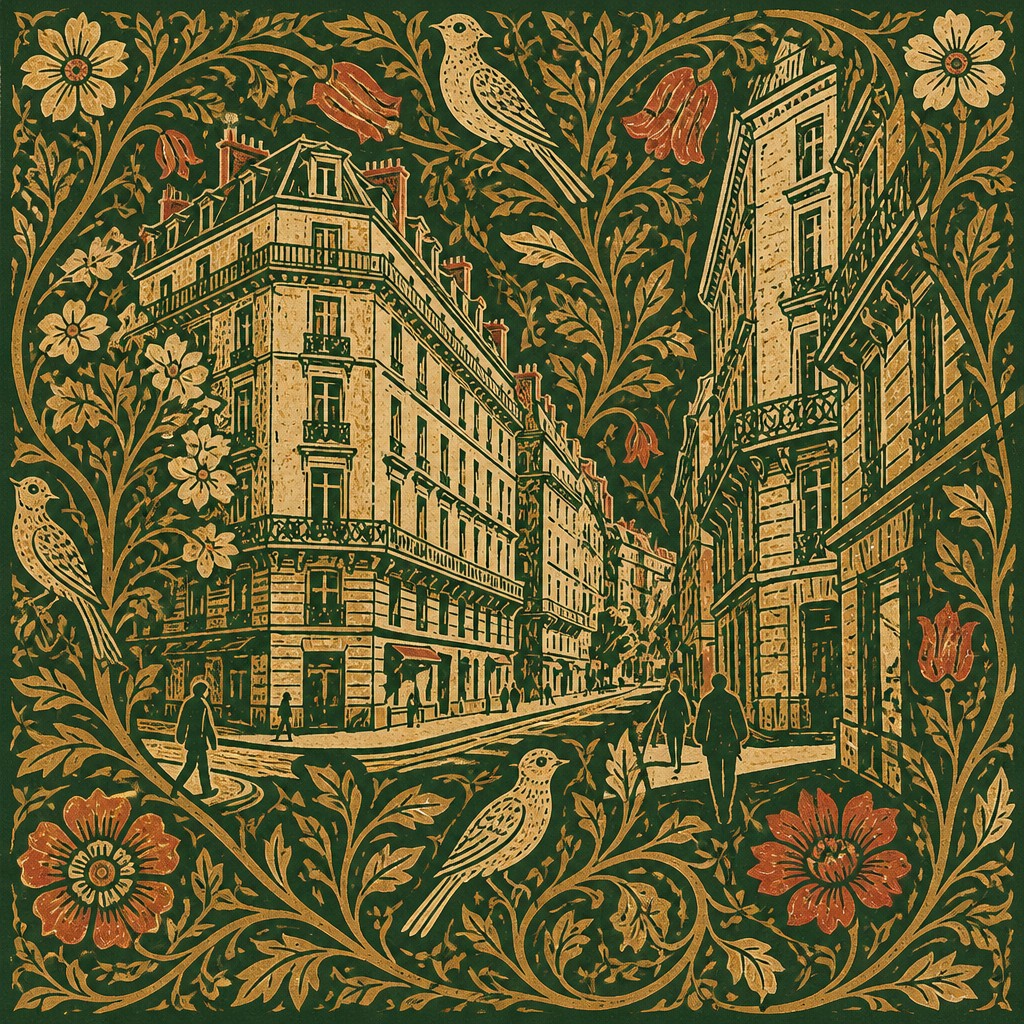

What Defines Arts and Crafts Style
The signature details, up close
Stylized botanical motifs
Leaves, flowers, vines, seedpods, and branches are simplified into strong, readable shapes rather than rendered naturalistically. Plants often form rhythmic networks that suggest growth while remaining suitable for repeat pattern.
Interlacing composition
Stems, foliage, birds, and ornamental bands weave across the surface in a balanced arrangement. The composition may be dense, but its repeated rhythms and controlled spacing prevent it from feeling chaotic.
Handcrafted surface
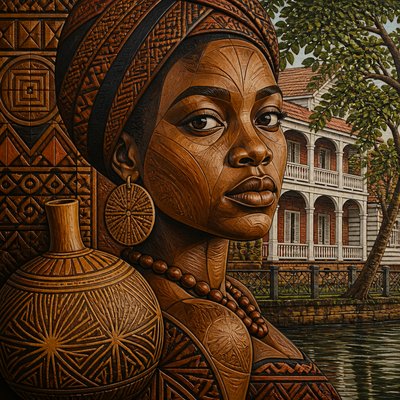
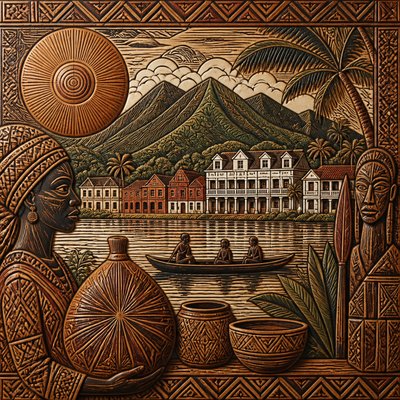
Block-print impressions, carved marks, brush variation, woven fibers, wood grain, and slightly irregular edges preserve evidence of manual production. Imperfection is treated as a sign of authenticity rather than a defect.
Earthy, mineral palette
Forest green, madder red, ochre, umber, warm cream, slate blue, and subdued brown dominate the palette. Colors are generally matte and low in artificial brightness, reflecting natural dyes, pigments, and domestic materials.
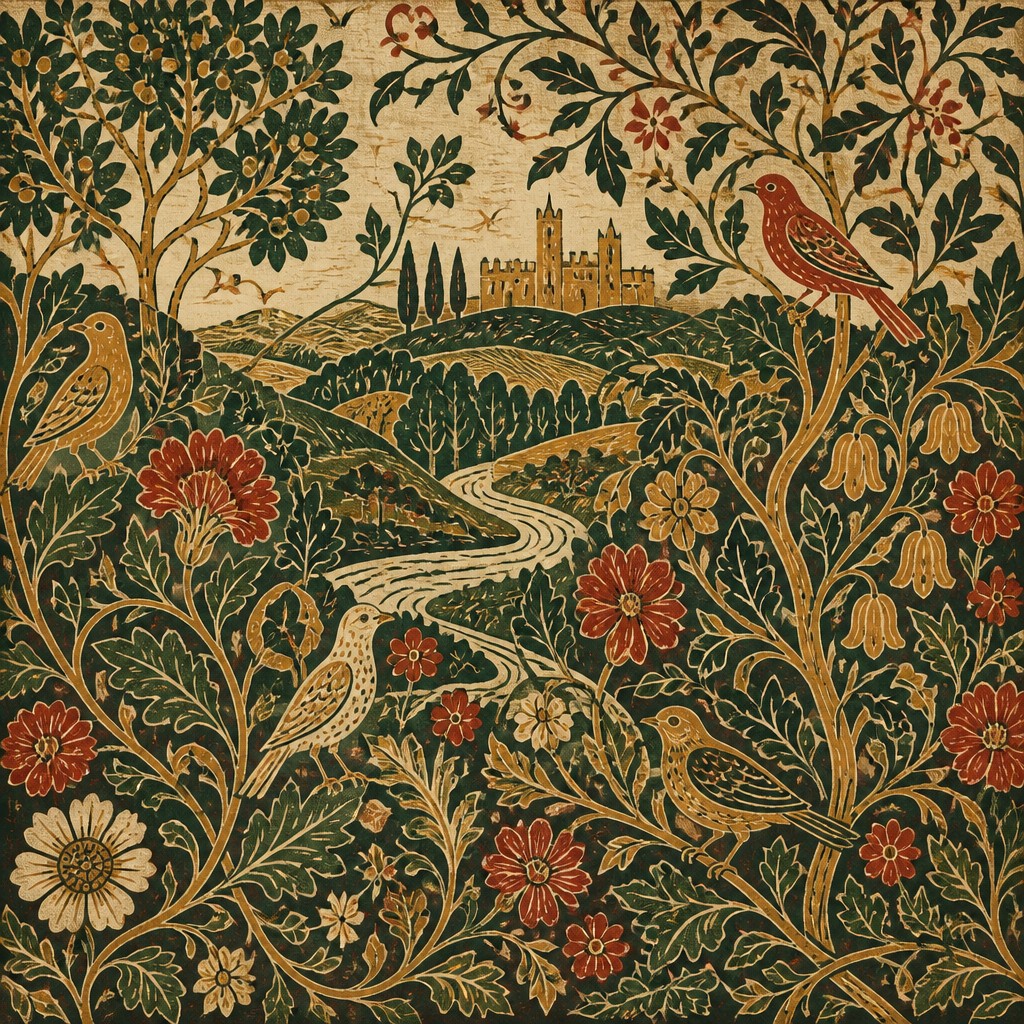
Flat decorative space
Forms are arranged across the surface with limited perspective, shallow depth, and clear silhouettes. The resulting image prioritizes pattern, rhythm, and tactile design over illusionistic realism.
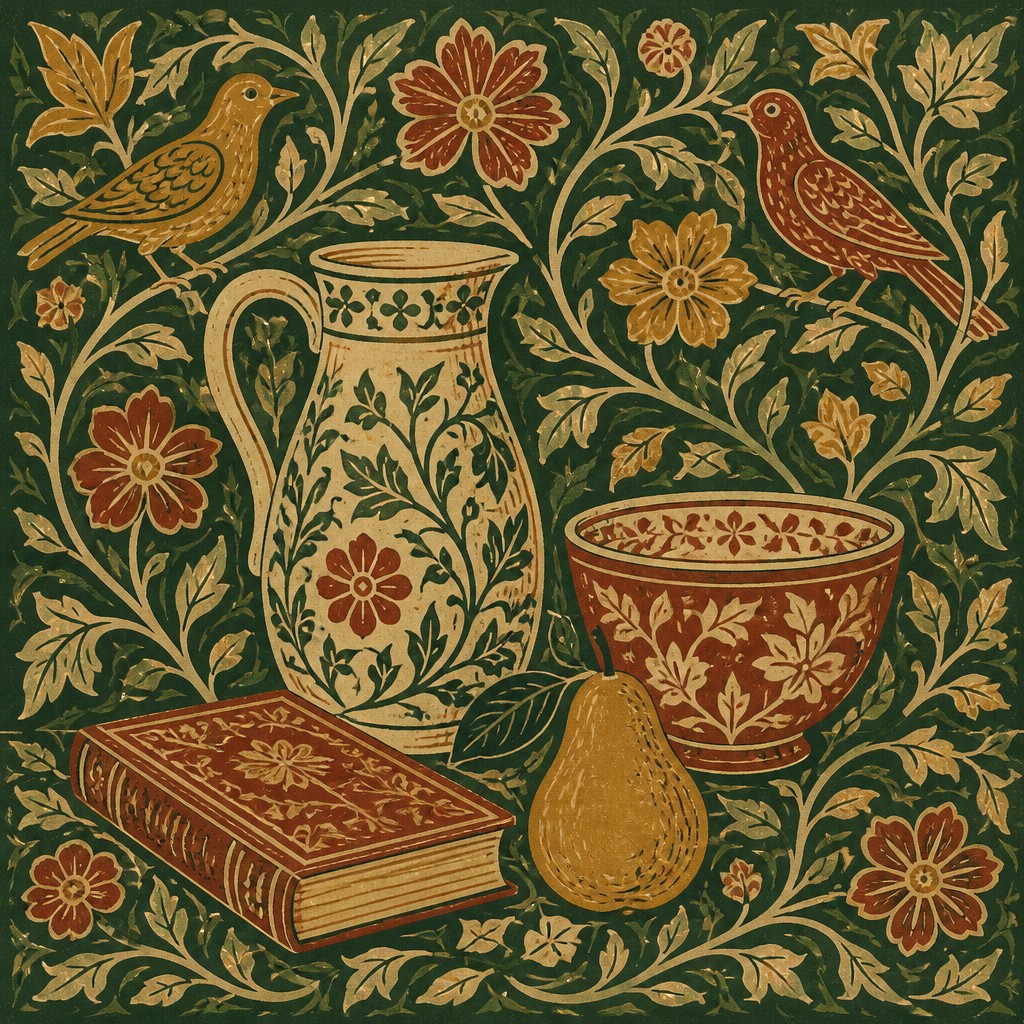
Medieval and vernacular ornament
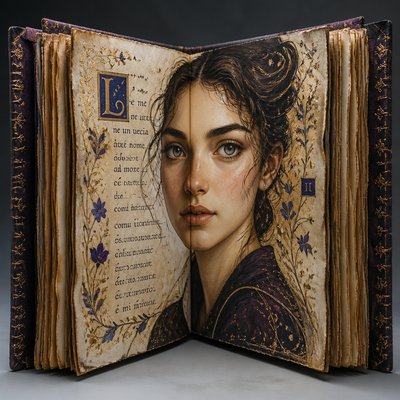
Interlaced borders, heraldic birds, foliate scrolls, geometric divisions, and manuscript-like details connect the style to medieval European decoration. These references are typically adapted into functional modern patterns rather than copied literally.
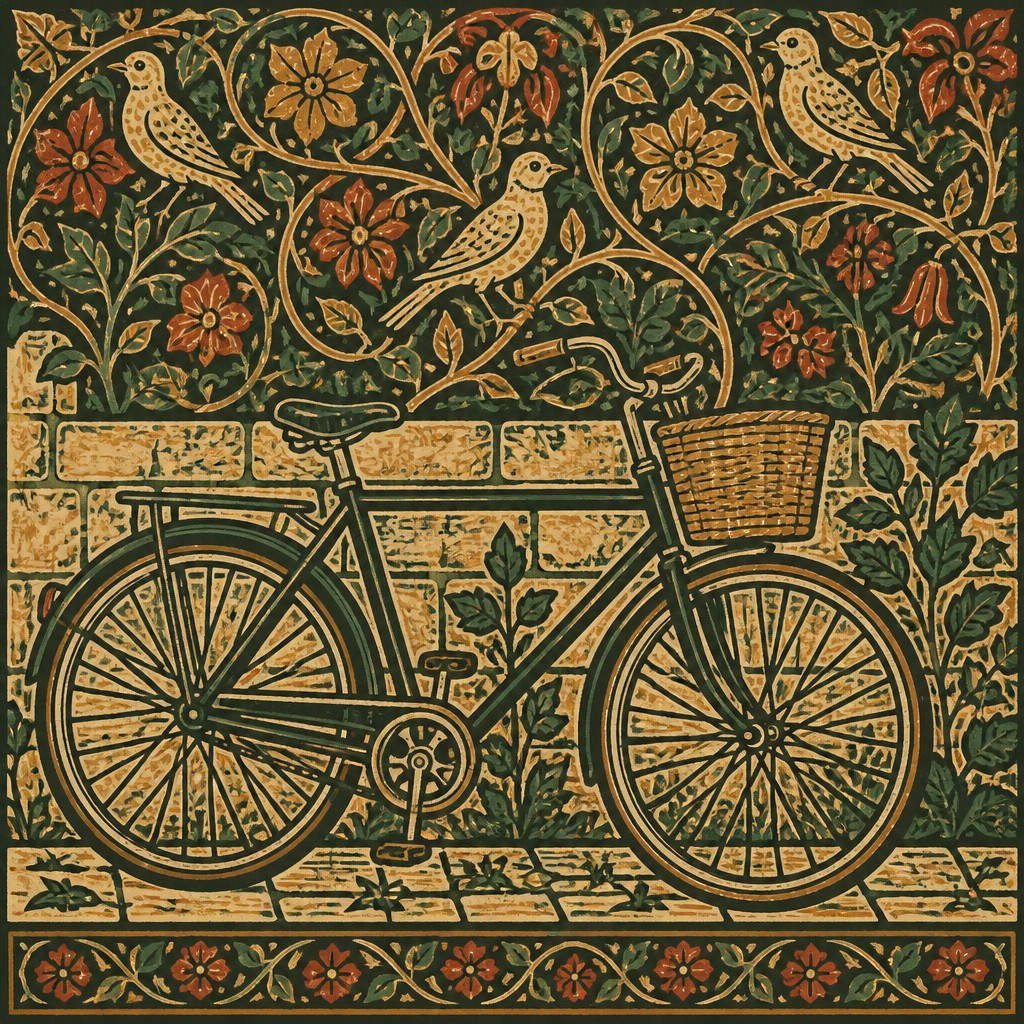
Material honesty and utility
Wood, wool, linen, clay, hammered metal, stained glass, and printed paper are allowed to display their inherent qualities. Ornament supports the structure and use of an object instead of disguising inexpensive or artificial construction.
Try It
Create Videos in Arts and Crafts Style
Styles aren't just for stills — describe a scene or animate an image and get a short video rendered in Arts and Crafts. Press play to see this pond come to life.
Make a VideoArts and Crafts Prompt Ideas
Start from an idea — each one opens the generator with the style ready to go. See all 40 Arts and Crafts prompts →
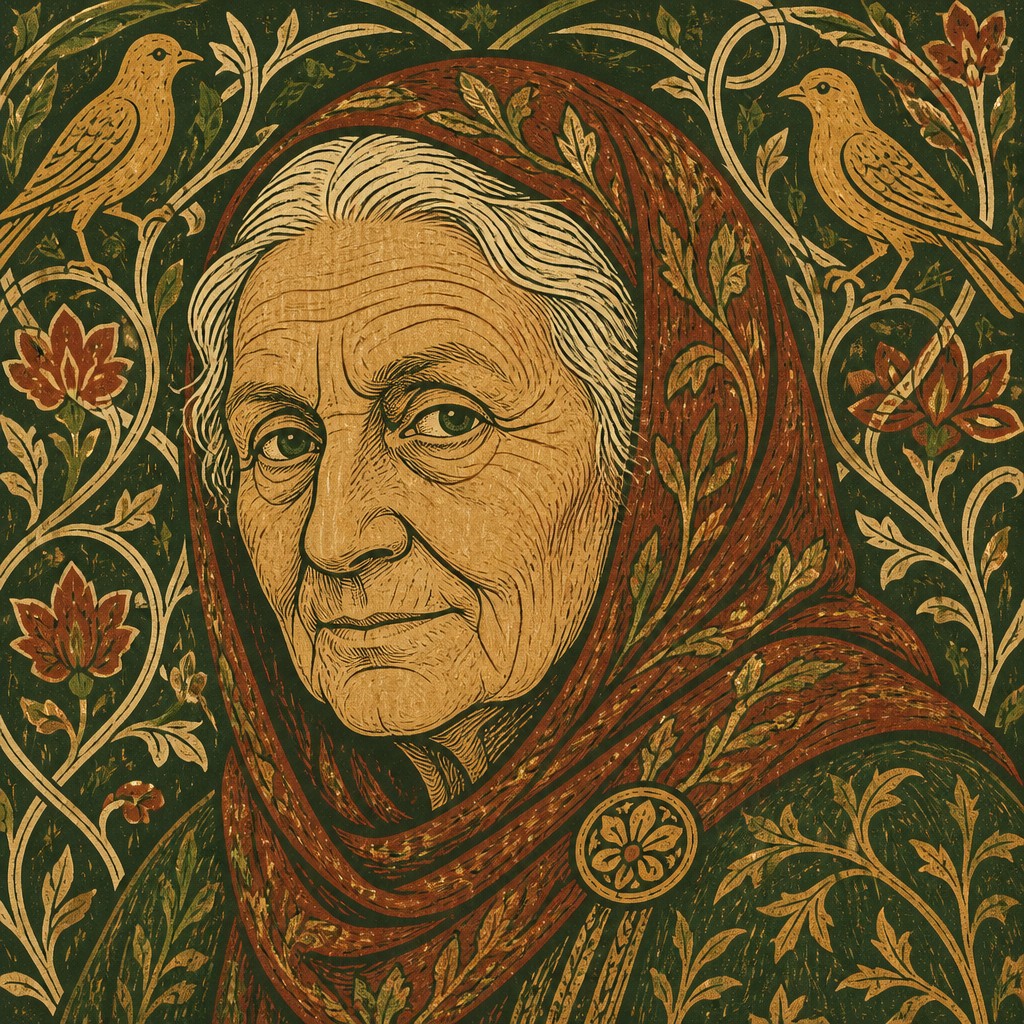
“close-up portrait of an elderly person with expressive weathered features”
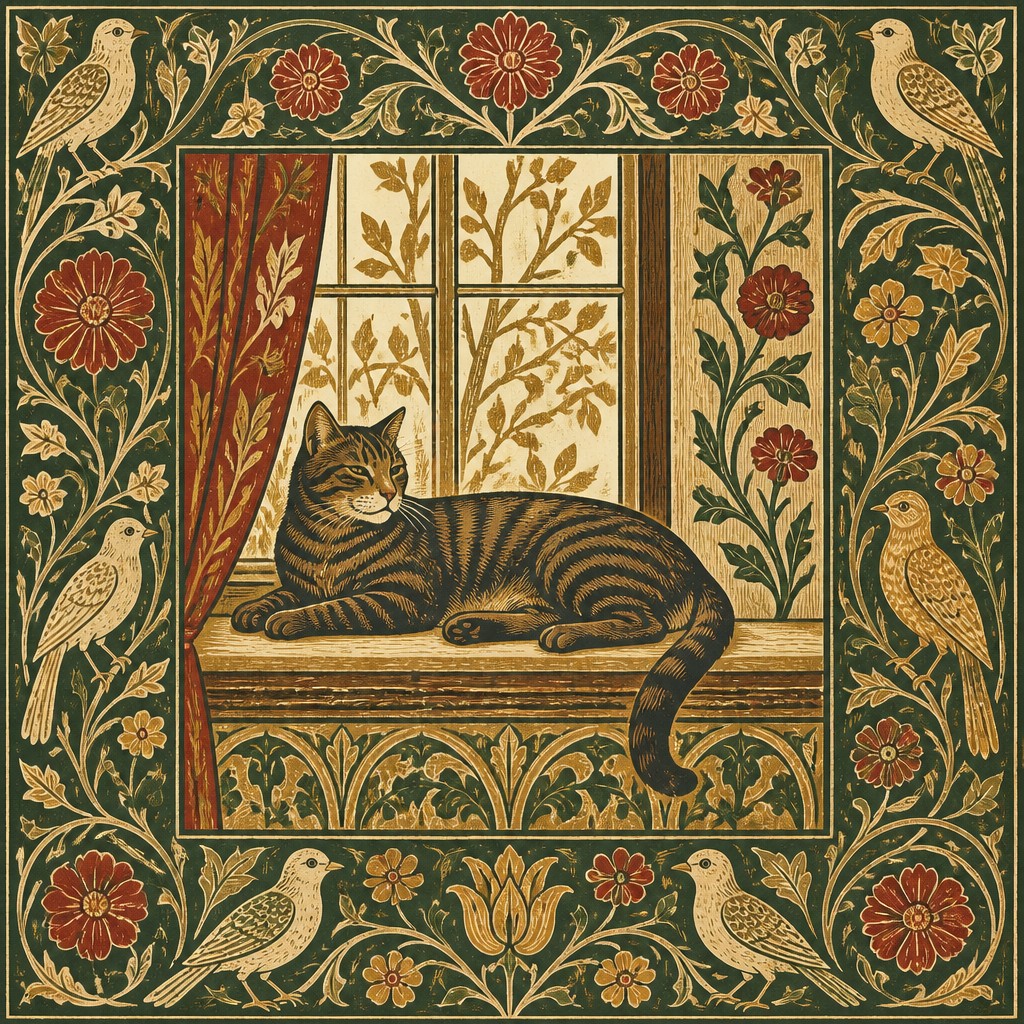
“a cat lounging in a sunlit window”
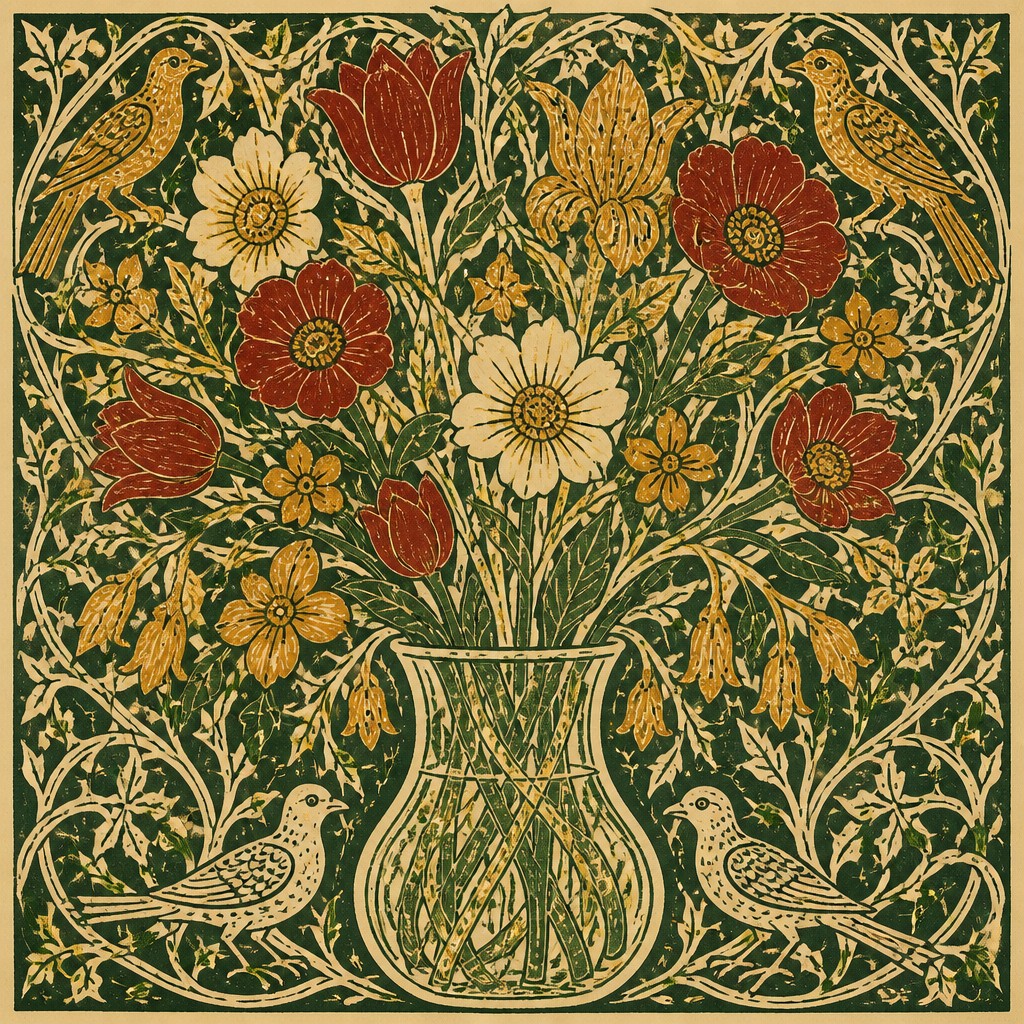
“bouquet of flowers in a glass vase”
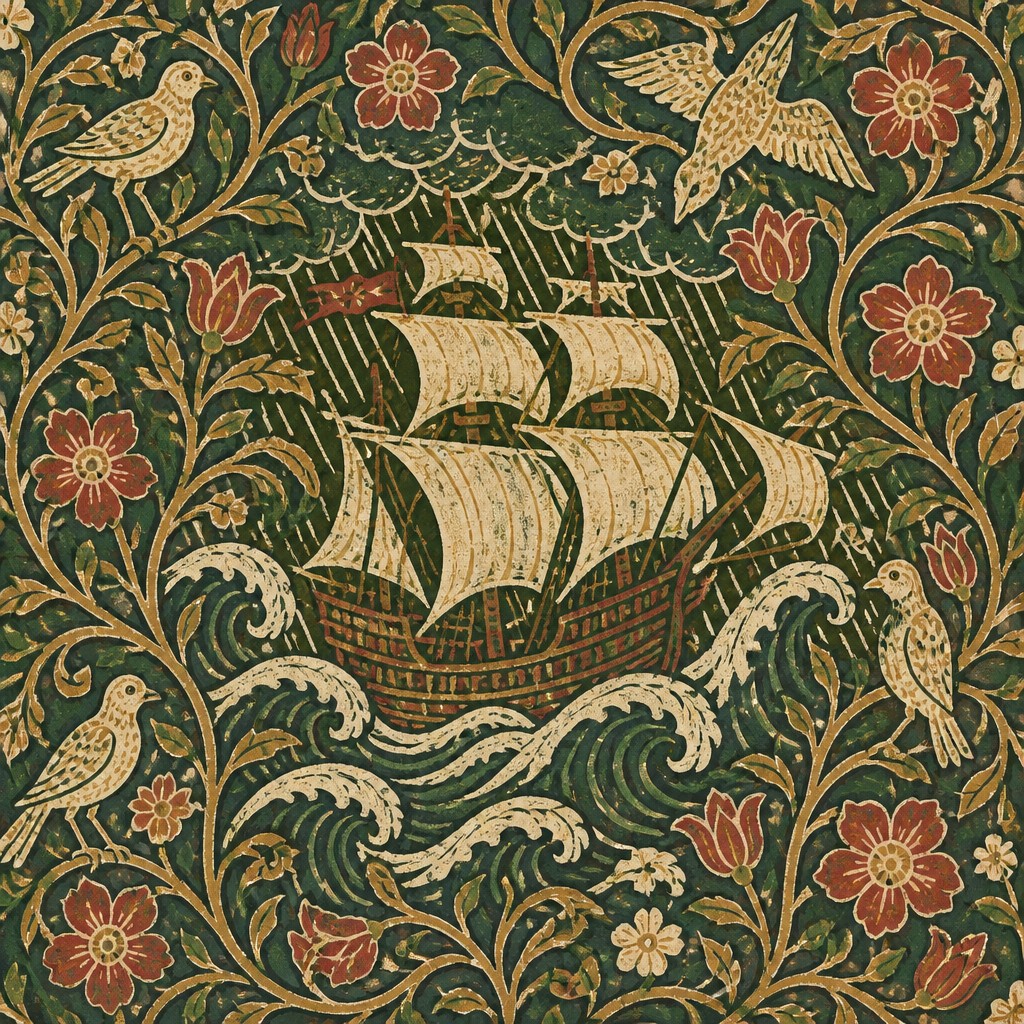
“sailing ship on a stormy sea”
How to Create Arts and Crafts Art
Master the craft step by step — or skip straight to creating. Read the full guide →
- 1
Build a repeatable motif
Begin with a small group of leaves, flowers, stems, or birds and arrange them so that edges connect naturally when tiled. Test half-drop, mirror, and brick repeats while preserving a clear visual rhythm.
- 2
Simplify natural forms
Reduce each plant or animal to a bold silhouette with a few internal lines and carefully controlled curves. Avoid excessive shading; use shape, contour, and overlap to establish hierarchy.
- 3
Use tactile traditional processes
For a physical work, try linocut, woodblock printing, stencil, screen printing, embroidery, carved wood, or hand-painted paper. Use opaque pigments and accept small variations in registration, pressure, and ink coverage.
- 4
Control the palette and texture
Limit the design to three to six muted colors, then add paper grain, woven fiber, block-print wear, or subtle pigment variation. Keep texture subordinate to the motif so the pattern remains legible.
- 5
Compose for interiors and objects
Consider how the pattern will wrap around wallpaper, fabric, tiles, book covers, furniture panels, or ceramics. Align borders and repeats with the object’s edges, seams, and functional structure.
- 6
Write a precise digital prompt
Specify the subject, flat botanical arrangement, interlacing structure, limited earthy palette, handmade printing process, visible material grain, and repeat-pattern behavior. For image transformation, request simplified contours and preserved handcrafted irregularities rather than generic vintage effects.
The Story
History & Origins of Arts and Crafts
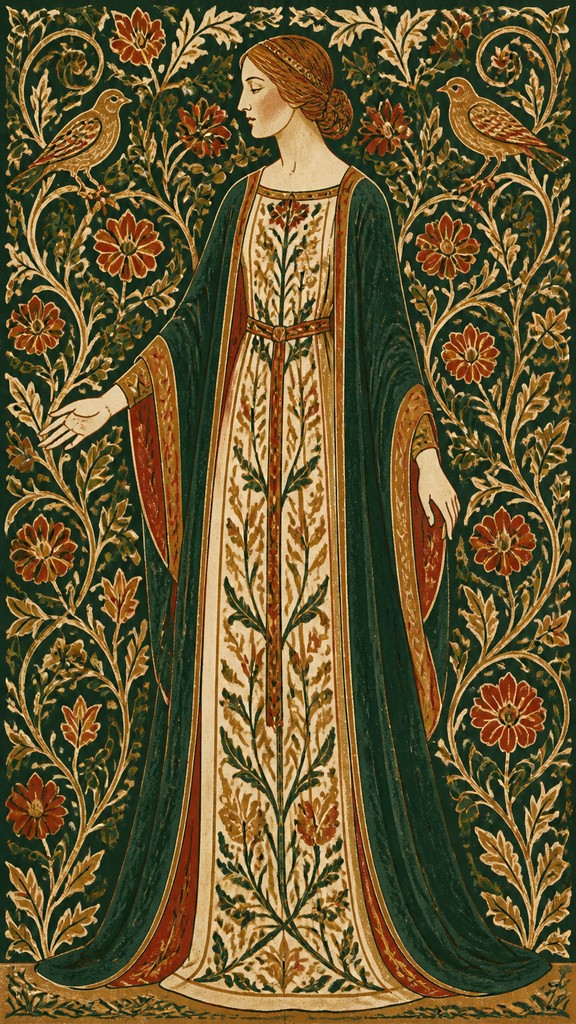
The Arts and Crafts movement developed in Britain during the second half of the nineteenth century in response to industrial mass production, poor-quality decoration, and the separation of design from manual labor. Reformers advocated a closer relationship between artist, designer, craftsperson, and object, drawing inspiration from medieval guild practices, vernacular building, traditional textiles, manuscript ornament, and the perceived integrity of preindustrial workmanship.
The movement spread across Europe and North America from the 1880s into the early twentieth century, taking different forms in furniture, architecture, printing, ceramics, metalwork, stained glass, textiles, and interior design. Its emphasis on nature, material honesty, and integrated domestic design influenced later modern design, while its plant motifs and repeat patterns remain widely used in wallpaper, fabric, stationery, and surface graphics.
Influences: Arts and Crafts style draws on medieval European manuscripts, guild traditions, vernacular architecture, folk textiles, botanical observation, woodblock and relief printing, embroidery, stained glass, and ceramic decoration. It is closely related to revivalist medieval design, the broader European decorative arts, early modernist reform movements, and later surface-pattern traditions that retained flat composition and plant-based ornament while adapting them to industrial or digital production.

Frequently Asked Questions
What defines Arts and Crafts style?
It is defined by respect for skilled making, functional design, natural materials, and decoration derived from plants, animals, and historical ornament. Visually, it favors flat stylization, repeating patterns, earthy colors, and surfaces that reveal the hand or process of production.
When did the Arts and Crafts movement begin?
The movement emerged in Britain during the second half of the nineteenth century, gaining influence from the 1860s onward and expanding internationally in the 1880s and early twentieth century. It developed as a critique of industrial mass production and poor-quality decorative goods.
Is Arts and Crafts style the same as Art Nouveau?
They overlap in their interest in organic forms and integrated design, but they are not identical. Arts and Crafts generally emphasizes medieval or vernacular references, material honesty, hand production, and restrained structure, while Art Nouveau more often uses flowing linear movement, highly unified curves, and a more explicitly modern ornamental vocabulary.
What materials are associated with Arts and Crafts design?
Common materials include carved or exposed wood, wool, linen, handmade paper, clay, hammered metal, stained glass, and natural pigments. The material is normally allowed to show its texture and construction rather than being concealed beneath excessive polish or imitation.
How can I make a pattern in this style?
Sketch a limited set of botanical or animal motifs, simplify them into flat shapes, and arrange them into a tileable repeat. Use a restrained earthy palette and add relief-print, paper, textile, or pigment texture while keeping the silhouettes and spacing clear.
Where is Arts and Crafts style commonly used?
It appears in wallpaper, upholstery, rugs, curtains, book design, stationery, ceramics, furniture, stained glass, architecture, and domestic interiors. Its repeatable motifs also work well for packaging, editorial illustration, surface graphics, and decorative digital compositions.
Create your first Arts and Crafts artwork
Describe anything — or upload a photo — and see it in Arts and Crafts Style in seconds.
Related Styles
Discover similar art styles