Book Arts Art Style
Explore Book Arts: illuminated pages, hand-bound covers, gilded initials, sewn structures, and sculptural book objects shaped by historic craft.
Instantly rendered in Book Arts — or transform a photo
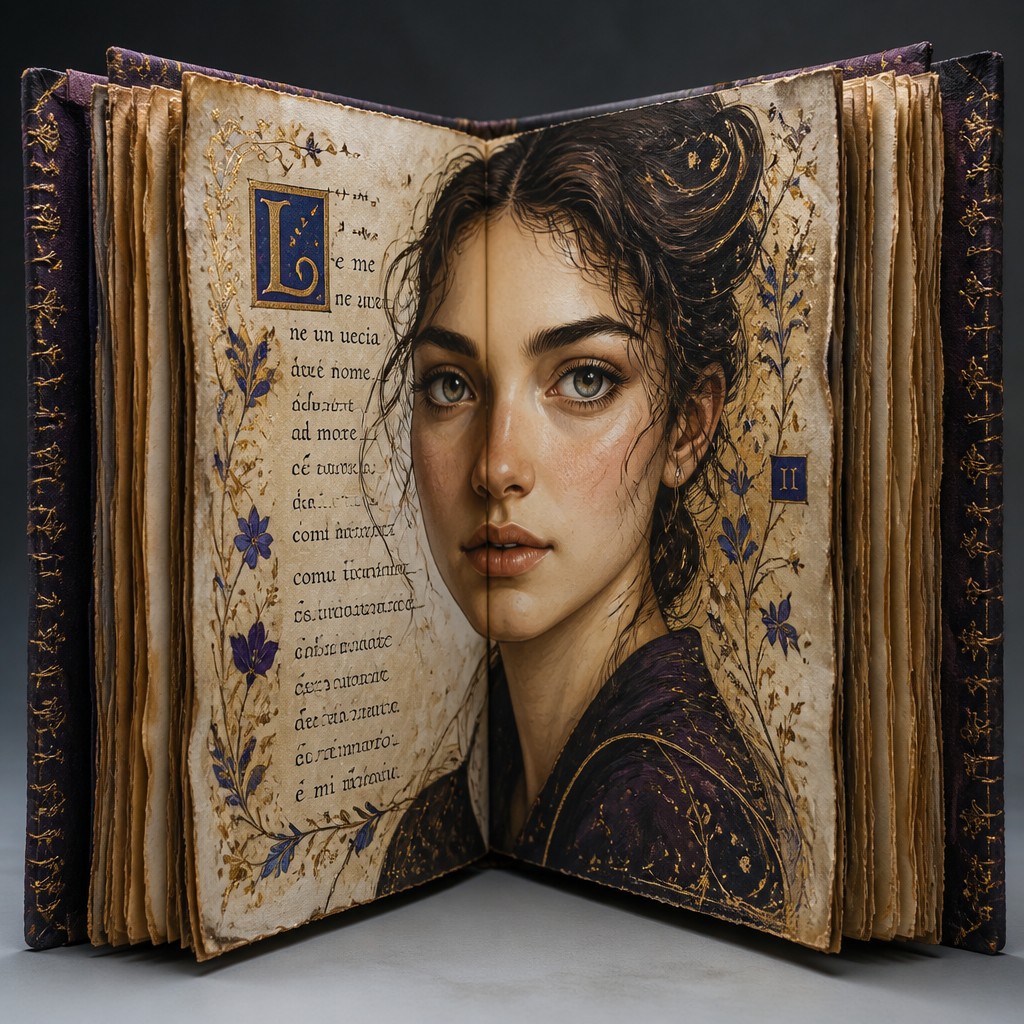
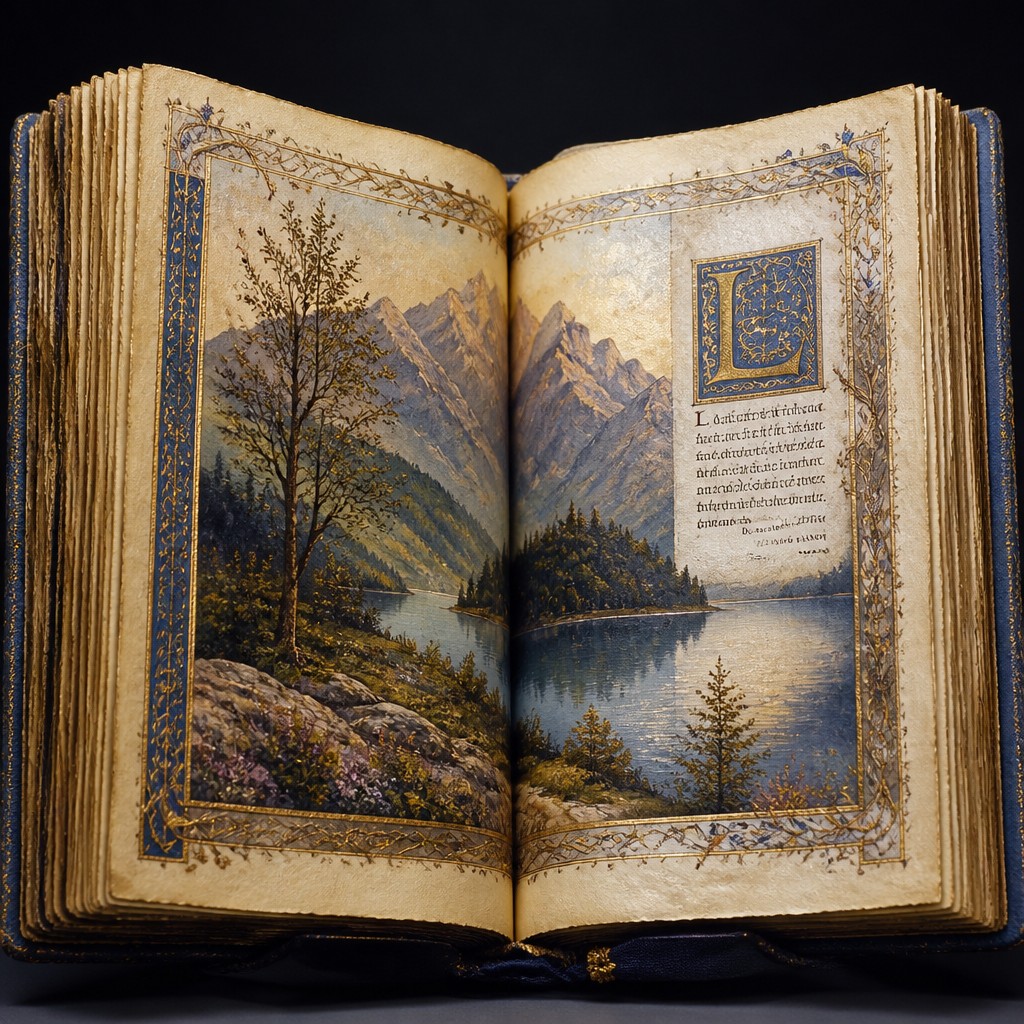
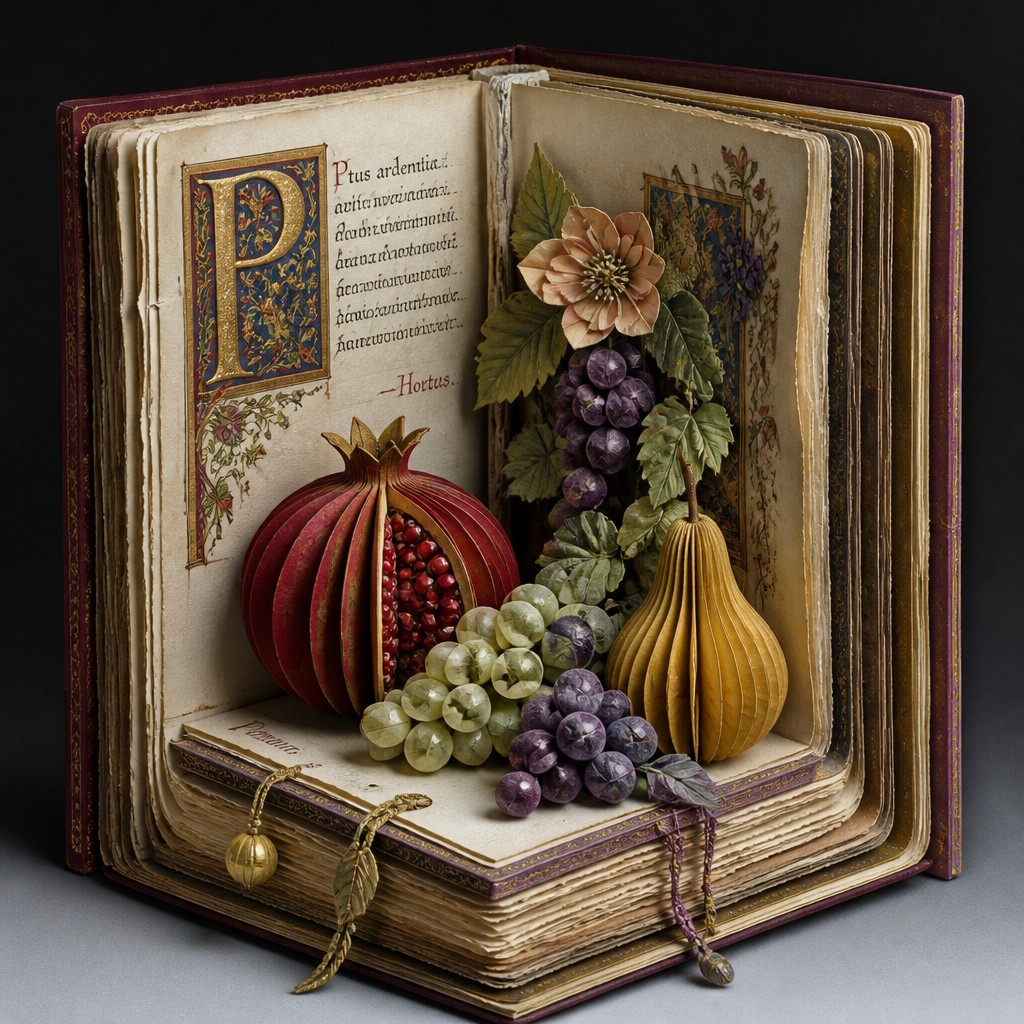
Book Arts Gallery
Tap any artwork to explore it
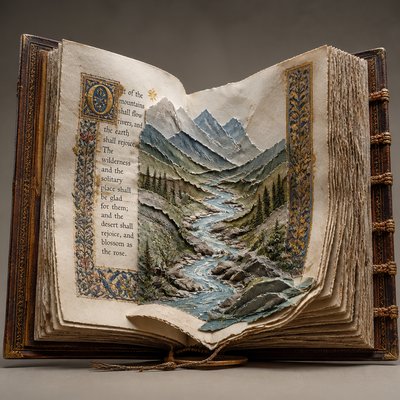
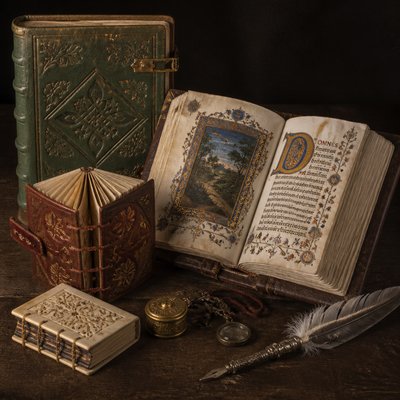
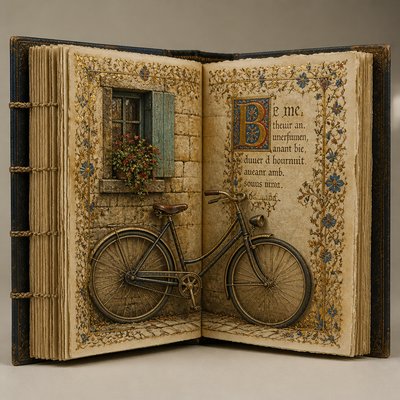
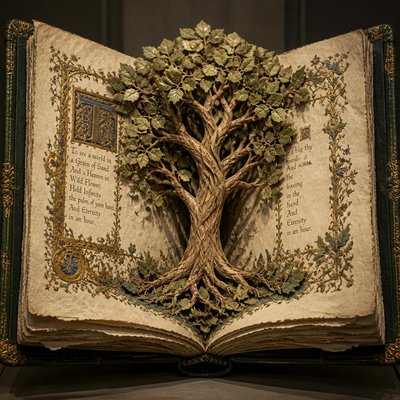
What is Book Arts Art Style?
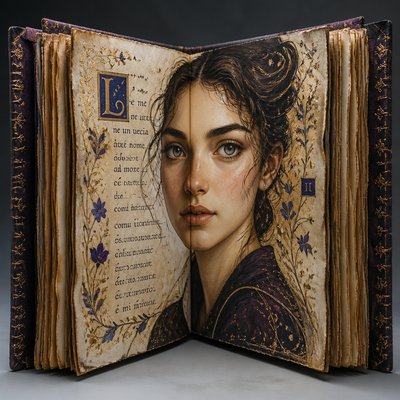
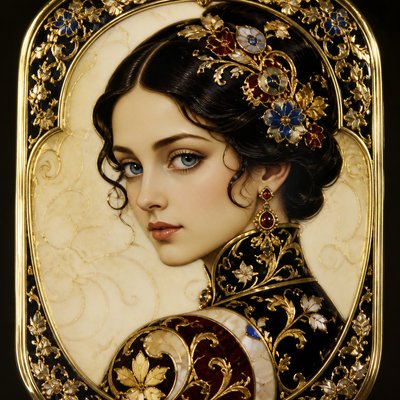
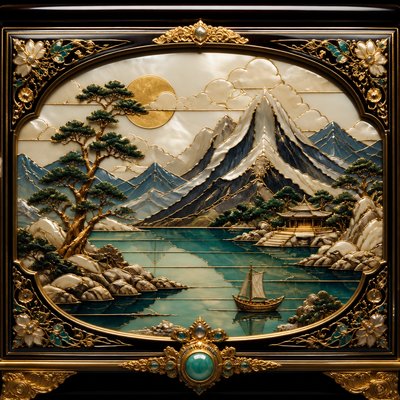
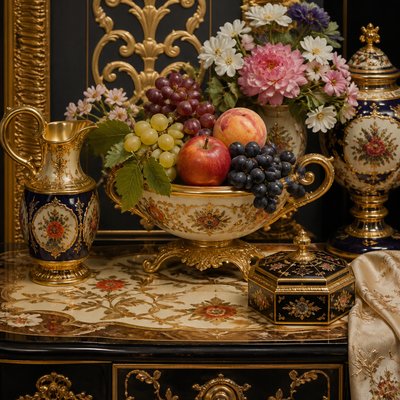
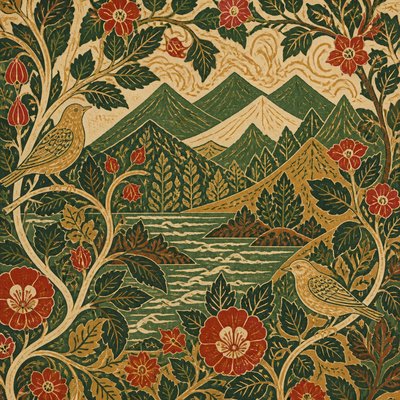
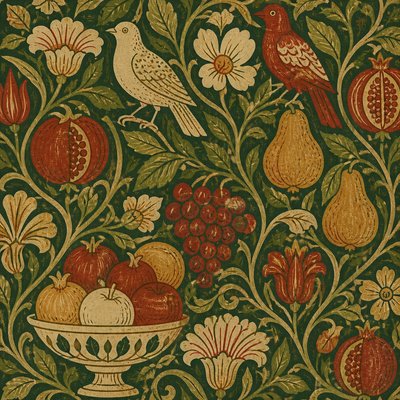
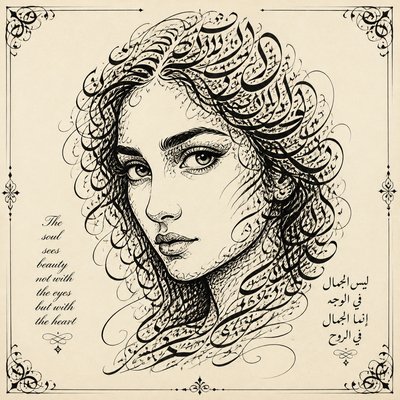
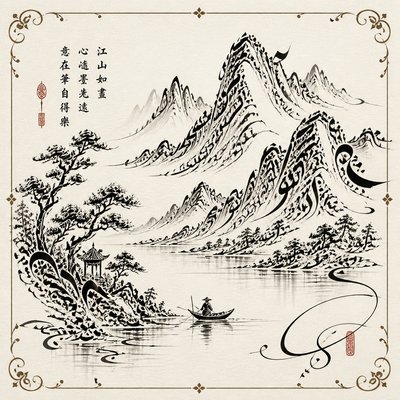
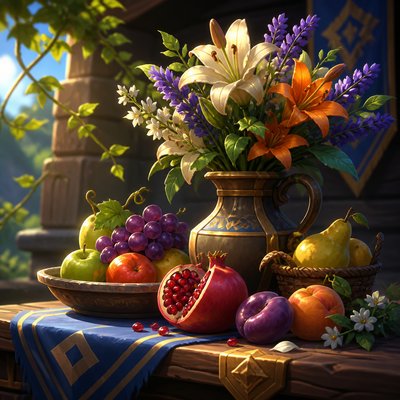
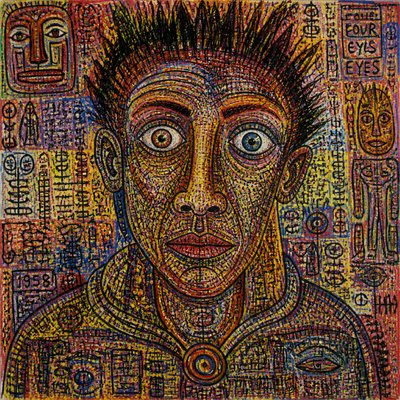
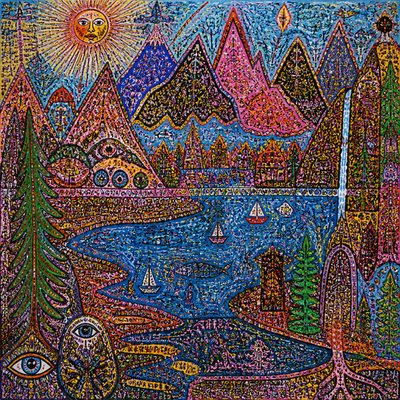
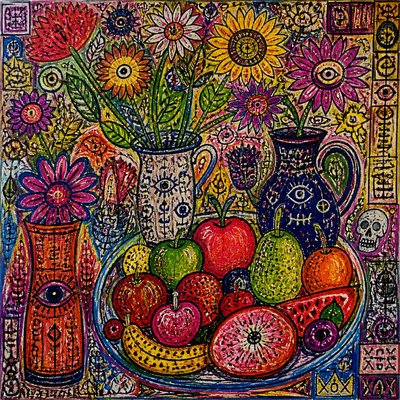
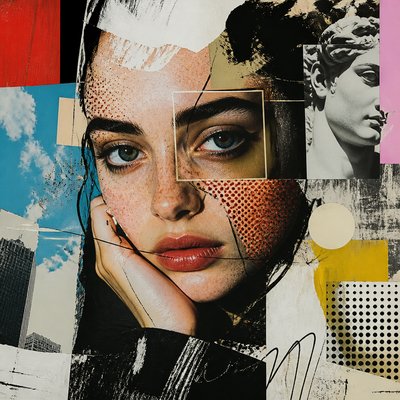
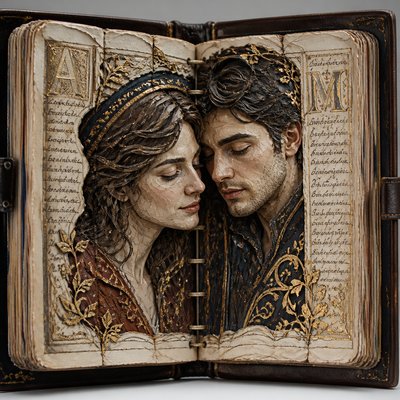
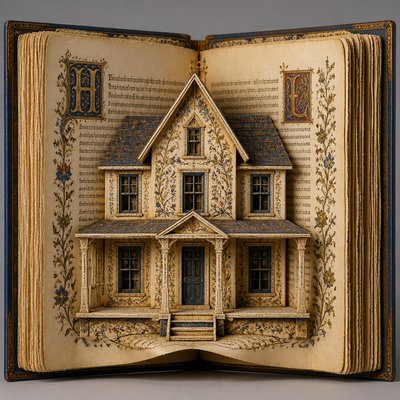
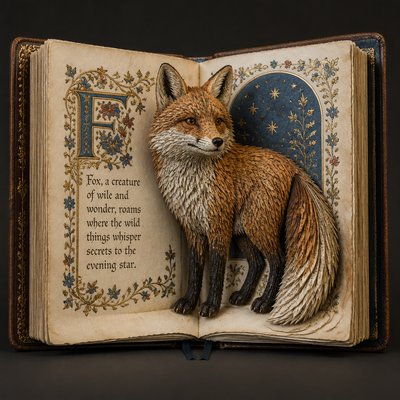
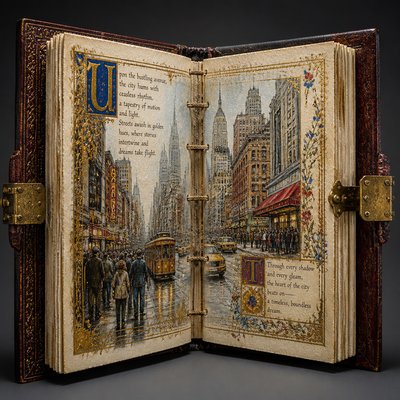
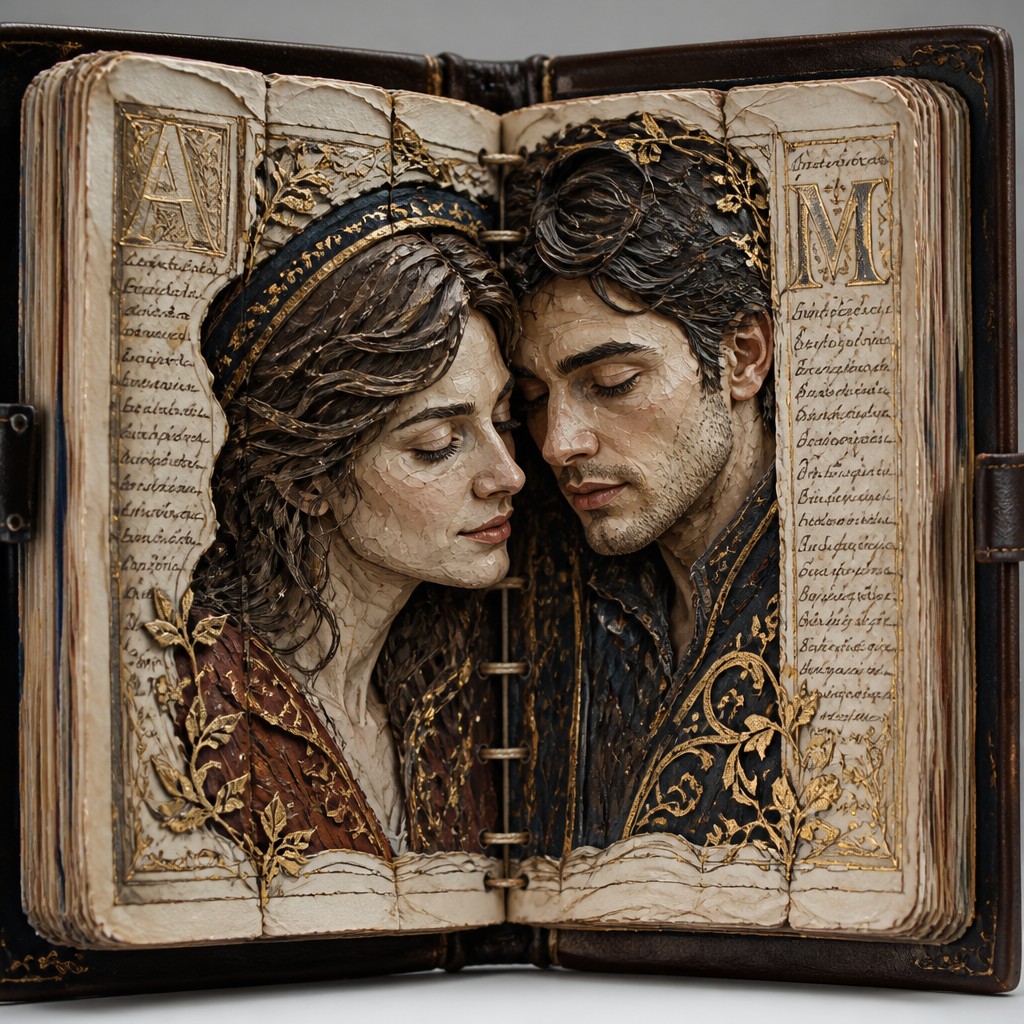
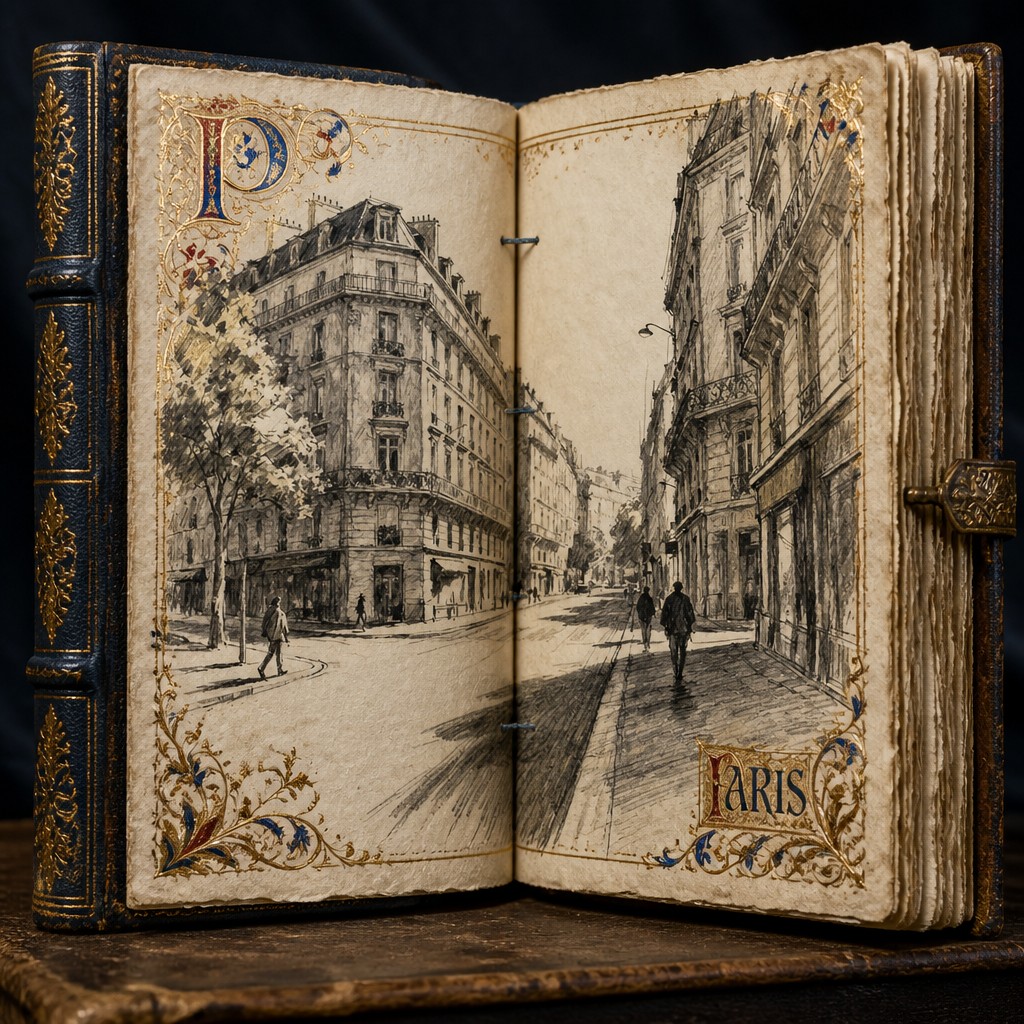
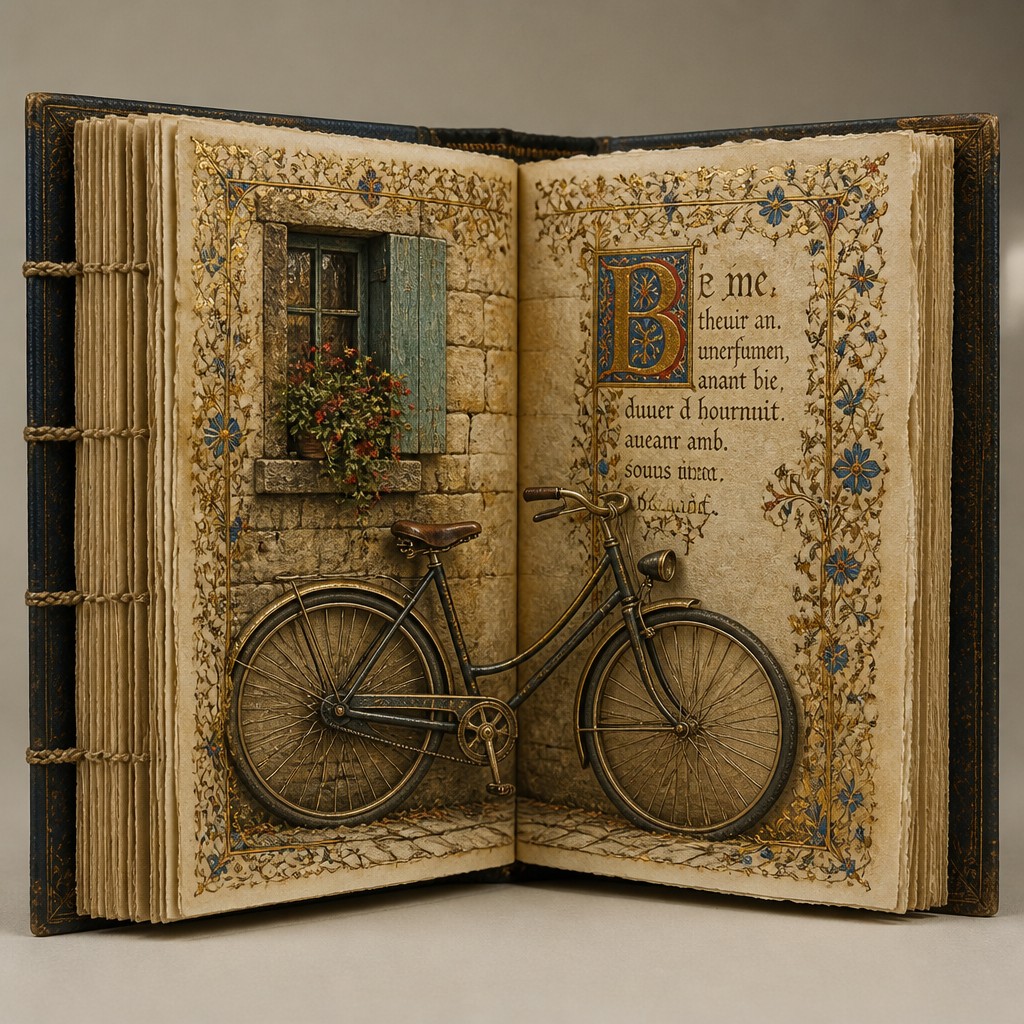
Book Arts Art Style presents the book as both a vessel for text and a crafted visual object. Its imagery combines hand-bound leather or cloth covers, tooled decoration, illuminated manuscript pages, gilded initials, deckle-edged paper, visible sewing, and layered leaves that create a sculptural form. Books may appear open, partially closed, disassembled, or transformed into architectural and symbolic objects.
The style looks tactile because it emphasizes material evidence: irregular paper fibers, pressed leather, thread, pigment, metallic leaf, raised tooling, and the soft shadows cast by overlapping pages. Archival or workshop-like lighting often frames the object as a precious artifact, while carefully arranged margins, borders, ornament, and script connect the physical craft of binding with the visual discipline of historical book design.
Try It On Your Photos
Upload any photo and convert it into Book Arts Art Style — drag the sliders to compare before and after.


What Defines Book Arts Art Style
The signature details, up close
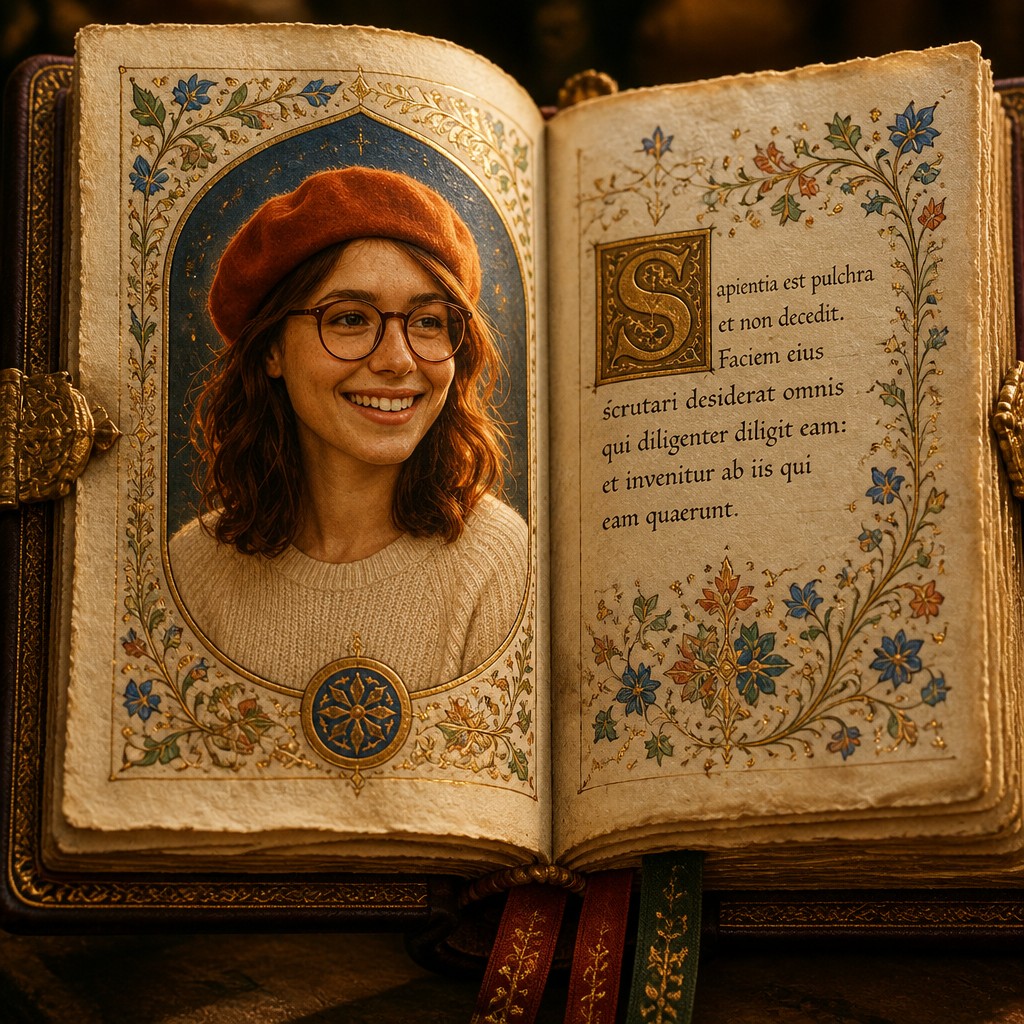
Illuminated manuscript pages
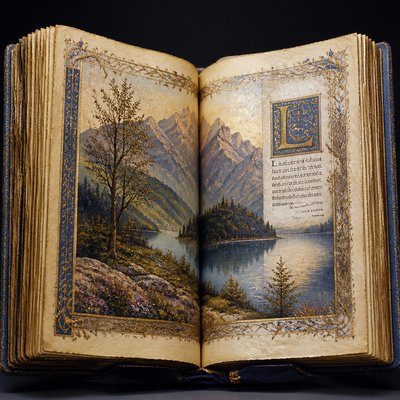
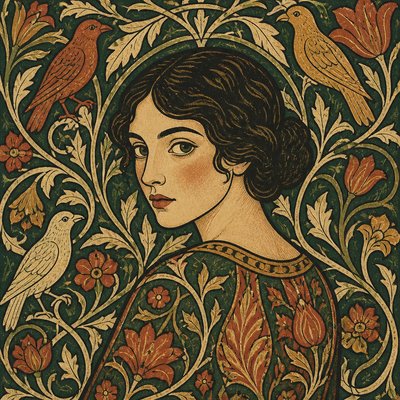
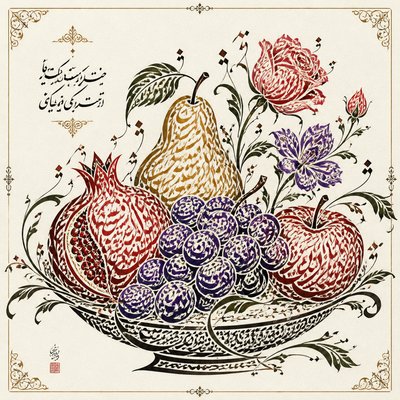
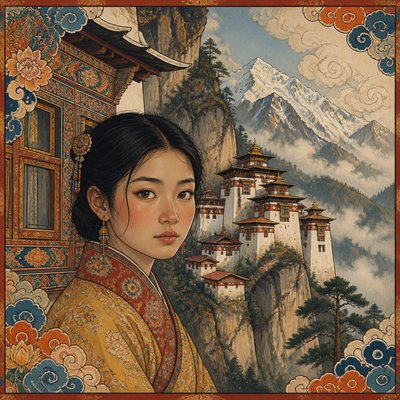
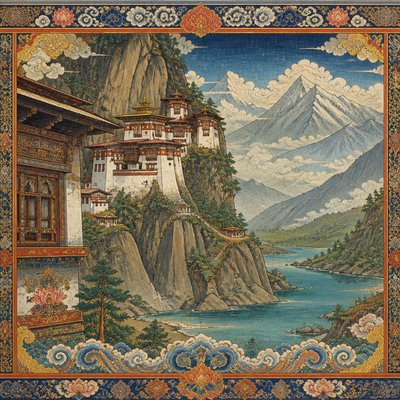
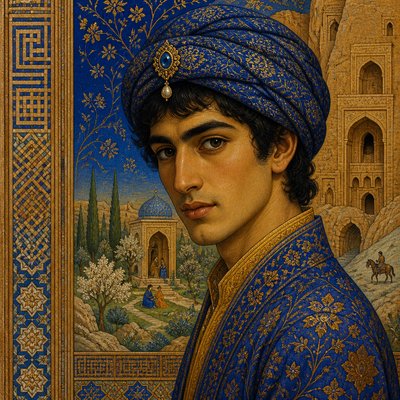
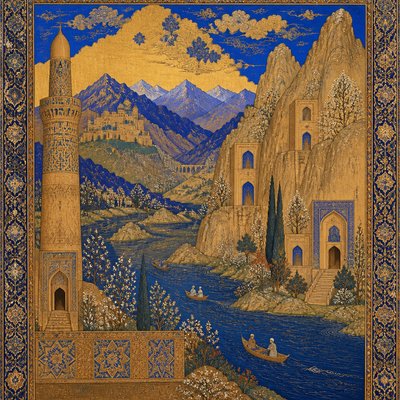
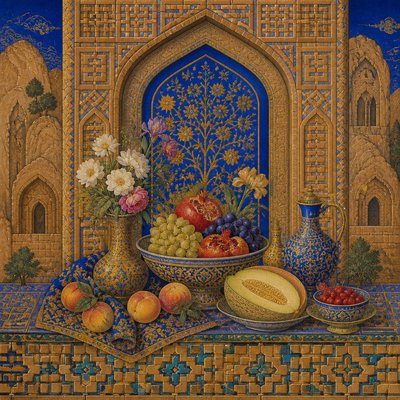
Pages feature decorative borders, miniature scenes, ornamental initials, and carefully arranged script. Gold and saturated pigments create a ceremonial contrast against warm, aged paper.
Hand-bound covers
Leather, linen, velvet, or textured cloth covers are shown with raised bands, clasps, corner pieces, or pressed decoration. Surface wear and subtle variation reinforce the handmade character.
Gilded ornament
Gold leaf, metallic pigment, and reflective tooling emphasize initials, borders, symbols, and cover patterns. Gilding is usually selective rather than evenly distributed, allowing the paper and binding materials to remain visible.
Visible sewn structure
Stitched signatures, cords, thread, and exposed binding joints may be treated as part of the composition. These details communicate how the object was assembled rather than hiding its construction.
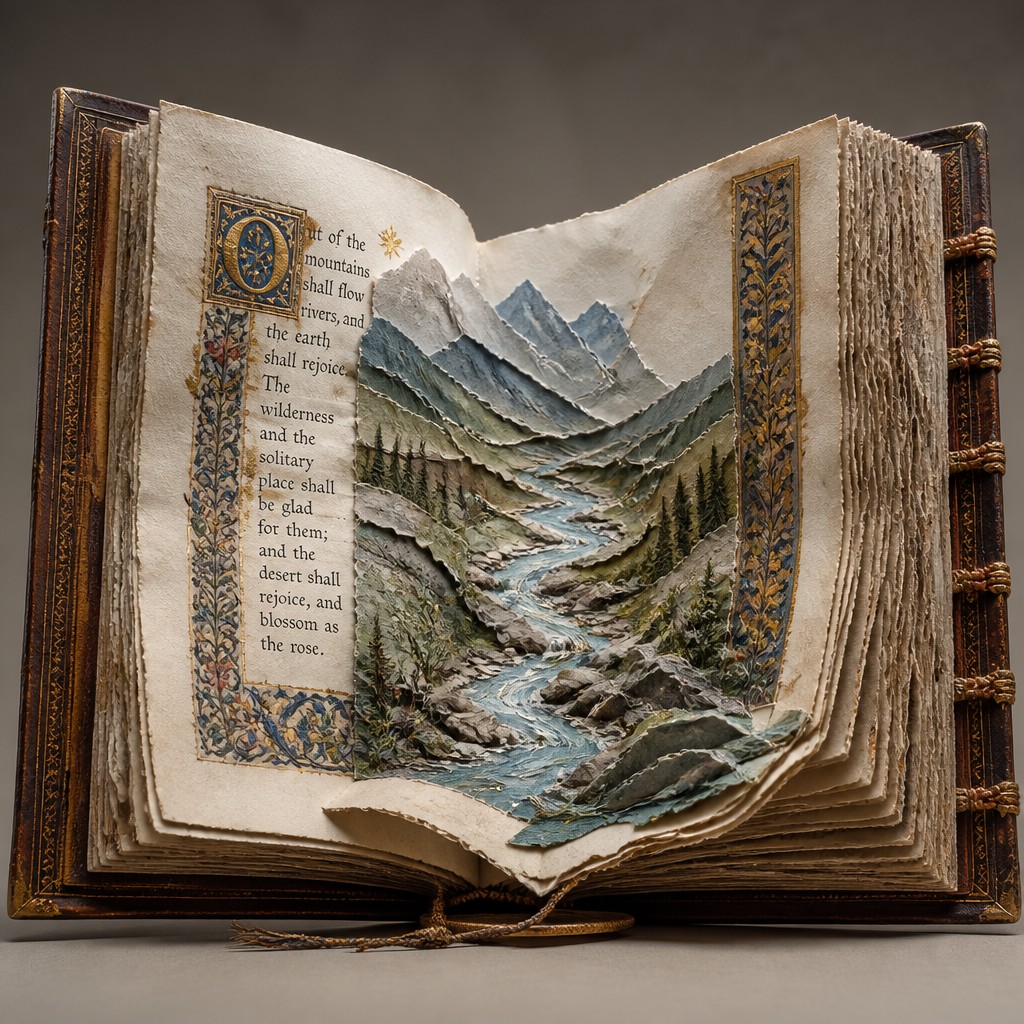
Deckle-edged paper texture
Uneven edges, fibers, stains, pigment variation, and slight warping give the pages a tangible, archival quality. The surface should feel absorbent and handmade rather than mechanically uniform.
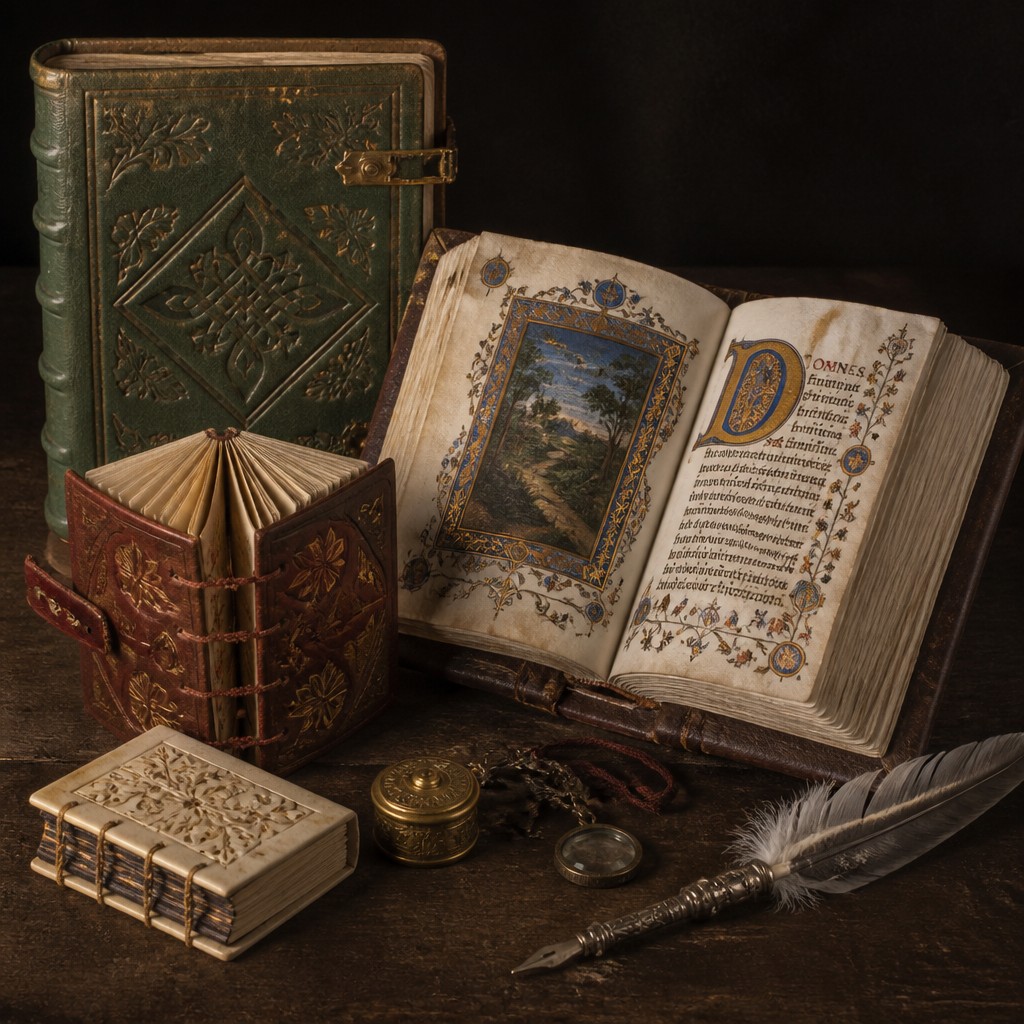
Layered sculptural pages
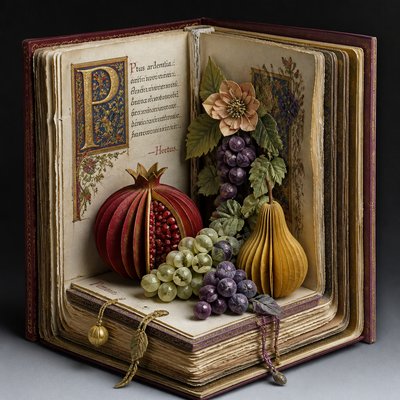
Overlapping leaves, cut pages, folded sections, and fan-like openings turn the book into a three-dimensional object. Page thickness and cast shadows are important parts of the visual design.
Quiet archival presentation
Soft directional light, neutral backgrounds, shallow shadows, and museum-like framing focus attention on the object. The mood is contemplative, intimate, scholarly, and materially precise.
Book Arts Prompt Ideas
Start from an idea — each one opens the generator with the style ready to go. See all 40 Book Arts prompts →
How to Create Book Arts Art
Master the craft step by step — or skip straight to creating. Read the full guide →
- 1
Build the physical structure
For traditional work, sew folded signatures onto supports, attach boards, and cover them with leather or cloth before adding tooling or clasps. In digital work, model distinct cover, spine, page-block, and thread elements so the binding reads as a constructed object.
- 2
Design the page hierarchy
Plan margins, columns, initials, border ornament, and image areas before adding detail. Use a restrained palette of parchment, vermilion, ultramarine, forest green, black, and gold to suggest illuminated manuscript design without overcrowding the page.
- 3
Render convincing materials
Combine roughness, fine fibers, edge irregularity, and small imperfections for paper; use directional grain and compressed highlights for leather or cloth. Metallic details need sharp, localized reflections rather than flat yellow color.
- 4
Shape the book as a sculpture
Open the volume at a deliberate angle, fan or stagger the pages, and use folds, cutouts, and layered leaves to establish depth. Add contact shadows between page groups so the object does not appear as a flat stack.
- 5
Use controlled lighting and composition
Choose soft archival lighting from one side, with gentle fill and a subdued background. A three-quarter view, overhead spread, or close-up of the binding can reveal both the overall silhouette and the craft details.
- 6
Write precise generation instructions
Specify the subject, book structure, materials, page decoration, binding method, surface imperfections, camera angle, and lighting separately. Useful terms include sewn signatures, gilded initial, deckle edge, tooled leather, exposed thread, illuminated border, and archival tabletop lighting.
The Story
History & Origins of Book Arts
This is a contemporary descriptive style rather than a single historical movement. Its aesthetic lineage reaches back to manuscript cultures in Europe, the Middle East, North Africa, and Asia, where scribes, illuminators, binders, and decorators produced hand-crafted books with painted imagery, ornamental scripts, patterned borders, and protective bindings. Medieval European illumination is especially associated with gilded initials, mineral pigments, and elaborate page decoration, while Islamic, Persian, Ottoman, Armenian, and East Asian traditions contributed distinctive approaches to calligraphy, ornament, paper, binding, and cover design.
The style also draws from the revival of hand bookbinding, private-press printing, artist's books, and contemporary book-object practices. Modern makers expanded the book beyond a container for sequential reading, using folding, cutting, sewing, layering, and sculptural construction to explore memory, ritual, knowledge, and material culture.
Influences: The style is informed by medieval and early modern illuminated manuscripts, Islamic and Persian calligraphic ornament, East Asian scroll and book traditions, historic European binding, private-press typography, contemporary artist's books, paper sculpture, archival photography, and museum-object presentation. It also shares qualities with material-focused still life, trompe-l'oeil, Gothic revival ornament, and craft-based design, while treating the book as an image, artifact, and three-dimensional form at once.
Frequently Asked Questions
What defines the Book Arts Art Style?
It defines a book through both its contents and its physical construction. Illuminated pages, gilded initials, hand-bound covers, deckle-edged paper, visible sewing, and sculptural page layers are central features.
Is this a specific historical art movement?
No. The term describes a contemporary synthesis of historical book arts, manuscript illumination, binding, paper craft, and artist's-book practices. It should not be confused with a single period or regional school.
How is it different from illuminated manuscript art?
Illuminated manuscript art primarily describes decorated handwritten pages and their historical traditions. Book Arts Art Style includes illumination but gives equal importance to the cover, binding, paper edges, stitching, page thickness, and the book as a sculptural object.
Can the style depict modern books or invented texts?
Yes. The visual language works with fictional archives, contemporary journals, field guides, maps, catalogs, and symbolic books. Invented writing can suggest historical richness, although readable text may require separate design or editing.
How can I make a physical artwork in this style?
Start with folded paper signatures, a sewn binding, and boards covered in leather, cloth, or decorative paper. Add painted initials, stamped or tooled motifs, metallic leaf, cut pages, or inserts while preserving visible material irregularities.
Where is this style commonly used?
It suits editorial illustration, fantasy and historical storytelling, museum and library imagery, publishing concepts, ceremonial objects, educational visuals, packaging, and still-life photography. It is particularly effective when the subject involves memory, scholarship, ritual, archives, or hidden knowledge.
Create your first Book Arts artwork
Describe anything — or upload a photo — and see it in Book Arts Art Style in seconds.
Related Styles
Discover similar art styles