Decorative Arts Style
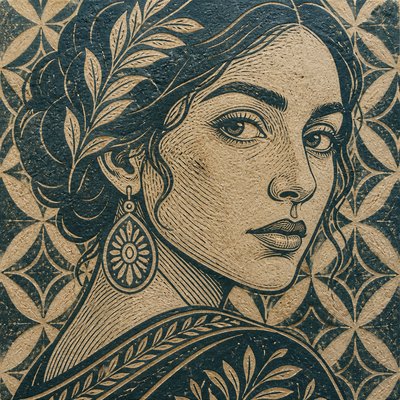
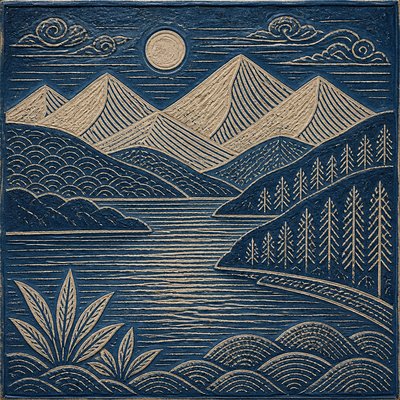
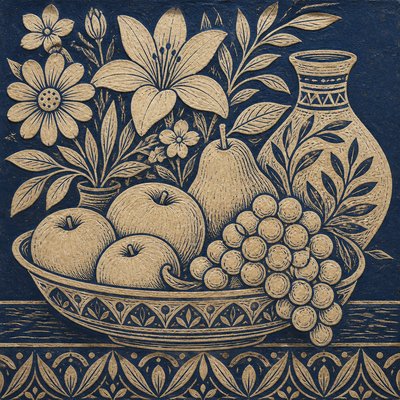
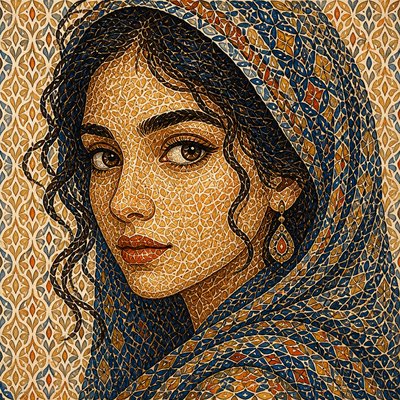
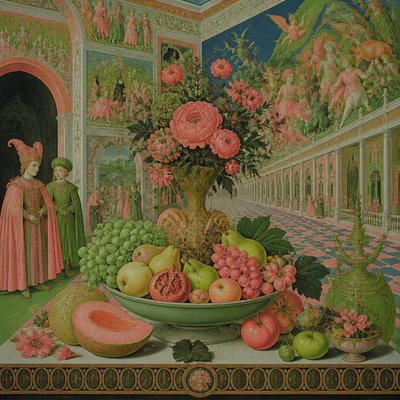
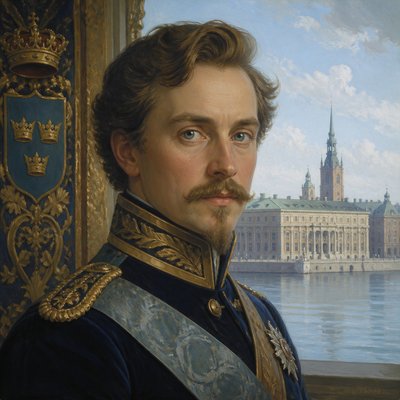
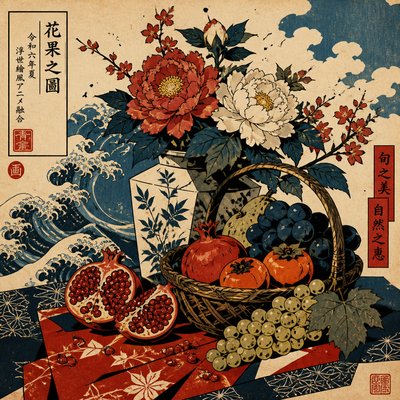
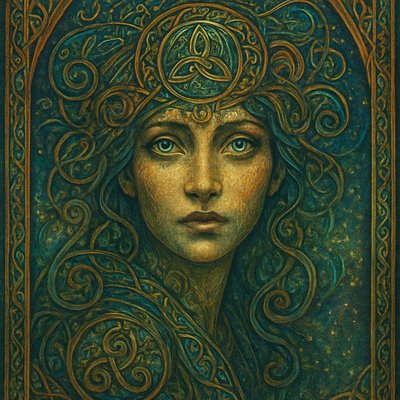
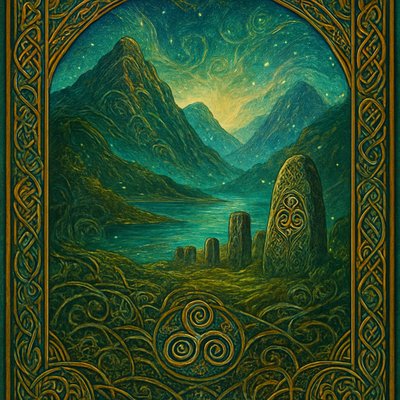
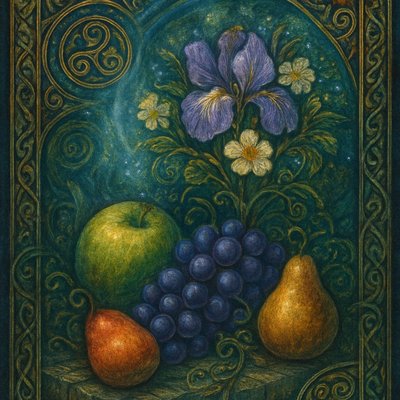
Explore Decorative Arts style: gilded ornament, marquetry, porcelain sheen, polished brass, and jewel-box luxury inspired by historic craft traditions.
Instantly rendered in Decorative Arts — or transform a photo
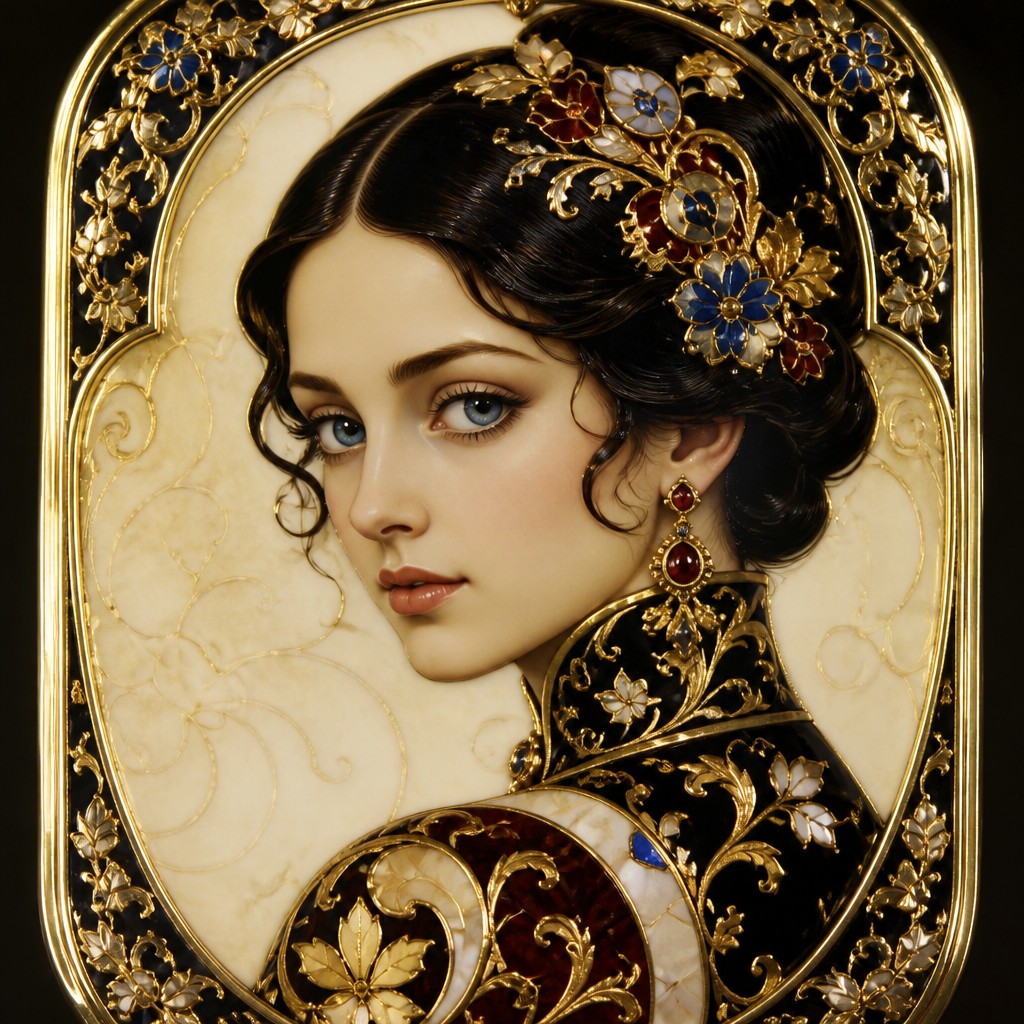
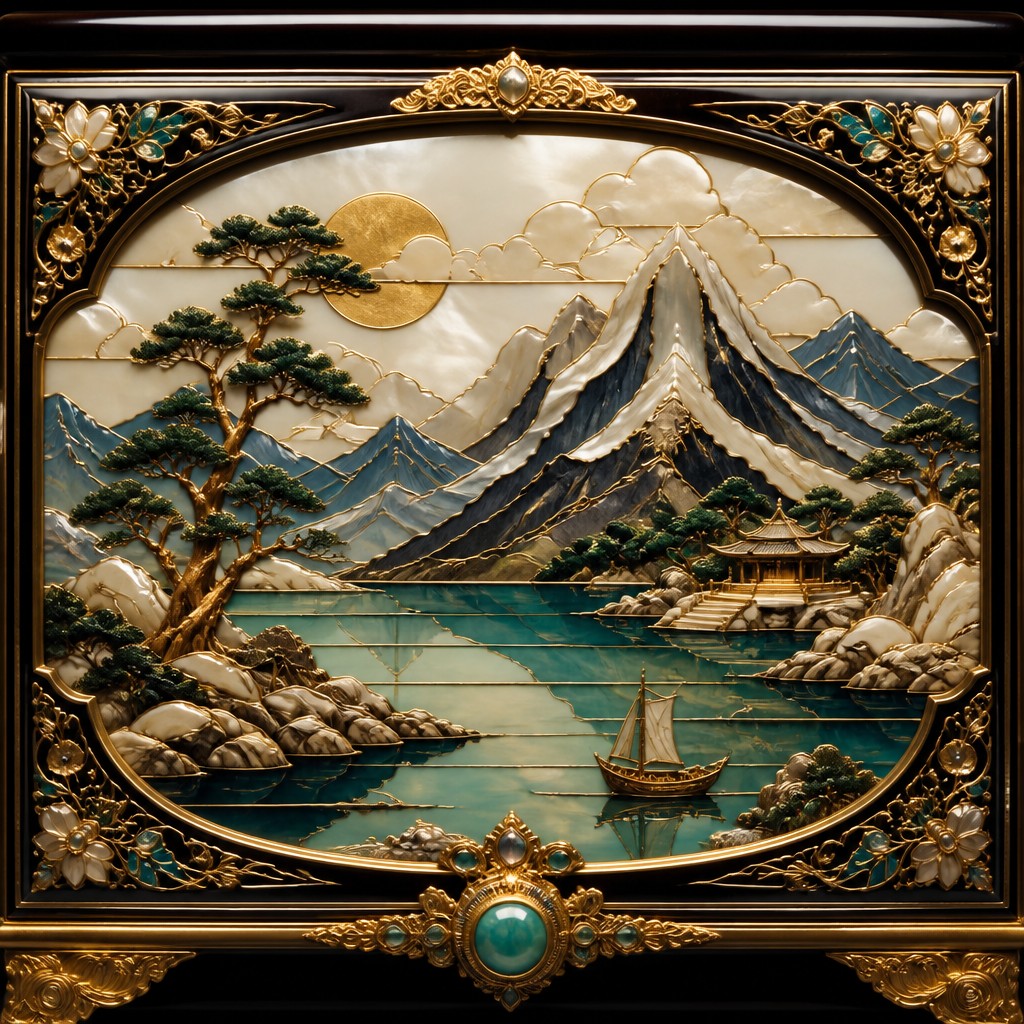
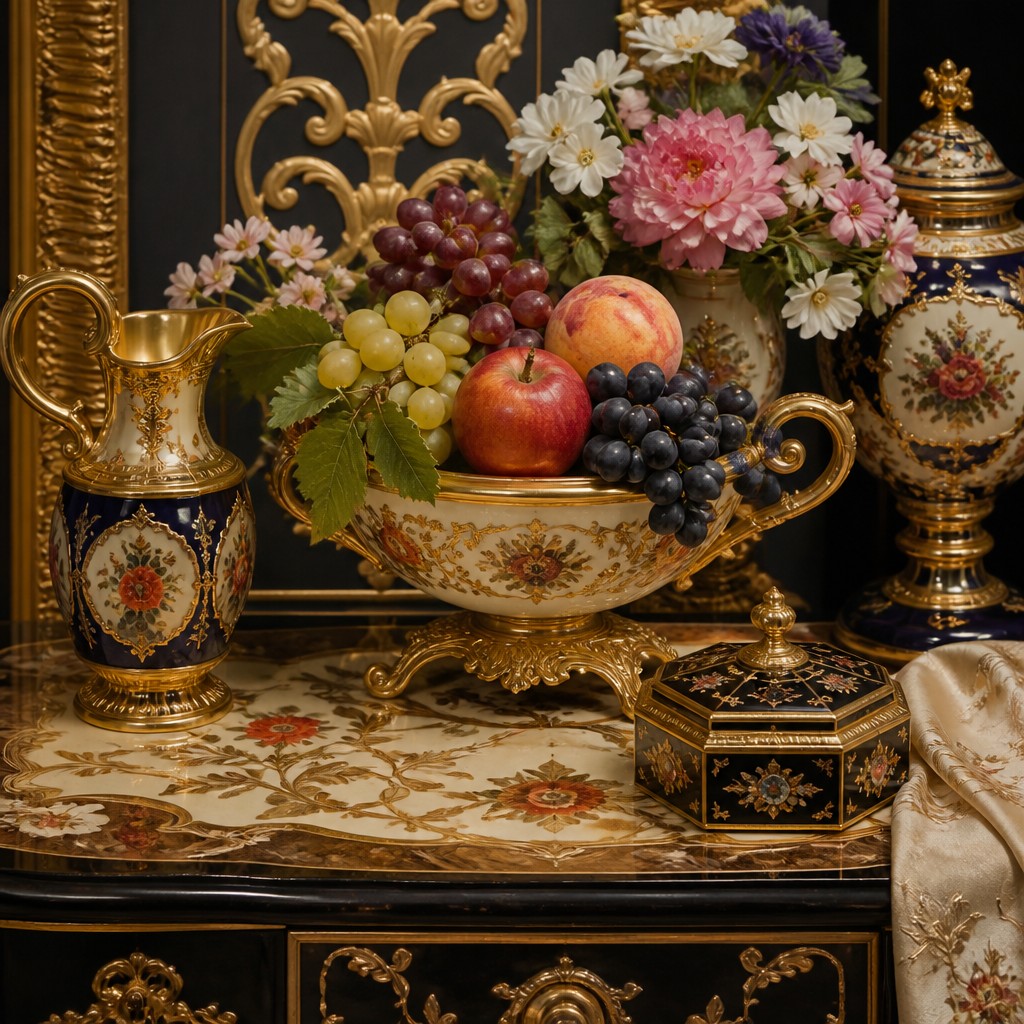
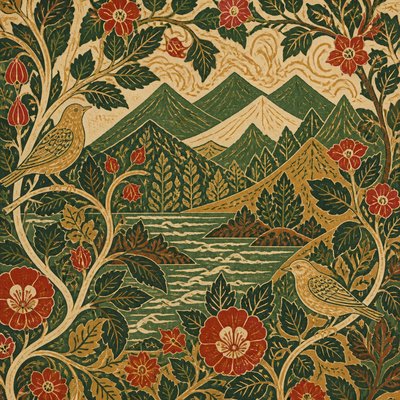
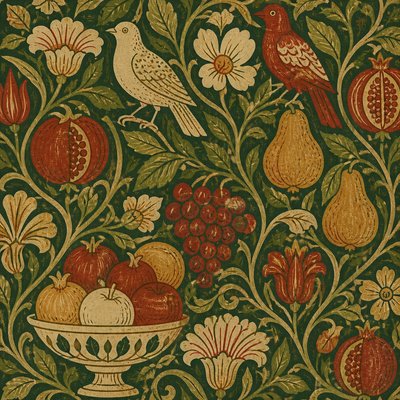
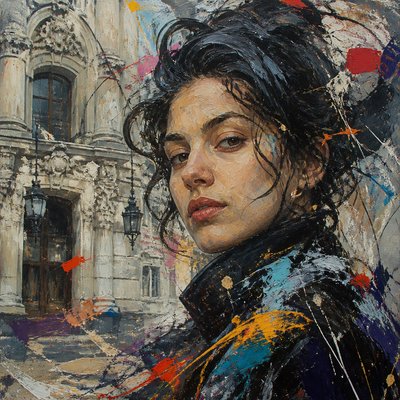
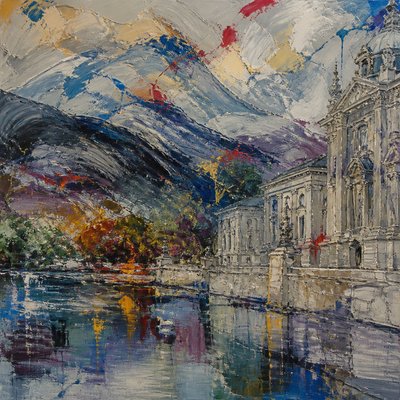
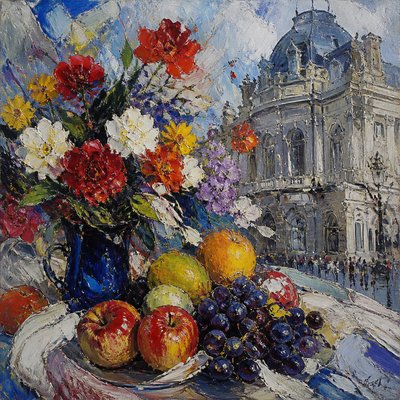
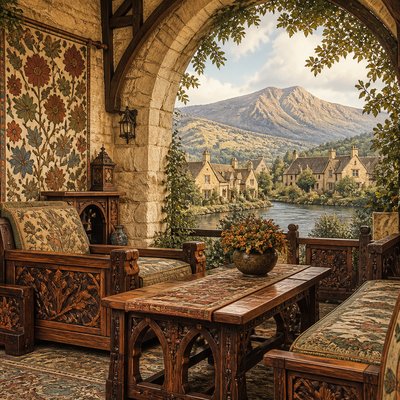
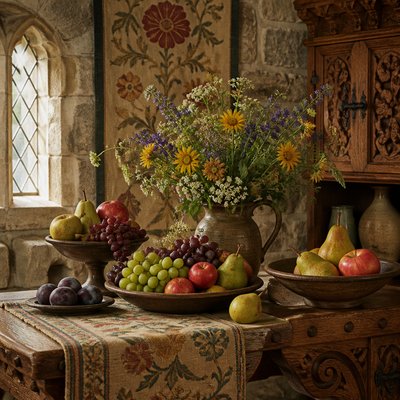
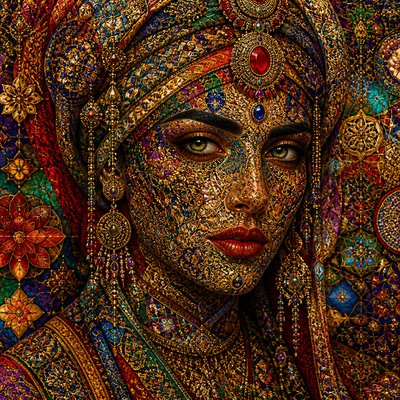
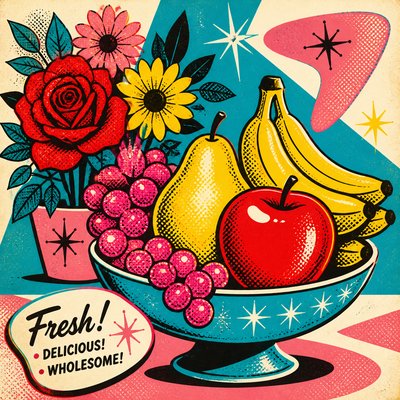
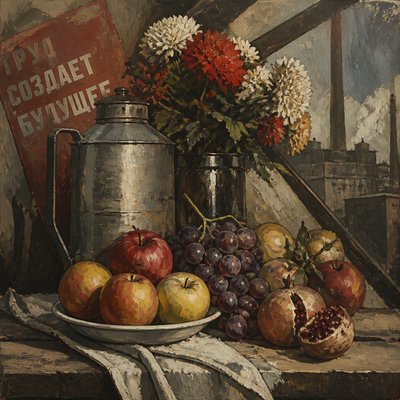
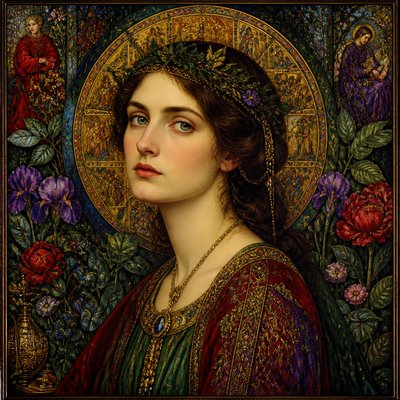
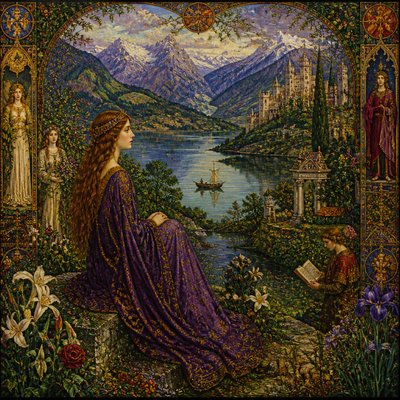
Decorative Arts Gallery
Tap any artwork to explore it
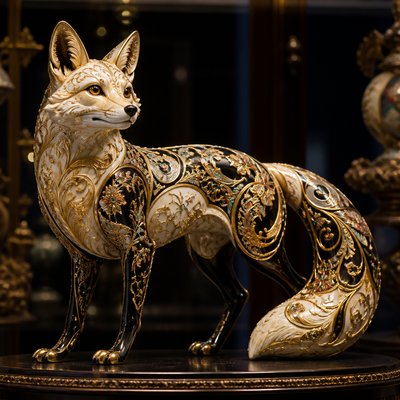
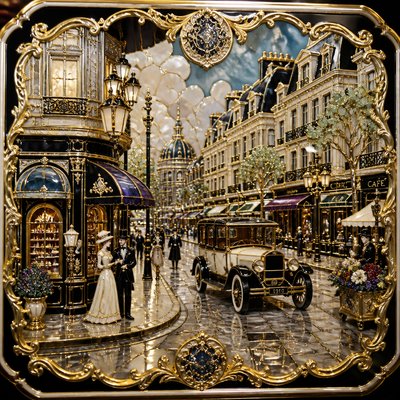
What is Decorative Arts Style?
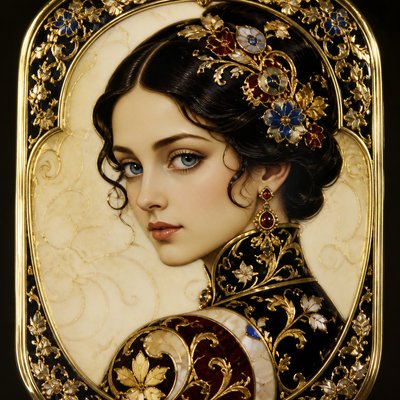
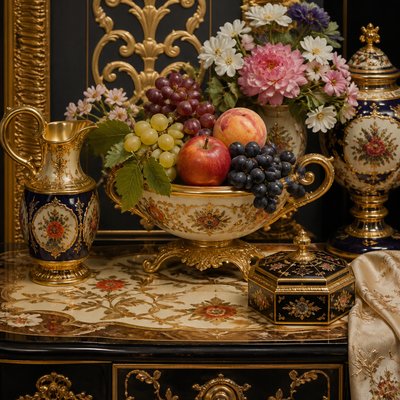
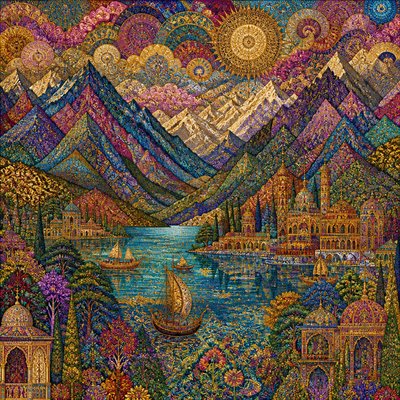
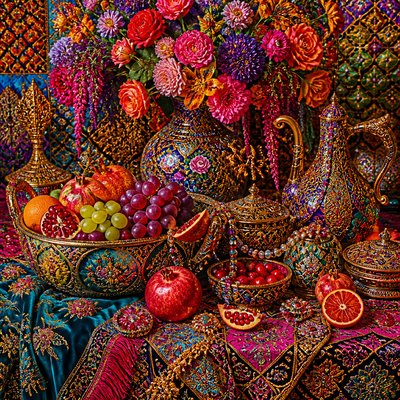
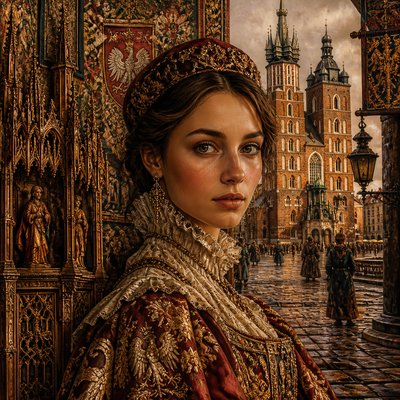
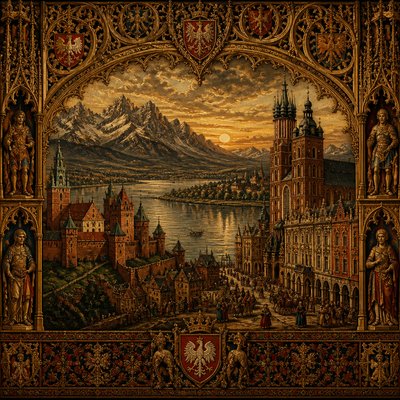
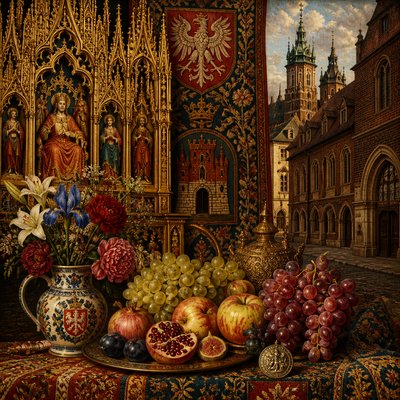
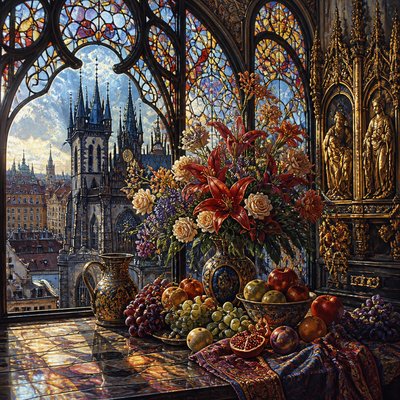
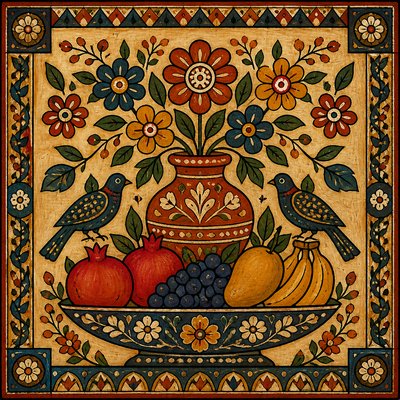
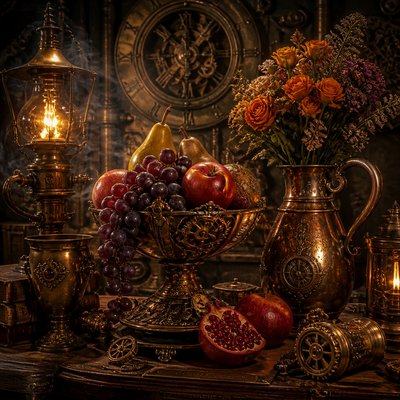
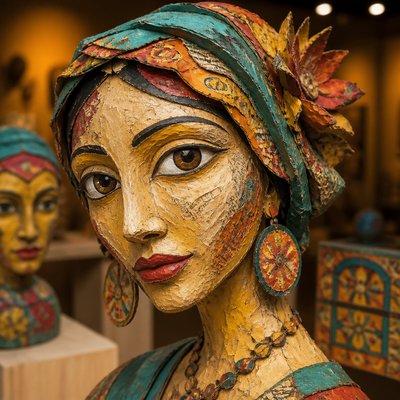
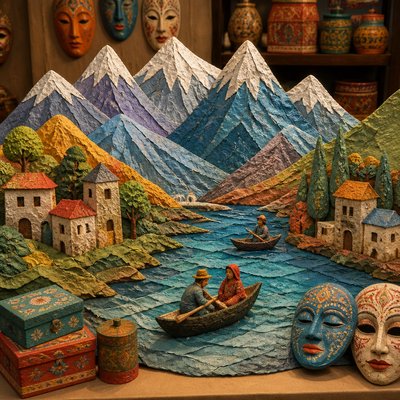
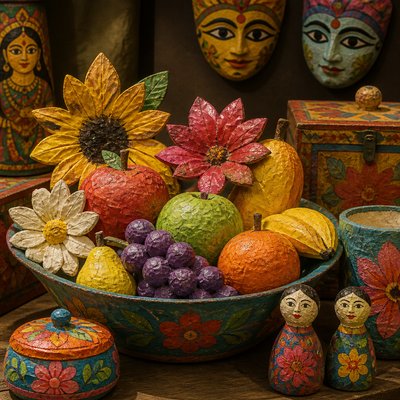
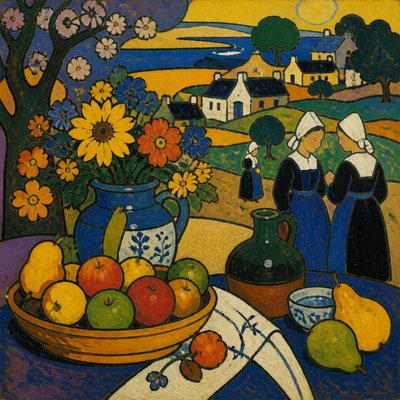
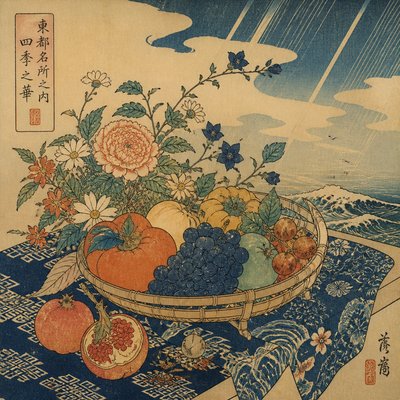
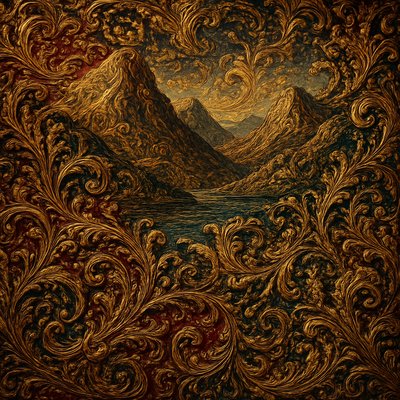
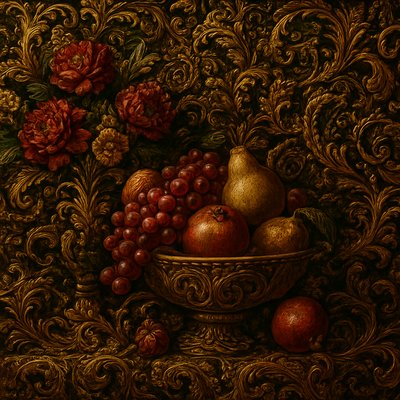
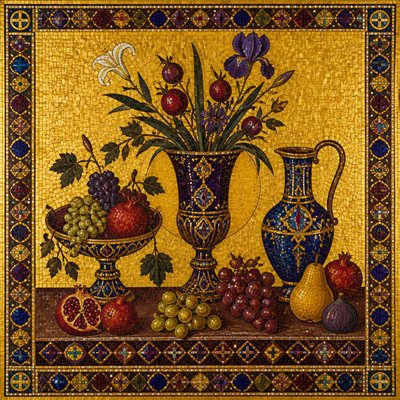
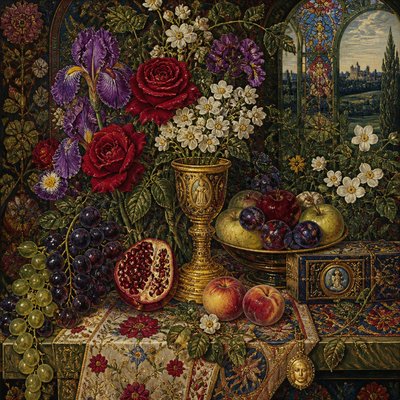
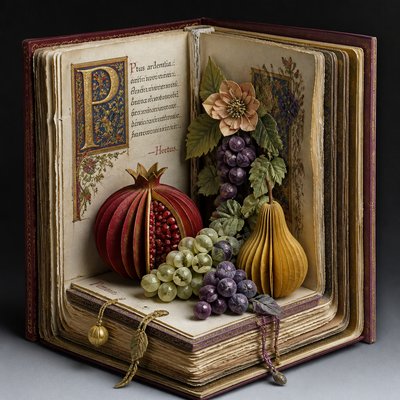
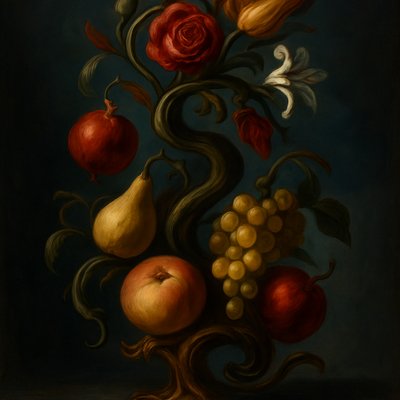
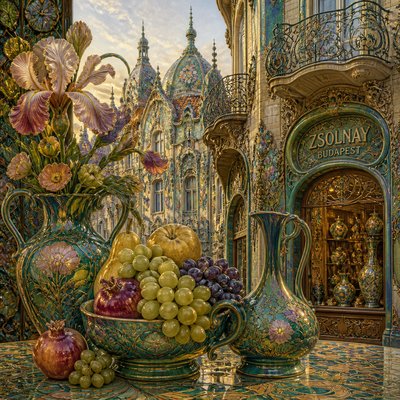
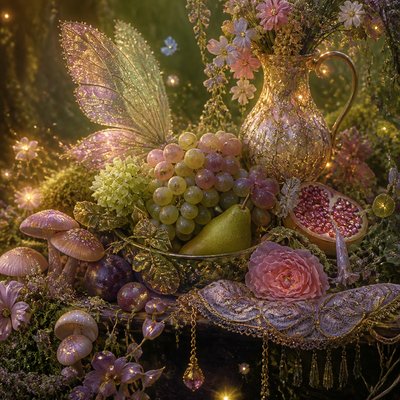
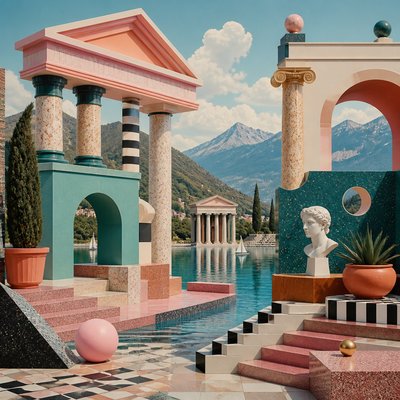
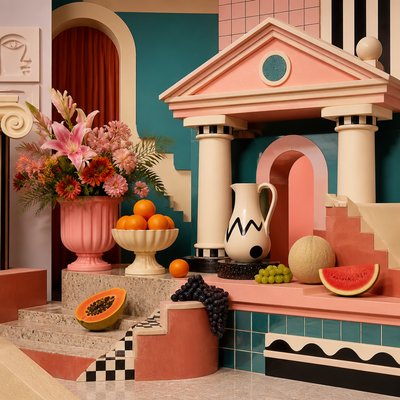
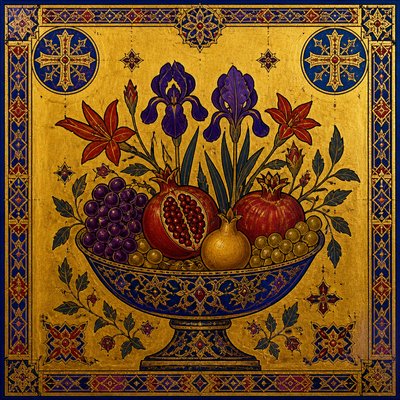
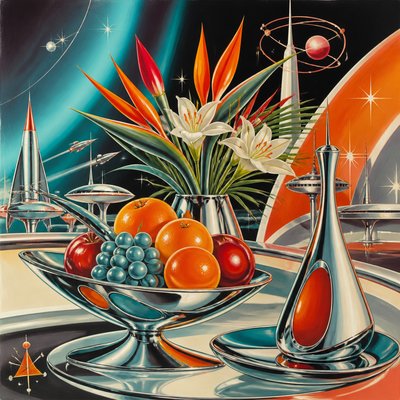
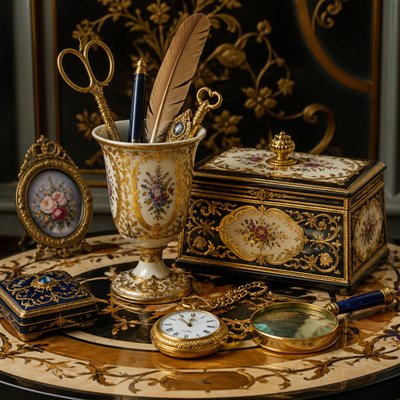
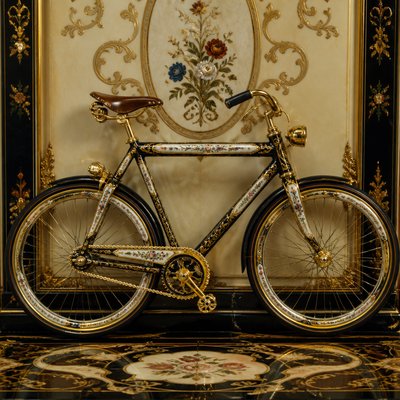
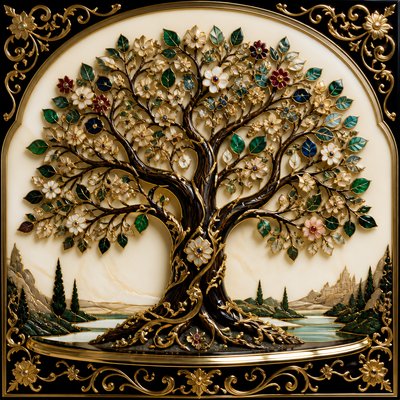
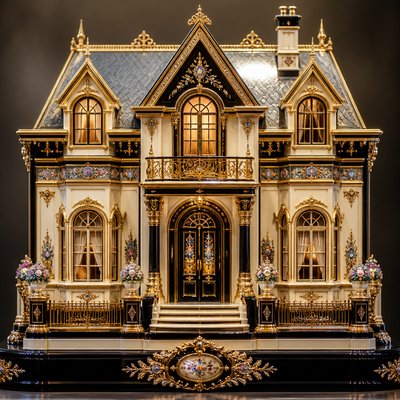
Decorative Arts Style is a sumptuous, object-centered aesthetic built around craftsmanship, ornament, and the visual richness of materials. Its imagery may feature gilded scrollwork, marquetry, inlaid stone, porcelain surfaces, polished brass, lacquer, enamel, carved wood, and jewel-like color accents. Cream, ebony, deep green, ruby, sapphire, and antique gold commonly create the atmosphere of a carefully arranged cabinet, salon, or museum display.
The style treats everyday or imagined subjects as luxury objects. Surfaces are designed to reward close inspection: borders frame the composition, repeated motifs establish rhythm, and contrasting textures suggest handwork and permanence. Vitrine-like lighting, restrained backgrounds, and precise presentation make the subject appear collected, conserved, and made for display rather than casual use.
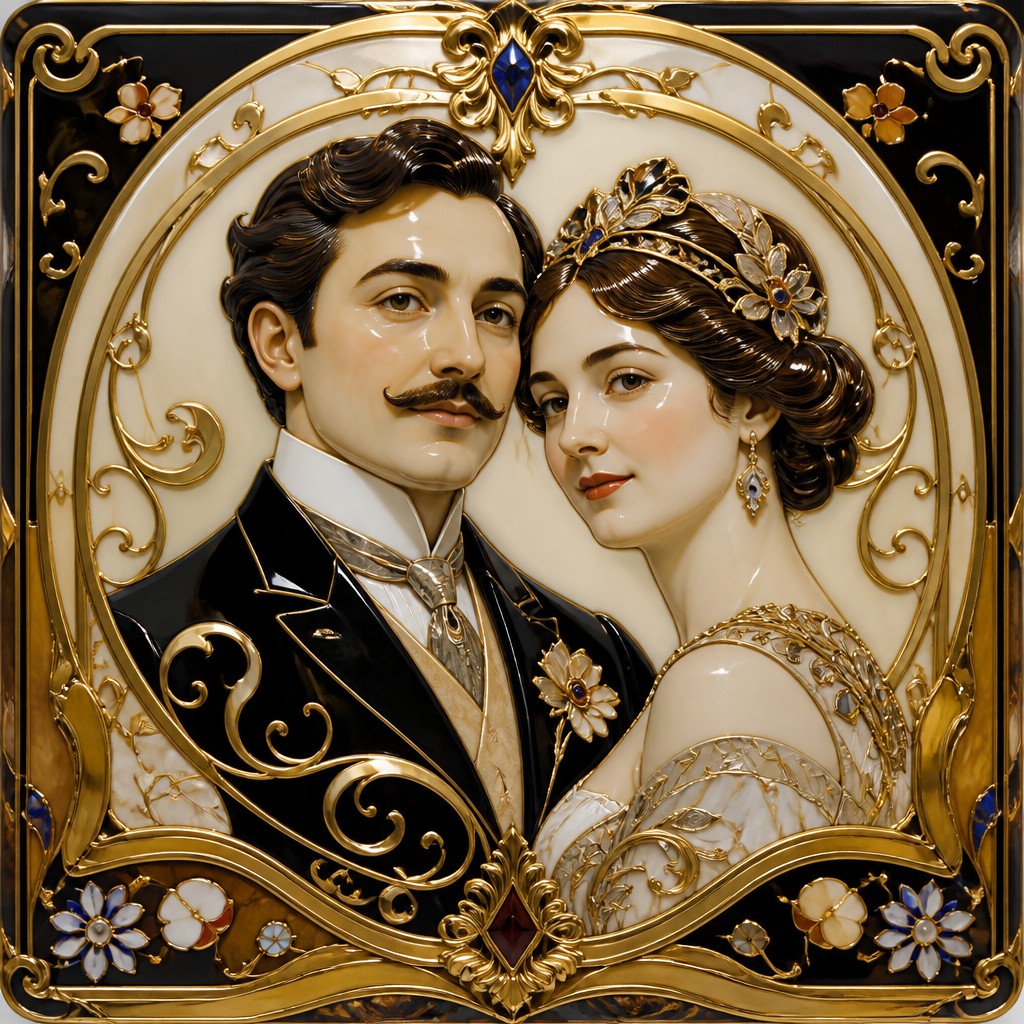
Try It On Your Photos
Upload any photo and convert it into Decorative Arts Style — drag the sliders to compare before and after.
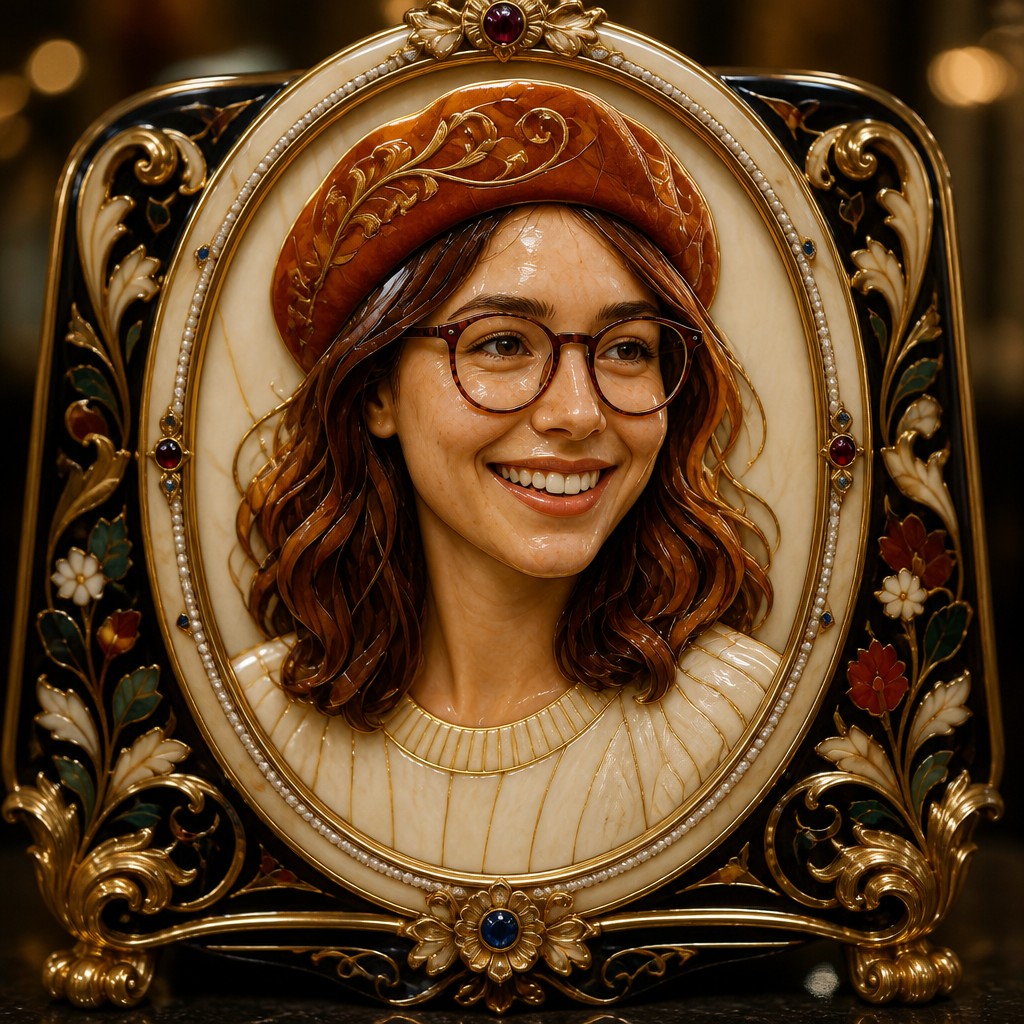

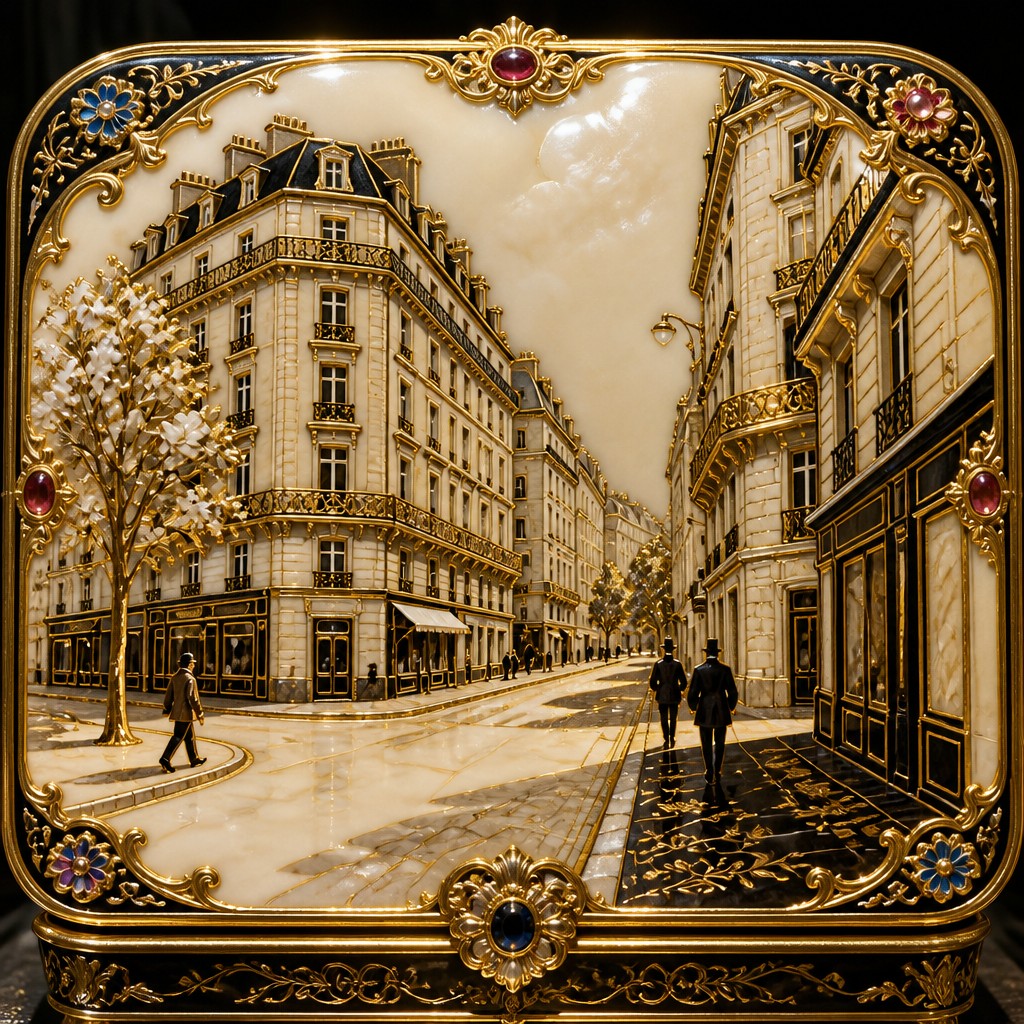

What Defines Decorative Arts Style
The signature details, up close
Gilded ornament
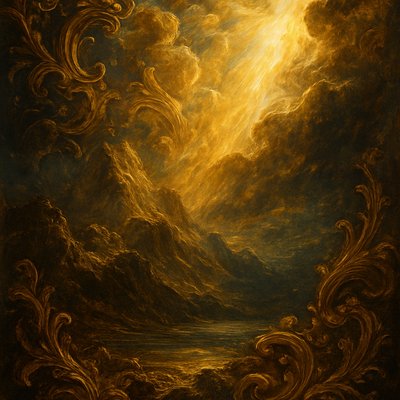
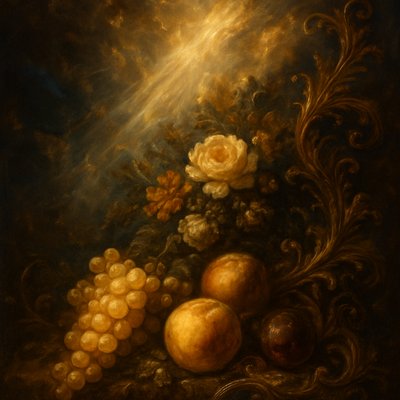
Gold leaf effects, gilt relief, scrolls, acanthus-like foliage, cartouches, and raised borders provide hierarchy and visual sparkle. Ornament is usually concentrated around edges, handles, frames, and focal details.
Marquetry and inlay
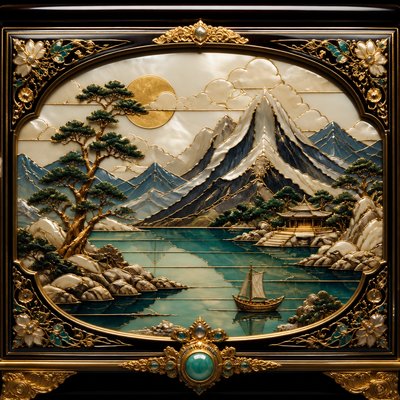
Fine geometric or pictorial inlay suggests a luxury cabinetmaking tradition. Contrasting woods, shell, stone, metal, and colored veneers create intricate surface patterns without relying solely on painted decoration.
Material contrast
The style pairs porcelain sheen with brushed or polished brass, glossy lacquer with carved wood, and smooth enamel with faceted gems. Distinct highlights and reflections help each material read clearly.
Jewel-box palette
Deep ruby, emerald, sapphire, amethyst, black, ivory, and antique gold form a compact, opulent palette. Dark ebony or saturated backgrounds make metallic and ceramic details appear more luminous.
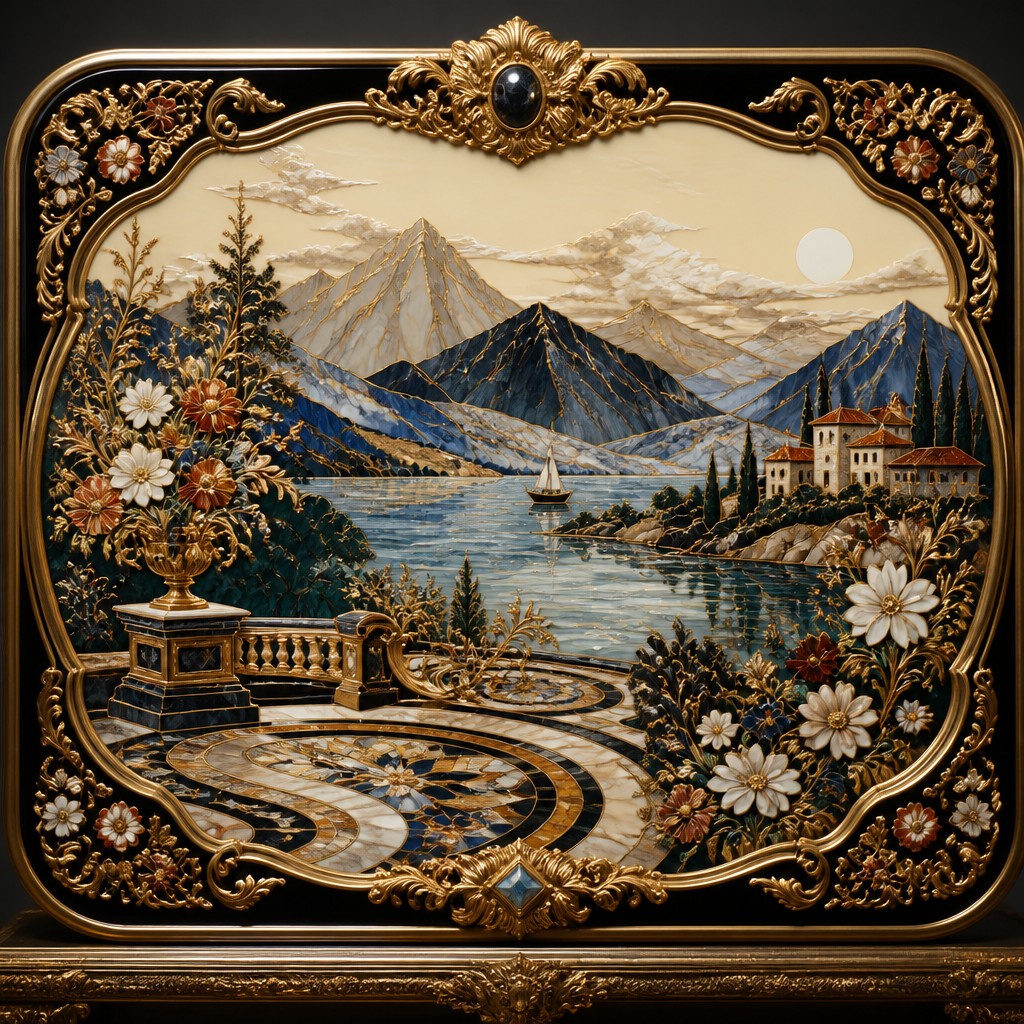
Framing and symmetry
Central placement, balanced ornament, medallions, borders, and architectural framing give the composition a ceremonial order. Even when the subject is fantastical, it often appears catalogued or formally presented.
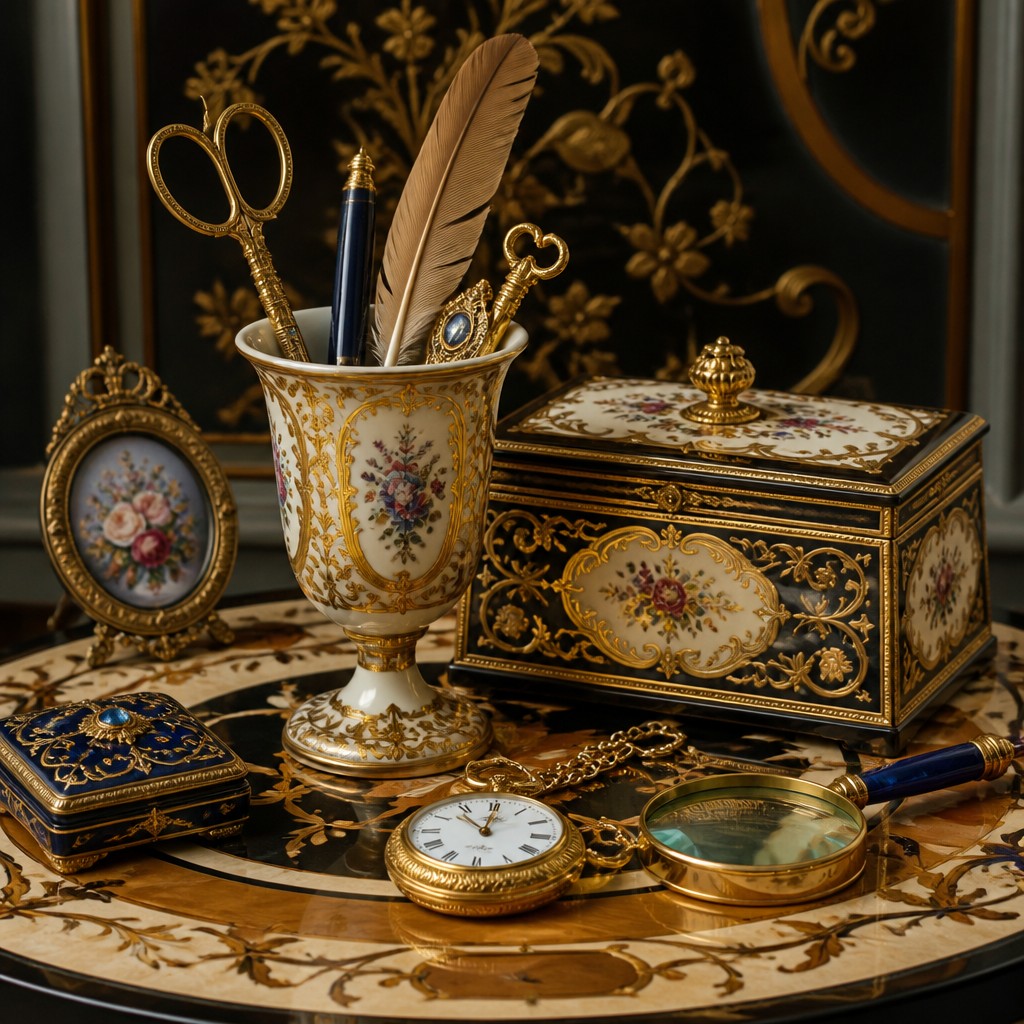
Museum-vitrine lighting
Controlled, directional illumination reveals relief, polish, translucency, and edge detail. Soft shadows and a subdued surrounding environment suggest a protected object displayed behind glass.
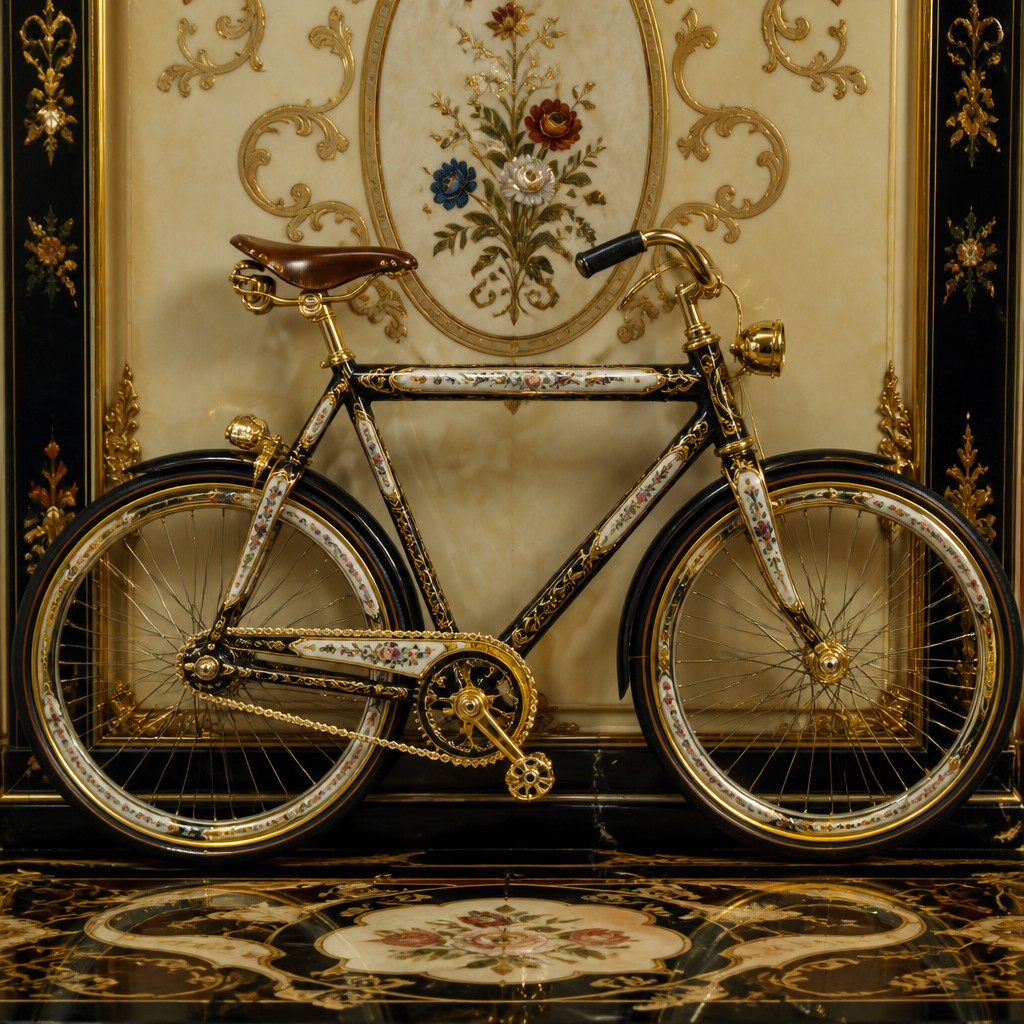
Crafted-object finish
Edges are clean, joins appear intentional, and surfaces feel made rather than casually painted. The overall impression is of a finished artifact from a specialized luxury workshop.
Try It
Create Videos in Decorative Arts Style
Styles aren't just for stills — describe a scene or animate an image and get a short video rendered in Decorative Arts. Press play to see this pond come to life.
Make a VideoDecorative Arts Prompt Ideas
Start from an idea — each one opens the generator with the style ready to go. See all 40 Decorative Arts prompts →

“close-up portrait of an elderly person with expressive weathered features”
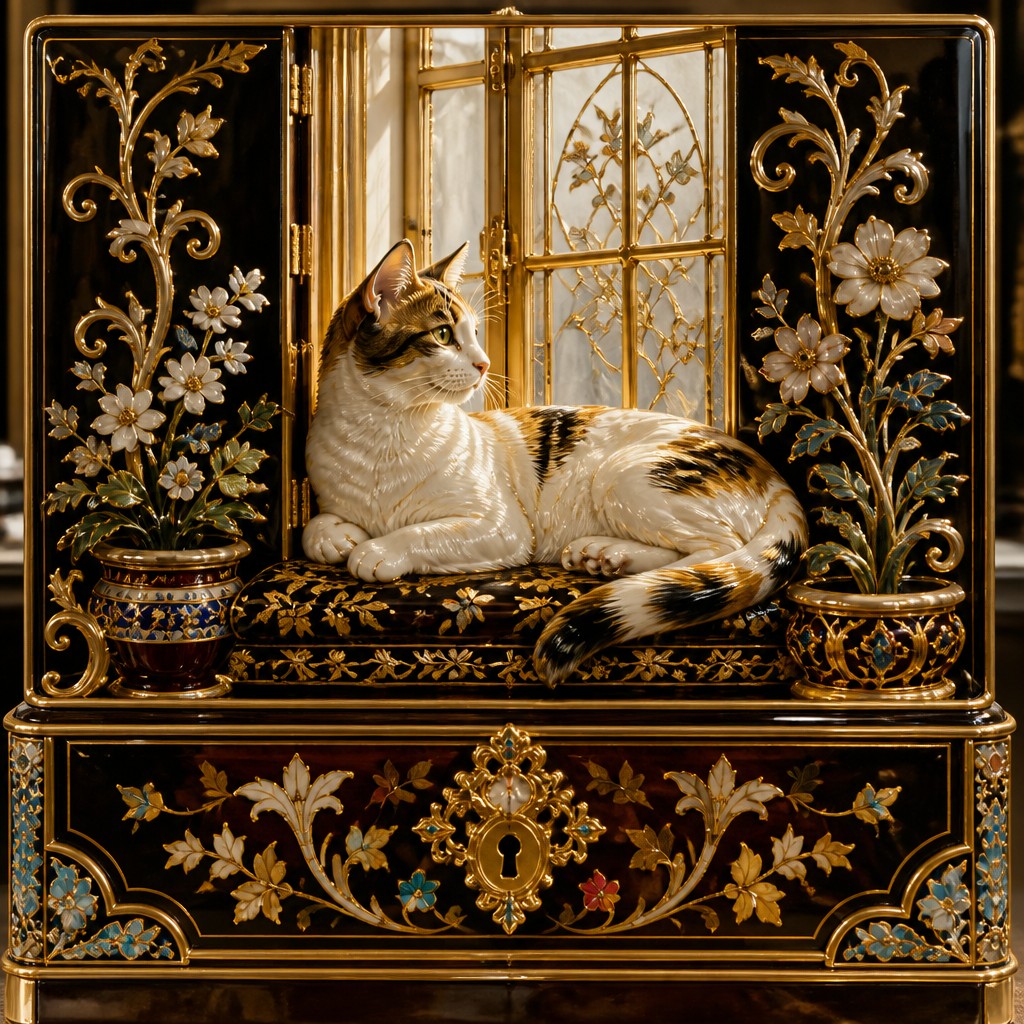
“a cat lounging in a sunlit window”
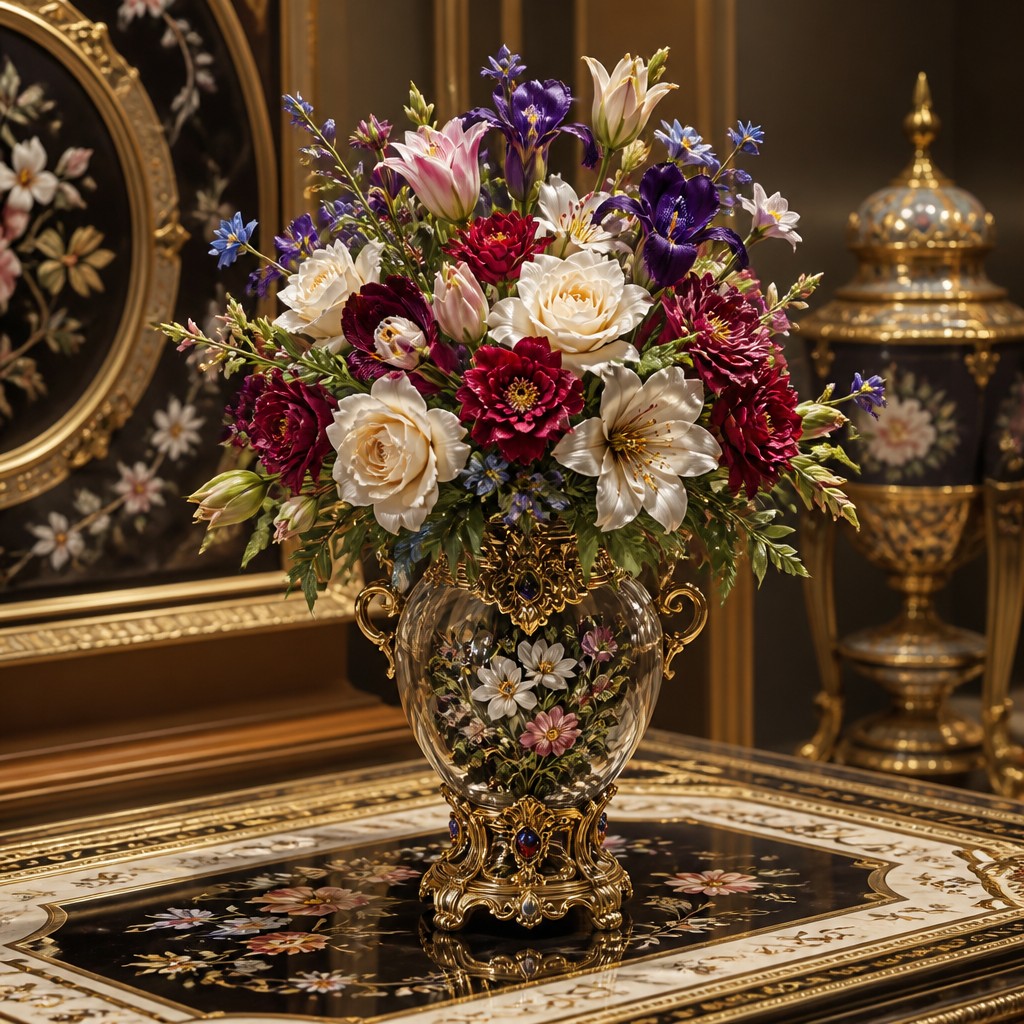
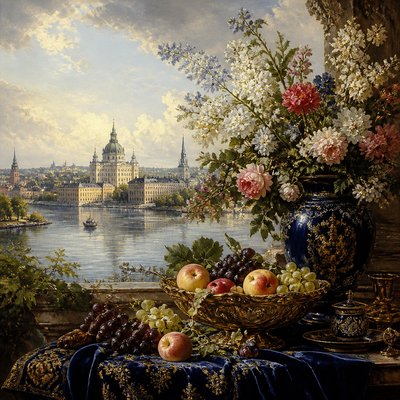
“bouquet of flowers in a glass vase”

“sailing ship on a stormy sea”
How to Create Decorative Arts Art
Master the craft step by step — or skip straight to creating. Read the full guide →
- 1
Choose a single display object
Begin with a clearly readable subject such as a box, mirror, vase, mask, chair, jewel, or ceremonial instrument. Give it a strong silhouette before adding ornament so the decoration supports rather than obscures its form.
- 2
Build the material hierarchy
Assign two or three dominant materials and describe them specifically: burnished brass, crazed porcelain, ebony veneer, translucent enamel, or mother-of-pearl inlay. Use highlights, edge reflections, grain, and subtle imperfections to separate surfaces.
- 3
Organize ornament structurally
Place scrollwork, borders, medallions, and inlay along edges, panels, handles, and focal zones. Repetition and bilateral balance create the controlled richness associated with luxury craft.
- 4
Control the palette and light
Use an ivory or black ground with a limited jewel-tone palette and one dominant metallic accent. Add museum-style directional lighting, restrained shadows, and carefully placed specular highlights rather than diffuse brightness everywhere.
- 5
Use layered traditional or digital methods
Traditionally, combine drawing, carving, gilding, painting, inlay, or surface finishing in separate stages. Digitally, work in layers for base material, relief, ornament, patina, reflections, and presentation lighting so each component can be adjusted independently.
- 6
Write prompts around construction
For prompt-based creation, name the subject first, then specify materials, ornament, palette, lighting, and presentation. Terms such as "museum vitrine," "gilded relief," "marquetry panels," and "polished brass highlights" produce more useful results than simply requesting luxury.

The Story
History & Origins of Decorative Arts
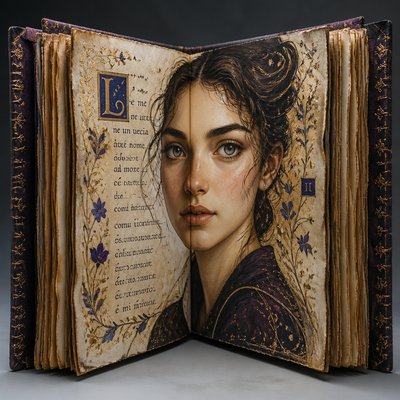
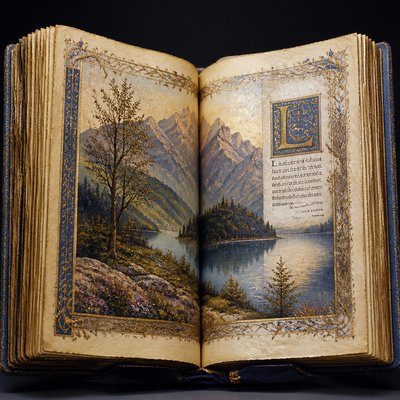
Decorative Arts Style is best understood as a contemporary synthesis rather than a single historical movement. Its lineage includes the ornamental metalwork, furniture, ceramics, textiles, glass, jewelry, and interior decoration of European court cultures, especially the Baroque and Rococo periods, as well as Neoclassical design and nineteenth-century historicist interiors. It also draws on older traditions of gilding, lacquer, inlay, enameling, carving, and book illumination from Europe, Asia, the Middle East, and North Africa.
Modern versions combine these references with the visual language of museum vitrines, luxury packaging, fantasy objects, and highly resolved digital rendering. The emphasis is not on reproducing one period accurately, but on creating an object whose material finish, ornament, and presentation communicate rarity, care, and workshop skill.
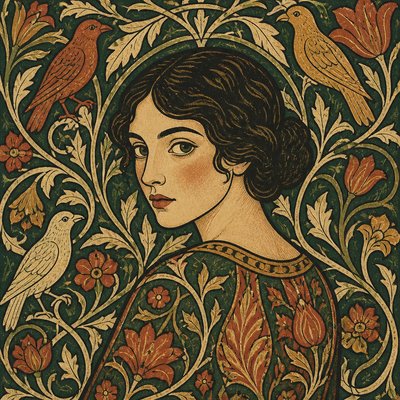
Influences: The style relates to the decorative arts of Baroque and Rococo interiors, Neoclassical ornament, historicist luxury furniture, Arts and Crafts surface design, Art Nouveau linework, European and Asian lacquer traditions, Islamic geometric decoration, jewelry making, heraldic objects, illuminated manuscripts, and contemporary collectible design. It also shares the theatrical presentation of cabinet-of-curiosities displays and the material emphasis of product photography, while remaining more ornamental and historically hybrid than any one of these sources.
Frequently Asked Questions
What defines Decorative Arts Style?
It is defined by an emphasis on crafted surfaces, ornamental structure, and luxurious materials. Gilding, inlay, porcelain, lacquer, brass, jewel tones, symmetry, and controlled display lighting are recurring elements. The subject should feel like a finished collectible object rather than a flat decorative pattern.
Is Decorative Arts Style a historical art movement?
No. Decorative arts is a broad category encompassing functional and ornamental objects, while this capitalized style label describes a contemporary visual synthesis. It borrows from many historical craft traditions without belonging exclusively to one period, nation, or school.
How is it different from Baroque or Rococo art?
Baroque and Rococo are historically specific styles with identifiable periods, contexts, and conventions. Decorative Arts Style may use their gilt ornament and formal richness, but it can also combine them with Asian lacquer, modern display design, fantasy objects, geometric inlay, and digital surface effects.
What subjects work best in this style?
Objects with a strong silhouette and visible surface area work especially well: boxes, vases, mirrors, furniture, masks, jewelry, clocks, instruments, vessels, and ceremonial tools. Animals, buildings, and fantasy artifacts can also work when they are treated as elaborately crafted objects.
How can I avoid making the image look cluttered?
Limit the palette, establish a clear focal object, and reserve the densest ornament for borders or selected panels. Use a quiet cream, black, or velvet-like background and maintain enough negative space for the materials and silhouette to remain legible.
Where is this aesthetic commonly used?
It suits luxury product imagery, interior concepts, jewelry and furniture visualization, packaging, collectible-object design, fantasy props, editorial still lifes, and museum-inspired presentation. It is particularly effective when the image needs to communicate rarity, craftsmanship, and ceremonial value.

Create your first Decorative Arts artwork
Describe anything — or upload a photo — and see it in Decorative Arts Style in seconds.
Related Styles
Discover similar art styles