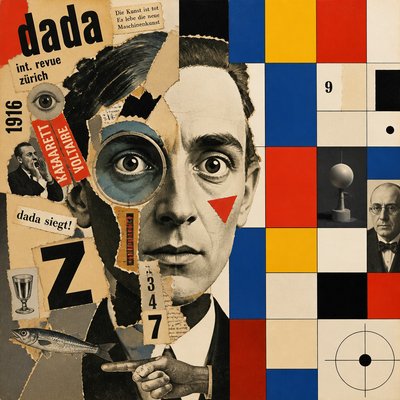
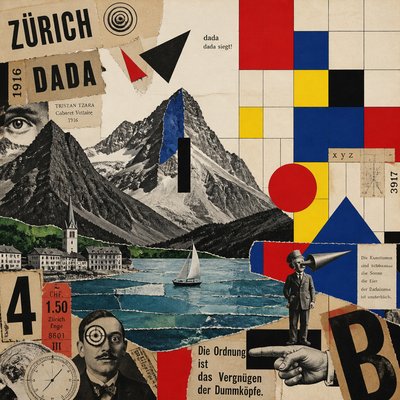
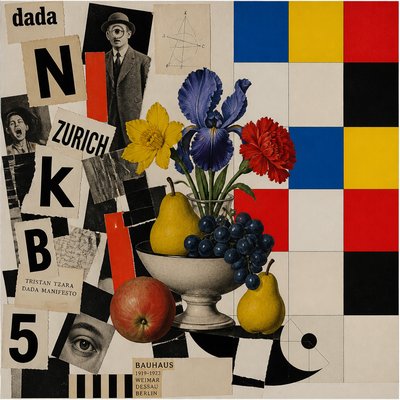
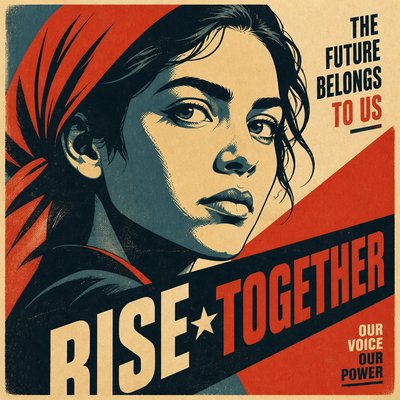
Papier-Mache Art Style
Explore papier-mâché art: layered paper pulp, sculpted folk forms, painted shells, textured surfaces, and practical creation techniques.
Instantly rendered in Papier-Mache — or transform a photo
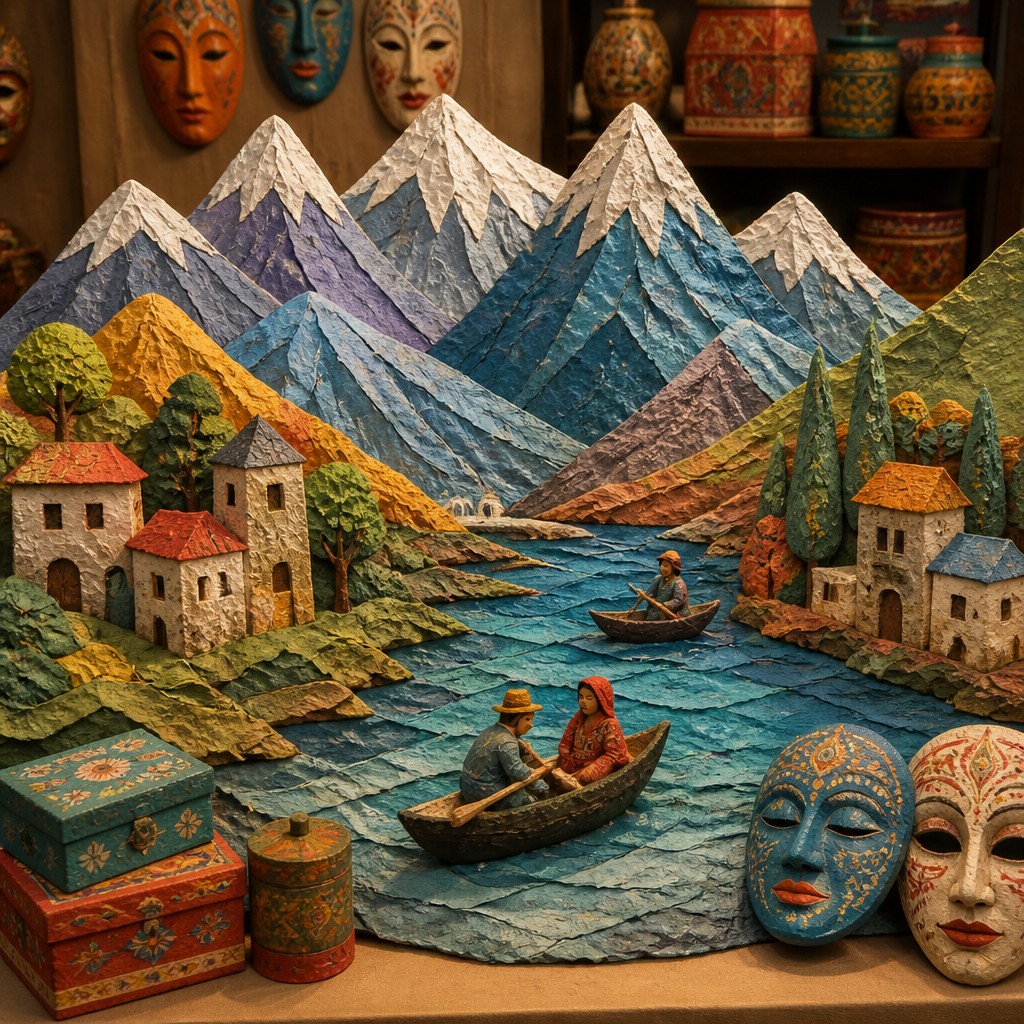
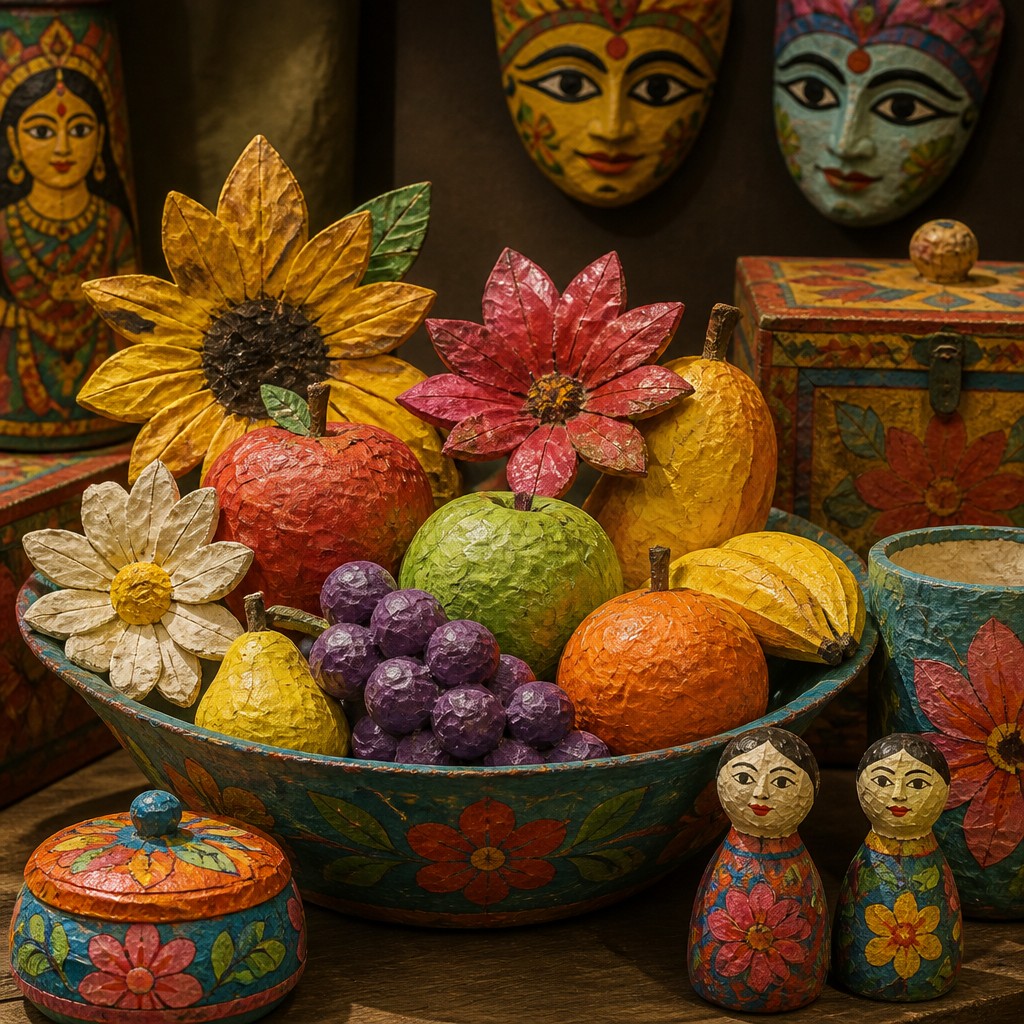
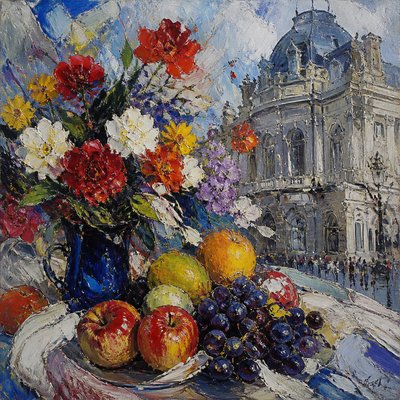
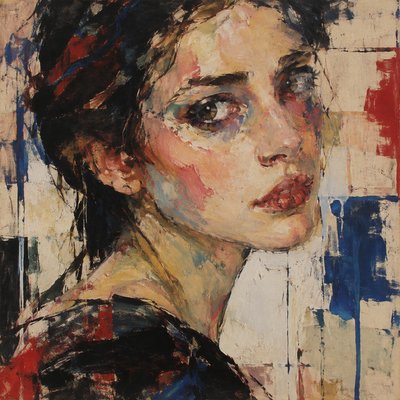
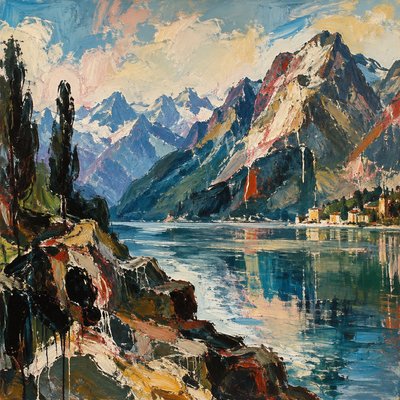
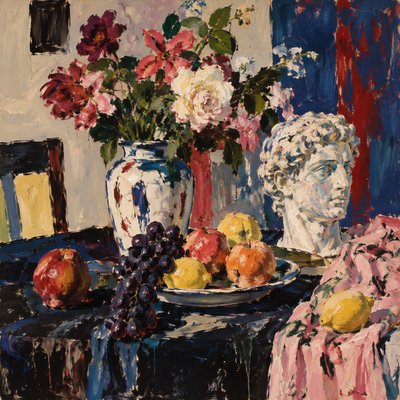
Papier-Mache Gallery
Tap any artwork to explore it
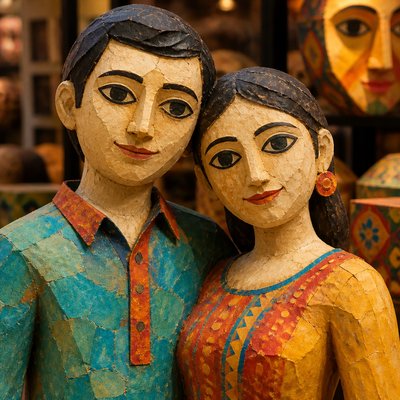
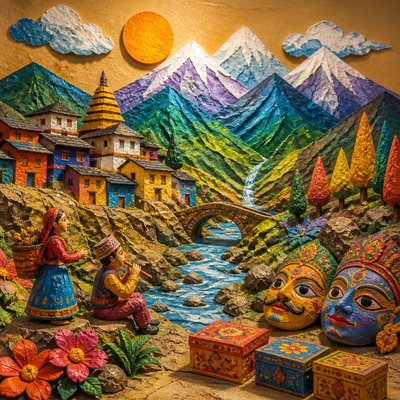
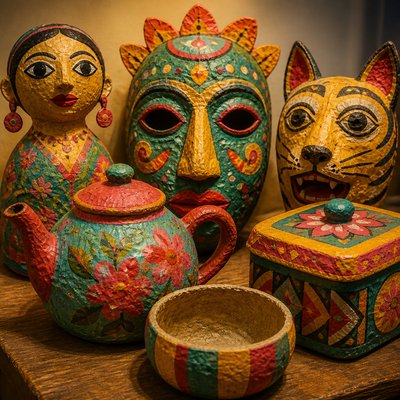
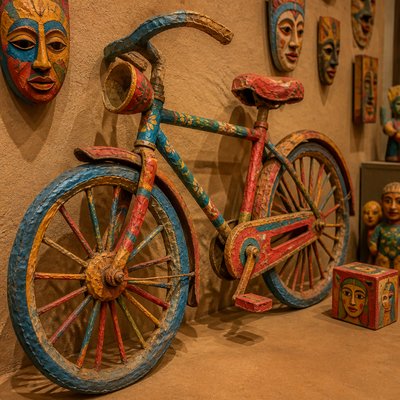
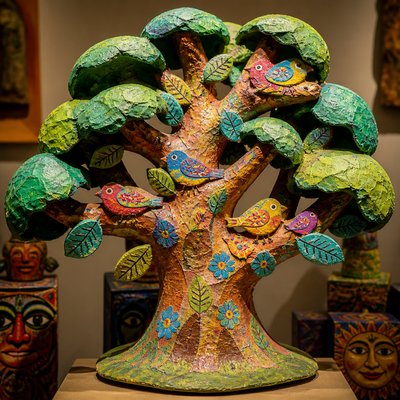
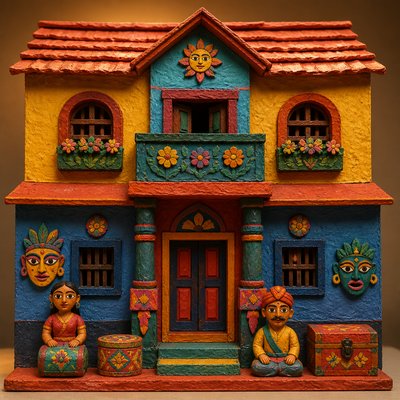
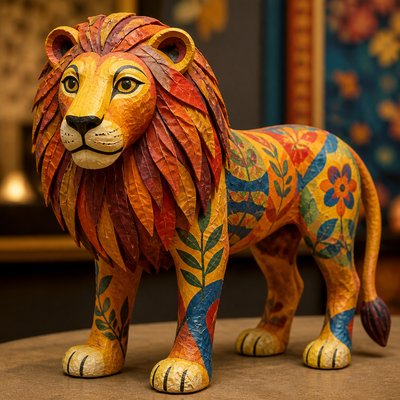
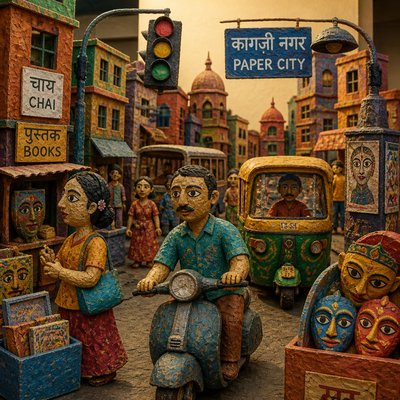
What is Papier-Mache Art Style?
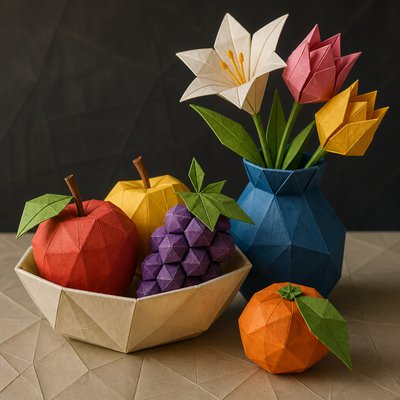
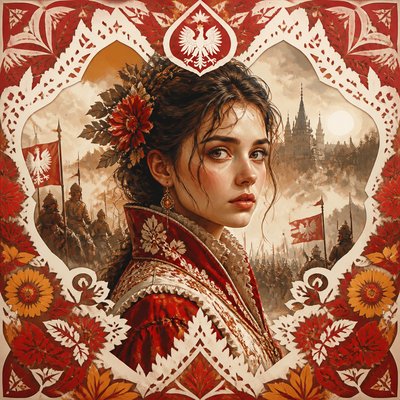
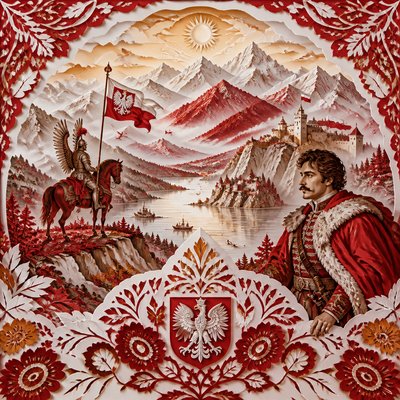
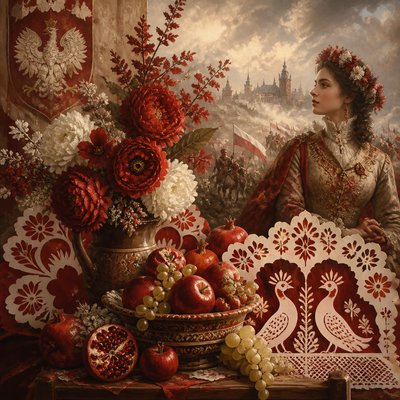
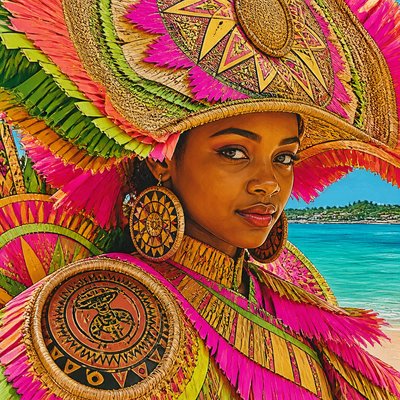
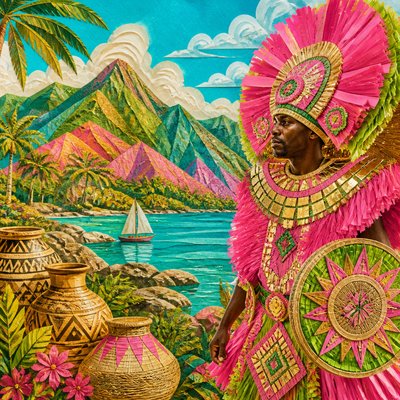
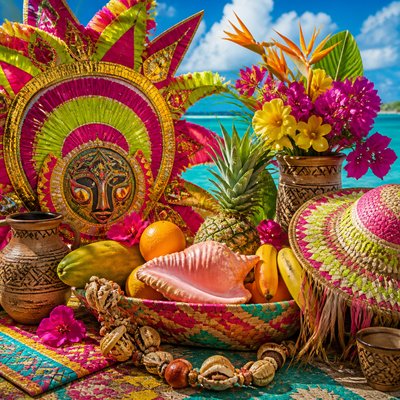
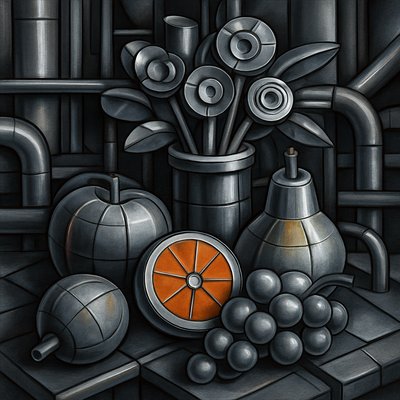
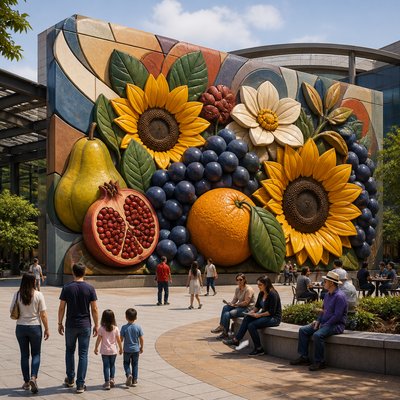
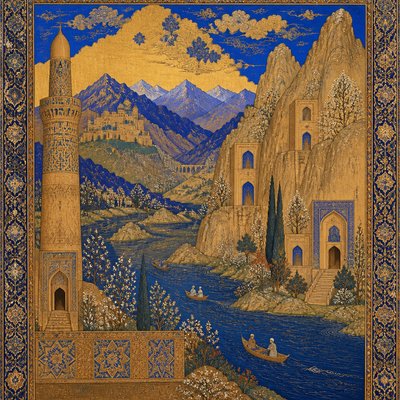
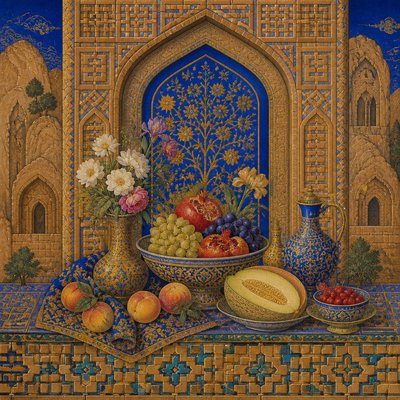
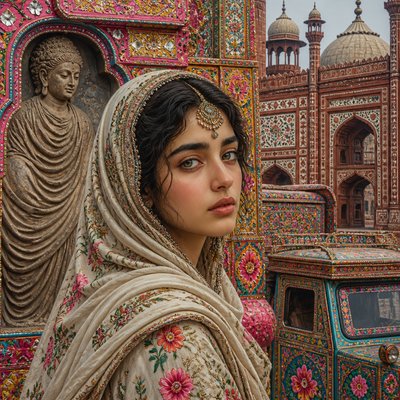
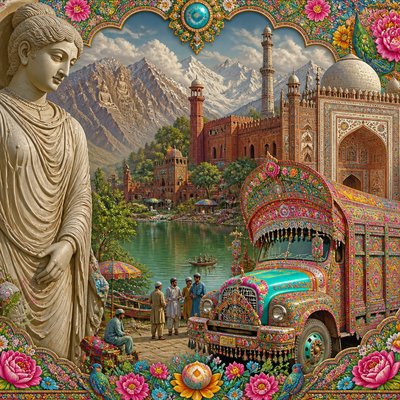
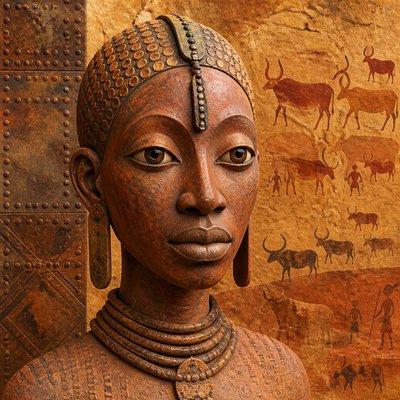
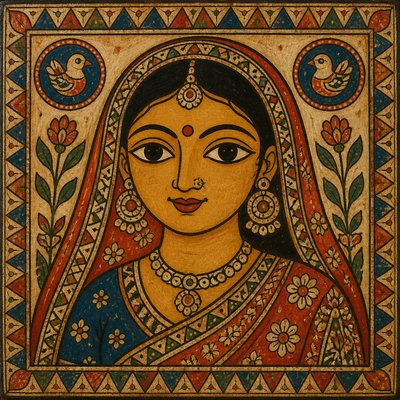
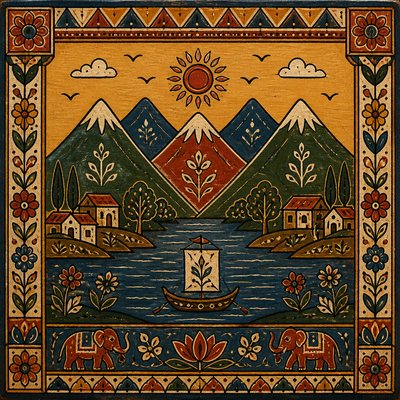
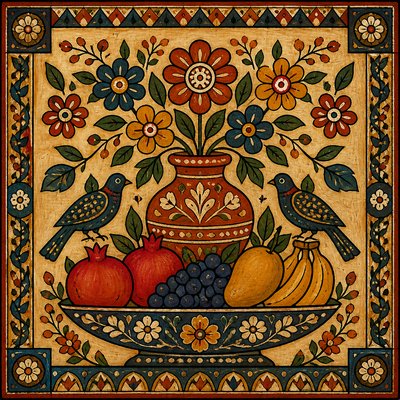
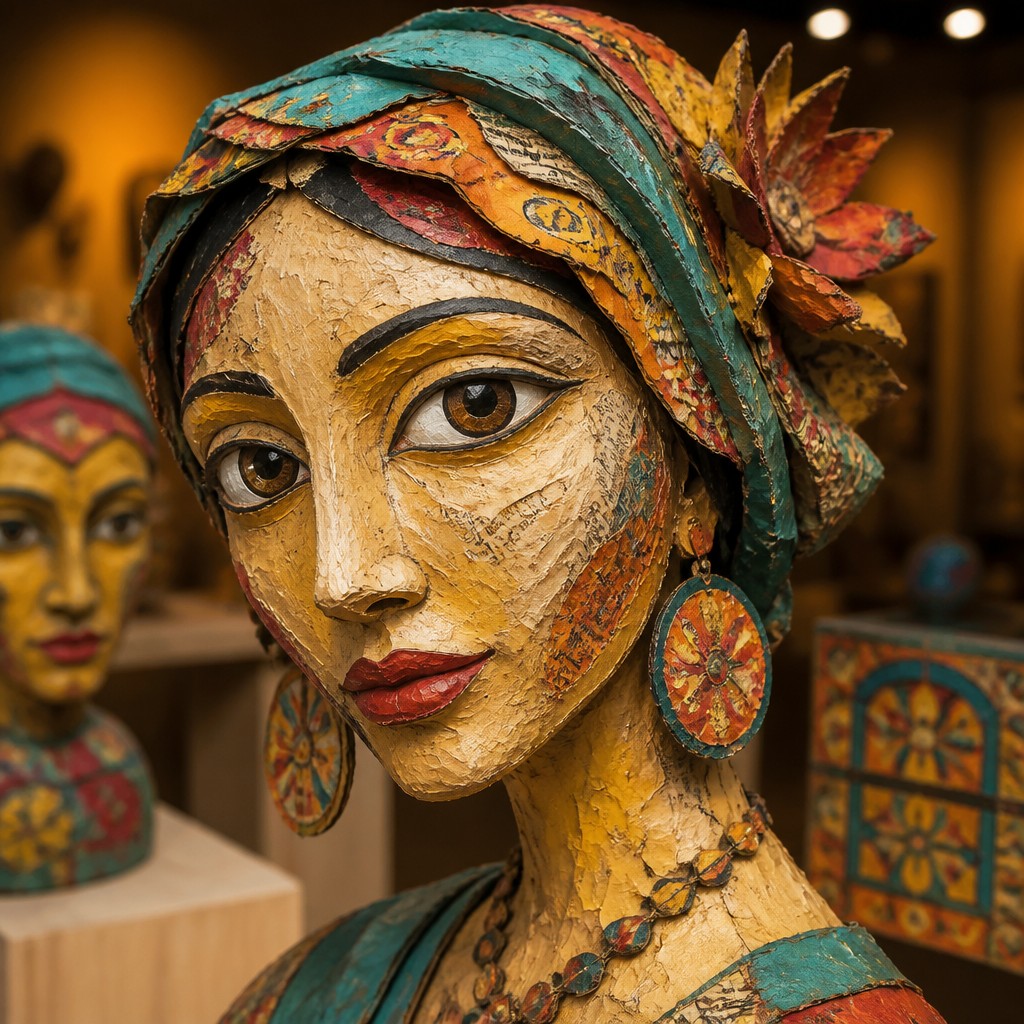
Papier-mâché art is a sculptural craft made by layering paper strips or molding paper pulp into a lightweight shell, then drying, refining, and painting the surface. Its forms range from masks, figures, animals, and toys to boxes, ornaments, theatrical props, and architectural details. The material can appear rough and fibrous or be smoothed into a surface resembling painted wood, plaster, lacquer, or ceramic.
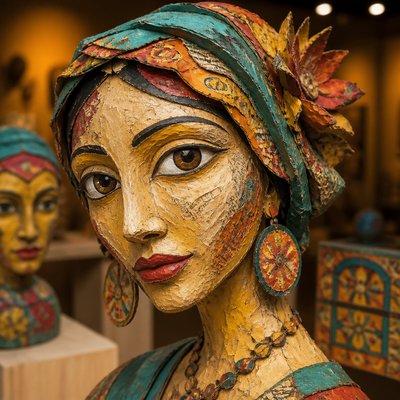
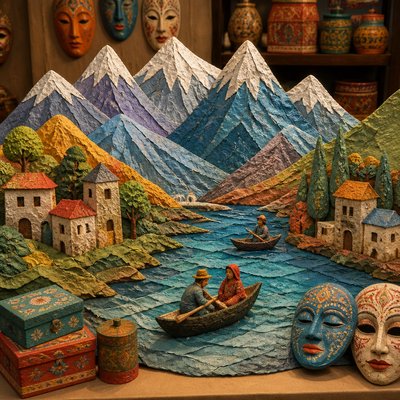
The style is defined by the visible relationship between structure and decoration. Overlapping strips, compressed fibers, seams, softened corners, and slightly irregular contours reveal the handmade process, while saturated paint, folk motifs, graphic patterns, and protective coatings give the finished object its visual character. Hollow construction and exposed edges often reinforce its lightness, warmth, and handcrafted charm.
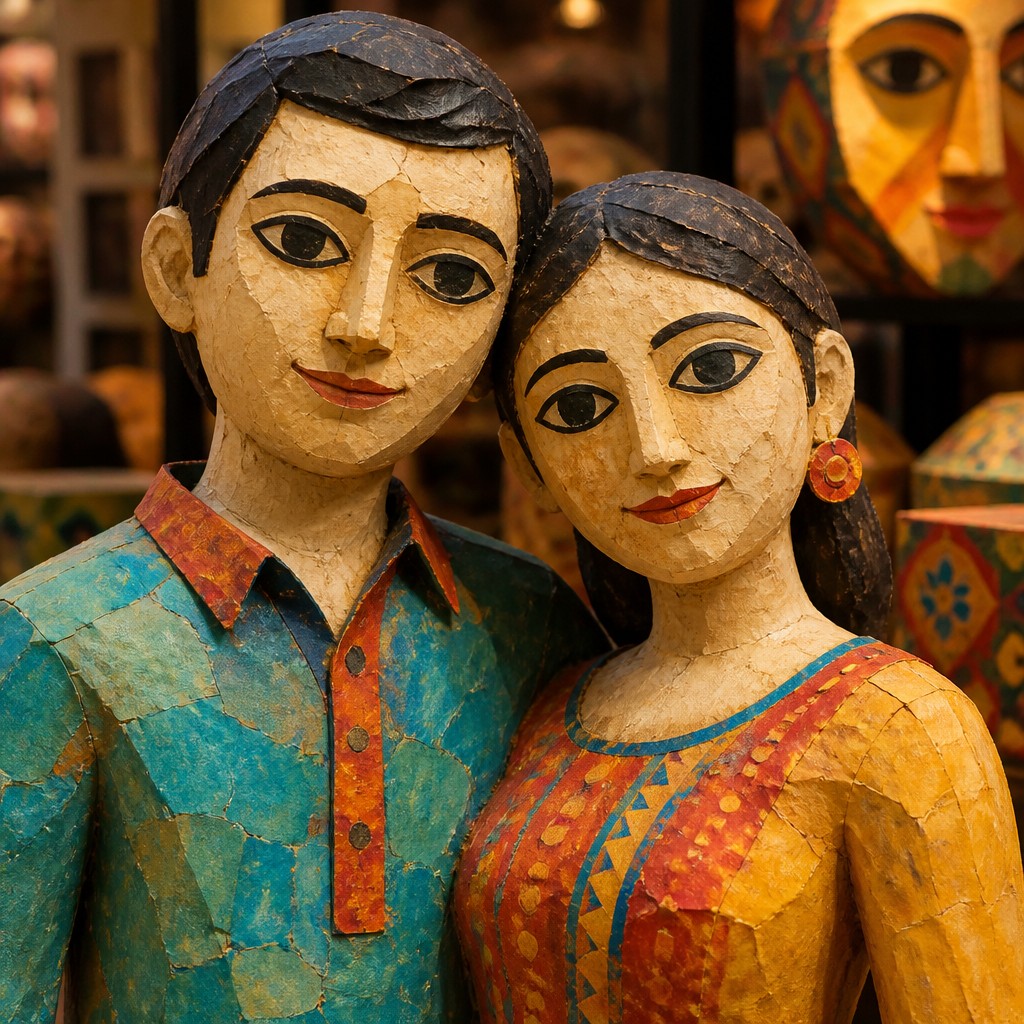
Try It On Your Photos
Upload any photo and convert it into Papier-Mache Art Style — drag the sliders to compare before and after.
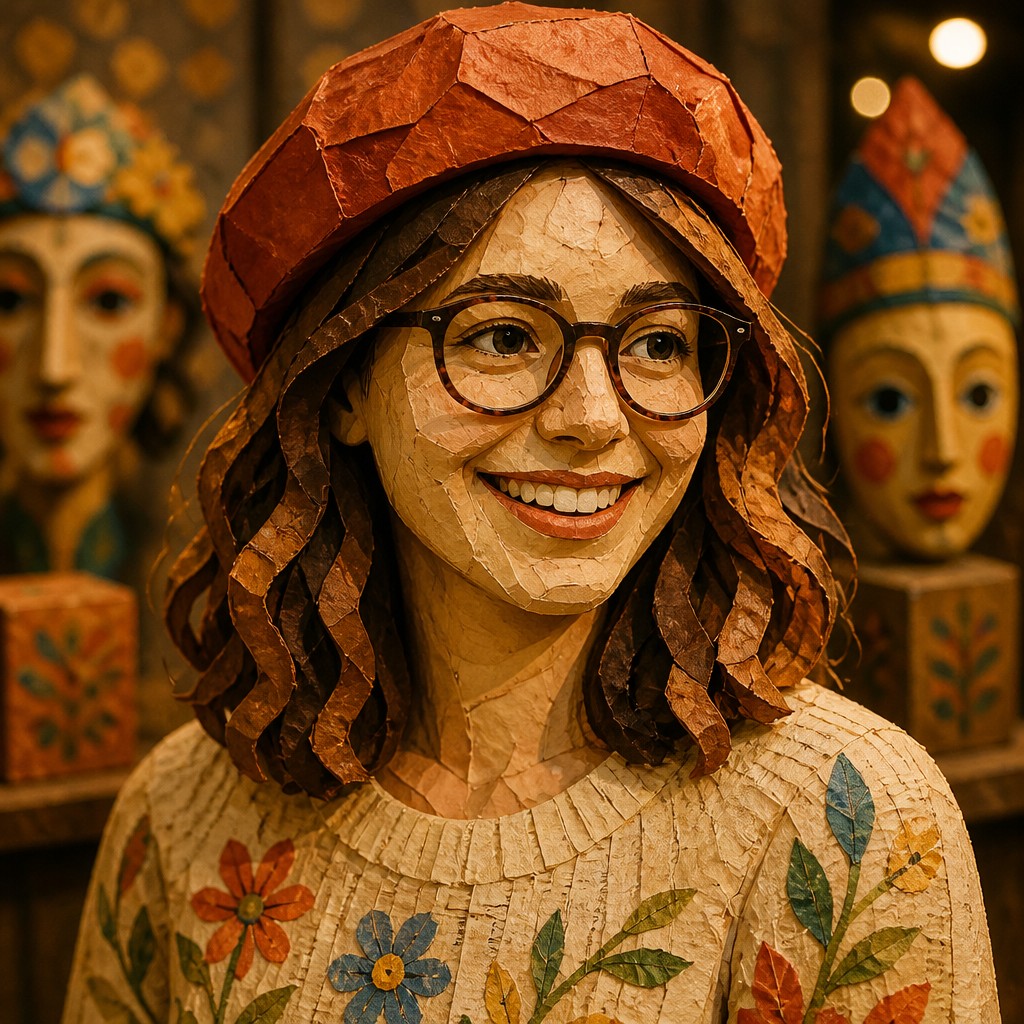

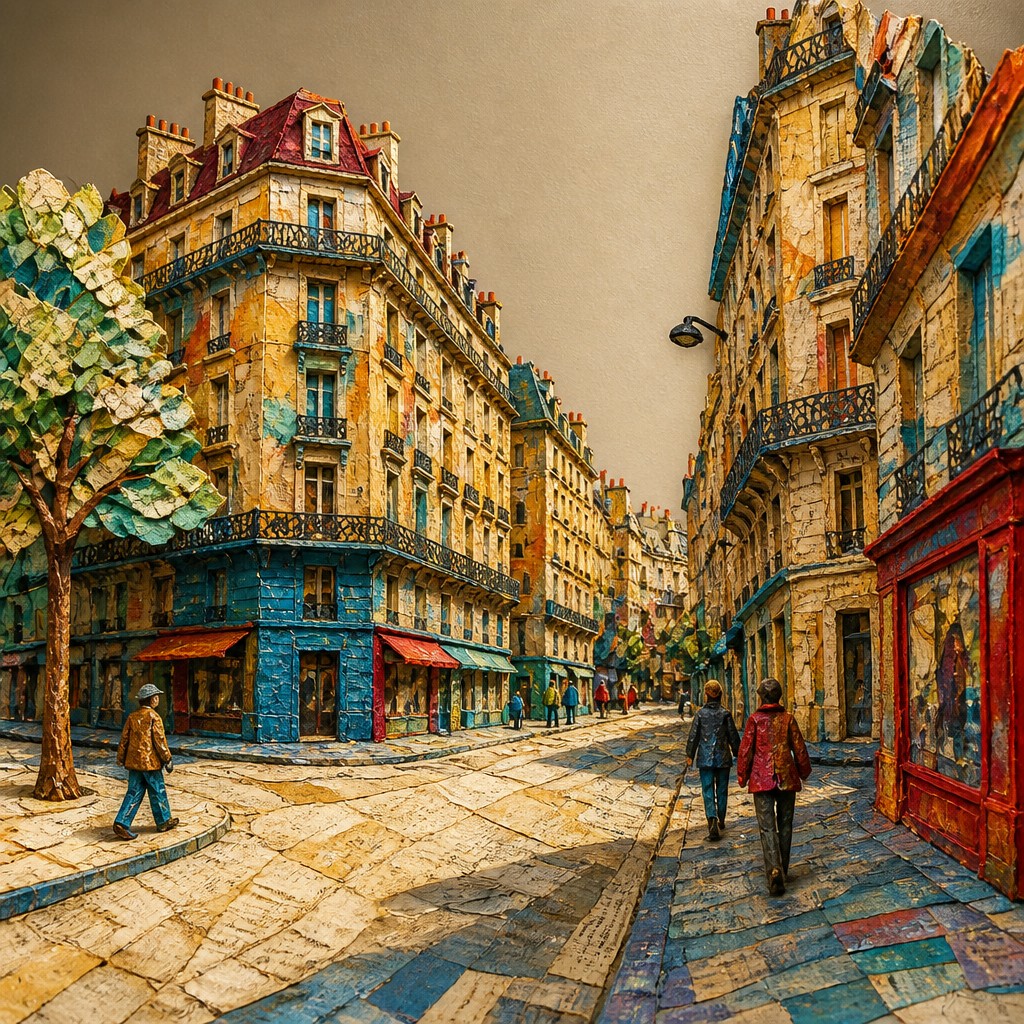

What Defines Papier-Mache Art Style
The signature details, up close
Layered paper structure
Strips of paper overlap around an armature or mold, producing subtle ridges, seams, and directional fibers. These layers may remain visible as evidence of the making process.
Molded pulp volume
Soaked and blended paper fibers can be pressed into molds or built into compact sculptural masses. Pulp allows rounded silhouettes, shallow relief, and details that are difficult to achieve with flat strips alone.
Lightweight hollow construction
Many objects are formed over balloons, wire, cardboard, wood, or other temporary supports and remain hollow after drying. Thin edges, openings, and occasional interior glimpses communicate this construction.
Textured handmade surface
The dried shell may retain wrinkles, compressed fibers, brush marks, small dents, and uneven contours. Even when sanded smooth, it usually preserves a tactile, less industrial quality.
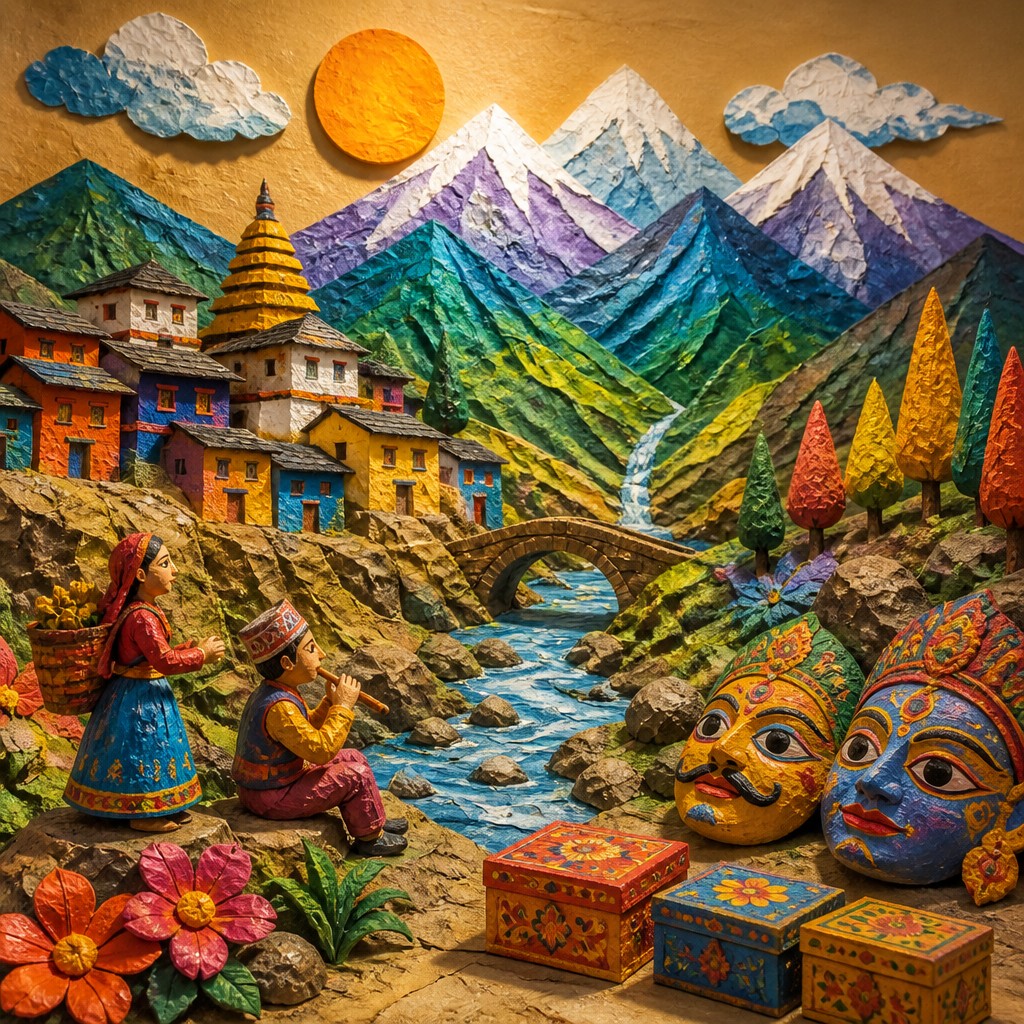
Vivid painted finish
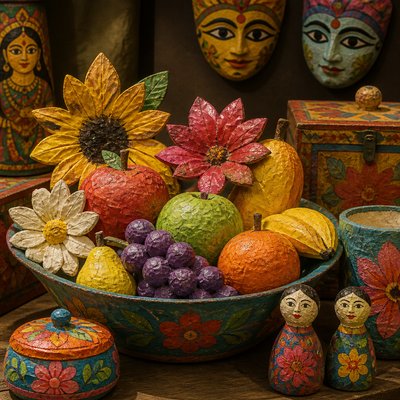
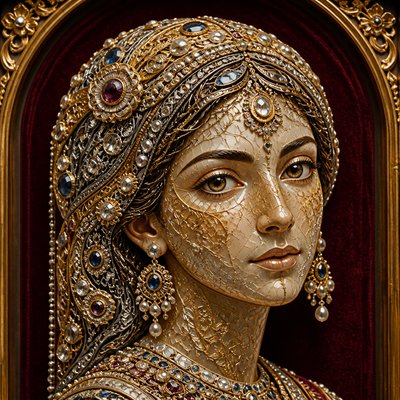
Opaque pigments, mineral-like colors, and strong contrasts are common, often arranged in bands, dots, floral motifs, facial markings, or graphic folk patterns. A matte, satin, or glossy coating can alter the perceived material.
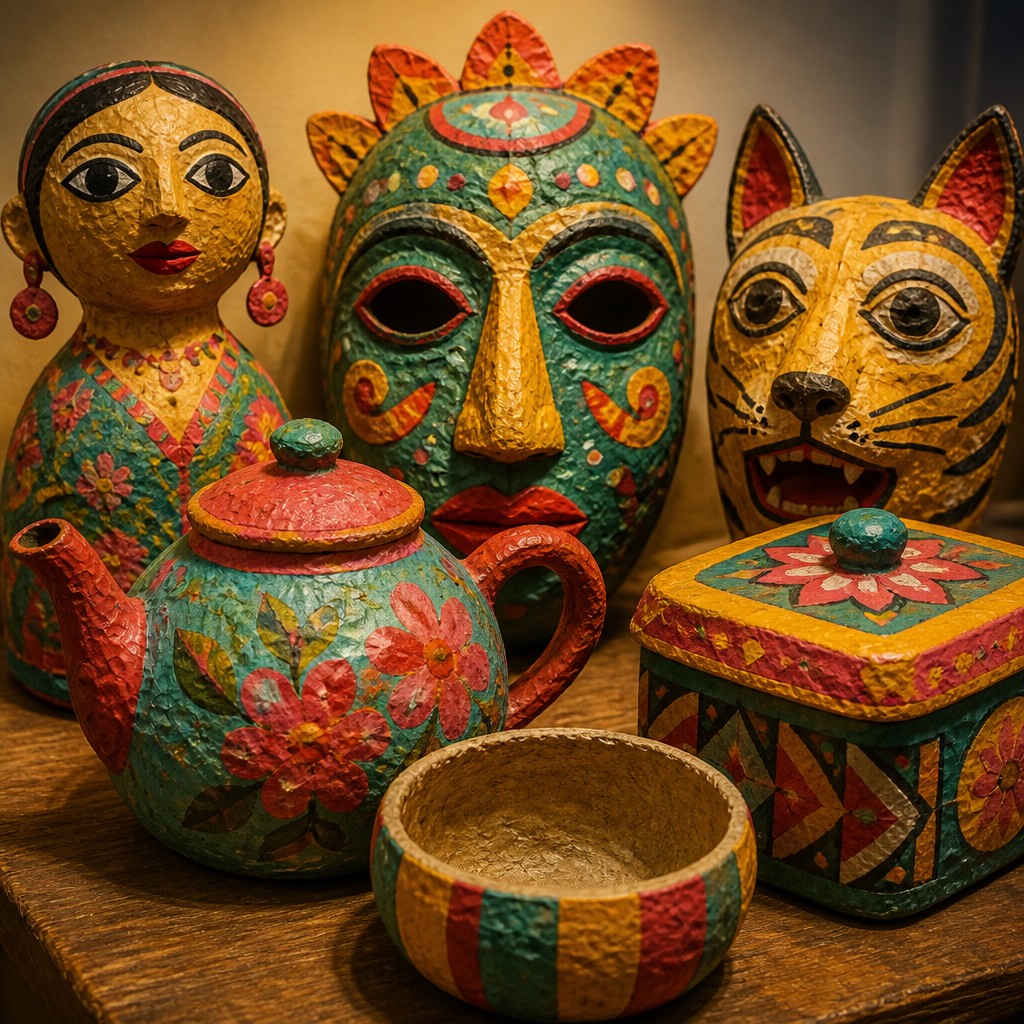
Folk and theatrical imagery
Masks, animals, devotional figures, festival characters, toys, and storybook forms are frequent subjects. Exaggerated proportions and simplified facial features make the objects readable from a distance.
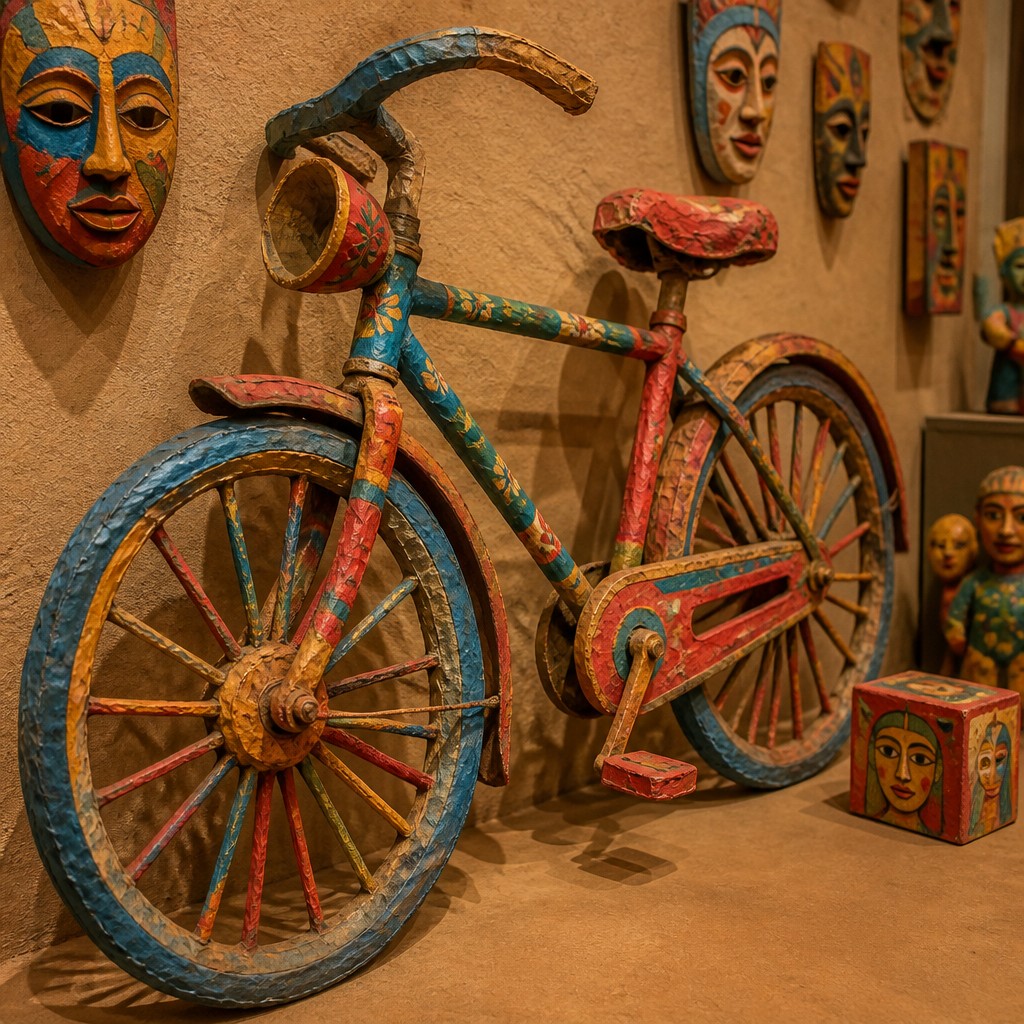
Irregular handcrafted geometry
Slight asymmetry, softened corners, visible joins, and variations in thickness distinguish the work from factory-molded plastic or perfectly machined sculpture. These deviations contribute to its warmth and personality.
Papier-Mache Prompt Ideas
Start from an idea — each one opens the generator with the style ready to go. See all 40 Papier-Mache prompts →
How to Create Papier-Mache Art
Master the craft step by step — or skip straight to creating. Read the full guide →
- 1
Build a stable armature
Use wire, cardboard, crumpled paper, wood, or a reusable mold to establish the silhouette before adding paper. Keep the structure light and leave openings where a hollow interior or thin rim should be visible.
- 2
Layer strips or apply pulp
Brush paste onto narrow paper strips and overlap them in alternating directions, or press prepared pulp into and over a mold. Several thin layers generally dry more evenly and produce a stronger shell than one heavy application.
- 3
Dry, refine, and seal
Allow the form to dry completely between stages to reduce warping and trapped moisture. Sand raised fibers selectively, reinforce weak joins, and apply a suitable primer or sealant before painting.
- 4
Paint the surface as an object
Start with a flat ground, then add bold color blocks, repeated folk motifs, and controlled highlights that follow the sculpted volume. Preserve some irregular texture rather than smoothing every mark away.
- 5
Photograph or render material evidence
For digital work, use close directional lighting, warm shadows, visible seams, compressed fibers, painted chips, and a thin shell edge to communicate paper rather than clay, plaster, or plastic.
- 6
Write a focused generation prompt
Name the subject first, then specify layered paper pulp, a molded hollow form, pressed strips, vivid hand-painted decoration, imperfect contours, and warm exhibition lighting. Add exclusions such as photorealistic skin, polished metal, or smooth ceramic when the material is being misread.
The Story
History & Origins of Papier-Mache
Papier-mâché has no single point of invention. Paper-based molded objects developed from papermaking traditions in East Asia and later spread through trade and craft networks. Related techniques also emerged in South and Central Asia, while European workshops adopted papier-mâché widely during the seventeenth and eighteenth centuries for trays, boxes, masks, furniture components, ornaments, and decorative objects. The French term means chewed or pulped paper.
Distinct regional traditions developed according to local materials, rituals, and decorative languages. Mexican cartonería is known for brightly painted figures and ceremonial forms; Kashmiri crafts use molded paper pulp with richly ornamented finishes; and Japanese molded-paper traditions include lightweight masks, figures, and toys. Modern papier-mâché continues to combine these craft lineages with theater, public art, design, education, and contemporary sculpture.
Influences: Papier-mâché art draws on East Asian paper-making and molded-paper traditions, South and Central Asian decorative crafts, Mexican cartonería, European decorative arts, theatrical mask-making, folk sculpture, carnival imagery, and painted wooden toys. Its contemporary visual language also overlaps with assemblage, low-relief sculpture, outsider and vernacular art, stop-motion set design, and illustration that uses simplified silhouettes and patterned surfaces.
Frequently Asked Questions
What defines papier-mâché art?
Its defining feature is a sculptural shell made from paper strips, paper pulp, or both. The finished work usually combines lightweight construction with a textured surface, painted decoration, and visible evidence of hand assembly.
Is papier-mâché the same as paper sculpture?
Not exactly. Paper sculpture is a broad category that can include folded, cut, woven, or tightly assembled sheets, while papier-mâché specifically relies on pasted layers or molded paper fibers that dry into a shell or solid form.
How is papier-mâché different from papier-mâché-style digital art?
Physical papier-mâché has real weight, fibers, seams, drying marks, and structural limitations. A digital image can imitate those qualities through modeled or generated texture, but it does not possess the actual hollow construction or tactile surface of the craft.
What materials are used to make traditional papier-mâché?
Common materials include newspaper or kraft paper, water-based paste, paper pulp, wire, cardboard, balloons, wood, and clay or plaster molds. Primer, acrylic or other paints, and a protective finish are often added after the form has dried.
Can papier-mâché be made durable?
Yes, when the armature is stable, the layers are fully dry, and the surface is sealed appropriately. Finished objects should still be protected from prolonged moisture, because paper fibers can swell, soften, or develop mold.
Where is this style commonly used?
It appears in masks, festival and ceremonial objects, folk figures, toys, ornaments, decorative boxes, theater props, parade sculptures, educational projects, gallery sculpture, and stop-motion production. Its low cost and light weight make it useful for both intimate objects and large-scale forms.
Create your first Papier-Mache artwork
Describe anything — or upload a photo — and see it in Papier-Mache Art Style in seconds.
Related Styles
Discover similar art styles