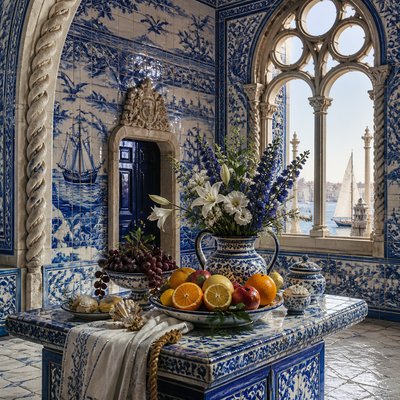
Budapest Art Style
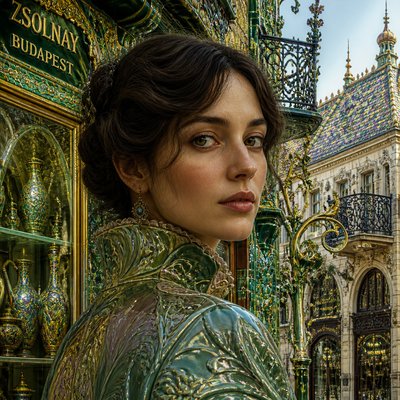
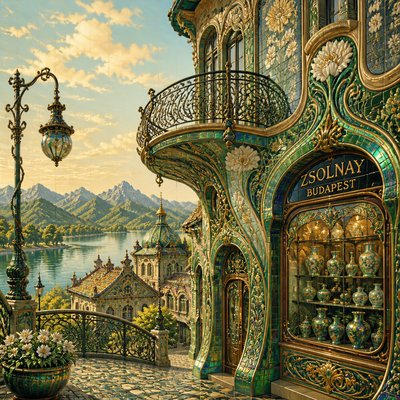
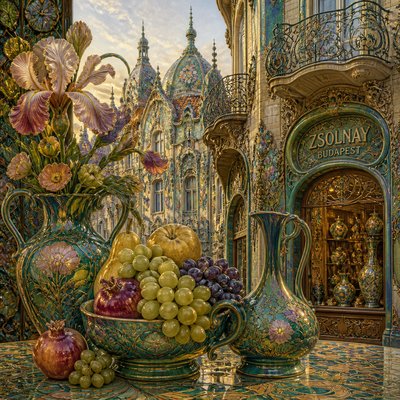
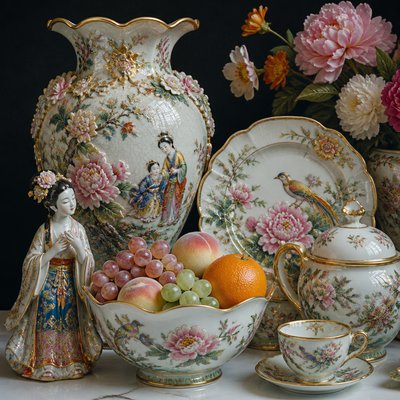
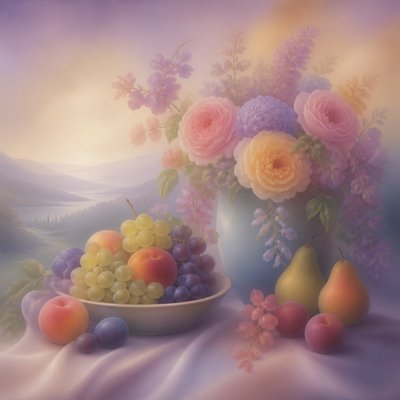
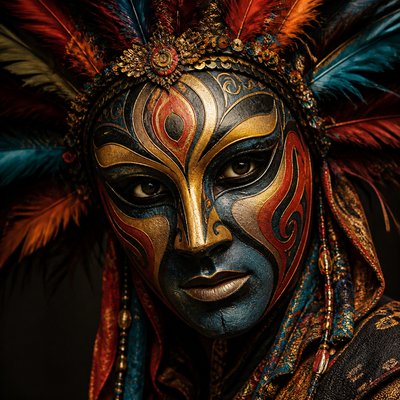
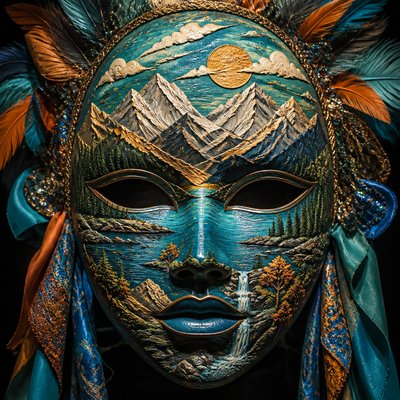
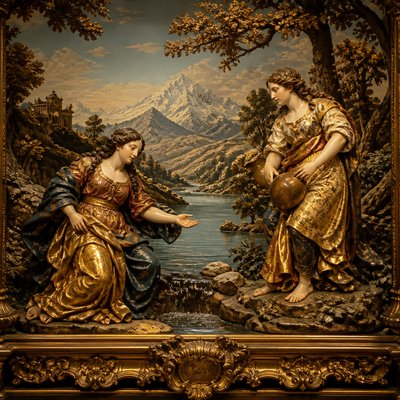
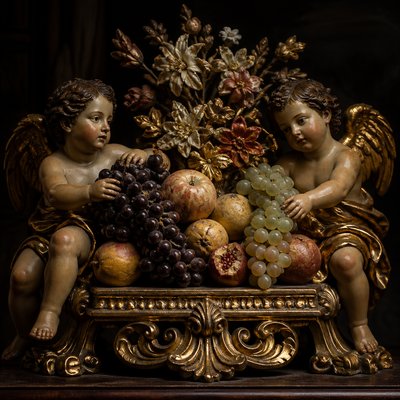
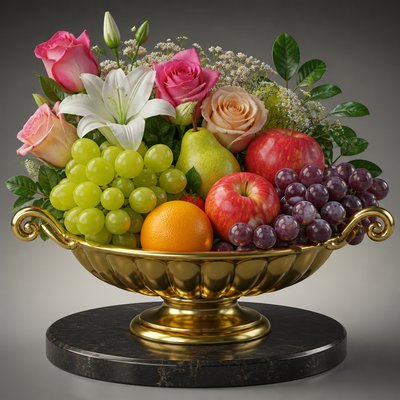
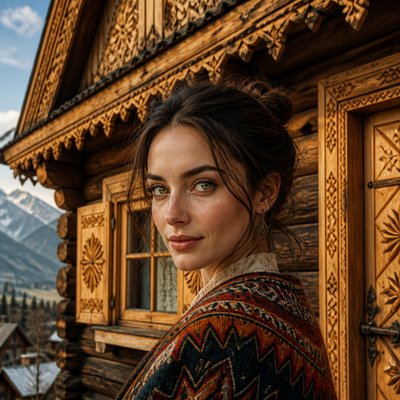
Explore Budapest Art Style: iridescent Hungarian ceramics, flowing Art Nouveau architecture, folk ornament, and gilded decorative interiors.
Instantly rendered in Budapest — or transform a photo
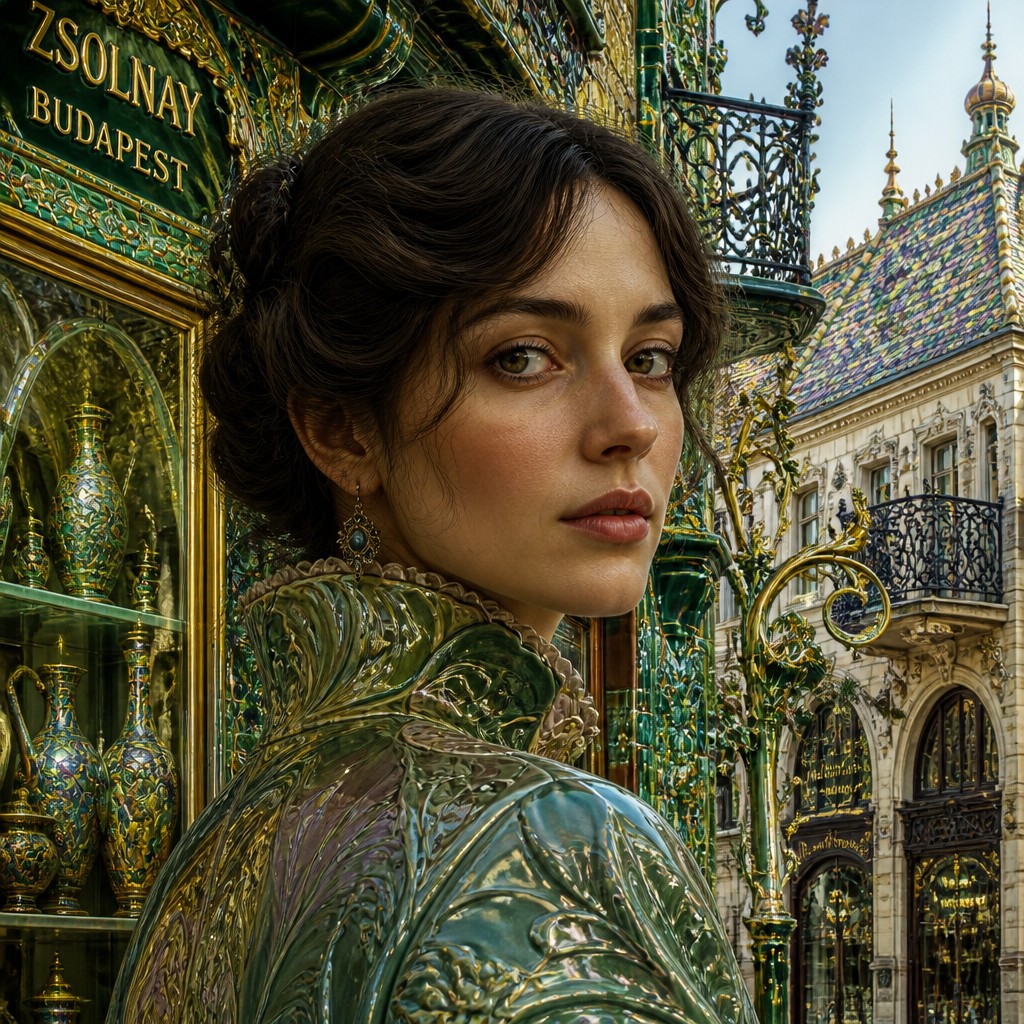
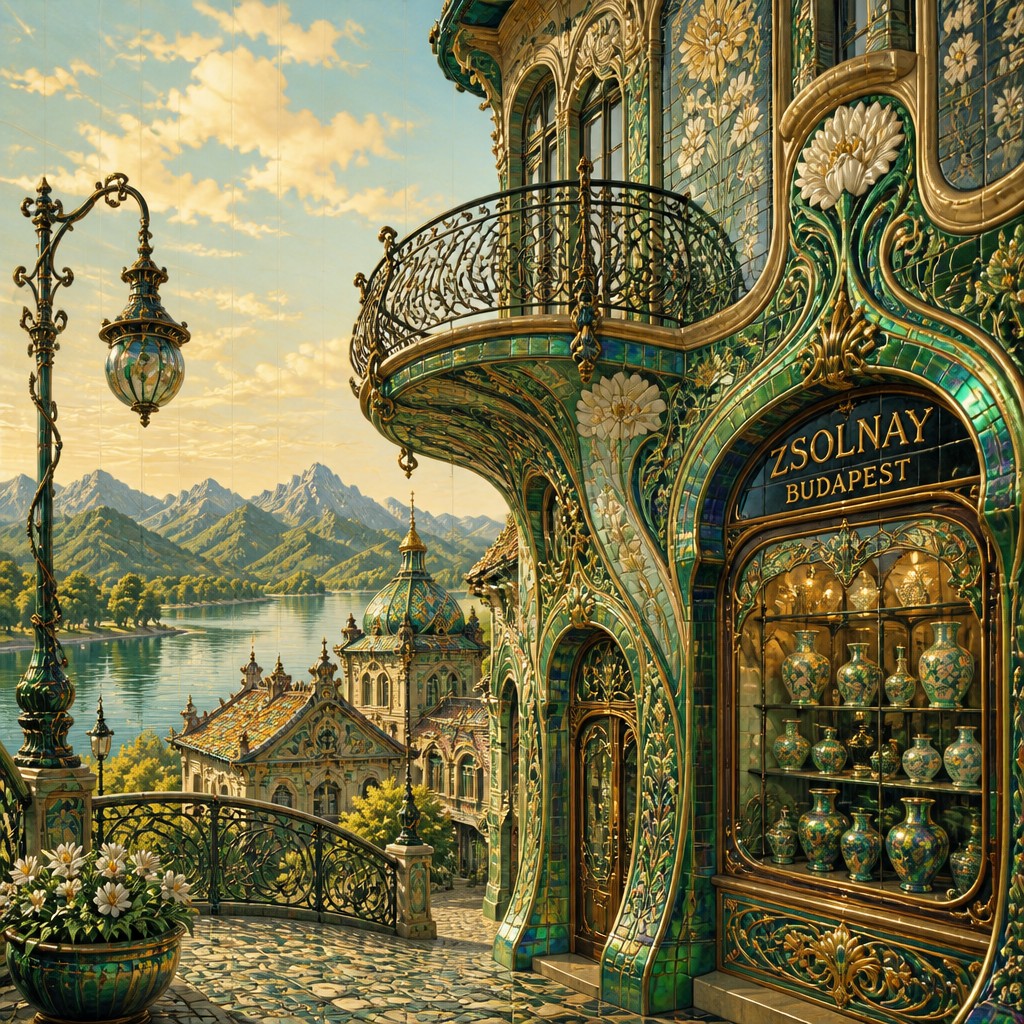
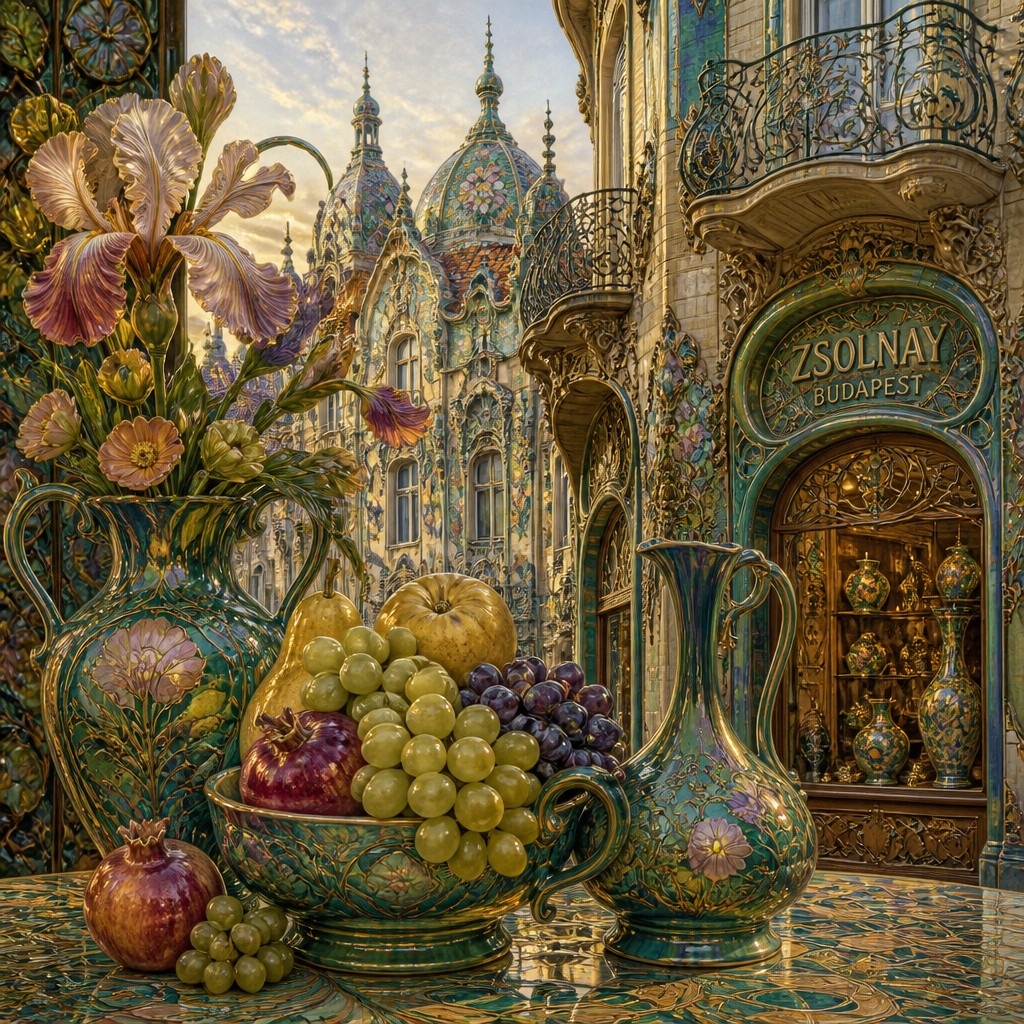
Budapest Gallery
Tap any artwork to explore it
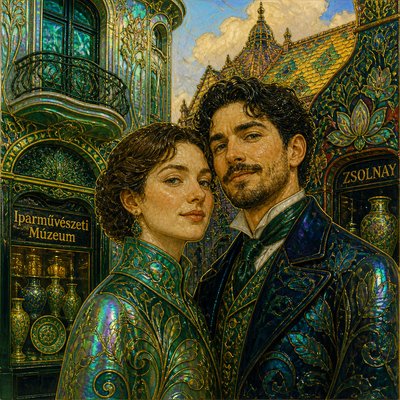
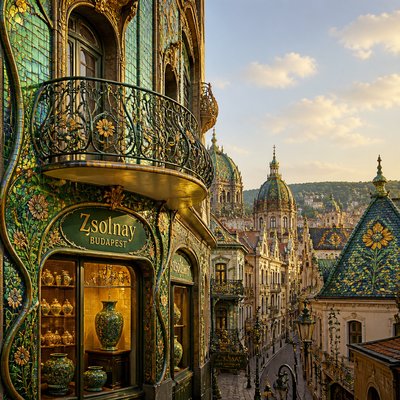
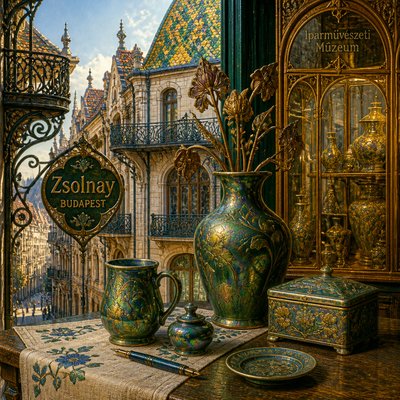
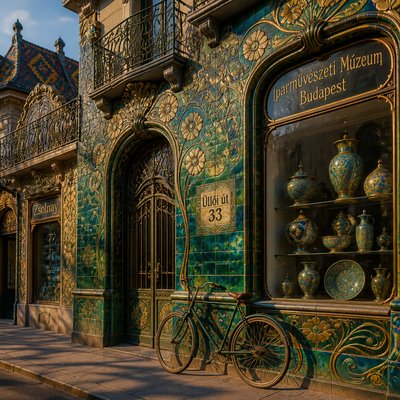
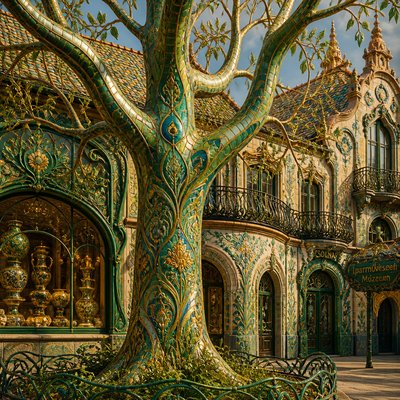
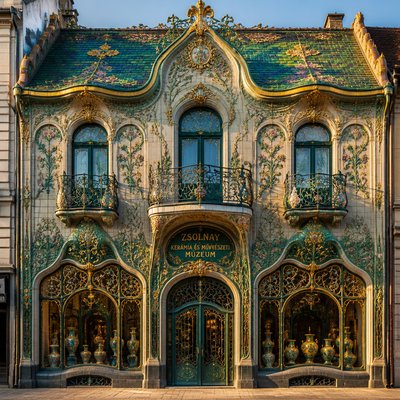
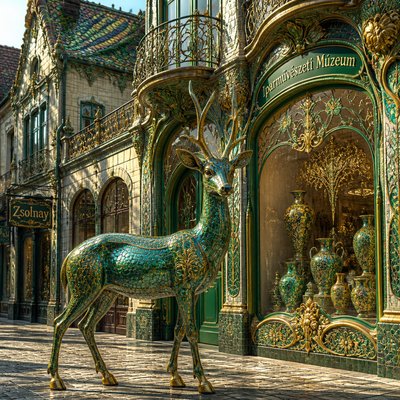
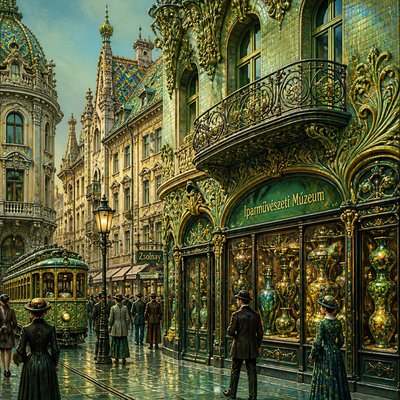
What is Budapest Art Style?
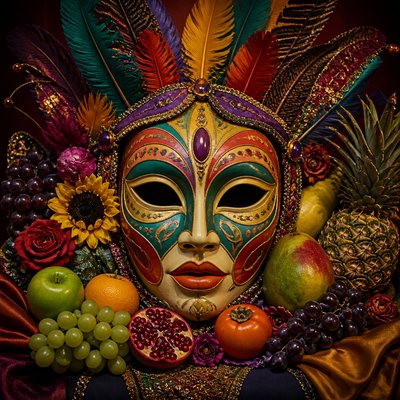
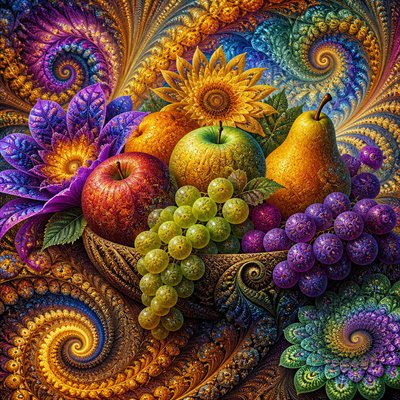
Budapest Art Style is a contemporary descriptive style built from the visual language of Hungarian Art Nouveau, especially its architectural ceramics, ornamental metalwork, and integration of folk-derived patterns. Its signature surface is the luminous eosin glaze associated with Hungarian ceramic production: a metallic, color-shifting finish that moves through peacock green, turquoise, bronze, gold, and violet as light changes.
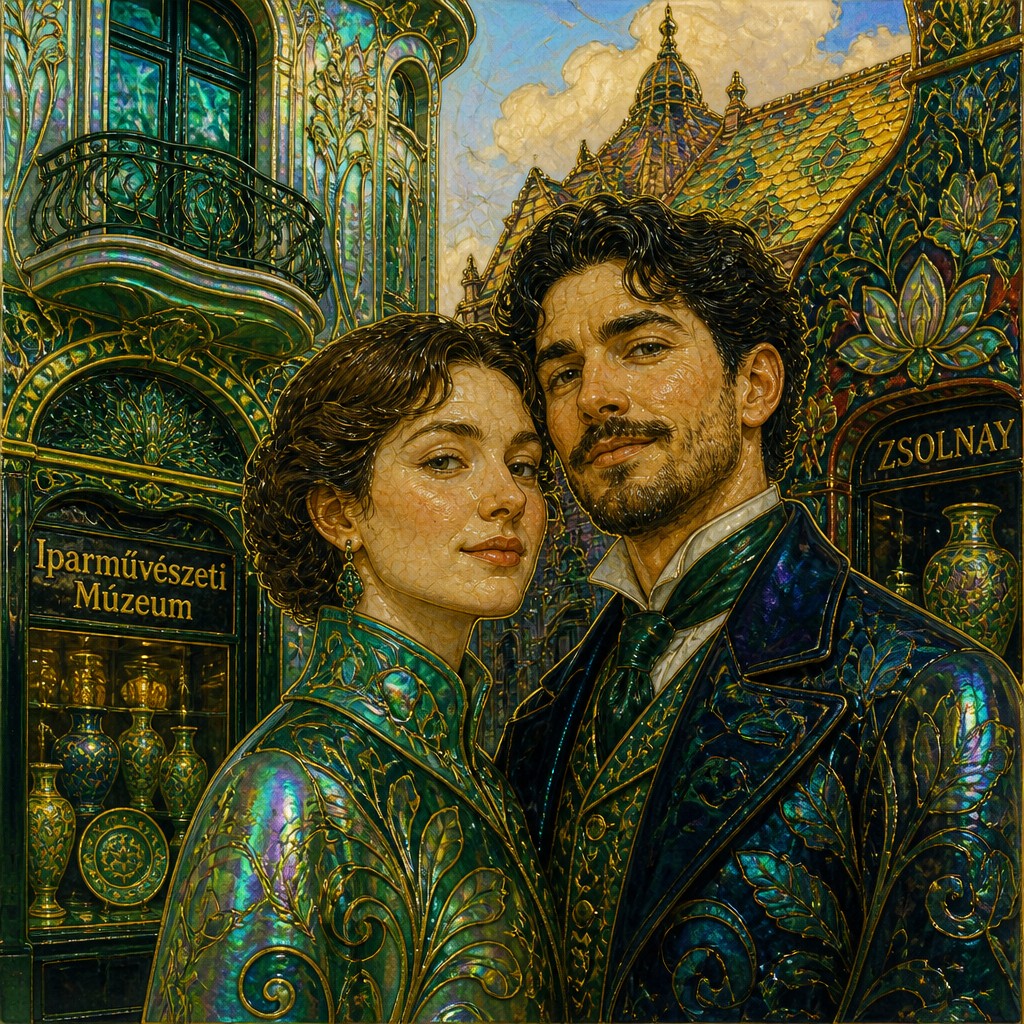
Try It On Your Photos
Upload any photo and convert it into Budapest Art Style — drag the sliders to compare before and after.
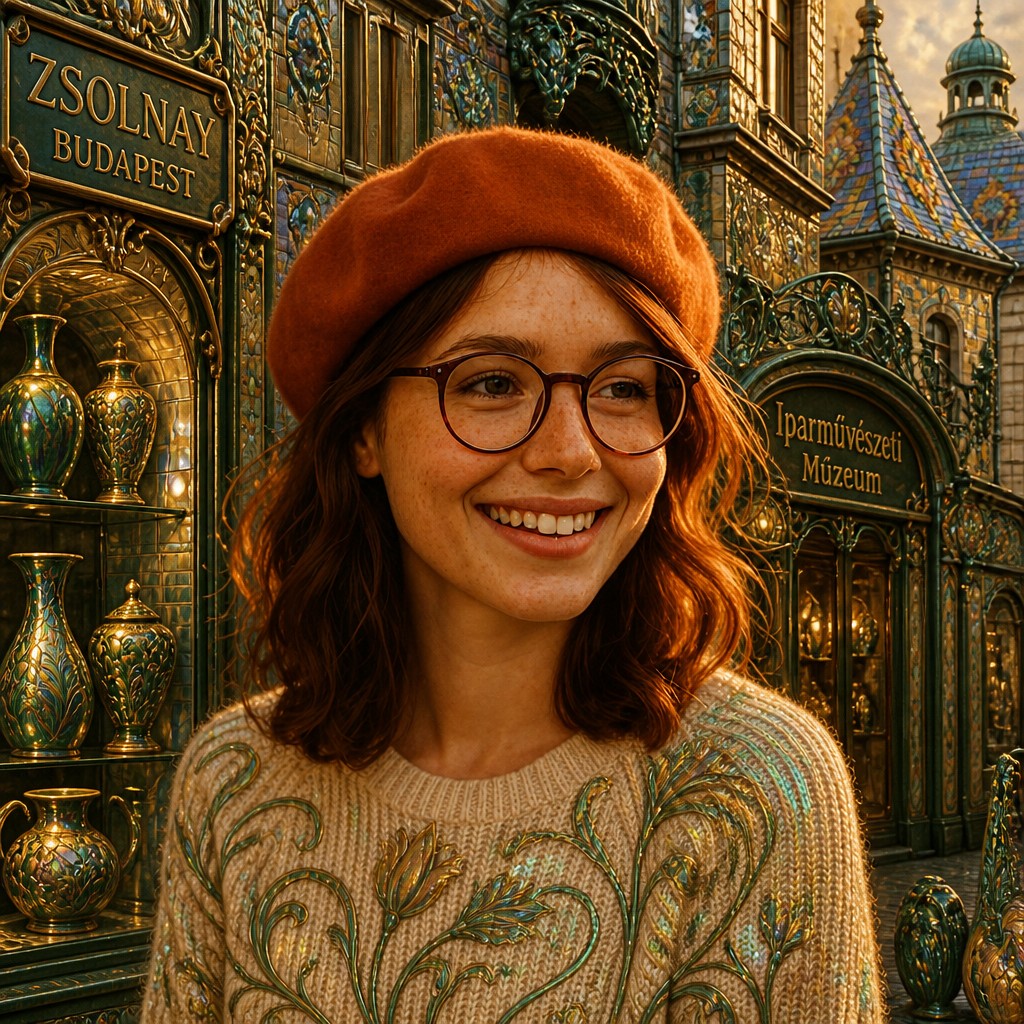

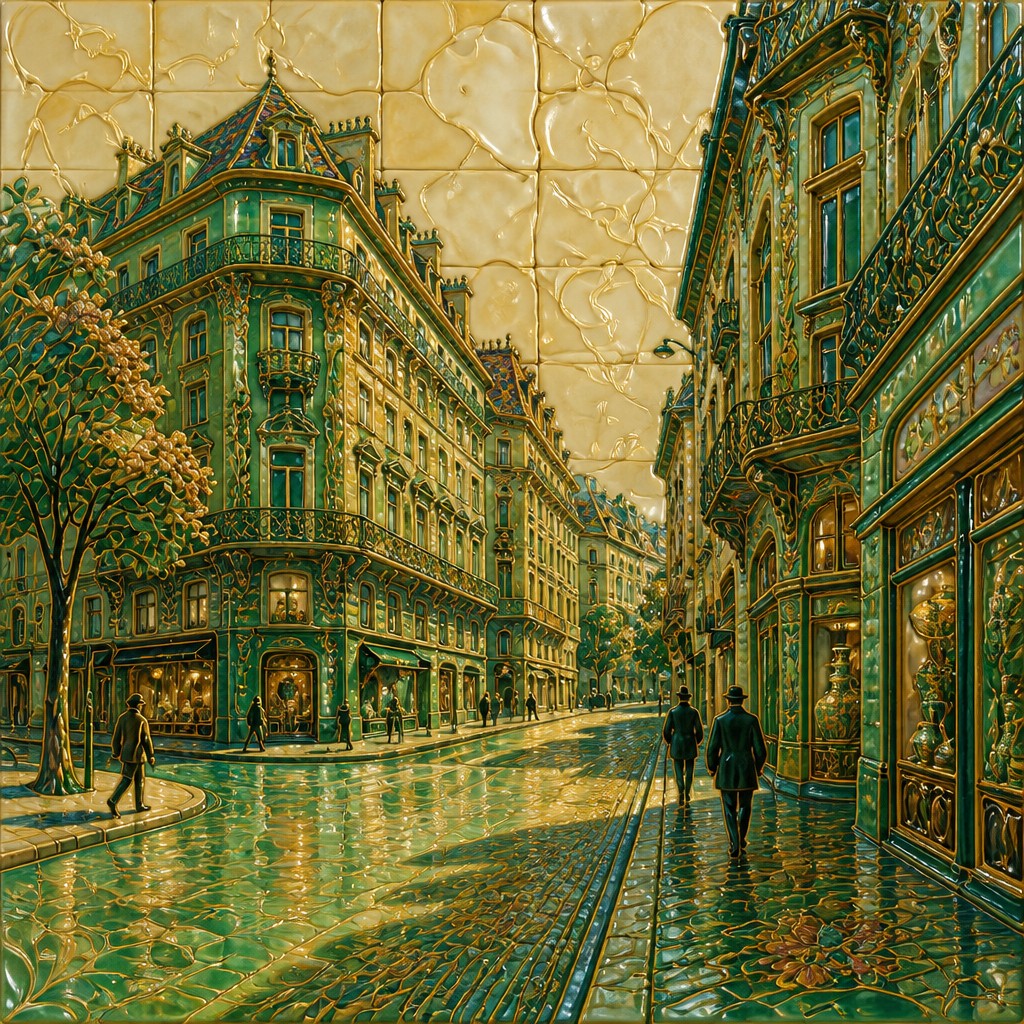

What Defines Budapest Art Style
The signature details, up close
Iridescent ceramic surfaces
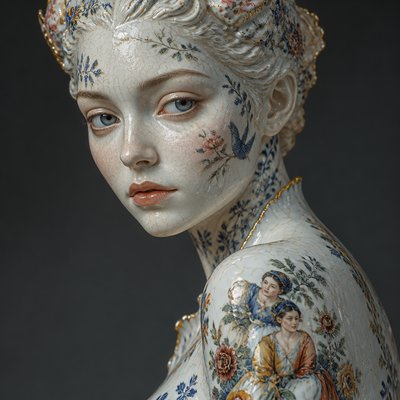
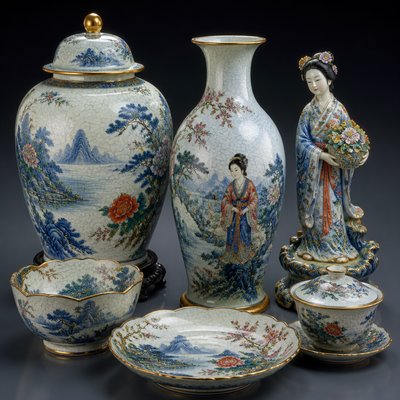
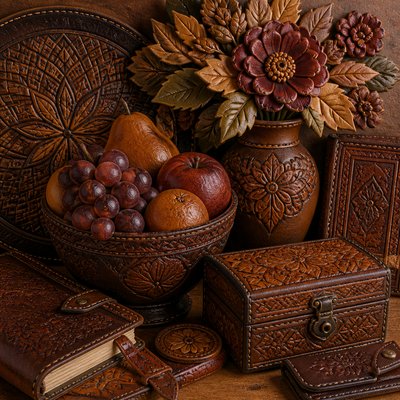
Glazed tiles and vessels carry peacock green, turquoise, bronze, and gold reflections. The finish should appear layered and metallic rather than uniformly painted.
Whiplash botanical ornament
Stems, leaves, tendrils, and blossoms curve in long, elastic lines across façades, doorways, rooftops, and interior surfaces. Repetition creates rhythm without becoming mechanically symmetrical.
Hungarian folk-derived motifs
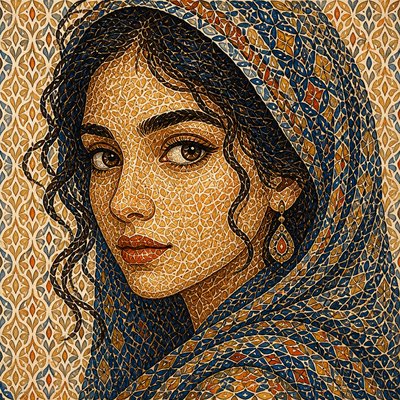
Stylized flowers, tulip-like forms, birds, vines, and geometric embroidery patterns provide a regional character. These motifs are translated into architectural borders, ceramic reliefs, and metal screens.
Decorative architecture
Buildings are treated as unified works of applied art, combining colorful tile roofs, ornamental façades, sculpted details, and custom-made windows or balconies.
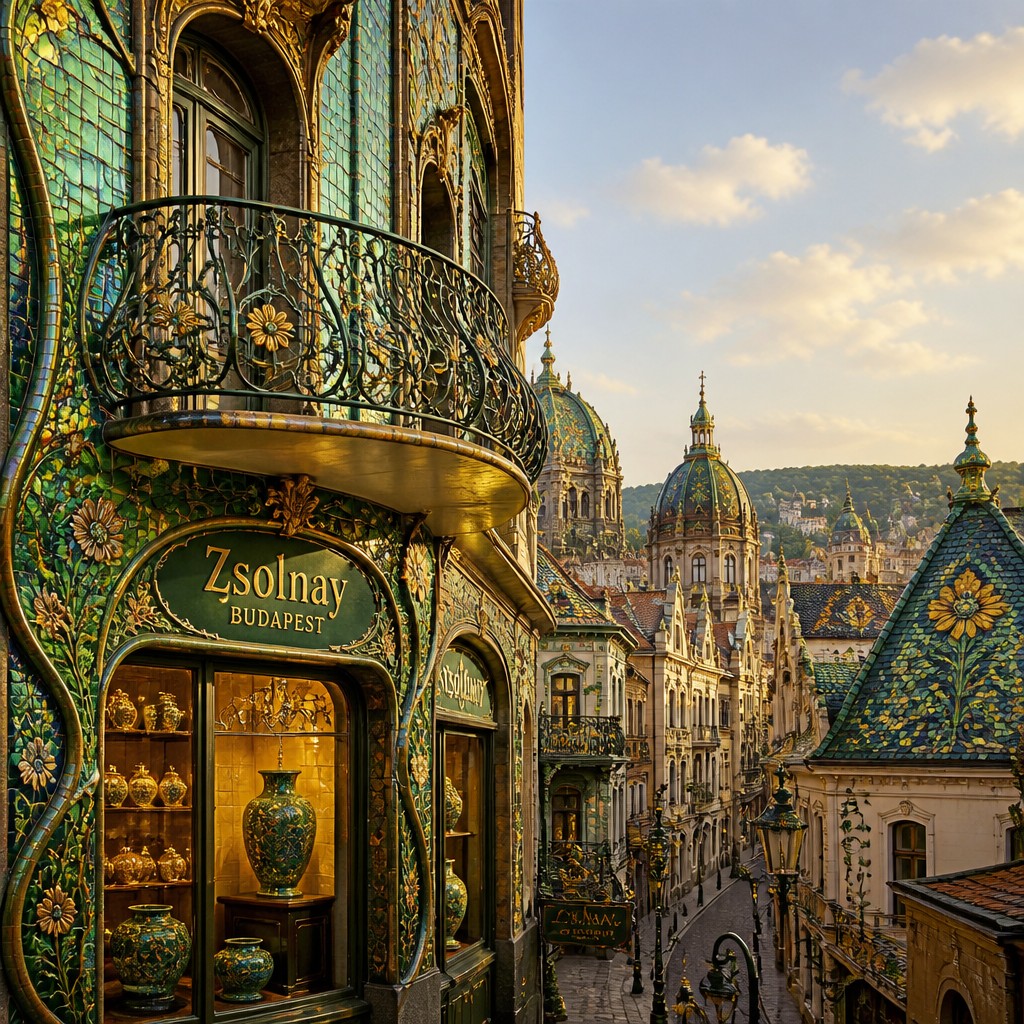
Sinuous wrought iron
Balconies, gates, railings, and lamps use flowing ironwork that echoes stems and tendrils. Lines are elegant and organic, with occasional dense floral knots.
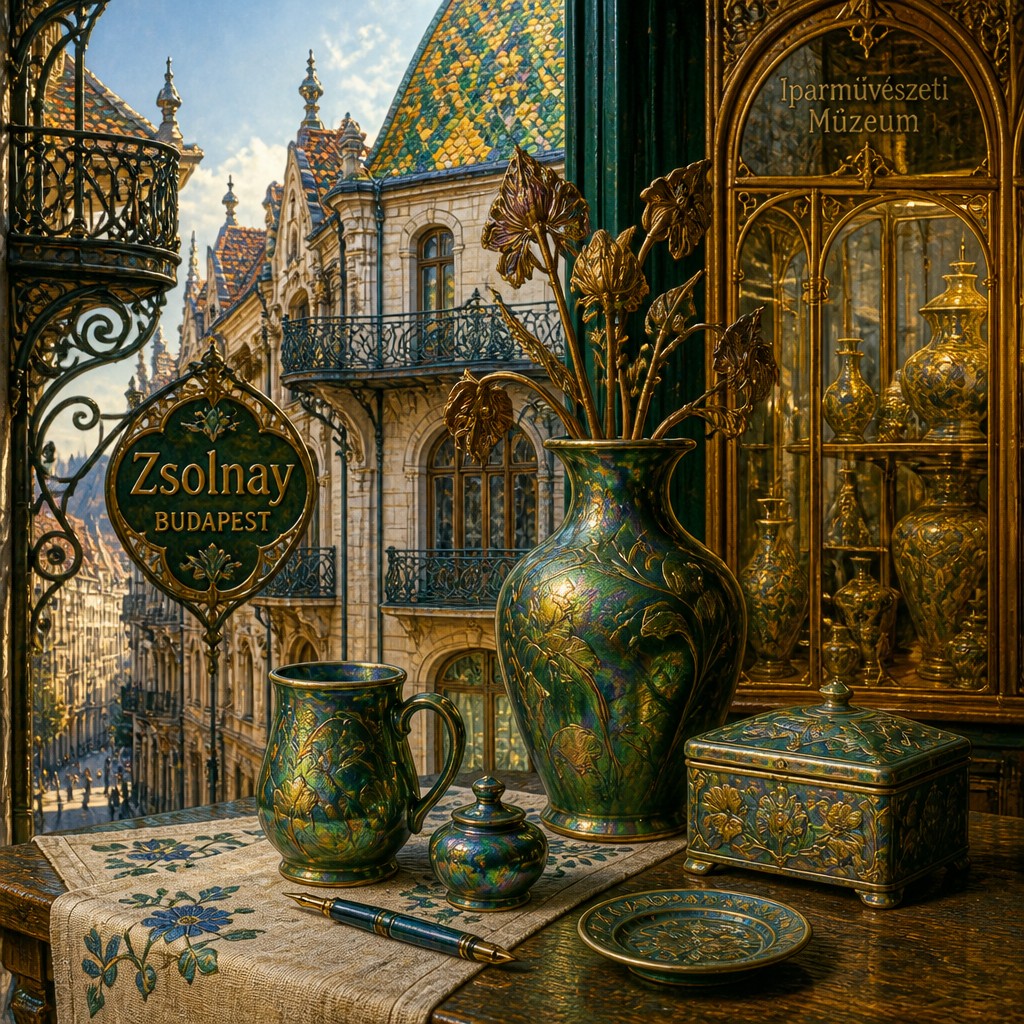
Gilded museum-like interiors
Vitrines, display cabinets, carved frames, and warm metallic accents suggest an applied-arts museum or richly appointed civic interior. Gold is used to catch light and articulate ornament rather than flatten the whole image.
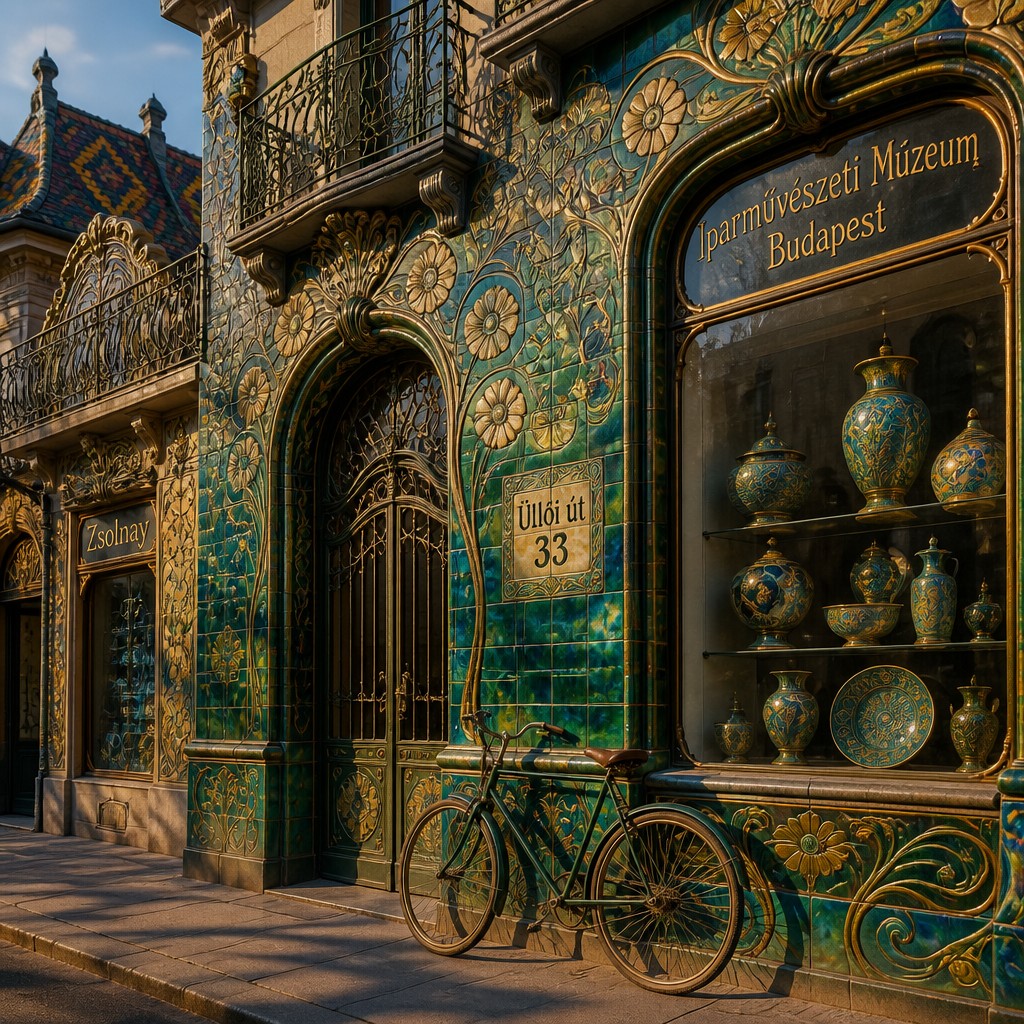
Afternoon light and reflective color
Low, warm illumination reveals the shifting glaze, emphasizes relief, and creates colored reflections on surrounding stone, plaster, and glass.
Budapest Prompt Ideas
Start from an idea — each one opens the generator with the style ready to go. See all 40 Budapest prompts →
How to Create Budapest Art
Master the craft step by step — or skip straight to creating. Read the full guide →
- 1
Build the surface before the scene
Begin with a limited palette of peacock green, turquoise, amber, bronze, cream, and gold. Specify a reflective ceramic glaze with visible pooling, craquelure, raised relief, and changing color at different angles.
- 2
Use a strong architectural silhouette
Choose a façade, pavilion, doorway, station hall, or interior with clear vertical and horizontal structure. Add ornament as integrated tilework, balcony ironwork, roof decoration, and framing rather than as scattered embellishment.
- 3
Draw with continuous curves
Design stems, rails, borders, and architectural moldings as long flowing lines. Avoid disconnected clip-art motifs; let one botanical pattern lead naturally into the next.
- 4
Translate folk motifs carefully
Use simplified floral, bird, tulip, and embroidery-derived forms while keeping them coherent with the building’s geometry. Repetition, border patterns, and mirrored arrangements help the motifs feel architectural.
- 5
Control light and material contrast
Pair glossy glazed tile with matte plaster, carved stone, dark wrought iron, translucent glass, and selective gilding. Warm afternoon or museum lighting makes the iridescence legible without washing out the ornament.
- 6
Write layered digital prompts
For prompt-based generation, specify the subject first, then the Hungarian Art Nouveau architecture, ceramic material, botanical ornament, palette, lighting, and viewpoint. For image transformation, preserve the source silhouette while replacing surfaces with glazed tile, floral ironwork, and applied ornament.
The Story
History & Origins of Budapest
This is best understood as an aesthetic lineage rather than a formally documented historical movement. It draws primarily on the Hungarian Secession and the broader Art Nouveau period of the late nineteenth and early twentieth centuries, when Budapest architecture and applied arts embraced organic line, custom tilework, wrought iron, stained glass, ceramics, and decorative interiors.
Influences: The style relates to European Art Nouveau, the Hungarian Secession, architectural ceramics, Jugendstil, Arts and Crafts ideals, and Central European applied arts. It also draws on Hungarian folk ornament, especially embroidered floral patterns and regional decorative geometry, while its metallic color effects come from the broader tradition of iridescent ceramic glazing.
Frequently Asked Questions
Is Budapest Art Style a historical art movement?
Not as a standardized movement under that exact name. It is a contemporary style label for imagery inspired by Budapest’s Hungarian Art Nouveau and Secession-era architecture, ceramic decoration, folk ornament, and applied arts.
What defines the style most clearly?
The combination of iridescent Hungarian ceramic surfaces, flowing botanical lines, decorative façades, wrought-iron balconies, folk-derived motifs, and warm gilded details is central. Color-shifting glaze is especially important because it gives the style its jewel-like appearance.
How does it differ from general Art Nouveau?
General Art Nouveau includes many regional interpretations across Europe and beyond. This style emphasizes the Hungarian branch of the tradition, with stronger ceramic architecture, folk-pattern references, colorful rooftops, and metallic eosin-like surfaces.
Can this style be used for subjects other than buildings?
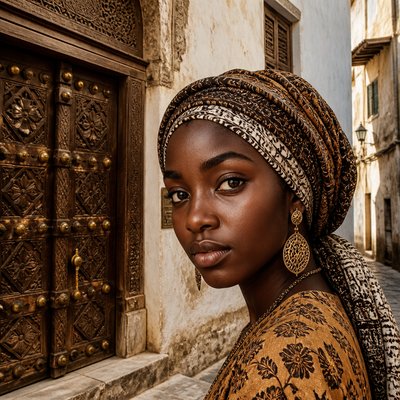
Yes. It works well for vessels, furniture, jewelry, interiors, gardens, street scenes, posters, and portraits framed by ornamental architecture. The subject should still allow room for material richness, flowing line, or decorative framing.
How can I make an image look convincingly ceramic?
Describe a hard fired surface, glazed relief, pooling color, reflective highlights, subtle craquelure, and visible tile or vessel construction. Contrast the glaze with matte masonry and dark iron so the ceramic does not read as painted plastic.
Where is Budapest Art Style commonly used?
It is particularly effective for architectural visualizations, interiors, heritage-inspired posters, decorative object studies, fantasy cityscapes, museum scenes, and editorial illustrations. It can also transform modern subjects by applying ornamental façades and ceramic surface treatment.
Create your first Budapest artwork
Describe anything — or upload a photo — and see it in Budapest Art Style in seconds.
Related Styles
Discover similar art styles