Burkina Faso Art Style
Explore Burkina Faso Art Style: Tiébélé wall geometry, Bwa plank masks, carved figures, and a sun-baked palette of black, white, and ochre.
Instantly rendered in Burkina Faso — or transform a photo
Burkina Faso Gallery
Tap any artwork to explore it
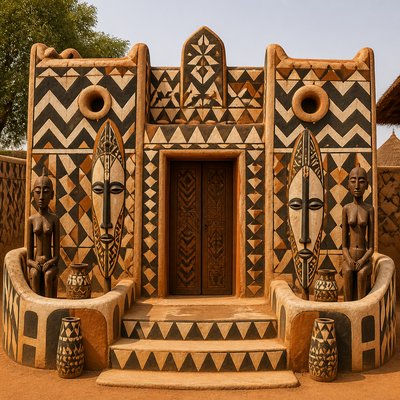
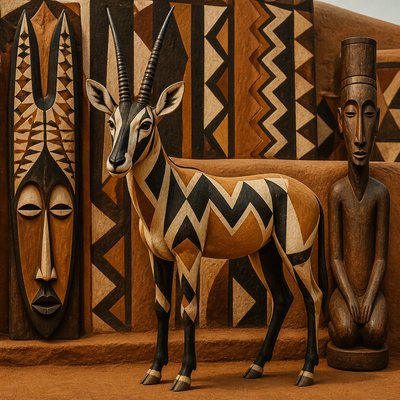
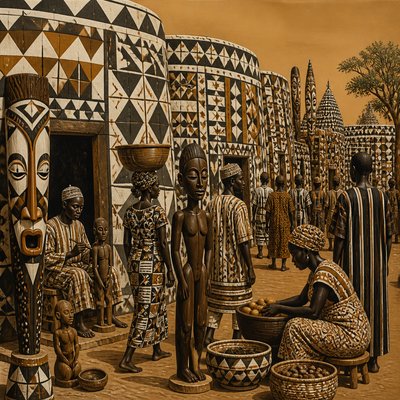
What is Burkina Faso Art Style?
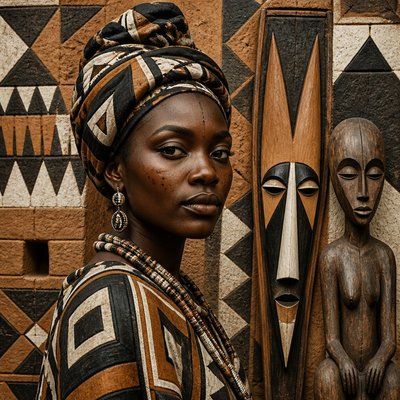
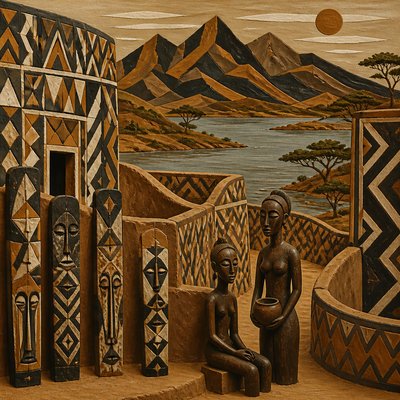
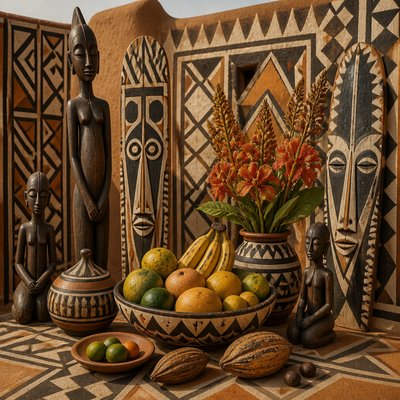
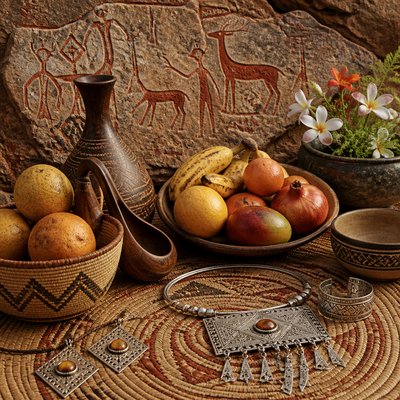
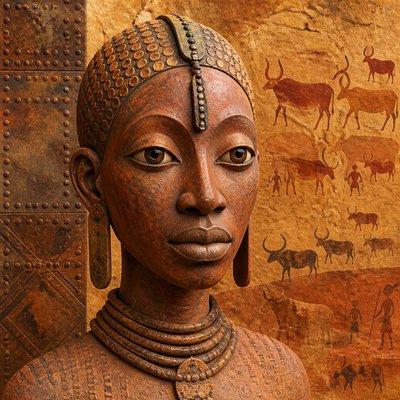
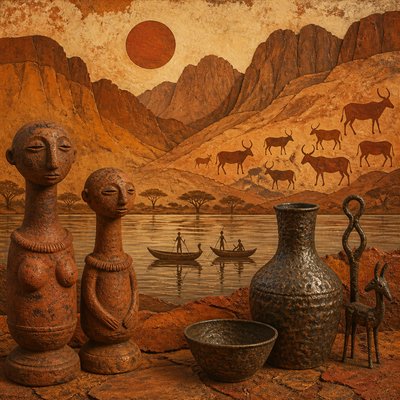
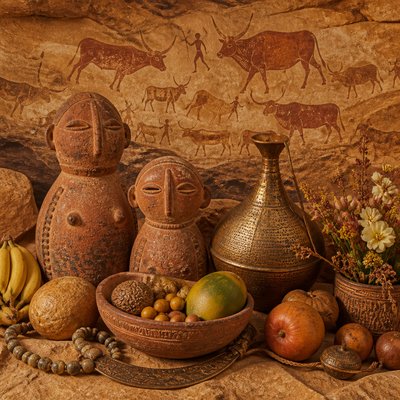
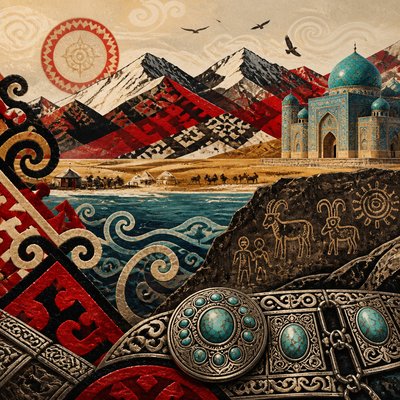
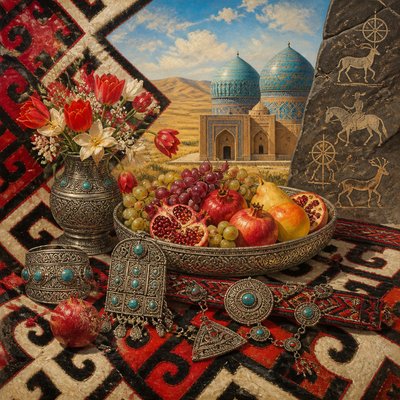
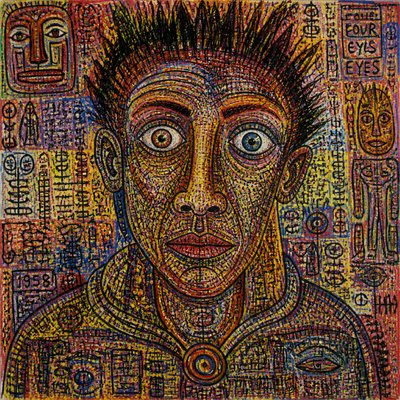
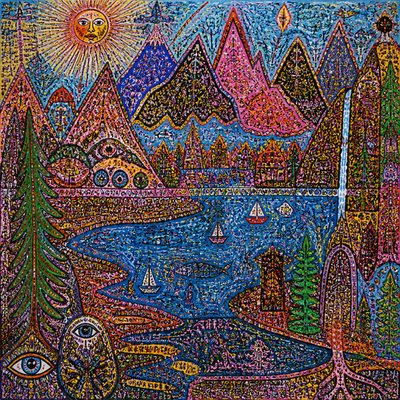
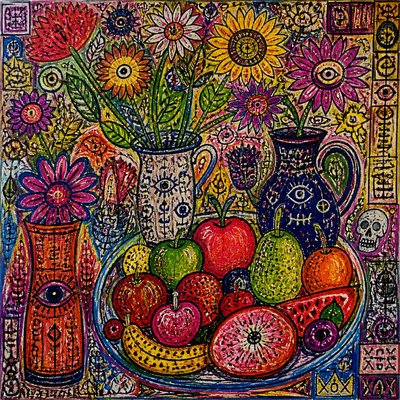
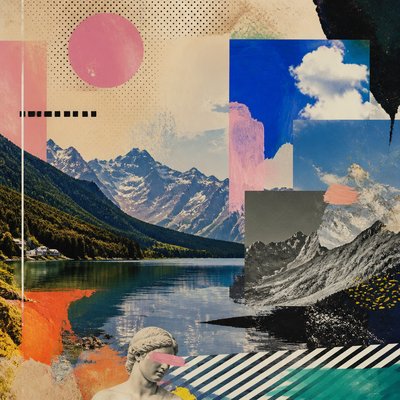
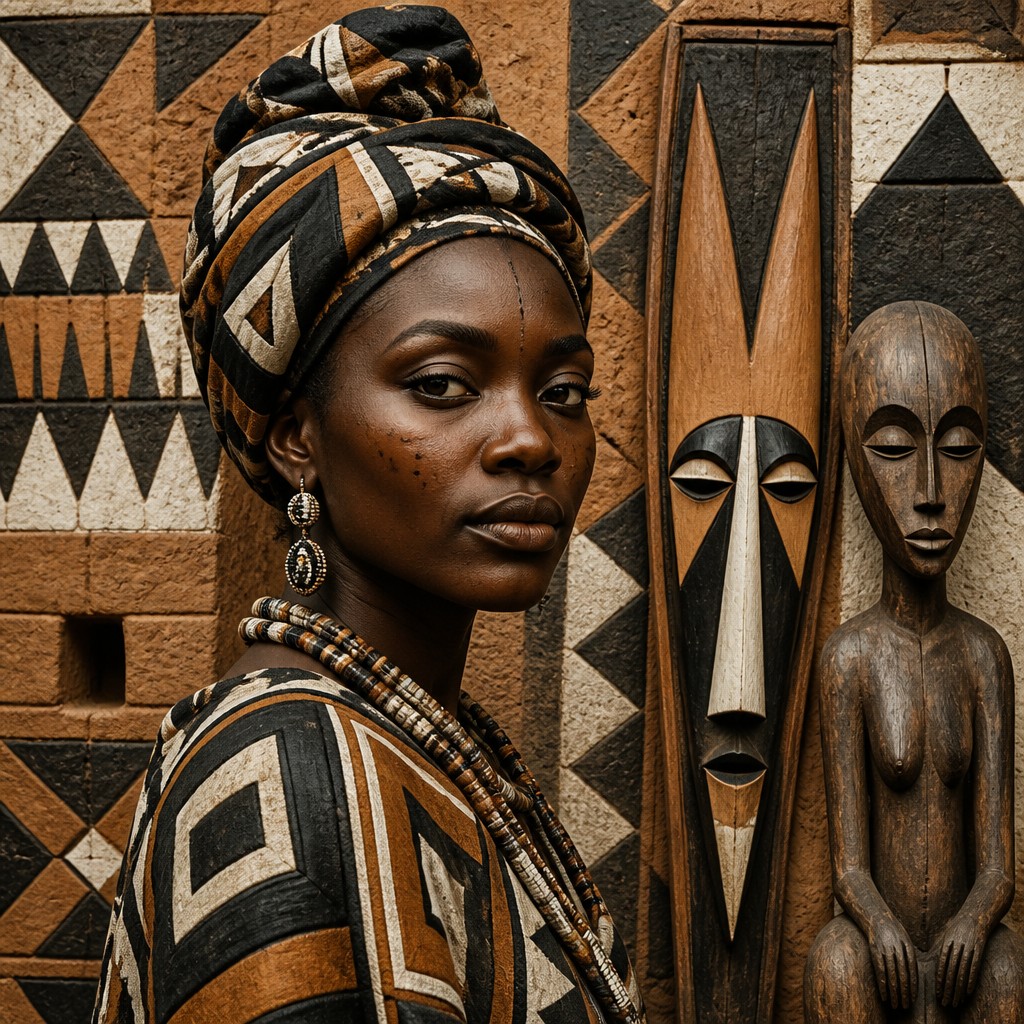
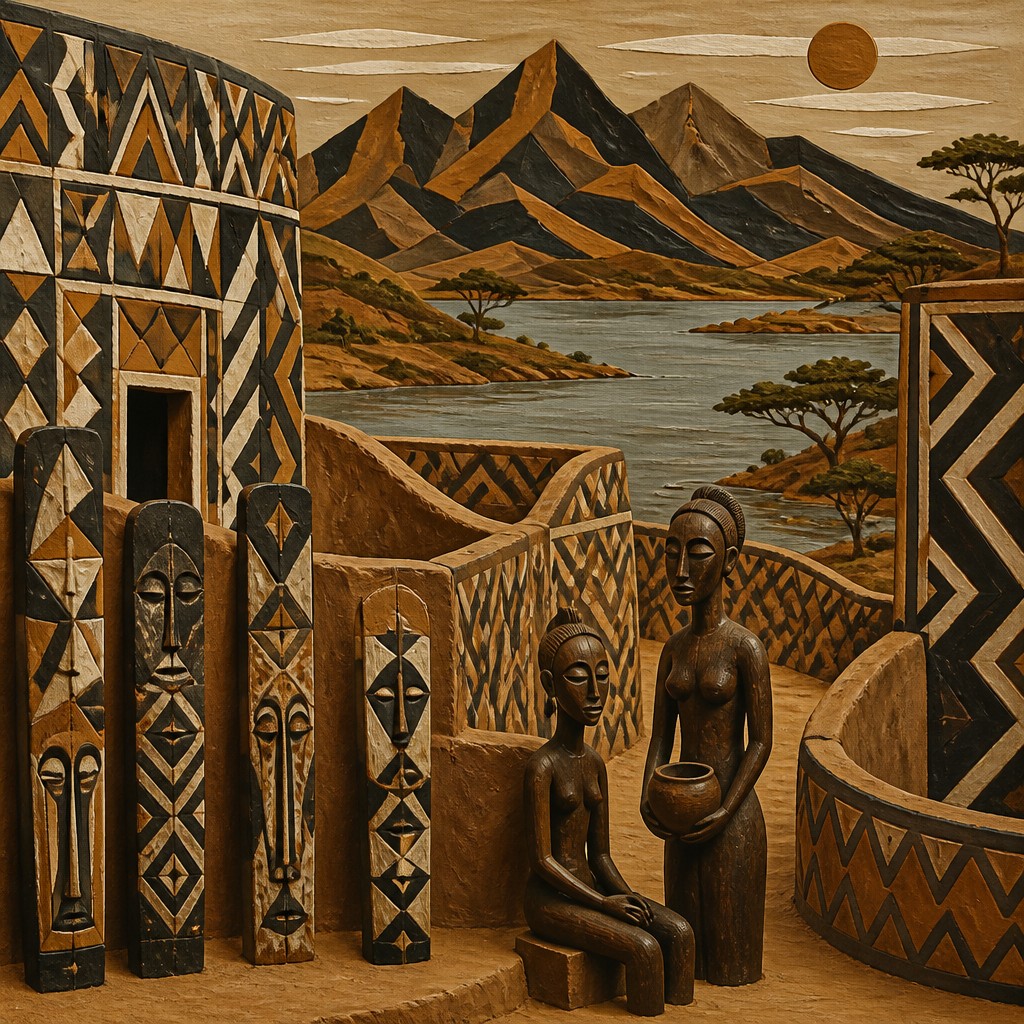
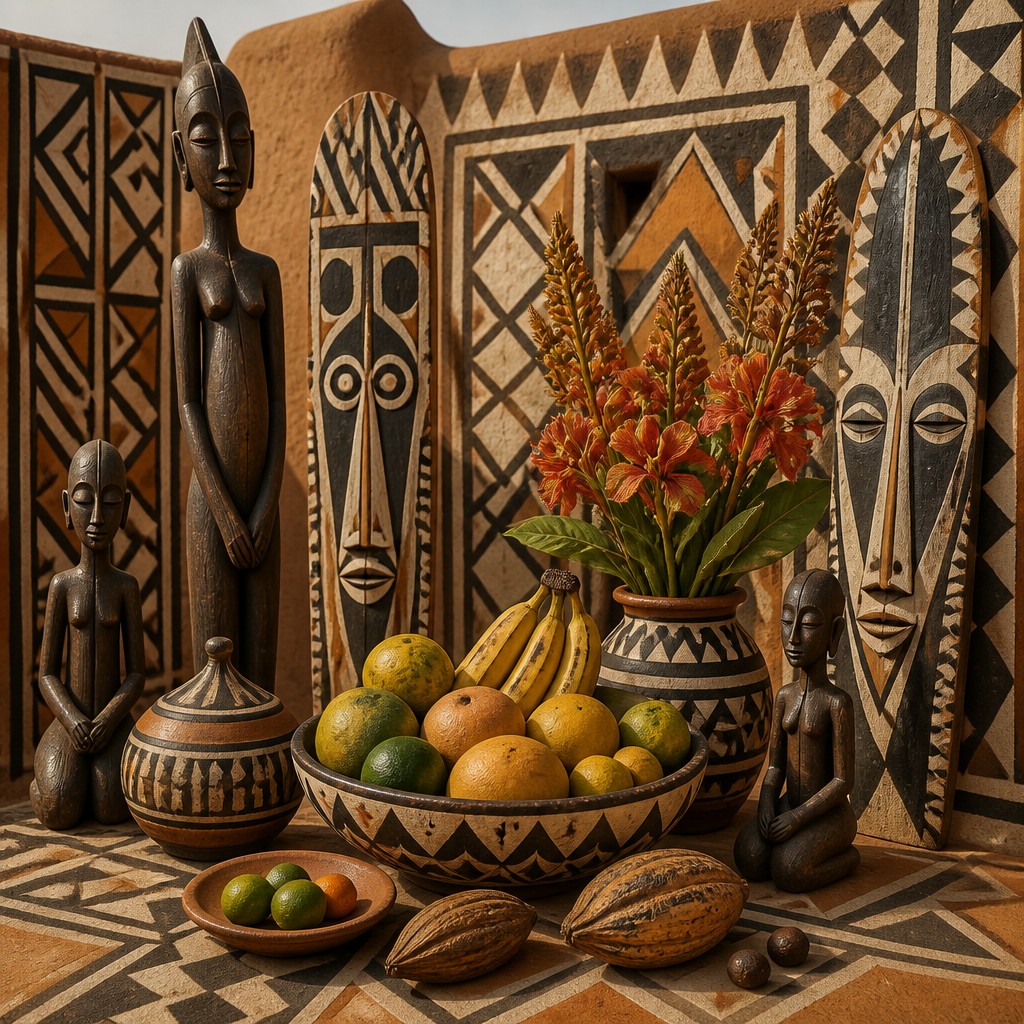
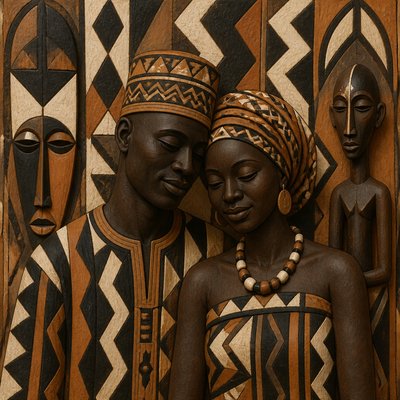
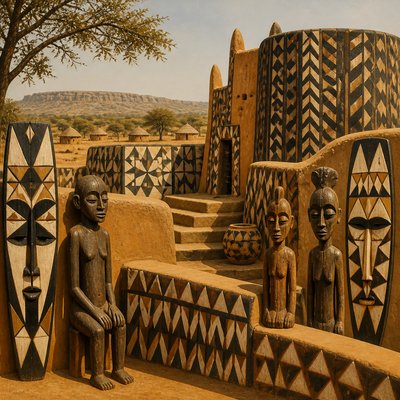
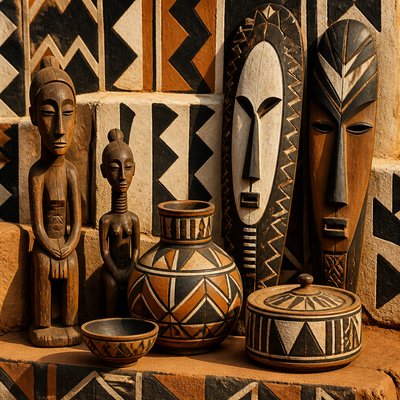
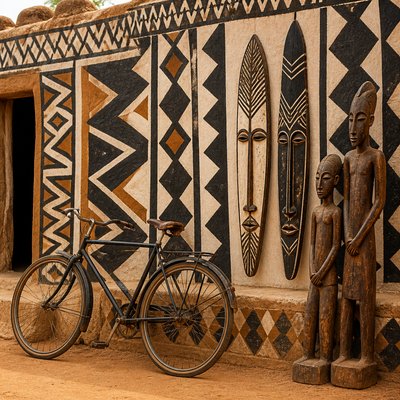
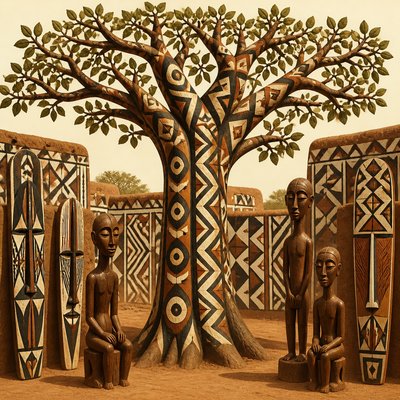
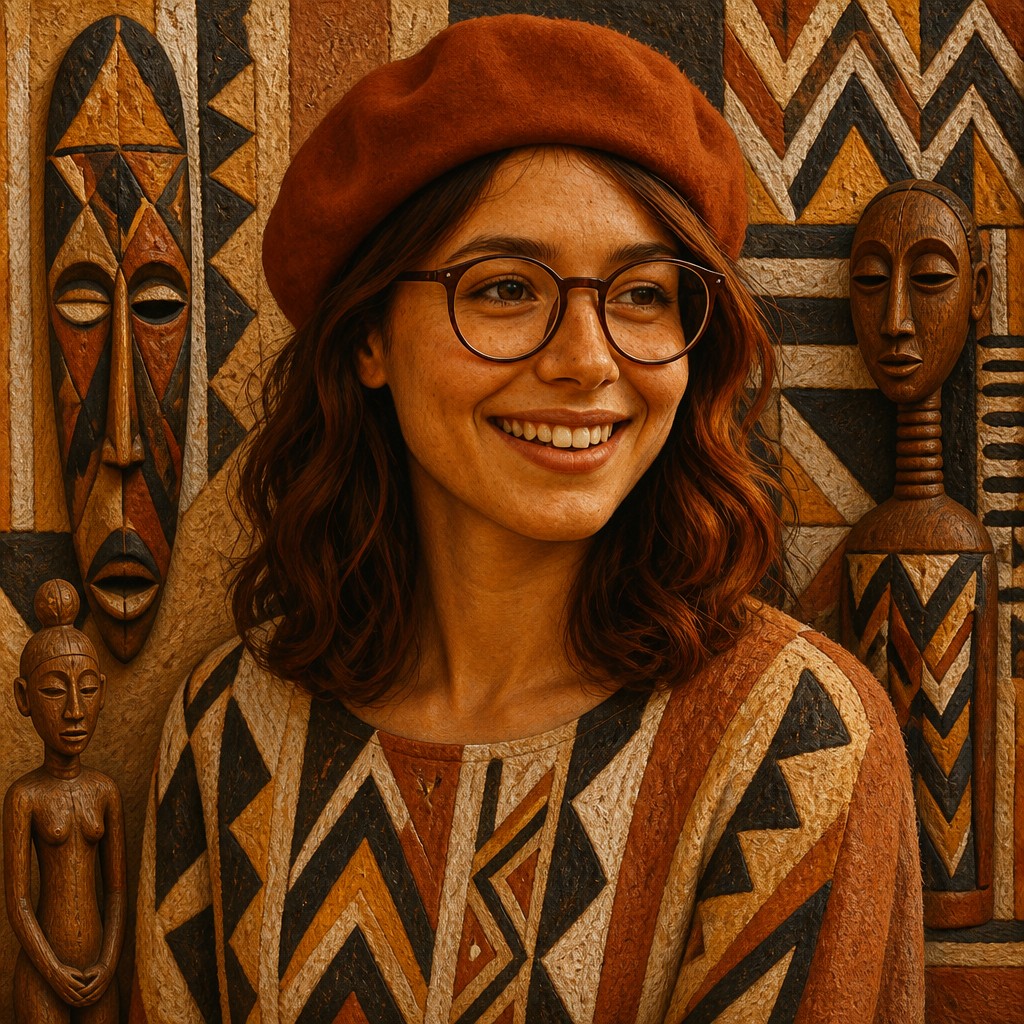
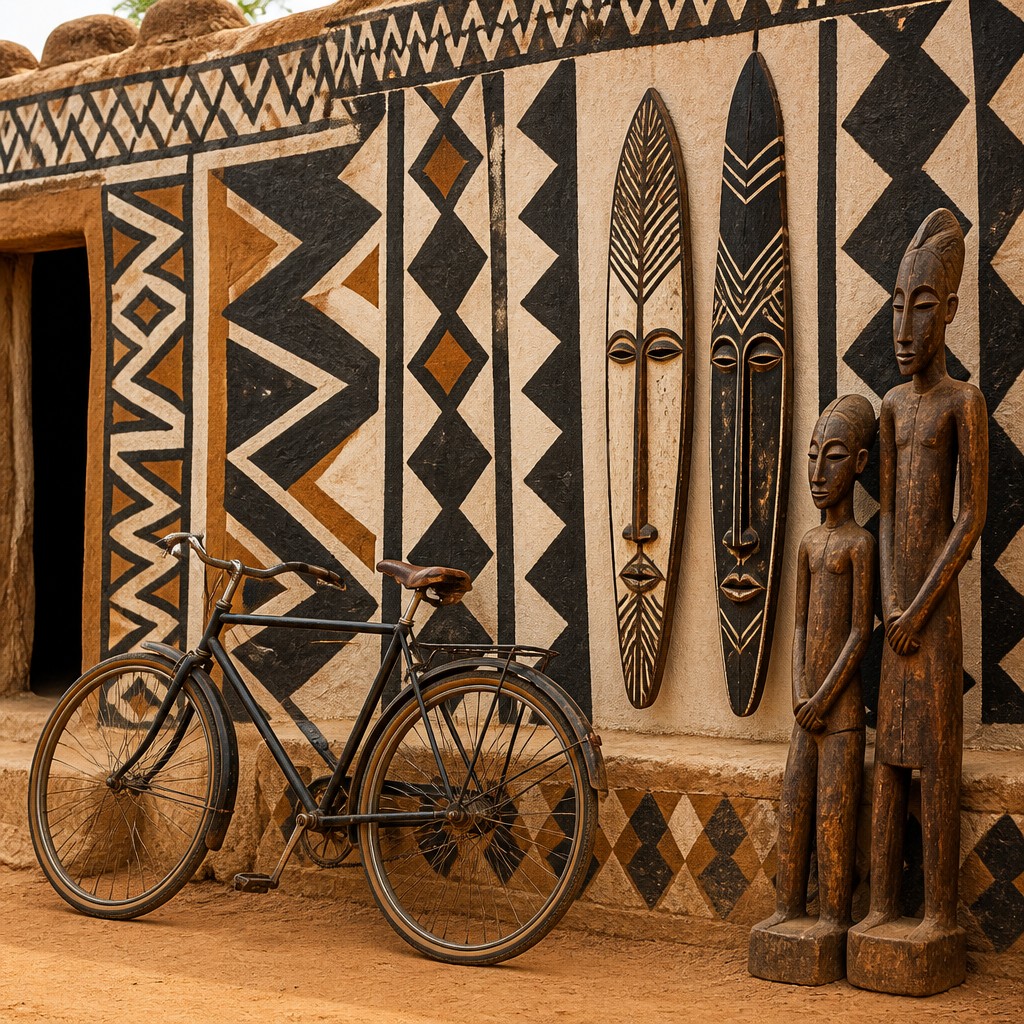
Burkina Faso Art Style is a contemporary descriptive synthesis of several visual traditions from Burkina Faso. Its most recognizable element is the geometric surface decoration of Kassena compounds at Tiébélé: earthen walls organized with angular bands, zigzags, triangles, checkerboards, and repeated symbols in black, white, red ochre, and the natural brown of mud. The style pairs this architectural patterning with the tall, graphic silhouette of carved plank masks associated particularly with Bwa masquerade traditions, as well as simplified wooden figures with quiet, elongated proportions.
The result is less a single historical school than a visual vocabulary built from material, rhythm, and silhouette. Sun-dried earth, limited mineral pigments, hand-shaped surfaces, and ceremonial sculpture give it a tactile character, while strong borders and repeated motifs make the imagery read clearly at a distance. Its visual power comes from the dialogue between flat ornament and carved volume: walls become patterned fields, masks become vertical signs, and figures are reduced to calm, essential forms.
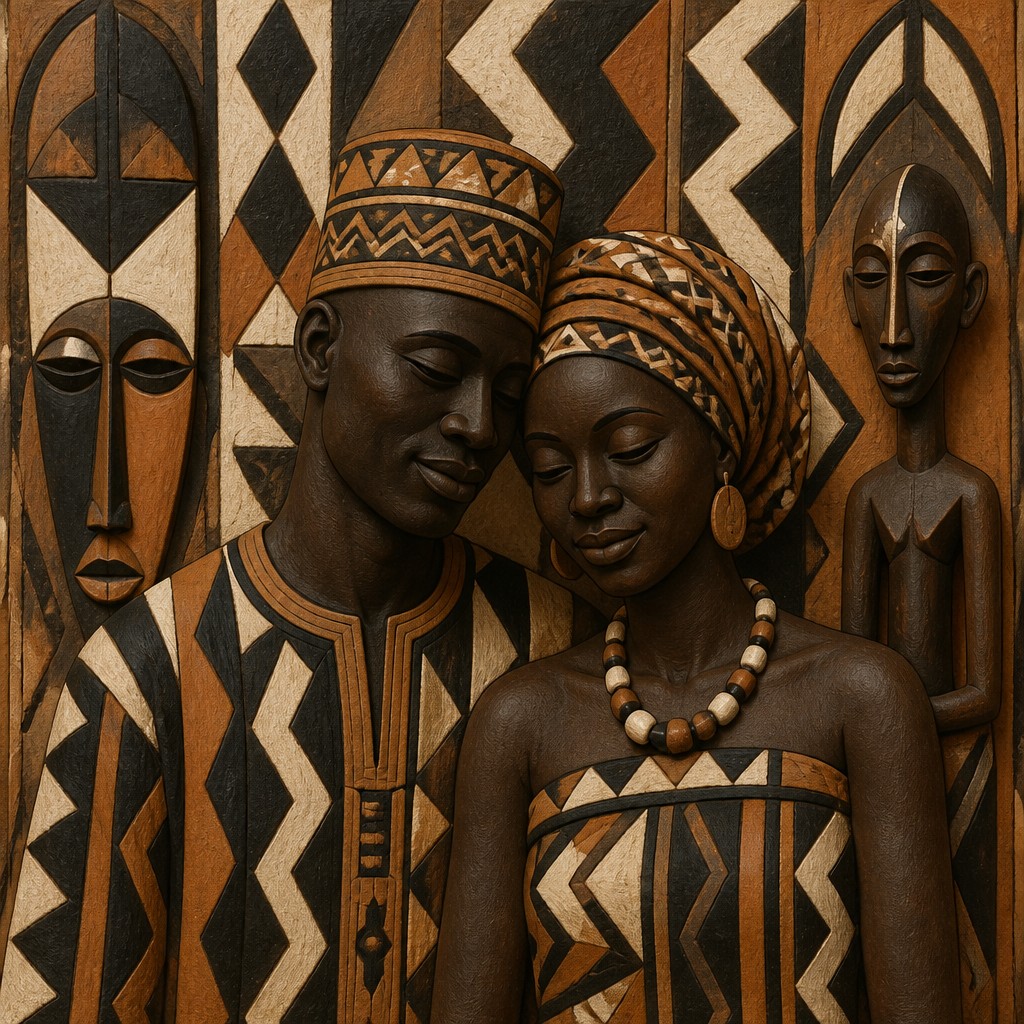
Try It On Your Photos
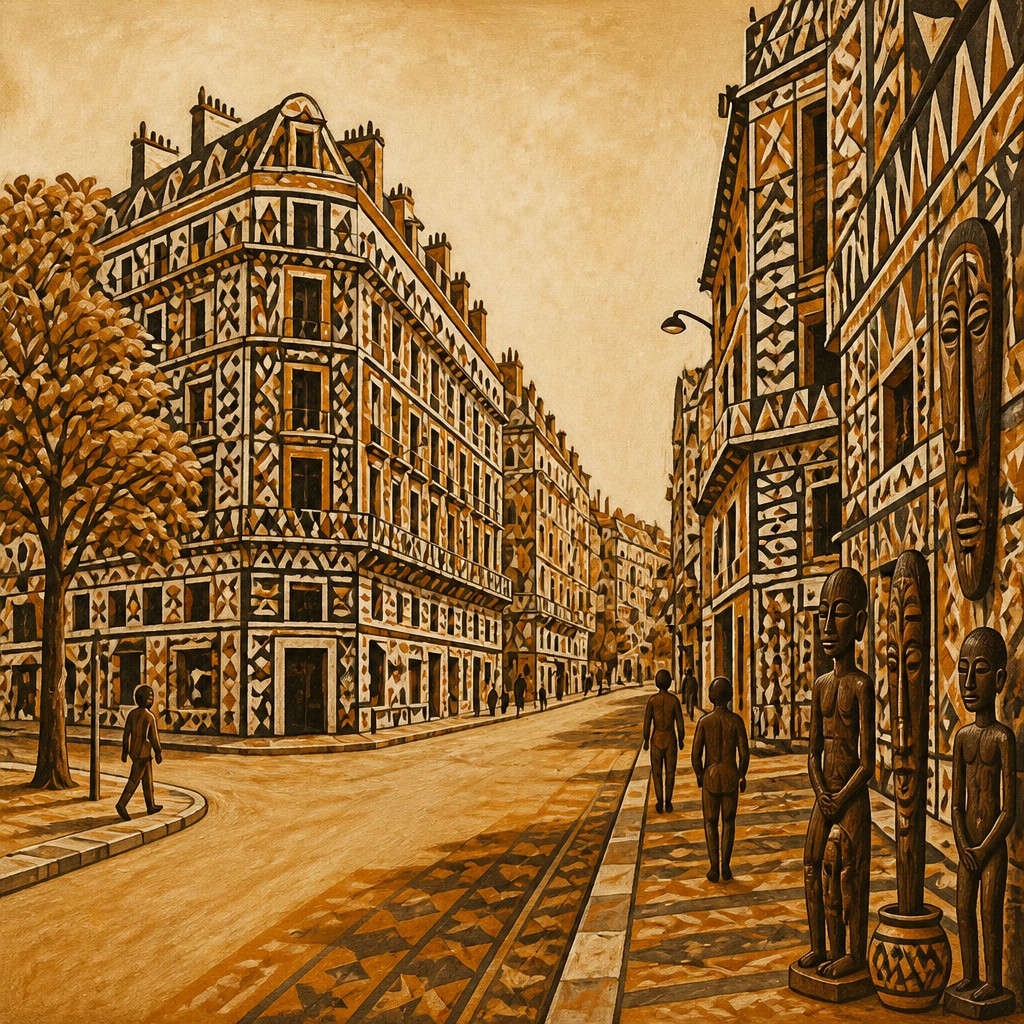
Upload any photo and convert it into Burkina Faso Art Style — drag the sliders to compare before and after.


What Defines Burkina Faso Art Style
The signature details, up close
Geometric wall patterning
Angular zigzags, triangles, chevrons, grids, and stepped bands organize surfaces into strong rhythmic units. Motifs are usually framed by borders rather than scattered randomly.
Earth-based palette
The dominant colors are mud brown, charcoal black, chalky white, and warm ochre or red earth. The restrained palette reflects mineral pigments, earthen construction, and the sun-baked environment.
Architectural ornament
Decorative patterns appear across compound walls, façades, doors, and architectural recesses. The structure of the building remains visible, so ornament follows planes, corners, openings, and reliefs.
Plank-mask silhouettes
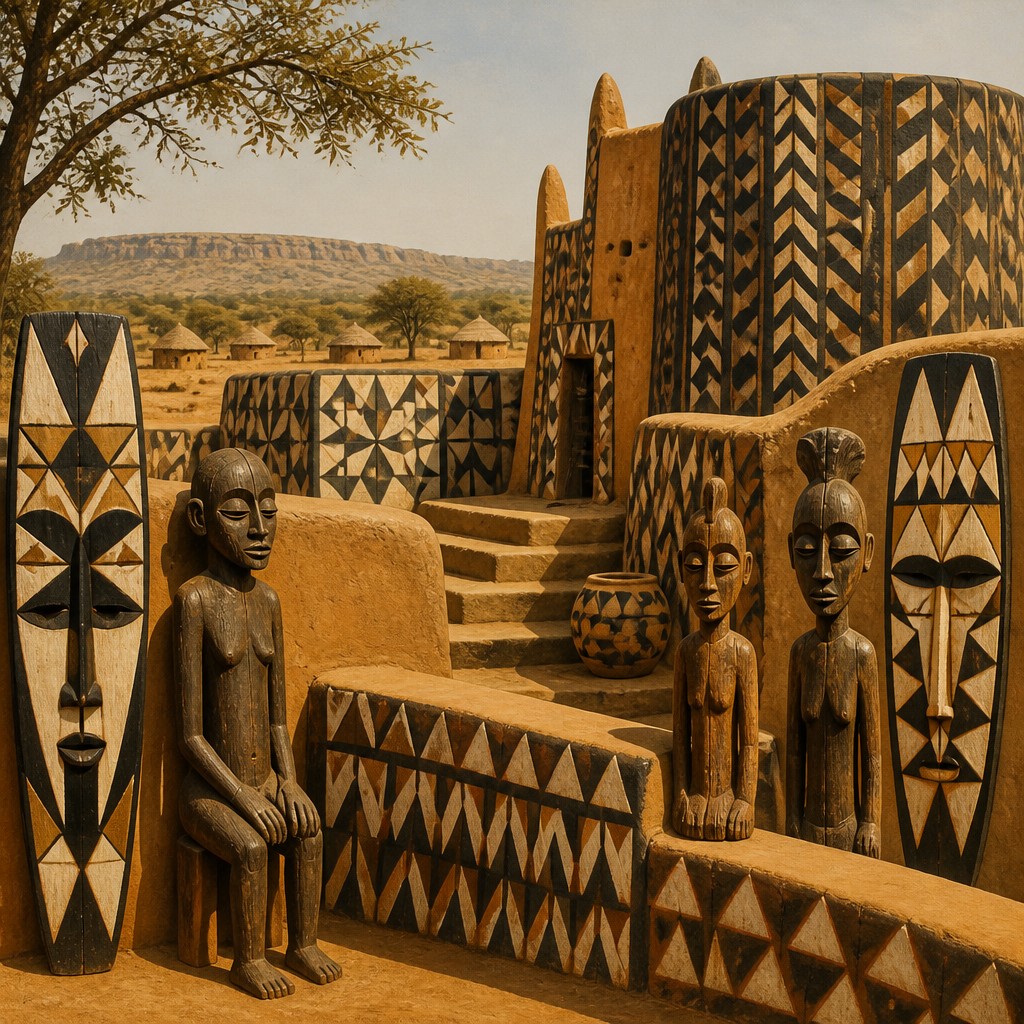
Tall carved masks are treated as graphic vertical signs, with narrow profiles, projecting forms, and sharply outlined contours. Their visual impact depends on silhouette and pattern more than naturalistic facial detail.
Simplified carved figures
Human forms are reduced to elongated, smoothly carved volumes with restrained gestures and calm expressions. Anatomical detail is subordinate to balance, proportion, and the tactile evidence of wood.
Relief and handmade texture
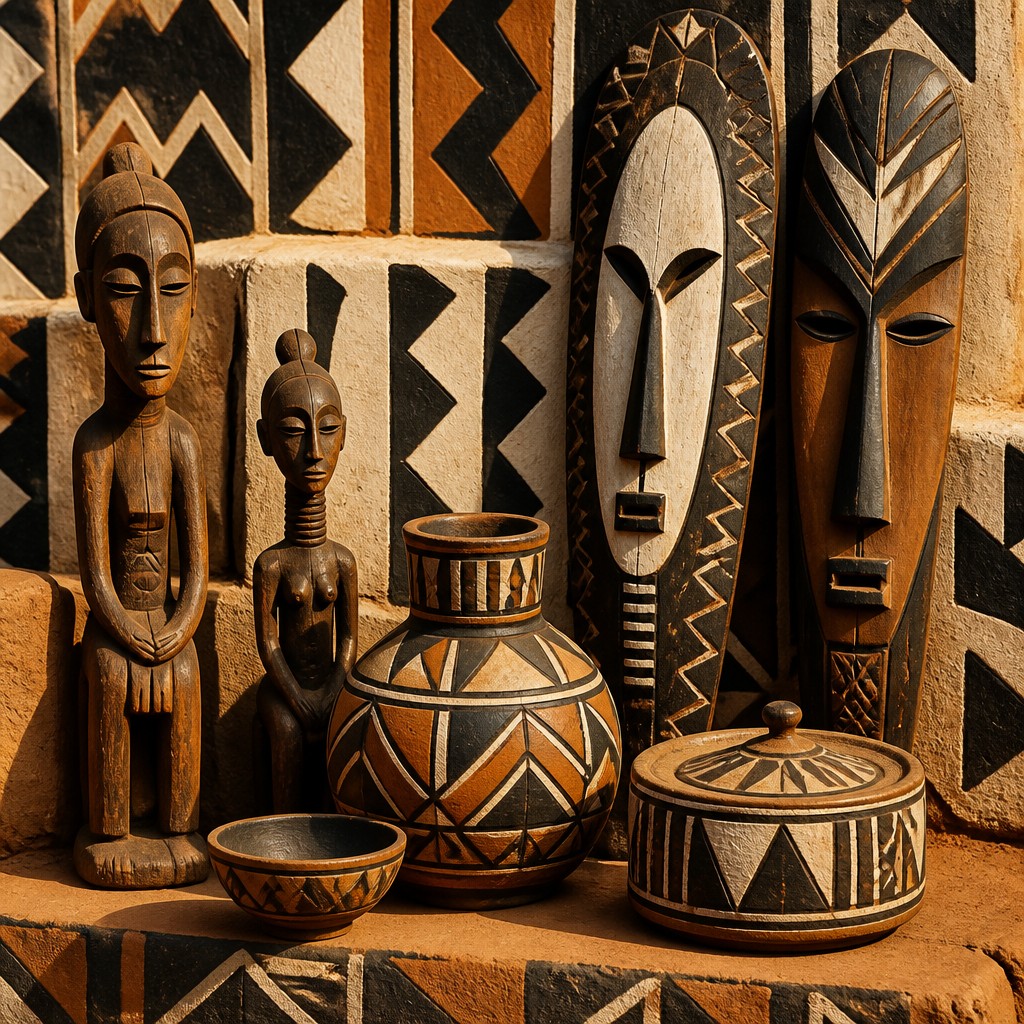
Raised mud surfaces, incised lines, wood grain, pigment irregularities, and softened edges prevent the geometry from feeling mechanically perfect. The style works best when pattern remains visibly made by hand.
Rhythmic repetition
Repeated marks create visual cadence across walls, textiles, masks, and backgrounds. Contrast between dense pattern and unpainted earth provides pauses that clarify the composition.
Burkina Faso Prompt Ideas
Start from an idea — each one opens the generator with the style ready to go. See all 40 Burkina Faso prompts →
How to Create Burkina Faso Art
Master the craft step by step — or skip straight to creating. Read the full guide →
- 1
Build an earthy ground
For traditional work, begin with a textured earthen or clay-colored surface and use matte mineral-like pigments in black, white, ochre, and red-brown. In digital work, add subtle grain and uneven opacity so the ground does not resemble polished plastic.
- 2
Plan the geometry first
Lay out borders, bands, chevrons, triangles, and stepped motifs before adding detail. Keep the pattern aligned to architectural planes or the contours of an object, and reserve plain areas for contrast.
- 3
Use silhouette over anatomy
Design masks and figures as readable, vertical shapes with a small number of decisive planes. Avoid excessive facial realism; emphasize carved edges, elongated proportions, and the relationship between solid form and open space.
- 4
Suggest hand craft
Introduce slight asymmetry, pigment variation, worn corners, incised marks, and visible wood or mud texture. Perfectly uniform vector geometry can weaken the material character of the style.
- 5
Compose from planes and rhythm
Treat a wall, figure, mask, or landscape as a set of broad graphic zones. Repeat motifs at different scales, using black or dark brown for structural emphasis and ochre or white as measured accents.
- 6
Write focused generation prompts
Specify the subject, earthen architecture or carved wood, geometric wall ornament, limited palette, strong silhouette, and handmade texture. For image-to-image work, preserve the source subject's pose while requesting flatter pattern, mud relief, carved surfaces, and restrained colors.
The Story
History & Origins of Burkina Faso
This style draws primarily on the architectural decoration of the Kassena people in and around Tiébélé, southern Burkina Faso. Compound walls and façades are constructed from earth and maintained through periodic resurfacing; geometric designs are applied with locally available materials, including dark and pale earth pigments. The decoration is closely connected to domestic architecture, community knowledge, and the work of women who traditionally create and renew many of the painted surfaces.
Its mask imagery belongs to a related but distinct lineage. Bwa communities in Burkina Faso are known for carved wooden plank or butterfly masks used in masquerade and ritual performance, while other Burkina Faso sculptural traditions contribute abstracted, elongated human forms. The named style is therefore an invented, cross-regional aesthetic synthesis rather than an indigenous movement with a single origin or period.
Influences: The style is related to Kassena architectural decoration around Tiébélé, Bwa plank-mask traditions, and the broader wood-carving and masquerade cultures of Burkina Faso and the western Sahel. It also connects to African modernist abstraction through its reduction of bodies and objects into signs, to vernacular earthen architecture through its emphasis on wall planes and climate-responsive materials, and to contemporary pattern design through repetition, contrast, and modular geometry. These relationships should be understood as visual lineages rather than evidence of one unified Burkina Faso school.
Frequently Asked Questions
What defines Burkina Faso Art Style?
It is defined by earthen architectural surfaces, bold geometric decoration, a limited black-white-ochre palette, tall carved-mask silhouettes, and simplified wooden figures. The combination emphasizes rhythm, material texture, and clear graphic form.
Is Burkina Faso Art Style a historical art movement?
No. The name describes a contemporary synthesis rather than a single historical movement recognized by artists or institutions in Burkina Faso. It brings together visual references from distinct traditions, especially Kassena wall decoration and Bwa plank masks.
What is the connection to Tiébélé?
Tiébélé is known for Kassena compounds whose earthen walls are decorated with geometric motifs and contrasting natural pigments. These architectural surfaces provide the style's strongest pattern and color reference, but they should not be confused with every artistic tradition in Burkina Faso.
Are the plank masks from the same tradition as the Tiébélé walls?
Not necessarily. Tall plank masks are particularly associated with Bwa masquerade traditions, while Tiébélé's decorated architecture is associated with the Kassena. Combining them creates a cross-regional visual synthesis and should be described as such.
How can I make an image in this style without making it look generic?
Specify the material and construction: mud relief, mineral pigment, carved wood, incised lines, softened edges, and sun-baked surfaces. Also name a clear pattern structure, such as framed zigzags or stepped triangles, and ask for slight handmade irregularity rather than flawless digital symmetry.
Where is this style most effective?
It works well for architecture, masks, sculpture, portraits, village scenes, textiles, editorial illustration, and graphic poster compositions. Subjects with broad planes and strong silhouettes allow the geometric rhythm and earthen palette to remain legible.
Create your first Burkina Faso artwork
Describe anything — or upload a photo — and see it in Burkina Faso Art Style in seconds.
Related Styles
Discover similar art styles