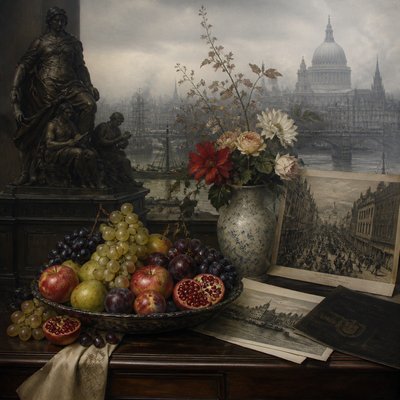
Shin-hanga Print Style
Explore Shin-hanga: luminous Japanese woodblock landscapes shaped by rain, snow, lantern light, layered color and serene naturalism.
Instantly rendered in Shin-hanga Print — or transform a photo
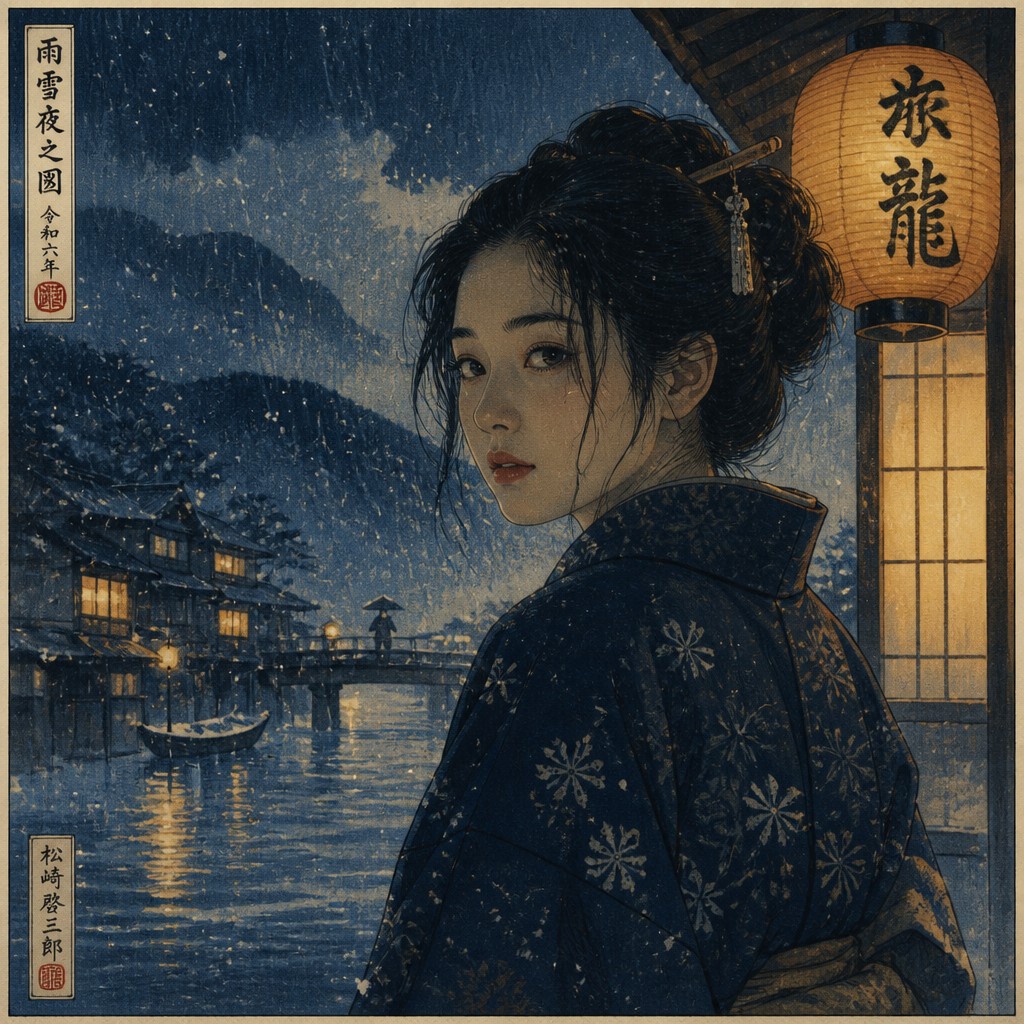
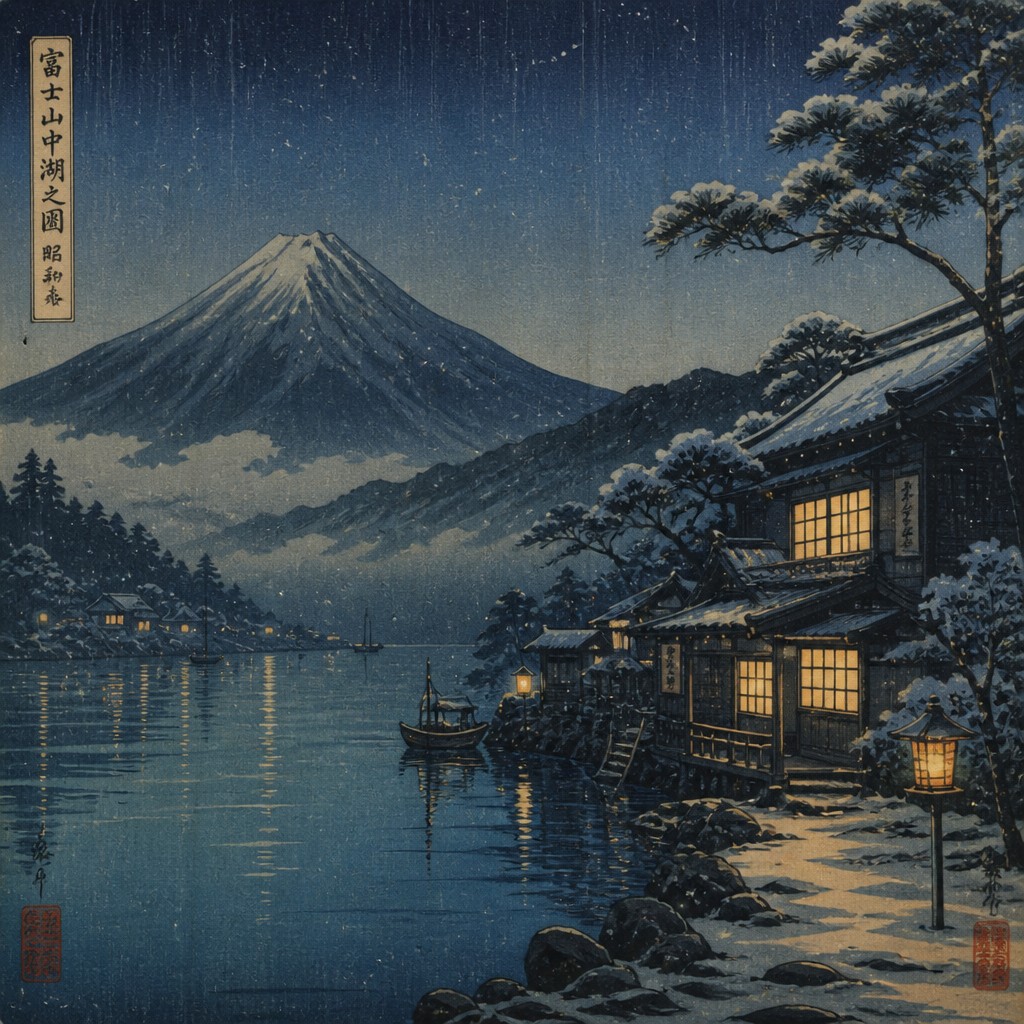
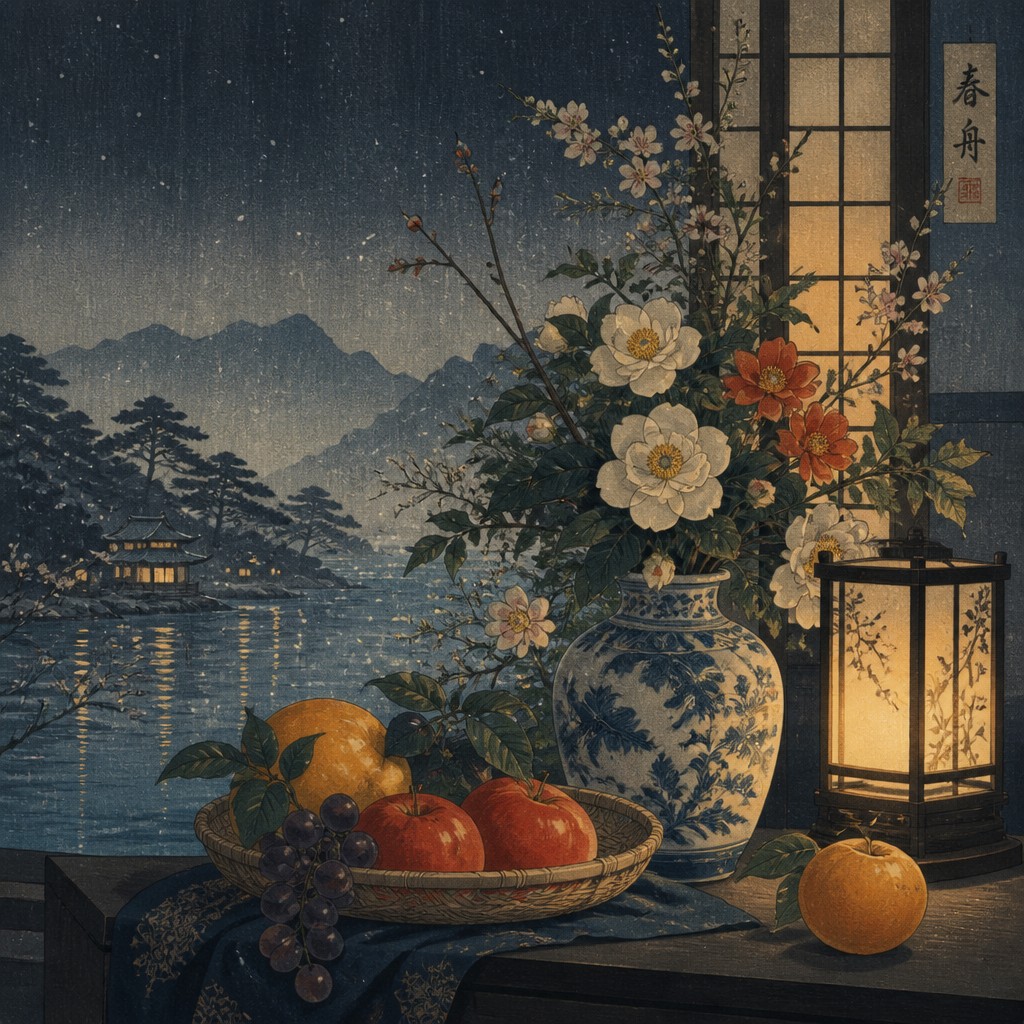
Shin-hanga Print Gallery
Tap any artwork to explore it
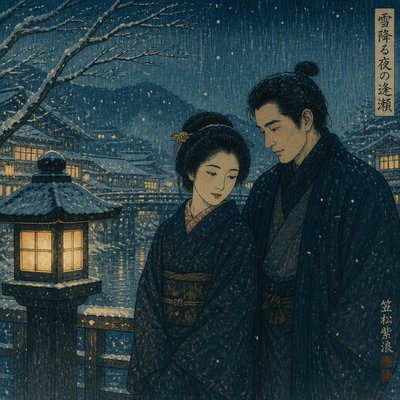
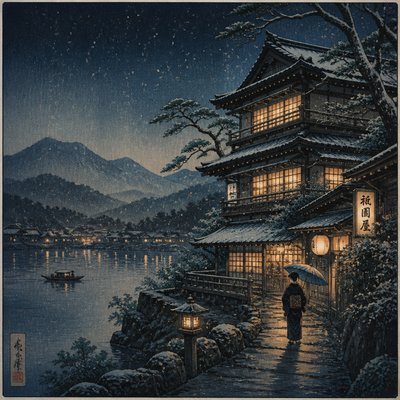
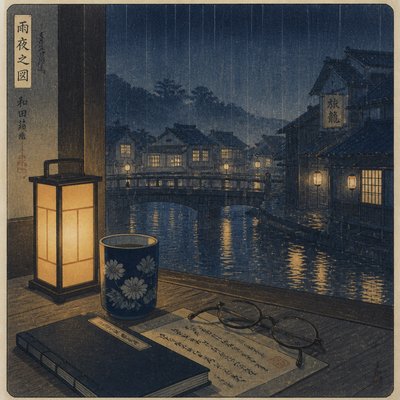
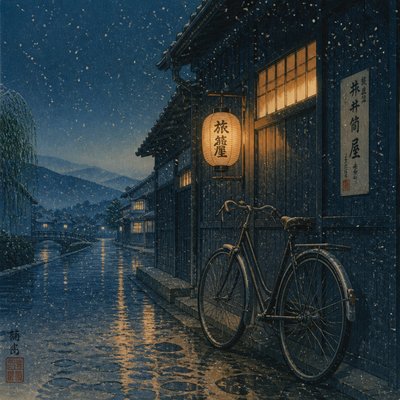
What is Shin-hanga Print Style?
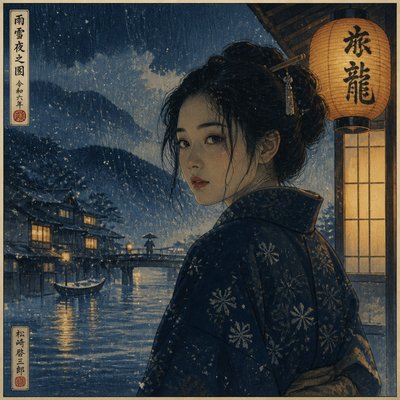
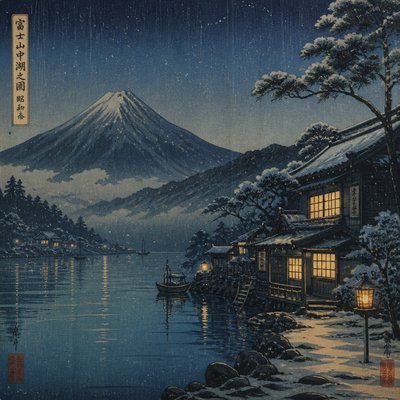
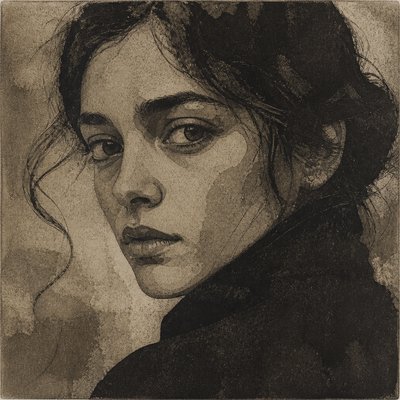
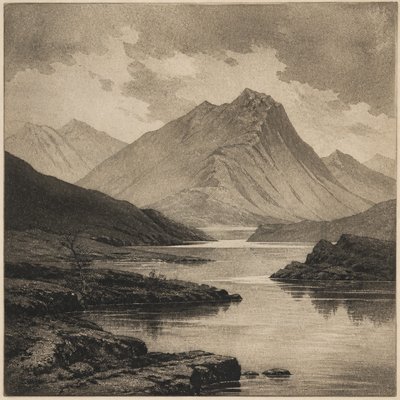
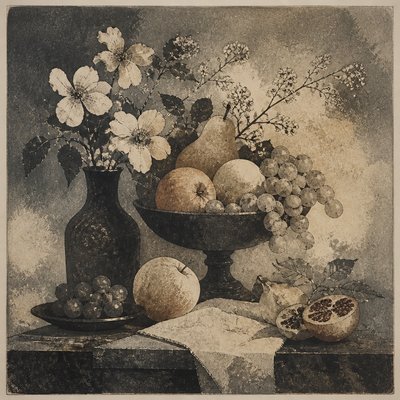
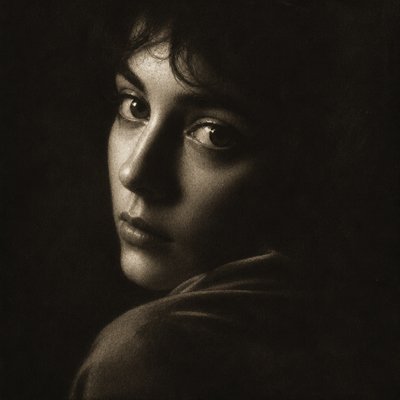
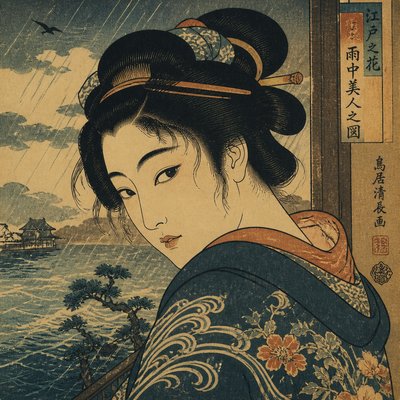
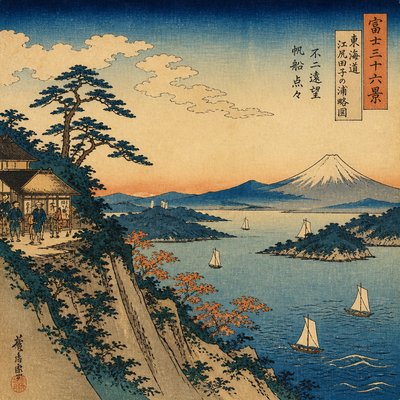
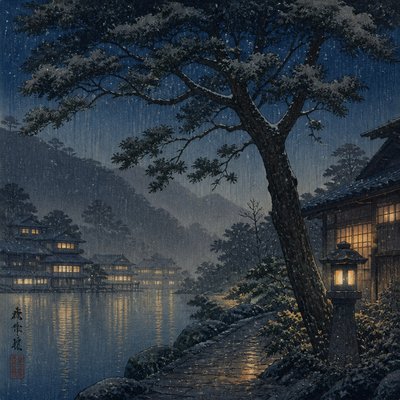
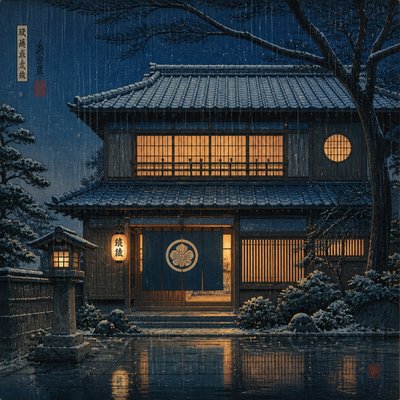
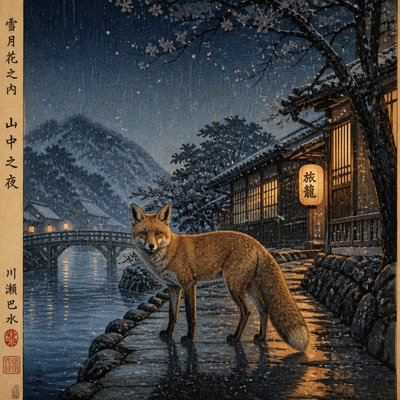
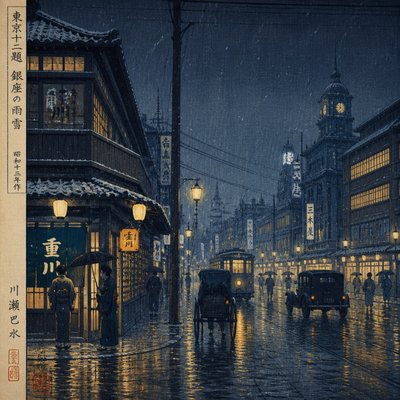
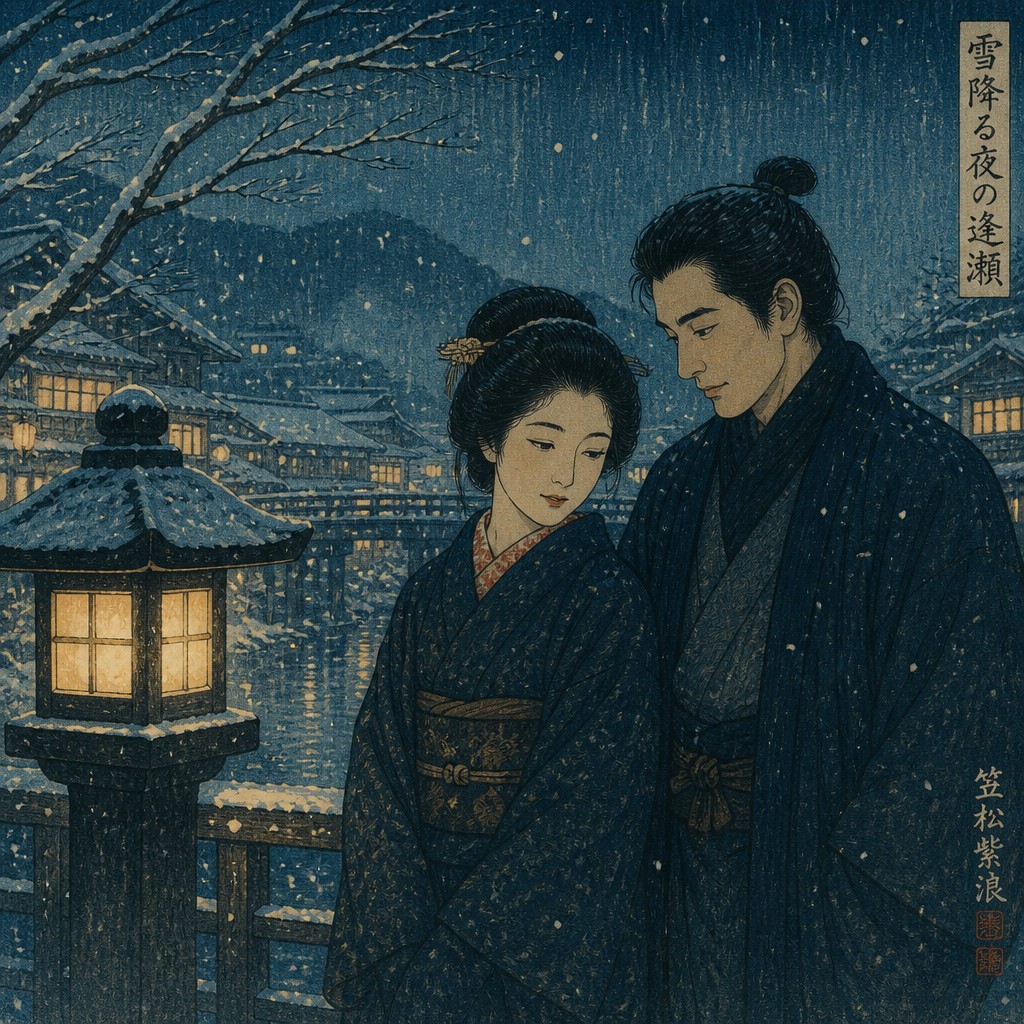
Shin-hanga, meaning “new prints,” is a Japanese woodblock print movement that revived ukiyo-e’s collaborative craft for the modern era. Its most recognizable images present atmospheric landscapes, quiet streets, seasonal weather, moonlit water, and softly illuminated interiors through carefully layered blocks and subtle tonal transitions.
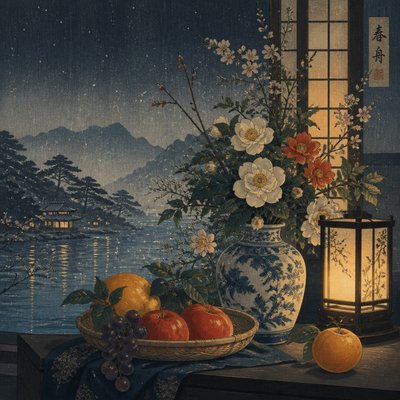
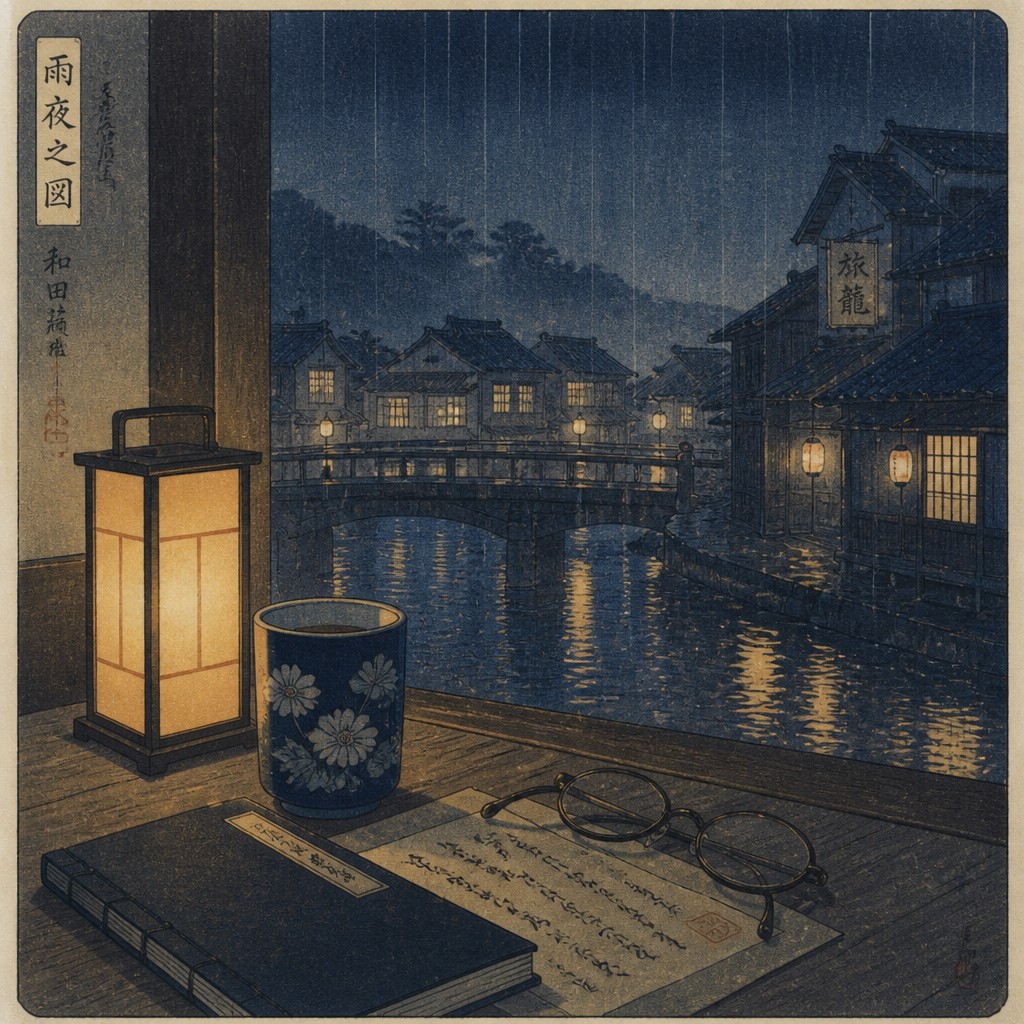
The style combines the flat, structured planes of traditional Japanese printmaking with a more naturalistic sense of light, depth, and mood influenced by modern painting and Western realism. Deep blue dusk, misty gray, warm amber illumination, falling snow, rain patterns, and softly graded skies create a contemplative atmosphere without abandoning the clarity of carved line and printed shape.
Try It On Your Photos
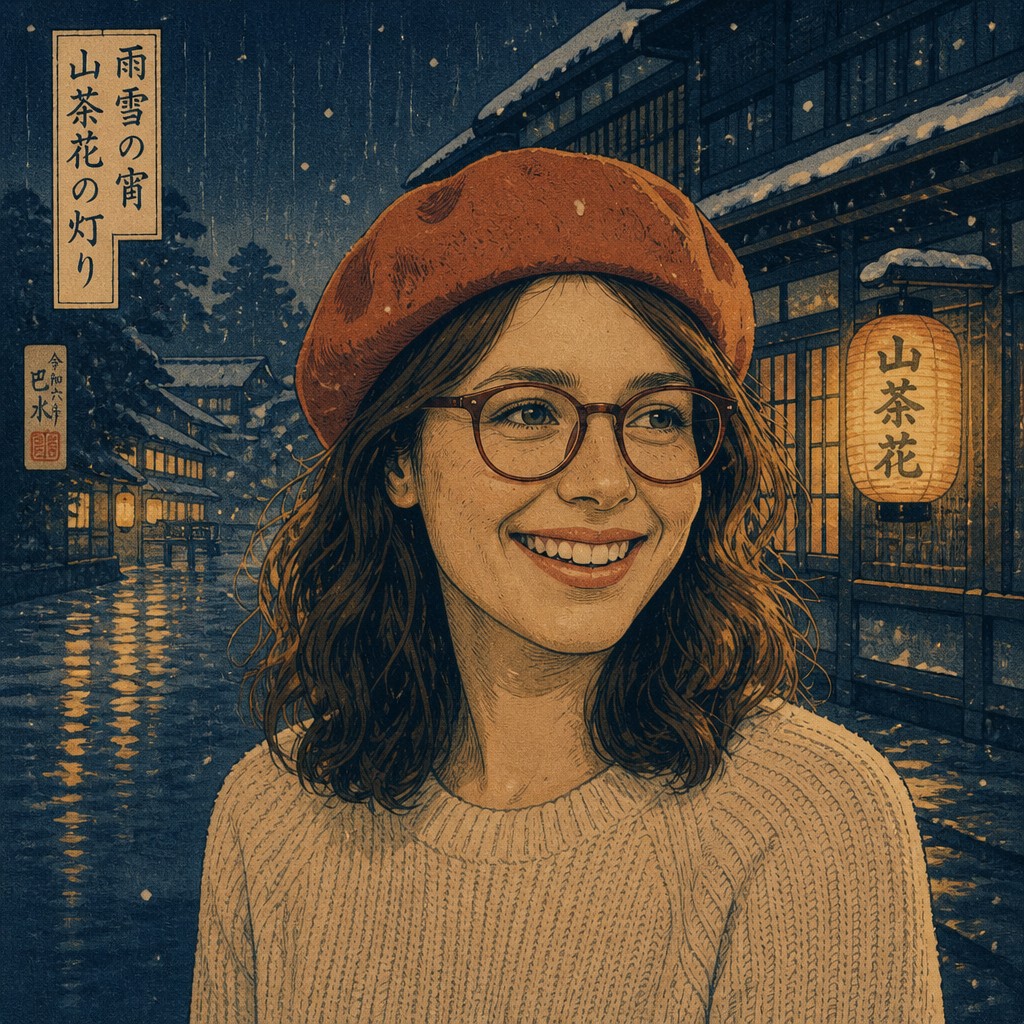
Upload any photo and convert it into Shin-hanga Print Style — drag the sliders to compare before and after.


What Defines Shin-hanga Print Style
The signature details, up close
Luminous layered color
Multiple woodblocks and carefully controlled overprinting produce translucent blues, smoky grays, amber lights, and gradual changes across skies, water, and mist. The result is atmospheric without becoming painterly in a fully Western sense.
Rain, snow, and seasonal weather
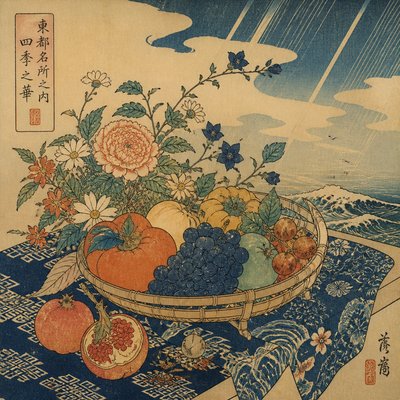
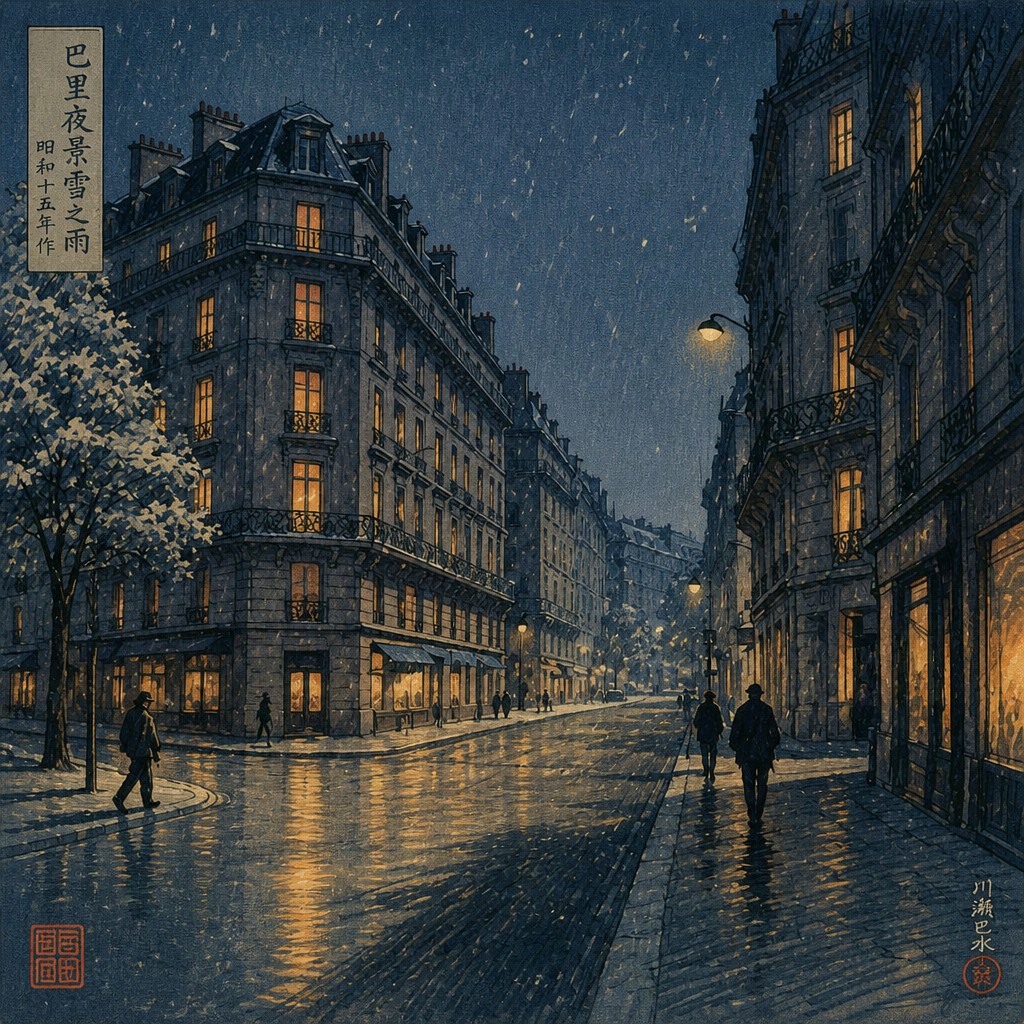
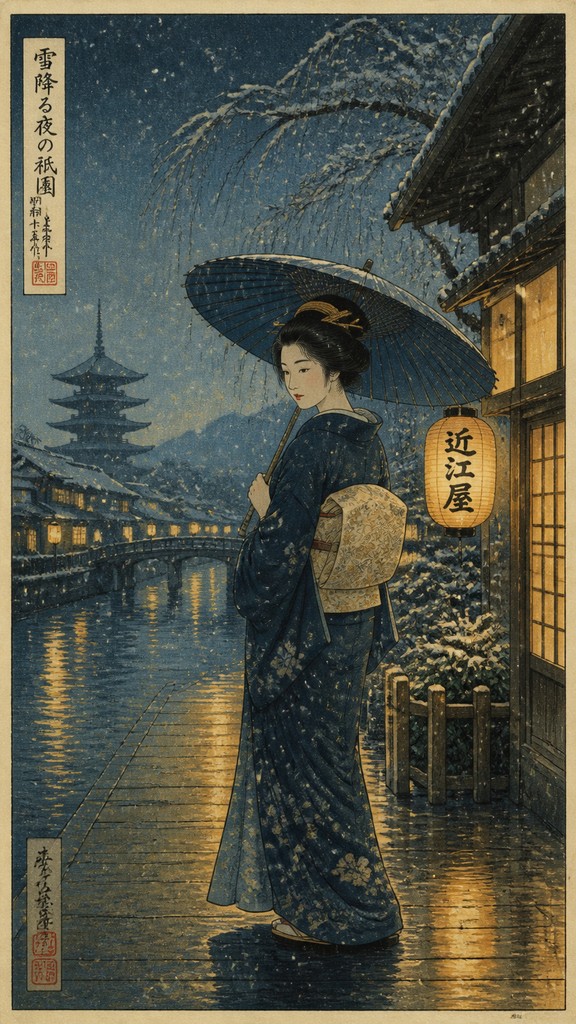
Weather is often a primary compositional element rather than background decoration. Fine diagonal rain, patterned snowfall, wet reflections, fog, and changing seasonal light establish both texture and emotional tone.
Naturalistic depth in flat planes
Foreground, middle distance, and background are separated through scale, color temperature, tonal contrast, and overlapping shapes. Depth remains stylized and planar, but the lighting and spatial observation are notably naturalistic.
Quiet nocturnal illumination
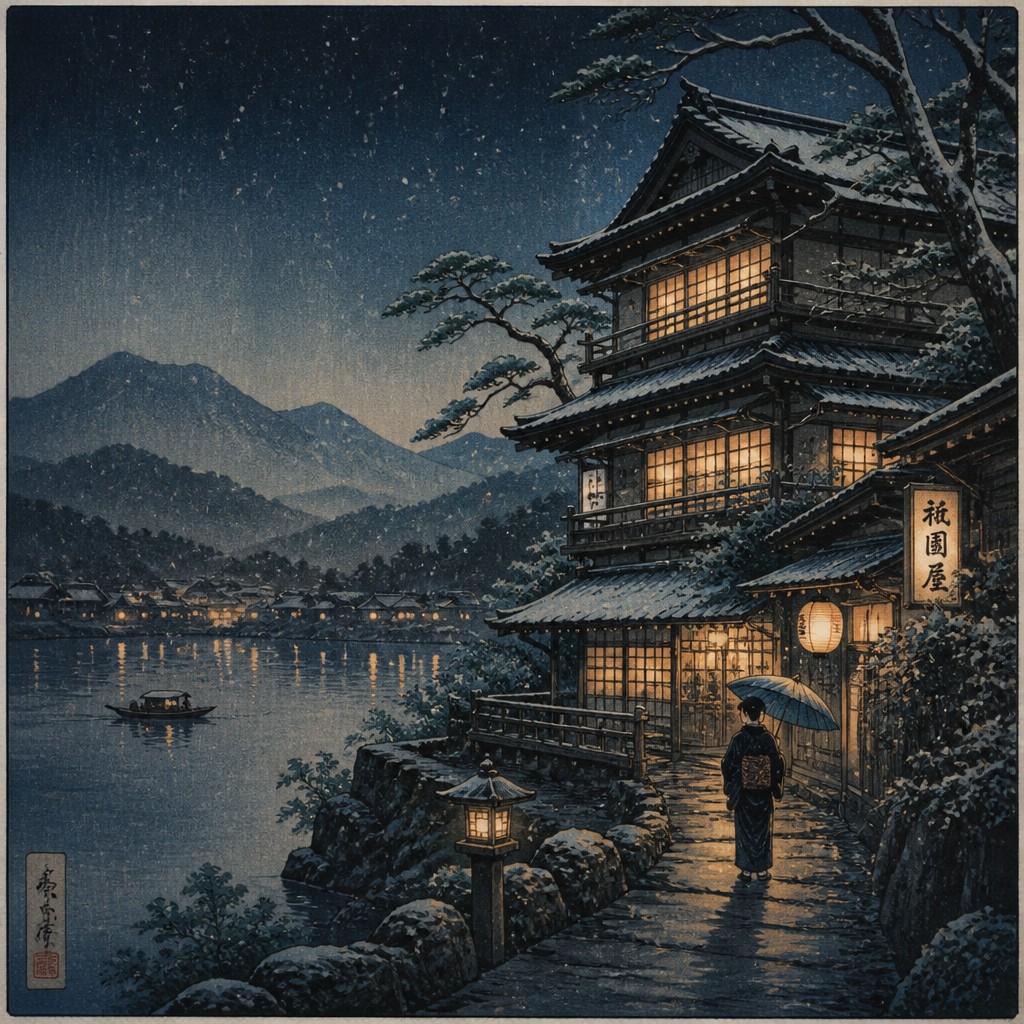
Lanterns, windows, street lamps, and reflected moonlight appear as concentrated areas of warm color against cool surroundings. This blue-and-amber contrast gives many scenes their characteristic calm, intimate glow.
Crisp carved contours
Architectural edges, tree branches, figures, shorelines, and rock forms retain the precision of woodblock carving. Lines may be delicate and selectively softened, but the composition depends on clear graphic organization.
Seasonal and place-based subjects
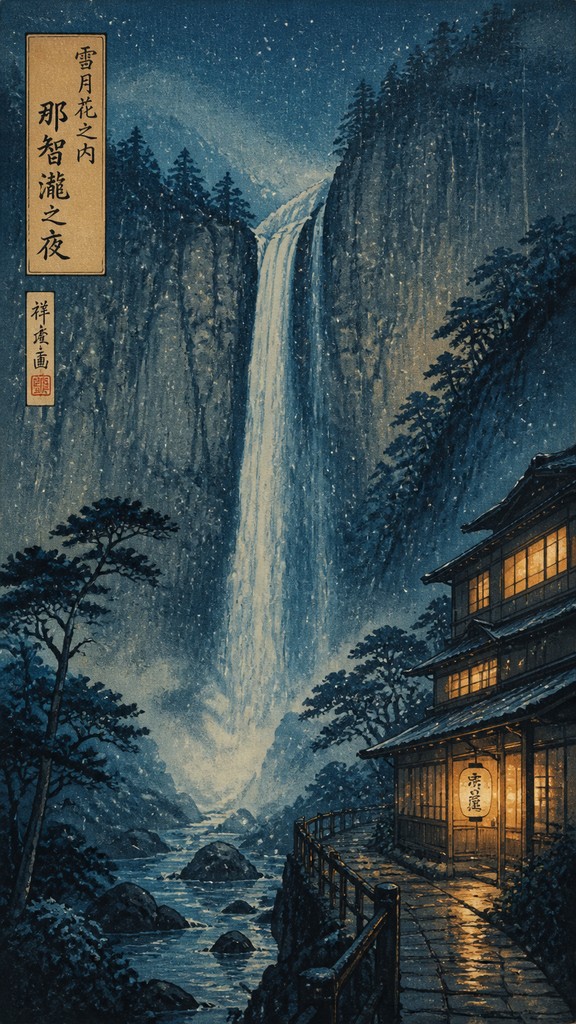
Snowy villages, rainy bridges, temple approaches, harbors, mountains, gardens, and urban streets are treated as mood-bearing locations. The emphasis is often on transience, atmosphere, and a particular moment of day.
Try It
Create Videos in Shin-hanga Print Style
Styles aren't just for stills — describe a scene or animate an image and get a short video rendered in Shin-hanga Print. Press play to see this pond come to life.
Make a VideoShin-hanga Print Prompt Ideas
Start from an idea — each one opens the generator with the style ready to go. See all 40 Shin-hanga Print prompts →
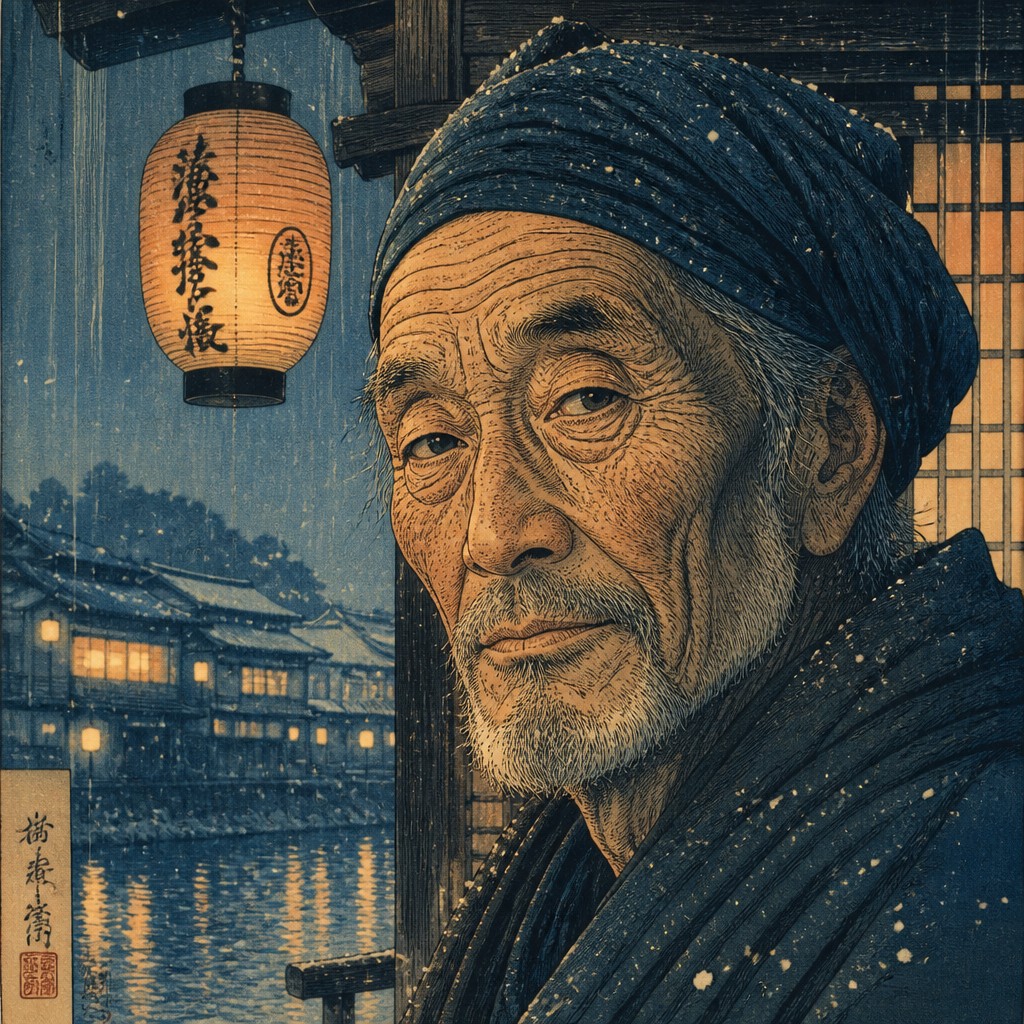
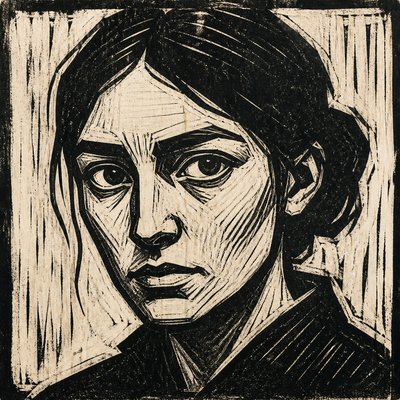
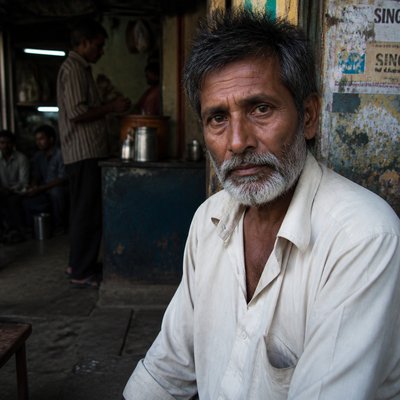
“close-up portrait of an elderly person with expressive weathered features”
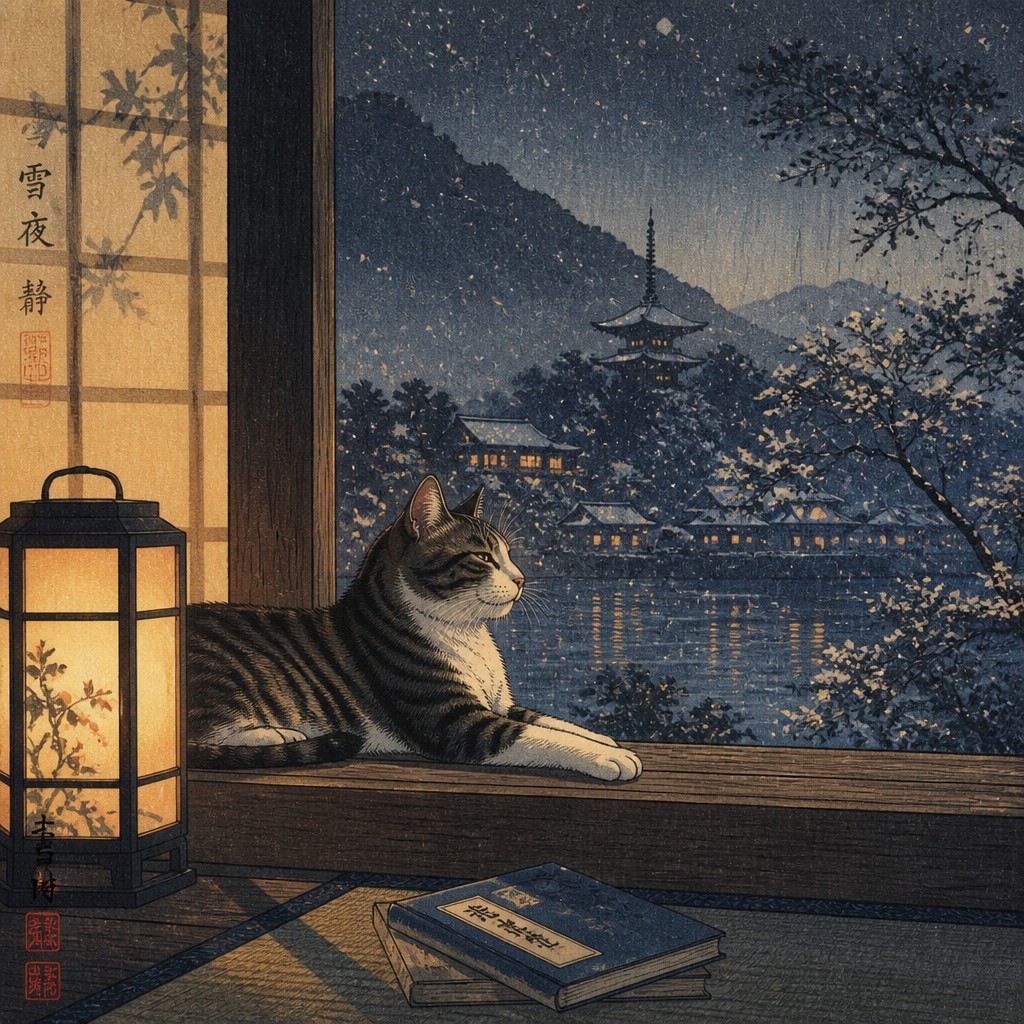
“a cat lounging in a sunlit window”
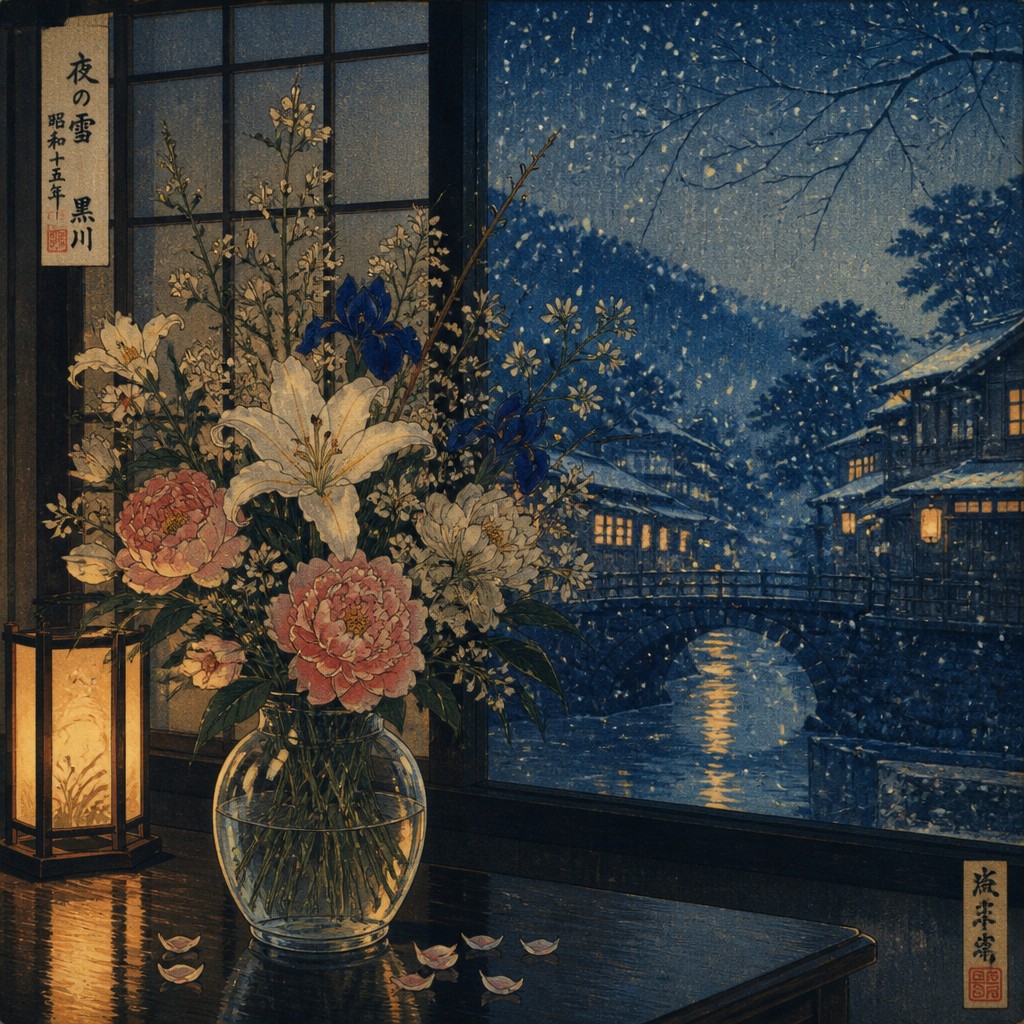
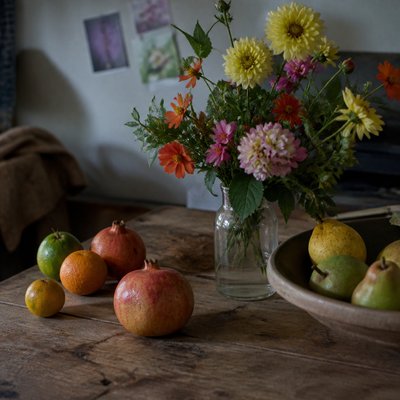
“bouquet of flowers in a glass vase”
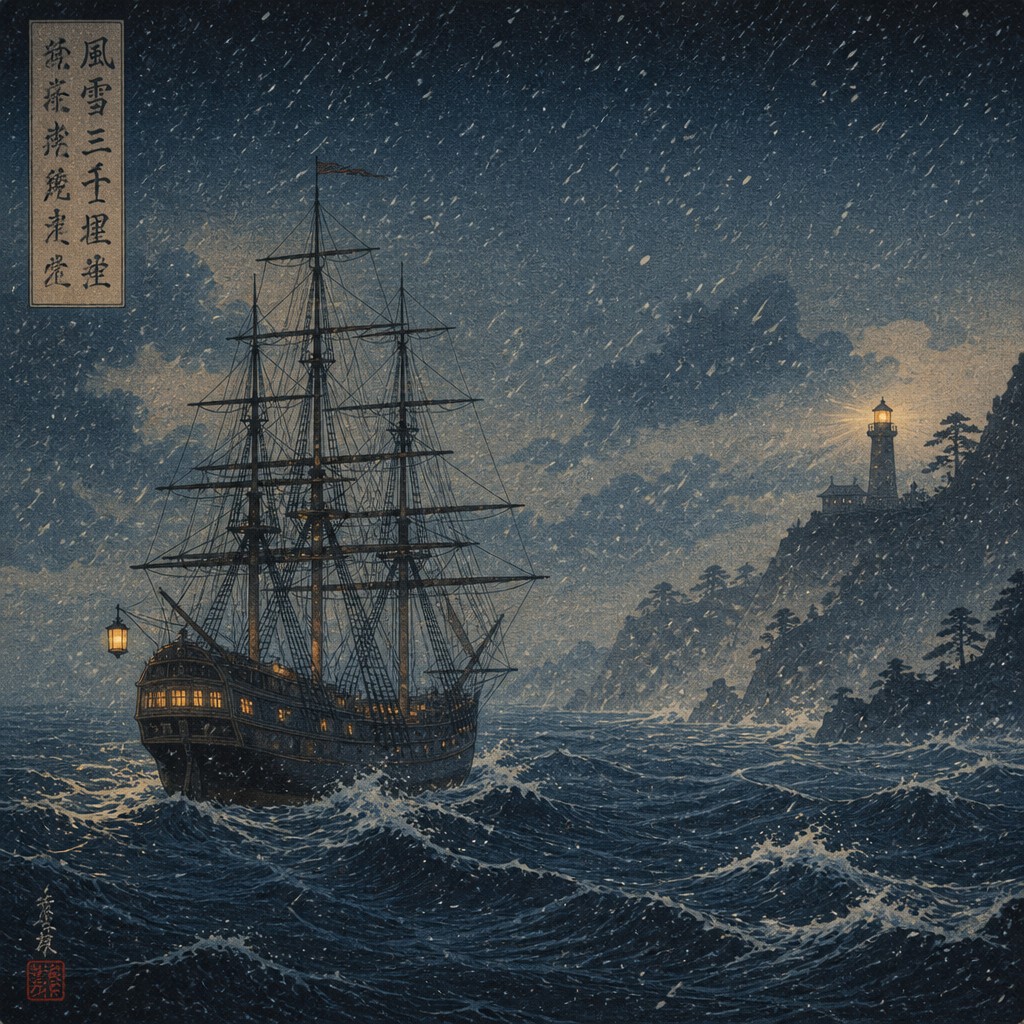
“sailing ship on a stormy sea”
How to Create Shin-hanga Print Art
Master the craft step by step — or skip straight to creating. Read the full guide →
- 1
Build the image in separate color planes
Design the composition as a sequence of layers for sky, distant forms, middle ground, foreground, weather, and illumination. In traditional mokuhanga, each color is printed from a separate carved block or block area.
- 2
Use bokashi-like tonal transitions
Create controlled gradients by varying pigment density across a block or by blending neighboring tones during printing. Digitally, use restrained opacity masks and soft transitions rather than airbrushed photorealism.
- 3
Balance cool atmosphere with warm light
Start with deep prussian blue, slate, misty gray, or muted green, then reserve warm amber for windows, lanterns, lamps, or reflected surfaces. Keep the brightest highlights limited so the light feels embedded in the scene.
- 4
Render weather as a pattern
Use repeated but varied marks for rain or snow, allowing some to pass in front of objects and others to dissolve into distance. Woodblock printing, textured brushes, vector patterns, and layered digital strokes can all support this effect.
- 5
Prompt for atmosphere and construction
For prompt-based generation, specify a quiet Japanese landscape, carved contour lines, layered woodblock color, naturalistic depth within flat planes, seasonal weather, and a restrained nocturnal palette. Add exclusions such as glossy 3D rendering, photographic sharpness, and excessive saturation when necessary.
The Story
History & Origins of Shin-hanga Print
Shin-hanga developed in Japan during the early twentieth century, particularly from the 1910s through the 1930s, and continued in various forms into the postwar period. It emerged partly as a revival of the ukiyo-e print industry, which had declined after the Edo period, and was supported by publisher-led workshops that coordinated designers, carvers, printers, and production. The movement found an especially strong audience overseas, where its refined landscapes and portraits became associated with modern Japanese visual culture.
Unlike the later sosaku-hanga movement, which emphasized individual artists carving and printing their own work, shin-hanga generally preserved the traditional division of labor. Its innovations lay in subject matter, atmospheric observation, sophisticated color, and the adaptation of woodblock methods to modern ideas of pictorial light and depth. Landscapes, portraits, theatrical scenes, and images of everyday life were all important, with seasonal and nocturnal subjects becoming especially characteristic.
Influences: Shin-hanga is rooted in ukiyo-e and traditional Japanese mokuhanga, including its carved-line design, collaborative workshop system, seasonal subjects, and sophisticated overprinting. It also draws on Meiji- and Taisho-period naturalism, Western landscape painting, atmospheric perspective, Japanese ideas of transience, and the visual language of Japanese architectural and travel imagery. Its rainy streets and luminous night scenes can be compared with later twentieth-century Japanese print traditions, while its disciplined palette and layered geometry connect it to modern illustration and contemporary digital art.
Frequently Asked Questions
What defines Shin-hanga print style?
Shin-hanga is defined by traditional Japanese woodblock production combined with modern naturalism and atmospheric observation. Layered color, carved contours, seasonal weather, quiet landscapes, and carefully controlled light are central features.
When did Shin-hanga develop?
The movement emerged in Japan in the early twentieth century, especially during the 1910s, and remained influential through the 1930s and into the postwar period. It was closely connected to publisher-organized workshops and an international market for Japanese prints.
How is Shin-hanga different from ukiyo-e?
Shin-hanga revives ukiyo-e’s woodblock methods and division of labor, but usually presents more naturalistic lighting, atmospheric depth, and modern landscape or travel subjects. Ukiyo-e is a broader historical tradition spanning the Edo period and later developments, while shin-hanga refers specifically to a modern revival movement.
How is Shin-hanga different from sosaku-hanga?
Shin-hanga generally retained the collaborative system in which designers, carvers, printers, and publishers had distinct roles. Sosaku-hanga, which developed as a separate modern print movement, emphasized the artist’s direct responsibility for designing, carving, and printing the work.
Can Shin-hanga be made digitally?
Yes. A digital approach can simulate carved contours, registration, paper grain, layered pigments, bokashi-like gradients, and patterned rain or snow. The image will feel more convincing when it preserves simplified planes and controlled color rather than relying on photographic realism or glossy effects.
Where is this style commonly used?
It is strongly associated with landscape prints, travel imagery, seasonal scenes, architectural views, portraits, and quiet urban or rural moments. Its restrained palette and atmospheric lighting also suit editorial illustration, posters, book covers, wall art, and digitally created scenic imagery.

Create your first Shin-hanga Print artwork
Describe anything — or upload a photo — and see it in Shin-hanga Print Style in seconds.
Related Styles
Discover similar art styles