German Art Style
Explore German Art Style: precise northern draftsmanship, woodcut lines, gothic forms, and expressionist color in a grave, intense visual language.
Instantly rendered in German — or transform a photo
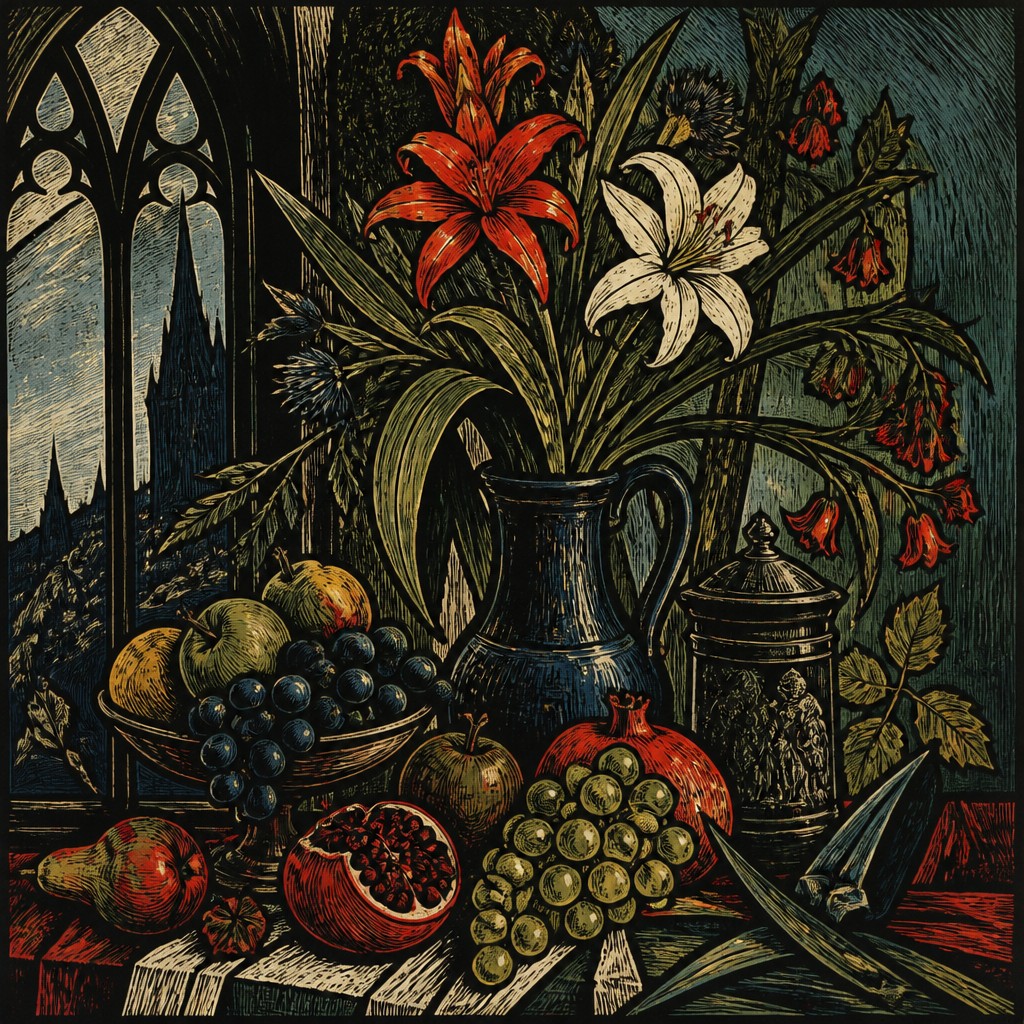
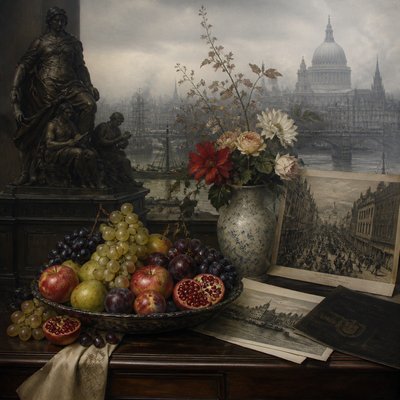
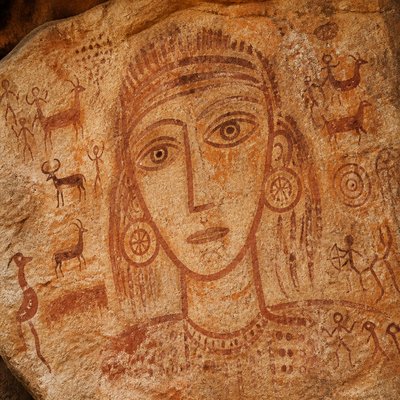
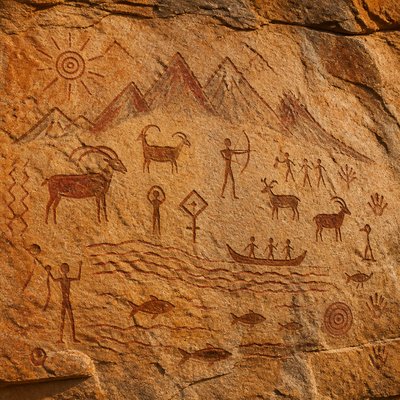
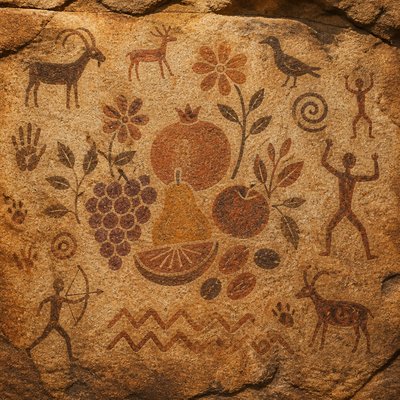
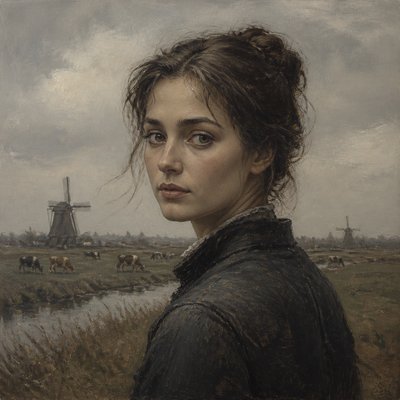
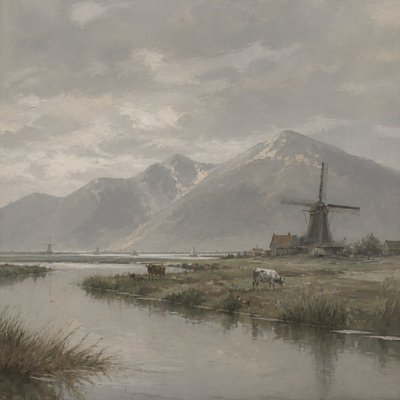
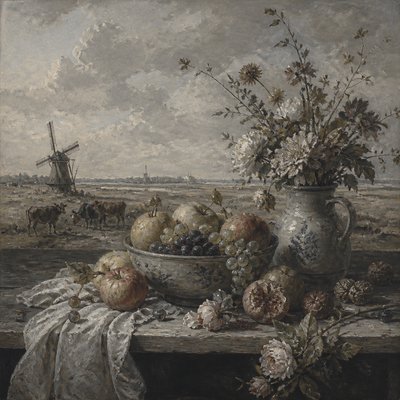
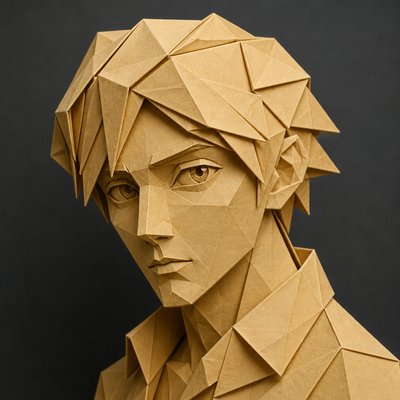
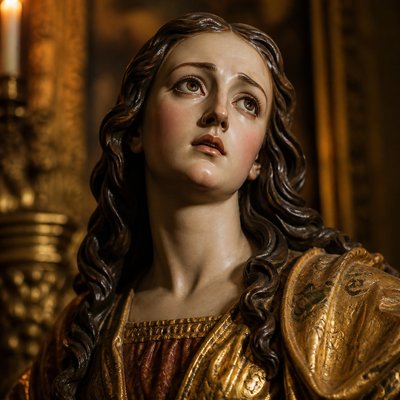
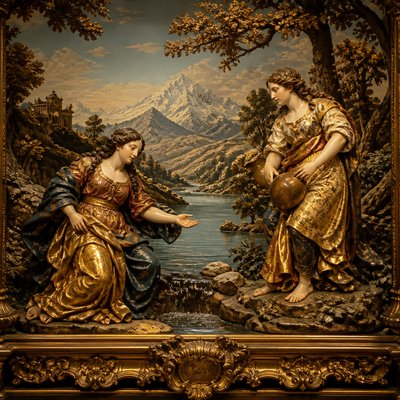
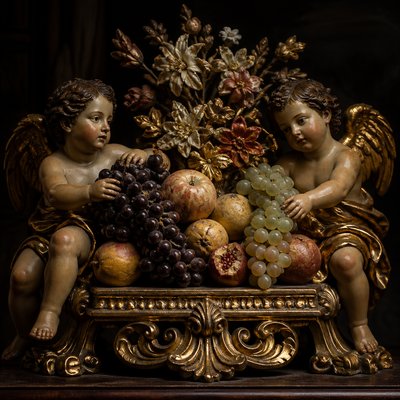
German Gallery
Tap any artwork to explore it
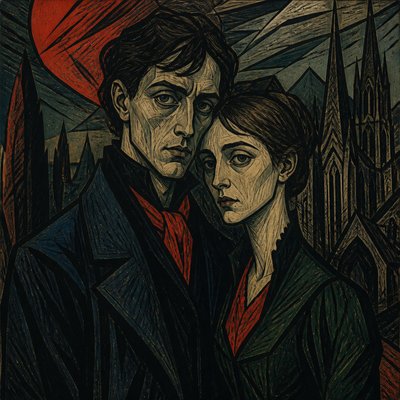
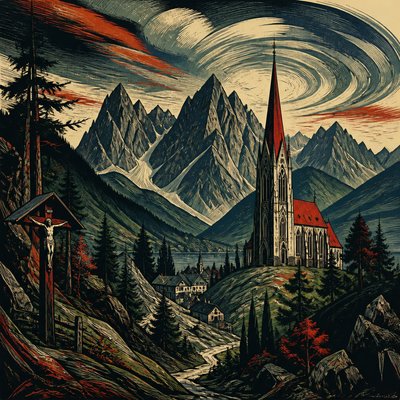
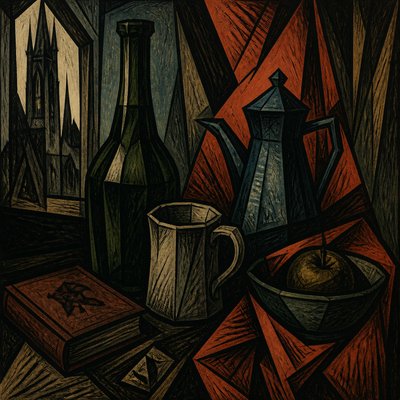
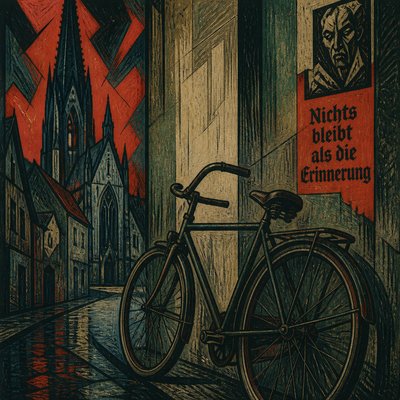
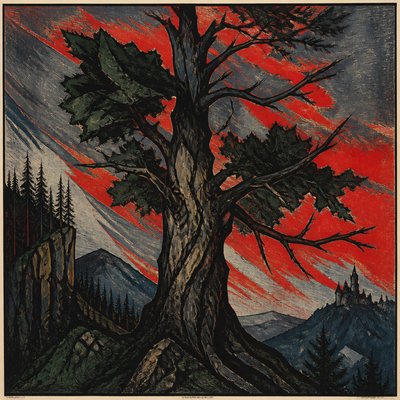
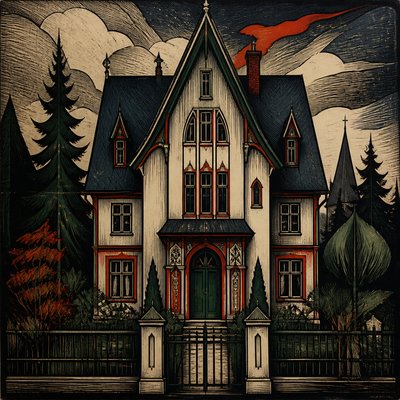
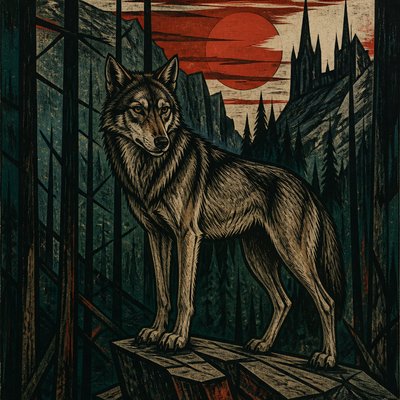
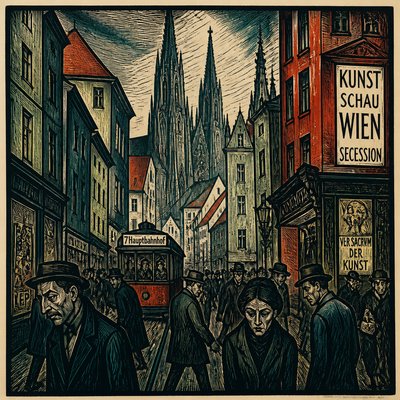
What is German Art Style?
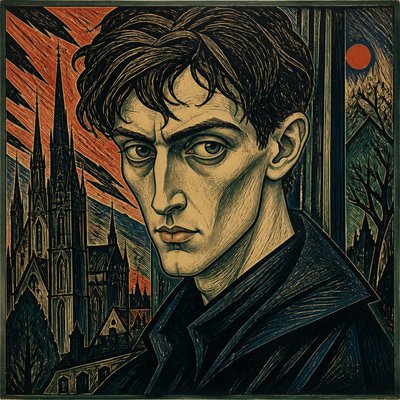
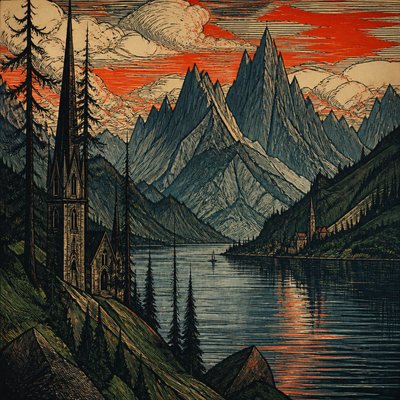
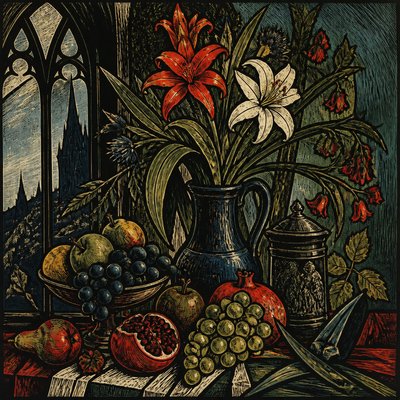
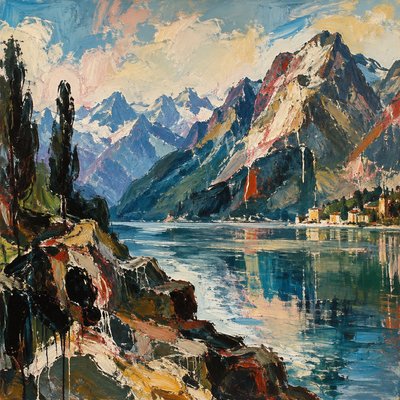
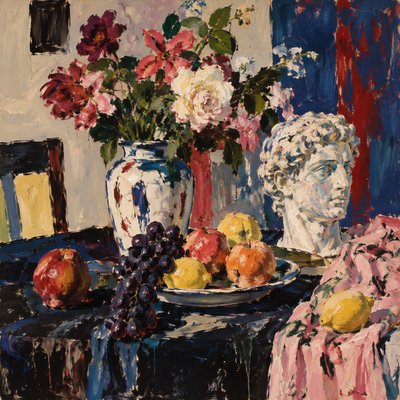
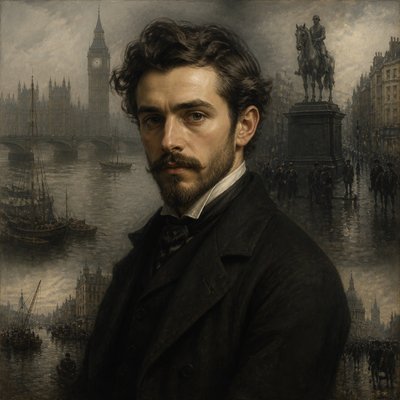
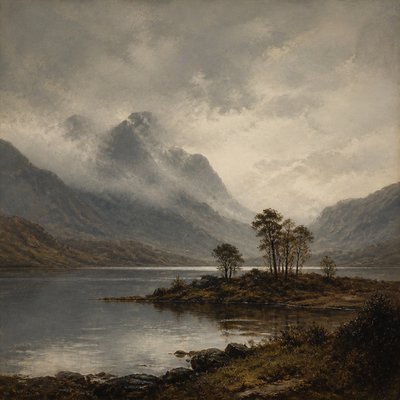
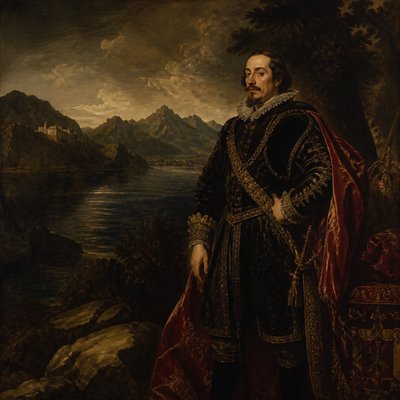
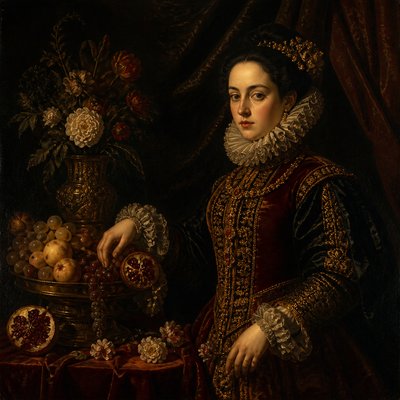
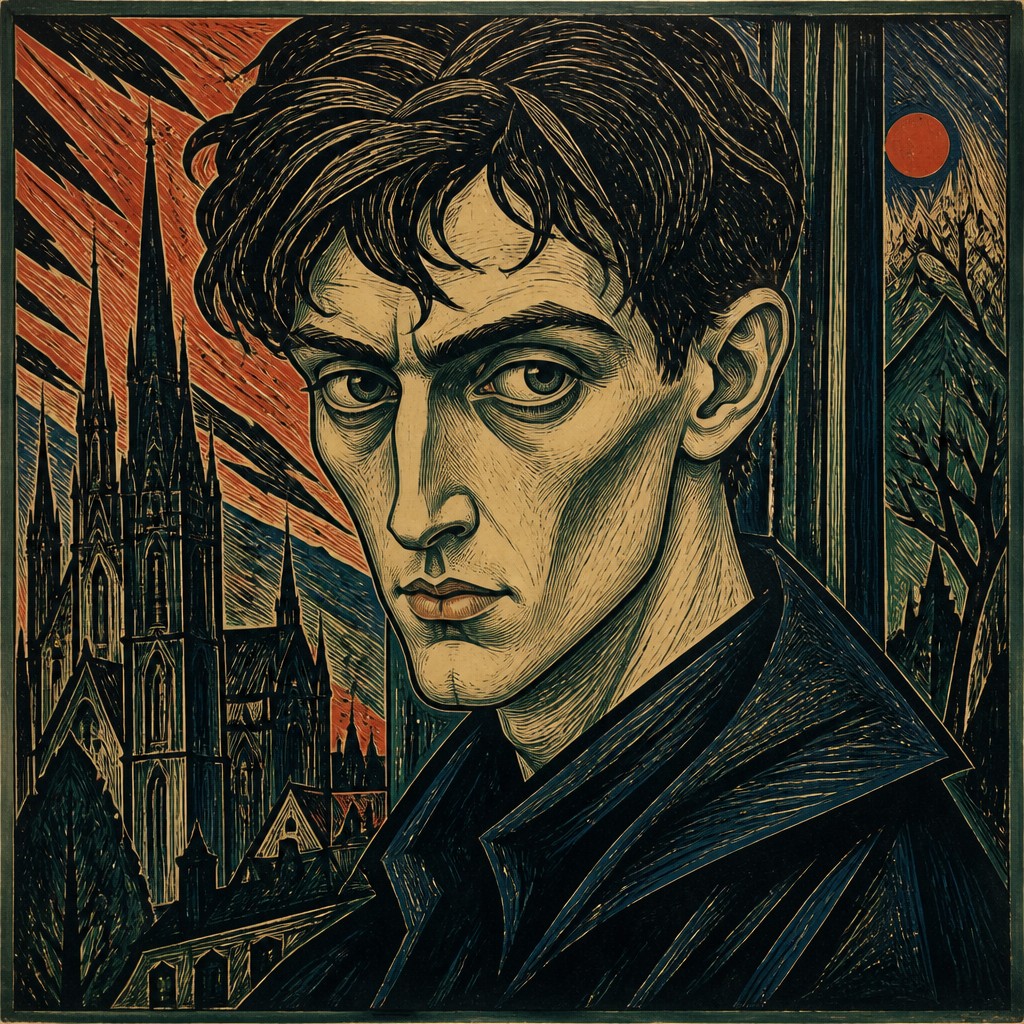
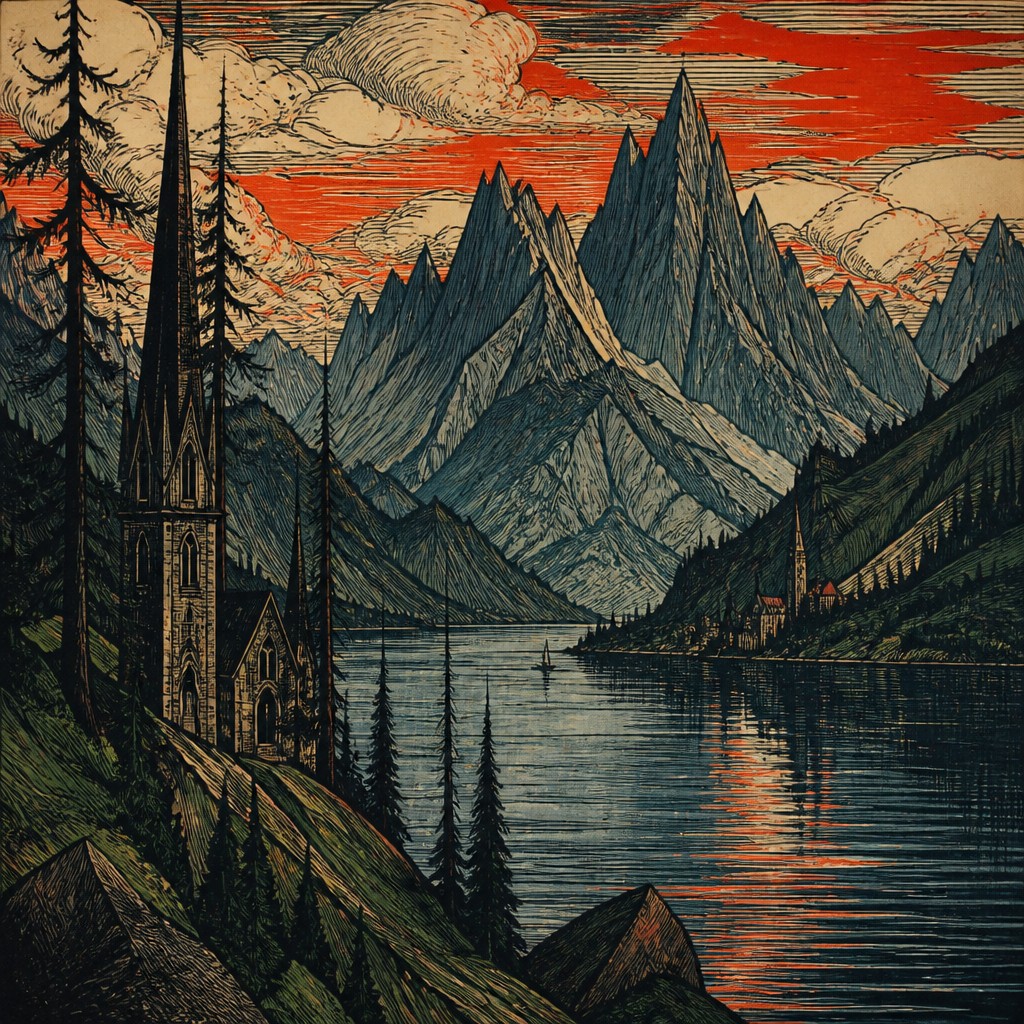
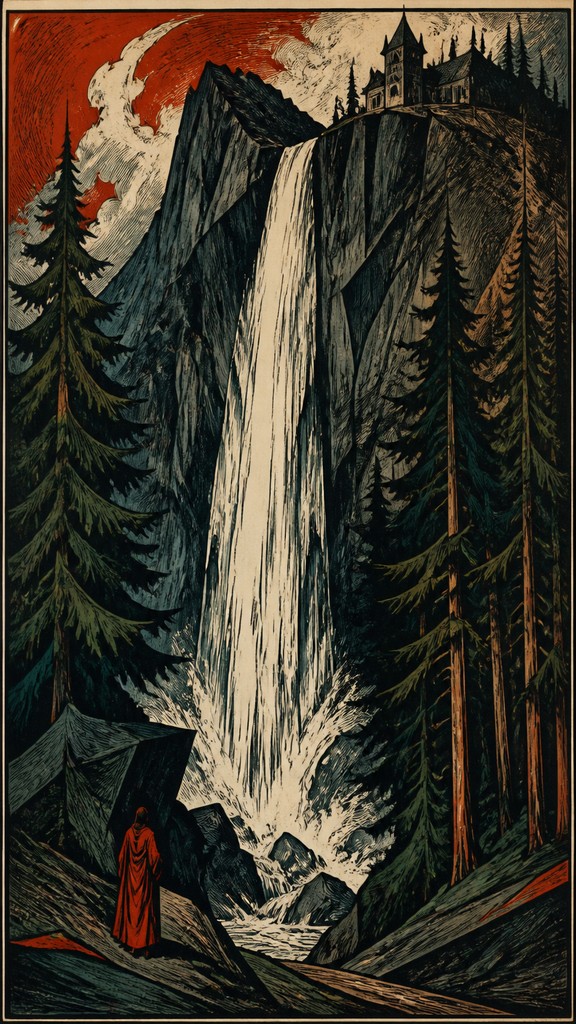
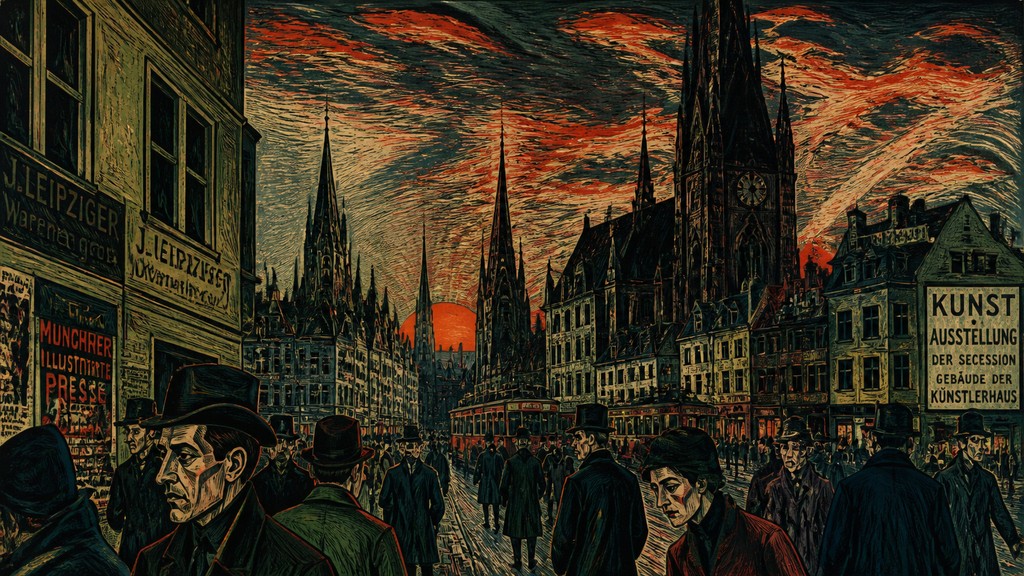
German Art Style is a contemporary descriptive style rather than a single historical movement. It combines the disciplined observation and detailed linework associated with Northern European art with the distortion, urgency, and emotional force of German Expressionism. Its visual identity is built from angular contours, strong silhouettes, gothic verticality, and a restrained but forceful palette of forest green, slate blue, black, ivory, and vermilion.
The style looks both controlled and agitated. Precise draftsmanship gives figures, architecture, and objects a firm structural presence, while uneven contours, compressed space, dramatic lighting, and emphatic color suggest inner tension. Woodcut-like marks and dense shadow areas add a tactile, handmade quality, making the image feel like an illustrated chronicle, an expressionist poster, or a solemn vision rendered with modern clarity.
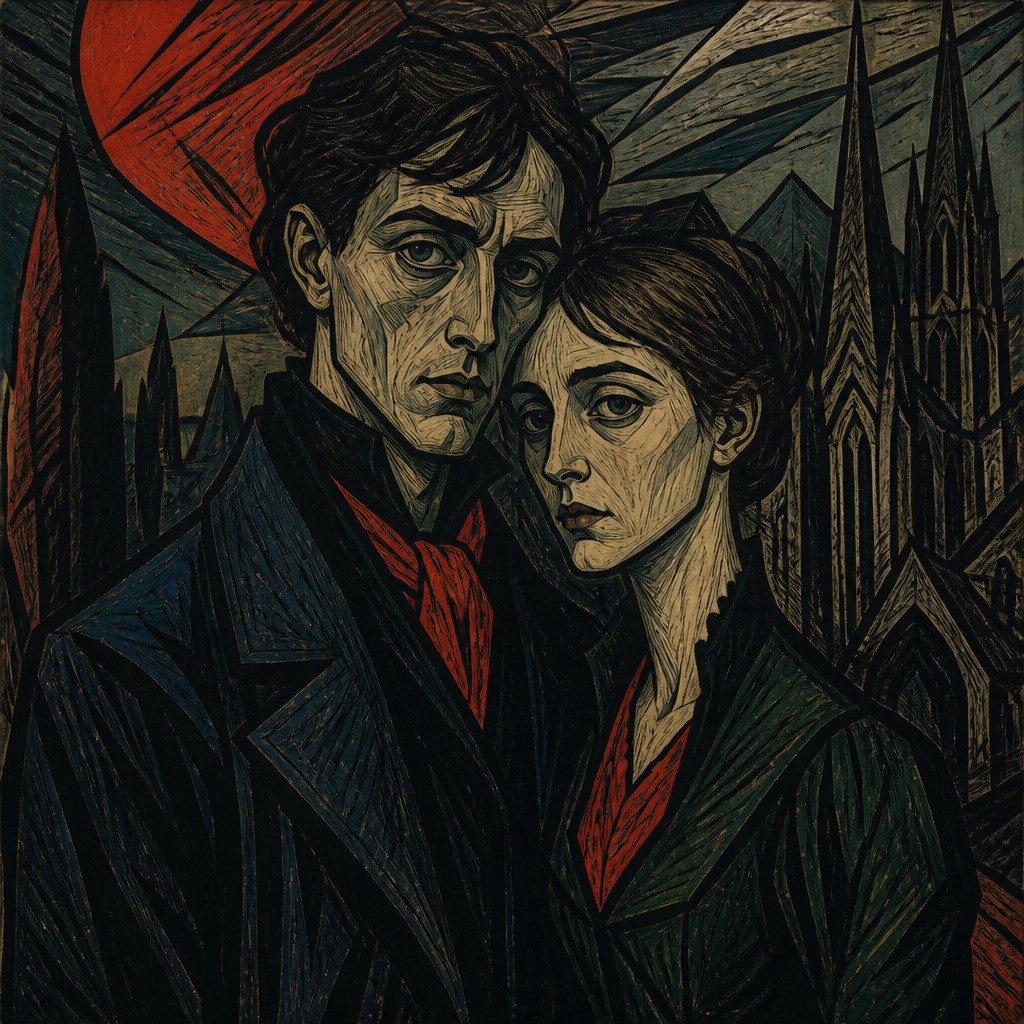
Try It On Your Photos
Upload any photo and convert it into German Art Style — drag the sliders to compare before and after.
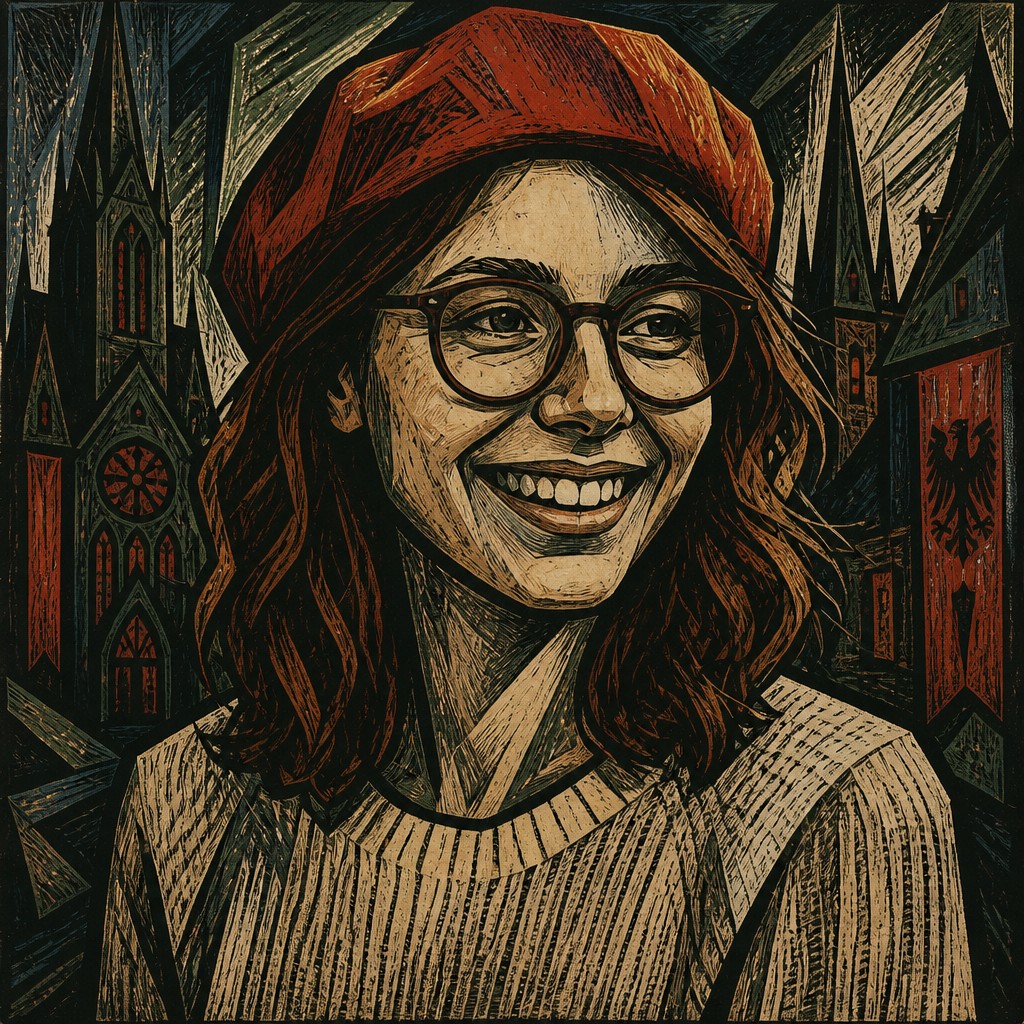

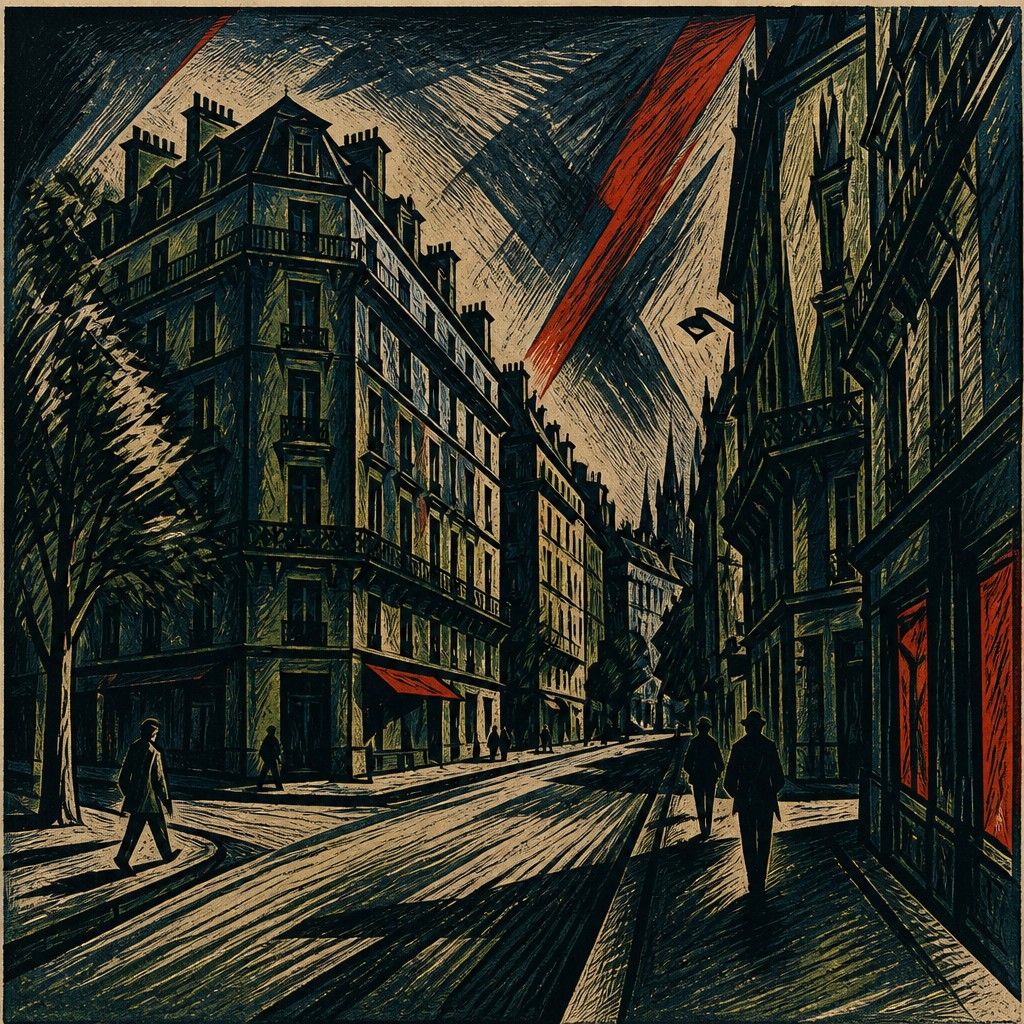

What Defines German Art Style
The signature details, up close
Angular draftsmanship
Contours are deliberate, hard-edged, and structurally descriptive rather than soft or loosely gestural. Faces, clothing, buildings, and natural forms often resolve into faceted planes.
Woodcut-flavored line
Parallel hatching, broken marks, dense blacks, and carved-looking edges evoke relief printing. Line is used to model volume and atmosphere as much as to outline objects.
Gothic verticality
Tall arches, spires, narrow windows, elongated figures, and upward-pointing compositions create a sense of solemn elevation. Even nonarchitectural subjects may be arranged along strong vertical axes.
Expressionist distortion
Proportions, perspective, and anatomy may be deliberately compressed or exaggerated to communicate mood. Emotional gravity takes precedence over naturalistic calm.
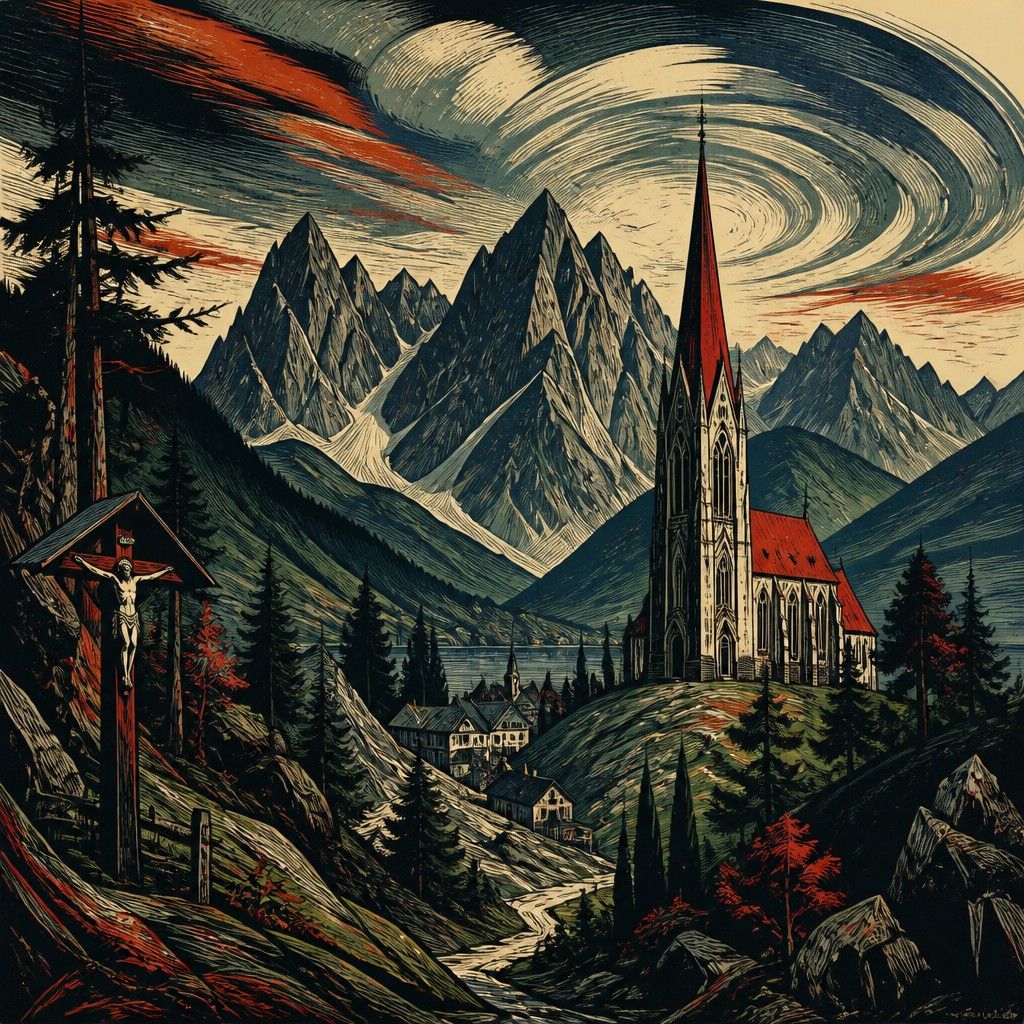
Dark northern palette
Deep forest greens, slate blues, charcoal, umber, and muted cream establish a cool, weighty foundation. Vermilion or rust-red accents provide concentrated heat and visual tension.
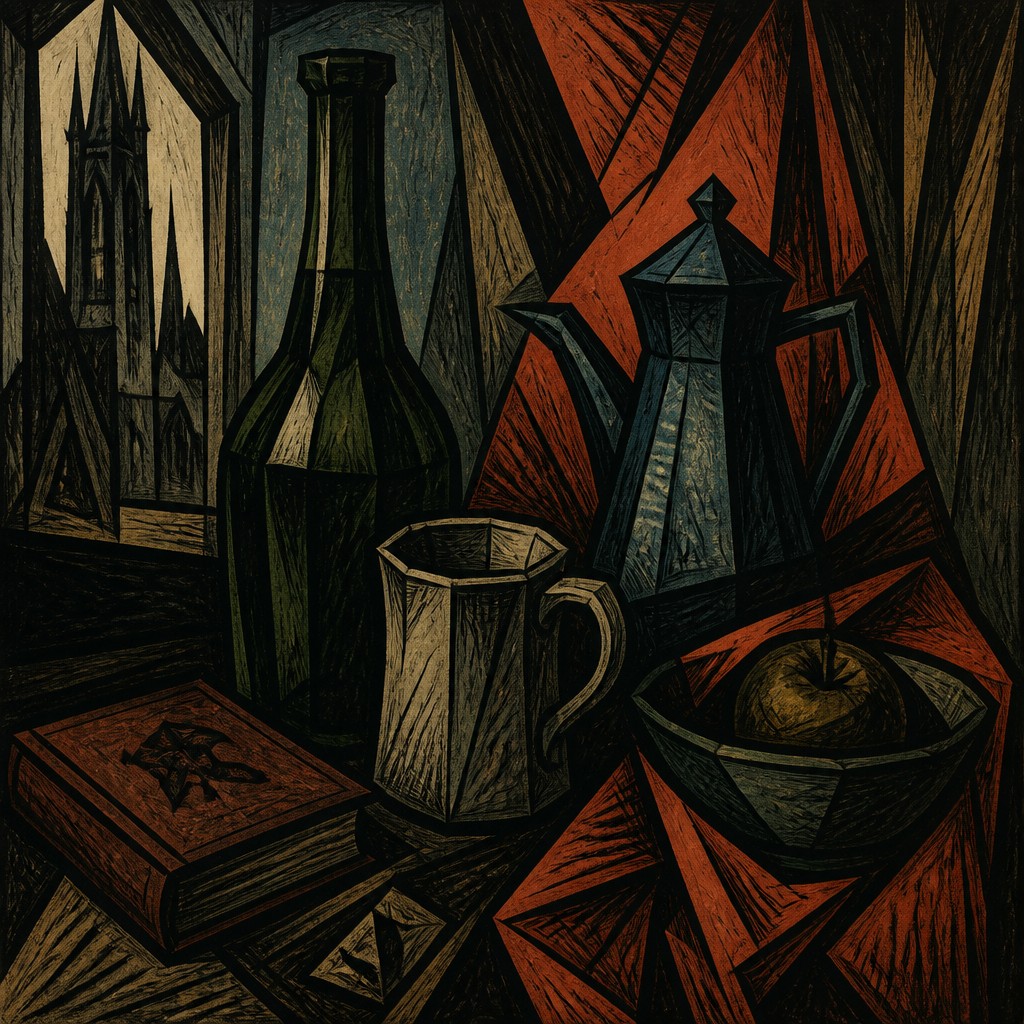
Earnest atmosphere
The style favors introspection, moral seriousness, mystery, and stark drama over casual charm. Fog, dusk, severe weather, and directional light often reinforce its contemplative mood.
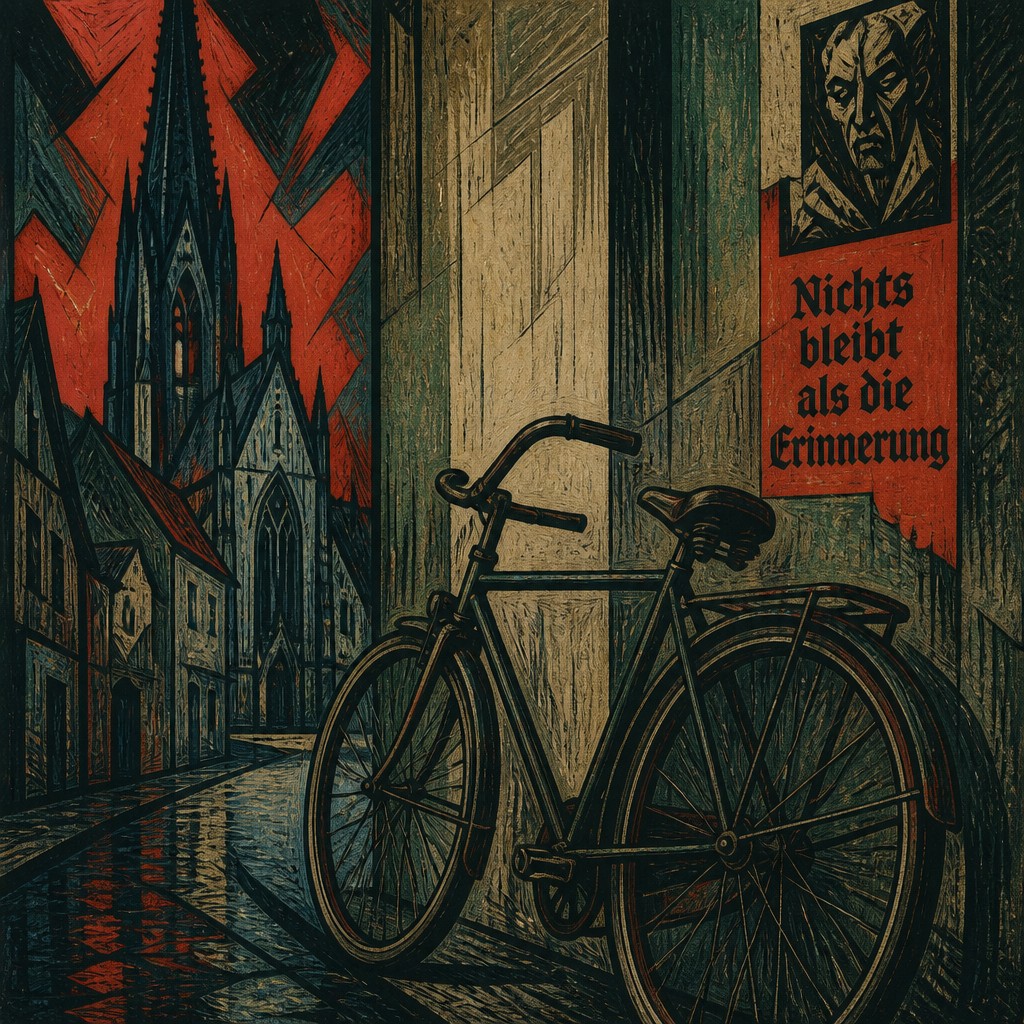
Flattened yet dramatic space
Layered planes and simplified backgrounds can flatten the picture like a print, while steep diagonals, looming forms, and theatrical shadows preserve a strong sense of drama.
Try It
Create Videos in German Art Style
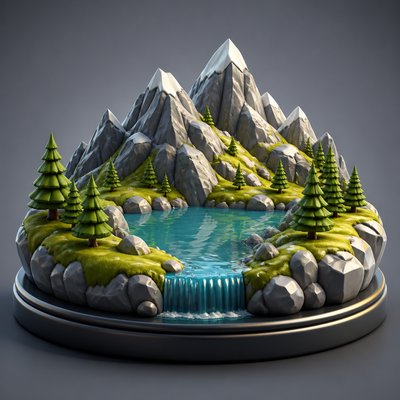
Styles aren't just for stills — describe a scene or animate an image and get a short video rendered in German. Press play to see this pond come to life.
Make a VideoGerman Prompt Ideas
Start from an idea — each one opens the generator with the style ready to go. See all 40 German prompts →
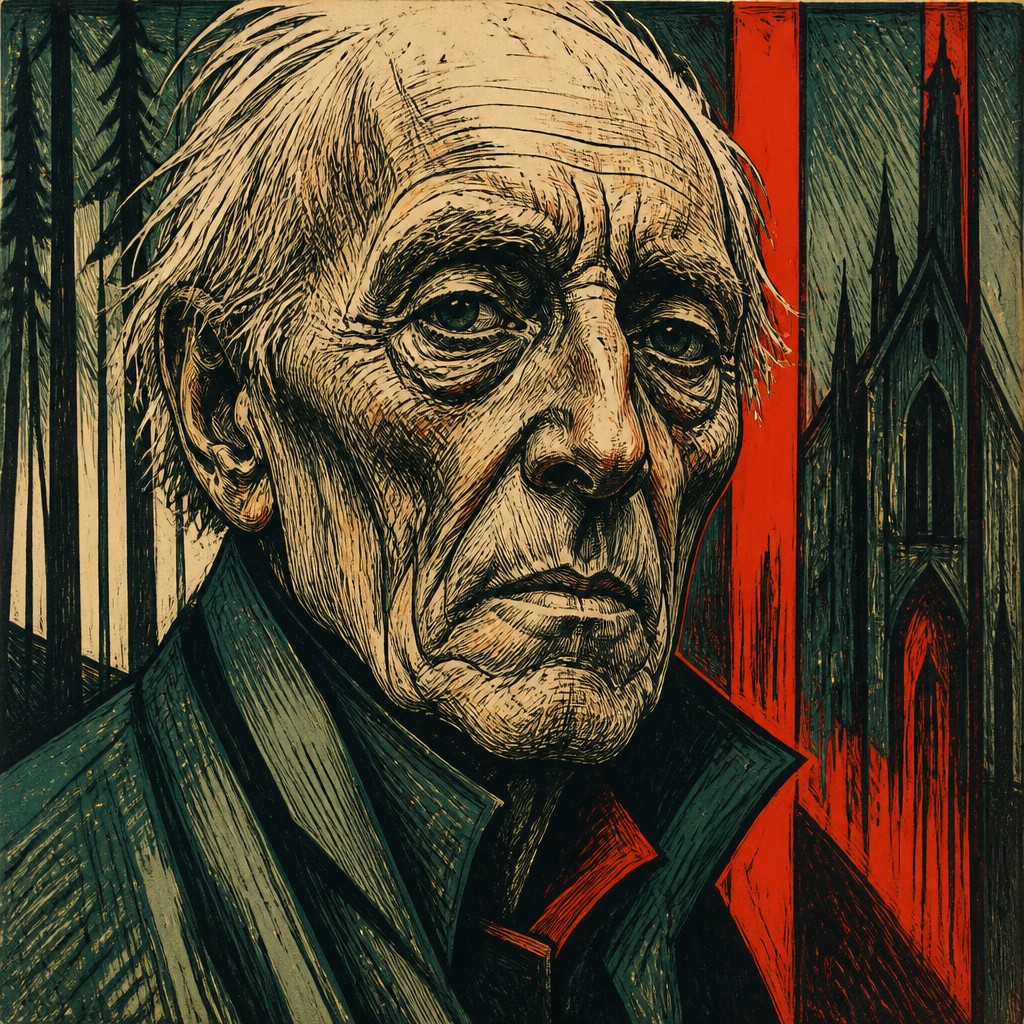
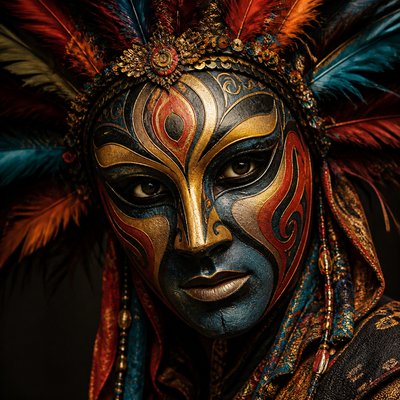
“close-up portrait of an elderly person with expressive weathered features”
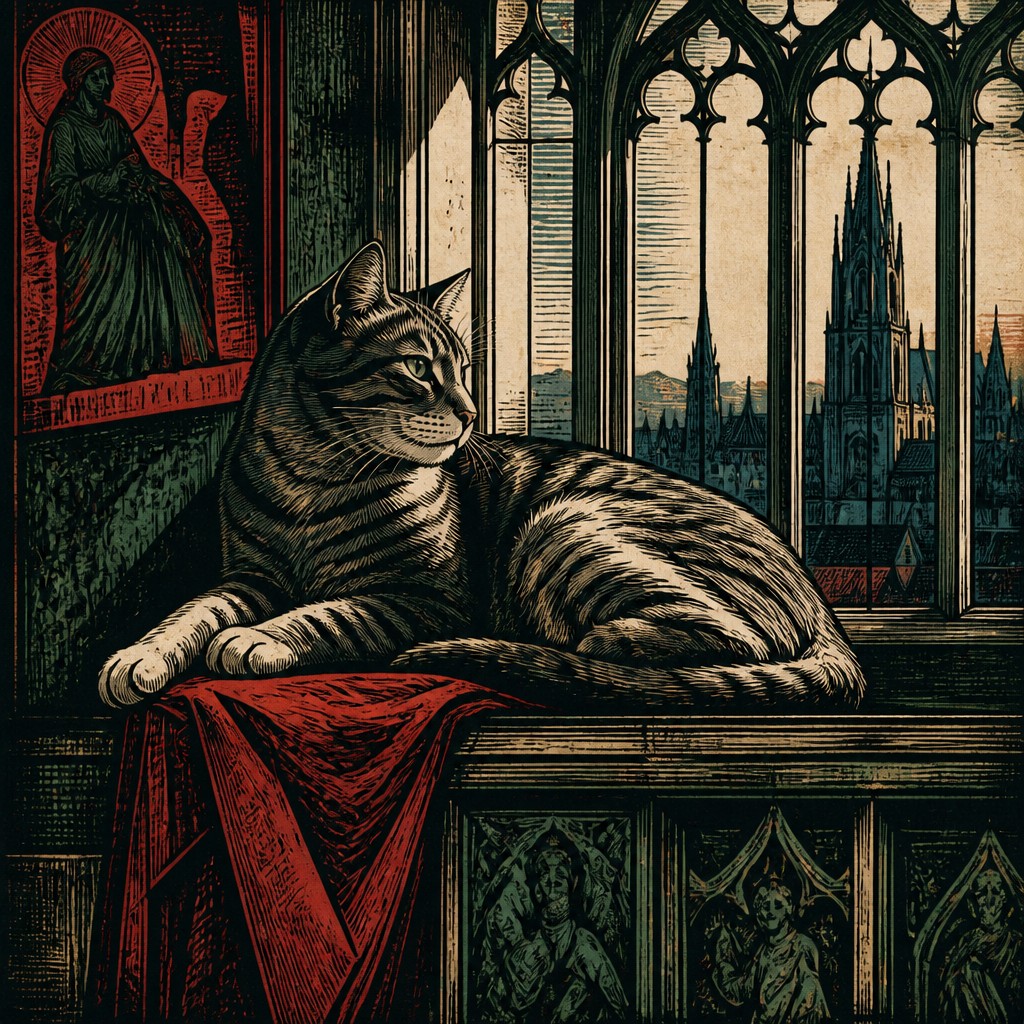
“a cat lounging in a sunlit window”
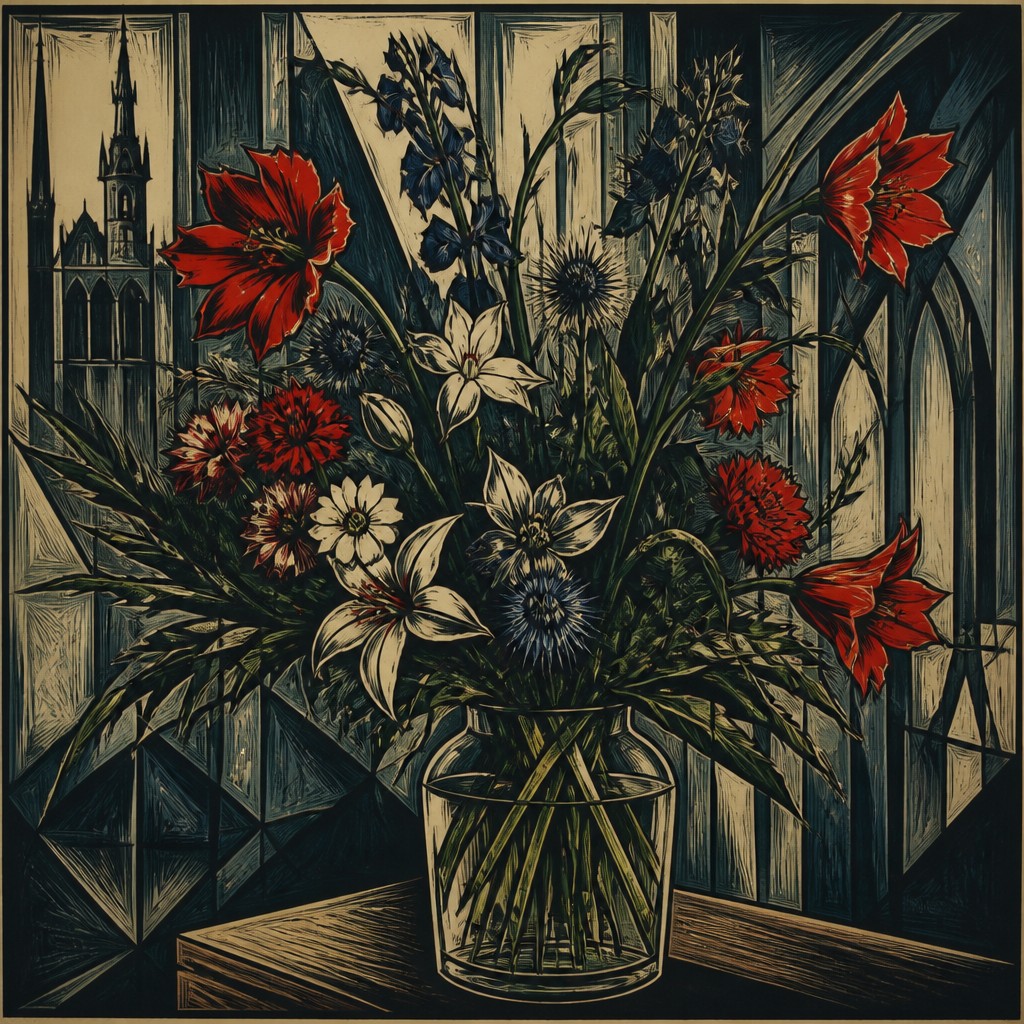
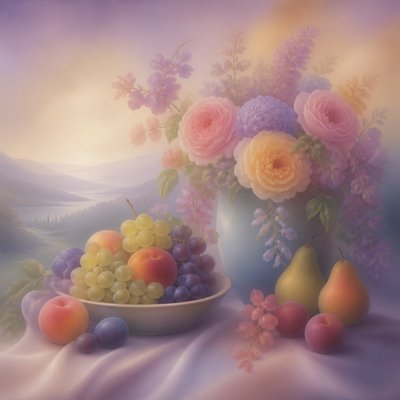
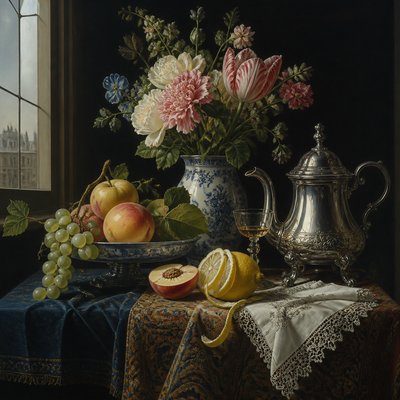
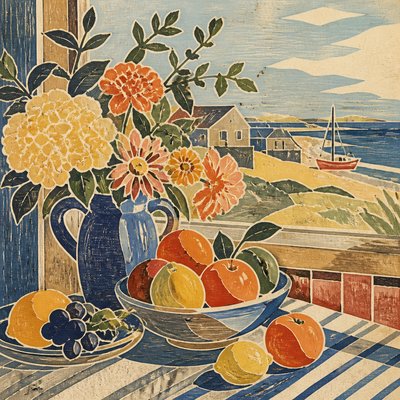
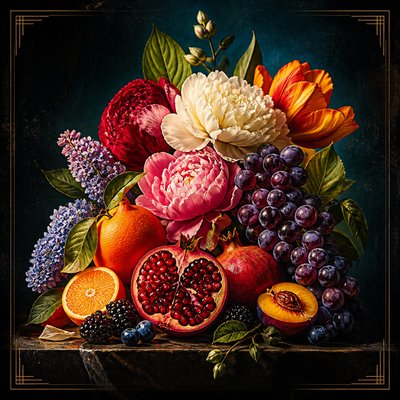
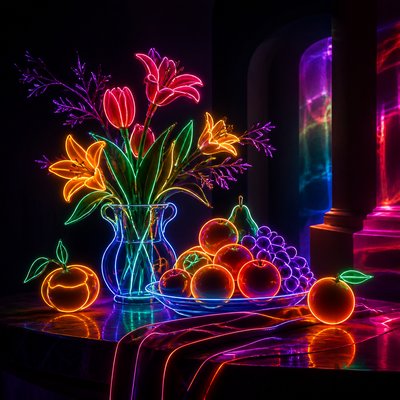
“bouquet of flowers in a glass vase”
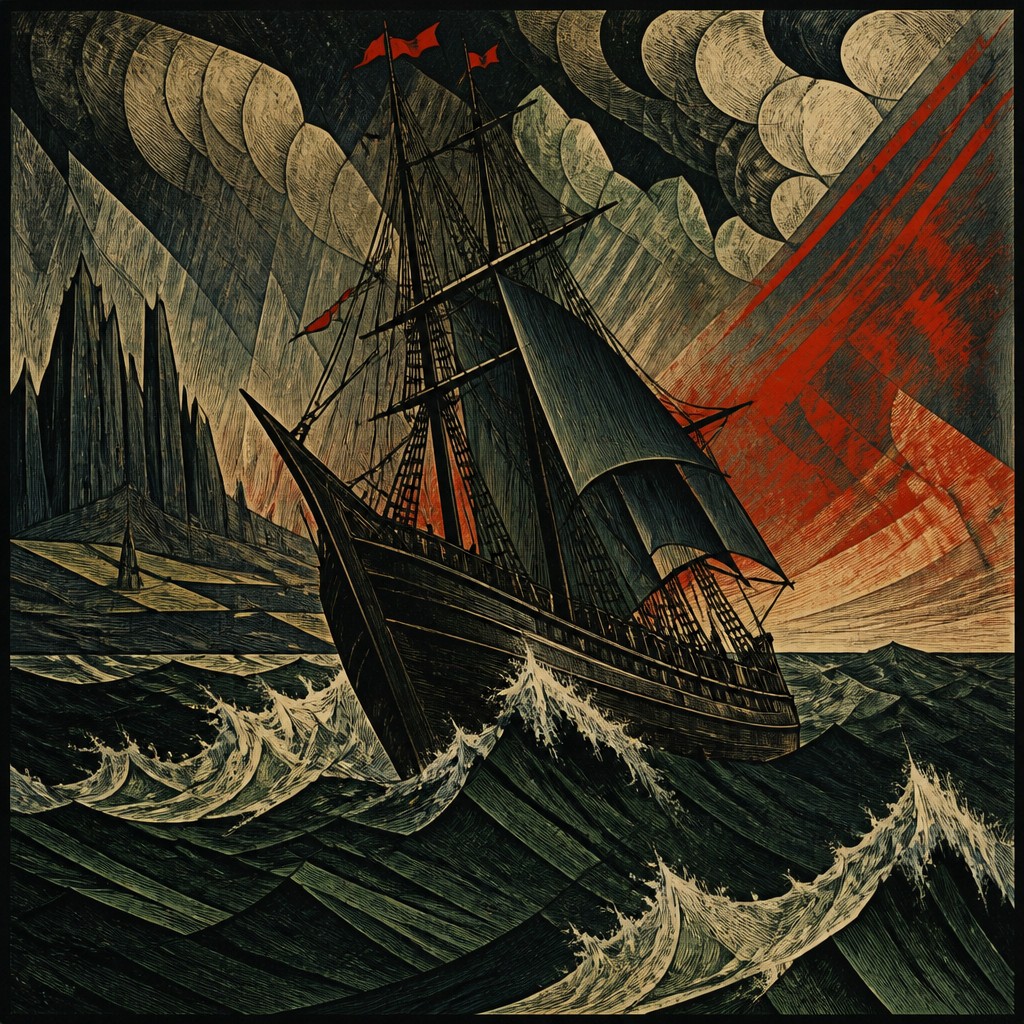
“sailing ship on a stormy sea”
How to Create German Art
Master the craft step by step — or skip straight to creating. Read the full guide →
- 1
Build a firm structural drawing
Begin with clear geometric masses and carefully observed proportions, then sharpen the contours into angular, confident shapes. Avoid overly delicate or airbrushed edges.
- 2
Use relief-print mark making
In traditional media, try linocut, woodcut, drypoint, or ink wash; in digital work, use textured brushes, hatching layers, and irregular edge masks. Keep some marks visibly directional and handmade.
- 3
Control the palette
Establish a dark foundation of green, blue, black, and warm neutral tones, then reserve vermilion or rust for focal points. Limiting saturation elsewhere makes the warm accents carry emotional weight.
- 4
Compose for vertical force
Use towers, trees, standing figures, narrow corridors, or rising diagonals to create upward pressure. A low viewpoint and compressed perspective can make the subject feel monumental.
- 5
Distort with intention
Stretch silhouettes, tilt architecture, or simplify anatomy only where the change strengthens the intended mood. Expressionist distortion works best when the underlying structure remains convincing.
- 6
Write a layered generation prompt
Specify the subject first, then request precise northern draftsmanship, angular forms, woodcut-like linework, gothic verticality, a forest-green and slate-blue palette, selective vermilion, and solemn emotional intensity. For image transformation, describe the desired line, palette, and mood while preserving the source subject and composition.
The Story
History & Origins of German
There is no unified historical movement officially known as German Art Style. This label describes an aesthetic lineage assembled from several German and Northern European traditions: late medieval and Northern Renaissance draftsmanship, Reformation-era woodcut illustration, Gothic architectural design, Romantic landscape feeling, and the emotionally charged distortions of early twentieth-century German Expressionism.
In contemporary illustration and digital image-making, these sources are often synthesized rather than reproduced literally. The result preserves the visual memory of carved printmaking and northern tonal severity while using simplified geometry, cinematic composition, and intensified color to create an immediately legible modern style.
Influences: The style draws on Northern Renaissance observation, late medieval manuscript illumination, German and Central European woodcut traditions, Gothic architecture, Romantic landscape painting, and early twentieth-century German Expressionism. It also shares techniques with linocut, etching, graphic poster design, dark fantasy illustration, and contemporary editorial drawing.
Frequently Asked Questions
Is German Art Style a historical art movement?
Not in the strict art-historical sense. It is a contemporary umbrella label for a visual synthesis of Northern European precision, German print traditions, Gothic form, and Expressionist intensity.
What defines the look of German Art Style?
The defining features are angular drawing, carved or woodcut-like linework, dark northern colors, gothic vertical compositions, and emotionally serious subject treatment. Vermilion accents often contrast with forest green, slate blue, charcoal, and muted neutrals.
How does it differ from German Expressionism?
German Expressionism is a specific historical movement associated primarily with the early twentieth century and characterized by intense subjective distortion. This broader style uses Expressionist energy but balances it with more controlled draftsmanship, print-like structure, and Gothic or Northern European references.
Can this style be made with traditional materials?
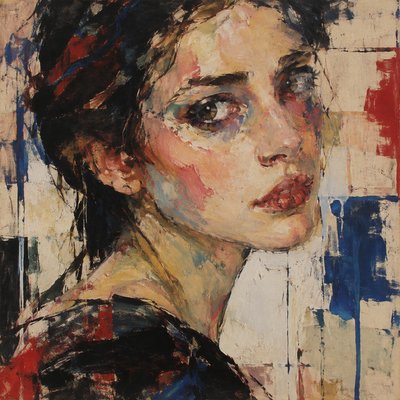
Yes. Linocut, woodcut, etching, pen and ink, charcoal, gouache, and textured oil or acrylic painting are especially suitable. Combining precise underdrawing with rough hatching and selective color produces the characteristic tension between control and agitation.
What subjects work well in this style?
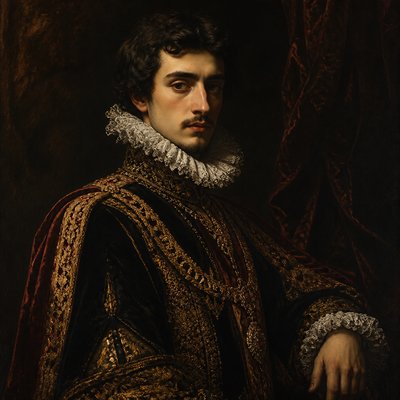
Gothic buildings, severe landscapes, historical scenes, solemn portraits, forests, religious or folkloric imagery, and dramatic nocturnal settings are strong choices. Ordinary subjects can also work when given monumental composition and an emotionally weighted atmosphere.
How should I describe the style in an image prompt?
Name the subject and composition first, then specify angular northern draftsmanship, woodcut-like hatching, Gothic verticality, dark forest-green and slate-blue colors, selective vermilion, and earnest expressionist mood. Mentioning texture, lighting, and the degree of distortion helps produce a more consistent result.
Create your first German artwork
Describe anything — or upload a photo — and see it in German Art Style in seconds.
Related Styles
Discover similar art styles