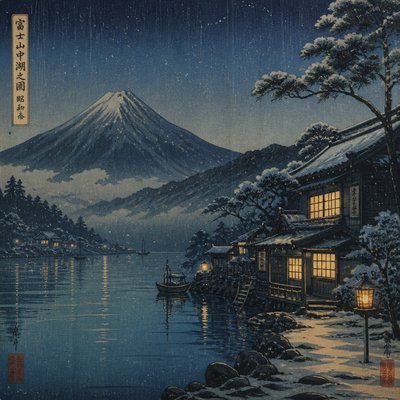
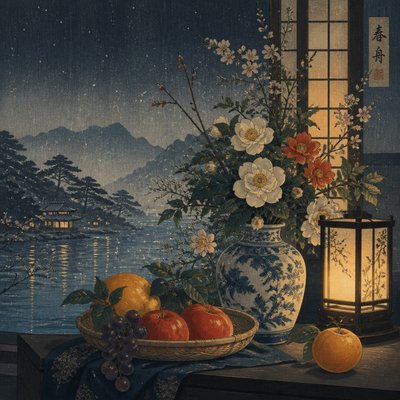
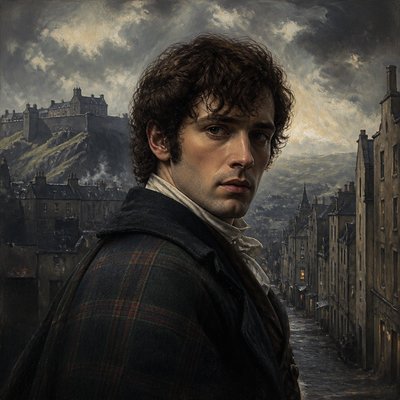
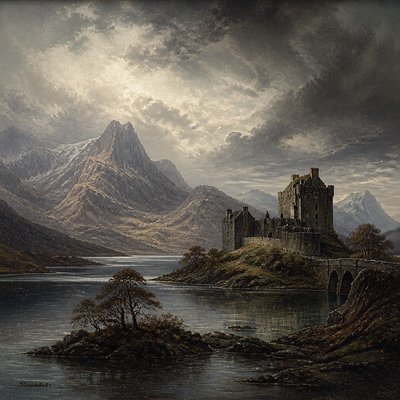
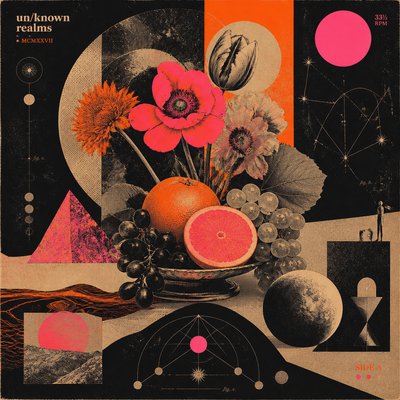
Etching Print Style
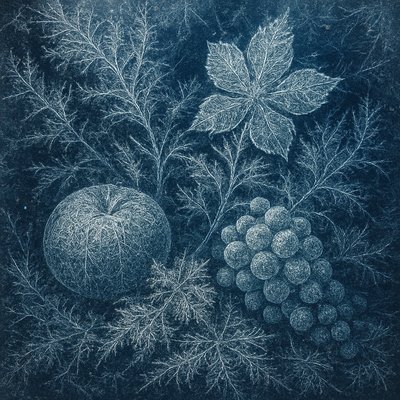
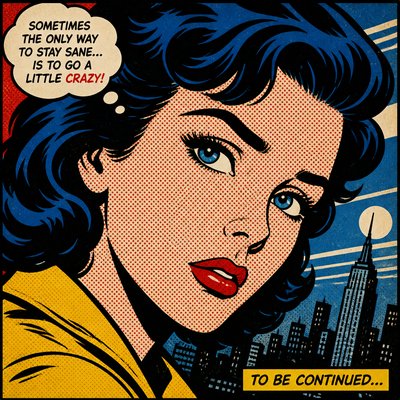
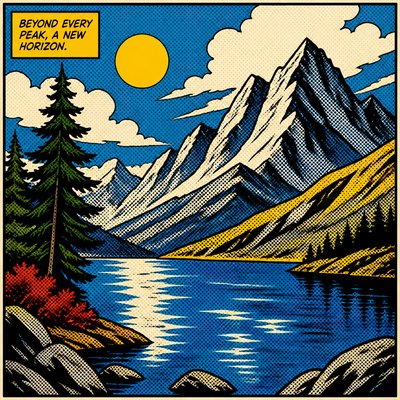
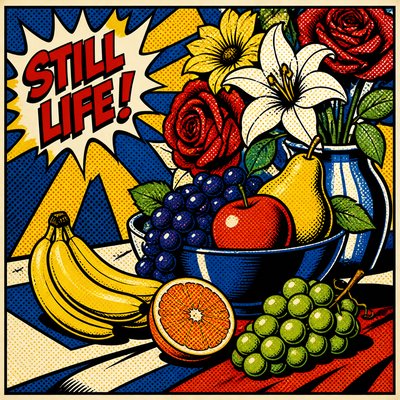
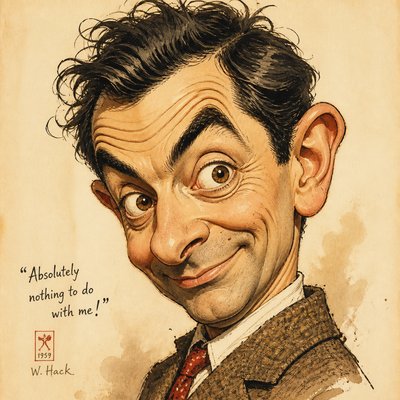
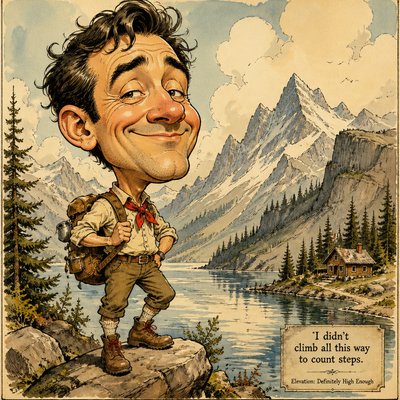
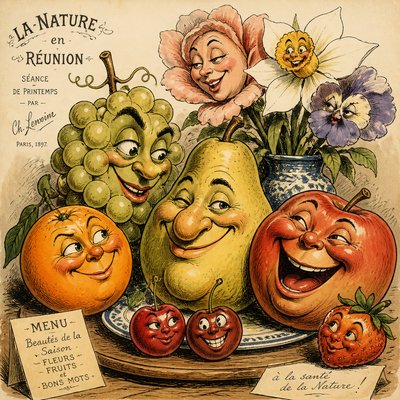
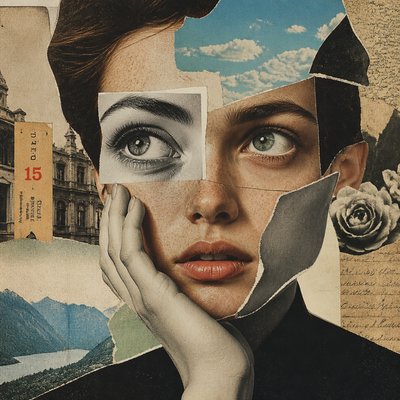
Explore Etching Print Style: acid-bitten lines, cross-hatched shadows, ivory paper, and intimate old-master print character.
Instantly rendered in Etching Print — or transform a photo
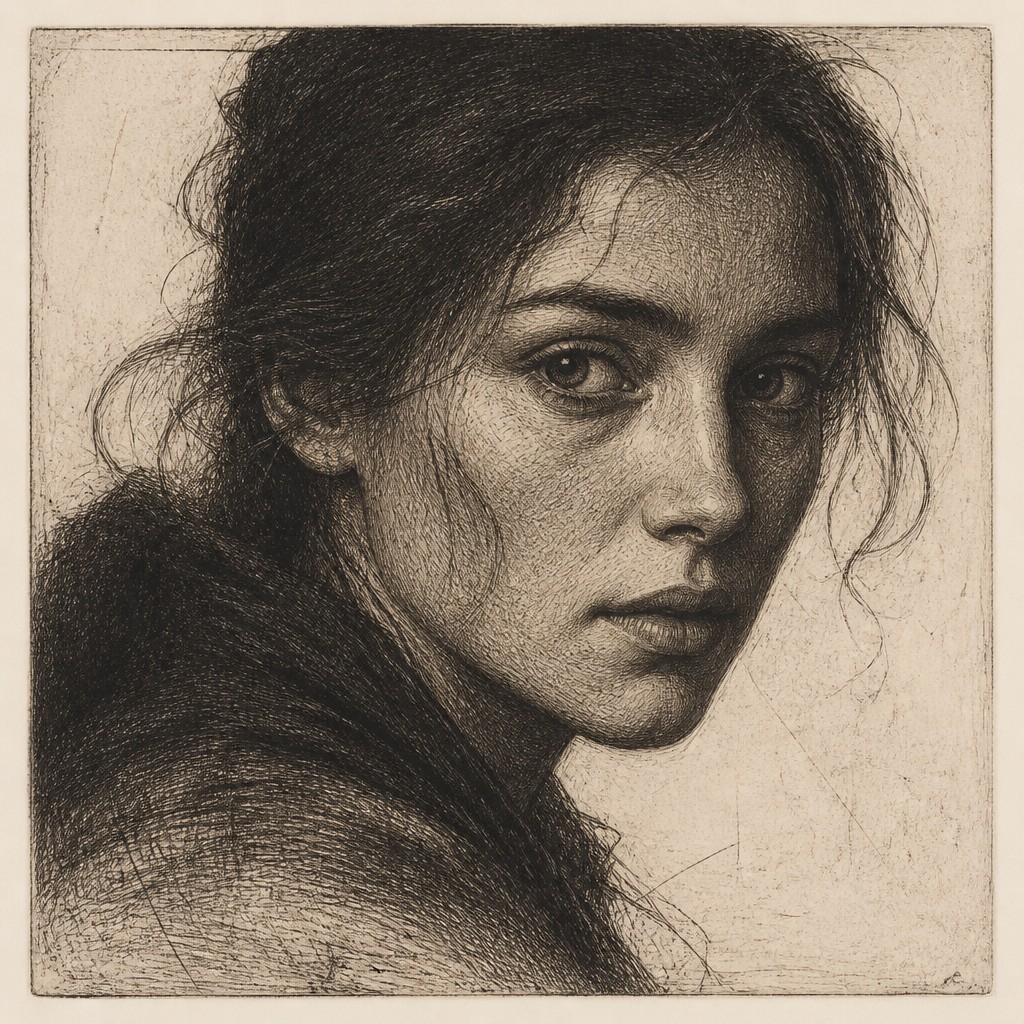
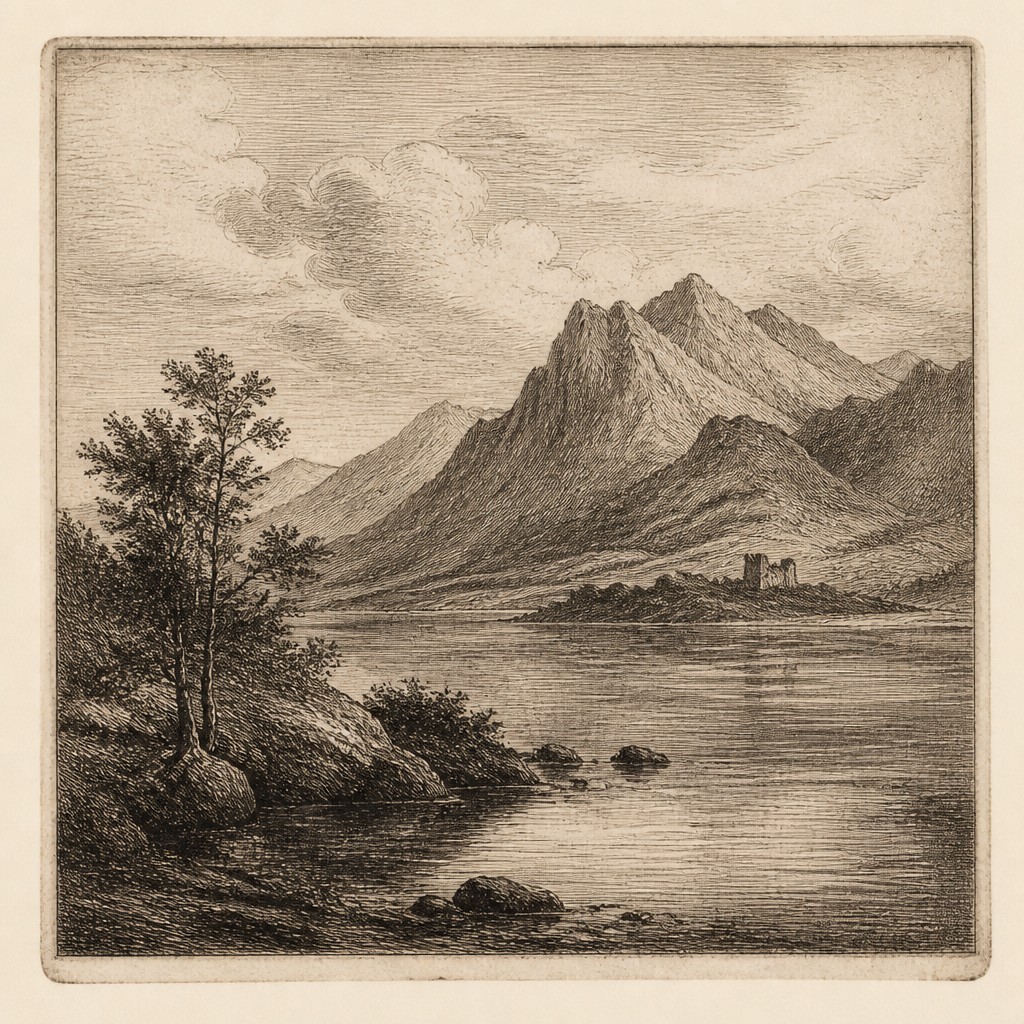
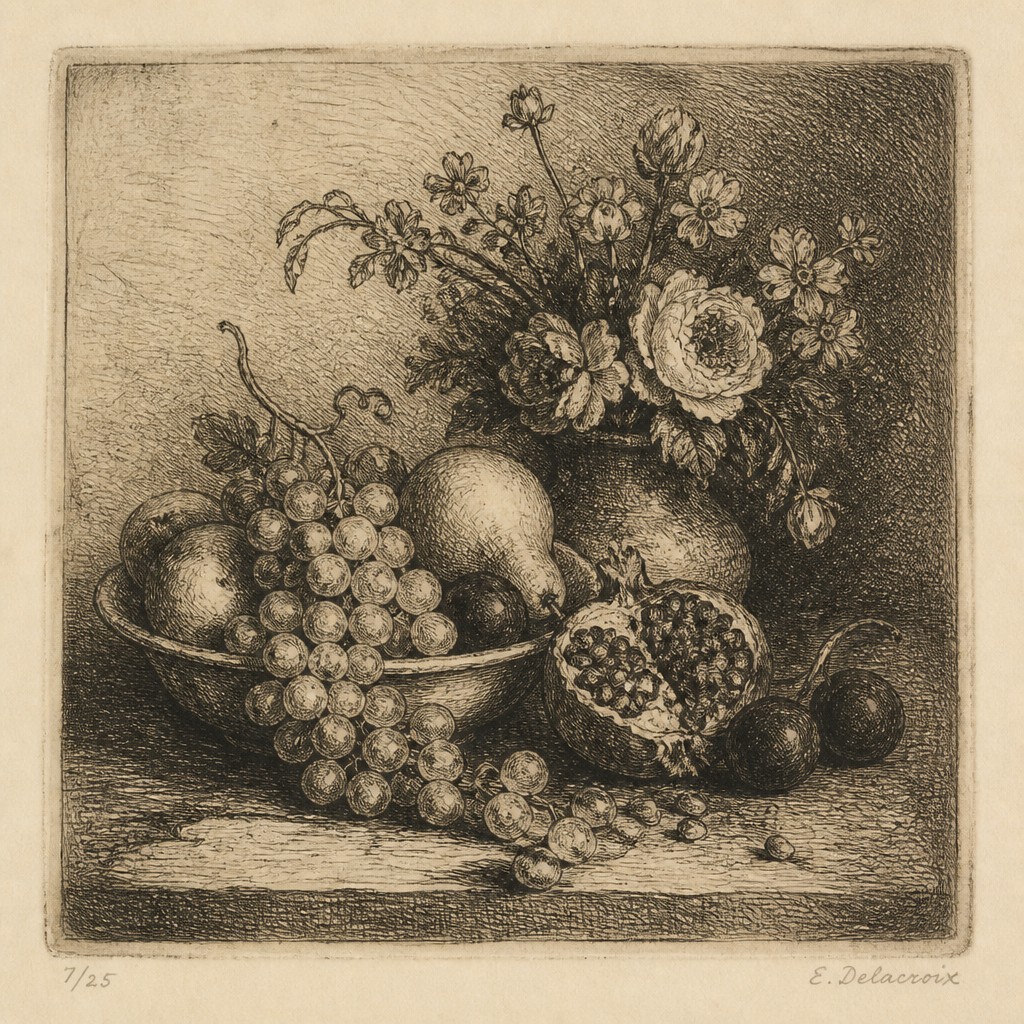
Etching Print Gallery
Tap any artwork to explore it
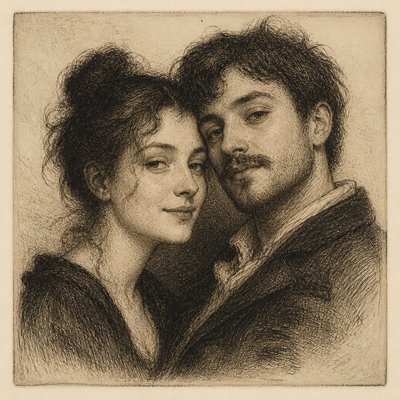
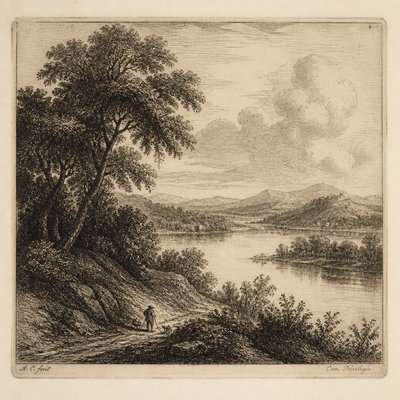
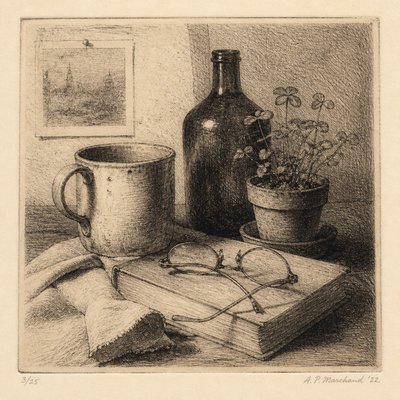
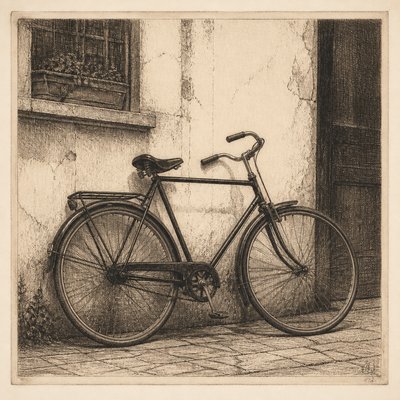
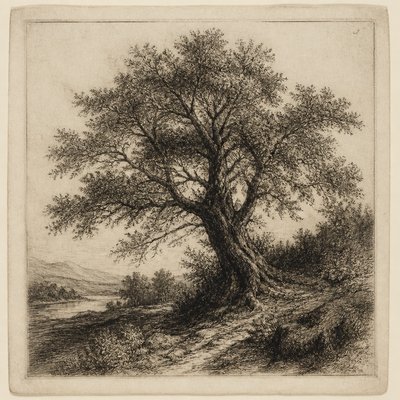
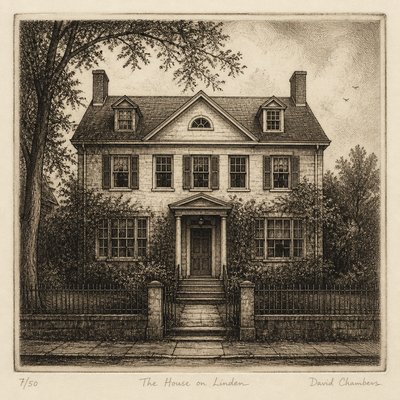
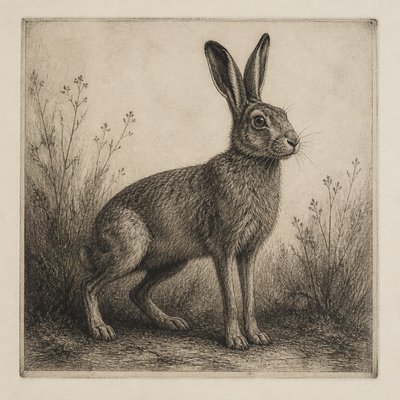
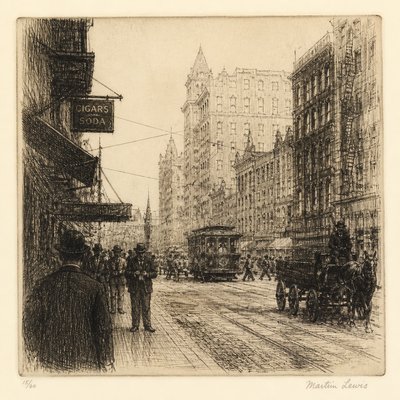
What is Etching Print Style?
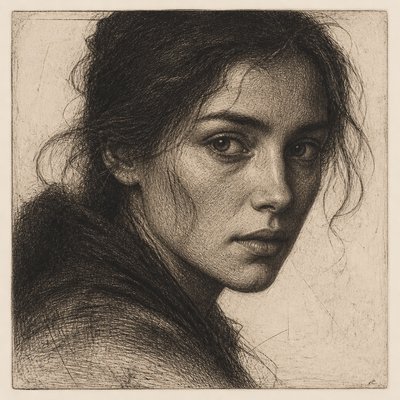
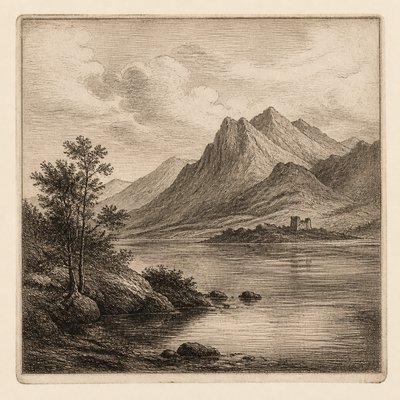
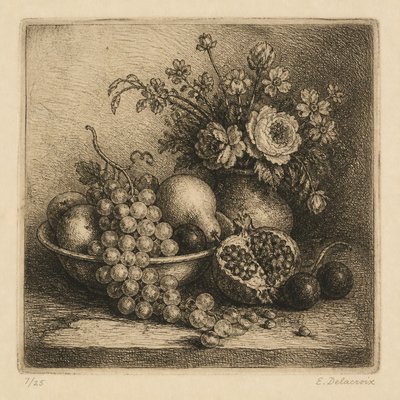
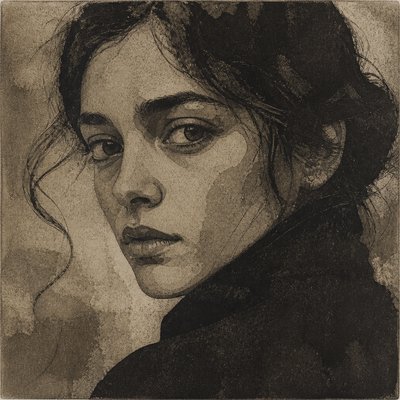
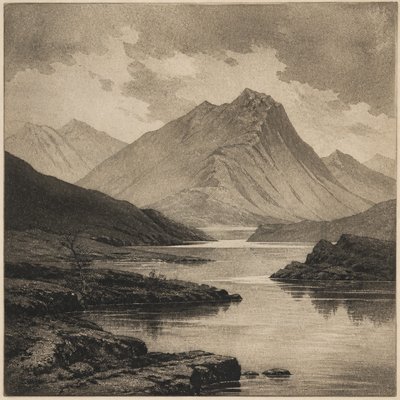
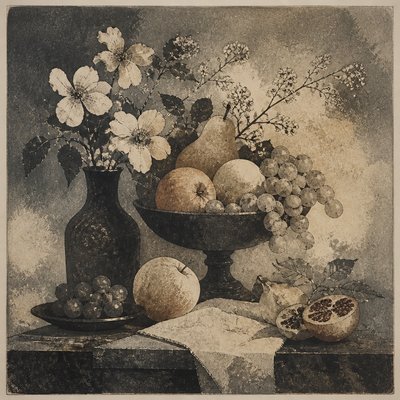
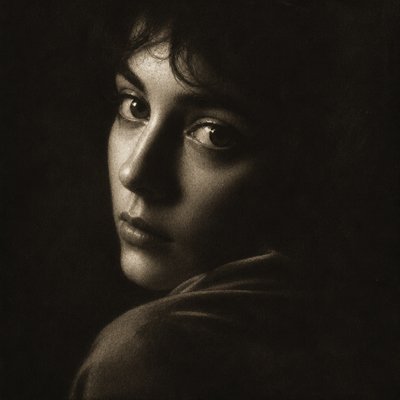
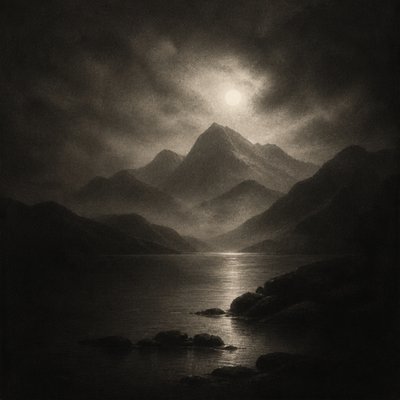
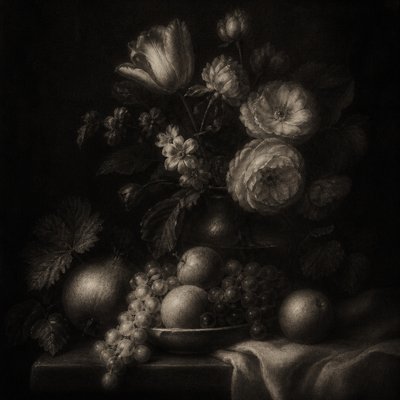
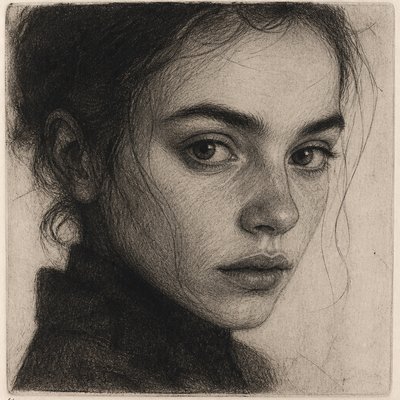
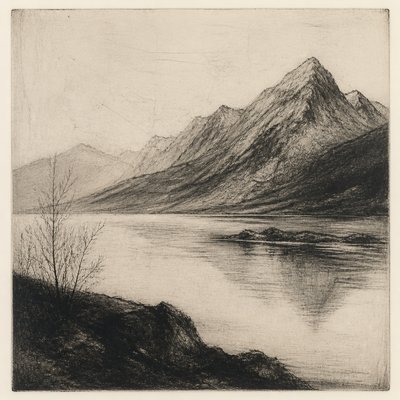
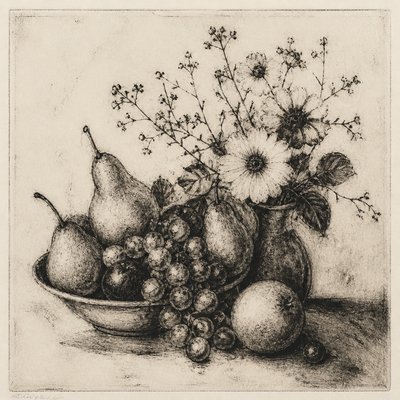
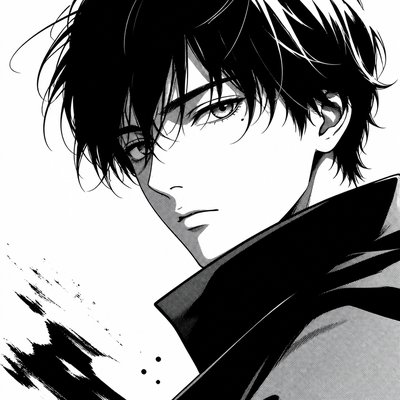
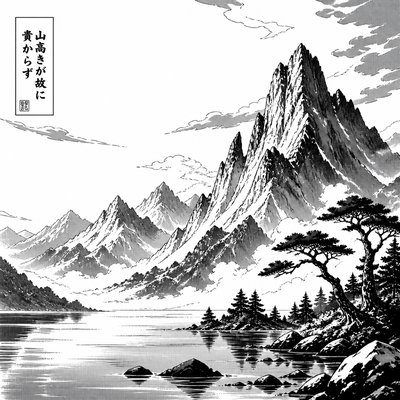
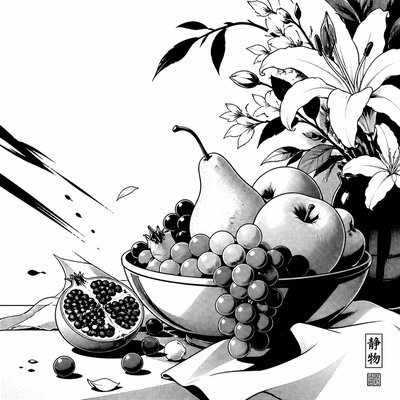
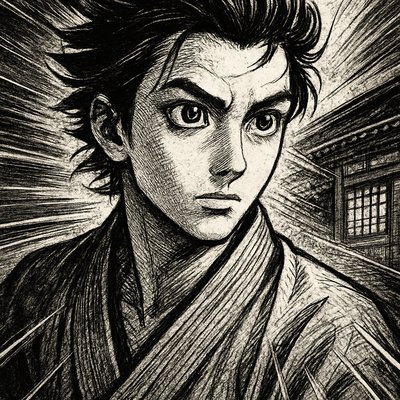
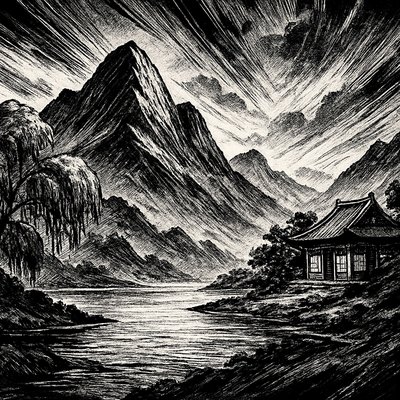
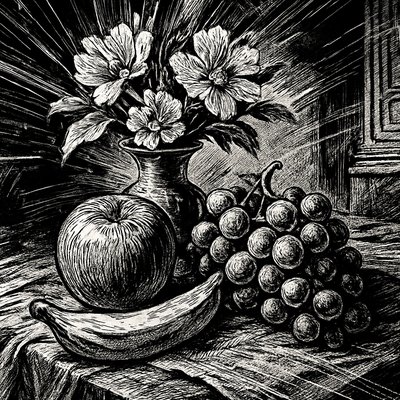
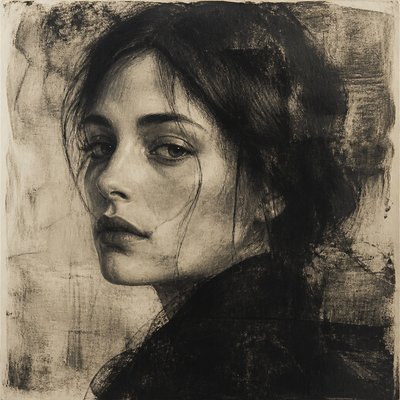
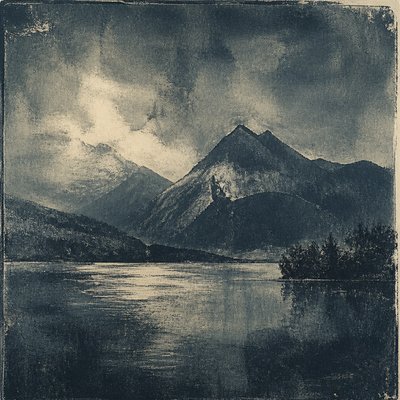
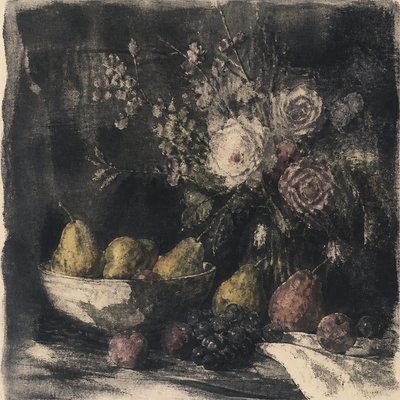
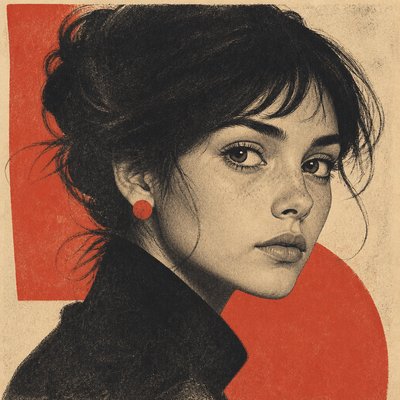
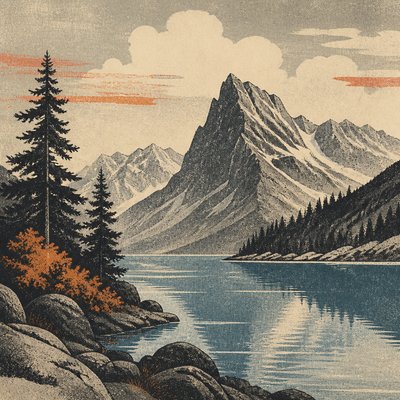
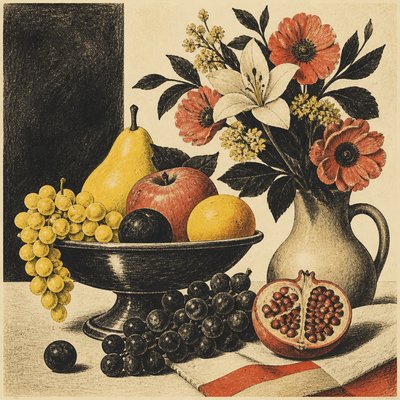
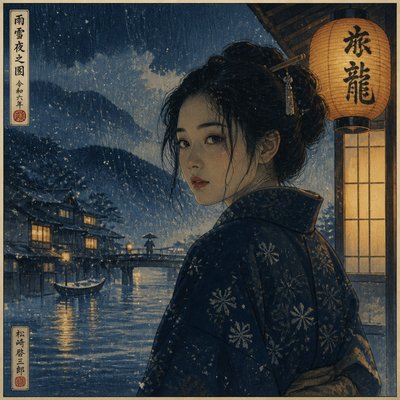
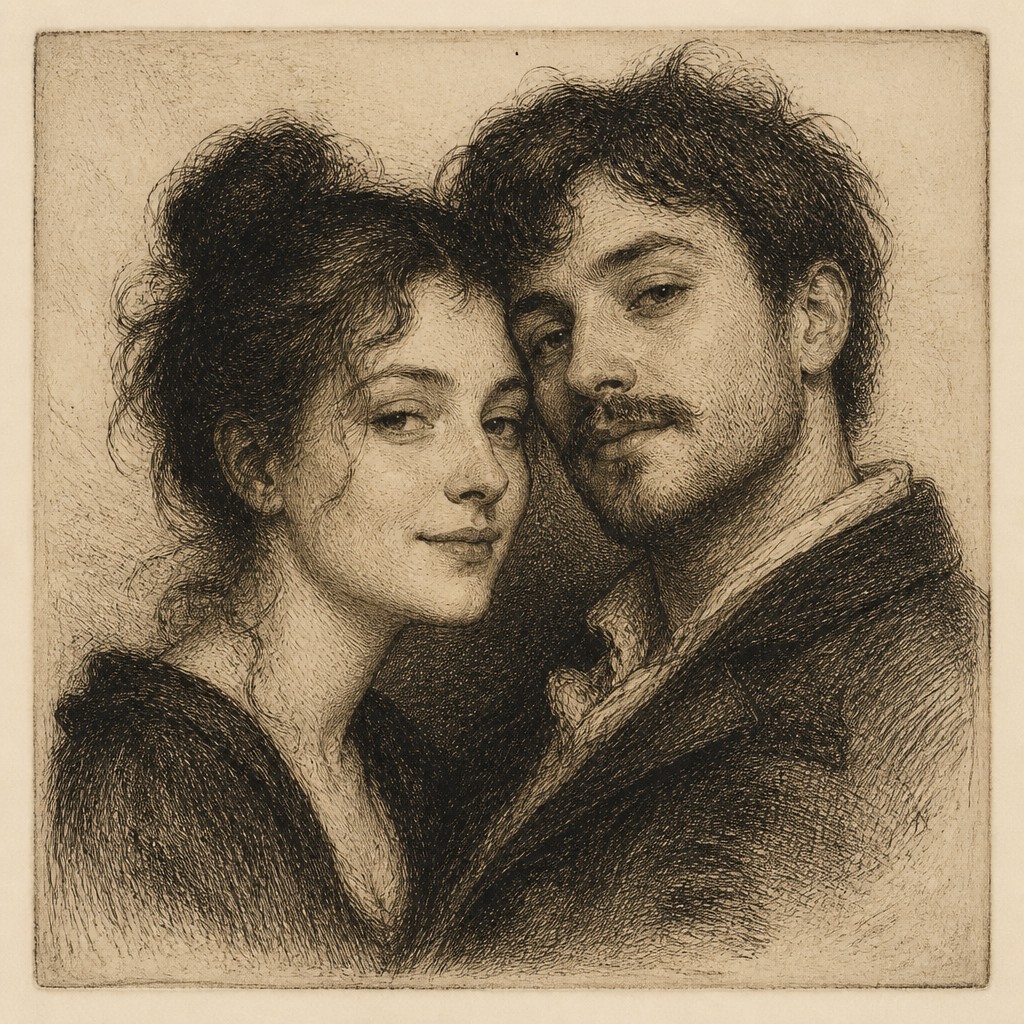
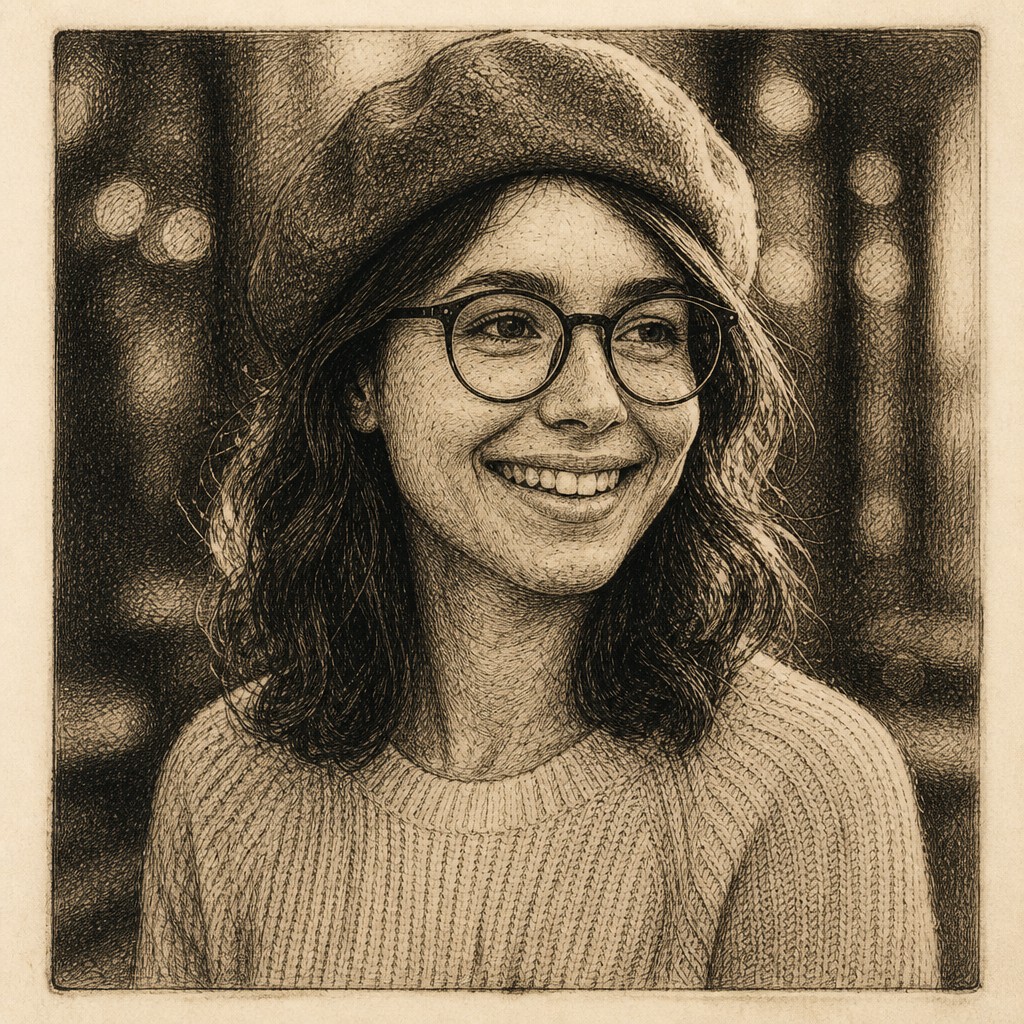
Etching Print Style is an intaglio-inspired visual language built from delicate, free-flowing lines, dense cross-hatching, and restrained tonal modeling. Its characteristic image resembles a traditional etching pulled from a copper plate: warm black ink sits on soft ivory paper, while a visible plate-mark border frames the composition.
The style looks tactile because its shadows are constructed from networks of marks rather than smooth painted areas. Closely spaced lines create depth and velvety darkness; lighter, more widely separated strokes describe form, atmosphere, and worn paper. The result is intimate, detailed, and slightly antiquarian, combining observational drawing with the physical character of a historical print.
Try It On Your Photos
Upload any photo and convert it into Etching Print Style — drag the sliders to compare before and after.


What Defines Etching Print Style
The signature details, up close
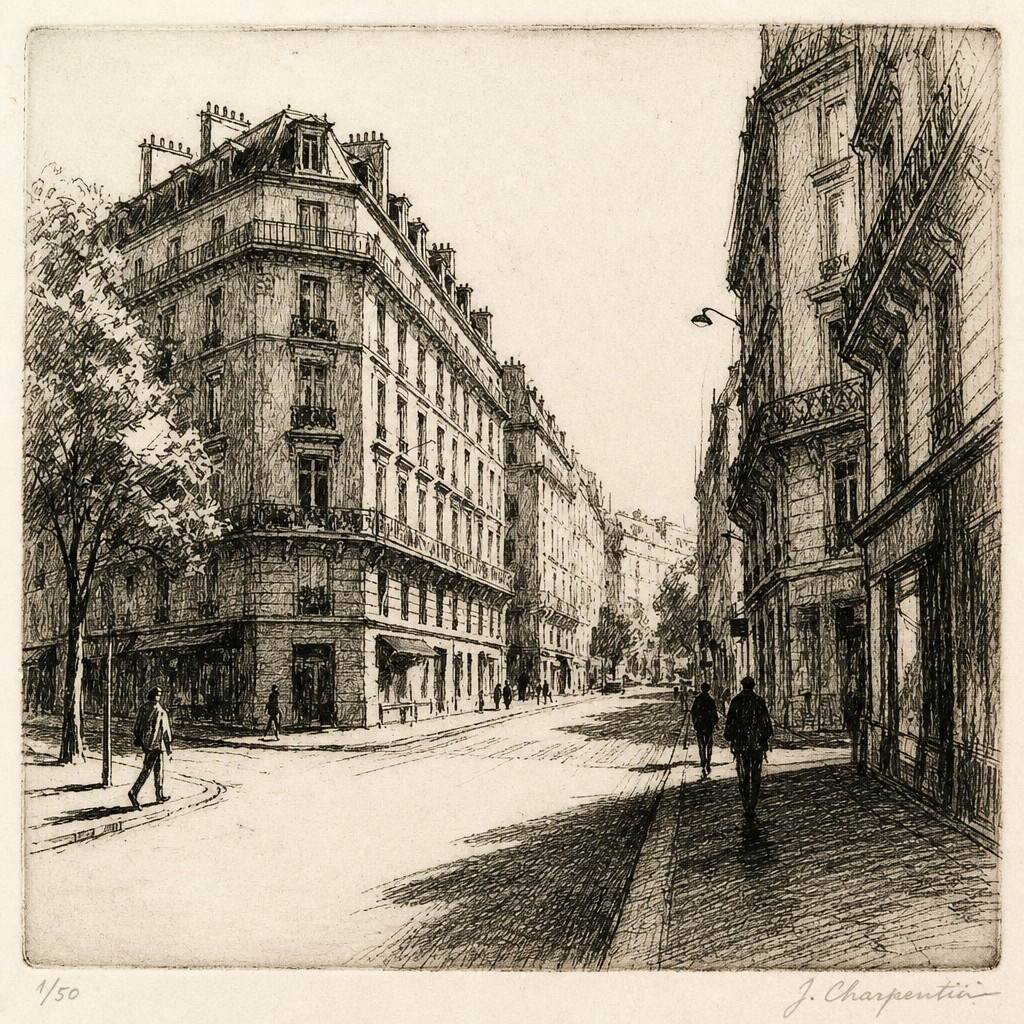
Acid-bitten linework
Contours are thin, fluid, and slightly variable, echoing lines drawn through a waxy ground before acid corrodes the plate. The marks often feel more spontaneous and calligraphic than mechanically engraved lines.
Cross-hatched shadow webs
Dark areas are built from intersecting families of lines rather than opaque fills. Changing the spacing, angle, and density of the hatching creates volume, texture, and deep velvety shadows.
Delicate tonal gradation
Form emerges through layered strokes, sparse textures, and gradual shifts from open paper to concentrated black. The tonal range is usually restrained, with atmosphere suggested through lighter hatching and broken marks.
Warm monochrome palette
The dominant colors are softened black, brown-black, charcoal, and muted sepia against ivory or cream paper. This limited palette emphasizes line quality and gives the image an archival, tactile presence.
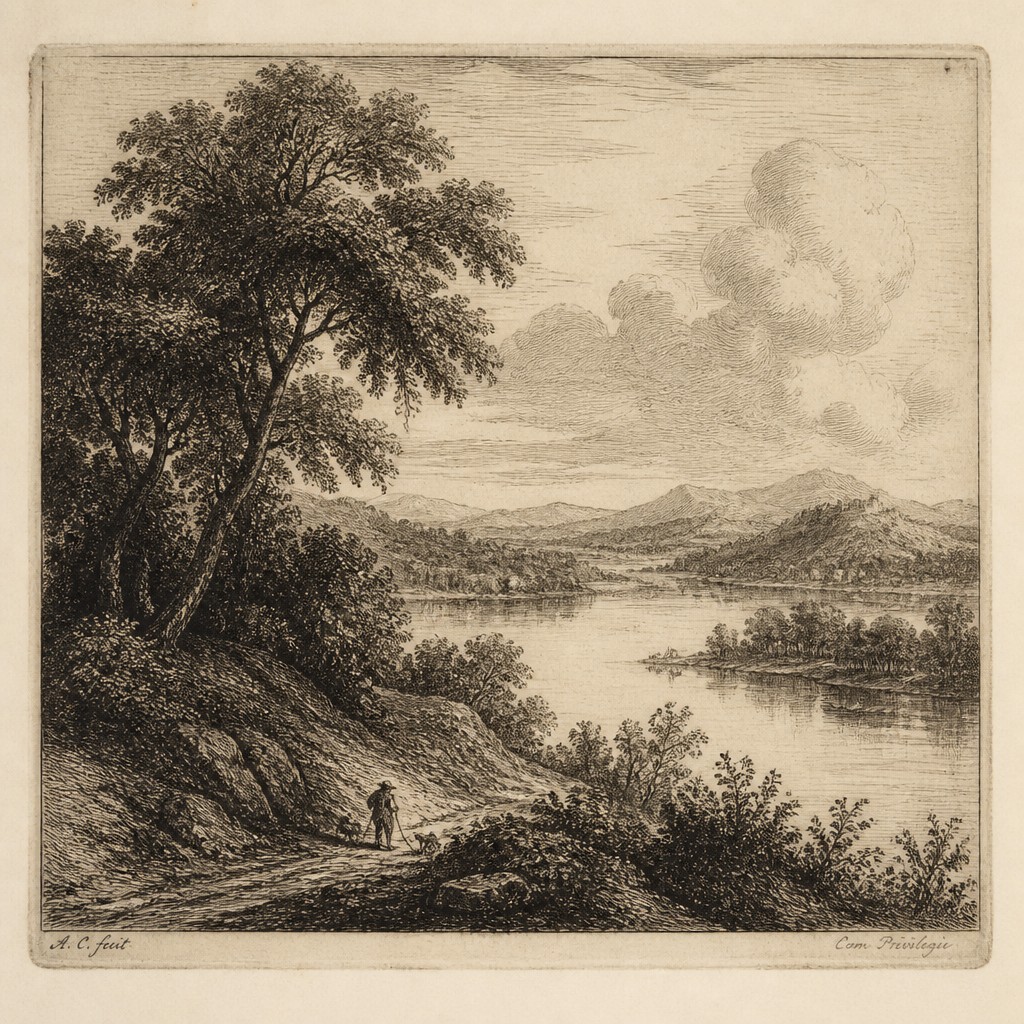
Plate-mark framing
A shallow rectangular impression or drawn border may surround the image, suggesting that it was printed from a physical plate. Uneven margins and slight registration irregularities reinforce the handmade character.
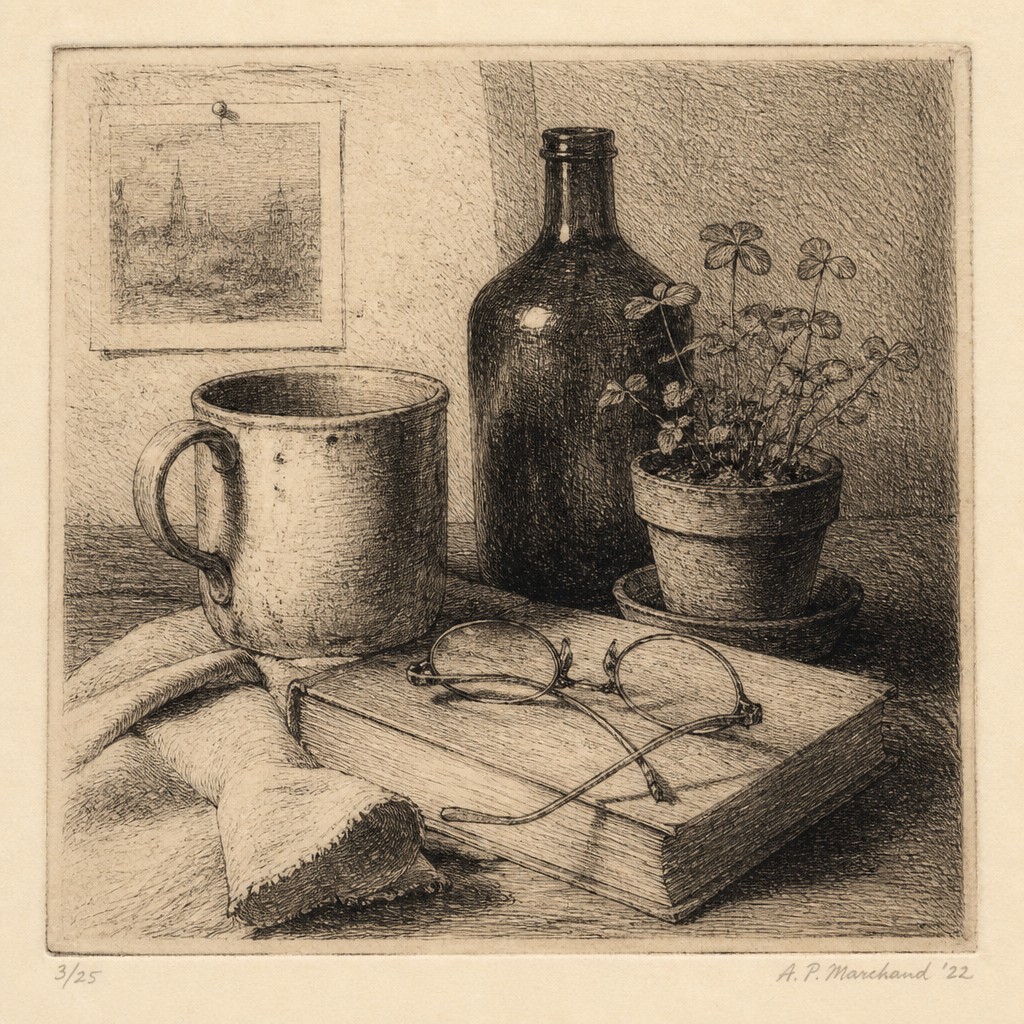
Old-master intimacy
Subjects are often presented with close observation, quiet drama, and concentrated detail rather than bright spectacle. Portraits, landscapes, architecture, still lifes, and historical scenes all suit this contemplative treatment.
Try It
Create Videos in Etching Print Style
Styles aren't just for stills — describe a scene or animate an image and get a short video rendered in Etching Print. Press play to see this pond come to life.
Make a VideoEtching Print Prompt Ideas
Start from an idea — each one opens the generator with the style ready to go. See all 40 Etching Print prompts →
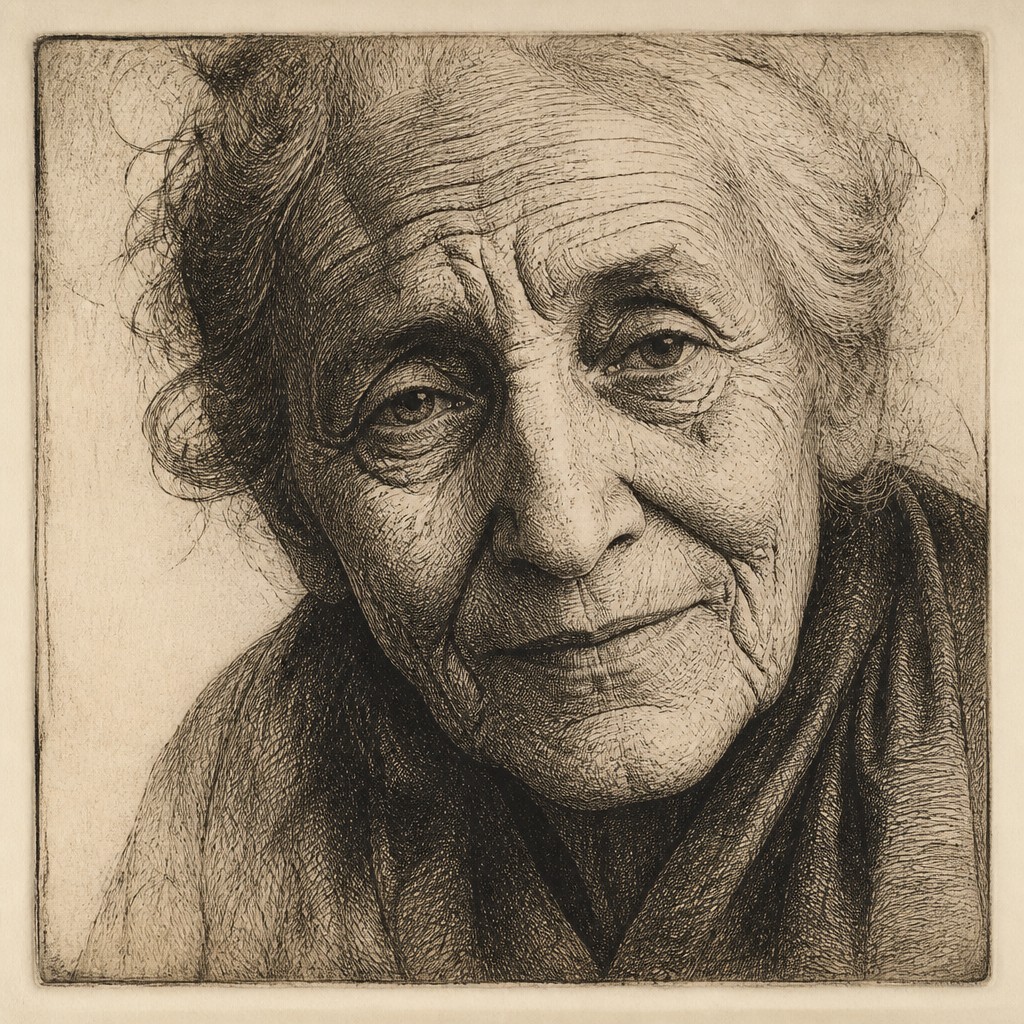
“close-up portrait of an elderly person with expressive weathered features”
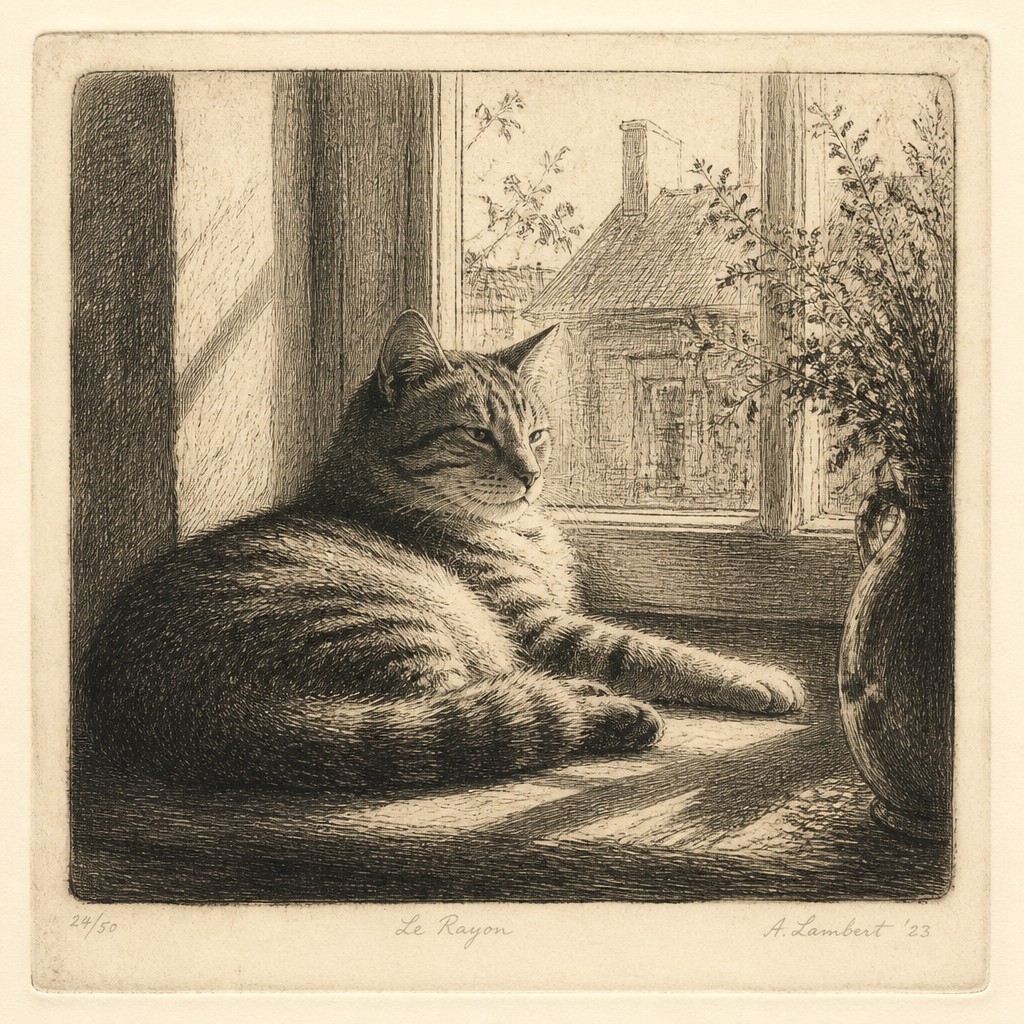
“a cat lounging in a sunlit window”
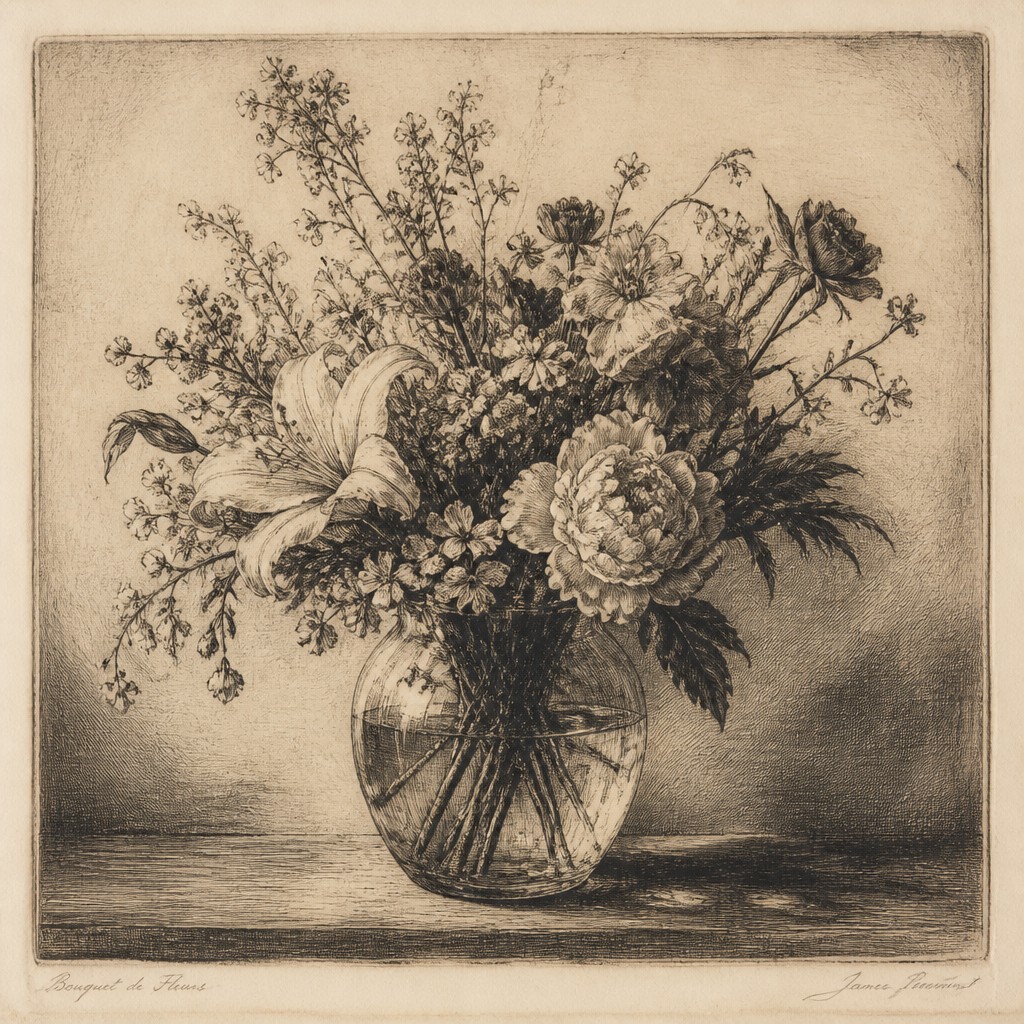
“bouquet of flowers in a glass vase”
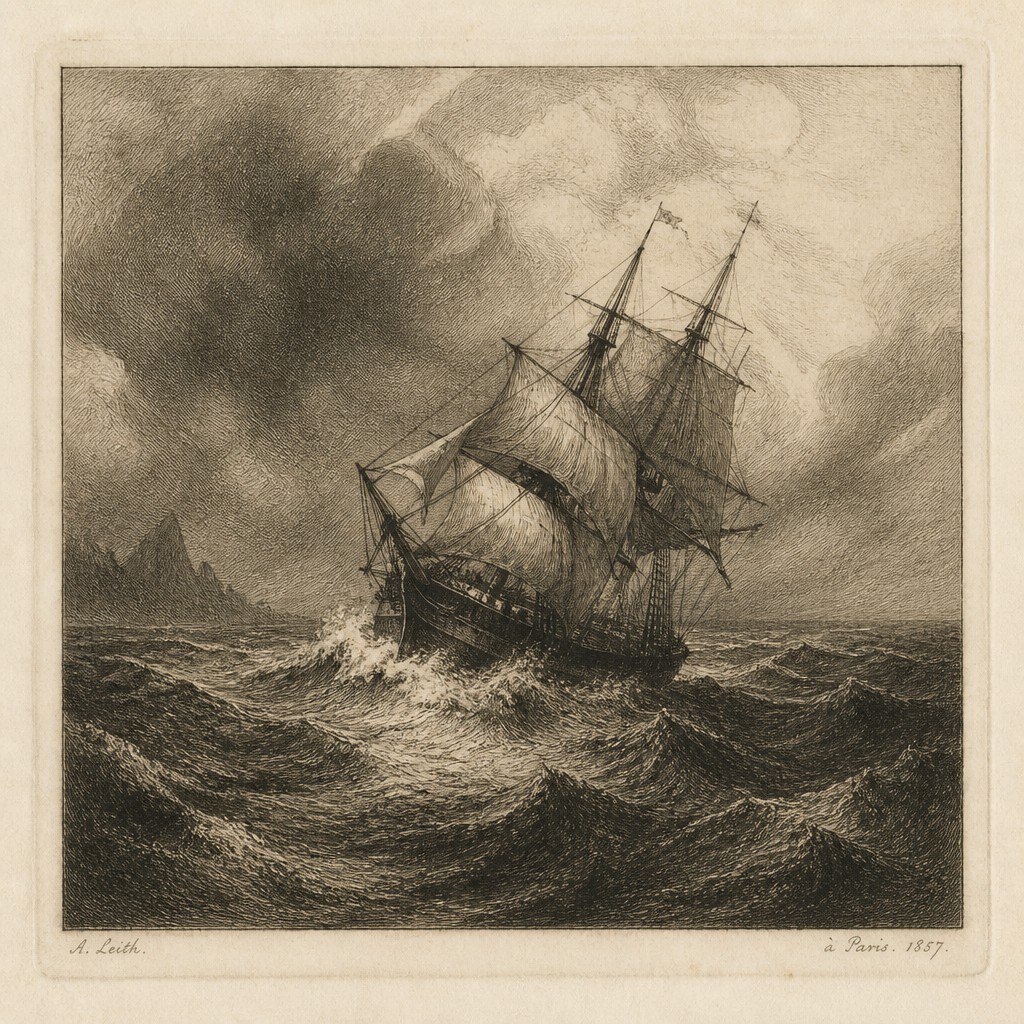
“sailing ship on a stormy sea”
How to Create Etching Print Art
Master the craft step by step — or skip straight to creating. Read the full guide →
- 1
Build the image from line families
In traditional work, draw with an etching needle through a ground on a metal plate, then use controlled acid exposure to vary line depth. Digitally, construct separate layers of contour, directional hatching, cross-hatching, and stippled texture instead of relying on a single grayscale filter.
- 2
Reserve the darkest marks
Keep highlights largely open so the paper participates in the image, and concentrate intersecting strokes in recesses, folds, foliage, and cast shadows. Excessive uniform hatching can flatten the subject and make every area equally dark.
- 3
Simulate ink and paper
Use a warm near-black rather than pure digital black, add subtle paper fibers and uneven ink density, and soften selected edges. A faint plate impression, narrow margin, or slightly irregular border can make a digital composition feel physically printed.
- 4
Choose subjects with structural detail
Architecture, expressive faces, botanical specimens, weathered objects, and layered landscapes provide useful contours and textures. Strong light from one direction helps the cross-hatching describe form clearly.
- 5
Guide prompt-based generation precisely
Specify fine free-flowing bitten lines, rich cross-hatched shadow webs, delicate tonal gradation, warm black ink, soft ivory paper, and a visible plate-mark border. Add the subject, lighting, composition, and desired level of detail while requesting a restrained monochrome palette.
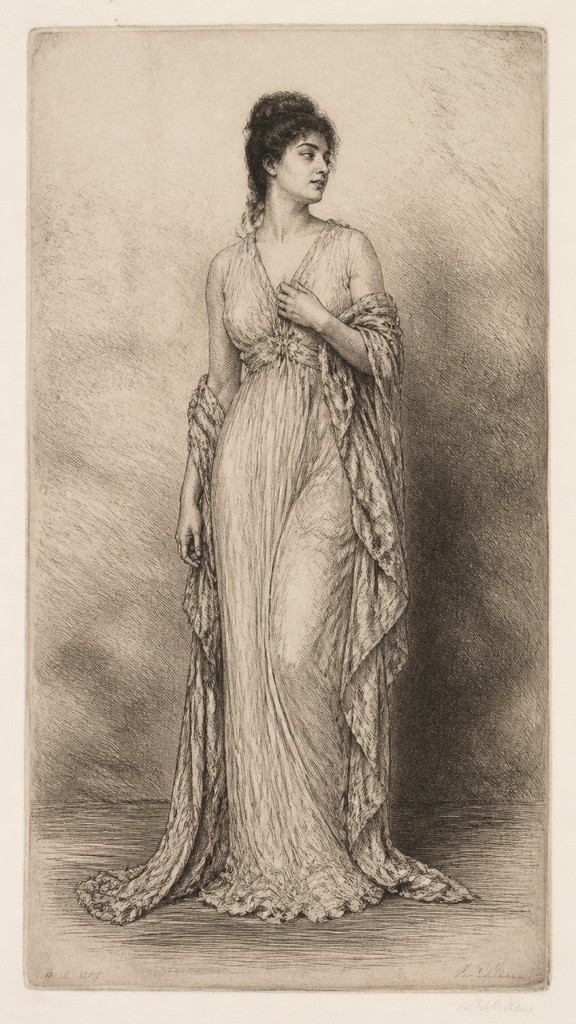
The Story
History & Origins of Etching Print
This style is not a single historical movement but a contemporary shorthand for the appearance of etched prints. Its lineage begins with intaglio printmaking in Renaissance Europe, when artists adapted techniques associated with decorating metal armor to make images on prepared copper plates. Acid-resistant grounds allowed lines to be drawn freely before acid bit the exposed metal, producing expressive marks that differed from the more mechanically controlled cuts of engraving.
Etching became central to European print culture from the sixteenth century onward and developed through old-master printmaking, book illustration, scientific imagery, and nineteenth-century print revivals. The present style selectively combines those traditions: etched contour lines, cross-hatched modeling, softly irregular ink, plate impressions, and the warm patina of archival paper.
Influences: The style draws from European intaglio printmaking, especially Renaissance and Baroque etching, old-master book illustration, nineteenth-century revival printmaking, and the related techniques of engraving, drypoint, and aquatint. It also shares visual habits with scientific illustration, architectural draughtsmanship, gothic print imagery, and archival natural-history plates, while using digital texture and controlled prompting to recombine those traditions.

Frequently Asked Questions
What defines Etching Print Style?
It is defined by fine, irregular linework; shadows made from overlapping cross-hatching; a warm monochrome palette; and the appearance of ink pressed onto ivory paper. A plate-mark border and subtle paper texture often reinforce the physical print illusion.
How is etching different from engraving?
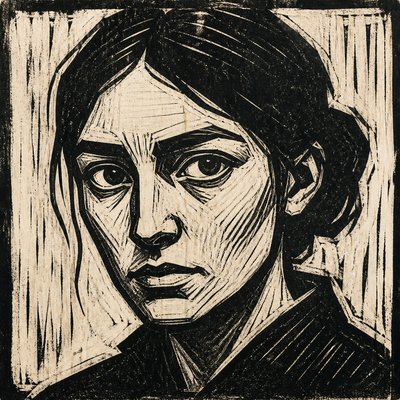
In traditional etching, acid bites lines into a prepared metal plate after the artist draws through a resistant ground. Engraving cuts directly into the plate with a burin, usually producing more controlled and sharply consistent marks. Images described as etching style may borrow from both techniques, but they generally favor freer, more expressive lines.
Does this style have to be black and white?
No, but it usually relies on a limited monochrome range. Warm black, brown-black, sepia, and faintly colored paper preserve the graphic clarity of the line while suggesting aged ink and historical print materials.
What subjects work best with this style?
Subjects with clear structure and surface detail work especially well, including portraits, old buildings, landscapes, plants, animals, scientific objects, and still lifes. Dramatic directional lighting helps the hatching communicate volume.
How can I make a digital image look convincingly etched?
Use multiple line directions, vary hatch density according to the lighting, and leave highlights open rather than converting the image into a uniform filter. Add irregular ink coverage, subtle paper fibers, and a plate impression, while avoiding overly smooth gradients and glossy digital surfaces.
Where is this visual style commonly used?
It suits editorial illustration, book and cover art, historical subjects, maps, natural-history imagery, posters, packaging, tattoos, and atmospheric portraiture. Its strong line structure also makes it effective for designs that must remain readable at small sizes.
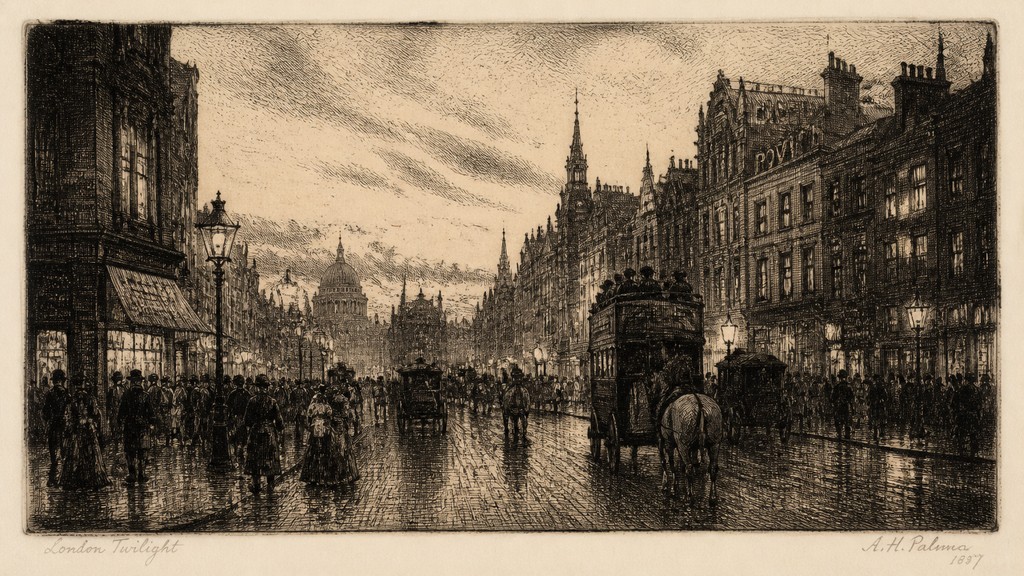
Create your first Etching Print artwork
Describe anything — or upload a photo — and see it in Etching Print Style in seconds.
Related Styles
Discover similar art styles