Edinburgh Art Style
Explore Edinburgh Art Style: moody Scottish landscapes, volcanic crags, storm-lit skies, stone architecture, tartan portraiture, and etched detail.
Instantly rendered in Edinburgh — or transform a photo
Edinburgh Gallery
Tap any artwork to explore it
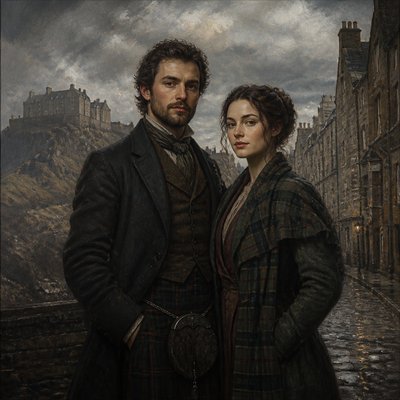
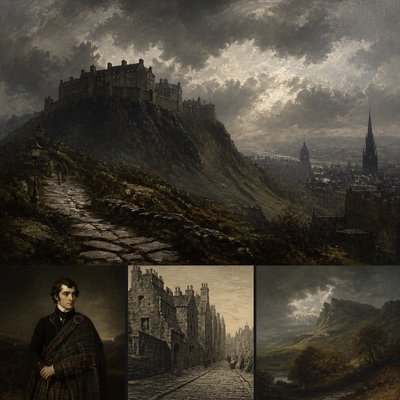
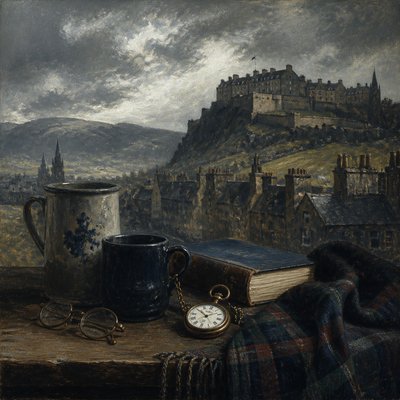
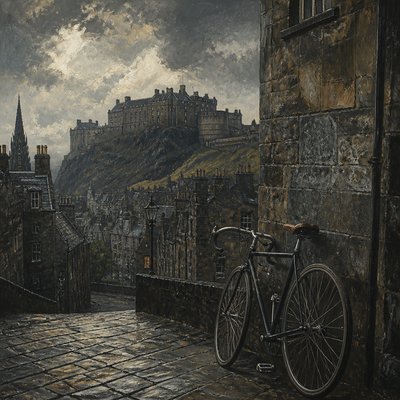
What is Edinburgh Art Style?
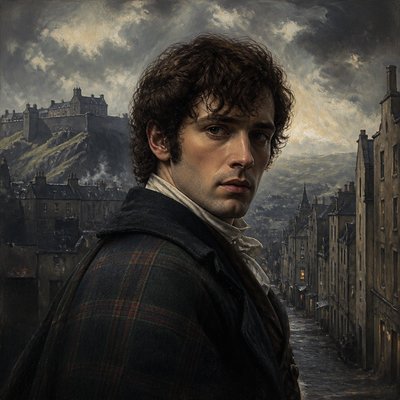
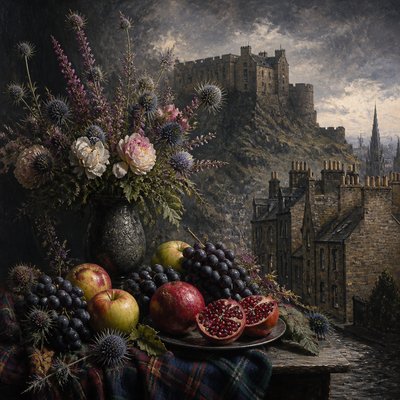
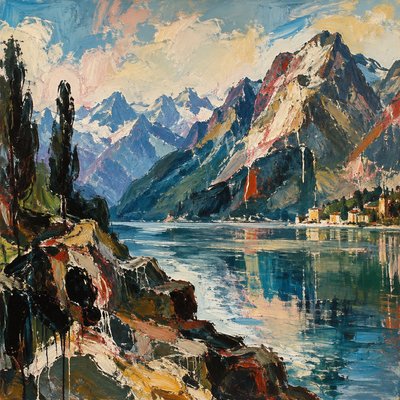
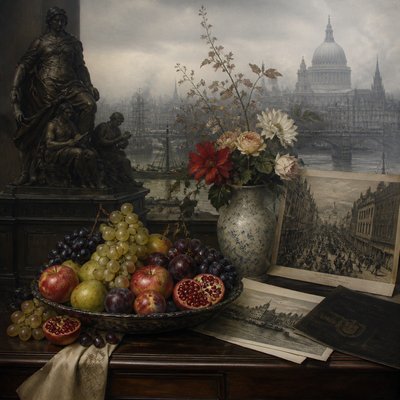
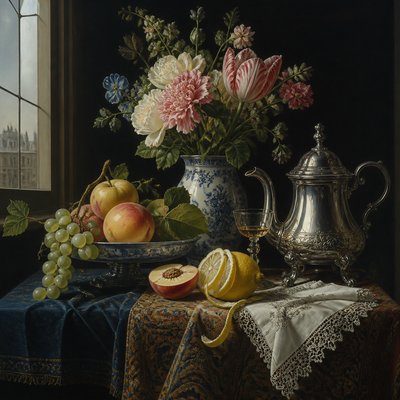
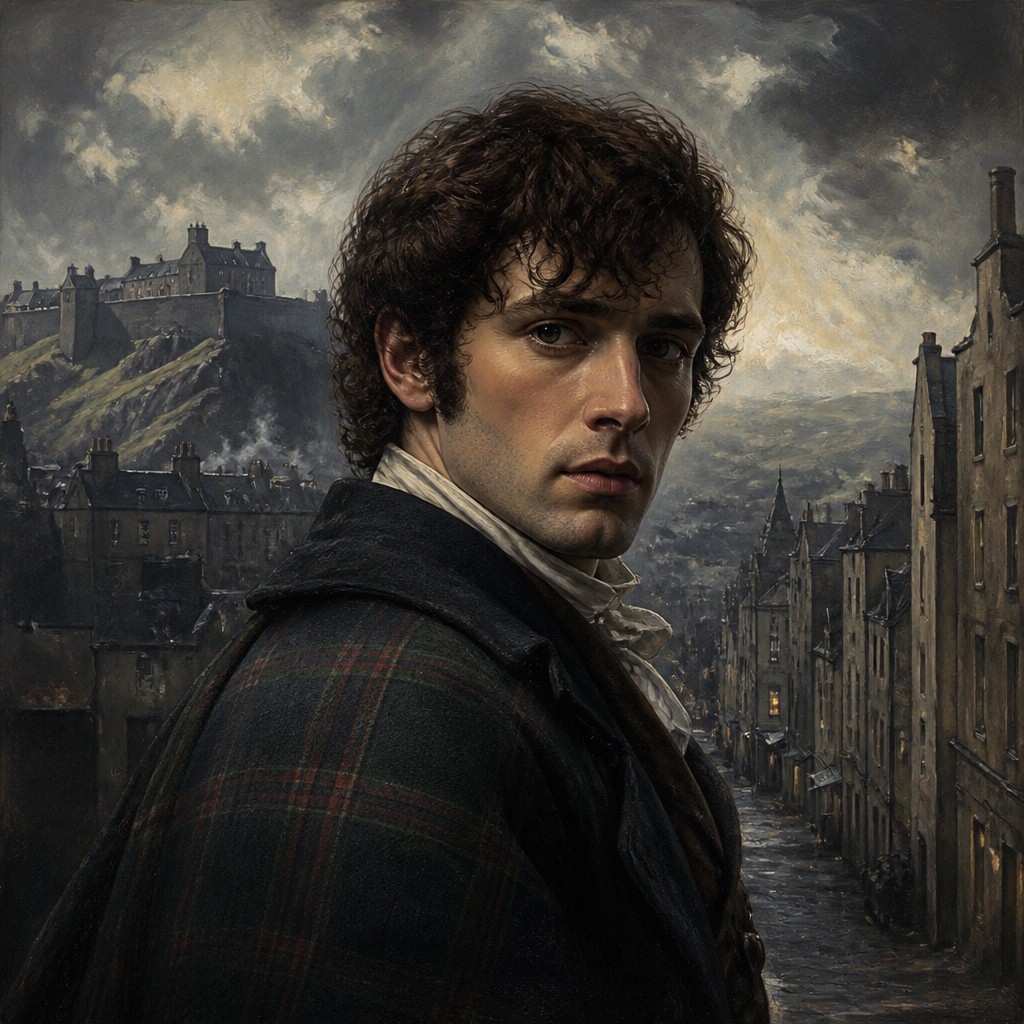
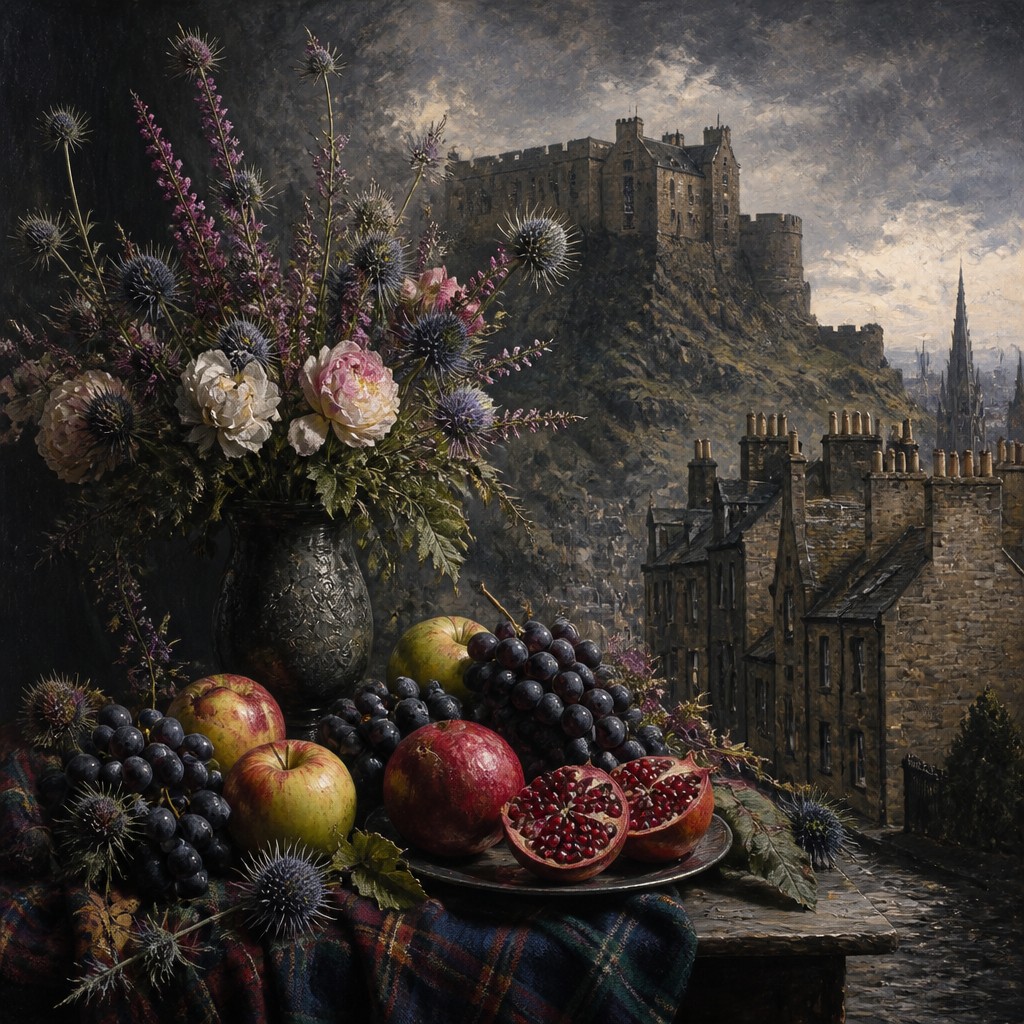
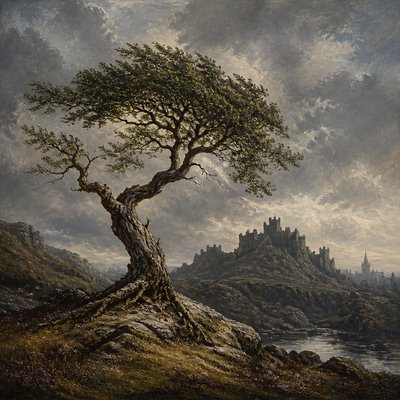
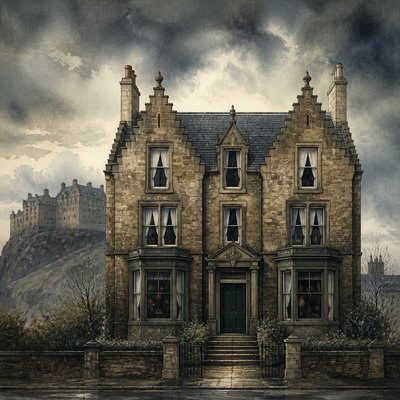
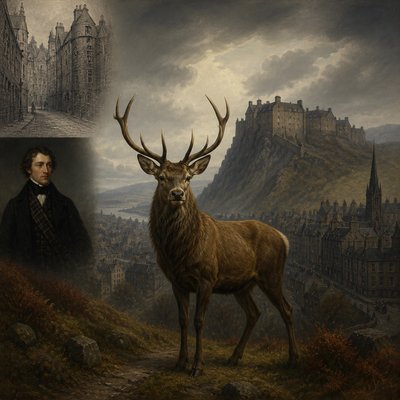
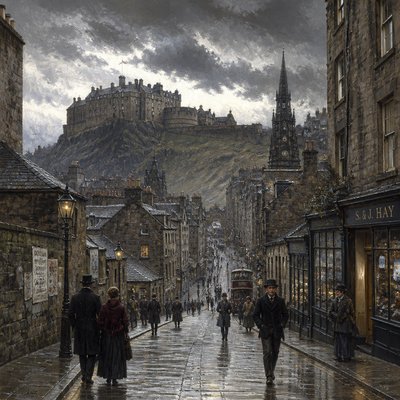
Edinburgh Art Style is a contemporary, place-based visual aesthetic rather than a formally recognized historical movement. It combines Romantic landscape drama with Scottish architectural detail, restrained portraiture, and the tactile appearance of traditional etching and oil painting. Its characteristic subjects include volcanic hills, castle silhouettes, medieval stone tenements, cobbled closes, muted tartans, and northern skies charged with rain and reflected light.
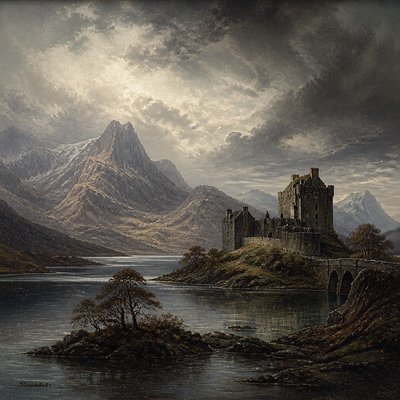
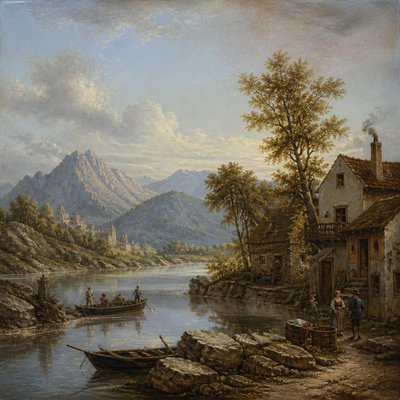
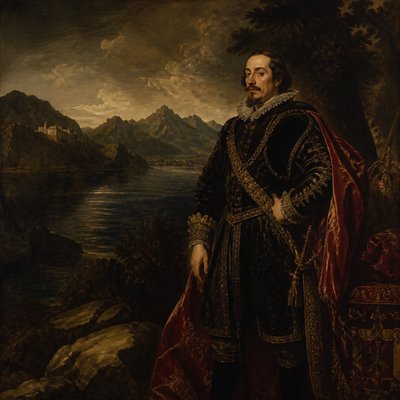
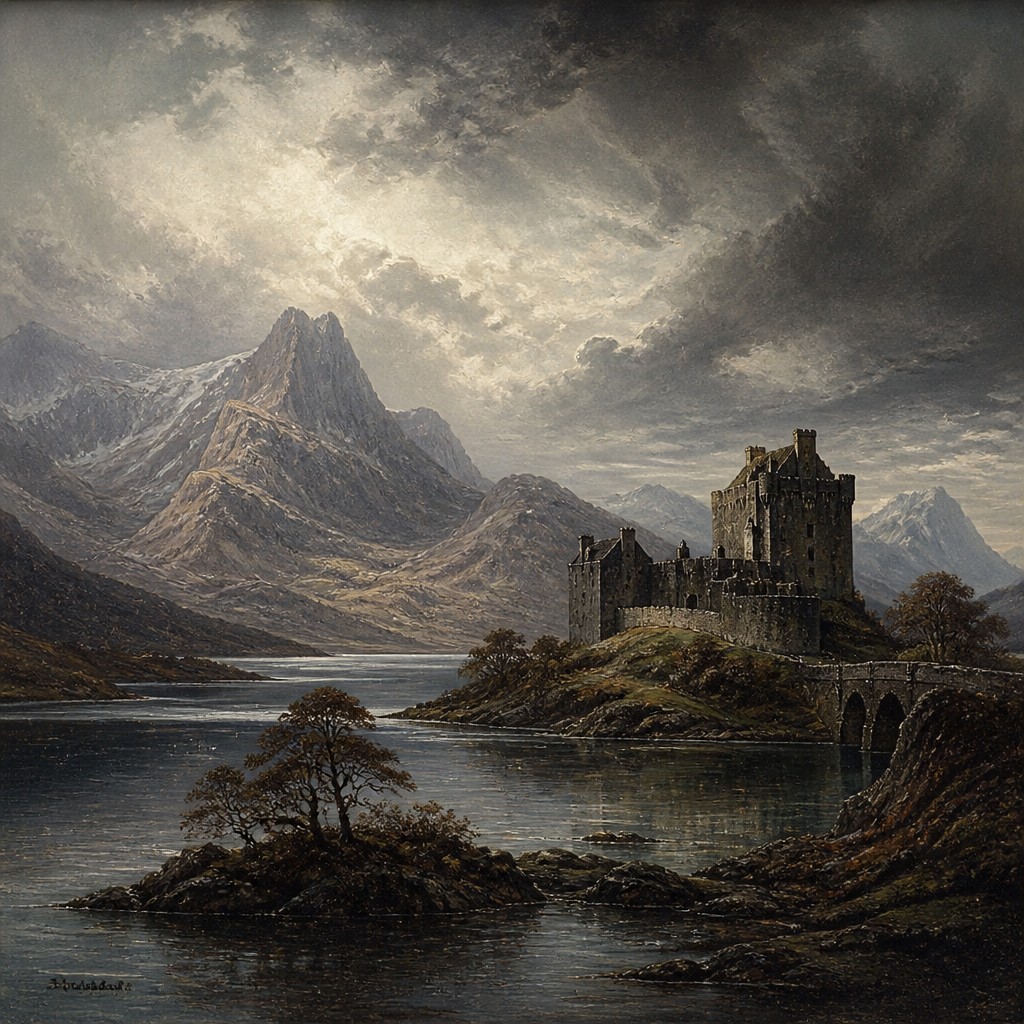
The style is defined by cool tonal harmony, controlled realism, and a strong sense of atmosphere. Dark stone, slate, weathered masonry, and charcoal-colored clouds are balanced by silver highlights and subdued earth colors. Scenes often feel historically layered: recognizable architecture and clothing are rendered with observational precision, while stormy light, compressed perspective, and monumental cloud formations introduce the emotional intensity associated with Romantic art.
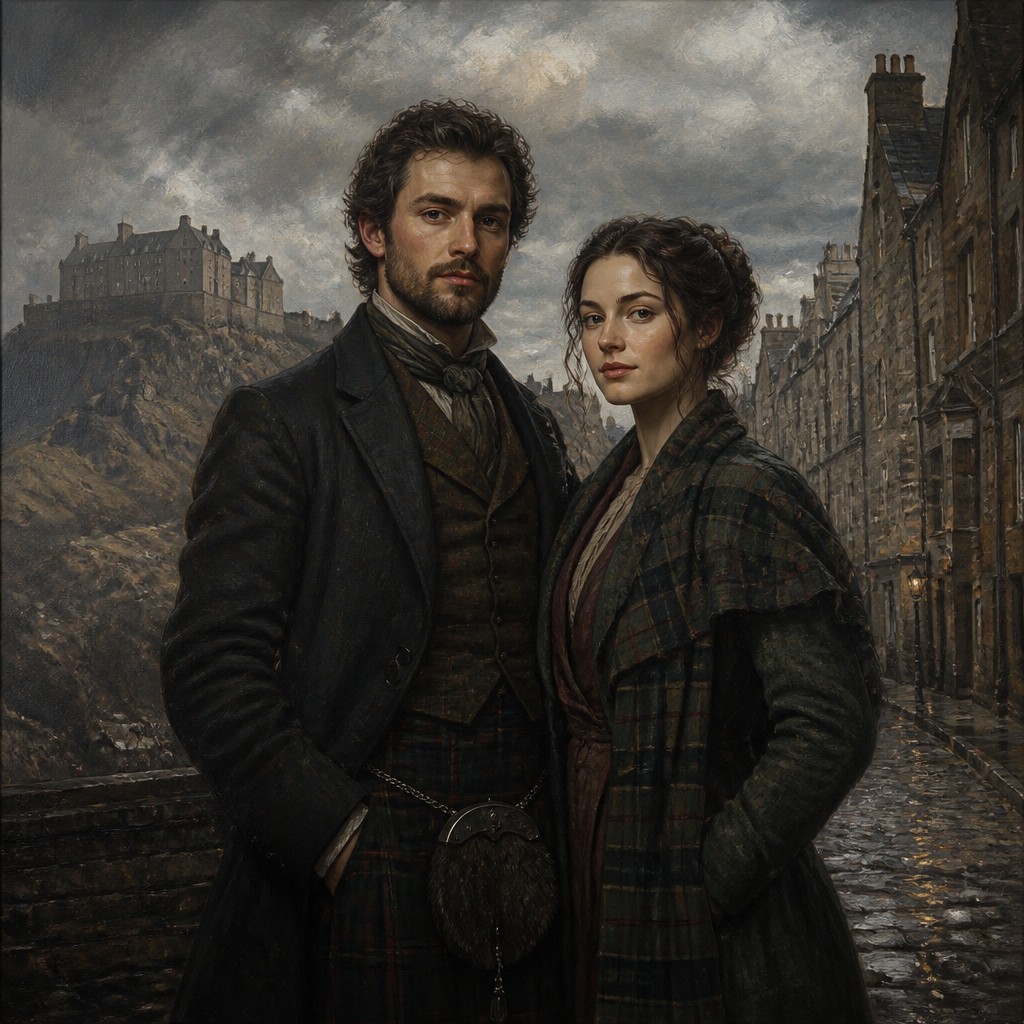
Try It On Your Photos
Upload any photo and convert it into Edinburgh Art Style — drag the sliders to compare before and after.
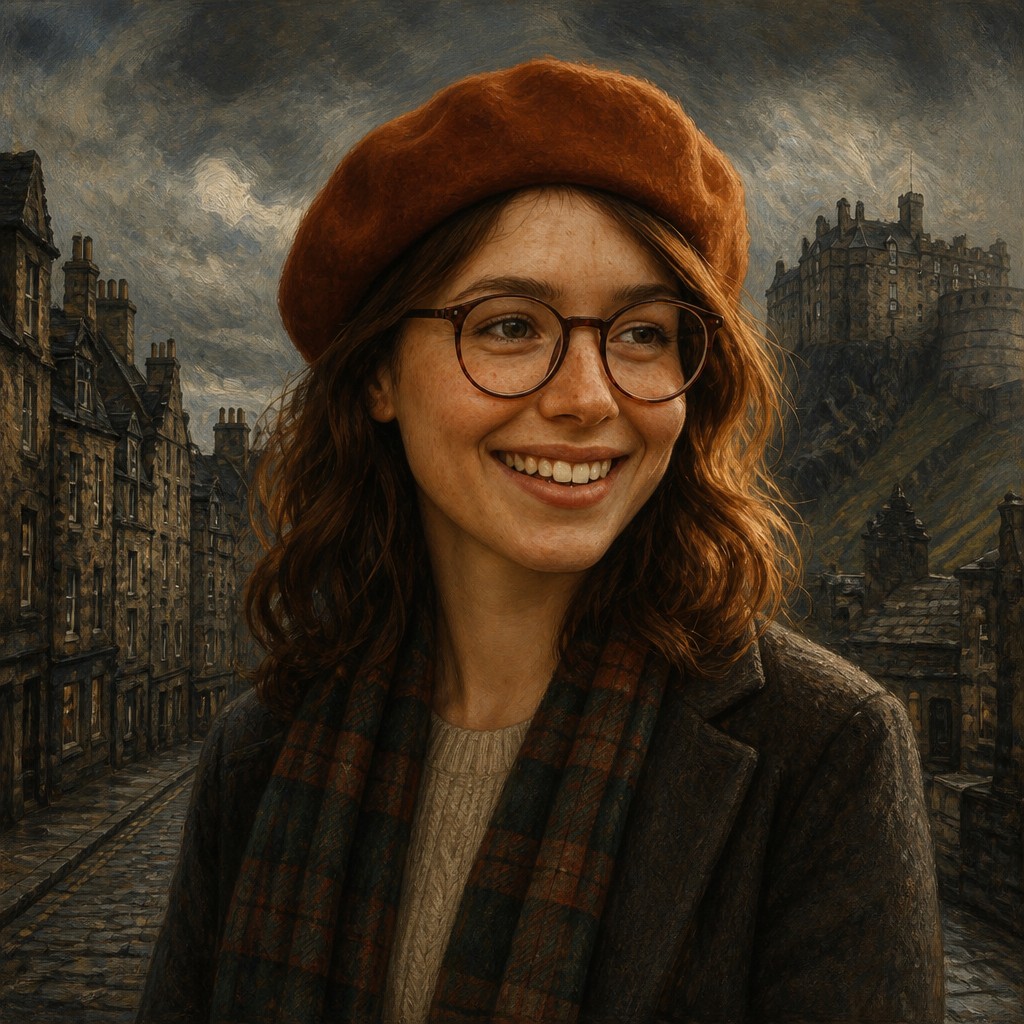

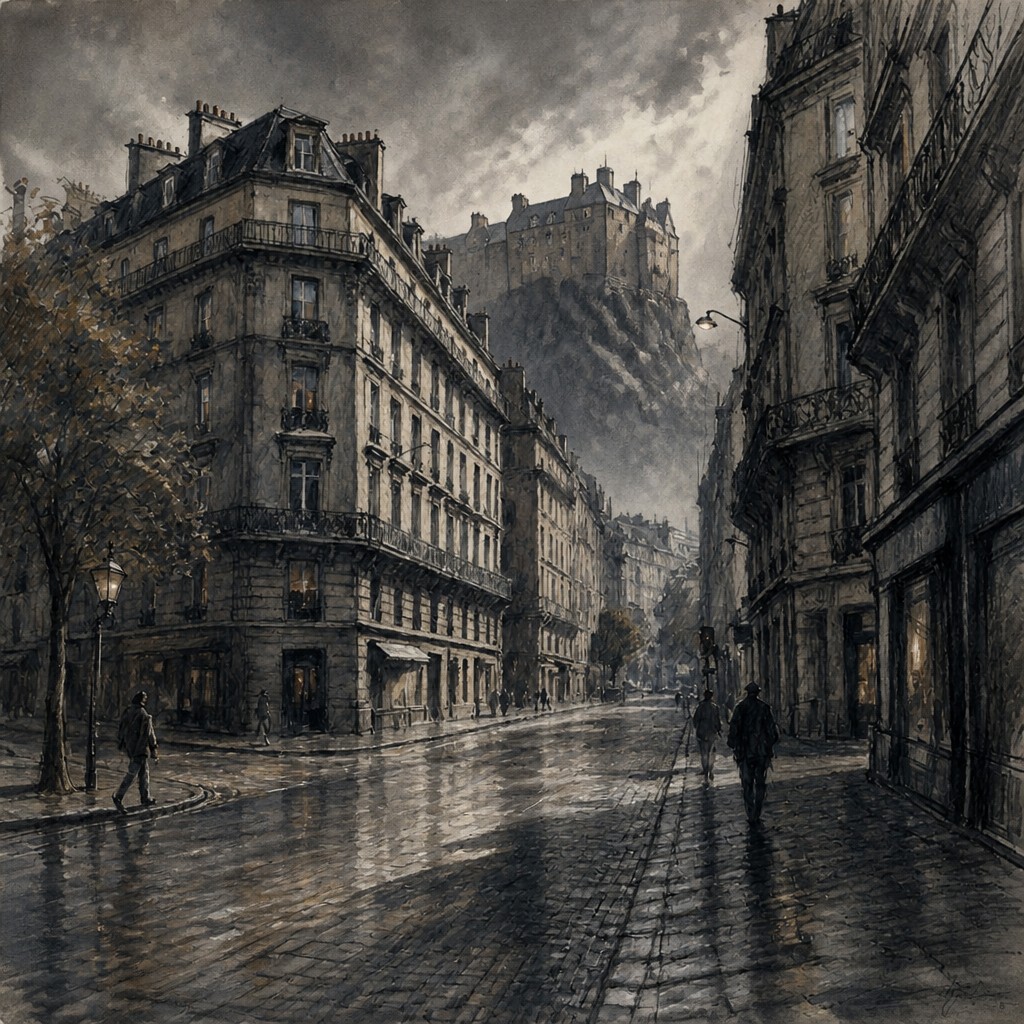

What Defines Edinburgh Art Style
The signature details, up close
Stormy silver skies
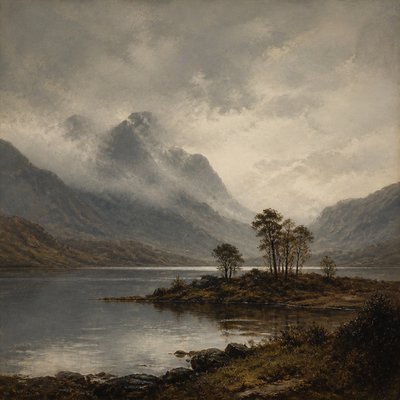
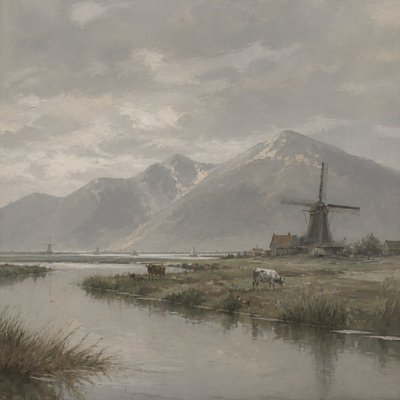
Broad cloud masses, rain-softened horizons, and cool silver illumination create a dramatic atmosphere. The sky often occupies a large portion of the composition and functions as an emotional counterweight to the dark land or architecture.
Volcanic crags and castle silhouettes
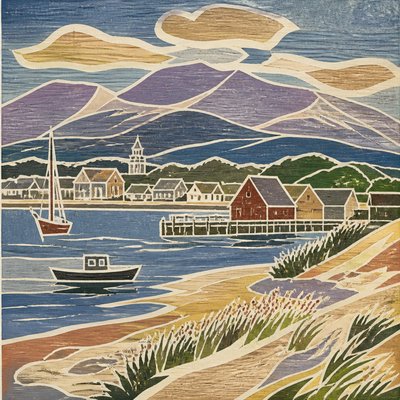
Rugged rock formations, elevated ridges, and fortress-like outlines provide strong vertical and diagonal structures. These forms are usually simplified into monumental silhouettes without losing geological texture.
Weathered stone architecture
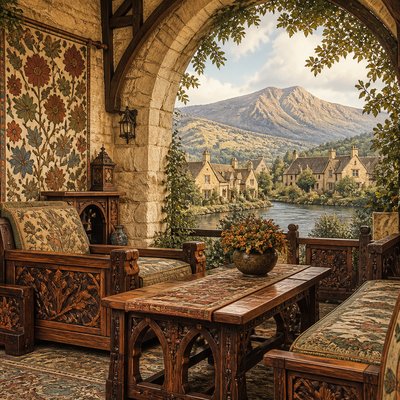
Medieval tenements, closes, bridges, walls, and castles are described through masonry joints, damp surfaces, irregular windows, and accumulated age. The architecture feels inhabited and historical rather than pristine or decorative.
Cool northern palette
Slate blue, pewter, charcoal, moss green, umber, and muted burgundy dominate the palette. Small areas of warm ochre or skin tone provide emphasis without breaking the subdued, overcast harmony.
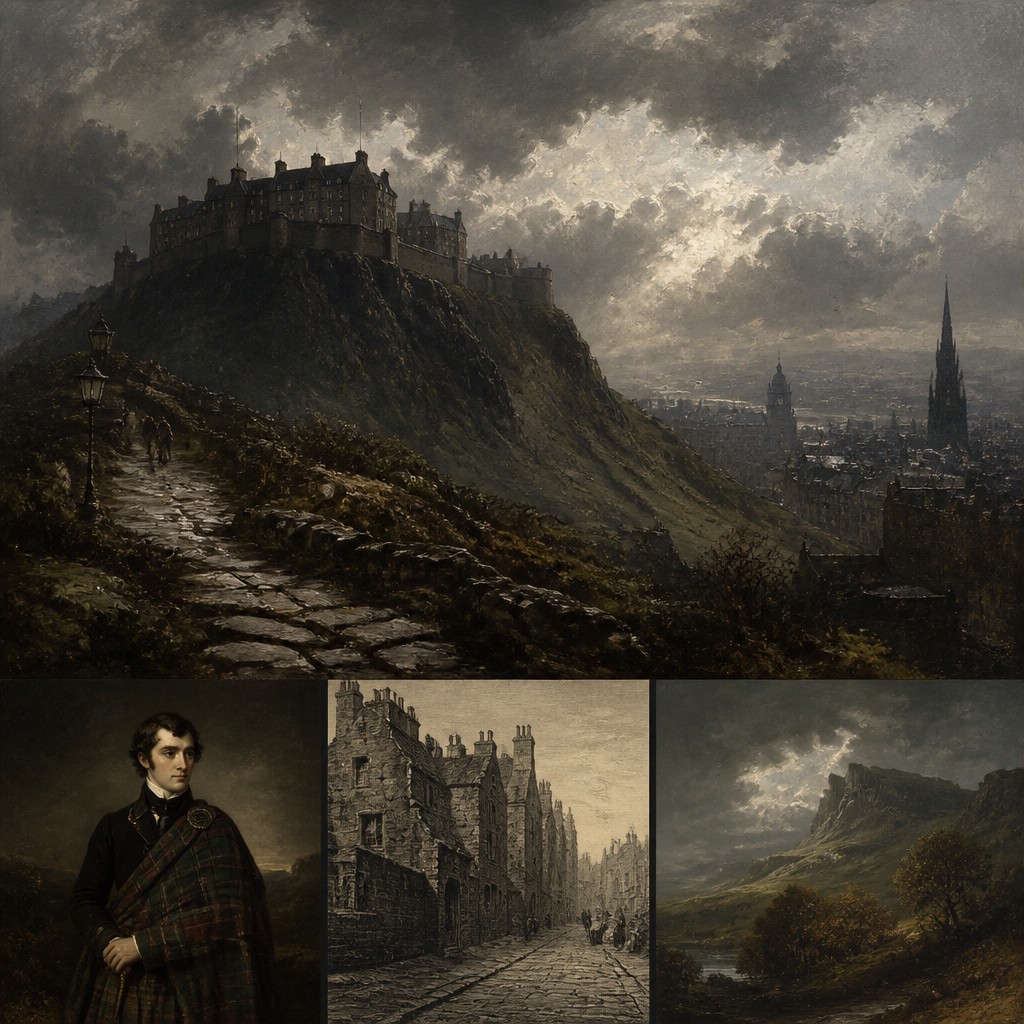
Romantic atmospheric depth
Layered haze, receding ridgelines, veiled rain, and softened distant forms create depth. Contrast is strongest in the foreground and around major silhouettes, while background details dissolve into cool air.
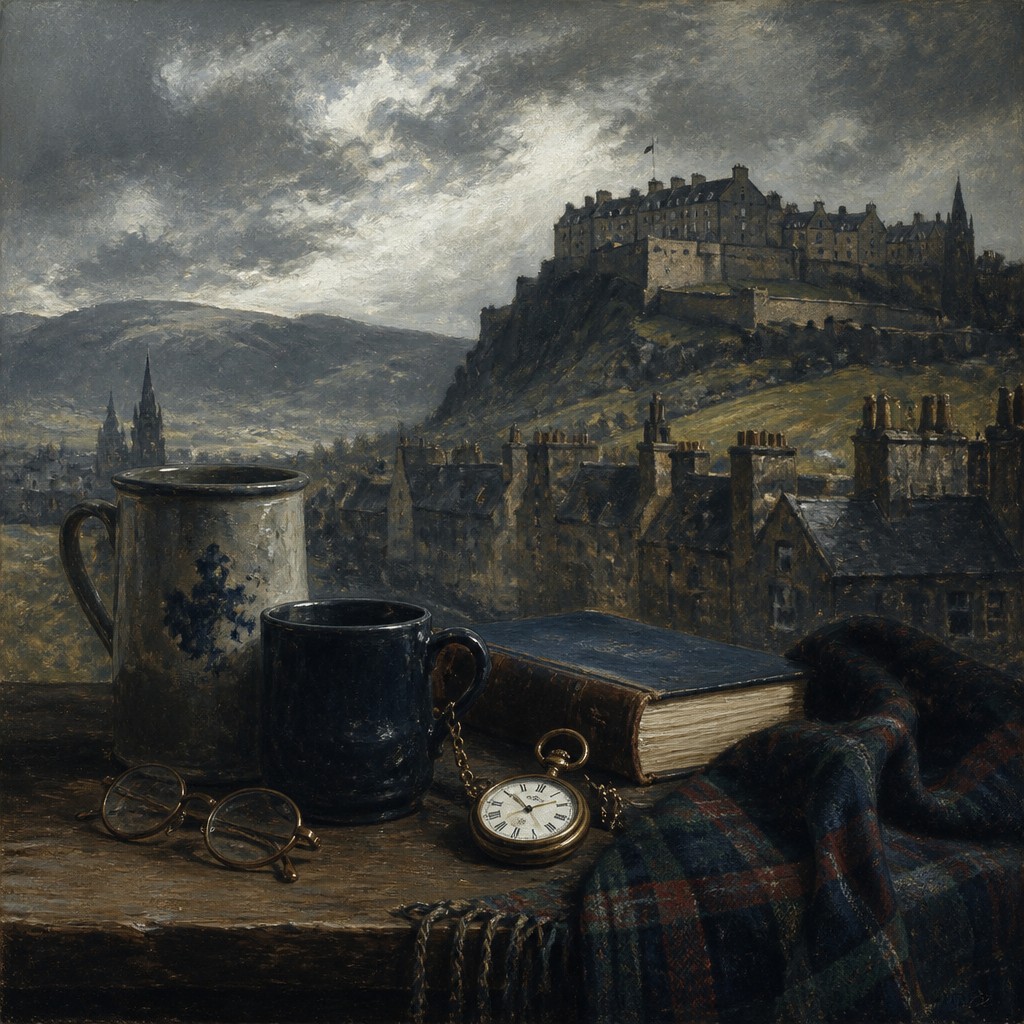
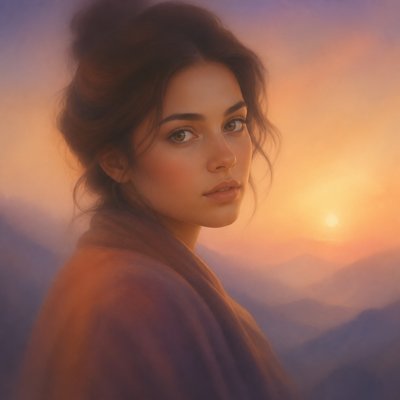
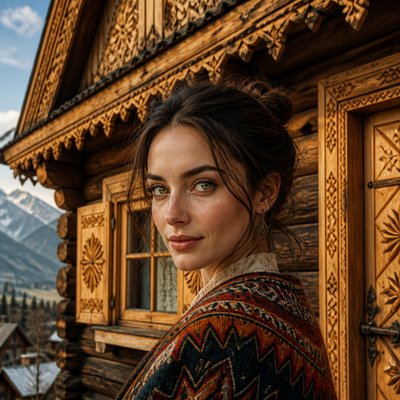
Restrained formal portraiture
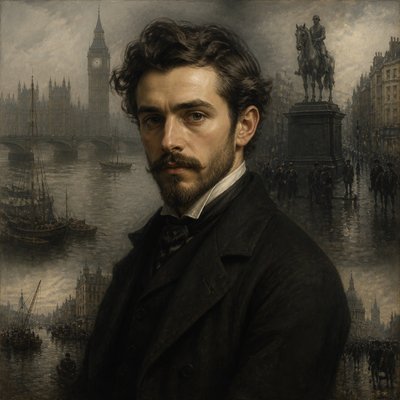
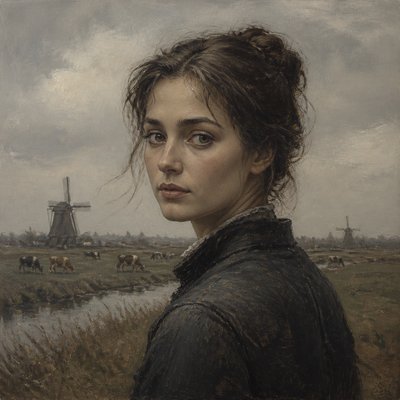
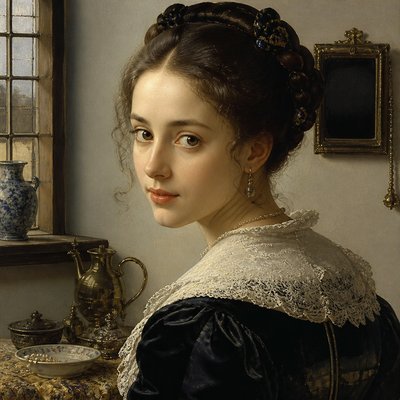
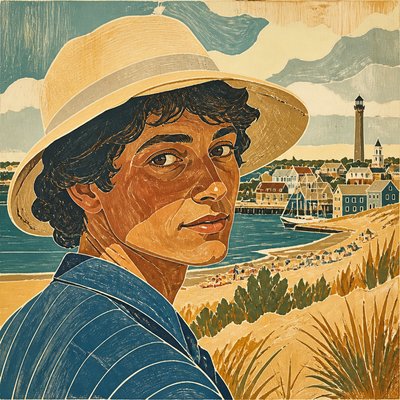
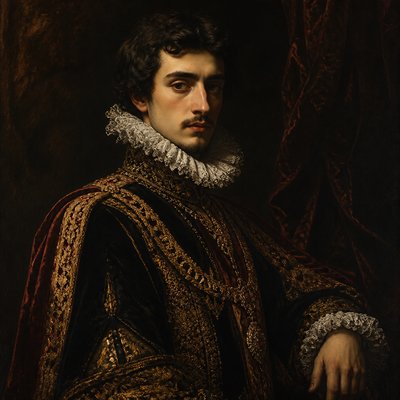
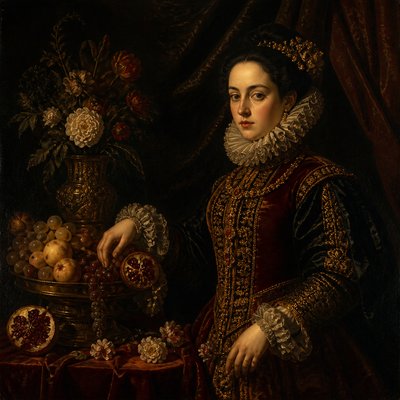
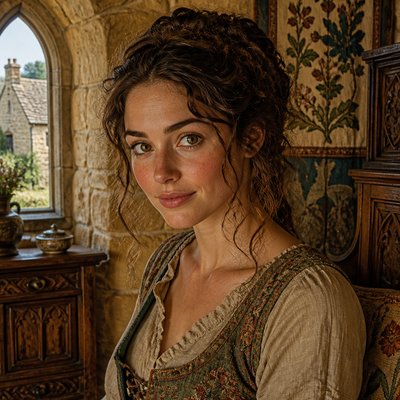
Portraits use composed poses, dark tonal backgrounds, natural facial modeling, and understated tartan or wool clothing. Expression and texture are prioritized over theatrical gesture or bright ornament.
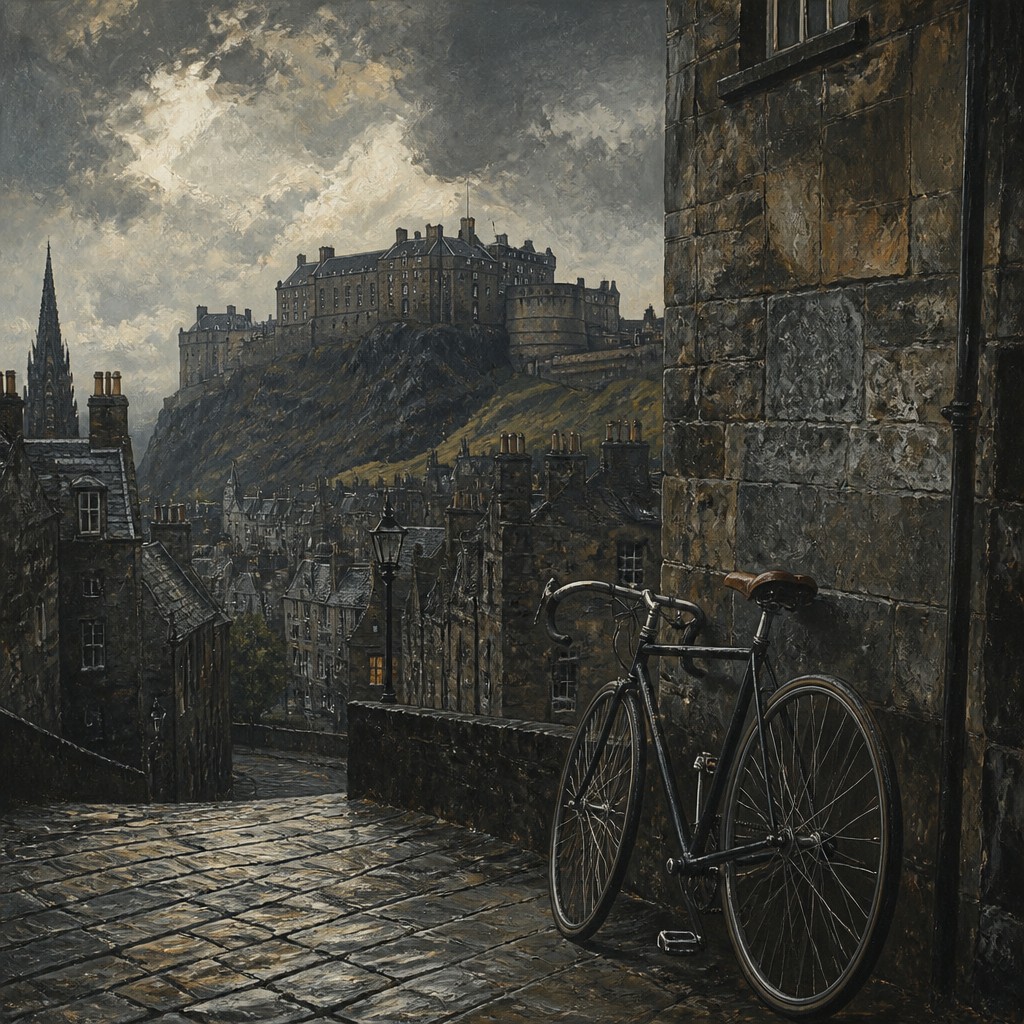
Etched and layered surface texture
Fine linear marks suggest copperplate etching, drypoint, or engraved architectural studies, while visible brush layers imply oil or digital paint. The combination gives surfaces both graphic precision and atmospheric softness.
Edinburgh Prompt Ideas
Start from an idea — each one opens the generator with the style ready to go. See all 40 Edinburgh prompts →
How to Create Edinburgh Art
Master the craft step by step — or skip straight to creating. Read the full guide →
- 1
Build a cool tonal composition
Begin with a charcoal, blue-gray, or umber underpainting and reserve the lightest values for cloud breaks, wet stone, and distant atmospheric edges. Keep saturation low, introducing warmer colors only as selective accents.
- 2
Organize the landscape in layers
Separate the image into a sharply described foreground, a middle ground of masonry or vegetation, and distant forms softened by mist. Use overlapping ridges, diminishing contrast, and cooler color to create convincing northern air.
- 3
Describe stone with varied marks
Combine irregular block contours, thin crevice lines, broken dry-brush passages, and damp reflective patches rather than repeating uniform texture. In traditional media, etching, graphite, ink wash, and oil glazing are especially suitable.
- 4
Control the drama of the sky
Use large directional cloud shapes and a clear break in the weather to guide the eye toward a crag, tower, or figure. Avoid evenly distributed detail; the strongest contrast should support the main subject.
- 5
Use restrained portrait styling
For figures, choose a formal pose, matte wool or muted tartan, a dark background, and soft side lighting. Model the face carefully while allowing clothing and surroundings to remain quieter and more tonal.
- 6
Write precise digital prompts
Specify the subject, Scottish stone architecture or volcanic terrain, stormy silver light, cool muted colors, etched linework, layered brushwork, and atmospheric depth. Add composition and material instructions such as 'low viewpoint,' 'wet masonry,' or 'limited palette' rather than relying on a style label alone.
The Story
History & Origins of Edinburgh
Edinburgh Art Style should be understood as an invented or niche contemporary label, not as a documented school with a fixed origin or membership. Its aesthetic lineage draws on the Romantic landscape tradition that developed across Europe in the late eighteenth and nineteenth centuries, particularly its fascination with sublime weather, rugged terrain, ruins, and emotionally charged natural light.
It also draws from Scottish topographical painting, Victorian and Gothic Revival architectural imagery, formal northern European portraiture, and the detailed linework of nineteenth-century etching. Contemporary digital image-making brings these influences together into a unified visual language focused on Edinburgh’s stone urban fabric, Highland-like crags, muted clothing, and cinematic weather.
Influences: The style is related to European Romanticism, especially its treatment of the sublime landscape and emotionally charged weather, as well as Scottish topographical art and the visual culture of Gothic Revival architecture. Its linear detail recalls historical etching and engraved architectural illustration, while its tonal restraint connects it to northern European realism and traditional formal portraiture. Contemporary cinematic matte painting and digital atmospheric rendering contribute the broad skies, controlled silhouettes, and layered depth often associated with the style.
Frequently Asked Questions
What defines the Edinburgh Art Style?
It combines dramatic Romantic landscapes with cool northern light, rugged crags, dark stone architecture, restrained portraiture, and etched surface detail. The defining mood is atmospheric and historically grounded rather than brightly decorative.
Is Edinburgh Art Style a real historical art movement?
No. It is best treated as a contemporary or AI-era descriptive label for a blended aesthetic, not as a formally documented movement with a fixed period or artist group. Its foundations come from Romantic landscape art, Scottish architectural imagery, etching, and northern realism.
How is it different from generic Scottish landscape painting?
Generic Scottish landscape painting can include bright rural scenery, decorative color, or pastoral subjects. Edinburgh Art Style places greater emphasis on storm systems, volcanic or fortress-like silhouettes, dense urban stonework, cool tonal restraint, and the dramatic atmosphere of historic northern environments.
What media work well for this style?
Oil paint, graphite, charcoal, ink wash, drypoint-like linework, and layered digital painting all suit the aesthetic. A mixed approach is effective because etched marks can describe masonry while translucent paint or digital layers create mist, rain, and cloud depth.
How can I create an image in this style with a text prompt?
Name a specific subject first, then describe the setting, weather, palette, lighting, surface treatment, and composition. Useful terms include stormy silver sky, weathered volcanic stone, muted tartan, etched architectural detail, cool northern light, and layered atmospheric brushwork.
Where is this aesthetic commonly used?
It is well suited to landscape studies, historical fiction imagery, travel and heritage illustration, atmospheric editorial art, book covers, game environments, portraits, and architectural visualization. It can also transform contemporary scenes by giving them a weathered, romantic, regionally specific character.
Create your first Edinburgh artwork
Describe anything — or upload a photo — and see it in Edinburgh Art Style in seconds.
Related Styles
Discover similar art styles