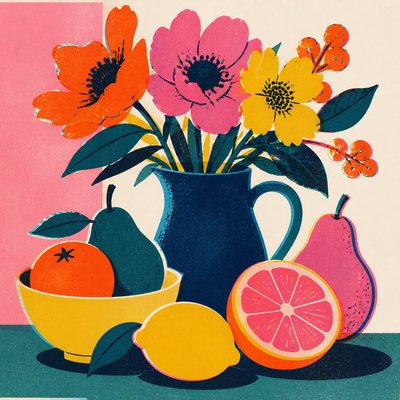
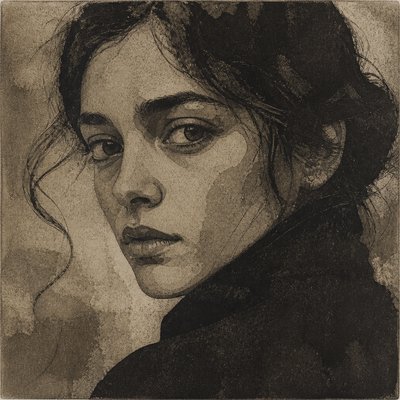
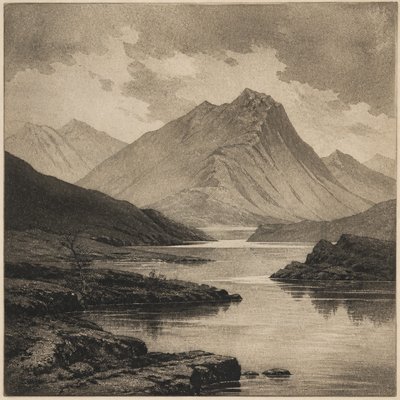
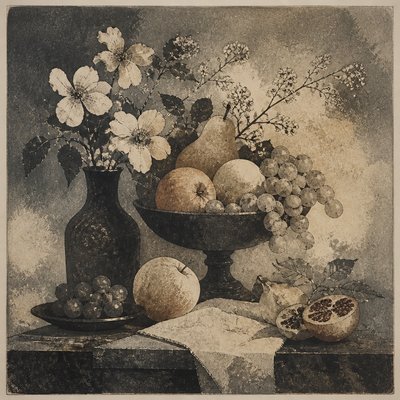
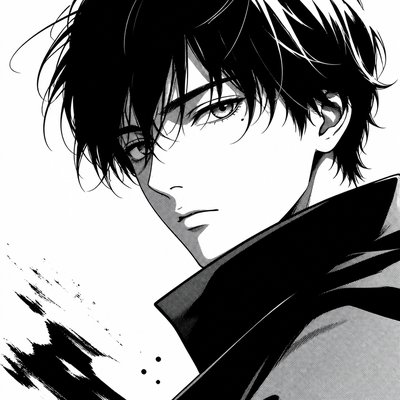
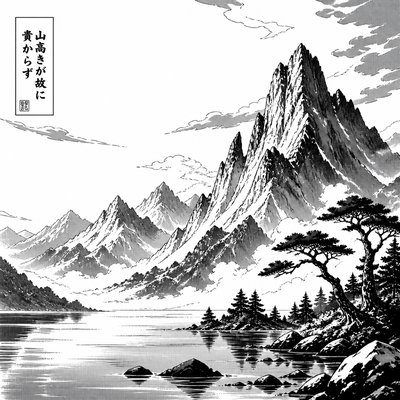
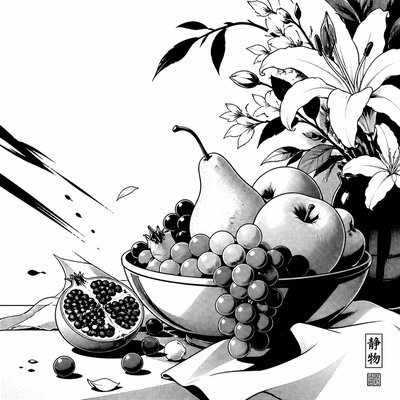
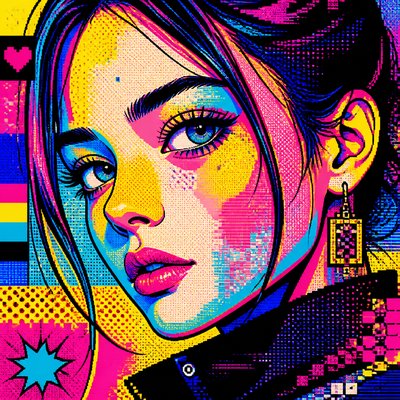
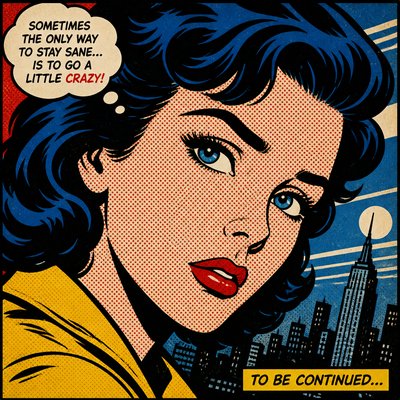
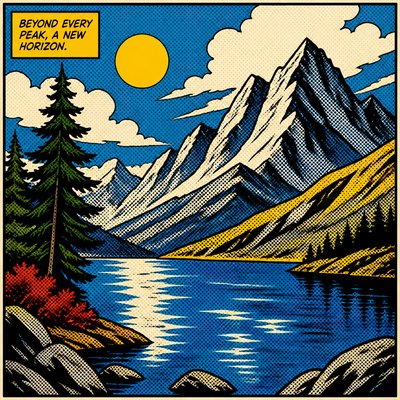
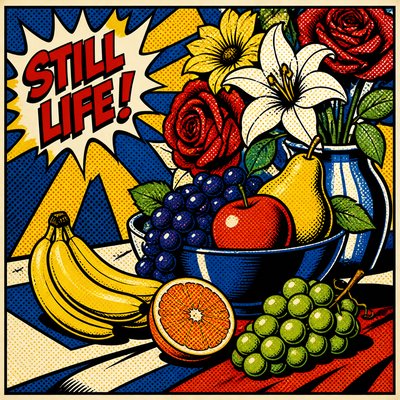
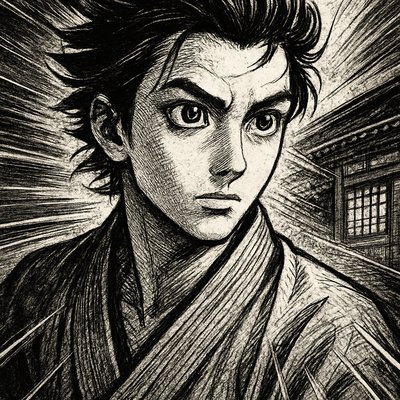
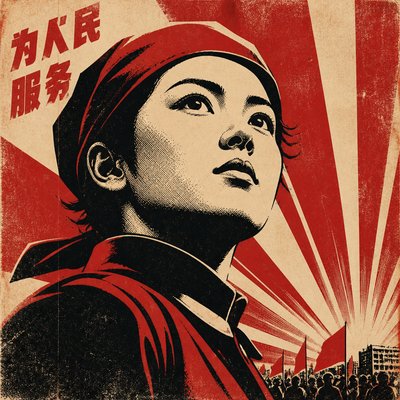
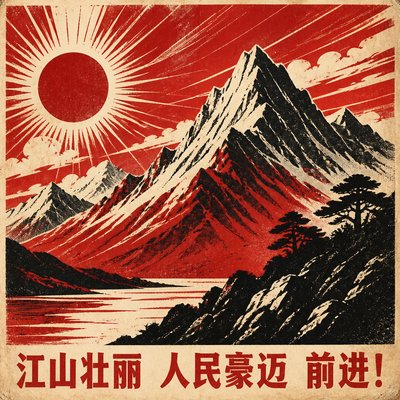
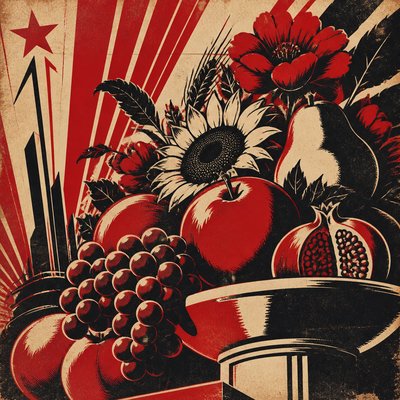
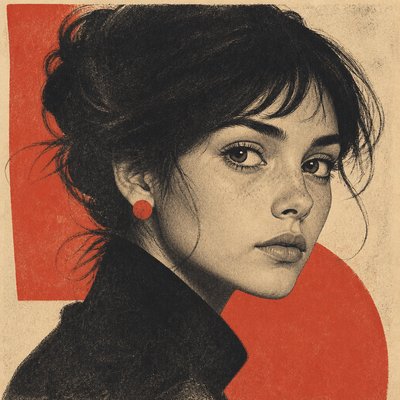
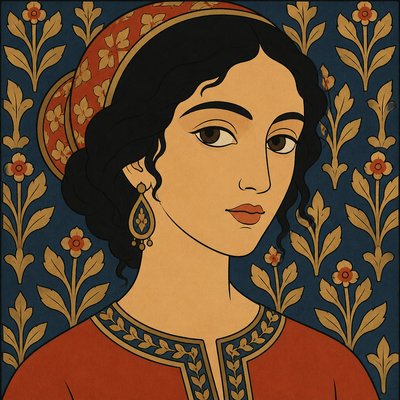
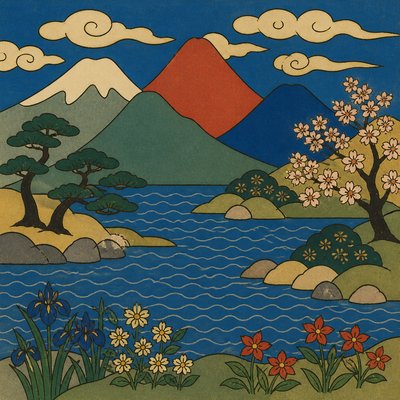
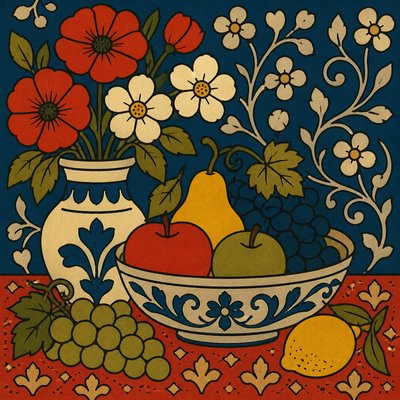
Monotype Print Style
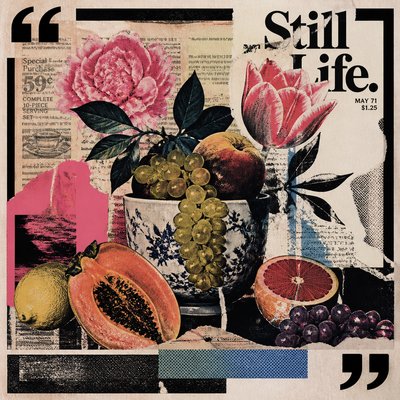
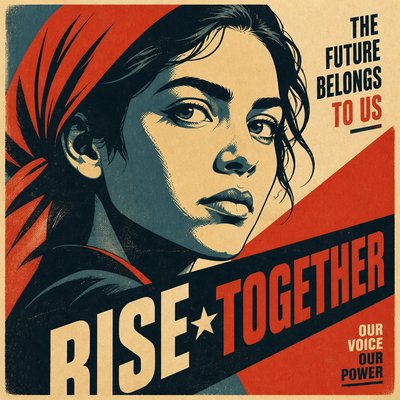
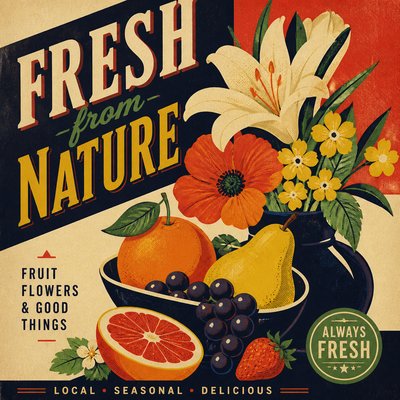
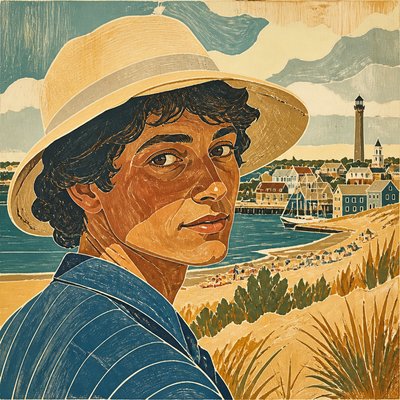
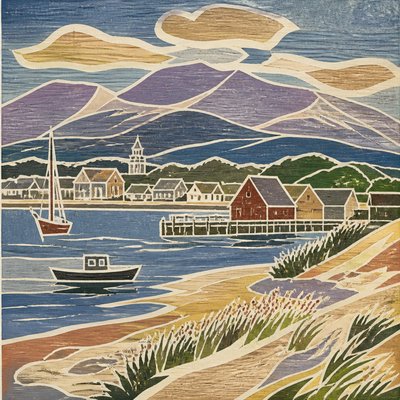
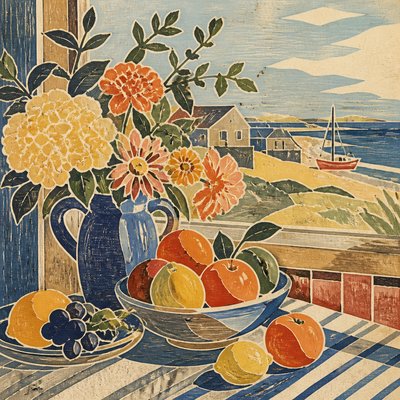
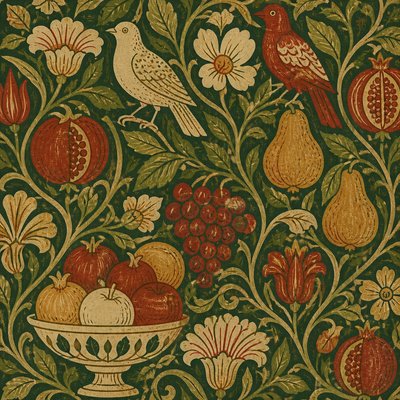
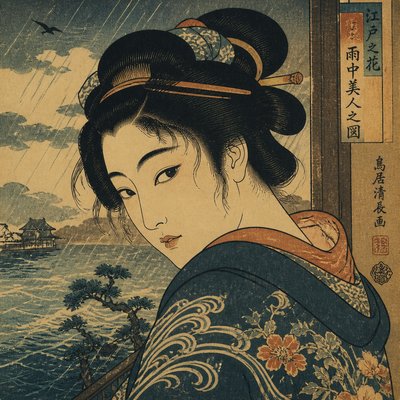
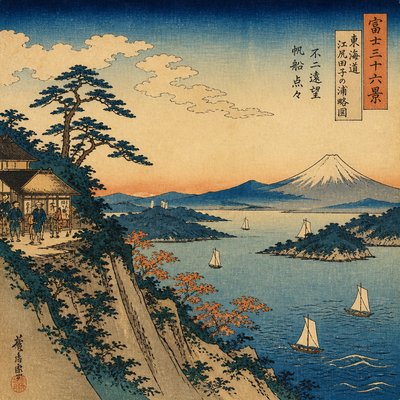
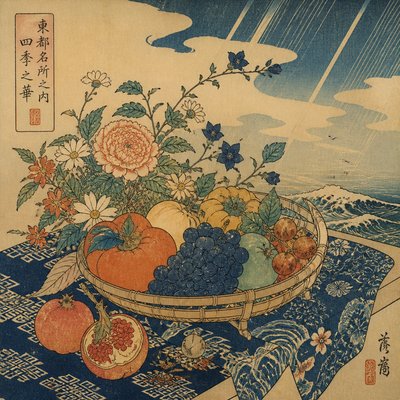
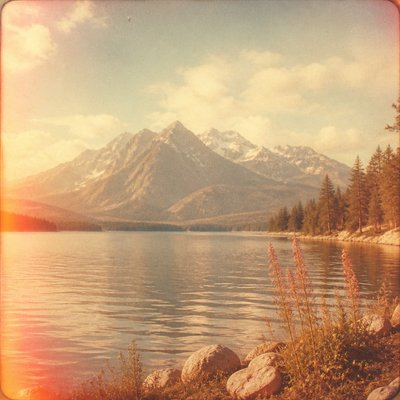
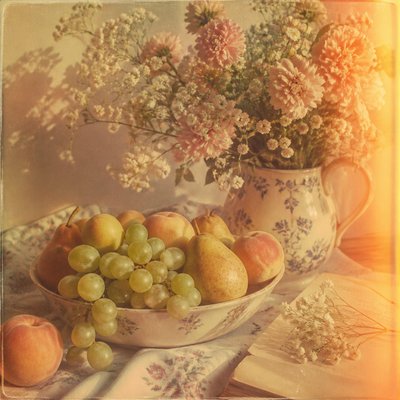
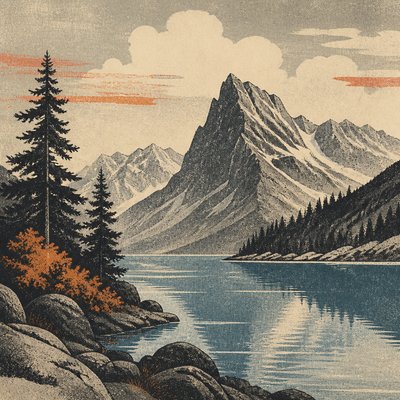
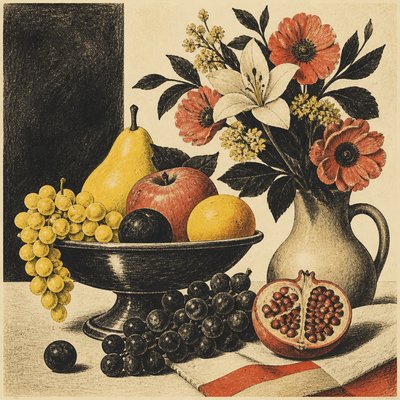
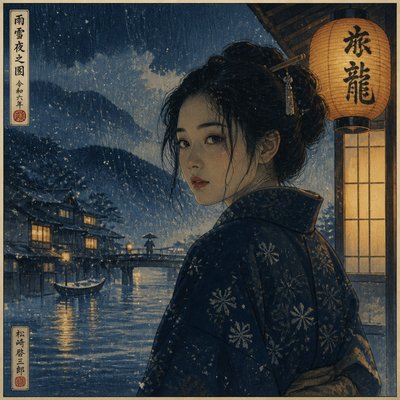
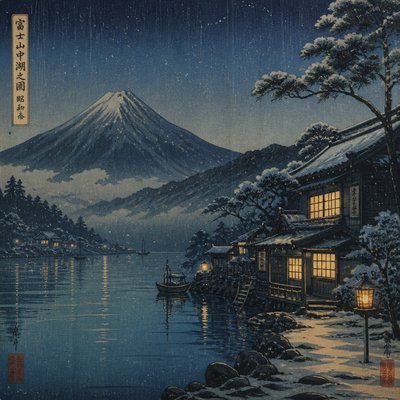
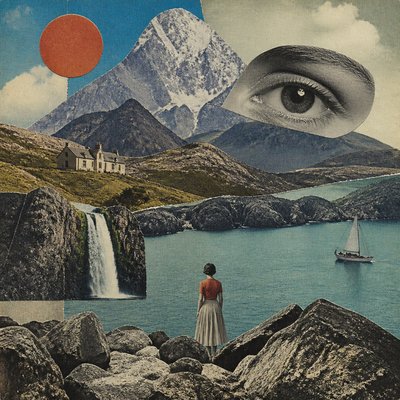
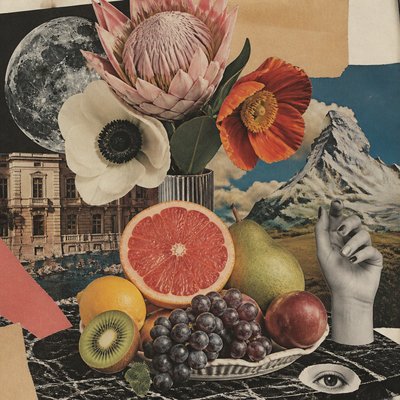
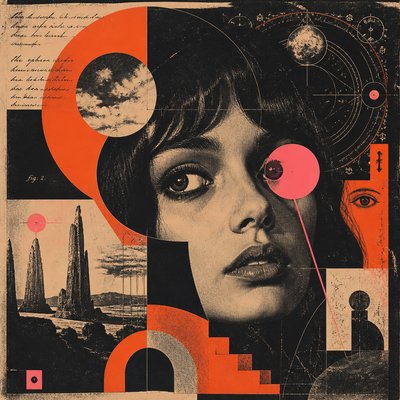
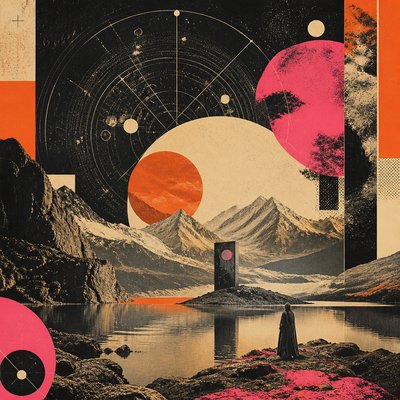
Explore monotype print style: one-off painterly impressions, soft ink textures, ghosted marks, lifted highlights, and atmospheric edges.
Instantly rendered in Monotype Print — or transform a photo
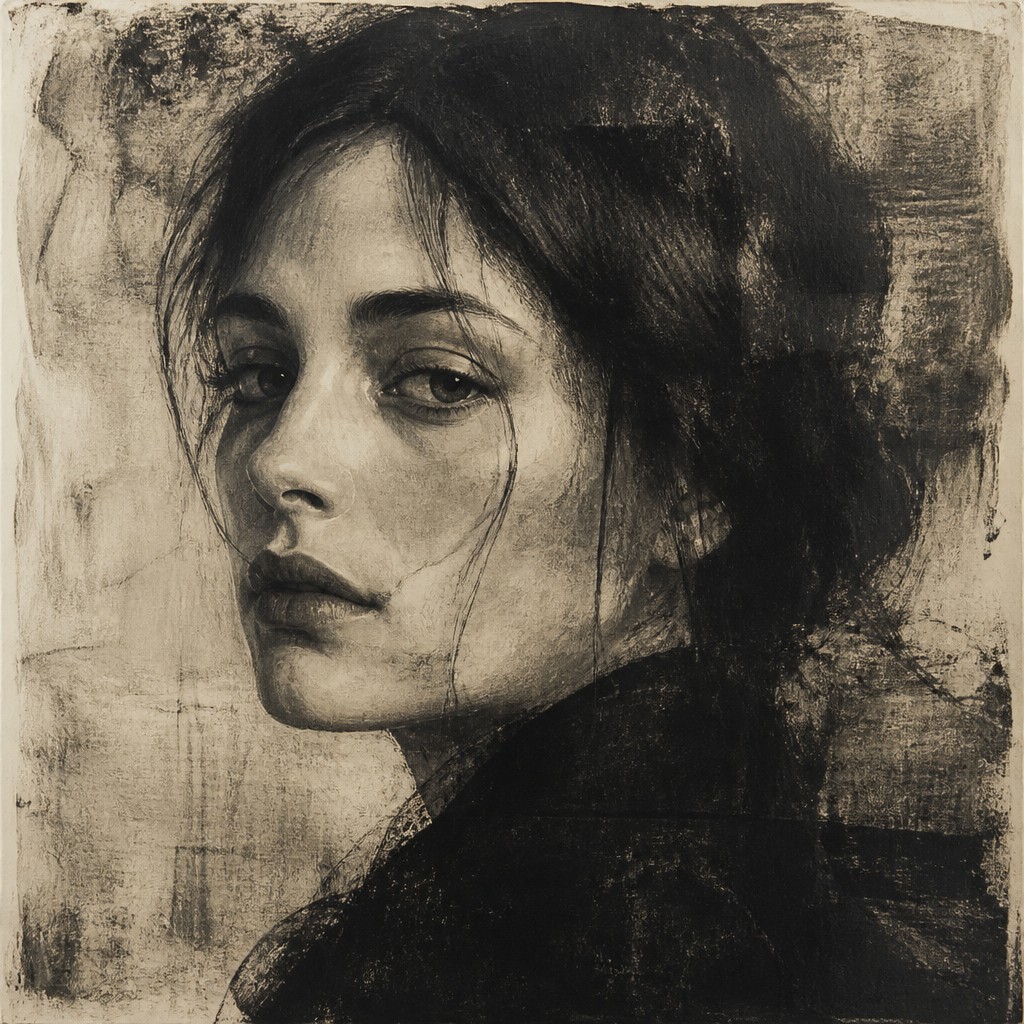
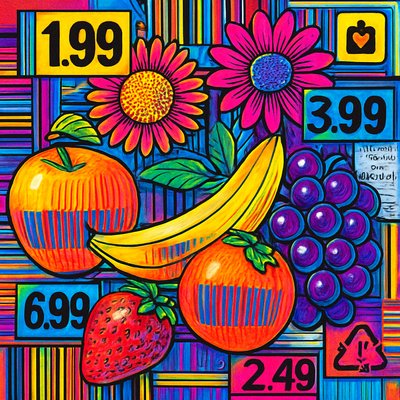
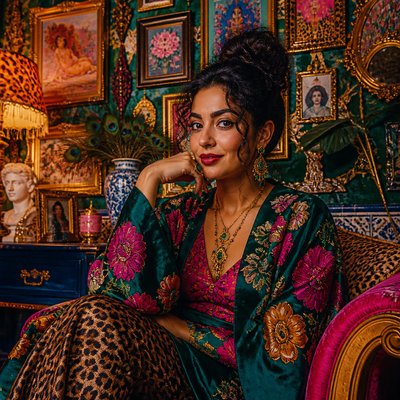
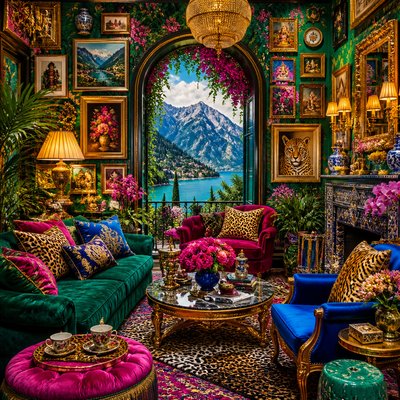
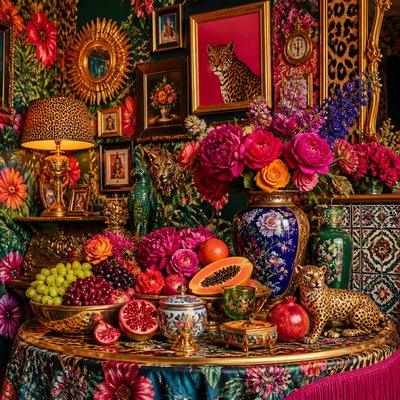
Monotype Print Gallery
Tap any artwork to explore it
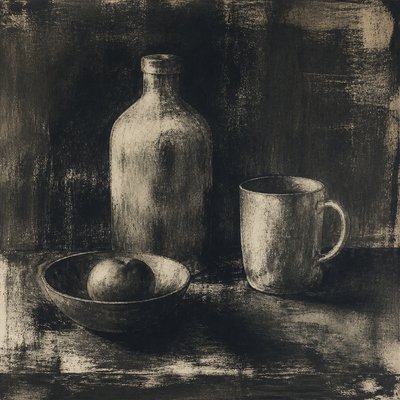
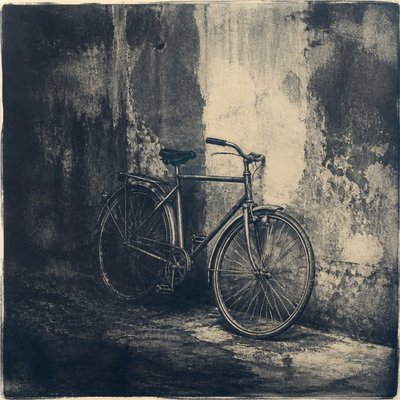
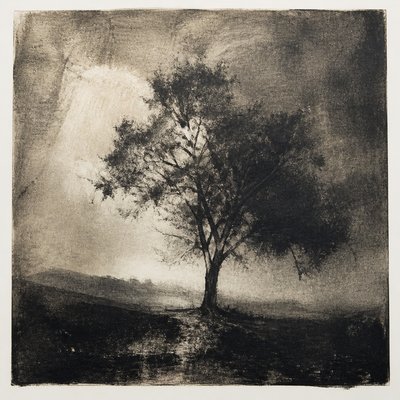
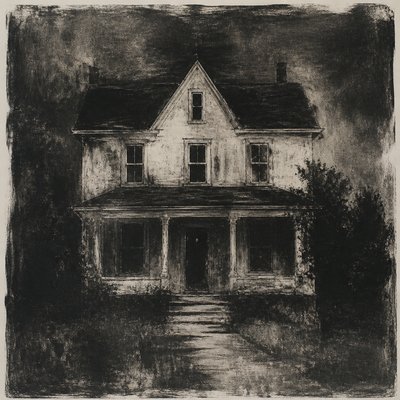
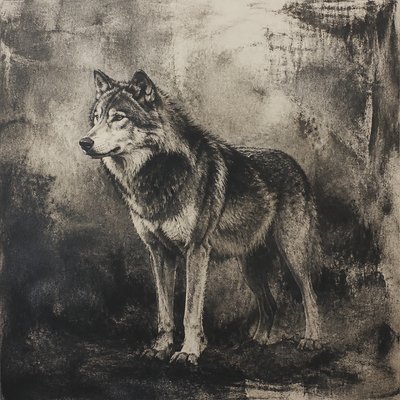
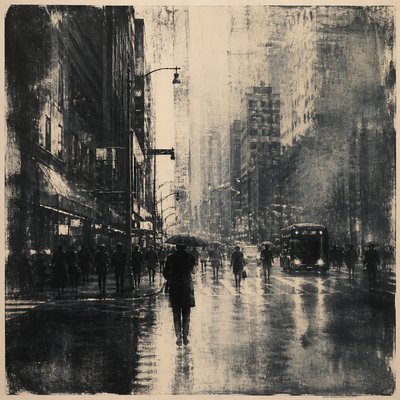
What is Monotype Print Style?
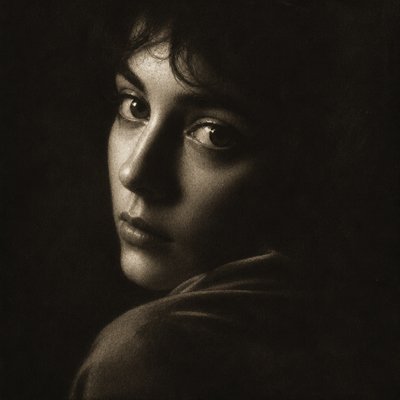
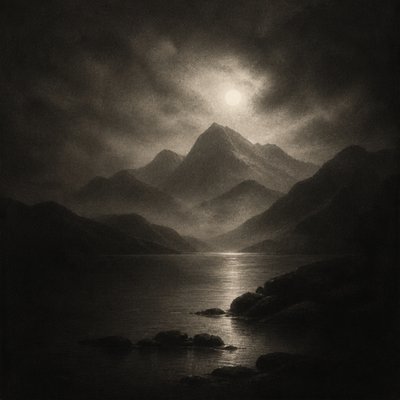
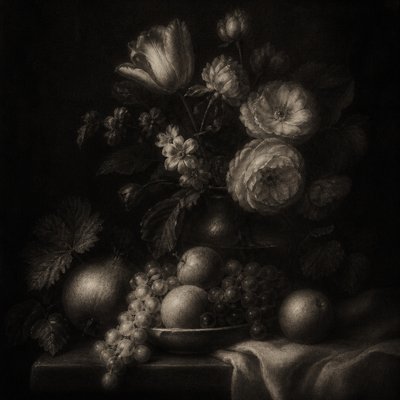
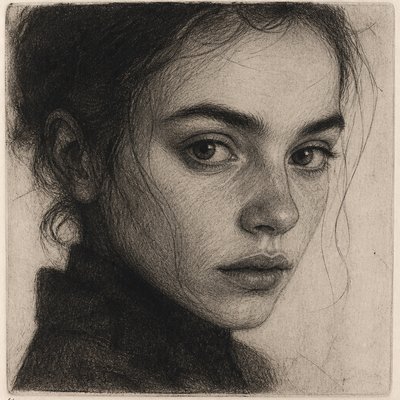
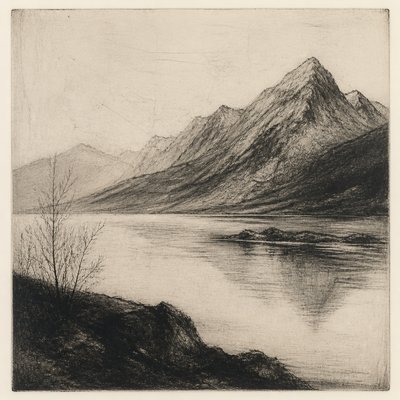
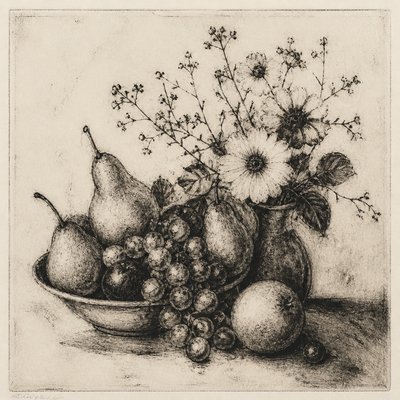
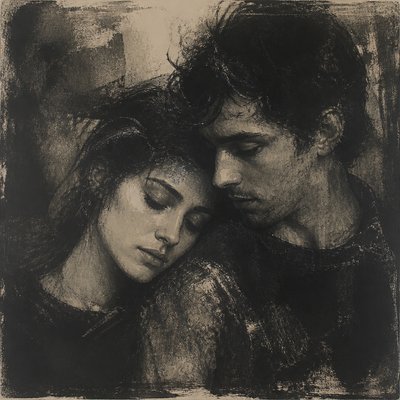
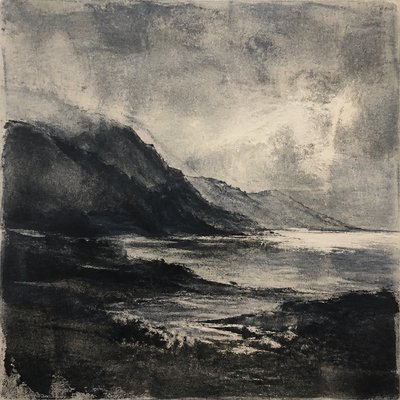
Monotype print style is based on the production of a single, distinctive impression from a smooth plate or non-porous surface. Rather than repeating a fixed engraved or etched design, the image is painted, wiped, or drawn directly into ink before being pressed onto paper. The result preserves the immediacy of painting while introducing the reversed composition, pressure variations, and partial transfers associated with printmaking.
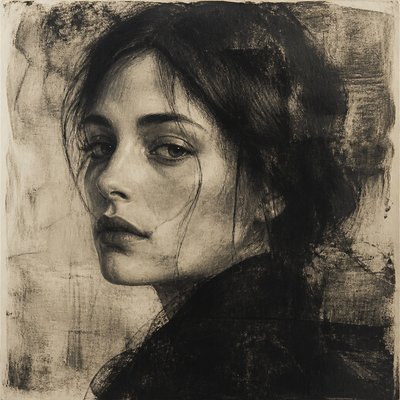
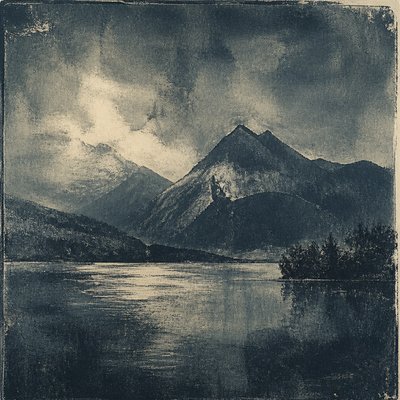
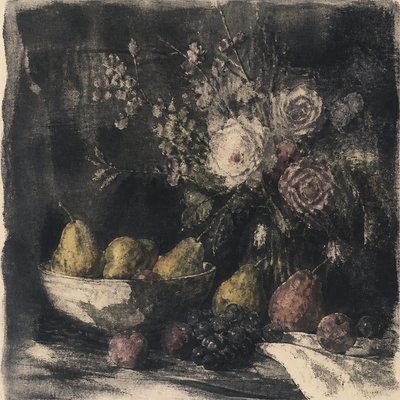
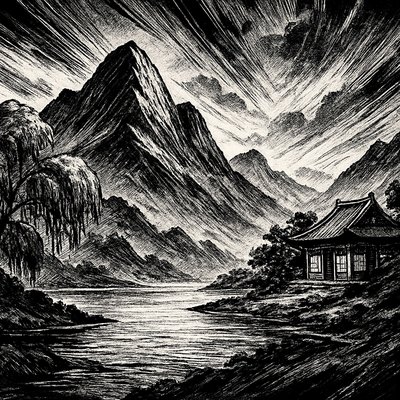
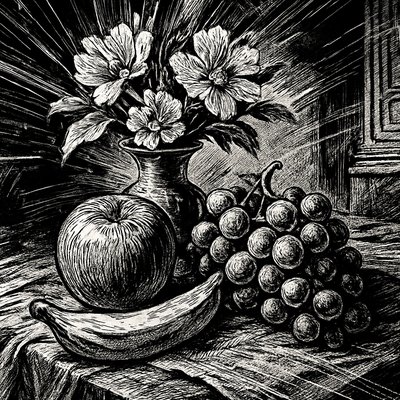
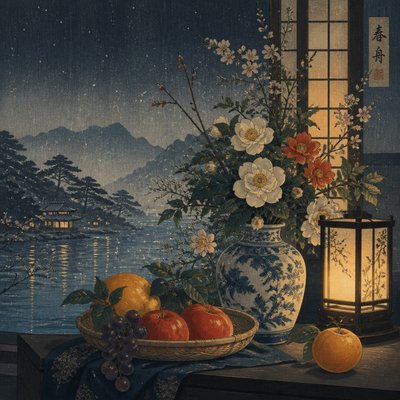
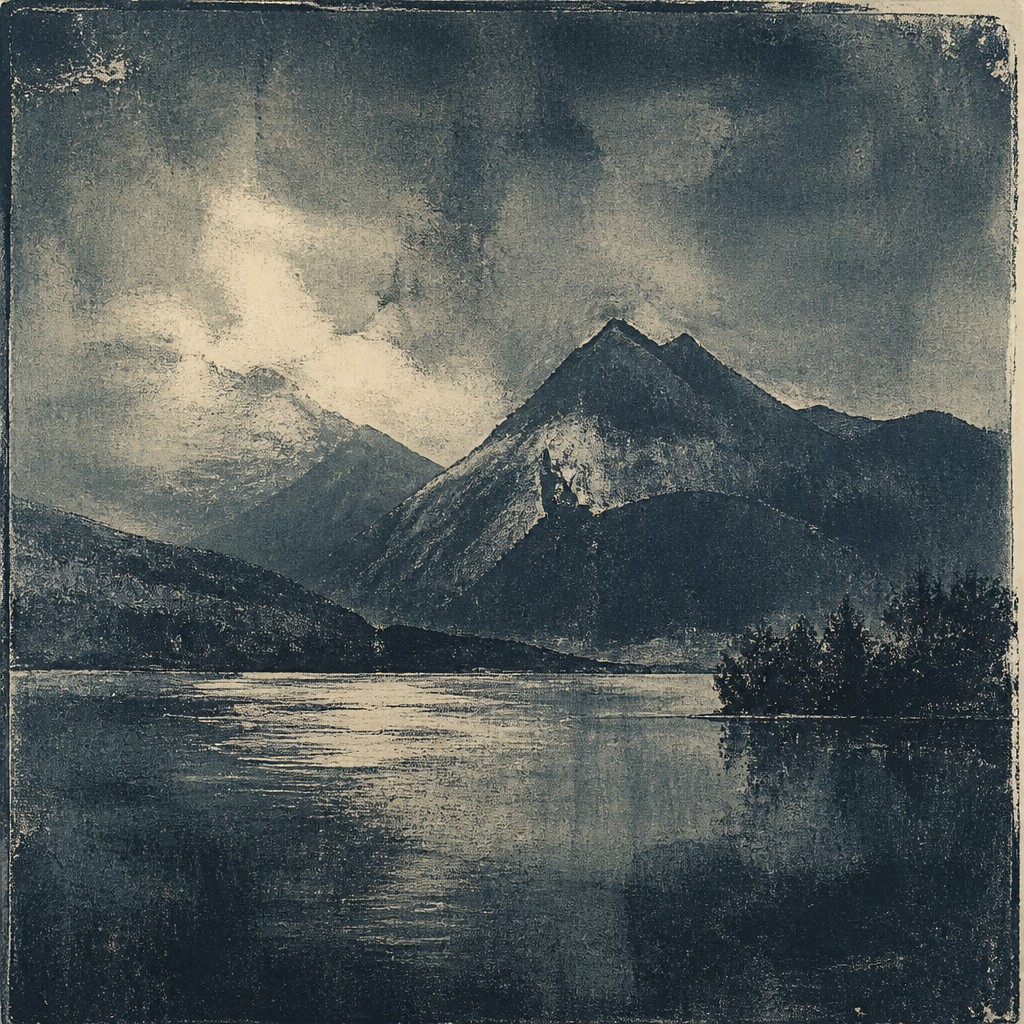
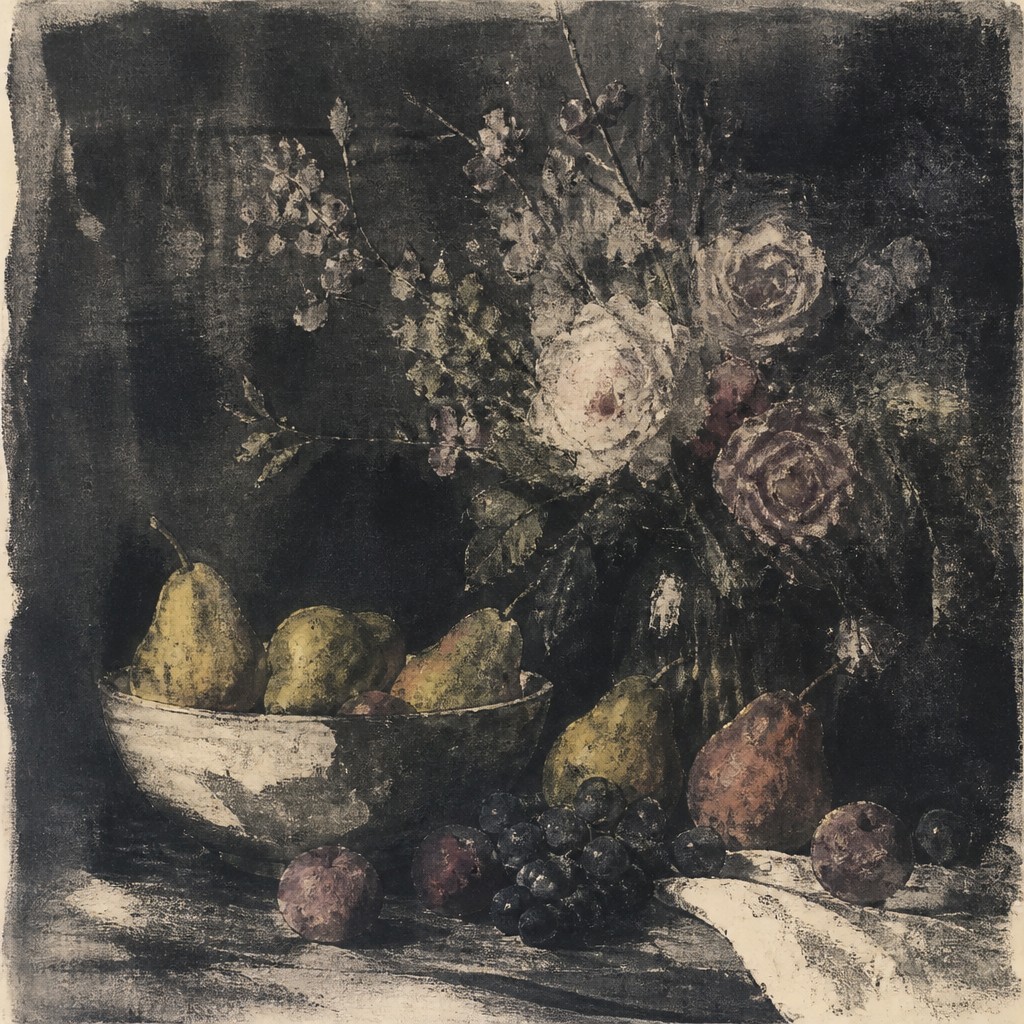
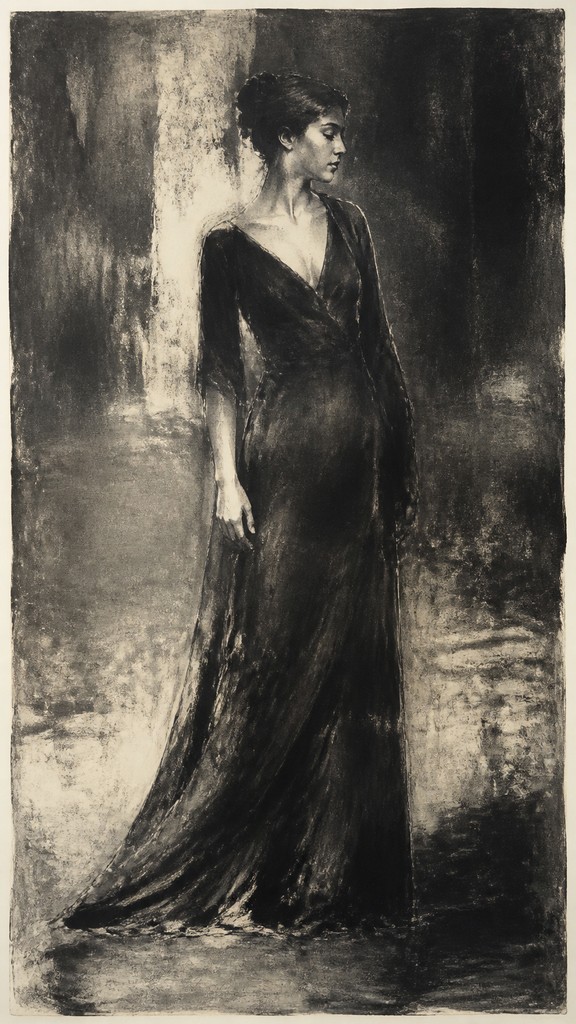
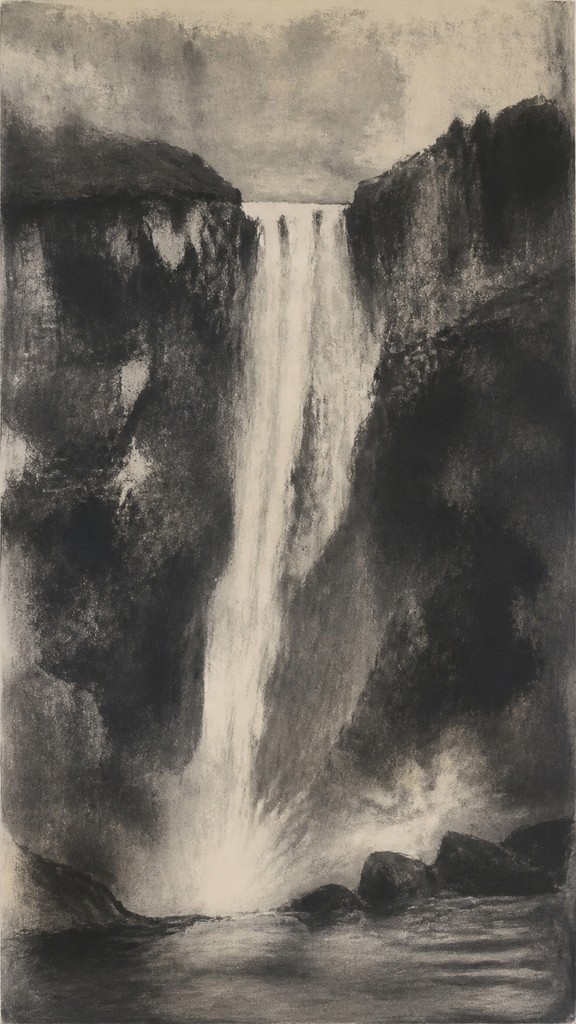
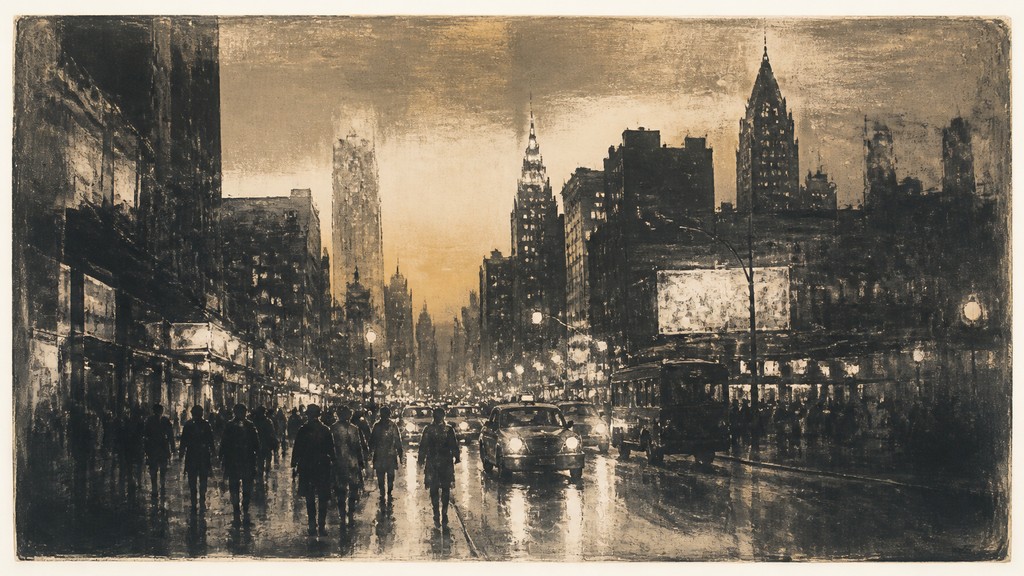
Its visual identity is defined by soft pressed textures, blurred contours, translucent stains, and marks that appear both made and erased. Dark ink fields can be selectively lifted to create highlights, while residual pigment produces ghostly passages and atmospheric tonal shifts. Each impression is inherently variable, giving the style a singular, intimate quality rather than the uniformity of an editioned print.
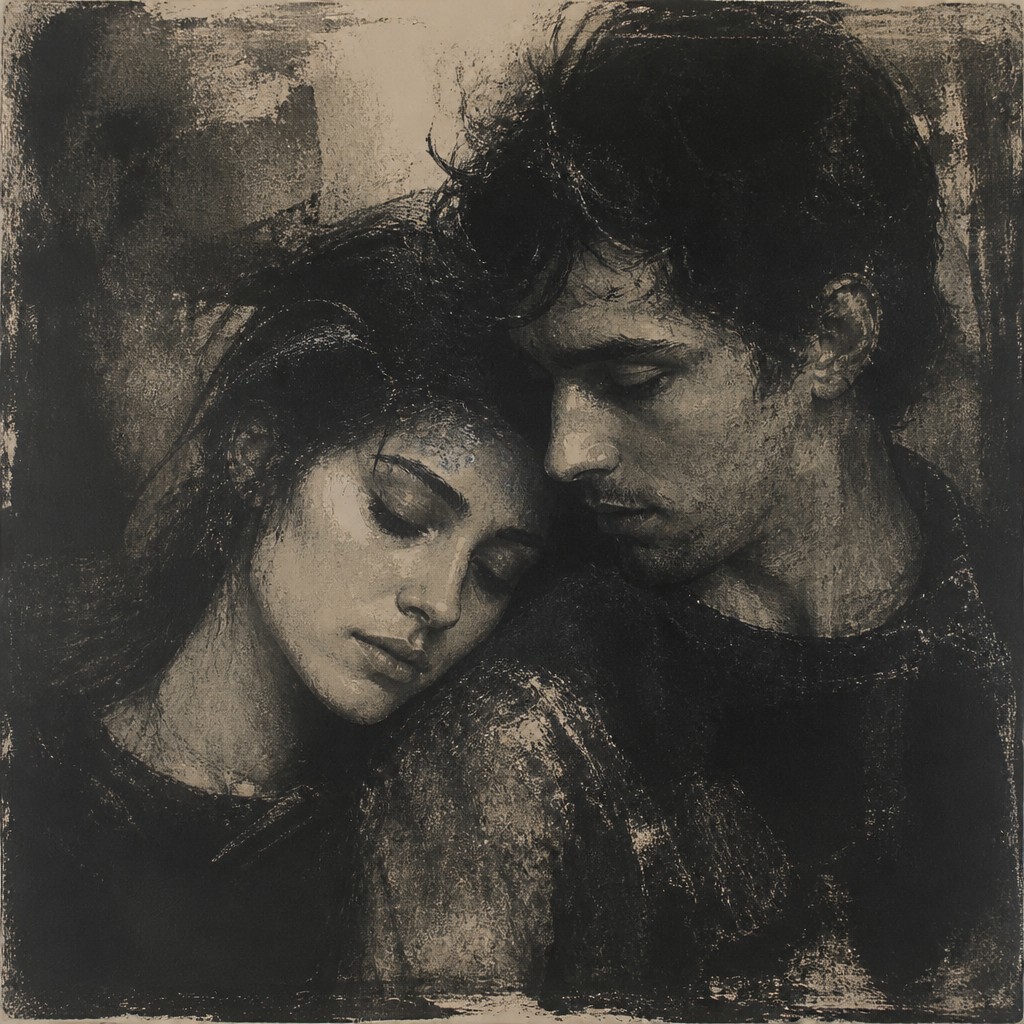
Try It On Your Photos
Upload any photo and convert it into Monotype Print Style — drag the sliders to compare before and after.
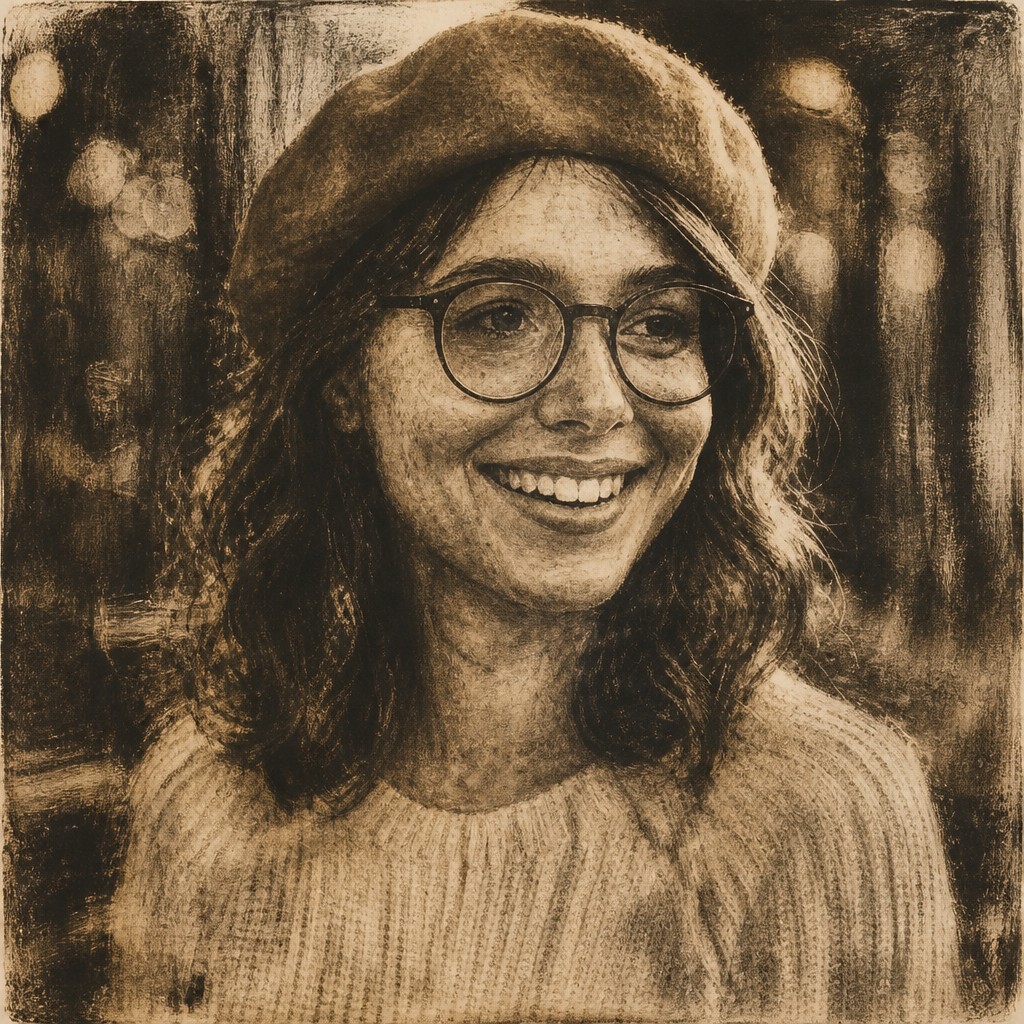

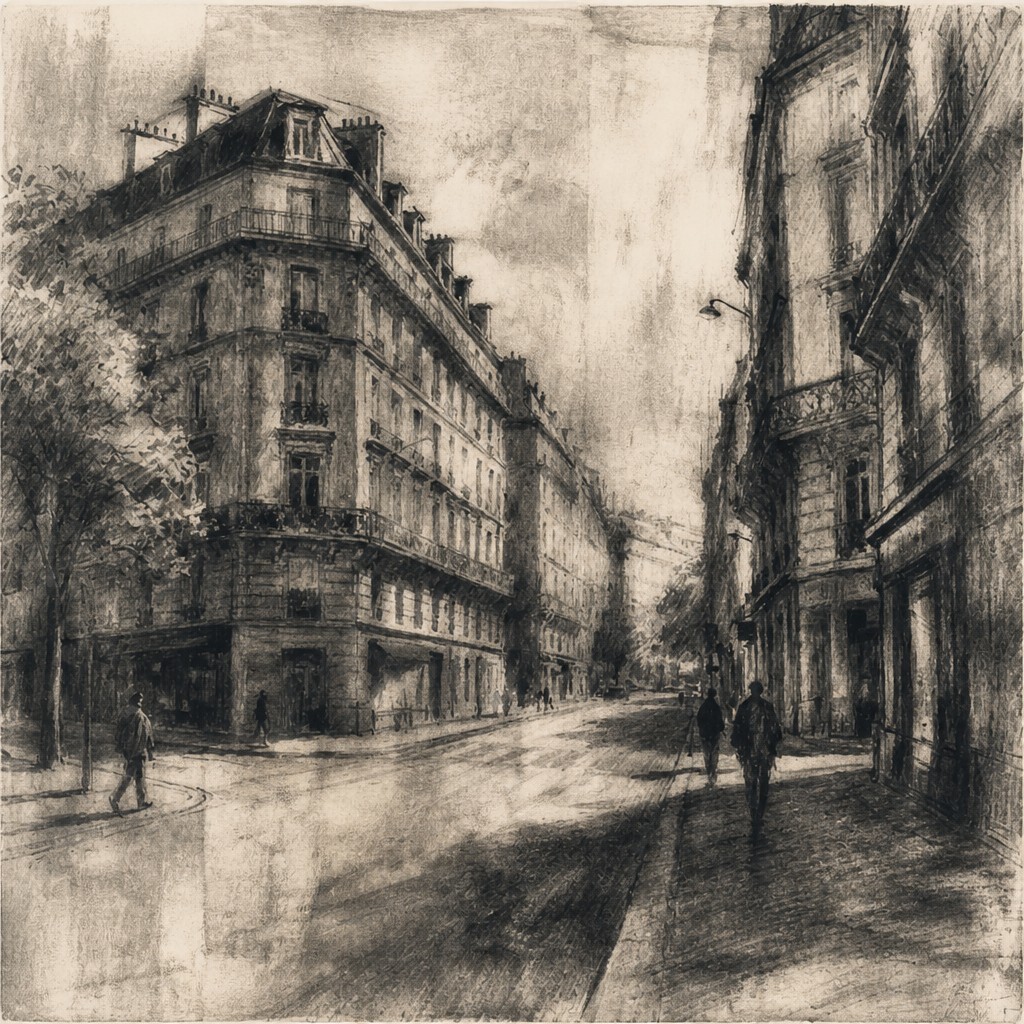

What Defines Monotype Print Style
The signature details, up close
Singular impression
A monotype is generally intended as a unique print rather than a standardized edition. Small changes in pressure, ink thickness, and wiping make every impression materially distinct.
Painterly ink application
Ink is brushed, rolled, poured, or drawn onto a plate much like paint on a surface. Brush direction and uneven coverage remain visible in the transferred image.
Ghosted marks
Faint remnants of wiped or previously printed ink create echoes, smudges, and secondary impressions. These traces give the image a memory-like, layered atmosphere.
Lifted highlights
Light areas are often made by removing ink from a dark ground with a cloth, cotton swab, scraper, or solvent. The highlights therefore feel excavated rather than simply painted in.
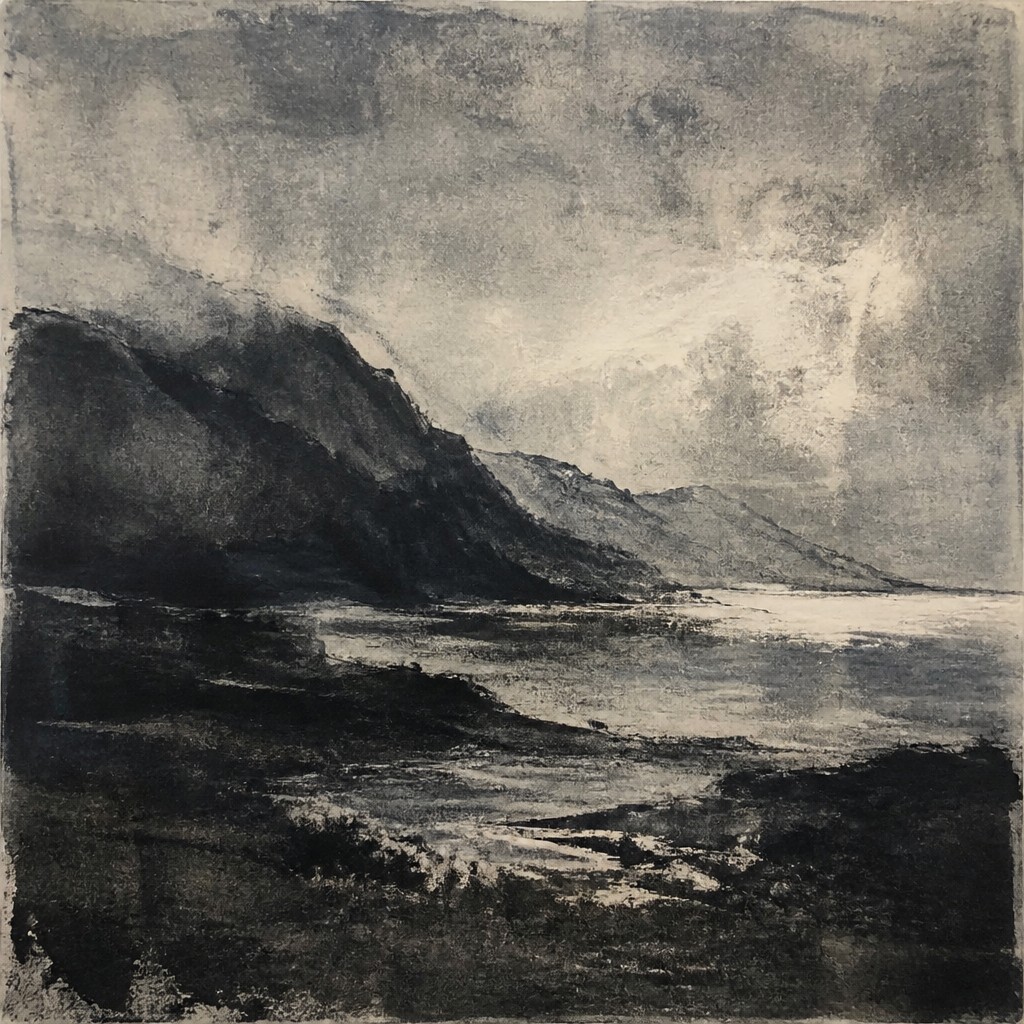
Velvety edges
Pressure spreads ink irregularly across paper, softening contours and producing feathered transitions. Hard outlines are usually subordinate to tonal atmosphere.
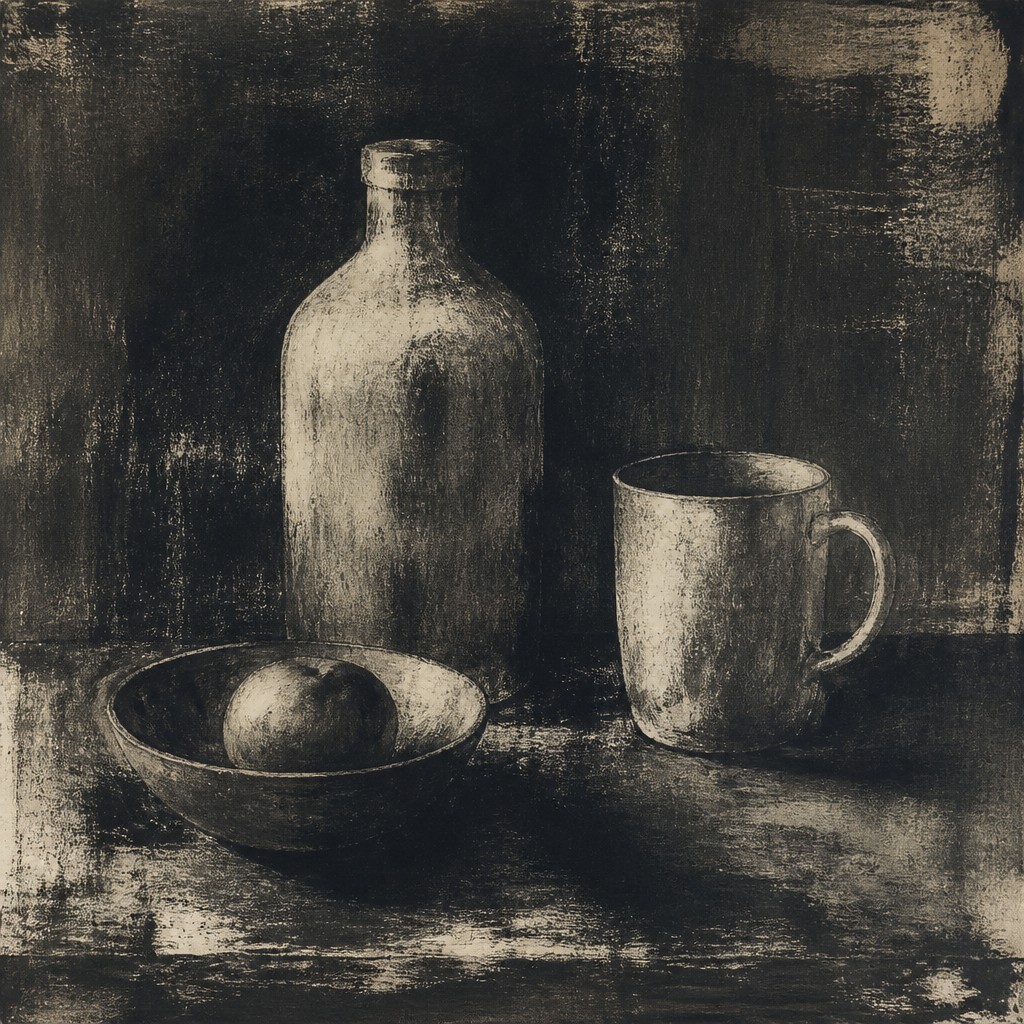
Reversed composition
The printed image is laterally reversed from the arrangement on the plate. This contributes to the medium's distinctive sense of translation and spatial displacement.
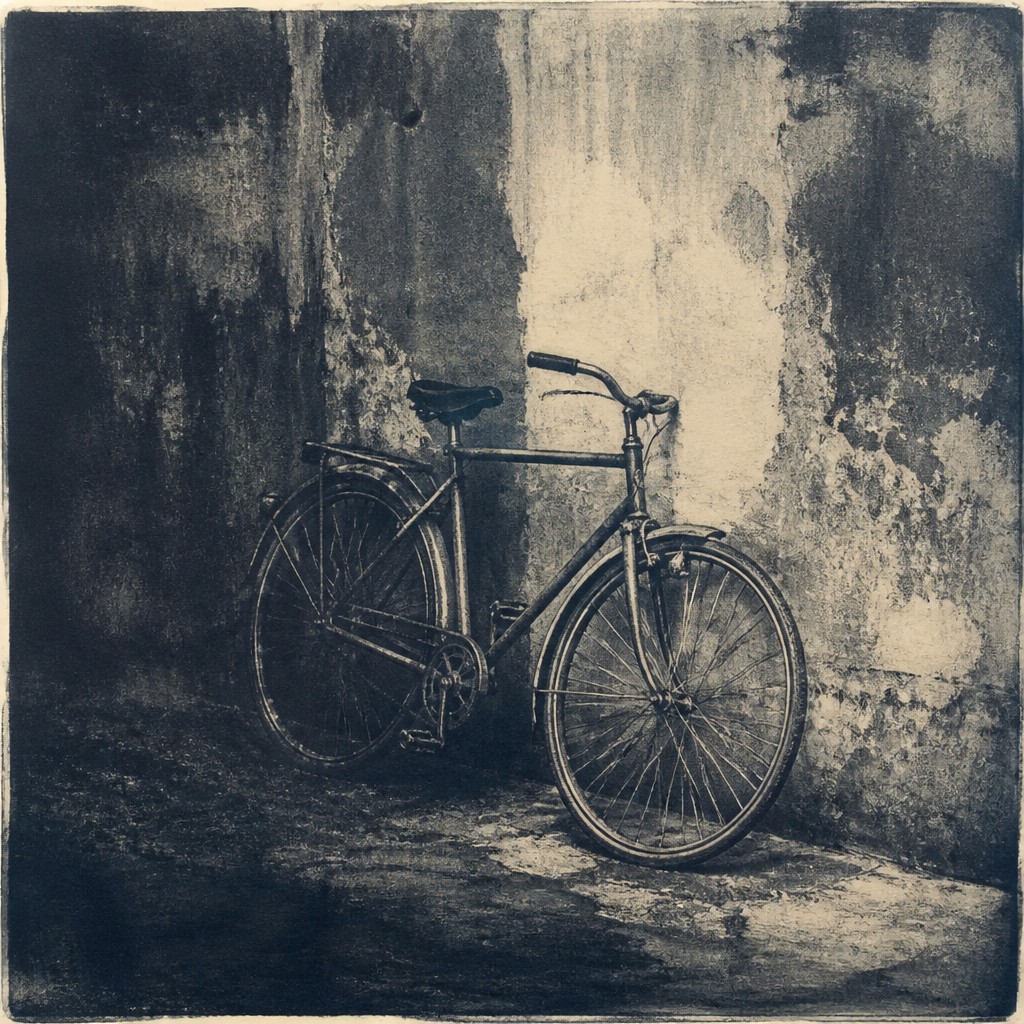
Moody tonal range
Monotype imagery often emphasizes compressed darks, smoky midtones, and selective luminous passages. The palette may be restrained, though vivid transparent colors are also possible.
Try It
Create Videos in Monotype Print Style
Styles aren't just for stills — describe a scene or animate an image and get a short video rendered in Monotype Print. Press play to see this pond come to life.
Make a VideoMonotype Print Prompt Ideas
Start from an idea — each one opens the generator with the style ready to go. See all 40 Monotype Print prompts →
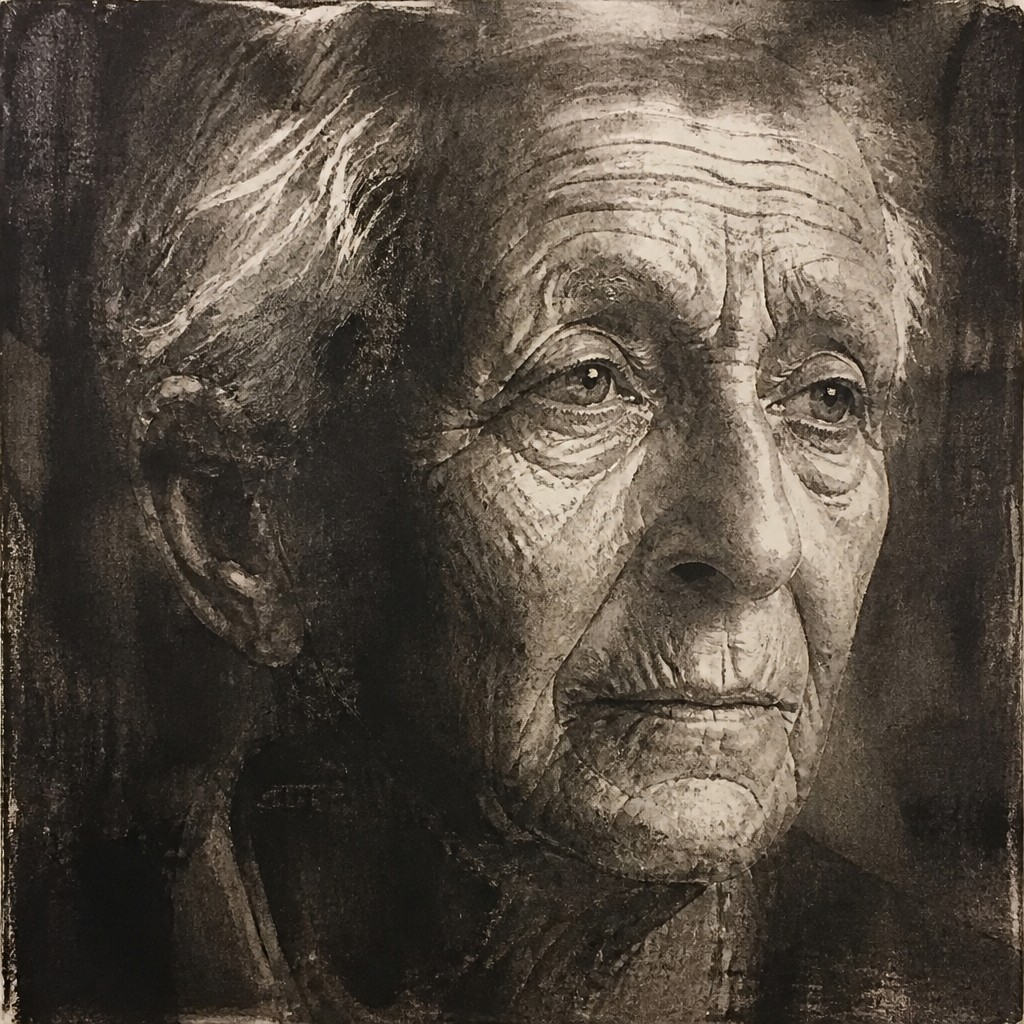
“close-up portrait of an elderly person with expressive weathered features”
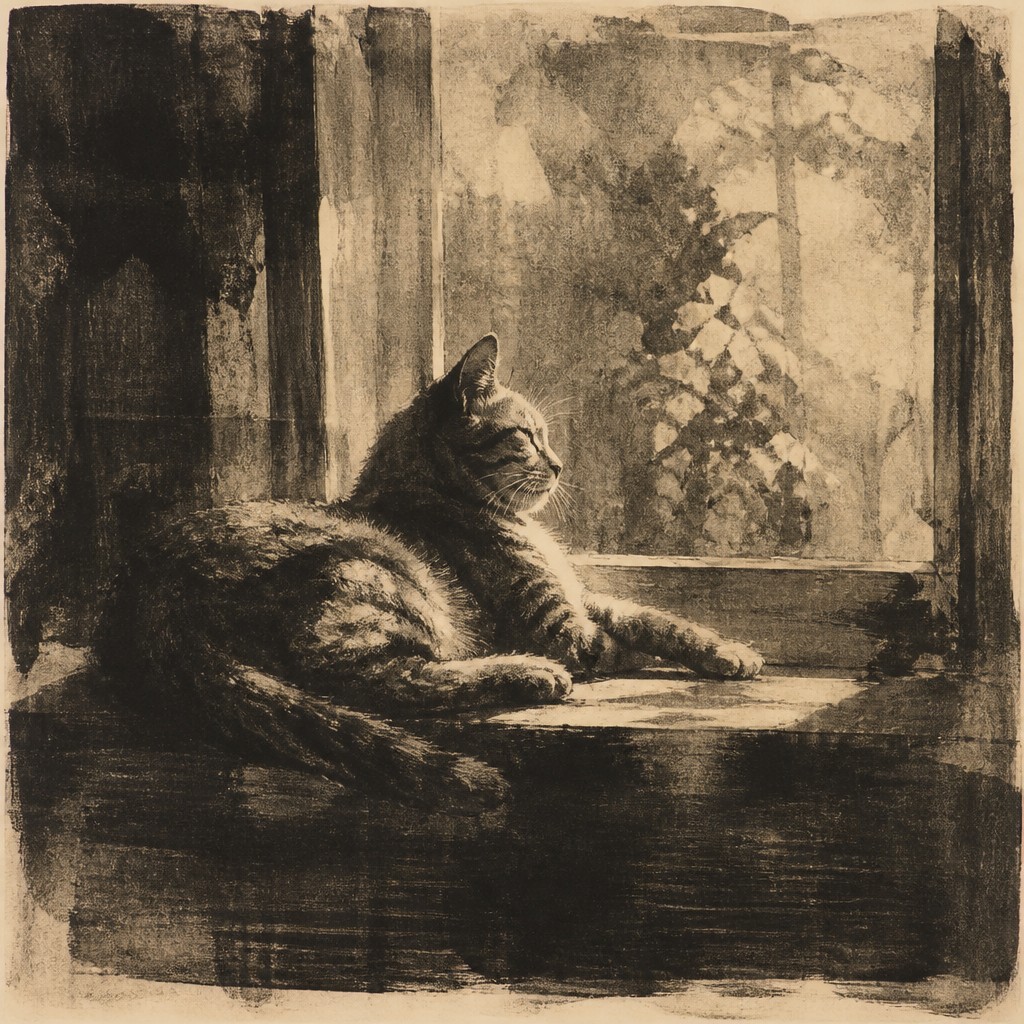
“a cat lounging in a sunlit window”
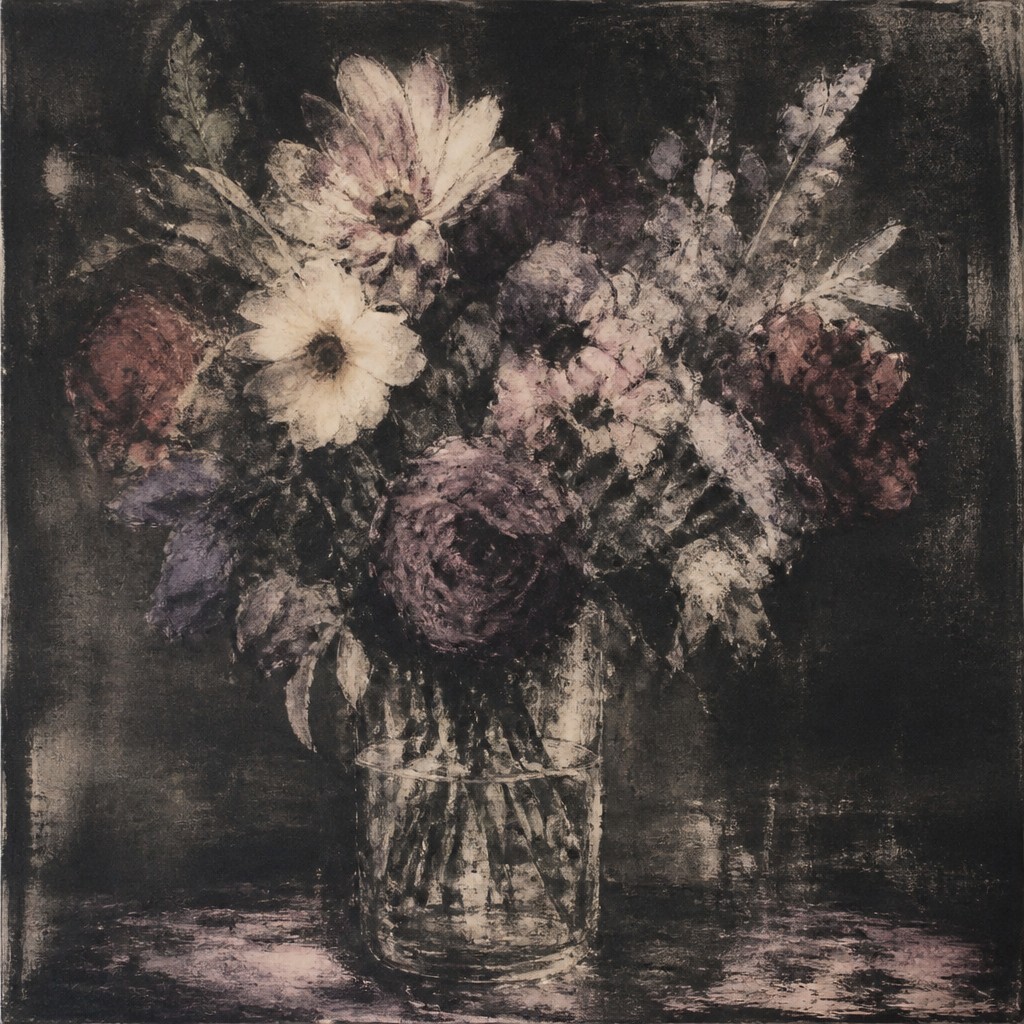
“bouquet of flowers in a glass vase”
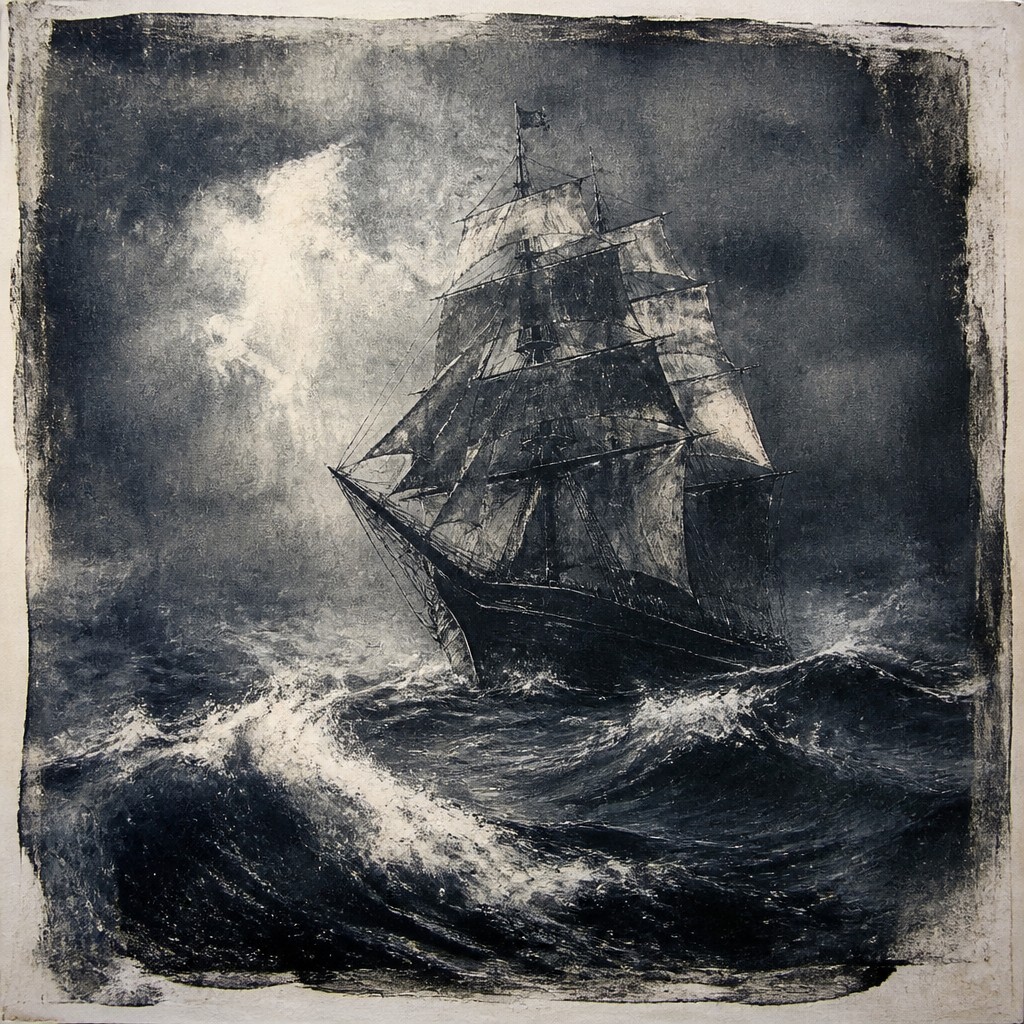
“sailing ship on a stormy sea”
How to Create Monotype Print Art
Master the craft step by step — or skip straight to creating. Read the full guide →
- 1
Build a smooth image surface
For a traditional approach, use a plexiglass plate, polished metal, acetate, or another non-absorbent surface. Apply a thin, workable layer of oil-based or water-based monotype ink rather than allowing the surface to become uniformly opaque.
- 2
Paint and wipe into the ink
Add marks with brushes, rollers, rags, cotton swabs, or pointed tools, then remove ink to recover highlights and atmospheric openings. Vary pressure and direction so the surface retains both deliberate strokes and accidental interruptions.
- 3
Transfer under controlled pressure
Lay slightly dampened paper over the plate and run it through a press, or press by hand with a baren or clean spoon. Uneven pressure can be used creatively, but excessive pressure may flatten the tonal variation.
- 4
Use the ghost impression
After the first pull, print the remaining ink for a paler second impression. The ghost can stand alone, be layered with additional color, or serve as a translucent underpainting.
- 5
Simulate material behavior digitally
In digital software, combine broad brush textures, blurred masks, grain, opacity variation, and subtractive erasing. Keep edges imperfect and let dark passages carry uneven deposits rather than applying a uniform filter.
- 6
Write a process-aware prompt
Describe a one-off pressed print, painted ink on a smooth plate, wiped highlights, ghost impressions, reversed composition, soft transfer texture, and restrained atmospheric contrast. Specify the subject and lighting separately so the material treatment does not overwhelm the image.
The Story
History & Origins of Monotype Print
Monotype developed in Europe during the late seventeenth century as artists explored ways to combine painterly procedures with printmaking. The process was used by painters and printmakers who applied oil-based ink or paint to a polished plate, transferred it under pressure, and often reworked the resulting impression by hand. Because most of the ink is removed during the first transfer, a second, lighter ghost impression may sometimes be taken, but it is usually markedly different from the first.
The technique expanded in the nineteenth and twentieth centuries alongside experimental printmaking, tonal studies, and modern approaches to abstraction. Contemporary monotype practice includes solvent wiping, additive painting, reductive mark-making, collage-like transfers, and digital simulations that imitate the medium's one-off physical character.
Influences: The style draws directly from European monotype printmaking and its relationship to painterly print processes, especially oil-based transfer, intaglio wiping, and experimental one-off impressions. It also relates to tonal lithography, mezzotint, aquatint, drypoint, painterly abstraction, atmospheric landscape traditions, and mixed-media mark-making. Its emphasis on erased passages and unstable contours connects it to gestural modernism and contemporary process-based print practice.
Frequently Asked Questions
What defines monotype print style?
It is defined by a unique or nearly unique print made from ink applied to a smooth plate and transferred to paper. Painterly marks, wiped highlights, ghosted traces, soft edges, and variable ink density are more important than precise line reproduction.
Is monotype a painting or a print?
It occupies a space between both practices. The image is composed with painting-like gestures, but the final work is created through pressure-based transfer from a plate to paper.
How is monotype different from an etching or engraving?
Etching and engraving use incised or chemically bitten lines that can normally produce an edition of related impressions. Monotype usually has no permanent image matrix, so the ink is painted or wiped onto the plate for each impression and the result is substantially unique.
Why do monotype prints look soft or ghostly?
Ink is transferred unevenly under pressure, and wiping removes portions of the image before printing. Residual marks, partial transfers, and a possible second ghost impression create hazy edges and layered tonal passages.
Can monotype be made without a printing press?
Yes. A hand baren, spoon, or firm rubbing tool can transfer ink from a plate to paper, although a press usually gives more consistent pressure. Digital tools can also approximate the process by combining subtractive erasing, blurred transfer textures, and uneven opacity.
What subjects work well with this style?
Atmospheric landscapes, solitary figures, interiors, still lifes, and nocturnal or misty scenes are especially compatible because the technique excels at tonal ambiguity. Highly detailed subjects can work too, but their forms are often most convincing when treated as suggestive rather than sharply outlined.
Create your first Monotype Print artwork
Describe anything — or upload a photo — and see it in Monotype Print Style in seconds.
Related Styles
Discover similar art styles