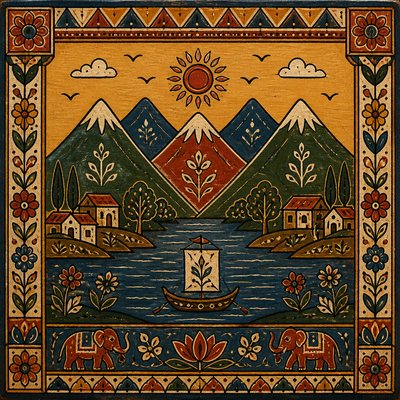
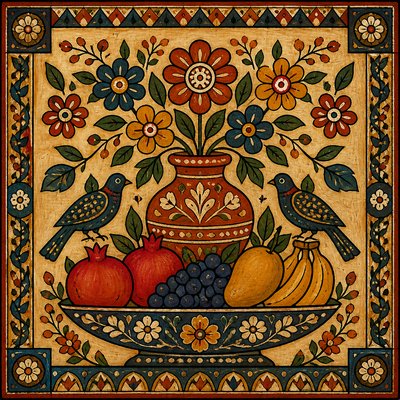
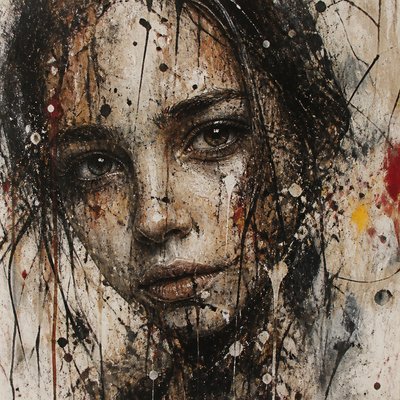
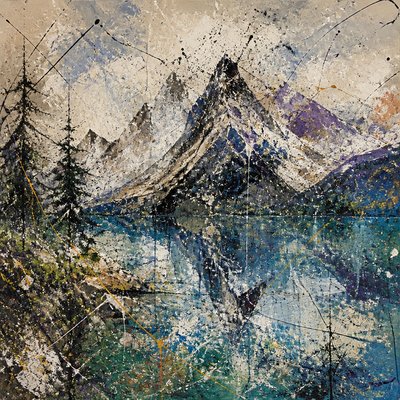
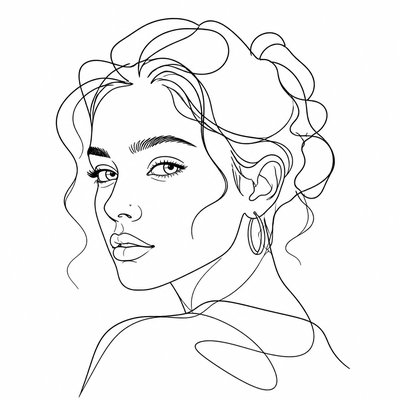
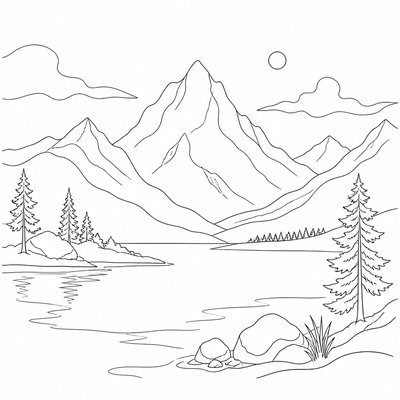
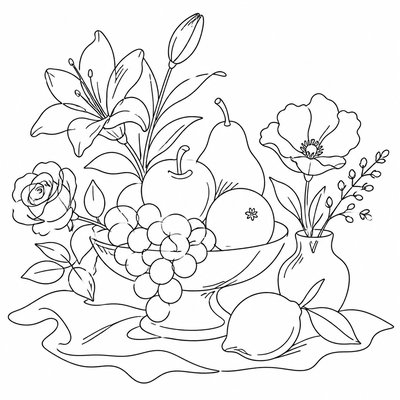
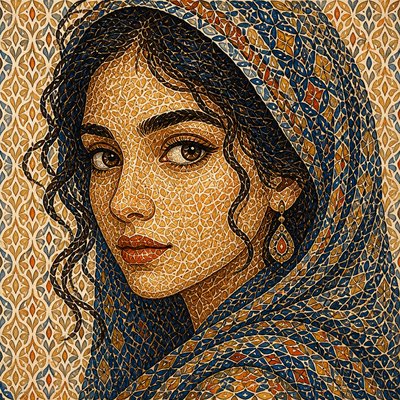
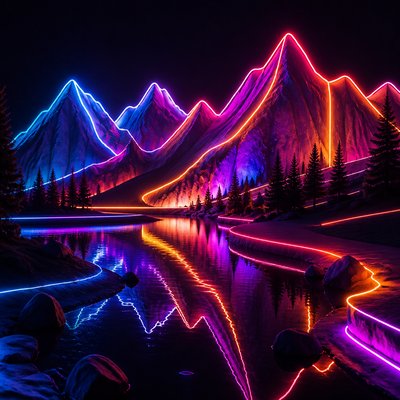
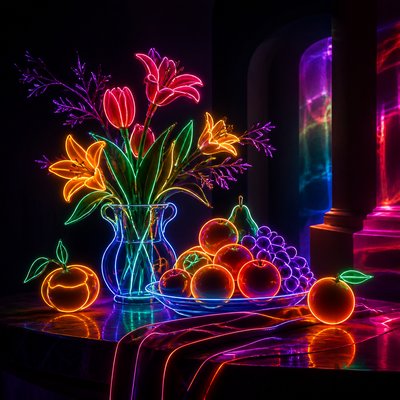
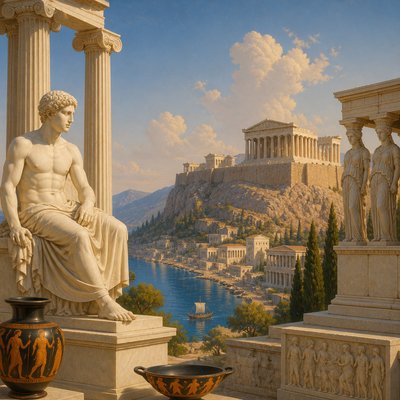
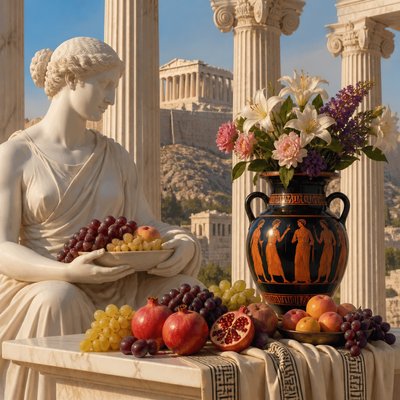
Generative Art Style
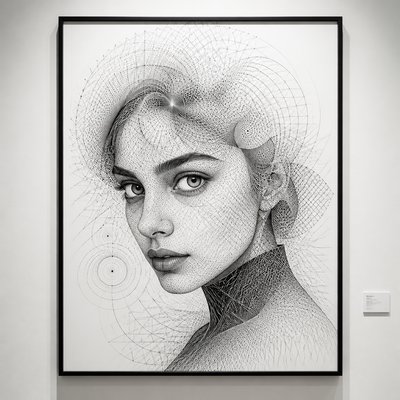
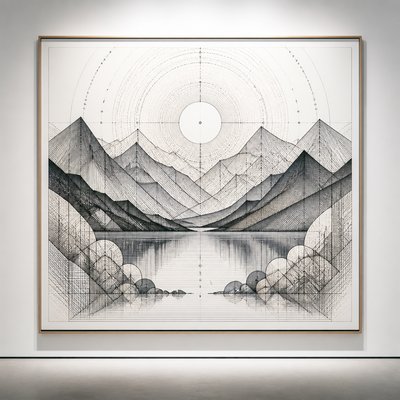
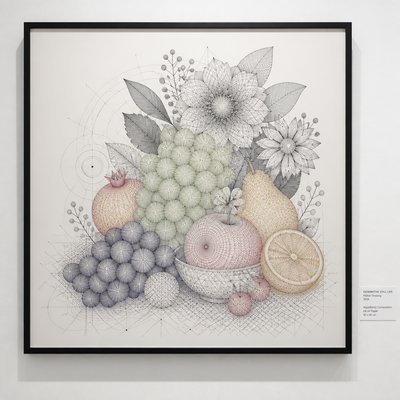
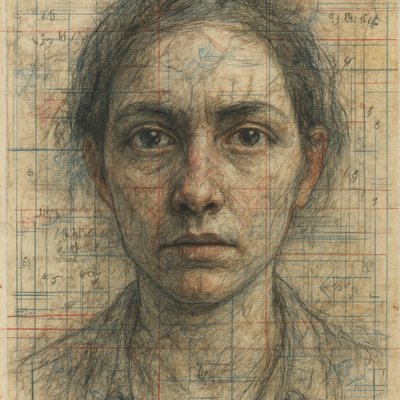
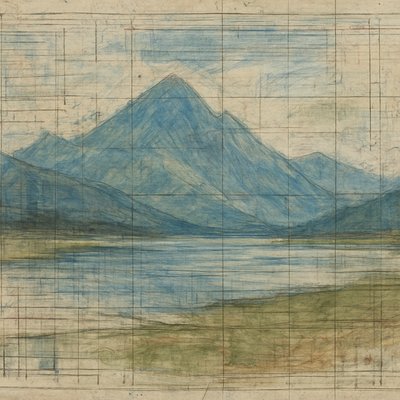
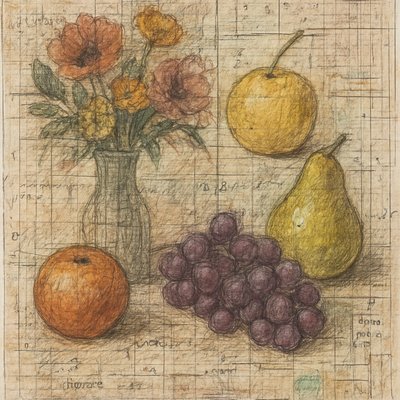
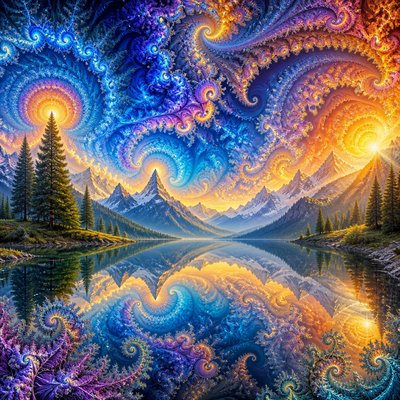
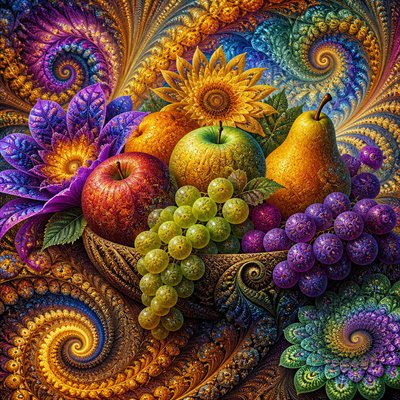
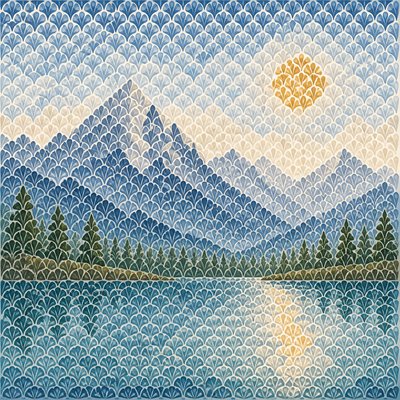
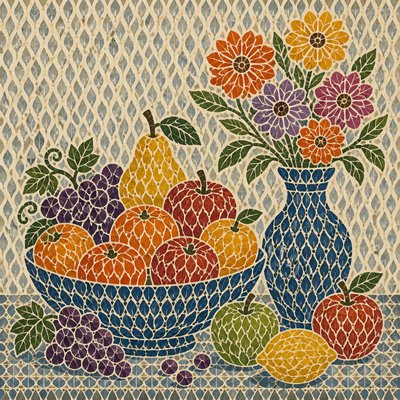
Explore Generative Art Style: algorithmic linework, geometric systems, fractal density, and precise plotter-like compositions.
Instantly rendered in Generative — or transform a photo
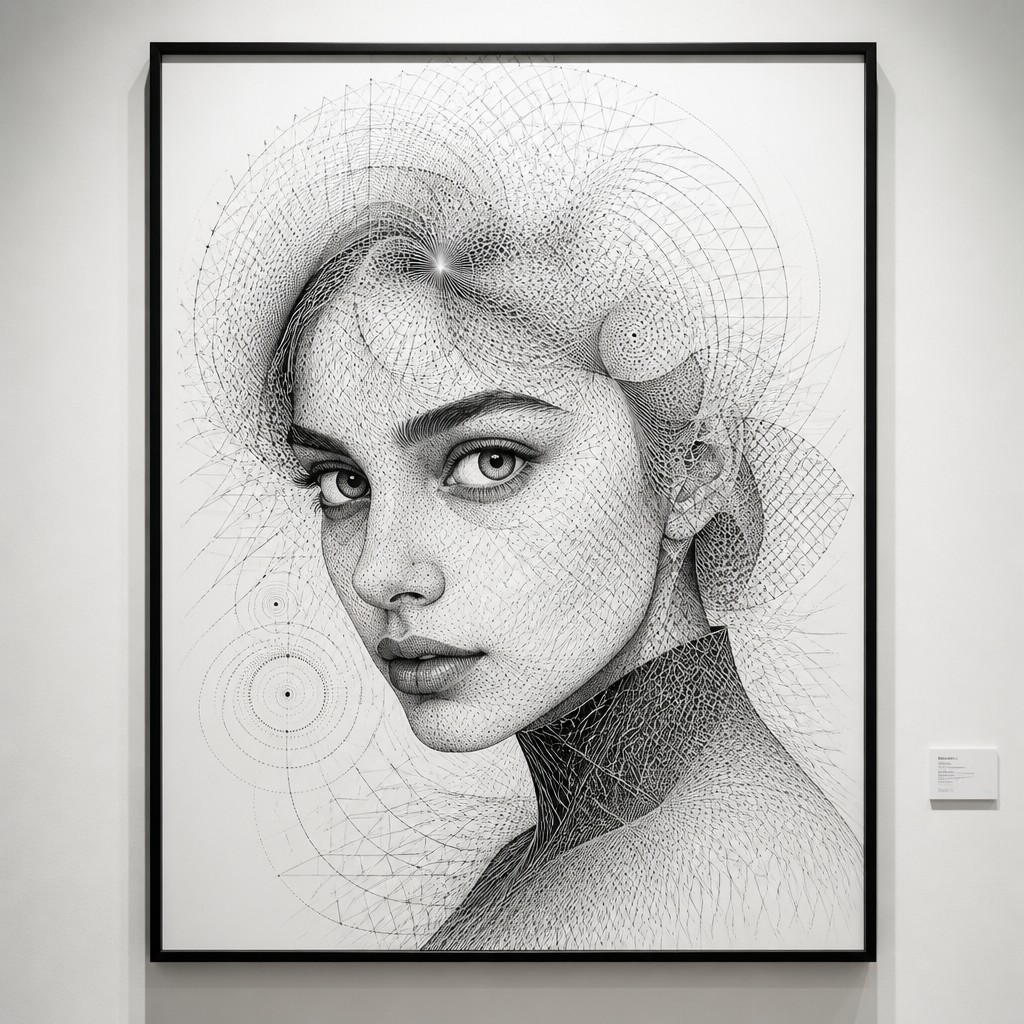
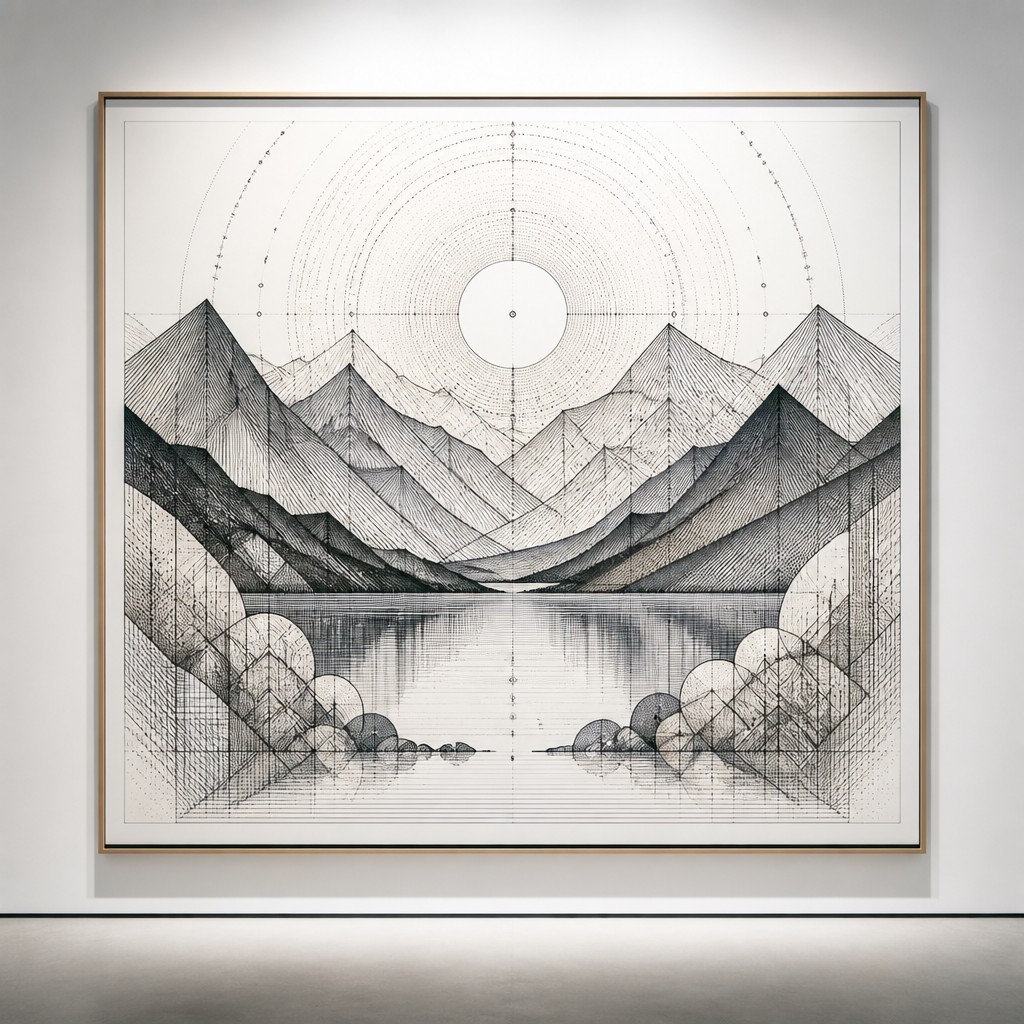
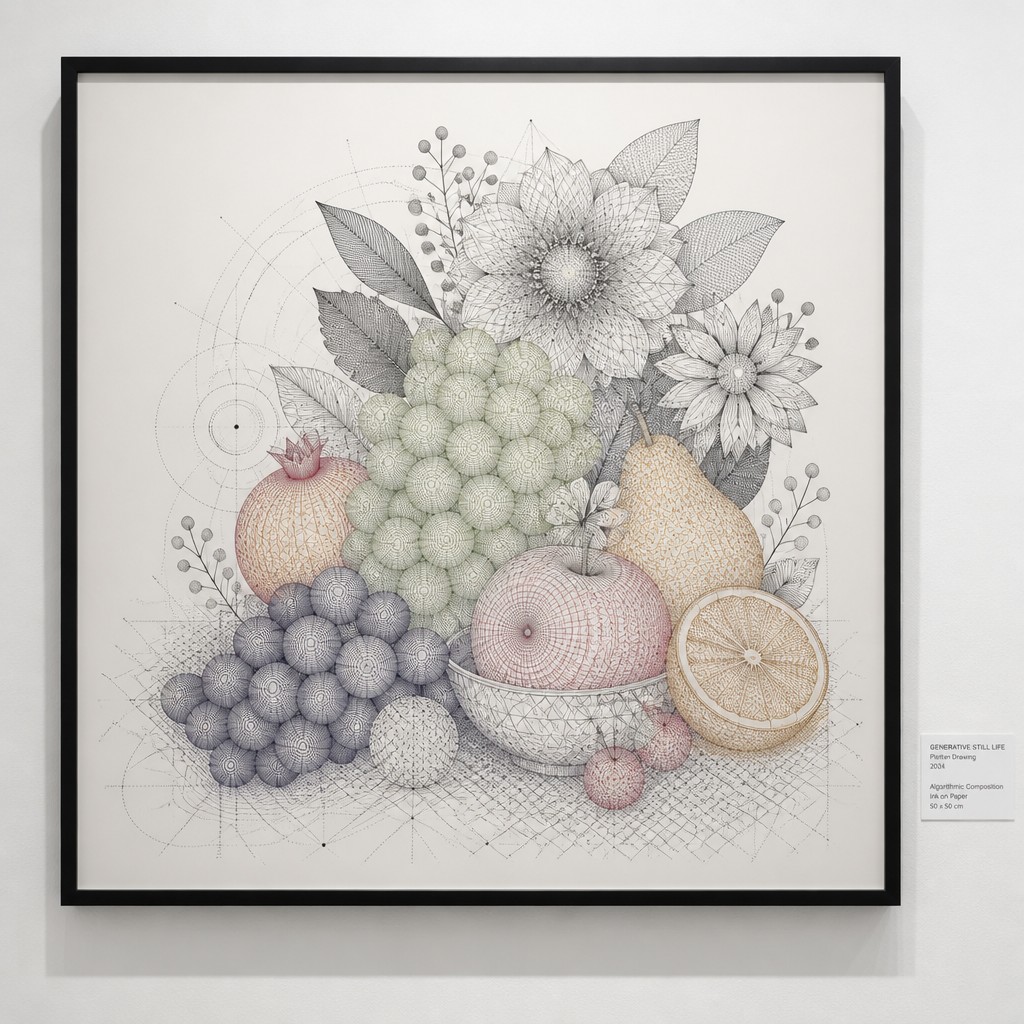
Generative Gallery
Tap any artwork to explore it
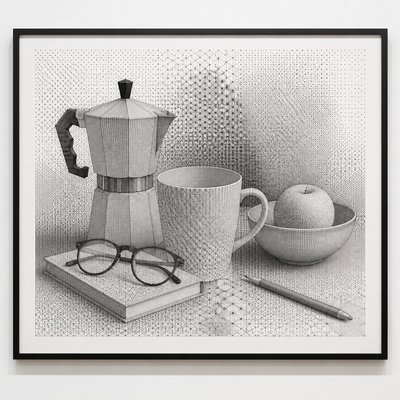
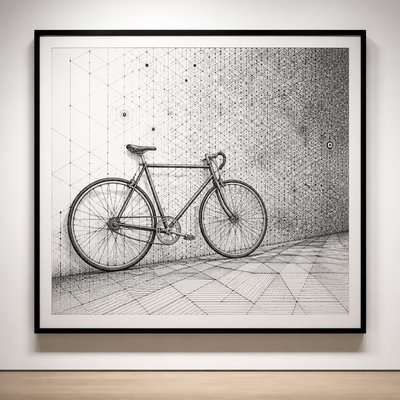
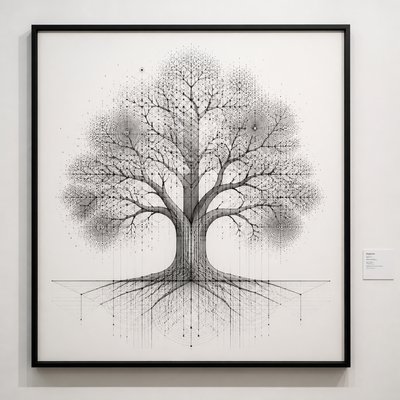
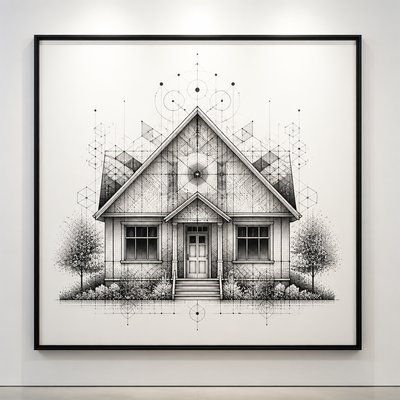
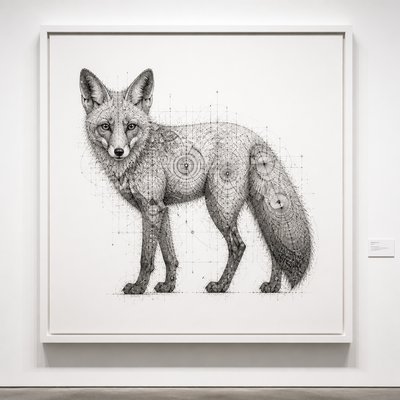
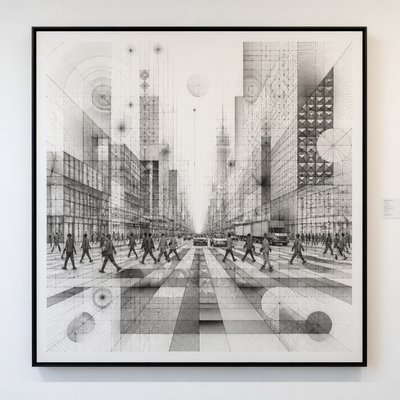
What is Generative Art Style?
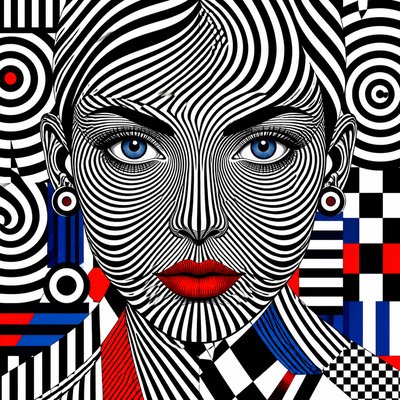
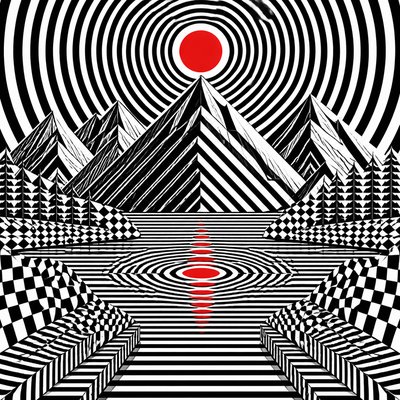
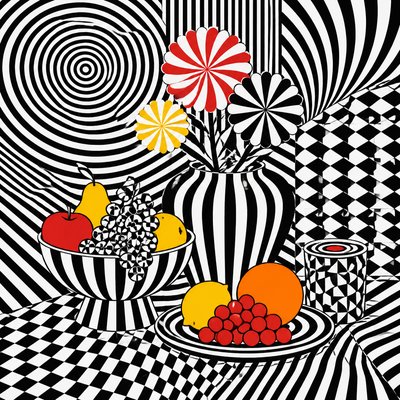
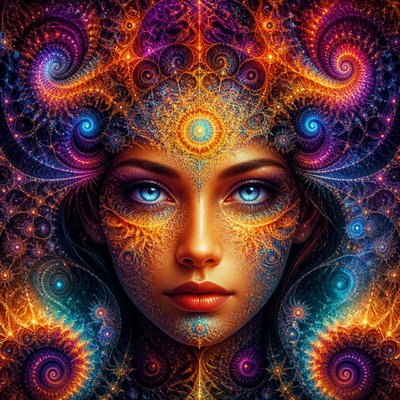
Generative Art Style is an algorithm-driven visual language built from rules, repetitions, variations, and calculated transformations. It commonly appears as precise line networks, nested geometric structures, spirals, grids, branching systems, and fractal-like fields whose density changes across the composition. The result can feel simultaneously mathematical and organic.
Its visual identity depends on the tension between control and variation. A defined system establishes rhythm, symmetry, scale, and direction, while limited randomness introduces irregularity and keeps the image from feeling mechanically uniform. Crisp ink-like marks, white space, restrained color, and a clean print finish emphasize the underlying structure and give the work a measured, contemporary character.
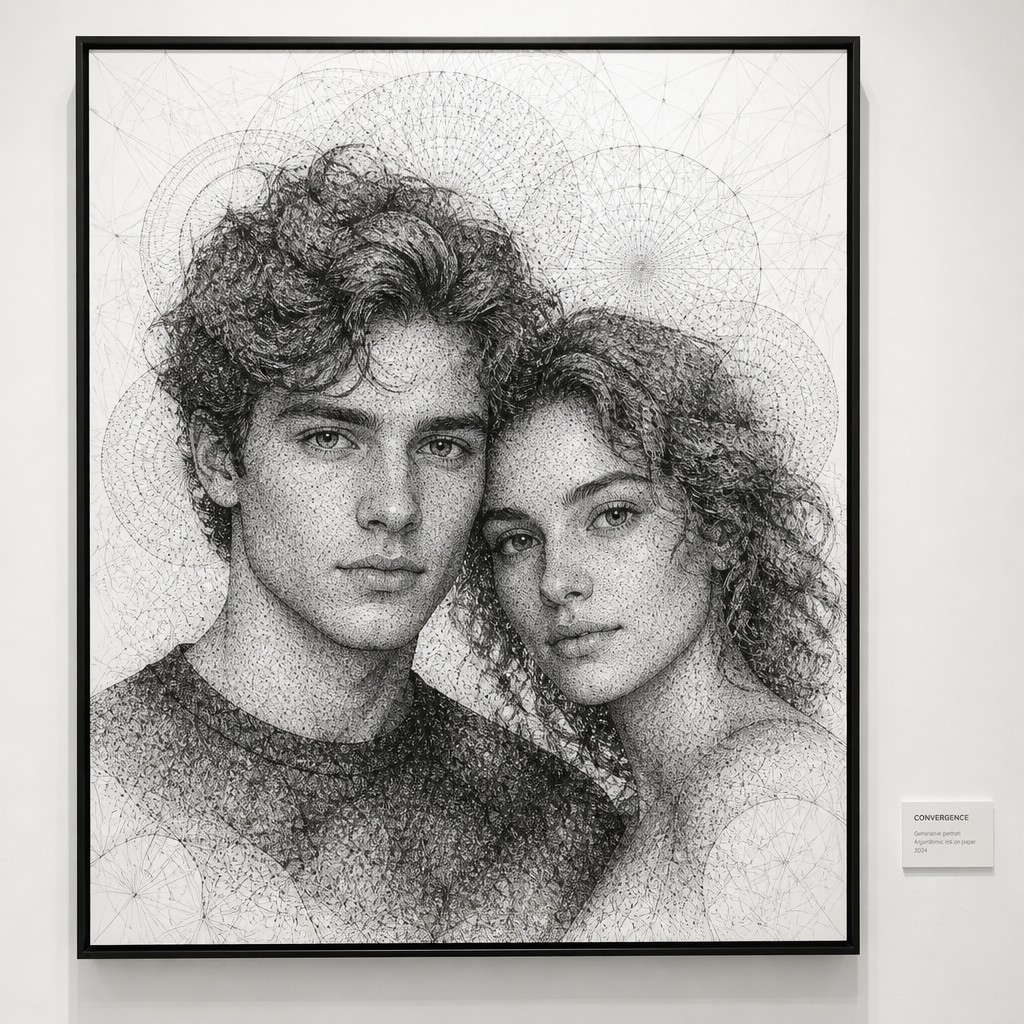
Try It On Your Photos
Upload any photo and convert it into Generative Art Style — drag the sliders to compare before and after.
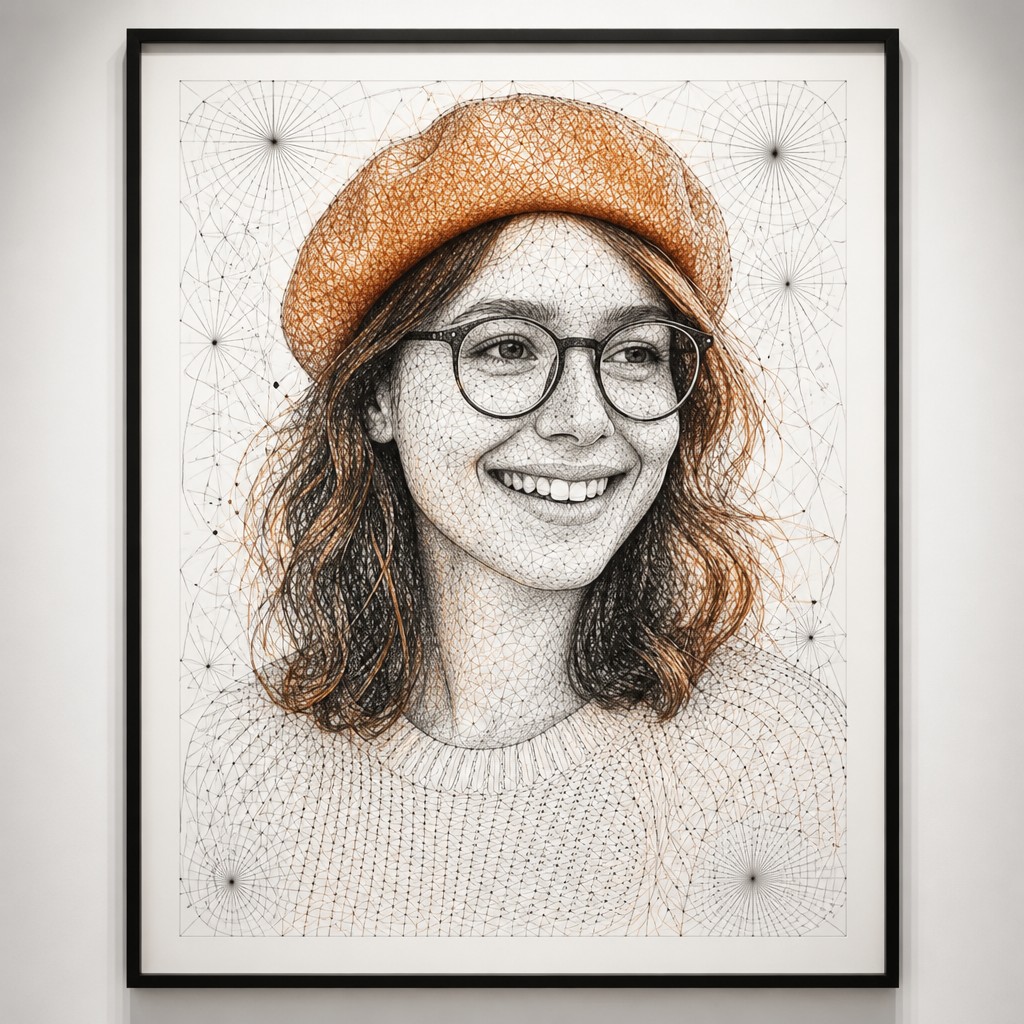

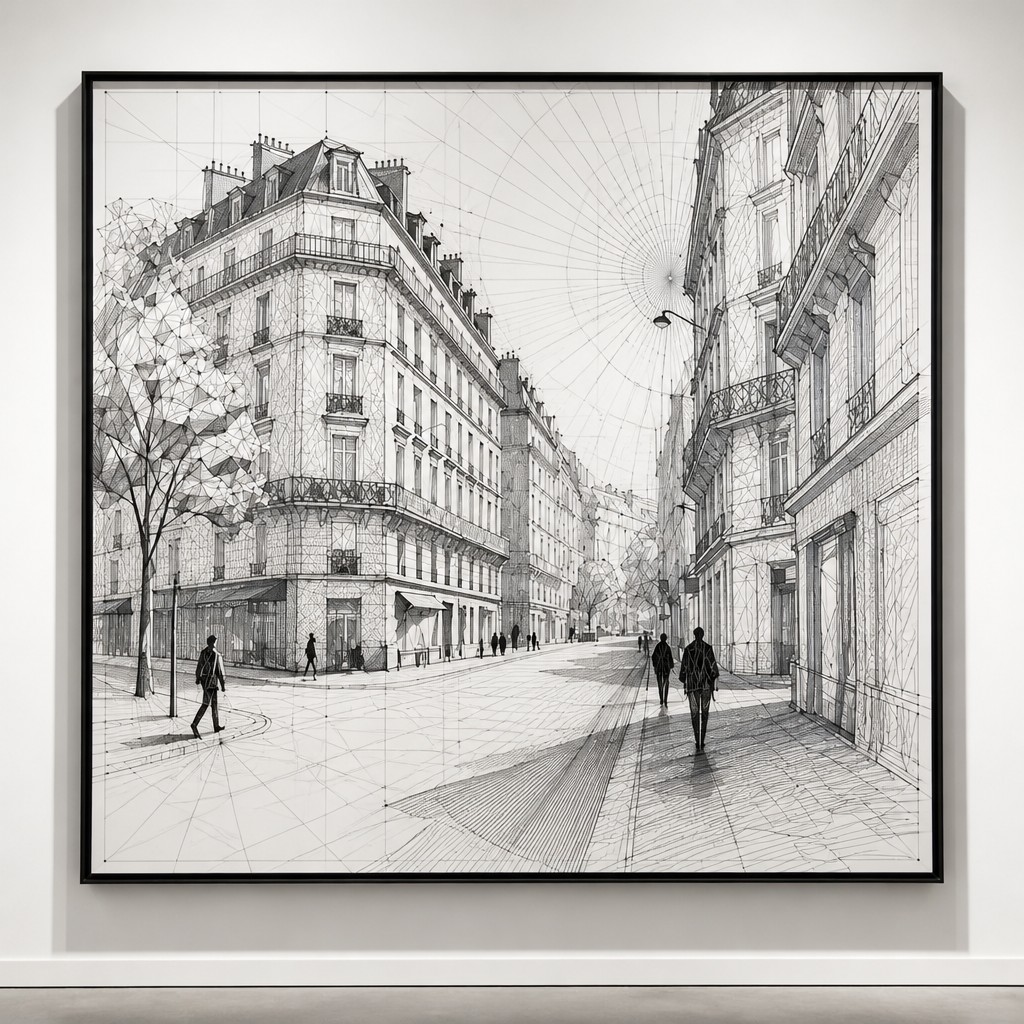

What Defines Generative Art Style
The signature details, up close
Algorithmic line systems
Lines are arranged according to repeatable rules involving angle, spacing, curvature, branching, or displacement. Their consistency creates a sense of deliberate construction rather than spontaneous mark-making.
Geometric repetition
Grids, polygons, radial forms, concentric structures, and tessellations provide the visual framework. Repetition may remain orderly or gradually mutate across the image.
Fractal-like density
Many compositions move from sparse areas into tightly layered regions, producing gradients of visual complexity. Branching and recursive forms can suggest natural growth without directly depicting nature.
Controlled randomness
Small variations in scale, position, curvature, or direction interrupt perfect regularity. This balance makes the image feel alive while preserving an evident underlying system.
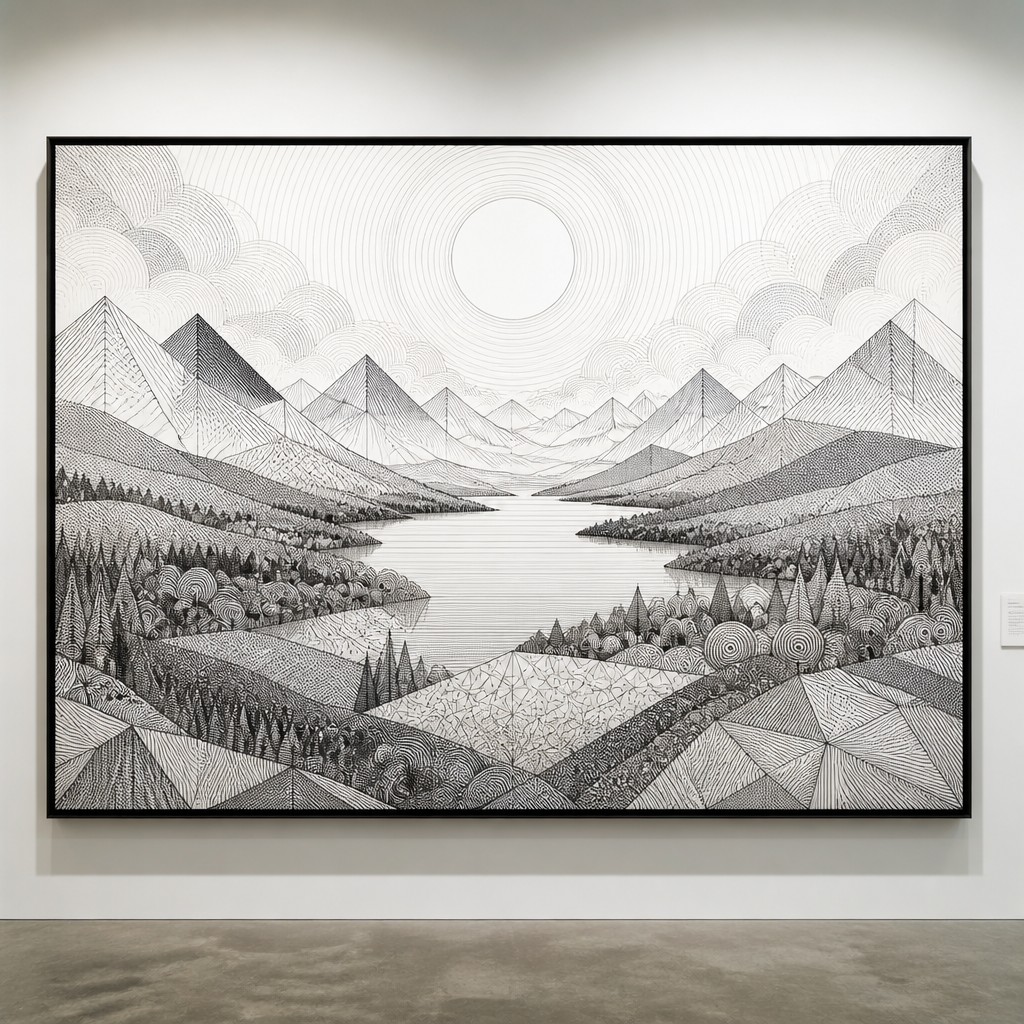
Plotter-like precision
Clean, narrow marks resemble technical pen or pen-plotter output on paper. Smooth contours, sharp intersections, and consistent line weight are central to the style's polished appearance.
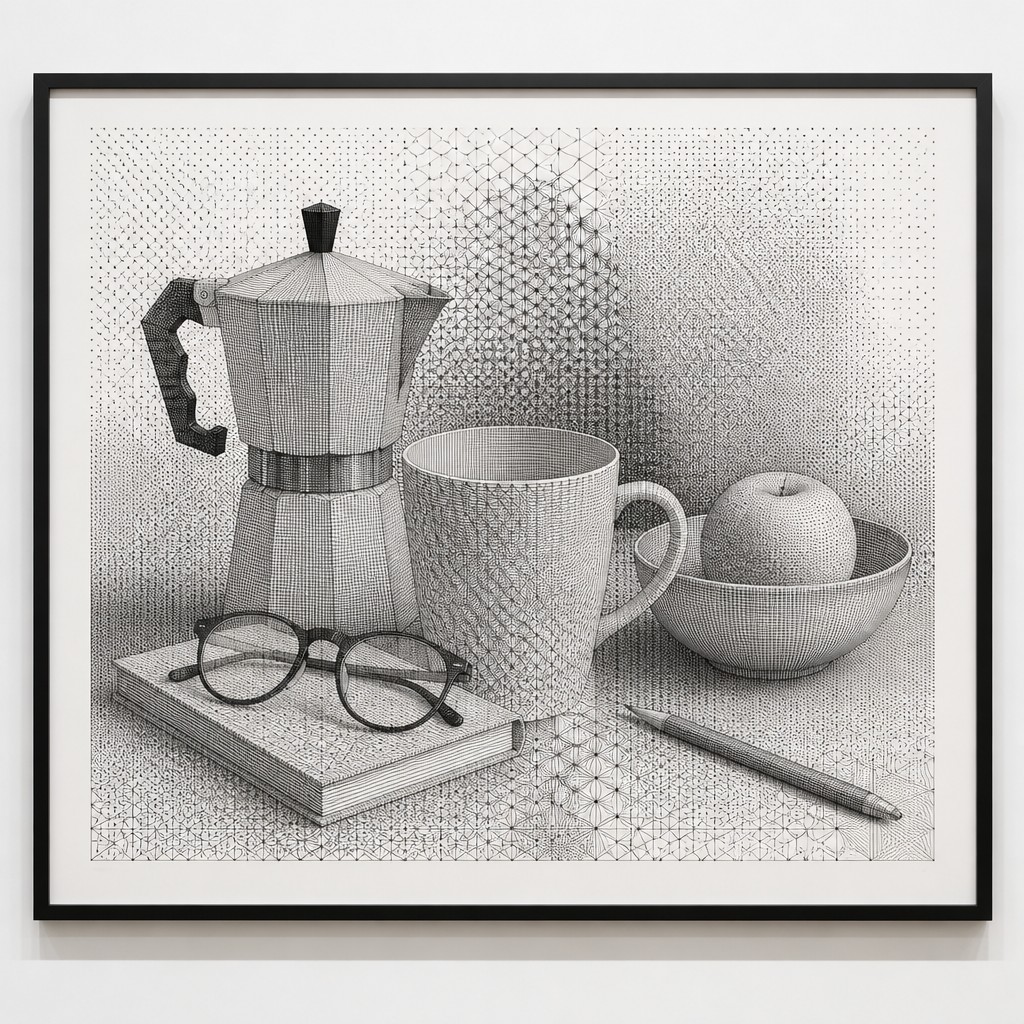
Minimal color and negative space
Black, charcoal, or restrained accent colors often sit against white or pale grounds. Empty space clarifies the structure and prevents dense patterning from becoming visually muddy.
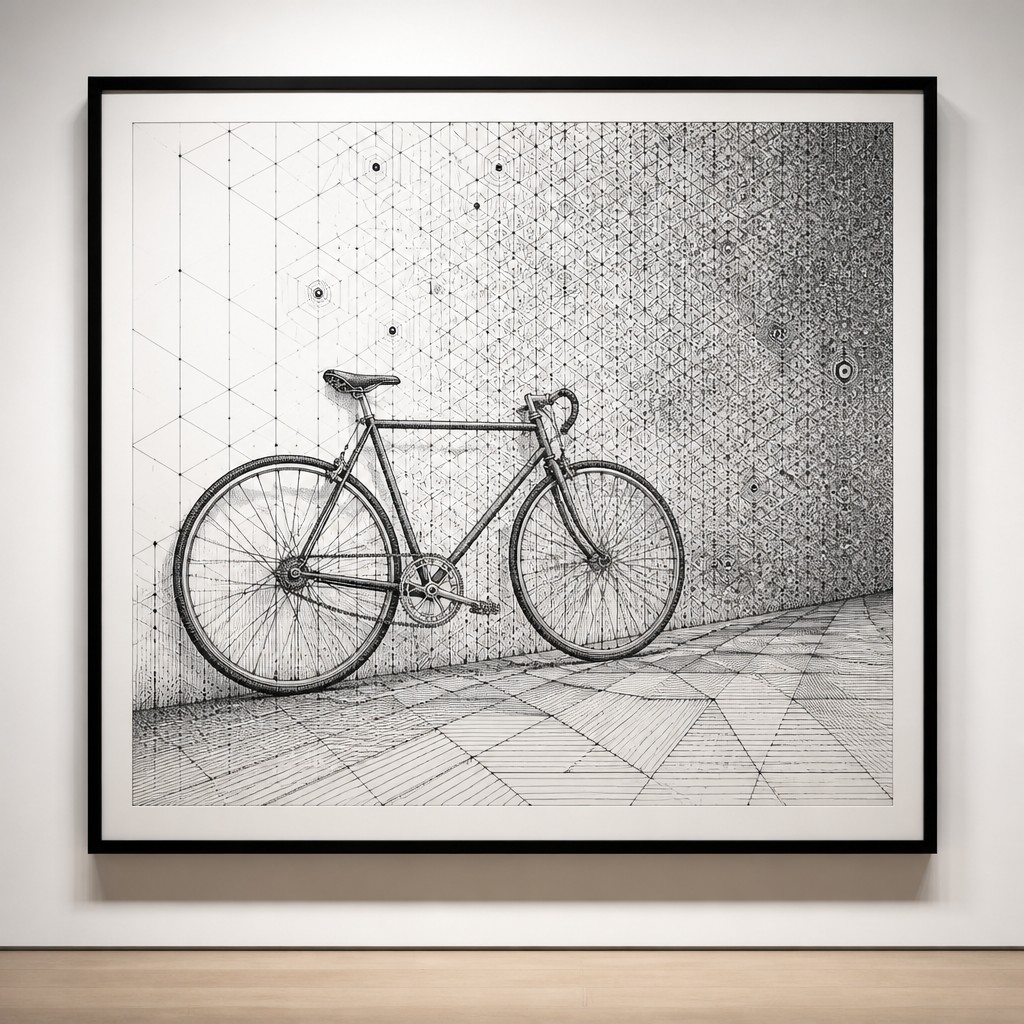
Balanced asymmetry
Compositions frequently begin with symmetry or a centered framework, then introduce local deviations. The result feels stable at a distance but intricate and unpredictable on close inspection.
Generative Prompt Ideas
Start from an idea — each one opens the generator with the style ready to go. See all 40 Generative prompts →
How to Create Generative Art
Master the craft step by step — or skip straight to creating. Read the full guide →
- 1
Define a visual rule set
Choose a small group of behaviors, such as radial repetition, recursive branching, offset grids, or flowing contour lines. Set clear limits for scale, spacing, rotation, and variation before adding detail.
- 2
Build density deliberately
Reserve open areas and concentrate complexity where you want the eye to settle. Gradually changing line frequency or layering creates depth without relying on conventional shading.
- 3
Use plotter and vector techniques
Work with vector paths, parametric curves, or procedural drawing tools to maintain clean contours and consistent line weights. For a traditional result, use technical pens, drafting tools, or a pen plotter on smooth paper.
- 4
Introduce measured irregularity
After establishing symmetry, vary selected paths rather than every element at once. Controlled distortions, gaps, and shifts preserve legibility while preventing a sterile pattern.
- 5
Refine the print presentation
Use a restrained palette, generous margins, and a bright neutral background. Inspect intersections at high resolution and remove accidental tangles, uneven strokes, and distracting artifacts before export or printing.
- 6
Guide digital or AI creation precisely
Describe the subject together with line behavior, geometric structure, density gradients, symmetry, paper ground, and print finish. Specify what to avoid—painterly brushwork, muddy shading, and excessive color—then iterate by adjusting one structural variable at a time.
The Story
History & Origins of Generative
Generative Art Style is best understood as a contemporary umbrella aesthetic rather than a single historical movement with a fixed founding date. Its lineage includes geometric abstraction, systems art, plotter drawing, mathematical illustration, optical art, experimental typography, and computer-based image making developed from the mid-20th century onward. These traditions shifted attention from depicting a subject to defining a process capable of producing visual outcomes.
The style has expanded through digital drawing environments, parametric design, procedural graphics, and algorithmic fabrication. Modern versions often combine computational rules with hand-edited decisions, allowing artists to set constraints, test variations, and refine the most compelling results. Its gallery-like presentation frequently echoes technical diagrams, limited-edition prints, and minimalist displays.
Influences: The style relates closely to geometric abstraction, optical art, systems art, mathematical drawing, parametric design, and experimental computer graphics. It also draws from technical drafting, cartography, scientific visualization, textile pattern, Islamic geometric design, mandala structures, and natural growth systems such as branching and phyllotaxis. Its combination of strict rules and visual variation connects handmade print traditions with contemporary procedural image-making.
Frequently Asked Questions
What defines Generative Art Style?
It is defined by a visible system of rules governing repetition, geometry, line direction, scale, or density. The image usually combines mathematical order with controlled variation, producing a structured composition that can still feel organic.
Is Generative Art Style always computer-generated?
No. The same aesthetic can be made with technical pens, drafting instruments, printmaking methods, or a pen plotter. Digital tools are useful for complex repetition and precise variation, but the defining feature is the rule-based visual logic rather than the medium.
How does it differ from geometric abstraction?
Geometric abstraction may use simple shapes as a finished visual vocabulary, while Generative Art Style emphasizes the process that produces relationships among those shapes or lines. It often includes recursive development, density shifts, and controlled deviations that imply an evolving system.
Can this style depict recognizable subjects?
Yes. Animals, architecture, landscapes, botanical forms, and portraits can be translated into algorithmic contours or modular structures. Recognition works best when the main silhouette and a few identifying details remain clear beneath the pattern.
How can I keep a generated image from becoming cluttered?
Use a limited number of line behaviors and establish clear focal areas. Ask for negative space, restrained density, consistent line weight, and a narrow palette, then reduce overlapping structures that do not support the composition.
Where is this style commonly used?
It appears in gallery prints, generative installations, data-informed graphics, editorial illustration, posters, book covers, motion graphics, and experimental identity systems. Its precision also makes it suitable for plotted drawings, laser-cut patterns, and other forms of digital fabrication.
Create your first Generative artwork
Describe anything — or upload a photo — and see it in Generative Art Style in seconds.
Related Styles
Discover similar art styles