Nuremberg Art Style
Explore the Nuremberg art style: Northern Renaissance woodcut linework, gilded limewood carving, earthy colors, jewel accents, and ornate altarpiece detail.
Instantly rendered in Nuremberg — or transform a photo
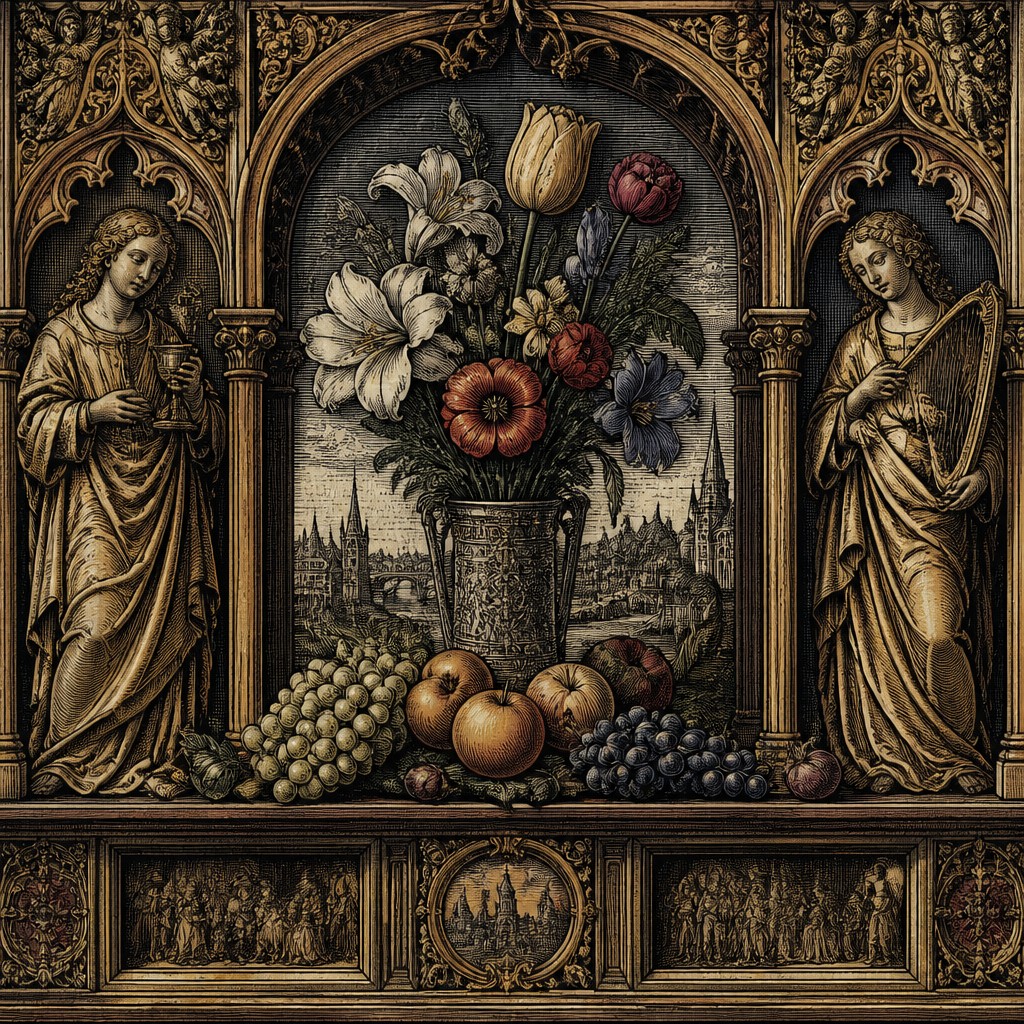
Nuremberg Gallery
Tap any artwork to explore it
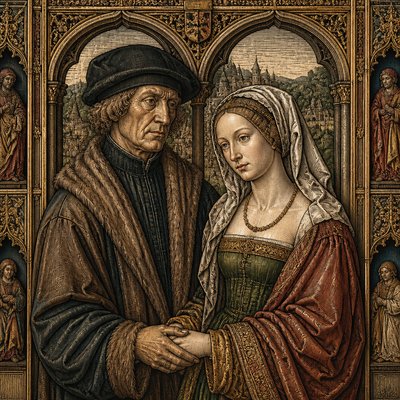
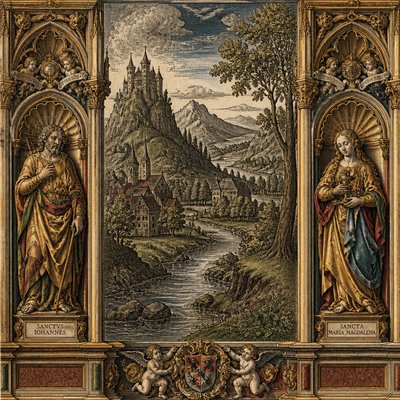
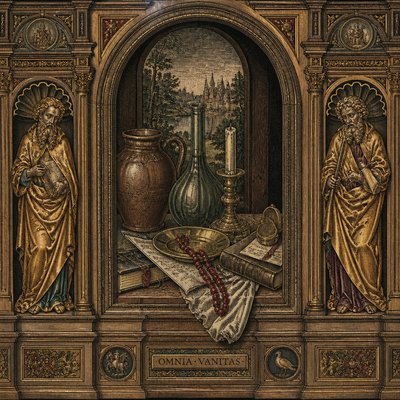
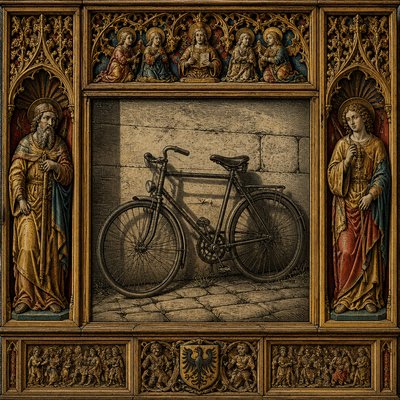
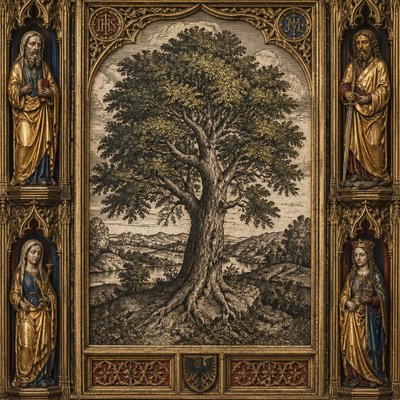
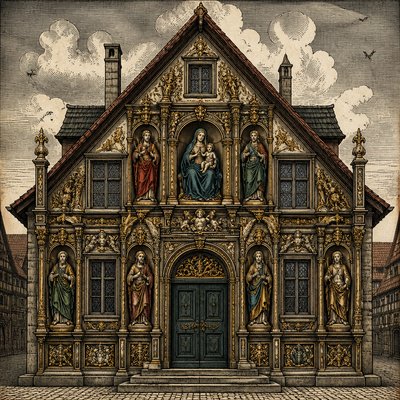
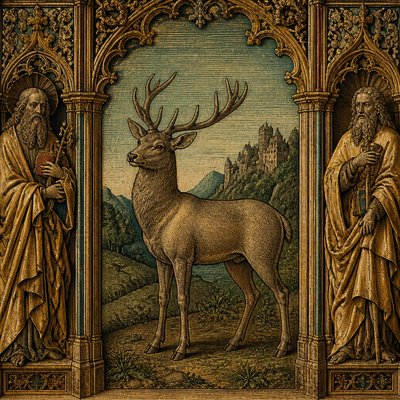
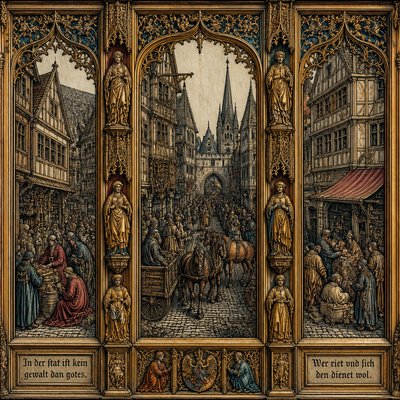
What is Nuremberg Art Style?
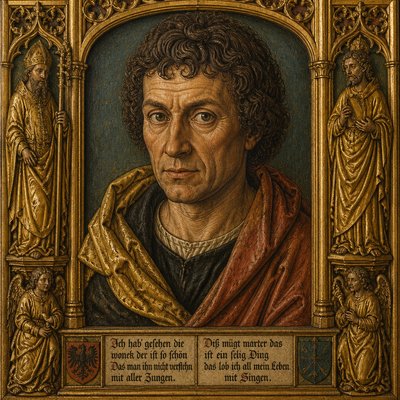
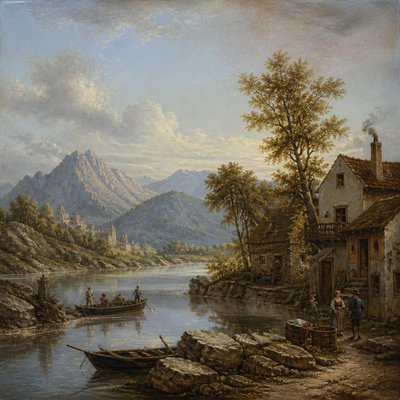
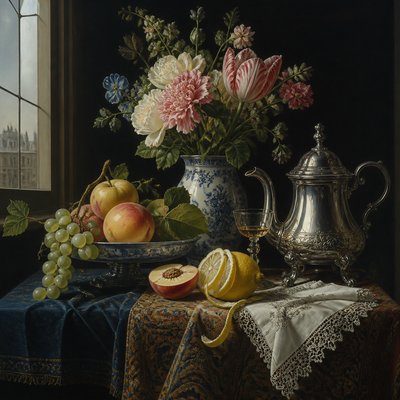
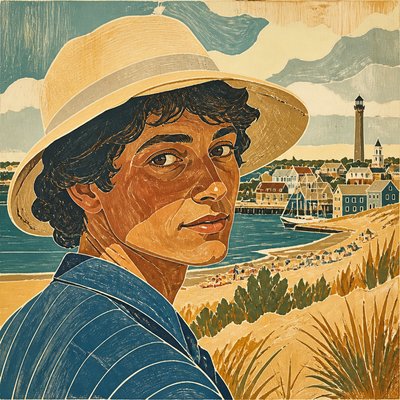
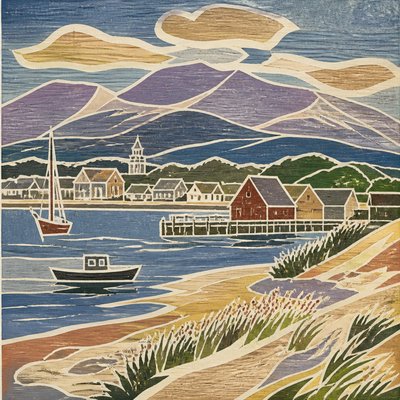
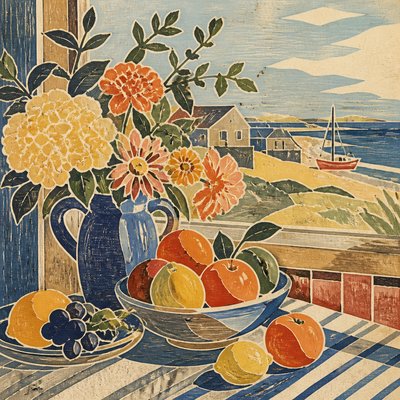
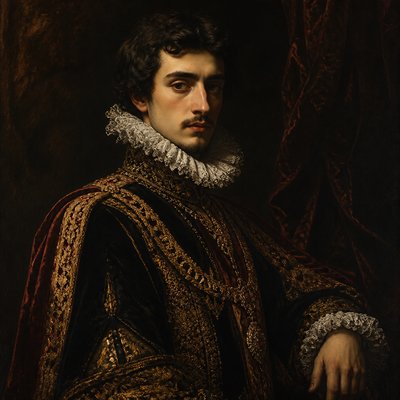
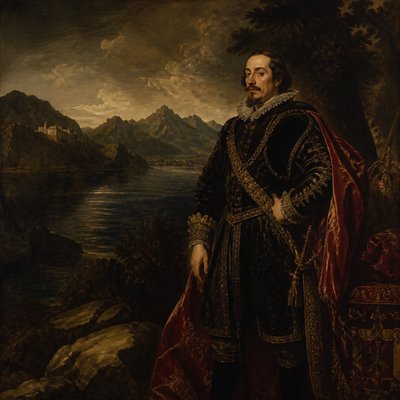
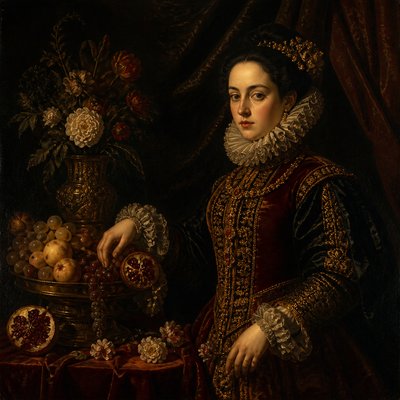
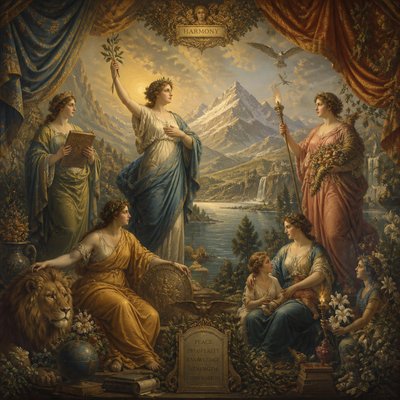
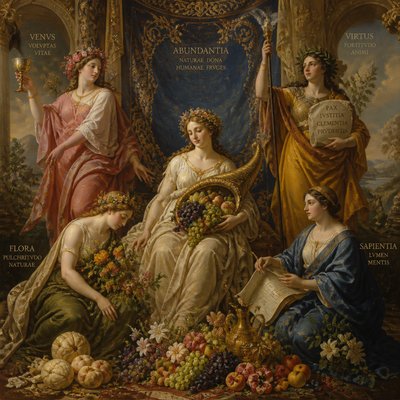
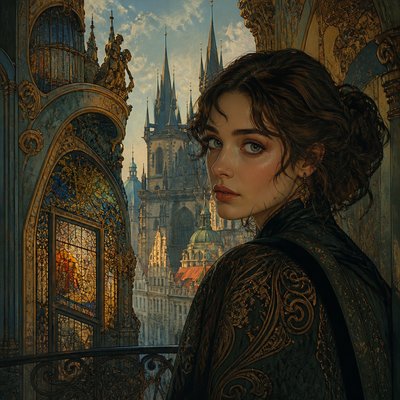
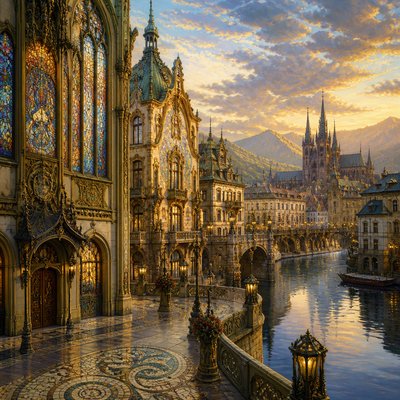
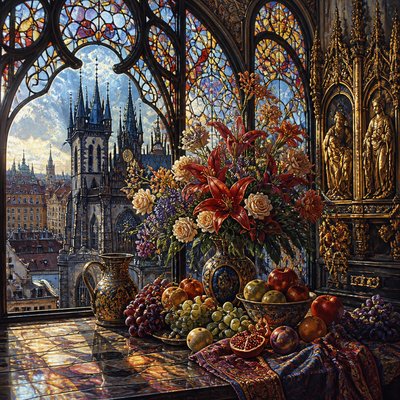
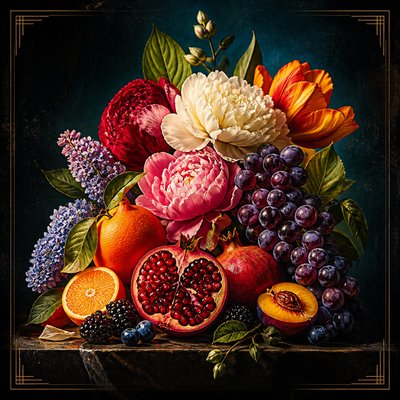
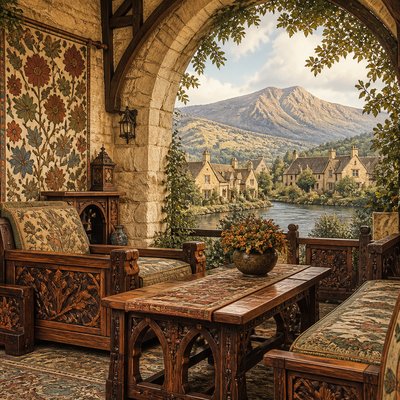
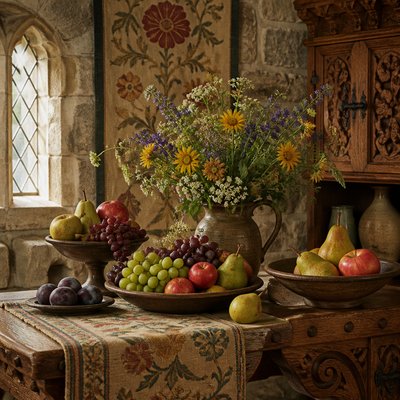
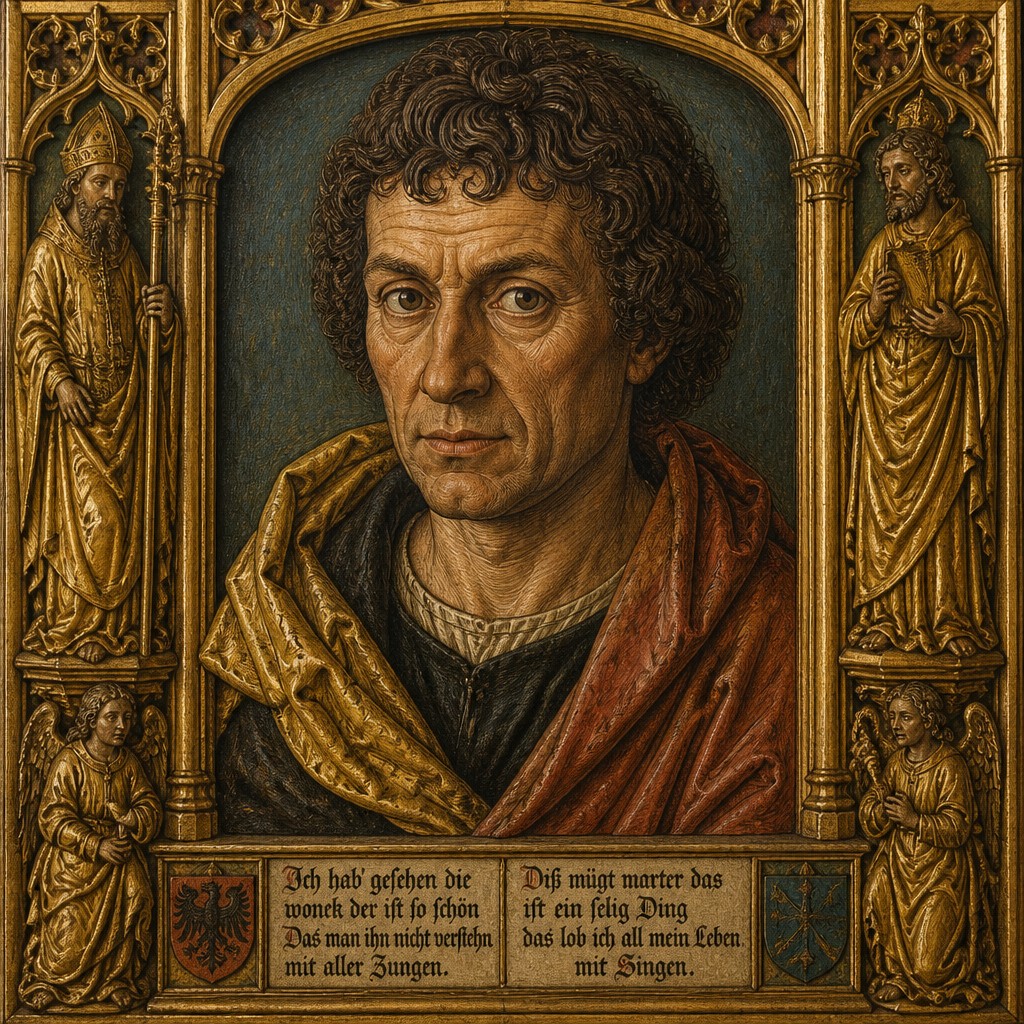
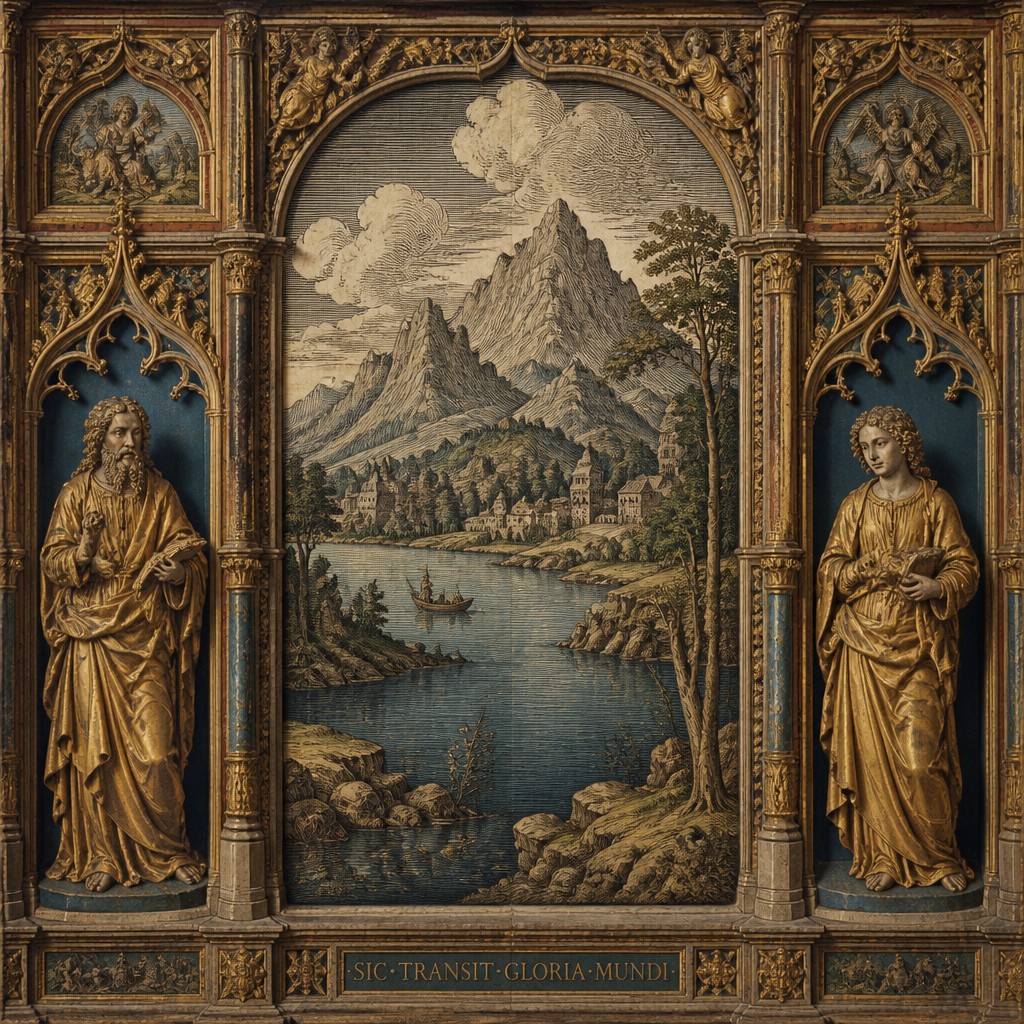
The Nuremberg art style is a historically grounded regional aesthetic inspired by the visual culture of Nuremberg during the Northern Renaissance, especially its precise woodcut prints, carved limewood altarpieces, devotional imagery, and carefully structured architectural settings. It combines crisp, dark linear definition with dense crosshatching, intricate drapery, expressive faces, and an almost miniature-like attention to surface detail.
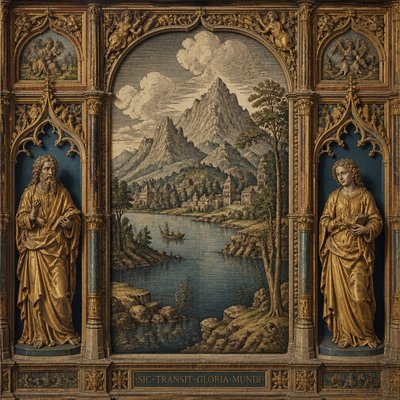
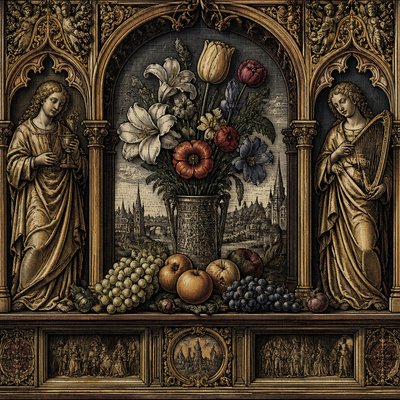
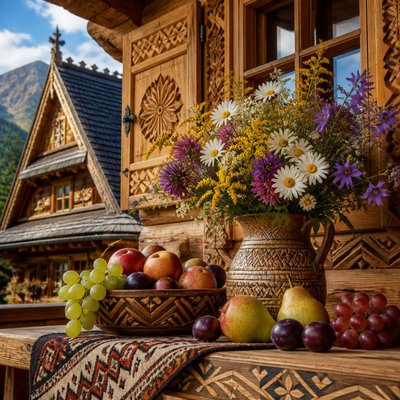
Its visual identity depends on a dialogue between graphic austerity and material richness. Figures may appear as if carved from gilded wood while the surrounding image uses the restricted earthy palette of a period panel painting or relief print, enlivened by selective reds, blues, greens, and gold. Ornate framing, architectural perspective, patterned surfaces, and meticulously rendered veins, folds, hair, and masonry create a devotional and distinctly Northern European atmosphere.
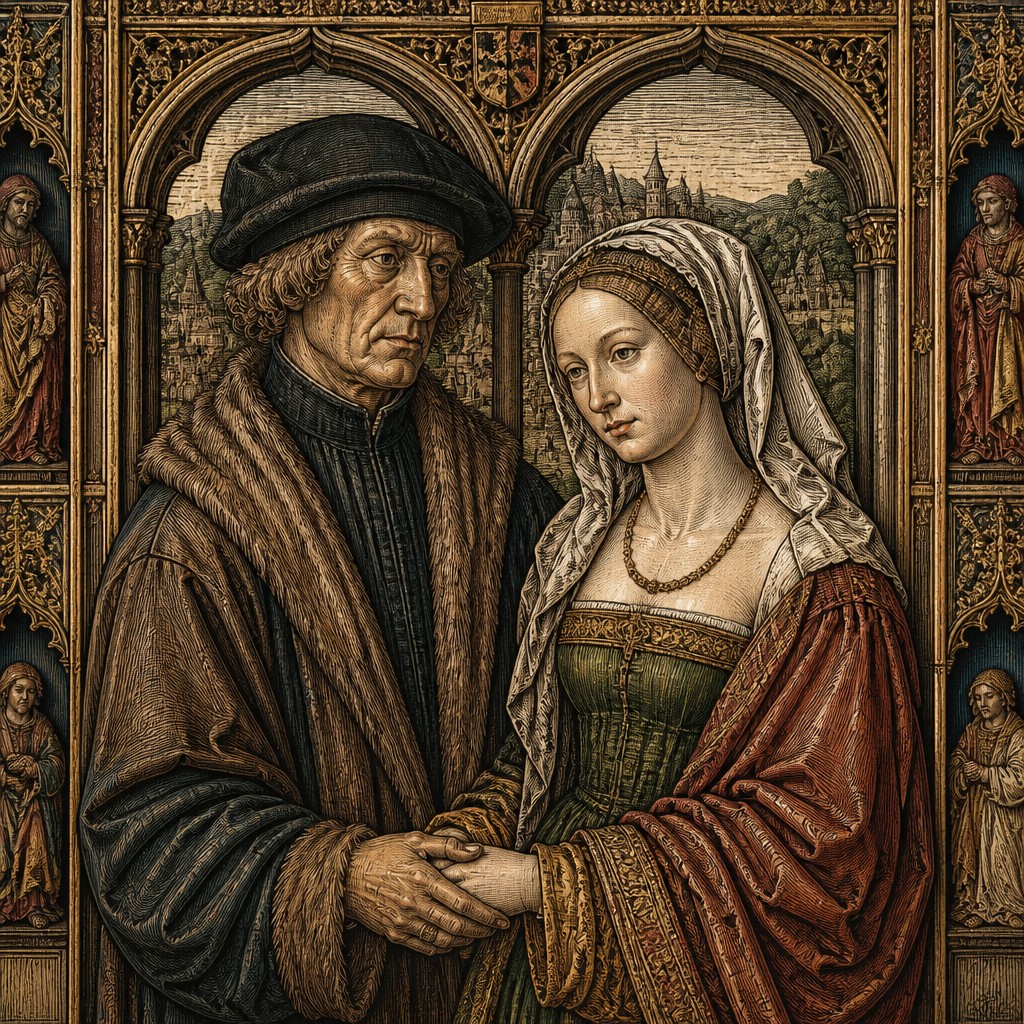
Try It On Your Photos
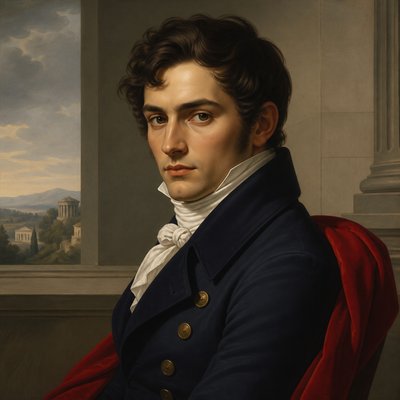
Upload any photo and convert it into Nuremberg Art Style — drag the sliders to compare before and after.
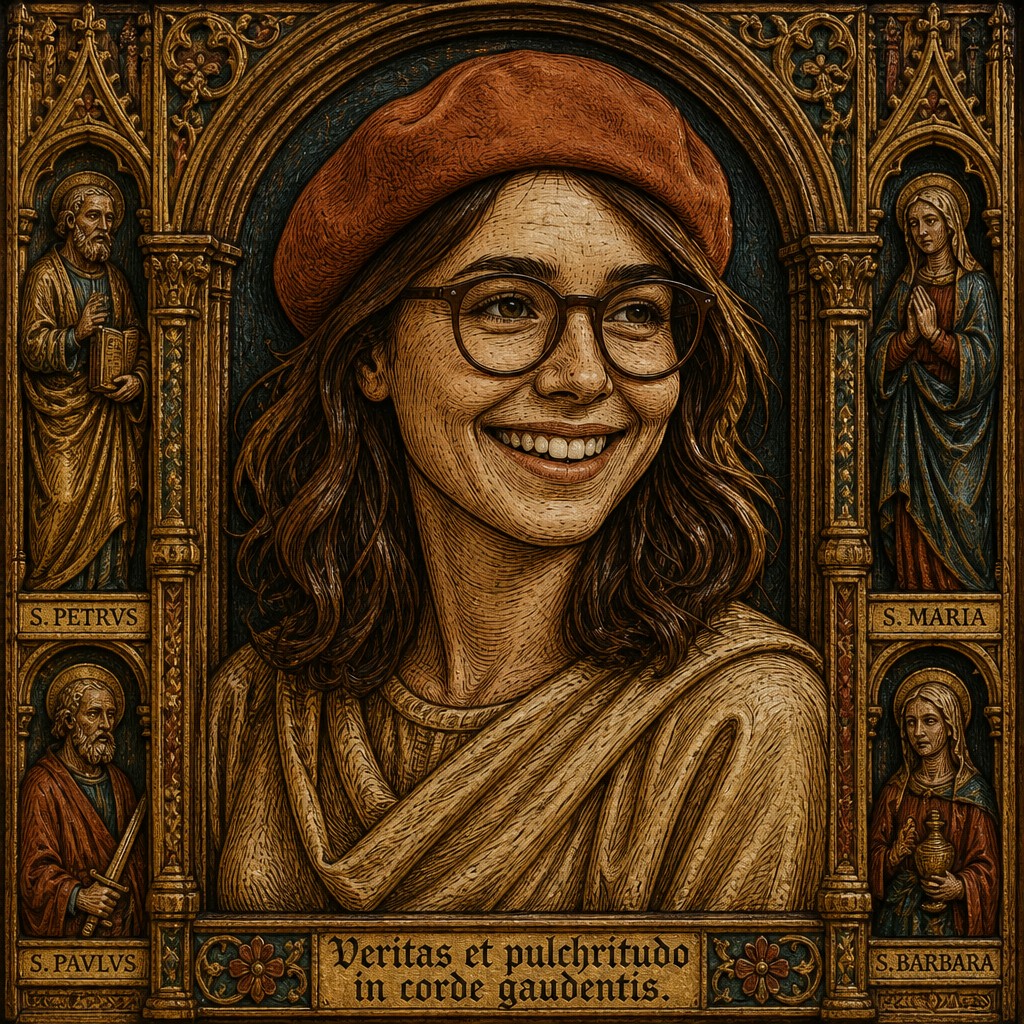

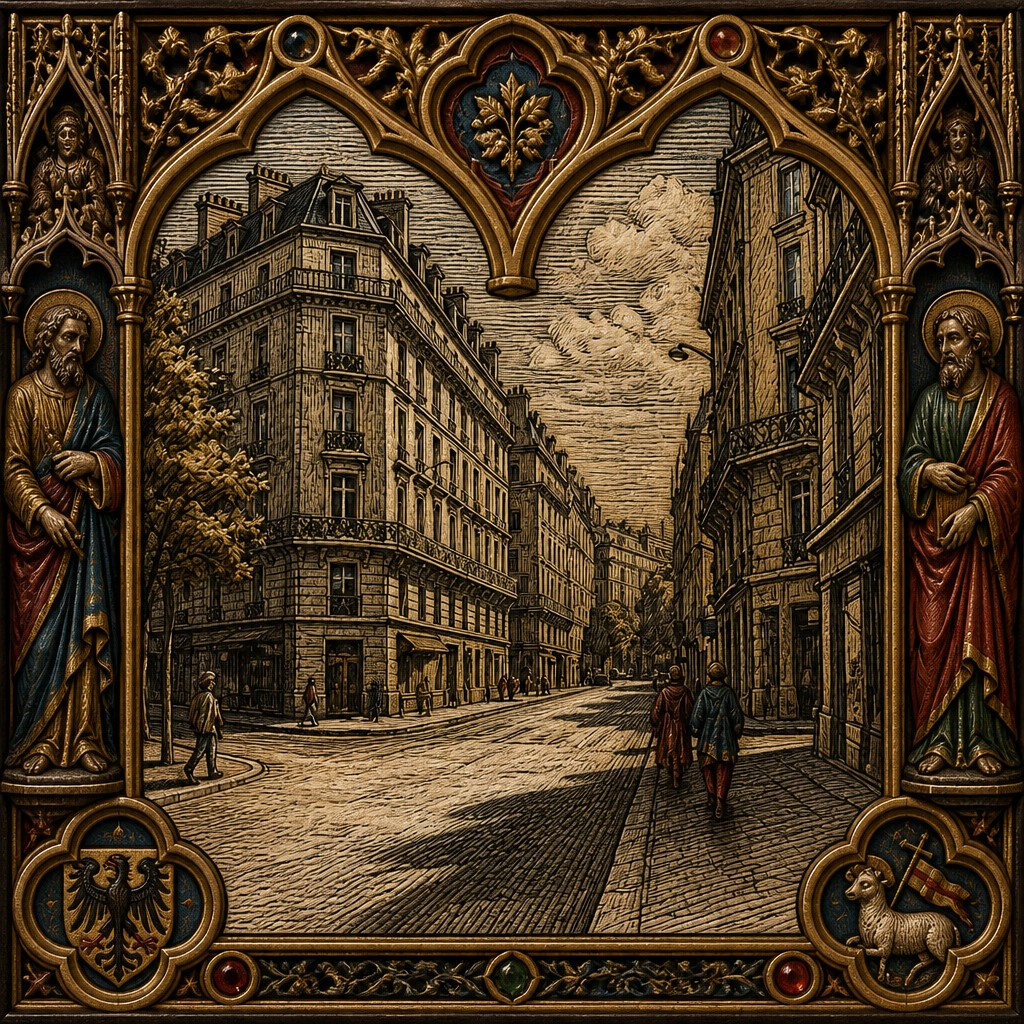

What Defines Nuremberg Art Style
The signature details, up close
Precise woodcut linework
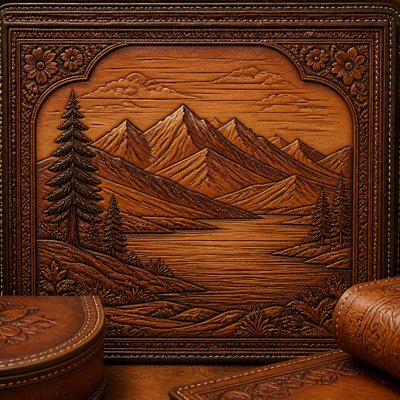
Strong carved-looking contours define figures, architecture, foliage, and fabric. Lines remain deliberate and economical, giving the image the authority of a relief print.
Dense crosshatched shading
Parallel and intersecting lines build volume, shadow, and atmospheric depth without relying on soft tonal gradients. Crosshatching is especially effective in recesses, folds, hair, masonry, and architectural interiors.
Gilded limewood appearance
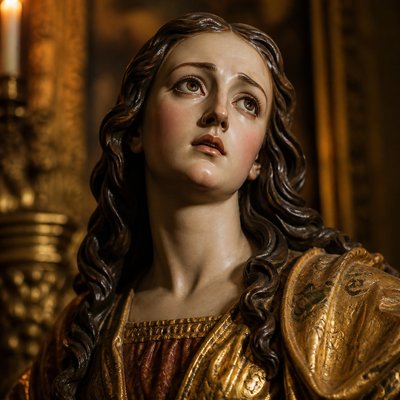
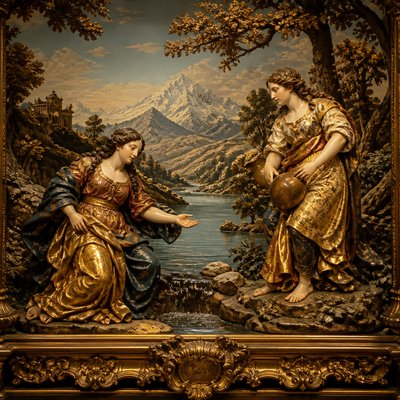
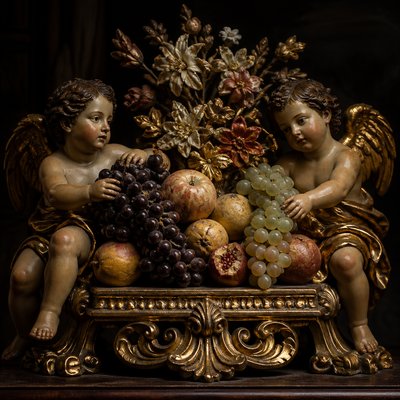
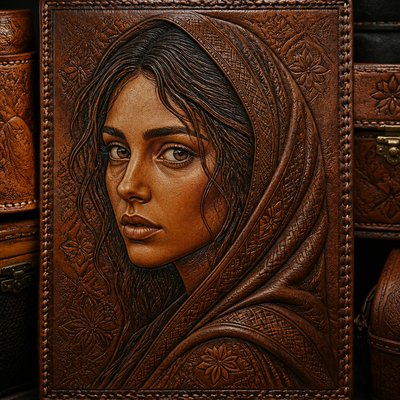
Figures and ornamental details suggest carved limewood covered with gesso, bole, and gold leaf. Gilding is often concentrated on halos, crowns, trim, garments, and frame elements rather than applied uniformly.
Flowing drapery and carved anatomy
Garments fall in sharply observed folds that emphasize the body beneath them. Hands, faces, hair, feathers, and veins receive careful linear treatment, reflecting the close observation associated with Northern Renaissance art.
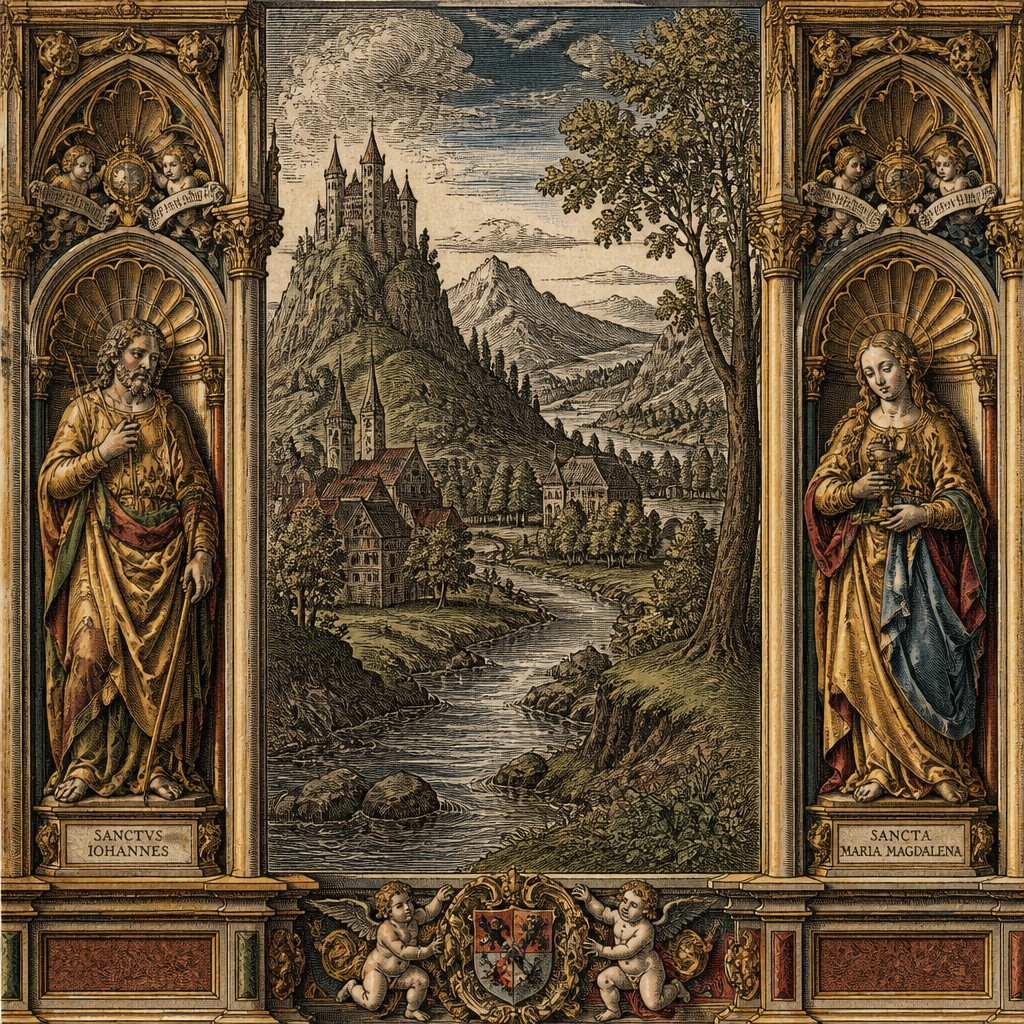
Muted earthy palette
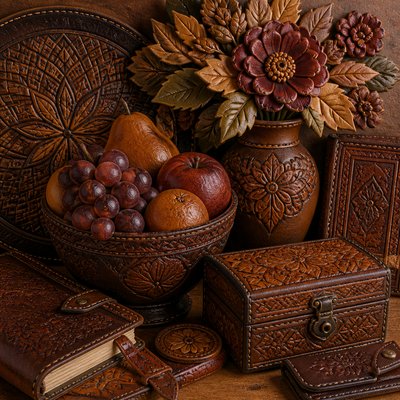
Brown, umber, ochre, smoky gray, parchment, and subdued green establish the base palette. Jewel-like accents of ultramarine, crimson, emerald, or amber add focus without eliminating the aged, restrained character.
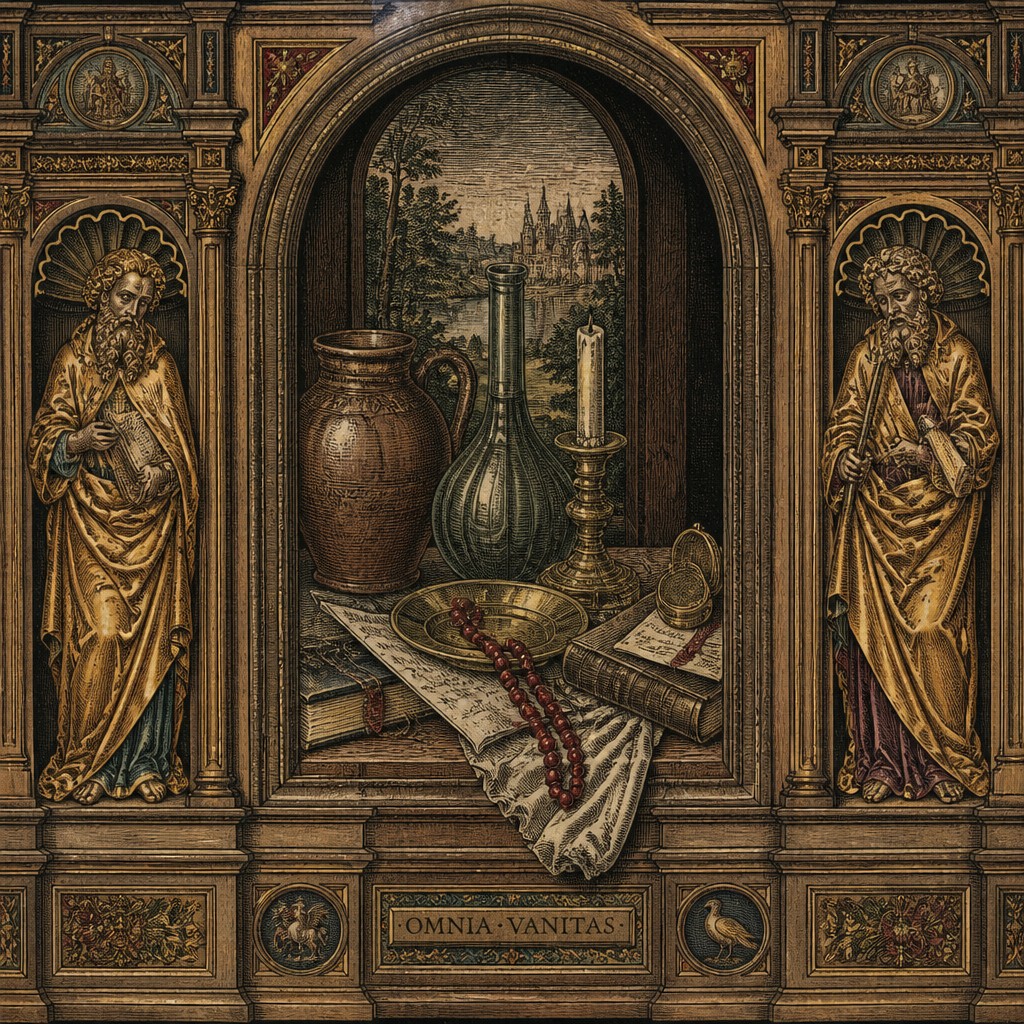
Ornate architectural framing
Arches, columns, tracery, niches, pinnacles, carved foliage, and miniature architectural settings organize the composition. Frames often function as part of the subject rather than as a separate border.
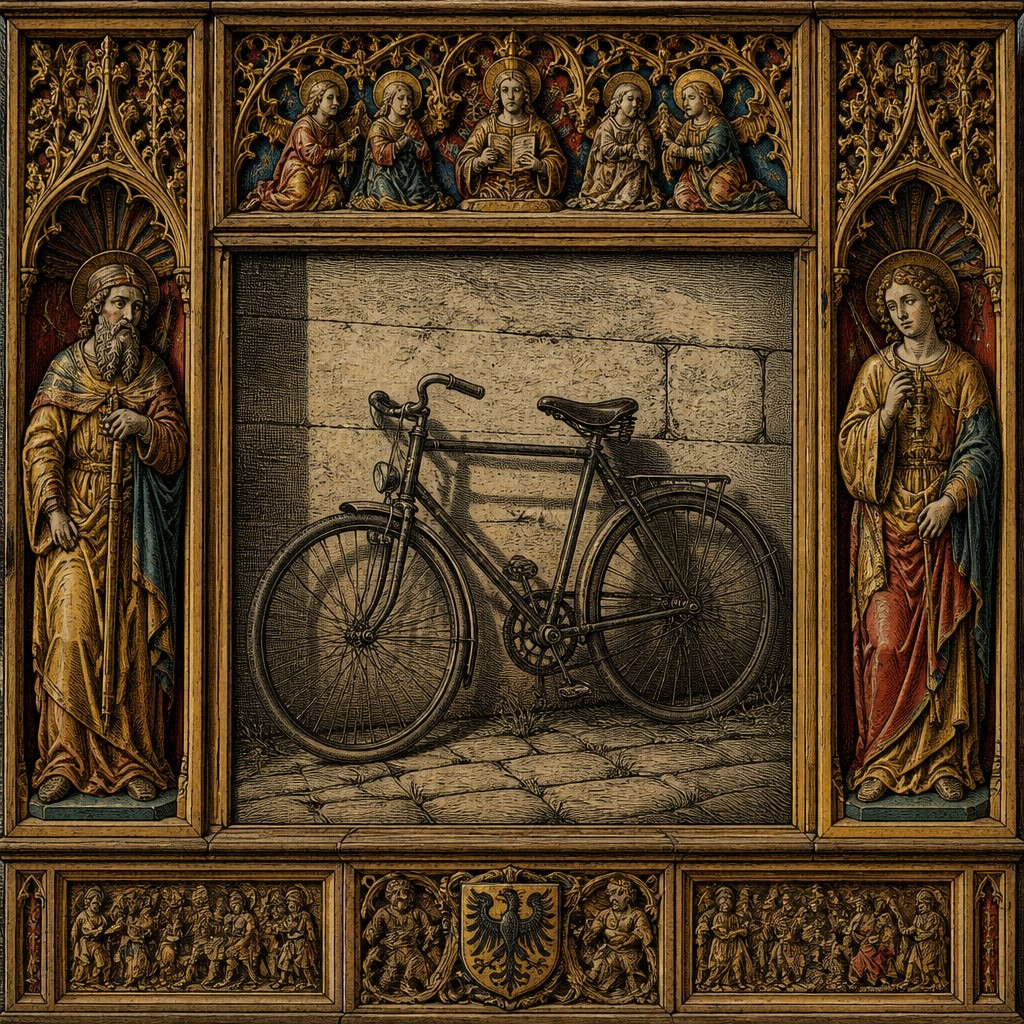
Layered devotional composition
Subjects are arranged with the clarity of an altarpiece or illustrated devotional page, combining a central figure with symbolic objects, secondary scenes, inscriptions, or richly patterned surroundings.
Nuremberg Prompt Ideas
Start from an idea — each one opens the generator with the style ready to go. See all 40 Nuremberg prompts →
How to Create Nuremberg Art
Master the craft step by step — or skip straight to creating. Read the full guide →
- 1
Build the image as a relief print
Begin with a clear contour drawing and reserve the lightest areas before adding parallel and crosshatched marks. Keep line direction responsive to the form so that shading describes the volume of cloth, wood, stone, and skin.
- 2
Study carved drapery
Design broad, rhythmic folds with sharp ridges and deep channels, as though the subject were cut from limewood. Avoid overly smooth digital gradients; let angular transitions and incised edges carry the modeling.
- 3
Layer the gilded surface
For a traditional approach, use a gesso-like ground, warm bole tones, metallic leaf or pigment, and selectively burnished highlights. Digitally, combine matte wood grain, worn gold, tiny cracks, and uneven patina rather than applying a flat metallic filter.
- 4
Control color and aging
Start with parchment, umber, ochre, and muted charcoal, then introduce a few concentrated jewel accents. A restrained vignette, softened contrast, and subtle surface wear can suggest an old panel, print, or polychromed sculpture.
- 5
Construct an altarpiece-like setting
Use symmetrical framing, niches, arches, pinnacles, carved foliage, or a compact architectural interior to give the subject a period structure. Keep the ornament subordinate to the main figure so the composition remains legible.
- 6
Write prompts with material and process cues
Specify carved relief contours, dense crosshatching, limewood sculpture, selective gold leaf, muted Northern European pigments, and meticulous architectural detail. For image-to-image work, preserve the source pose while asking for sharper incised lines, carved drapery, and an aged devotional surface.
The Story
History & Origins of Nuremberg
Nuremberg became an important center of printing, metalwork, sculpture, painting, and book production during the late fifteenth and early sixteenth centuries. The style described here is not a formally defined historical movement with a single canonical definition; it is a contemporary synthesis of regional Northern Renaissance traditions associated with the city and its surrounding artistic culture.
Its lineage draws particularly from the relief-print tradition of woodcut illustration and from German-speaking workshops that produced carved and polychromed limewood altarpieces. These traditions developed alongside manuscript illumination, panel painting, devotional sculpture, and architectural ornament, creating a visual language in which precise line, tactile carving, gilded surfaces, and dense narrative detail could coexist.
Influences: This aesthetic draws from the Northern Renaissance, German woodcut illustration, late medieval devotional panels, polychromed limewood sculpture, manuscript illumination, Gothic architectural ornament, and the workshop traditions of Central Europe. It also relates to relief printing, early illustrated books, heraldic design, and contemporary revival treatments that imitate aged wood, parchment, gold leaf, and hand-tooled surfaces.
Frequently Asked Questions
What defines the Nuremberg art style?
It is defined by precise woodcut-like contours, dense crosshatching, carved limewood figures, selective gilding, muted earthy colors, jewel accents, and elaborate architectural framing. The overall effect combines the graphic clarity of a relief print with the tactile richness of a Northern Renaissance altarpiece.
Is the Nuremberg art style a recognized historical movement?
Not in the same formal sense as Renaissance, Baroque, or Impressionism. The term is best understood as a regional and contemporary style label that synthesizes documented artistic traditions associated with Nuremberg and the wider Northern Renaissance.
How does it differ from a general medieval or Gothic style?
A general medieval style can encompass many periods and regions, while this aesthetic places special emphasis on late medieval and Renaissance print precision, observational detail, carved limewood surfaces, and the material contrast between dark linework and gold. Its architectural ornament may be Gothic, but its graphic discipline and naturalistic detail point strongly toward the Northern Renaissance.
What materials are associated with its historical lineage?
The main references are woodblocks for relief printing, limewood for carved figures, tempera or oil-based panel painting, gesso, bole, and gold leaf for polychrome and gilded surfaces. Parchment, ink, pigments, and the tools of book illustration also contribute to its visual vocabulary.
How can I make an image in this style without making it look flat?
Use directional crosshatching to describe form, vary line weight, and create physical-looking layers for wood grain, gesso, paint, and gold. Strong edge definition should be balanced with cast shadows, recessed ornament, and selective highlights so the image suggests both a print and a carved object.
Where is this aesthetic commonly useful?
It suits historical illustration, devotional or mythic scenes, fantasy worldbuilding, illustrated books, heraldic compositions, museum-inspired posters, game artifacts, and architectural studies. It works best when the subject benefits from a formal frame, symbolic details, or richly described materials.
Create your first Nuremberg artwork
Describe anything — or upload a photo — and see it in Nuremberg Art Style in seconds.
Related Styles
Discover similar art styles