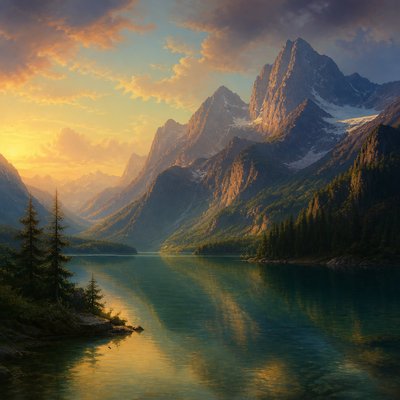
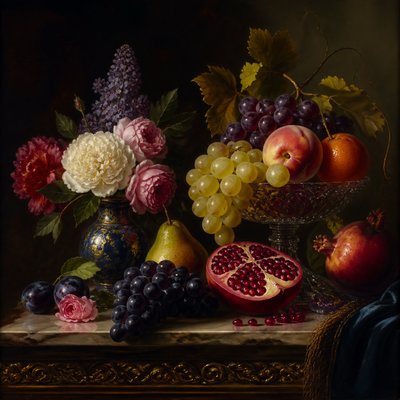
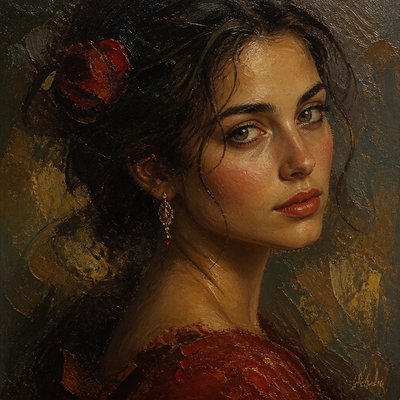
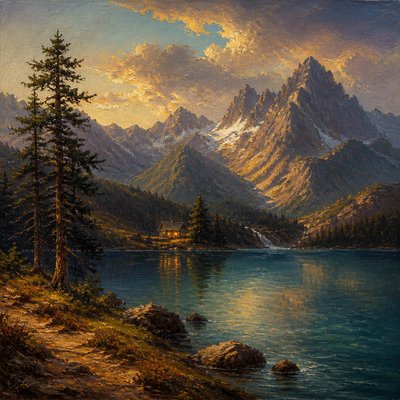
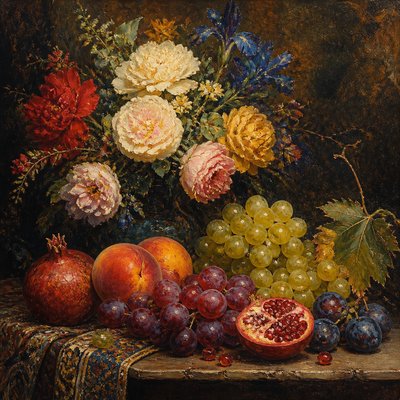
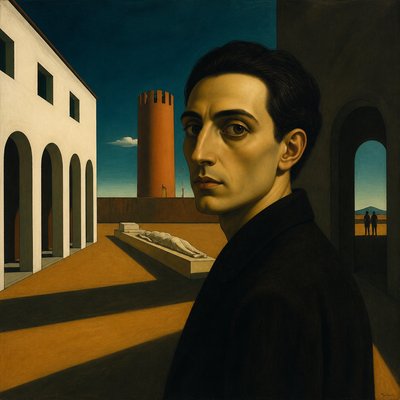
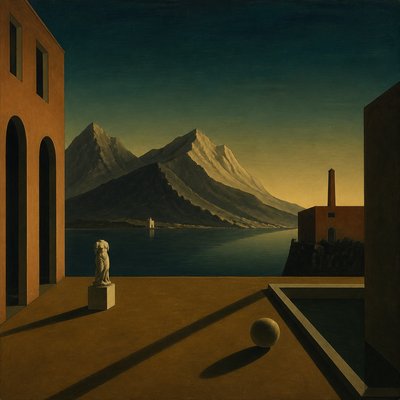
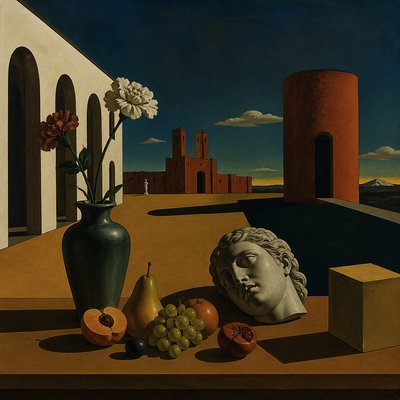
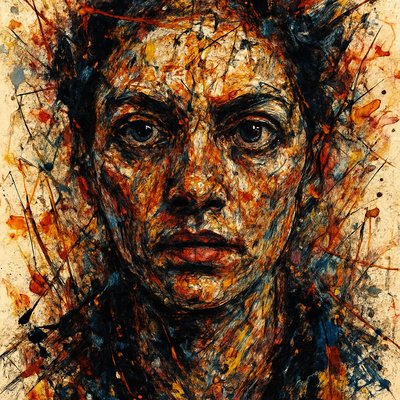
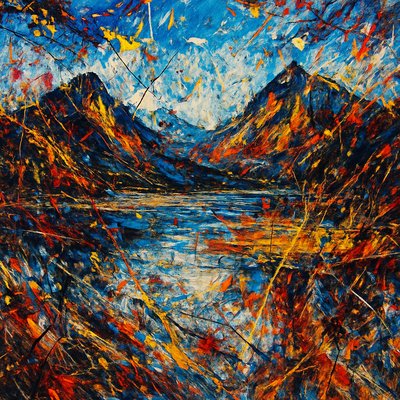
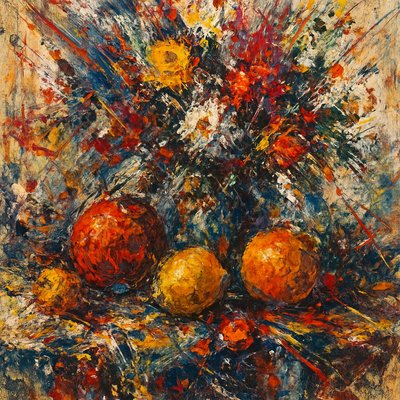
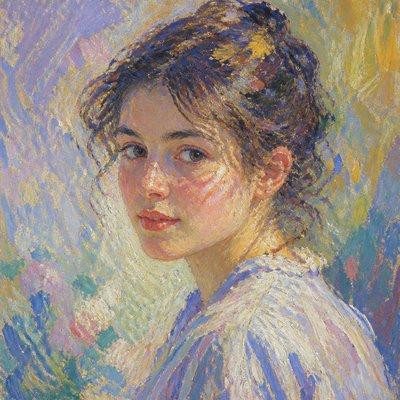
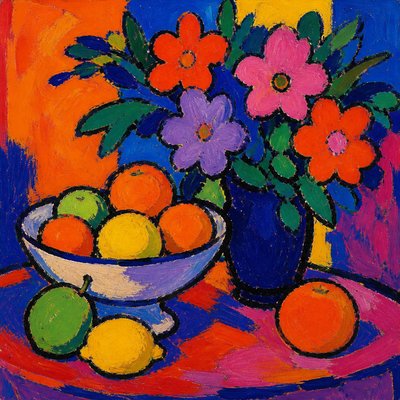
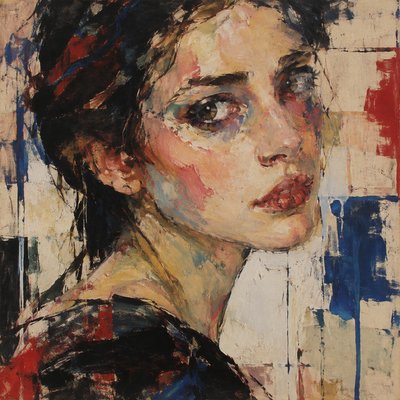
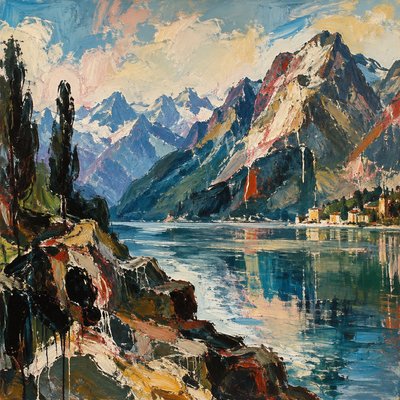
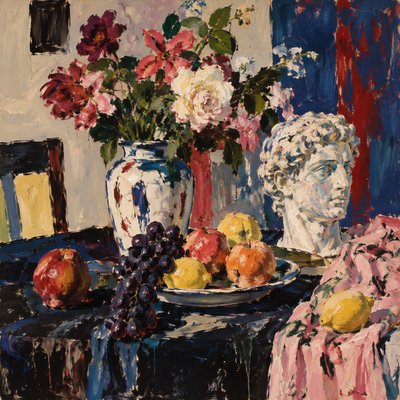
Gouache Painting Style
Explore gouache painting: opaque matte color, crisp shapes, rich mid-tones, and the vintage illustration techniques behind its distinctive look.
Instantly rendered in Gouache Painting — or transform a photo
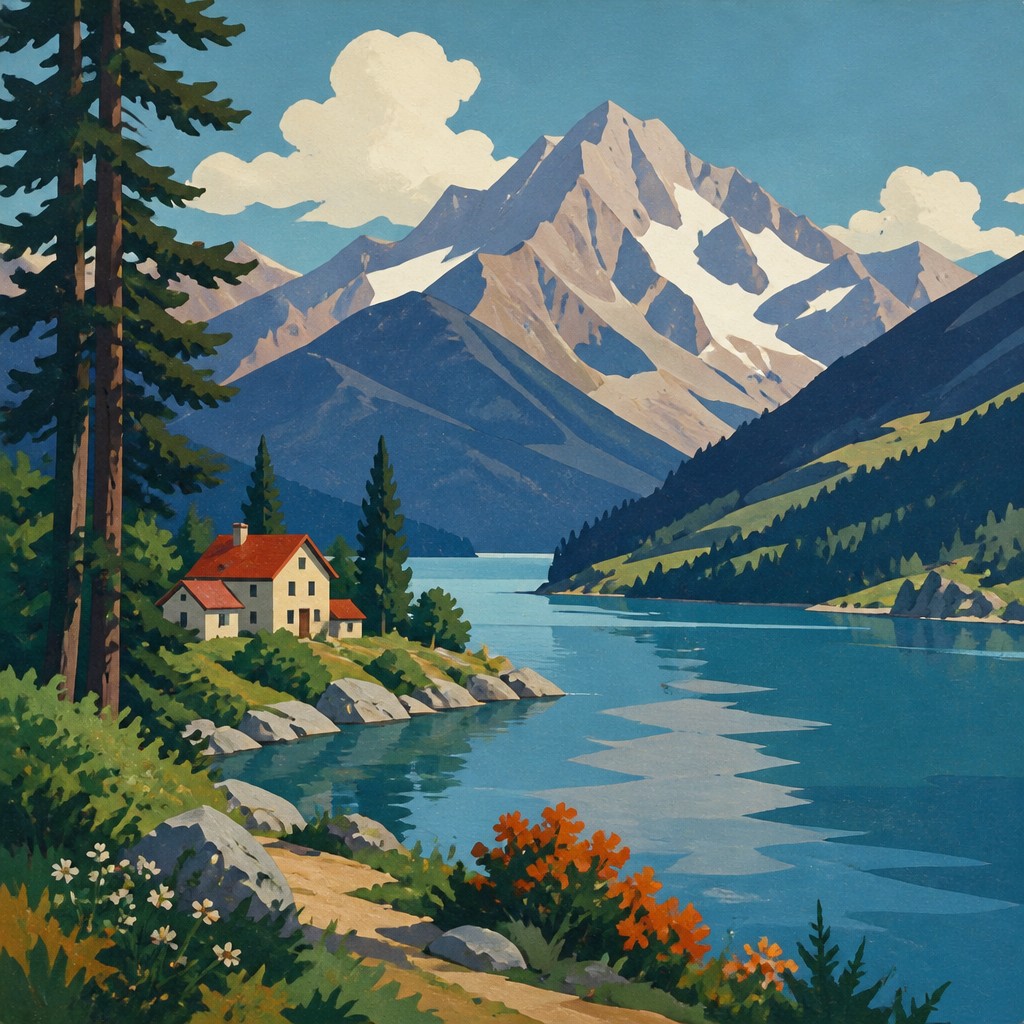
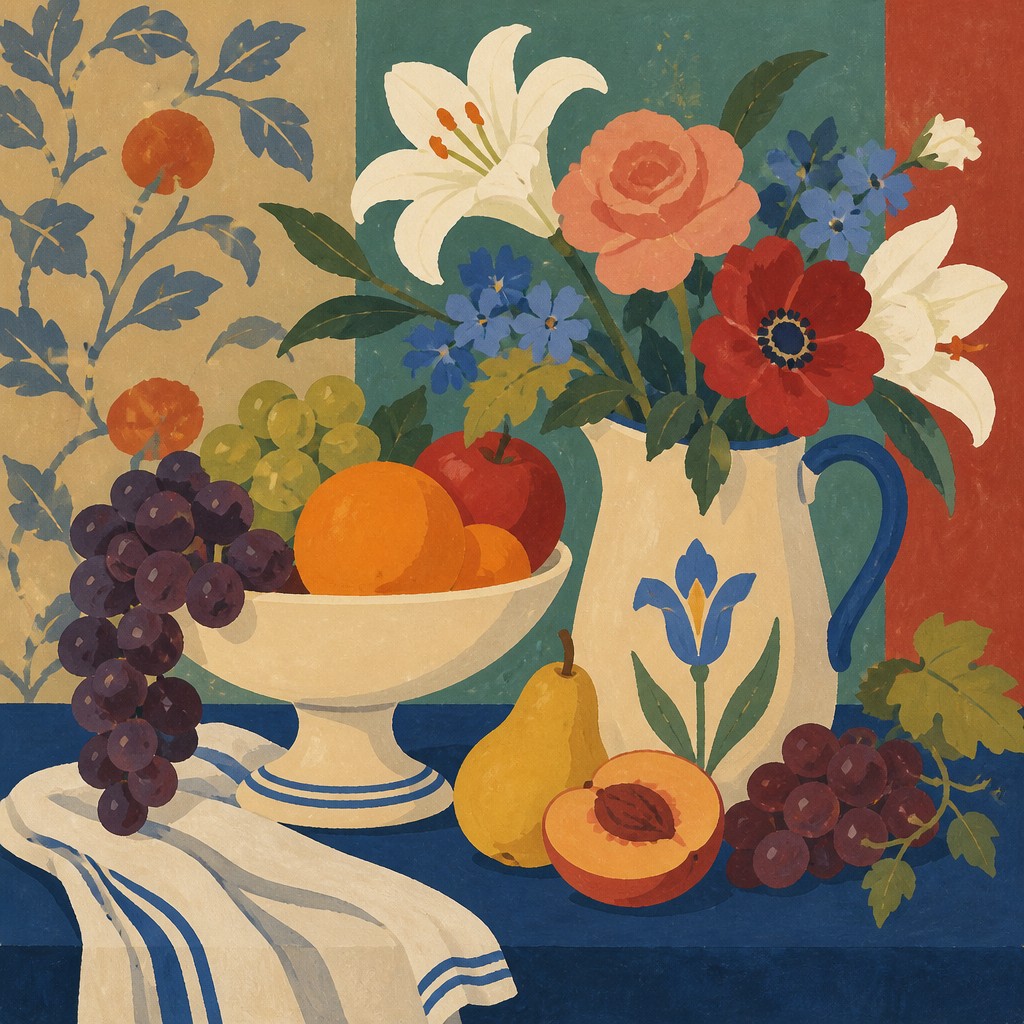
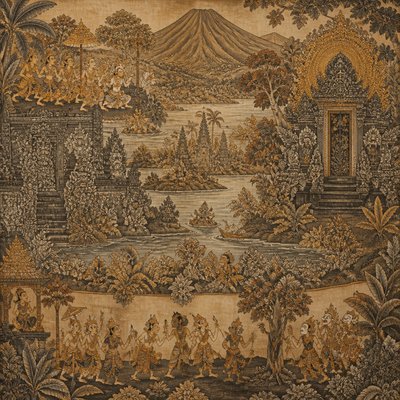
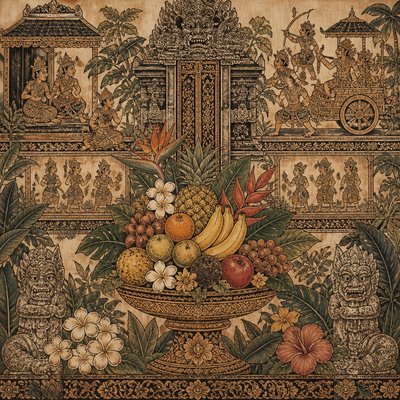
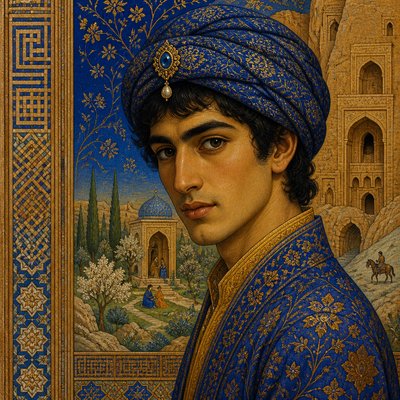
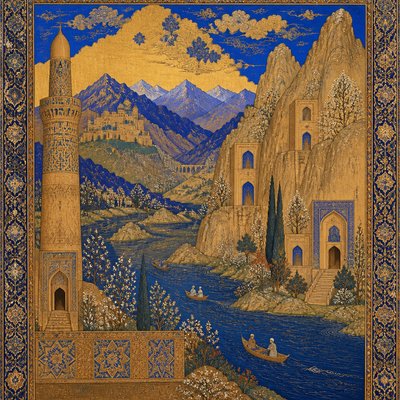
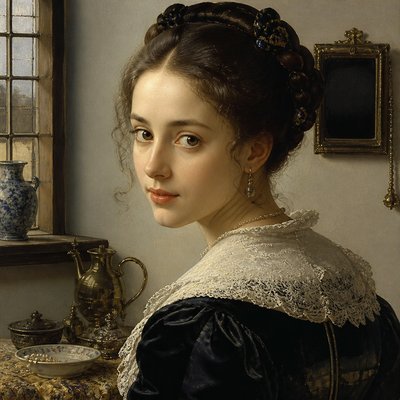
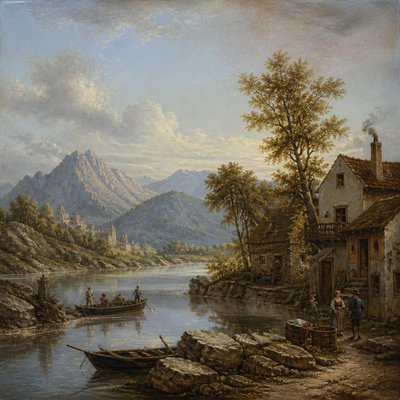
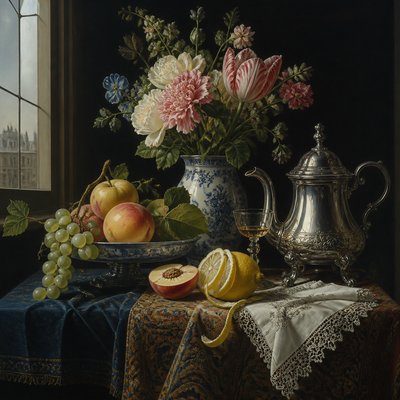
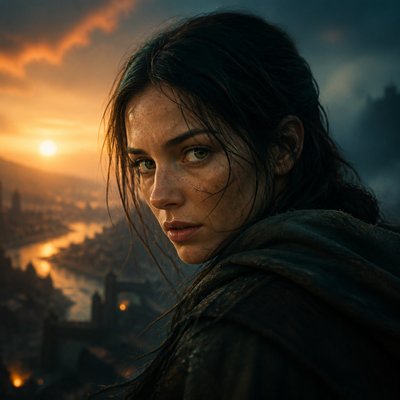
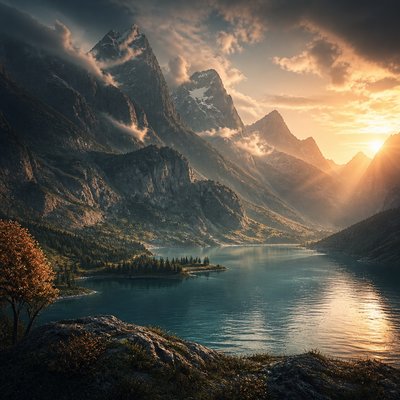
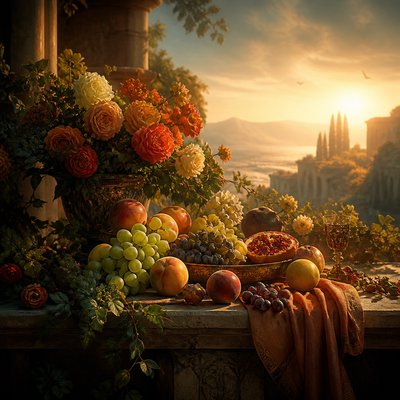
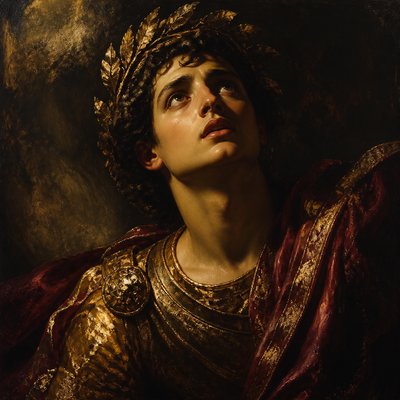
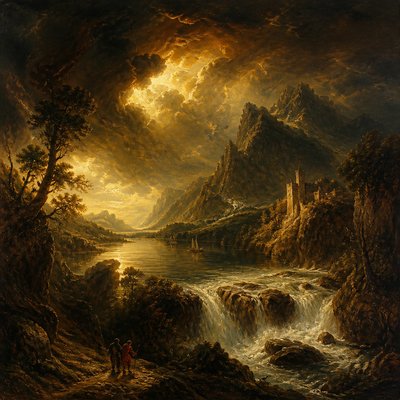
Gouache Painting Gallery
Tap any artwork to explore it
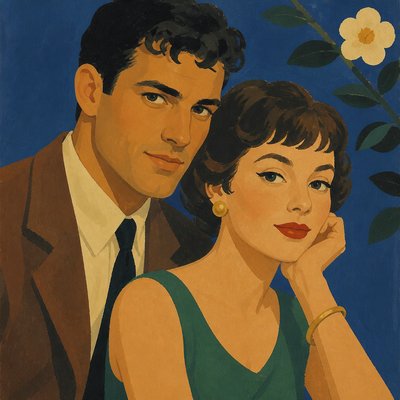
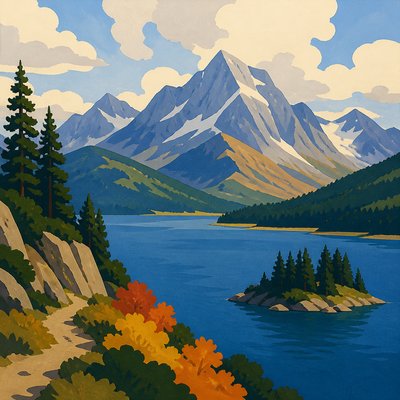
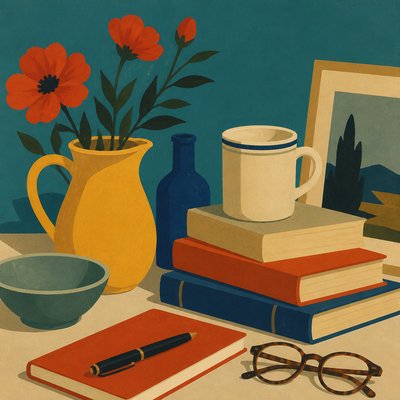
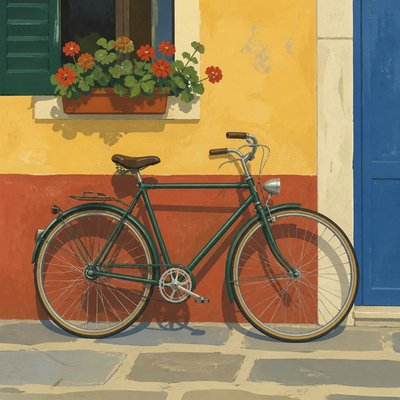
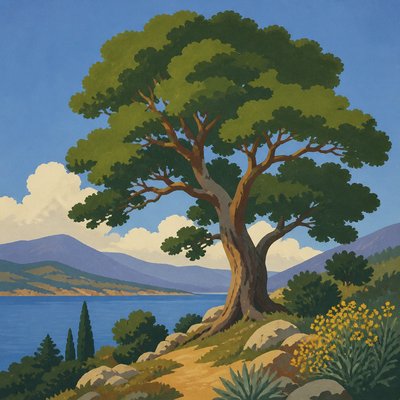
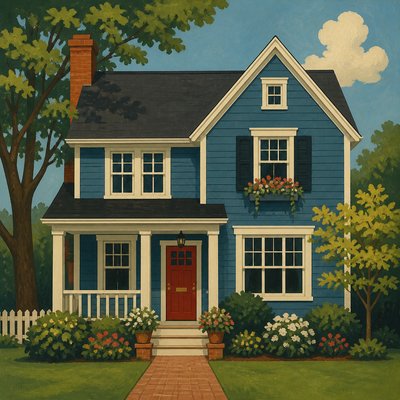
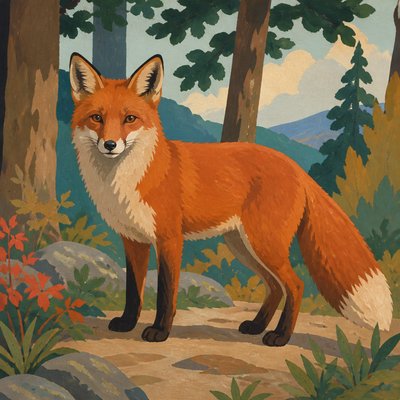
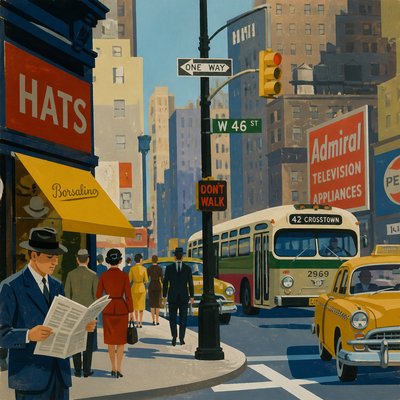
What is Gouache Painting Style?
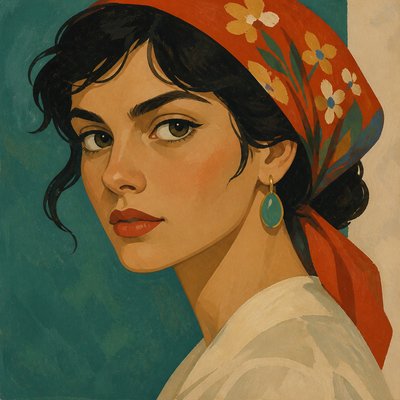
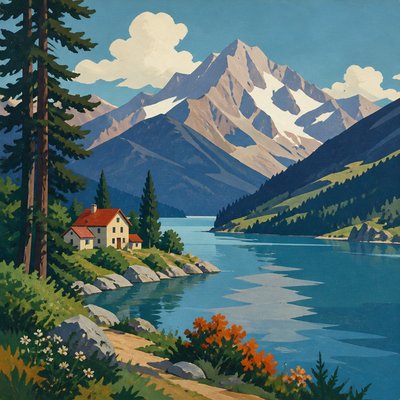
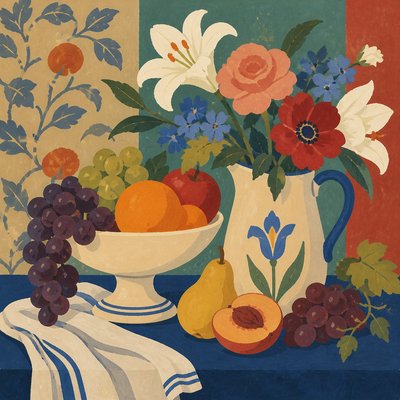
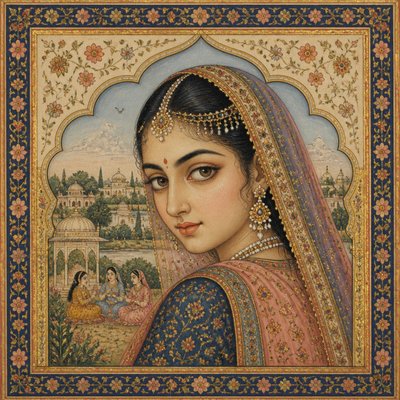
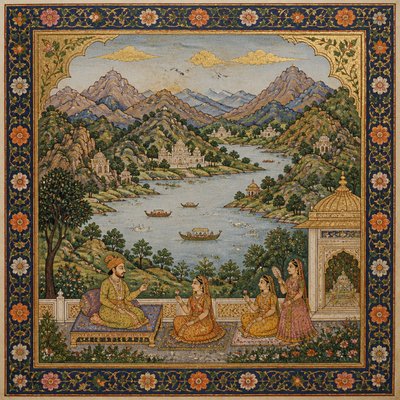
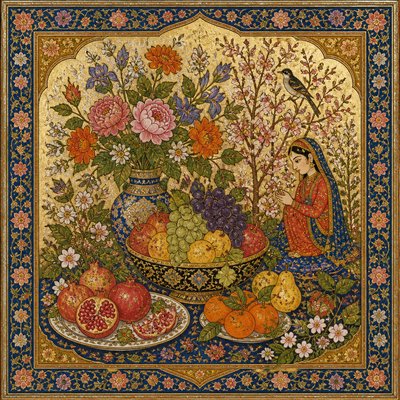
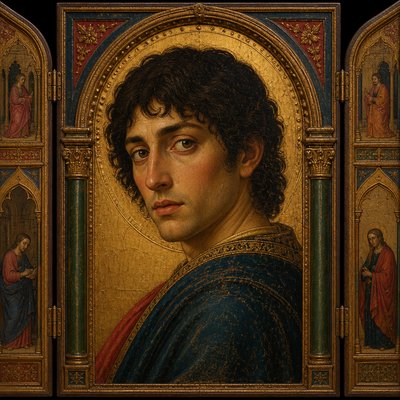
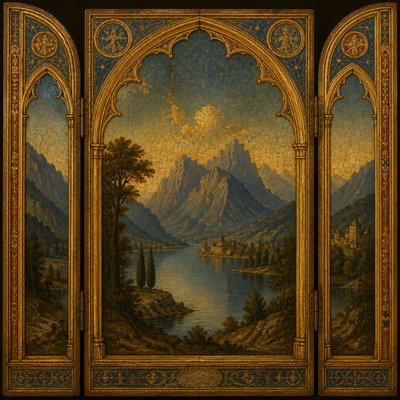
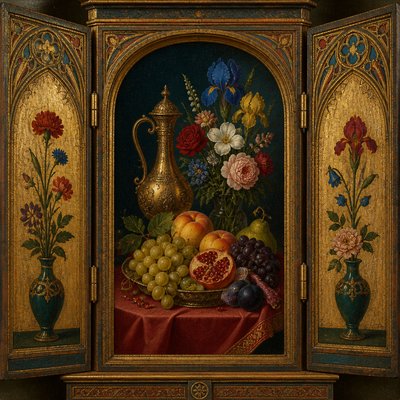
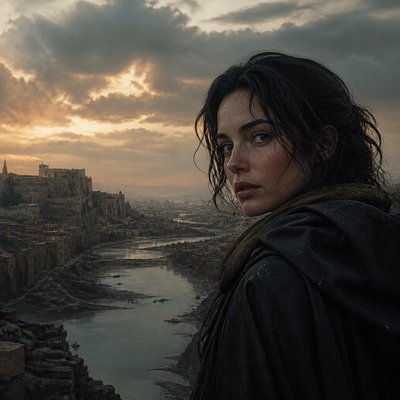
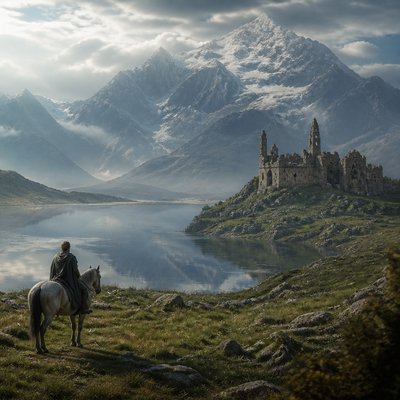
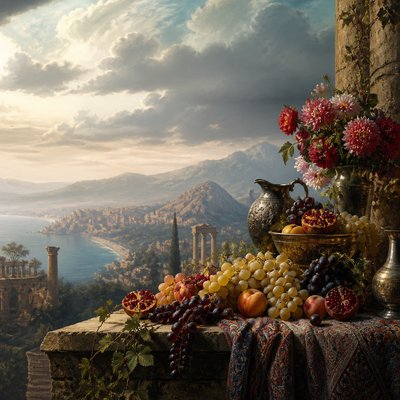
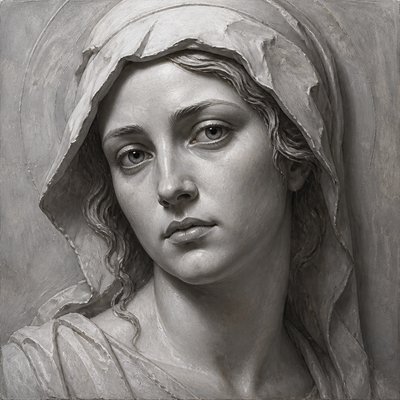
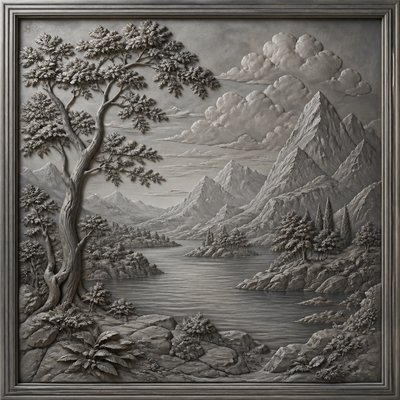
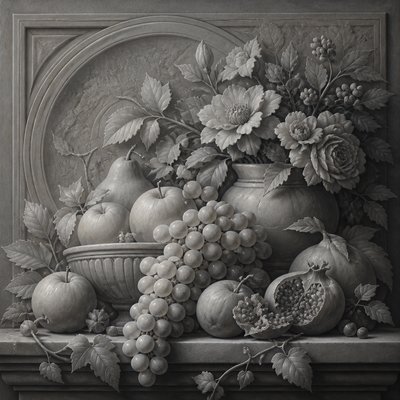
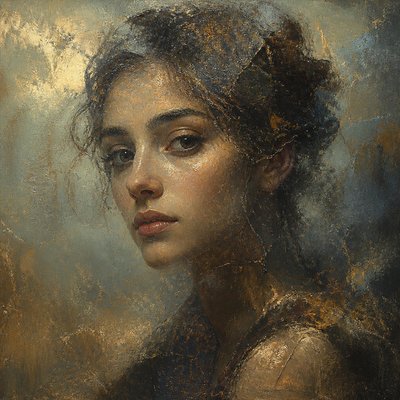
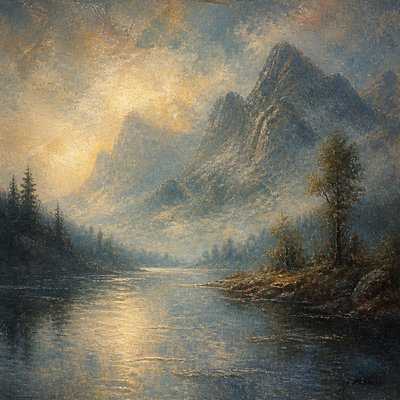
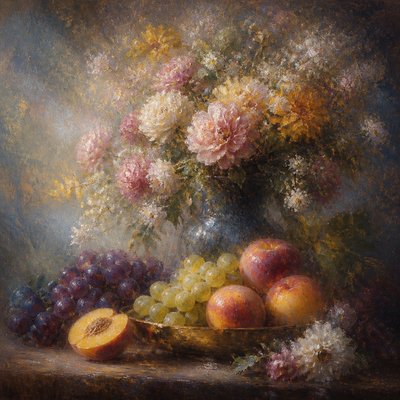
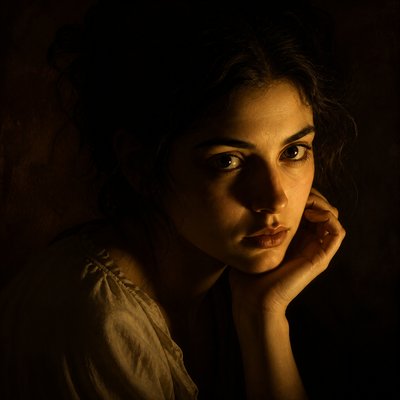
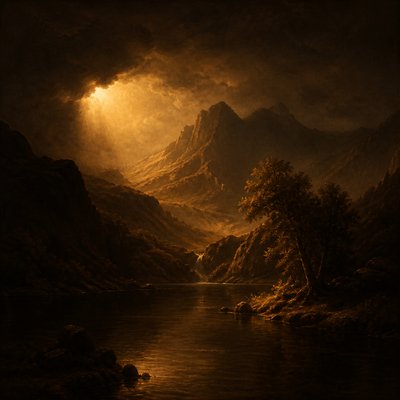
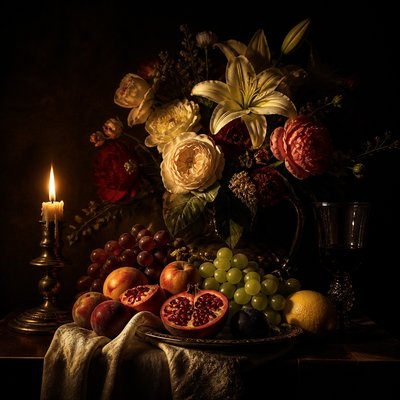
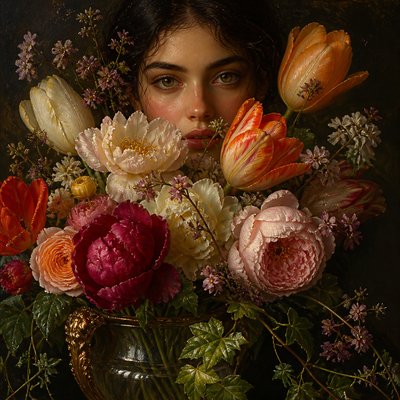
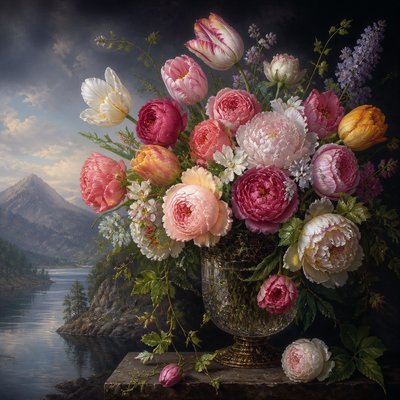
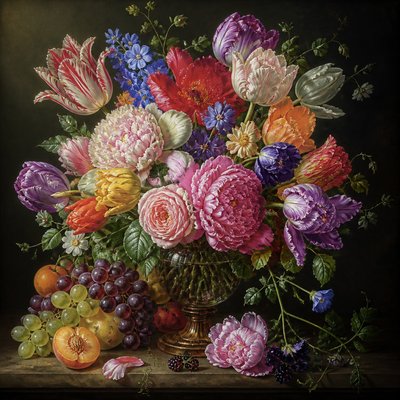
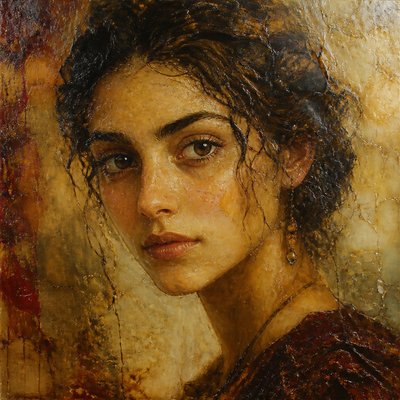
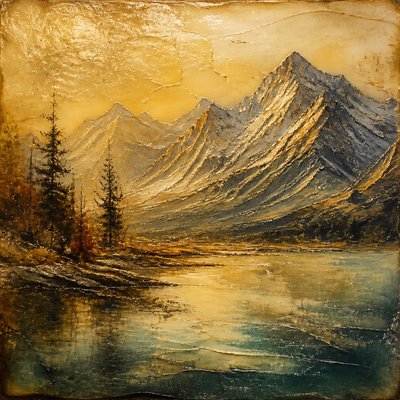
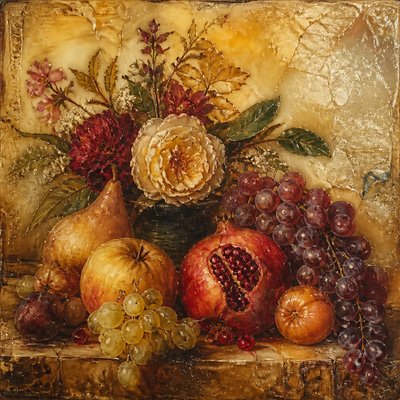
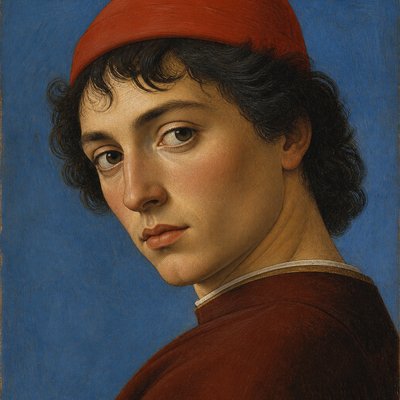
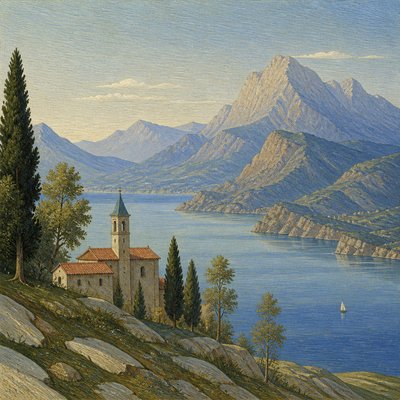
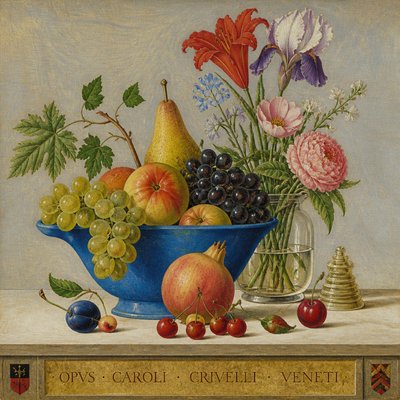
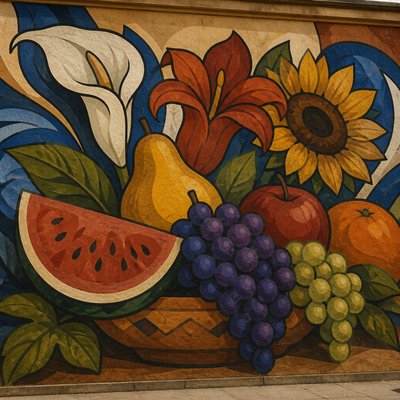
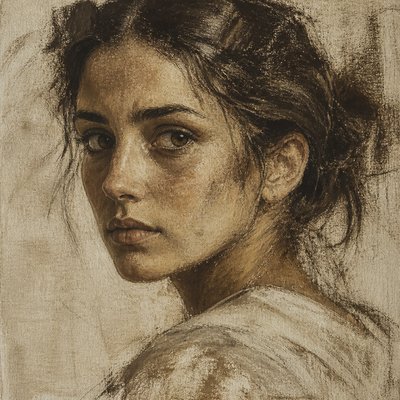
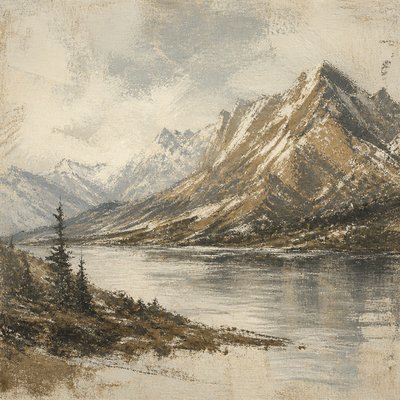
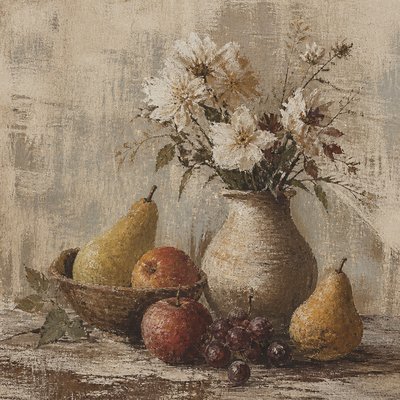
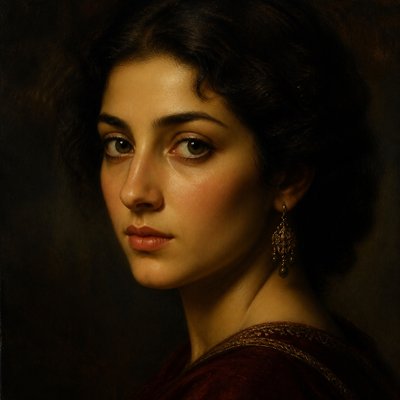
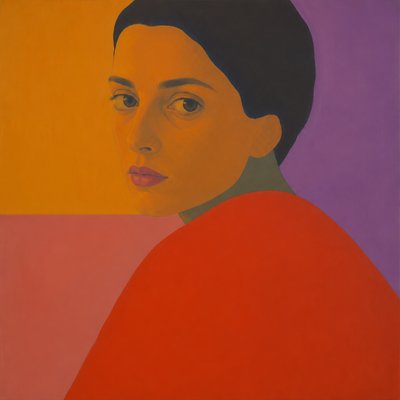
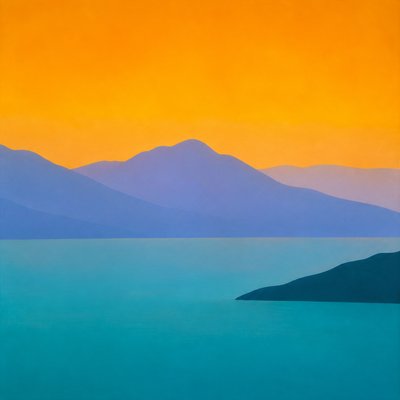
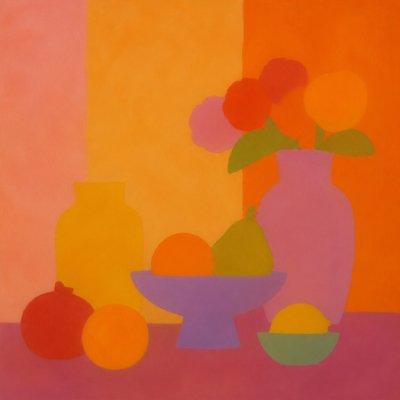
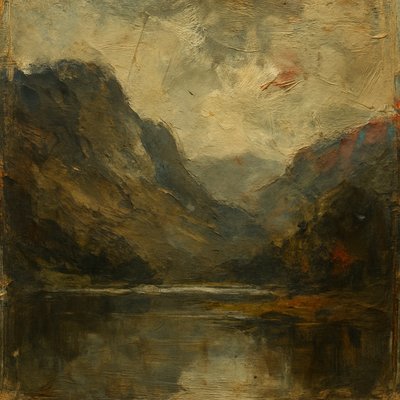
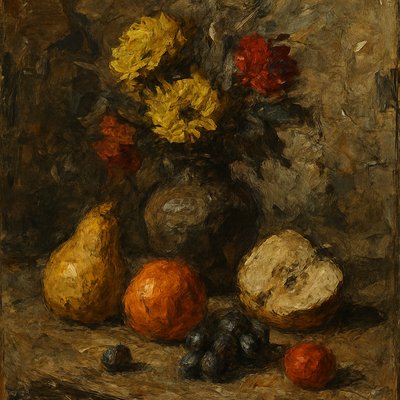
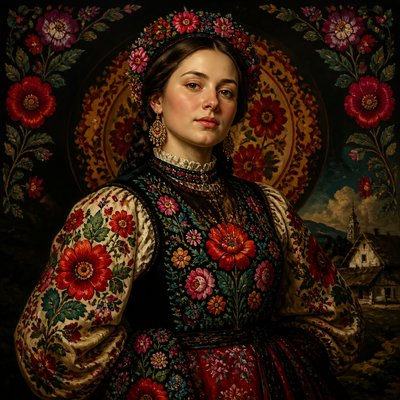
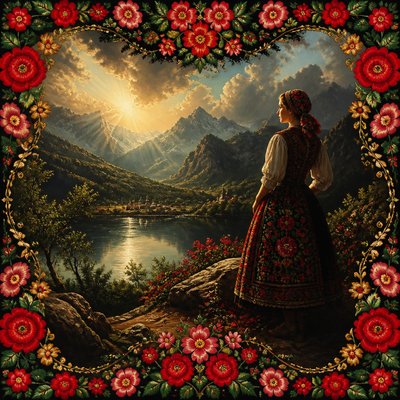
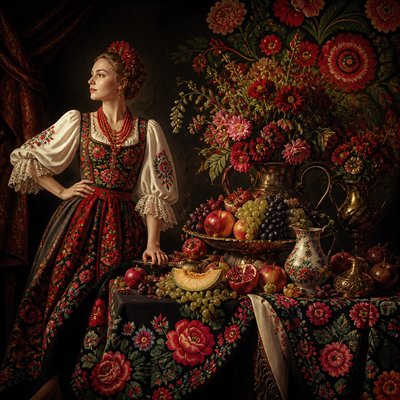
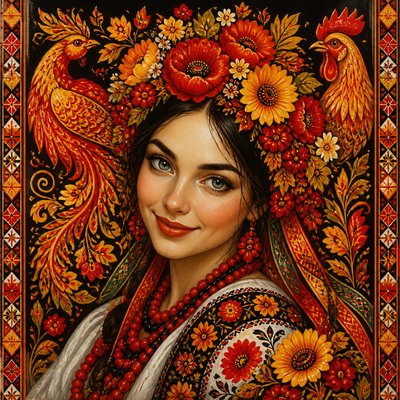
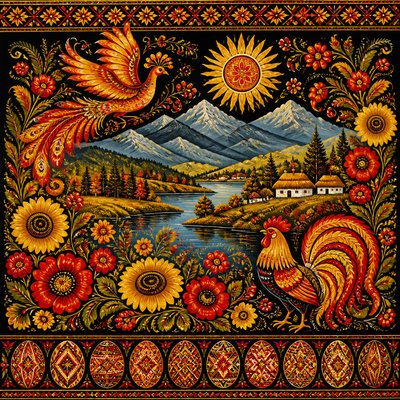
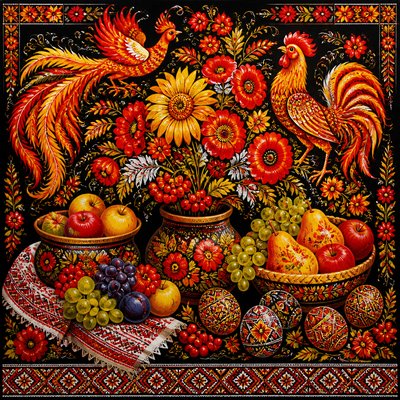
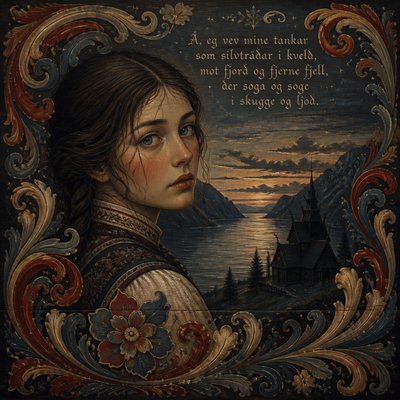
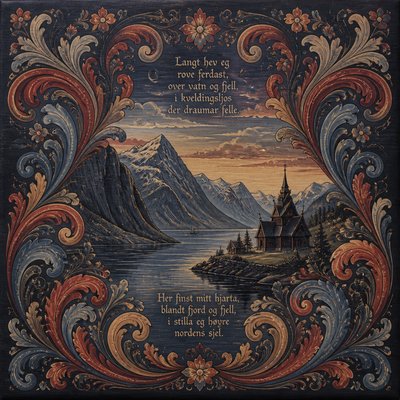
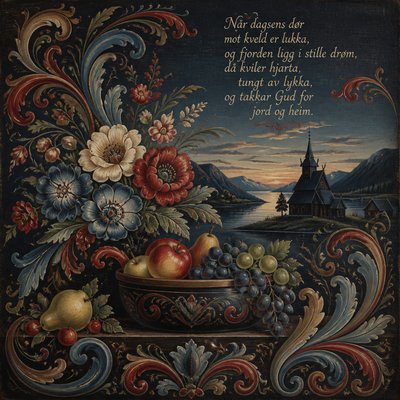
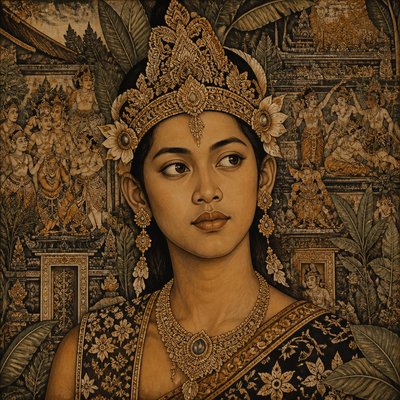
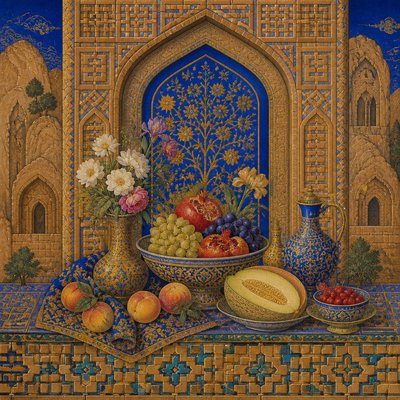
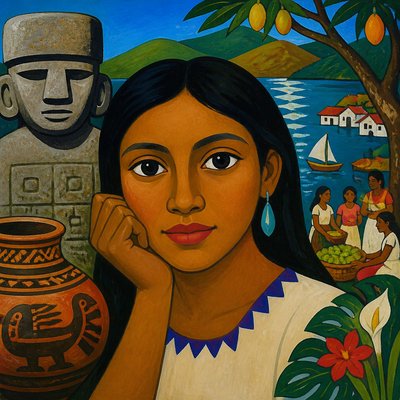
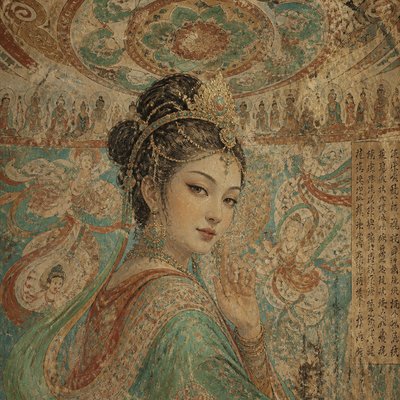
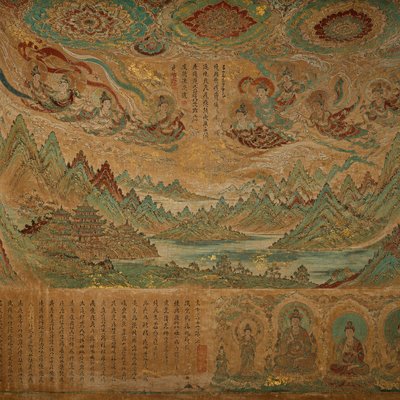
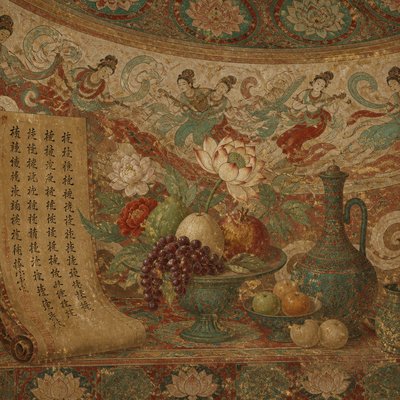
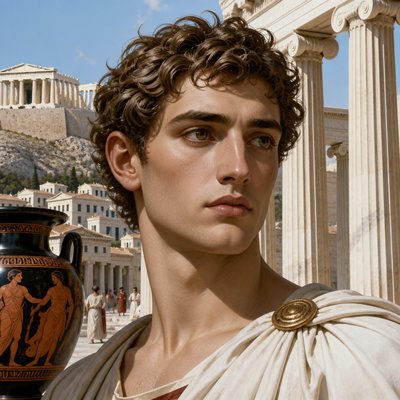
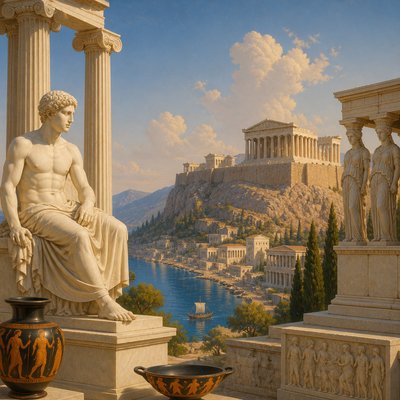
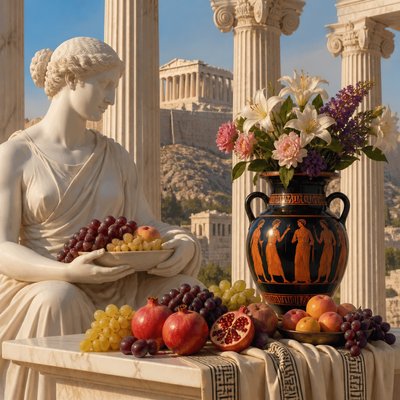
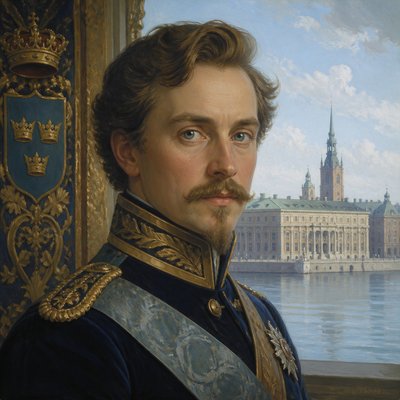
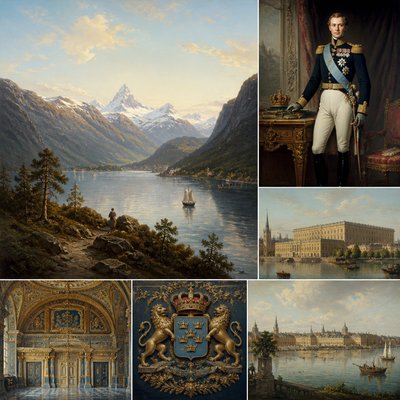
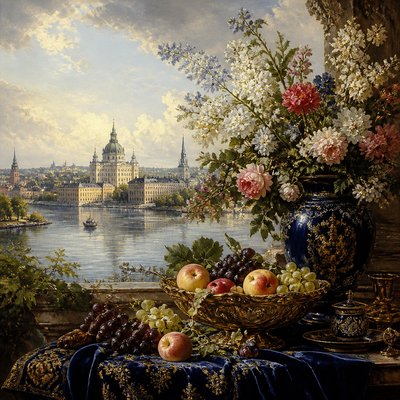
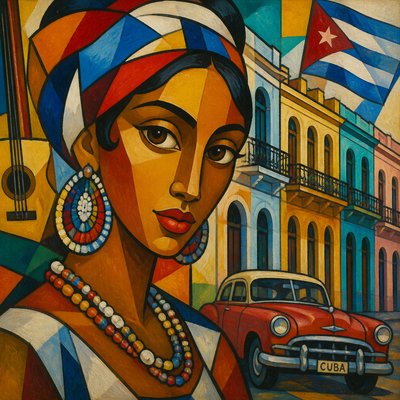
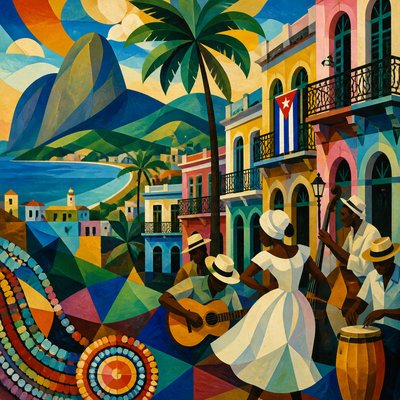
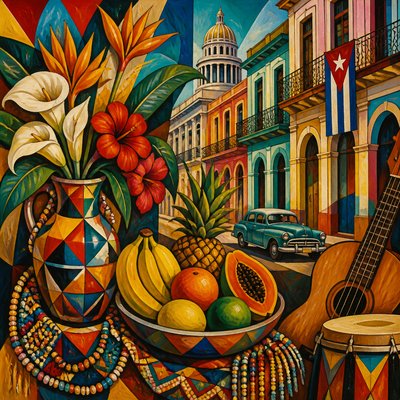
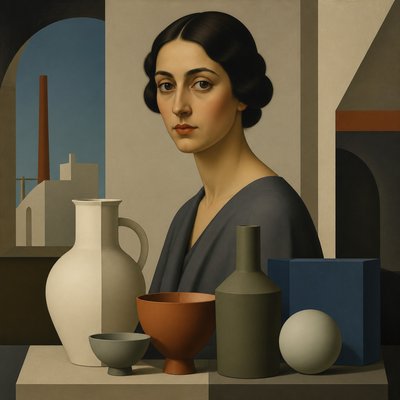
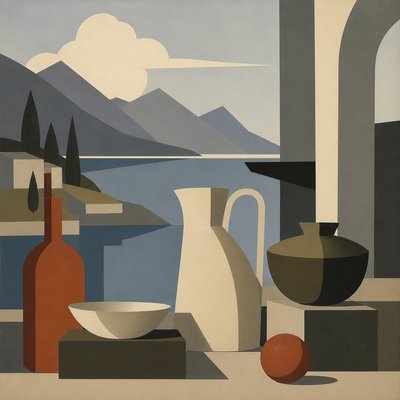
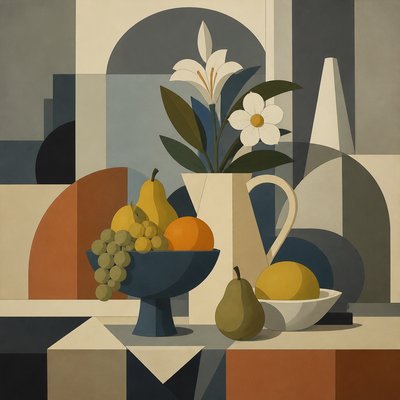
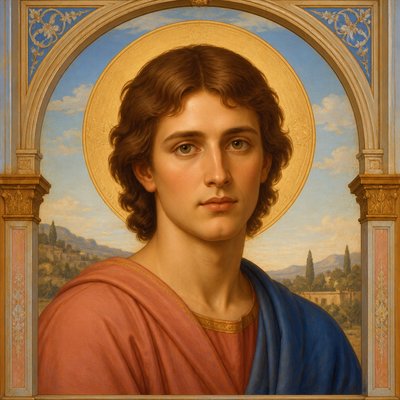
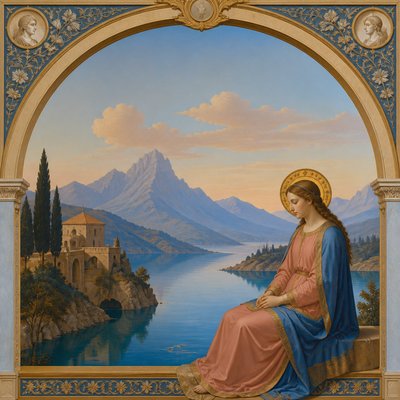
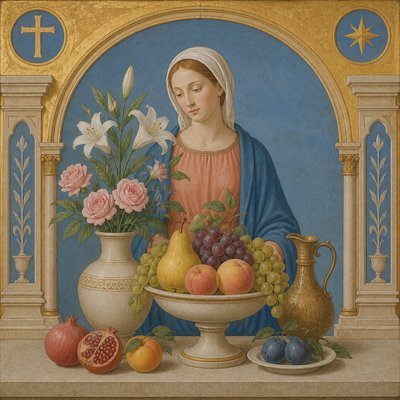
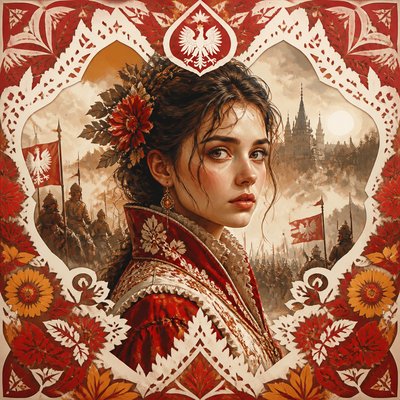
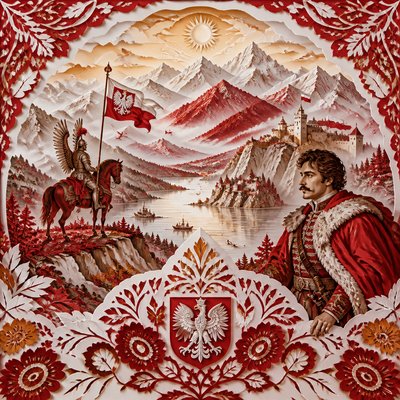
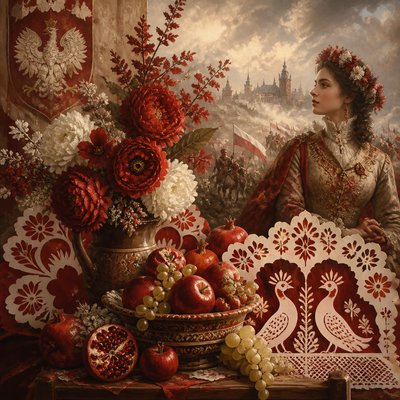
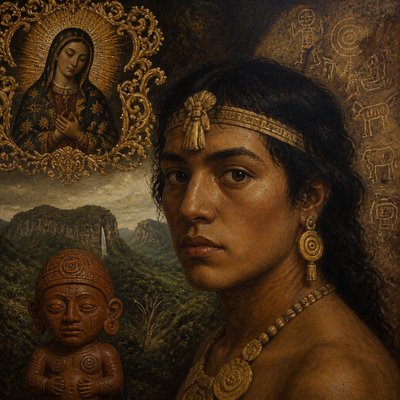
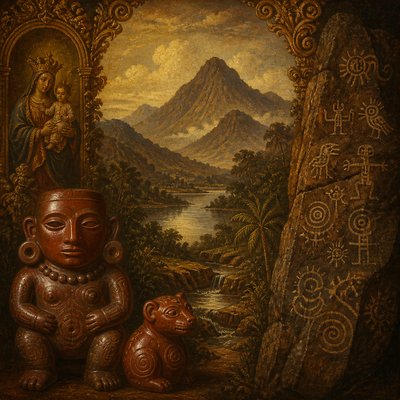
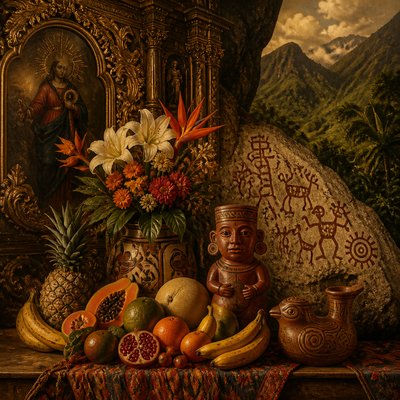
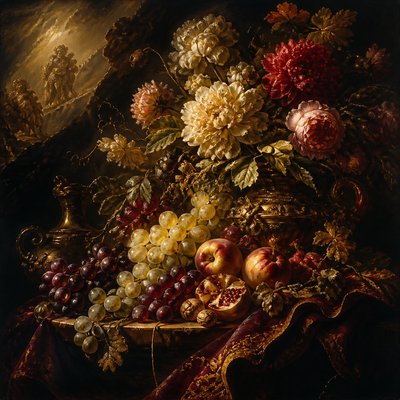
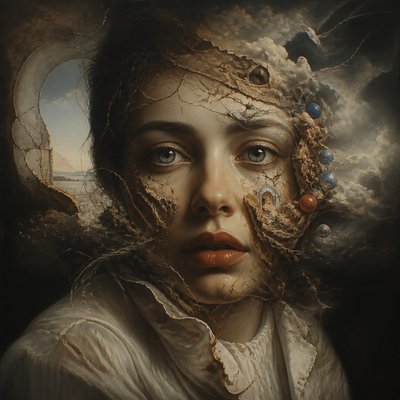
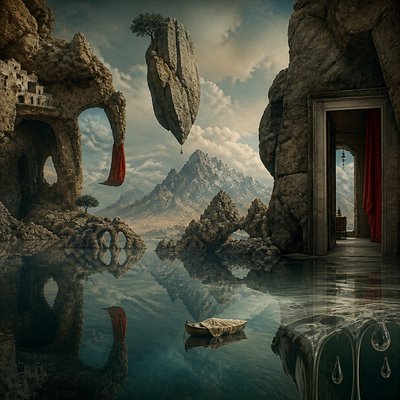
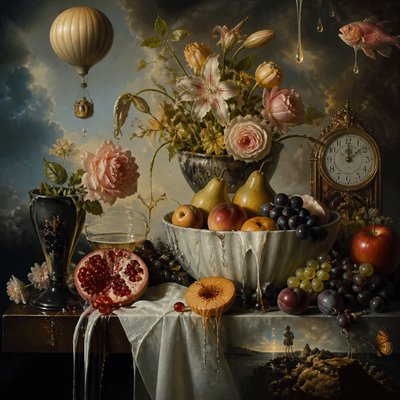
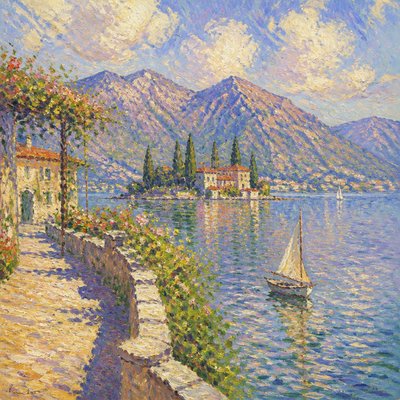
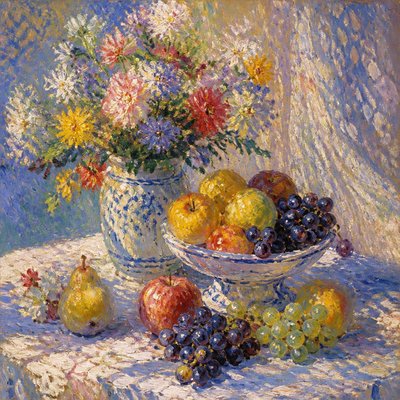
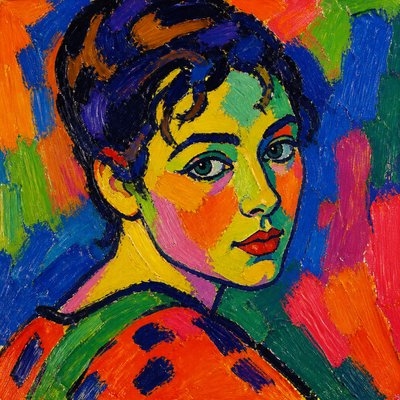
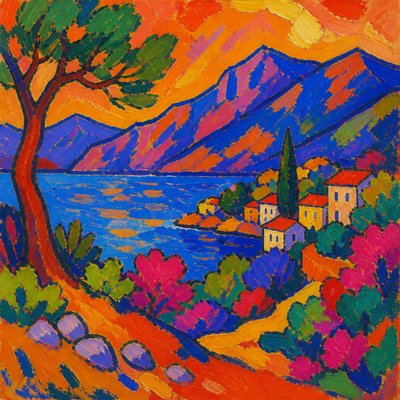
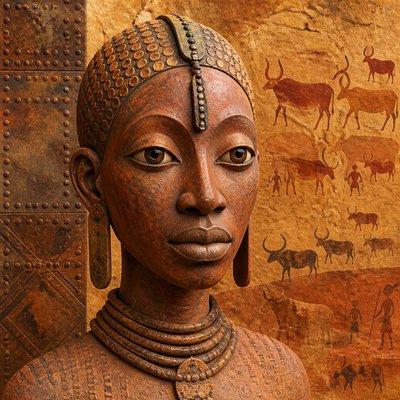
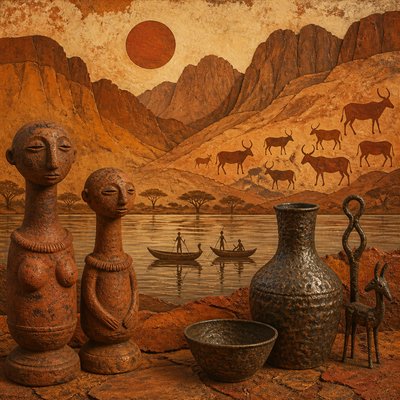
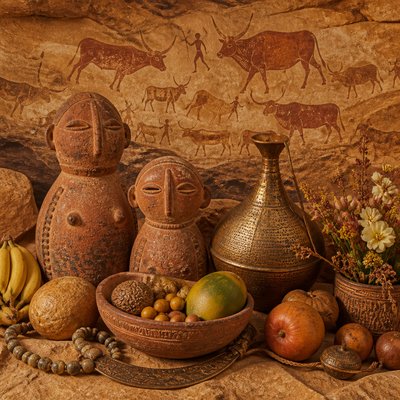
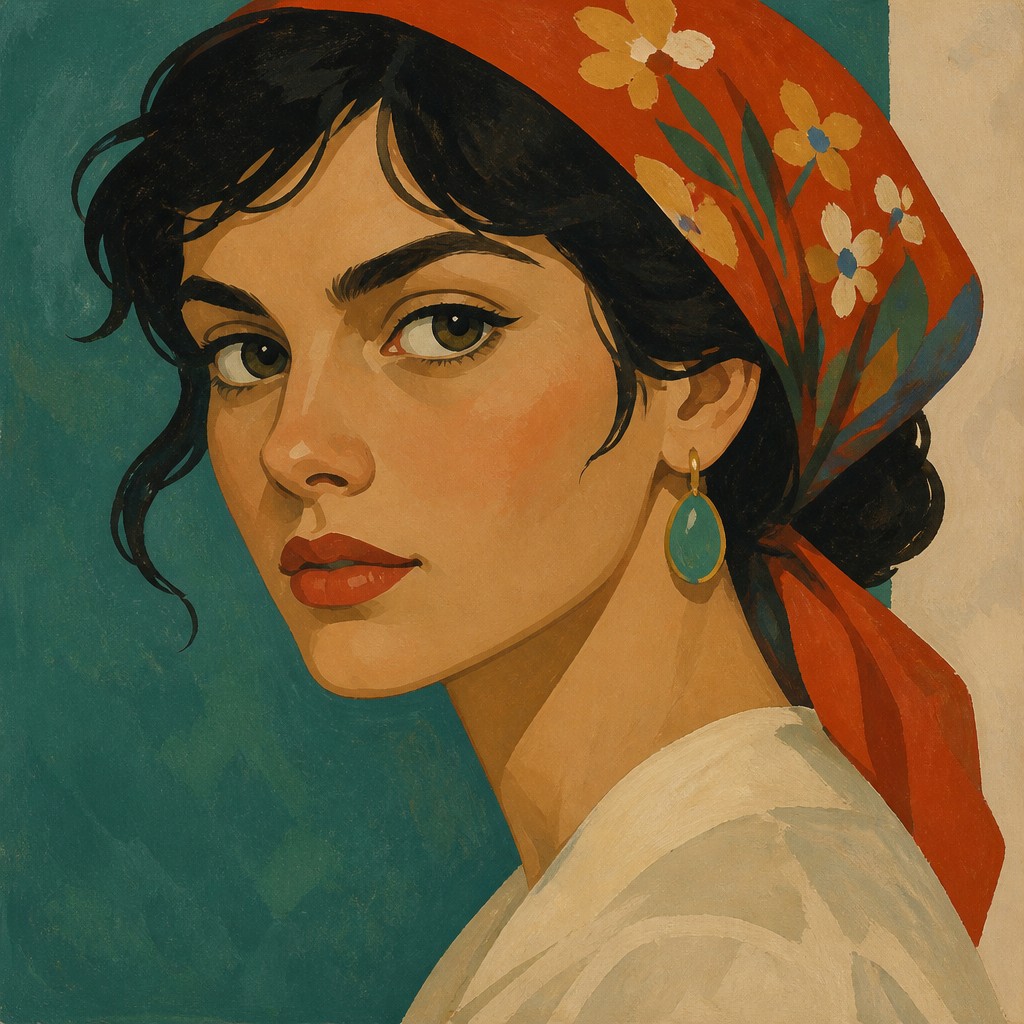
Gouache painting is an opaque watercolor medium and a visual style recognized for flat, velvety color, crisp contours, and a softly chalky surface. Unlike transparent watercolor, gouache contains a higher proportion of pigment and an opaque binding mixture, allowing lighter paint to cover darker layers. Its appearance can range from carefully modeled forms to simplified blocks of color, but it commonly favors clarity, controlled edges, and restrained tonal transitions.
The style is especially associated with illustration because it reproduces cleanly, dries to a largely matte finish, and supports both rapid studies and highly designed compositions. Rich mid-tones, simplified shadows, layered shapes, and selective details give gouache images a tactile handmade quality while preserving the graphic directness of posters, editorial art, picture books, packaging, and concept sketches.
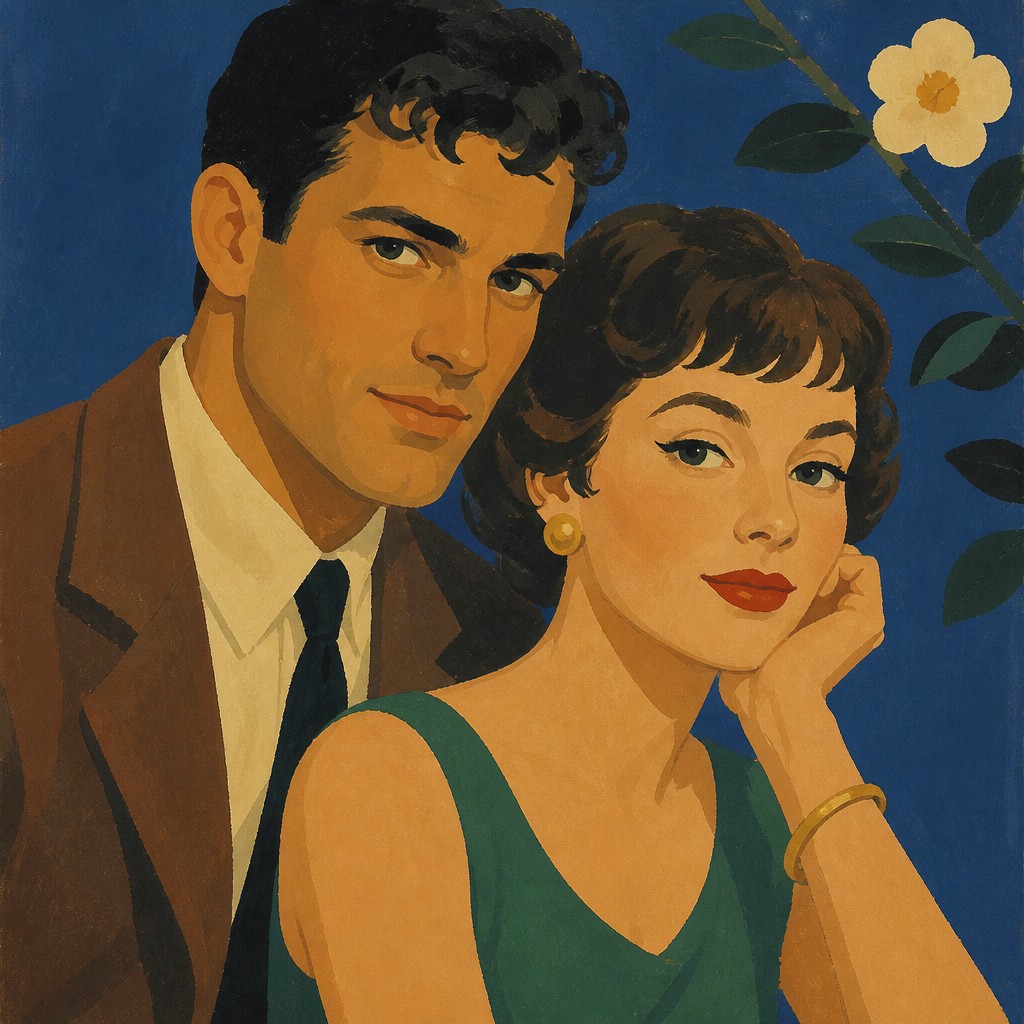
Try It On Your Photos
Upload any photo and convert it into Gouache Painting Style — drag the sliders to compare before and after.
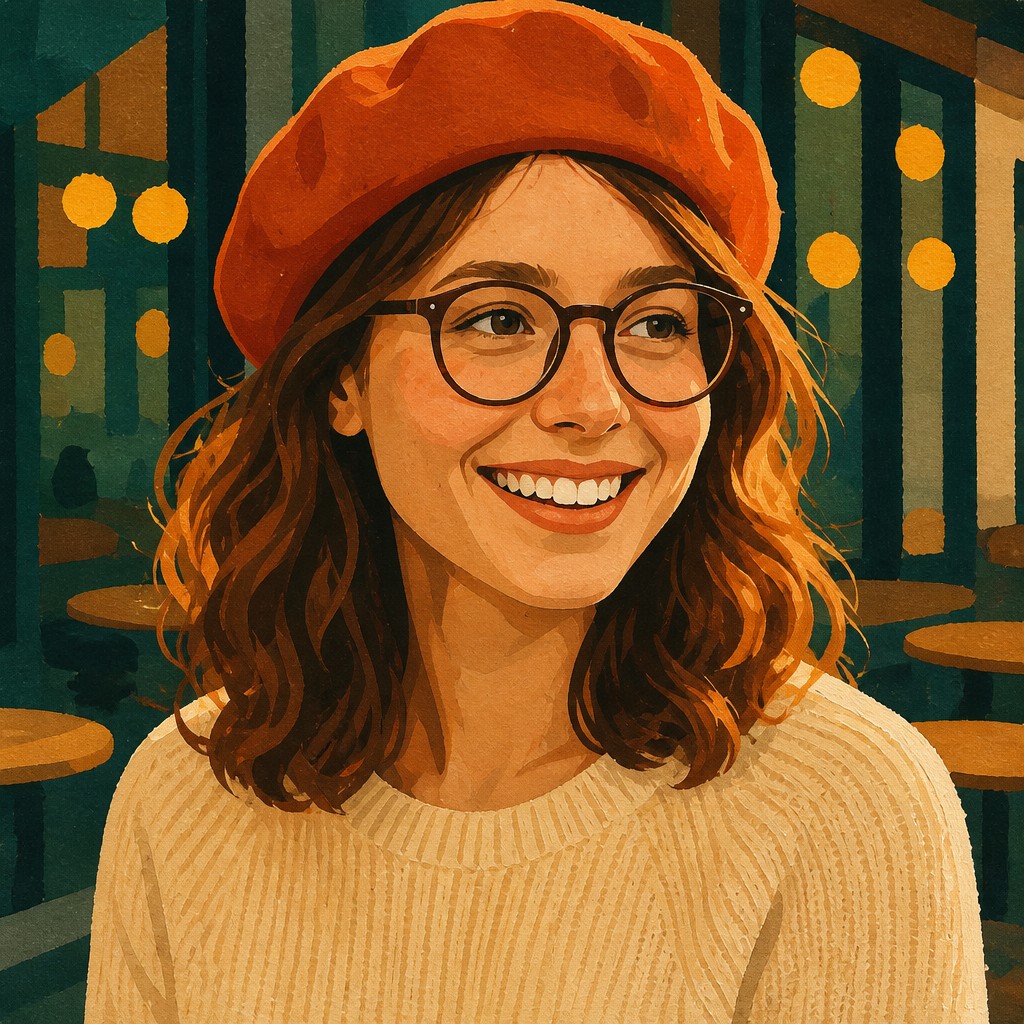

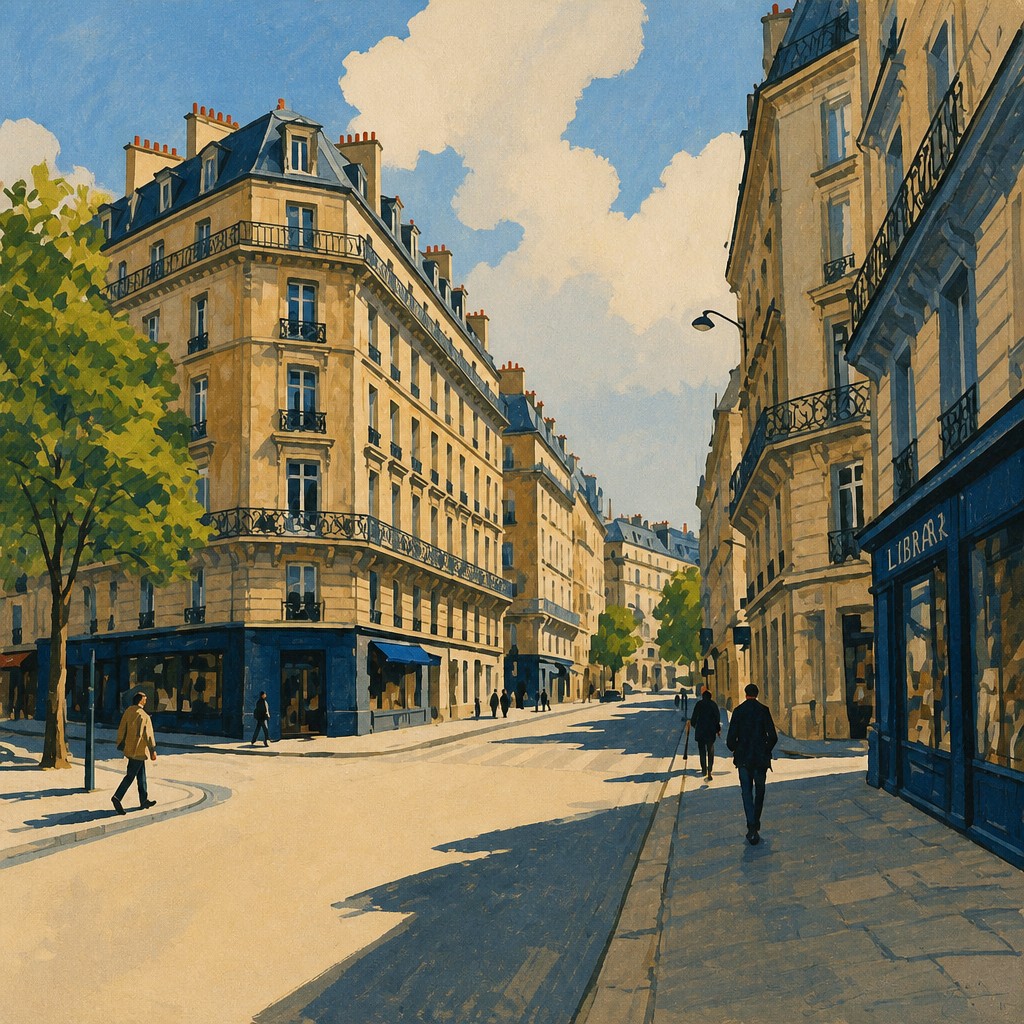

What Defines Gouache Painting Style
The signature details, up close
Opaque color fields
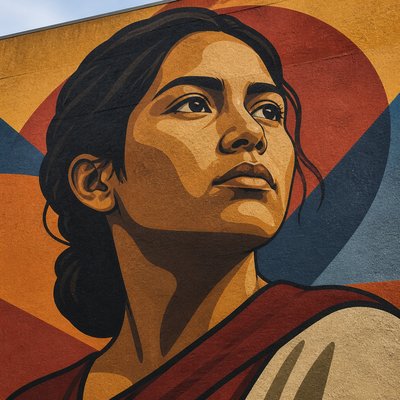
Pigment-rich paint creates solid areas that can cover the paper and earlier layers. This produces a decisive, poster-like image structure rather than the luminous transparency of conventional watercolor.
Velvety matte surface
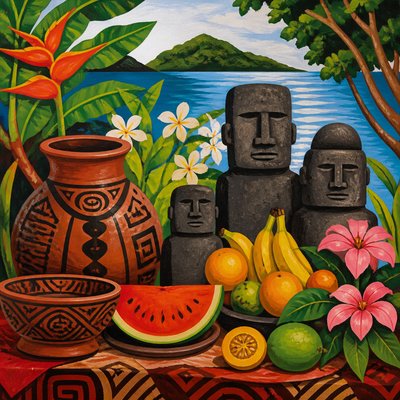
Dried gouache generally has a low-sheen, chalky finish that softens the visual intensity of saturated colors. The surface feels tactile even when the composition is highly graphic.
Crisp, controlled edges
Careful brushwork supports clean silhouettes and sharply separated color zones. Edges may remain visibly handmade, but they are usually intentional rather than hazy or atmospheric.
Layered solid shapes
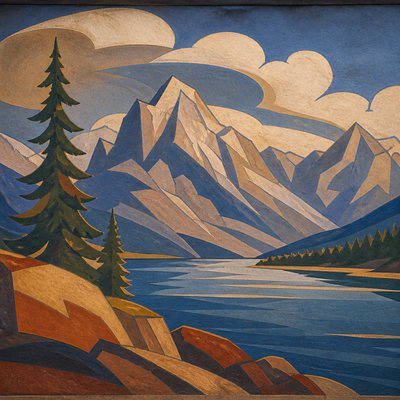
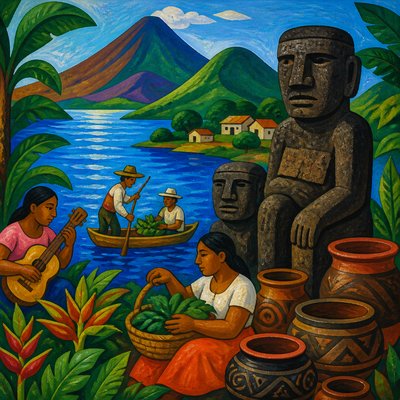
Forms are often constructed from overlapping blocks of local color, with lighter planes placed over darker ones. This method encourages simplified anatomy, architecture, foliage, and shadows.
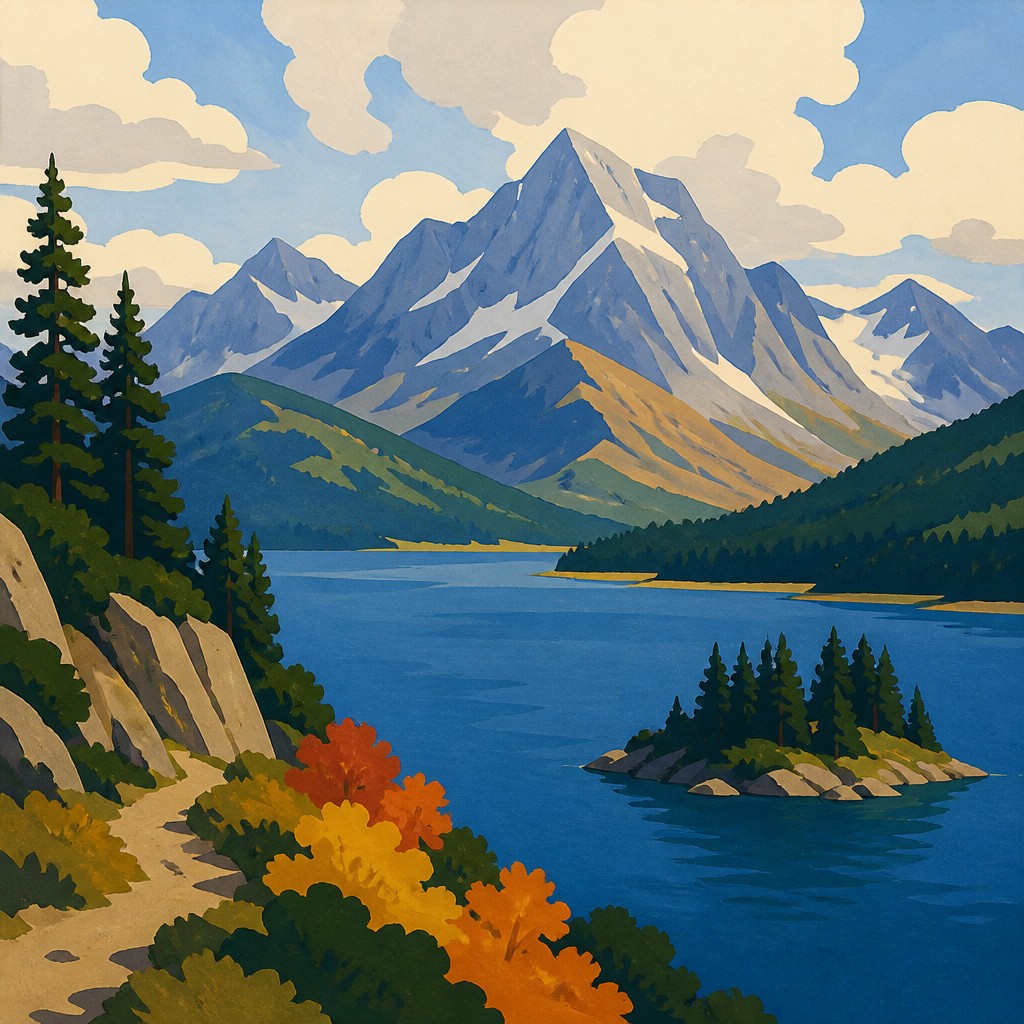
Rich mid-tones
Gouache imagery commonly emphasizes earthy reds, ochres, deep blues, greens, and warm neutrals. Colors are saturated but often moderated by the medium's powdery, opaque character.
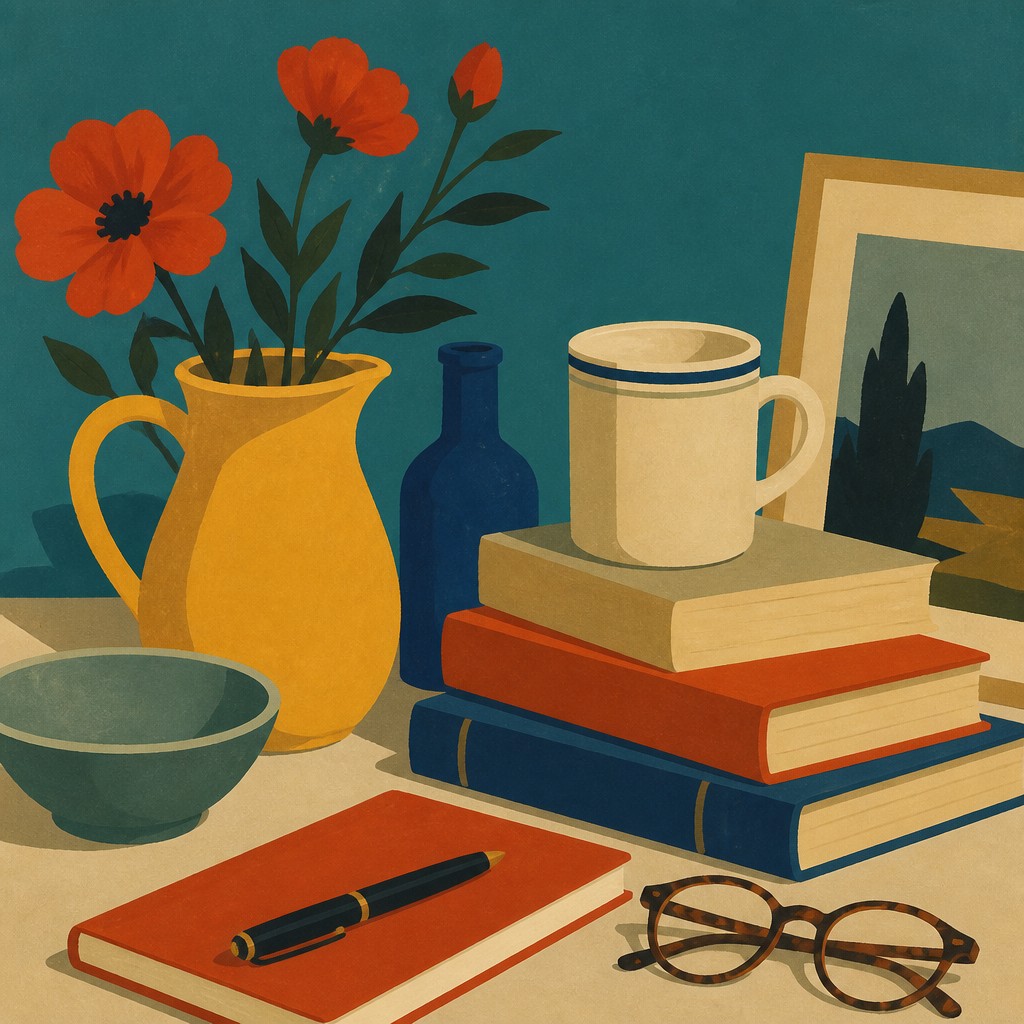
Limited gradients
Gradual blending is possible, but many gouache compositions favor flat transitions and discrete tonal steps. Modeling is frequently achieved through adjacent shapes instead of smooth airbrushing.
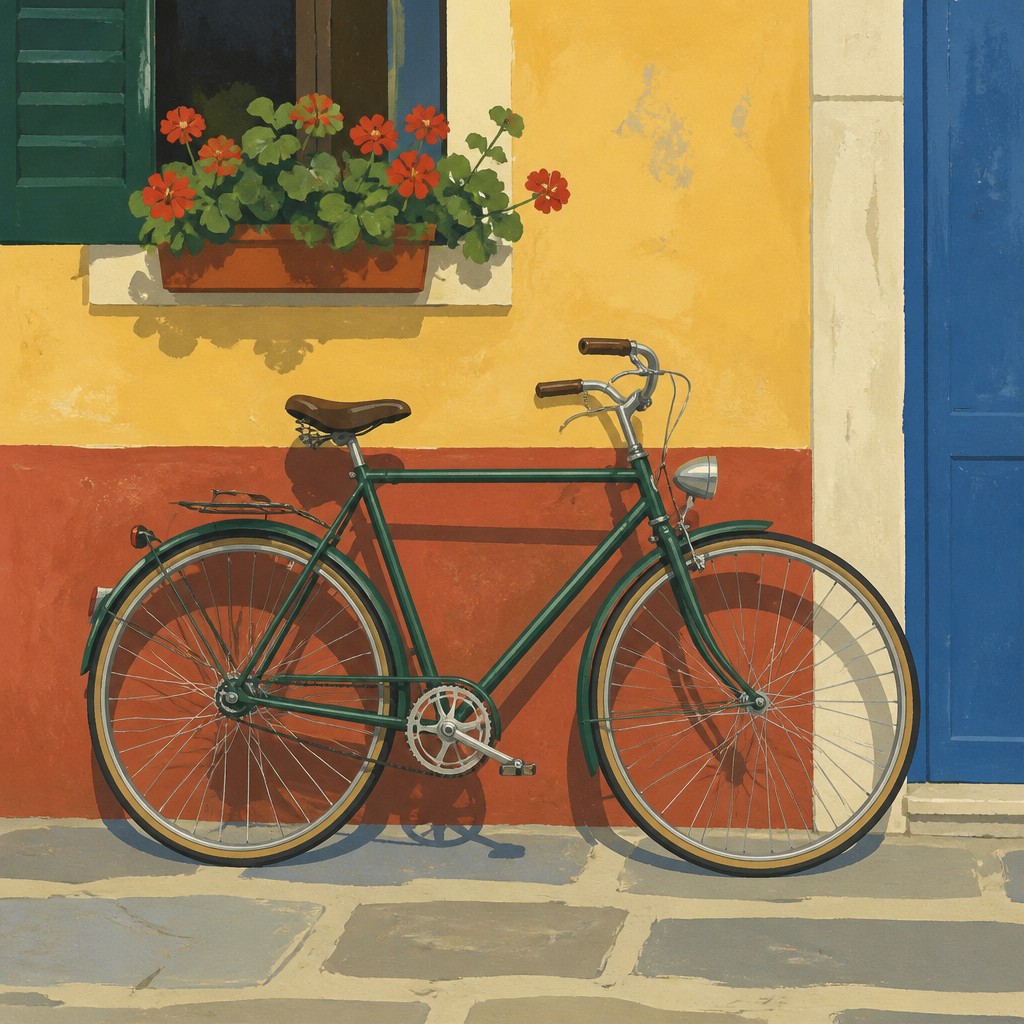
Illustrative composition
Subjects are arranged for readability, silhouette, and visual rhythm. Simplified perspective, designed negative space, and selective detail often take priority over photographic realism.
Try It
Create Videos in Gouache Painting Style
Styles aren't just for stills — describe a scene or animate an image and get a short video rendered in Gouache Painting. Press play to see this pond come to life.
Make a VideoGouache Painting Prompt Ideas
Start from an idea — each one opens the generator with the style ready to go. See all 40 Gouache Painting prompts →
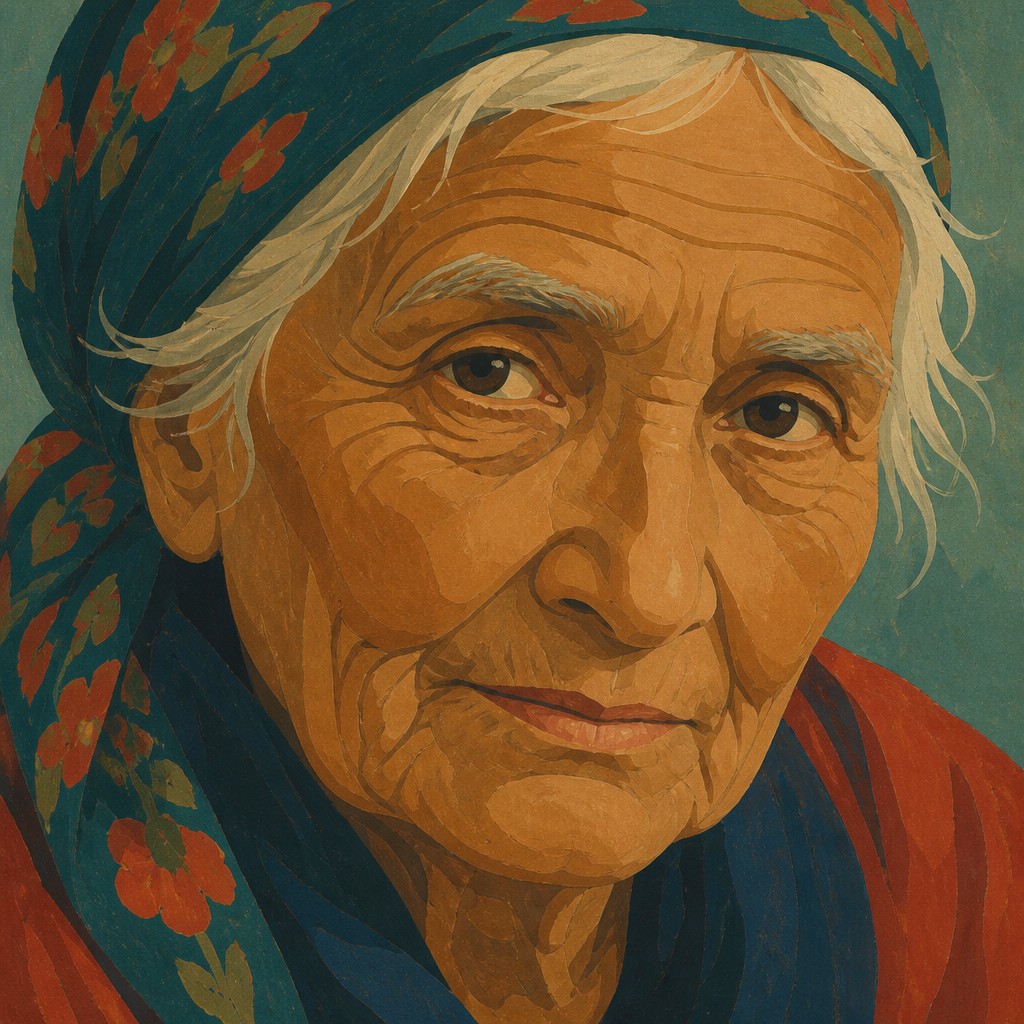
“close-up portrait of an elderly person with expressive weathered features”
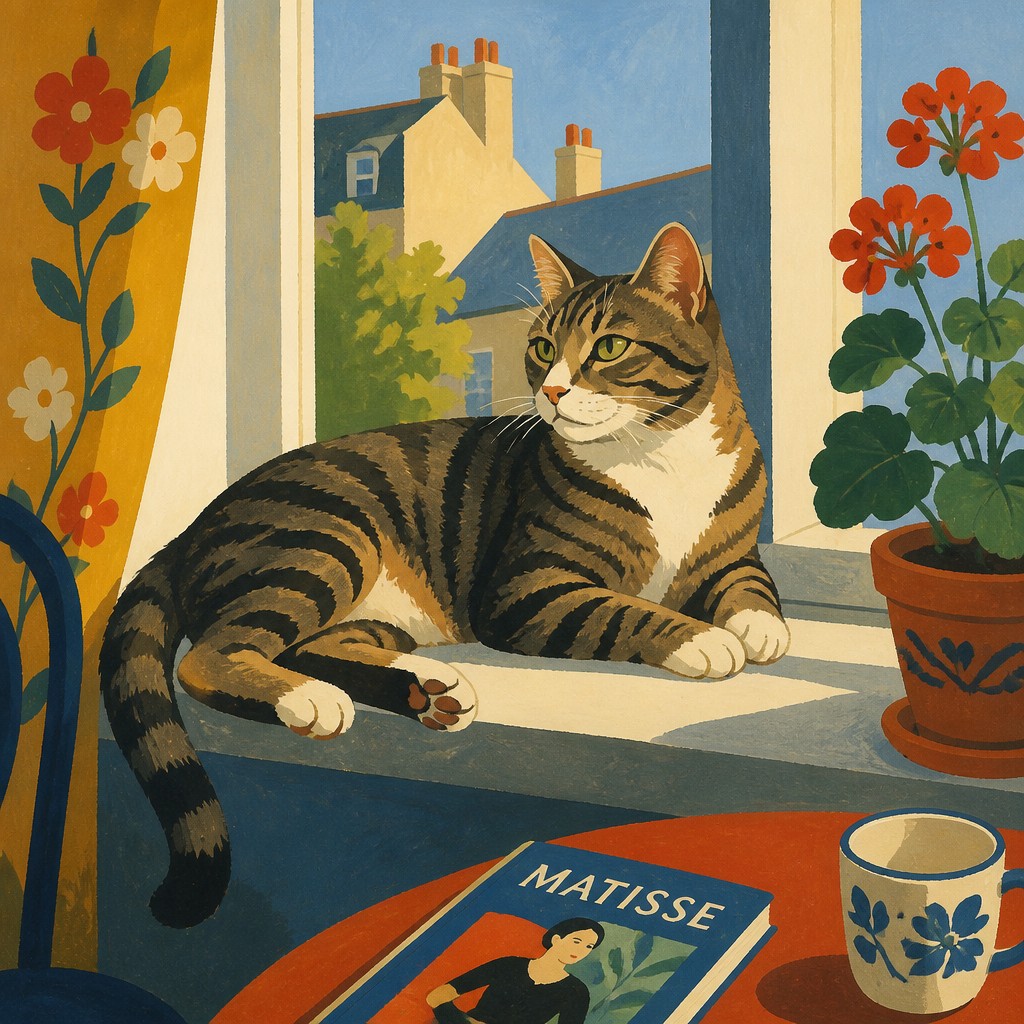
“a cat lounging in a sunlit window”
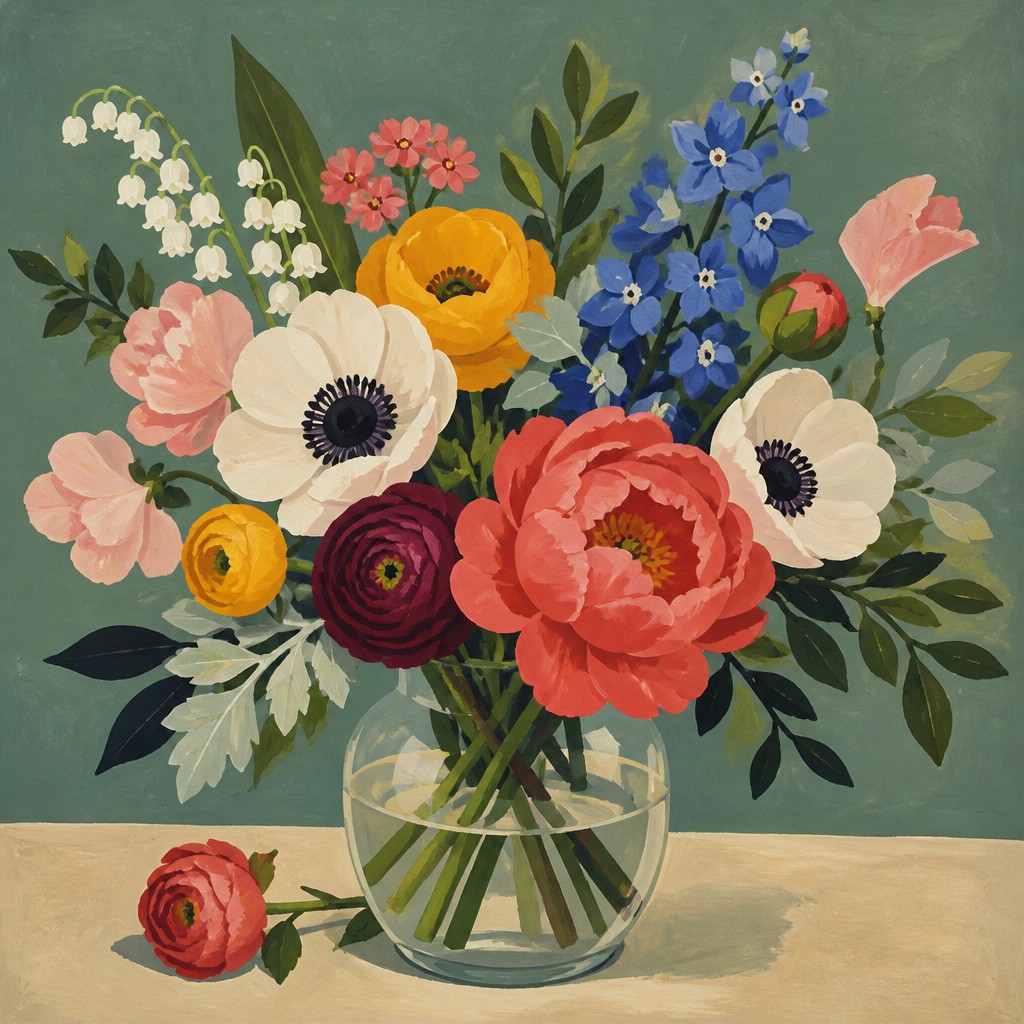
“bouquet of flowers in a glass vase”
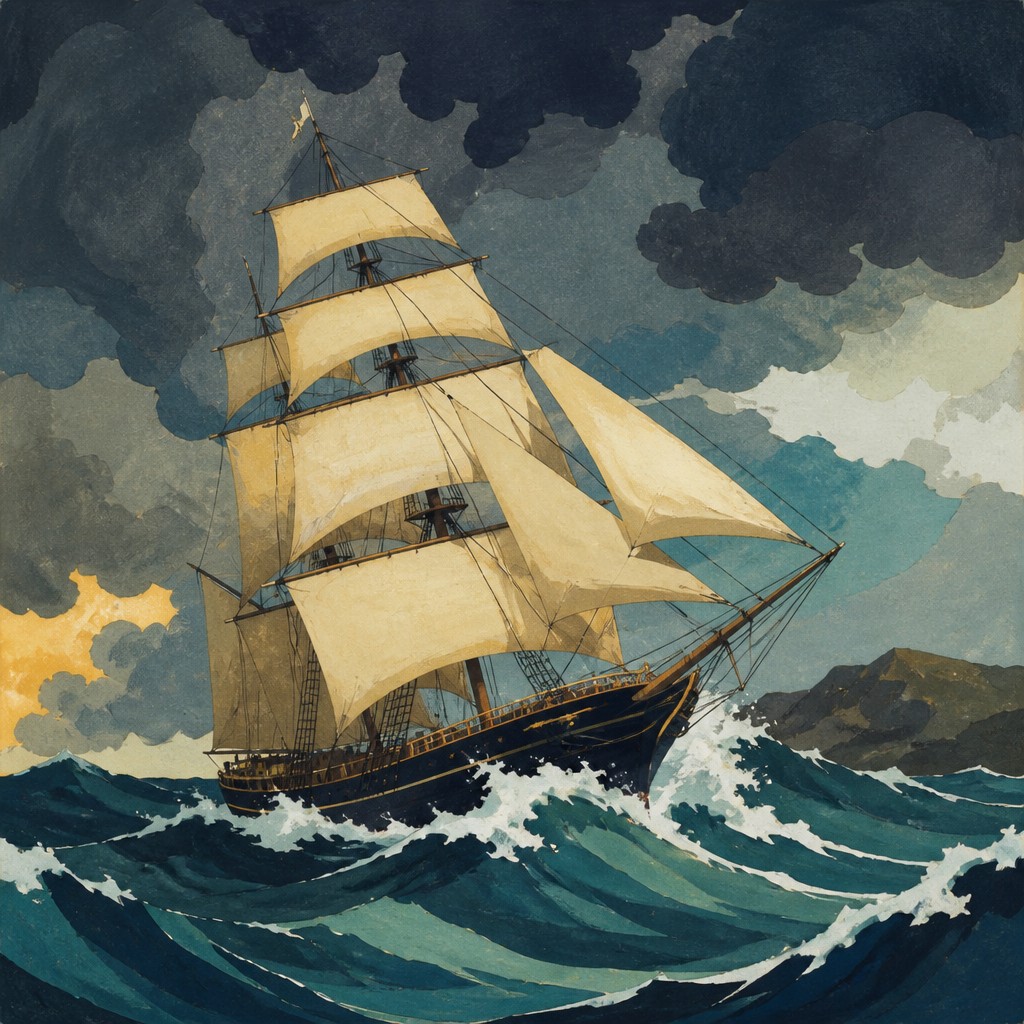
“sailing ship on a stormy sea”
How to Create Gouache Painting Art
Master the craft step by step — or skip straight to creating. Read the full guide →
- 1
Build from broad shapes
Begin with a light drawing and block in the largest color masses first. Establish the background, major silhouettes, and shadow families before adding small details.
- 2
Use opaque layering
Apply moderately thick paint so later light shapes can cover earlier dark passages, while avoiding excessive water that makes the surface streaky or transparent. Let layers dry before placing precise accents.
- 3
Control the palette
Choose a compact palette of saturated mid-tones plus a few dark and light accents. Mixing complements or earth colors can reduce artificial brightness while preserving the characteristic matte richness.
- 4
Preserve deliberate edges
Use a pointed round brush for contours and a flat brush for planes, varying edge sharpness only where depth or texture requires it. In digital painting, use opaque brushes with pressure-controlled size and limited blending.
- 5
Translate the medium digitally
Work on a lightly textured paper layer, use matte opaque brushes, and keep gradients sparse. Slightly irregular contours, visible overlaps, and subtle pigment variation help avoid an overly sterile vector appearance.
- 6
Write focused generation prompts
Specify a clear subject, simplified layered shapes, flat opaque color, crisp edges, matte texture, rich mid-tones, and minimal gradients. Add compositional or period references such as editorial illustration, screen print, or vintage picture-book design when appropriate.
The Story
History & Origins of Gouache Painting
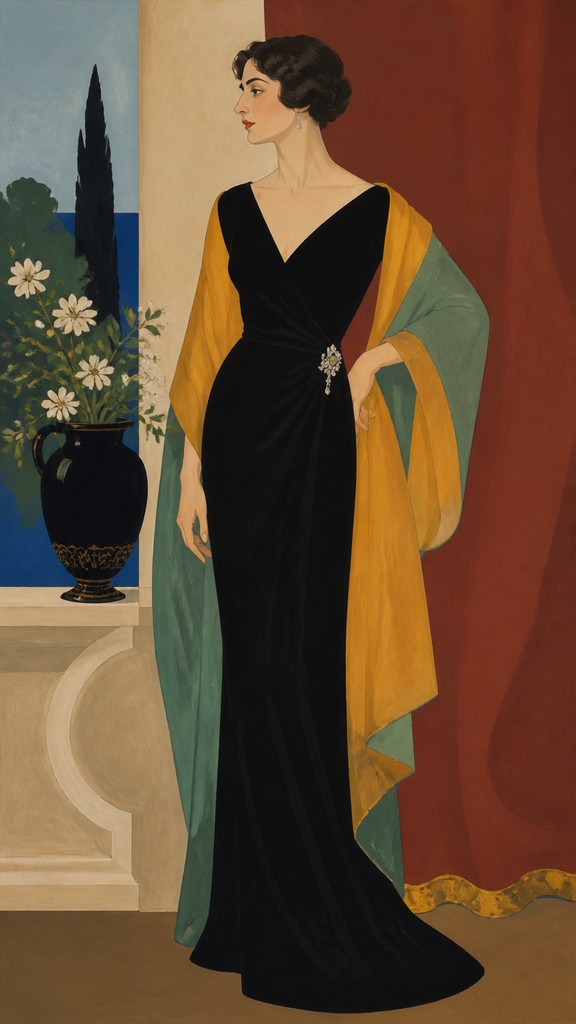
Gouache developed from long-standing opaque watercolor practices found in manuscript illumination, decorative painting, and European watercolor traditions. The term is derived from a French word related to an Italian term for opaque watercolor, and the medium became increasingly standardized through the early modern and modern periods. Its practical qualities made it useful for preparatory studies, maps, theatrical design, commercial art, and presentation drawings.
During the nineteenth and twentieth centuries, gouache became closely linked to editorial illustration, advertising, poster design, animation planning, and children's publishing. Contemporary gouache style also draws on mid-century graphic design, folk-art simplification, screen printing, and digital flat-color workflows, translating the medium's physical opacity into a controlled visual language.
Influences: Gouache style is related to transparent watercolor, tempera, poster painting, and opaque manuscript illumination, while its modern graphic character reflects editorial illustration, mid-century commercial art, screen printing, folk-art simplification, and animation background design. It also overlaps with flat-design and contemporary digital painting, although its paper-like texture and painterly irregularities distinguish it from purely geometric vector graphics.
Frequently Asked Questions
What defines gouache painting style?
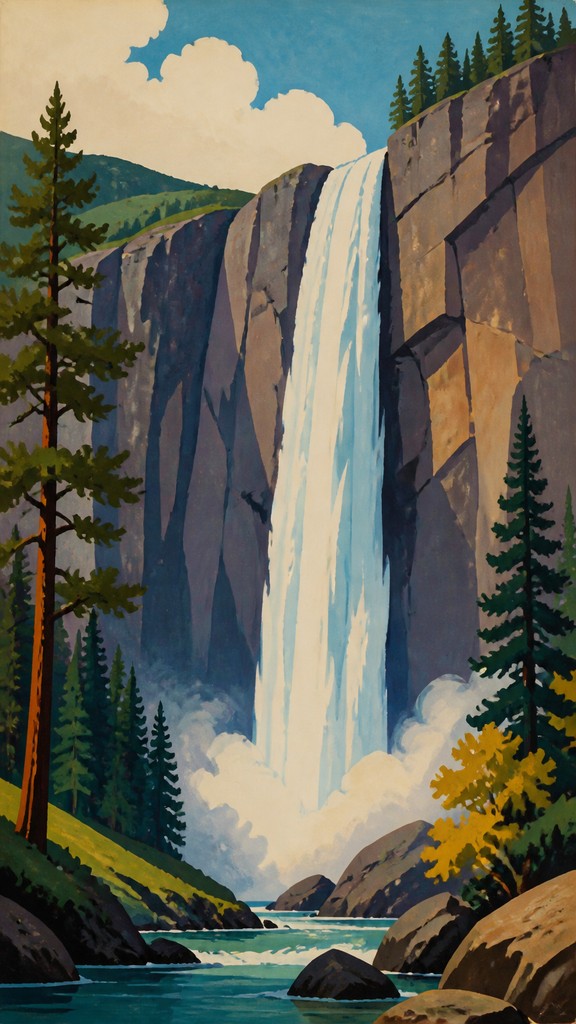
It is defined by opaque pigment, a matte or chalky surface, crisp edges, and layered areas of relatively flat color. Many examples use rich mid-tones, simplified forms, and limited gradients to create an illustrative, designed appearance.
How is gouache different from watercolor?
Traditional watercolor relies primarily on transparent washes and the light of the paper shining through the paint. Gouache contains more pigment and an opaque base, so it can cover underlying layers and produce solid light shapes over dark passages.
Is gouache painting style the same as flat illustration?
They overlap but are not identical. Flat illustration describes a graphic approach based on simplified shapes, while gouache describes a material and surface language that may include visible brushwork, paper texture, and slight irregularities.
Can gouache be used for realistic subjects?
Yes. Gouache can model volume, texture, and natural light through layered opaque passages and controlled tonal changes. Even realistic gouache often retains simplified edges and a more designed surface than oil or highly blended digital painting.
What paper and tools work well for traditional gouache?
Smooth or lightly textured watercolor paper, illustration board, and heavyweight mixed-media paper are common choices. A small selection of flat and pointed brushes, a palette with mixing space, clean water, and opaque watercolor paint are sufficient for most studies.
How can I describe this look in a text-to-image prompt?
Describe the subject first, then request flat velvety opaque color fields, crisp clean edges, a matte chalky surface, layered solid shapes, rich saturated mid-tones, and minimal gradients. References to editorial illustration, vintage picture books, or screen-printed poster design can further guide the composition.
Create your first Gouache Painting artwork
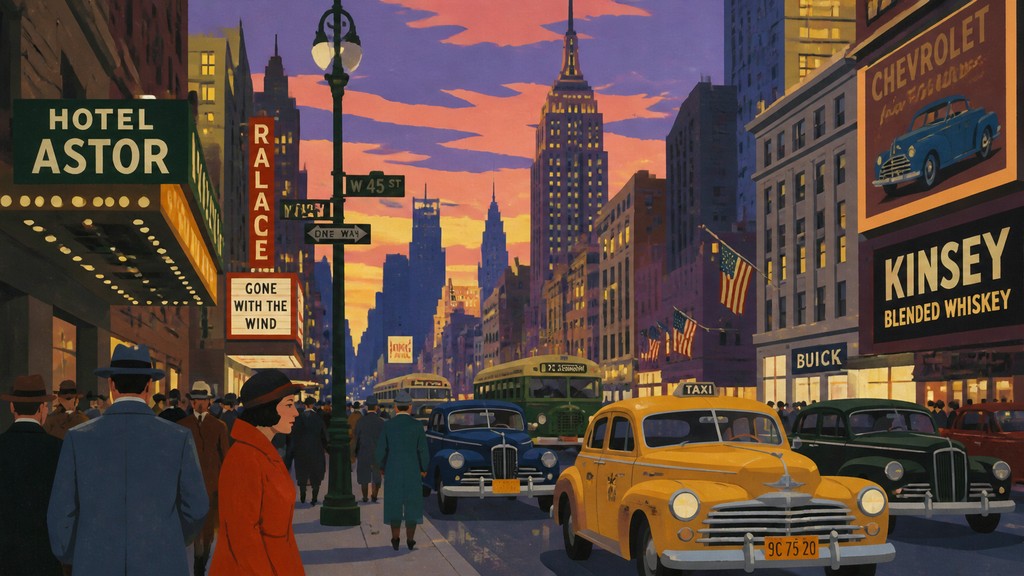
Describe anything — or upload a photo — and see it in Gouache Painting Style in seconds.
Related Styles
Discover similar art styles