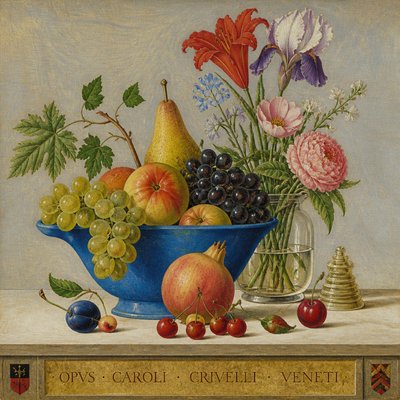
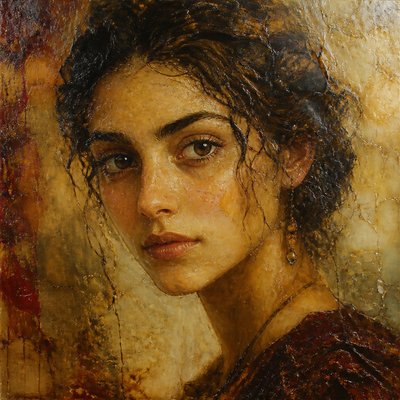
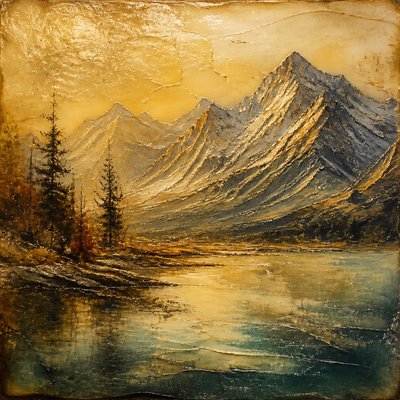
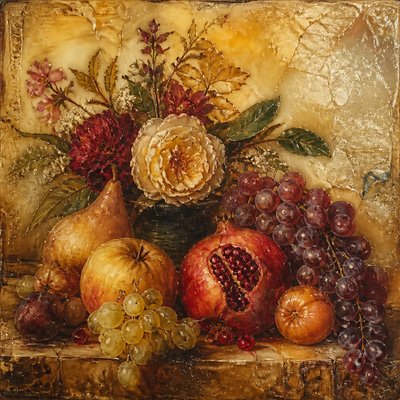
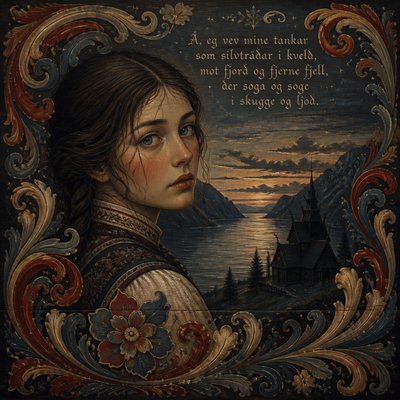
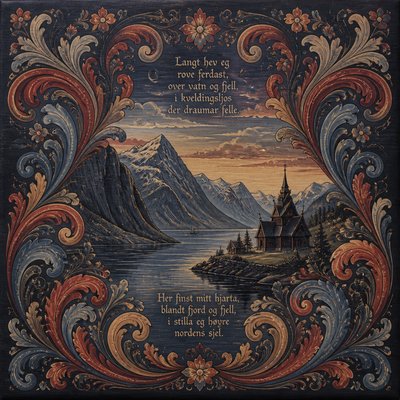
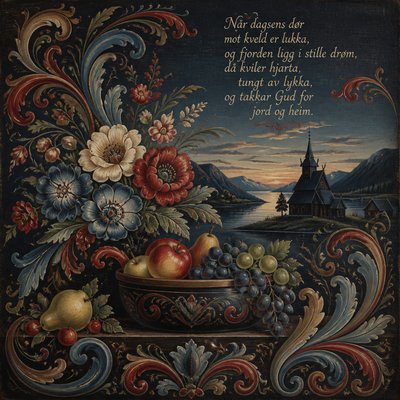
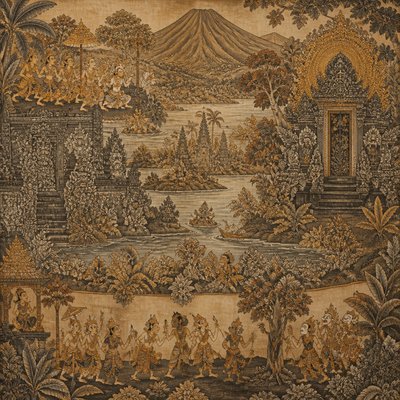
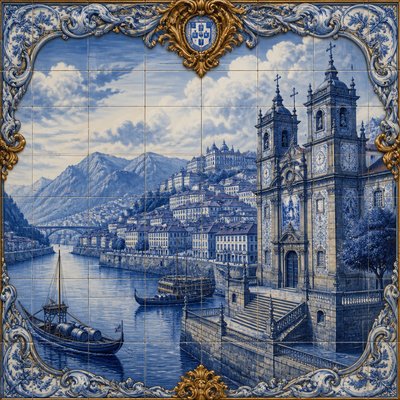
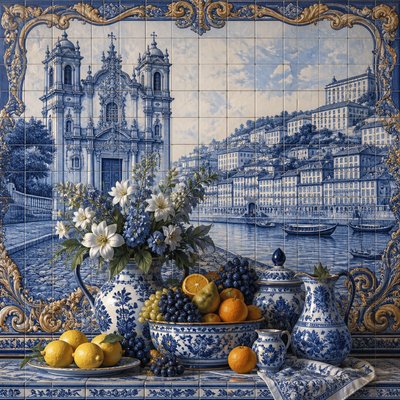
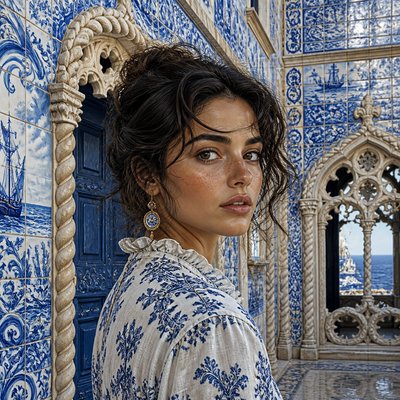
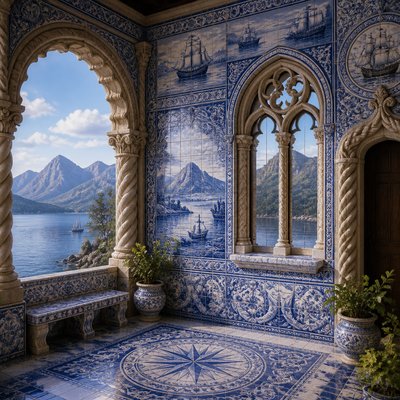
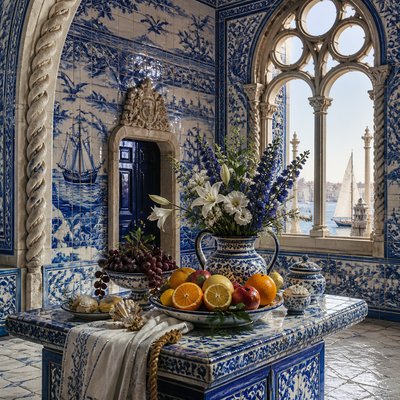
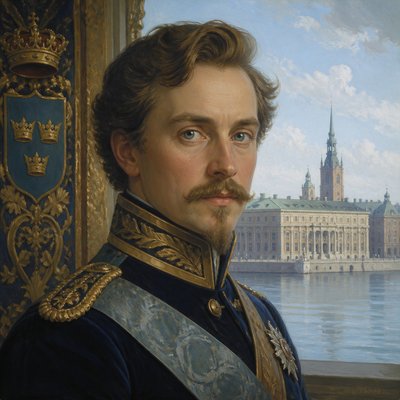
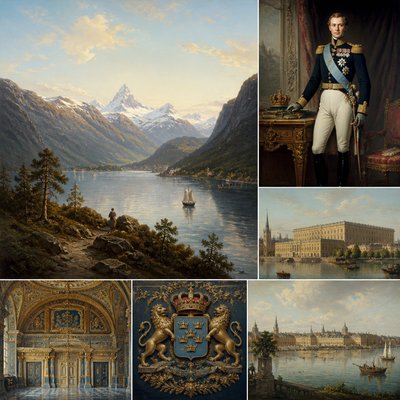
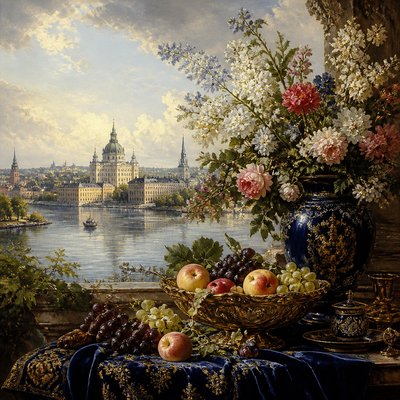
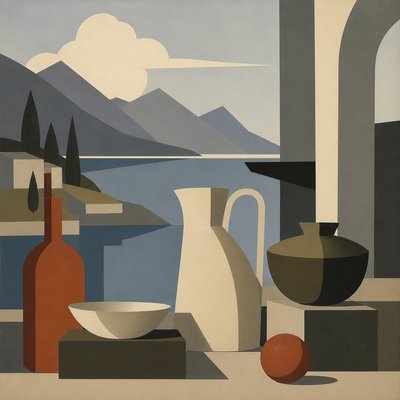
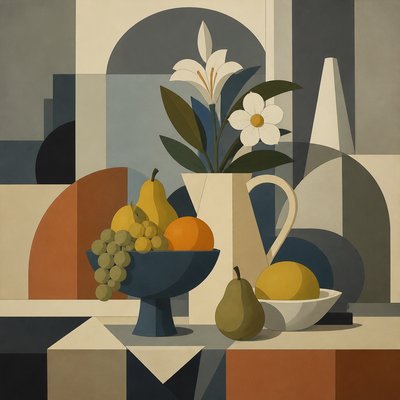
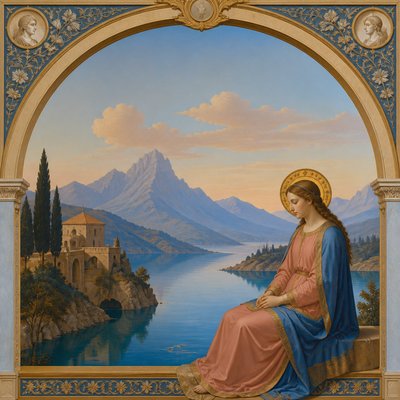
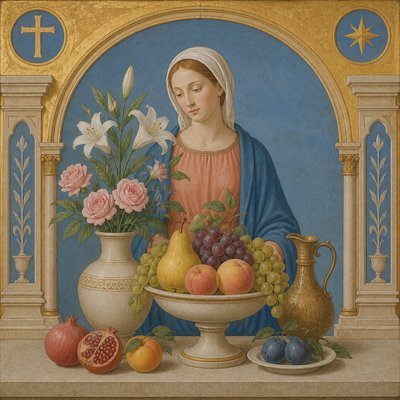
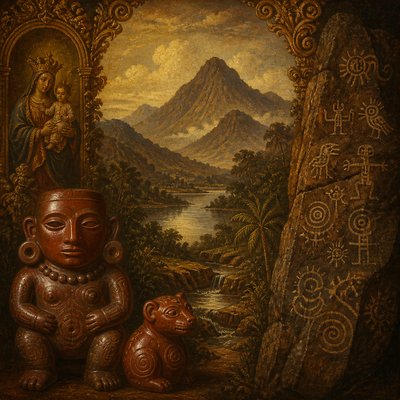
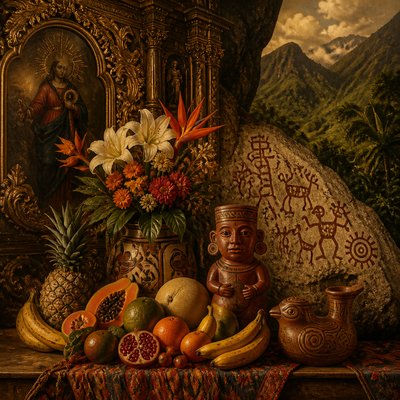
Panel Painting Style
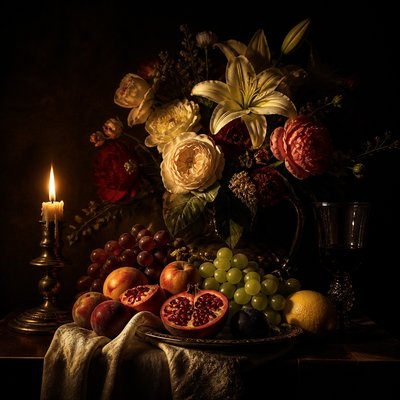
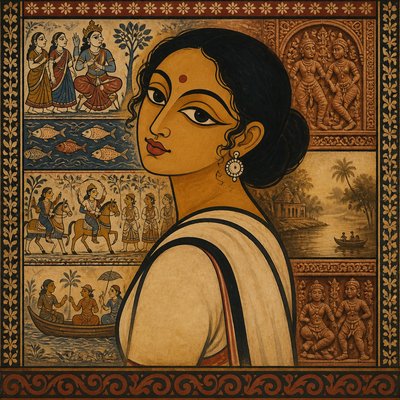
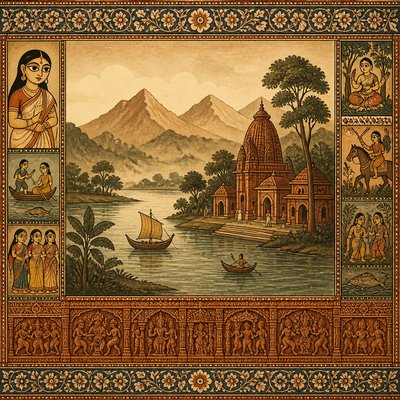
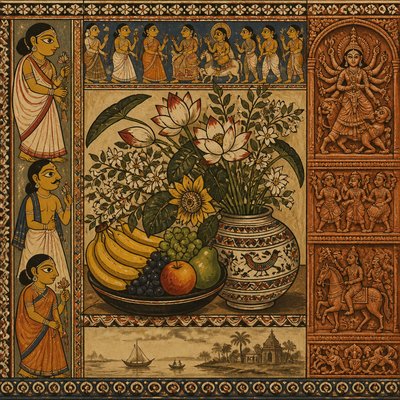
Explore panel painting style: egg tempera, gilded gesso, jewel-toned pigments, devotional symmetry, and aged craquelure on wood.
Instantly rendered in Panel Painting — or transform a photo
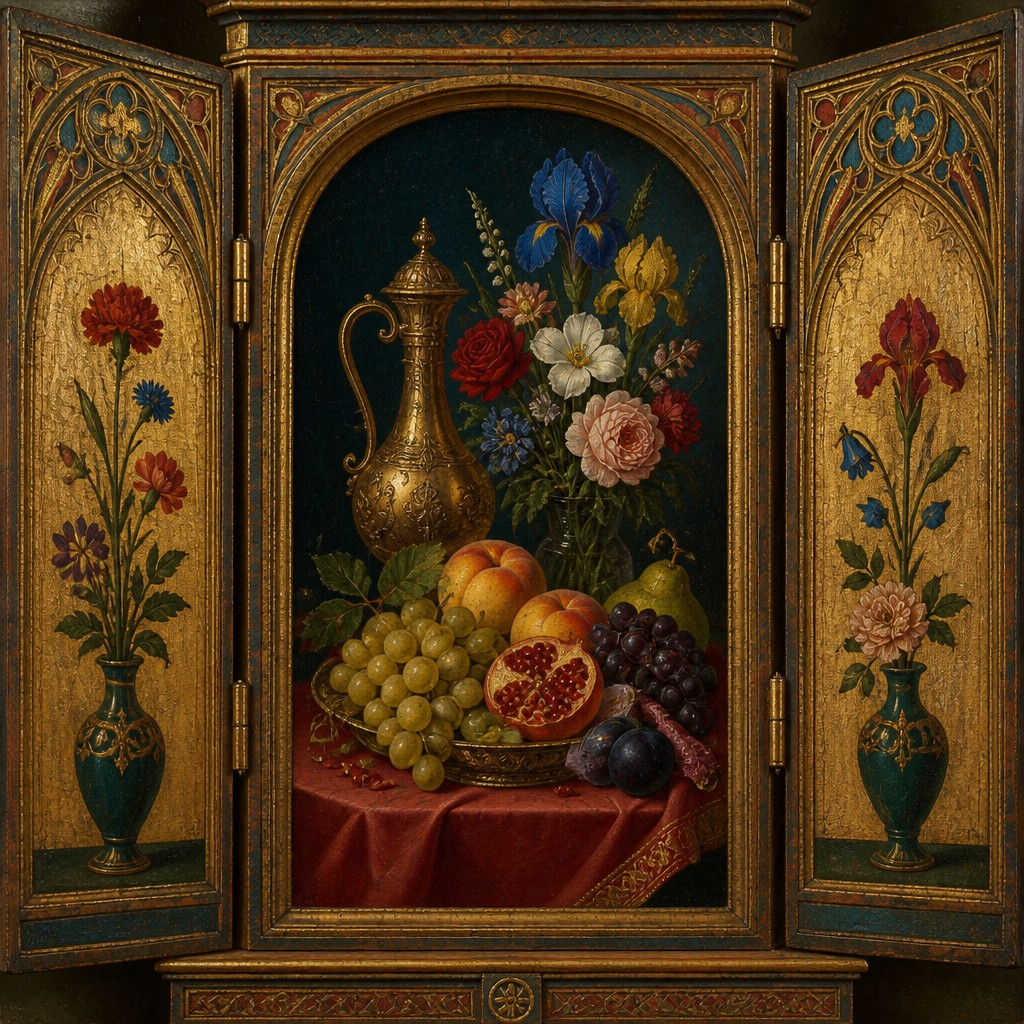
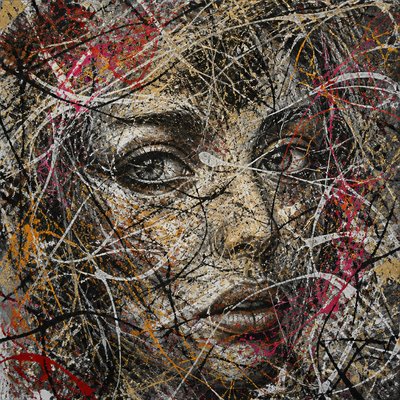
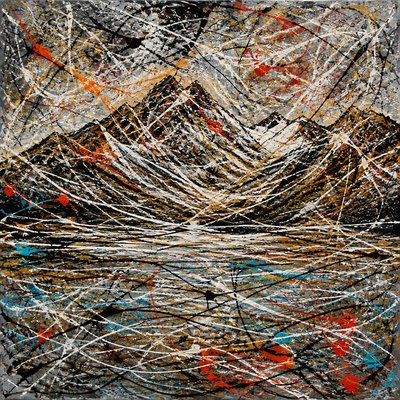
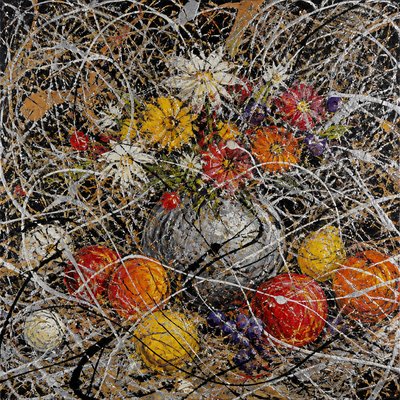
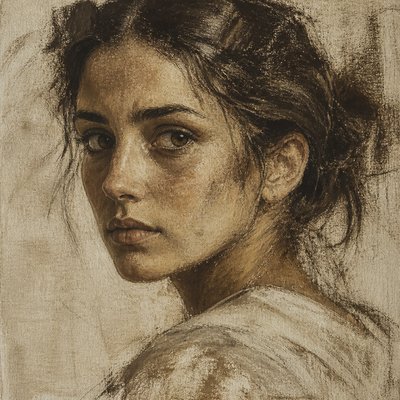
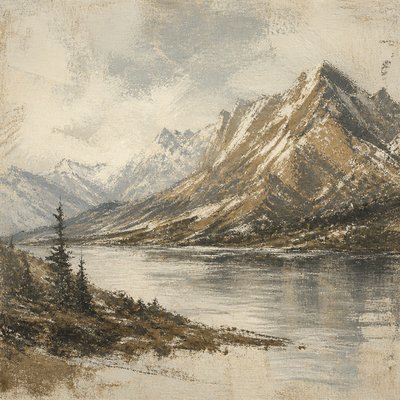
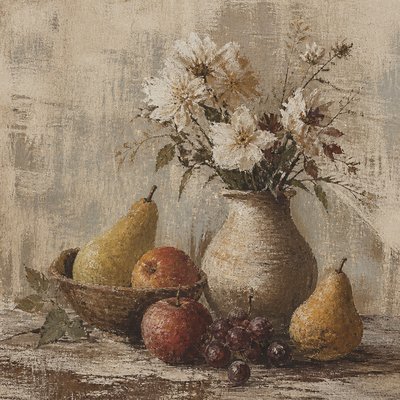
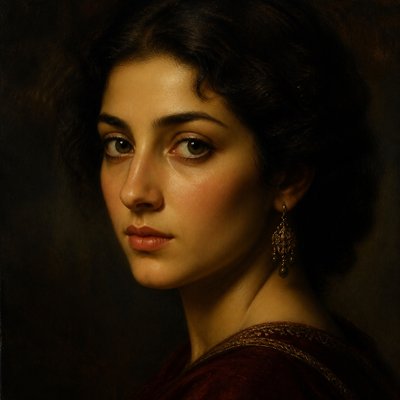
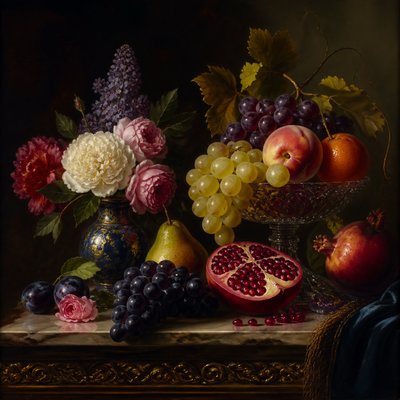
Panel Painting Gallery
Tap any artwork to explore it
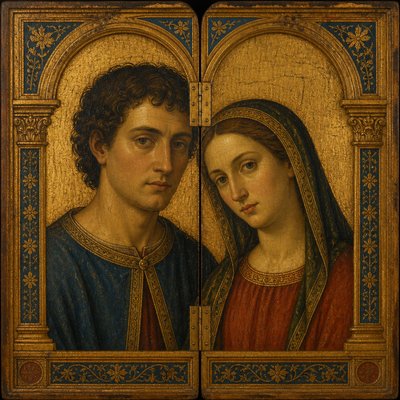
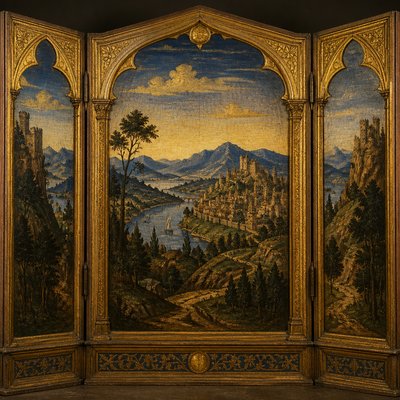
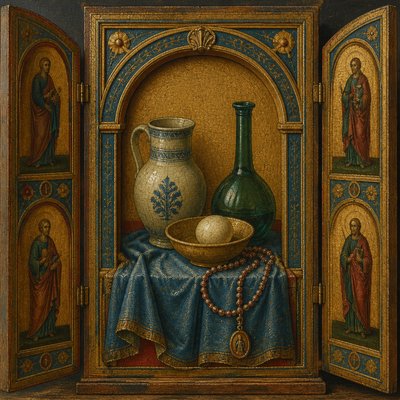
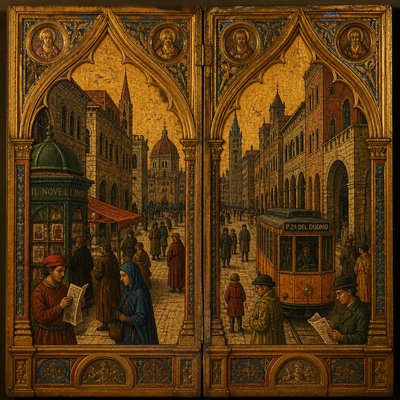
What is Panel Painting Style?
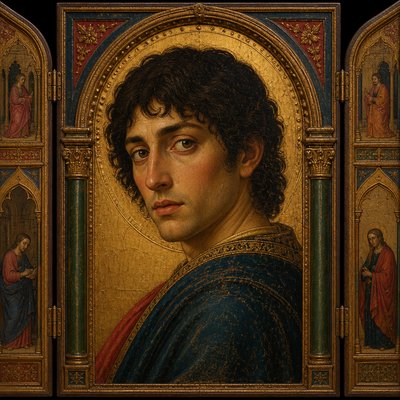
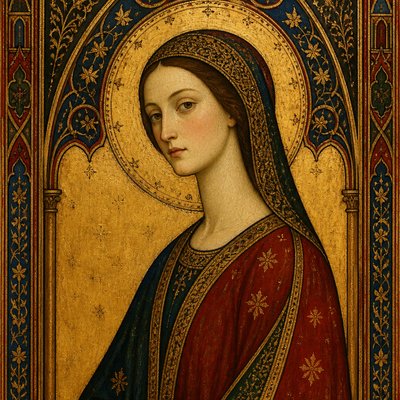
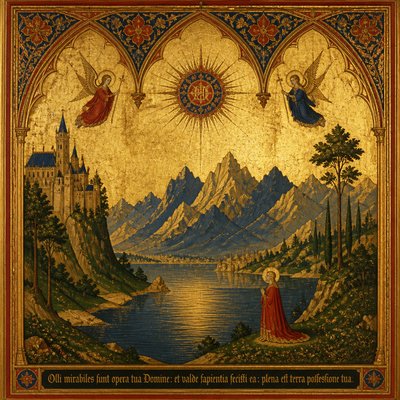
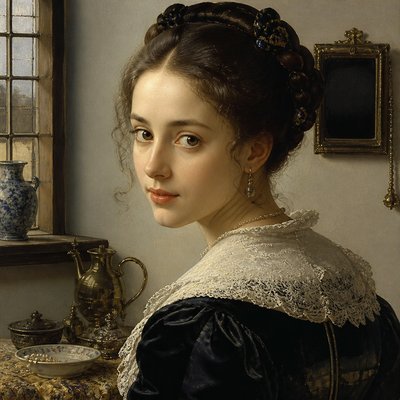
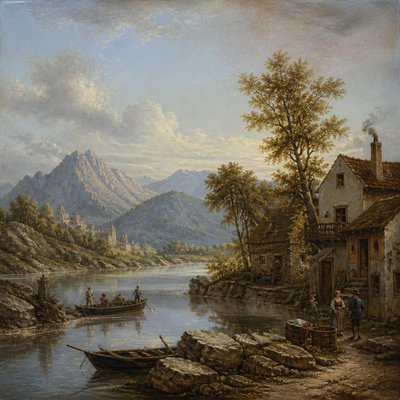
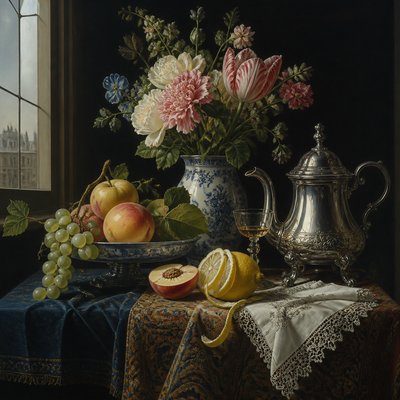
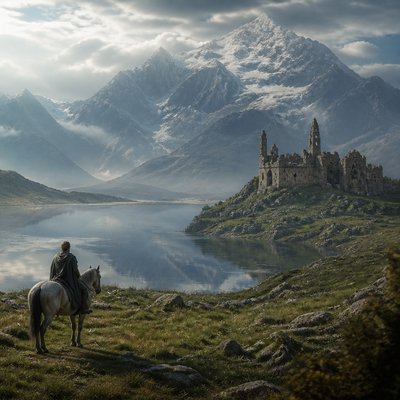
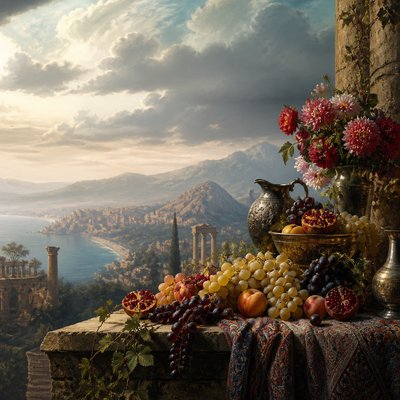
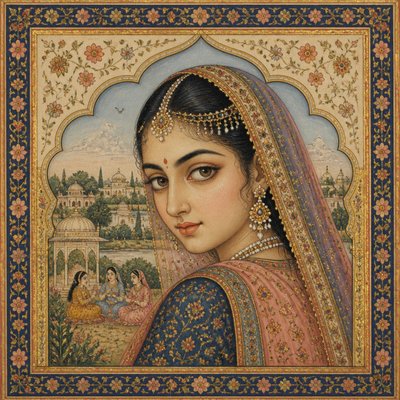
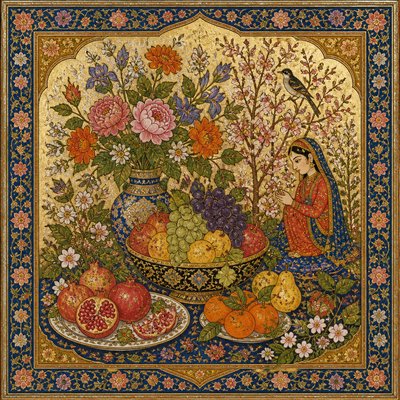
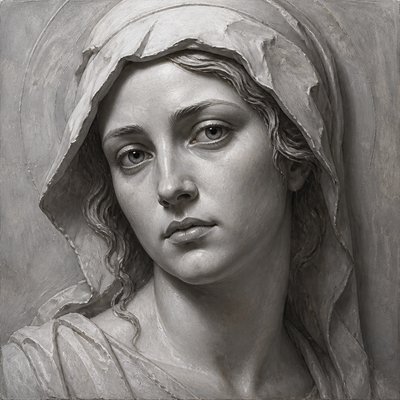
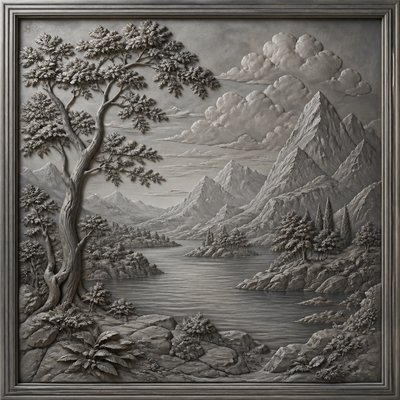
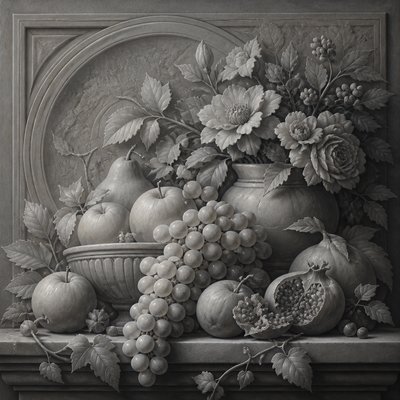
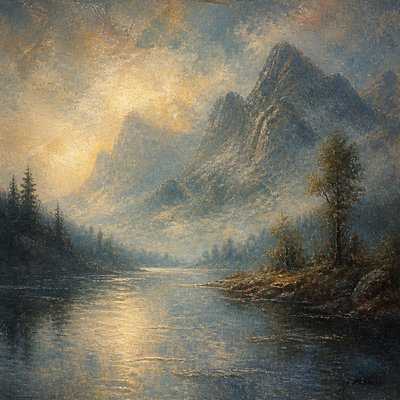
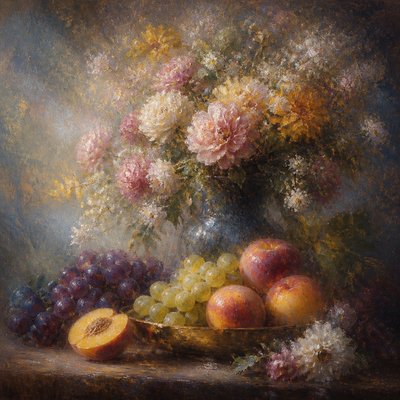
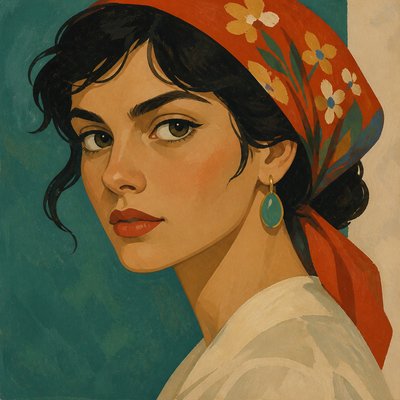
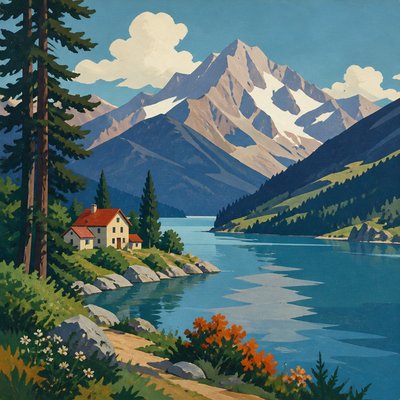
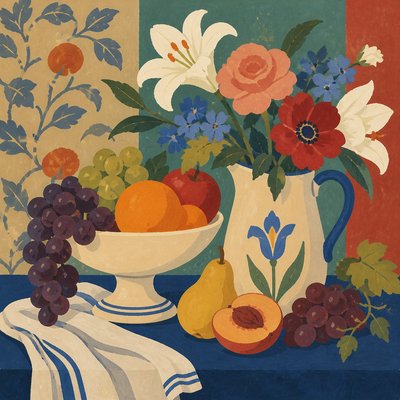
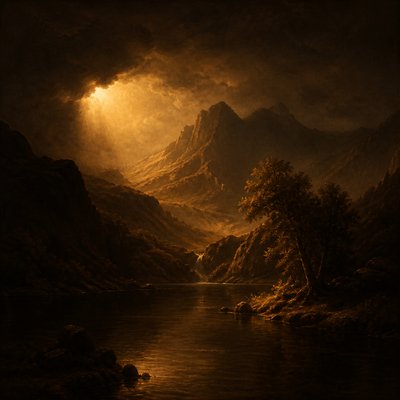
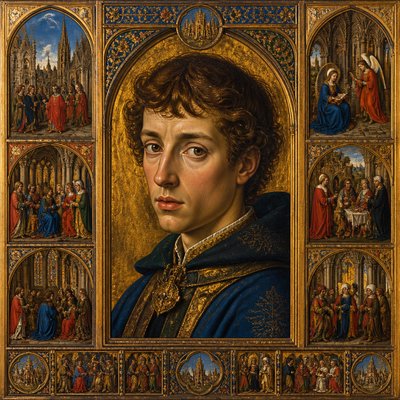
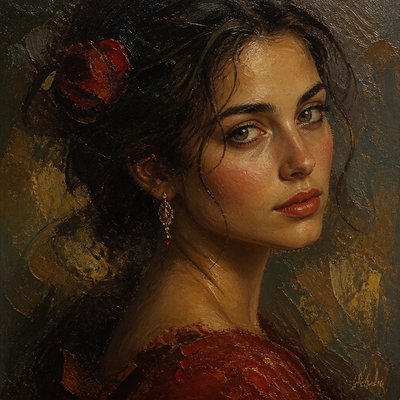
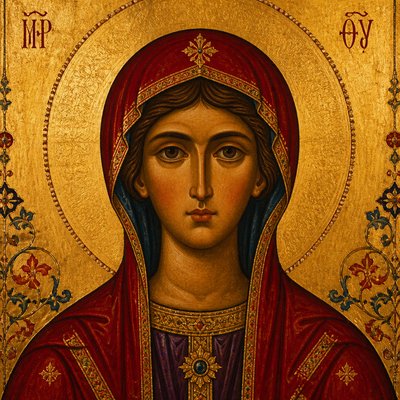
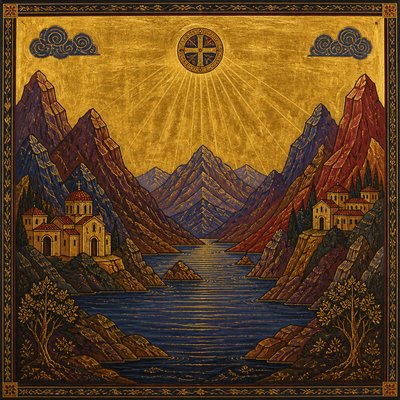
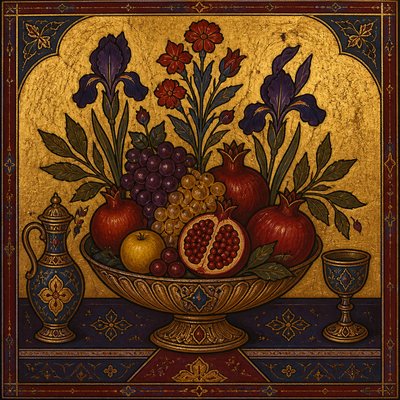
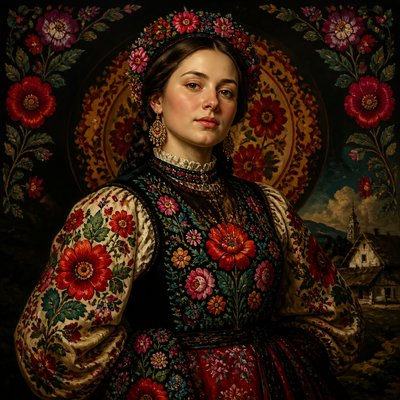
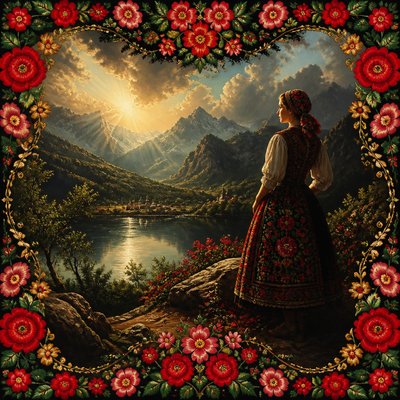
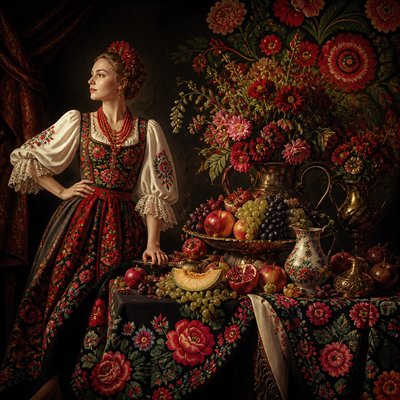
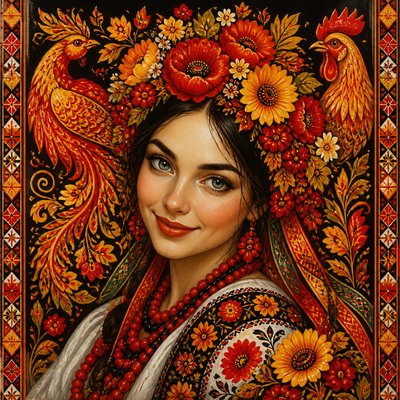
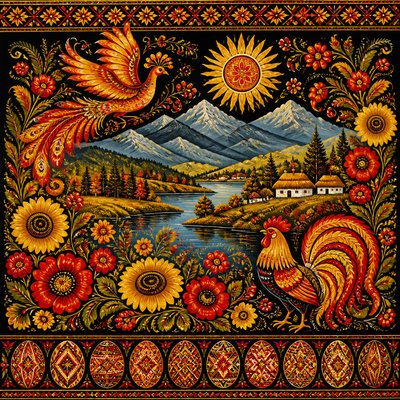
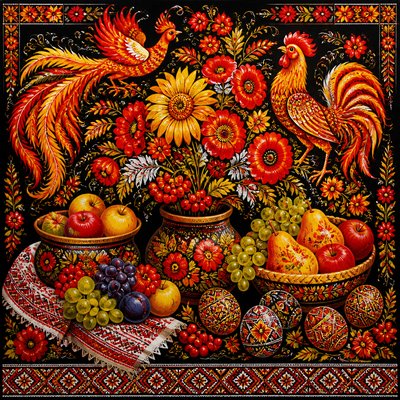
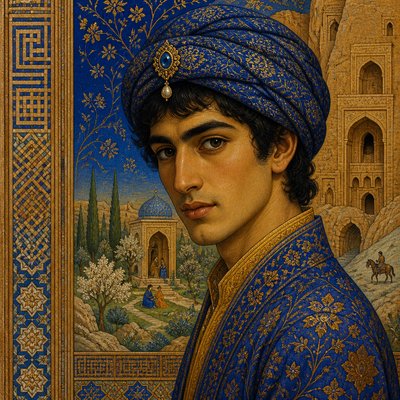
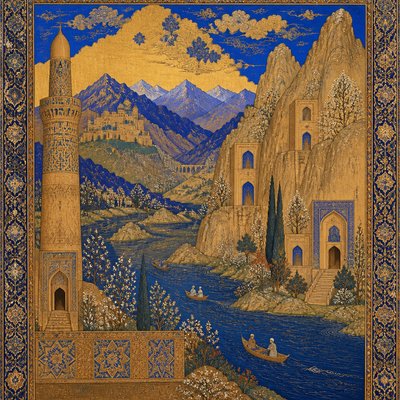
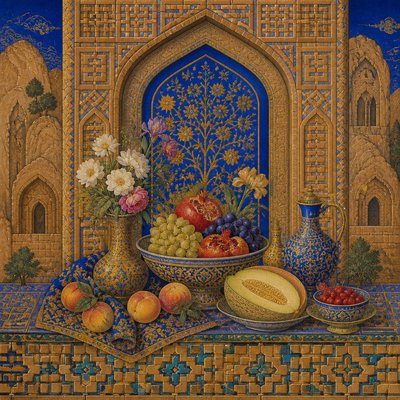
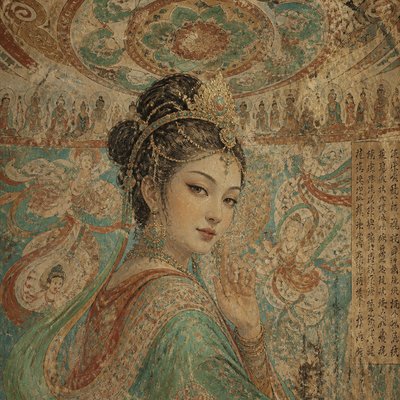
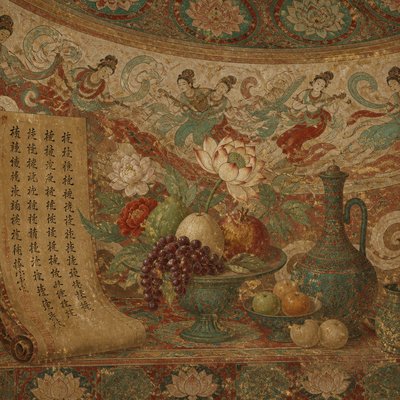
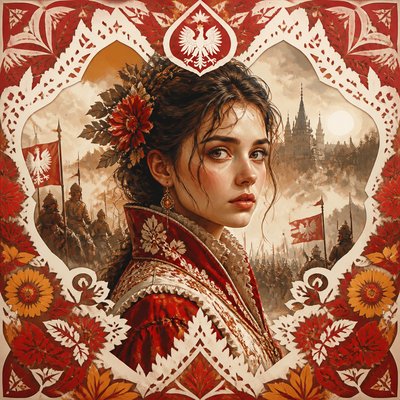
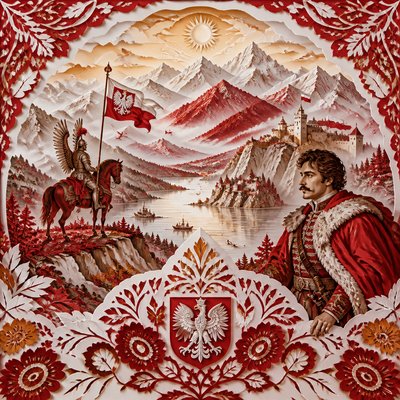
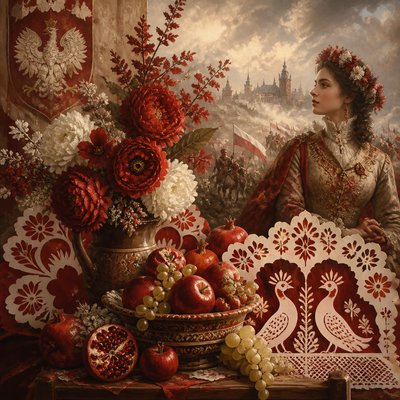
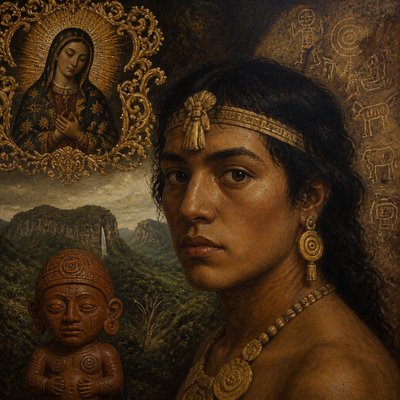
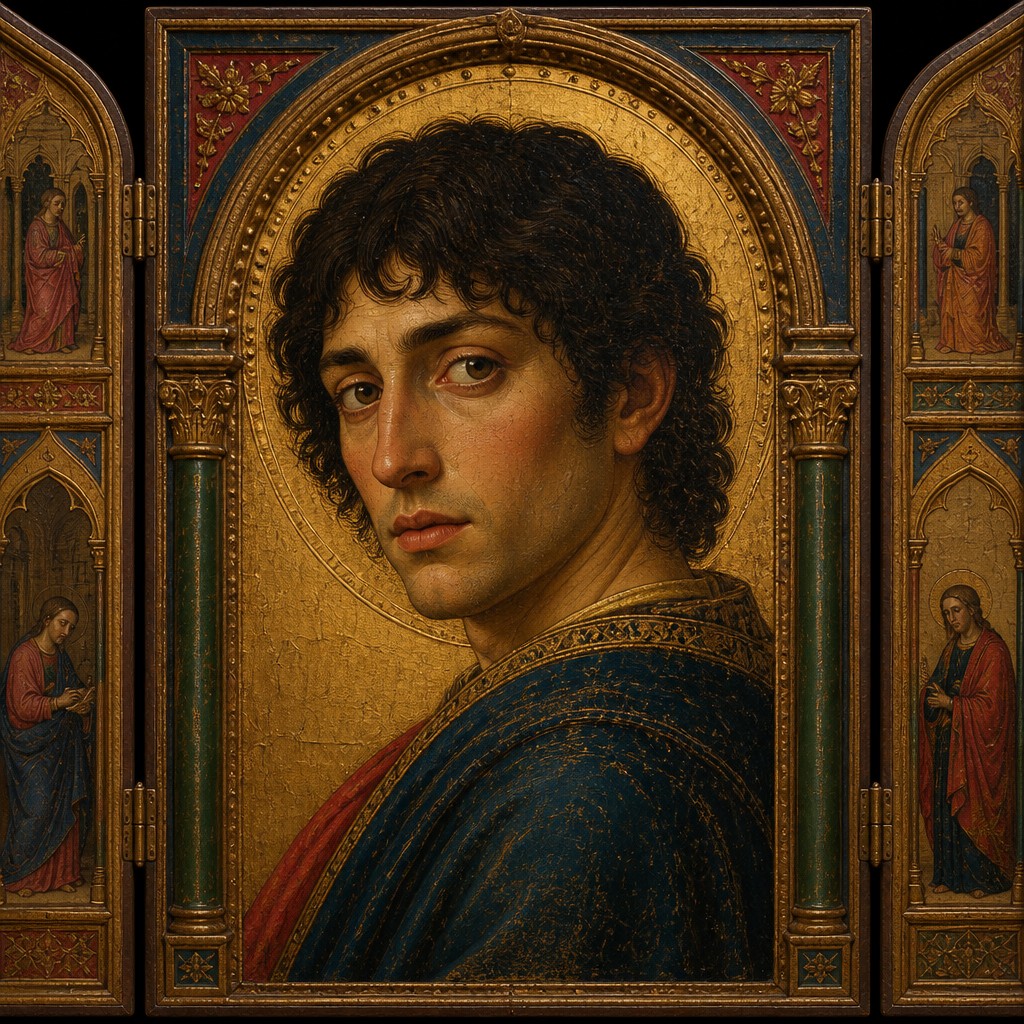
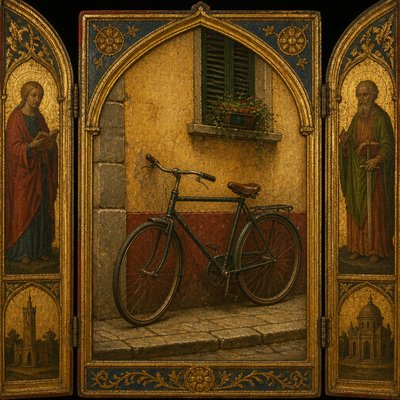
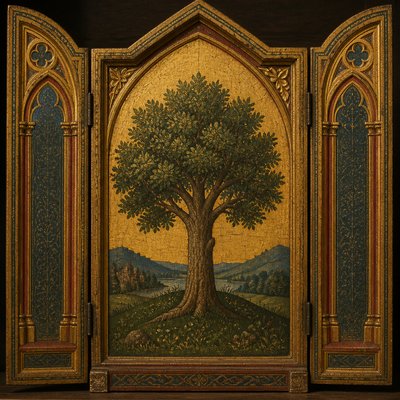
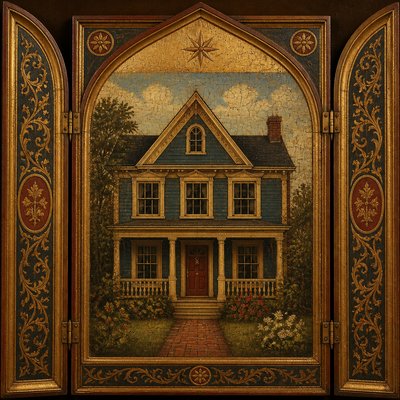
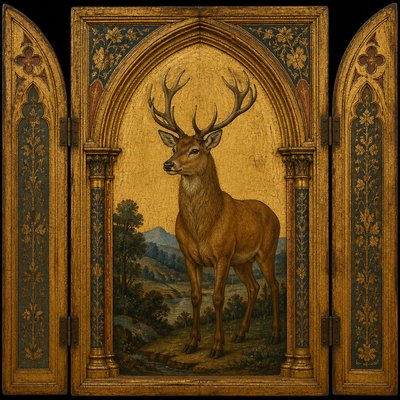
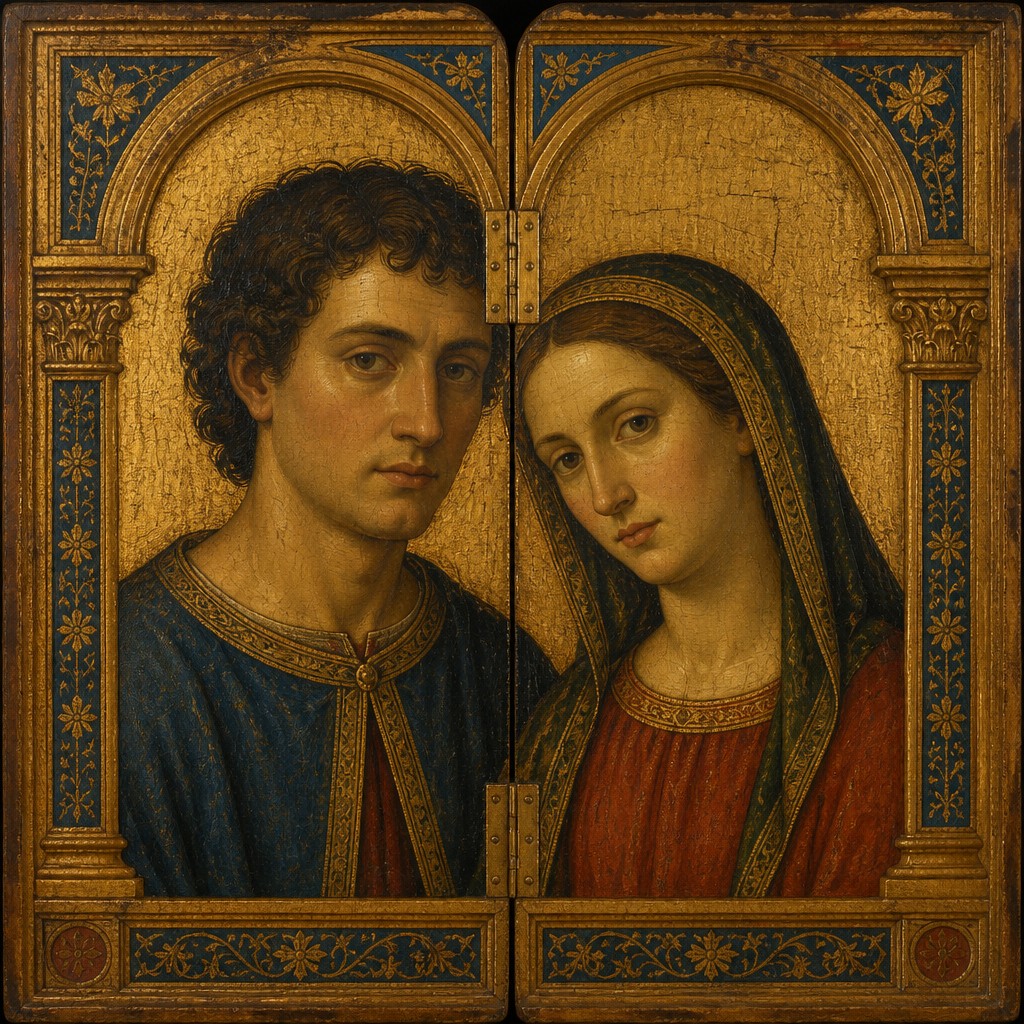
Panel Painting Style is a historical-referential image aesthetic based on devotional pictures made with egg tempera on prepared wood. Its visual identity combines luminous mineral pigments, carefully controlled outlines, flattened sacred compositions, gold grounds, and relief ornament formed from raised gesso. Figures often appear frontal or hieratically composed, with patterned robes, solemn expressions, and an emphasis on symbolic clarity rather than naturalistic depth.
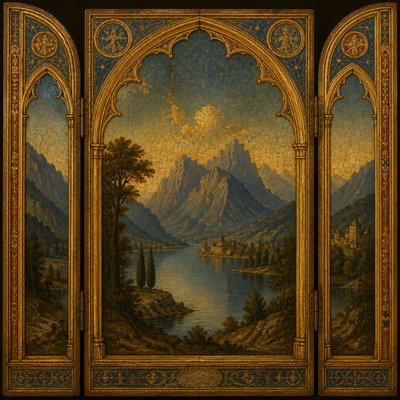
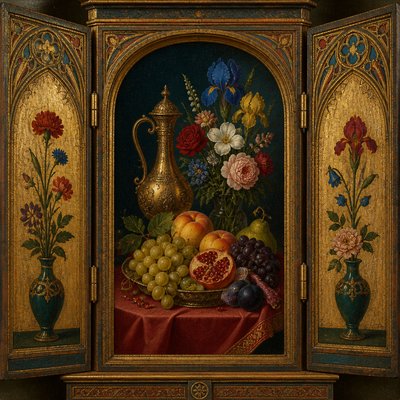
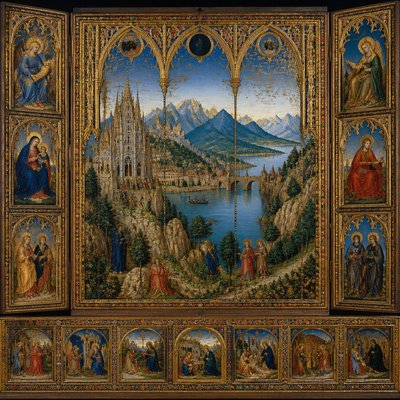
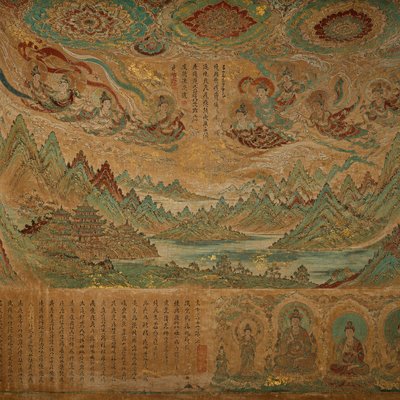
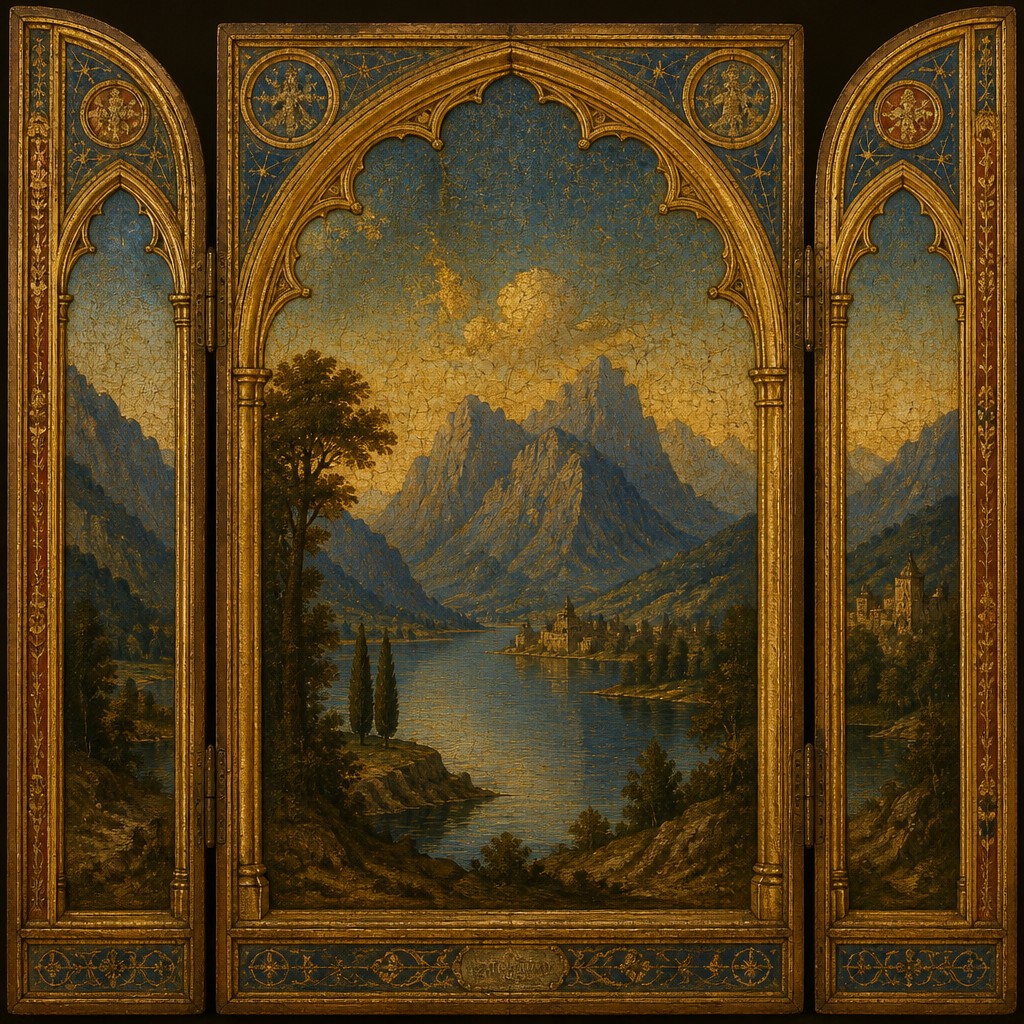
The style’s distinctive glow comes from the interaction of absorbent gesso, translucent tempera layers, and reflective gilding. Tight hatching models faces and drapery with deliberate linear rhythm, while a painted architectural frame or hinged altarpiece structure gives the image the character of a portable devotional object. Craquelure, softened edges, and warm aged varnish suggest the physical history of an old panel without replacing its precise craftsmanship.
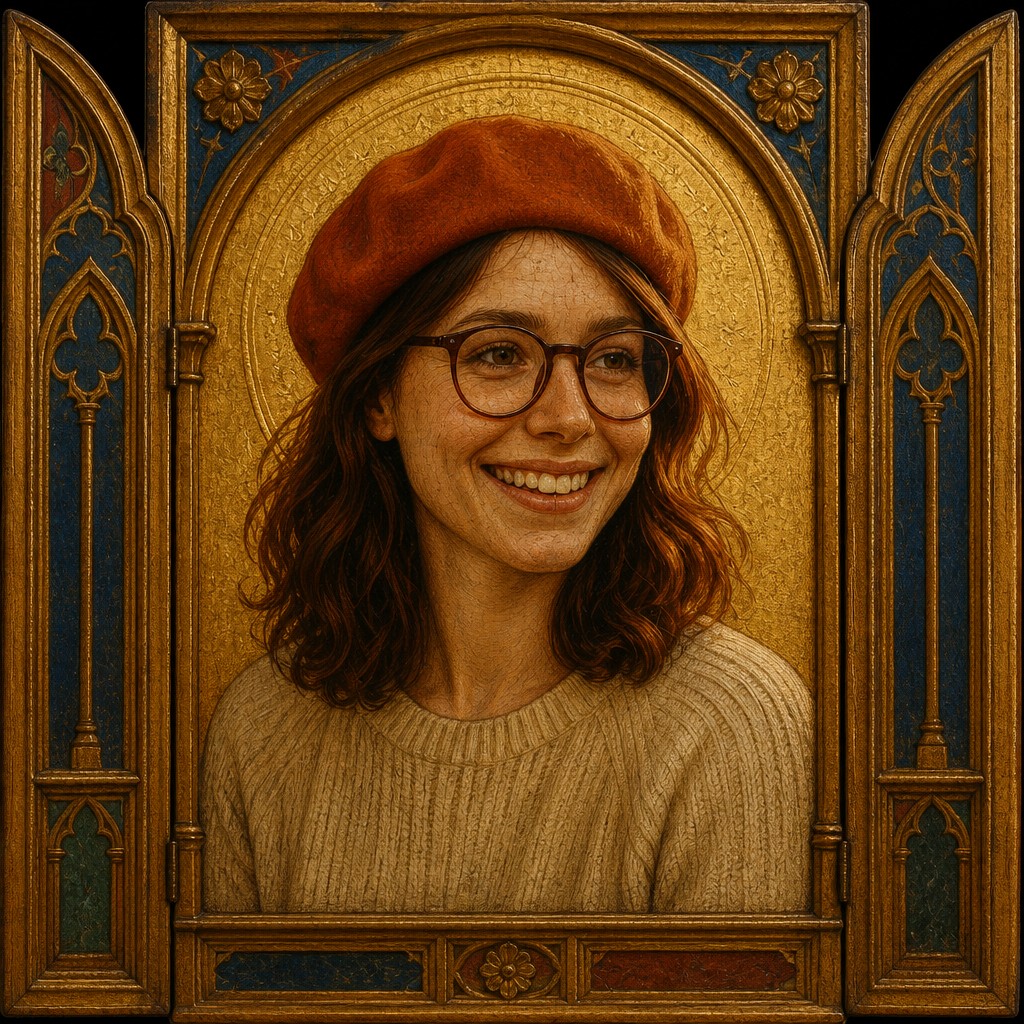
Try It On Your Photos
Upload any photo and convert it into Panel Painting Style — drag the sliders to compare before and after.

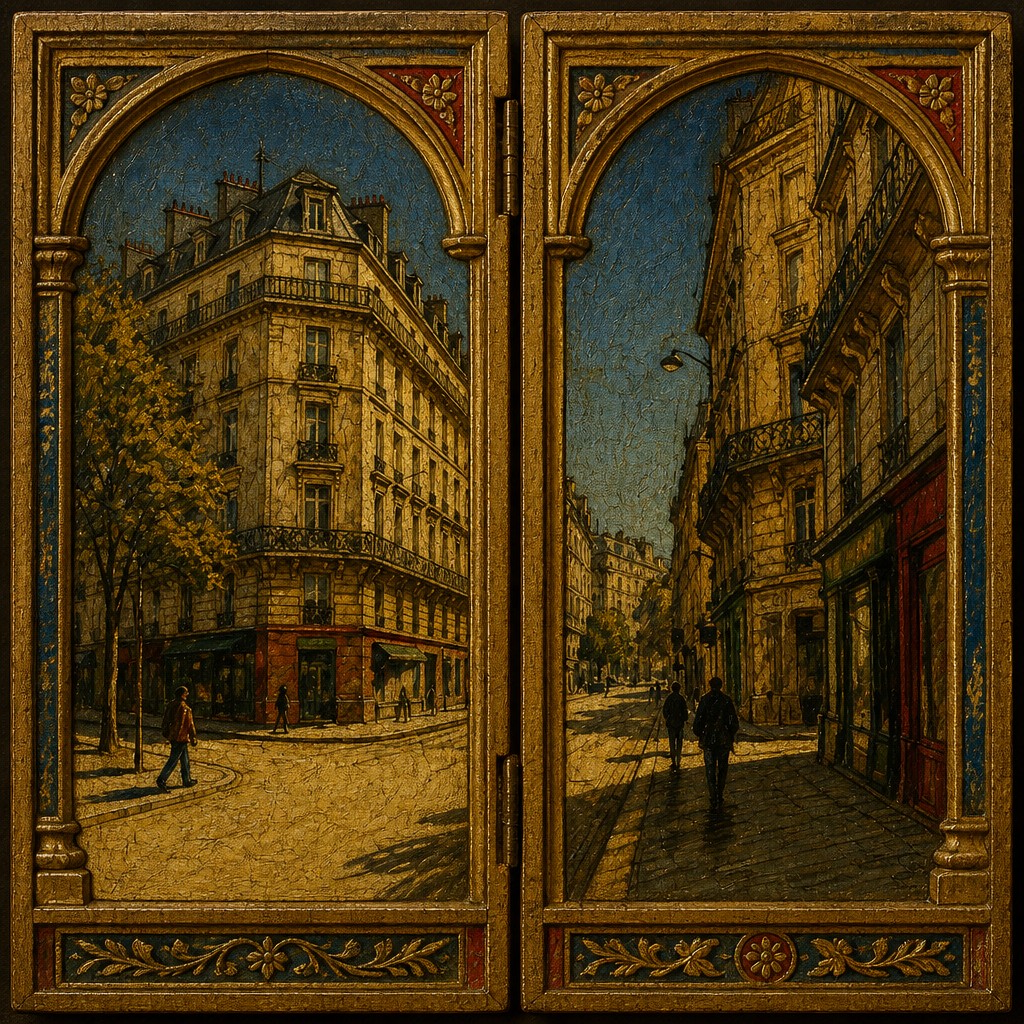

What Defines Panel Painting Style
The signature details, up close
Egg tempera modeling
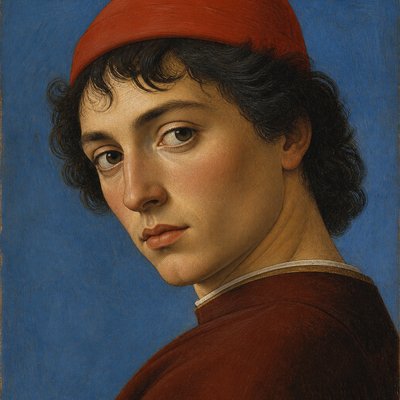
Thin layers of egg-bound pigment create a matte, luminous surface with crisp edges and controlled tonal transitions. Faces and hands are often modeled through layered highlights and fine parallel hatching rather than soft oil blending.
Gilded gesso relief
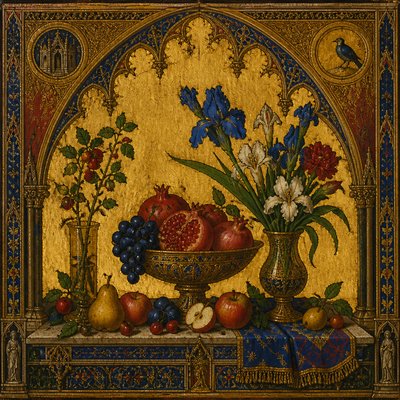
Raised gesso ornament appears in halos, borders, crowns, textile patterns, and architectural details beneath or beside gold leaf. The relief catches light and gives the image a tactile, ceremonial presence.
Jewel-toned mineral pigments
Deep reds, ultramarine-like blues, malachite greens, ochres, and dense blacks create a saturated but disciplined palette. Color is typically symbolic and arranged in clear fields rather than blended atmospherically.
Hieratic composition
Figures tend to be frontal, centered, and solemn, with symmetrical or carefully balanced arrangements. Scale and placement may communicate spiritual importance more strongly than ordinary spatial perspective.
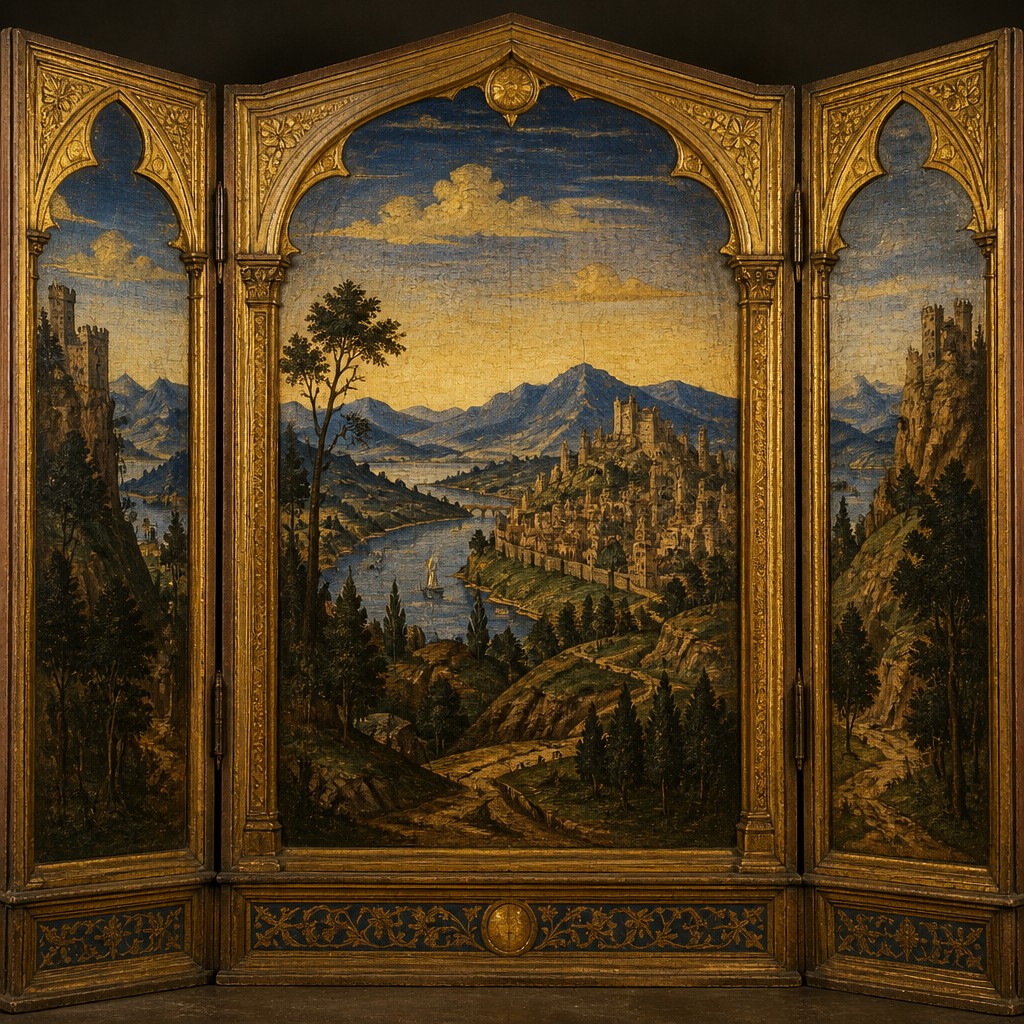
Hatched drapery folds
Robes are described with angular, rhythmic folds built from fine lines, highlights, and dark accents. Drapery functions as both anatomy and ornament, reinforcing the image’s linear structure.
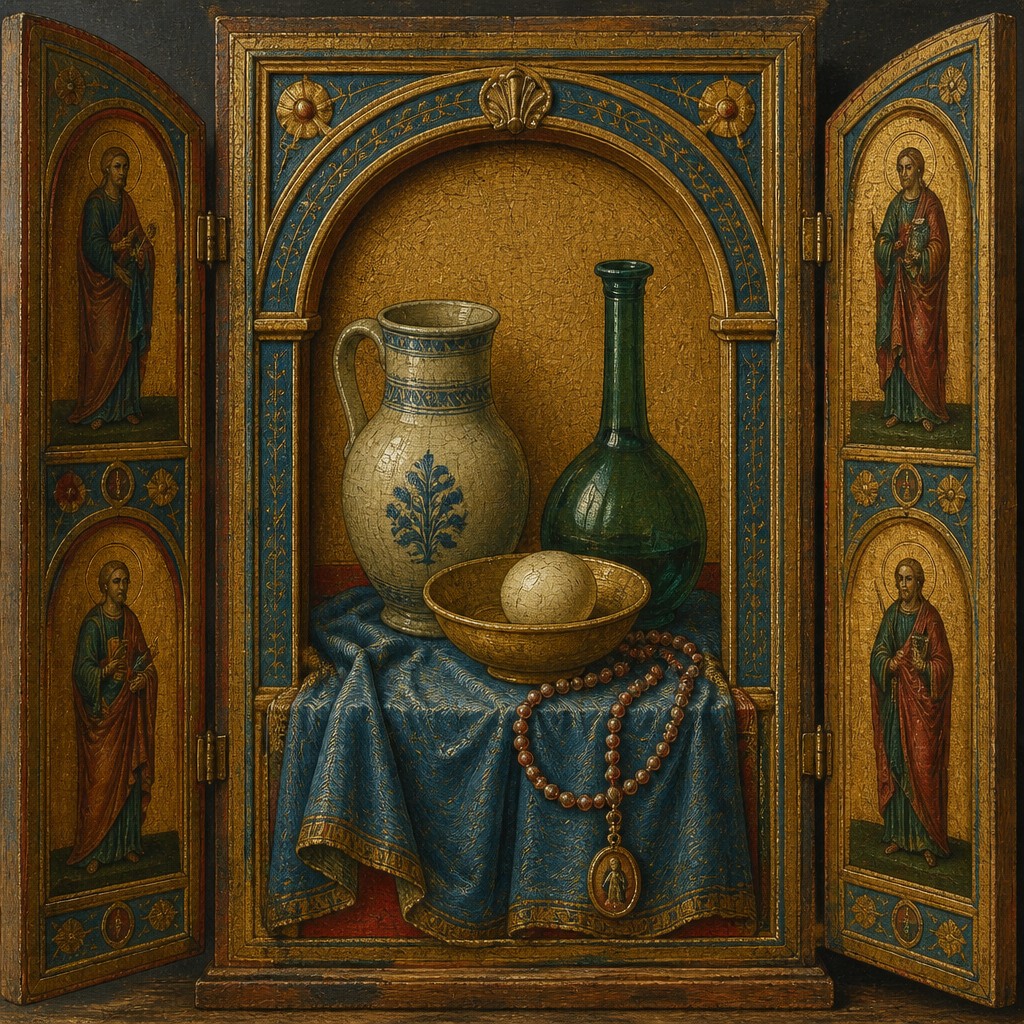
Architectural or hinged framing
Painted borders, arcades, columns, pinnacles, and folding-panel formats evoke a devotional altarpiece. The frame is treated as part of the composition rather than as a neutral enclosure.
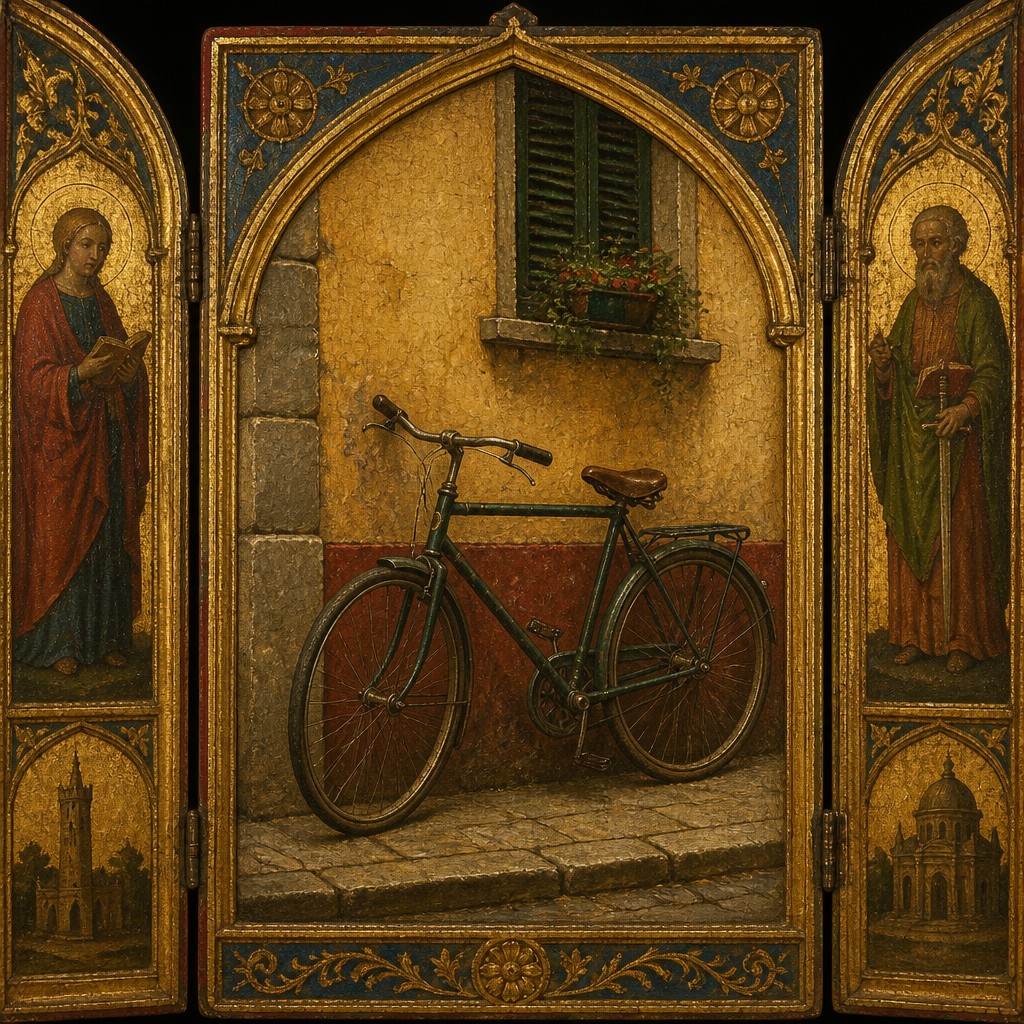
Aged wooden surface
Craquelure, slight abrasion, darkened edges, and warm varnish patina suggest age and material history. These effects should remain subtle enough to preserve the legibility of the painted forms.
Panel Painting Prompt Ideas
Start from an idea — each one opens the generator with the style ready to go. See all 40 Panel Painting prompts →
How to Create Panel Painting Art
Master the craft step by step — or skip straight to creating. Read the full guide →
- 1
Prepare the support
For a traditional work, use a stable oak or poplar panel, seal it, and build a smooth gesso ground before drawing the composition. A digital version can simulate the absorbent tooth of gesso with a fine, irregular surface texture.
- 2
Build the image in tempera layers
Apply opaque, thin color passages and allow each layer to establish clean value steps. Use controlled hatching on cheeks, hands, and drapery instead of airbrushed gradients.
- 3
Plan the gilding and relief
Reserve halos, borders, and ornamental details for raised gesso or gold leaf, keeping the relief concentrated in symbolic and architectural areas. In digital work, combine embossed masks, metallic shading, and directional highlights rather than using a flat yellow fill.
- 4
Compose like a devotional panel
Favor frontal or three-quarter figures, a stable central axis, shallow space, and a clear hierarchy of scale. Add a painted arcade, patterned border, or hinged altarpiece structure to make the format unmistakable.
- 5
Add age with restraint
Introduce fine craquelure, softened varnish, edge wear, and small pigment irregularities after the main painting is complete. Avoid random heavy damage that obscures faces, inscriptions, or ornament.
- 6
Write a material-specific prompt
Describe the support, egg tempera, gesso relief, gilding, hatching, mineral palette, composition, and surface age explicitly, then name the subject and lighting. For image-to-image work, preserve the source silhouette while requesting a wood-panel ground, flatter perspective, and restrained devotional geometry.
The Story
History & Origins of Panel Painting
Panel painting is not a single historical movement but a broad format and technique with deep roots in Byzantine icon painting and medieval Christian art. Prepared wooden supports, egg tempera, and gold leaf were used across Eastern Mediterranean and European devotional traditions, while later medieval and early Renaissance workshops developed increasingly elaborate framed panels, folding altarpieces, punched gold ornament, and raised gesso decoration. Oak was especially common in northern Europe, while poplar was widely used in parts of Italy and the Mediterranean.
This contemporary style designation synthesizes those historical conventions rather than describing a discrete period or school. It combines the solemn frontal organization of icons, the gold-ground luminosity of medieval panel painting, the architectural framing of late medieval altarpieces, and the visible aging associated with museum-preserved wooden works.
Influences: The style draws on Byzantine icon painting, medieval Western European altarpieces, Italian and northern European tempera-panel traditions, manuscript illumination, and the ornamental vocabulary of Gothic architecture. It also borrows the material language of traditional gilding, punched gold decoration, carved and painted frames, and conservation-aged wooden objects. Its shallow space and symbolic color distinguish it from later oil painting, while its linear precision connects it to manuscript and graphic traditions.
Frequently Asked Questions
What defines Panel Painting Style?
It is defined by egg-tempera appearance, a prepared wood support, gilded or embossed ornament, jewel-toned mineral color, frontal devotional composition, and fine linear modeling. Aged craquelure and warm varnish can reinforce the impression of a historical panel.
Is Panel Painting Style a specific historical movement?
No. Panel painting is a format and set of techniques used across several historical traditions, not one unified movement. This style label is a synthesis of Byzantine, medieval, and early Renaissance devotional-panel conventions.
How is it different from Byzantine icon painting?
It may share frontal figures, gold grounds, symbolic color, and sacred solemnity with Byzantine icons, but it can also incorporate Western European altarpiece framing, hinged-panel architecture, raised gesso, and museum-like aging. It is therefore broader and more hybrid than a strictly Byzantine treatment.
Can this style depict secular subjects?
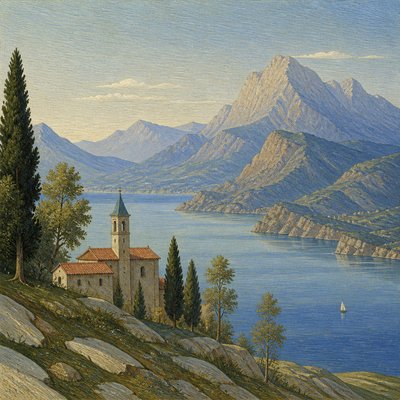
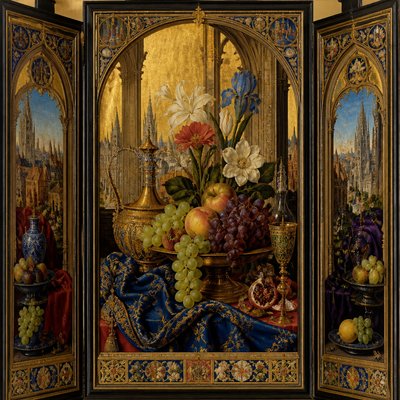
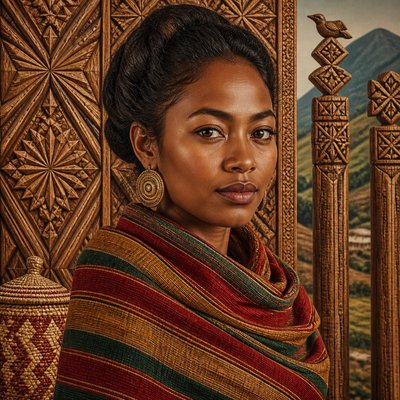
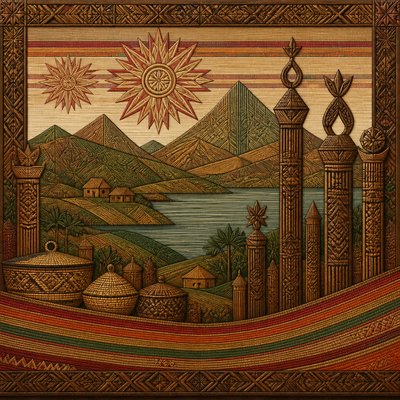
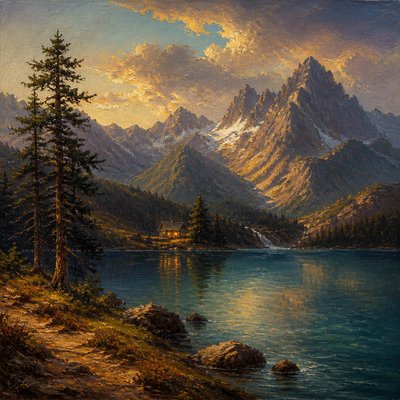
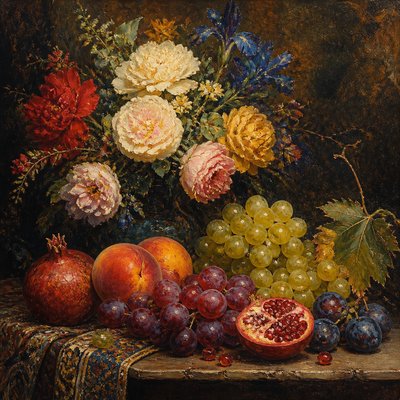
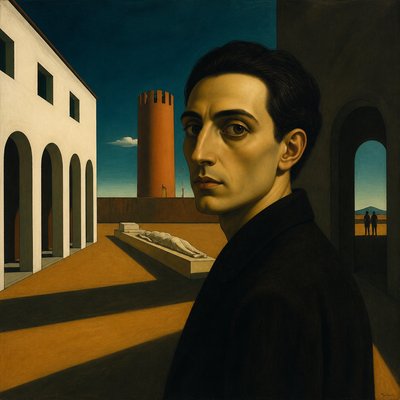
Yes. Portraits, landscapes, animals, still lifes, and fantasy scenes can use the same flattened composition, gilded ornament, tempera palette, and architectural framing. The subject becomes devotional in mood through symmetry, gesture, and symbolic presentation rather than through religious content alone.
How can I make a convincing digital version?
Specify egg tempera, gesso, wood grain, gold leaf or raised relief, hatching, shallow space, and mineral pigments rather than simply asking for an old painting. Add craquelure and varnish after the main visual structure is established, and keep metallic areas localized to halos, borders, and ornament.
Where was panel painting traditionally used?
Wooden panels served as icons, private devotional images, altar pictures, portraits, and components of folding altarpieces. Their durable support and portable scale made them especially important in churches, chapels, domestic prayer, and workshop production.
Create your first Panel Painting artwork
Describe anything — or upload a photo — and see it in Panel Painting Style in seconds.
Related Styles
Discover similar art styles