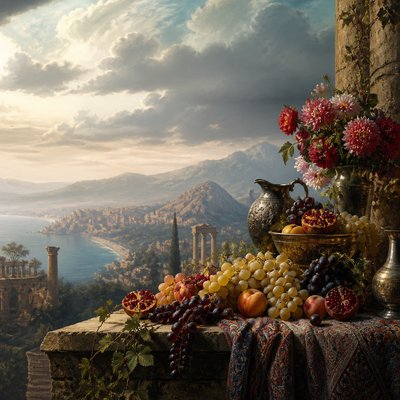
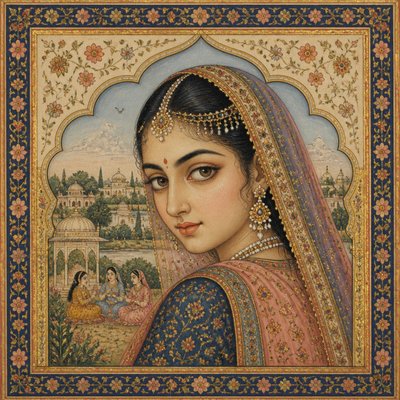
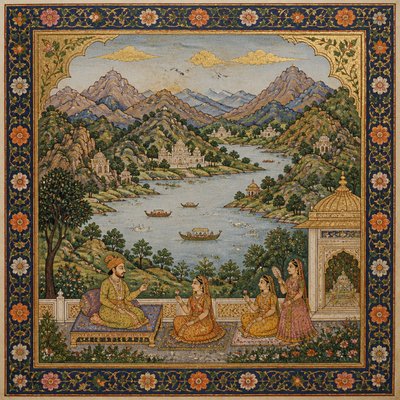
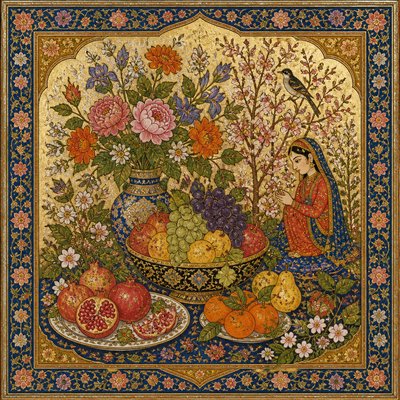
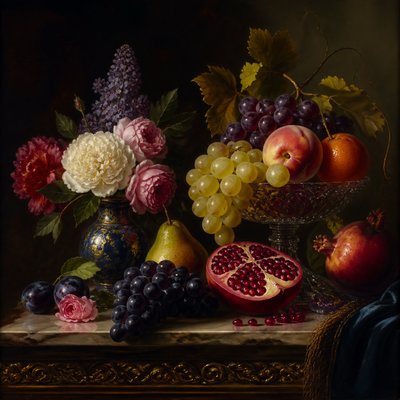
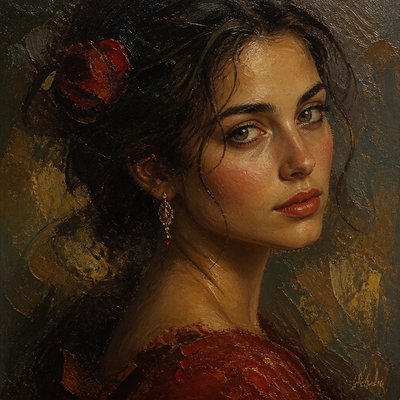
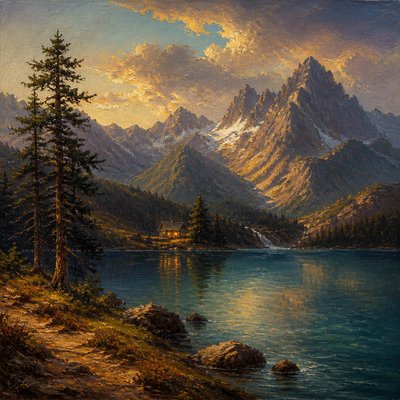
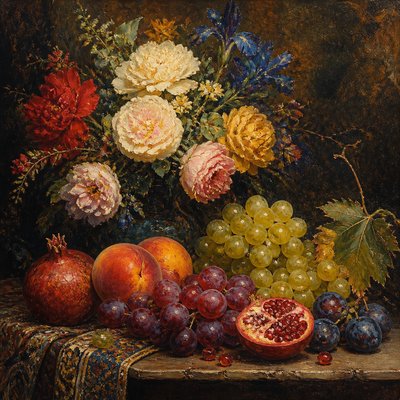
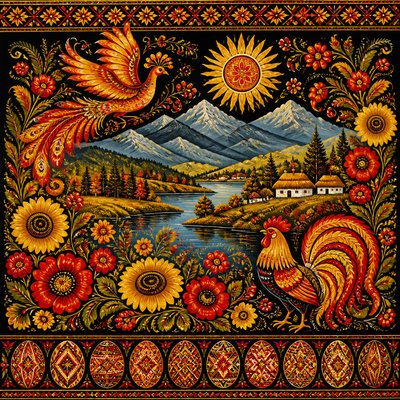
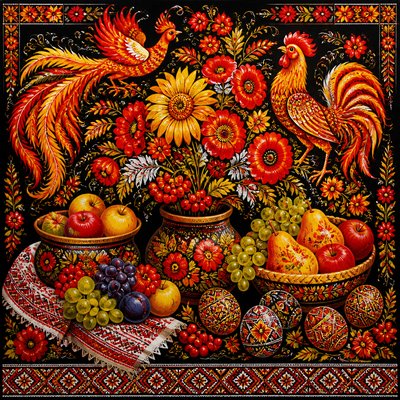
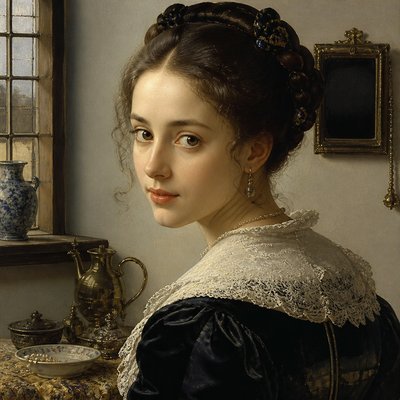
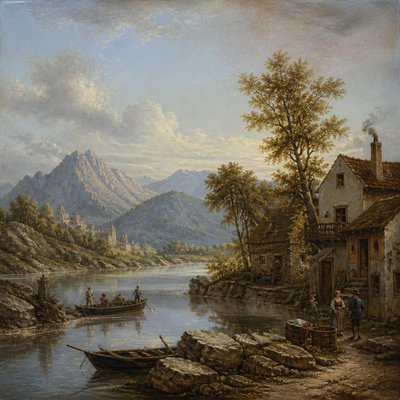
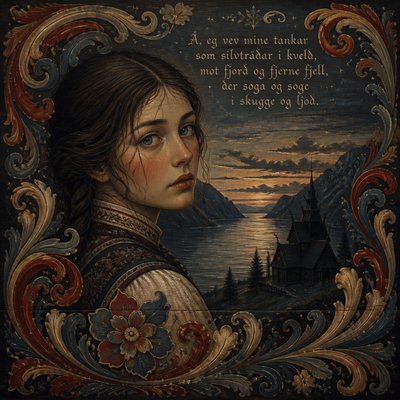
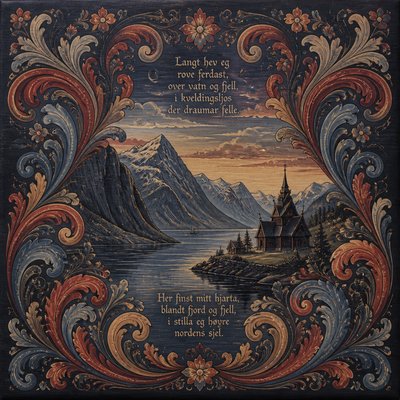
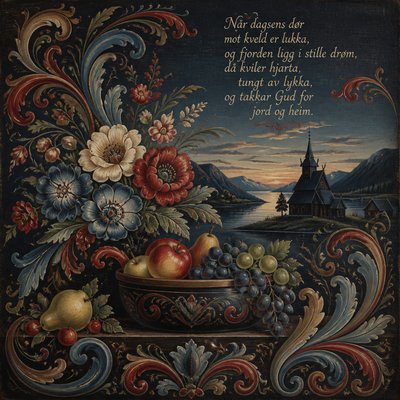
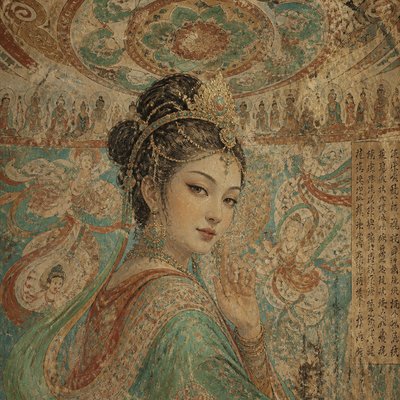
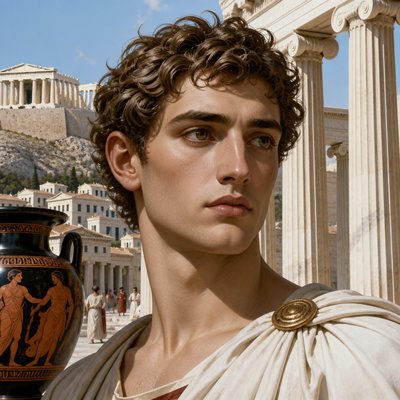
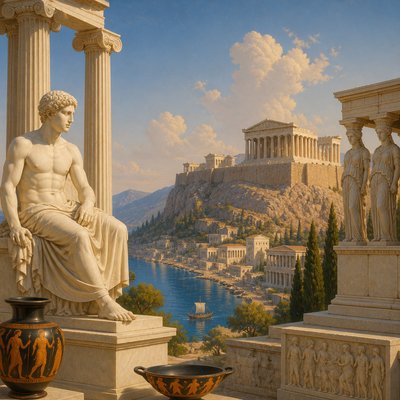
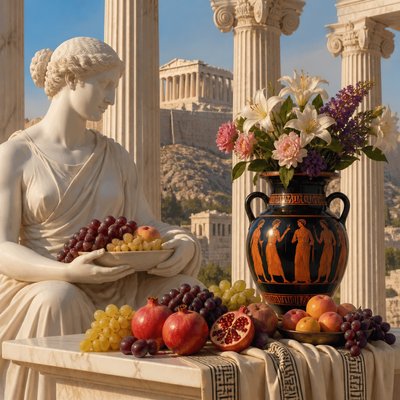
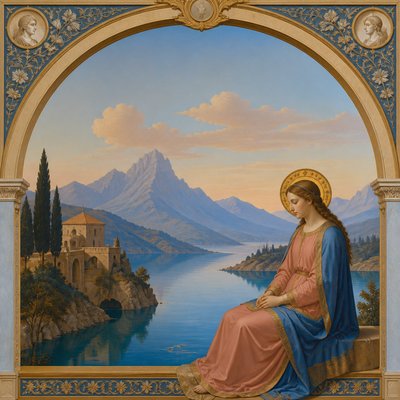
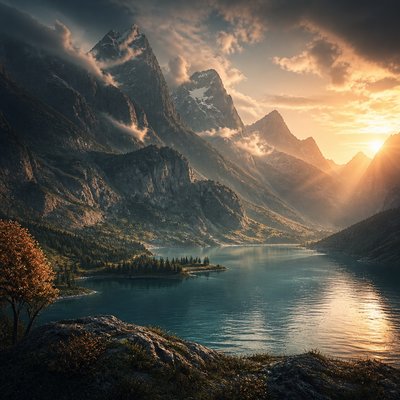
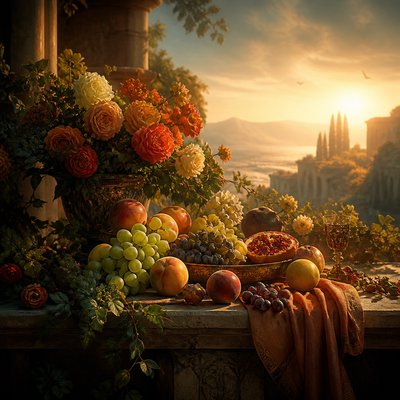
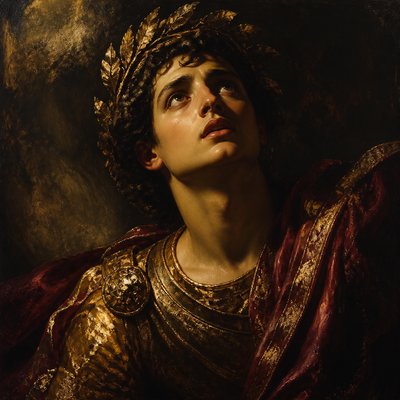
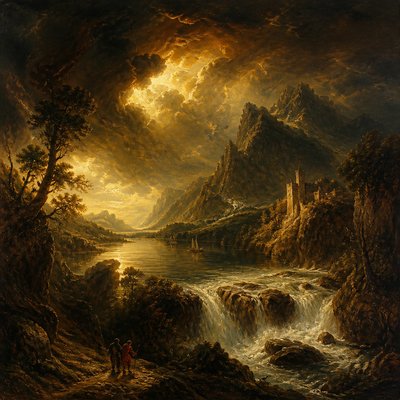
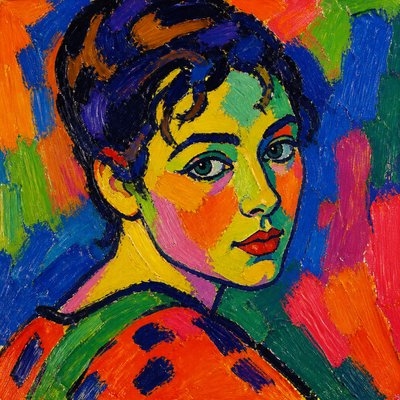
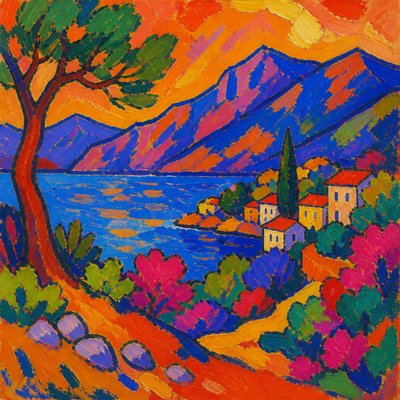
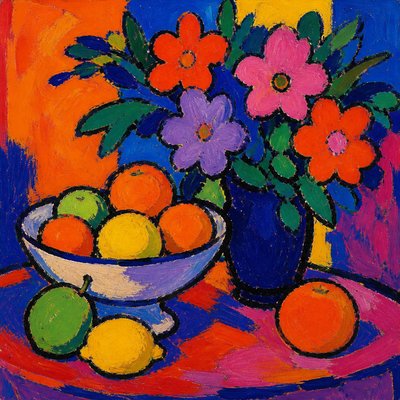
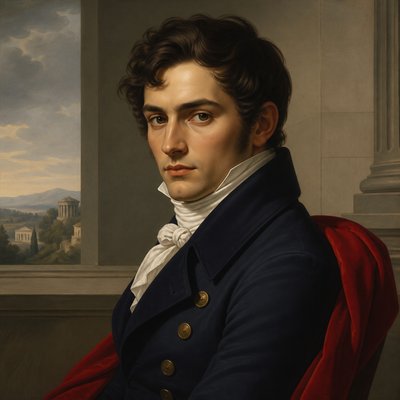
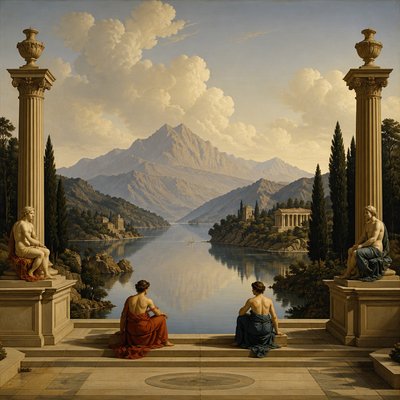
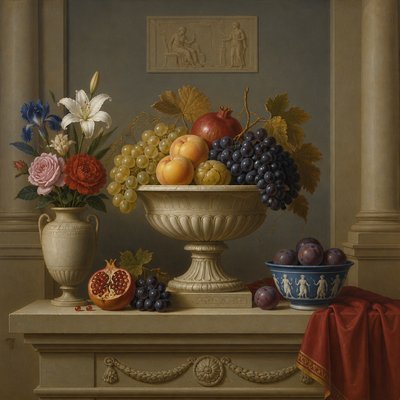
Encaustic Wax Painting Style
Explore encaustic wax painting: luminous pigmented beeswax, layered translucency, tactile relief, and an ancient portrait-panel atmosphere.
Instantly rendered in Encaustic Wax Painting — or transform a photo
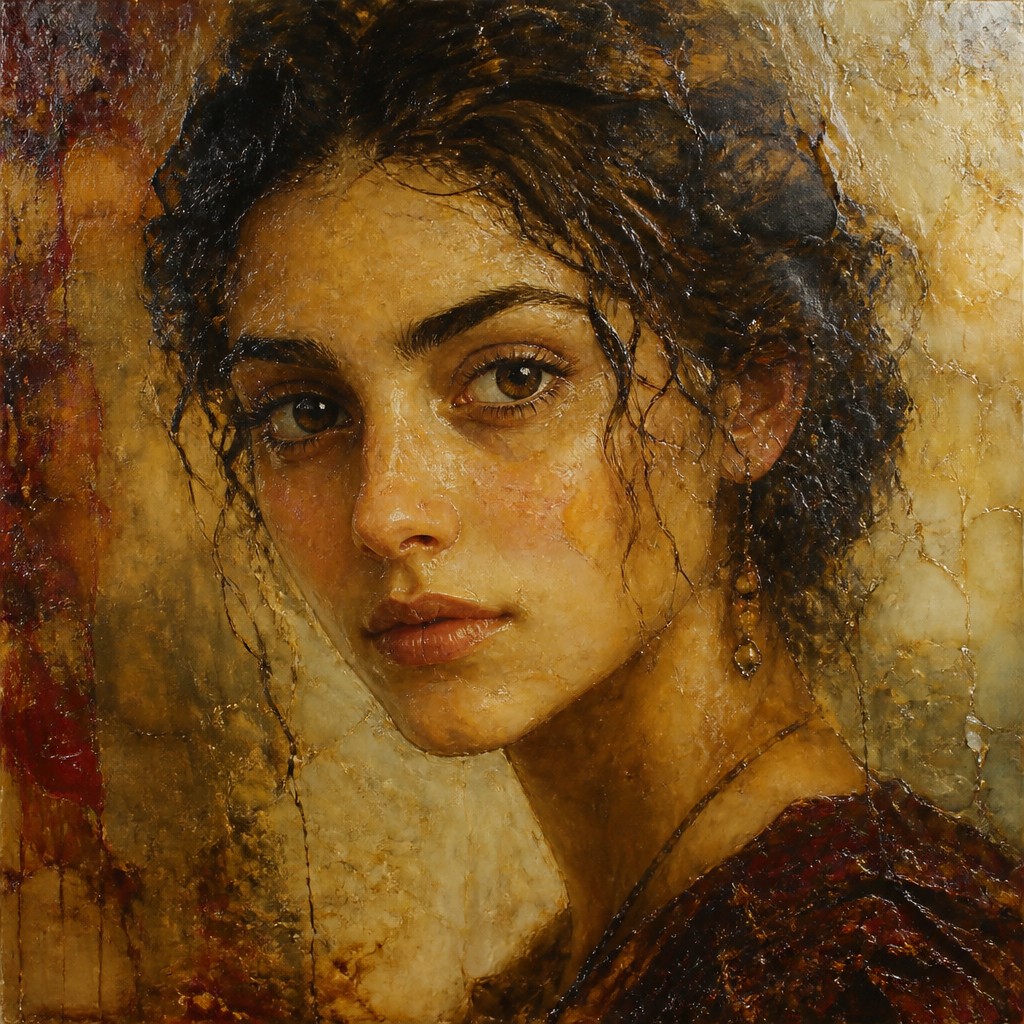
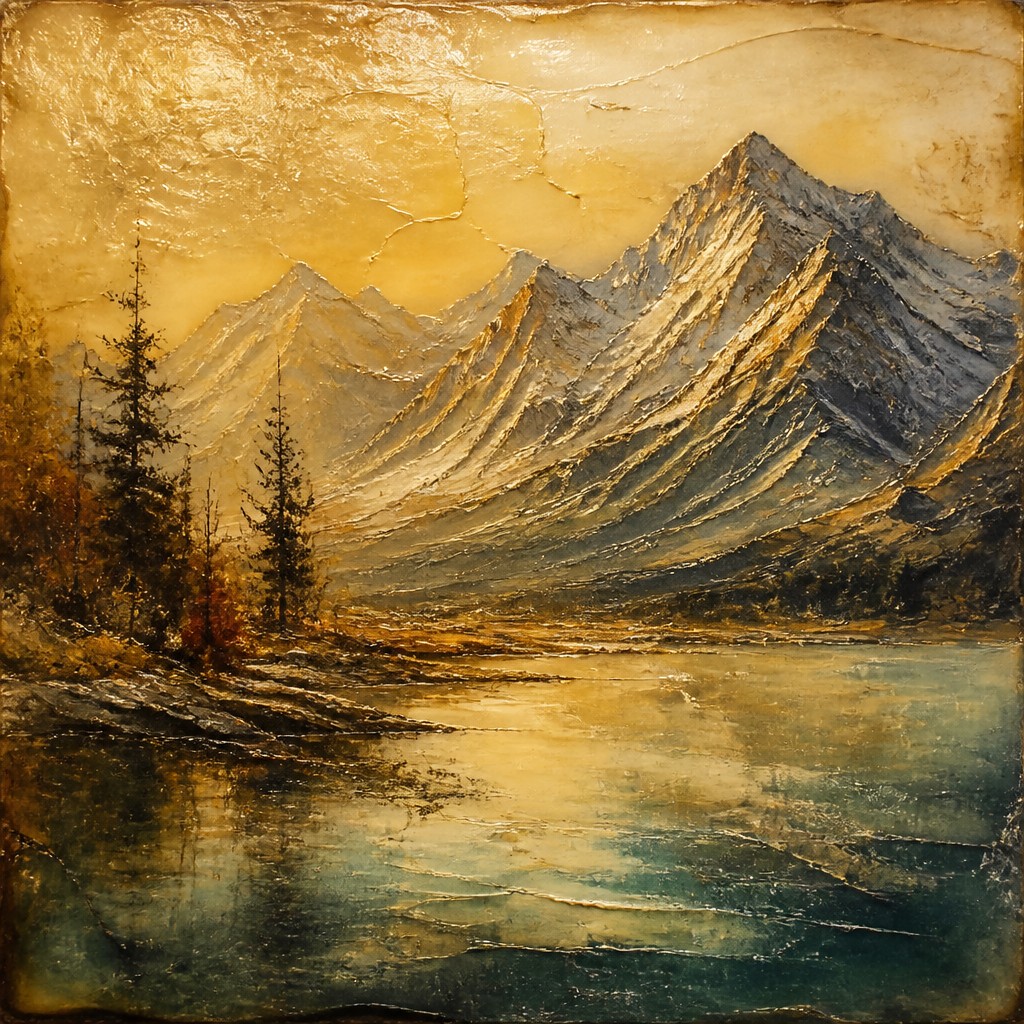
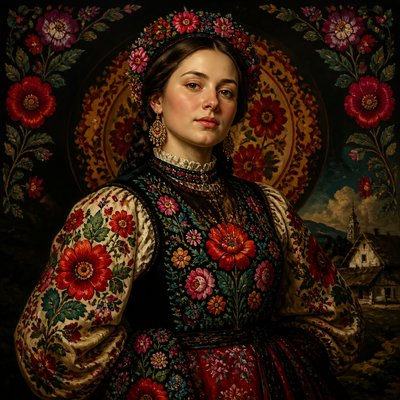
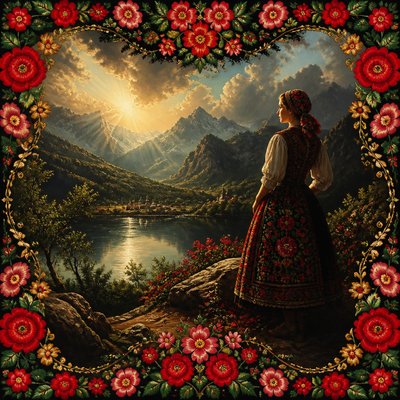
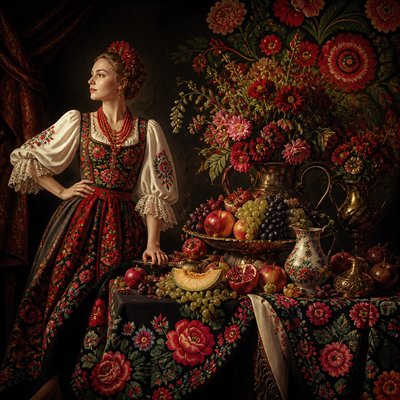
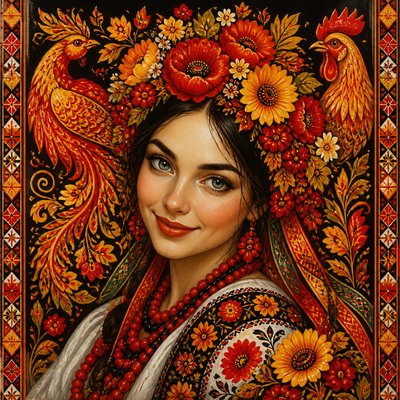
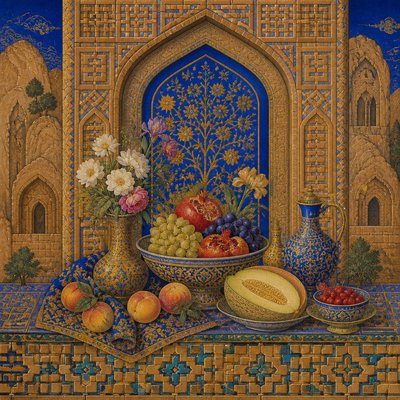
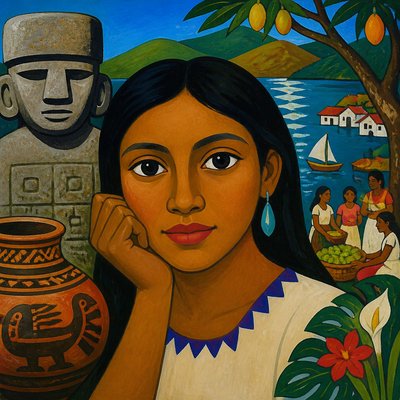
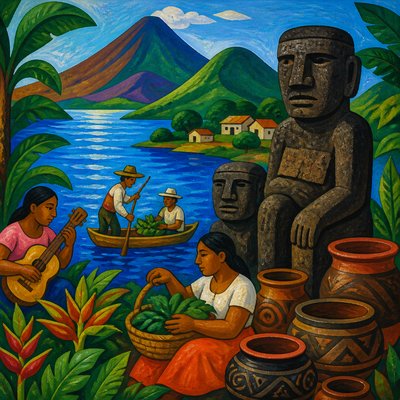
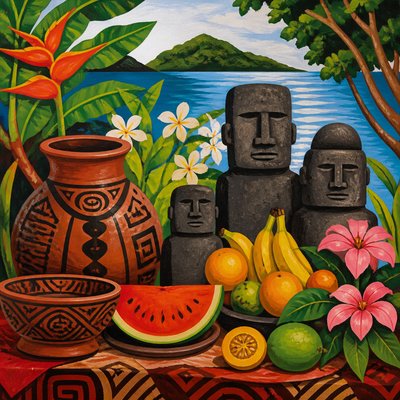
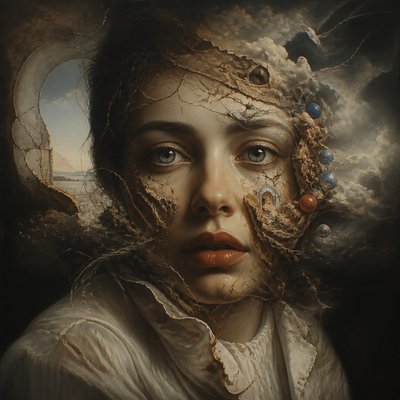
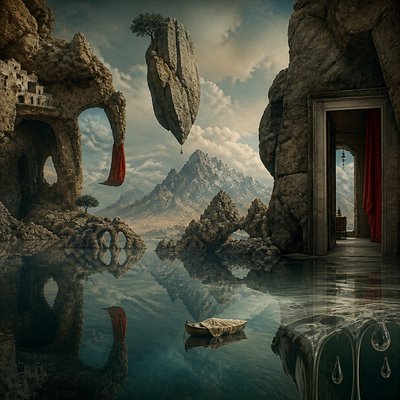
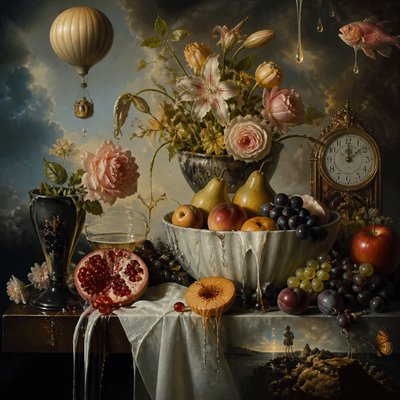
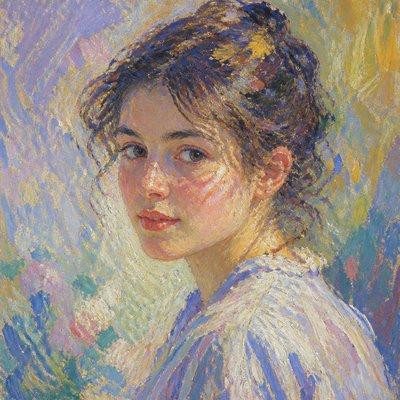
Encaustic Wax Painting Gallery
Tap any artwork to explore it
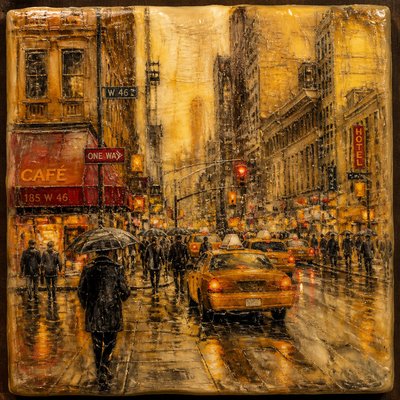
What is Encaustic Wax Painting Style?
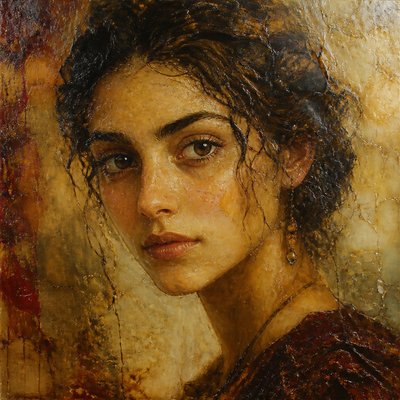
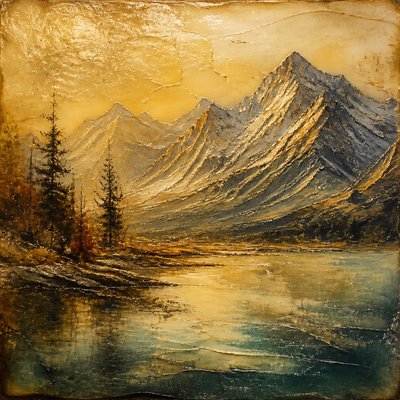
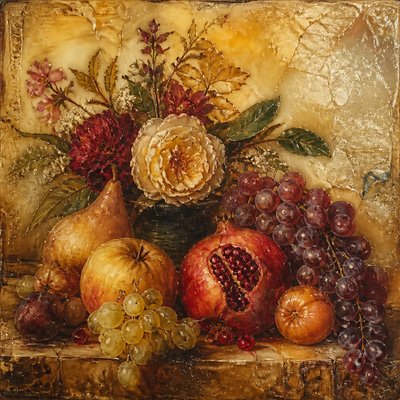
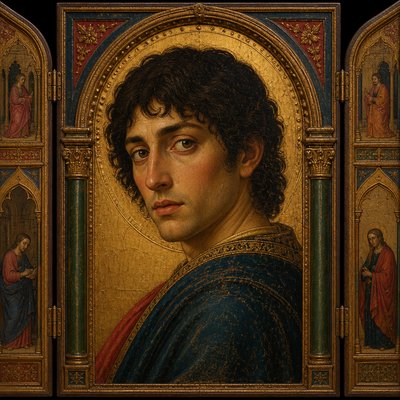
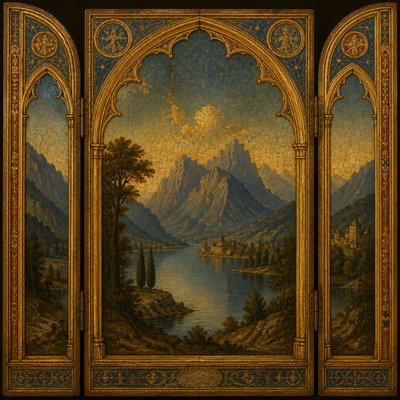
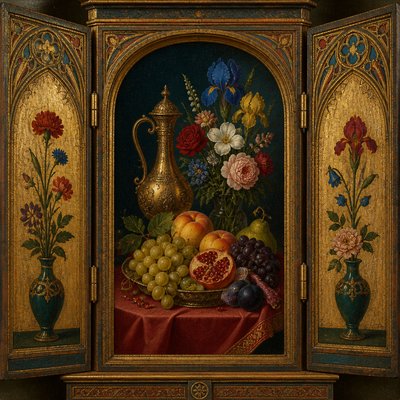
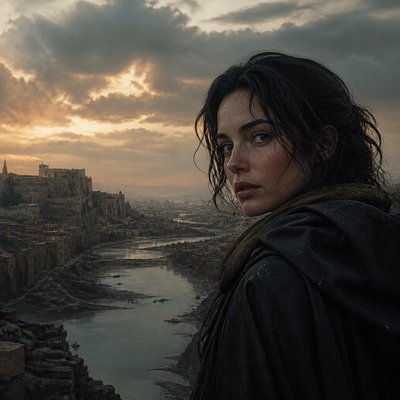
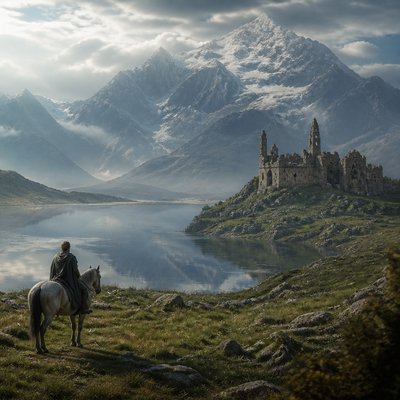
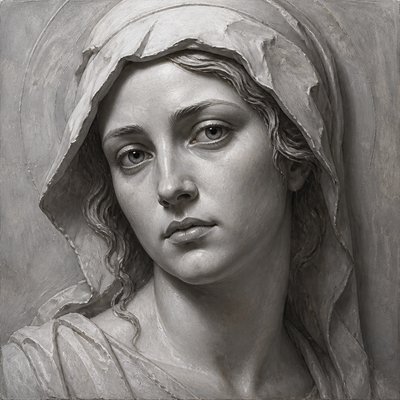
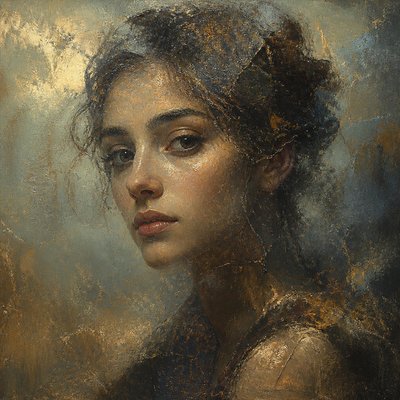
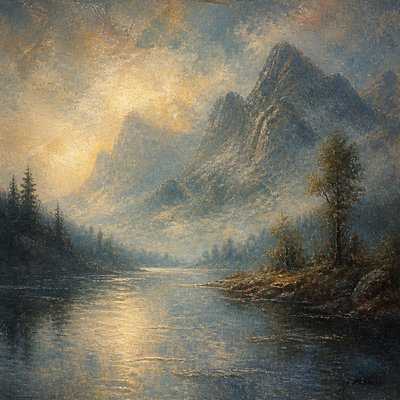
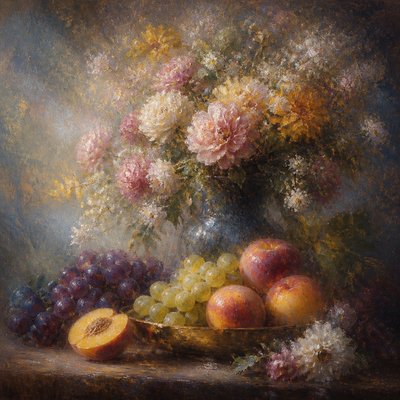
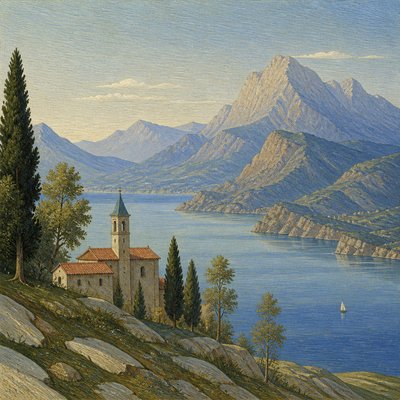
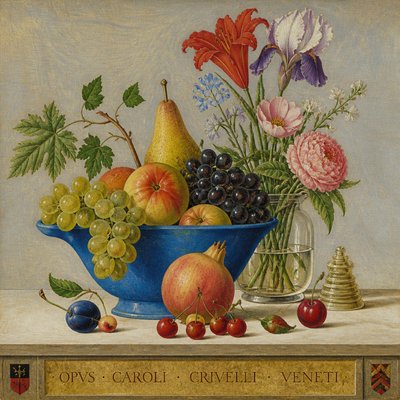
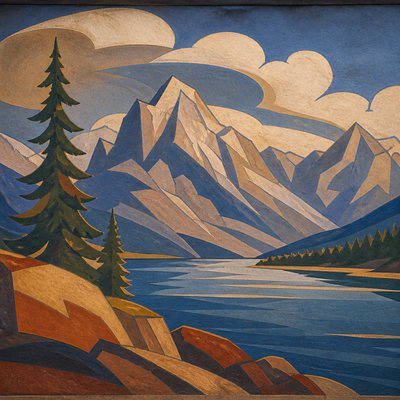
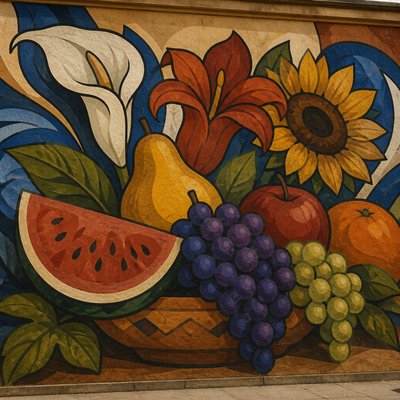
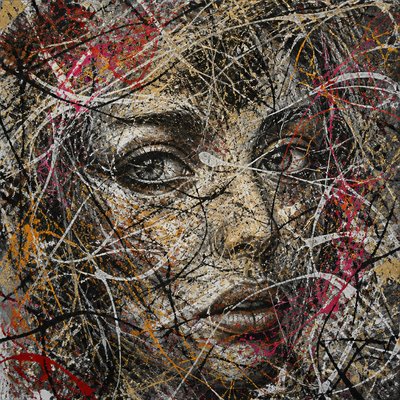
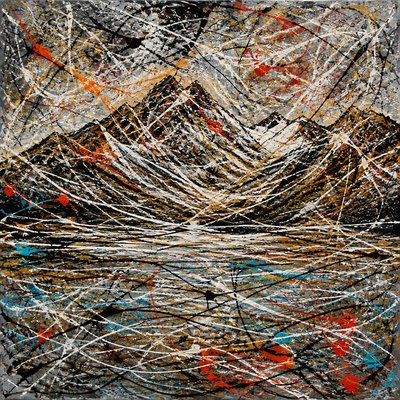
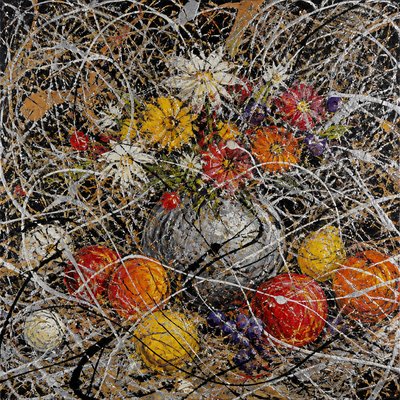
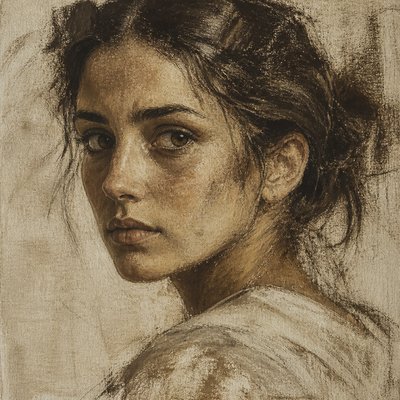
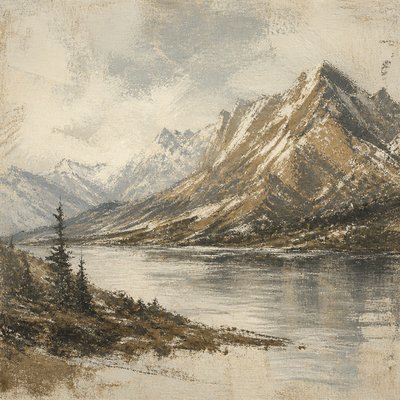
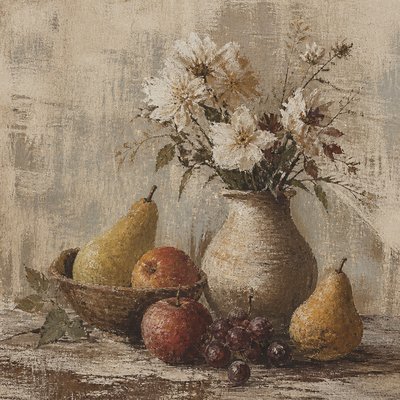
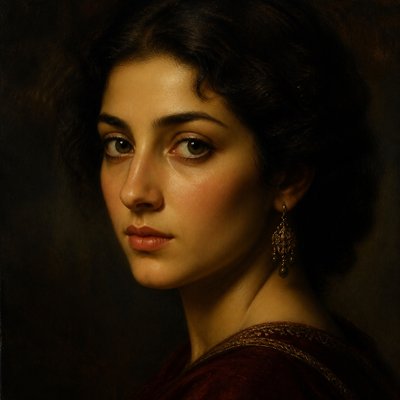
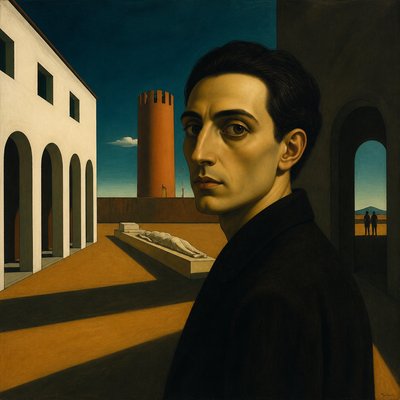
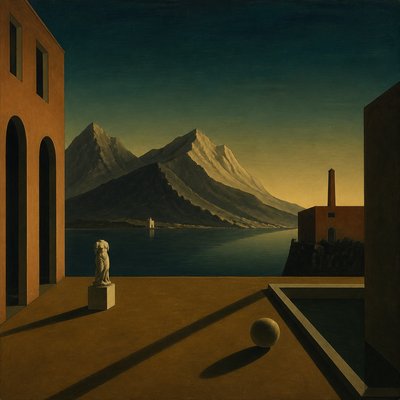
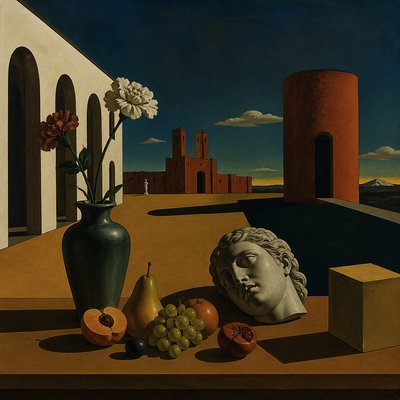
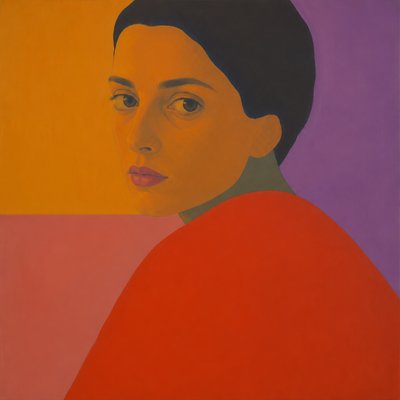
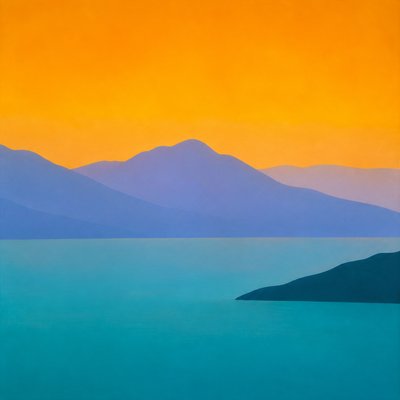
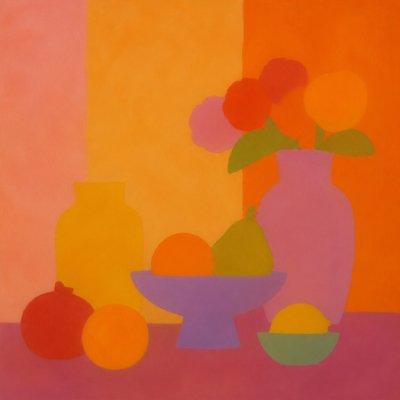
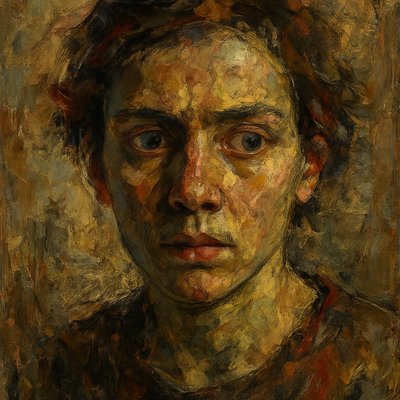
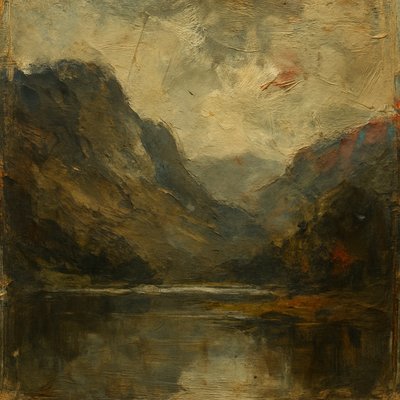
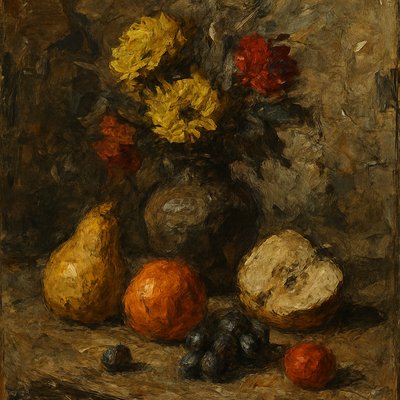
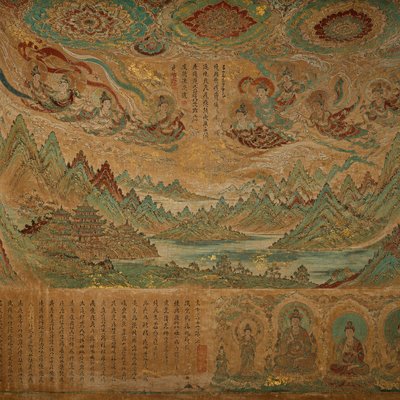
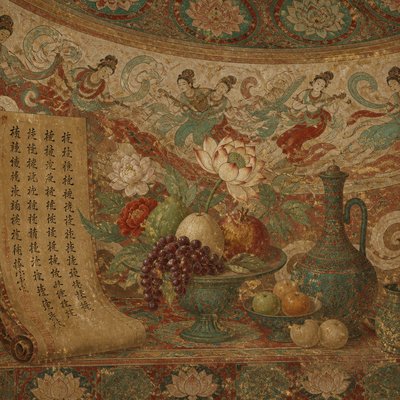
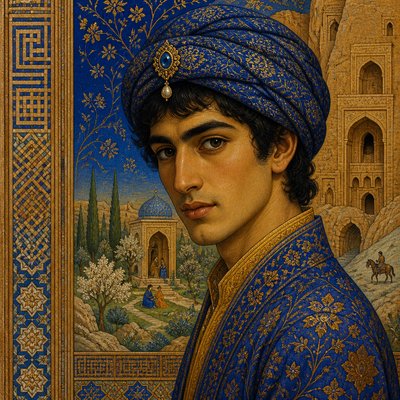
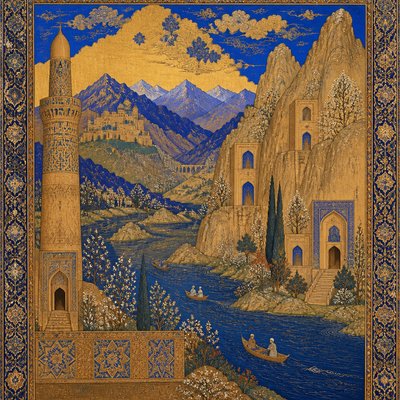
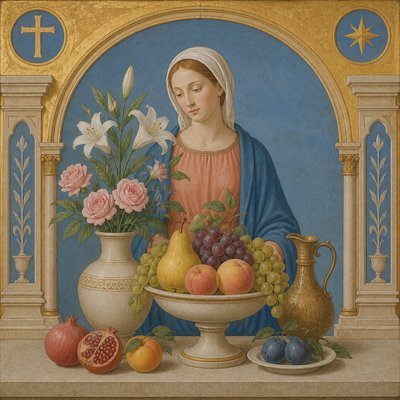
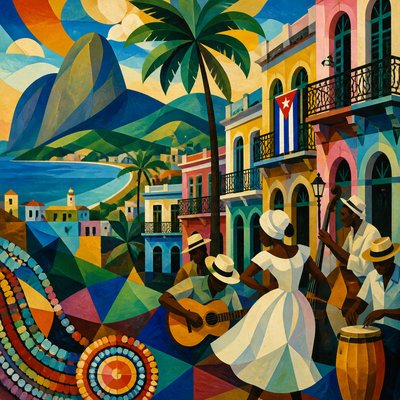
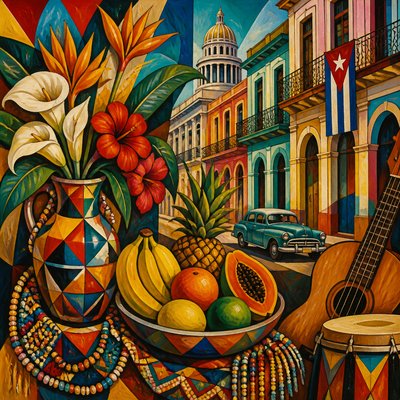
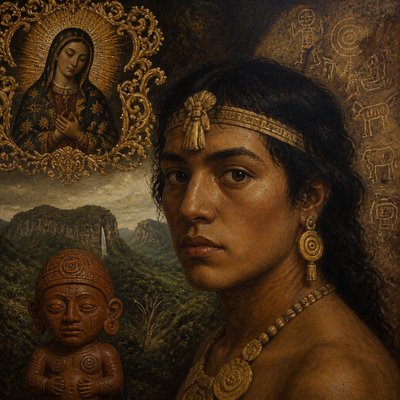
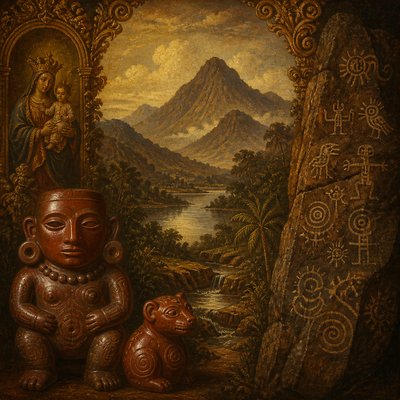
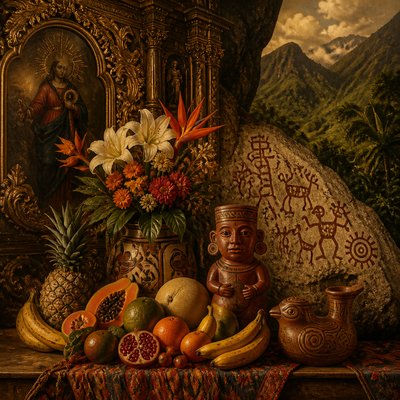
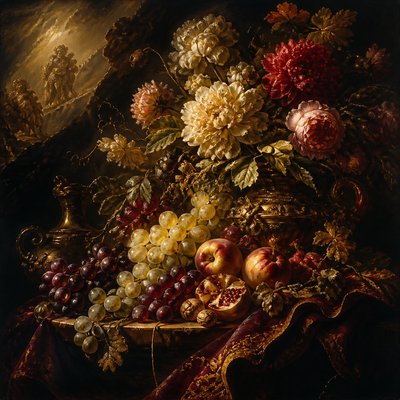
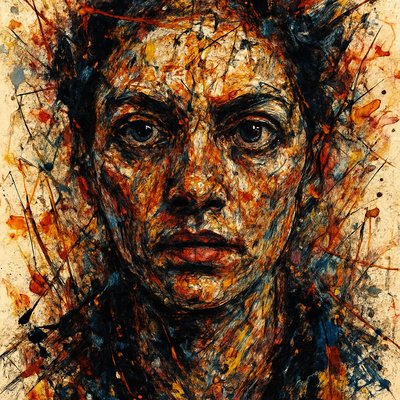
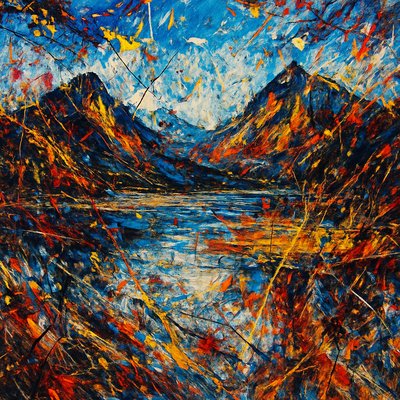
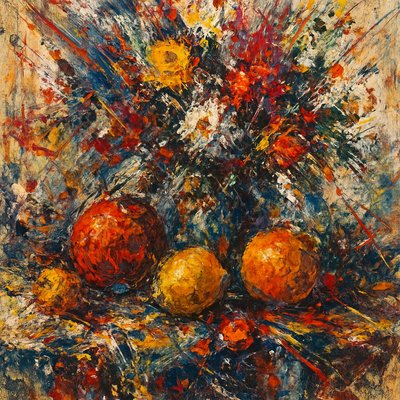
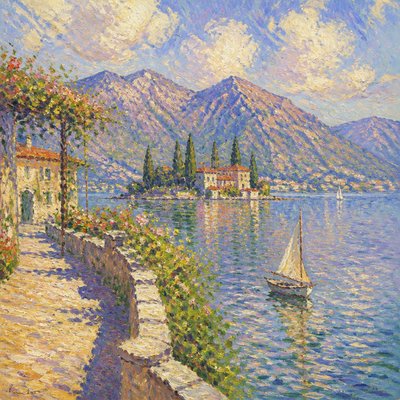
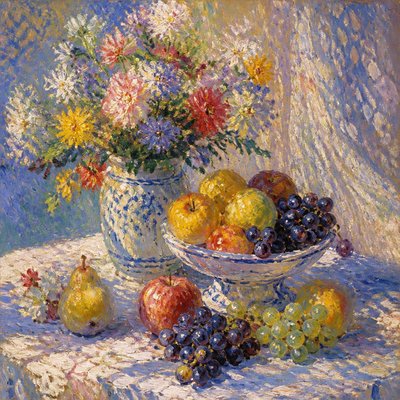
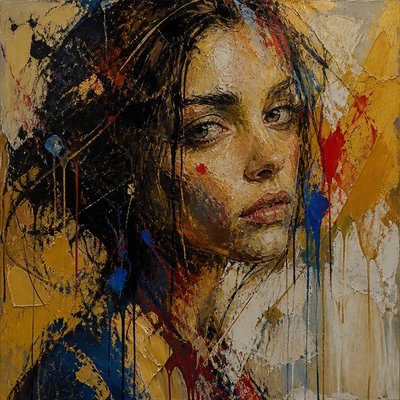
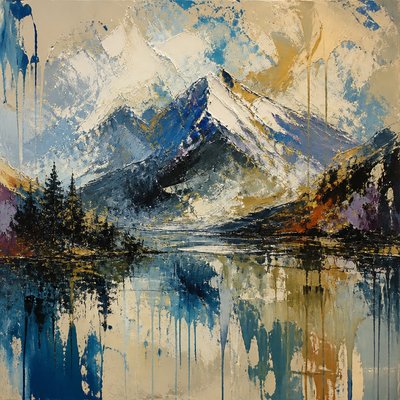
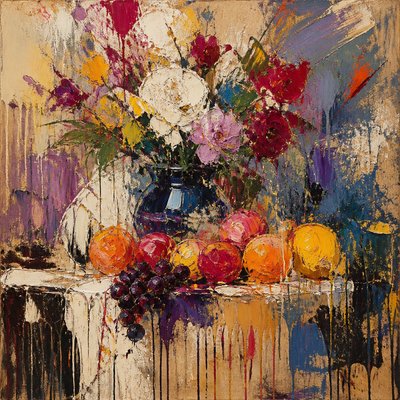
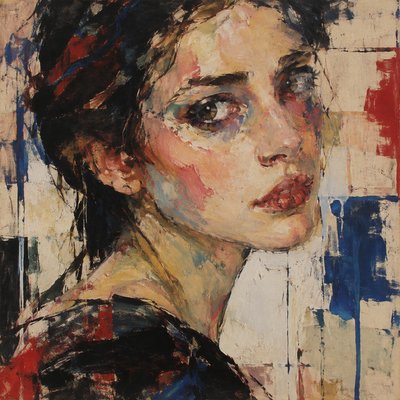
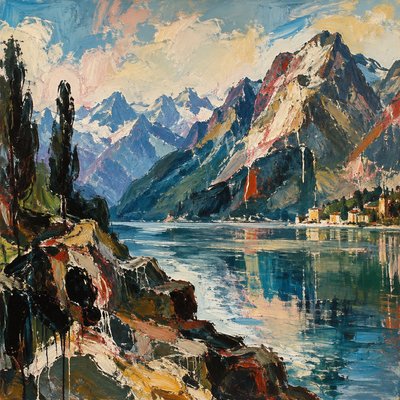
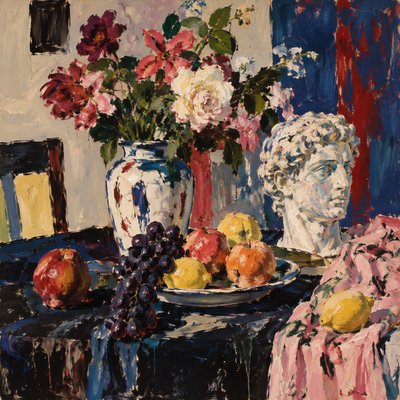
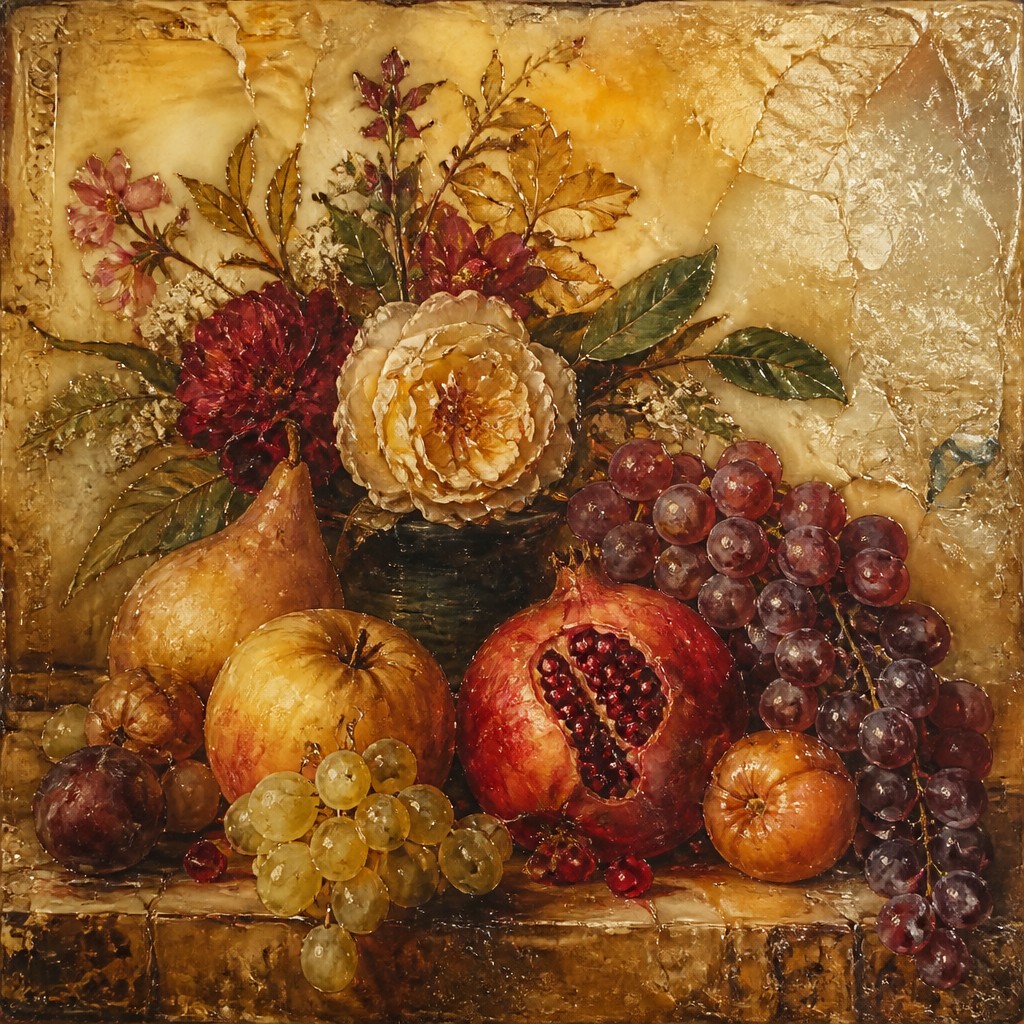
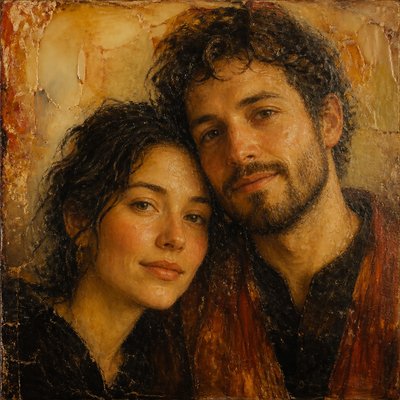
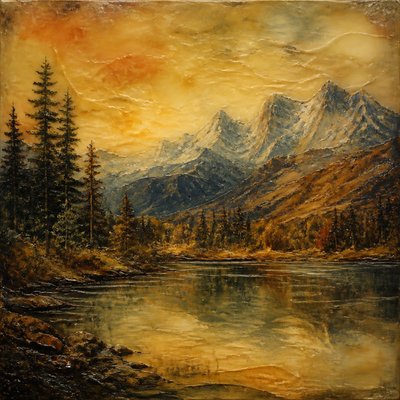
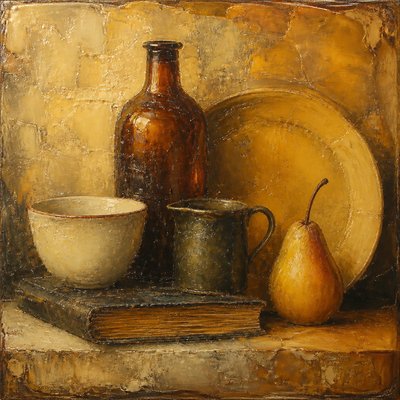
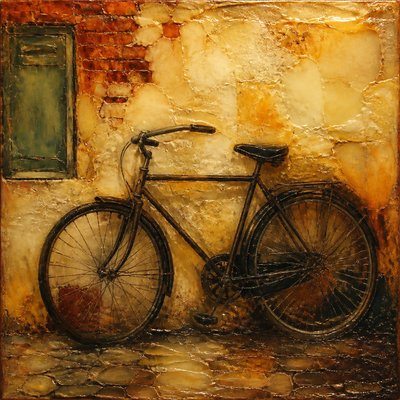
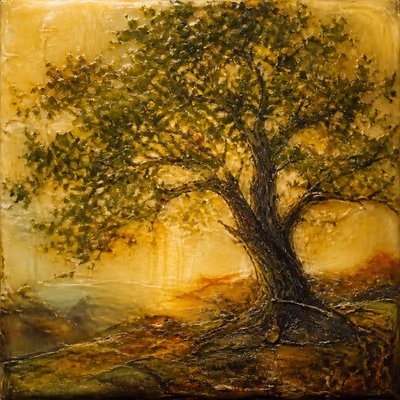
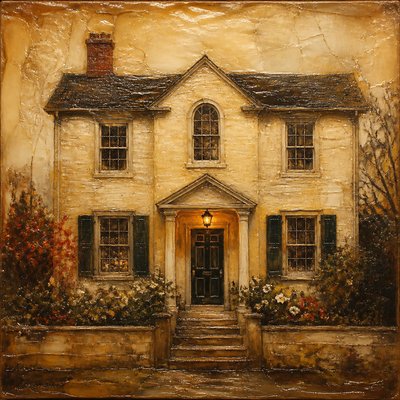
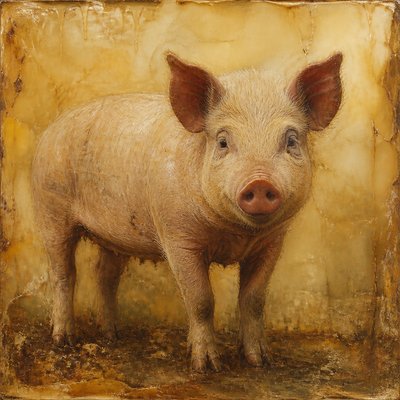
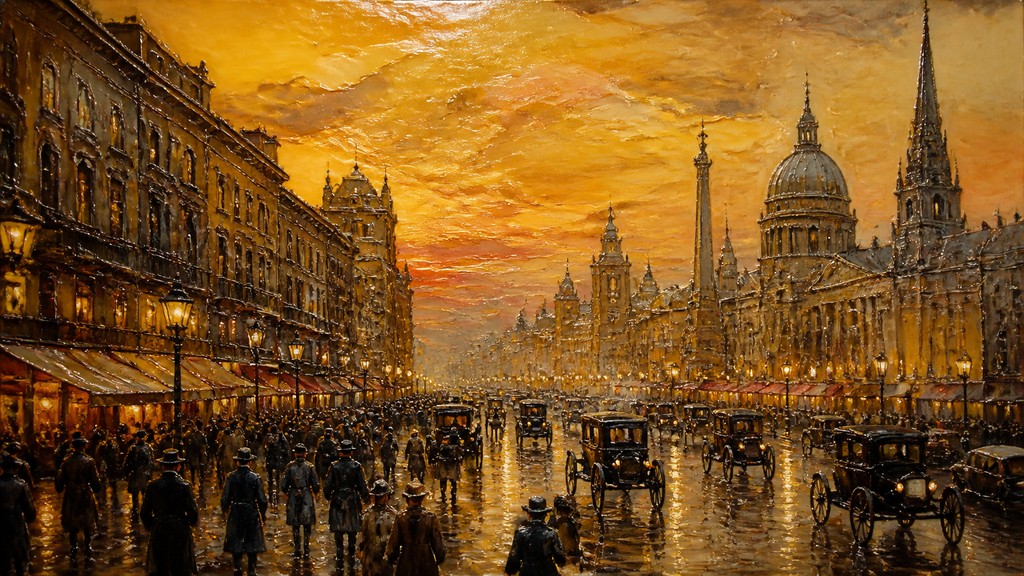
Encaustic wax painting is a surface-based painting technique in which pigment is suspended in molten wax and fused into a stable image. The resulting surface can appear softly translucent, gently glossy, and materially deep, with visible brush ridges, scraped passages, embedded fragments, and shallow relief. In its contemporary stylistic form, the phrase often suggests glowing honey, weathered pigment, and the solemn intimacy of an ancient portrait panel.
Its distinctive appearance comes from the interaction of wax, heat, and pigment. Thin layers allow earlier colors and marks to remain visible, while scraping, incising, reheating, and polishing alter the surface without fully erasing its history. Light travels through the wax and reflects from uneven layers, producing a muted luminosity that is warmer and more tactile than ordinary oil or acrylic paint.
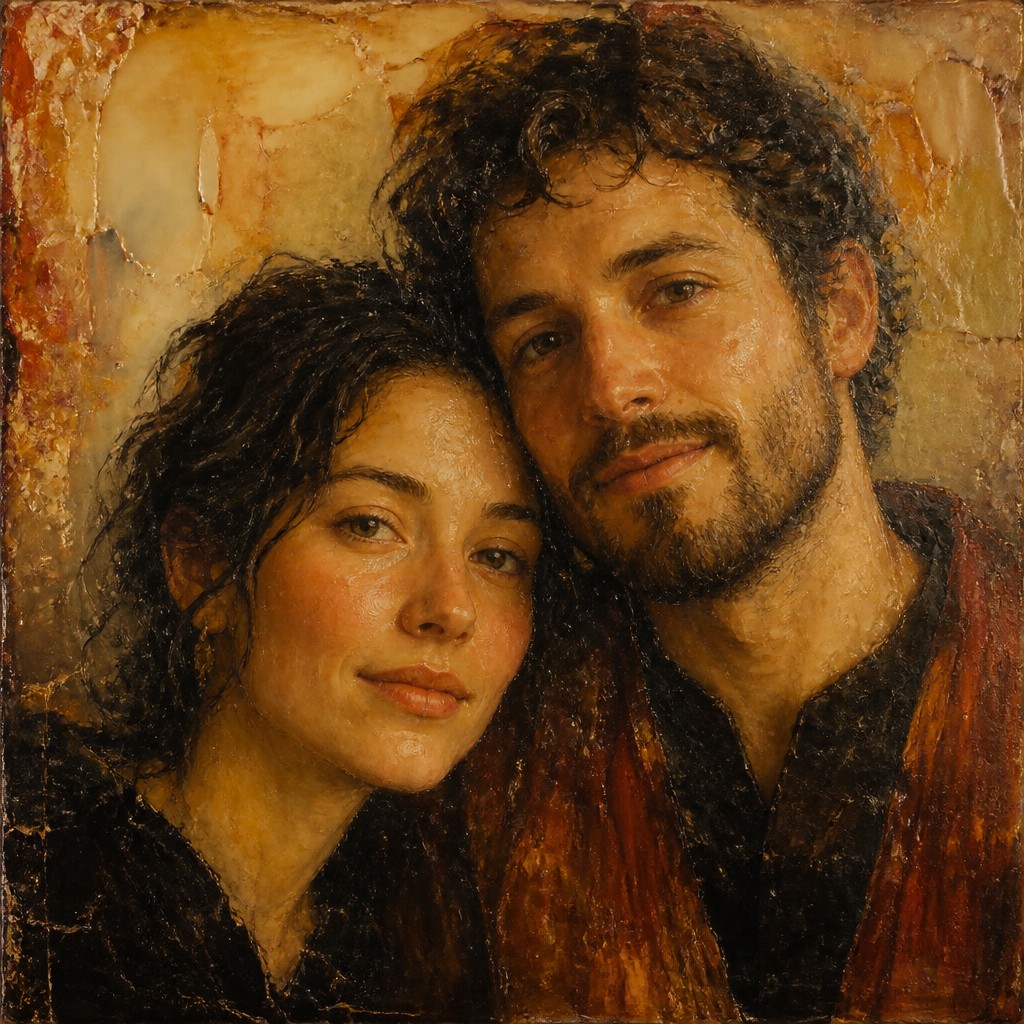
Try It On Your Photos
Upload any photo and convert it into Encaustic Wax Painting Style — drag the sliders to compare before and after.
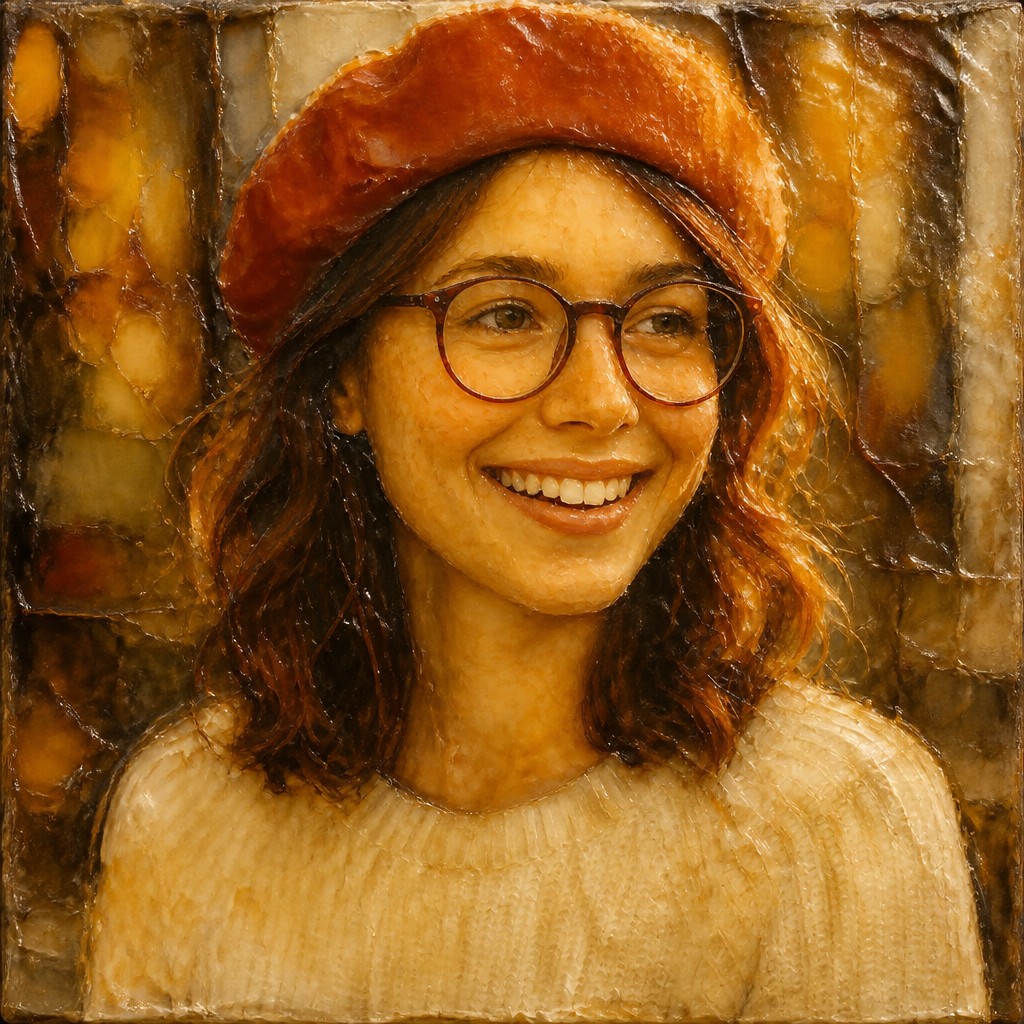

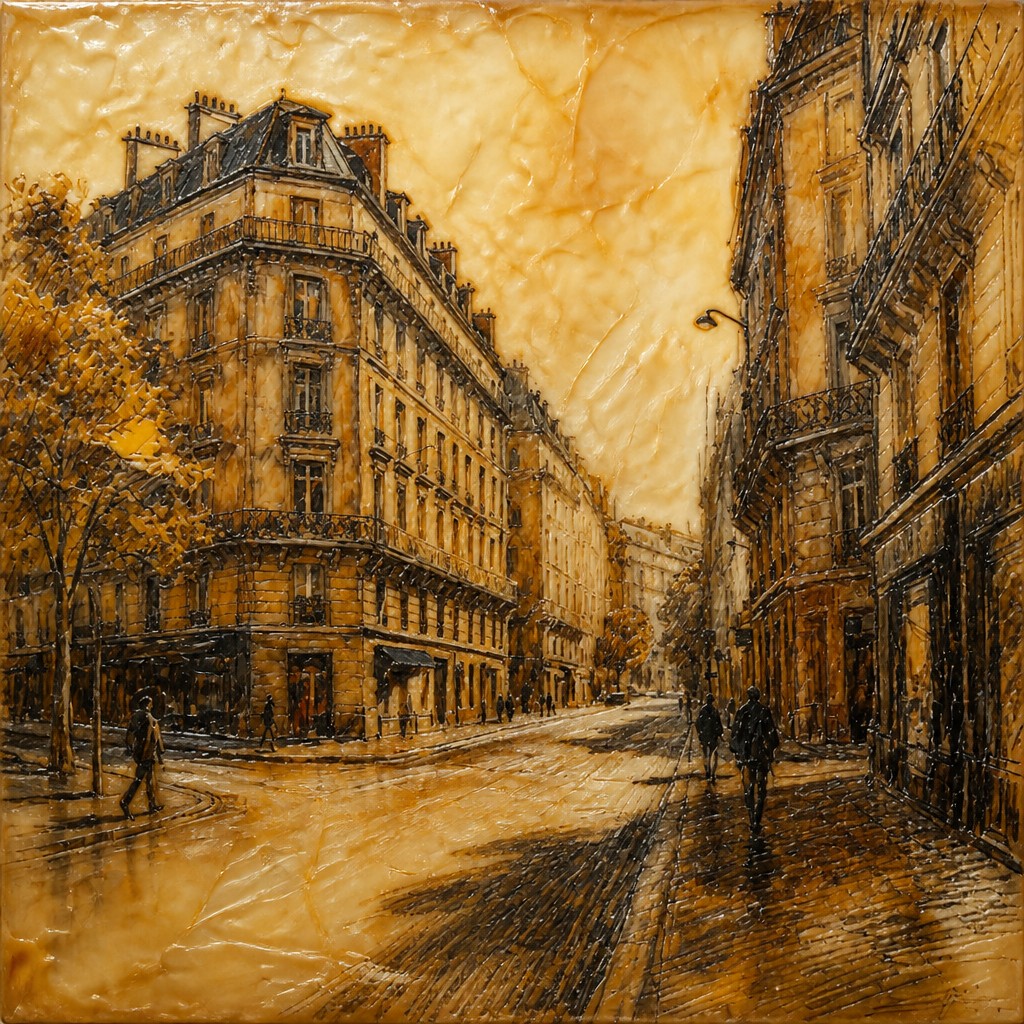

What Defines Encaustic Wax Painting Style
The signature details, up close
Translucent wax layers
Multiple thin layers of pigmented wax create depth by allowing underlying colors, marks, and shadows to remain partially visible.
Honeyed luminosity
Warm amber, ochre, cream, umber, and muted red tones suggest light passing through beeswax and give the image an inner glow.
Soft wax sheen
The surface typically has a low, buttery gloss rather than a glasslike shine, with highlights that shift across ridges and polished areas.
Relief and material texture
Built-up wax produces shallow topography, while embedded fibers, dustlike particles, cracks, and fragments reinforce the sense of a physical surface.
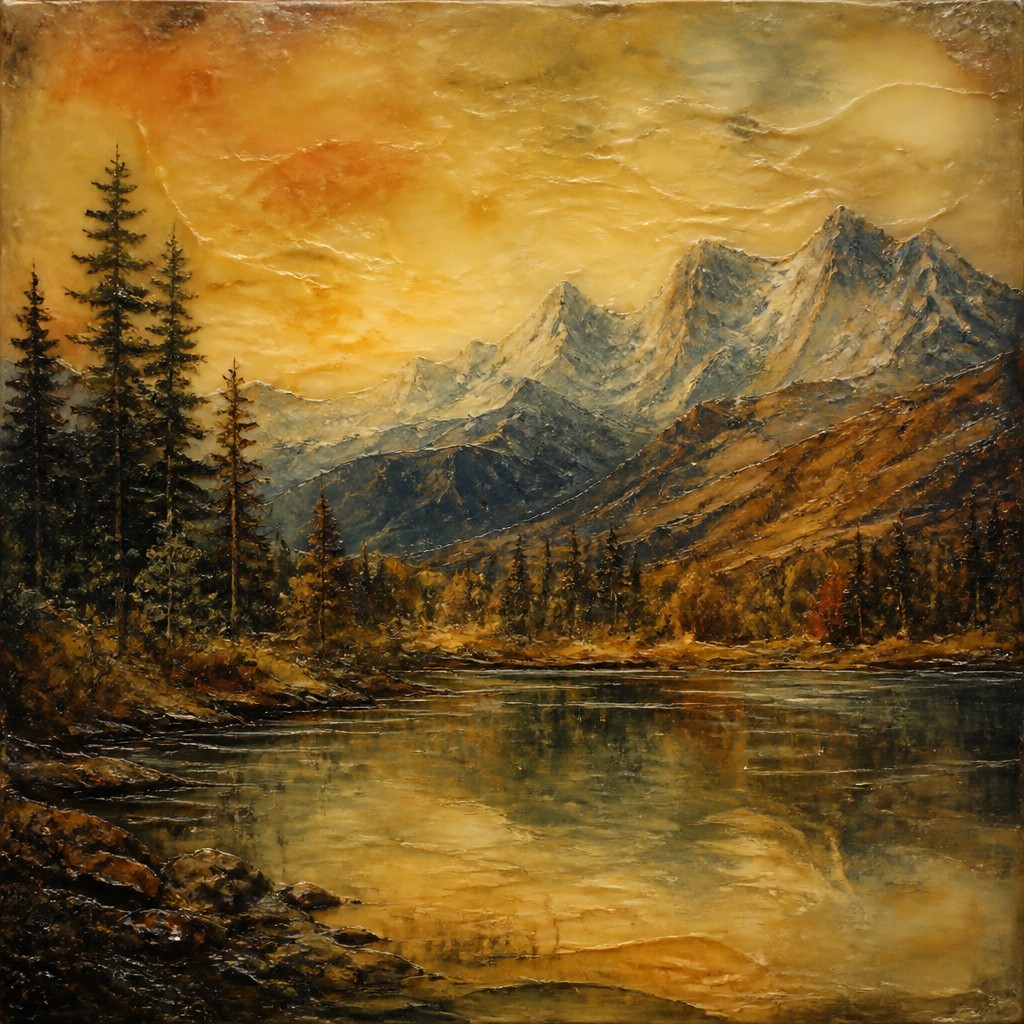
Fused brush and scrape marks
Brushstrokes, incisions, scumbles, and scraped passages remain active components of the image instead of being smoothed away.
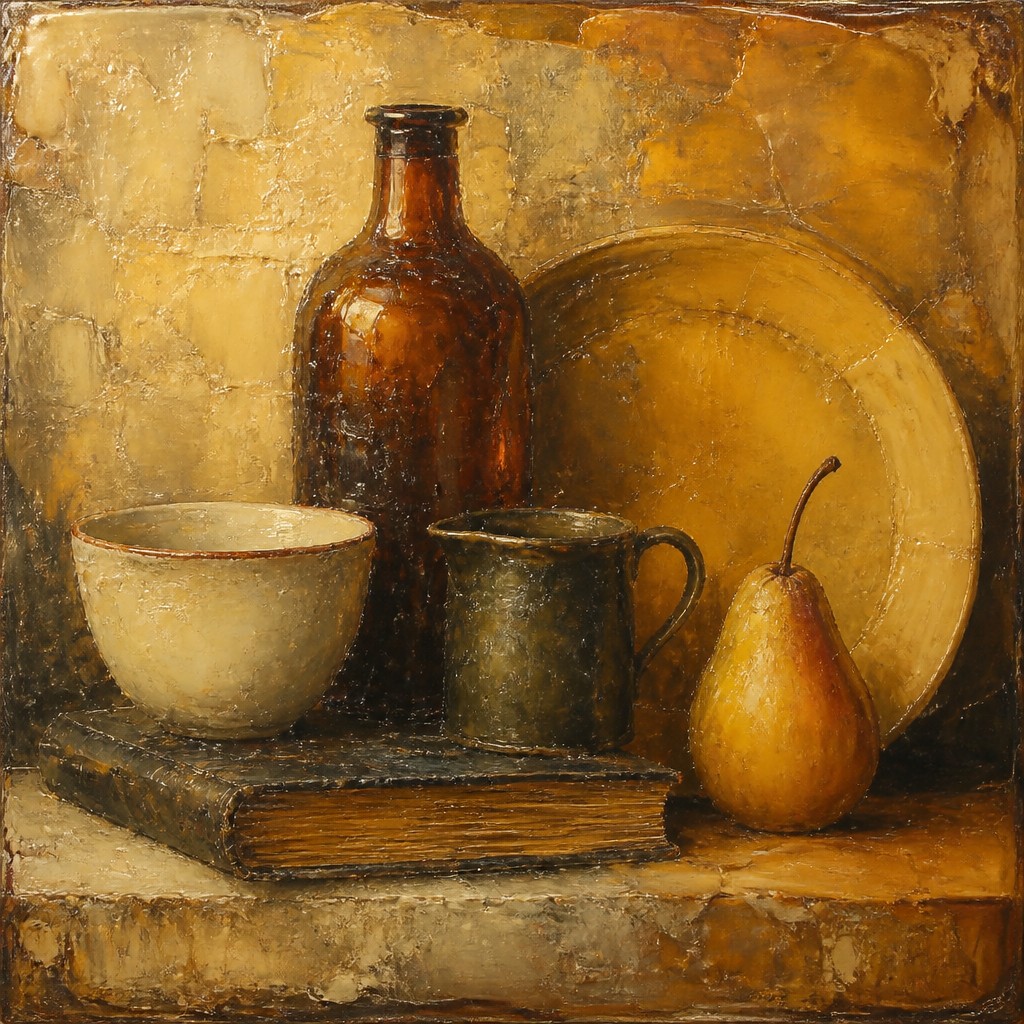
Weathered antiquity
Subdued contrast, softened contours, patina, and irregular edges evoke archaeological objects and aged devotional or funerary panels.
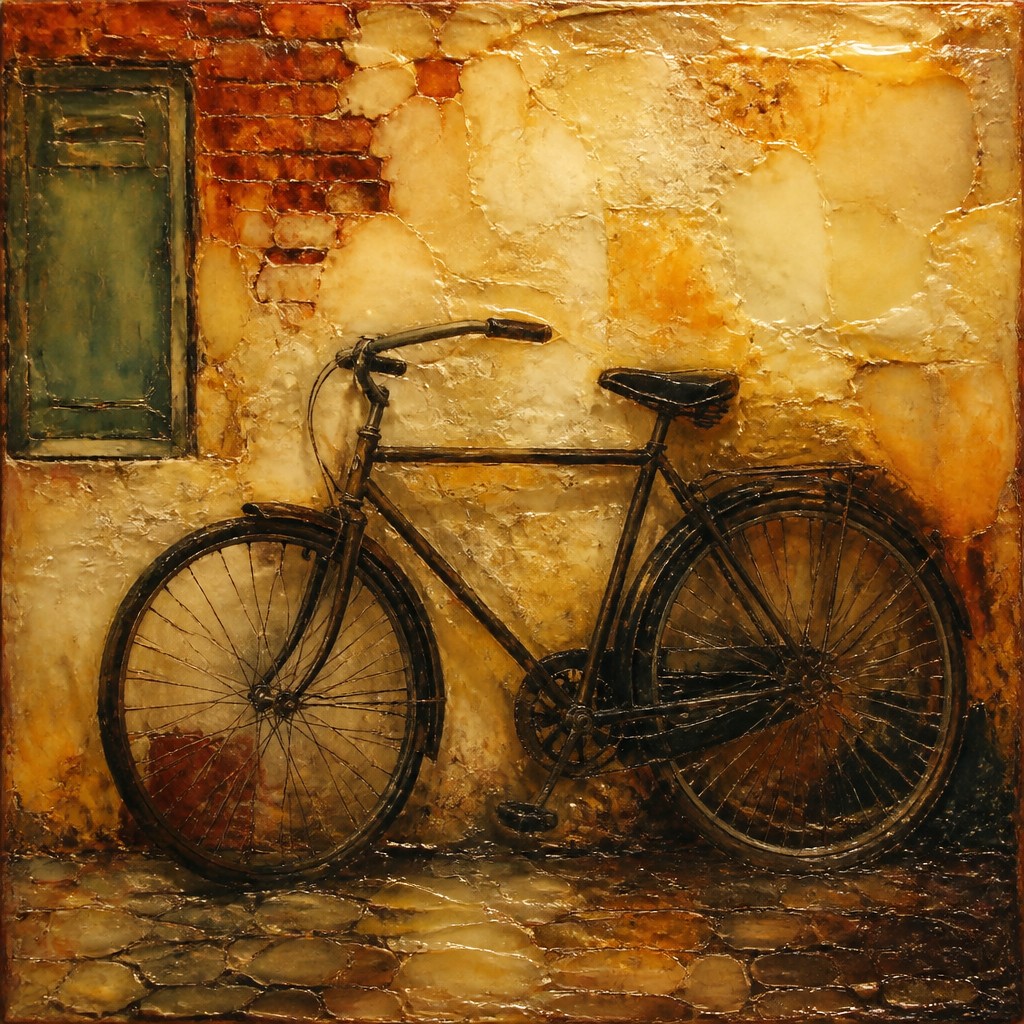
Quiet frontal presence
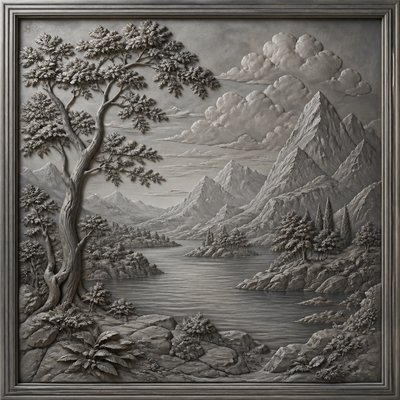
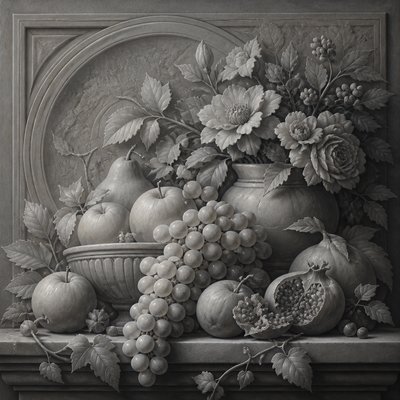
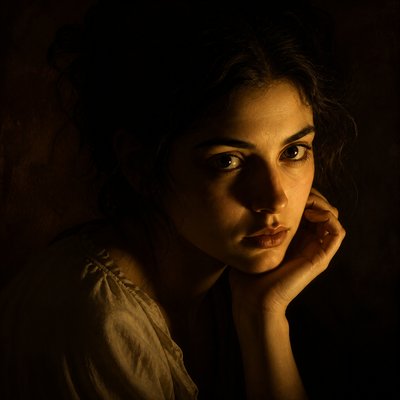
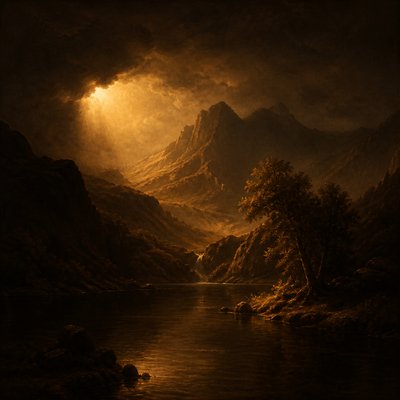
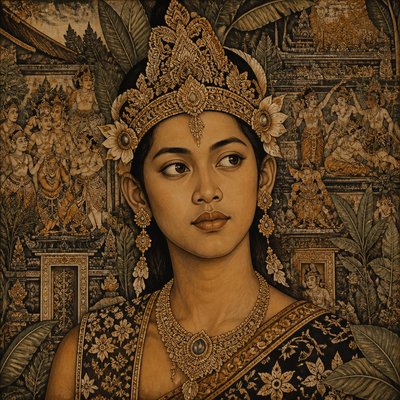
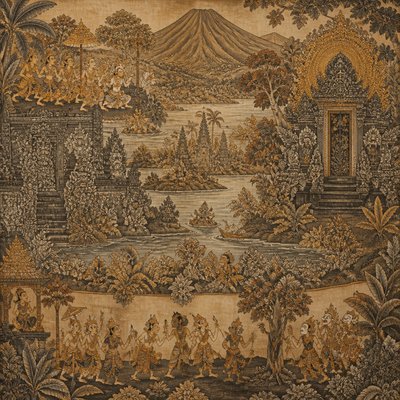
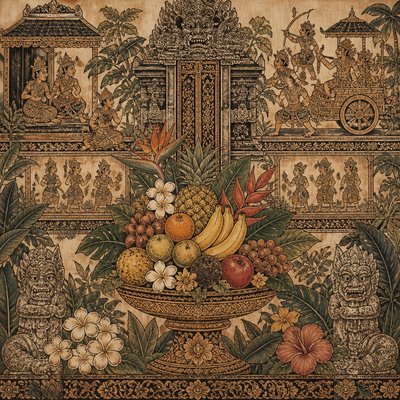
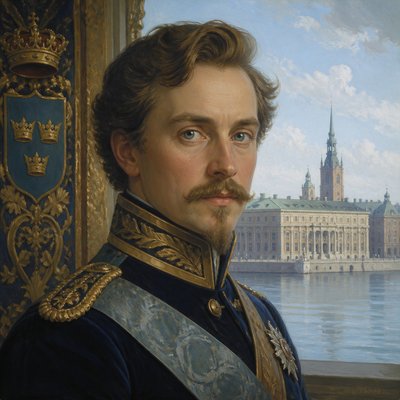
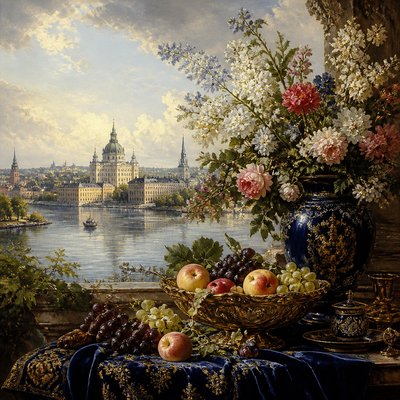
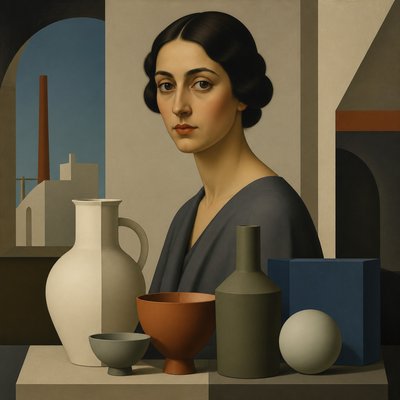
Portraits and figures often appear still, centered, and iconlike, although the technique can also support landscapes, abstractions, and richly patterned objects.
Try It
Create Videos in Encaustic Wax Painting Style
Styles aren't just for stills — describe a scene or animate an image and get a short video rendered in Encaustic Wax Painting. Press play to see this pond come to life.
Make a VideoEncaustic Wax Painting Prompt Ideas
Start from an idea — each one opens the generator with the style ready to go. See all 40 Encaustic Wax Painting prompts →
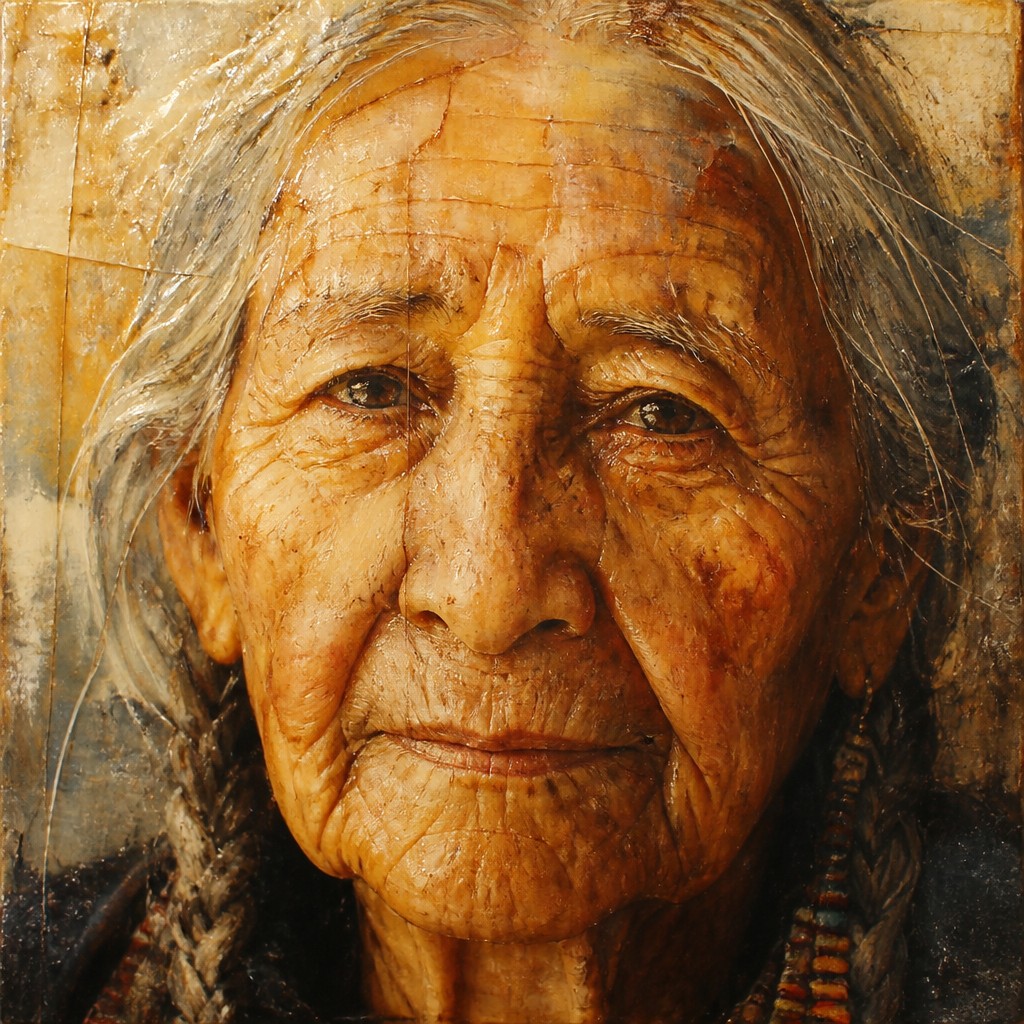
“close-up portrait of an elderly person with expressive weathered features”
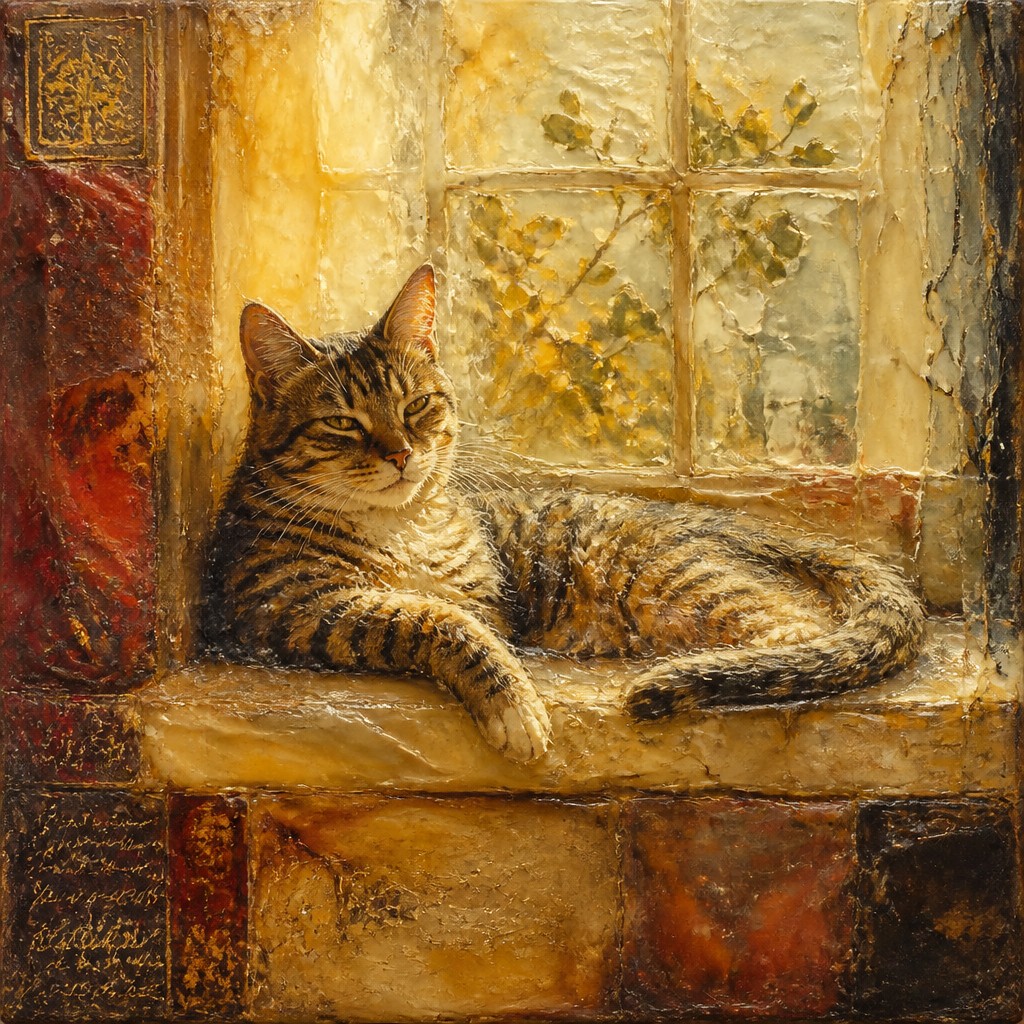
“a cat lounging in a sunlit window”
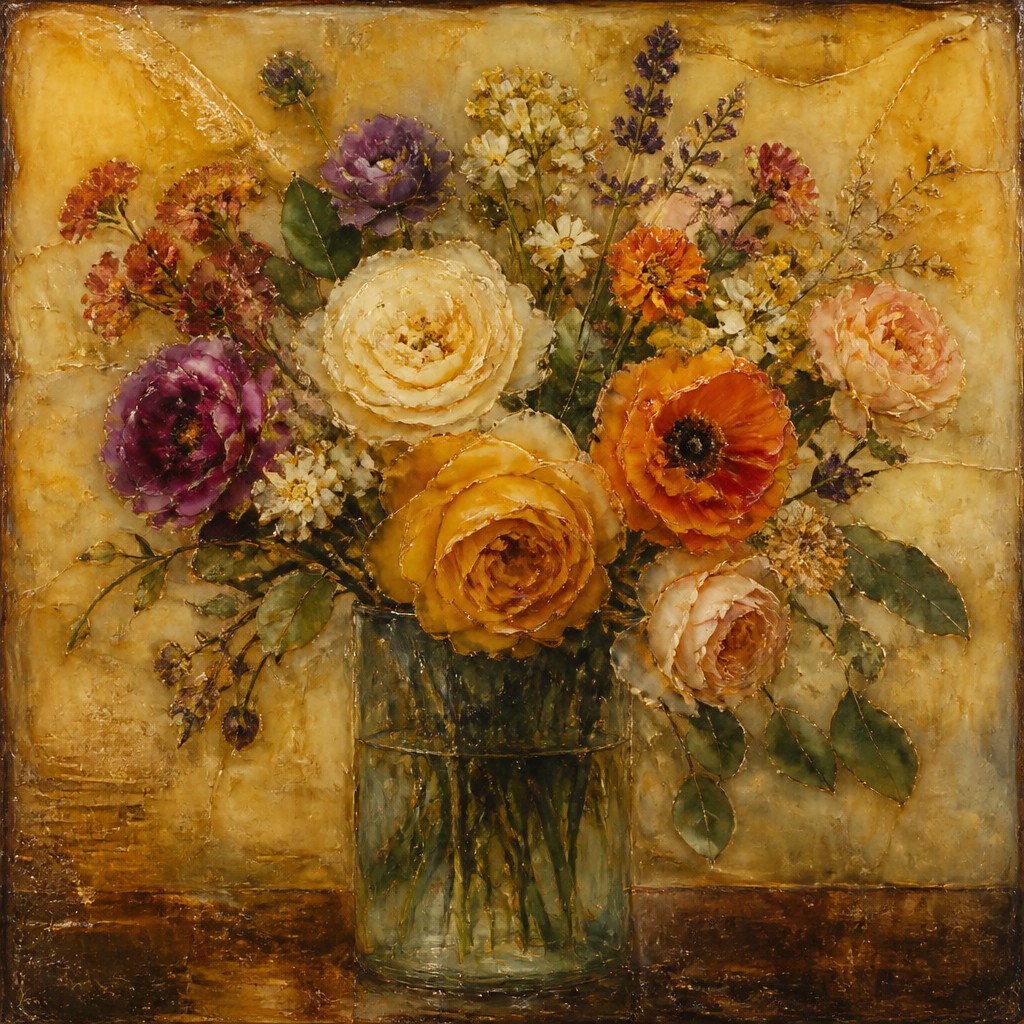
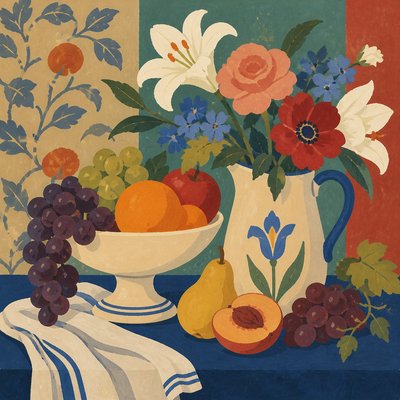
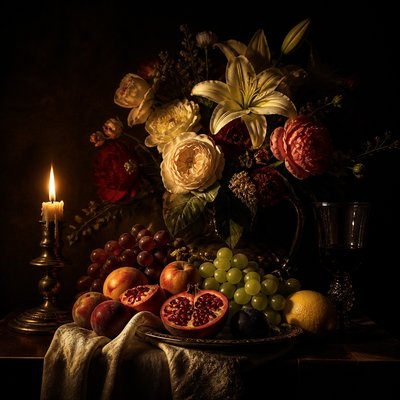
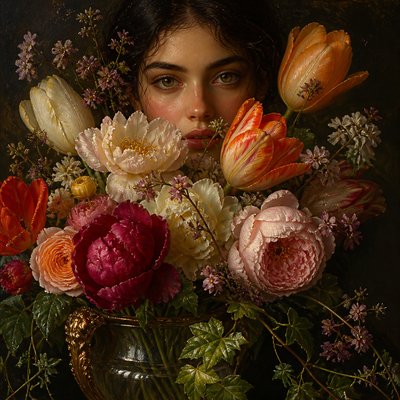
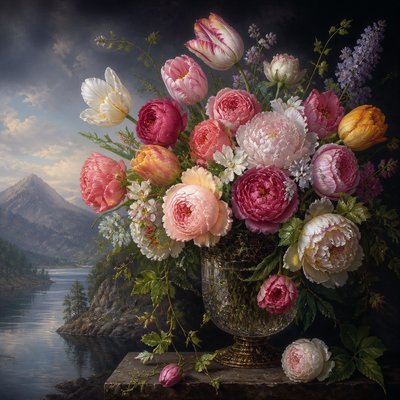
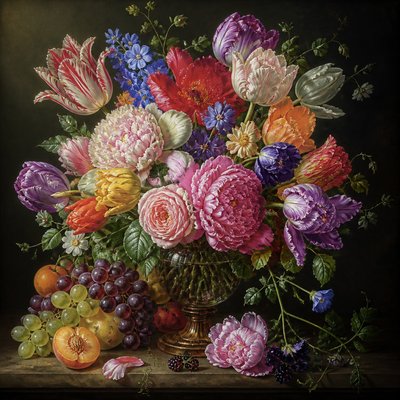
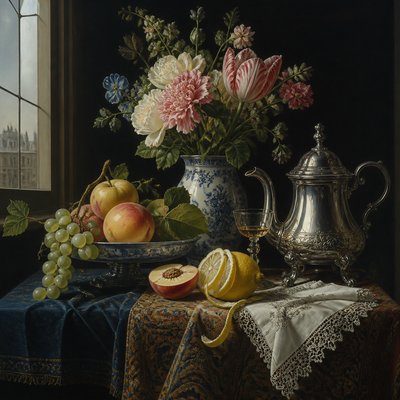
“bouquet of flowers in a glass vase”
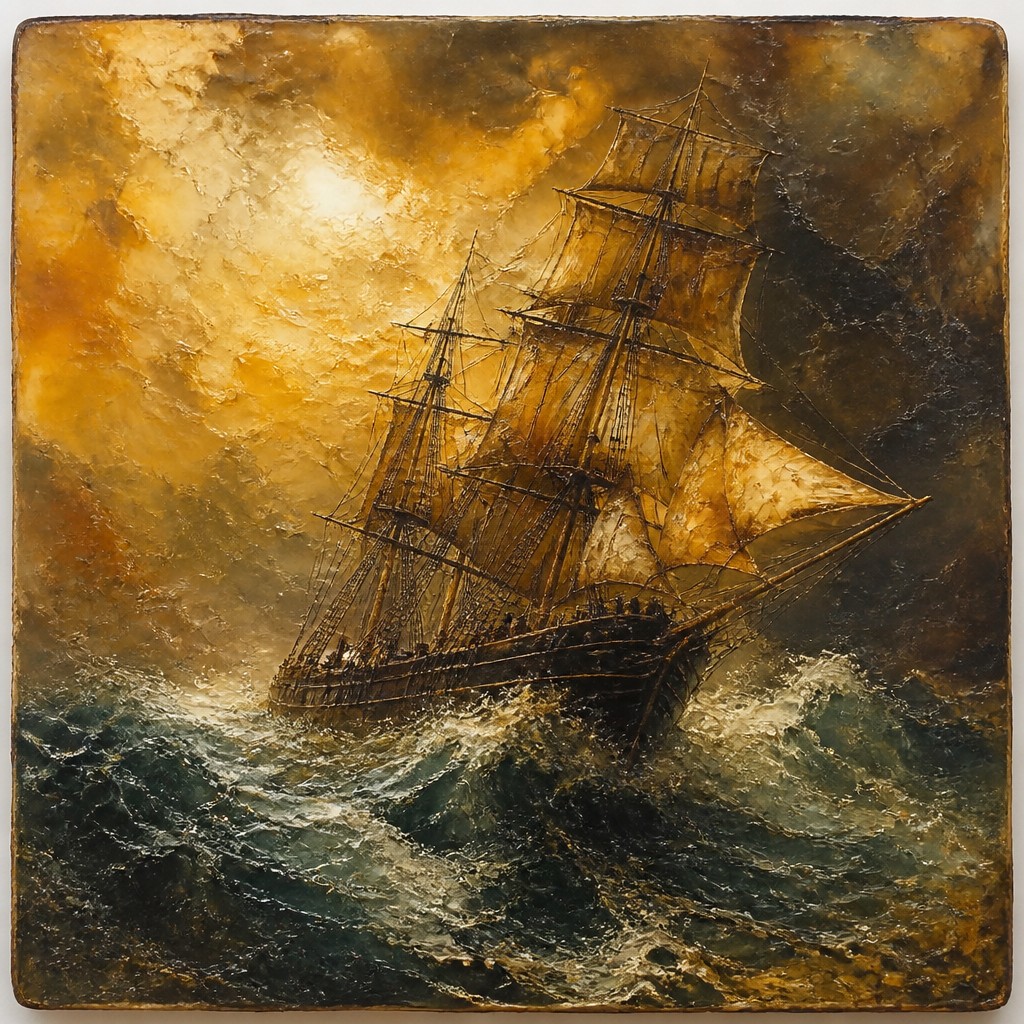
“sailing ship on a stormy sea”
How to Create Encaustic Wax Painting Art
Master the craft step by step — or skip straight to creating. Read the full guide →
- 1
Prepare a rigid support
Traditional work is best made on a stable, absorbent panel rather than flexible canvas. Apply a suitable ground, then build the image with small amounts of pigmented wax.
- 2
Fuse each layer carefully
Use controlled heat to merge successive applications without scorching the wax or muddying the colors. Work from broad underlayers toward smaller marks and surface accents.
- 3
Shape the surface
Use brushes, heated tools, scrapers, and incising tools to create ridges, grooves, softened transitions, and shallow relief. A final buffing pass can deepen the glow while preserving tactile variation.
- 4
Control the palette and aging effects
Choose warm mineral-like colors and reserve the brightest lights for raised or polished areas. Use restrained cracking, darkened edges, and translucent stains rather than uniform artificial distressing.
- 5
Translate the material digitally
For digital painting or image transformation, combine translucent color layers, displacement or bump texture, softened edge masks, and warm directional light. Preserve recognizable forms while adding fused marks and uneven wax relief.
- 6
Write precise generation prompts
Specify the subject first, then request pigmented molten beeswax, translucent fused layers, a soft waxy sheen, scrape marks, shallow relief, and an amber glow. Add composition, lighting, palette, and level of antiquing to prevent the material description from overwhelming the subject.

The Story
History & Origins of Encaustic Wax Painting
Encaustic is an ancient painting method documented in the Greek and Roman worlds. It was used for panels, icons, decorative objects, and portraits, most famously surviving in the Roman-period mummy portraits from Egypt. Ancient practitioners applied colored wax and fused it with heated tools or controlled heat, creating durable images with exceptionally rich surfaces.
The technique continued in various forms through later Mediterranean and religious art traditions and experienced renewed interest in modern and contemporary painting. The present-day visual style also draws on the aged appearance of archaeological panels: softened edges, darkened wax, translucent layers, and accumulated marks. Digital interpretations extend these material qualities into simulated texture, glow, and relief rather than reproducing the physical process itself.
Influences: The style is closely related to ancient Greek and Roman encaustic painting, Roman-period Egyptian portrait panels, Byzantine icon surfaces, and the aged material language of archaeological objects. It also intersects with modern mixed-media painting, abstract expressionist mark-making, relief painting, and contemporary practices that embed or manipulate wax, pigment, fabric, ash, and found materials. Its visual vocabulary combines the depth of layered painting with the physical presence of low-relief sculpture.
Frequently Asked Questions
What defines encaustic wax painting?
It is defined by pigment suspended in wax, layered translucency, controlled heat fusion, and a tactile surface that may be brushed, scraped, incised, or polished. The characteristic effect is warm luminosity combined with visible material depth.
Is encaustic wax painting an ancient style or a modern one?
Encaustic is an ancient painting technique with roots in the Greek and Roman worlds, including Roman-period portrait panels from Egypt. The contemporary style label combines that historical process and imagery with modern interpretations of wax texture, abstraction, and digital surface simulation.
How is encaustic different from oil painting?
Oil paint remains fluid for longer and generally produces smoother blended passages or a more continuous film. Encaustic wax sets into a more tactile, layered surface that can be fused, carved, scraped, and built into shallow relief.
Can encaustic painting be made without beeswax?
Traditional encaustic commonly uses beeswax mixed with pigment, sometimes with a resin component for hardness and gloss. Contemporary artists may use prepared wax mediums or synthetic alternatives, but the visual character depends on controlled translucency, fusion, and surface texture.
What subjects work well with this style?
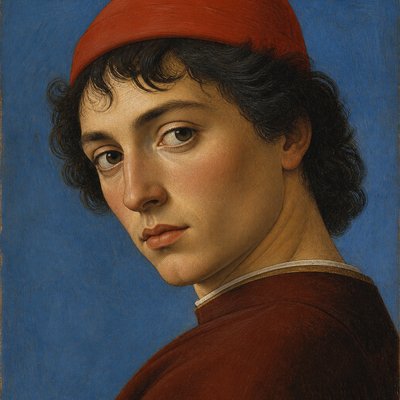
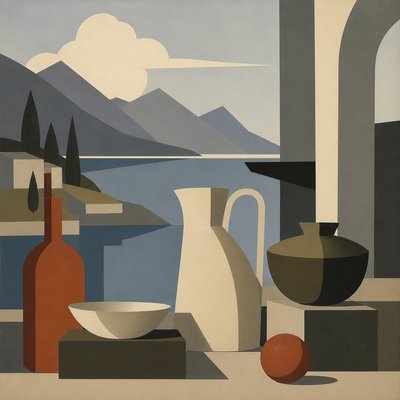
Frontal portraits, still lifes, devotional interiors, archaeological subjects, landscapes, and quiet abstractions all suit its contemplative and material character. Strong silhouettes and simplified forms often remain legible beneath the layered surface.
How can this look be created digitally?
Use layered translucent color, warm backlighting, bump or displacement texture, irregular edges, and selective highlights to suggest fused wax. Prompts should describe both the subject and specific physical cues such as pigmented beeswax, scrape marks, shallow relief, and a soft amber sheen.
Create your first Encaustic Wax Painting artwork
Describe anything — or upload a photo — and see it in Encaustic Wax Painting Style in seconds.
Related Styles
Discover similar art styles