Scandinavian Interior Design
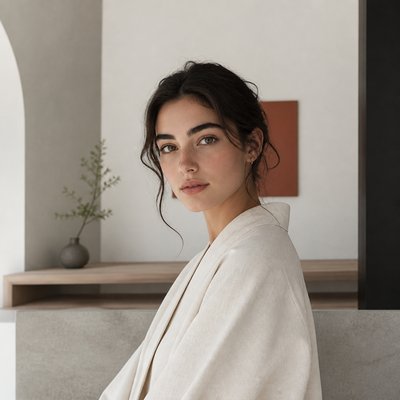
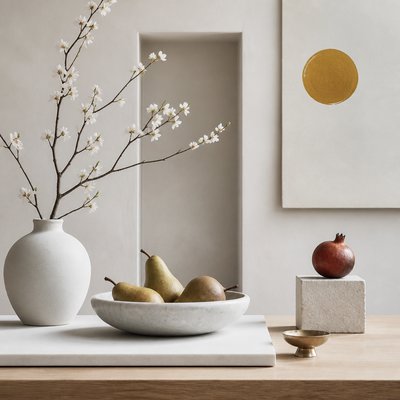
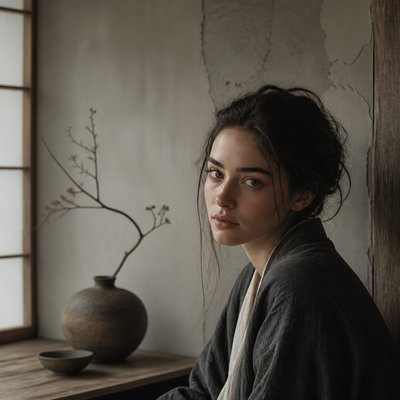
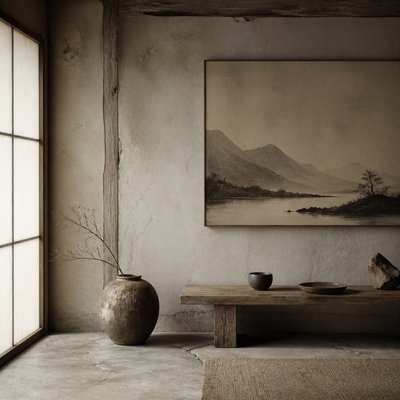
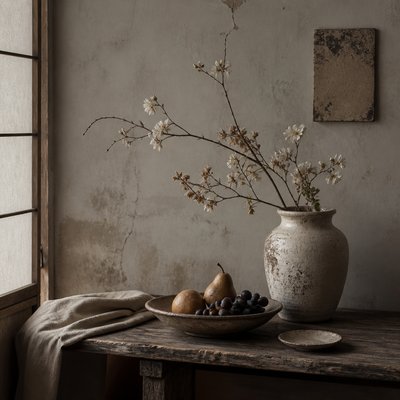
Nordic interior style with hygge comfort, light wood, soft neutrals, natural light, and clean functional forms.
Instantly rendered in Scandinavian Interior Design — or transform a photo

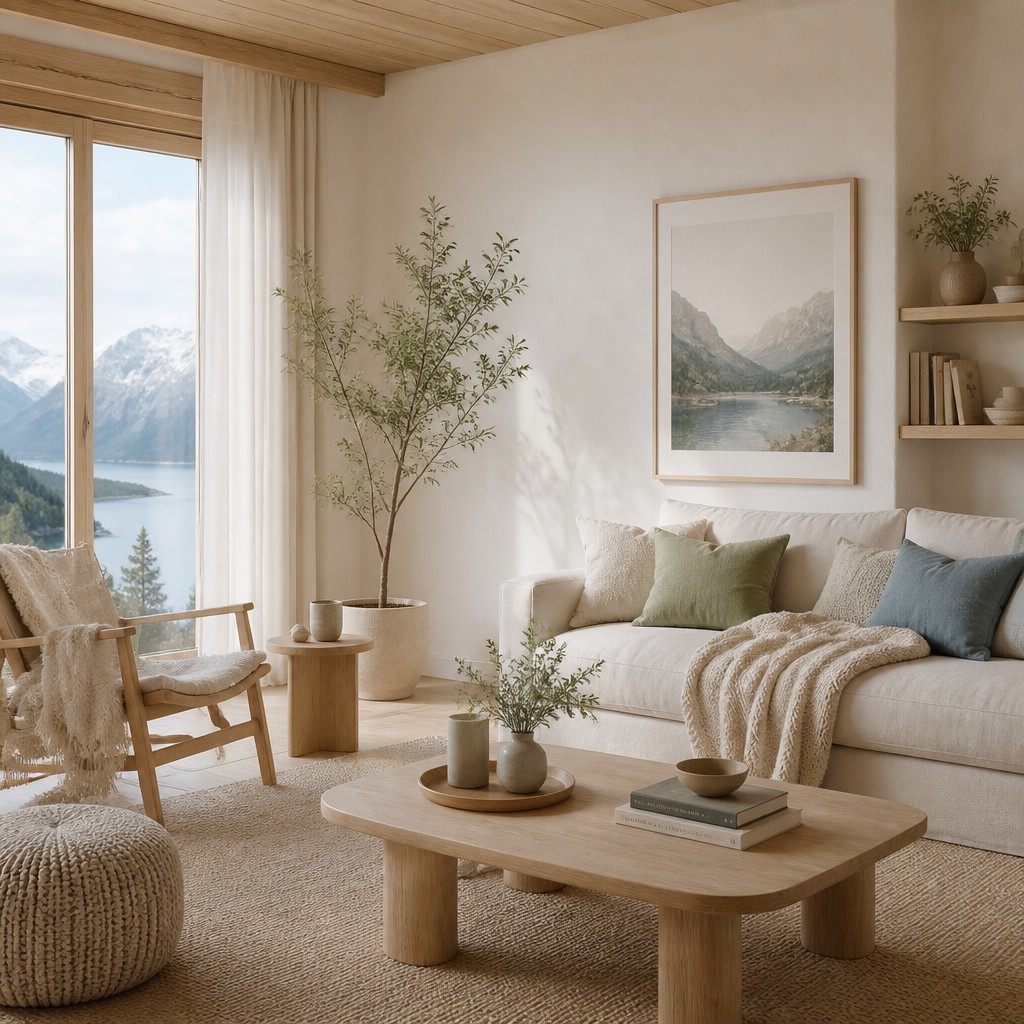
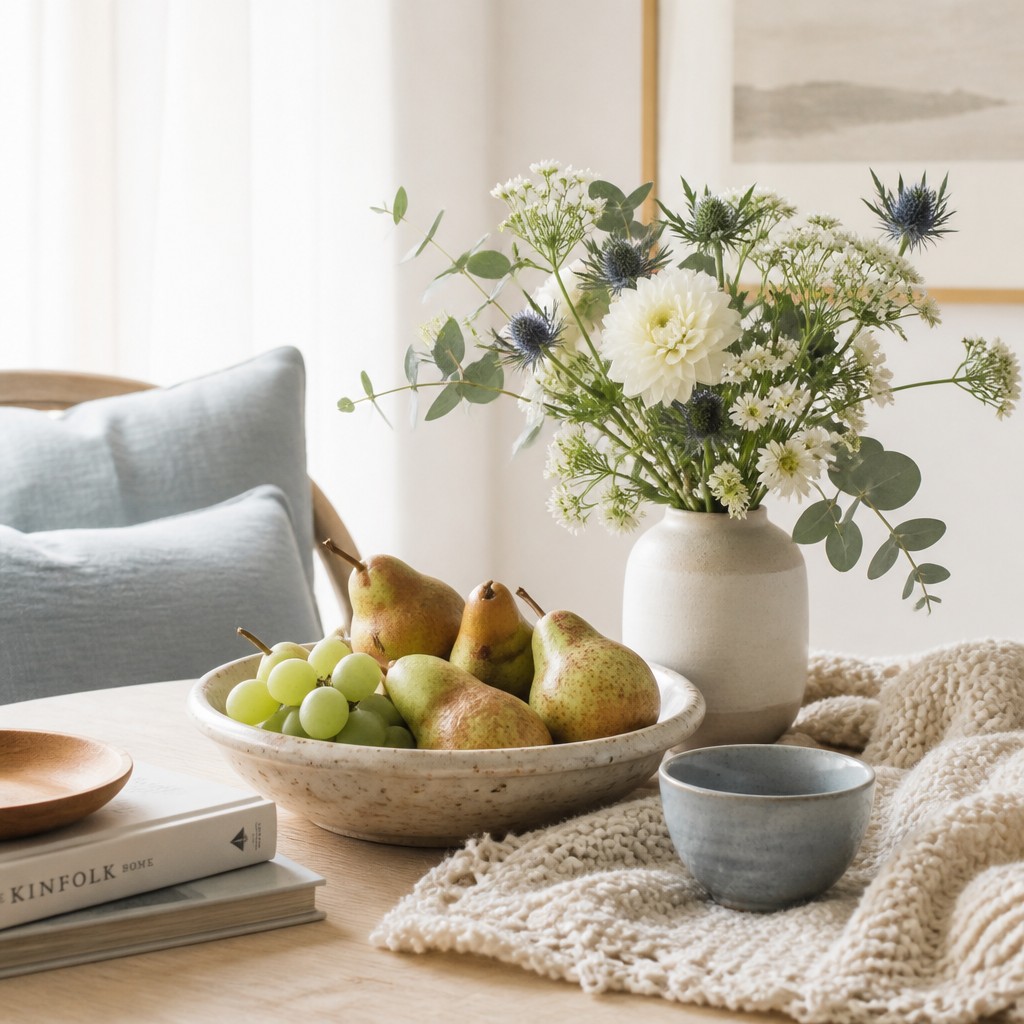
Scandinavian Interior Design Gallery
Tap any artwork to explore it

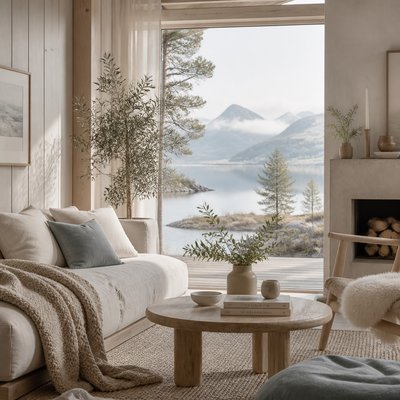
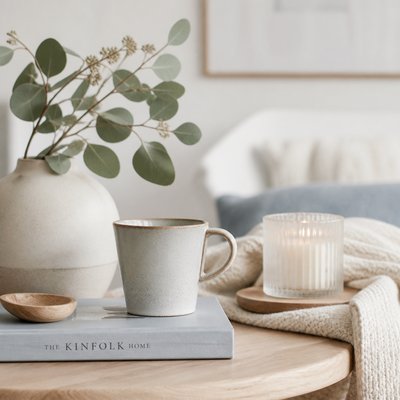
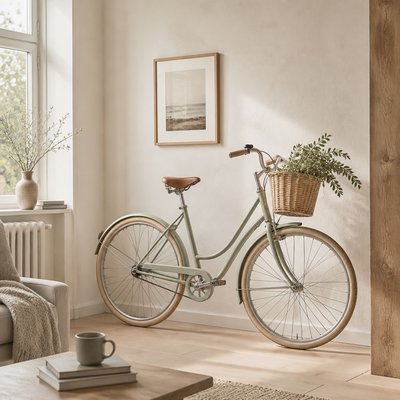
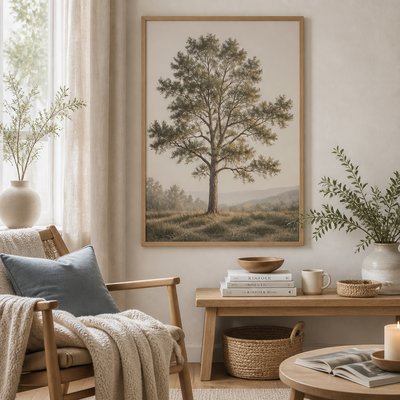
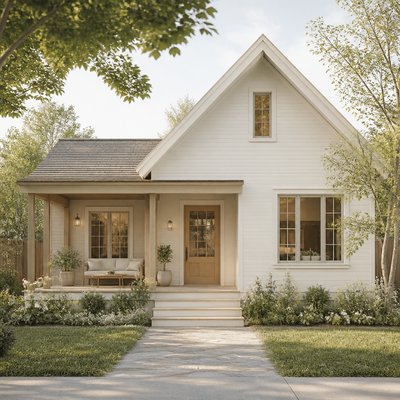
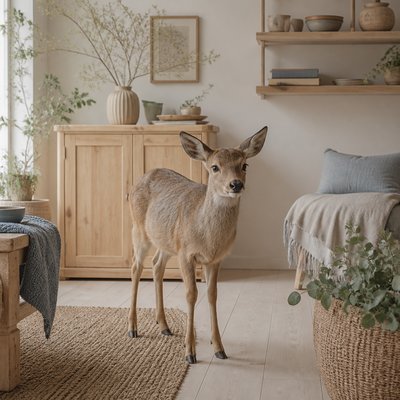
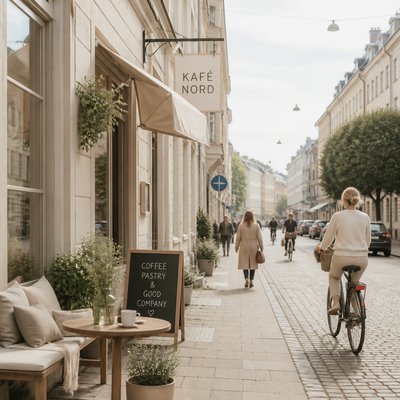
What is Scandinavian Interior Design?
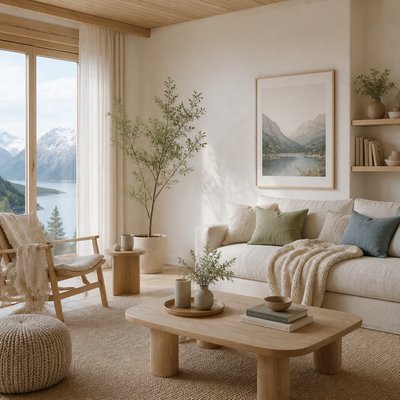
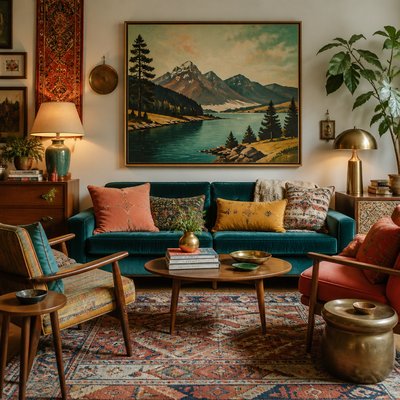
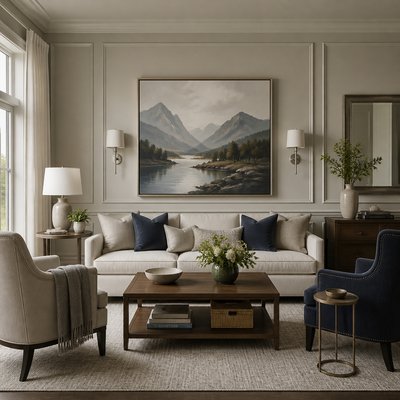
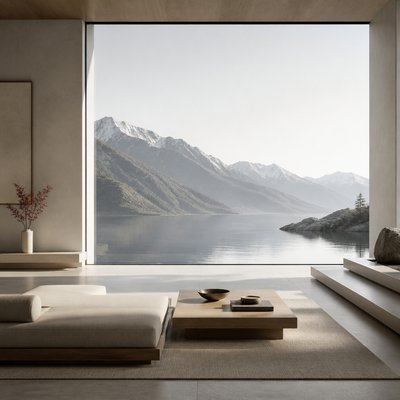
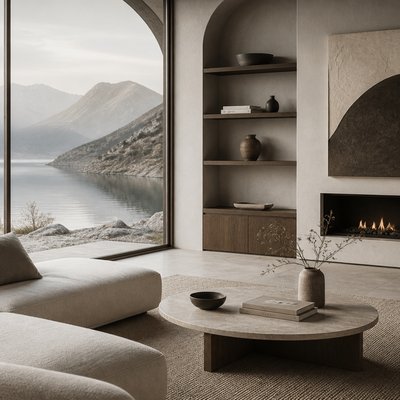
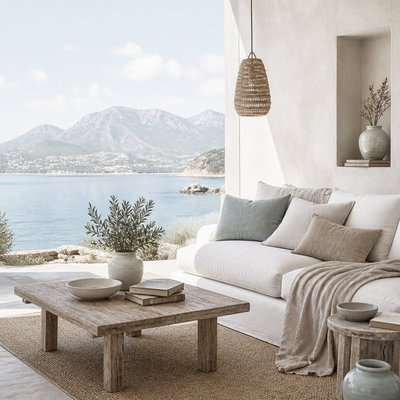
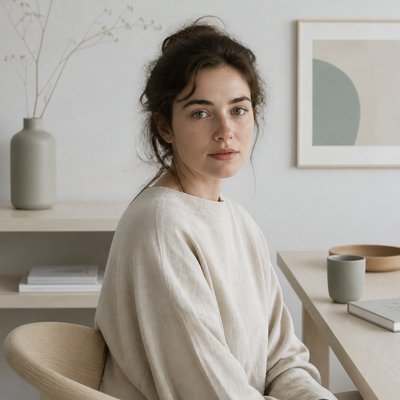
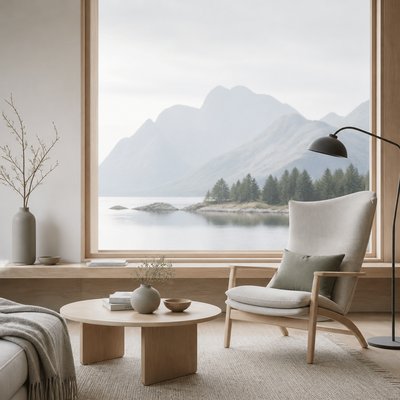
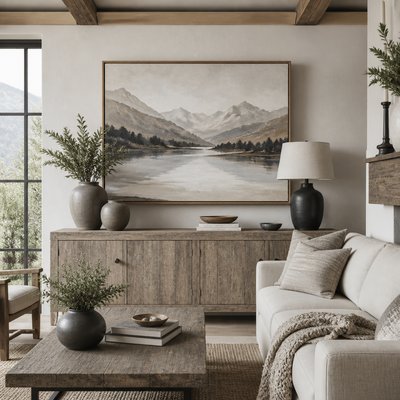
Scandinavian interior design is a Nordic approach to domestic space that balances restraint with warmth. It is defined by bright, light-filled rooms, pale woods, neutral walls, simple silhouettes, and a careful layering of tactile materials such as wool, linen, and sheepskin. The result is not stark minimalism, but a lived-in calm that prioritizes comfort, utility, and visual clarity.
The style looks the way it does because it responds to northern light, long winters, and a design culture shaped by practicality. Interiors are arranged to maximize daylight and reduce visual clutter, while natural materials and soft textiles add warmth and human scale. Its atmosphere is often described through the idea of hygge: coziness, ease, and understated well-being expressed through modest, well-made objects and a quiet palette.

Try It On Your Photos
Upload any photo and convert it into Scandinavian Interior Design — drag the sliders to compare before and after.
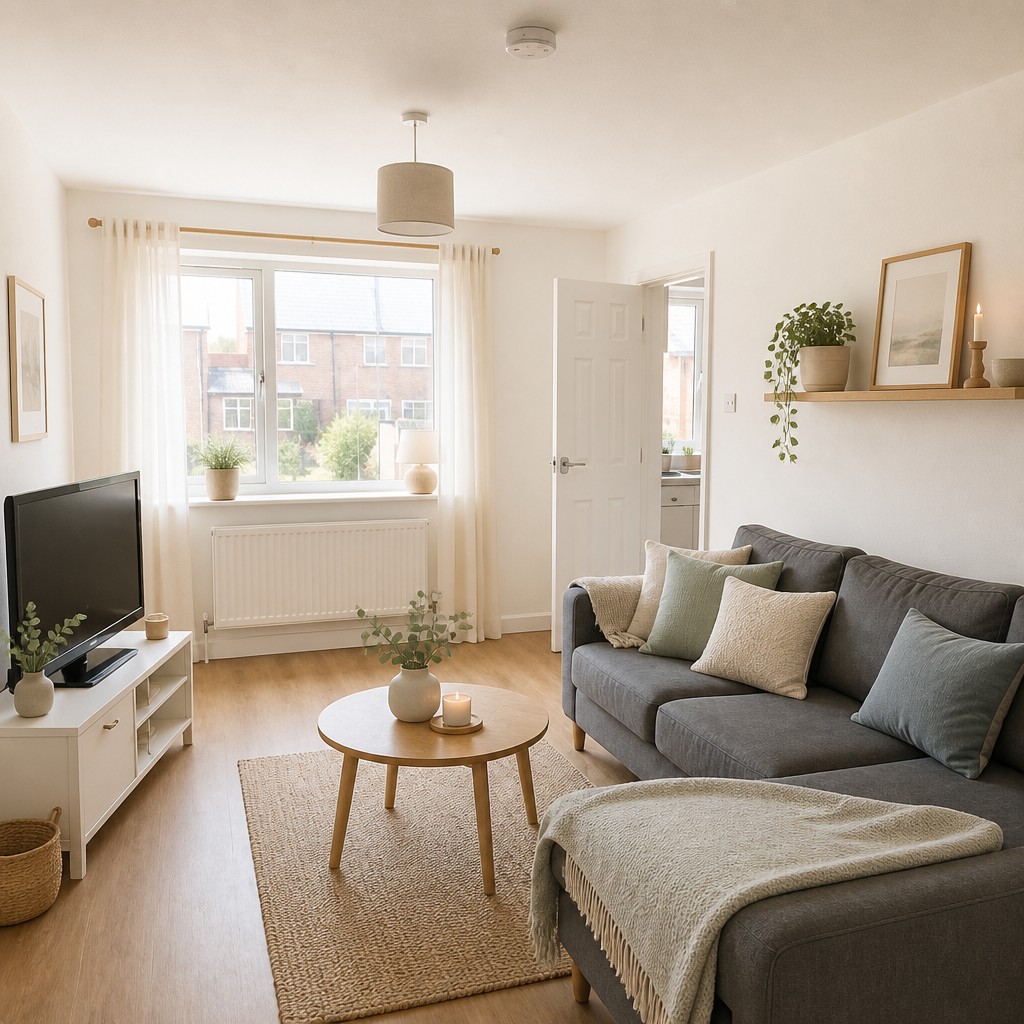
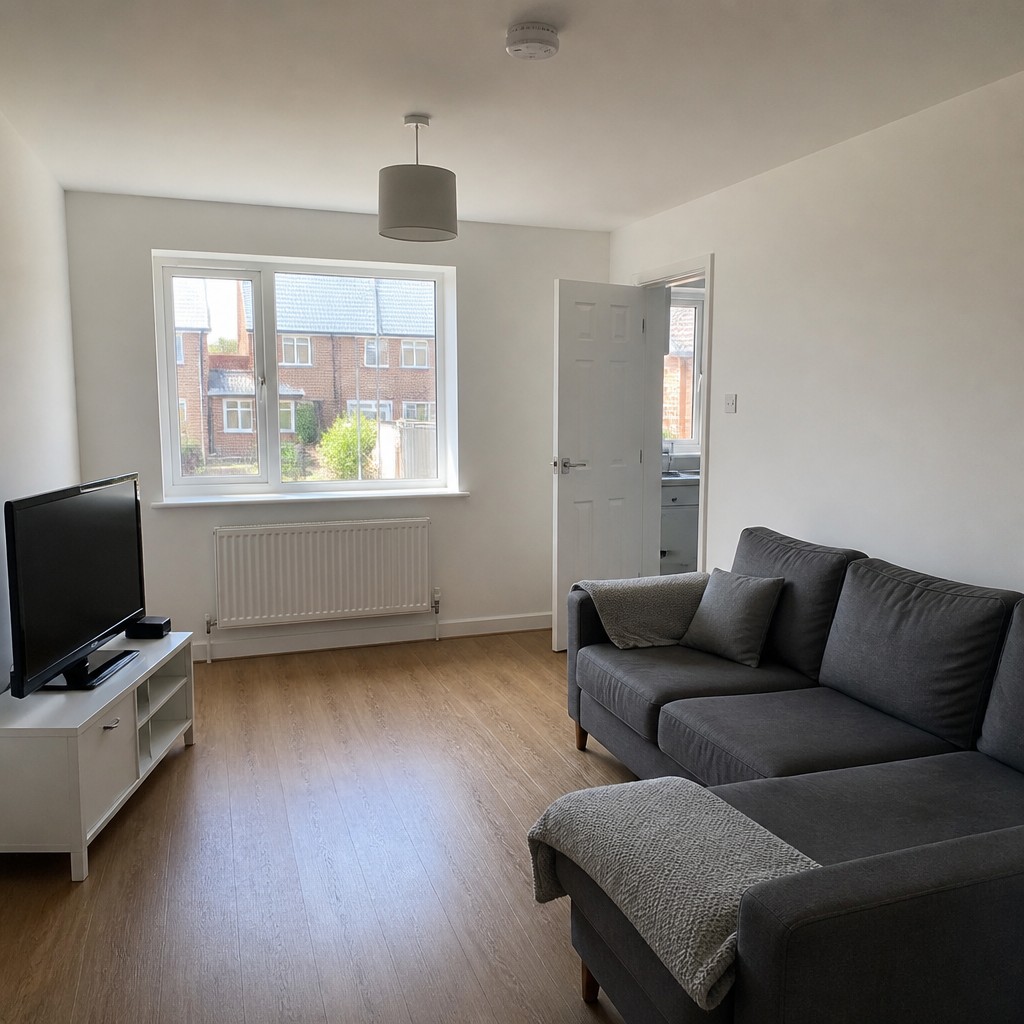


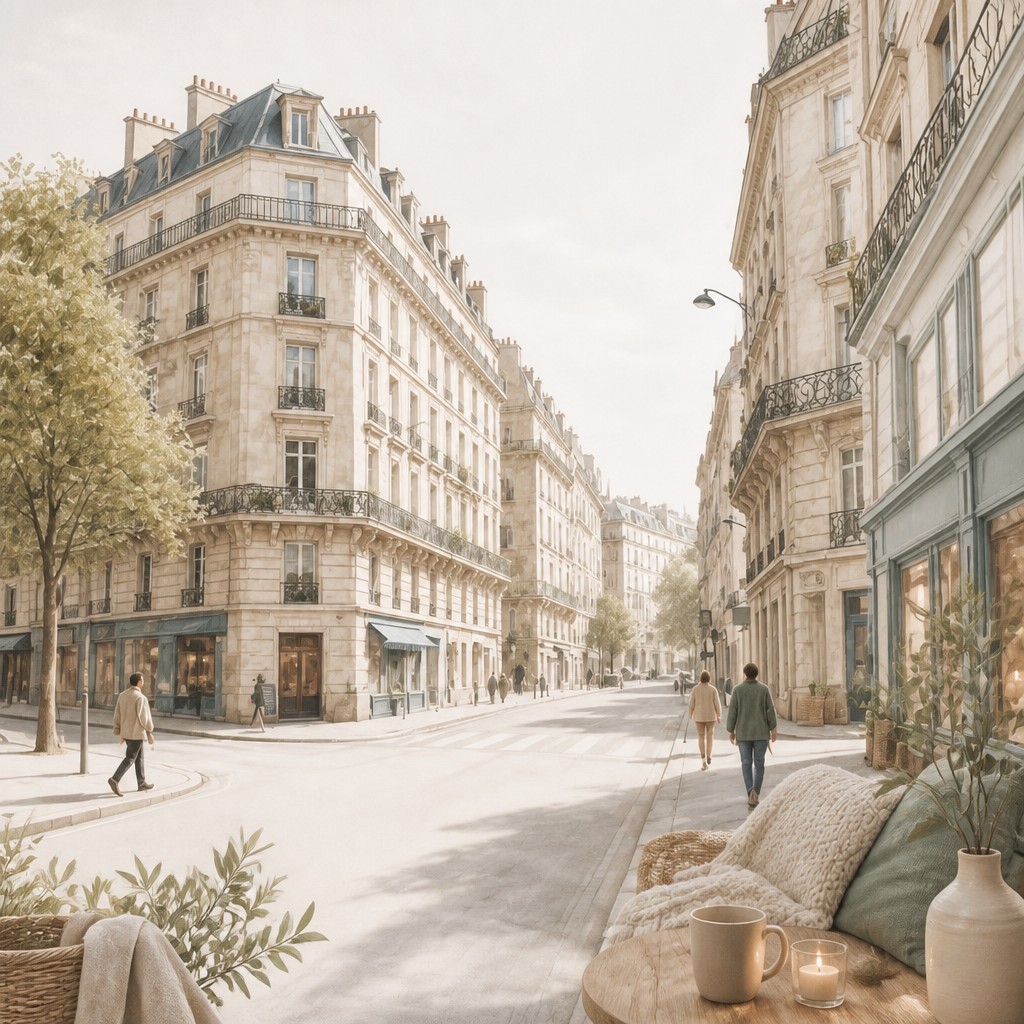

What Defines Scandinavian Interior Design
The signature details, up close
Light-filled palette
Interiors typically use white, cream, pale gray, and other low-saturation tones to reflect available daylight. Soft contrast keeps rooms visually open and calm.
Natural wood and honest materials
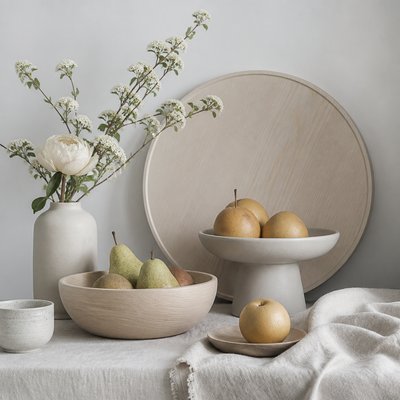
Light woods such as birch, ash, pine, and oak are common in floors, furniture, and details. Surfaces usually show the grain and texture of the material rather than disguising it.
Hygge-oriented softness
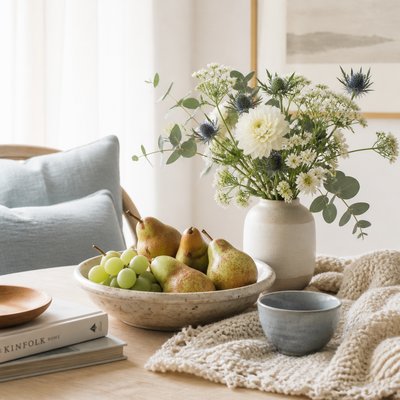
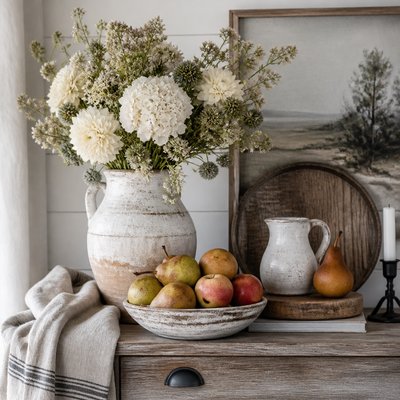
Layered textiles—knits, linen, wool, cotton, and sheepskin—introduce warmth and tactility. These materials make sparse rooms feel welcoming rather than austere.
Clean, functional forms
Furniture favors simple silhouettes, modest ornament, and practical proportions. Curves are often gentle, and decorative excess is kept to a minimum.
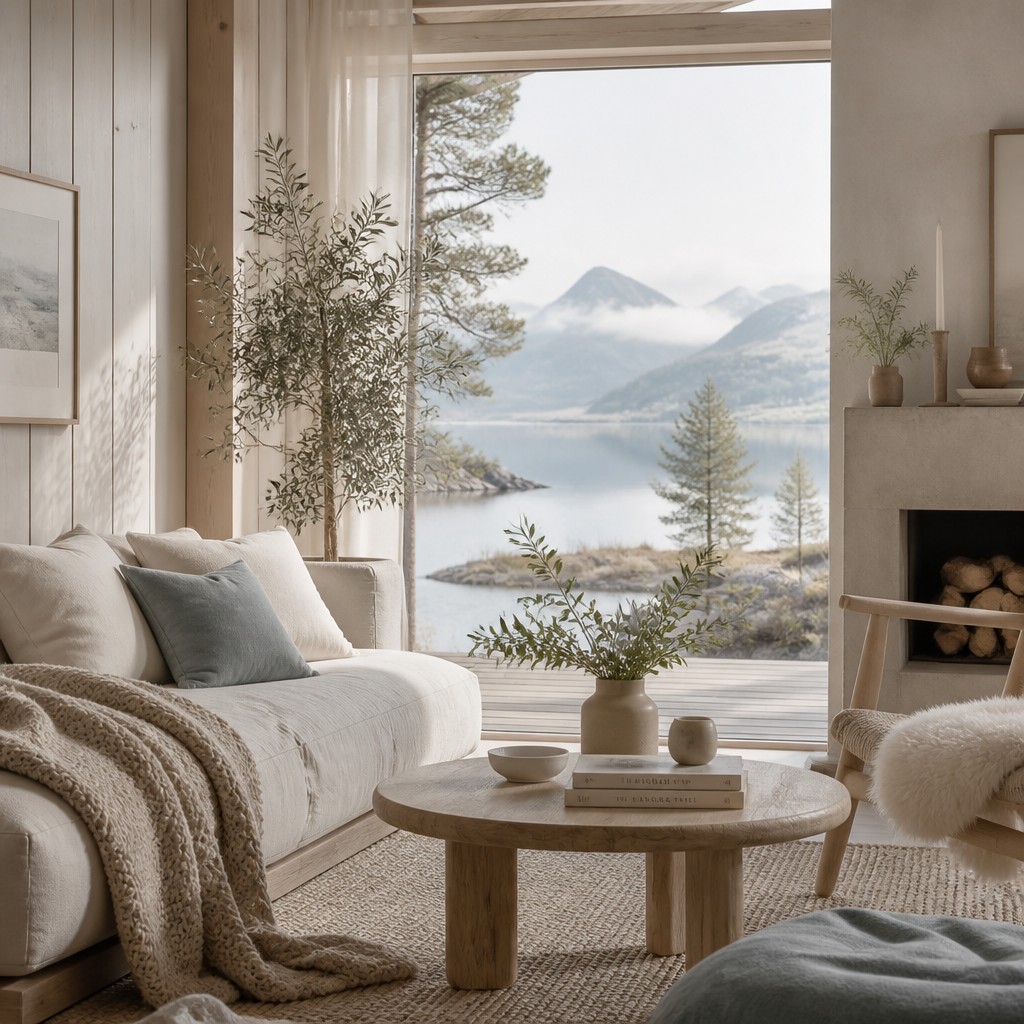
Quiet, balanced composition
Spaces often rely on negative space, low visual noise, and a clear sense of order. Objects are placed with care so the room feels restful and intentional.
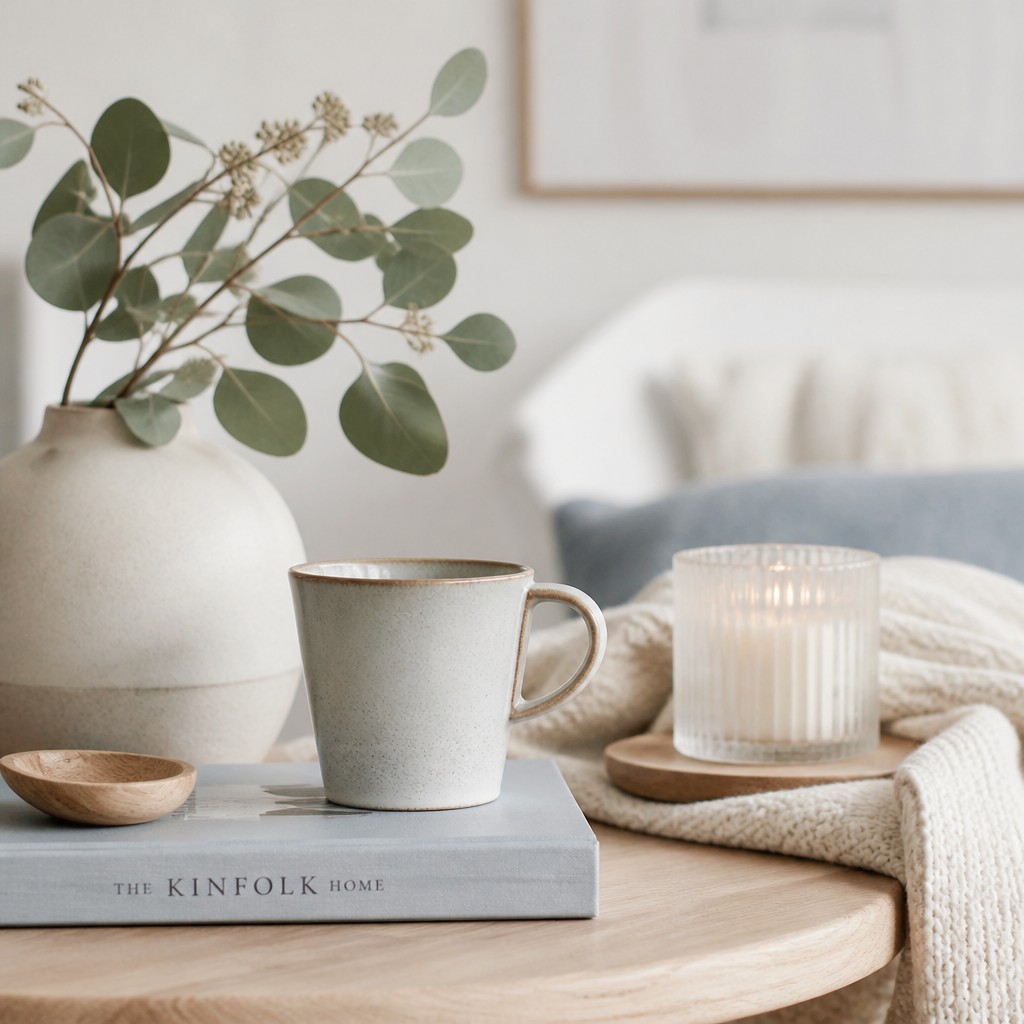
Muted accent colors
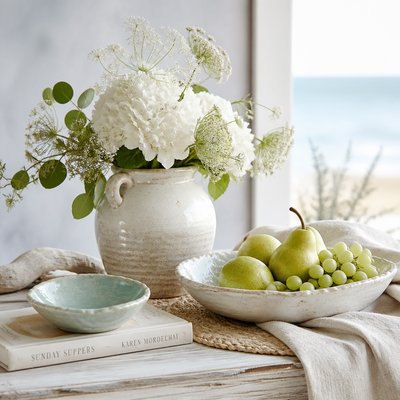
When color appears, it is usually subdued—sage green, dusty blue, clay, or soft black accents. These tones provide variation without breaking the overall tonal harmony.
Try It
Create Videos in Scandinavian Interior Design
Styles aren't just for stills — describe a scene or animate an image and get a short video rendered in Scandinavian Interior Design. Press play to see this pond come to life.
Make a VideoScandinavian Interior Design Prompt Ideas
Start from an idea — each one opens the generator with the style ready to go. See all 40 Scandinavian Interior Design prompts →

“close-up portrait of an elderly person with expressive weathered features”
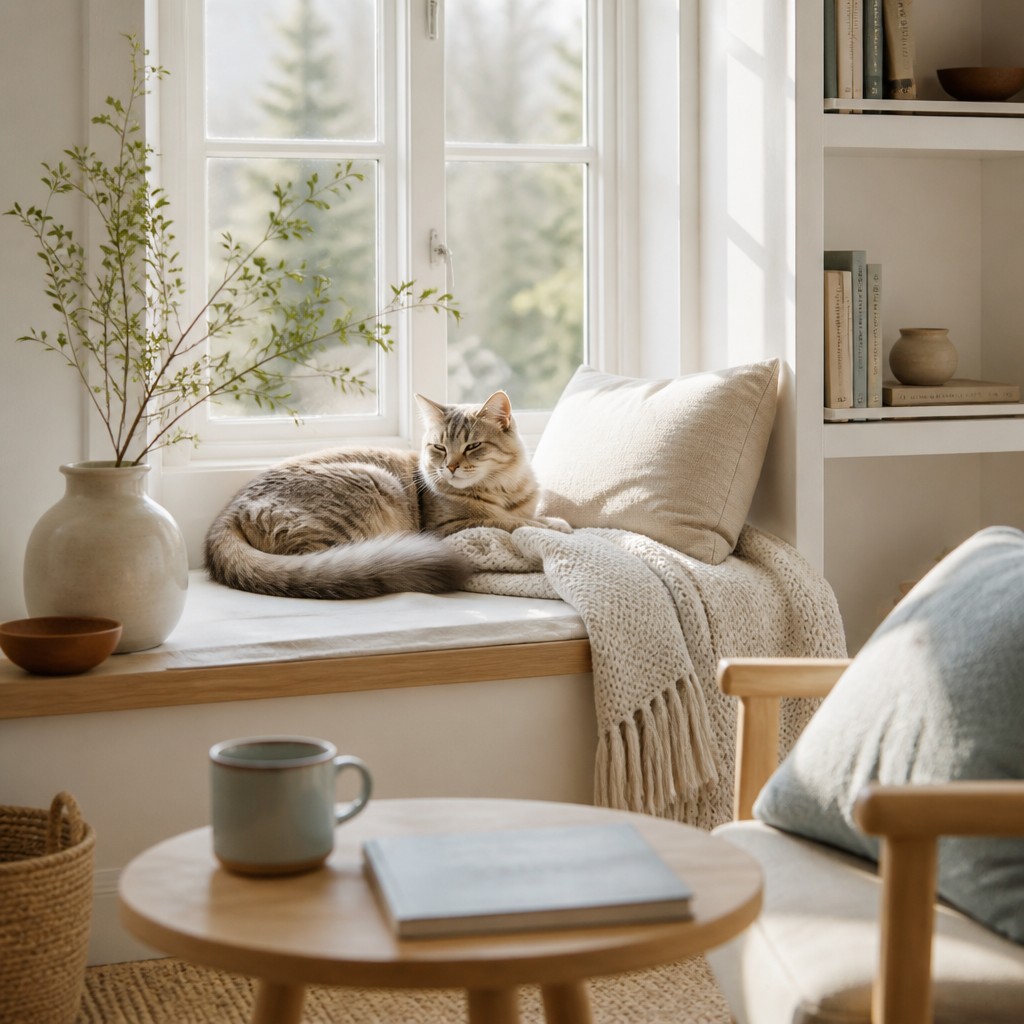
“a cat lounging in a sunlit window”
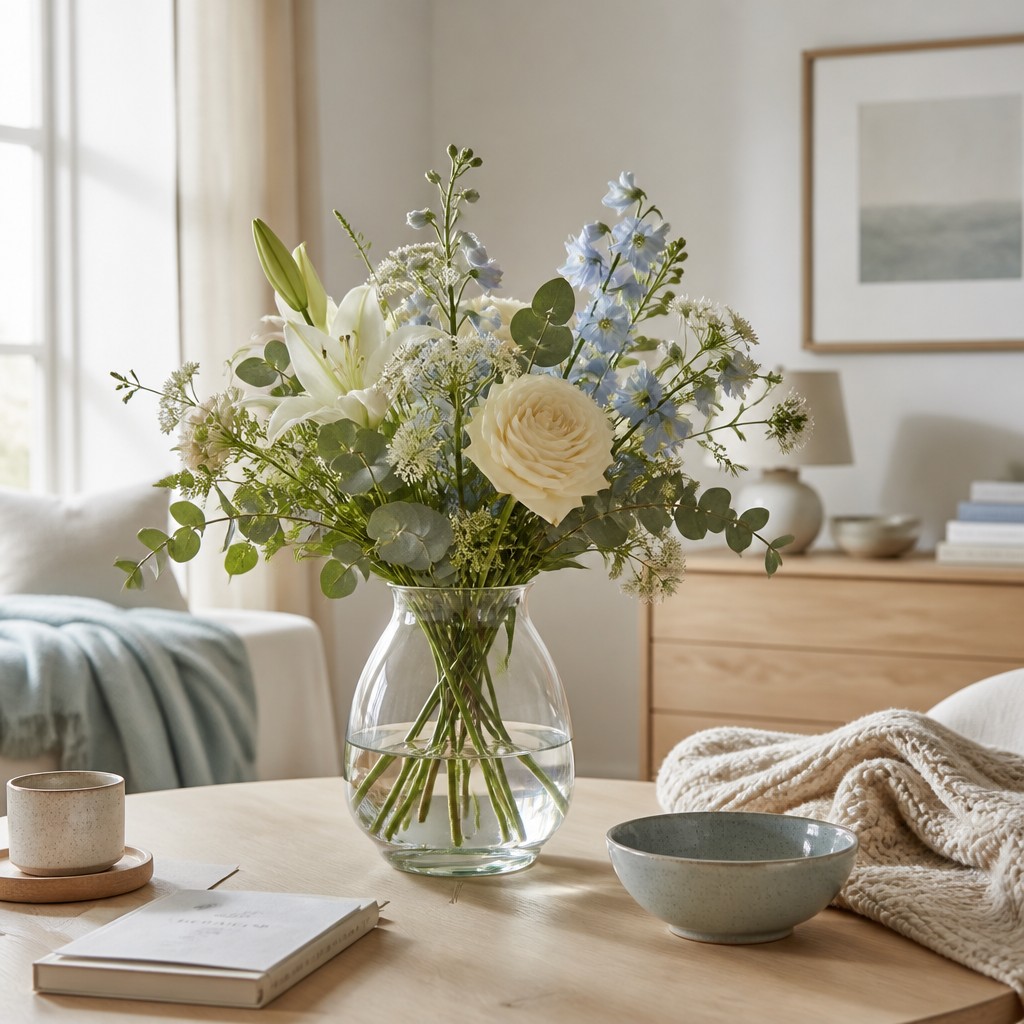
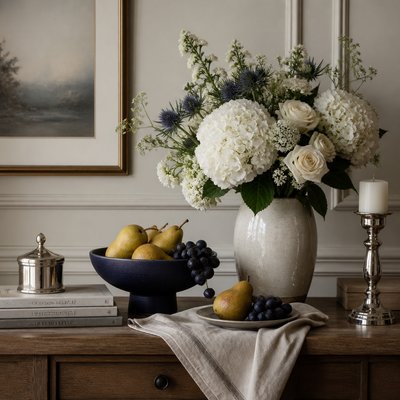
“bouquet of flowers in a glass vase”
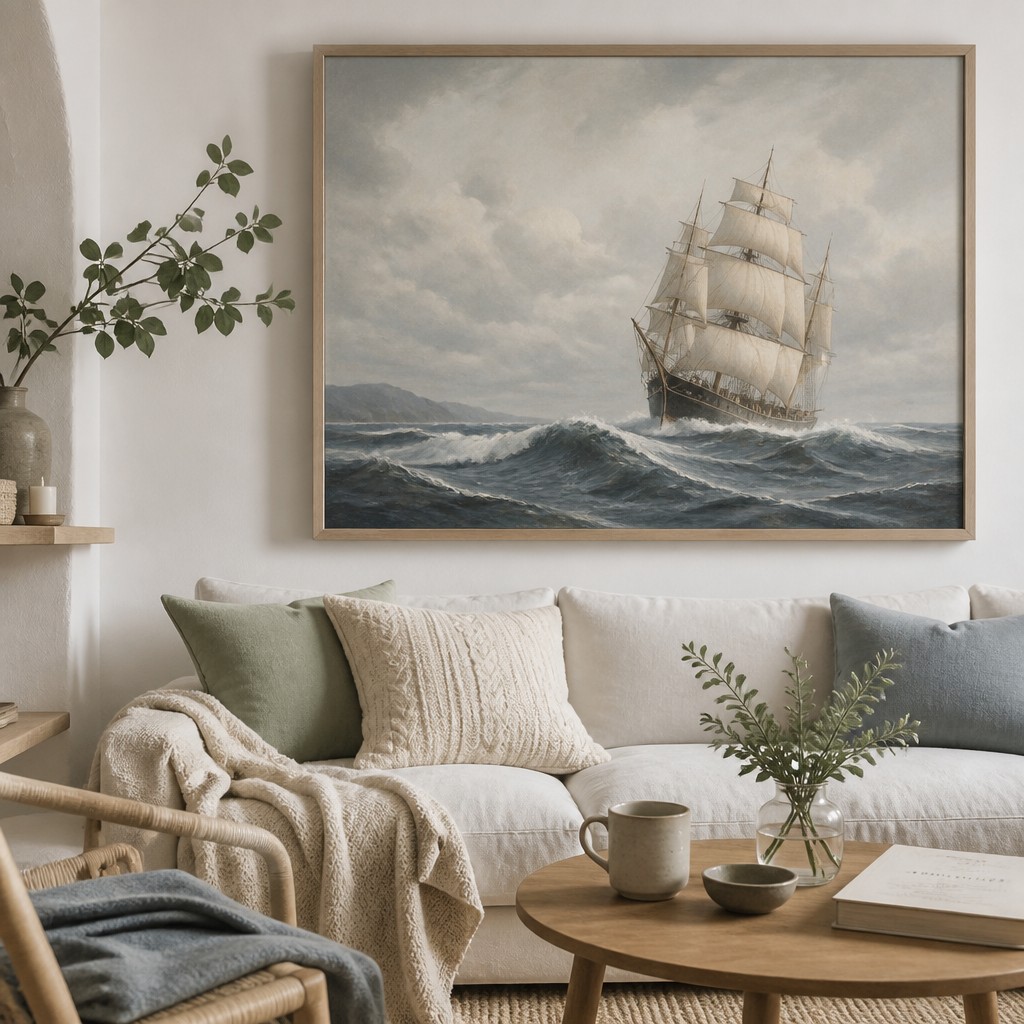
“sailing ship on a stormy sea”
How to Create Scandinavian Interior Design Art
Master the craft step by step — or skip straight to creating. Read the full guide →
- 1
Start with a pale architectural base
Use white or warm off-white walls, light floors, and restrained trim to create a bright envelope. In drawing, painting, or digital work, keep values close together so the room feels airy and sunlit.
- 2
Prioritize material realism over decoration
Show the grain of wood, the weave of linen, and the softness of wool through subtle texture and edge control. Avoid glossy surfaces and ornate detailing unless they are extremely restrained.
- 3
Build comfort through layers
Add throws, cushions, rugs, and simple ceramics to suggest lived-in warmth. For image-making, cluster a few tactile objects rather than filling every surface.
- 4
Use natural light as the main design tool
Place windows, reflections, and soft shadows so the space feels open and breathable. In prompts, specify diffused daylight, soft shadows, and bright interior daylight rather than dramatic contrast.
- 5
Keep forms simple and grounded
Choose furniture with clean lines, rounded edges, and visible function. Whether modeling digitally or describing in text, emphasize practical elegance, modest proportions, and uncluttered arrangement.
- 6
Prompt for atmosphere, not just objects
Include keywords like calm, cozy, airy, understated, and quietly sophisticated to guide the overall mood. For generation, combine subject matter with light wood, neutral textiles, and soft natural illumination.

The Story
History & Origins of Scandinavian Interior Design
Scandinavian interior design emerged in the early to mid-20th century in Denmark, Sweden, Norway, and Finland, alongside the broader Scandinavian modern movement in furniture and architecture. It developed through a combination of social democratic ideals, industrial design, and a desire to make well-designed homes accessible, functional, and beautiful. Influential figures from this design tradition helped define the clean lines, human-centered proportions, and material honesty associated with the style.
Its visual language also reflects older Nordic vernacular traditions: whitewashed walls, light timber construction, compact rooms made bright through careful use of daylight, and an emphasis on durable handmade objects. In the late 20th and 21st centuries, the style broadened into a global interior aesthetic, often simplified into neutral minimalism, but its core principles remain rooted in functional beauty, comfort, and an understated relationship to nature.
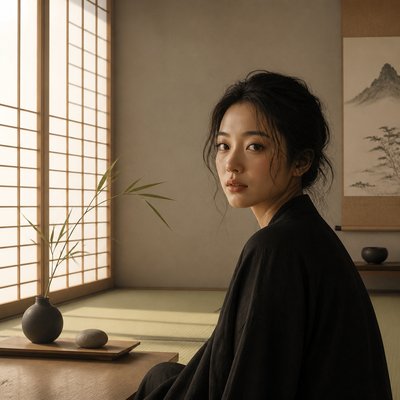
Influences: This style is closely related to Scandinavian modern design, mid-century modern furniture, and the broader minimalist tradition, but it places more emphasis on warmth and domestic comfort than strict reduction. It also draws from Nordic vernacular interiors and from the material honesty seen in the work of influential Scandinavian modern designers and architects whose furniture, lighting, and interiors helped define the clean lines, human-centered proportions, and material honesty associated with the style. In contemporary use, it overlaps with Japanese-inspired minimalism and modern eco-conscious interior design, though its visual identity remains distinctly Nordic.
Frequently Asked Questions
What defines Scandinavian interior design?
Its defining features are light-filled rooms, pale wood, neutral colors, simple forms, and cozy textiles. The style aims to make interiors feel functional, calm, and welcoming rather than ornate or heavy.
How is it different from minimalist design?
Minimalism often focuses on reduction and emptiness, while Scandinavian interiors keep a stronger sense of warmth and habitability. The style uses texture, natural materials, and soft layering to avoid feeling cold.
What colors are most common in this style?
White, cream, warm gray, beige, pale wood tones, and soft muted accents are most common. Sage green, dusty blue, and gentle black details are often used sparingly to add depth.
What materials should I use to make this look authentic?
Natural woods, linen, wool, cotton, stoneware, and matte painted surfaces are central to the look. Materials should feel honest and tactile, with visible grain, weave, or handmade irregularity.
Where is Scandinavian interior design used?
It is common in homes, apartments, cafés, hotels, product styling, and editorial interiors. The style also appears widely in furniture design and in photography that emphasizes calm domestic spaces.
Can I use bold colors in a Scandinavian interior?
Yes, but usually as limited accents rather than dominant features. The style works best when stronger colors are balanced against a mostly pale, low-contrast foundation.
Create your first Scandinavian Interior Design artwork
Describe anything — or upload a photo — and see it in Scandinavian Interior Design in seconds.
Make Something with Scandinavian Interior Design
Compare Scandinavian Interior Design
Related Styles
Discover similar art styles