Hollywood Regency Interior Design
Hollywood Regency interiors: lacquer, velvet, mirrors, brass, bold symmetry, and old-Hollywood glamour with theatrical shine.
Instantly rendered in Hollywood Regency Interior Design — or transform a photo
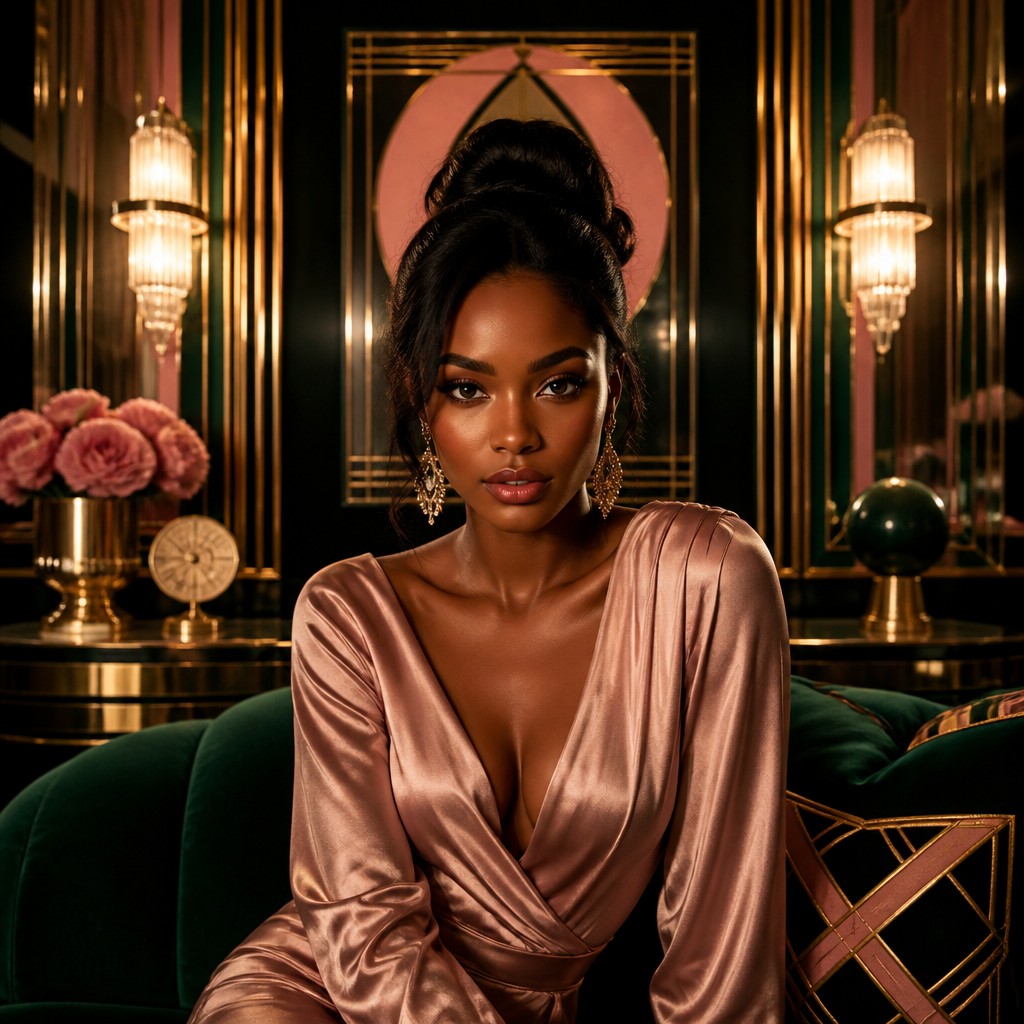
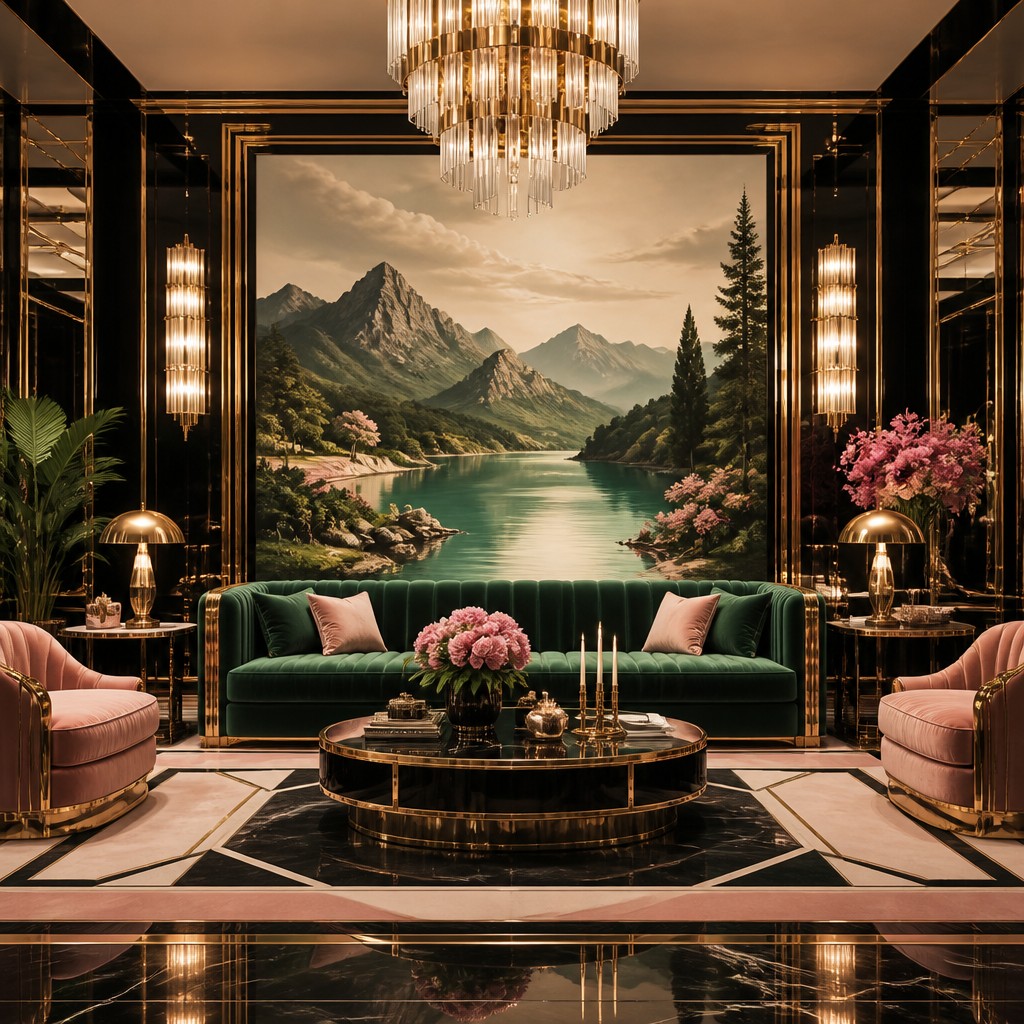
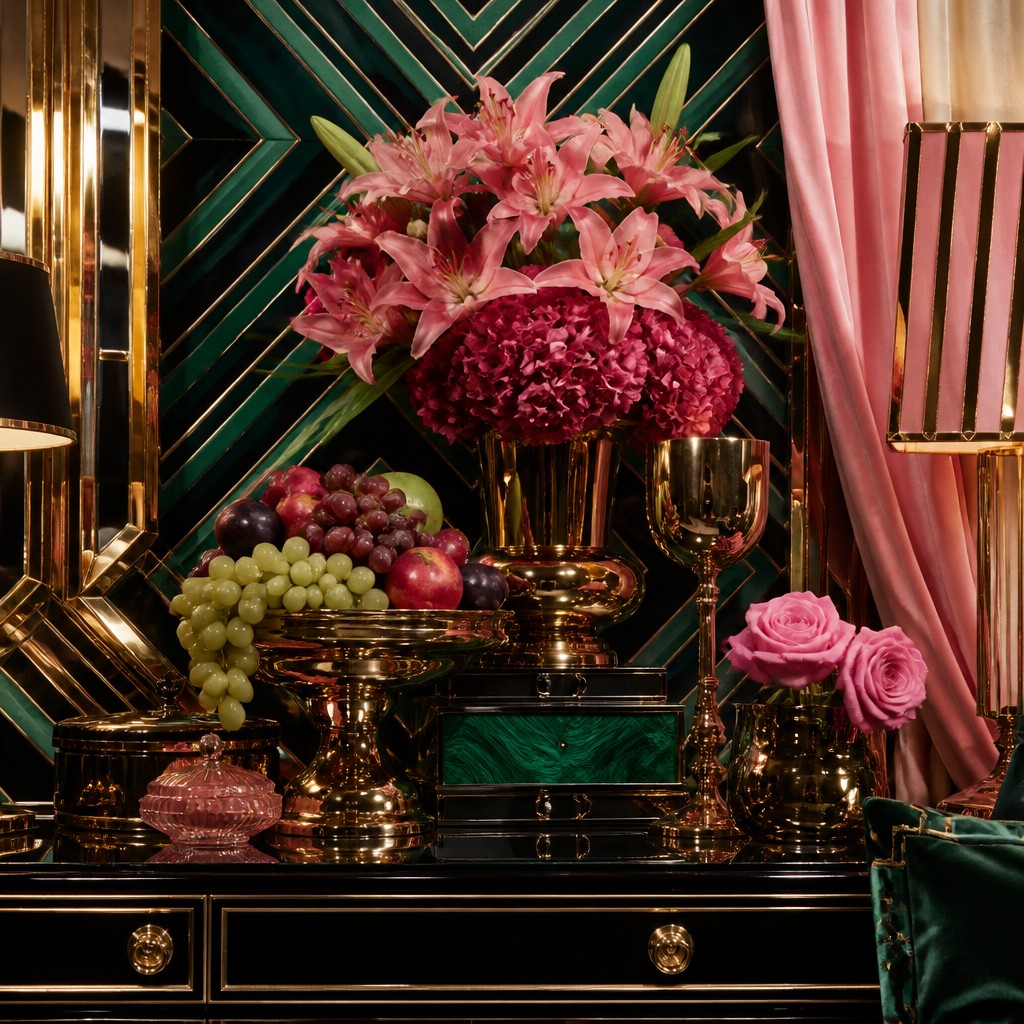
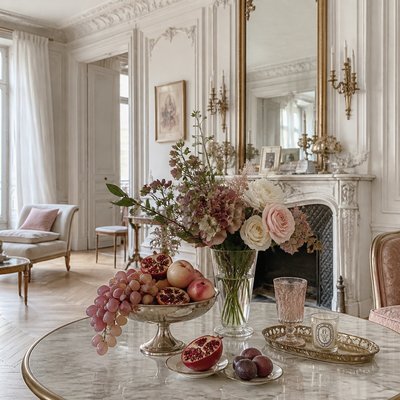
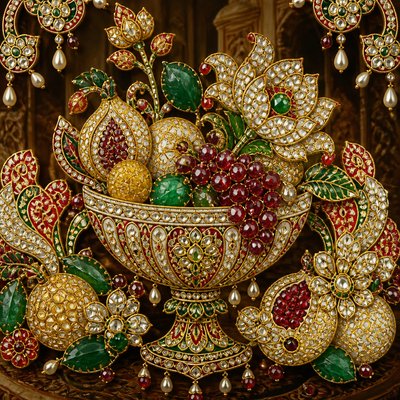
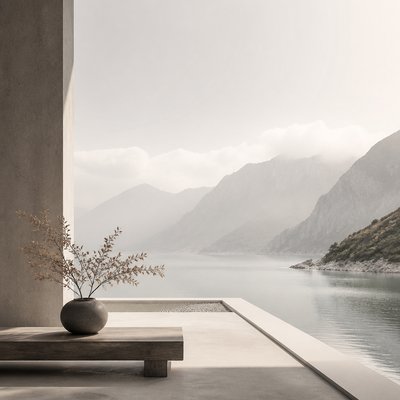
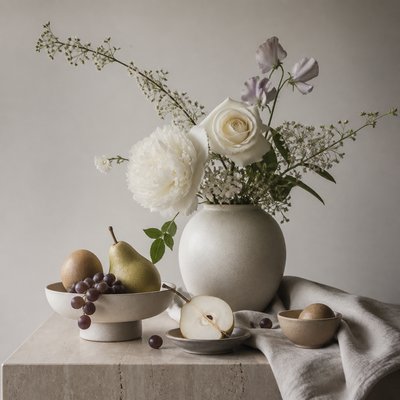
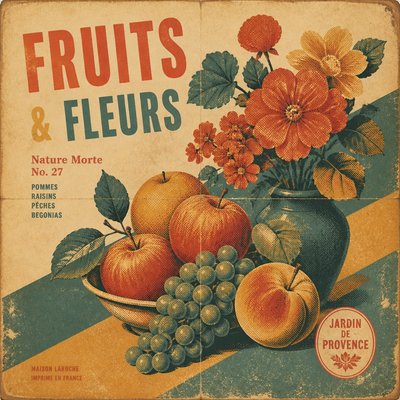
Hollywood Regency Interior Design Gallery
Tap any artwork to explore it

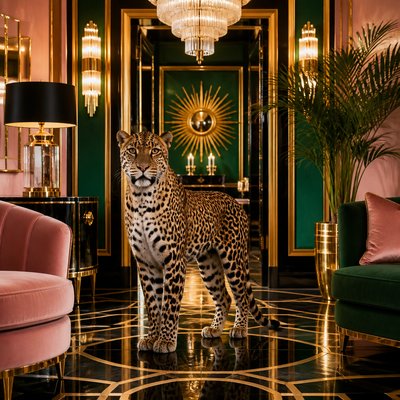
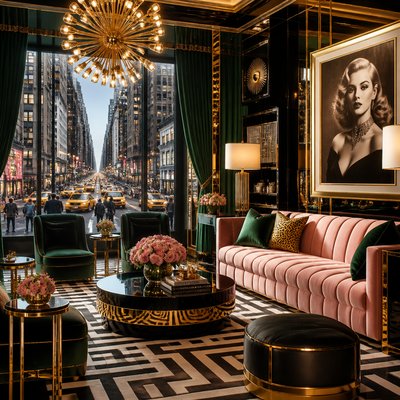
What is Hollywood Regency Interior Design?
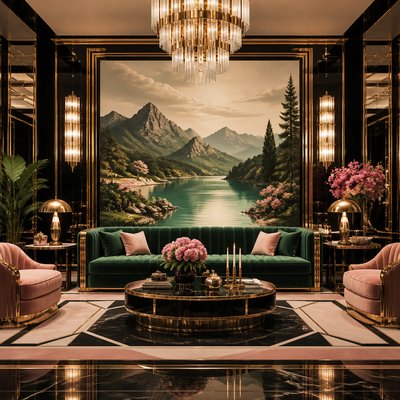
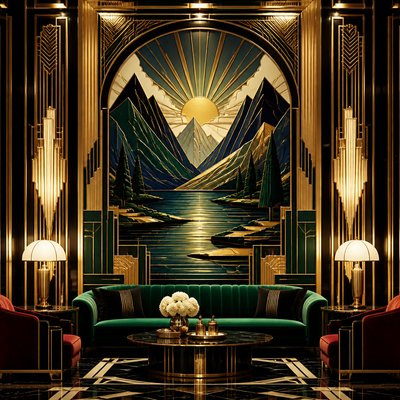
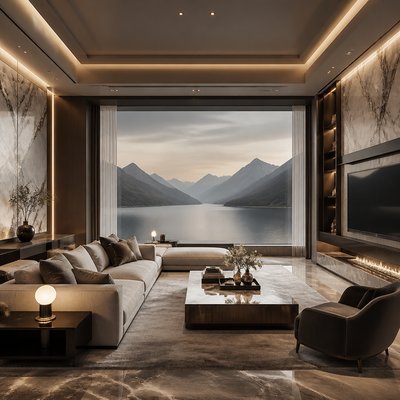
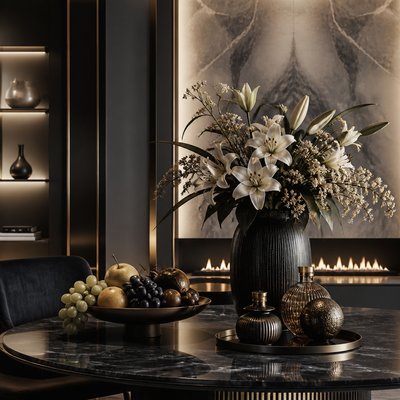
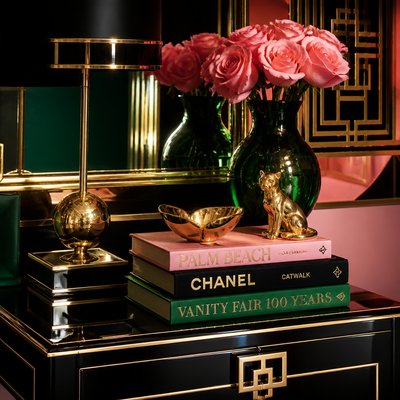
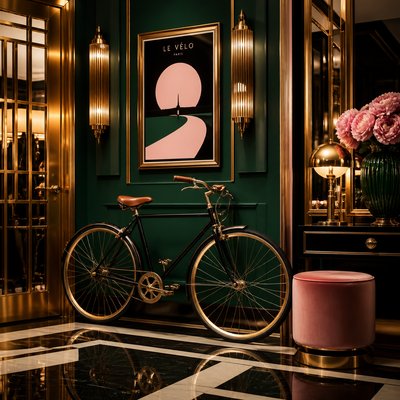
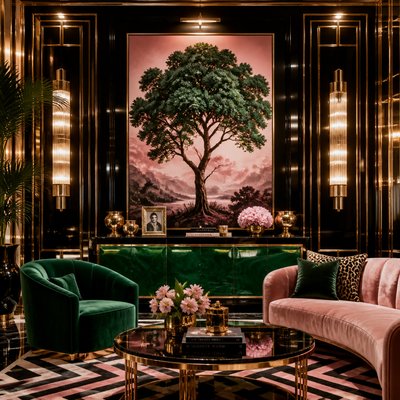
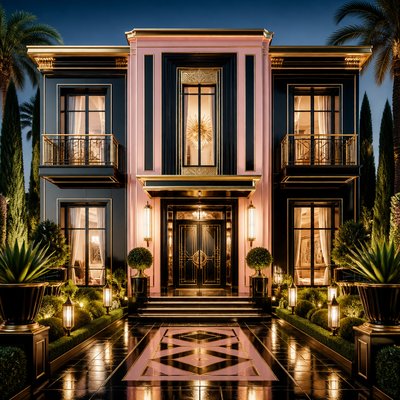
Hollywood Regency is a high-glamour interior design style associated with the visual culture of classic Hollywood and the decorative excess of the 1930s through the 1970s. It favors lacquered surfaces, mirrored furniture, polished brass, velvet upholstery, and strong geometric forms arranged with deliberate symmetry. The result is an interior that feels staged, luminous, and luxurious rather than purely domestic.
The style is defined by contrast: dark lacquer against pale blush tones, reflective metal against plush fabric, and crisp geometry against curving, theatrical accents. Its look is shaped by the wish to create rooms that read well under bright light and camera flash, which is why shine, reflection, and sharply controlled composition are so central. Hollywood Regency is glamorous, but it is also engineered glamour—an interior language built from balance, polish, and visual drama.
Try It On Your Photos
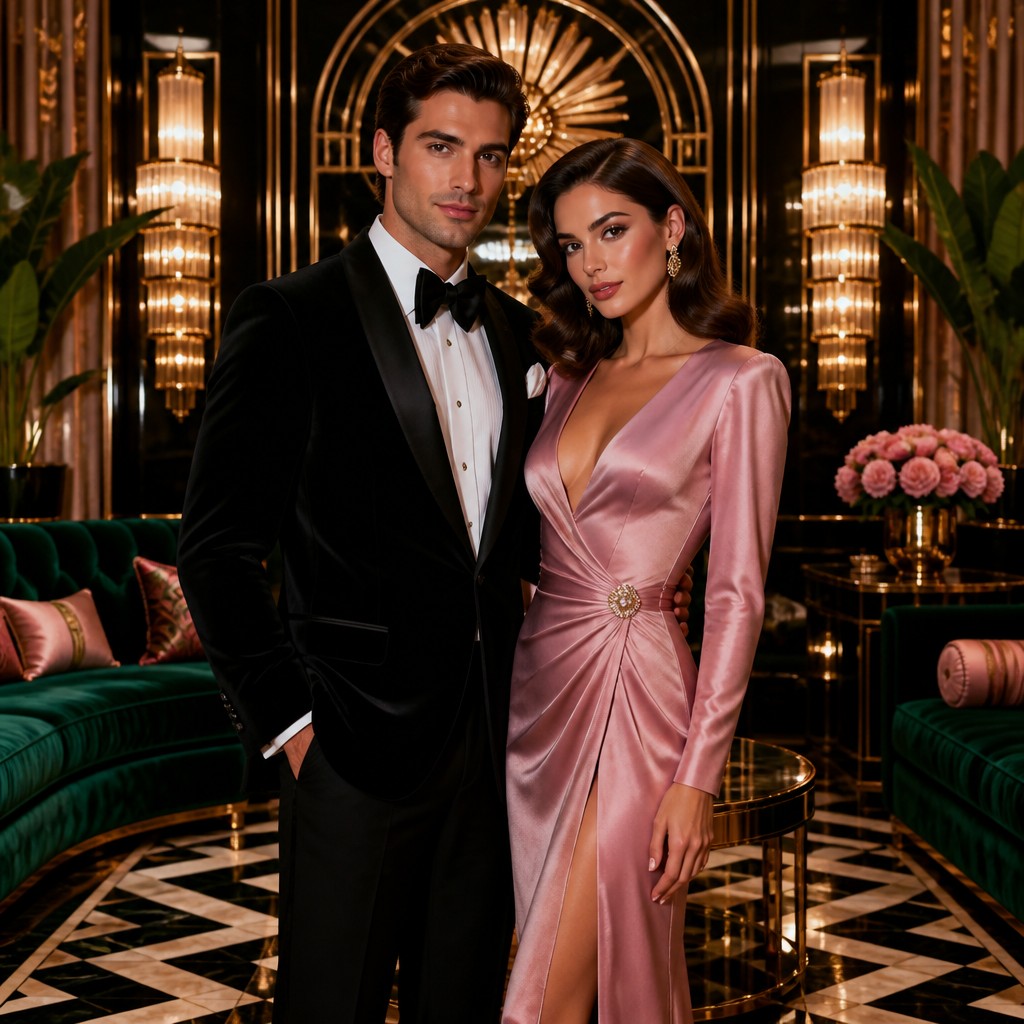
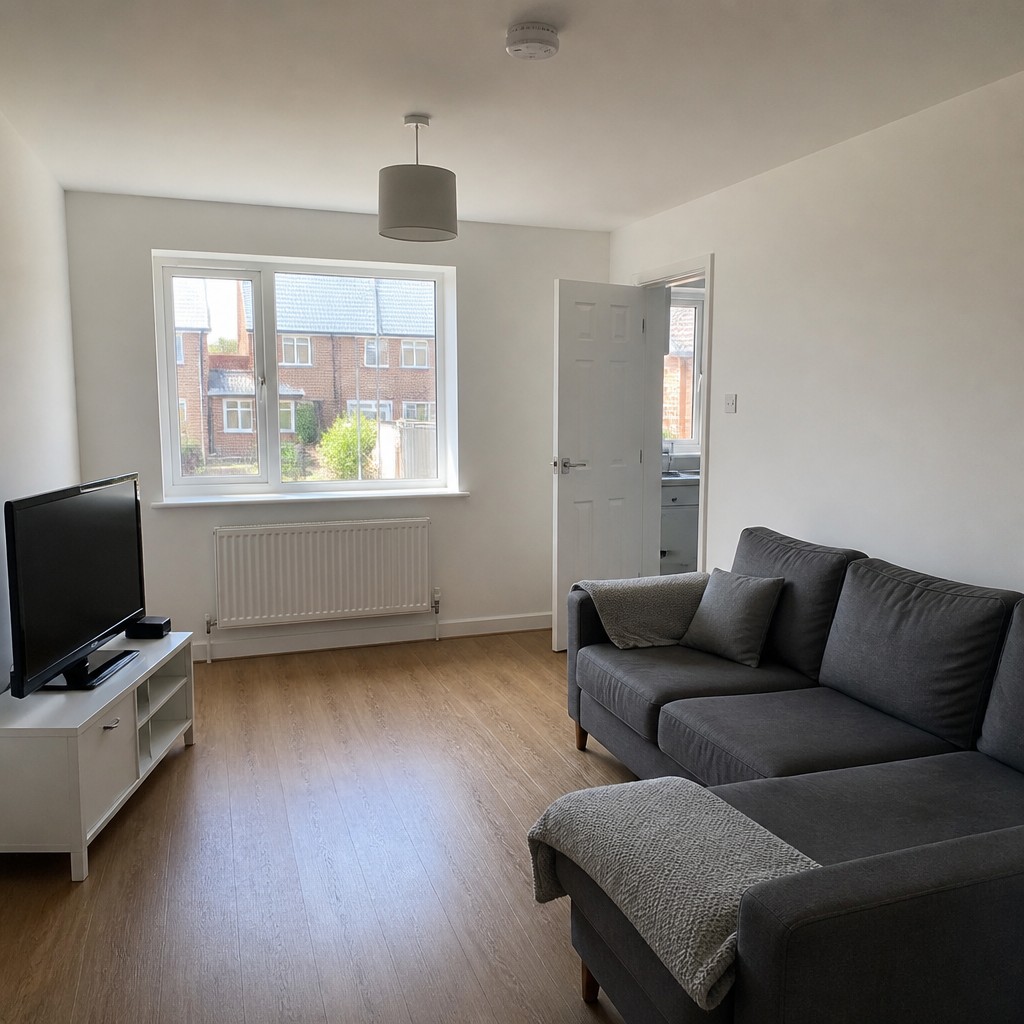
Upload any photo and convert it into Hollywood Regency Interior Design — drag the sliders to compare before and after.
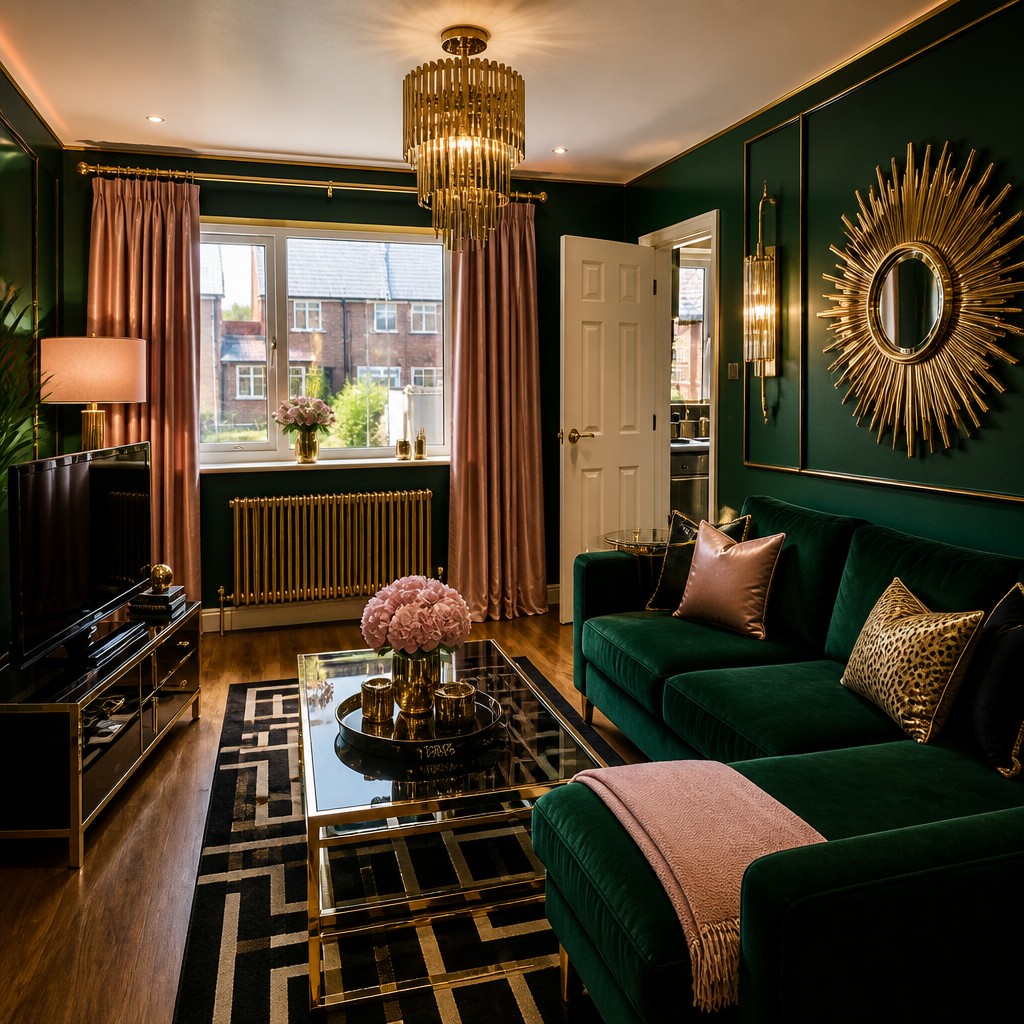


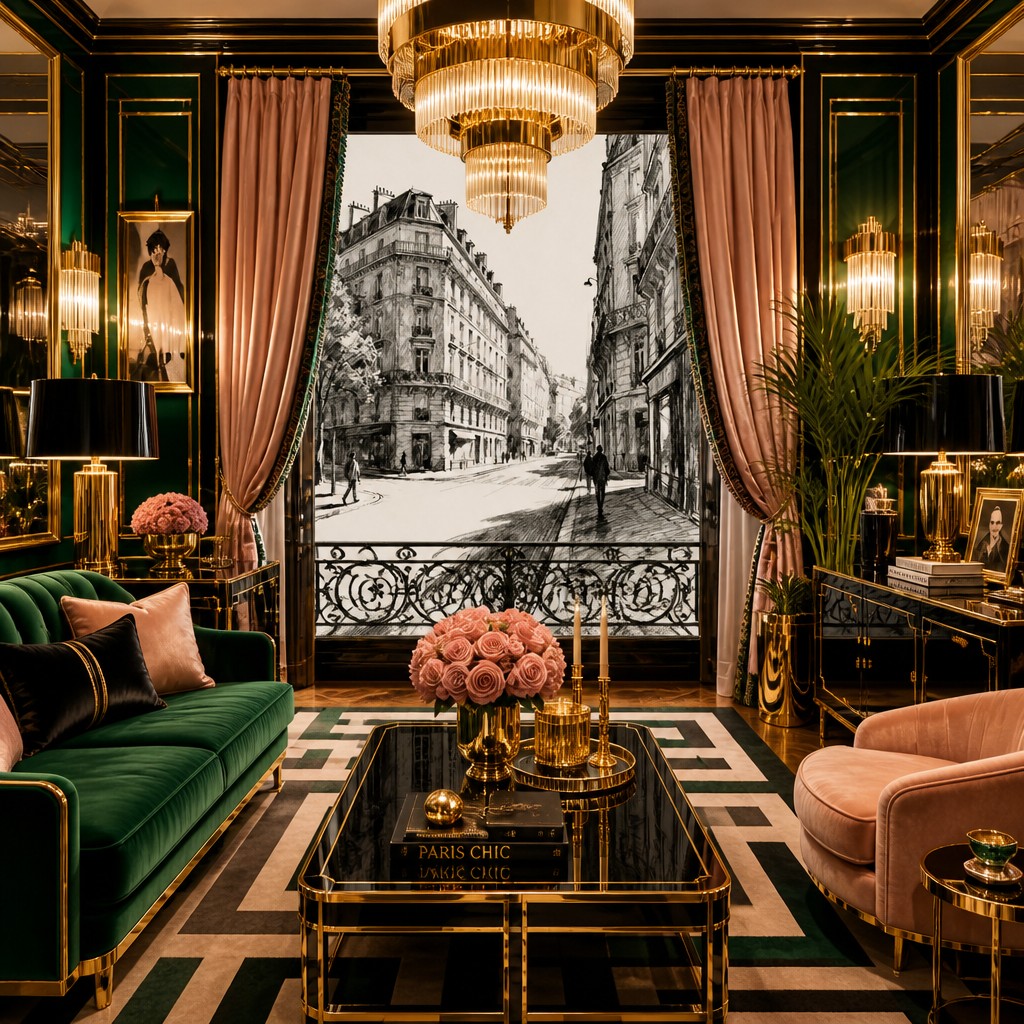

What Defines Hollywood Regency Interior Design
The signature details, up close
Lacquered and mirrored surfaces
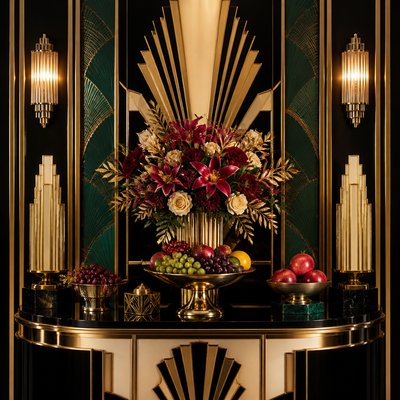
High-gloss finishes are essential, especially black lacquer, mirrored panels, and reflective furniture. These surfaces bounce light around the room and give the interior its polished, showpiece quality.
A theatrical color palette
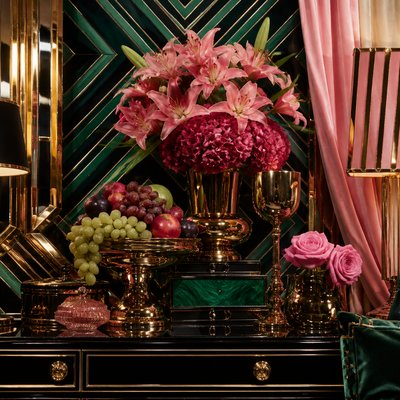
Common combinations include emerald green, blush pink, black, ivory, and gold. The palette is usually saturated and contrast-driven, designed to heighten the sense of drama.
Velvet, satin, and other plush textiles
Soft materials temper the hard shine of glass, brass, and lacquer. Upholstery and drapery often use velvets, silks, or satins to create depth and a tactile sense of luxury.
Gilded metal accents
Polished brass, gold leaf, and other warm metallic finishes appear on frames, lamps, tables, and trim. These accents reinforce the old-Hollywood glow and help define edges with reflective highlights.
Bold geometry and symmetry
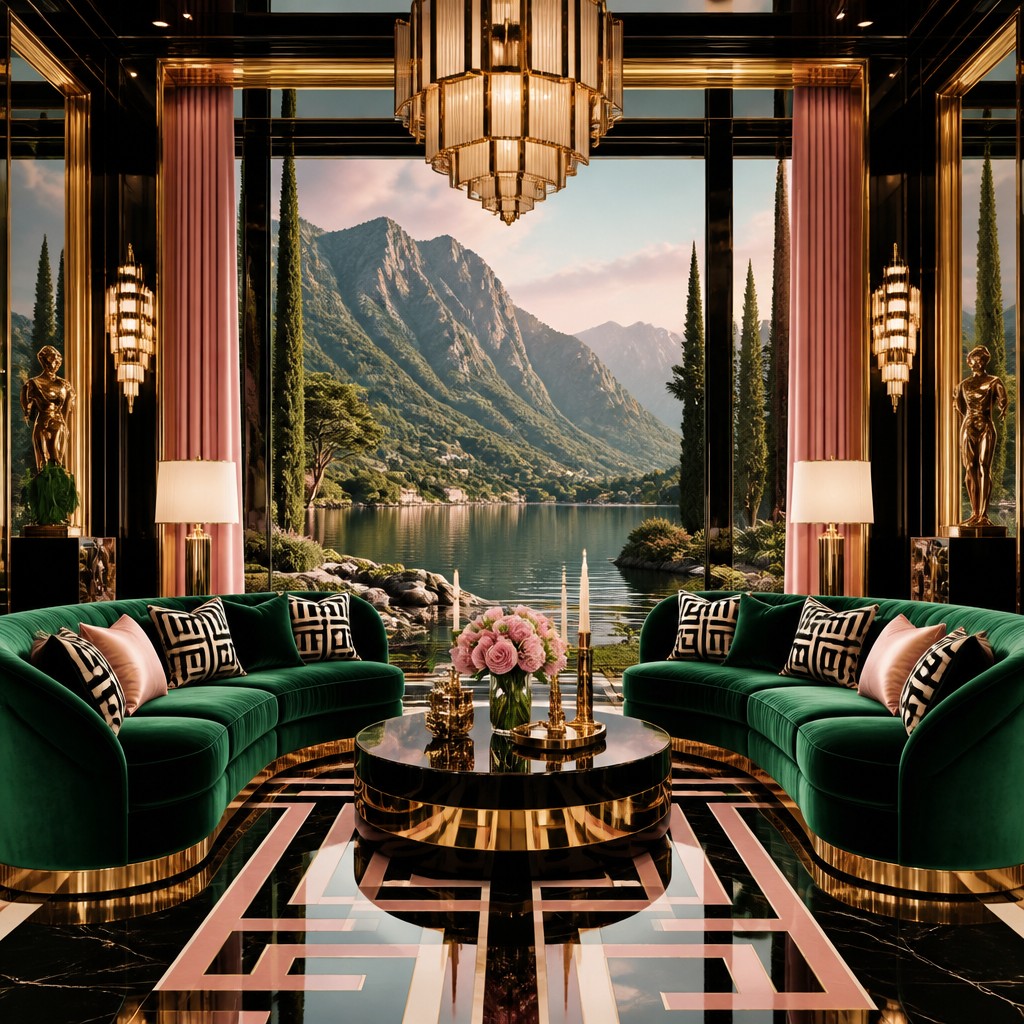
The style often relies on mirrored arrangements, strong axial layouts, and geometric motifs such as chevrons, sunbursts, and step forms. This disciplined structure keeps the opulence feeling intentional rather than cluttered.
Statement lighting and sculptural objects
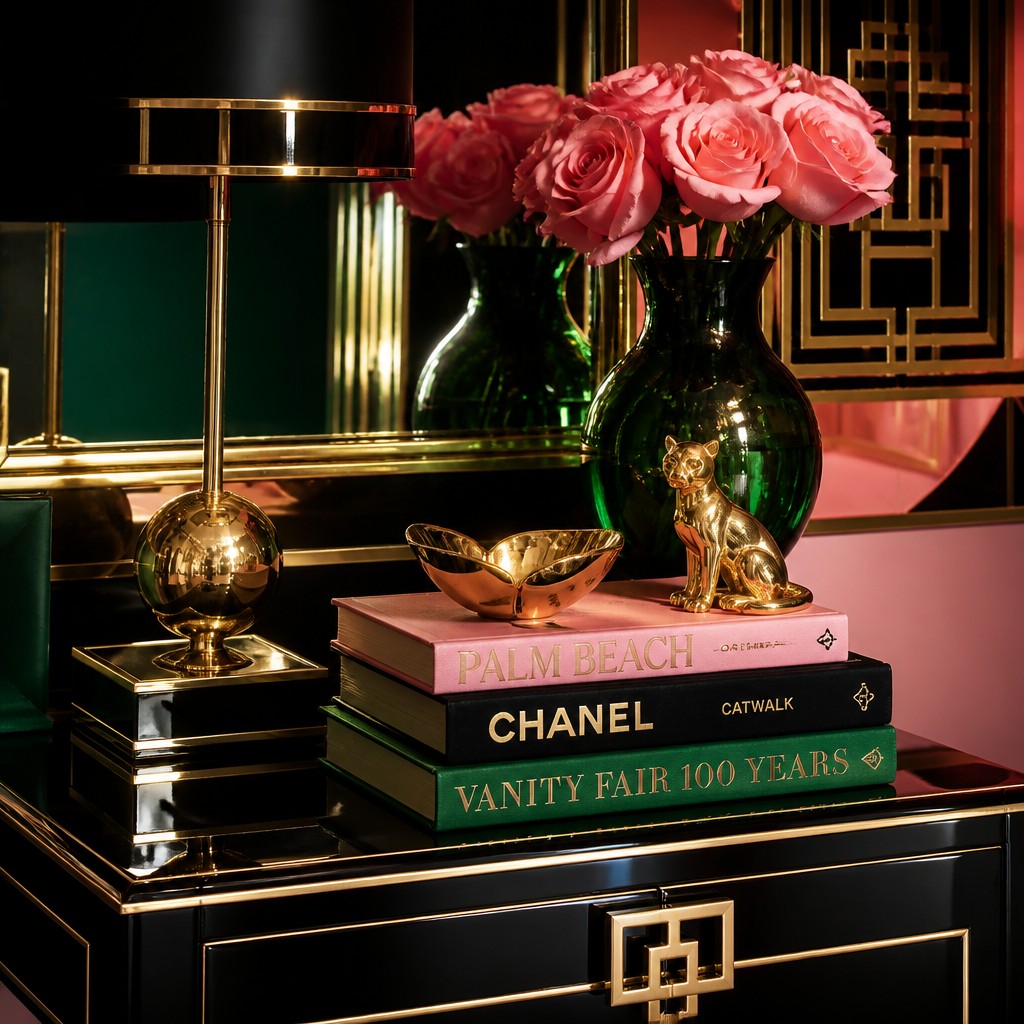
Chandeliers, starburst fixtures, and sculptural table lamps are not merely functional; they are focal points. Lighting is used to create sparkle, contrast, and a staged atmosphere.
Try It
Create Videos in Hollywood Regency Interior Design
Styles aren't just for stills — describe a scene or animate an image and get a short video rendered in Hollywood Regency Interior Design. Press play to see this pond come to life.
Make a VideoHollywood Regency Interior Design Prompt Ideas
Start from an idea — each one opens the generator with the style ready to go. See all 40 Hollywood Regency Interior Design prompts →
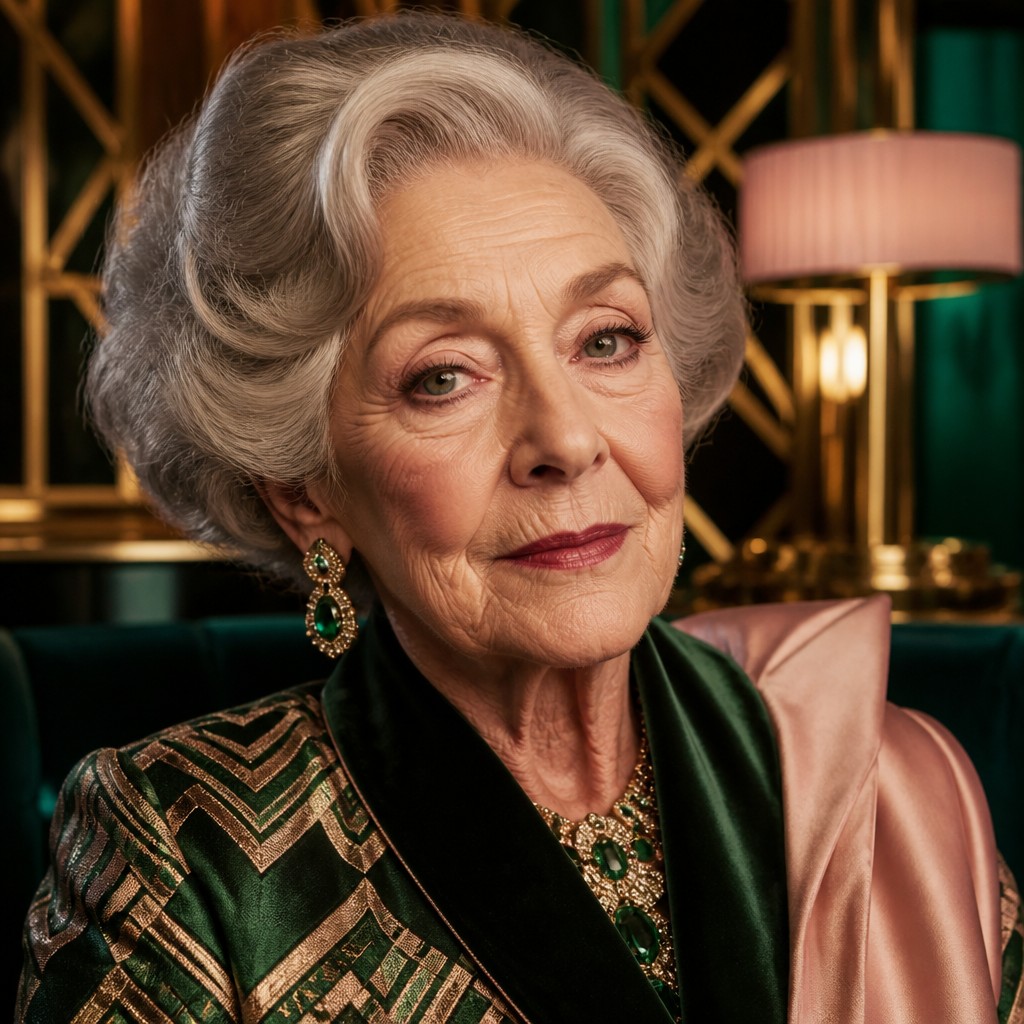
“close-up portrait of an elderly person with expressive weathered features”
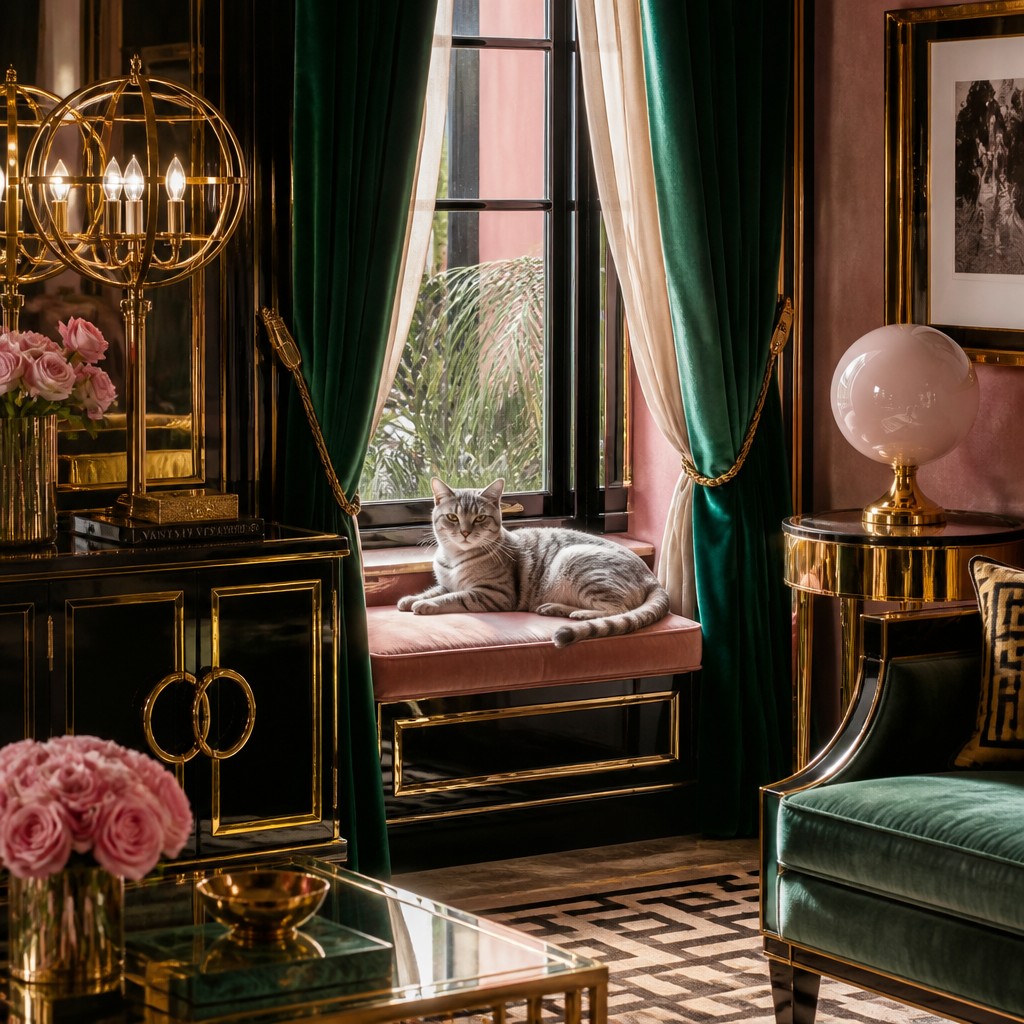
“a cat lounging in a sunlit window”
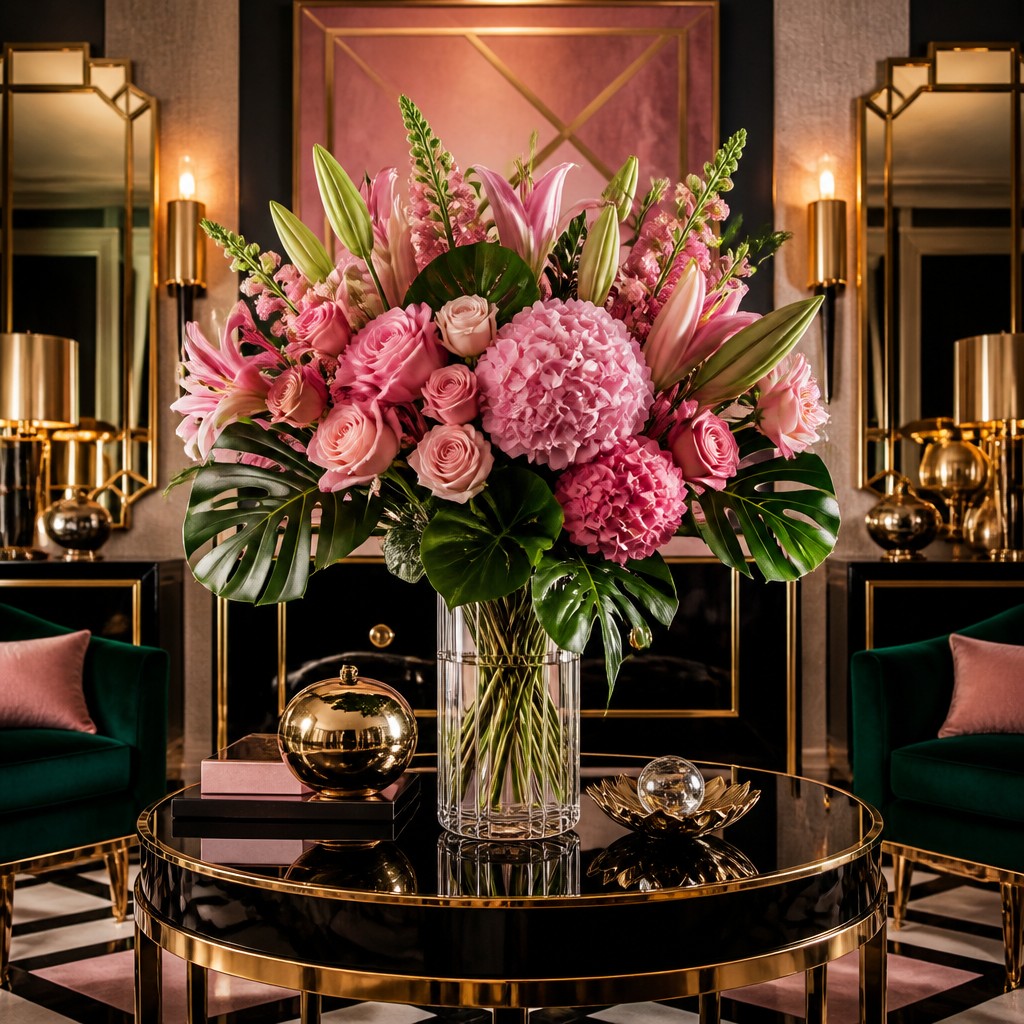
“bouquet of flowers in a glass vase”
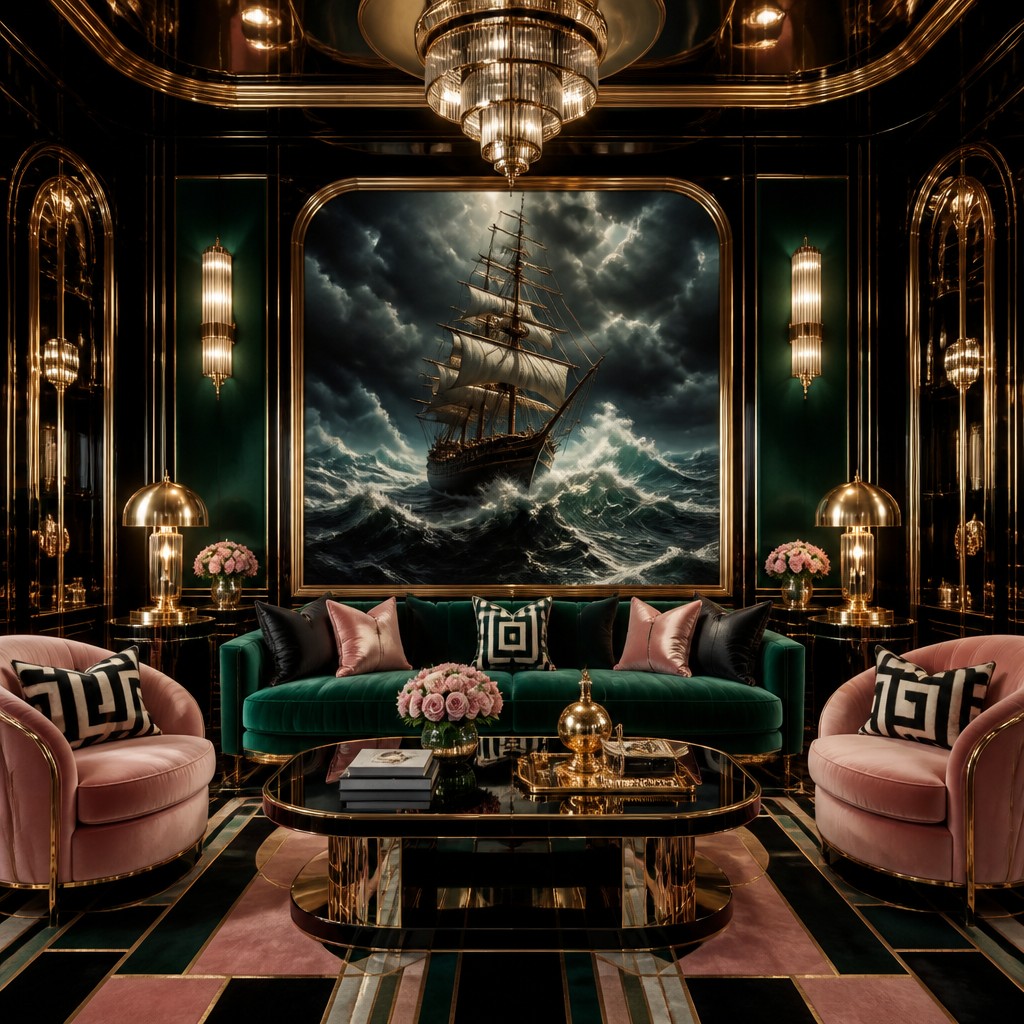
“sailing ship on a stormy sea”
How to Create Hollywood Regency Interior Design Art
Master the craft step by step — or skip straight to creating. Read the full guide →
- 1
Build the room around reflective anchors
Start with one or two high-shine surfaces such as a mirrored console, lacquered cabinet, or brass-framed table. In digital work, emphasize crisp specular highlights and sharp edge definition so the reflective materials read clearly.
- 2
Use a controlled, glamorous palette
Limit the room to a few rich colors, often with one deep tone and one pale accent. In prompt-based generation, name specific hues like emerald, blush pink, black lacquer, and gilded gold to keep the image on style.
- 3
Balance gloss with softness
Pair hard reflective materials with velvet upholstery, satin drapery, or plush rugs so the room does not become visually cold. In traditional rendering, use textured brushwork or material-specific shading to differentiate the surfaces.
- 4
Compose with symmetry and clear focal points
Arrange seating, lamps, and décor in a balanced layout with a strong central axis or mirrored pairings. For image generation, ask for theatrical symmetry, a centered composition, and one dominant statement object such as a chandelier or sofa.
- 5
Add classic decorative motifs sparingly
Introduce geometric patterns, sunbursts, palm forms, or channel tufting as accents rather than everywhere at once. The style works best when ornament feels curated and layered, not random or maximalist.
- 6
Control lighting for cinematic contrast
Use bright highlights, dark lacquered shadows, and warm reflections to suggest a camera-ready interior. In prompts, terms like dramatic sculptural lighting, glossy reflections, and rich cinematic contrast help produce the right atmosphere.
The Story
History & Origins of Hollywood Regency Interior Design
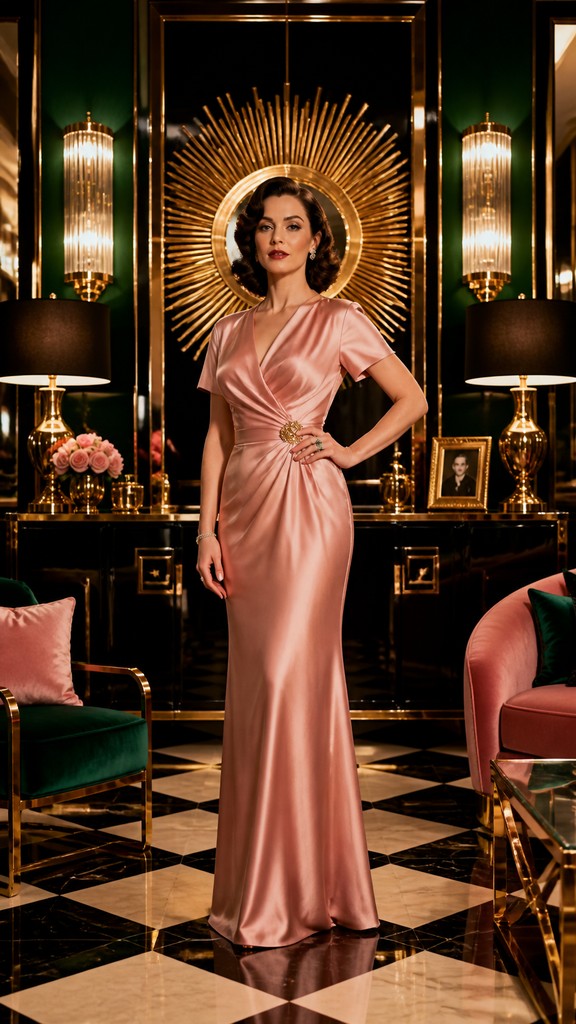
Hollywood Regency developed in the United States in the early-to-mid 20th century, especially around the studio-era imagination of Southern California. It drew on the set-design world of Hollywood, where interiors had to photograph beautifully and convey wealth, ease, and spectacle in a single frame. Designers such as Dorothy Draper helped popularize a related vocabulary of bold color, oversized pattern, and theatrical scale, while later decorators and manufacturers extended the look into residential interiors.
The style is not a single historic movement in the way that Art Deco is, but a decorative lineage that overlaps with Art Deco, mid-century Hollywood set design, neoclassical revival details, and later luxury interior trends. Its recurring elements—lacquer, mirrors, brass, velvet, palm motifs, animal prints, and glamorous symmetry—persist because they create instant visual legibility: a room that feels cinematic, affluent, and intentionally composed.
Influences: Hollywood Regency is closely related to Art Deco in its taste for geometry, glamour, and luxurious materials, but it is generally softer, more eclectic, and more overtly theatrical. It also draws from classic studio set design, neoclassical revival decoration, and the decorative vocabulary popularized by designers such as Dorothy Draper, while sharing some visual affinities with mid-century luxury interiors and later maximalist glamour trends.
Frequently Asked Questions
What defines Hollywood Regency interior design?
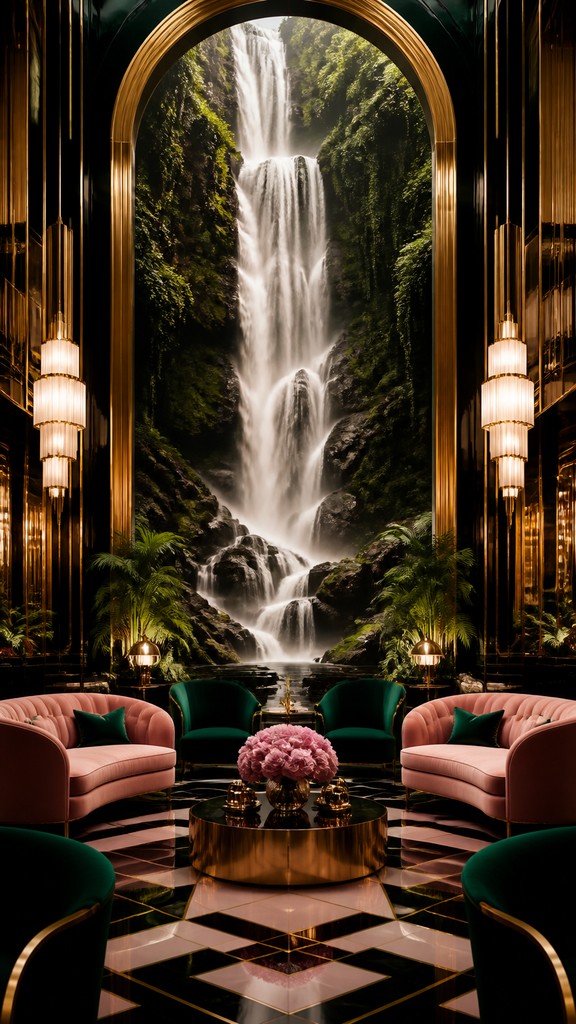
It is defined by glossy, reflective materials; rich colors; plush textiles; and a highly composed sense of symmetry. The style aims for old-Hollywood glamour, so every object feels deliberate and camera-ready.
How is it different from Art Deco?
Art Deco is a broader historical movement with a more specific period identity and a stronger emphasis on streamlined modernity. Hollywood Regency borrows Deco geometry and luxury but mixes it with theatrical decor, studio-era glamour, and a more playful, residential feel.
What colors work best in this style?
Emerald green, black, ivory, blush pink, gold, and deep jewel tones are especially common. The best combinations usually rely on contrast, with one or two saturated hues balanced by reflective neutrals and metallic accents.
What materials are most important?
Lacquer, mirrored glass, brass, velvet, satin, marble, and polished wood are all central. The style depends on surfaces that either reflect light or absorb it richly, creating a strong contrast of shine and softness.
Where is Hollywood Regency used today?
It is common in living rooms, bedrooms, dining rooms, boutique hotels, dressing rooms, and hospitality spaces that want a luxurious and theatrical mood. It also appears in editorial set design and high-end retail interiors.
How can I make an image look authentic to this style?
Use a restrained composition with symmetry, glossy finishes, and a few iconic glamorous objects rather than many unrelated decorations. Strong lighting, precise reflections, and rich color contrast are usually more important than adding lots of furniture.
Create your first Hollywood Regency Interior Design artwork
Describe anything — or upload a photo — and see it in Hollywood Regency Interior Design in seconds.
Make Something with Hollywood Regency Interior Design
Related Styles
Discover similar art styles