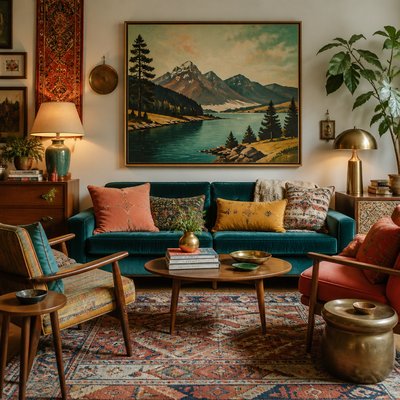
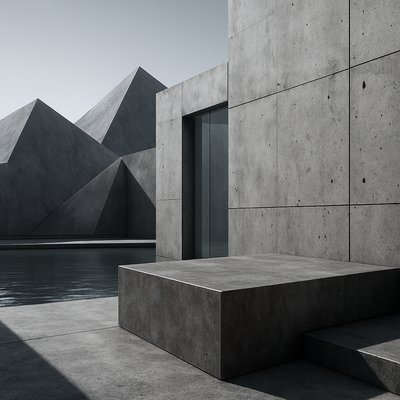
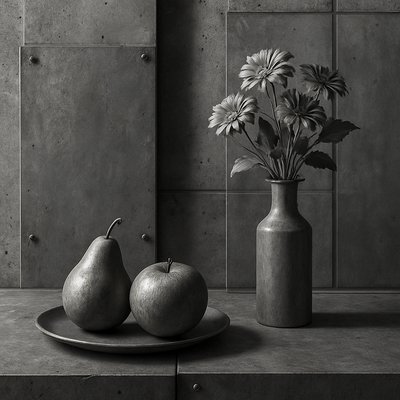
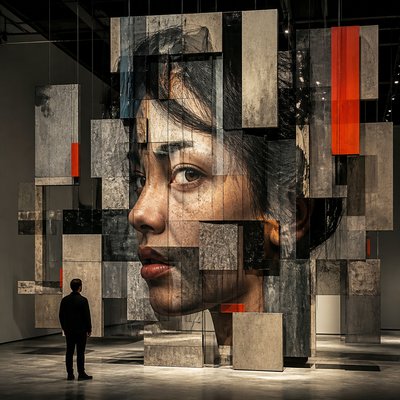
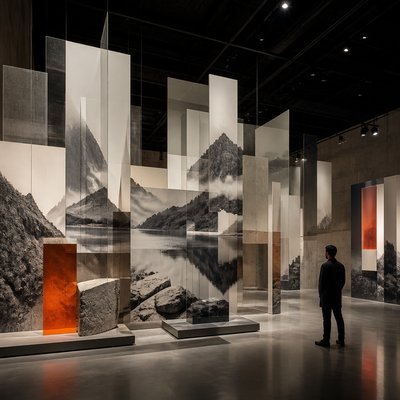
Industrial Interior Design
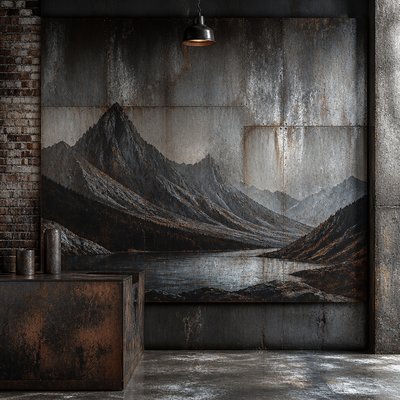
Raw warehouse-inspired interiors with exposed brick, steel, concrete, and utilitarian details; a moody urban look rooted in honest materials.
Instantly rendered in Industrial Interior Design — or transform a photo

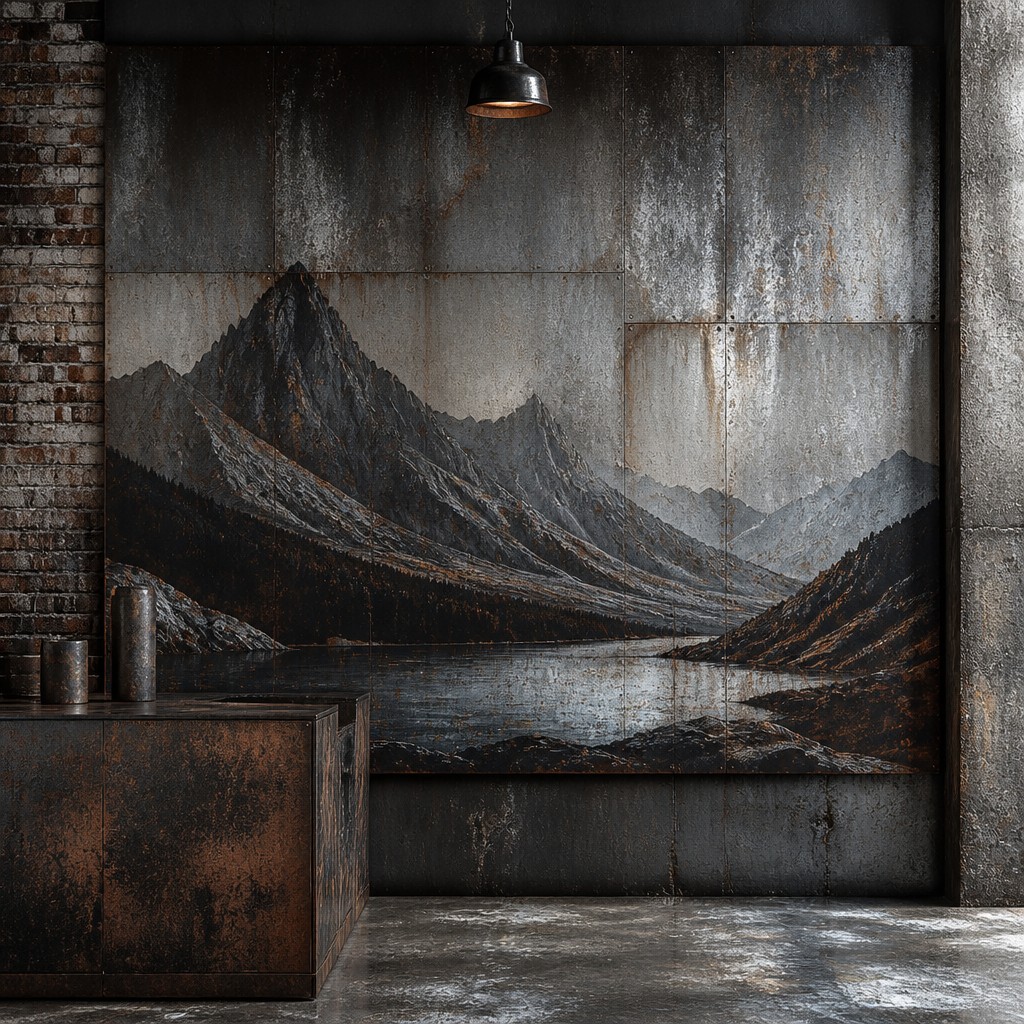
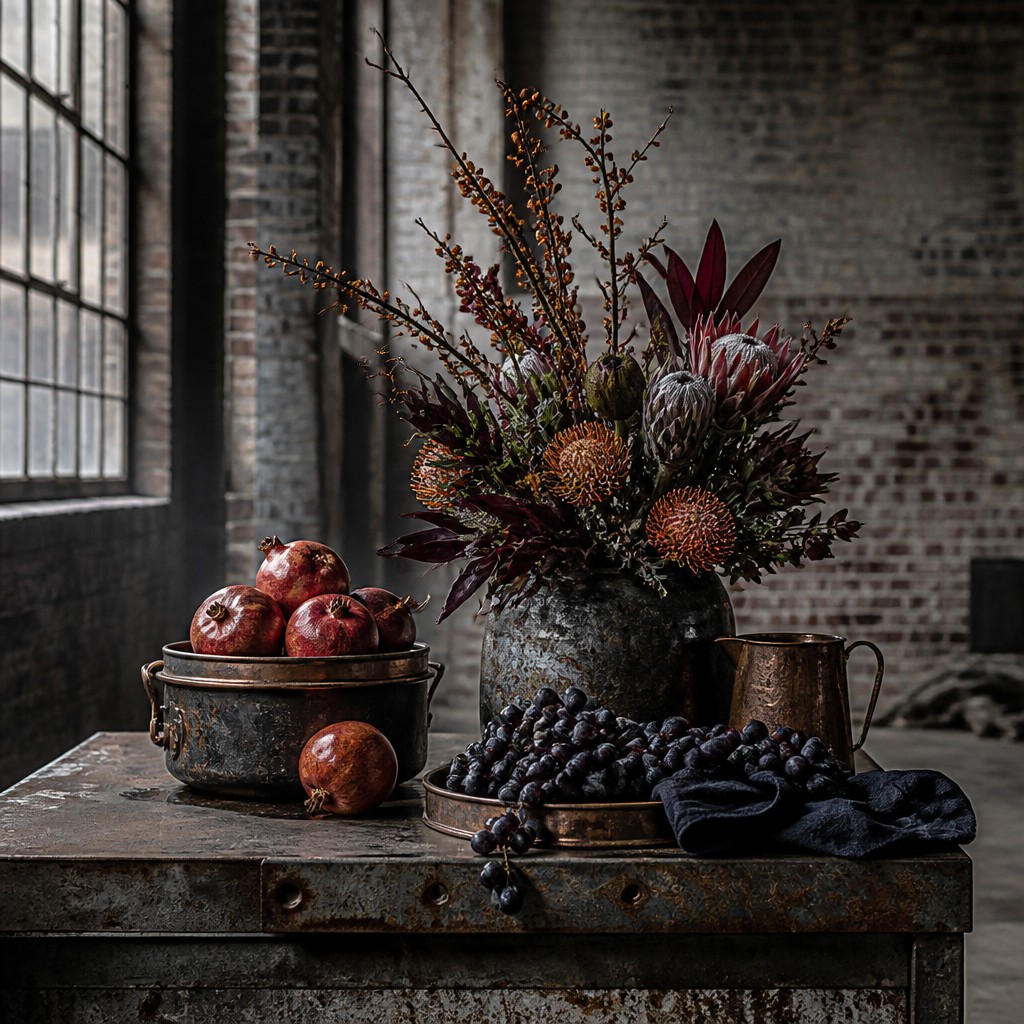
Industrial Interior Design Gallery
Tap any artwork to explore it

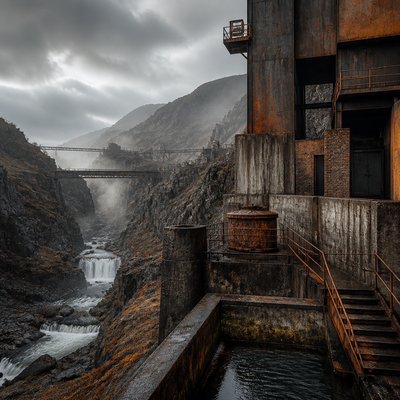
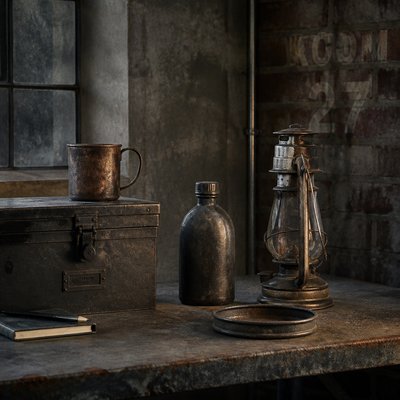
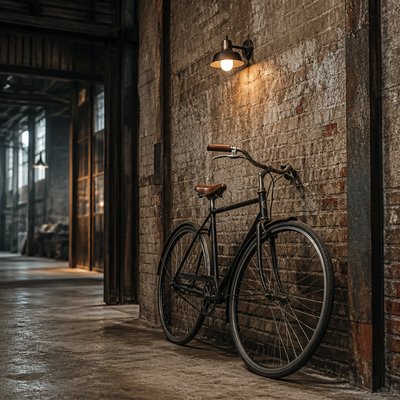

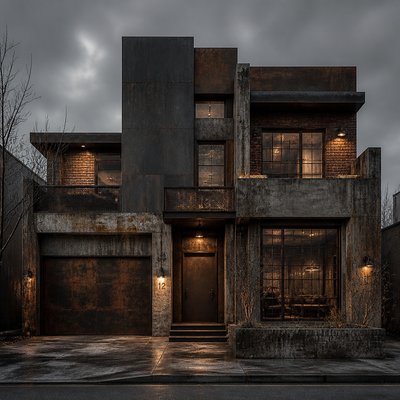

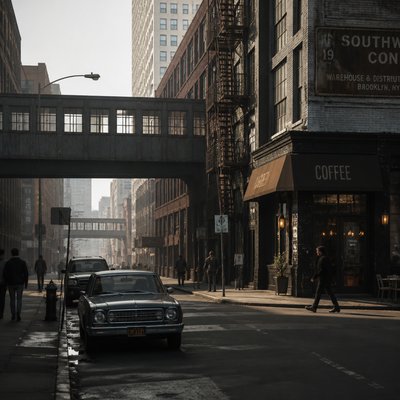
What is Industrial Interior Design?
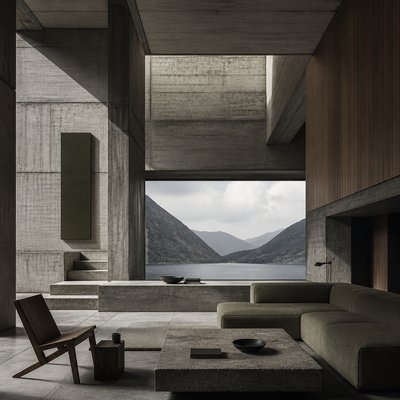
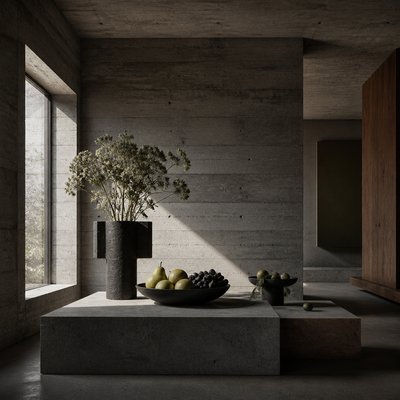
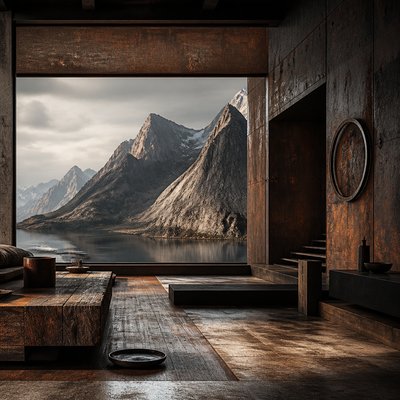
Industrial interior design is a raw, material-forward aesthetic built around the architectural vocabulary of warehouses, factories, and converted lofts. It emphasizes exposed brick, visible steel, concrete floors, open ceilings, ductwork, and unfinished or intentionally unrefined surfaces. Rather than concealing a building’s structure, the style turns those structural and mechanical elements into the main visual feature.
Its appearance comes from a preference for authenticity, durability, and spatial openness. Heavy materials, weathered textures, and utilitarian fixtures create a sense of honest construction, while sparse furnishing and restrained color palettes keep attention on the bones of the space. The result is often moody, urban, and tactile, with a balance of ruggedness and careful composition.

Try It On Your Photos
Upload any photo and convert it into Industrial Interior Design — drag the sliders to compare before and after.
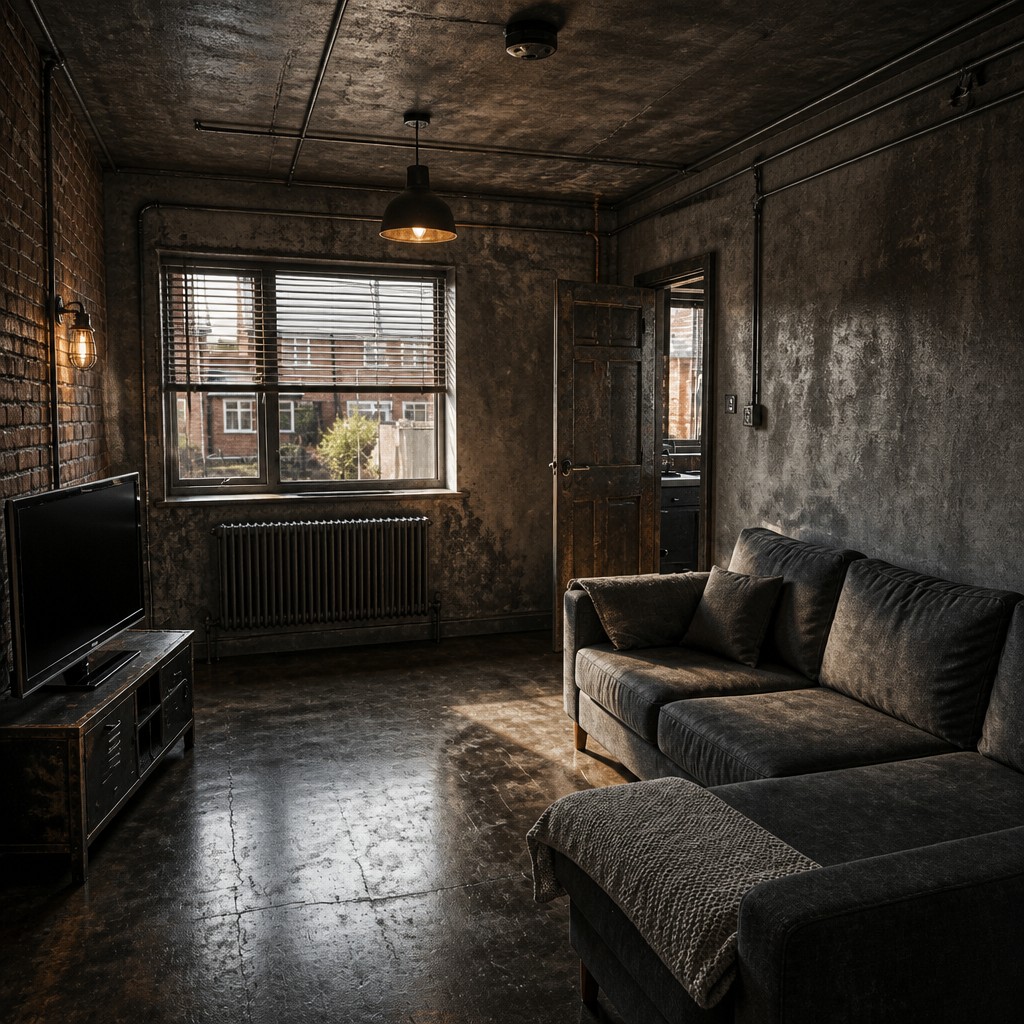
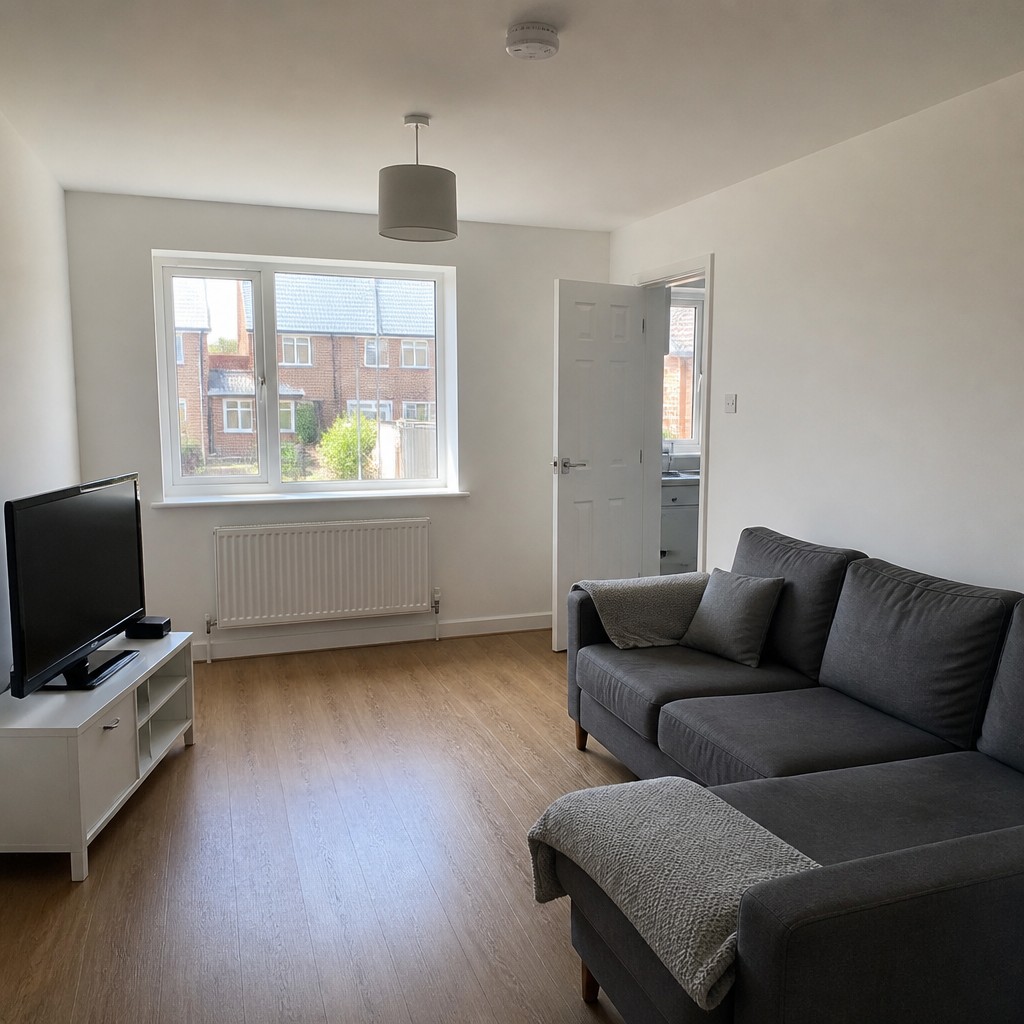


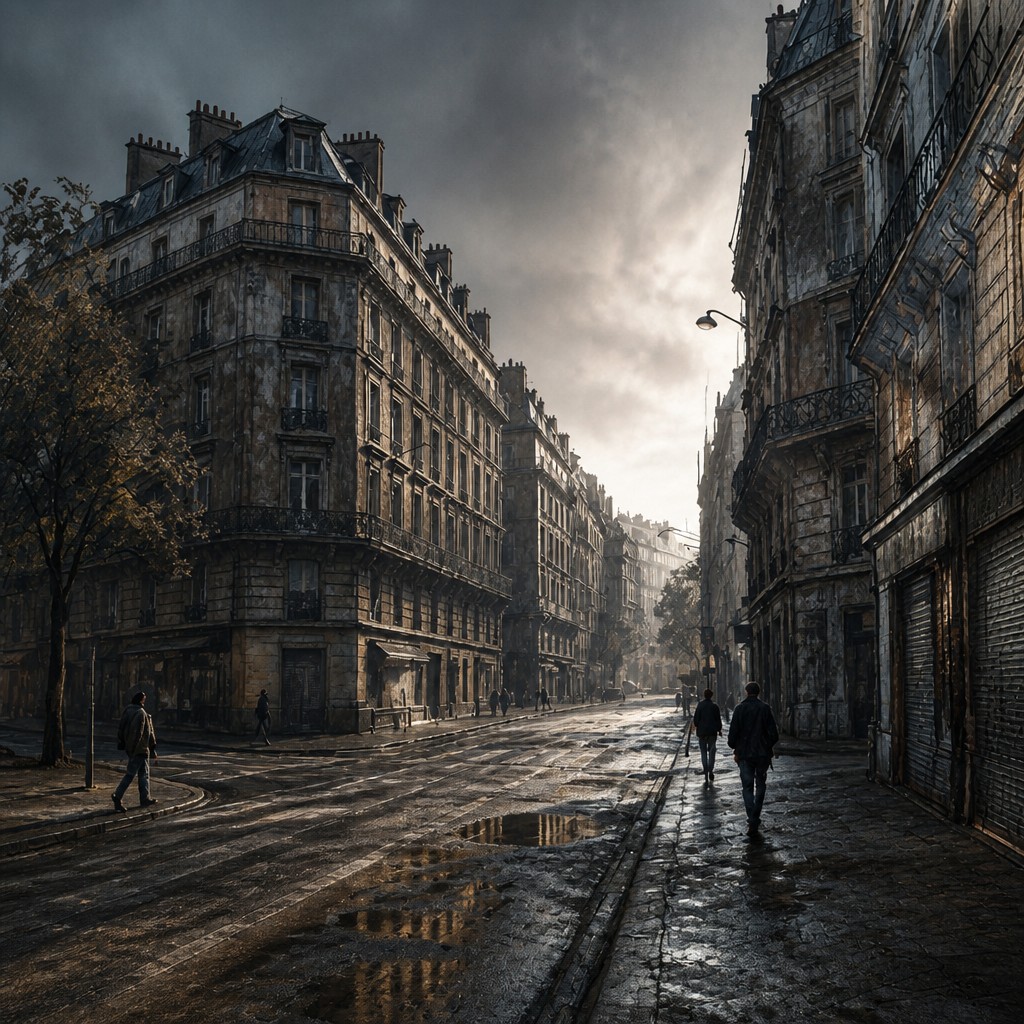

What Defines Industrial Interior Design
The signature details, up close
Exposed structural materials
Brick, concrete, steel, and timber are left visible instead of being concealed behind finishes. This exposes the building’s framework and gives the room a strong sense of construction and weight.
Open ceiling and utility systems
Ducts, pipes, conduits, sprinkler lines, and beams are often left uncovered. These elements add layered geometry overhead and reinforce the warehouse-derived character of the space.
Weathered and aged surfaces
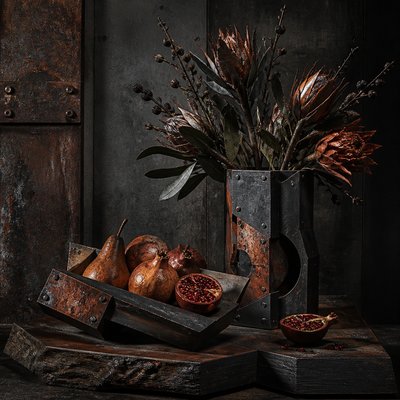
Patina, scuffs, oxidation, and rough grain are embraced as visual features. The style values surfaces that look used, durable, and materially honest rather than polished or pristine.
Utilitarian furnishings and fixtures
Furniture and lighting tend to be simple, functional, and built from metal, wood, leather, or salvaged components. Forms are usually straightforward, with little ornamental detailing.
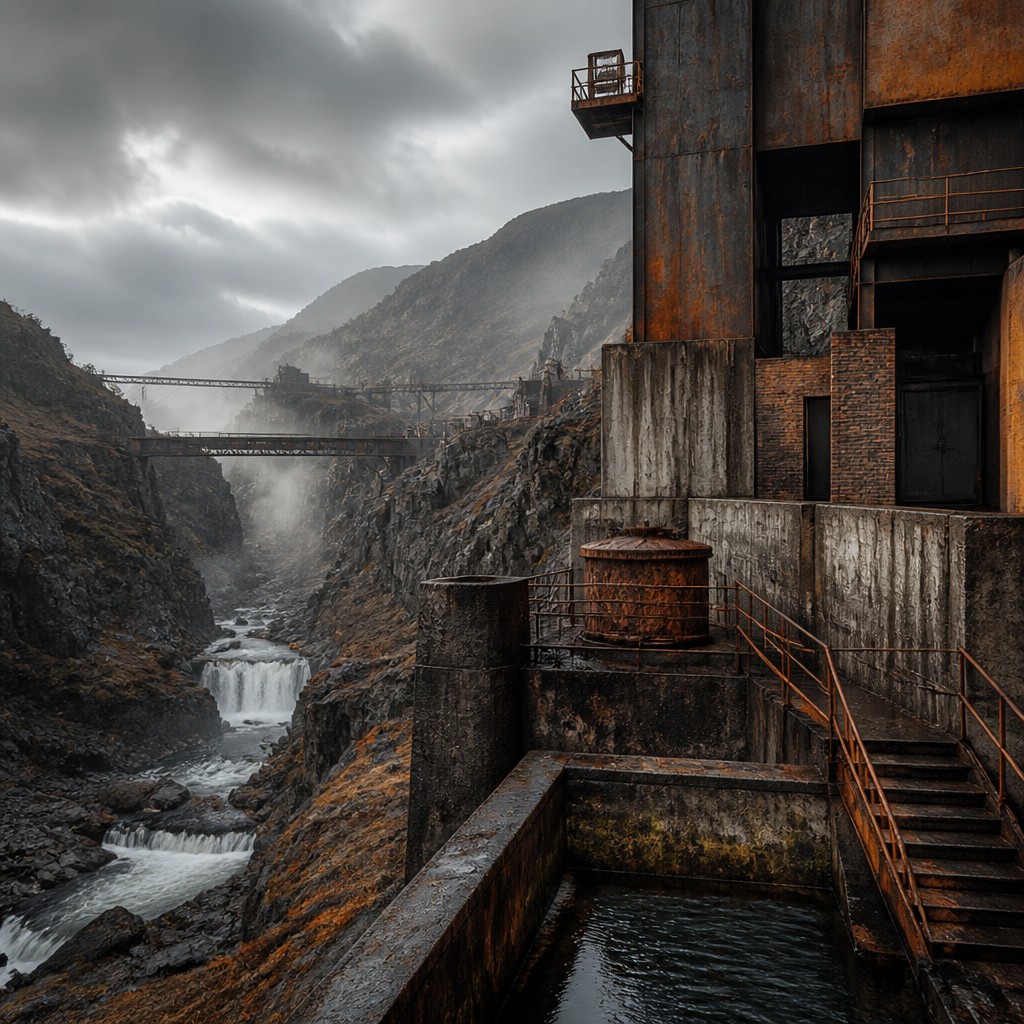
Moody, restrained palette
Charcoal gray, black, steel blue, rust, brown, and muted neutrals dominate, often warmed by copper, brass, or amber light. Color is used sparingly so the textures can remain the focus.
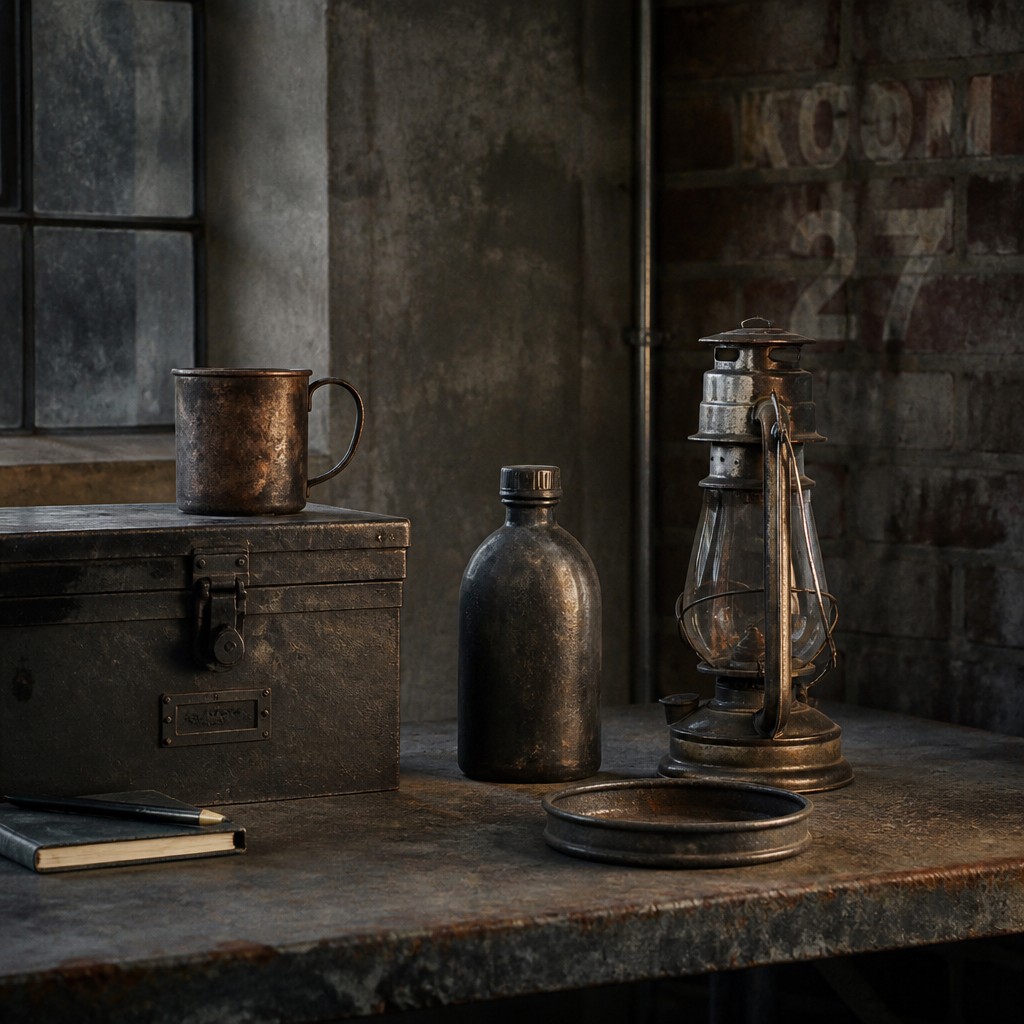
Spatial depth and openness
Large rooms, long sightlines, and minimal partitioning create an expansive feel. The openness helps the eye read the interior as an architectural shell rather than a decorated room.
Try It
Create Videos in Industrial Interior Design
Styles aren't just for stills — describe a scene or animate an image and get a short video rendered in Industrial Interior Design. Press play to see this pond come to life.
Make a VideoIndustrial Interior Design Prompt Ideas
Start from an idea — each one opens the generator with the style ready to go. See all 40 Industrial Interior Design prompts →

“close-up portrait of an elderly person with expressive weathered features”
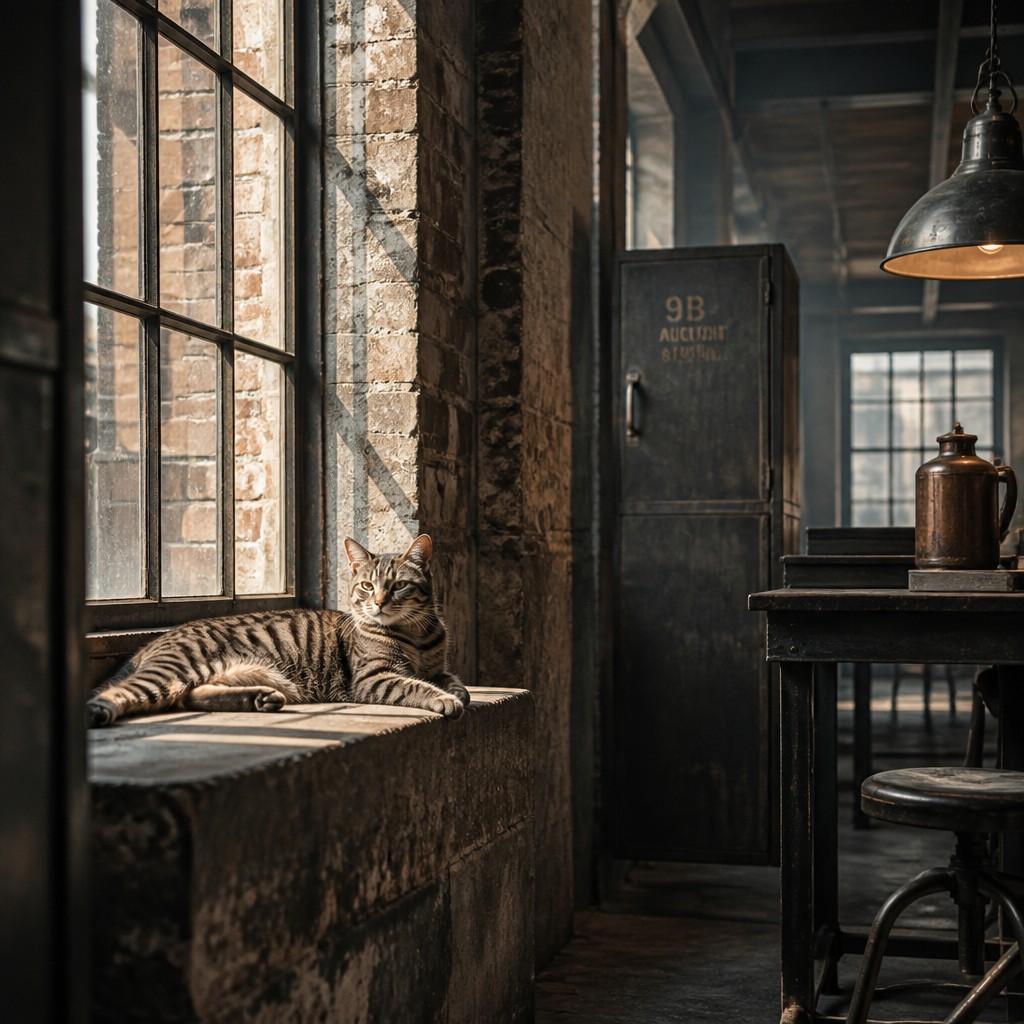
“a cat lounging in a sunlit window”
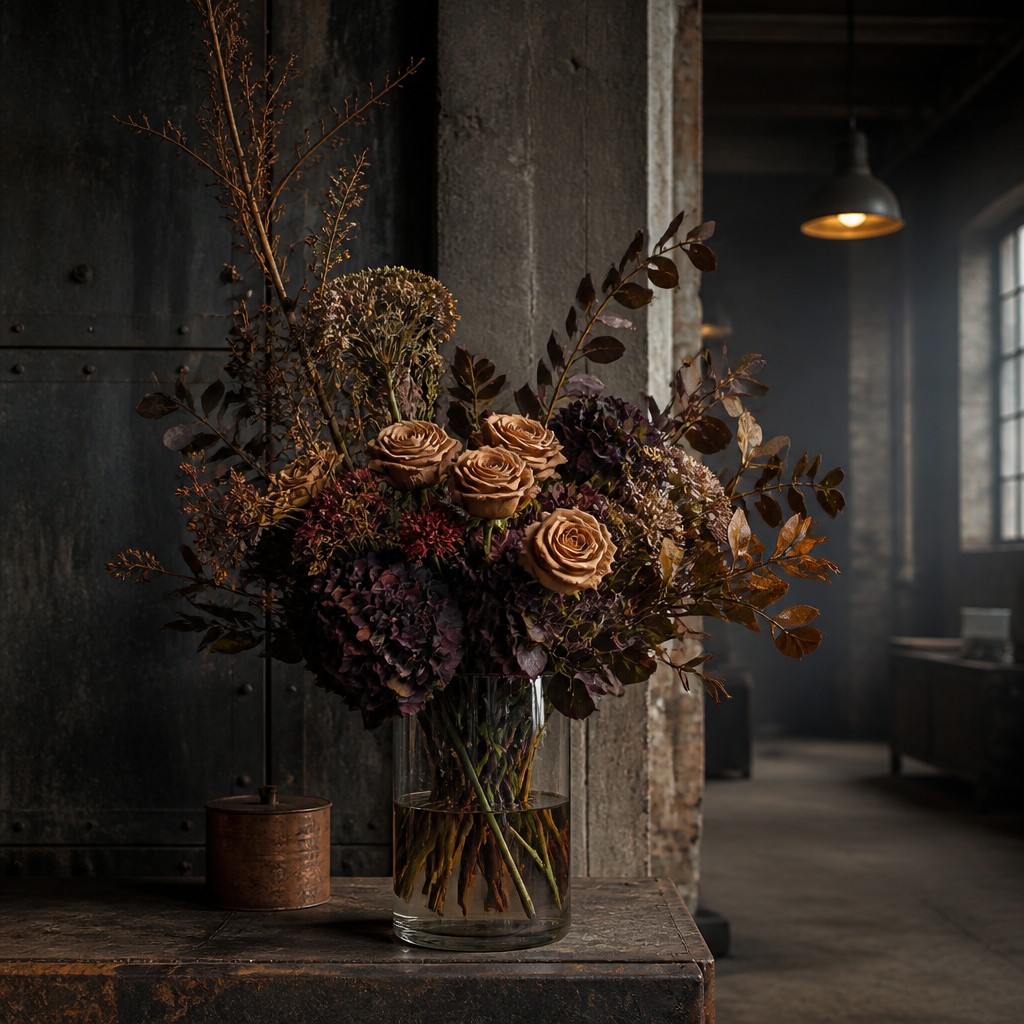
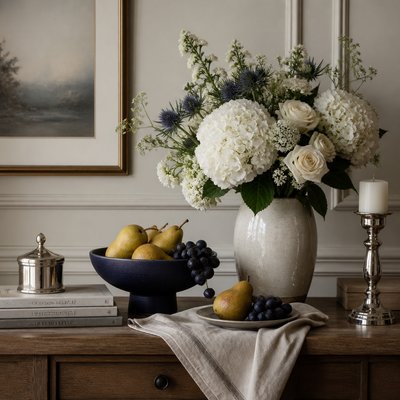
“bouquet of flowers in a glass vase”
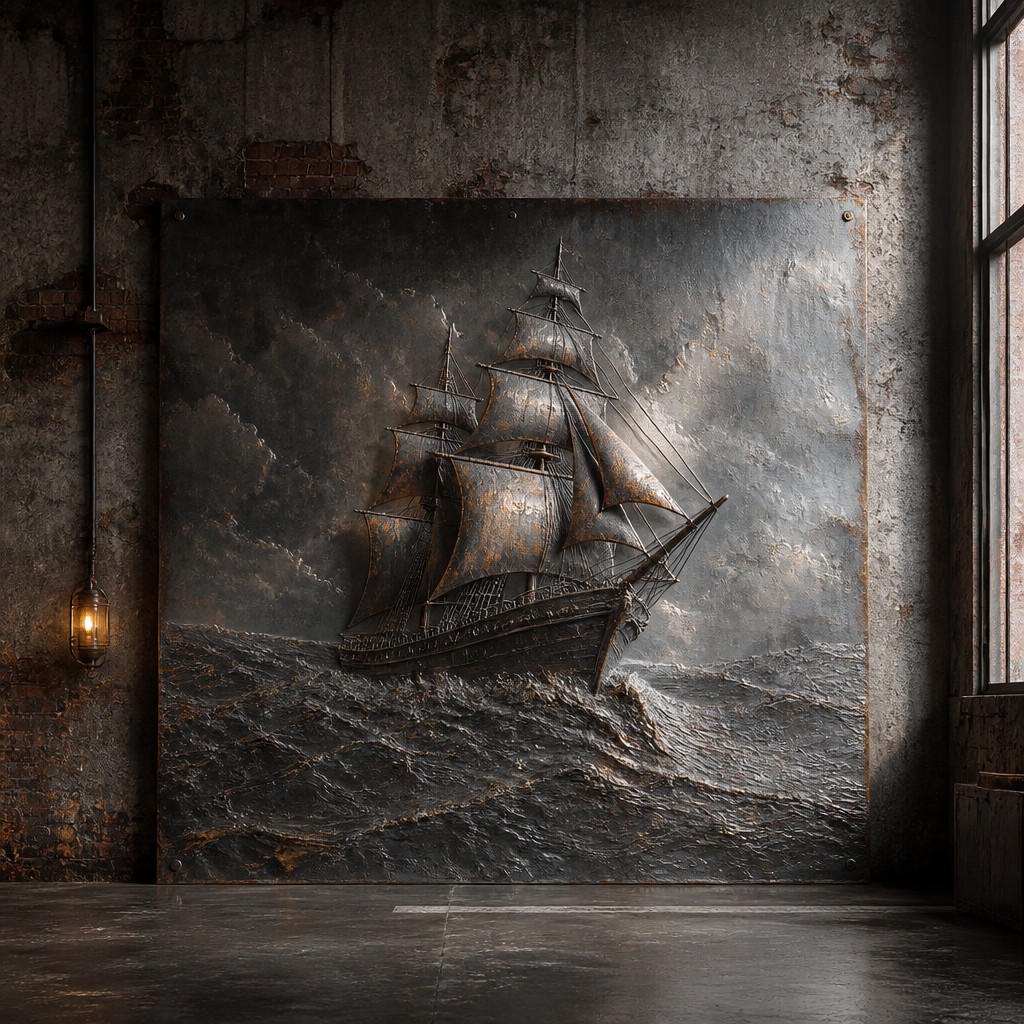
“sailing ship on a stormy sea”
How to Create Industrial Interior Design Art
Master the craft step by step — or skip straight to creating. Read the full guide →
- 1
Start with the shell, not the décor
When planning a room or image, emphasize walls, ceiling, floor, and structural elements first. Exposed brick, concrete, beams, and visible services should feel integral, while decorative objects remain secondary.
- 2
Use honest materials and finishes
Choose materials that read as real and durable: raw metal, reclaimed wood, aged leather, unfinished plaster, and concrete. In digital work, describe surfaces with specific wear—oxidized patina, chipped paint, dust, and rough aggregate—to avoid a generic “industrial” look.
- 3
Control light to reveal texture
Directional side light, low-angle window light, or hard overhead light will emphasize grit, grain, and relief. In photography or illustration, let shadows pool in corners and across surfaces so the architecture feels dimensional.
- 4
Keep furniture sparse and functional
Select forms with simple silhouettes and visible construction. A few well-placed pieces usually communicate the style more effectively than a crowded room, because negative space is part of the composition.
- 5
Balance realism with atmosphere in digital prompts
For text-to-image work, pair a specific subject with material and lighting terms such as aged metal, worn brick, rough concrete, oxidized patina, harsh directional light, and atmospheric haze. Mention scale, openness, and utilitarian detail to guide the model toward an authentic industrial interior.

The Story
History & Origins of Industrial Interior Design
Industrial interior design developed from the adaptive reuse of early- to mid-20th-century industrial buildings, especially factories, warehouses, and lofts that were converted into homes, studios, offices, restaurants, and retail spaces. In cities such as New York, London, and Berlin, these conversions became especially visible from the late 20th century onward, when artists and designers began treating exposed structure, large windows, and unfinished surfaces as desirable features rather than defects.
Its aesthetic lineage draws from modernist functionalism, post-industrial urban renovation, and the visual culture of manufacturing spaces. The style is not a single historical movement with canonical artists, but a design language shaped by vernacular industrial architecture, salvage materials, and contemporary minimalist interiors. Over time, it has broadened from raw loft authenticity into a widely used commercial and residential idiom, often paired with Scandinavian restraint or contemporary luxury finishes.
Influences: Industrial interior design overlaps with modernism, minimalism, and adaptive reuse architecture, but its raw material emphasis also connects it to the visual truthfulness prized in documentary photography. In architectural terms it borrows from factory buildings and loft conversions rather than from a single fine-art movement; in spirit it echoes functionalist ideas associated with influential European modernist designers and later minimalist tendencies, while remaining rooted in vernacular urban construction rather than authored art objects.

Frequently Asked Questions
What defines industrial interior design?
The style is defined by exposed structural and mechanical elements, rugged materials, and a restrained, utilitarian look. Instead of hiding a building’s bones, it treats brick, concrete, steel, pipes, and beams as part of the design.
Is industrial design the same as loft style?
They overlap, but they are not identical. Loft style usually refers to the layout and feel of a large converted space, while industrial design refers more specifically to the materials, finishes, and factory-inspired visual language used within that space.
What colors work best in this style?
Muted neutrals usually work best: charcoal, black, gray, brown, rust, and steel tones. Small accents of copper, brass, or warm wood can soften the space without weakening the industrial character.
How do you make a room look industrial without looking cold?
Use warm lighting, wood, leather, textiles, and a few softer shapes to offset the hard materials. The style becomes inviting when the rough shell is balanced by tactile furnishings and careful layering.
Where is industrial interior design commonly used?
It is common in loft apartments, creative offices, cafés, restaurants, galleries, and retail spaces. These settings benefit from its open-plan feel and its association with urban authenticity and durability.
What should I include in an image prompt for this style?
Mention exposed brick, metal fixtures, concrete, open ceilings, worn surfaces, and directional light. Adding specifics about atmosphere, such as haze, patina, or rough texture, helps the result feel more convincing and less generic.
Create your first Industrial Interior Design artwork
Describe anything — or upload a photo — and see it in Industrial Interior Design in seconds.
Make Something with Industrial Interior Design
Compare Industrial Interior Design
Related Styles
Discover similar art styles