Bauhaus Art Style
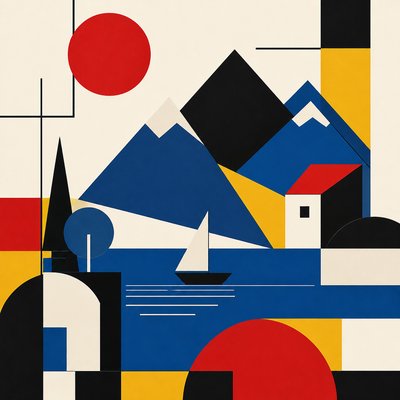
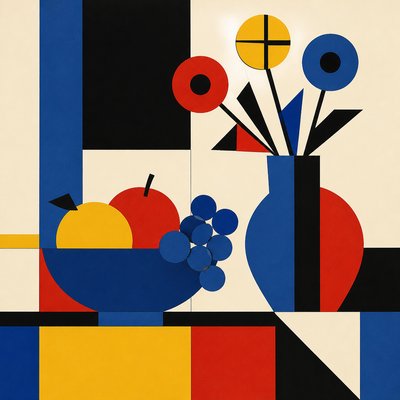
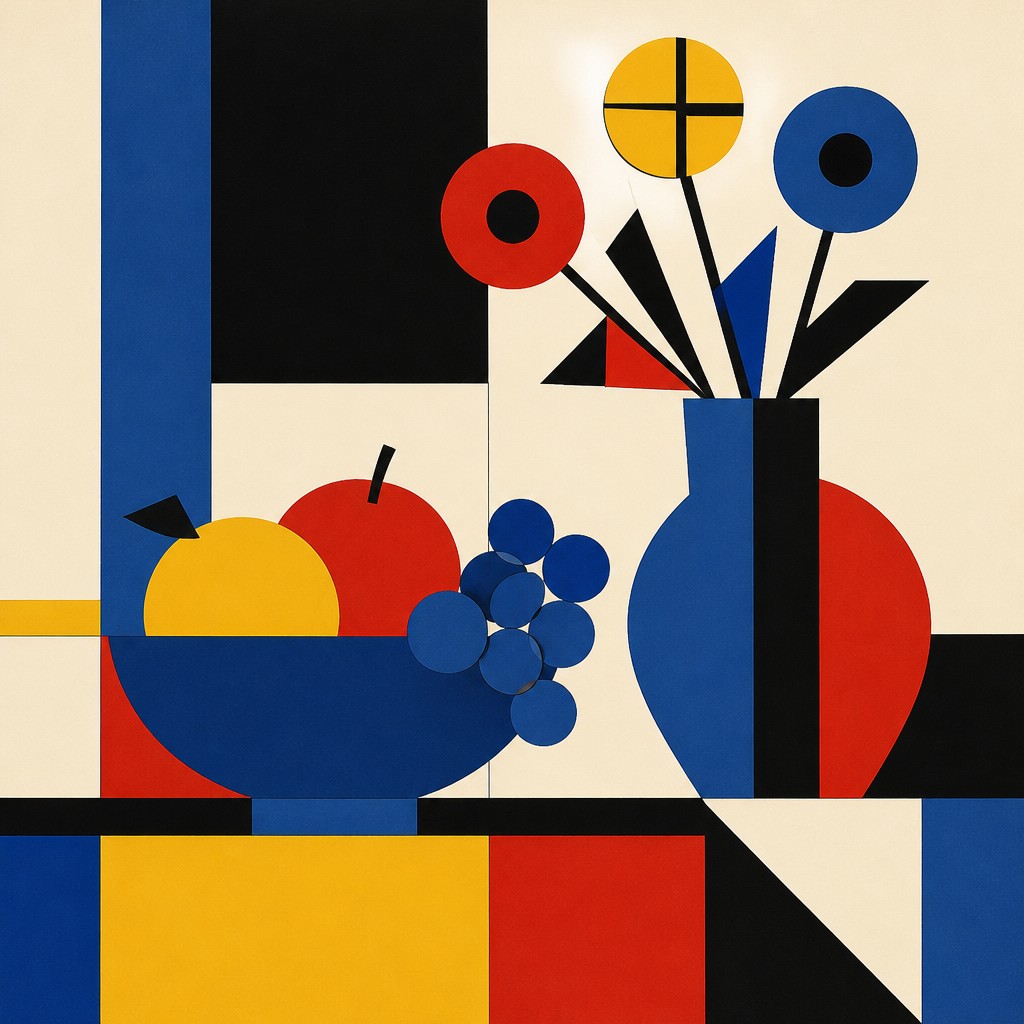
Bauhaus art style: geometric abstraction, primary colors, clean lines, and functional design inspired by 1920s modernism.
Instantly rendered in Bauhaus — or transform a photo
Bauhaus Gallery
Tap any artwork to explore it
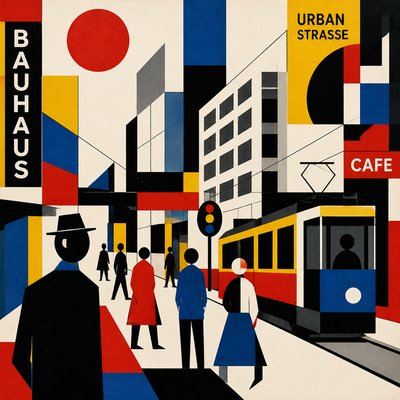
What is Bauhaus Art Style?
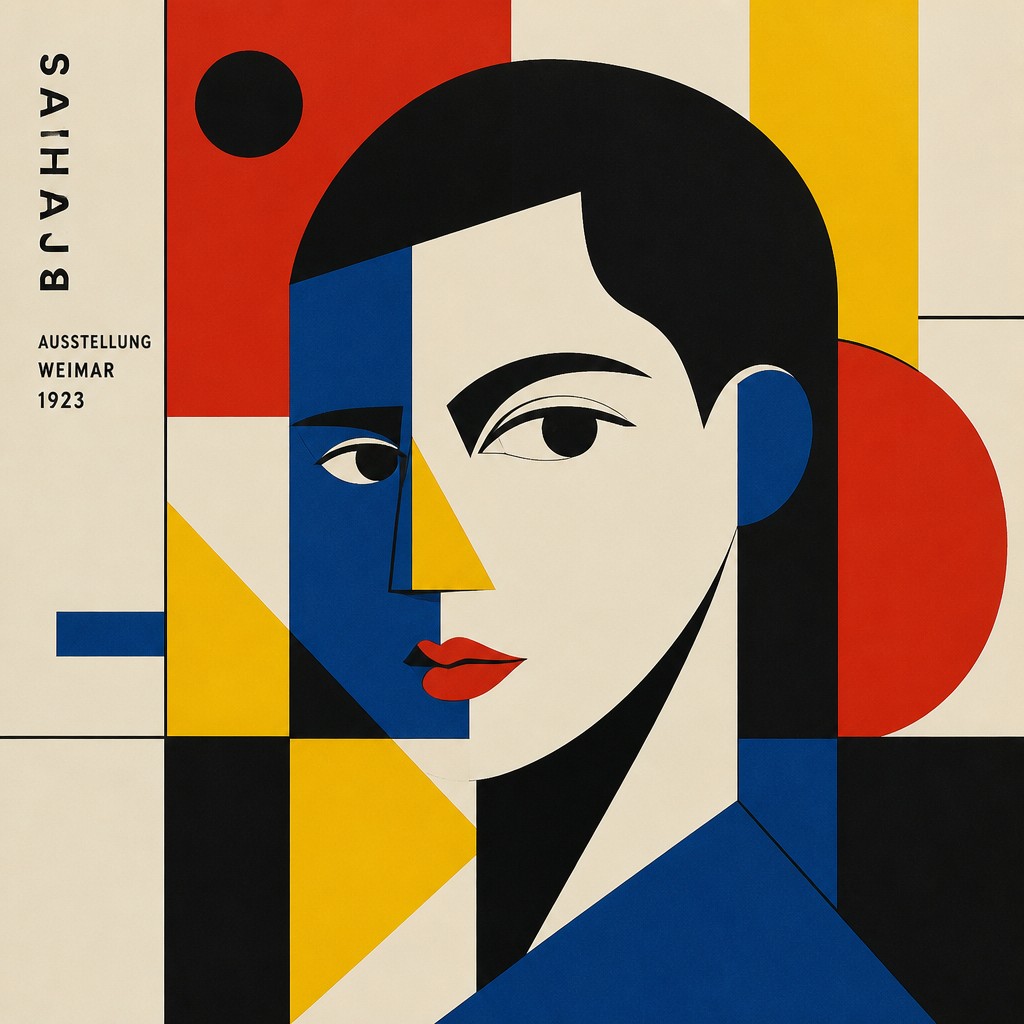
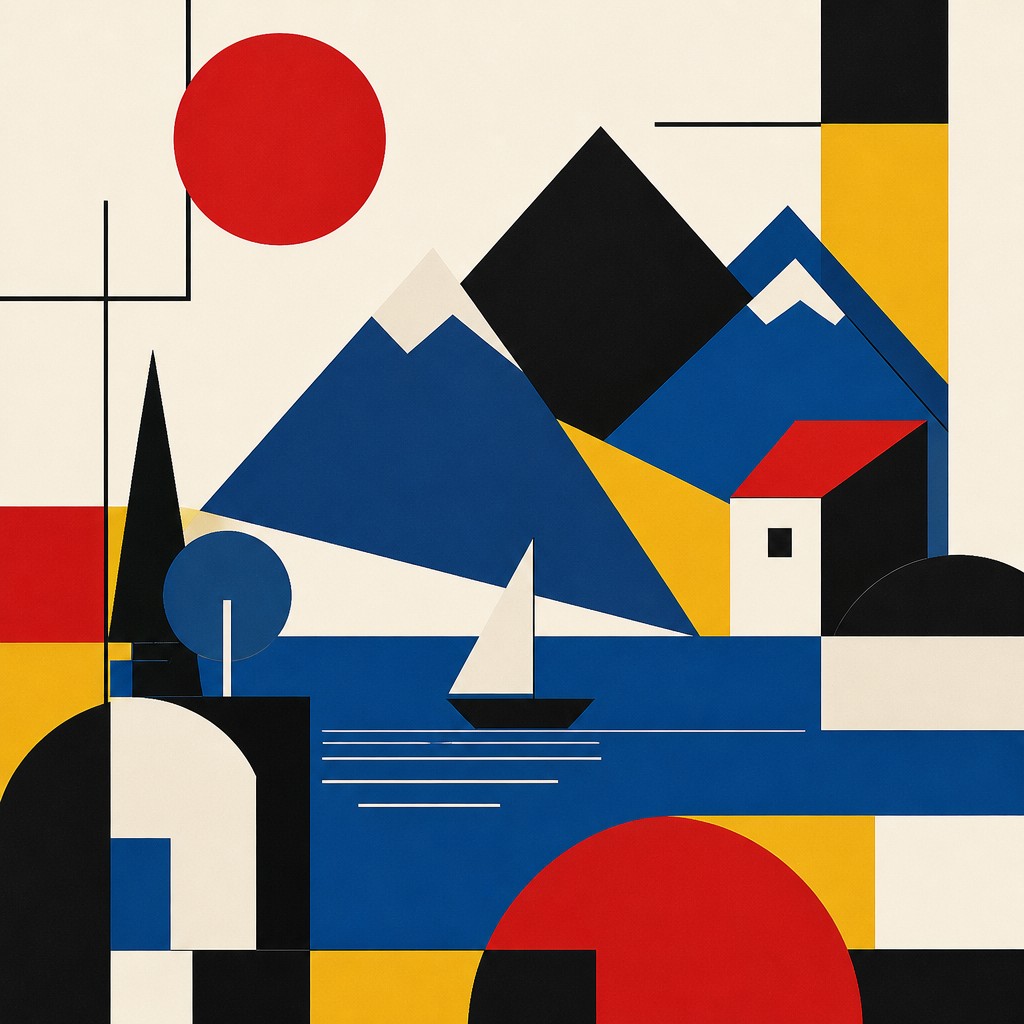
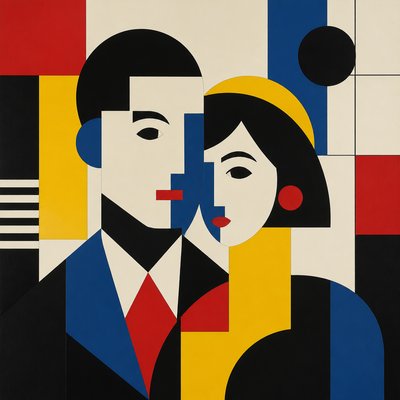
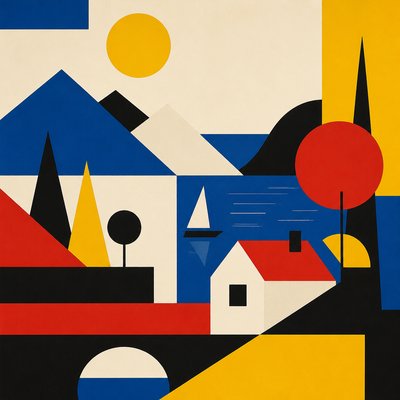
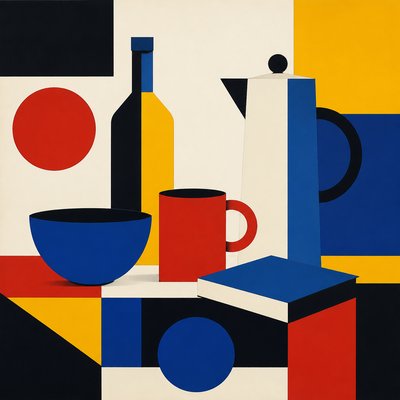
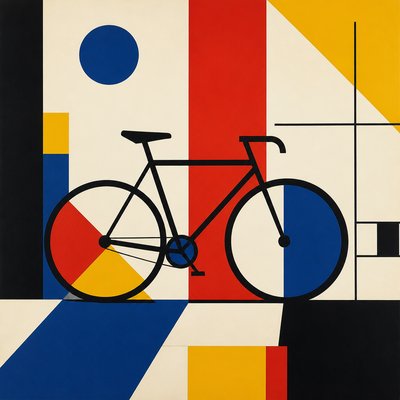
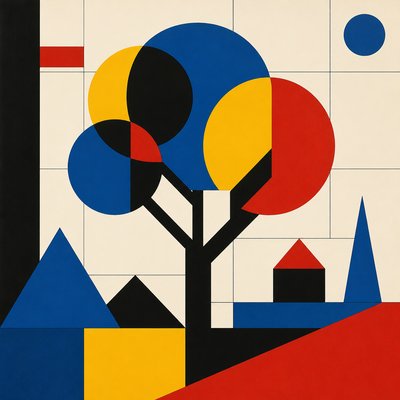
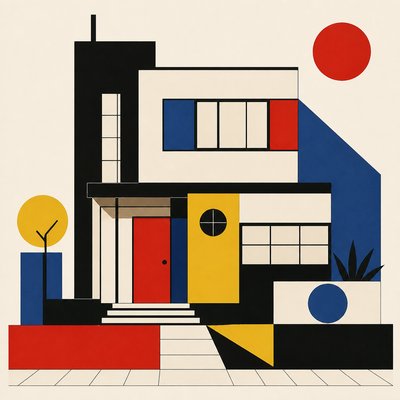
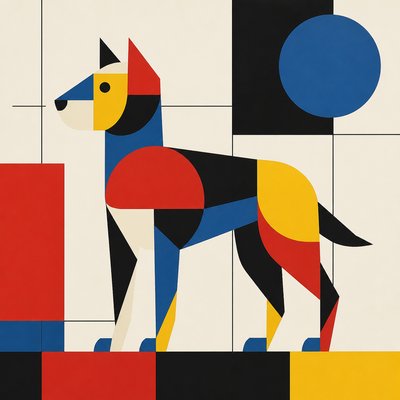
Bauhaus art style is a modernist visual language built on clarity, function, and geometric order. It favors circles, triangles, squares, and rectangular planes arranged on a grid, often in a restrained palette of red, yellow, blue, black, and off-white. Rather than decorative flourish, it emphasizes structure, balance, and the visual logic of industrial design.
The style looks the way it does because it emerged from a design philosophy that sought to unite art, craft, and mass production. Forms are simplified so they can be read quickly and reproduced efficiently, while composition creates energy through asymmetry, overlap, and precise spacing. The result is a look that feels both human and machine-made: crisp, rational, and visually iconic.
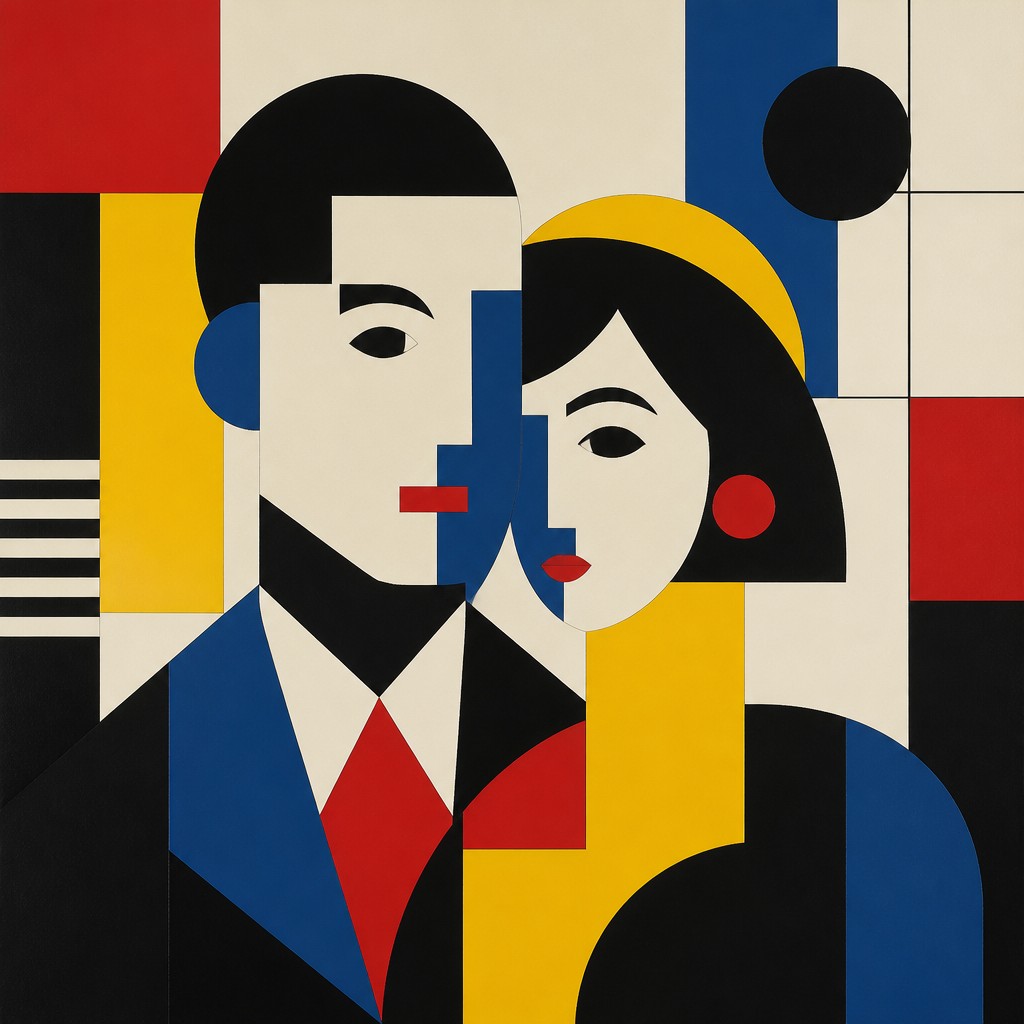
Try It On Your Photos
Upload any photo and convert it into Bauhaus Art Style — drag the sliders to compare before and after.
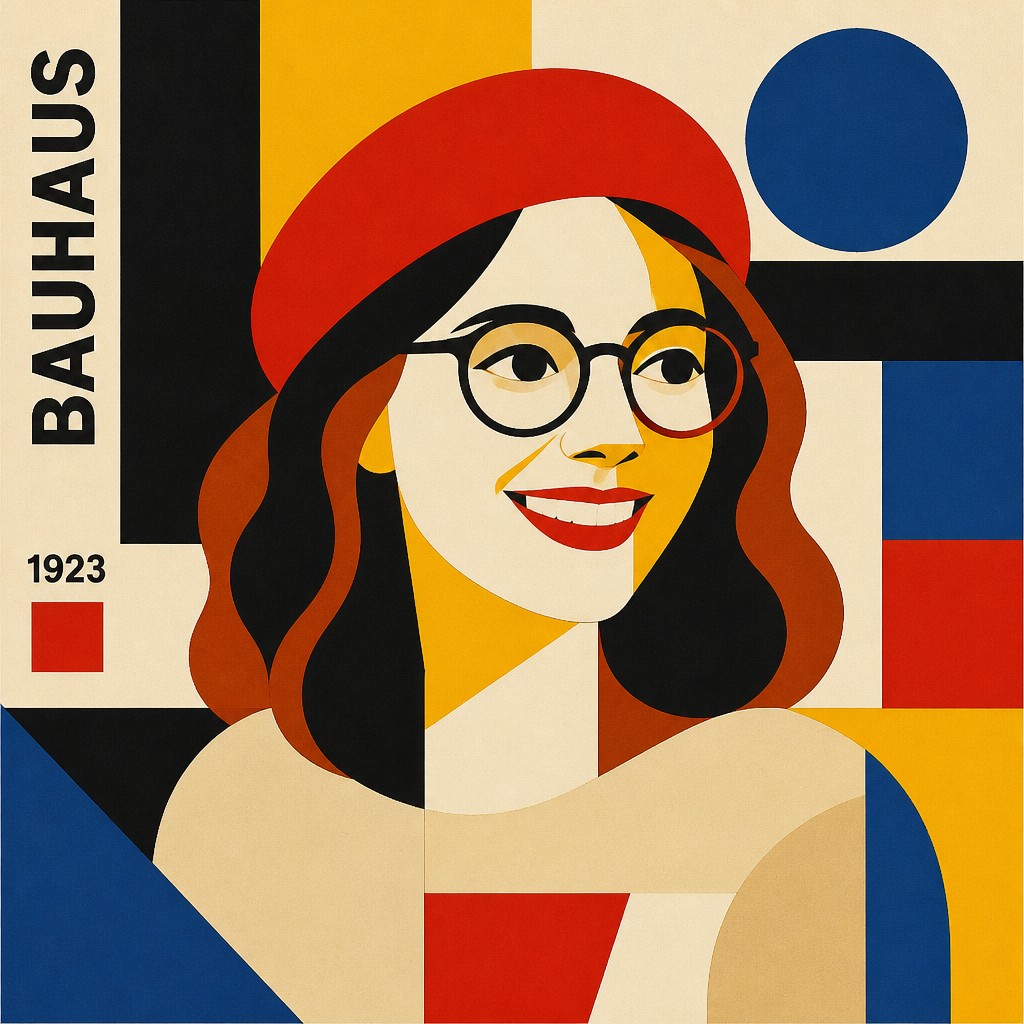

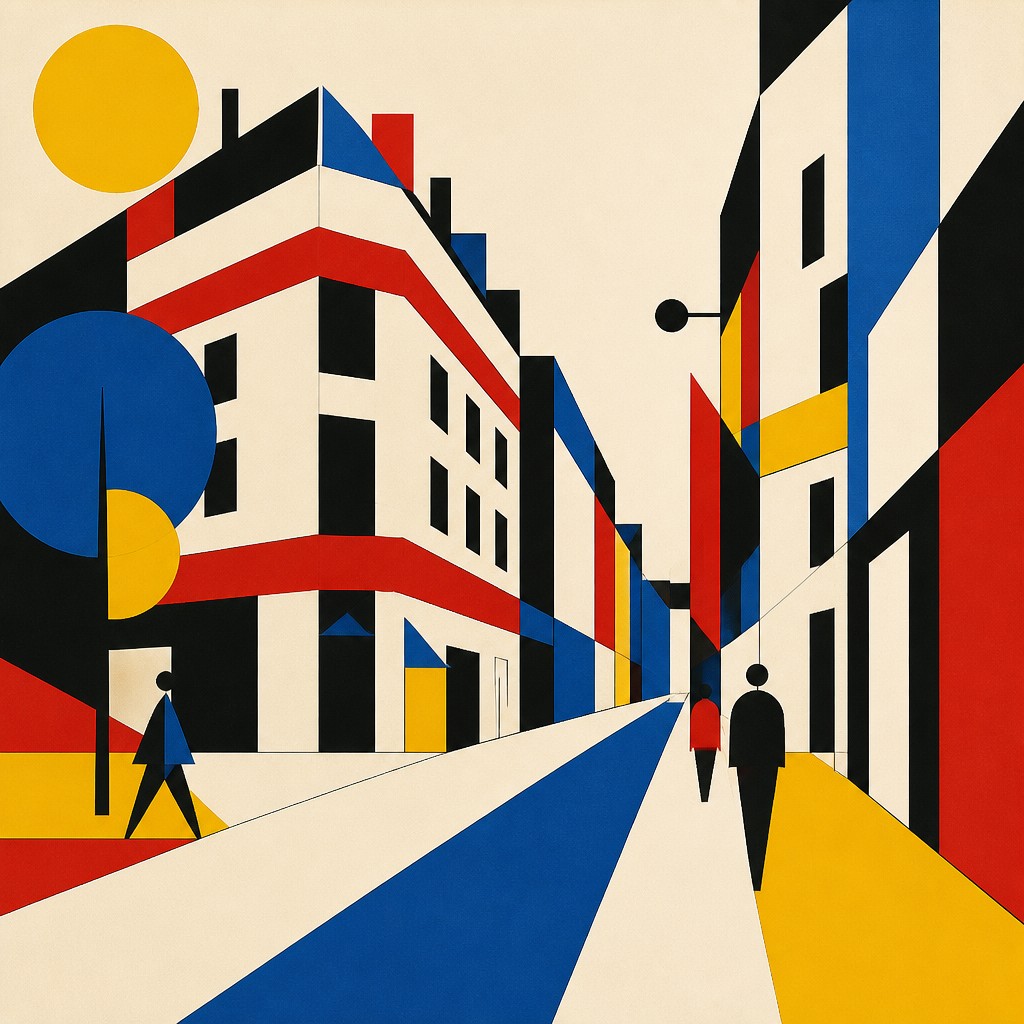

What Defines Bauhaus Art Style
The signature details, up close
Geometric abstraction
Forms are reduced to circles, triangles, squares, and rectangles. These shapes are often layered and aligned to create a clear visual structure.
Primary color palette
Red, yellow, and blue are used with black, white, and off-white. Color is applied deliberately and sparingly to separate elements and create visual hierarchy.
Asymmetrical balance
Compositions feel dynamic rather than centered or symmetrical. Weight is distributed through spacing, scale, and overlap instead of ornate decoration.
Hard-edged surfaces
Edges are crisp and flat, with no painterly blending or soft gradients. The style depends on clean boundaries that make each form immediately legible.
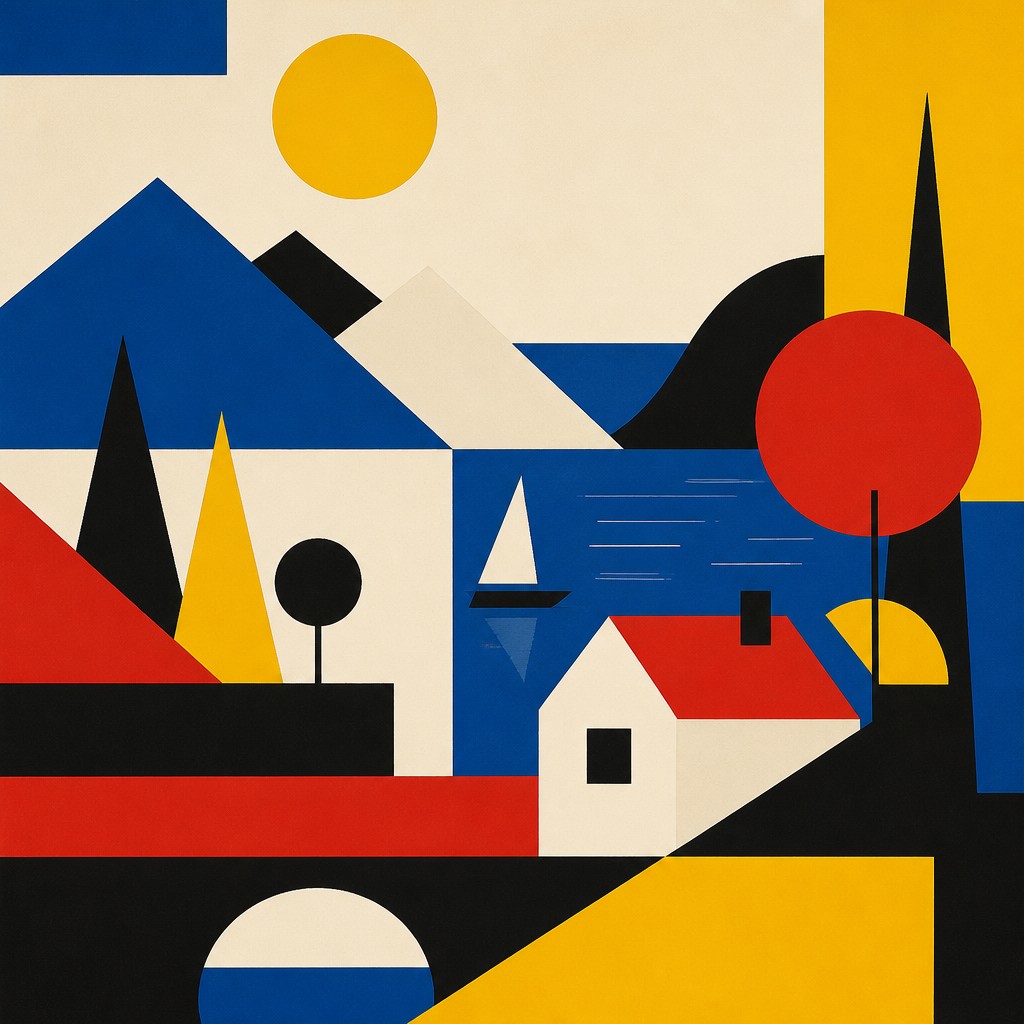
Grid-based composition
Underlying grids organize placement, proportion, and spacing. The grid keeps the image functional and coherent even when the arrangement is playful or abstract.
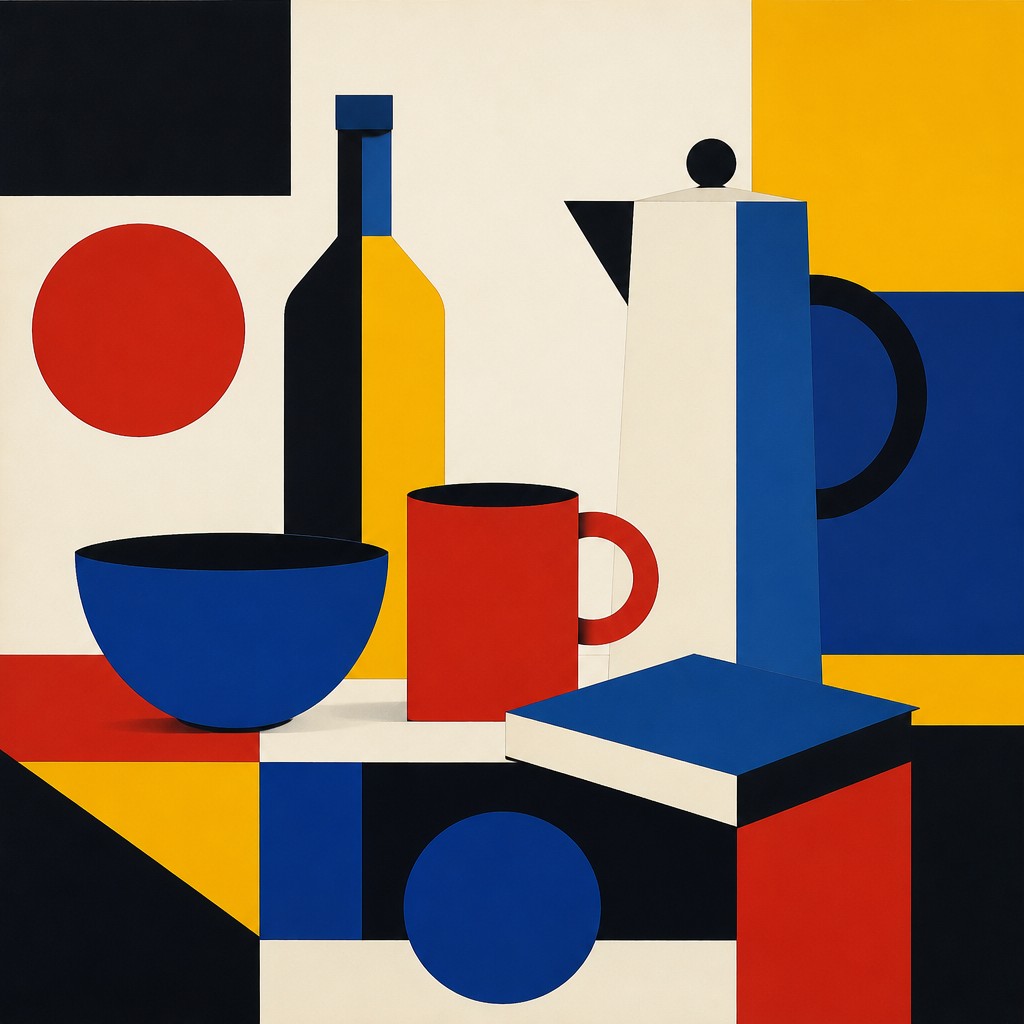
Machine-age clarity
Objects and layouts look engineered rather than hand-ornamented. The aesthetic suggests precision, efficiency, and reproducibility.
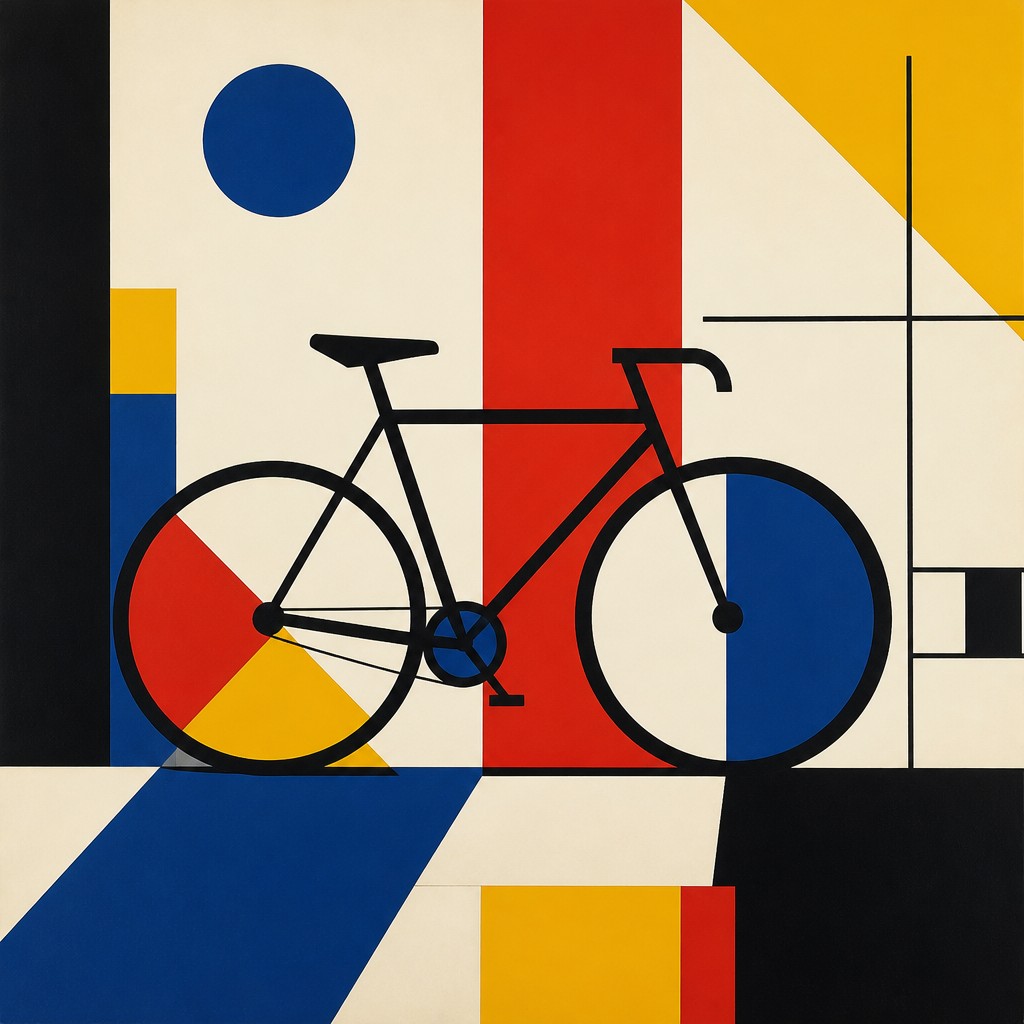
Overlap as depth
Depth is created by stacking and intersecting forms, not by realistic perspective. This gives the image a constructed, poster-like flatness.
Try It
Create Videos in Bauhaus Art Style
Styles aren't just for stills — describe a scene or animate an image and get a short video rendered in Bauhaus. Press play to see this pond come to life.
Make a VideoBauhaus Prompt Ideas
Start from an idea — each one opens the generator with the style ready to go. See all 40 Bauhaus prompts →
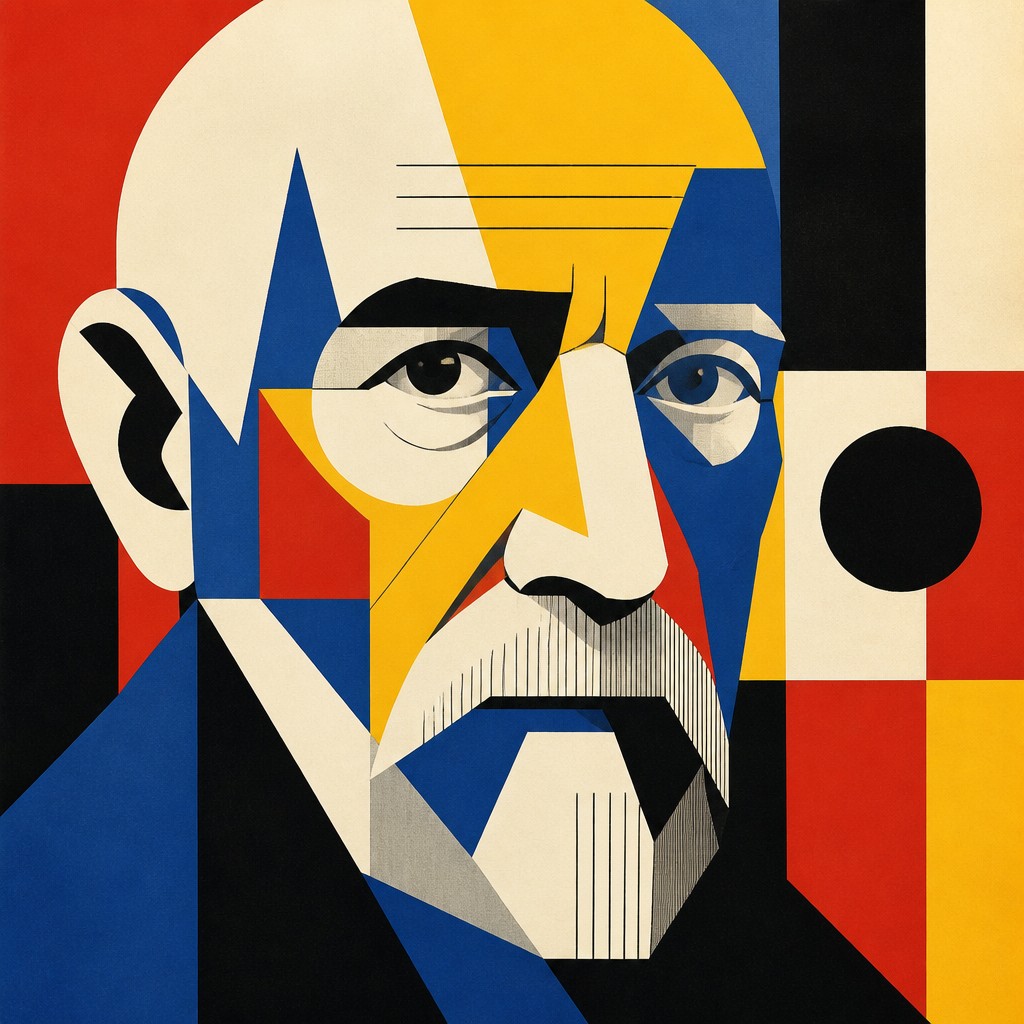
“close-up portrait of an elderly person with expressive weathered features”

“a cat lounging in a sunlit window”
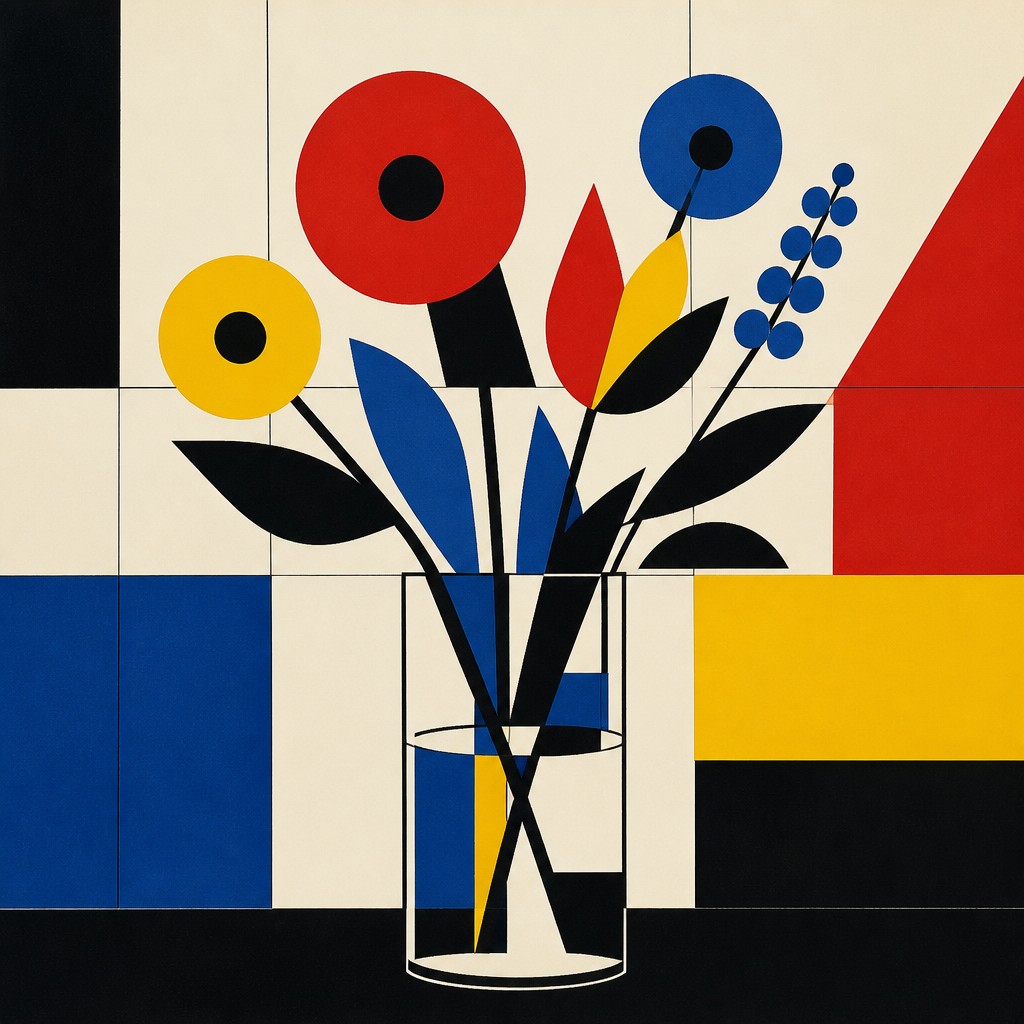
“bouquet of flowers in a glass vase”
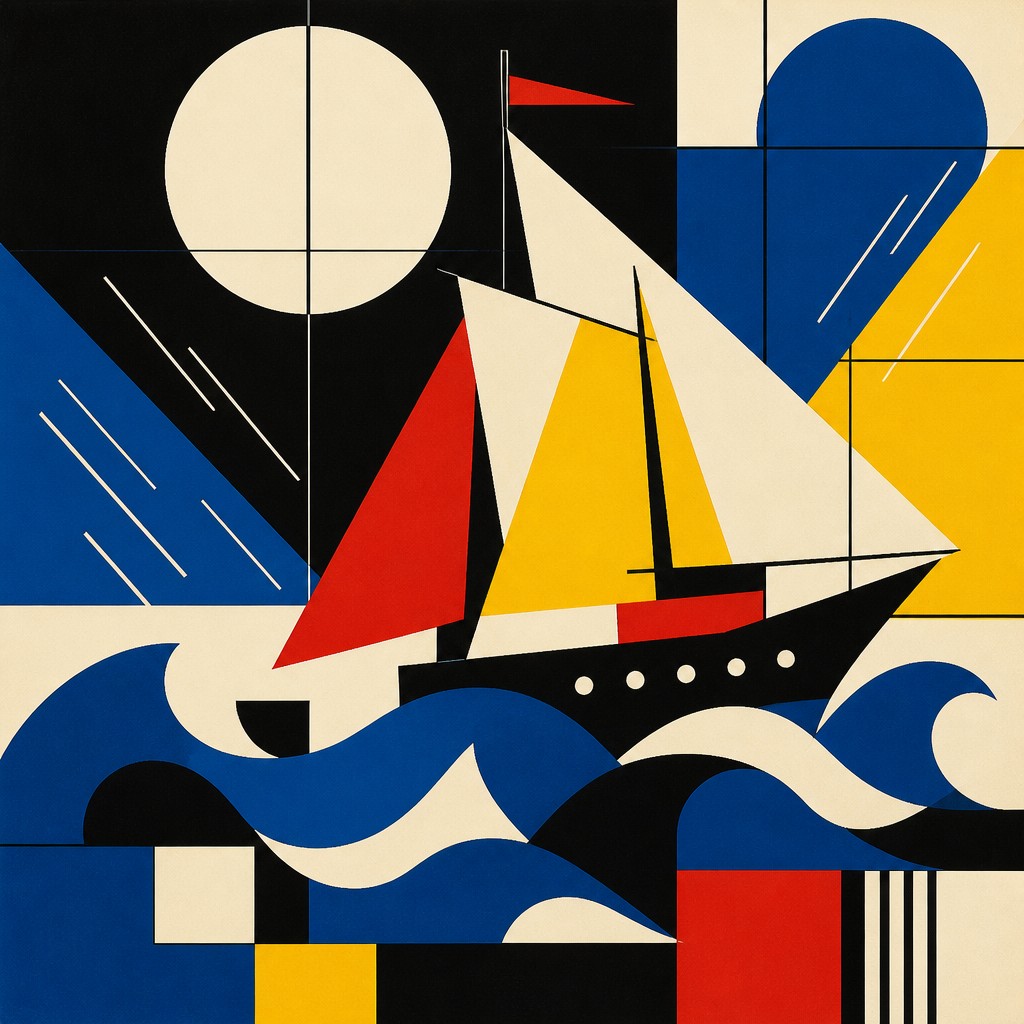
“sailing ship on a stormy sea”
How to Create Bauhaus Art
Master the craft step by step — or skip straight to creating. Read the full guide →
- 1
Start with a simple geometric structure
Begin by reducing your subject to circles, bars, wedges, and rectangles. Use a visible grid or strong alignment so the composition feels designed rather than improvised.
- 2
Limit the palette
Restrict color to primary red, yellow, and blue, plus black, white, or warm off-white. Use color functionally to distinguish areas, create contrast, and guide the eye.
- 3
Keep surfaces flat and precise
Avoid gradients, texture-heavy brushwork, and decorative detail. Whether working by hand or digitally, aim for sharp edges, solid fills, and clean negative space.
- 4
Compose with asymmetry and overlap
Offset major shapes so the image feels active and modern. Let forms intersect and stack to suggest depth without using realistic perspective or shading.
- 5
Use modernist drawing or digital tools
Traditional methods can include ruler-guided drawing, cut paper collage, or screen printing. Digitally, vector software is especially effective because it produces the flat shapes and crisp edges associated with the style.
- 6
Write prompts that specify structure and restraint
When generating images, describe the subject first, then add terms such as geometric abstraction, primary colors, hard edges, grid composition, and asymmetrical balance. Specify what to avoid as well, such as gradients, realism, texture, and ornament.

The Story
History & Origins of Bauhaus
The Bauhaus was a German school of art, design, and architecture founded in 1919 by its first director in Weimar and later associated with Dessau and Berlin. It operated until 1933, but its influence far outlived the school itself. Bauhaus teaching brought together painting, typography, architecture, furniture, textiles, and industrial design, and its faculty and students developed a visual language that matched modern materials and mass production. Key figures unambiguously linked to the movement include the founding director, several influential painters and theorists, major experimental photographers and graphic designers, a leading furniture designer, and an important architectural reformer.
Its aesthetic lineage draws from early 20th-century modernism: geometric abstraction, Constructivism, De Stijl, and the broader push to replace historical ornament with functional form. In practice, Bauhaus design spread through posters, book design, architecture, furnishings, and type design, becoming one of the most influential visual systems of the 20th century. Today the style is widely revived in branding, poster art, interfaces, and illustration because its rules are simple, legible, and adaptable.
Influences: Bauhaus is closely related to Constructivism, De Stijl, and geometric abstraction, and it shares modernist ideals with leading Dutch and Russian pioneers of geometric art and abstraction, though the Bauhaus itself developed its own practical design program. Within the school, influential painters and theorists shaped its visual language, while major proponents of experimental graphic design helped define its clarity. Its design logic also influenced later Swiss Style typography, mid-century modernism, minimalist graphic design, and corporate identity systems.
Frequently Asked Questions
What defines the Bauhaus art style?
Bauhaus is defined by geometric shapes, primary colors, clean lines, and a functional approach to composition. It strips away ornament and uses a grid-like structure to make the image clear and efficient. The result is modern, orderly, and architectural in feeling.
Is Bauhaus the same as modernism?
Not exactly. Bauhaus is one of the most important branches of modernism, but modernism is broader and includes many different approaches. Bauhaus is especially associated with the union of art, craft, architecture, and industrial production.
How is Bauhaus different from De Stijl or Constructivism?
All three use abstraction and geometric form, but Bauhaus is more explicitly tied to design education and practical production. De Stijl tends toward stricter orthogonality and a more systematic reduction, while Constructivism often has a more political and industrial edge. Bauhaus sits between them as a functional, interdisciplinary design philosophy.
What colors are typical in Bauhaus design?
Primary red, yellow, and blue are the most recognizable Bauhaus colors, often paired with black, white, and off-white. Some historical Bauhaus works use a wider range, but the classic look is strongly associated with that limited palette. Color is usually used sparingly and with clear purpose.
Can I make photographs look like Bauhaus?
Yes, especially through composition and post-processing. Photographs can be transformed by reducing them into flat shapes, simplifying color, and emphasizing alignment, overlap, and strong negative space. The more the image resembles a constructed poster or collage, the closer it will feel to the style.
Where is Bauhaus style used today?
It is widely used in graphic design, posters, logos, editorial layouts, branding, interiors, and digital interfaces. Designers turn to it because it communicates order, modernity, and clarity with relatively simple visual rules. Its influence is also visible in furniture and architecture that favor functional form.
Create your first Bauhaus artwork
Describe anything — or upload a photo — and see it in Bauhaus Art Style in seconds.
Make Something with Bauhaus
Compare Bauhaus
Related Styles
Discover similar art styles