Bauhaus Geometric Art
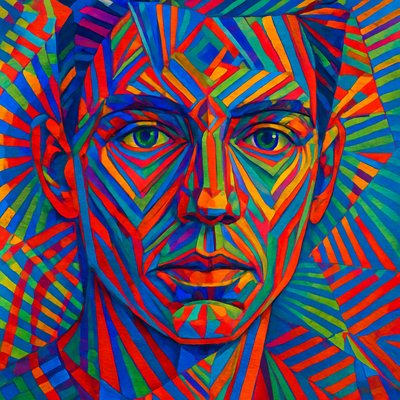
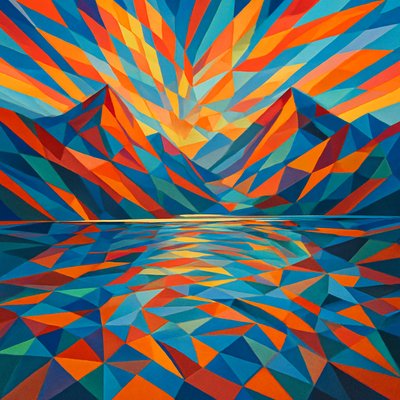
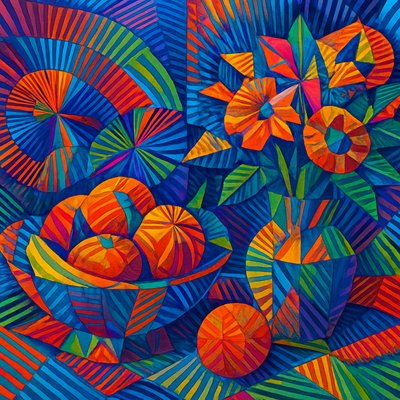
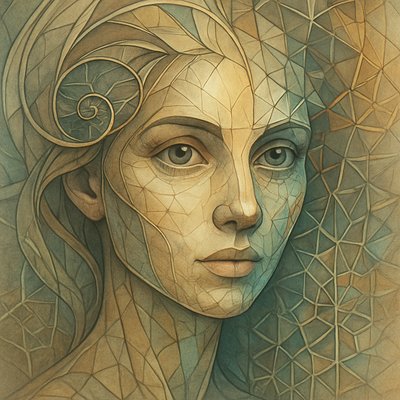
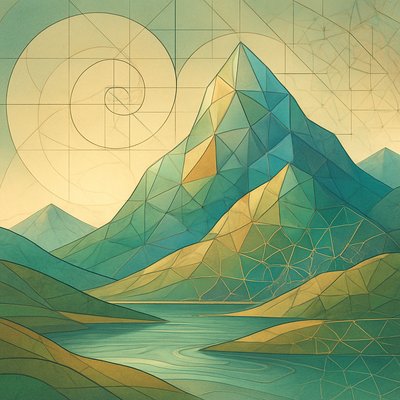
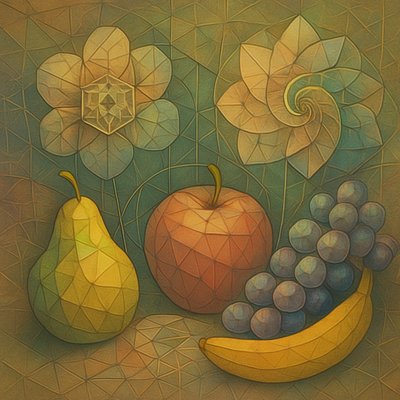
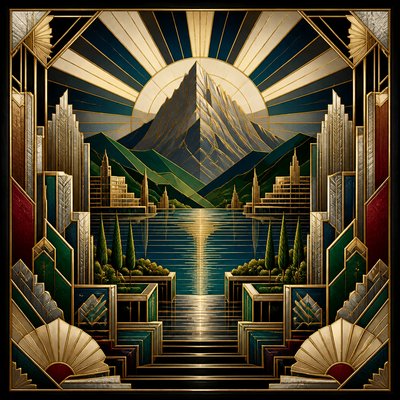
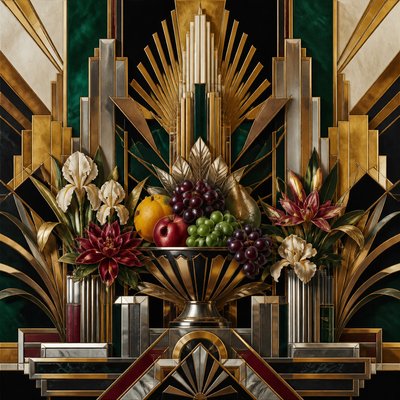
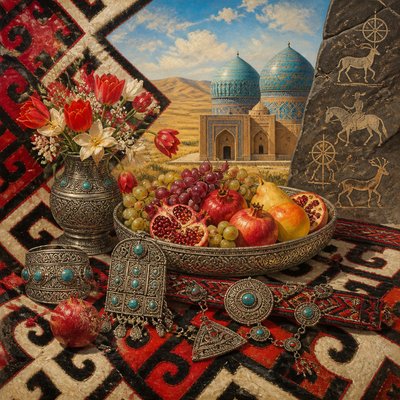
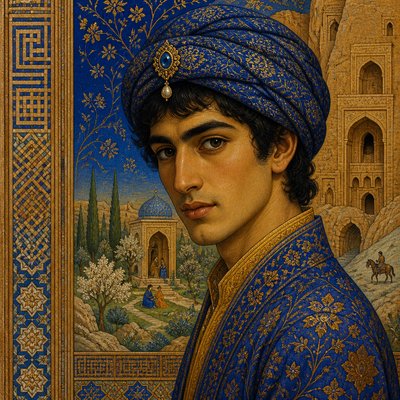
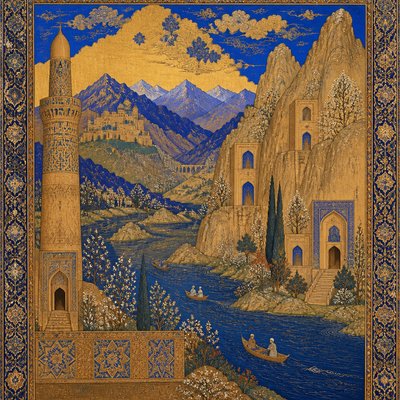
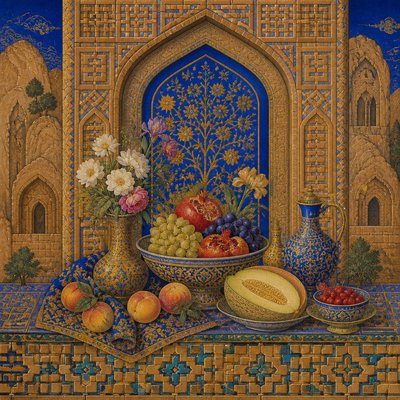
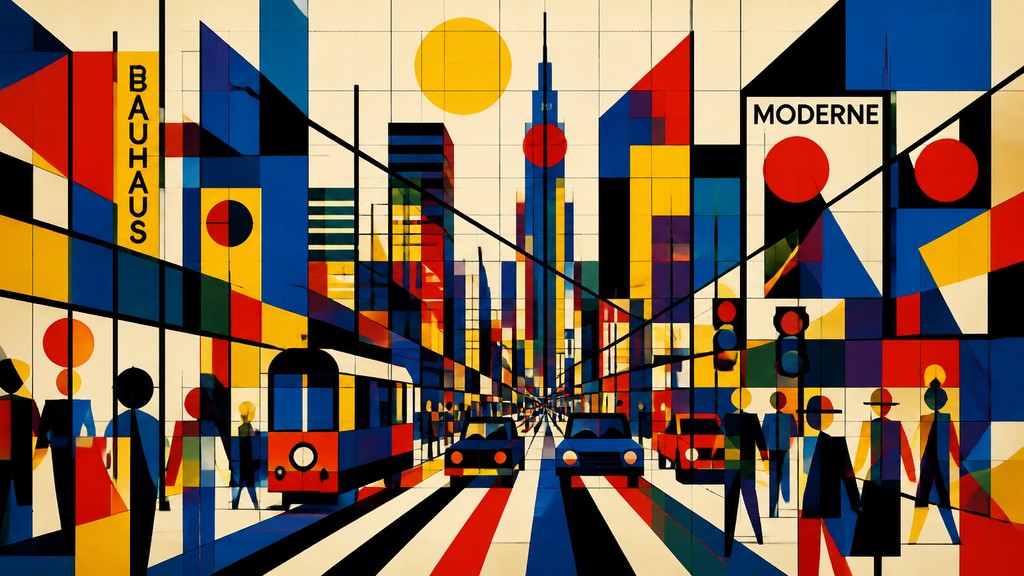
Bauhaus-inspired geometric art with primary colors, simple shapes, bold lines, and functional modernist design principles.
Instantly rendered in Bauhaus Geometric — or transform a photo
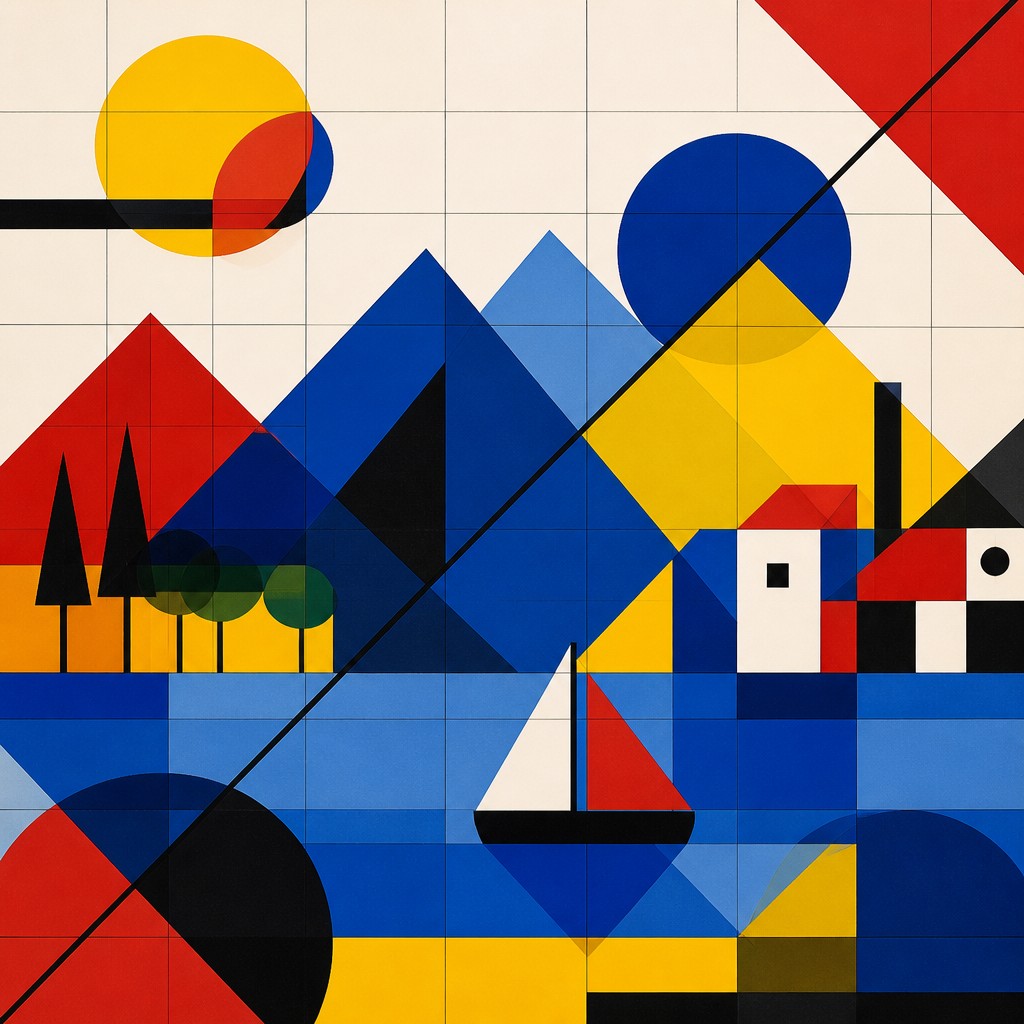
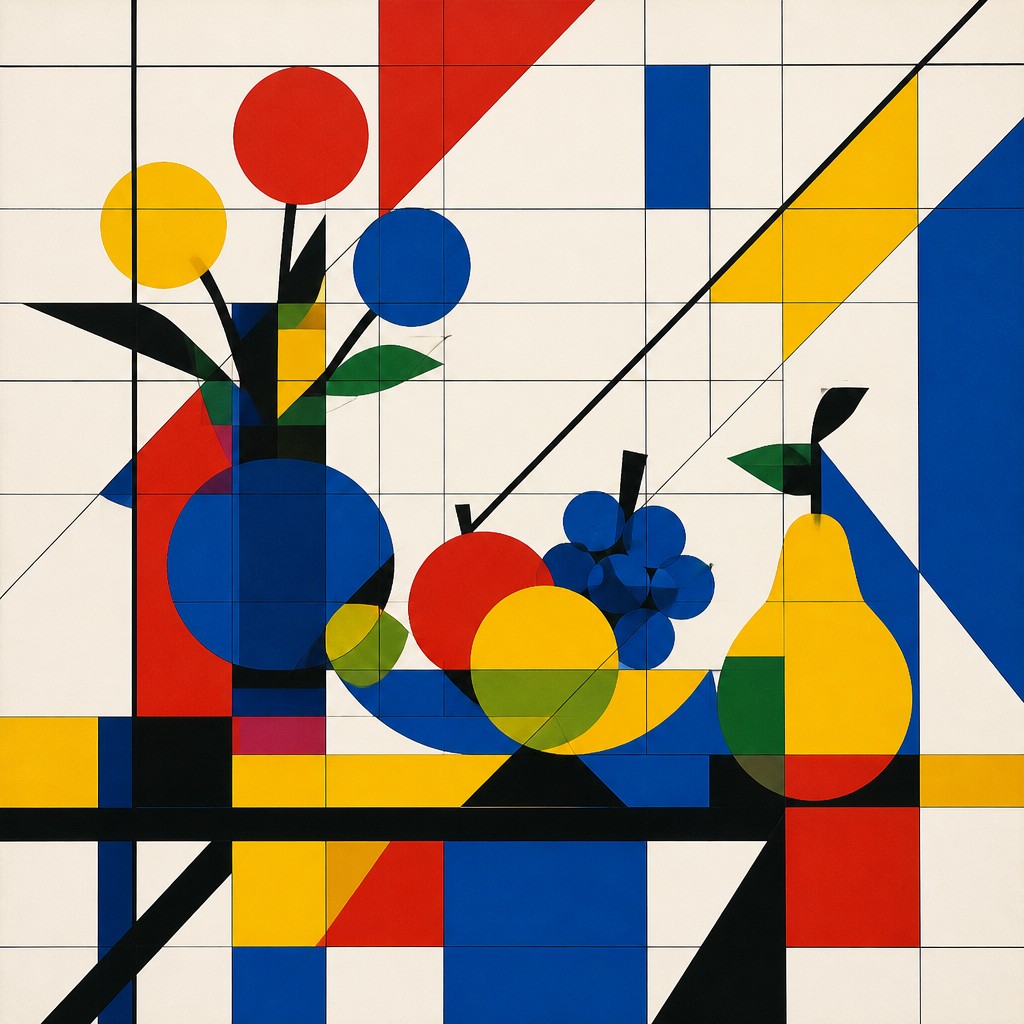
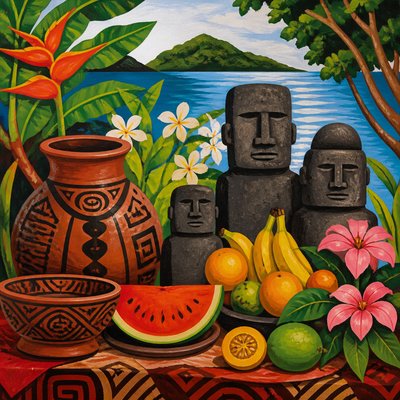
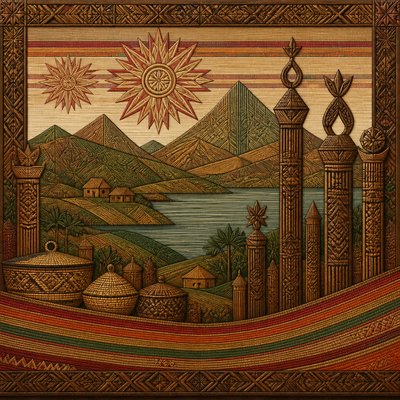
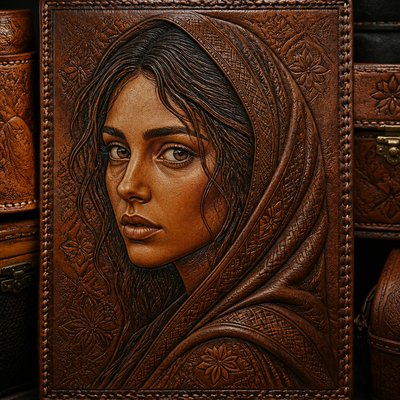
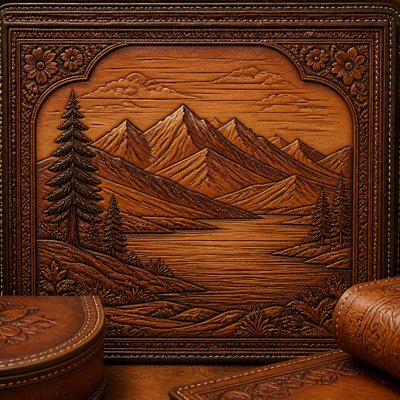
Bauhaus Geometric Gallery
Tap any artwork to explore it
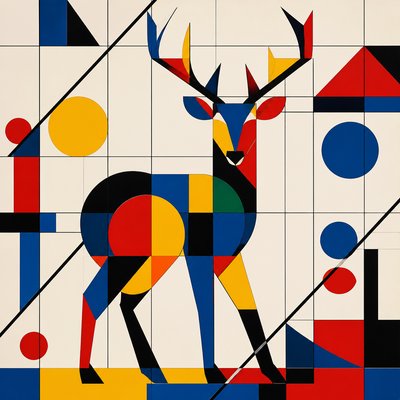
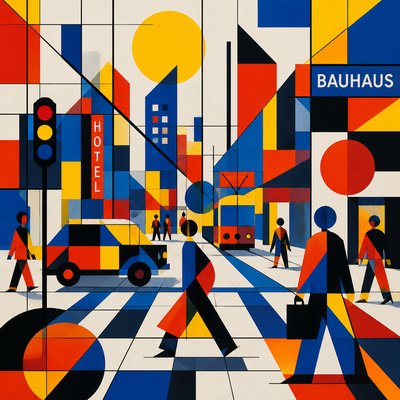
What is Bauhaus Geometric Art?
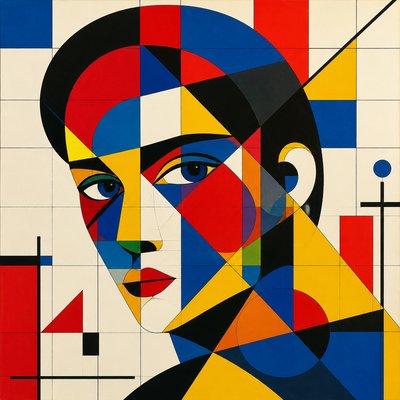
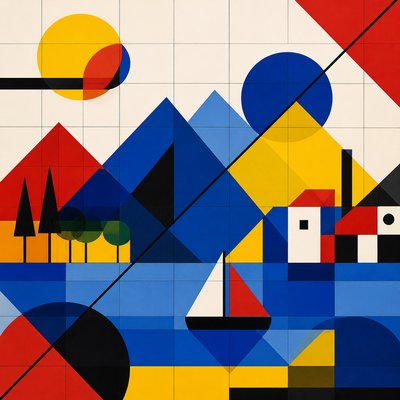
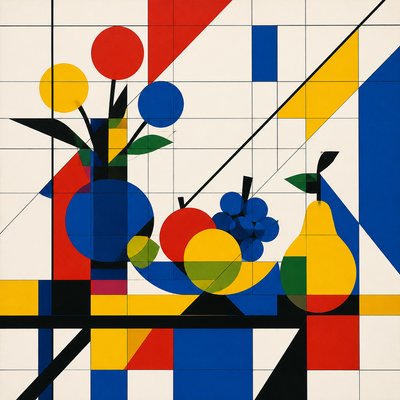
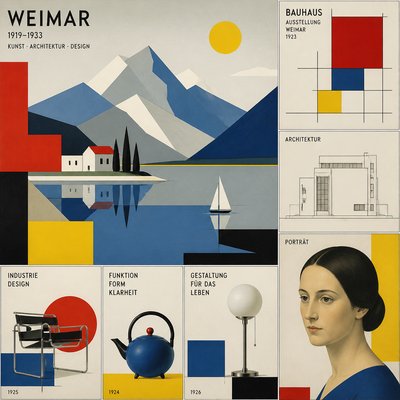
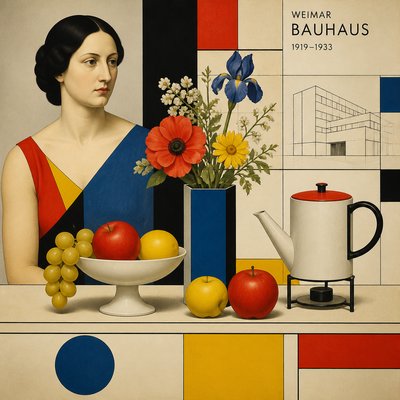
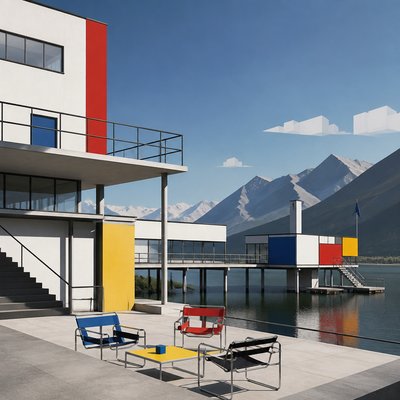
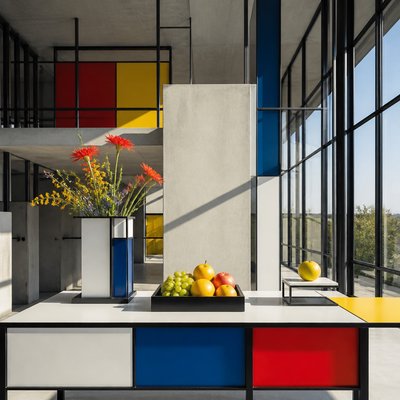
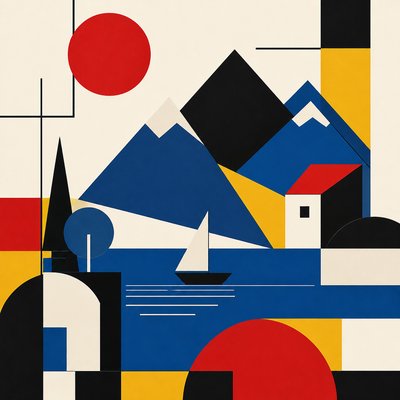
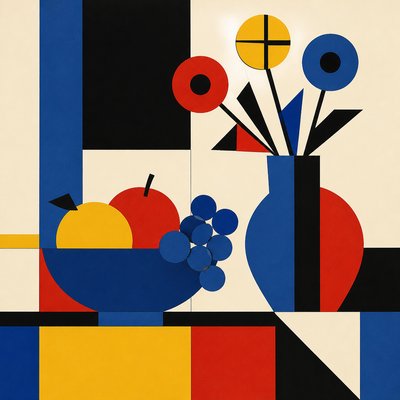
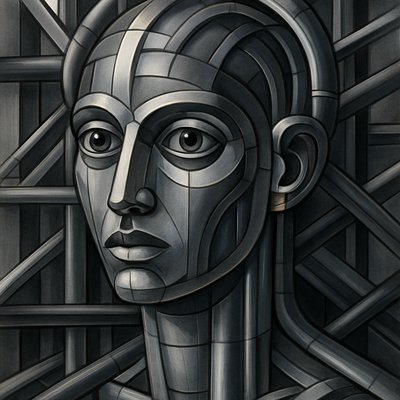
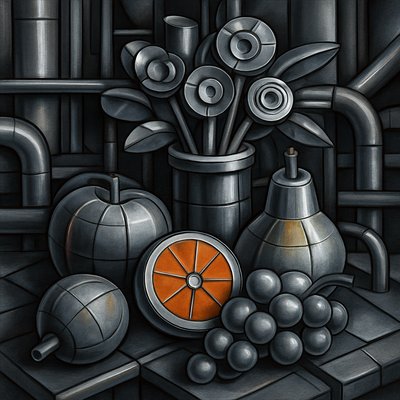
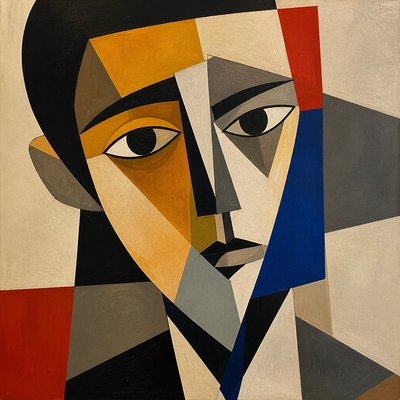
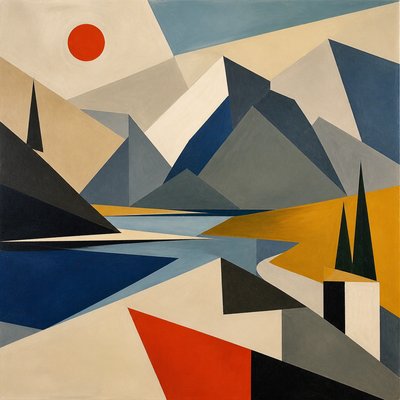
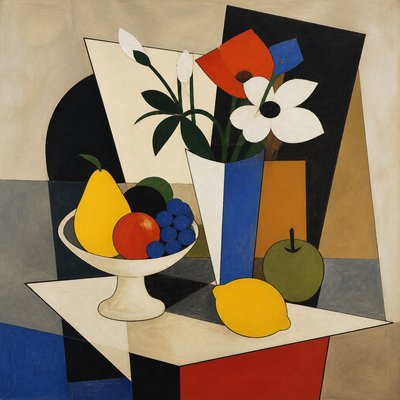
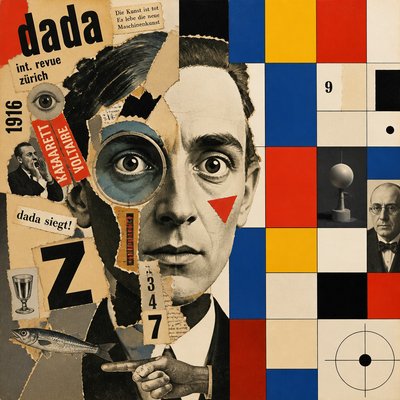
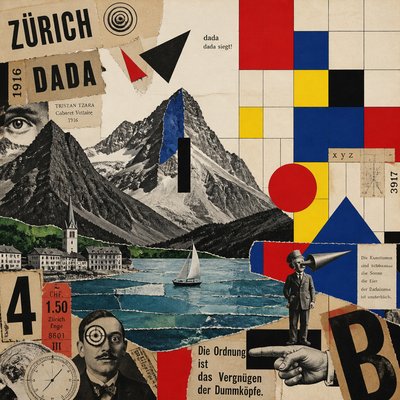
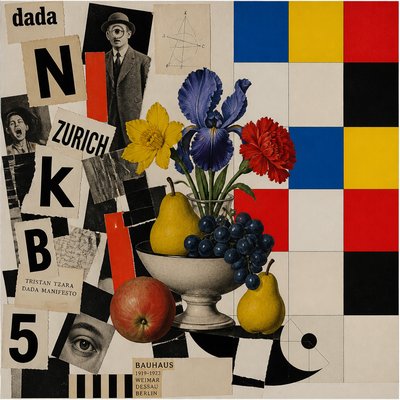
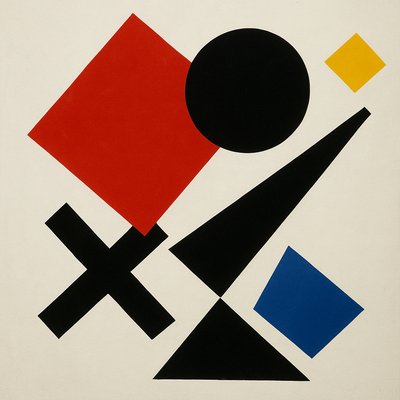
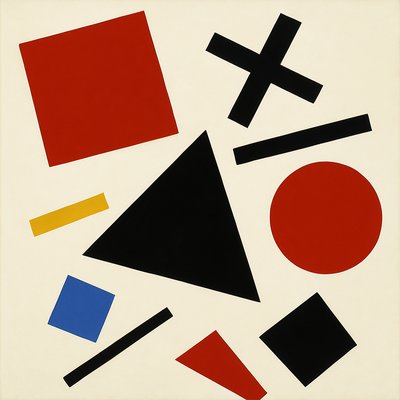
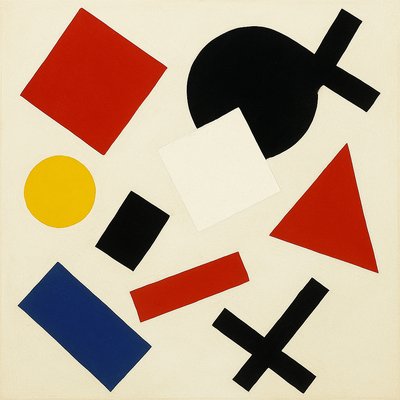
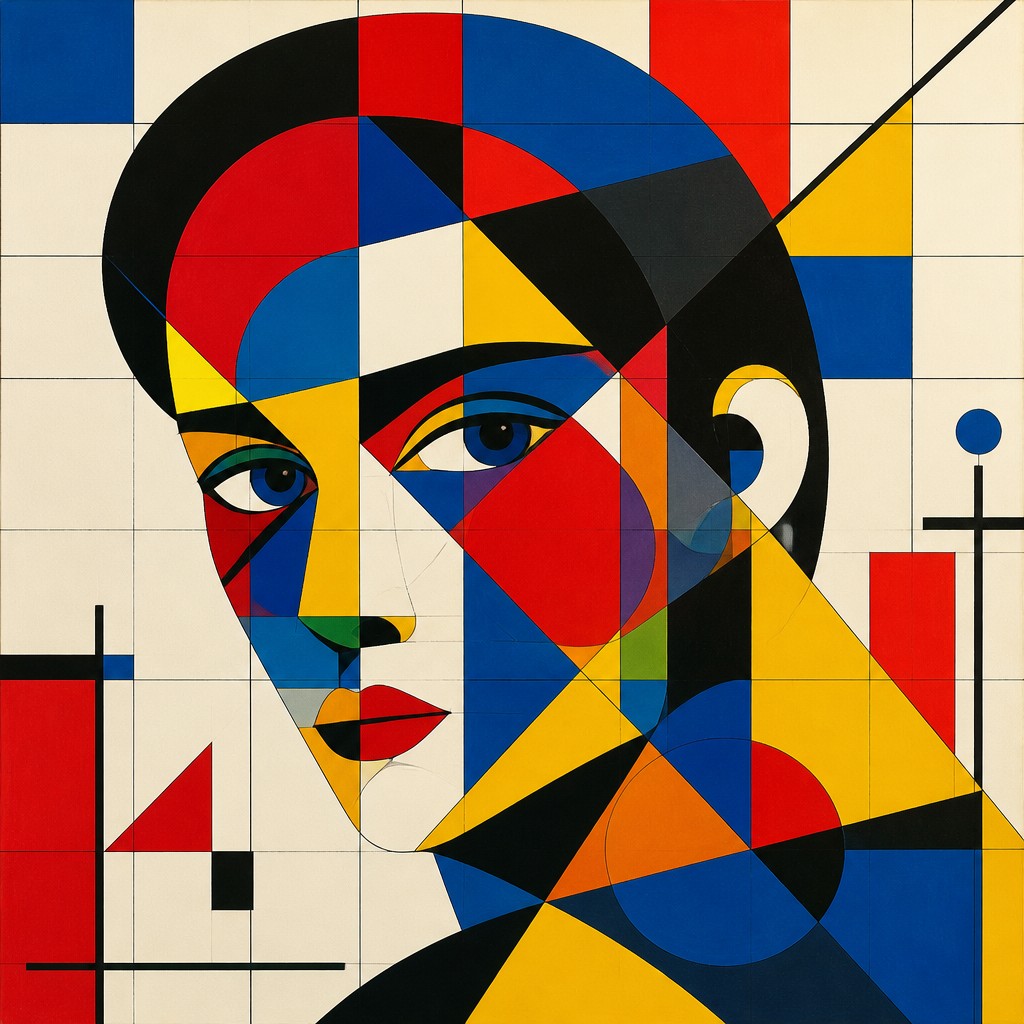
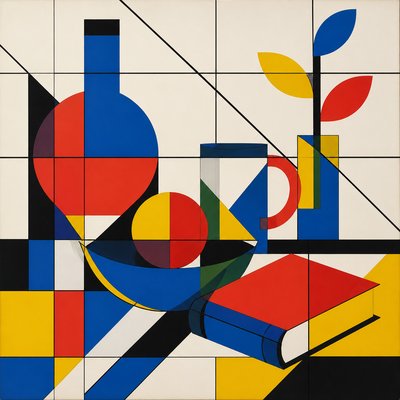
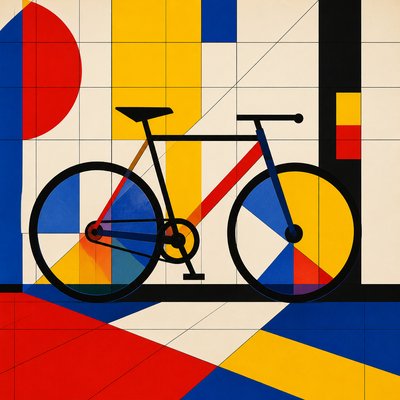
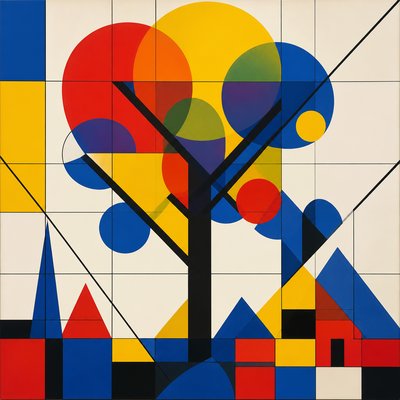
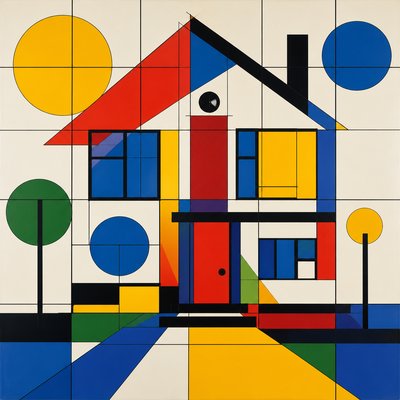
Bauhaus geometric art is a modernist visual language built from circles, triangles, rectangles, straight lines, and a restrained palette of red, yellow, blue, black, white, and gray. Its compositions emphasize clarity, balance, and structure rather than illusionistic depth, making the image read as an organized arrangement of forms rather than a depiction of natural space.
The style looks the way it does because it reflects Bauhaus ideas about reducing design to essential elements and uniting art, craft, and function. Shapes are usually flat, sharply edged, and arranged on a visible grid or in carefully controlled asymmetry. Overlapping forms may create secondary colors, but the overall effect remains clean, rational, and mechanically precise.
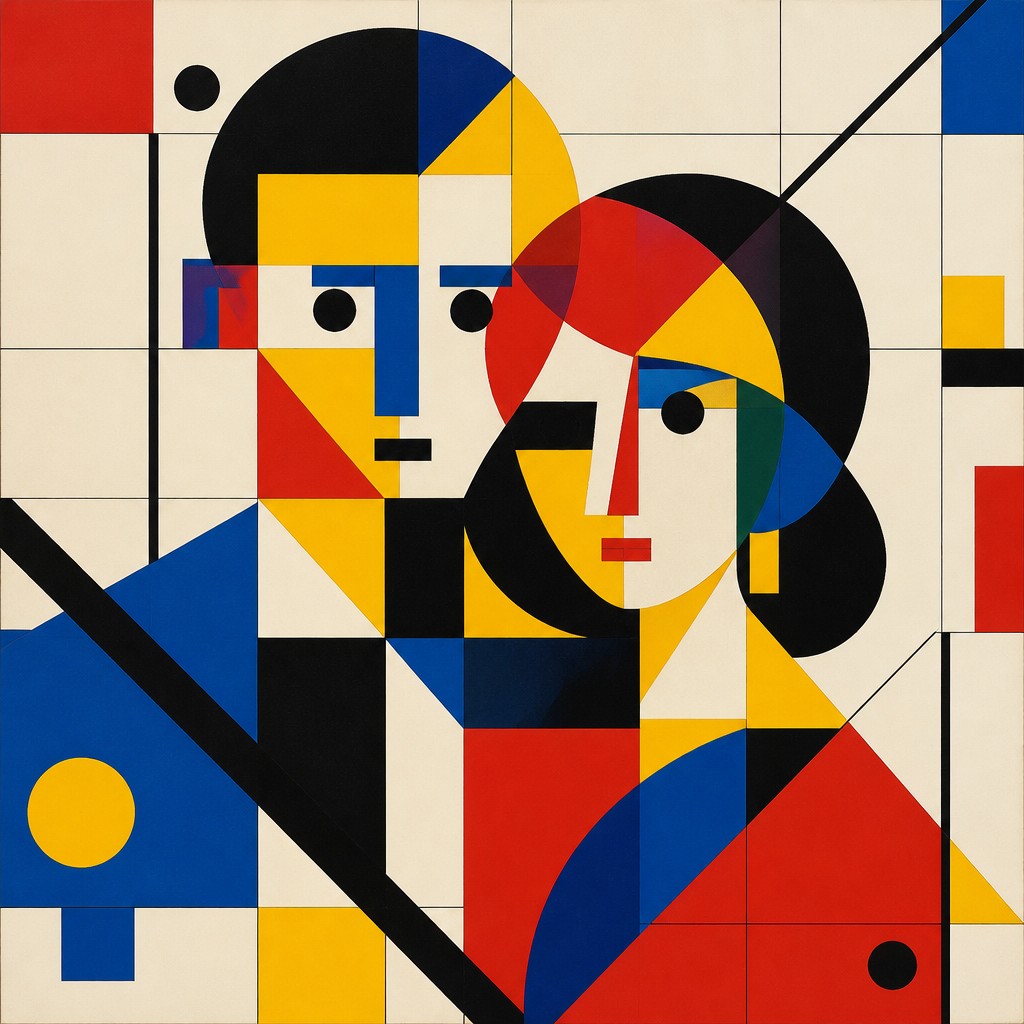
Try It On Your Photos
Upload any photo and convert it into Bauhaus Geometric Art — drag the sliders to compare before and after.
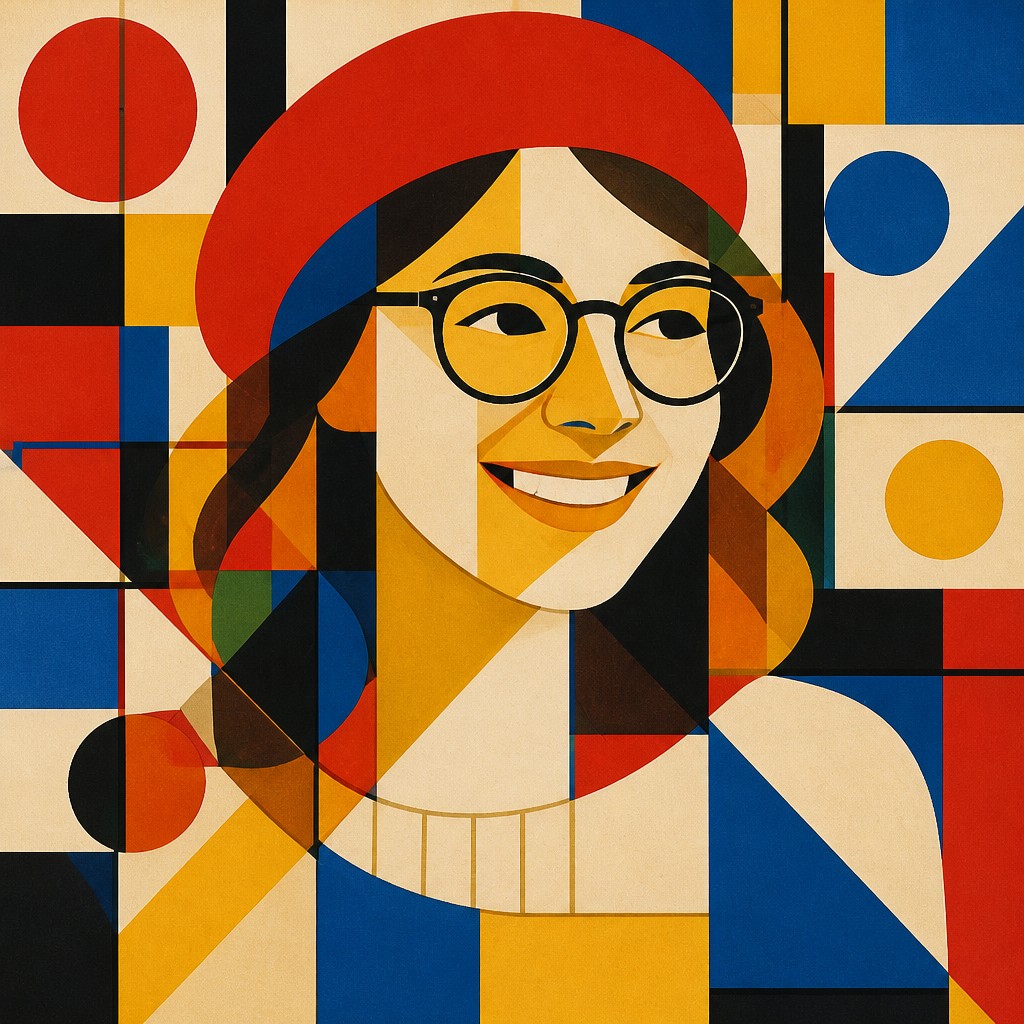

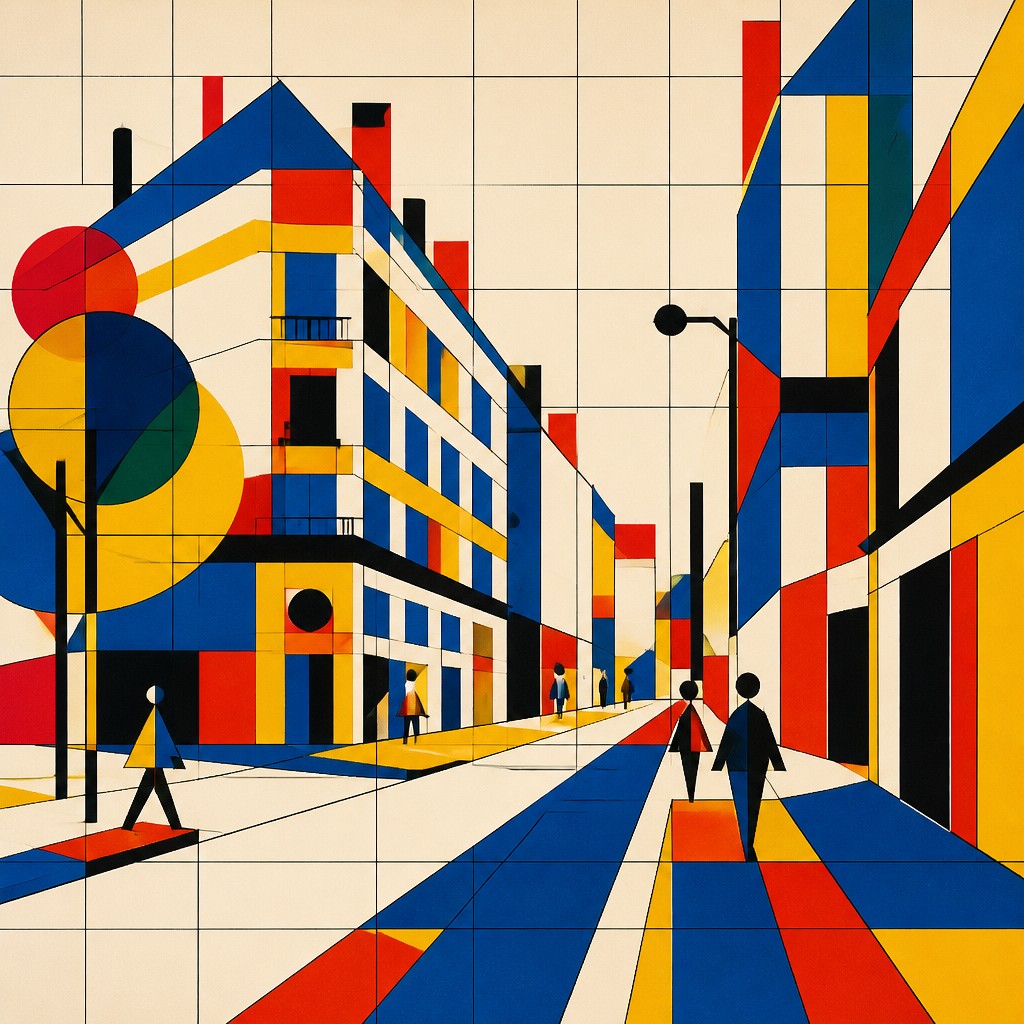

What Defines Bauhaus Geometric Art
The signature details, up close
Primary-color palette
Red, yellow, and blue are used prominently, often paired with black, white, and neutral grays. The palette is typically flat and saturated, with little or no shading.
Basic geometric forms
Circles, triangles, squares, rectangles, and straight lines are the core building blocks. Forms are reduced to their simplest legible shapes.
Flat, unmodulated surfaces
Color areas are usually uniform rather than painterly. Edges are crisp and clean, reinforcing the sense of precision.
Grid-based organization
Many compositions reveal an underlying grid or measured structure. This gives the design a rational, engineered quality even when the arrangement is asymmetrical.
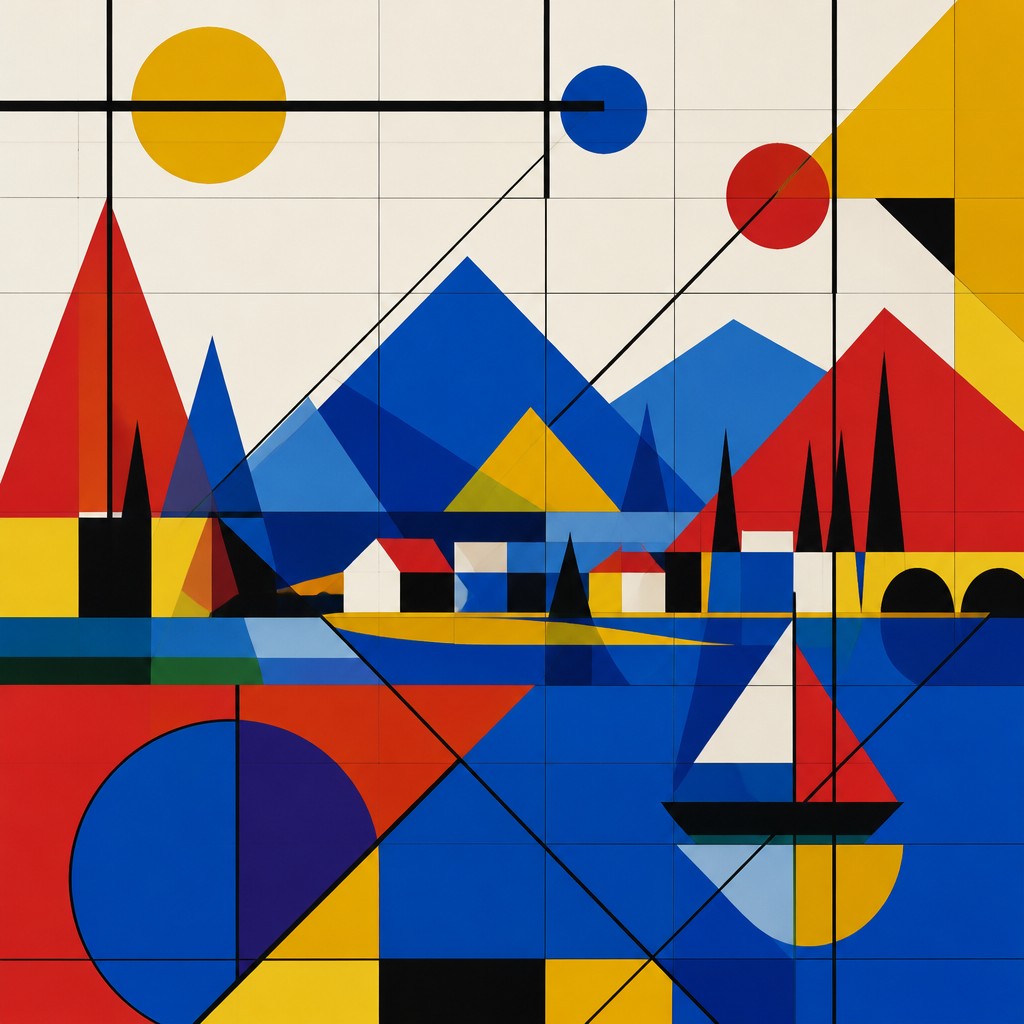
Diagonal tension and overlap
Strong diagonals, intersections, and layered shapes create movement without breaking the overall order. Overlaps may suggest transparency or secondary hues.
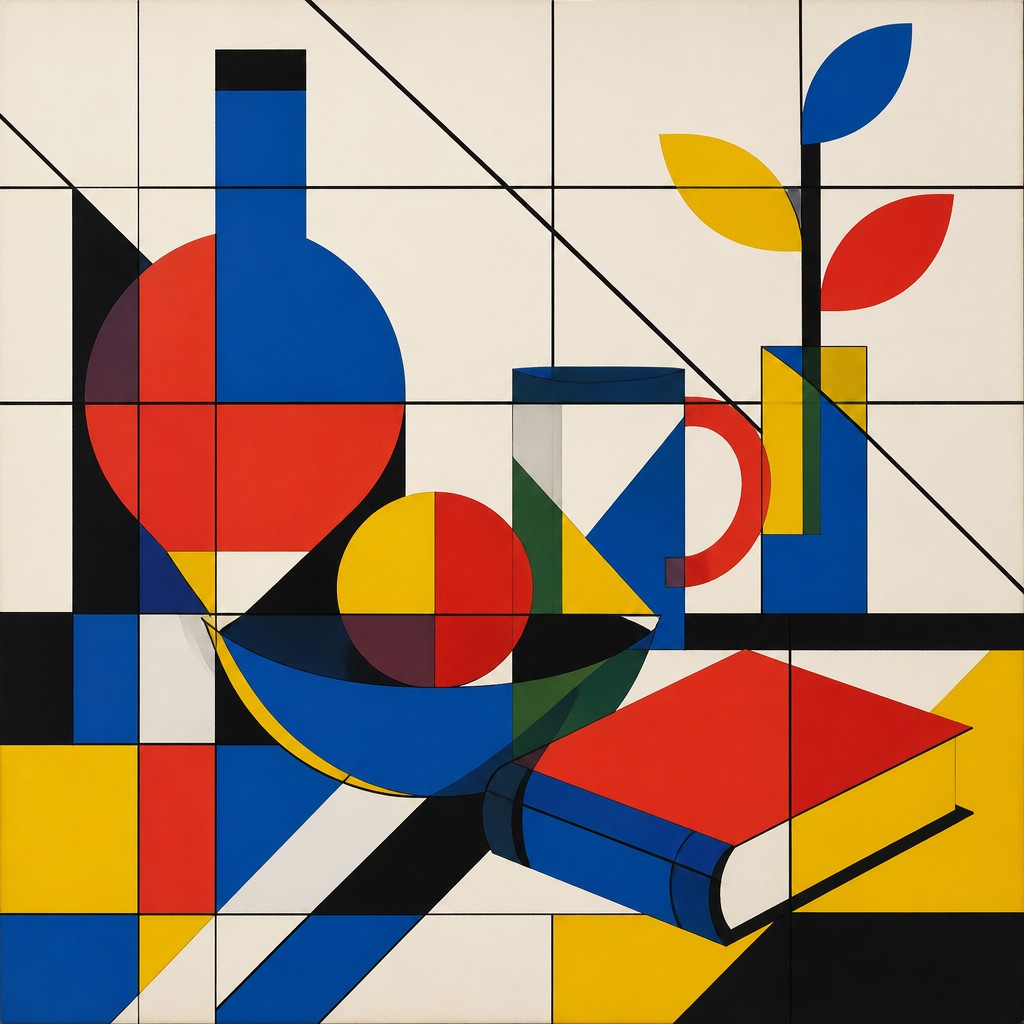
Functional modernist clarity
The image avoids decorative excess and favors direct visual communication. Every element tends to feel purposeful, balanced, and economically placed.
Try It
Create Videos in Bauhaus Geometric Art
Styles aren't just for stills — describe a scene or animate an image and get a short video rendered in Bauhaus Geometric. Press play to see this pond come to life.
Make a VideoBauhaus Geometric Prompt Ideas
Start from an idea — each one opens the generator with the style ready to go. See all 40 Bauhaus Geometric prompts →
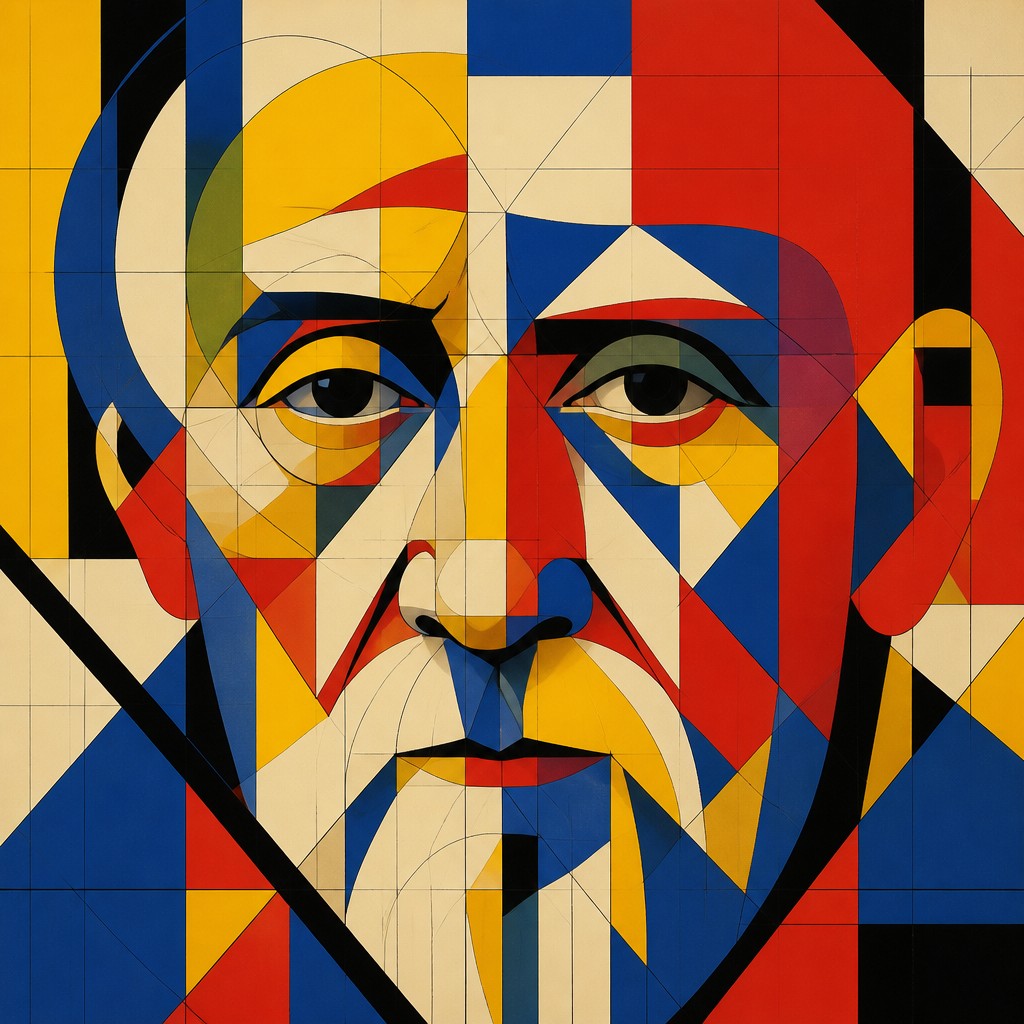
“close-up portrait of an elderly person with expressive weathered features”
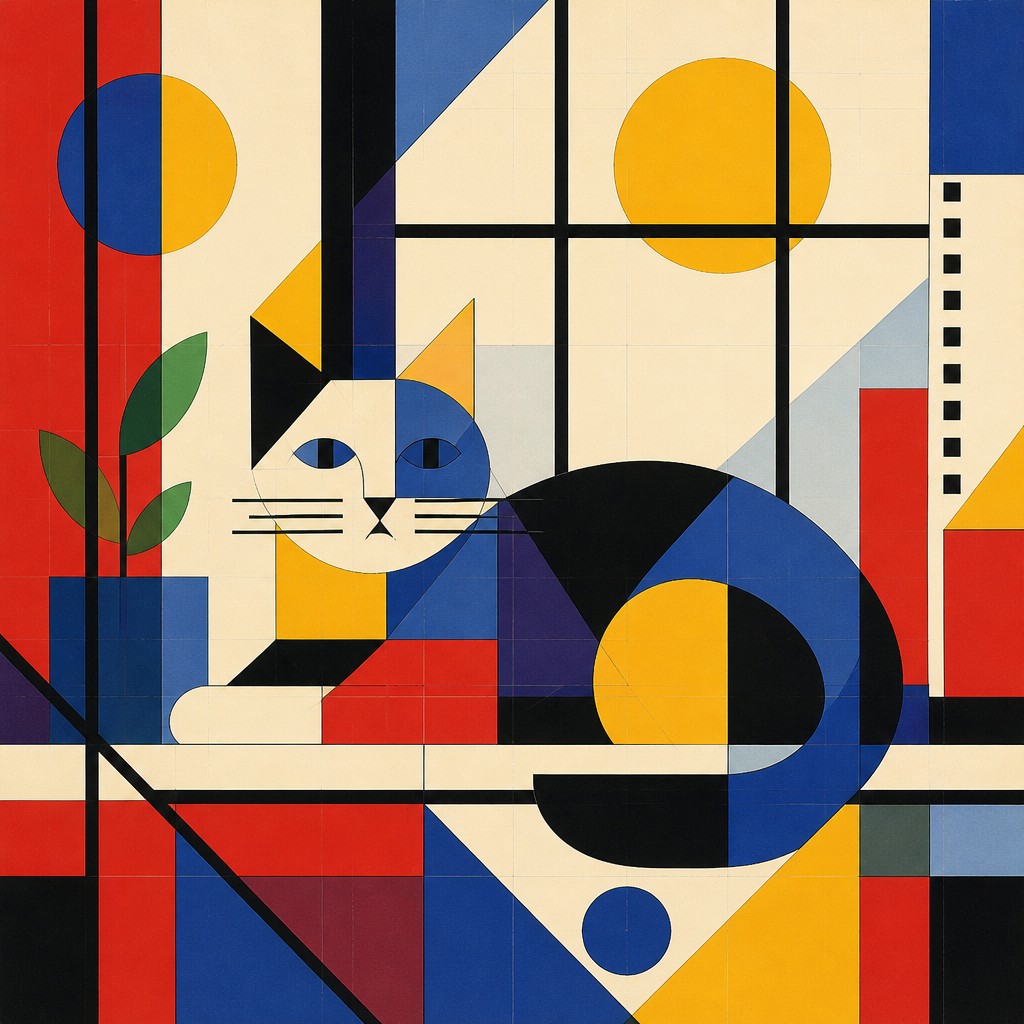
“a cat lounging in a sunlit window”
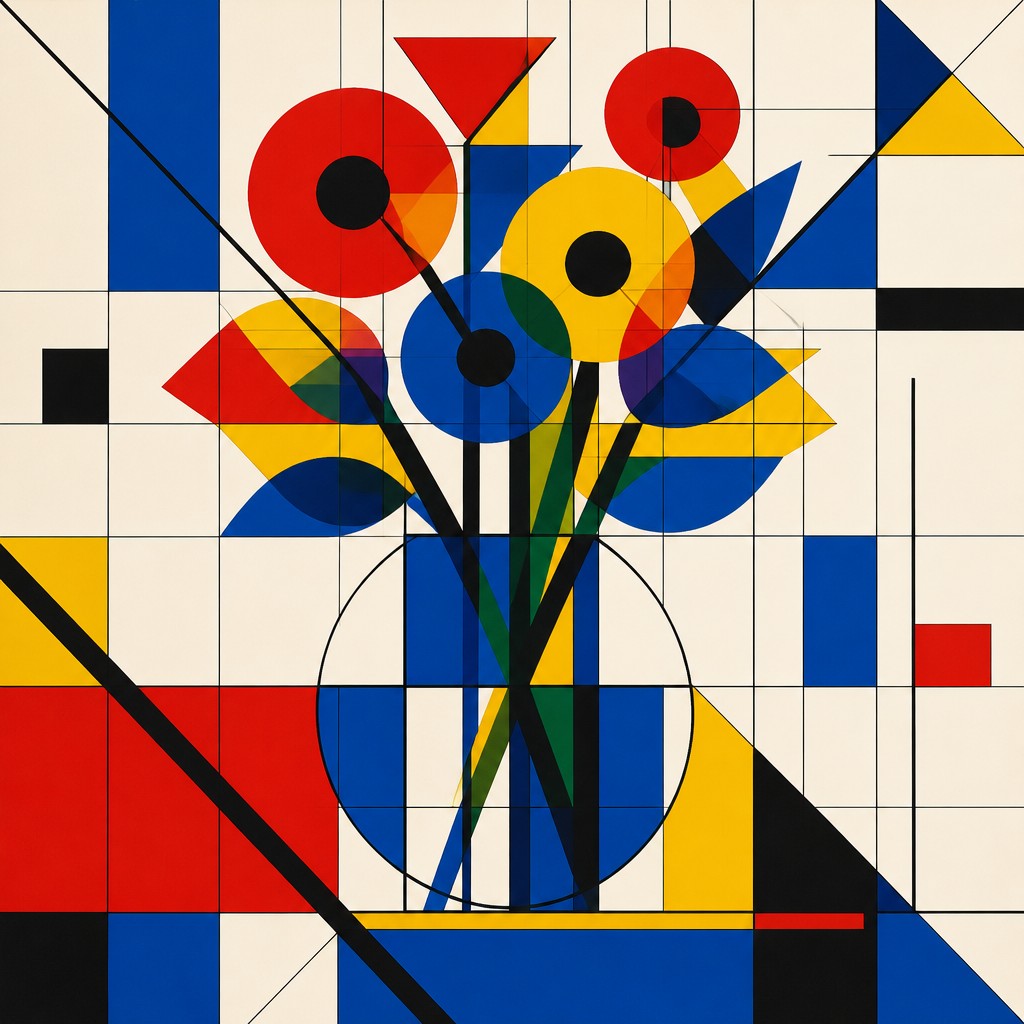
“bouquet of flowers in a glass vase”
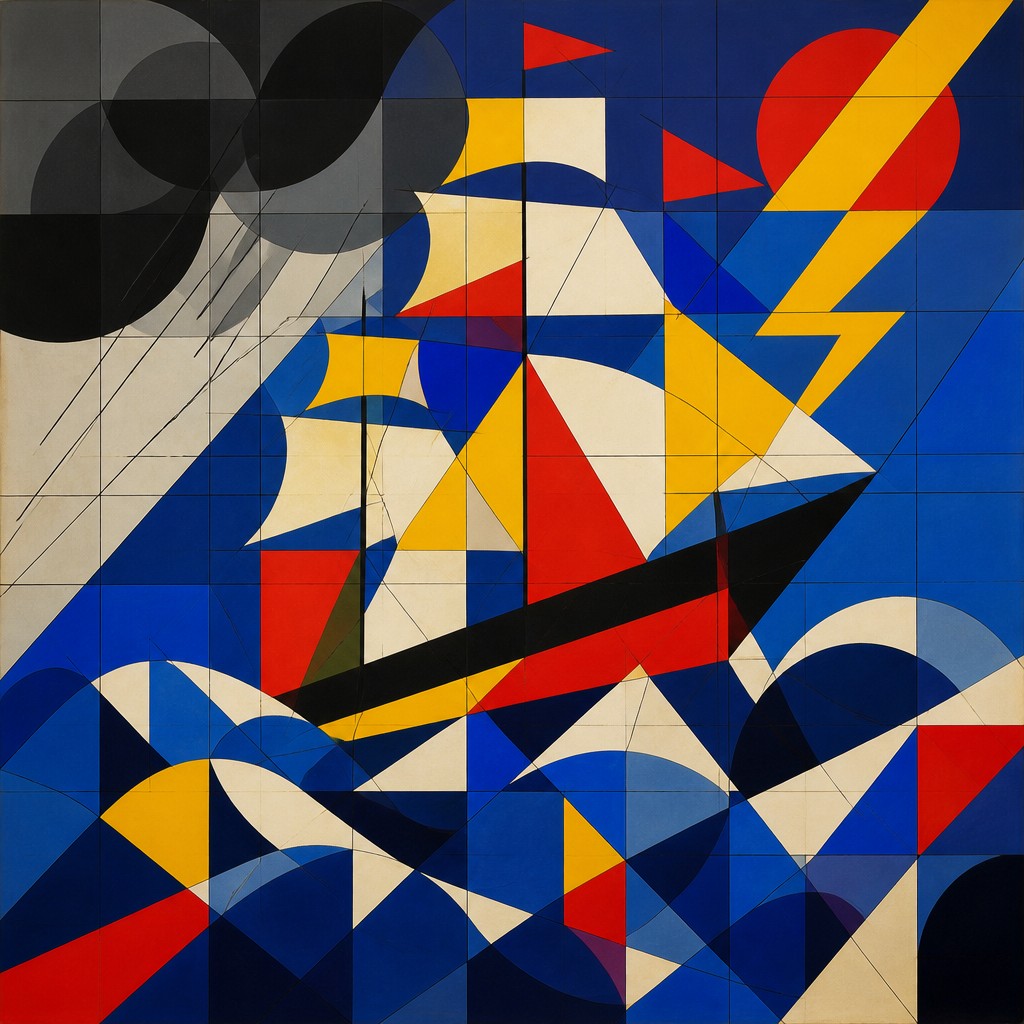
“sailing ship on a stormy sea”
How to Create Bauhaus Geometric Art
Master the craft step by step — or skip straight to creating. Read the full guide →
- 1
Build from simple shapes
Start with circles, triangles, and rectangles rather than detailed forms. Reduce the subject to its most basic structural geometry before adding color or line.
- 2
Use a limited palette
Work mainly with primary colors, black, white, and gray. Keep saturation matte and avoid gradients, heavy textures, and atmospheric shading.
- 3
Compose on a grid
Plan the layout with an underlying grid or measured alignment system. Use asymmetrical balance, repeated modules, and strong diagonals to keep the composition dynamic.
- 4
Keep edges crisp
In traditional media, use masking, rulers, and clean cut shapes; in digital work, use vector layers or hard-edged selections. The look depends on precision and sharp boundaries.
- 5
Suggest transparency sparingly
If shapes overlap, let the intersections create clear secondary colors or translucent effects. This can add complexity while preserving the flat graphic character.
- 6
For prompt-based generation
Describe the subject first, then specify reduced geometry, primary colors, bold black lines, flat planes, visible grid, and mechanical precision. Exclude gradients, realism, brush texture, and soft shadows if you want the result to stay true to the style.
The Story
History & Origins of Bauhaus Geometric
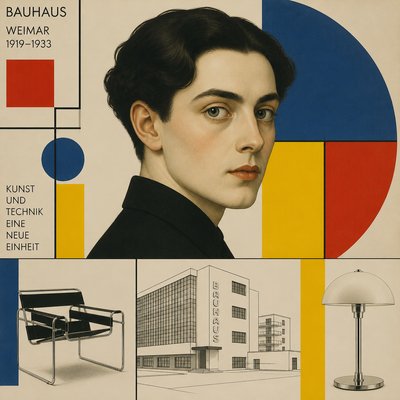
Bauhaus geometric art originates in the Bauhaus school, founded in Weimar in 1919 by the school's first director and active later in Dessau and Berlin until 1933. The school was not a single style but a modernist approach to architecture, design, and visual culture that sought to reconcile artistic expression with industrial production. In visual art and design, its language was shaped by abstraction, simplified geometry, and a belief that form should follow function.
Its aesthetic lineage includes earlier European abstraction and constructivist tendencies, as well as De Stijl, Suprematism, and the broader modernist rejection of ornament. Key Bauhaus figures associated with this visual vocabulary include leading abstract painters, influential color and composition theorists, a major avant-garde designer and photographer, a prominent color and materials educator, and a notable stage and visual experimenter, whose teaching and work helped define the school's geometric clarity and disciplined use of color and form.
Influences: Bauhaus geometric art is closely related to the modernist abstraction of the early 20th century, especially De Stijl, Suprematism, and Constructivism, which also emphasized geometry, reduction, and non-representational structure. Within the Bauhaus itself, the work of leading abstract painters, influential color theorists and form teachers, a major avant-garde designer and photographer, a prominent color and materials educator, and a notable stage and visual experimenter helped define its visual vocabulary, each contributing ideas about color theory, spatial organization, and simplified form. It also anticipates later graphic design, Swiss modernism, and much of the visual language of corporate identity and user-interface design.

Frequently Asked Questions
What defines Bauhaus geometric art?
It is defined by reduction to basic shapes, primary colors, and a disciplined, functional approach to composition. The style favors clarity, balance, and structure over naturalistic rendering or decorative detail.
Is Bauhaus the same as abstract art?
Not exactly. Bauhaus geometric art is abstract, but it is specifically tied to Bauhaus ideas about design, utility, and modern visual organization. Pure abstract art can be expressive or symbolic in ways that are not necessarily Bauhaus.
How is it different from De Stijl or Constructivism?
De Stijl tends to use stricter orthogonality and a narrower palette, while Constructivism often feels more industrial, dynamic, or politically charged. Bauhaus geometry sits between these tendencies, balancing formal experimentation with practical design thinking.
Can I use photographs or realistic subjects in this style?
Yes, but they are usually simplified into geometric structures rather than depicted realistically. A portrait, object, or landscape is typically reduced to circles, triangles, rectangles, and bold contour lines.
Where is Bauhaus geometric art used today?
It is common in graphic design, poster design, branding, editorial layouts, interior graphics, and digital interfaces. Its clean geometry and limited palette make it especially adaptable to modern visual communication.
How do I make it look authentic?
Keep the composition disciplined, the palette limited, and the shapes precise. Avoid painterly brushwork, gradients, and overly ornate details, because the style depends on flatness, clarity, and structural order.
Create your first Bauhaus Geometric artwork
Describe anything — or upload a photo — and see it in Bauhaus Geometric Art in seconds.
Make Something with Bauhaus Geometric
Compare Bauhaus Geometric
Related Styles
Discover similar art styles