Industrial Interior Design vs Minimalist Interior Design: What's the Difference?
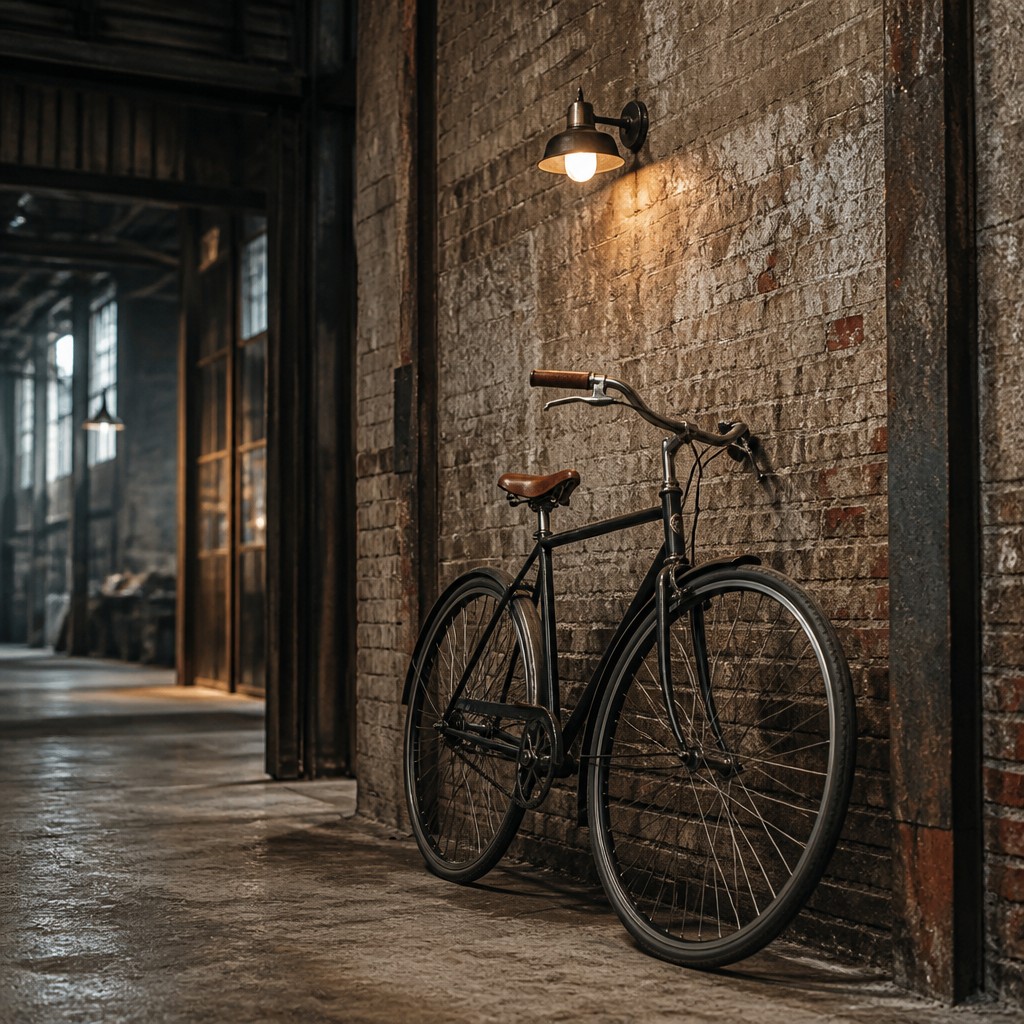
Industrial interior design draws from warehouses, factories, and lofts. It emphasizes honest materials like exposed brick, steel, concrete, and aged wood, often leaving structural elements visible to create a rugged, moody urban feel.
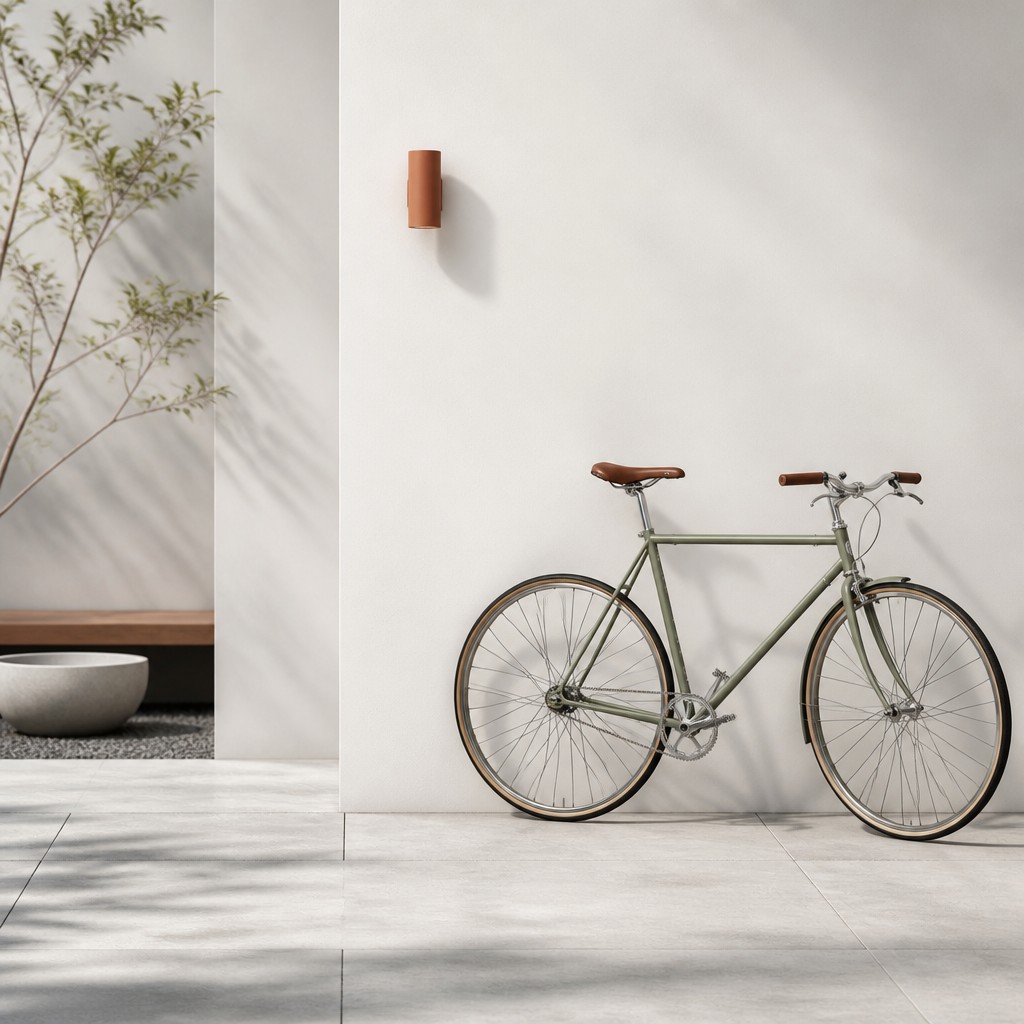
Minimalist interior design takes the opposite route in mood, if not always in function: it strips a space down to essentials, using clean lines, neutral tones, and natural light to create calm, uncluttered interiors. People compare the two because both value simplicity and restraint, but they express those ideas through very different material choices and atmospheres.
Same Prompt, Both Styles
Each pair below was generated from the identical prompt — only the style changed.
“portrait of two people together”


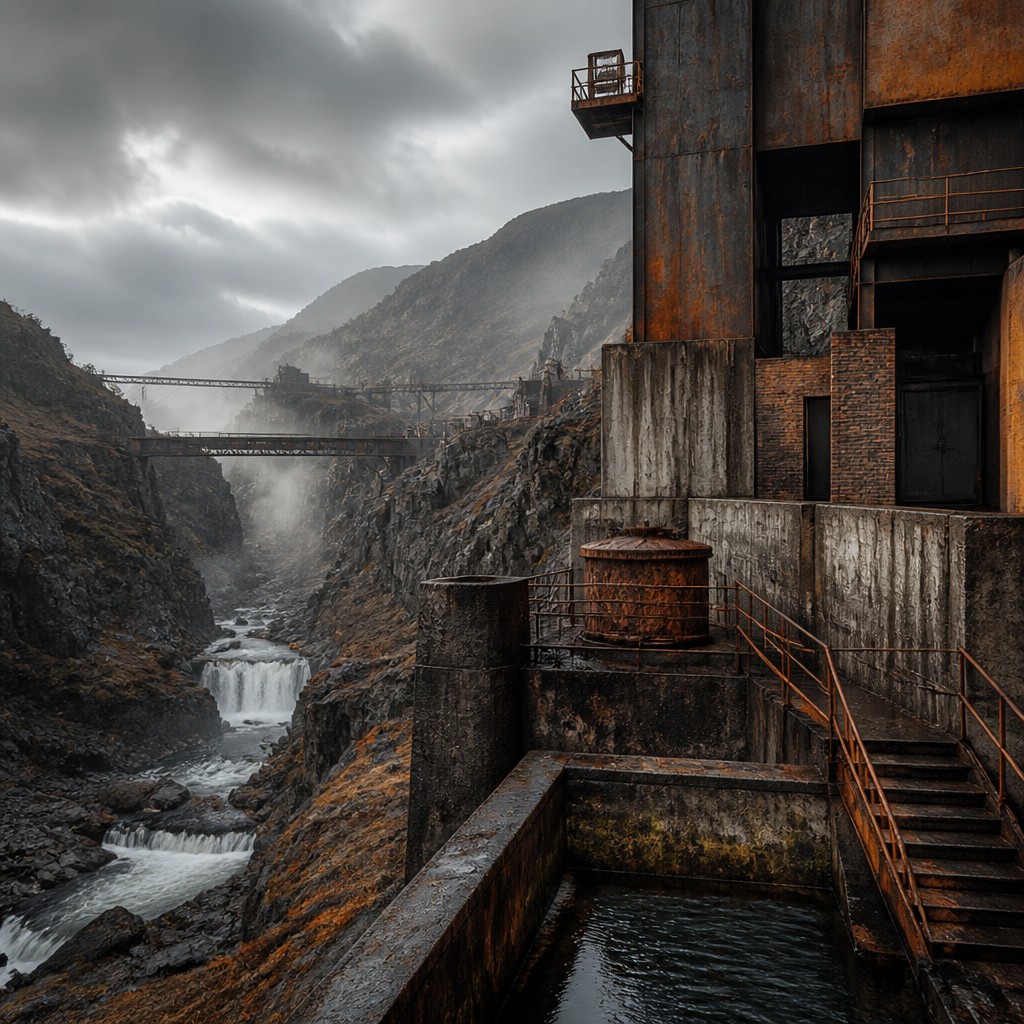
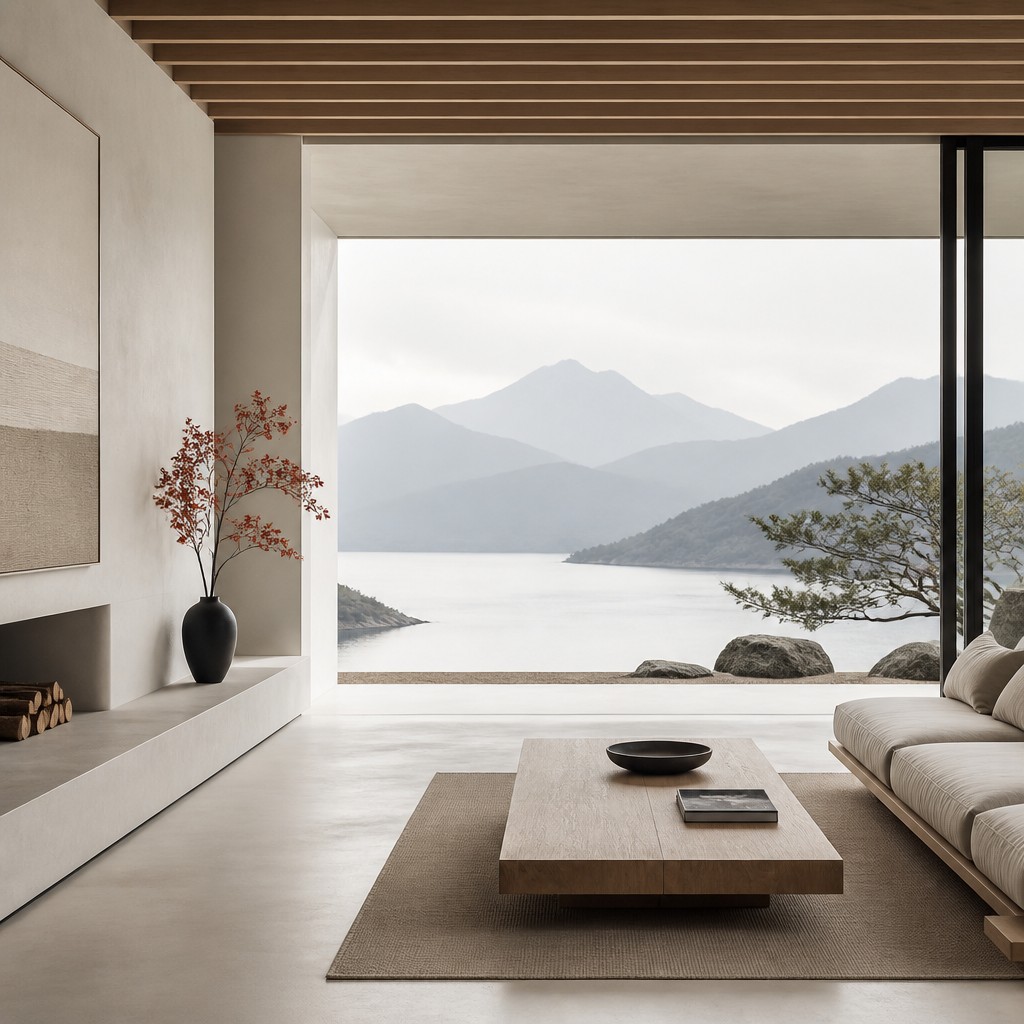
“wide landscape with natural scenery”
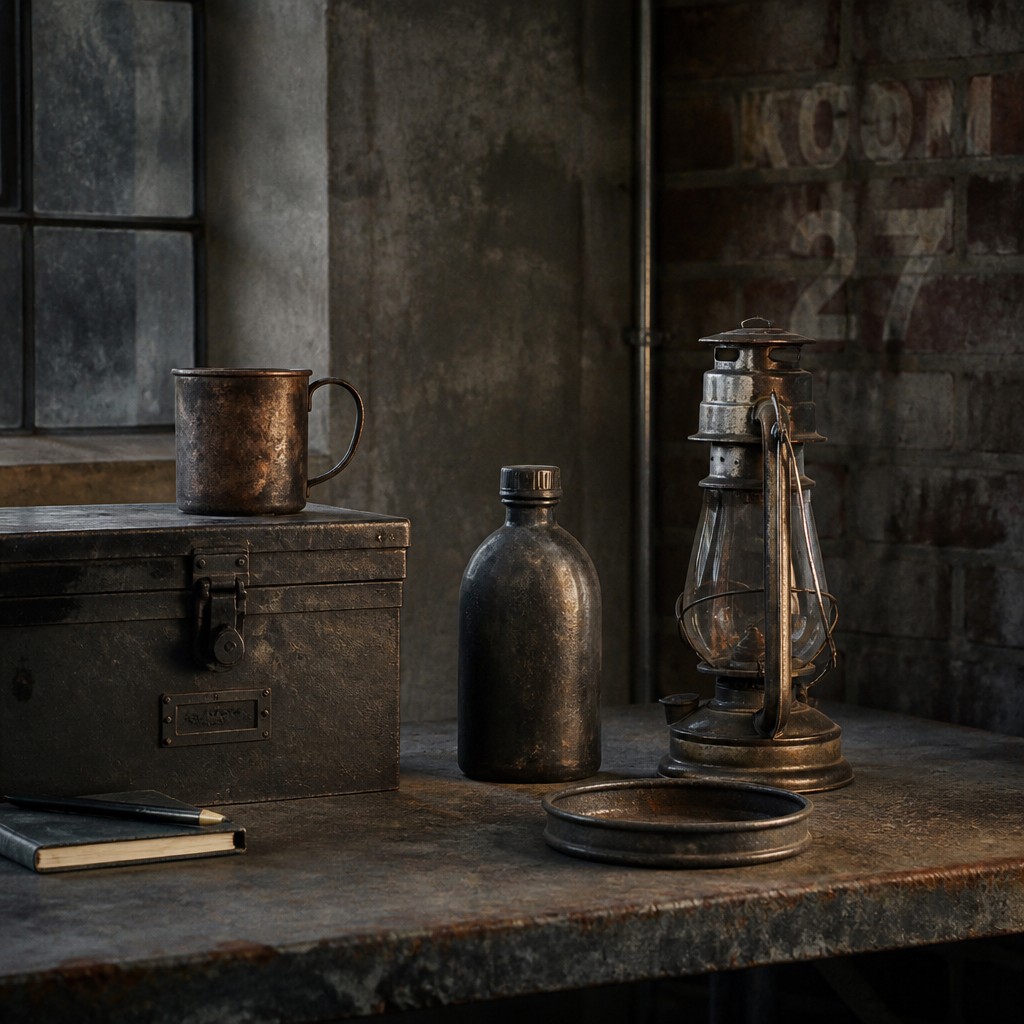
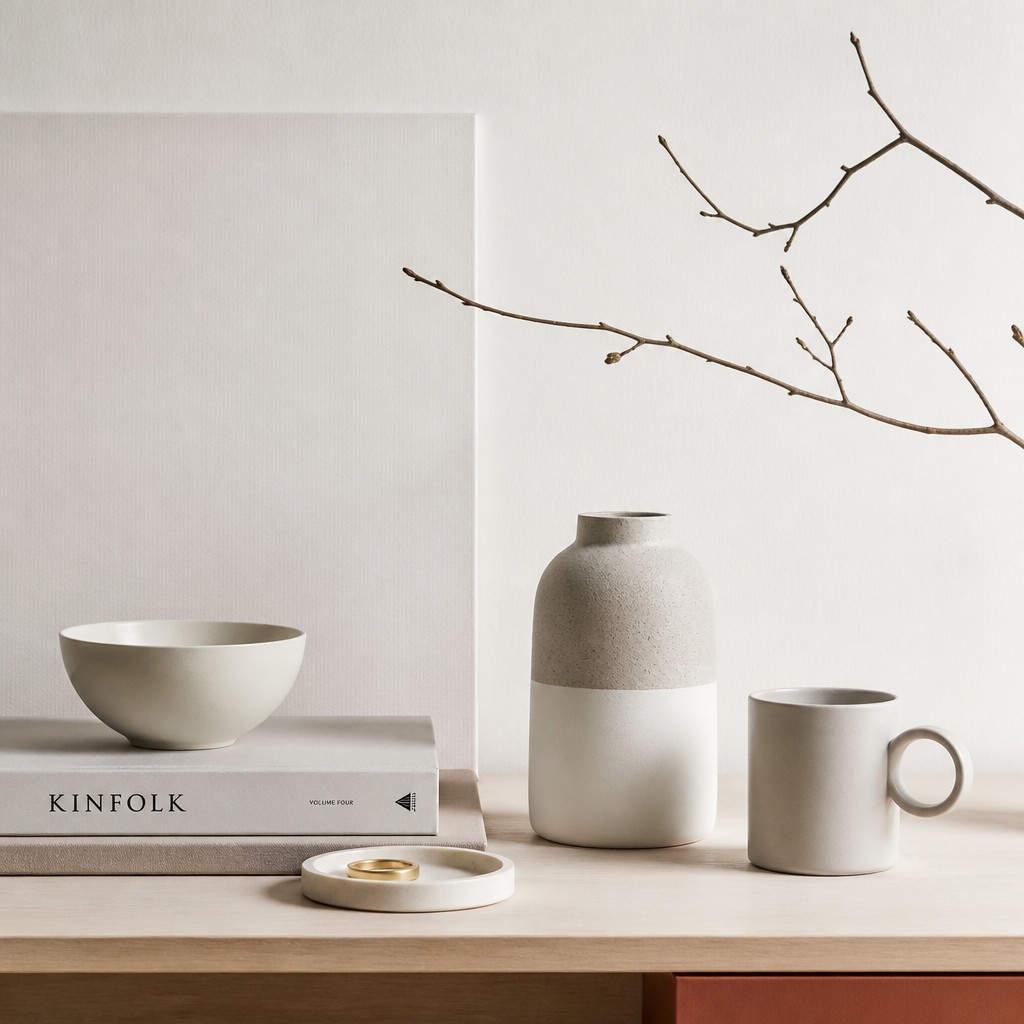
“still life with everyday objects”
“bicyle resting against a wall”
Key Differences
| Industrial Interior Design | Minimalist Interior Design | |
|---|---|---|
| Material expression | Exposes raw, utilitarian materials like brick, steel, and concrete. | Uses restrained finishes with smooth surfaces and fewer material contrasts. |
| Color palette | Often dark, muted, and earthy with weathered tones. | Usually light, neutral, and softly layered. |
| Visual texture | Rough, tactile, and intentionally imperfect. | Sleek, subtle, and visually quiet. |
| Atmosphere | Moody, urban, and energetic. | Calm, airy, and serene. |
| Decor density | Can include functional objects and vintage industrial details. | Keeps decor minimal, with only essential pieces. |
| Light use | Often balances darker materials with targeted lighting. | Maximizes natural light and openness. |
| Mood | raw, utilitarian, urban, edgy | calm, clean, spare, orderly |
| Energy | balanced | serene |
| Detail level | detailed | minimal |
| Color | neutral grays, rust, black, muted browns | neutral whites, grays, beige, muted accents |
| Texture | rough, worn, concrete, metal, brick | smooth, matte, light natural surfaces |
| Origin | 20th-century industrial lofts in urban warehouses | 20th-century modernism, Japan and Scandinavia |
| Best for | loft interiors, cafe spaces, brand identities, architectural visuals, set design | interior visuals, branding, catalog layouts, product photography, editorial spreads, web design |
| Difficulty | moderate | beginner-friendly |
Which Should You Choose?
Choose industrial interior design if you like visible structure, tactile materials, and a space with character, contrast, and a loft-like edge. Choose minimalist interior design if you prefer a lighter, calmer environment with fewer objects, simpler forms, and a strong sense of openness. If you want warmth and personality, industrial may suit you; if you want clarity and visual rest, minimalist is usually the better fit.
Frequently Asked Questions
Is industrial design the same as minimalist design?
No. They can both feel uncluttered, but industrial design celebrates raw, exposed materials while minimalist design reduces everything to essentials. Industrial spaces usually feel heavier and more textured, while minimalist spaces feel lighter and more open.
Which style is better for small spaces?
Minimalist design is often better for small spaces because it helps rooms feel larger and less crowded. Industrial design can work in small spaces too, but darker materials and heavier textures need careful balancing.
Can industrial and minimalist elements be combined?
Yes, and the combination is common. A space can keep minimalist furniture and layouts while using industrial materials like concrete, steel, or exposed brick for character.
Which style is easier to keep looking tidy?
Minimalist design is usually easier to maintain visually because it relies on fewer objects and clearer surfaces. Industrial spaces can be tidy too, but their layered textures and utilitarian details often make more visual activity.