Coastal Interior Design
Light, airy seaside interiors with natural textures, weathered neutrals, and relaxed nautical details.
Instantly rendered in Coastal Interior Design — or transform a photo

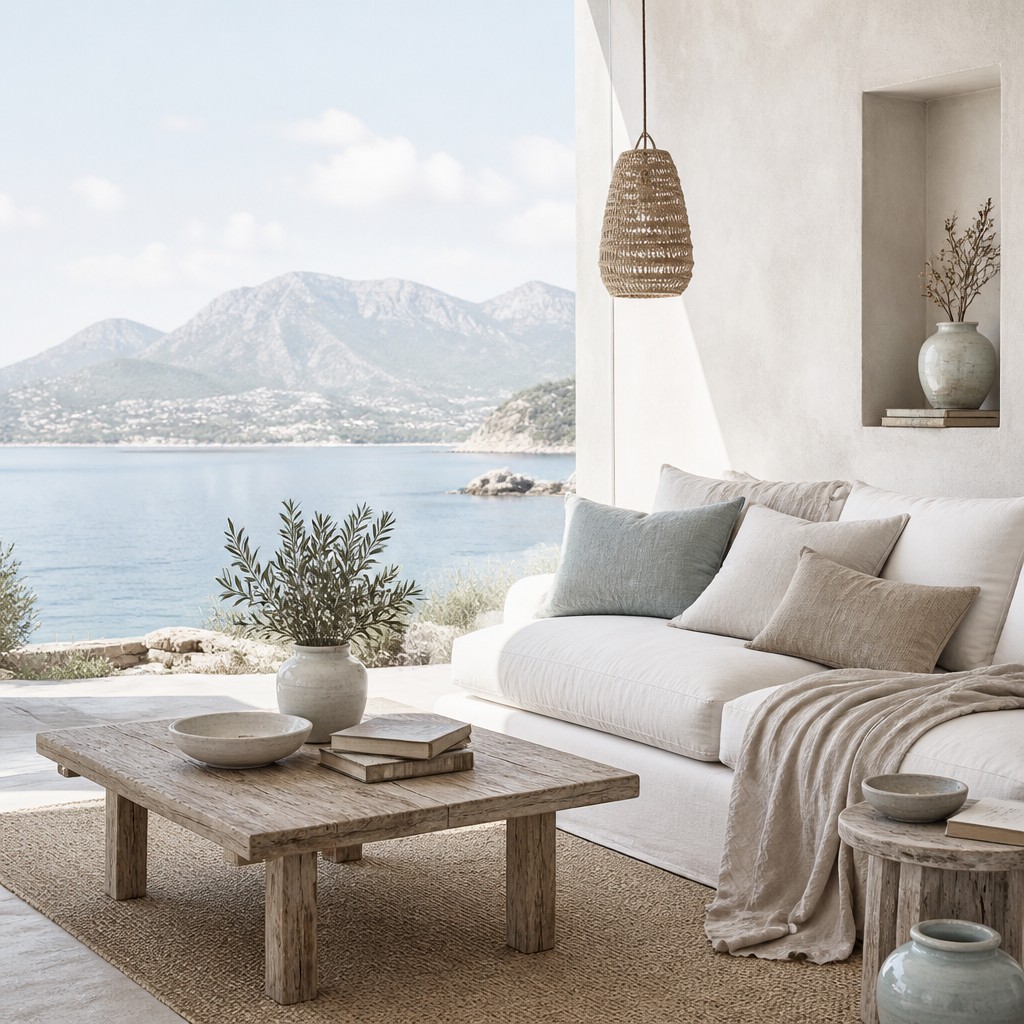
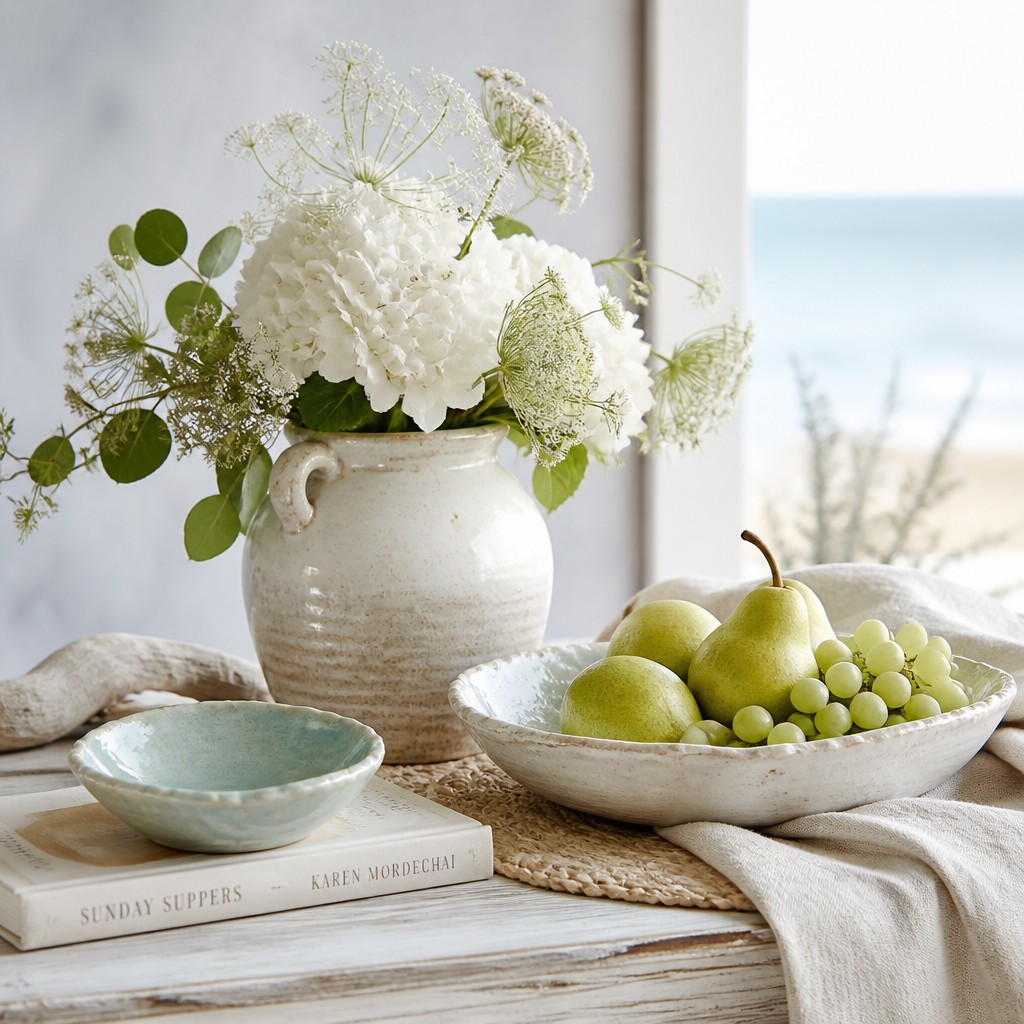
Coastal Interior Design Gallery
Tap any artwork to explore it

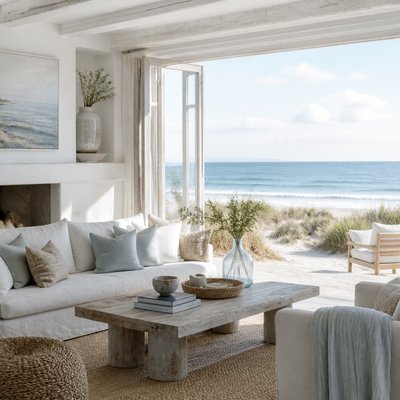
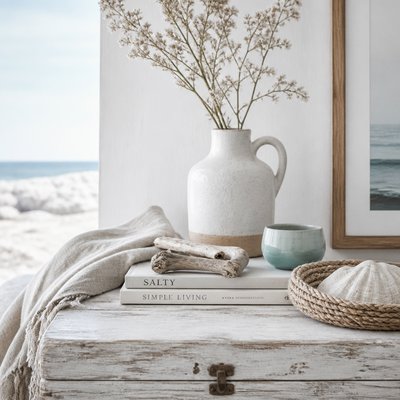


What is Coastal Interior Design?
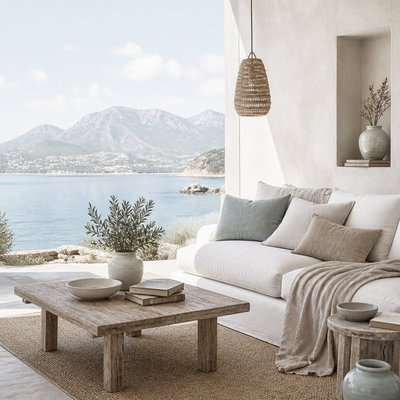
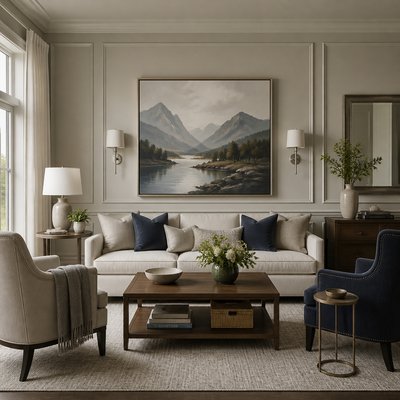
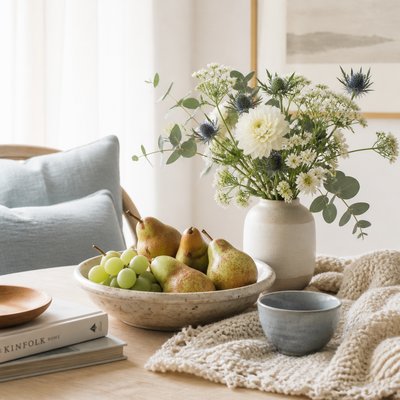
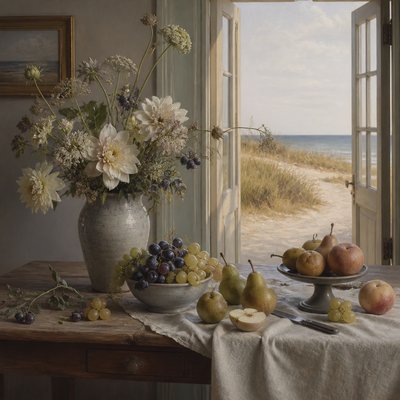
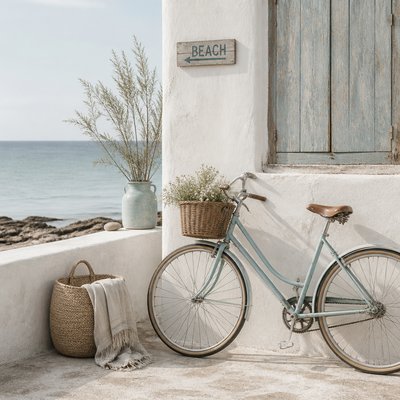
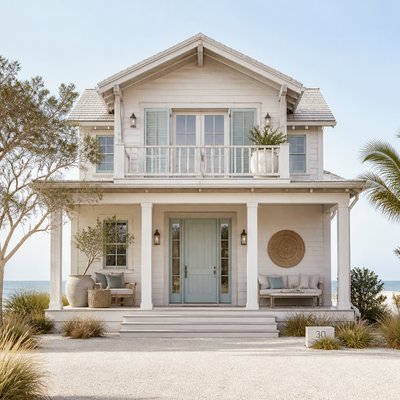
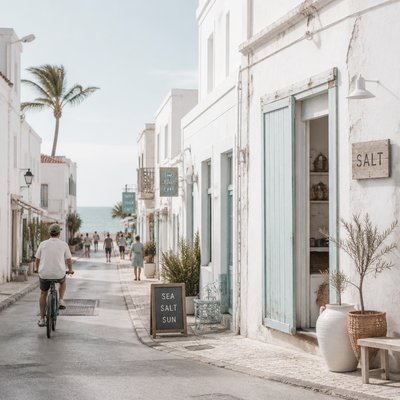
Coastal interior design is a decorating style that borrows its mood and materials from life near the sea. It emphasizes light-filled rooms, weathered neutrals, natural fibers, painted wood, and a sense of open space that feels calm rather than formal. The result is an interior that suggests salt air, daylight, and ease without relying on heavy ornament.
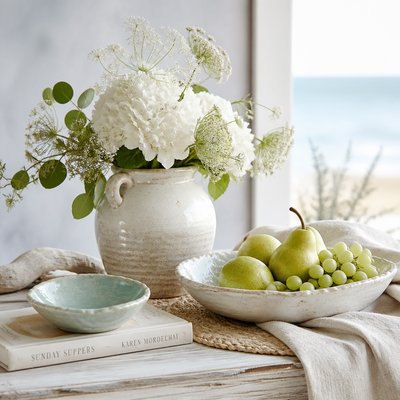
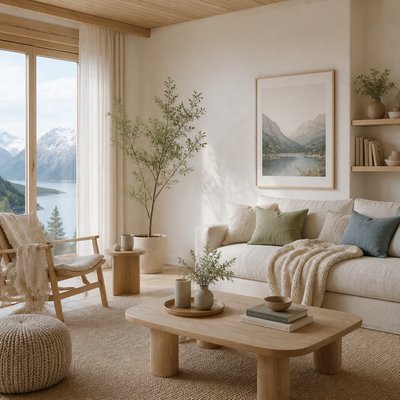
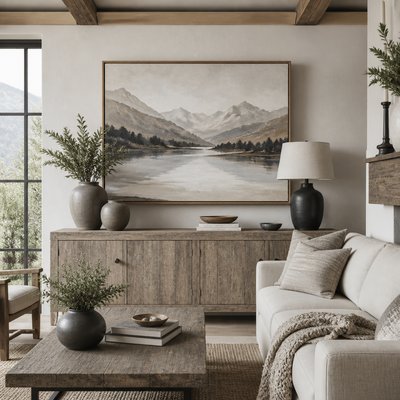
Its visual identity is built from restraint: pale whites, sand, driftwood gray, seafoam blue, and muted green-gray tones dominate, while texture carries much of the visual interest. Linen, jute, rattan, cane, whitewashed wood, slipcovered upholstery, ceramic vessels, and simple nautical references create a lived-in, breezy atmosphere. The style looks this way because it is designed to evoke coastal light, sun-fading, and the practical materials often associated with beach houses and seaside living.

Try It On Your Photos
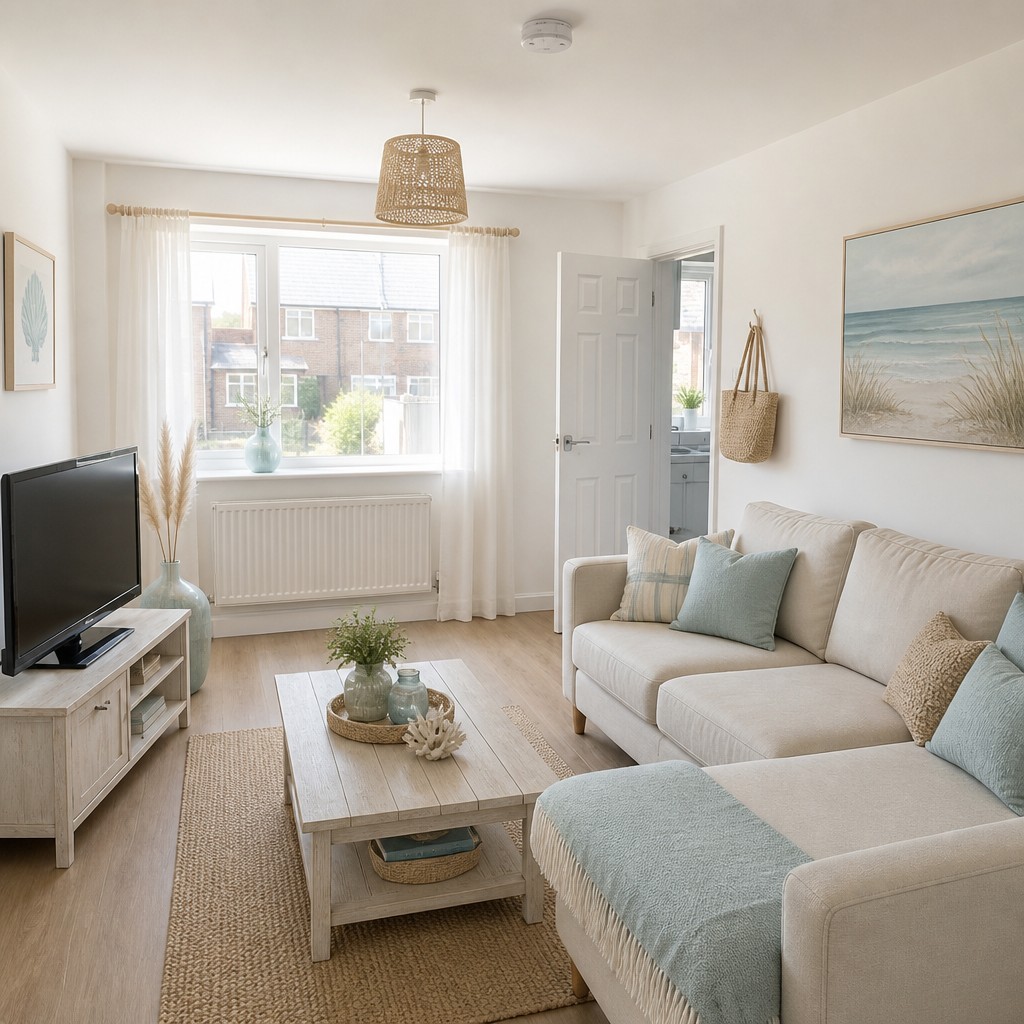
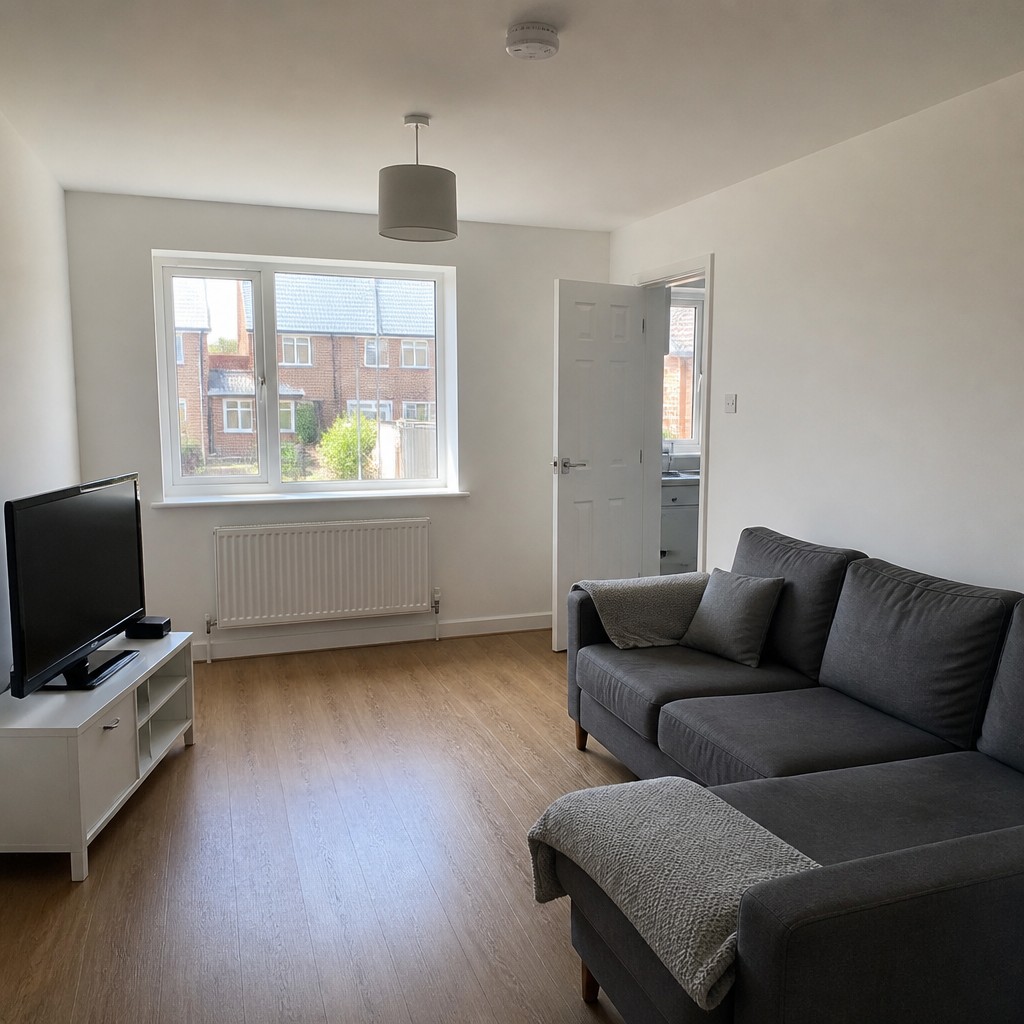
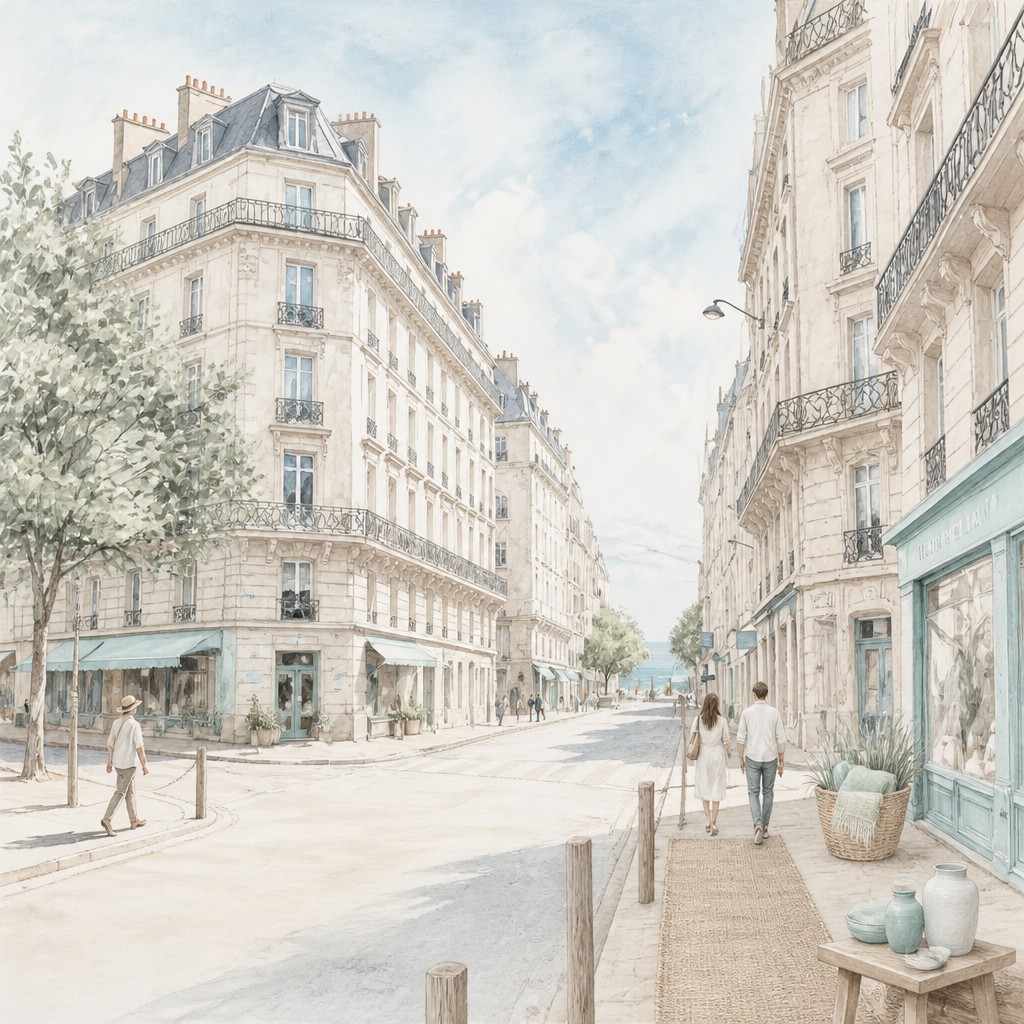
Upload any photo and convert it into Coastal Interior Design — drag the sliders to compare before and after.



What Defines Coastal Interior Design
The signature details, up close
Light, sun-washed color palette
Rooms typically use whites, creams, sand, pale blue, and soft gray-green. These colors make spaces feel cooler, brighter, and visually open.
Natural fibers and woven textures
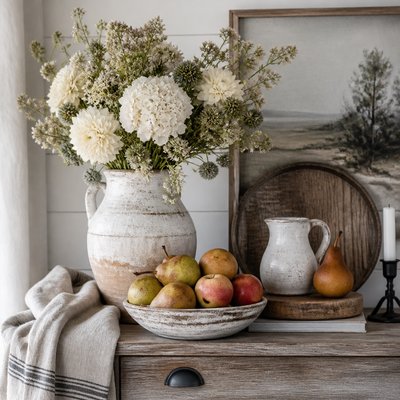
Linen, cotton, jute, seagrass, wicker, rattan, and cane are common. Texture replaces heavy pattern as the main source of visual richness.
Whitewashed and weathered finishes
Painted wood, matte walls, and lightly distressed surfaces suggest sun exposure and sea air. Finishes are usually soft and low-gloss rather than polished.
Relaxed, uncluttered layouts
Furniture placement tends to preserve negative space and easy circulation. The style favors a calm room rhythm over dense decoration.
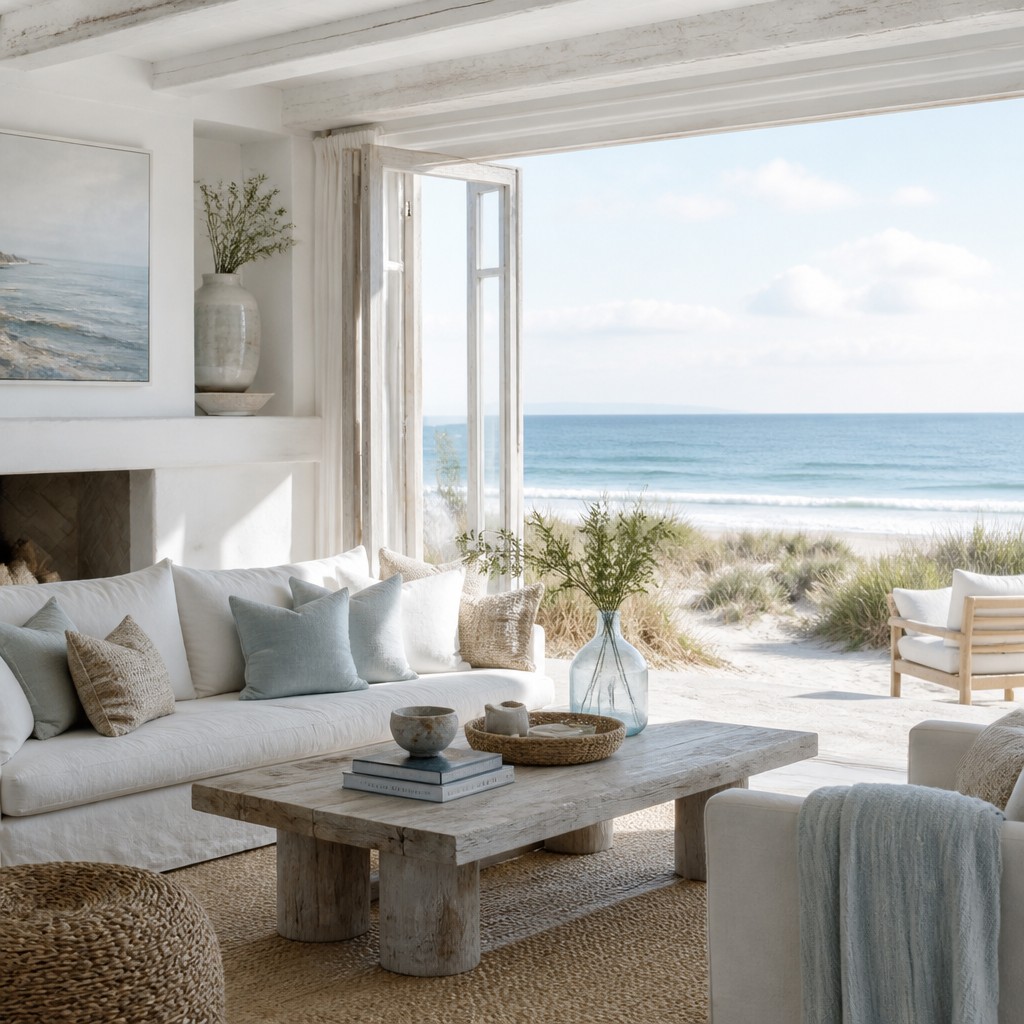
Nautical and maritime accents
Subtle references such as striped textiles, rope details, coastal prints, or ceramic objects reinforce the theme. In refined versions, these elements remain minimal and understated.
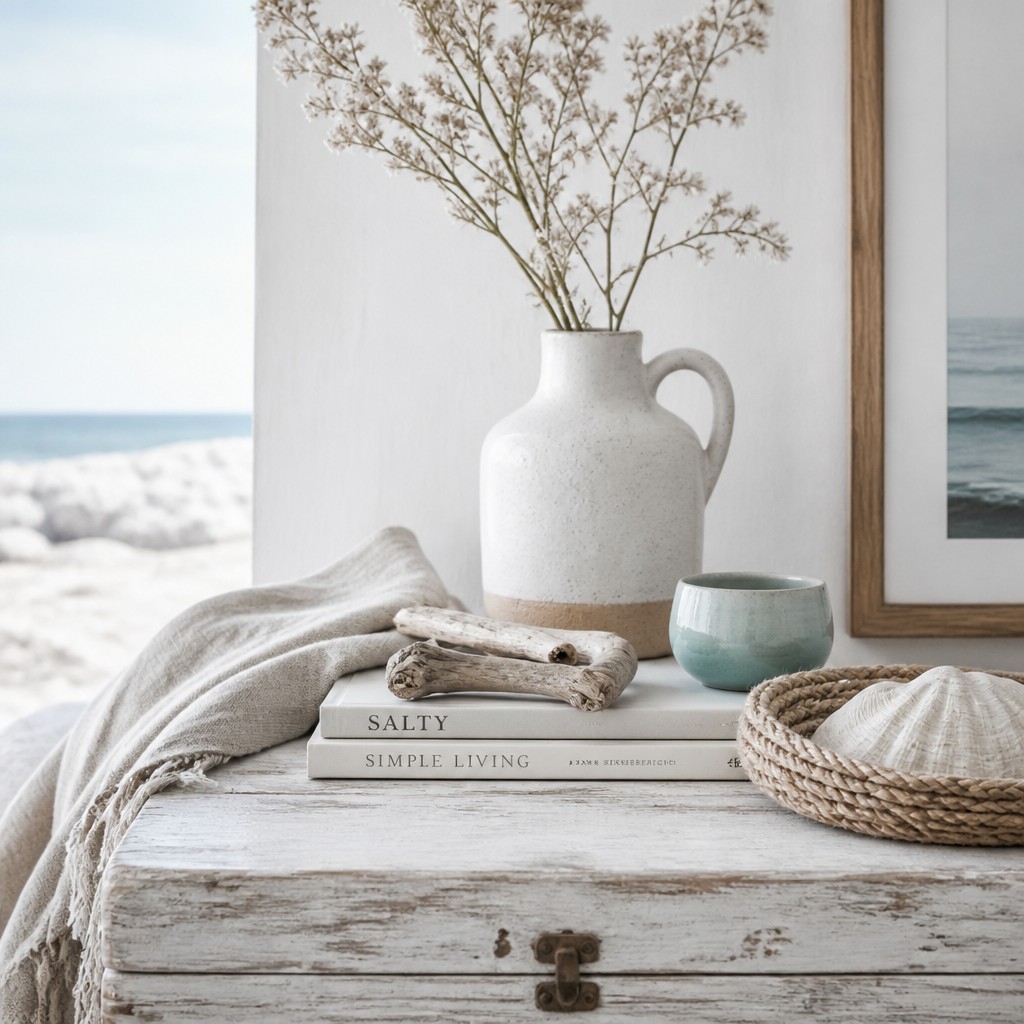
Indoor-outdoor visual continuity
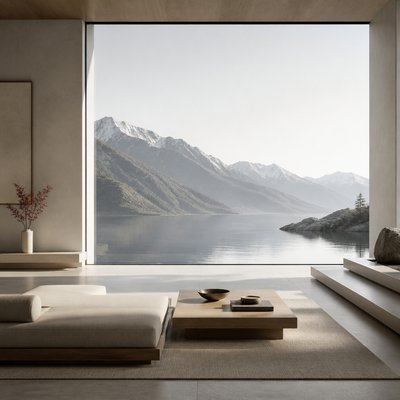
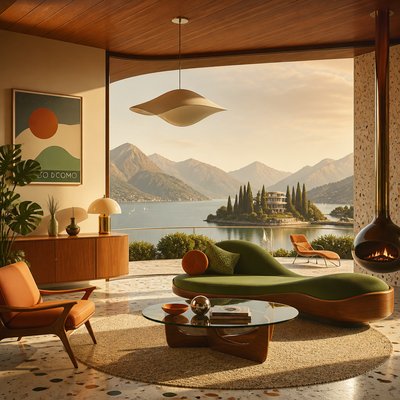
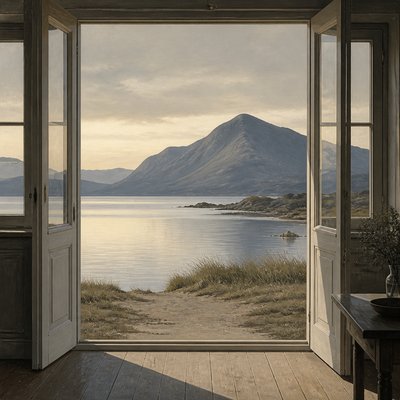
Large windows, airy drapery, slipcovered seating, and natural materials help the interior feel connected to the outdoors. The goal is a seamless transition between home and landscape.
Try It
Create Videos in Coastal Interior Design
Styles aren't just for stills — describe a scene or animate an image and get a short video rendered in Coastal Interior Design. Press play to see this pond come to life.
Make a VideoCoastal Interior Design Prompt Ideas
Start from an idea — each one opens the generator with the style ready to go. See all 40 Coastal Interior Design prompts →

“close-up portrait of an elderly person with expressive weathered features”
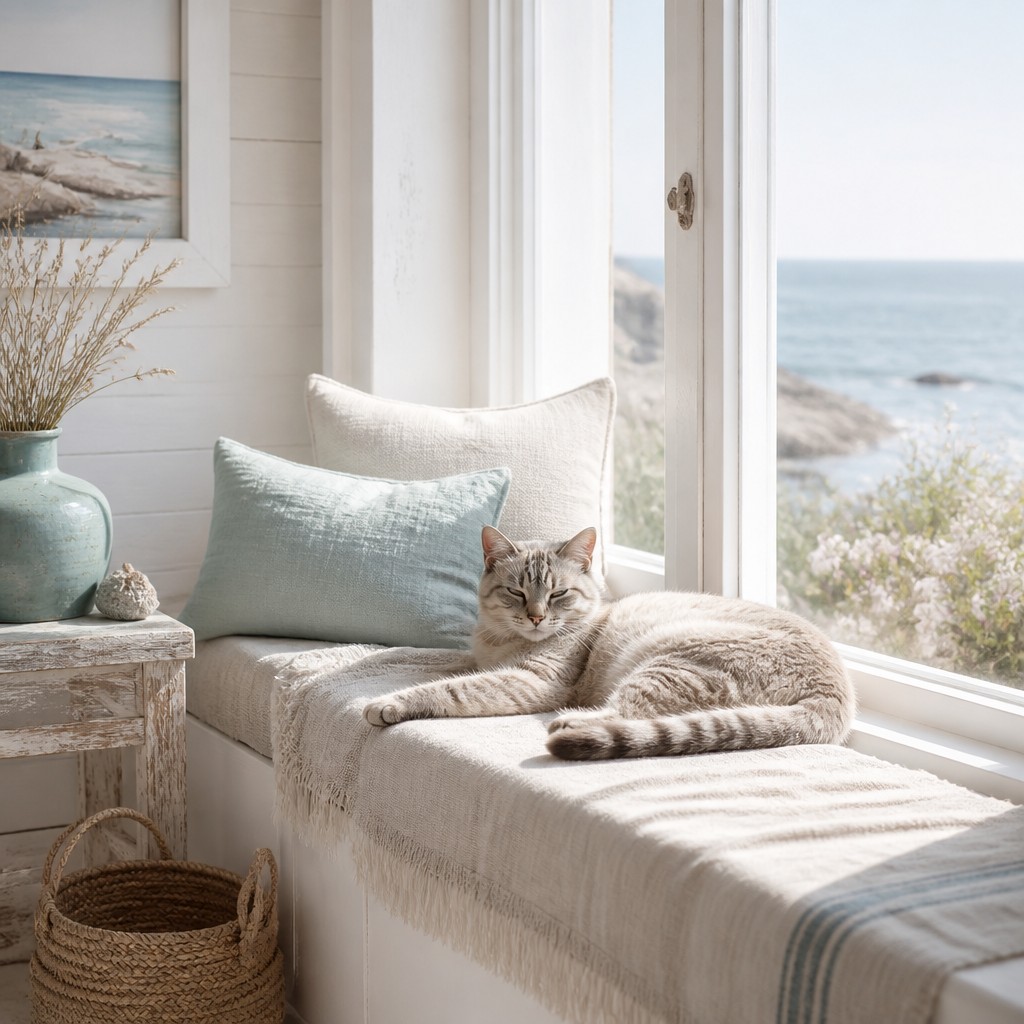
“a cat lounging in a sunlit window”
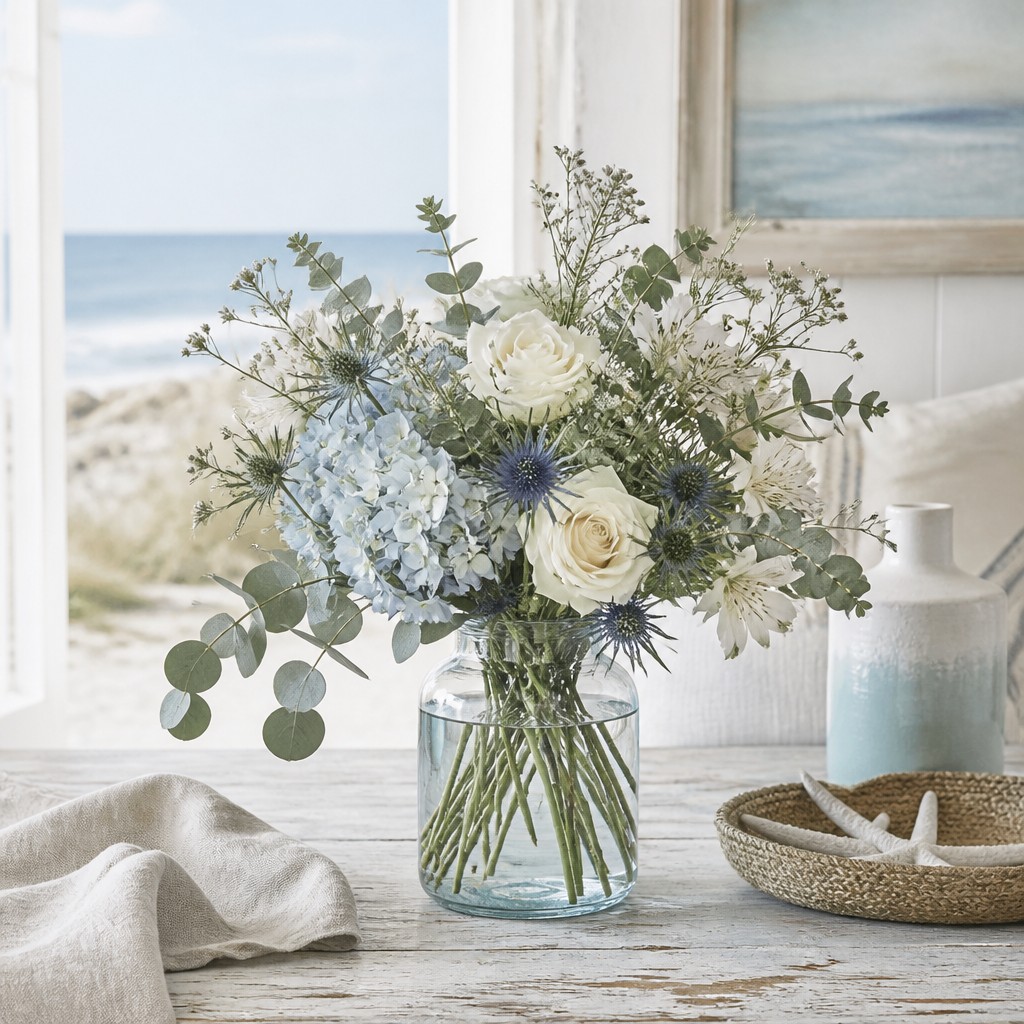
“bouquet of flowers in a glass vase”
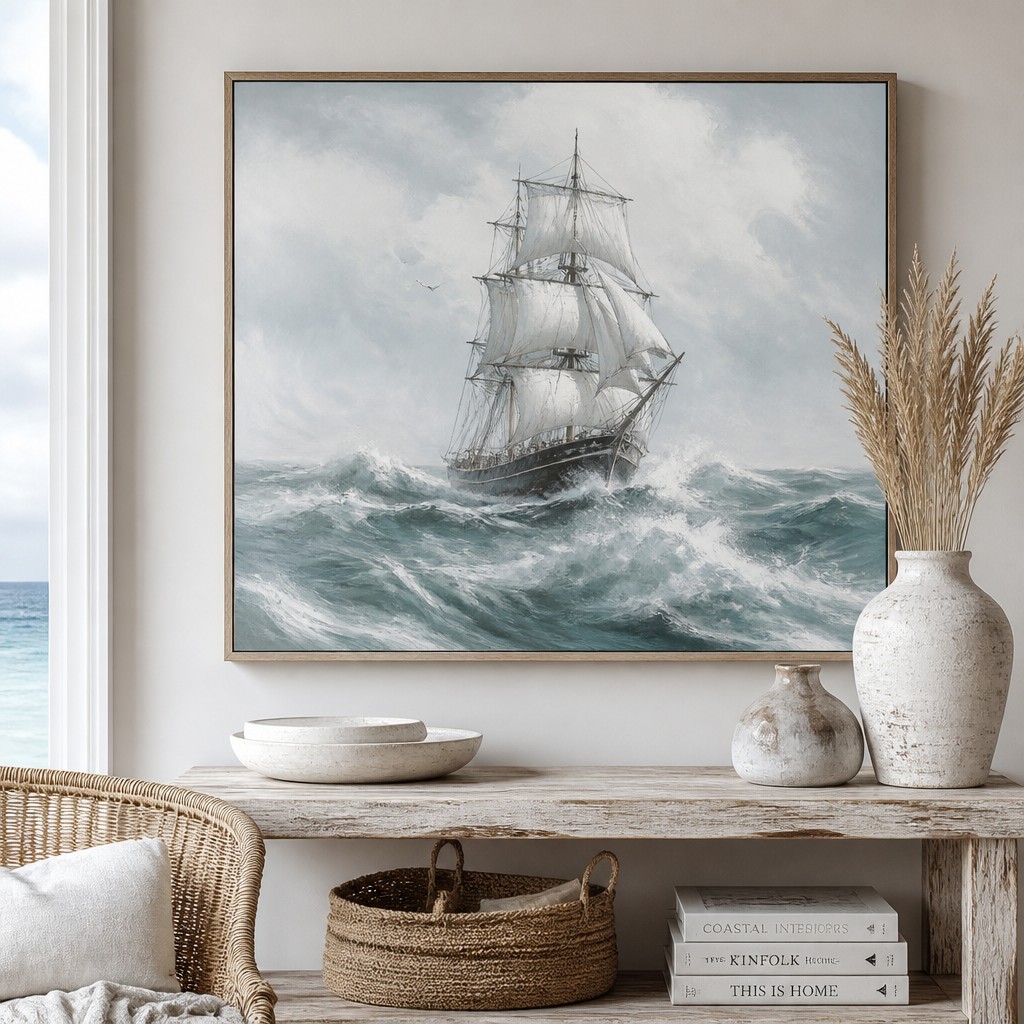
“sailing ship on a stormy sea”
How to Create Coastal Interior Design Art
Master the craft step by step — or skip straight to creating. Read the full guide →
- 1
Build the palette first
Start with a base of warm white or weathered beige, then layer in driftwood gray, pale blue, and seafoam accents. Keep contrast gentle so the room reads bright and breathable rather than stark.
- 2
Prioritize texture over pattern
Use linen upholstery, woven baskets, jute rugs, rattan chairs, and matte ceramics to add depth. If you include pattern, keep it restrained—thin stripes, small checks, or subtle coastal motifs work best.
- 3
Choose softly finished surfaces
Painted wood, whitewashed trim, chalky walls, and matte metals suit the style better than high-shine finishes. In digital work, describe these surfaces explicitly so they render with diffuse, tactile realism.
- 4
Leave room for negative space
Whether styling a room or composing an image, avoid overcrowding. Breathable spacing around furniture and decor is essential to the relaxed, seaside mood.
- 5
Use daylight and gentle shadows
Render soft coastal daylight, ideally from large windows or open doors, with minimal harsh contrast. In prompt-based generation, mention diffused seaside light, airy openness, and calm salt-air atmosphere.
- 6
Add a few believable maritime cues
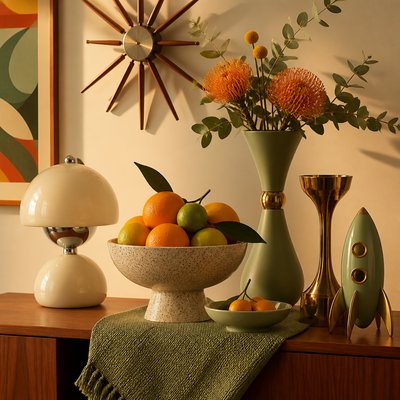
A ceramic lamp, striped throw, driftwood object, framed seascape, or rope detail can anchor the theme without becoming costume-like. Keep these accents sparse so the design stays refined rather than themed.

The Story
History & Origins of Coastal Interior Design
Coastal interior design is not a single historical movement but a modern decorative tradition shaped by seaside vernacular architecture, American and European beach-house interiors, and broader trends in light-filled modern domestic design. Its lineage includes painted cottage interiors, Shaker simplicity, Scandinavian restraint, and informal resort decorating, all of which favor pale color, functional furnishings, and an uncluttered room layout. In the late 20th and early 21st centuries, the style became widely popular in home design magazines and residential staging, especially in regions where coastal living was part of local identity.
The style also draws from visual habits associated with maritime culture: weathered surfaces, rope, striped textiles, ceramic lamps, and motifs like shells or oars. Over time it has broadened from overt nautical themes into a more polished, neutral, and texture-driven aesthetic. Contemporary coastal interiors often minimize literal seaside ornament in favor of an atmosphere of light, softness, and natural materiality.
Influences: Coastal interior design is related to vernacular seaside architecture, cottage decorating, Scandinavian interior design, Shaker simplicity, and the broader modern preference for uncluttered, light-toned rooms. It also overlaps with nautical styling, though in its more refined form it uses maritime references sparingly. In an art-historical sense, it shares an attention to light and atmosphere with domestic scenes in Impressionism, while its material restraint echoes the practical elegance of Shaker design rather than any single canonical painterly school.
Frequently Asked Questions
What defines coastal interior design?
The style is defined by light colors, natural textures, and an airy, relaxed arrangement that suggests life near the sea. It usually combines weathered whites, sandy neutrals, soft blues, linen, jute, and wood with a minimal but comfortable furnishing approach.
Is coastal interior design the same as nautical style?
Not exactly. Nautical style is more literal, often using anchors, navy stripes, rope, and ship-like references. Coastal interior design is broader and usually subtler, focusing on atmosphere, light, and natural materials rather than obvious maritime decoration.
What colors are most common in this style?
White, cream, beige, driftwood gray, pale blue, and seafoam green are the most typical colors. These shades reflect sunlight well and help create the calm, breezy feeling associated with seaside interiors.
What materials work best in a coastal interior?
Natural, tactile materials are central: linen, cotton, rattan, wicker, cane, jute, seagrass, and lightly finished wood. Matte ceramics, glass, and a little brass can be added as accents, but the overall effect should remain soft and unpretentious.
How can I make a room look coastal without making it themed?
Use a restrained palette, maximize daylight, and rely on texture instead of decorative symbols. A few subtle maritime references are enough; if you add too many shells, anchors, or striped motifs, the room can start to feel staged rather than lived-in.
Where is coastal interior design commonly used?
It is common in beach houses, vacation homes, resort properties, and casual family interiors, but it also appears in apartments and suburban homes that want a lighter, more relaxed feel. The style is popular because it translates well to both large open spaces and smaller rooms.
Create your first Coastal Interior Design artwork
Describe anything — or upload a photo — and see it in Coastal Interior Design in seconds.
Make Something with Coastal Interior Design
Related Styles
Discover similar art styles