Impressionist Nature Art
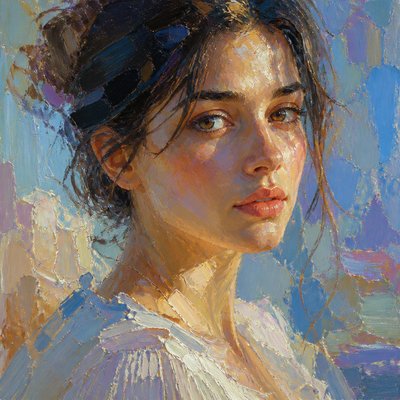
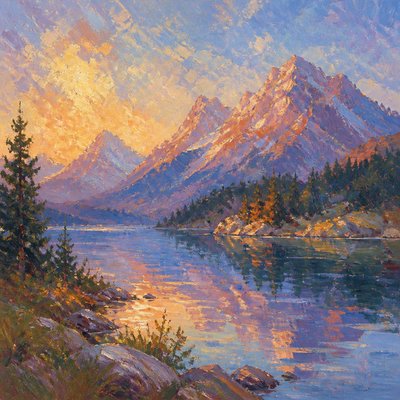
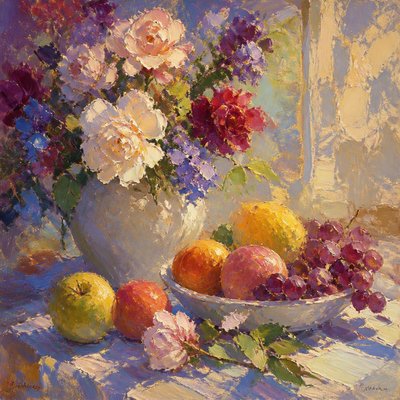
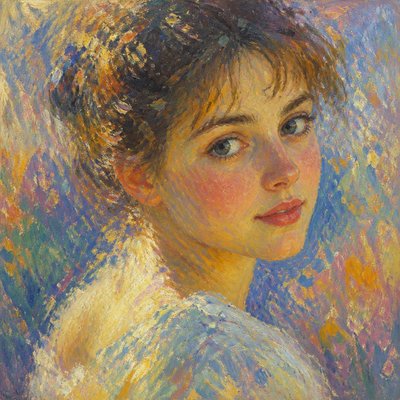
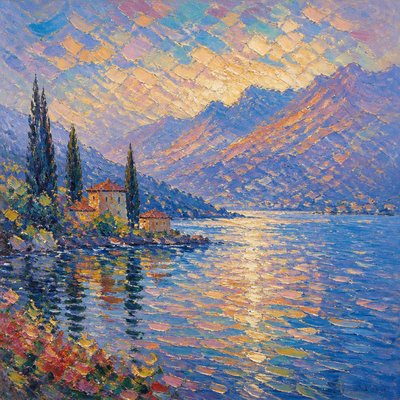
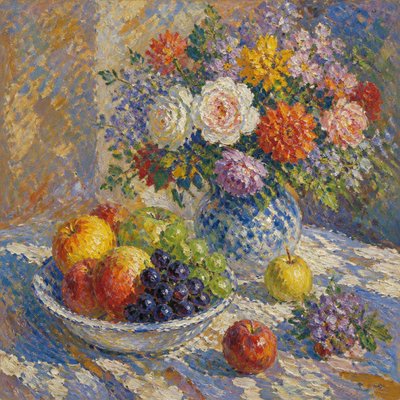
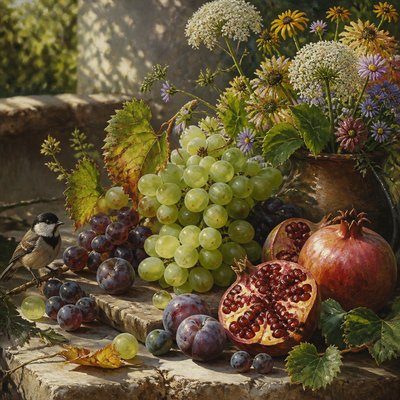
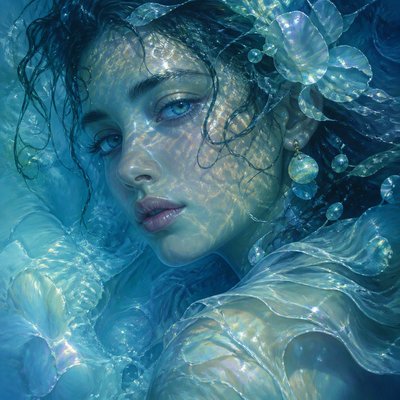
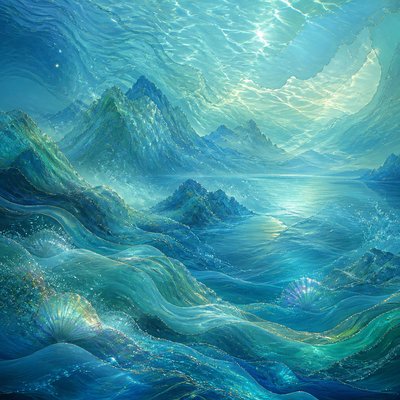
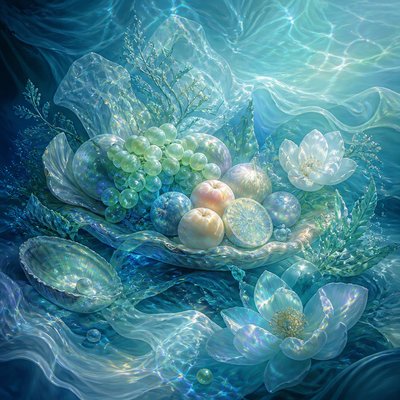
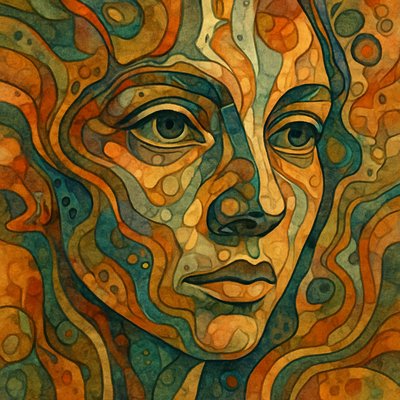
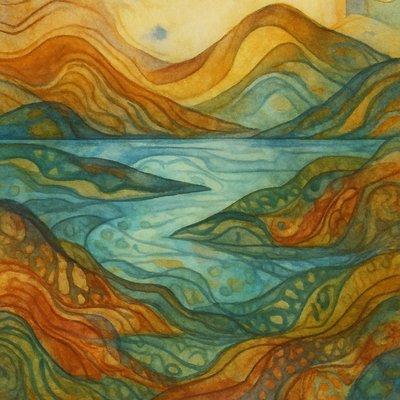
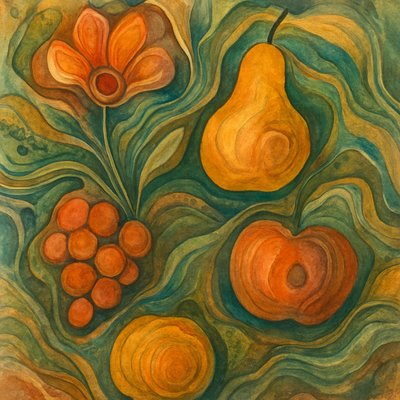
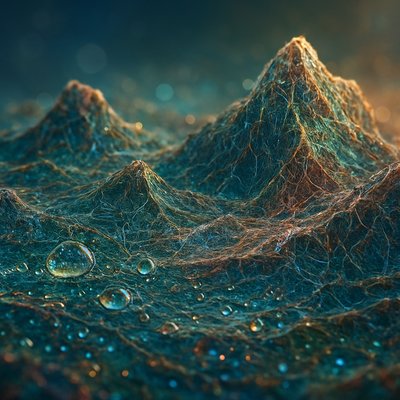
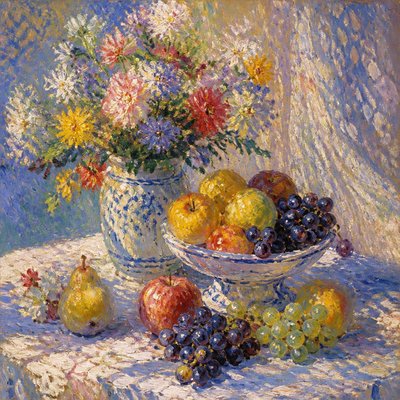
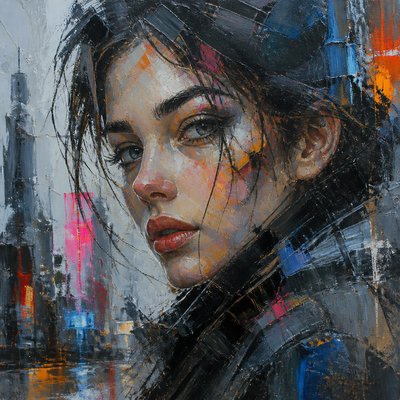
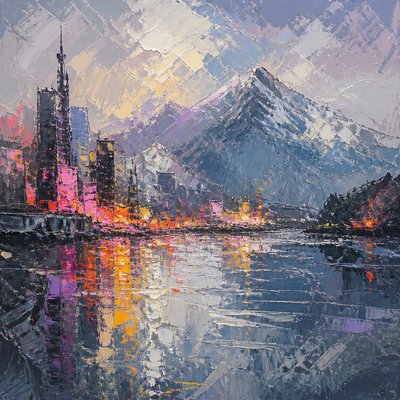
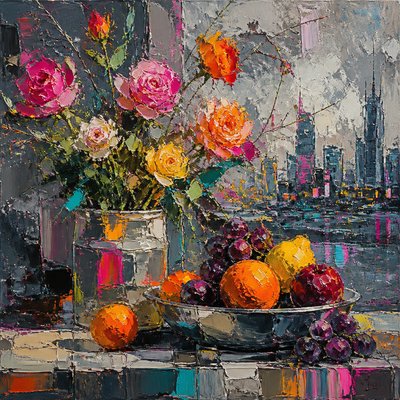
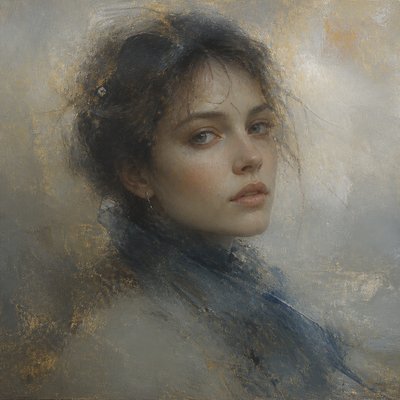
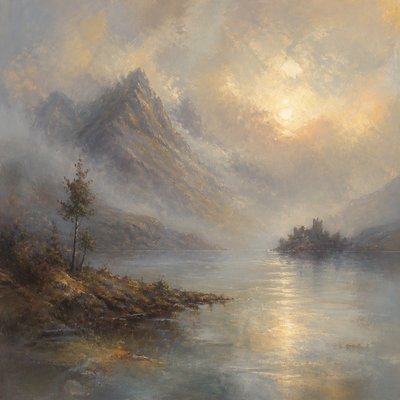
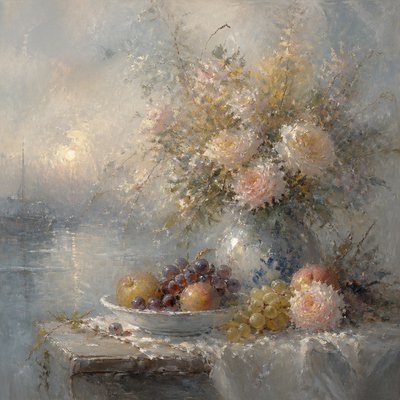
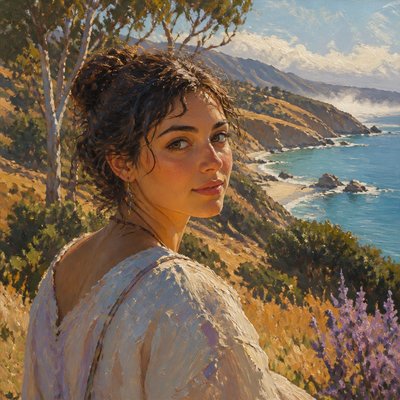
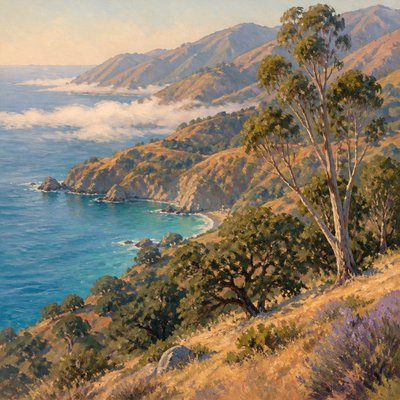
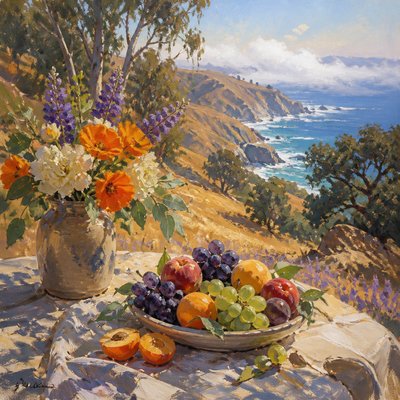
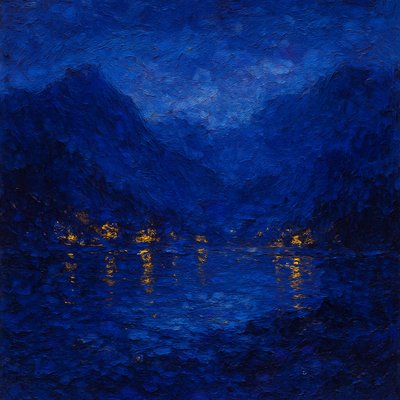
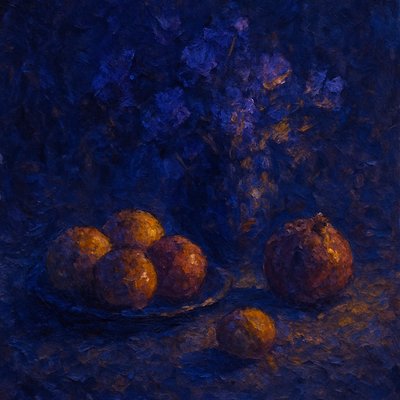
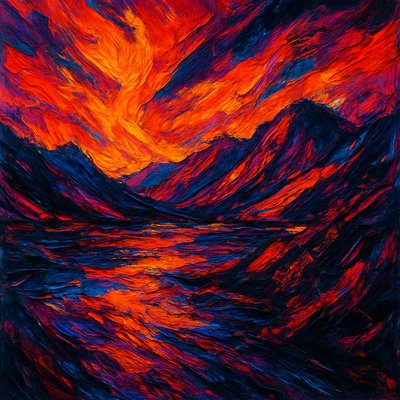
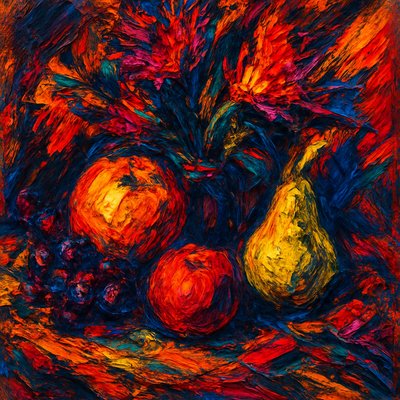
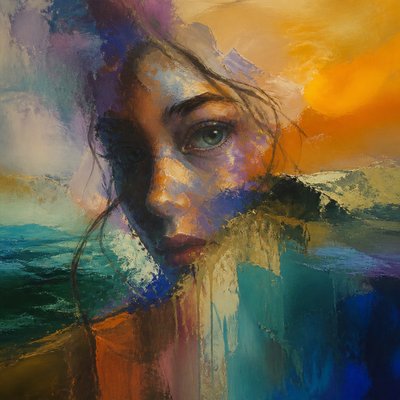
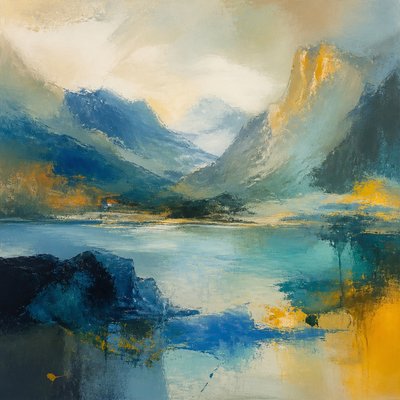
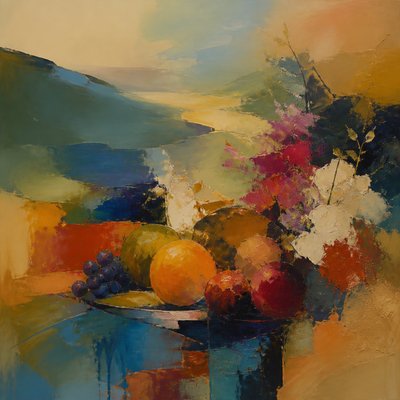
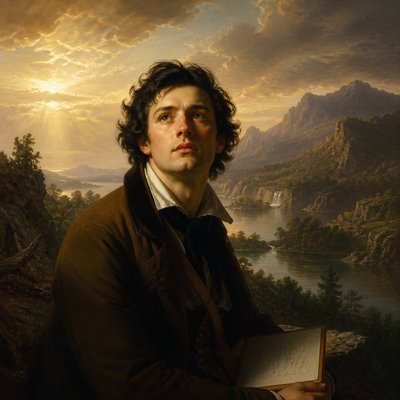
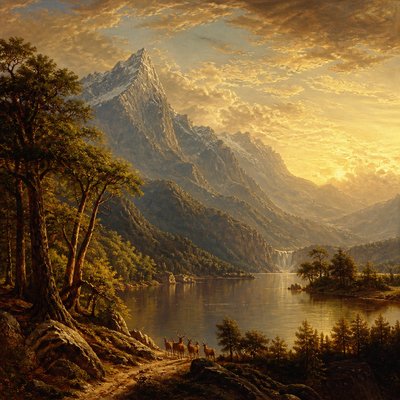
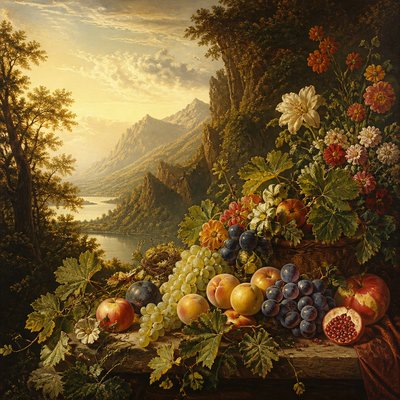
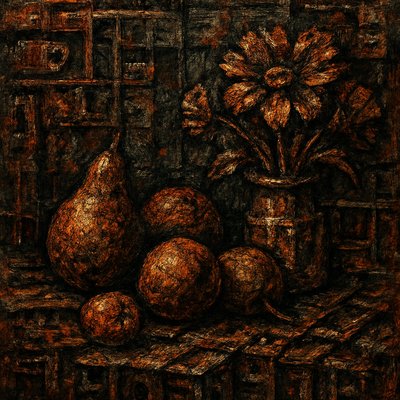
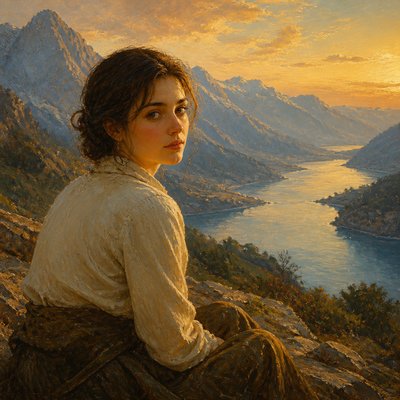
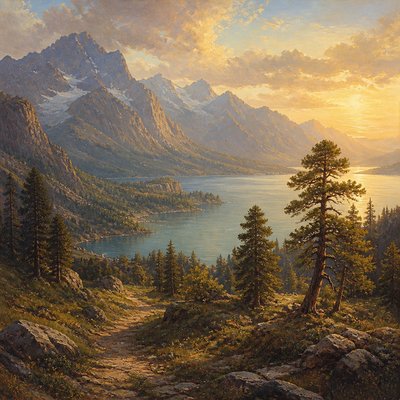
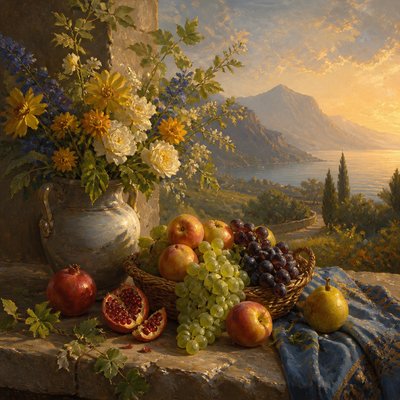
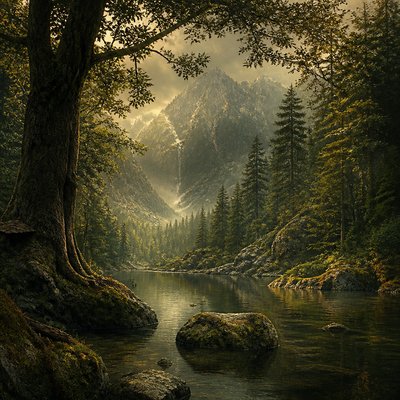
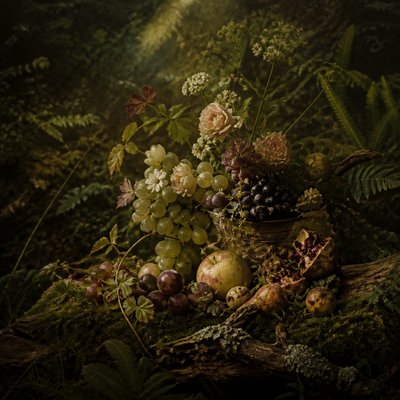
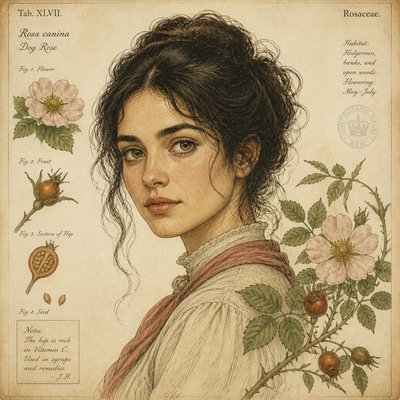
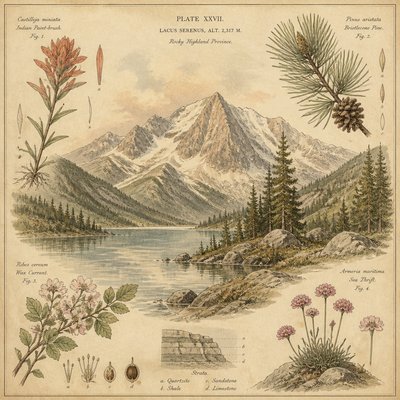
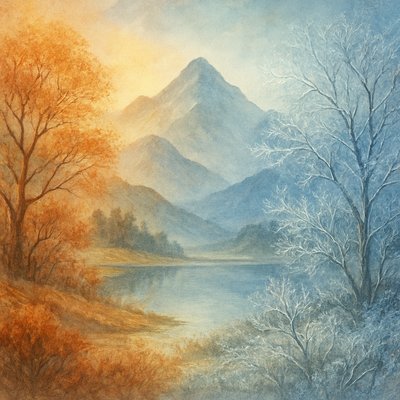
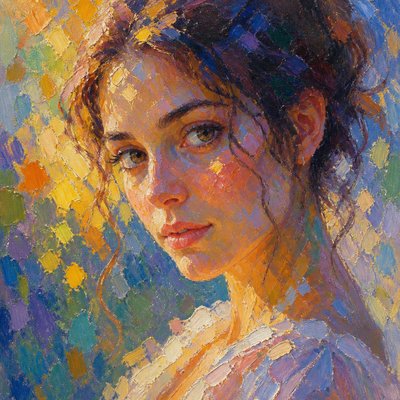
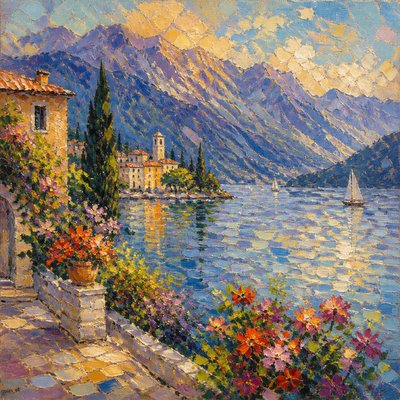
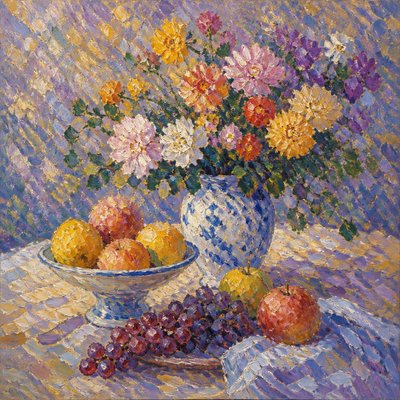
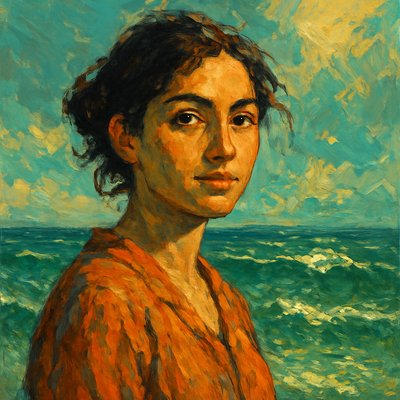
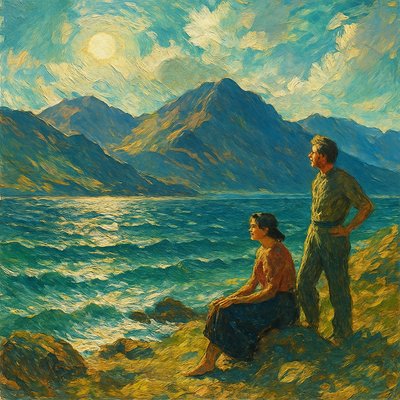
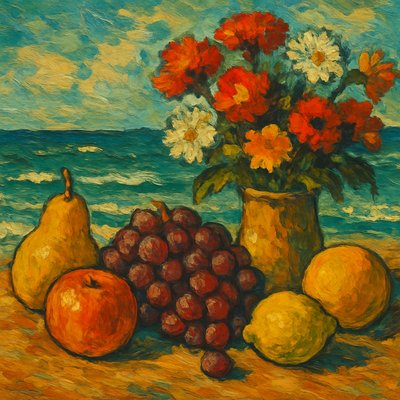
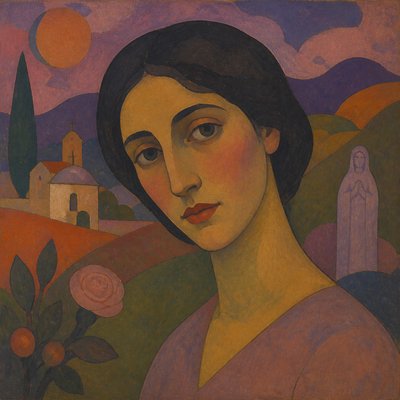
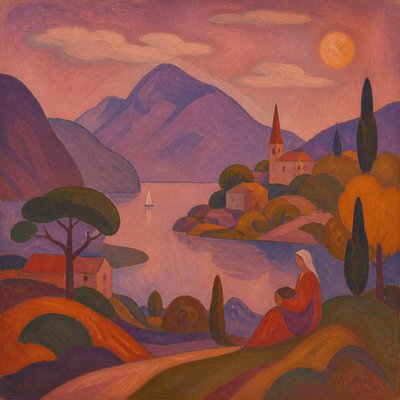
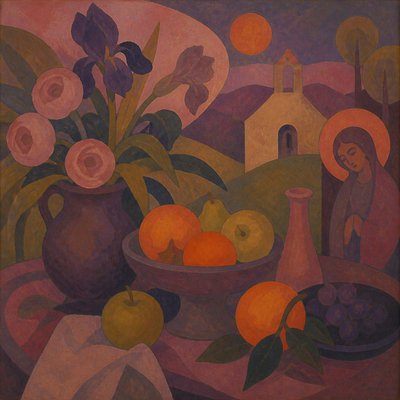
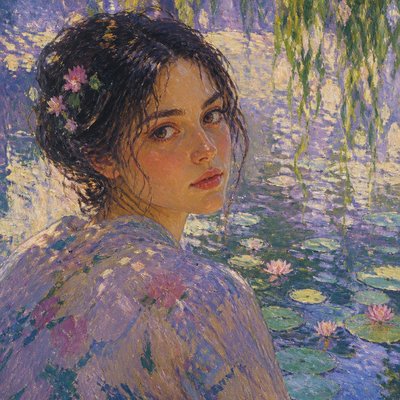
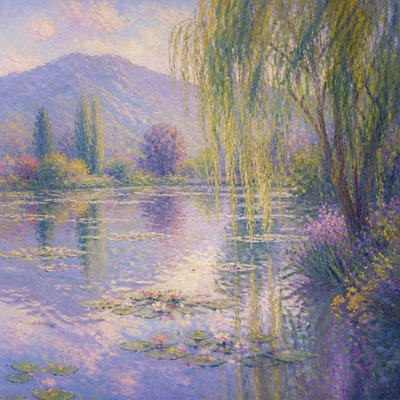
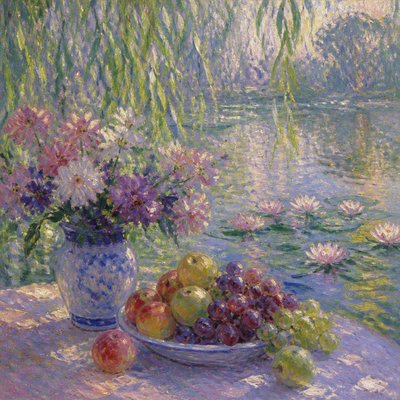
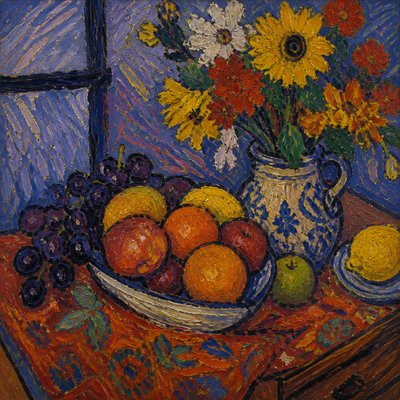
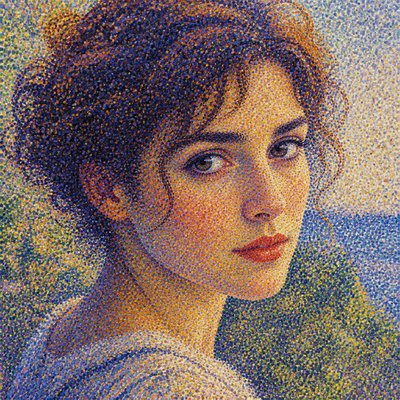
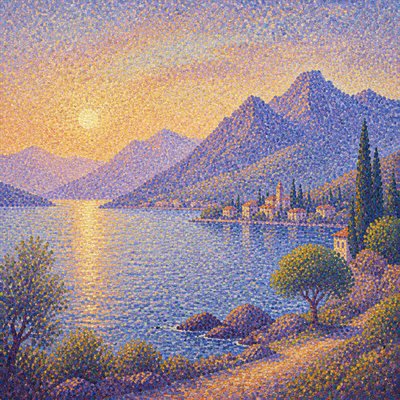
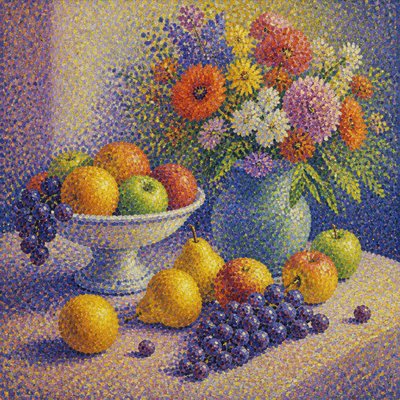
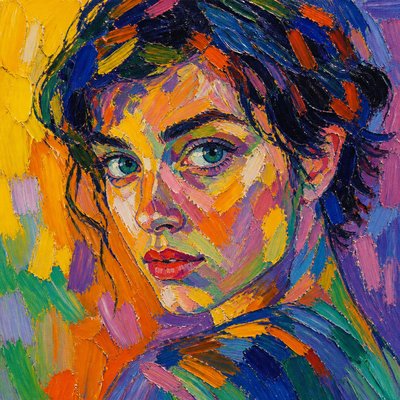
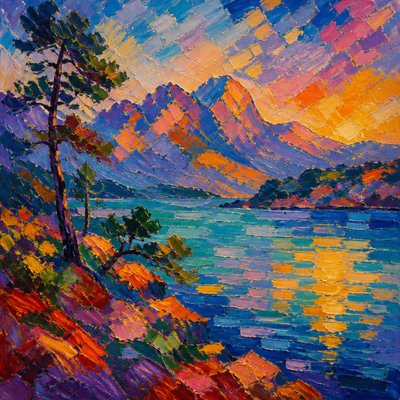
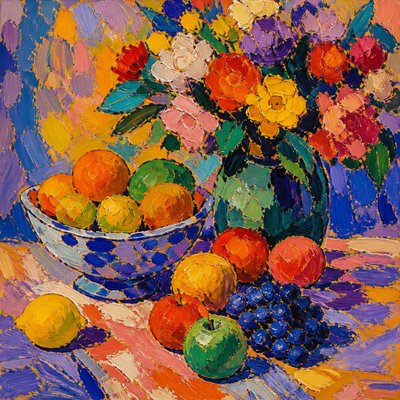
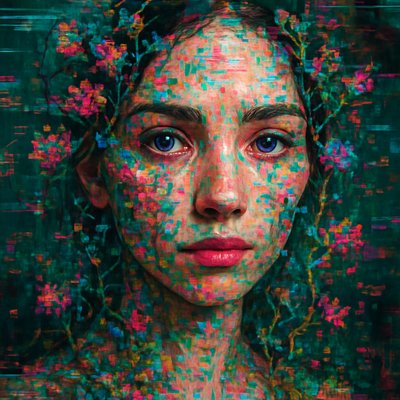
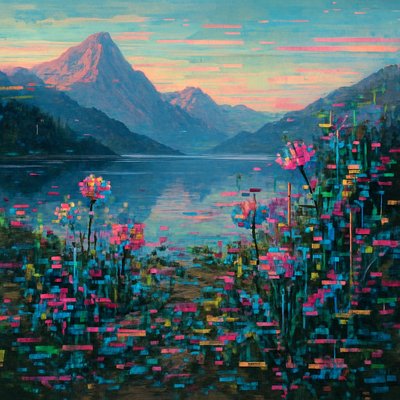
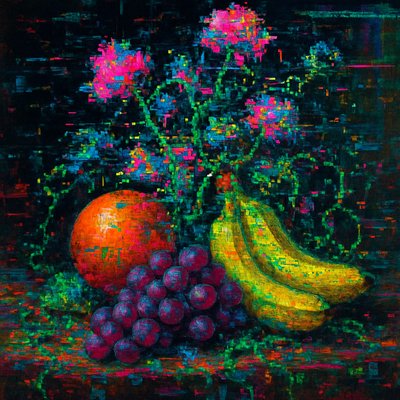
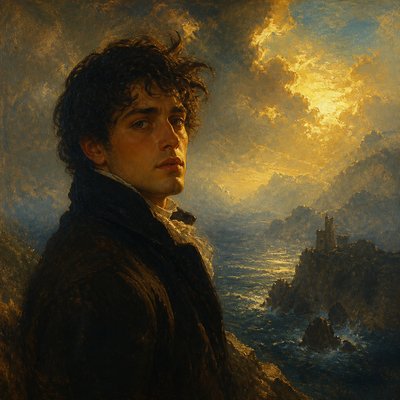
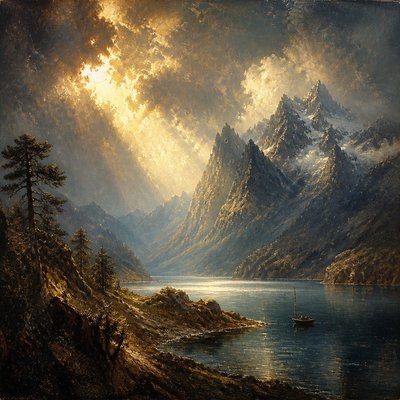
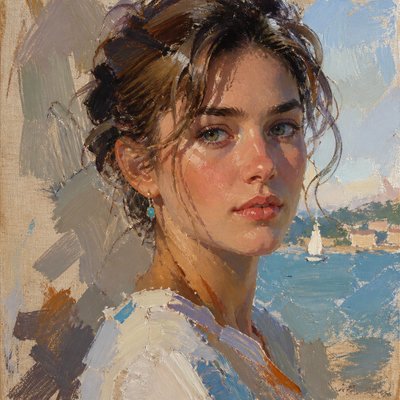
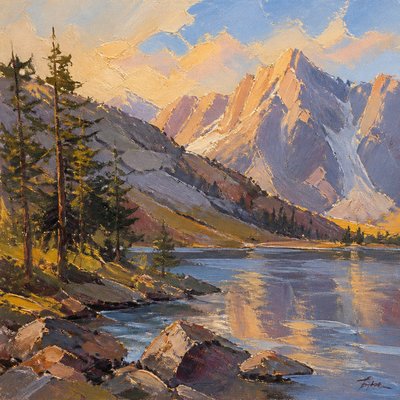
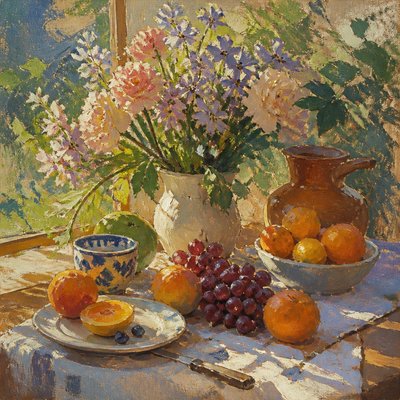
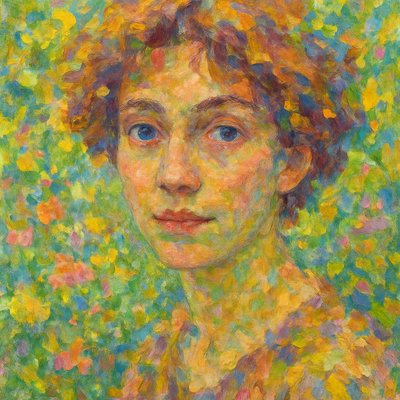
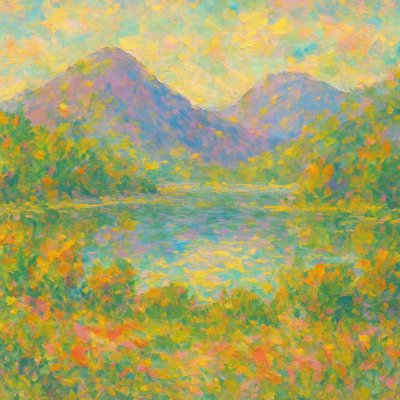
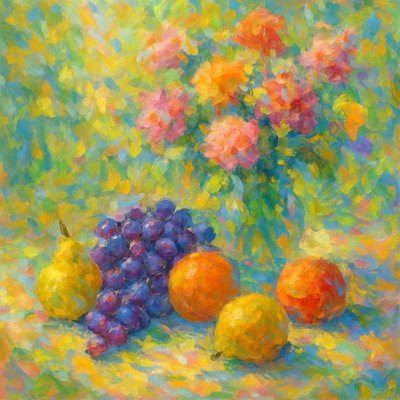
Loose, light-filled painting of nature with broken color, soft edges, and atmospheric brushwork inspired by Impressionist landscape traditions.
Instantly rendered in Impressionist Nature — or transform a photo
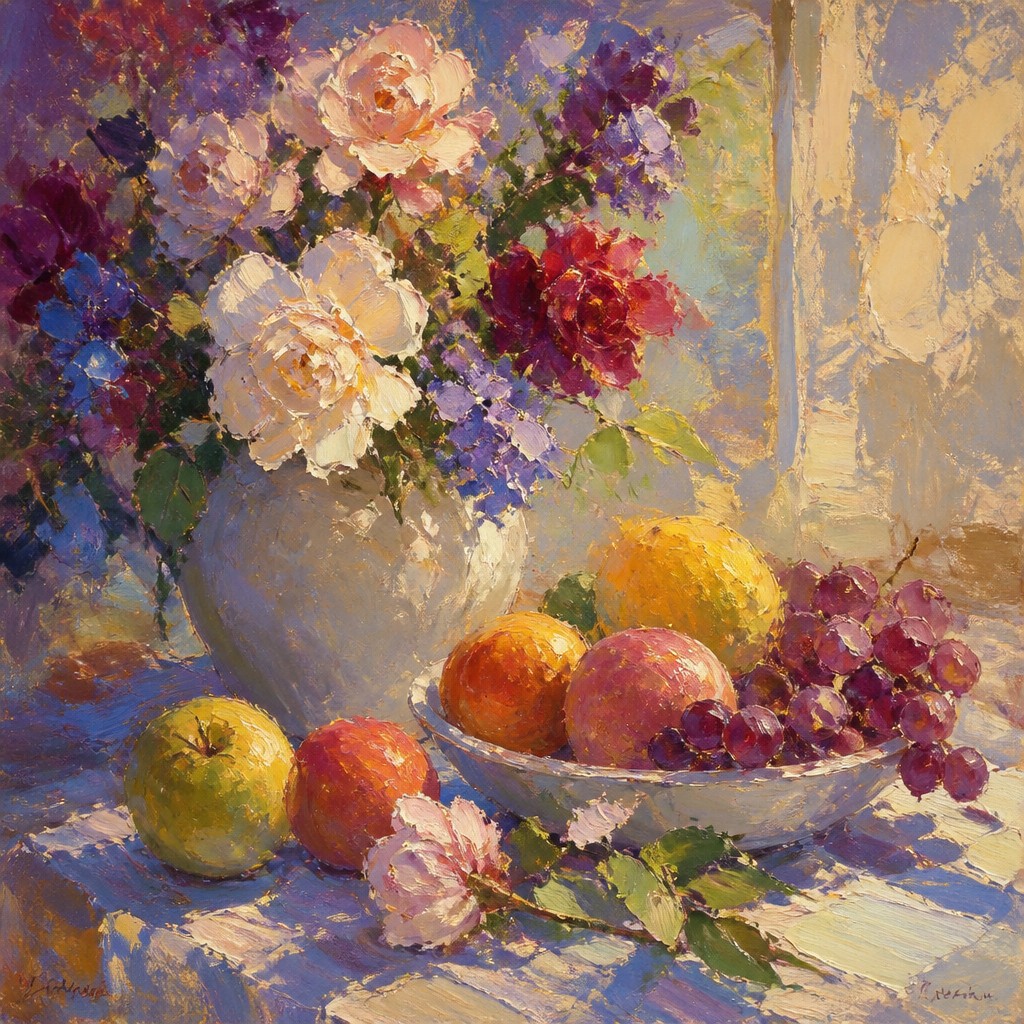
Impressionist Nature Gallery
Tap any artwork to explore it

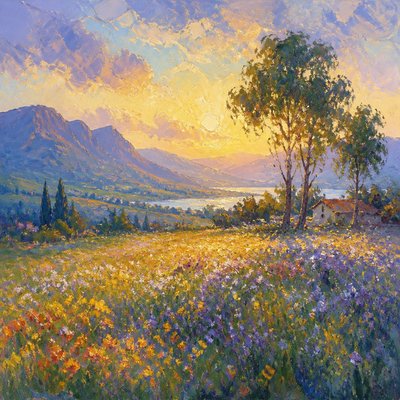
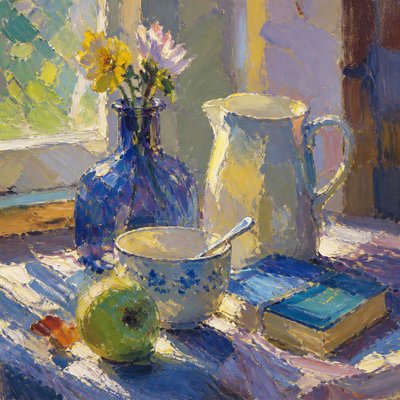
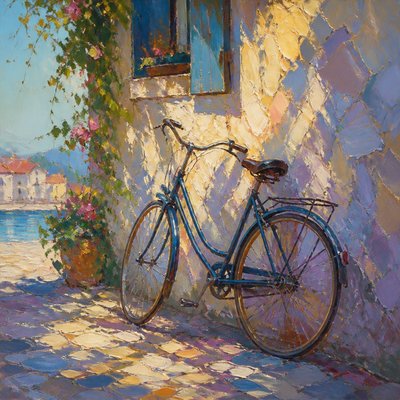
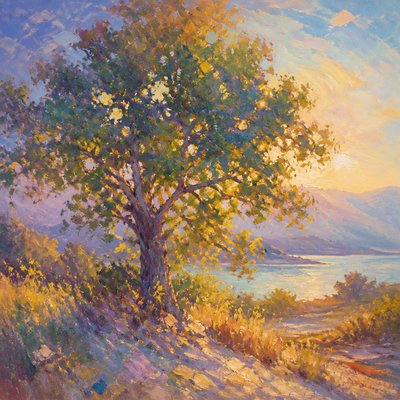
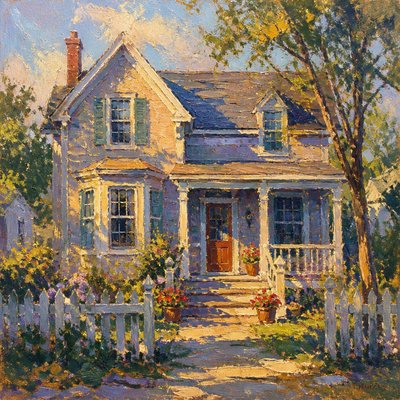
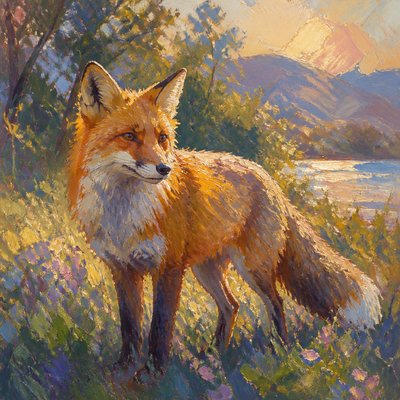
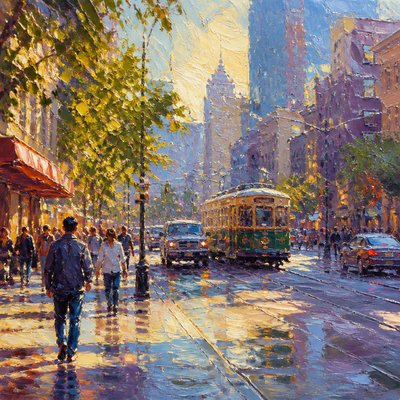
What is Impressionist Nature Art?
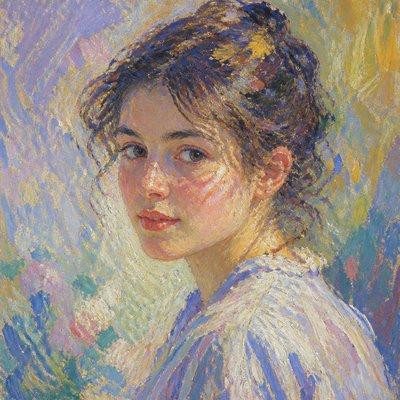
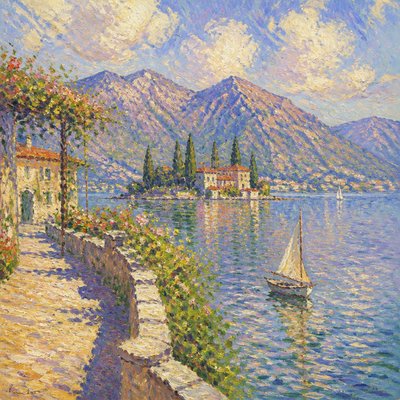
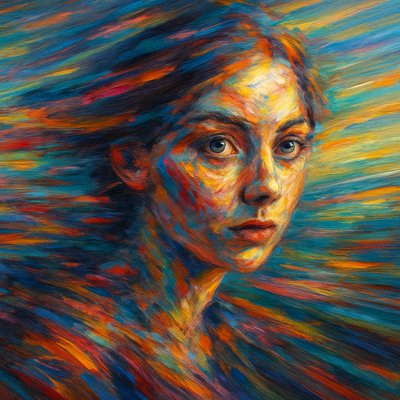
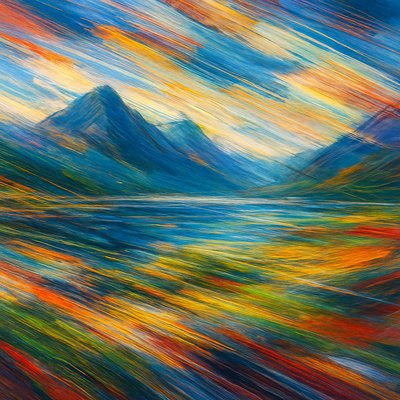
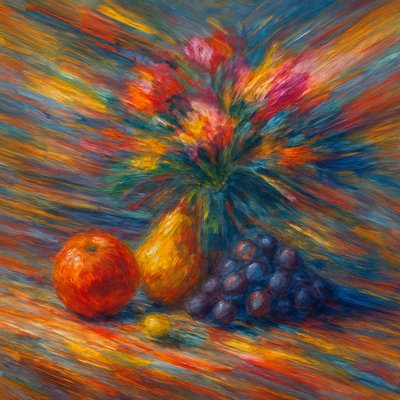
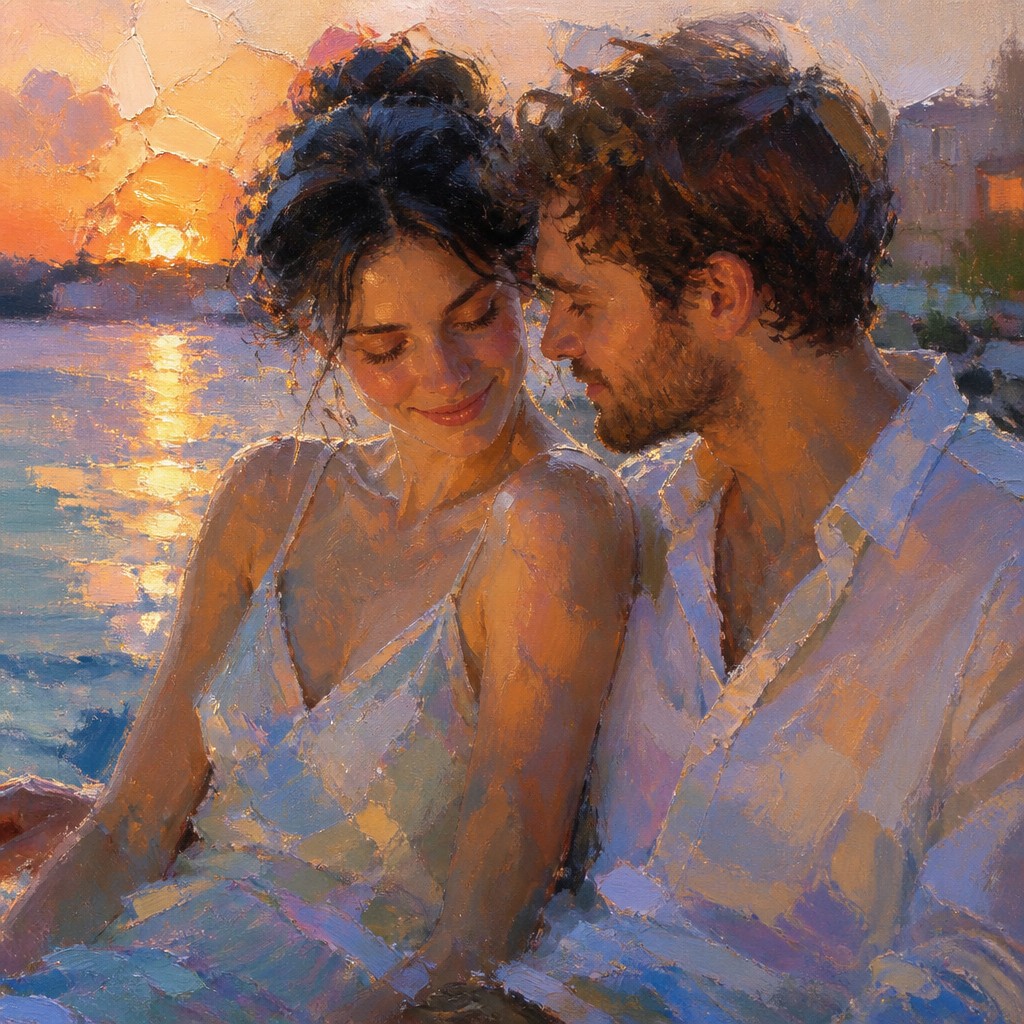
Impressionist Nature Art is a loose, light-centered approach to depicting landscapes, gardens, seascapes, forests, and other natural subjects. It prioritizes the sensation of seeing over exact description, using visible brushstrokes, broken color, and softened contours to capture a fleeting moment of weather, season, or time of day.
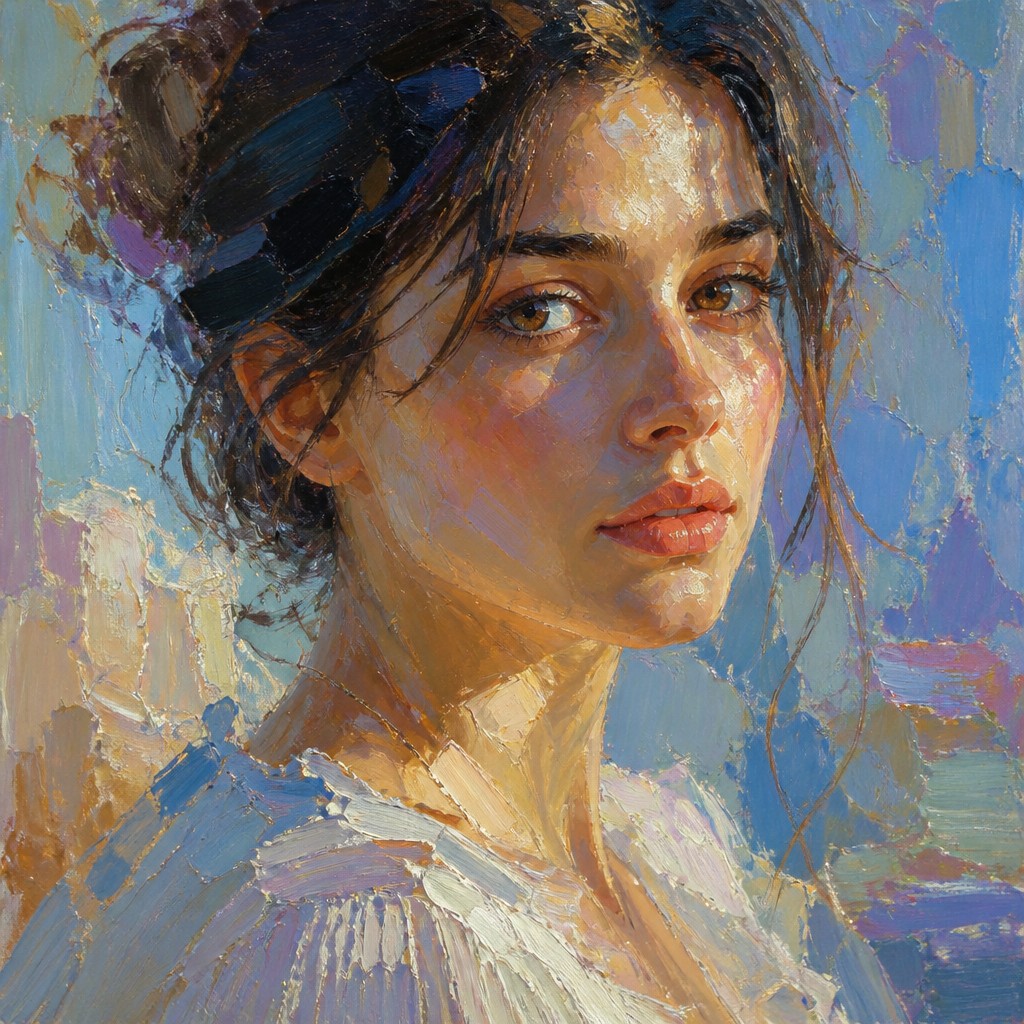
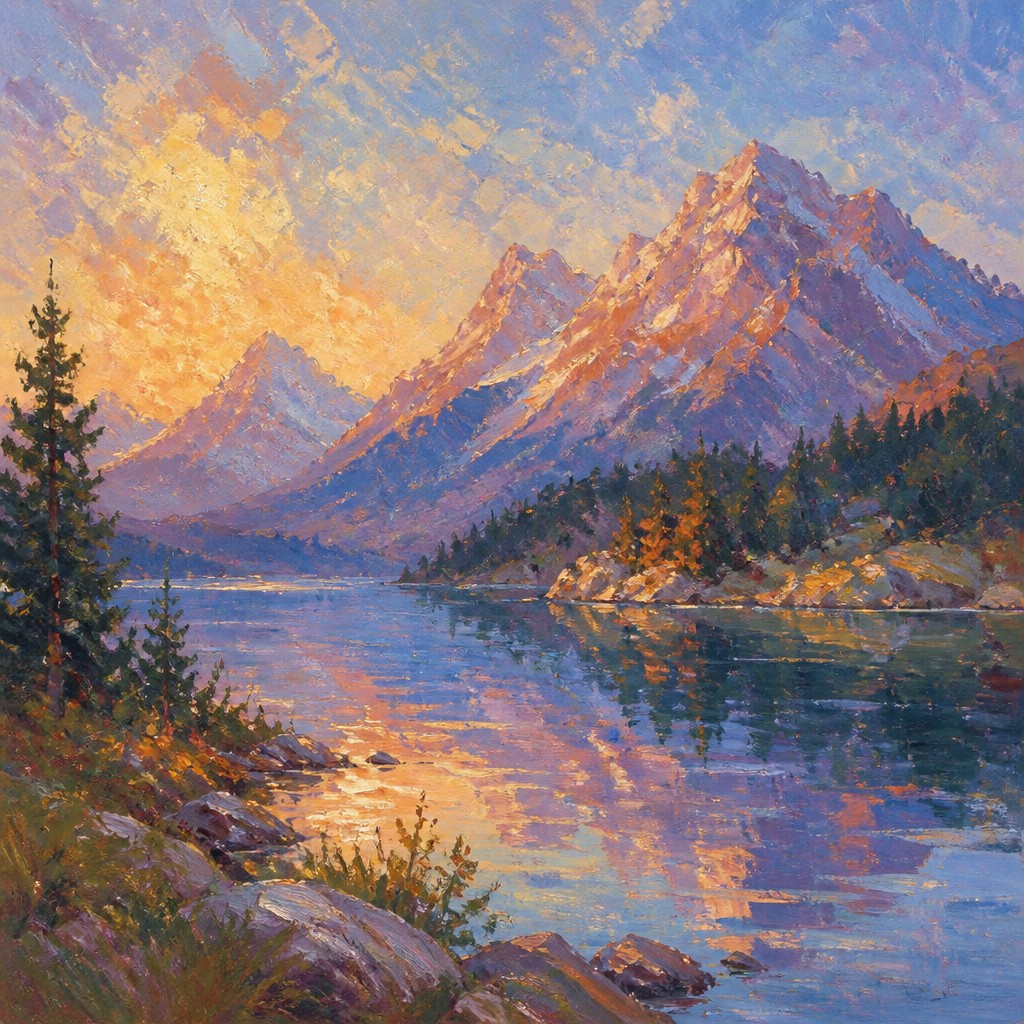
The style is recognizable by its luminous atmosphere, vibrating color relationships, and emphasis on optical effect. Rather than outlining every leaf, rock, or cloud, it suggests forms through patches of color and shifting light. The result often feels immediate and alive, as though the scene were painted outdoors while the conditions were still changing.
Try It On Your Photos
Upload any photo and convert it into Impressionist Nature Art — drag the sliders to compare before and after.


What Defines Impressionist Nature Art
The signature details, up close
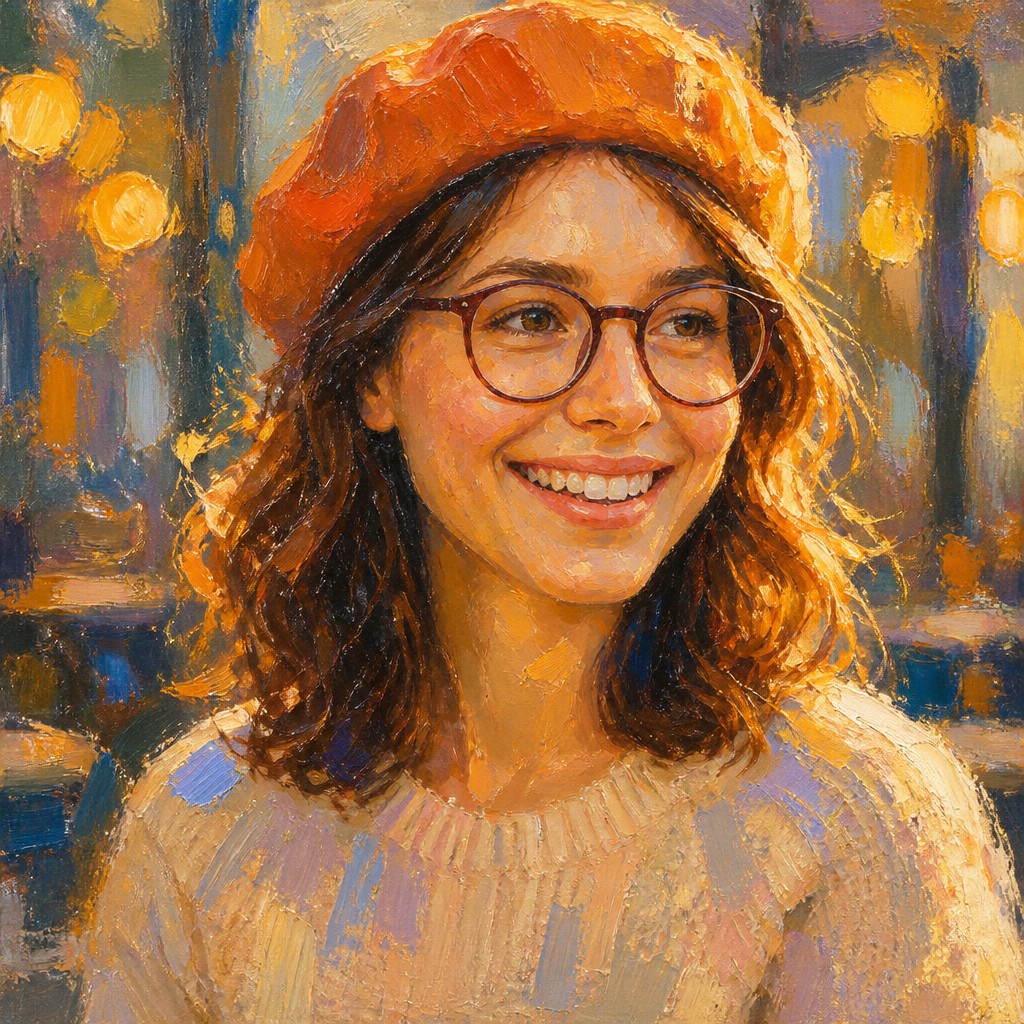
Broken color
Color is built from separate strokes or touches rather than smoothly blended passages. Nearby hues optically mix in the viewer’s eye, giving foliage, water, and sky a lively shimmer.
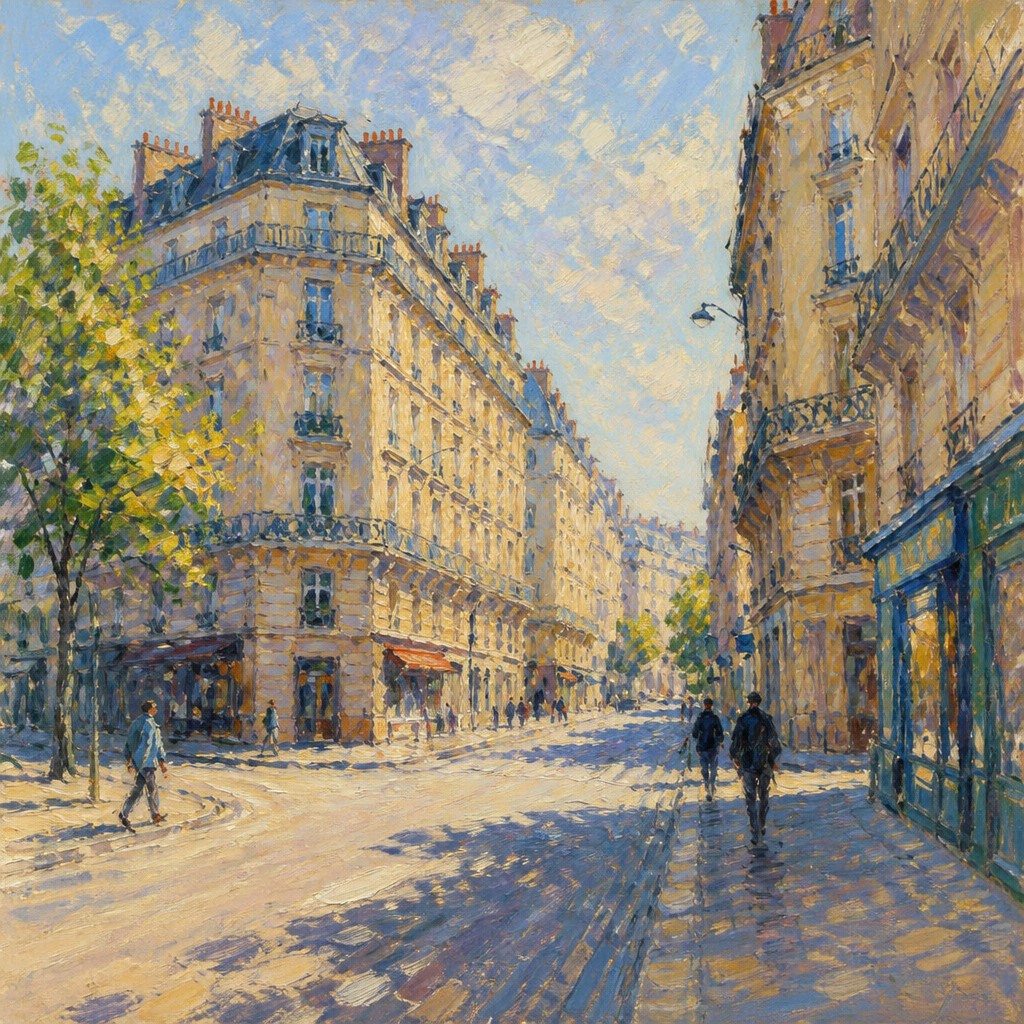
Luminous light effects
The scene is organized around sunlight, reflected light, haze, rain, dusk, or other atmospheric conditions. Highlights and color temperature shifts matter more than exact detail.
Softened edges
Contours often dissolve into the surrounding air or vegetation. This creates the sense that forms are seen in passing, with focus moving across the surface.
Visible brushwork
The paint application remains evident, with directional strokes that describe wind, water movement, or the structure of terrain. The surface is part of the image rather than hidden.
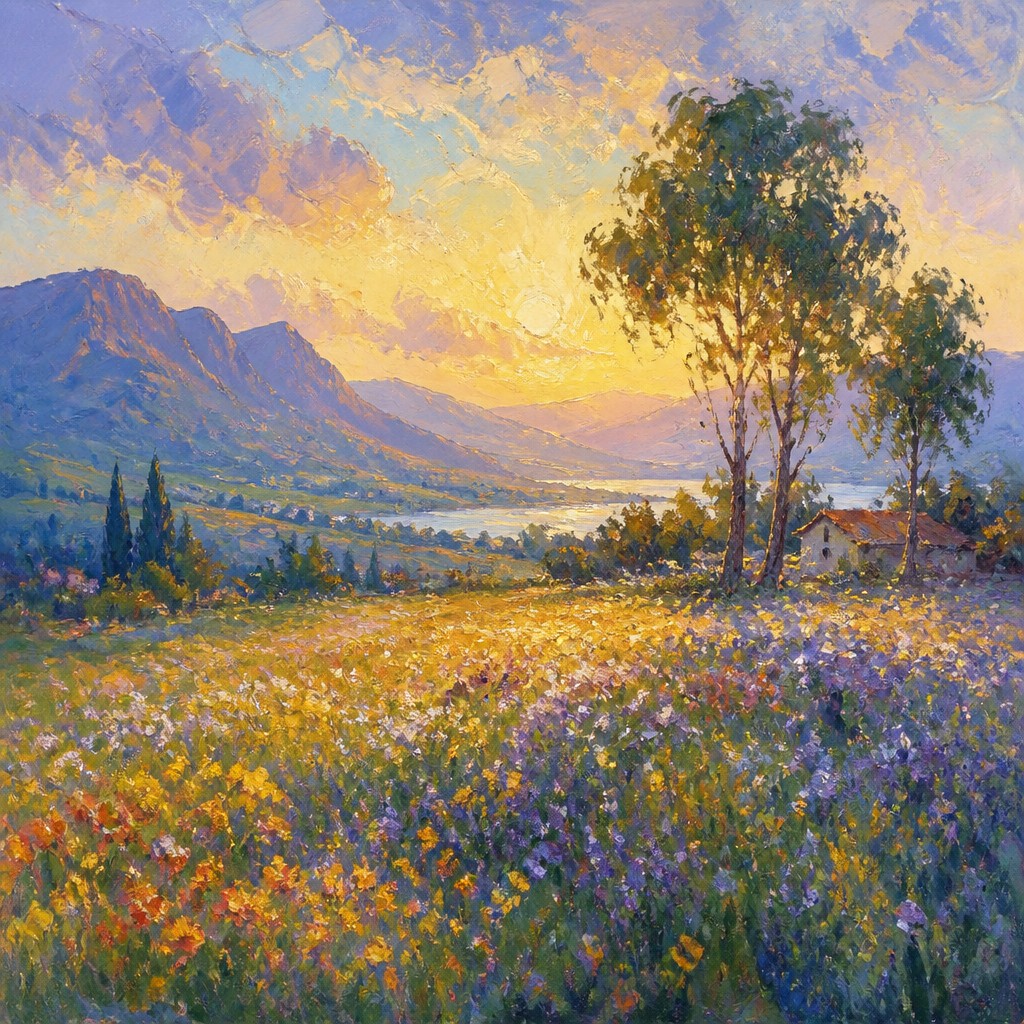
Chromatic shadows
Shadows are rarely neutral gray; they contain blues, violets, greens, or warm reflected tones. This makes the scene feel more natural under changing daylight.
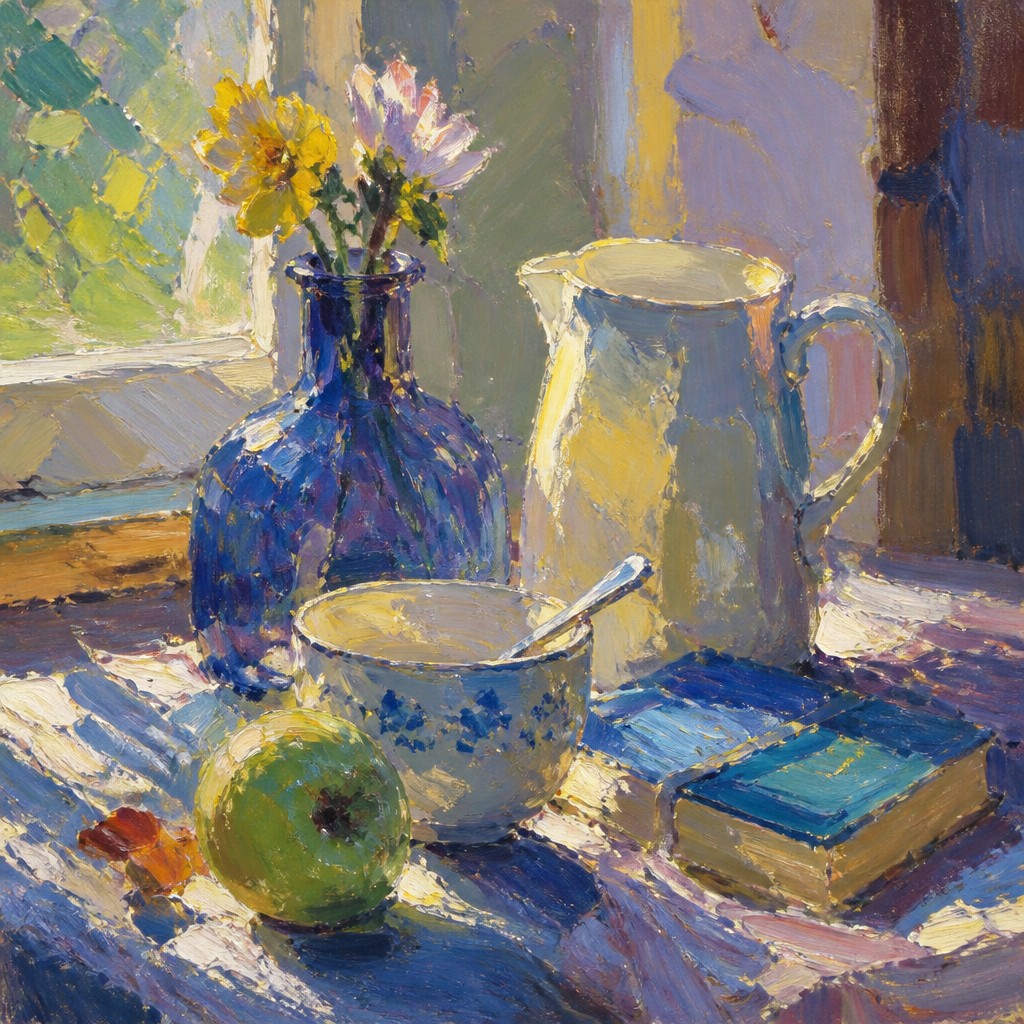
Simplified natural forms
Trees, hills, clouds, and flowers are reduced to essential masses and rhythms. The eye reads the whole scene before any single detail.
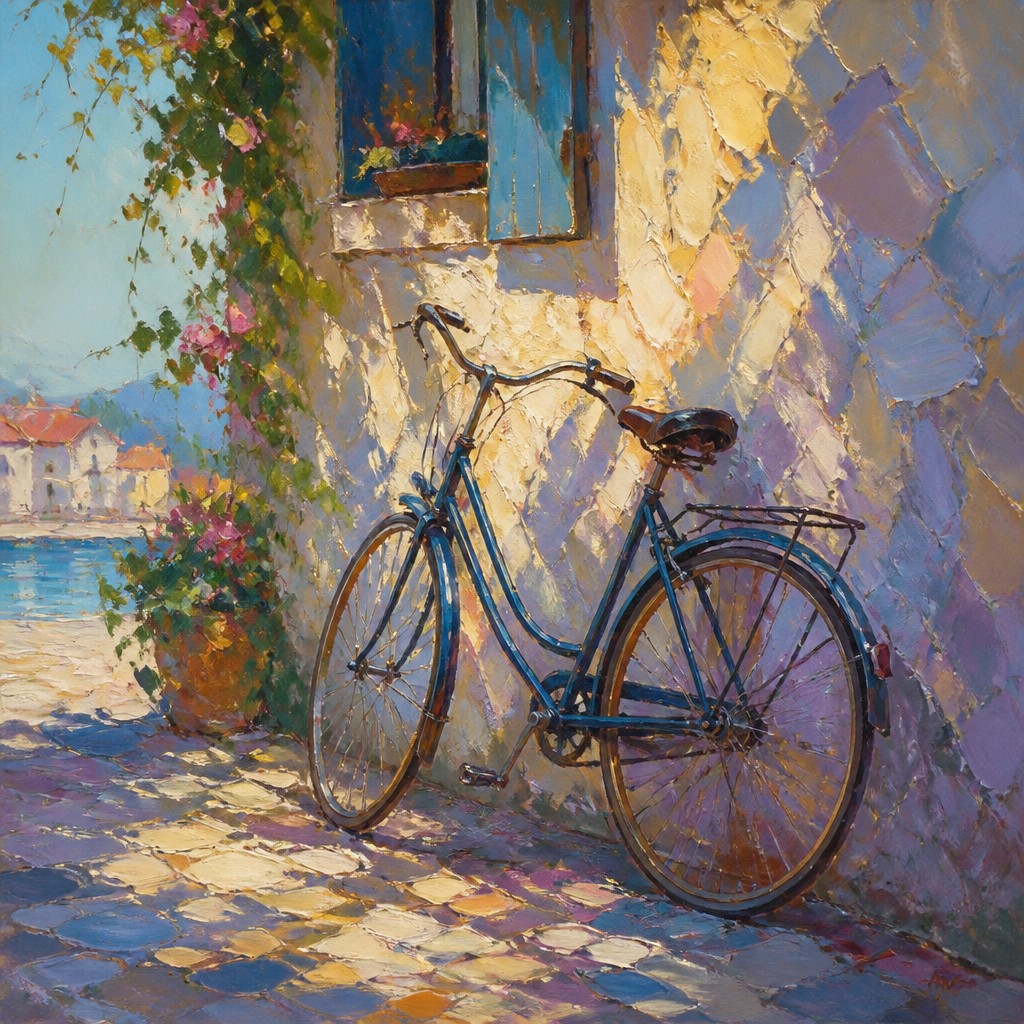
Varied paint handling
Thin washes, dry scumbles, and thick impasto may appear together. The variation helps differentiate air, water, earth, and dense vegetation.
Try It
Create Videos in Impressionist Nature Art
Styles aren't just for stills — describe a scene or animate an image and get a short video rendered in Impressionist Nature. Press play to see this pond come to life.
Make a VideoImpressionist Nature Prompt Ideas
Start from an idea — each one opens the generator with the style ready to go. See all 40 Impressionist Nature prompts →
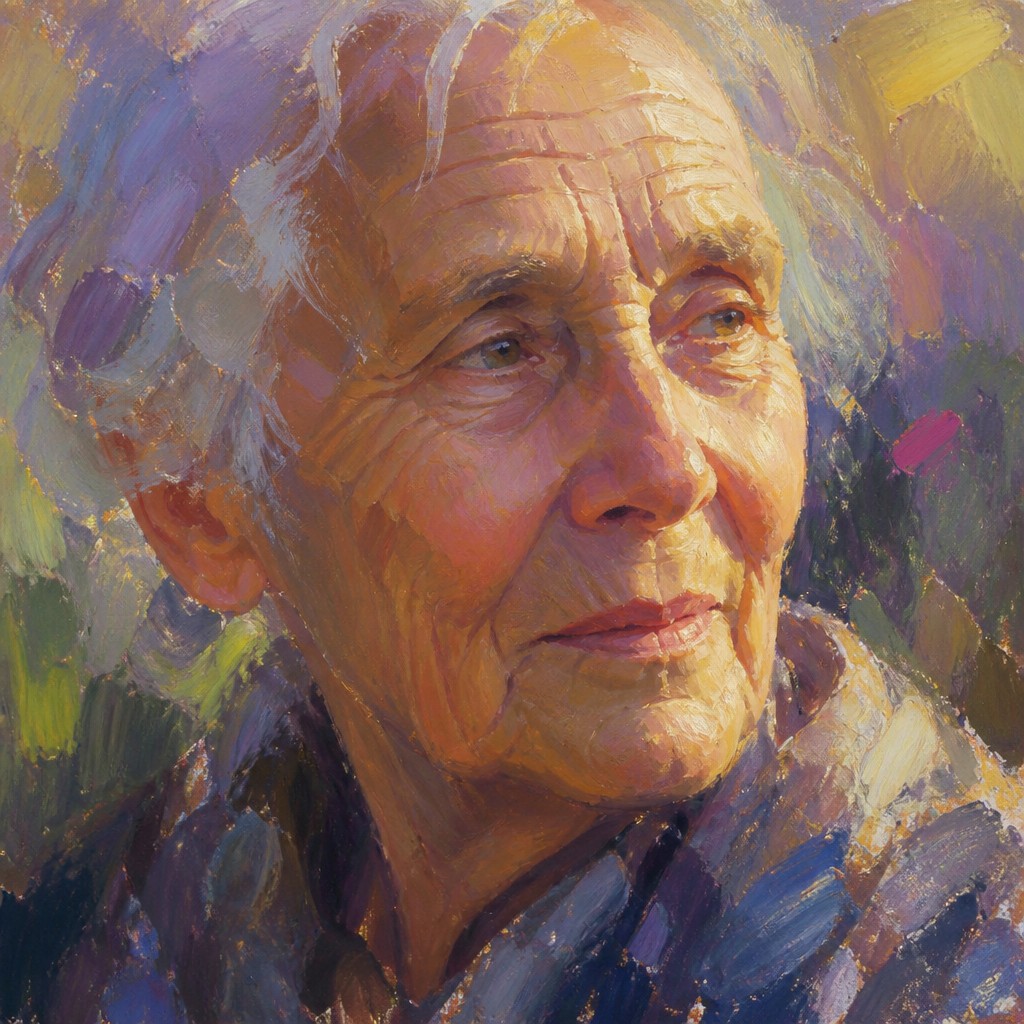
“close-up portrait of an elderly person with expressive weathered features”
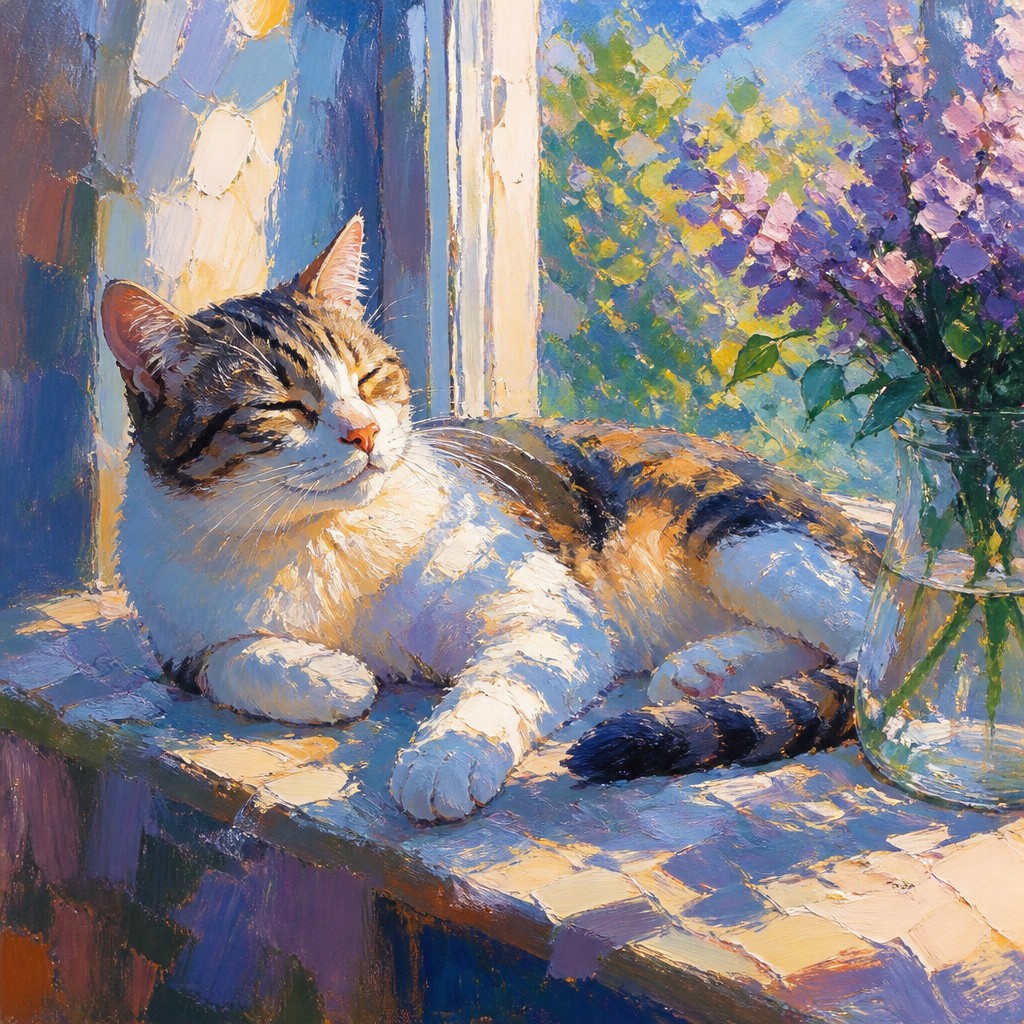
“a cat lounging in a sunlit window”
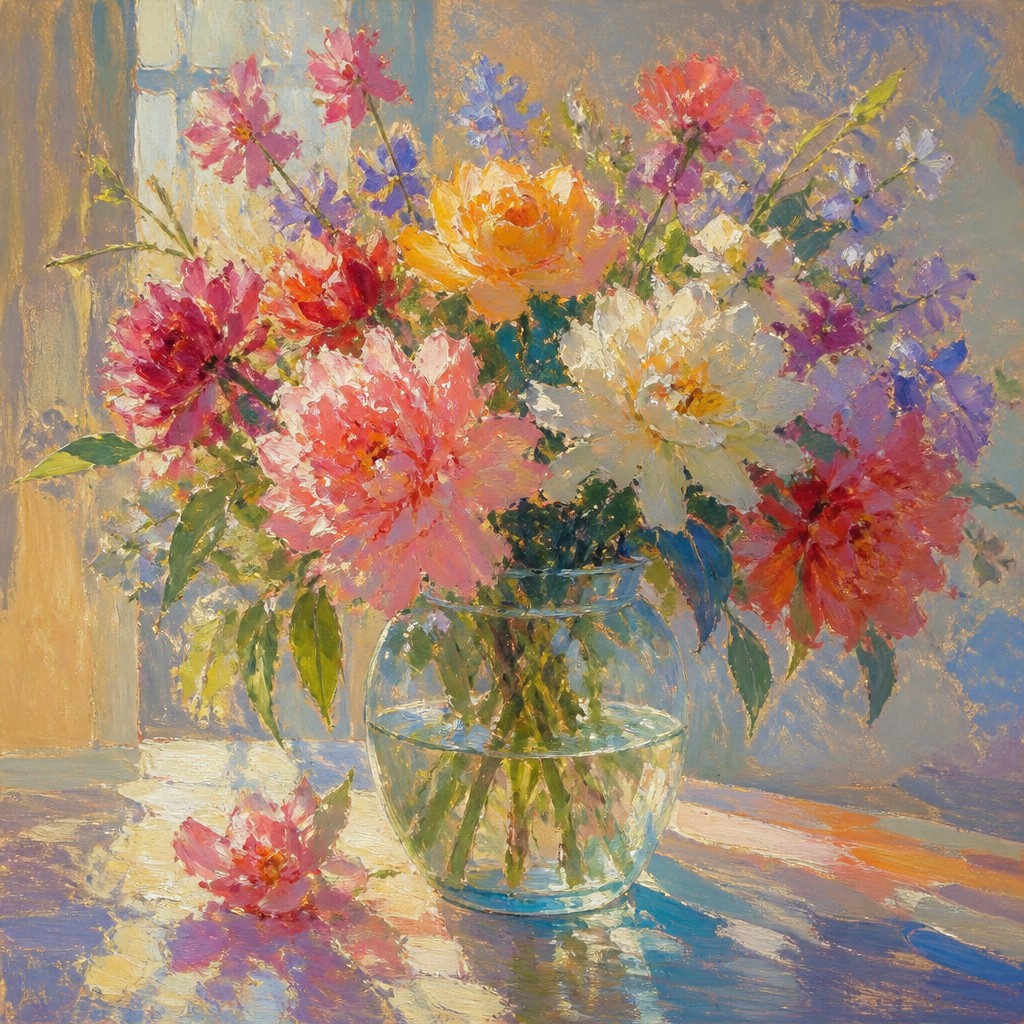
“bouquet of flowers in a glass vase”
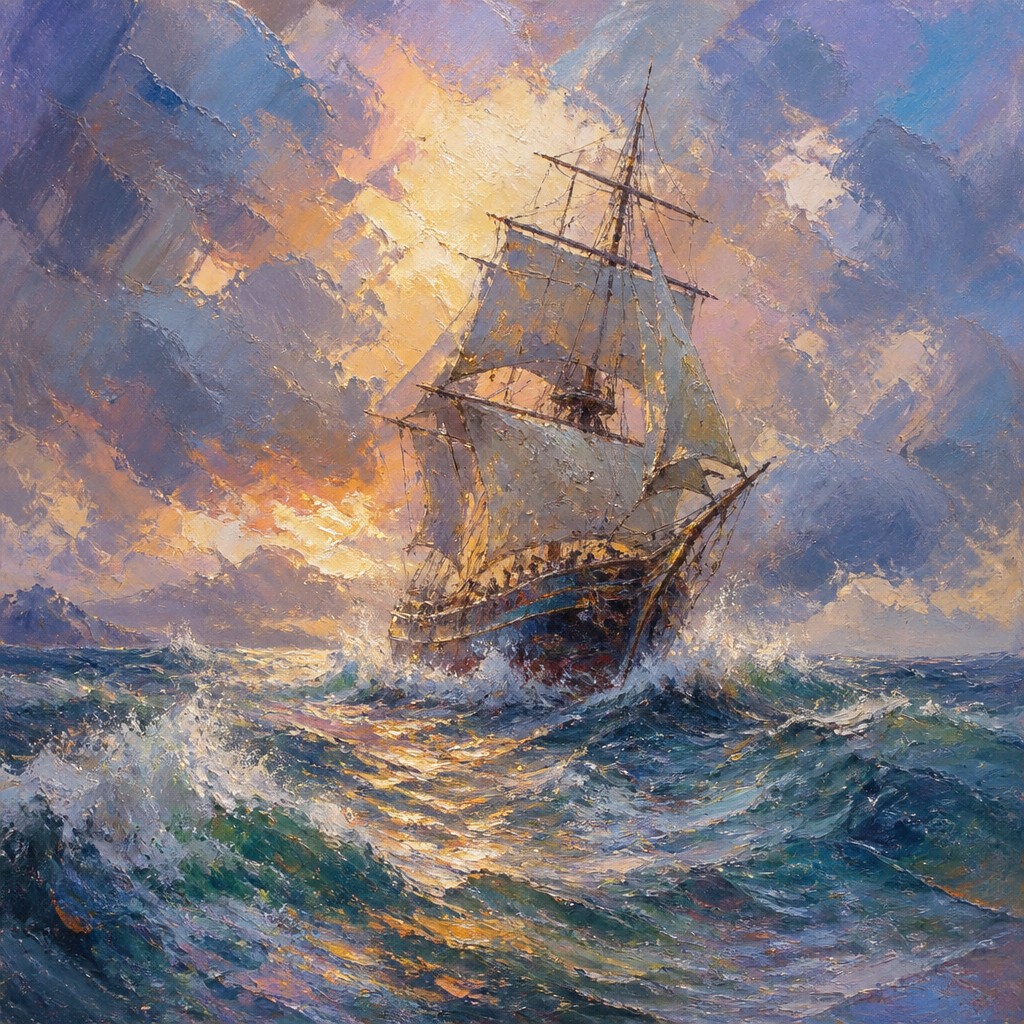
“sailing ship on a stormy sea”
How to Create Impressionist Nature Art
Master the craft step by step — or skip straight to creating. Read the full guide →
- 1
Paint from direct observation
When working traditionally, paint outdoors or from strong reference with attention to the actual light conditions. Block in the largest color relations first, then refine only the passages that matter to the feeling of the scene.
- 2
Use a limited but expressive palette
Choose colors that can be mixed into warm and cool variations instead of relying on black for shadows. Let neighboring hues do the work of modeling form, especially in skies, foliage, and reflected water.
- 3
Keep drawing loose and structural
Start with broad shapes rather than fine contour drawing. Build trees, hills, clouds, and water as masses, then suggest detail with short, directional marks.
- 4
Preserve visible marks in digital work
In digital painting, use textured brushes, broken strokes, and layer opacity variation to avoid airbrushed smoothness. Allow some underpainting and edge irregularity to remain visible so the surface feels hand-made.
- 5
Describe the moment in a prompt
For prompt-based generation, specify a natural subject and the time, weather, or light condition: dawn mist, late afternoon sun, rain after storm, or backlit leaves. Strong atmospheric cues help the image adopt the intended mood and color behavior.
- 6
Emphasize color over detail in prompts
Use language that calls for soft edges, luminous atmosphere, broken brushwork, and reflected-color shadows. Avoid overly technical or hyperrealistic instructions if you want the image to retain an Impressionist look.
The Story
History & Origins of Impressionist Nature
Impressionist Nature Art descends directly from the French Impressionist movement of the late 19th century, which developed in Paris and Normandy as artists turned toward modern life, outdoor painting, and the study of changing light. Leading Impressionist painters are among the canonical figures most strongly associated with this approach, especially in landscapes and garden scenes.
Its visual lineage also includes plein air painting, the Barbizon School’s attention to natural settings, and advances in pigments that made brighter, more portable color possible. Later painters in Post-Impressionism and related landscape traditions extended Impressionist handling in different directions, but the core language of broken brushwork, atmospheric color, and transient light remained central to how nature was represented.
Influences: This style is closest to French Impressionism, especially the landscape work of leading Impressionist painters, and it also overlaps with plein air painting and the Barbizon School’s interest in natural subjects. It may connect more loosely to Post-Impressionist color experiments, but its defining traits remain the Impressionist concerns with light, atmosphere, and the visible touch of the brush.

Frequently Asked Questions
What defines Impressionist Nature Art?
It is defined by loose brushwork, broken color, and an emphasis on light and atmosphere over exact detail. Natural subjects are simplified into luminous color relationships rather than sharply outlined forms.
How is it different from realistic landscape painting?
Realistic landscape painting usually aims for precise detail, clean edges, and literal description of textures and forms. Impressionist Nature Art instead prioritizes the overall sensation of a scene, especially the changing quality of light and color.
How is it different from Post-Impressionism?
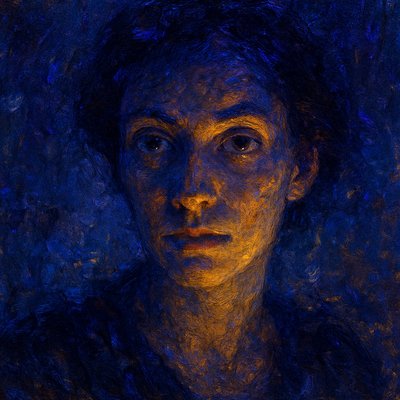
Post-Impressionism includes artists and approaches that moved beyond Impressionist observation in different directions, often toward structure, symbolism, or more expressive use of color. Impressionist Nature Art stays closer to the fleeting visual impression of a real outdoor scene.
What subjects work best in this style?
Landscapes, gardens, ponds, seascapes, fields, forests, and rivers are especially effective because they offer light variation and atmospheric depth. Subjects with moving water, foliage, mist, or changing weather are particularly suited to it.
Can this style be created digitally?
Yes. Use layered brushwork, textured marks, softened edges, and careful color temperature shifts to keep the surface painterly. The key is to avoid overly smooth rendering and to preserve the sense of spontaneous observation.
Why do the shadows often look blue or purple?
In Impressionist color logic, shadows are influenced by reflected light from the environment and by the temperature of daylight itself. This creates chromatic shadows that feel more natural and vibrant than neutral gray shading.

Create your first Impressionist Nature artwork
Describe anything — or upload a photo — and see it in Impressionist Nature Art in seconds.
Make Something with Impressionist Nature
Related Styles
Discover similar art styles