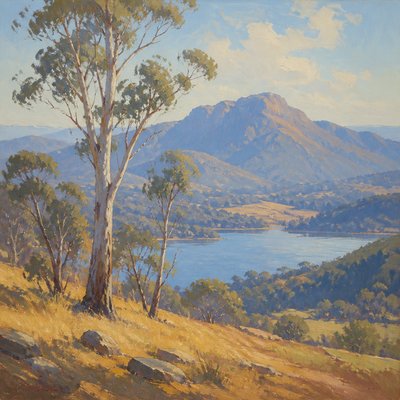
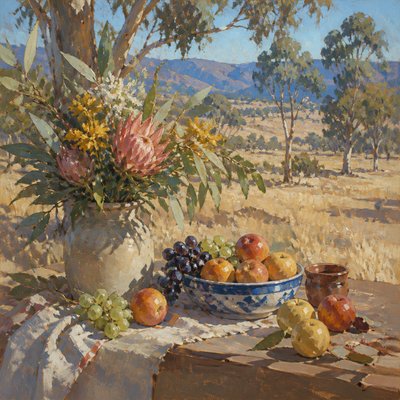
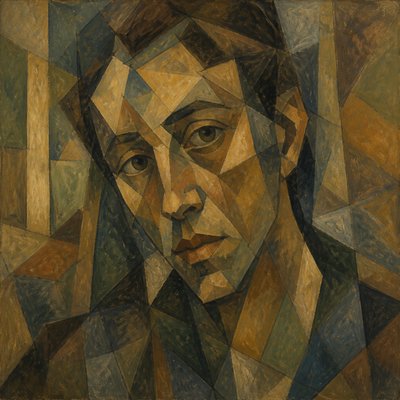
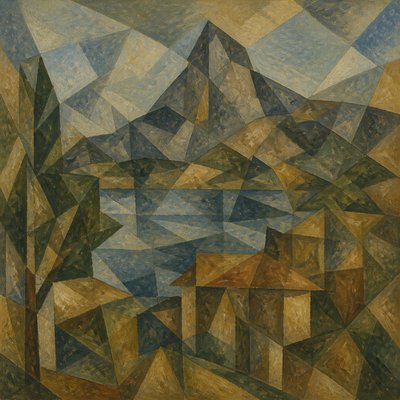
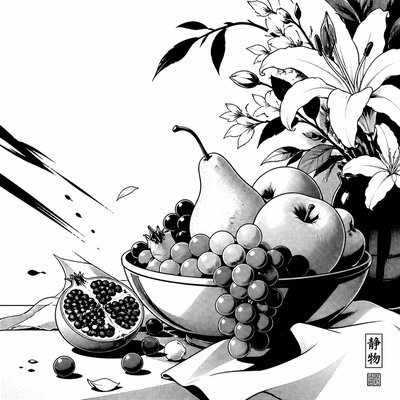
Pointillist Impressionism Art Style
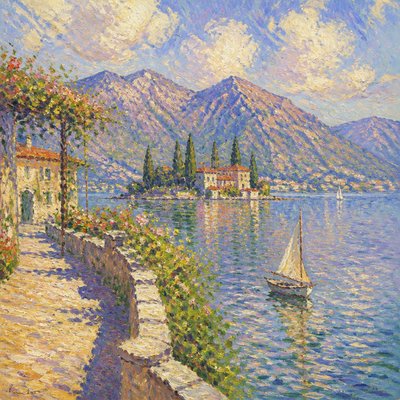
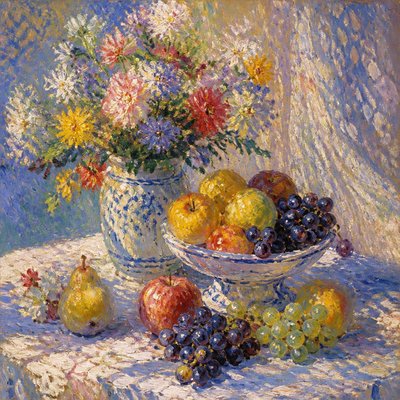
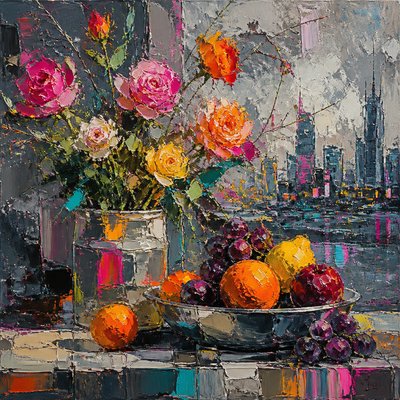
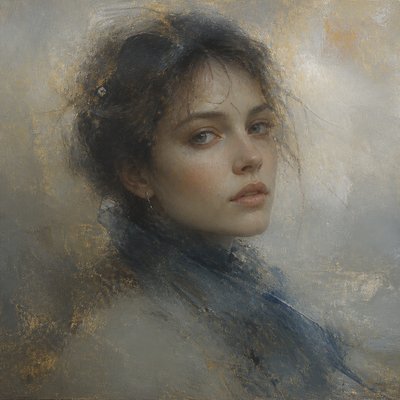
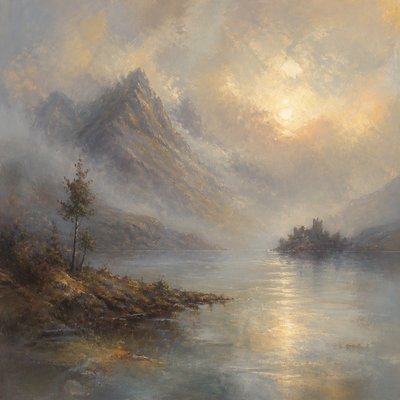
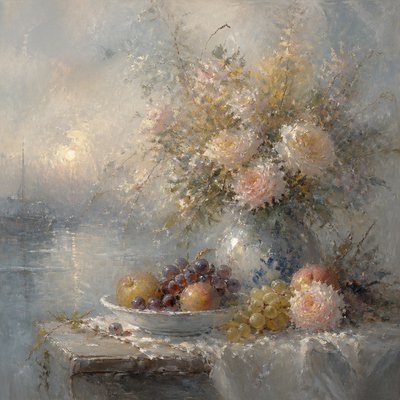
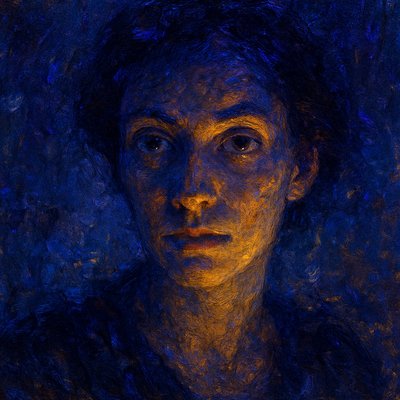
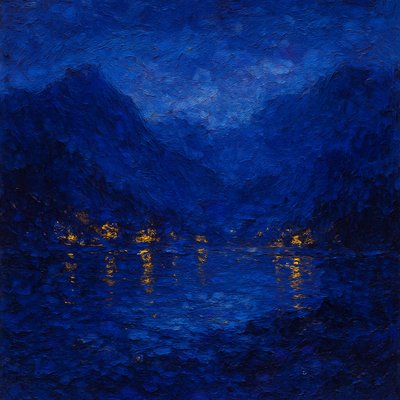
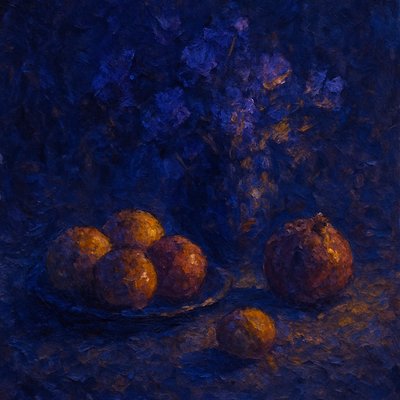
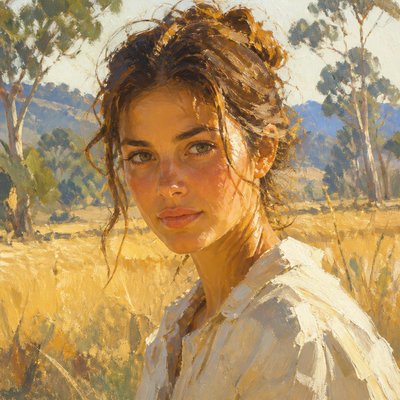
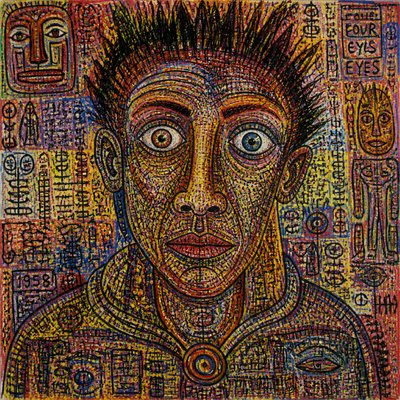
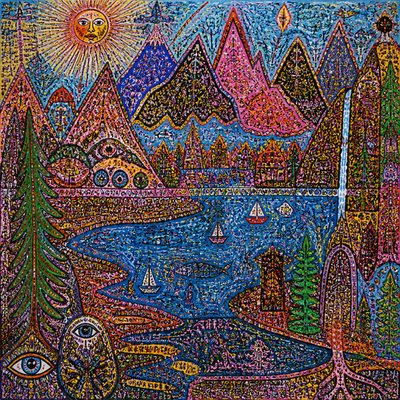
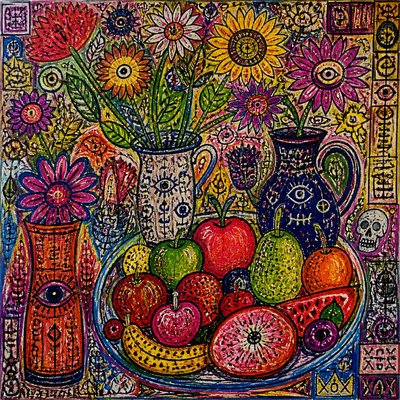
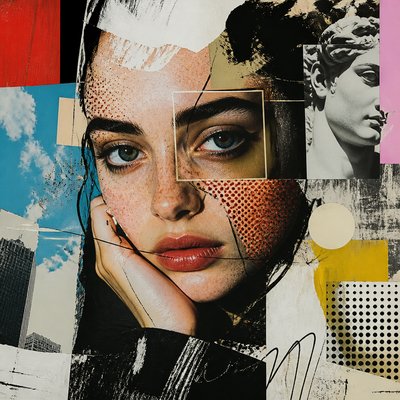
Pointillist Impressionism uses pure dots of color to create luminous, vibrating images through optical mixing and Neo-Impressionist theory.
Instantly rendered in Pointillist Impressionism — or transform a photo
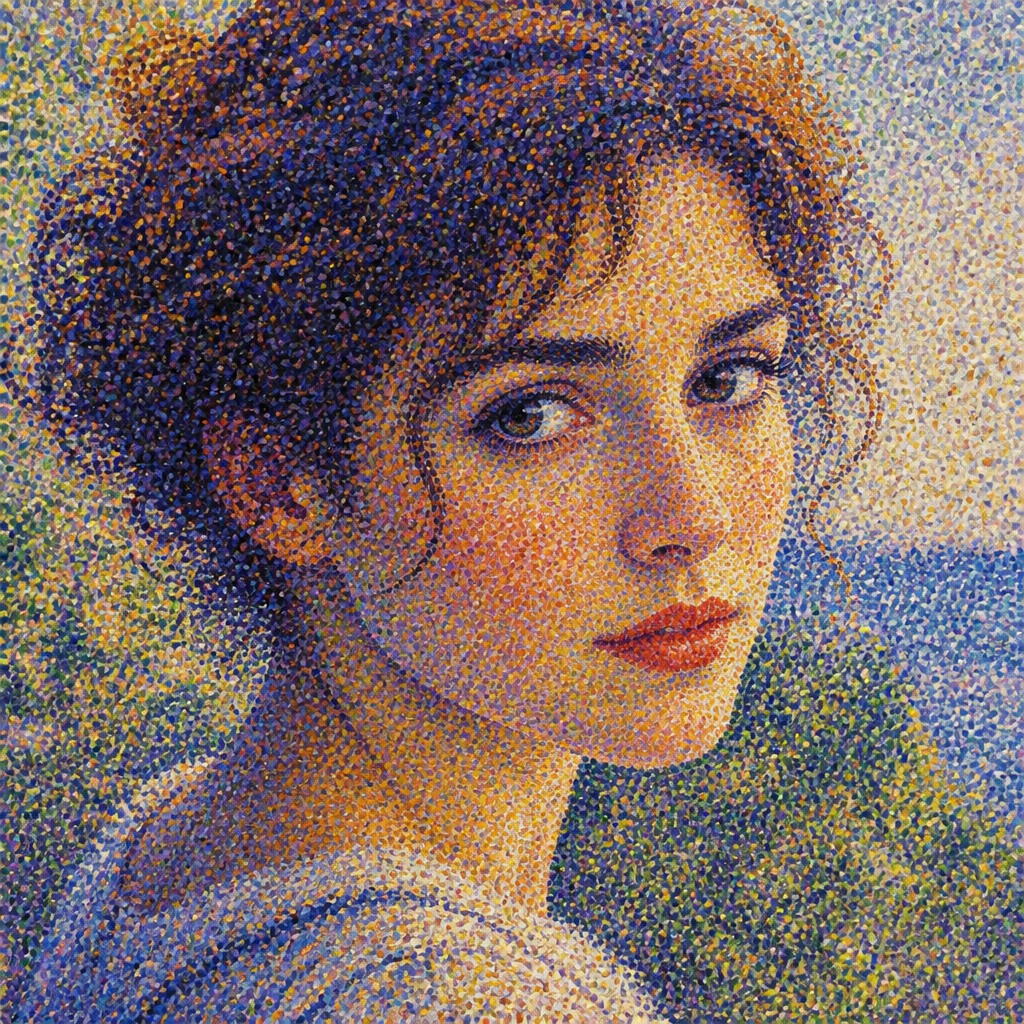
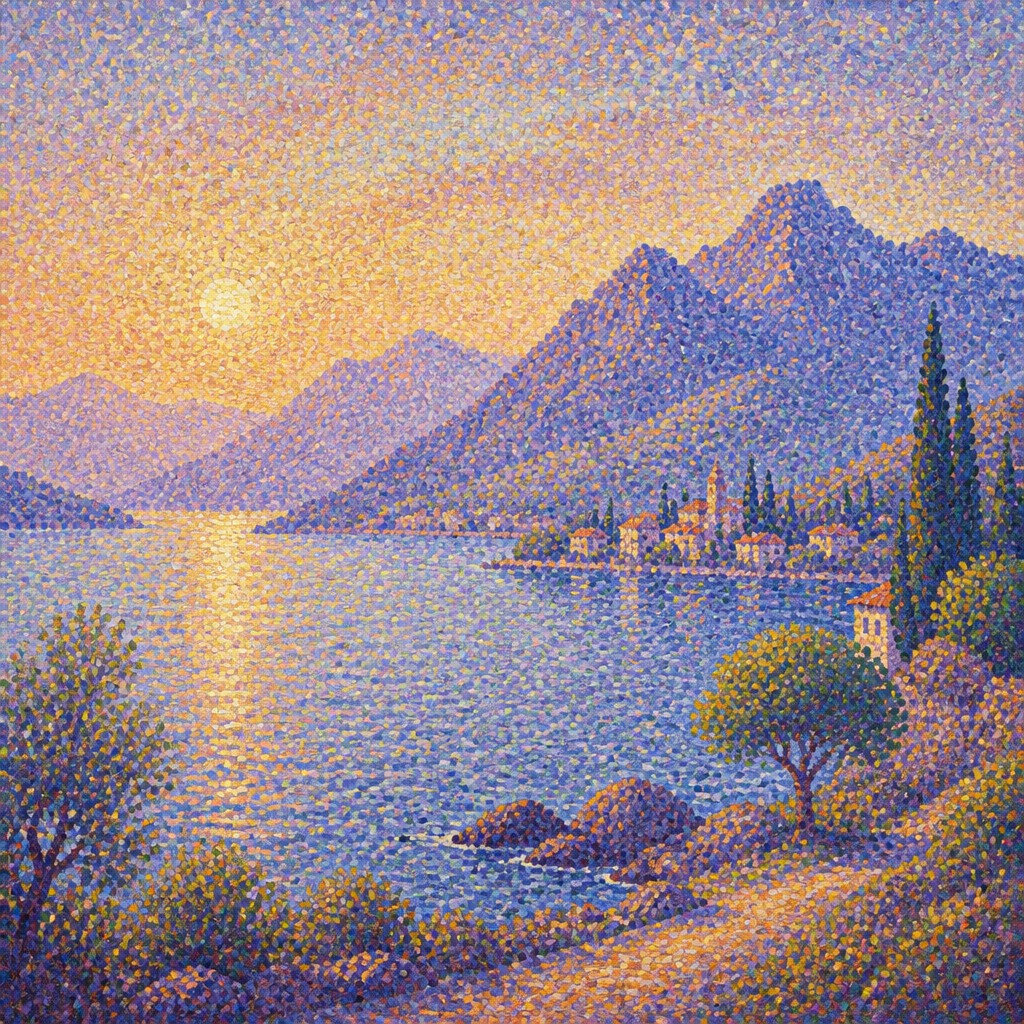
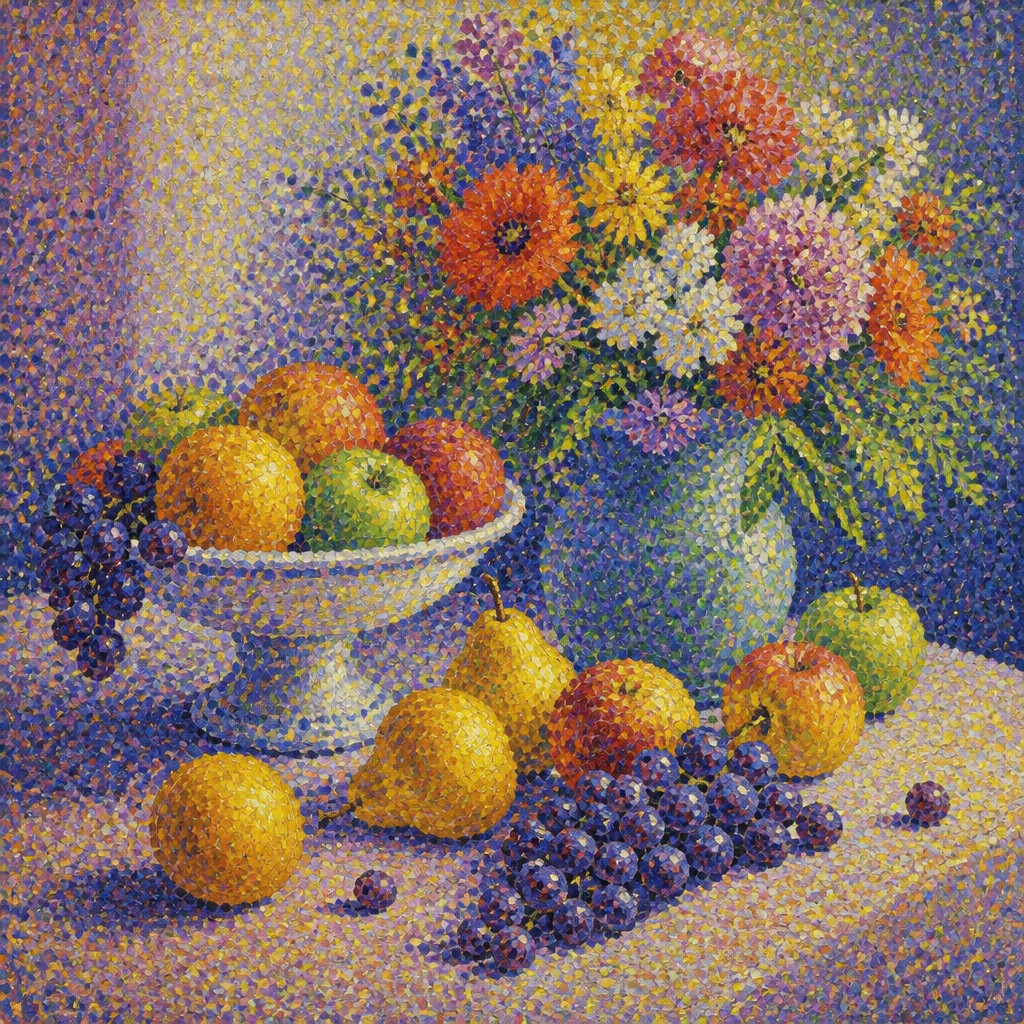
Pointillist Impressionism Gallery
Tap any artwork to explore it
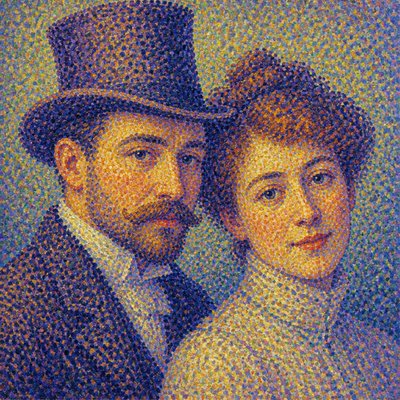
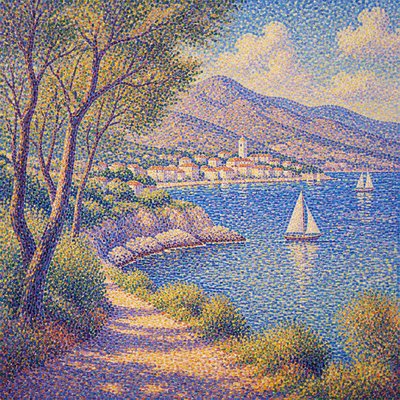
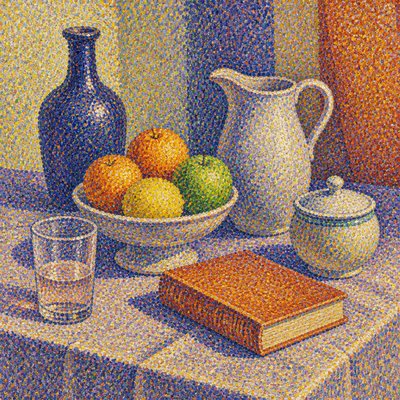
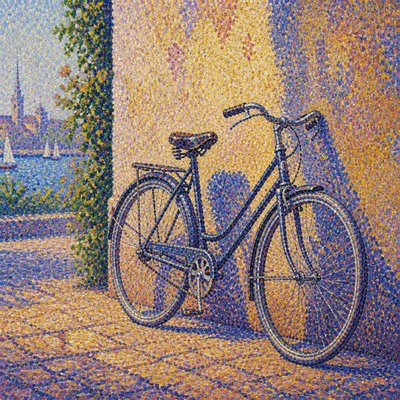
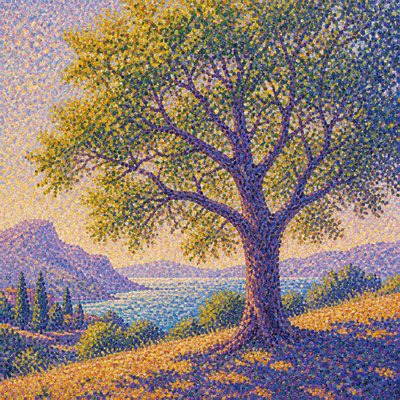
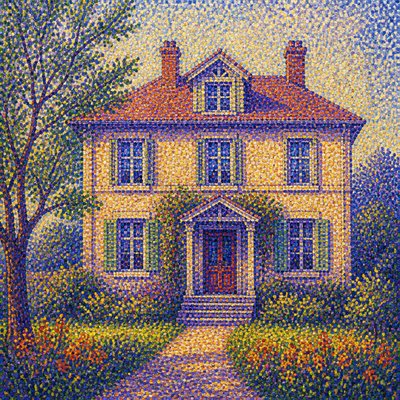
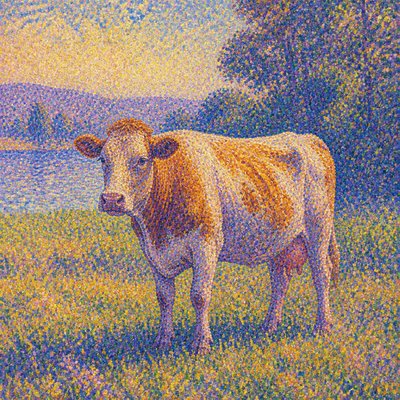
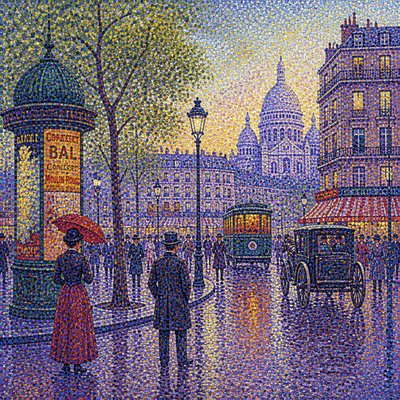
What is Pointillist Impressionism Art Style?
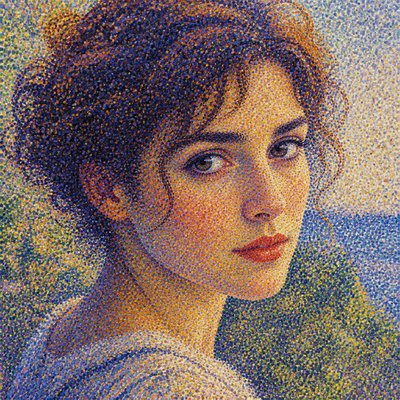
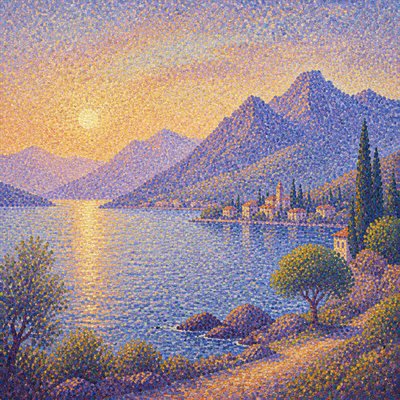
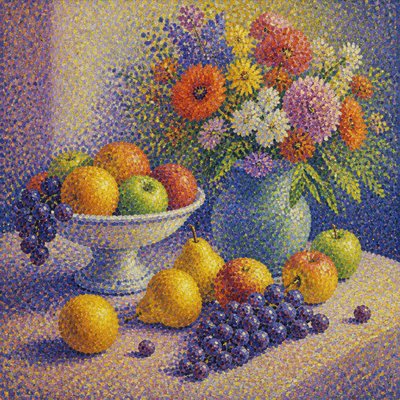
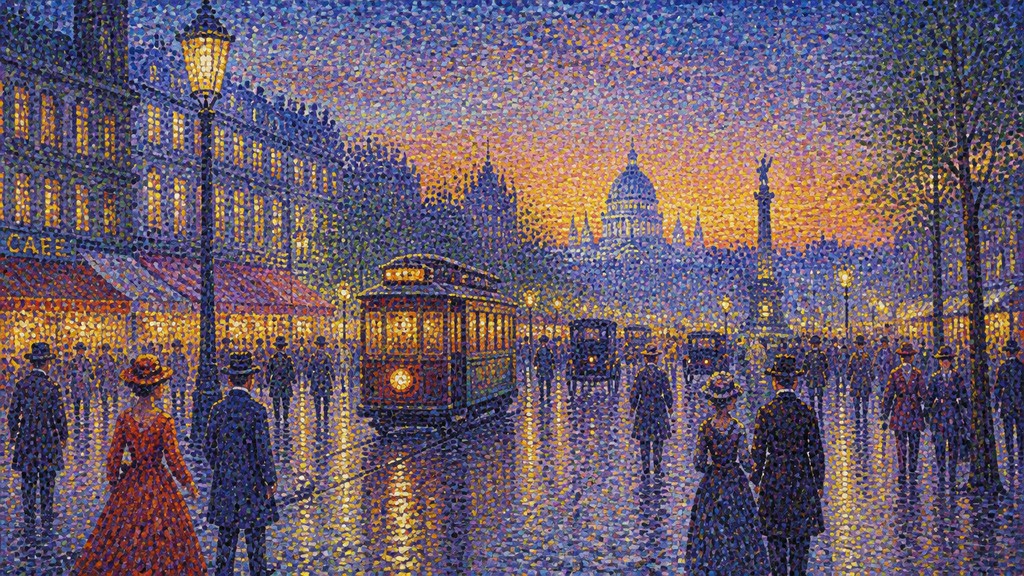
Pointillist Impressionism is a painting style built from visible dots or small strokes of pure color rather than blended passages. At normal viewing distance, the eye optically mixes those marks into continuous forms, producing a bright, shimmering surface with unusual clarity and vibrancy.
The style is closely associated with Neo-Impressionist color theory: complementary hues are placed adjacent to heighten luminosity, and shadows are often constructed from blues, violets, and other chromatic darks instead of black. Its visual identity is therefore both structured and atmospheric—carefully ordered marks create subjects that appear to dissolve into light.
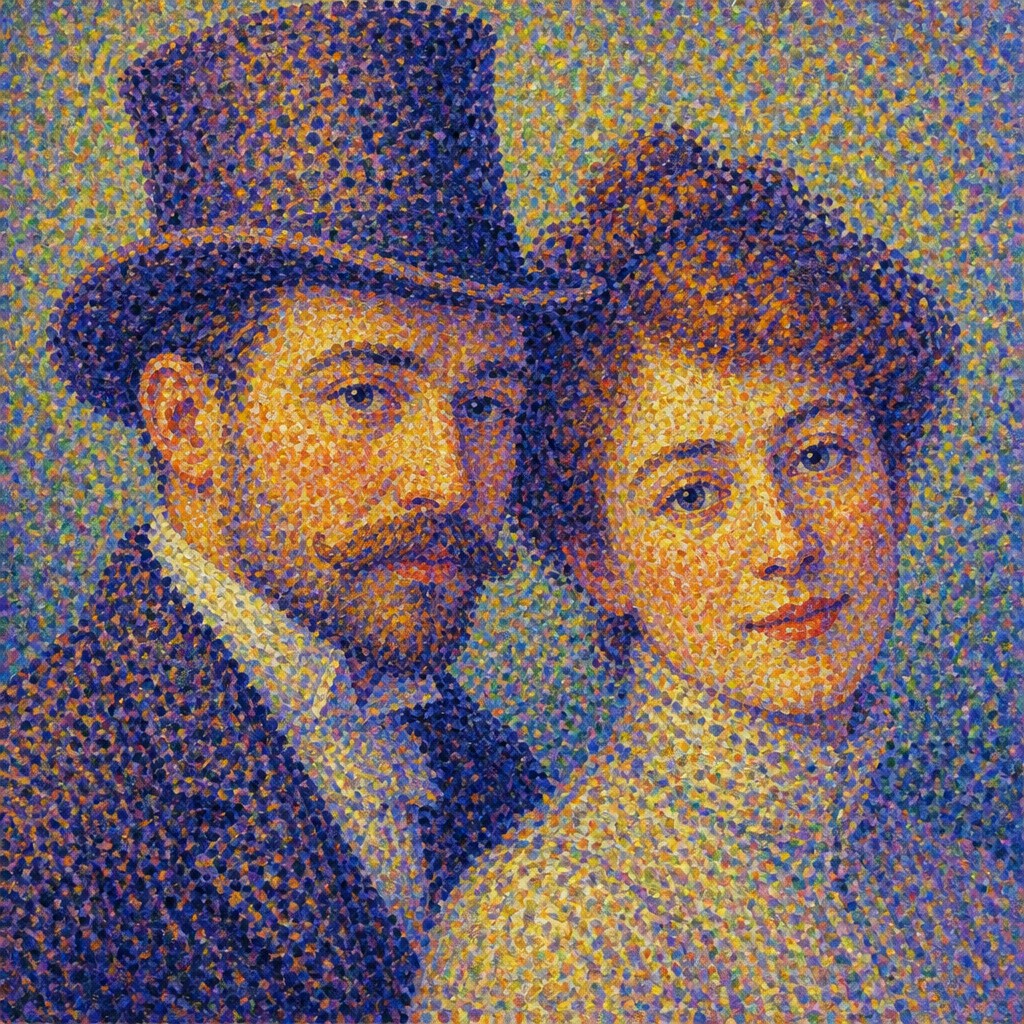
Try It On Your Photos
Upload any photo and convert it into Pointillist Impressionism Art Style — drag the sliders to compare before and after.


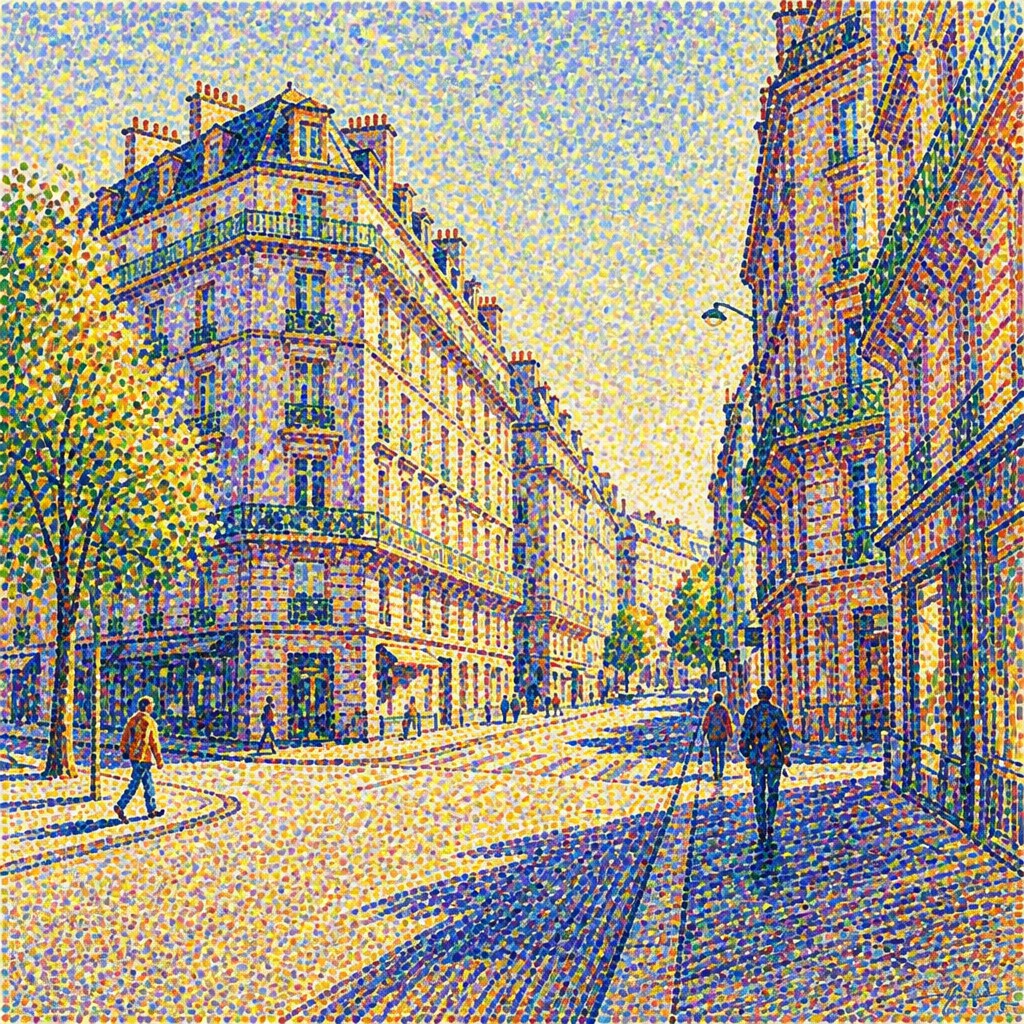

What Defines Pointillist Impressionism Art Style
The signature details, up close
Distinct dots of color
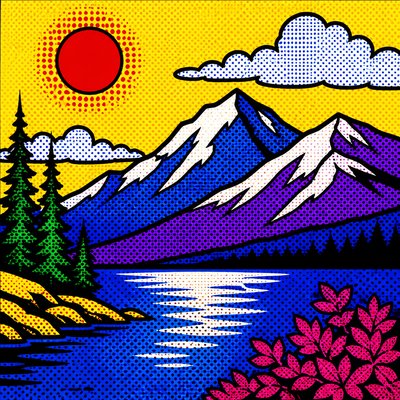
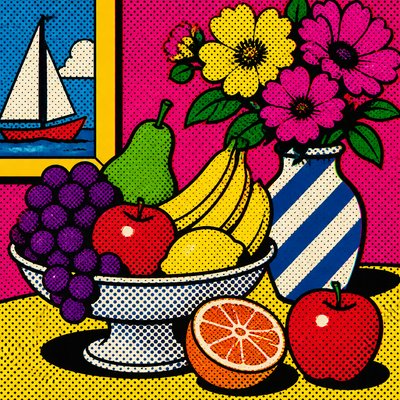
The image surface is composed of many separate marks, usually small dots or dabs, that remain visible rather than being fully blended. From a distance, these marks fuse into coherent shapes and tones.
Optical mixing
Colors are combined in the viewer's eye instead of on the canvas or screen. This gives the work a luminous quality that can feel brighter than physically blended paint.
Complementary color contrast
Adjacent colors are often chosen to intensify one another, such as red against green or blue against orange. This contrast helps create vibration and saturation.
Chromatic shadows
Dark areas are usually built from cool hues, especially blues, violets, and deep greens, rather than neutral black. The result is a shadow that still feels alive with color.
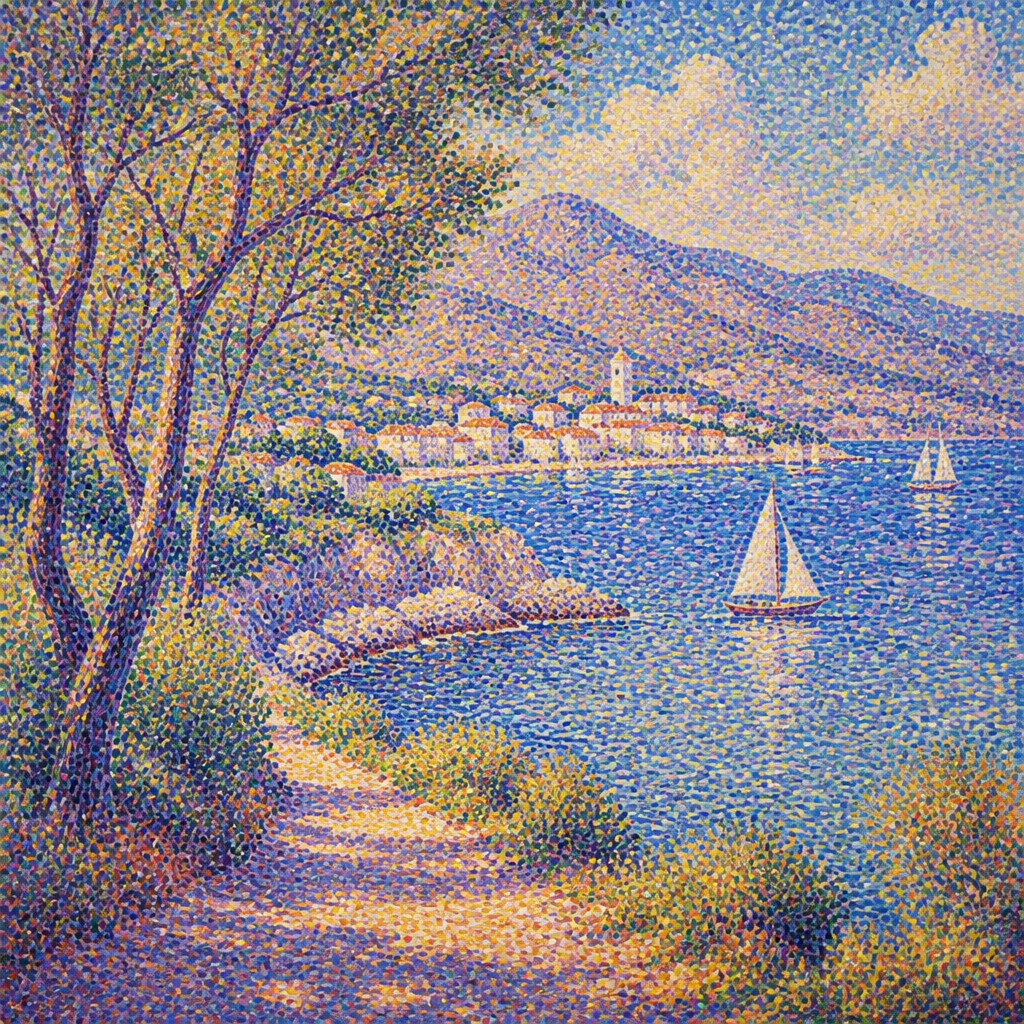
Tonal gradation by density
Light and form are modeled by changing the spacing, size, and density of the dots instead of by smooth brush blending. Denser passages read darker; looser passages read lighter.
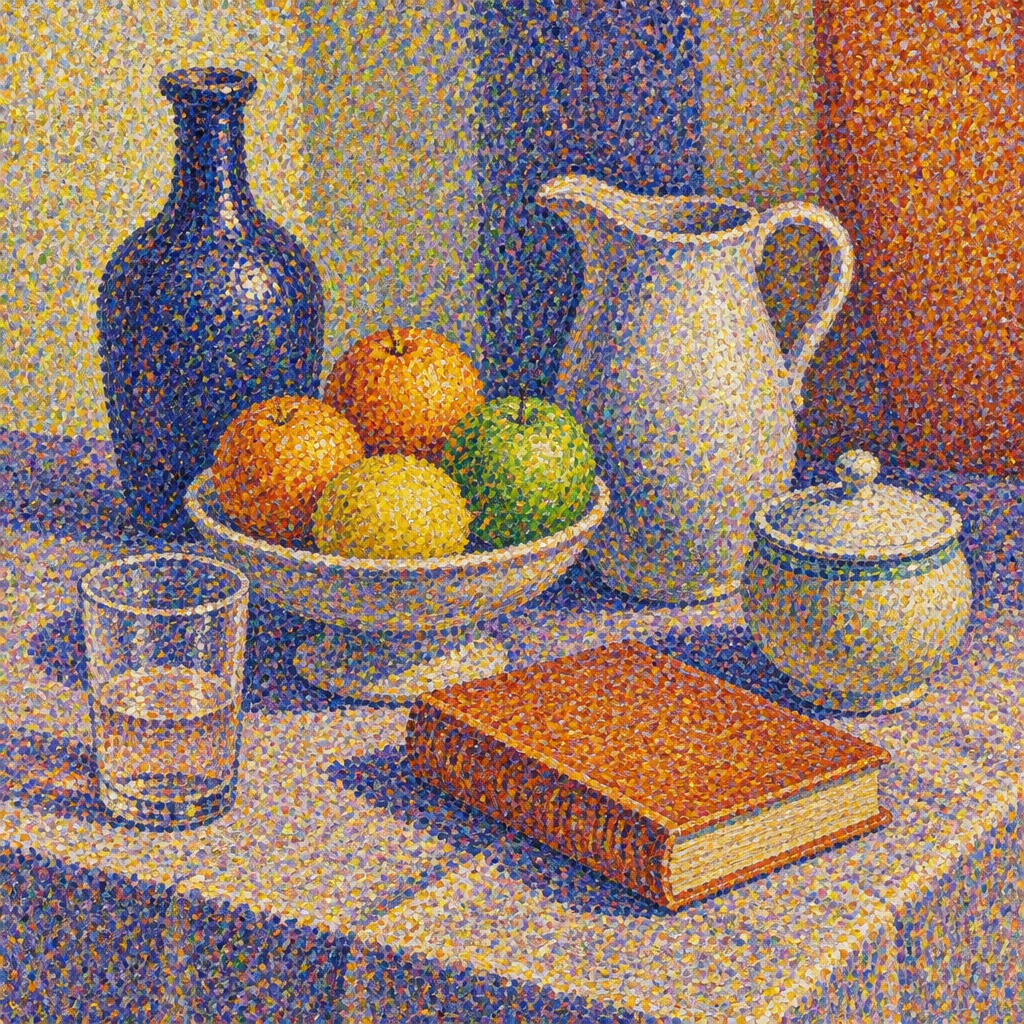
Shimmering surface
Because the marks stay discrete, the image often appears to vibrate slightly, especially in areas of high contrast. This creates a sensation of movement and atmospheric liveliness.
Try It
Create Videos in Pointillist Impressionism Art Style
Styles aren't just for stills — describe a scene or animate an image and get a short video rendered in Pointillist Impressionism. Press play to see this pond come to life.
Make a VideoPointillist Impressionism Prompt Ideas
Start from an idea — each one opens the generator with the style ready to go. See all 40 Pointillist Impressionism prompts →
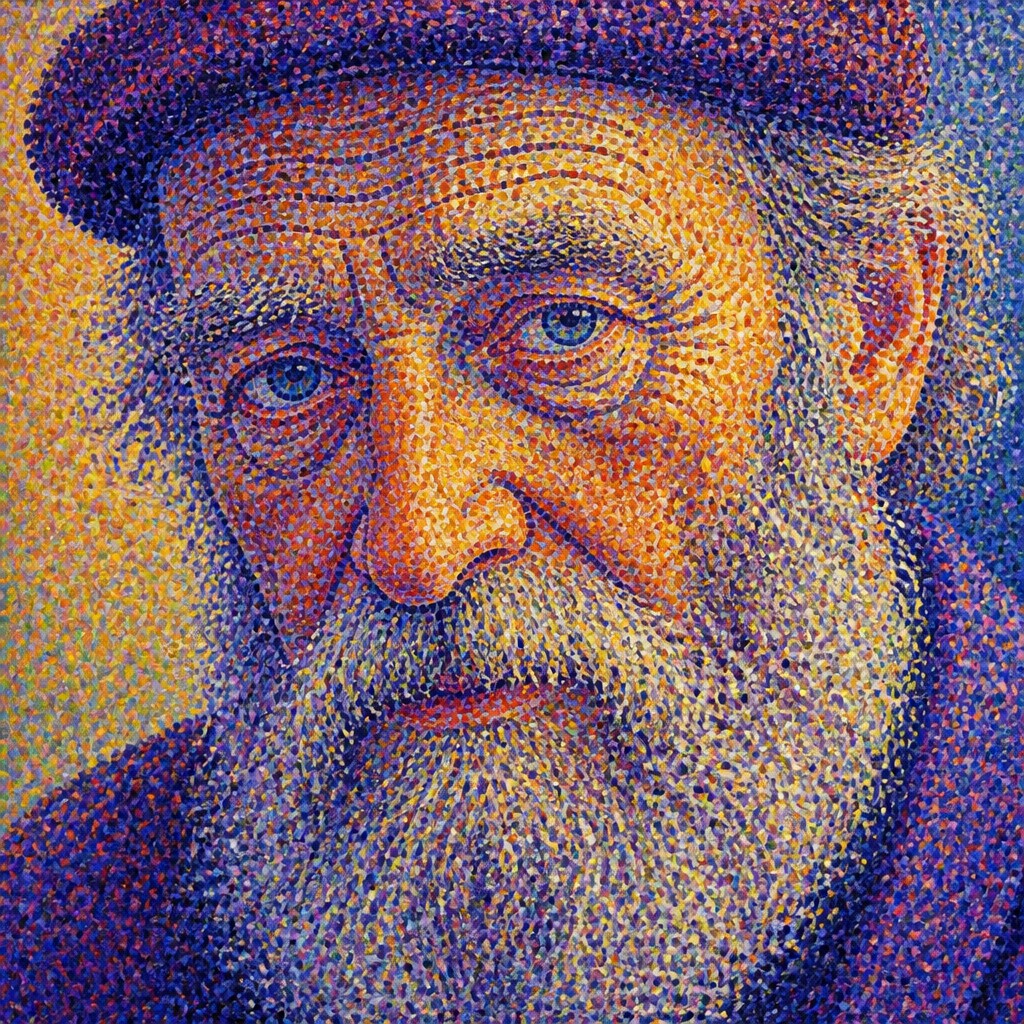
“close-up portrait of an elderly person with expressive weathered features”
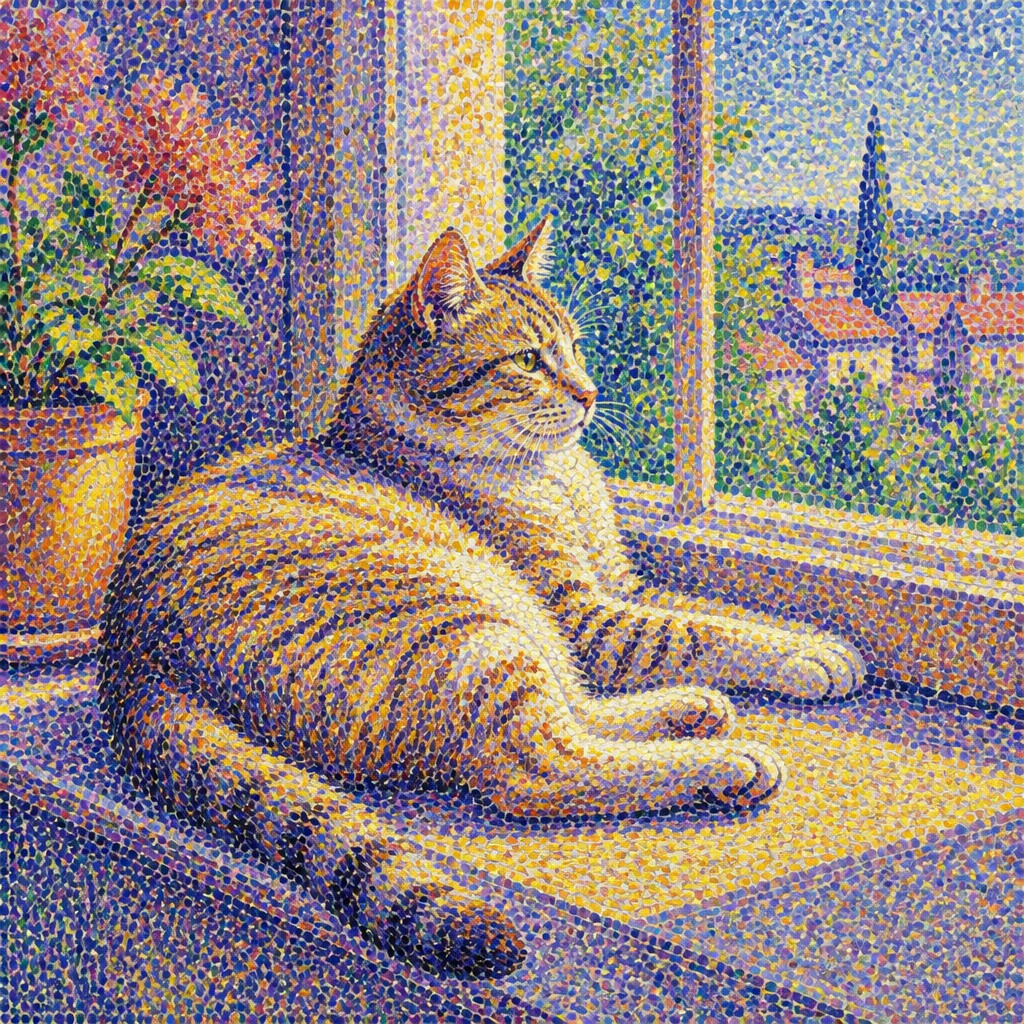
“a cat lounging in a sunlit window”
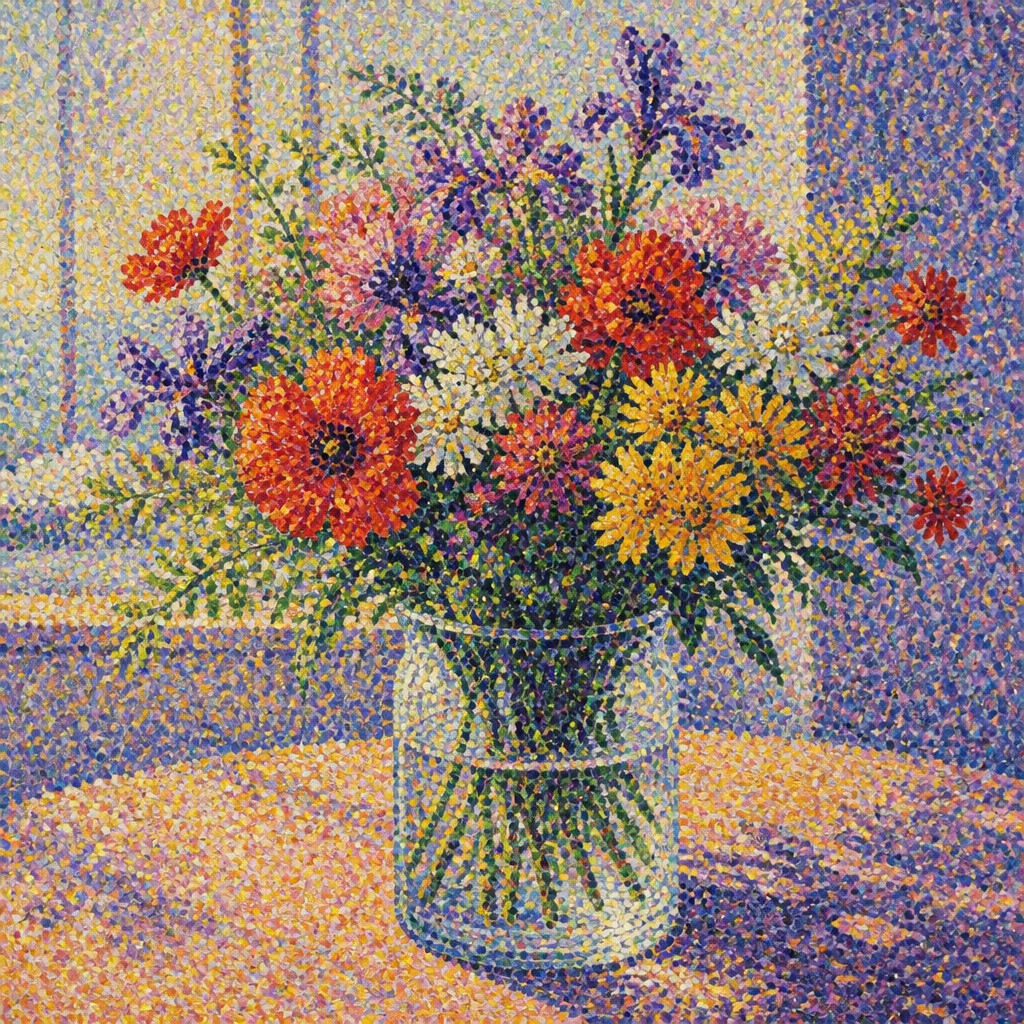
“bouquet of flowers in a glass vase”
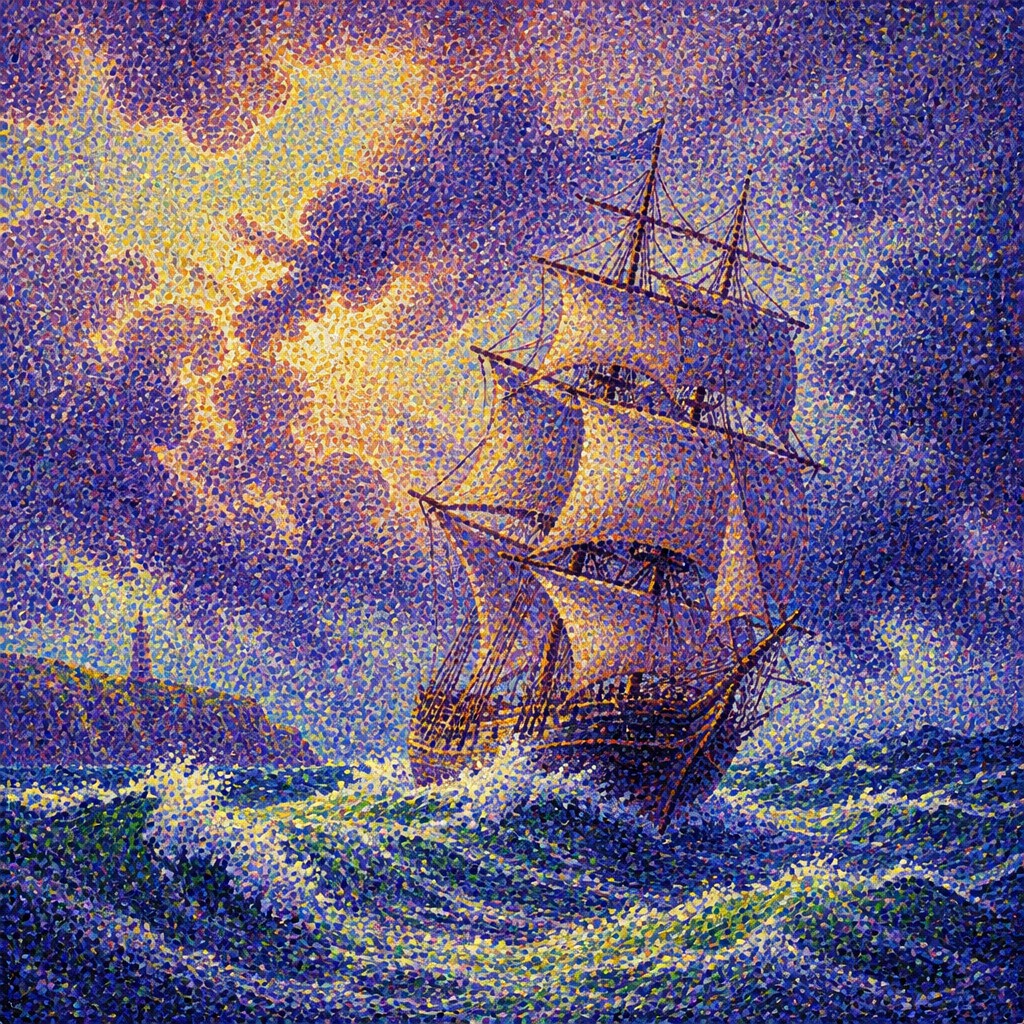
“sailing ship on a stormy sea”
How to Create Pointillist Impressionism Art
Master the craft step by step — or skip straight to creating. Read the full guide →
- 1
Build with separate marks, not blends
In traditional painting, use small, distinct brush touches or dots and avoid smearing colors together. In digital work, use a brush with hard edges and low pressure variation so each mark stays legible.
- 2
Choose a limited but high-contrast palette
Plan complementary and near-complementary relationships before starting, because the effect depends on color interaction. Keep the palette pure and let optical mixing do the work of blending.
- 3
Model form through spacing
Use denser dot clusters for shadows and quieter spacing for highlights, rather than adding black or gray. Gradual changes in density will create volume while preserving the dotted surface.
- 4
Reserve black for almost nothing
If you need darkness, construct it from deep blues, violets, greens, or complementary mixtures. This keeps the painting luminous and consistent with Neo-Impressionist practice.
- 5
Work from a clear subject and a simplified value plan
Whether painting traditionally or generating digitally, the underlying composition should be readable at a distance. For prompt-based creation, specify the subject plus the dotted, optical-mixing surface so the entire image is resolved in that language.

The Story
History & Origins of Pointillist Impressionism
Pointillism emerged in late 19th-century France as part of Neo-Impressionism, a movement that sought to apply scientific ideas about color and perception to painting. The method was developed most systematically by the leading late-19th-century French pointillist innovator, and the major Neo-Impressionist advocate and theorist became its principal defender; critics later used the term pointillism for the technique of painting with distinct dots, though the artists themselves more often preferred broader Neo-Impressionist framing.
The style developed in response to Impressionism, but it is more methodical and optical in intent. Rather than mixing pigments on the palette, Neo-Impressionists relied on juxtaposed touches of pure color to intensify light effects. The approach was influenced by contemporary color theory, including writings on complementary contrast and visual perception, and it also helped shape later experiments in Divisionism and related modernist color techniques.
Influences: Pointillist Impressionism is rooted in Impressionism, especially the interest in light, atmosphere, and modern life, but it is more disciplined and theory-driven. Its closest historical associations are with the leading late-19th-century French pointillist innovator and the major Neo-Impressionist advocate and theorist, and it overlaps with Divisionism, which emphasizes the separation of color into discrete strokes for optical effect. It also draws on 19th-century color science and later influenced decorative modernist and color-focused painting approaches.

Frequently Asked Questions
What defines Pointillist Impressionism?
The defining feature is the use of distinct dots or small touches of pure color to construct the image. Instead of blending pigments smoothly, the artist relies on optical mixing so the viewer's eye combines the colors at a distance. This produces a bright, vibrating surface with strong light effects.
Is pointillism the same as Impressionism?
No. Impressionism generally uses loose, visible brushwork to capture light and atmosphere, while pointillism is a more systematic method based on separate color marks. It emerged from Neo-Impressionism and is related to Impressionism, but it is more structured and theory-based.
How do shadows work in this style?
Shadows are usually built from cool colors such as blue, violet, and green rather than black. This keeps the image luminous and allows the dark areas to participate in the same optical color vibration as the rest of the painting.
Why does pointillist art look brighter from a distance?
Because the separate dots of color blend in the viewer's perception rather than on the palette, the colors retain more intensity. Adjacent complementary hues can also heighten each other's appearance, making the image feel especially radiant.
Can Pointillist Impressionism be made digitally?
Yes. Digital tools can simulate the technique effectively if you keep marks discrete and avoid soft airbrushing or heavy blurring. The key is to preserve the visible dotted structure and let color interaction create the visual mix.
Where is this style commonly used?
It is often used for landscapes, portraits, seascapes, and scenes with strong light and atmosphere. The method also works well for decorative illustration and stylized digital art when a shimmering, tactile color surface is desired.
Create your first Pointillist Impressionism artwork
Describe anything — or upload a photo — and see it in Pointillist Impressionism Art Style in seconds.
Make Something with Pointillist Impressionism
Compare Pointillist Impressionism
Related Styles
Discover similar art styles