Pointillist Impressionism vs Impressionism: What's the Difference?
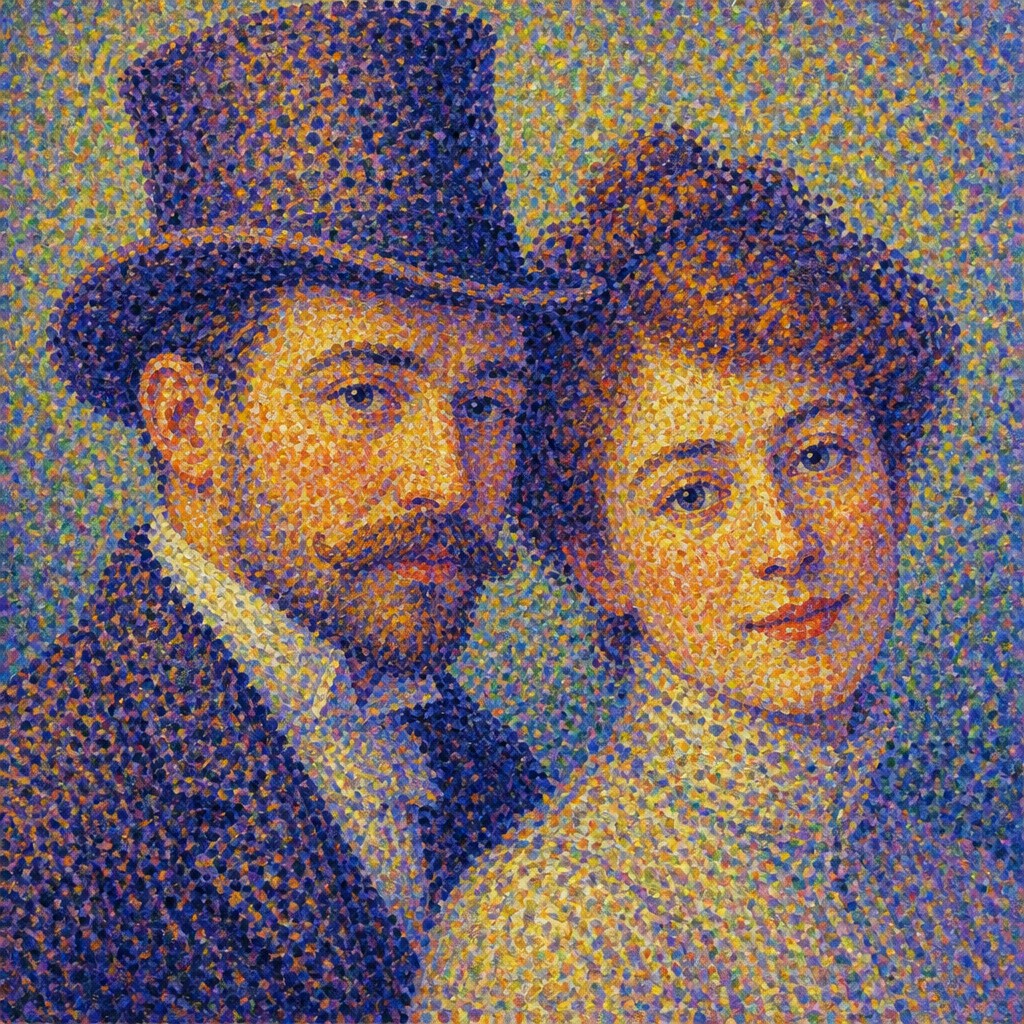
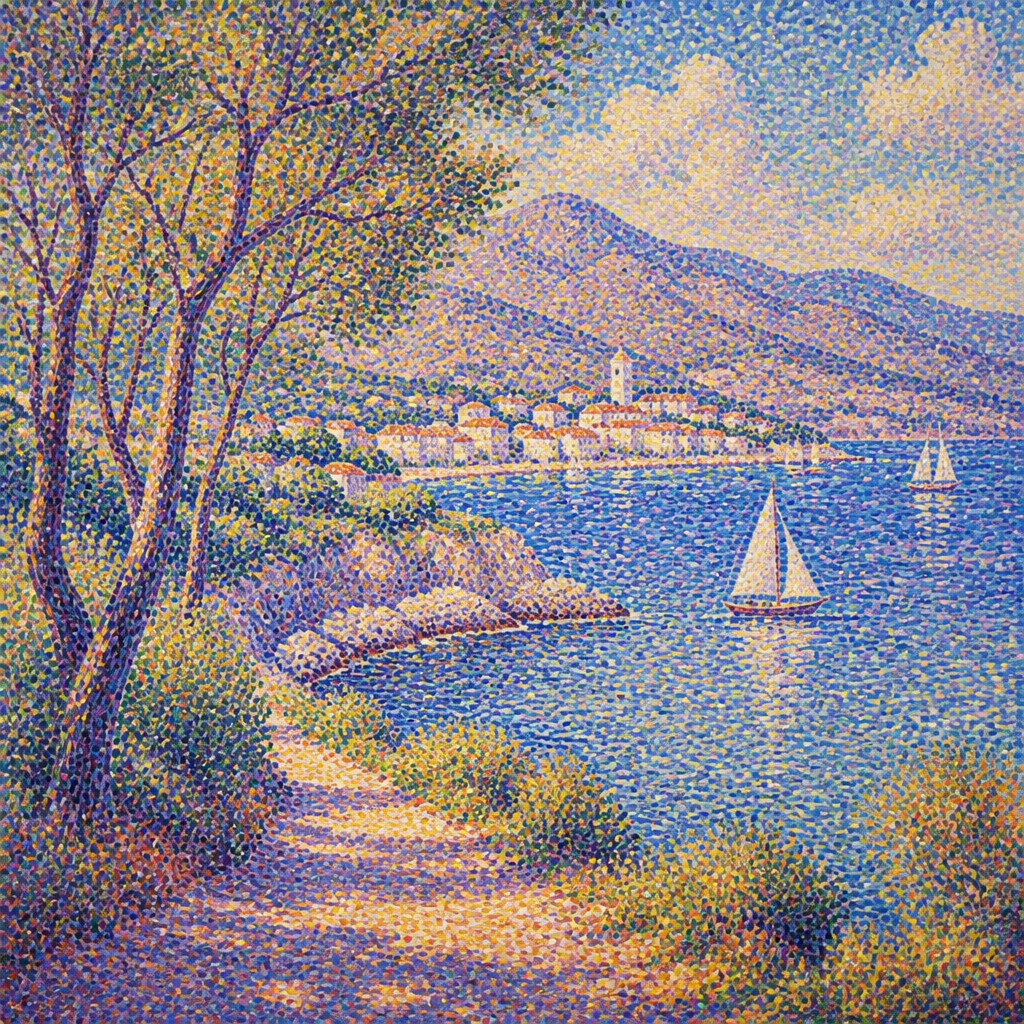
Pointillist Impressionism is a Neo-Impressionist approach that builds images from tiny, separate dots of pure color. Instead of blending pigments on the palette, it relies on optical mixing in the viewer’s eye, creating a bright, shimmering effect with careful structure and luminous color.
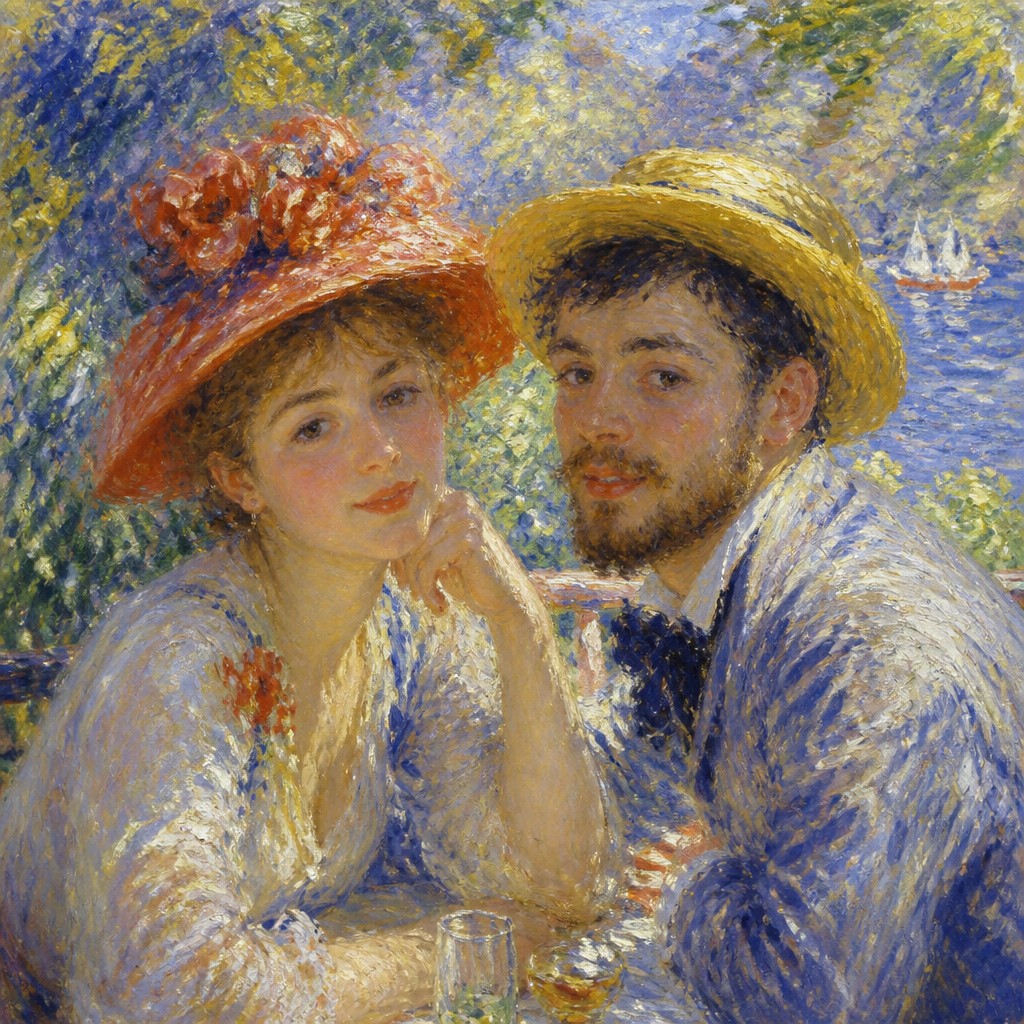
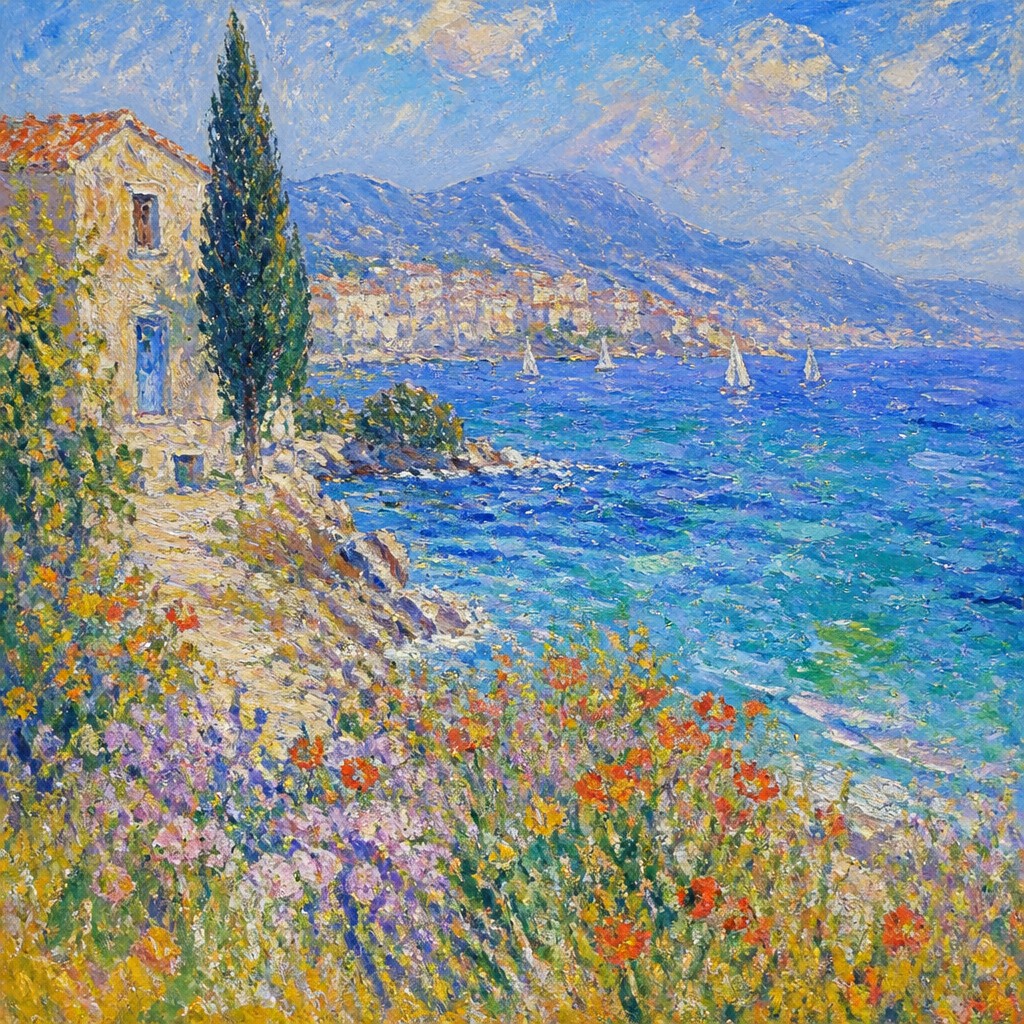
Impressionism is a broader painting style that captures fleeting light, atmosphere, and everyday scenes with visible brushstrokes and broken color. People compare the two because both emphasize light, color, and modern life, but Pointillist Impressionism is more systematic and dot-based, while Impressionism is looser and more spontaneous.
Same Prompt, Both Styles
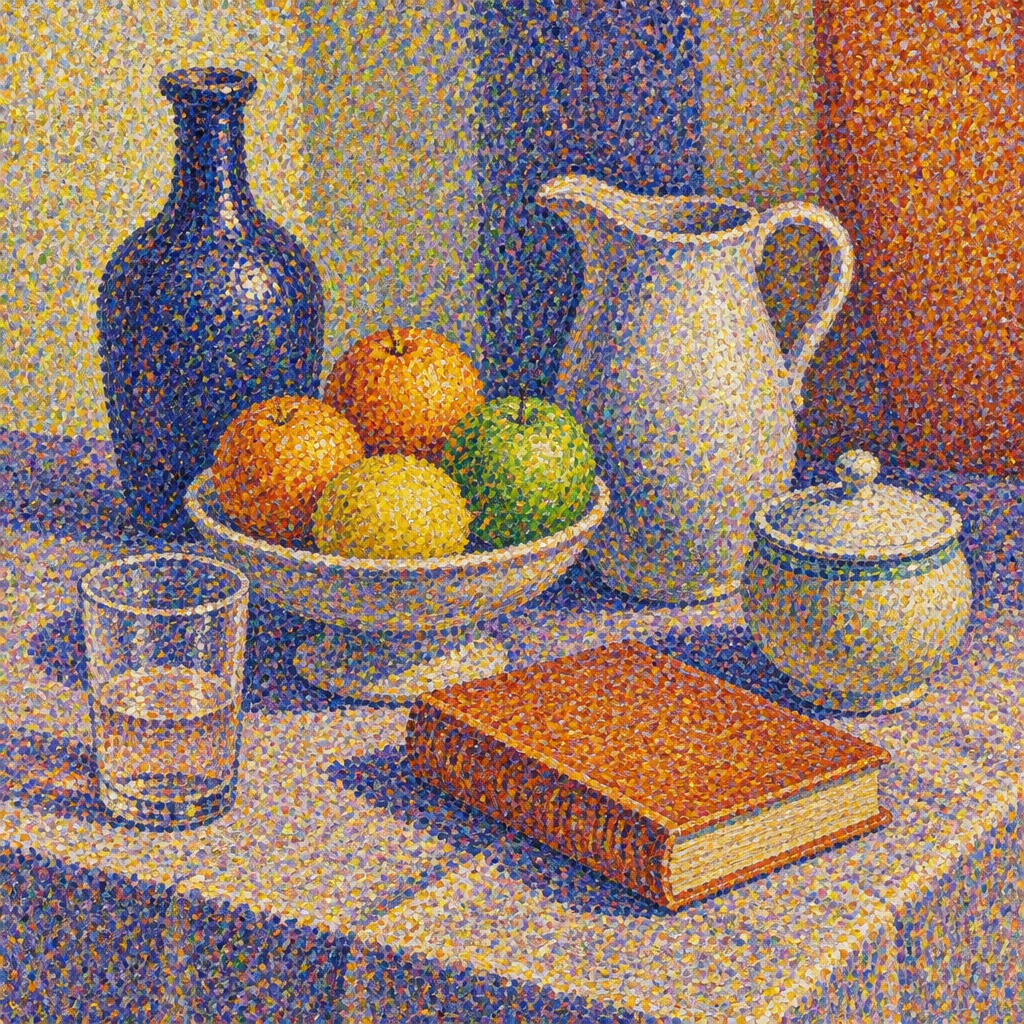
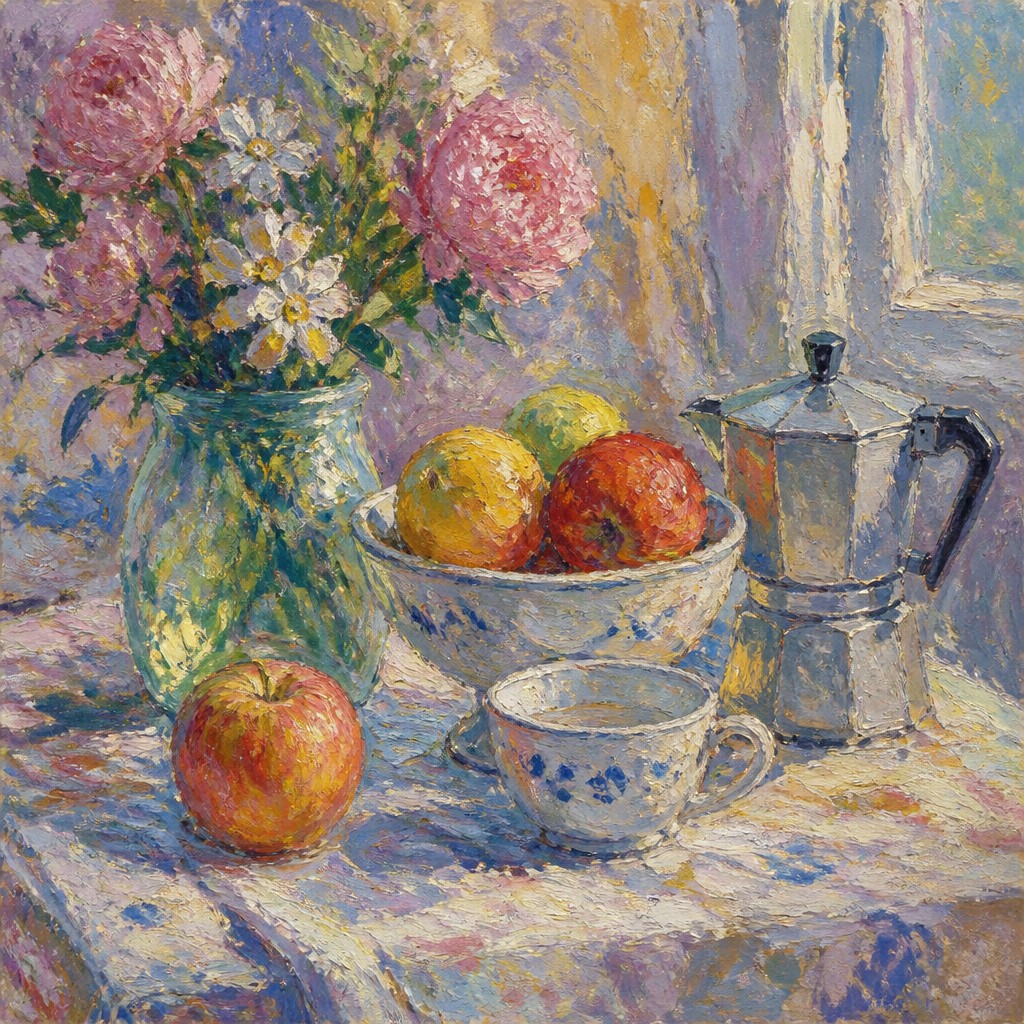
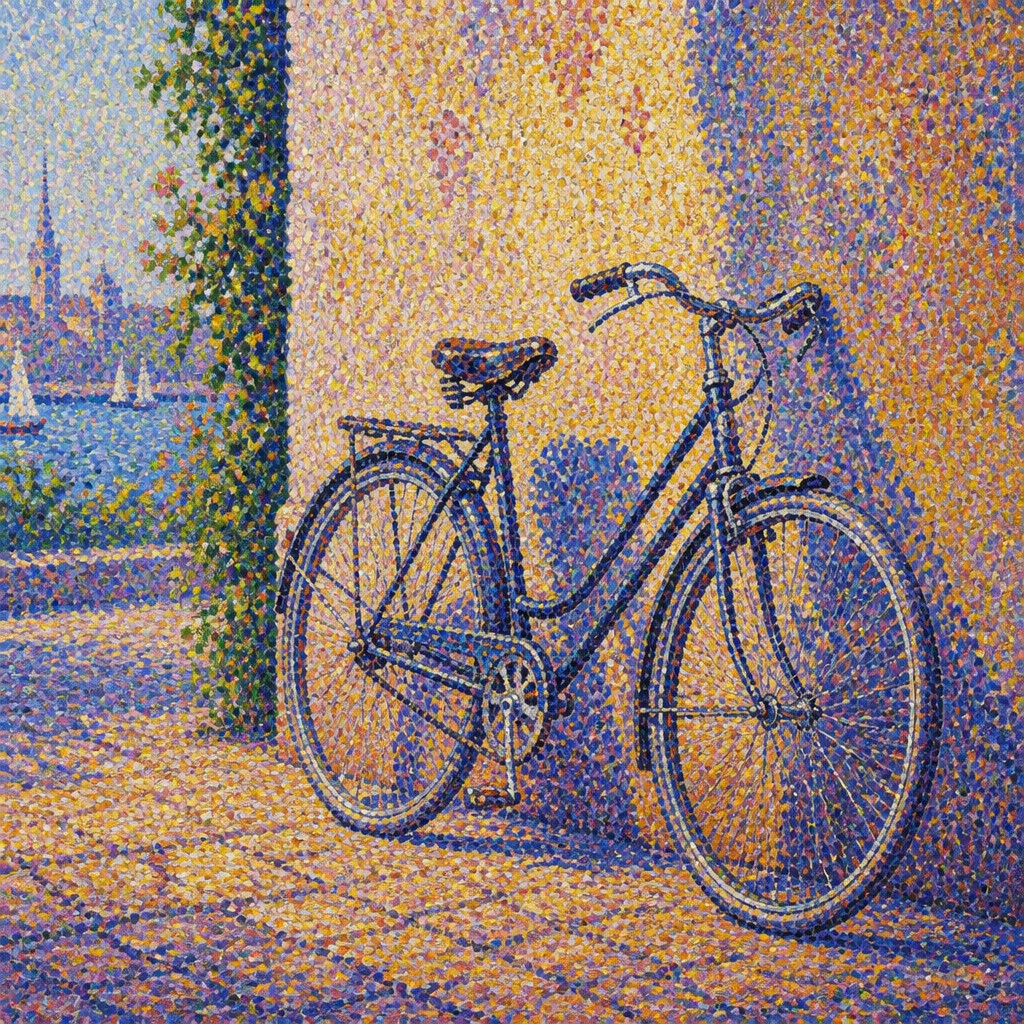
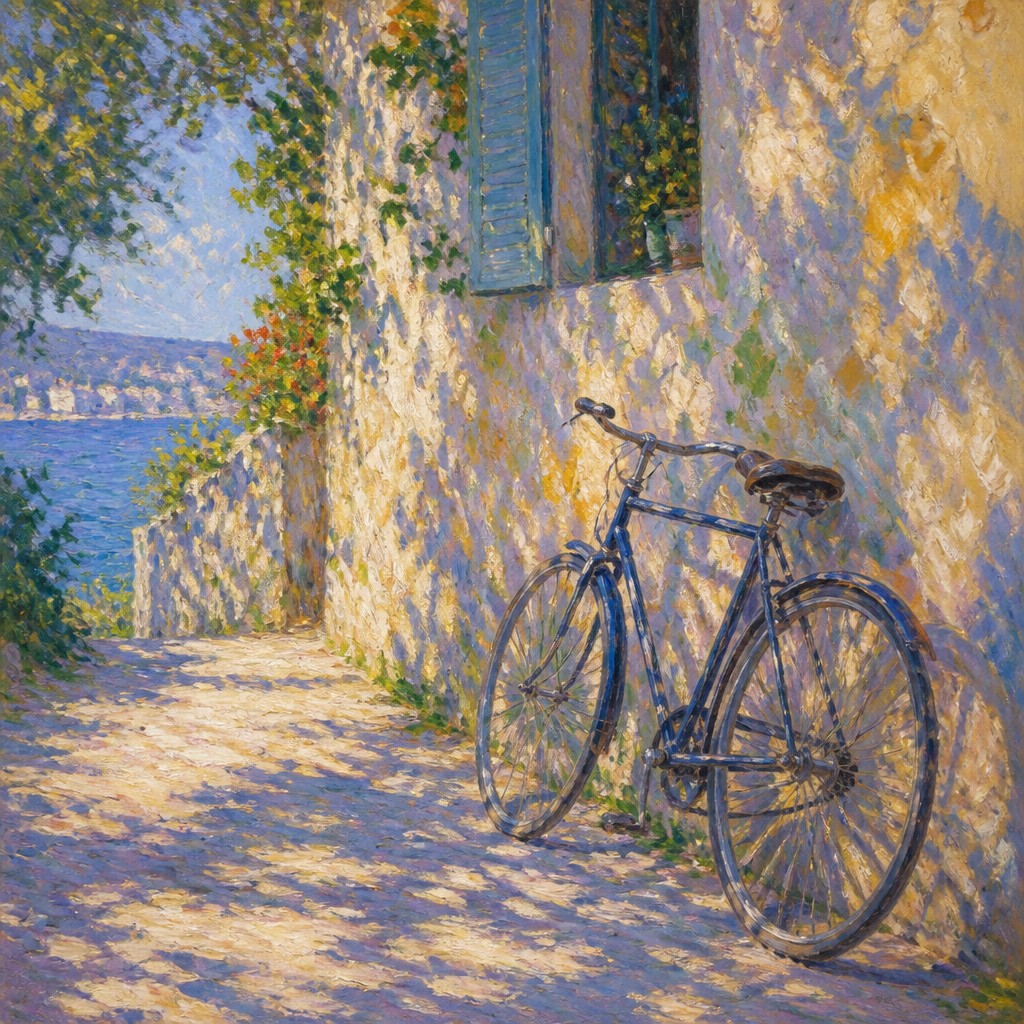
Each pair below was generated from the identical prompt — only the style changed.
“portrait of two people together”
“wide landscape with natural scenery”
“still life with everyday objects”
“bicyle resting against a wall”
Key Differences
| Pointillist Impressionism | Impressionism | |
|---|---|---|
| Mark making | Built from tiny dots of pure color. | Built from visible brushstrokes and touches. |
| Color mixing | Colors mix optically in the viewer’s eye. | Colors are often mixed on canvas and in broken strokes. |
| Surface effect | Creates a shimmering, vibrating surface. | Creates a softer, atmospheric surface. |
| Method | Careful, systematic placement of dots. | More spontaneous and responsive to the moment. |
| Light | Uses separated color to intensify brightness. | Uses changing light and shadow to suggest atmosphere. |
| Composition | Often more structured and controlled. | Often looser, with quick outdoor observation. |
| Mood | luminous, tranquil, vibrant, airy | airy, luminous, fleeting, serene, evocative |
| Energy | calm | lively |
| Detail level | intricate | moderate |
| Color | bright pure hues with optical blending | bright, pure, light-washed, atmospheric |
| Texture | speckled, grainy, shimmering surface | visible brushstrokes, painterly, soft-edged |
| Origin | late 19th-century France | 19th-century France |
| Best for | gallery prints, landscape scenes, posters, album covers, editorial illustrations, decorative wall art | landscapes, garden scenes, posters, editorial illustrations, album covers, wall art |
| Difficulty | advanced | moderate |
Which Should You Choose?
Choose Pointillist Impressionism if you want a highly ordered look with luminous color, crisp structure, and an optical shimmer created from many small marks. Choose Impressionism if you prefer a freer, more immediate style with visible brushwork, natural light, and a sense of a fleeting moment captured quickly.
Frequently Asked Questions
Are Pointillist Impressionism and Impressionism the same thing?
No. They are related, but Pointillist Impressionism is a later, more methodical offshoot that uses dots of color. Impressionism is broader and generally more spontaneous in touch and composition.
Which style is brighter?
Pointillist Impressionism often looks brighter and more luminous because separate pure colors are mixed optically. Impressionism can also be bright, but its effect is usually softer and more atmospheric.
Which style is easier to recognize at a glance?
Pointillist Impressionism is often easier to spot because of its tiny dot structure. Impressionism is identified more by visible brushstrokes, broken color, and scenes of changing light.
Can both styles depict outdoor scenes?
Yes, both can show landscapes, gardens, rivers, and city life. Impressionism usually emphasizes the instant feeling of being there, while Pointillist Impressionism emphasizes color harmony and optical effects.