Haute Couture Fashion Design vs High Fashion Photography: What's the Difference?
Haute couture fashion design is the art of creating one-of-a-kind garments with hand-finished construction, luxurious fabrics, and sculptural silhouettes. It emphasizes craftsmanship, fit, embellishment, and the architecture of clothing itself, often pushing tailoring and textile work to an exceptional level.
High fashion photography style is the visual presentation of fashion through polished, editorial images with dramatic lighting, strong poses, and elevated styling. People compare the two because couture design supplies the garments and fashion photography translates them into a visual language that shapes mood, luxury, and aspiration.
Same Prompt, Both Styles
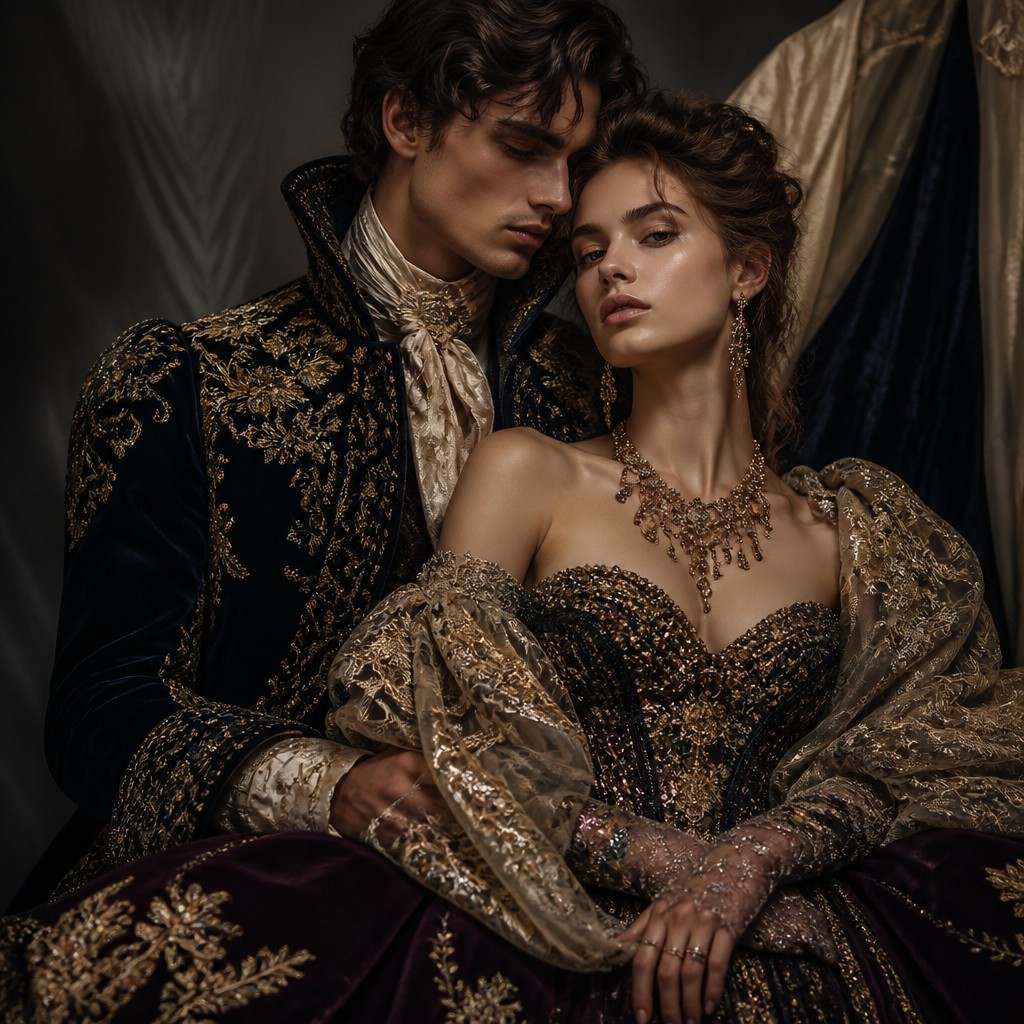
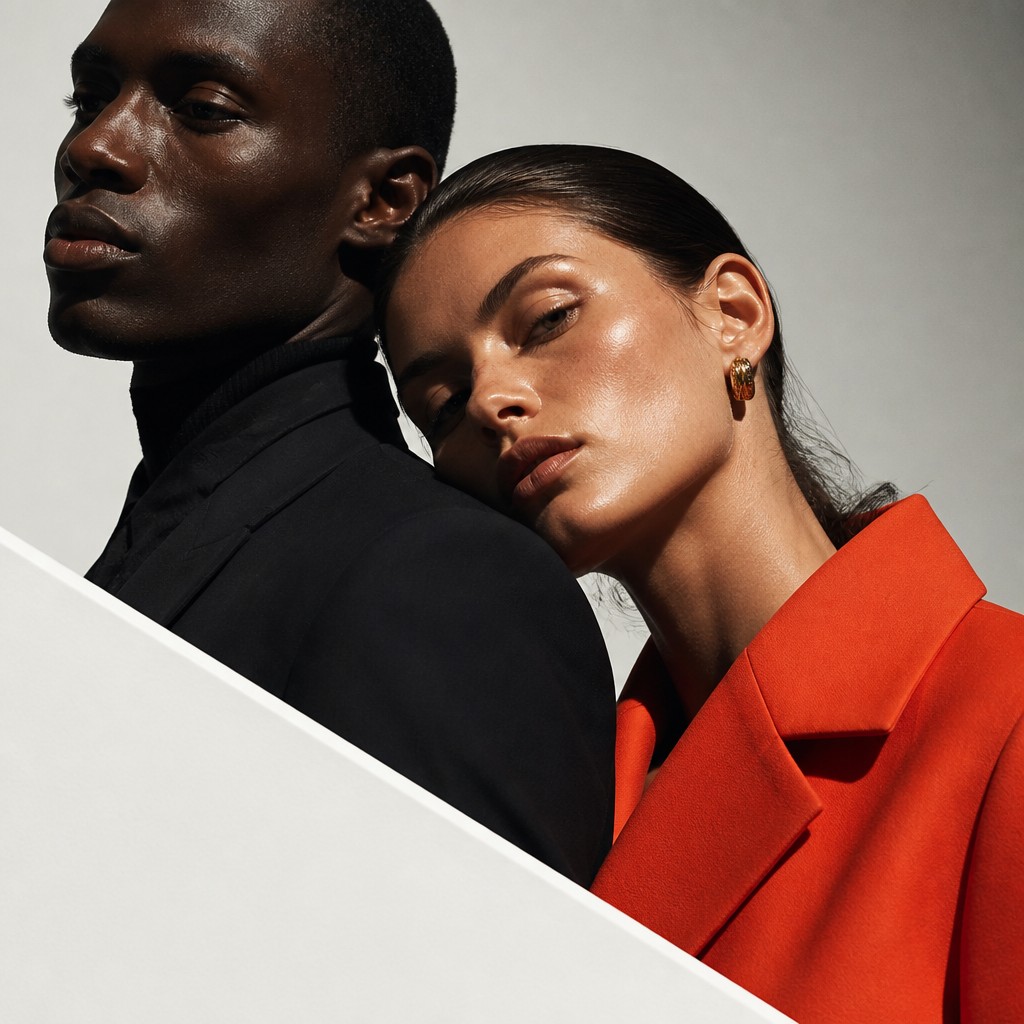
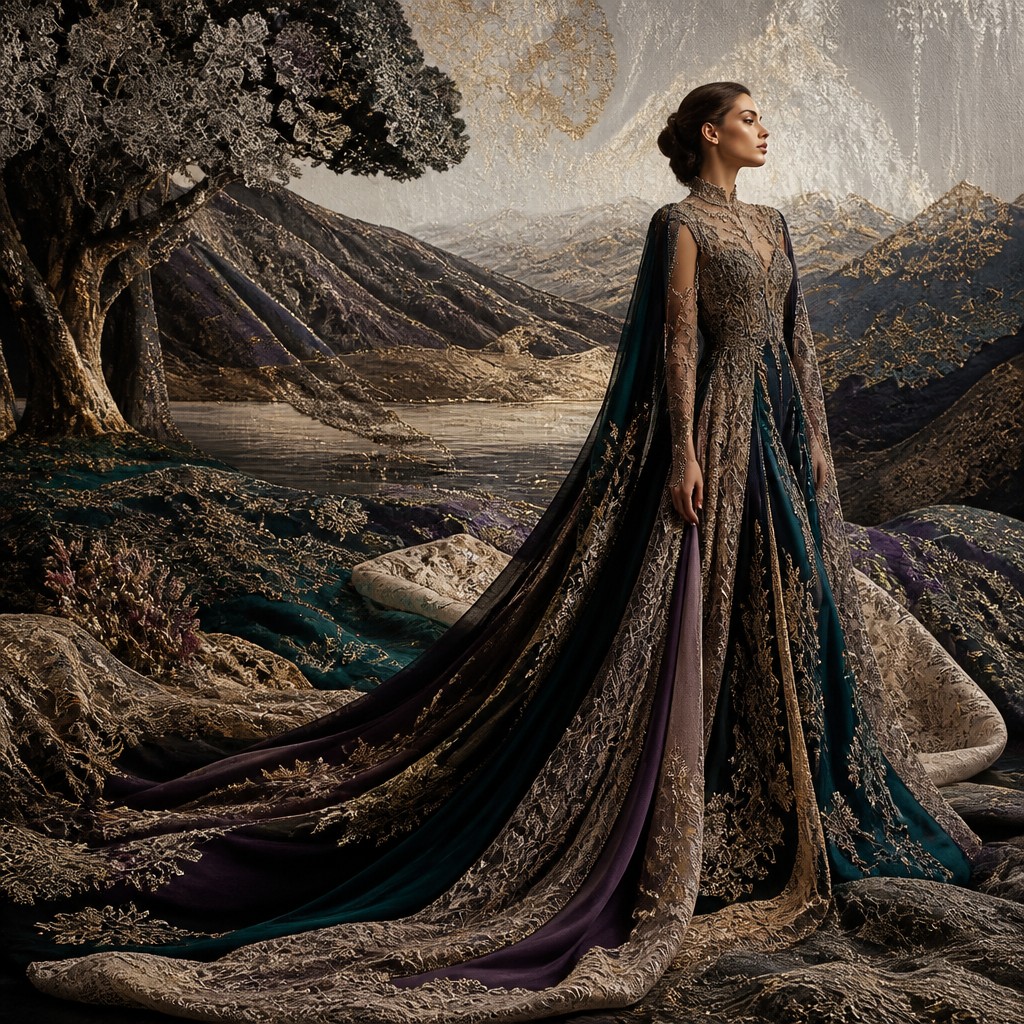
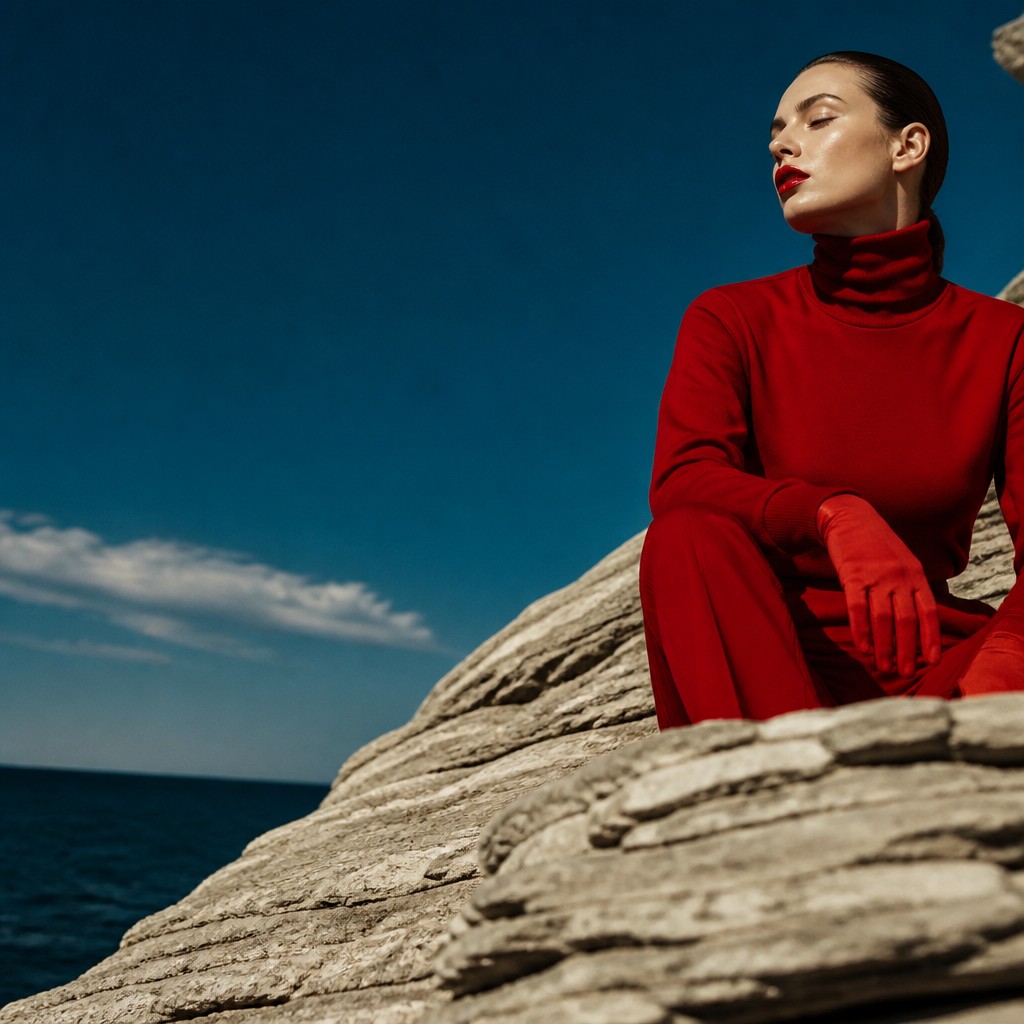
Each pair below was generated from the identical prompt — only the style changed.
“portrait of two people together”
“wide landscape with natural scenery”
“still life with everyday objects”
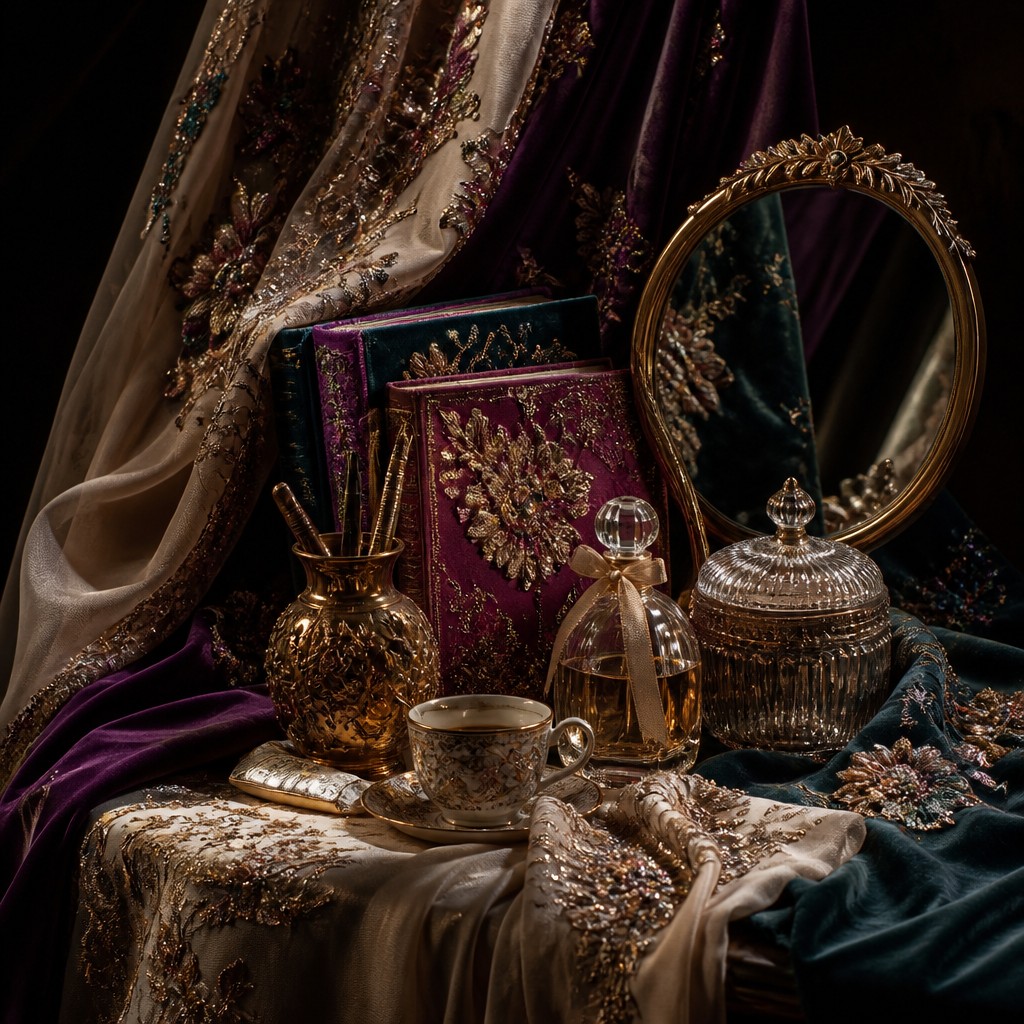
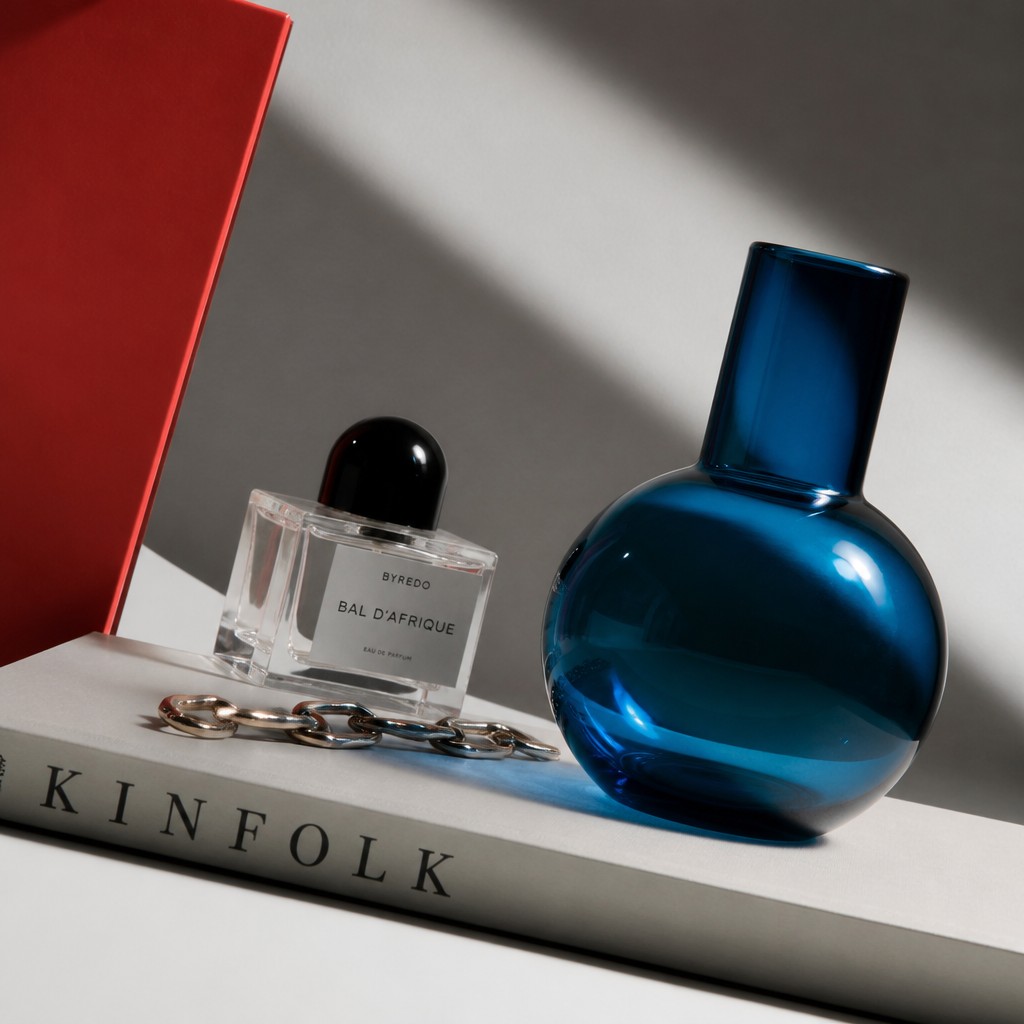
“bicyle resting against a wall”
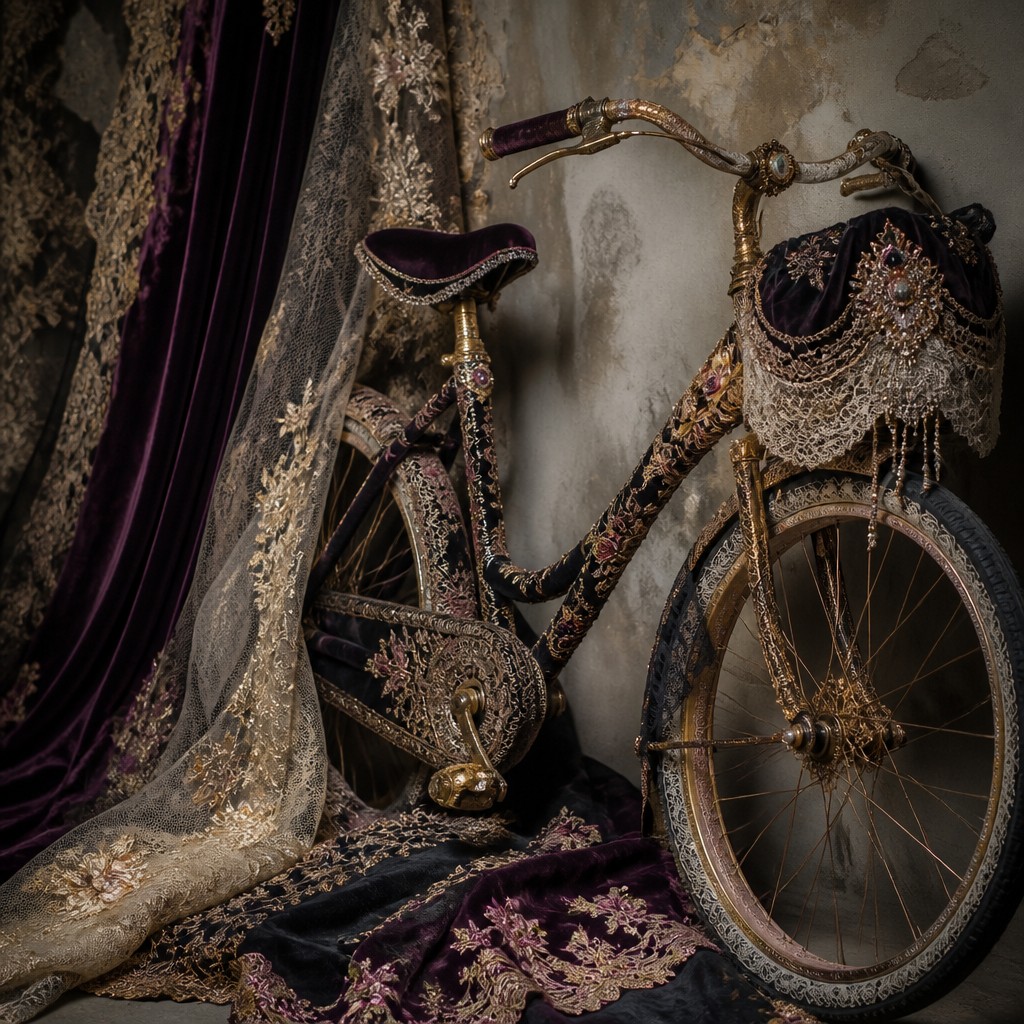
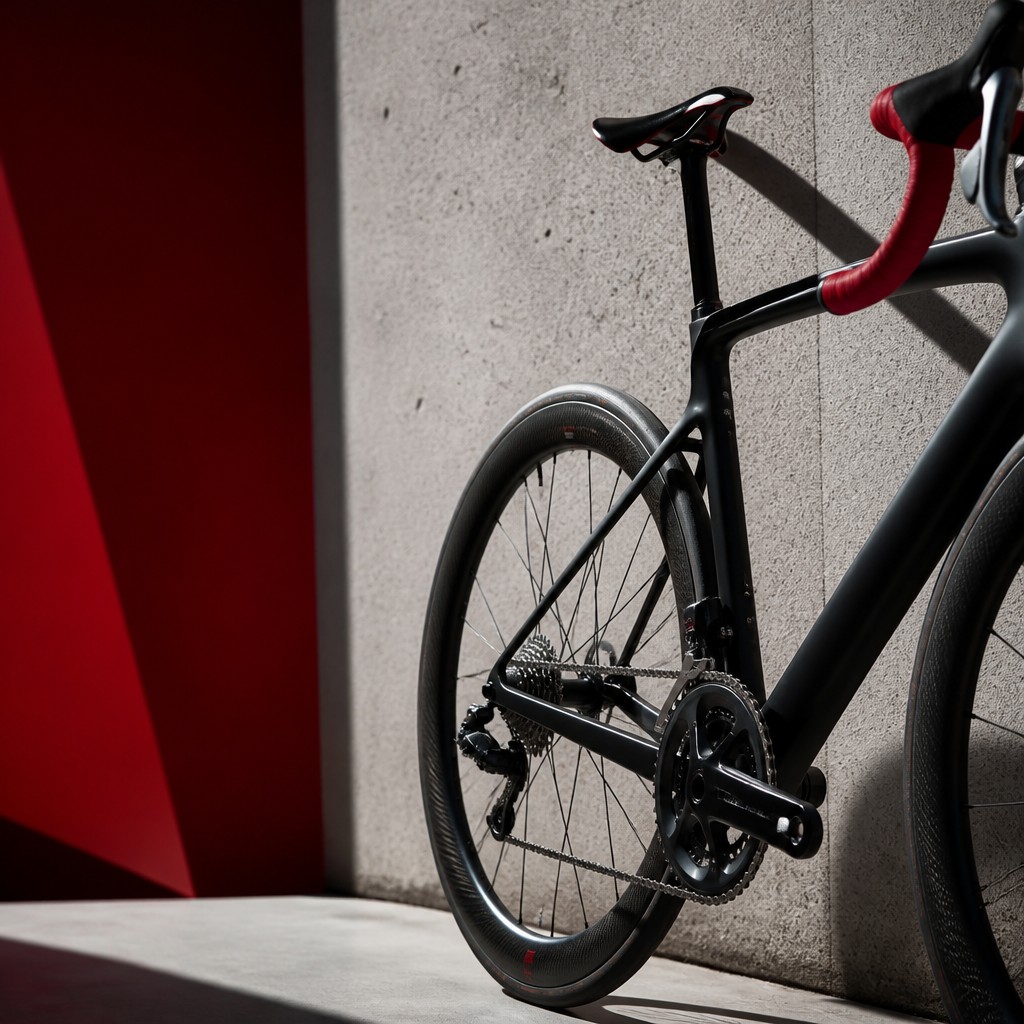
Key Differences
| Haute Couture Fashion Design | High Fashion Photography | |
|---|---|---|
| Primary focus | The garment itself, built through craft, fit, and material excellence. | The image, using light, pose, and framing to create impact. |
| Line & form | Sculptural silhouettes shaped by tailoring, draping, and structure. | Body angles and composition create form within the photograph. |
| Materials | Rare textiles, hand embroidery, feathers, beading, and layered fabric. | Materials matter visually, but appear through styling and camera rendering. |
| Detail level | Micro-level craftsmanship is essential and often visible up close. | Details are curated for immediate visual clarity and magazine readability. |
| Mood | Opulent, refined, intimate, and often ceremonial. | Dramatic, glamorous, assertive, and narrative-driven. |
| Purpose | To express technical mastery and exclusive fashion artistry. | To present fashion in a compelling editorial or advertising context. |
| Mood | luxurious, refined, dramatic, opulent, precise | dramatic, glamorous, polished, confident, edgy |
| Energy | balanced | intense |
| Detail level | intricate | detailed |
| Color | rich neutrals, jewel tones, metallic accents | high contrast, neutral luxe tones, vivid accents |
| Texture | silk, satin, embroidery, beading, crisp tailoring | smooth, crisp, glossy surfaces |
| Origin | Paris ateliers, 19th century | 20th-century fashion magazines, luxury branding |
| Best for | editorial spreads, runway concepts, luxury branding, fashion illustrations, gala invitations, museum exhibits | editorial spreads, fashion campaigns, luxury ads, lookbooks, beauty promotions, runway coverage |
| Difficulty | advanced | advanced |
Which Should You Choose?
Choose haute couture fashion design if you want to study or create the clothing itself, especially its construction, surface detail, and sculptural elegance. Choose high fashion photography style if your goal is to present fashion with strong visual drama, striking poses, and a polished editorial look. In practice, they work best together: couture defines the piece, while photography defines how the audience experiences it.
Frequently Asked Questions
Is haute couture the same as high fashion photography?
No. Haute couture is a clothing design discipline focused on handcrafted garments and exceptional construction. High fashion photography is a visual style for photographing fashion, often including couture pieces.
Which style is more focused on craftsmanship?
Haute couture fashion design is more craftsmanship-centered because the quality of stitching, fit, and finishing is the point of the work. Photography can highlight that craft, but it does not replace it.
Which style is better for editorial impact?
High fashion photography style is better for immediate editorial impact because it uses lighting, contrast, and pose to create a strong image. It is designed to grab attention quickly in magazines and campaigns.
Can the same outfit fit both styles?
Yes. A couture garment can be photographed in a high fashion photography style to emphasize its drama and detail. The clothing may stay the same, while the styling, lighting, and composition shift the overall experience.