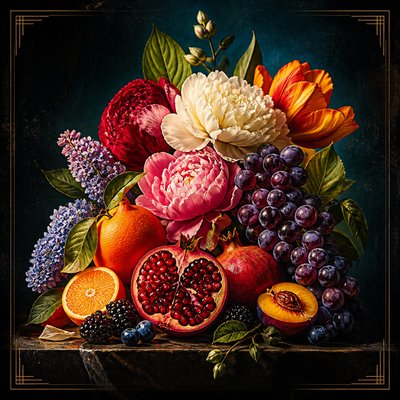
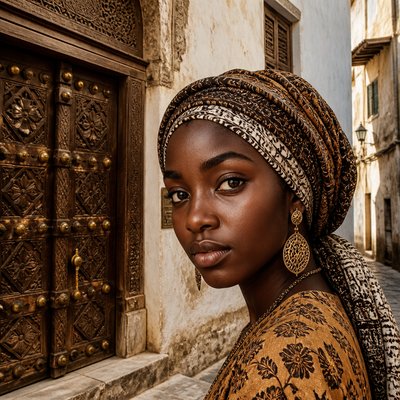
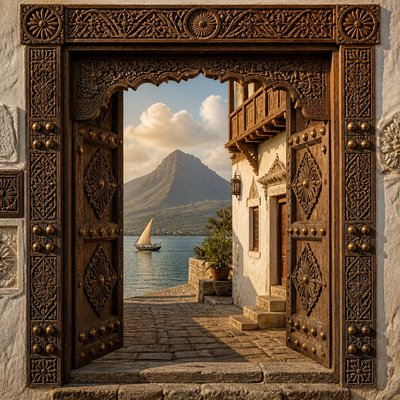
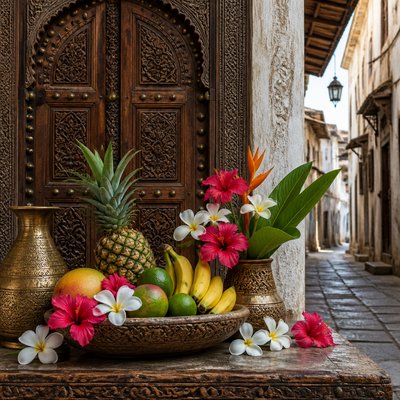
Moldovan Art Style
Explore Moldovan Art Style: limestone monasteries, Orthodox icon colors, and Bessarabian carpet patterns woven into a serene visual language.
Instantly rendered in Moldovan — or transform a photo
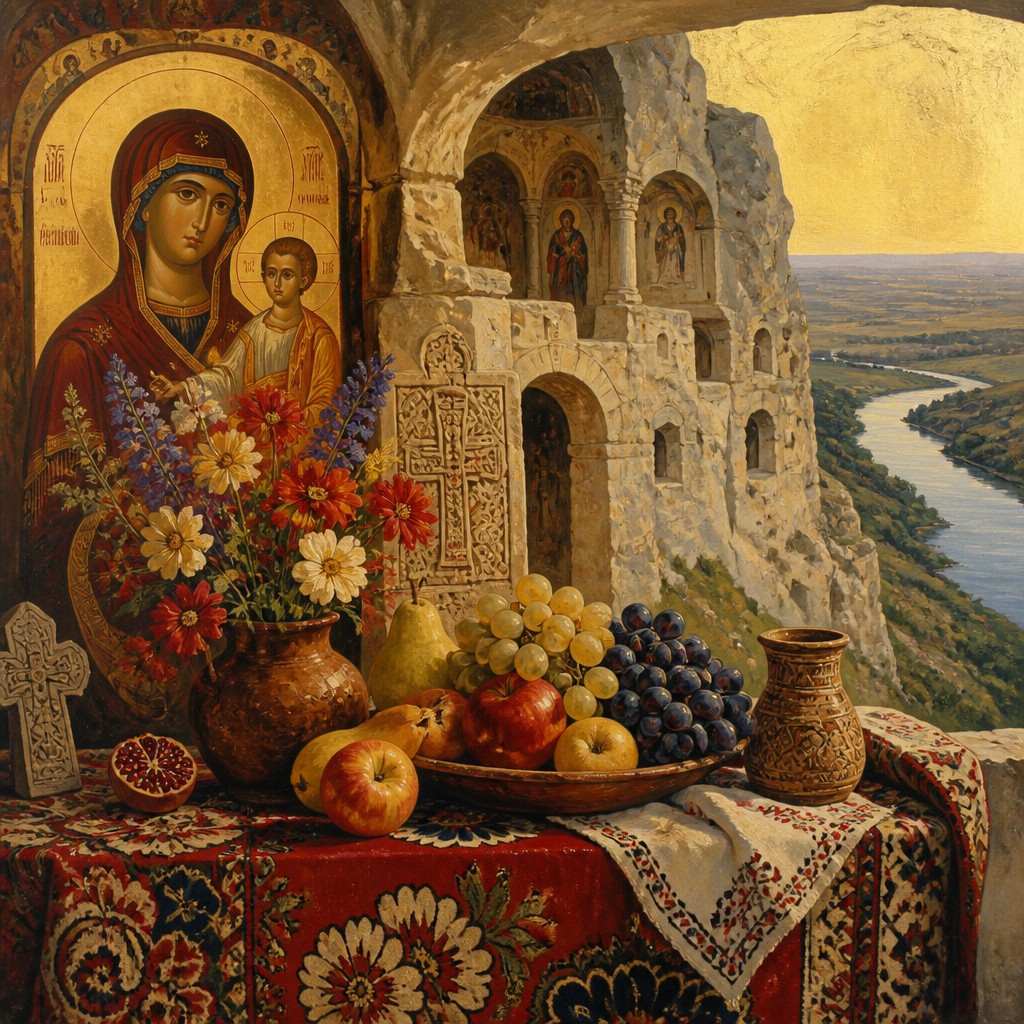
Moldovan Gallery
Tap any artwork to explore it
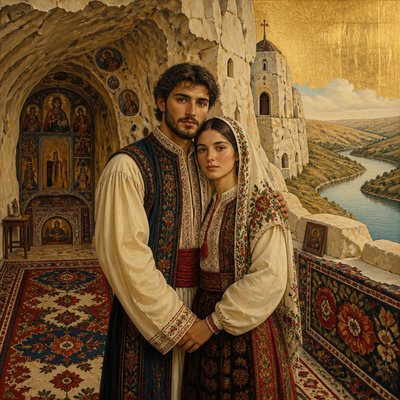
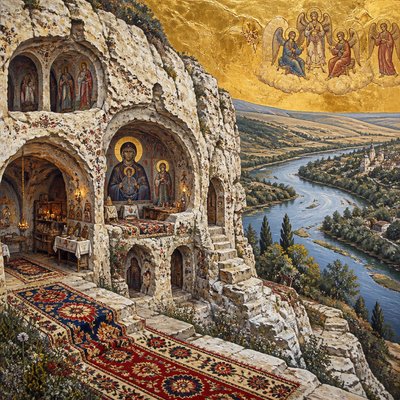
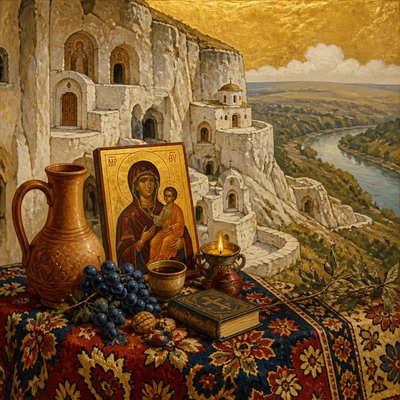
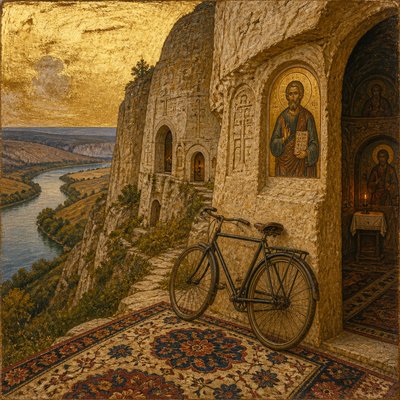
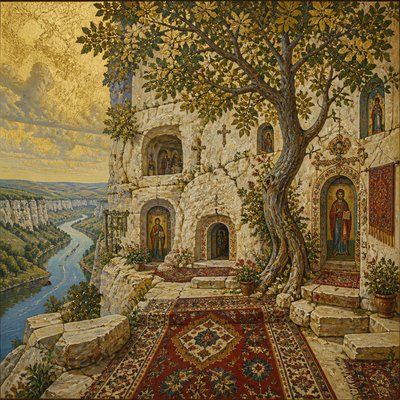
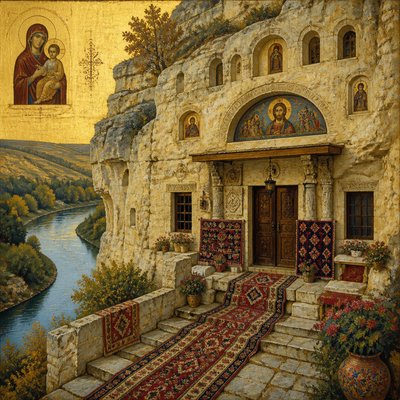
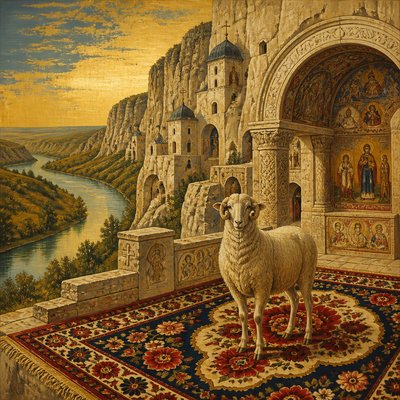
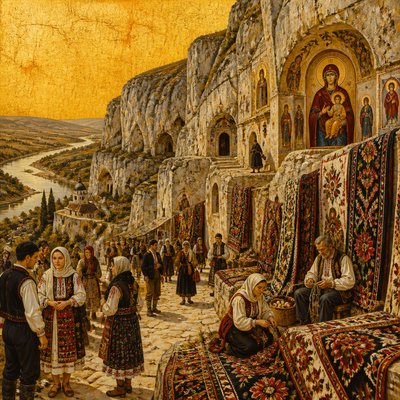
What is Moldovan Art Style?
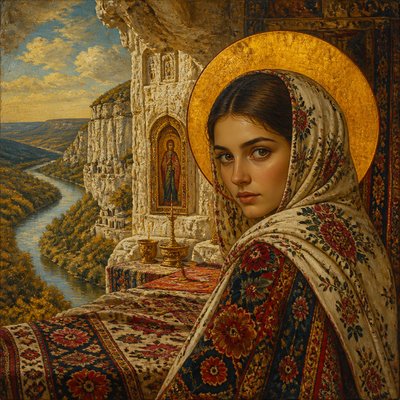
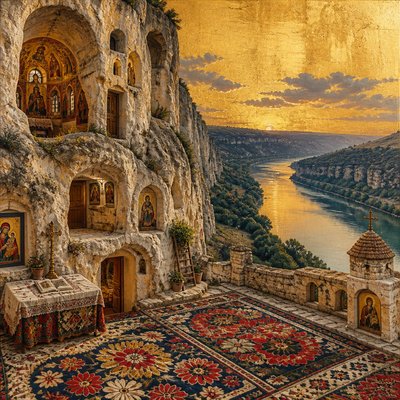
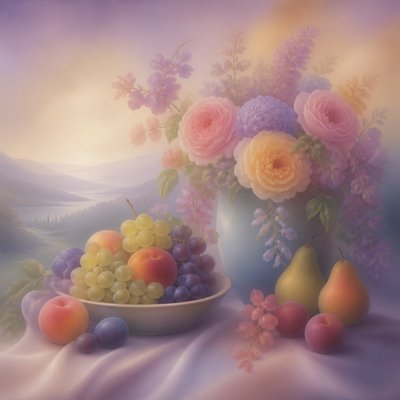
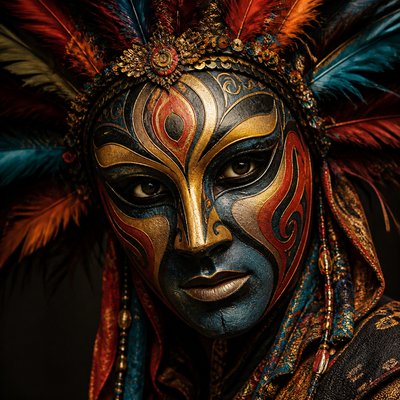
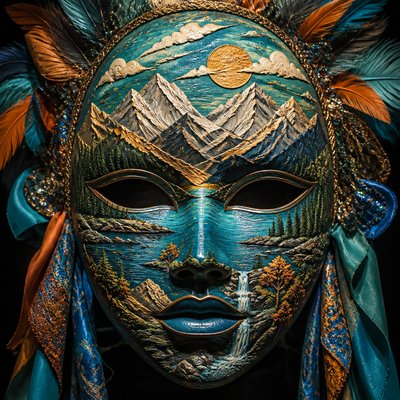
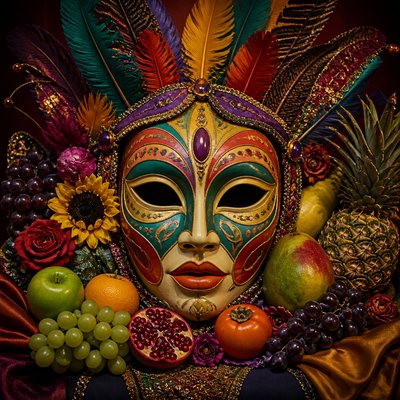
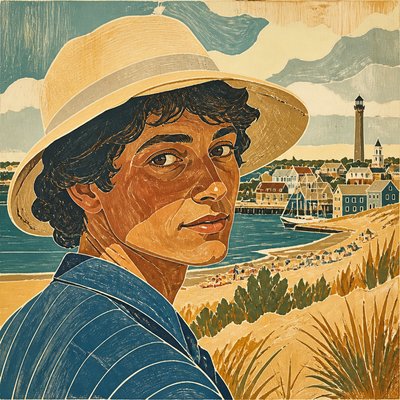
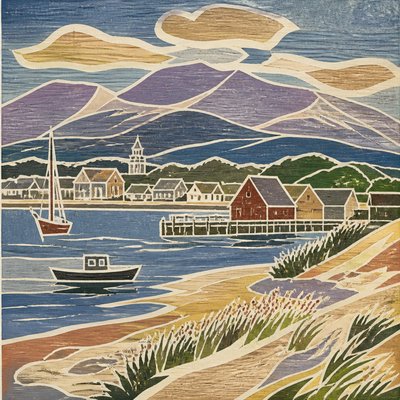
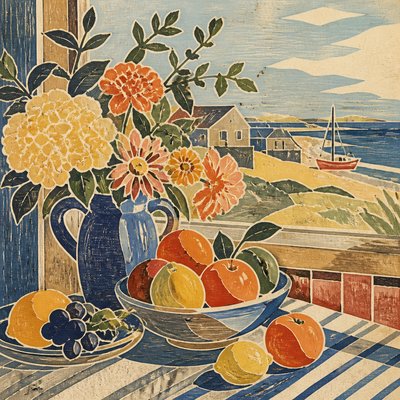
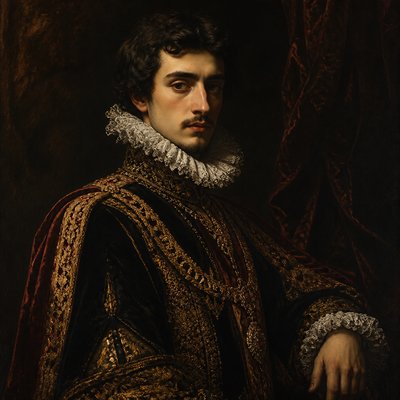
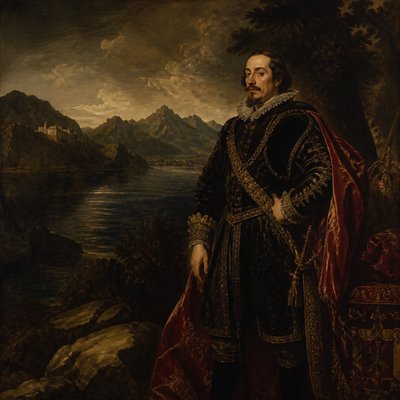
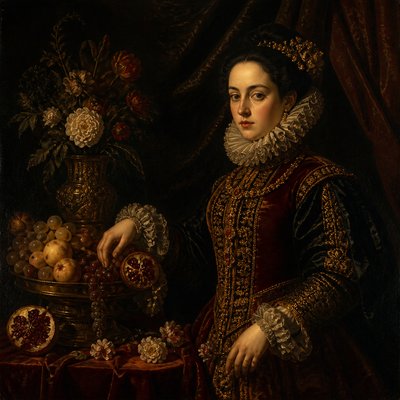
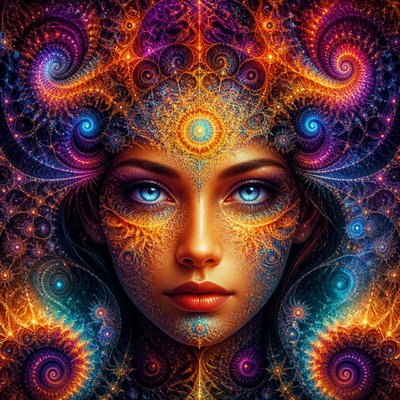
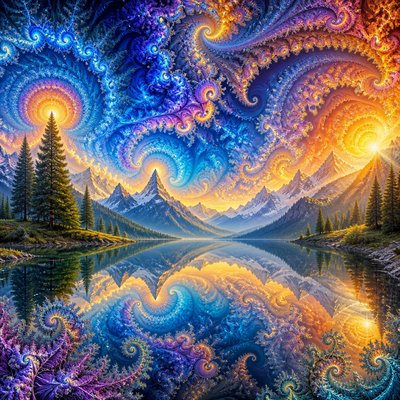
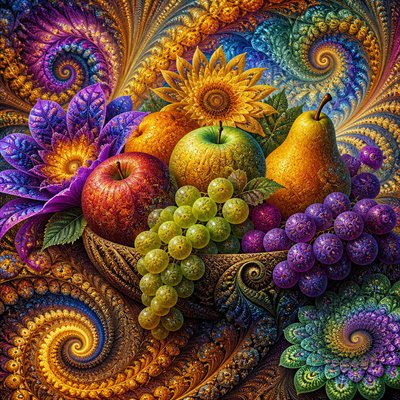
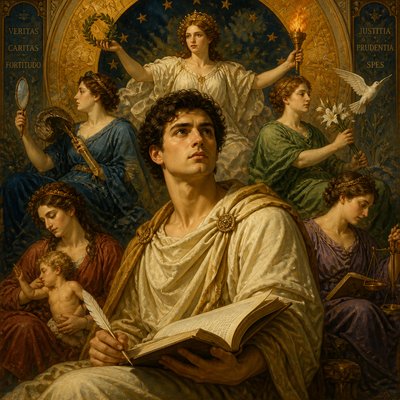
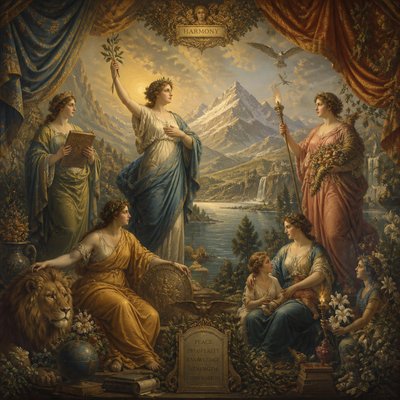
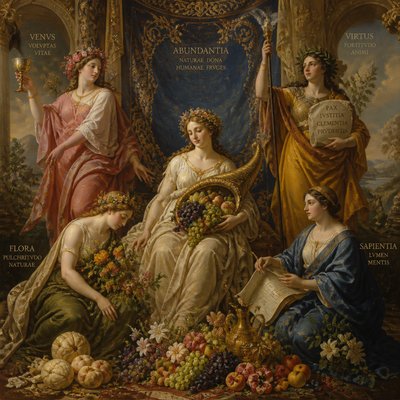
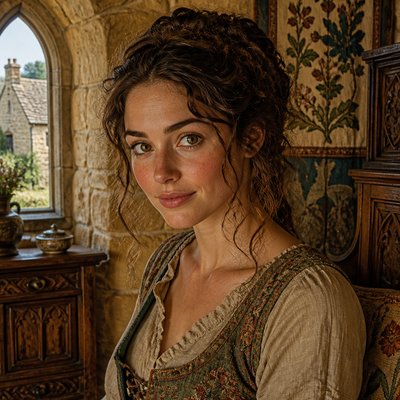
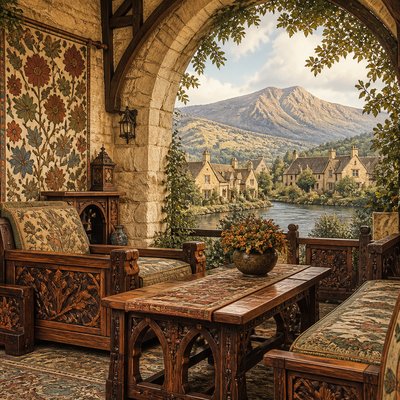
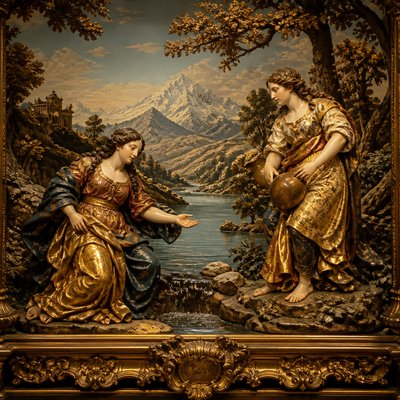
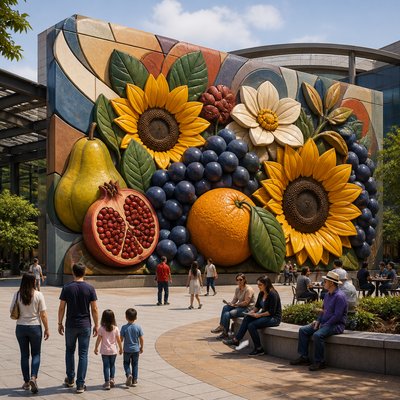
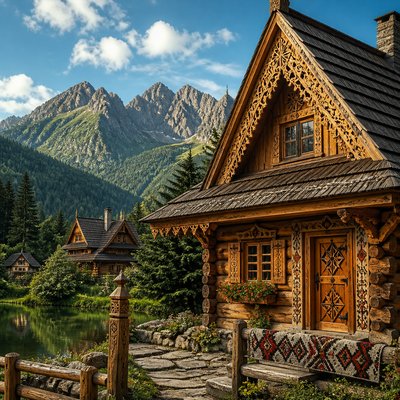
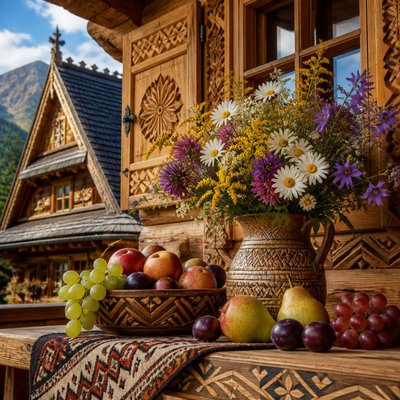
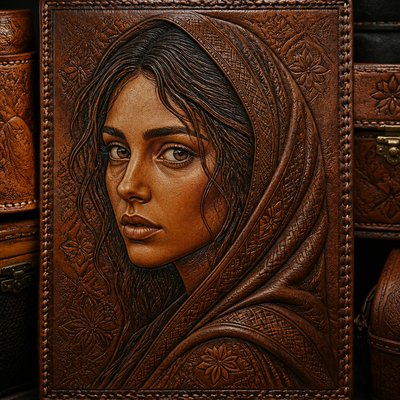
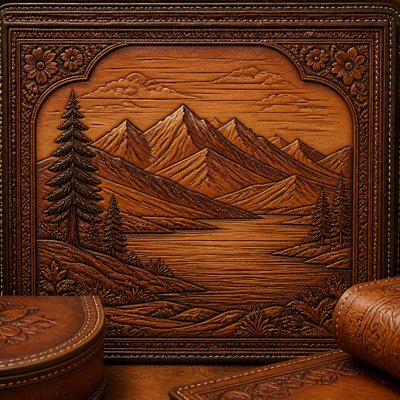
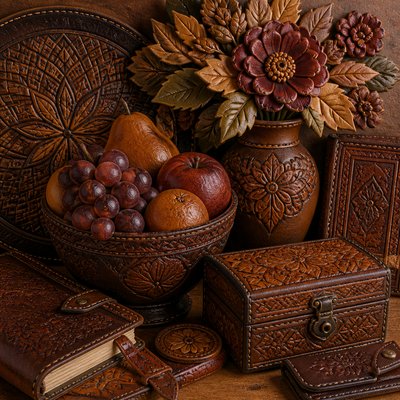
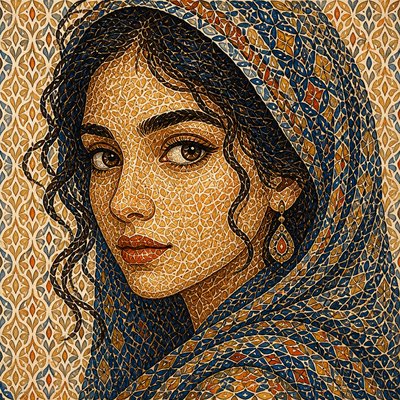
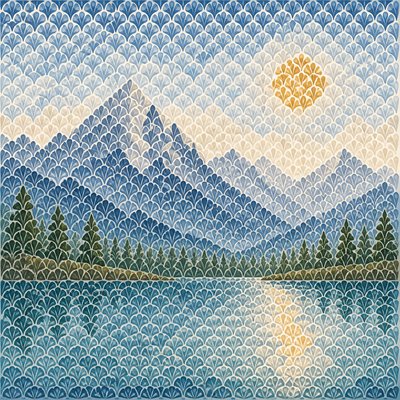
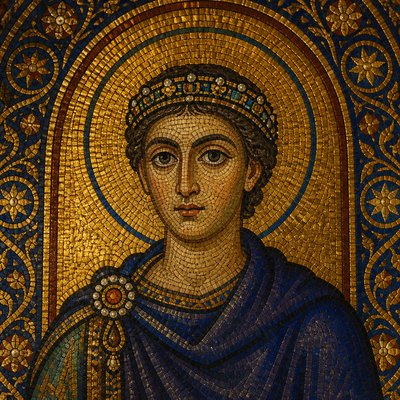
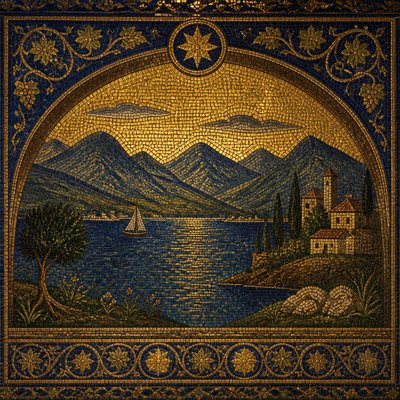
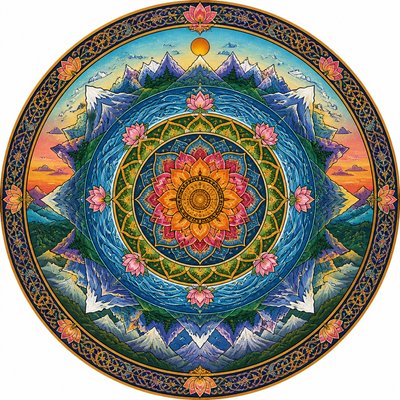
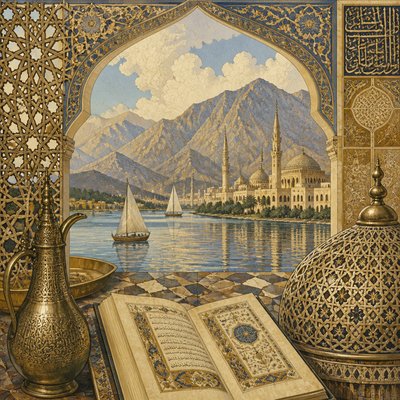
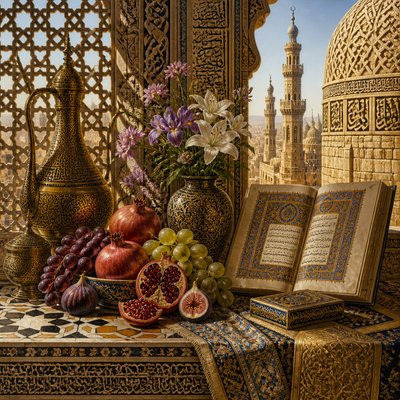
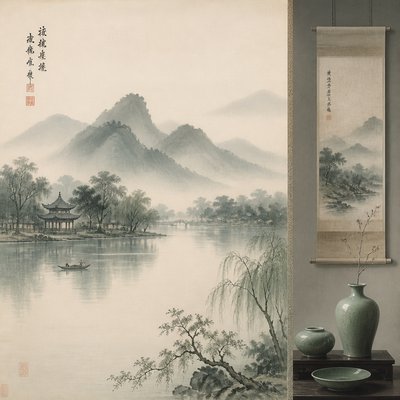
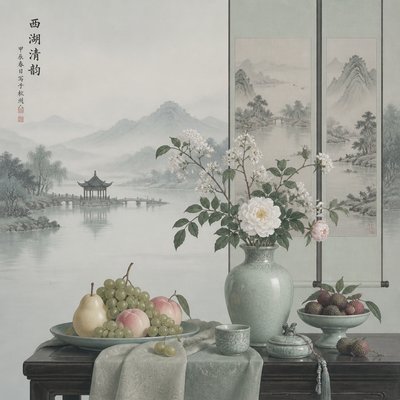
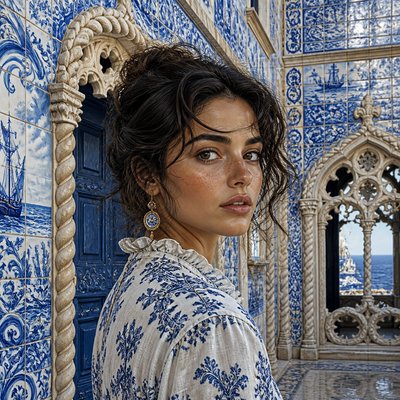
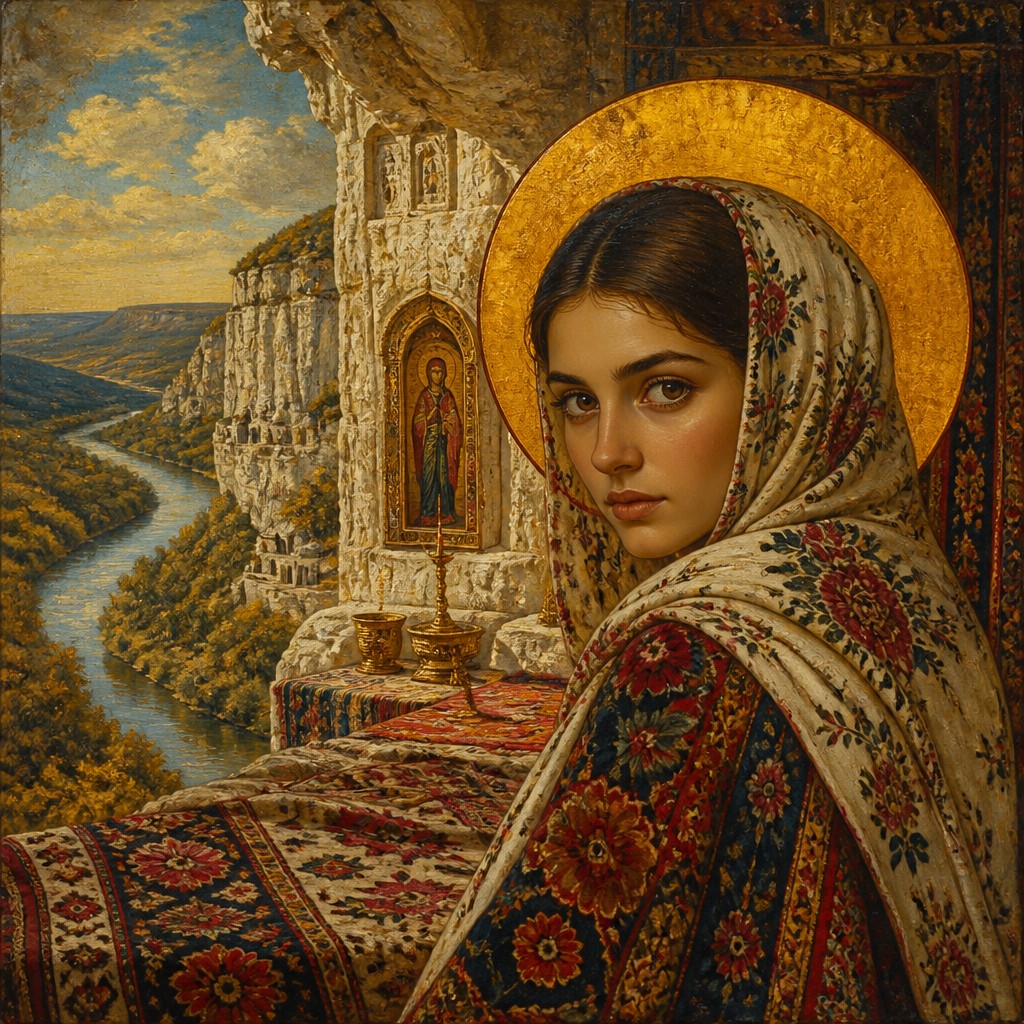
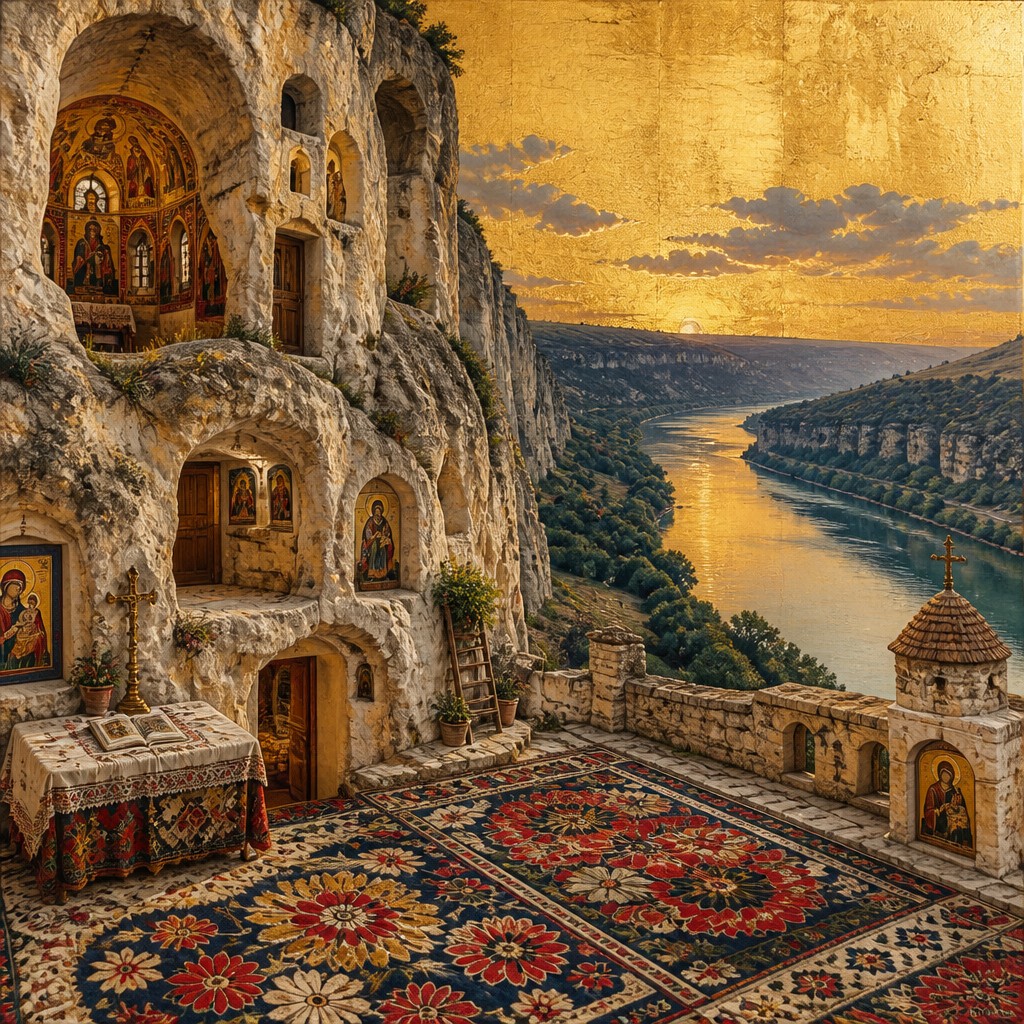
Moldovan Art Style is a contemporary, hybrid visual language inspired by Moldova’s carved religious architecture, Orthodox icon painting, Bessarabian woven carpets, and the open light of the country’s river valleys and steppe. Its characteristic imagery joins pale limestone cliffs, cave monasteries, winding rivers, floral textile geometry, and a restrained sense of sacred stillness.
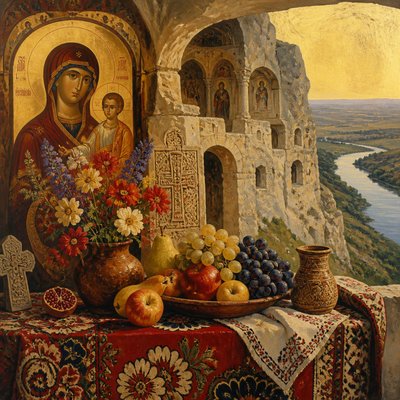
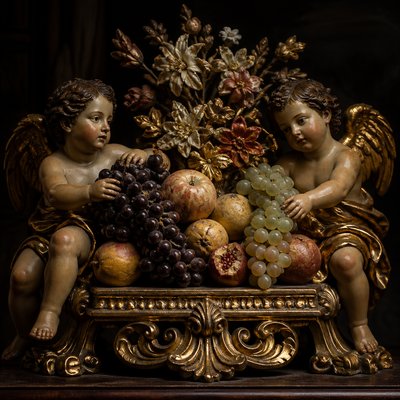
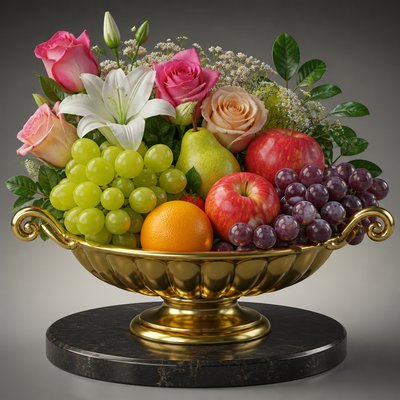
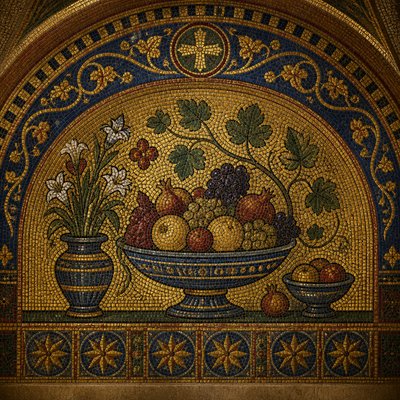
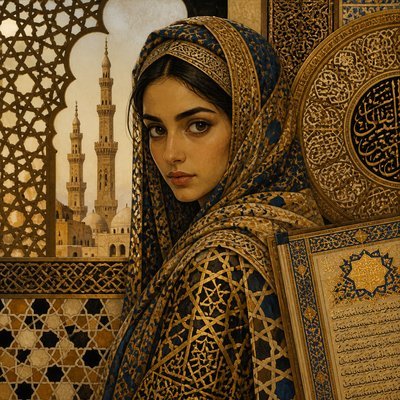
The style typically combines flattened, icon-like composition with tactile material detail. Gold-leaf grounds, deep egg-tempera hues, weathered stone, and repeating carpet motifs create a contrast between mineral solidity and richly patterned color. The result is contemplative rather than theatrical, with crimson, indigo, cream, ochre, and muted green balanced against expansive skies and quiet landscapes.
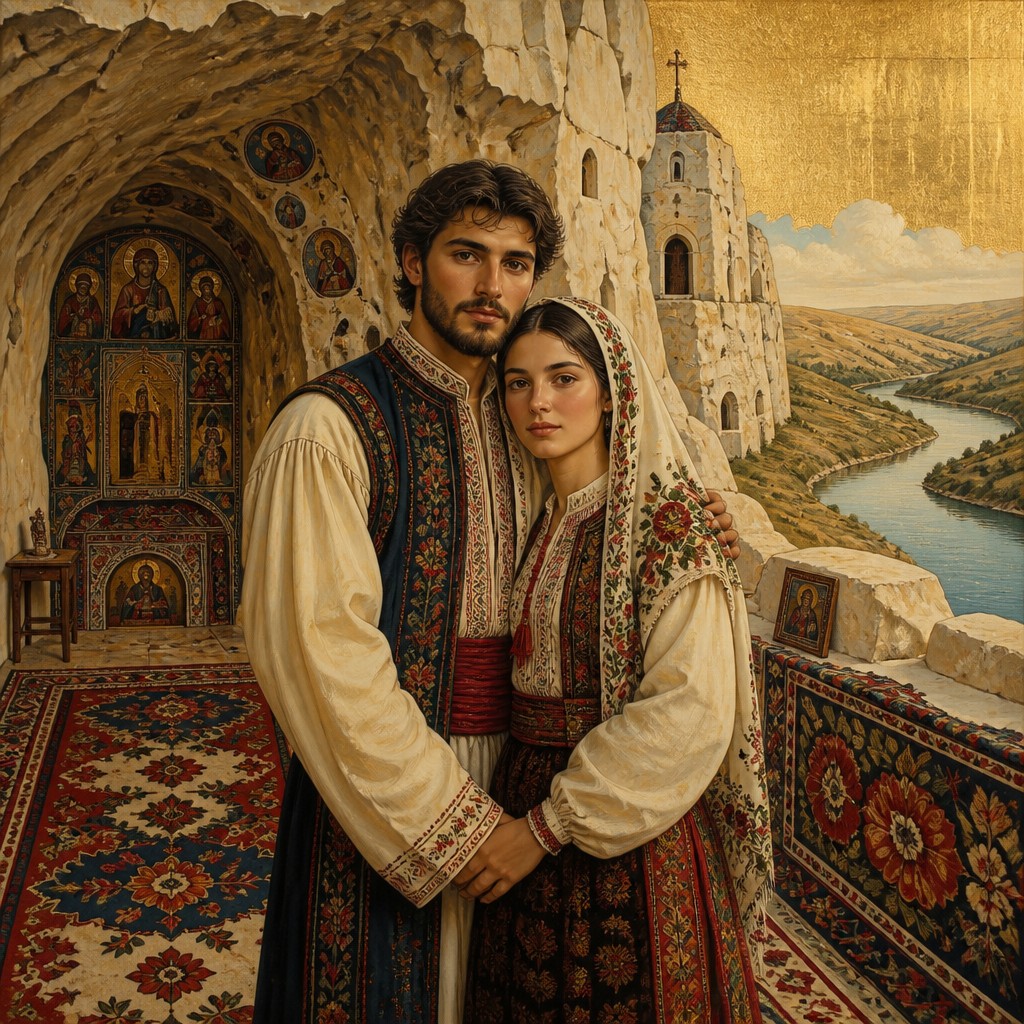
Try It On Your Photos
Upload any photo and convert it into Moldovan Art Style — drag the sliders to compare before and after.
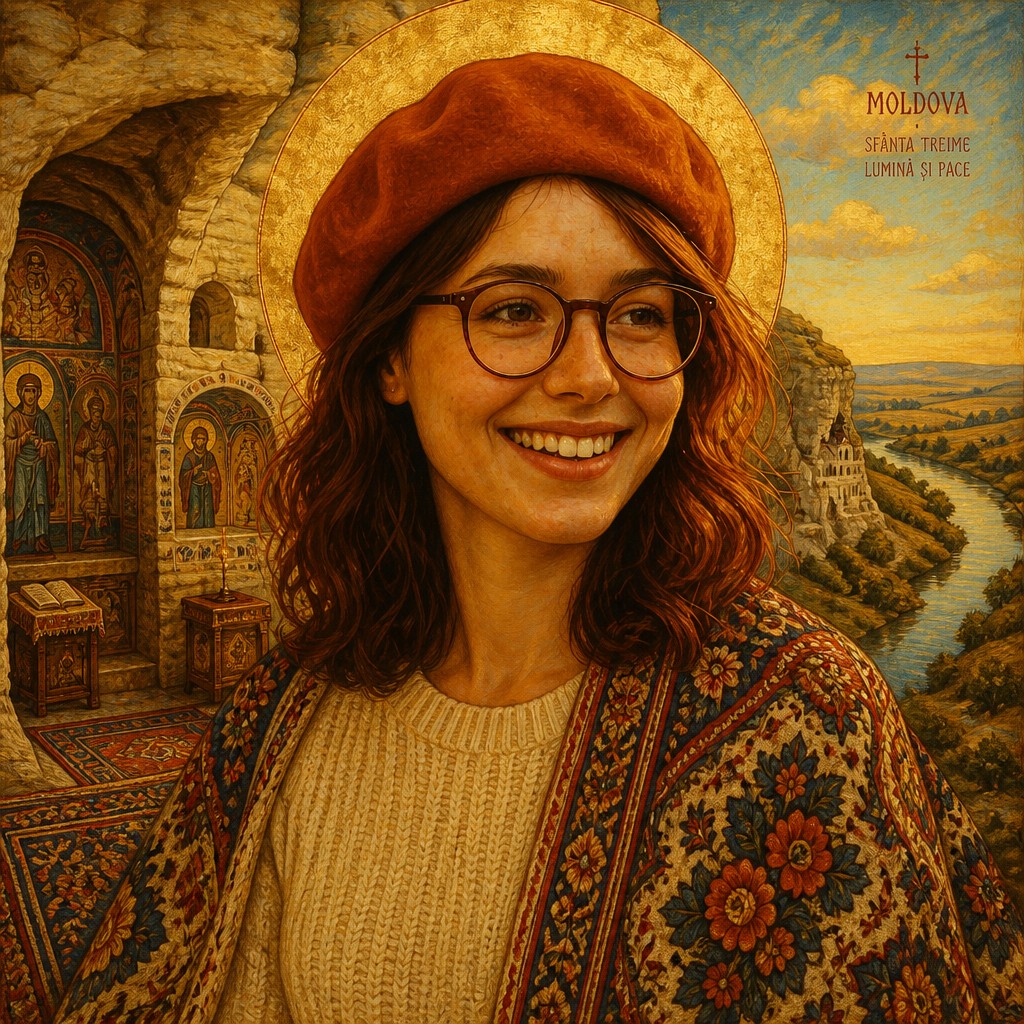


What Defines Moldovan Art Style
The signature details, up close
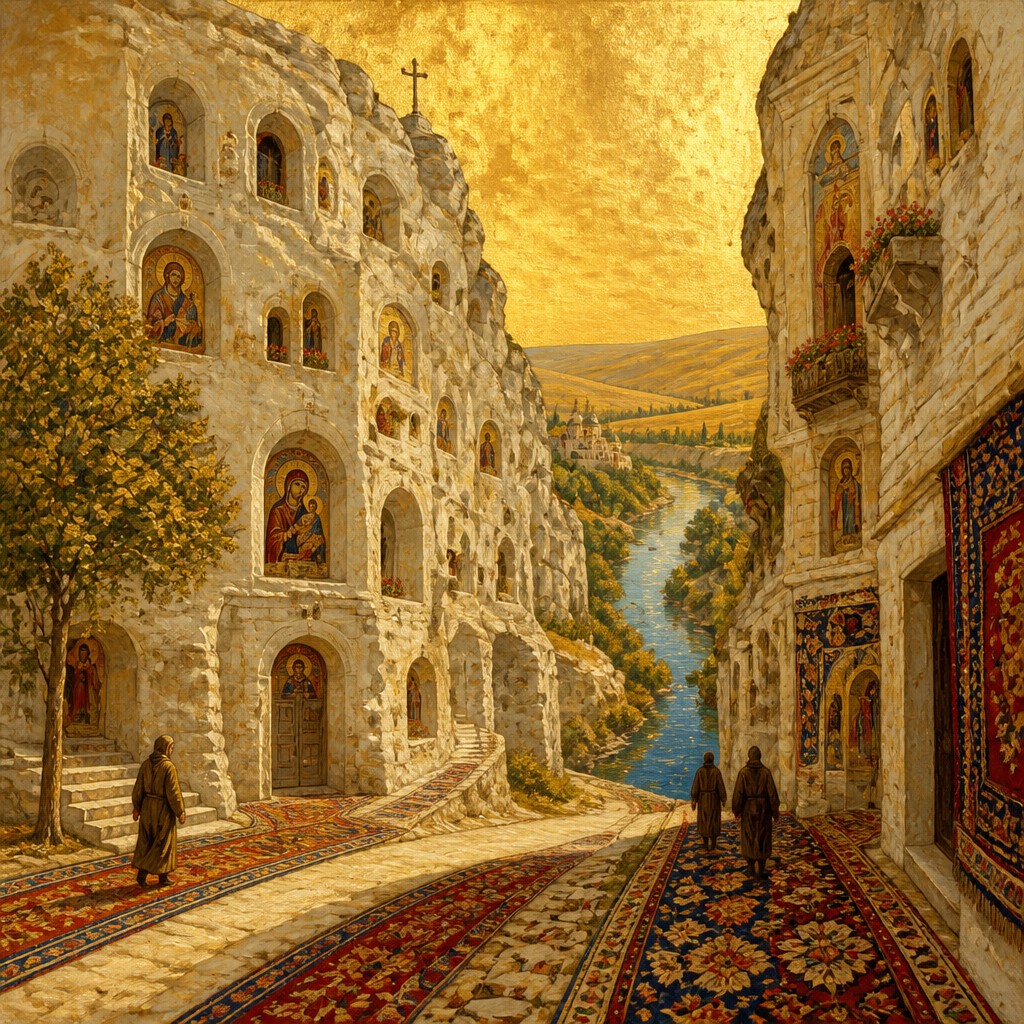
Limestone cliff architecture
Cave chambers, carved façades, tunnels, and monastic cells appear within pale, chalky cliffs. Rough stone surfaces and simplified architectural contours provide a sense of age and permanence.
Icon-painting composition
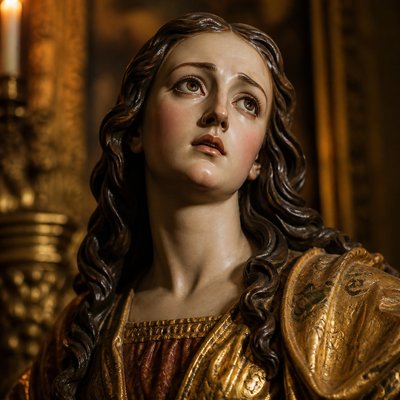
Figures and structures are arranged with frontal clarity, compressed depth, and deliberate symbolic emphasis. The visual language may borrow luminous grounds and solemn stillness from Eastern Christian icon painting without depicting a specific sacred icon.
Gold and egg-tempera color
Warm metallic backgrounds and opaque, layered color suggest gold leaf and egg tempera. Deep reds, ultramarine or indigo, ochre, cream, and dark umber are favored over highly fluorescent tones.
Bessarabian carpet geometry
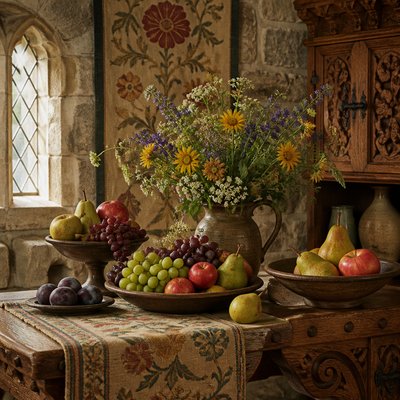
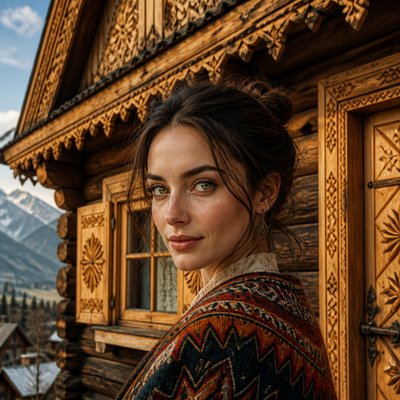
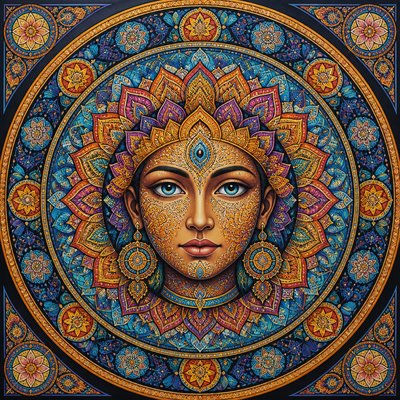
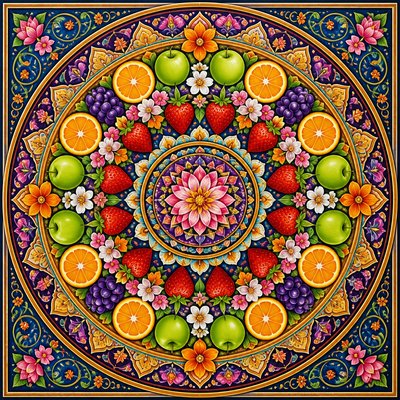
Woven floral forms, borders, diamonds, vines, and repeating rosettes are integrated into clothing, architecture, skies, or framing devices. Their regularity creates a visual counterpoint to irregular rock and river forms.
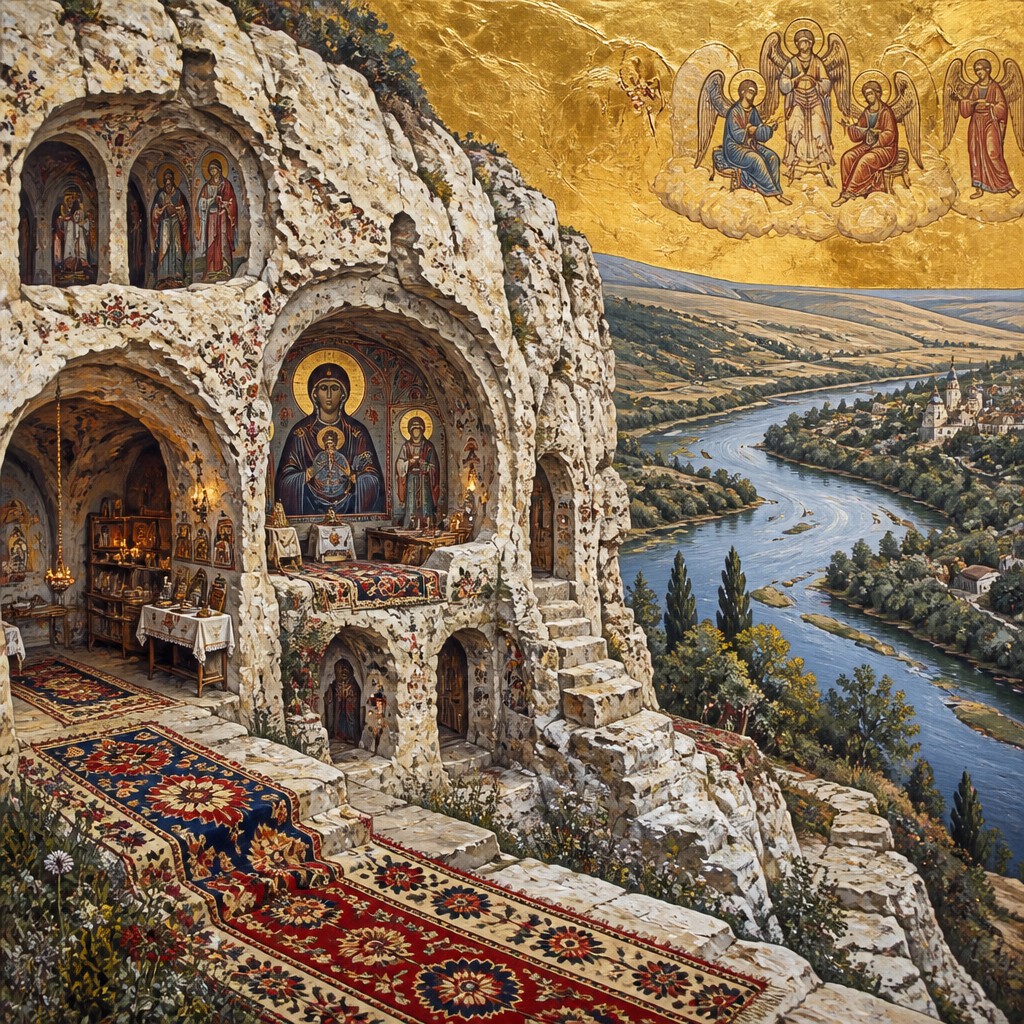
River-valley atmosphere
Wide horizons, rolling steppe, winding water, and low, luminous sunlight establish a spacious regional setting. Atmospheric perspective is gentle, keeping distant terrain legible rather than dissolving it into heavy haze.
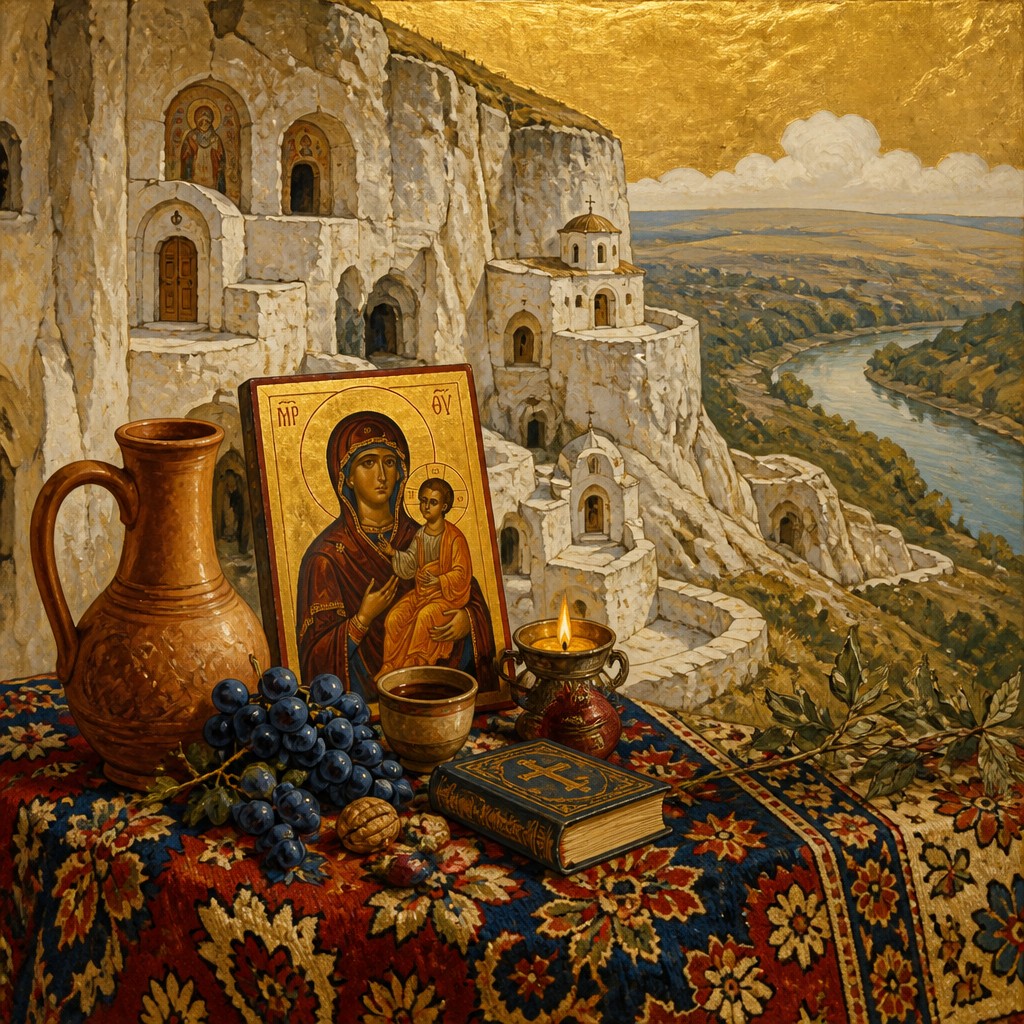
Carved and woven tactility
Successful images make materials distinguishable: stone is granular and eroded, metal is softly reflective, pigment is matte and layered, and textiles show visible weave or embroidered edges.
Moldovan Prompt Ideas
Start from an idea — each one opens the generator with the style ready to go. See all 40 Moldovan prompts →
How to Create Moldovan Art
Master the craft step by step — or skip straight to creating. Read the full guide →
- 1
Build the composition around a landmark
Begin with a cave monastery, cliff chapel, river gorge, or village church as the dominant form. Use a stable frontal or slightly elevated viewpoint, leaving broad areas of sky and steppe for the style’s contemplative rhythm.
- 2
Use a restrained historical palette
Work with cream limestone, gold ochre, crimson, indigo, umber, muted green, and black-brown accents. In traditional media, layer opaque tempera or gouache over a prepared ground; digitally, simulate these layers with matte brushes, subtle pigment variation, and controlled highlights.
- 3
Add textile pattern as structure
Introduce Bessarabian-inspired floral borders, rosettes, vines, and geometric repeats on carpets, garments, banners, or architectural margins. Keep motifs organized and rhythmic so they enrich the scene without becoming random surface noise.
- 4
Balance symbolic flatness with depth
Flatten important forms and use clear outlines or tonal blocks, then reserve atmospheric perspective for the river, distant hills, and sky. This preserves the icon-derived clarity while retaining a believable landscape.
- 5
Suggest authentic material surfaces
Use irregular edges, faint cracks, dry-brush marks, woven fibers, and uneven gold texture rather than perfectly smooth digital fills. Avoid excessive photorealism, glossy effects, or decorative detail that obscures the main forms.
- 6
Write prompts with distinct visual layers
Specify the subject, limestone setting, icon-like lighting, egg-tempera palette, carpet motifs, and quiet steppe atmosphere separately. For image-to-image work, preserve the source subject’s silhouette while requesting a carved-stone, woven, and tempera-based surface treatment.
The Story
History & Origins of Moldovan
Moldovan Art Style is not a formally recognized historical movement with a fixed period or manifesto. It is an invented or contemporary synthesis drawing on several real traditions from Moldova and the wider historical region of Moldavia, including Orthodox devotional painting, medieval and early modern monastic architecture, carved limestone sanctuaries, and Bessarabian textile production.
Its visual lineage also reflects the preservation and reinterpretation of rural craft traditions. In digital and applied art, these sources are often brought together into a single symbolic image: the monastery represents endurance and spiritual refuge, while the carpet represents domestic memory, seasonal abundance, and inherited pattern.
Influences: The style draws from Eastern Christian icon painting, especially its frontal organization, symbolic color, tempera technique, and relationship between image and sacred space. It also relates to Moldovan and Bessarabian carpet traditions, vernacular embroidery, medieval Moldavian church architecture, rock-cut monastic sites, folk ornament, and landscape painting focused on river valleys and agricultural plains. Its contemporary synthesis may also borrow the textural layering of mixed-media illustration and the controlled patterning of decorative arts.
Frequently Asked Questions
Is Moldovan Art Style a recognized historical art movement?
No. The term describes a contemporary or AI-native synthesis rather than a single documented movement with a defined founding date or established school. It uses recognizable Moldovan cultural references and combines them into a unified visual aesthetic.
What defines the Moldovan Art Style visually?
Its main identifiers are pale limestone monastic architecture, icon-derived composition, gold and egg-tempera color, Bessarabian-inspired carpet patterns, and broad river or steppe landscapes. The style depends on the contrast between rough carved stone and orderly woven ornament.
How is it different from Byzantine or Eastern Christian icon painting?
It borrows icon-painting techniques and compositional ideas but is not limited to religious figures or devotional panels. Landscapes, village life, textiles, and regional architecture are equally important, and the imagery is often cultural or atmospheric rather than liturgical.
Can this style be used for portraits and modern subjects?
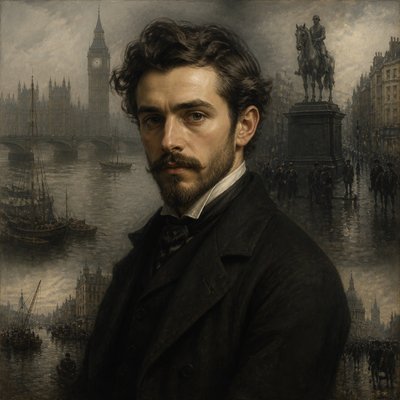
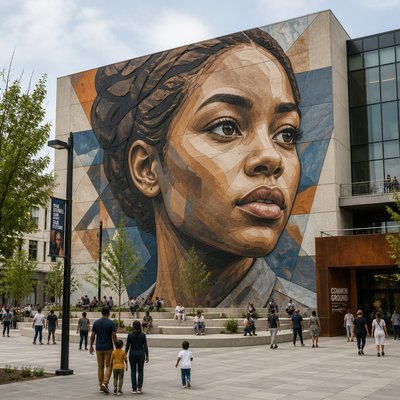
Yes. Portraits can use frontal poses, calm expressions, flattened backgrounds, gold or mineral color fields, and embroidered or carpet-derived borders. Modern clothing, buildings, or vehicles can be included if their surfaces and composition remain consistent with the carved, woven, tempera-based language.
How can I make an image in this style with traditional materials?
Start with a toned panel or paper, block in the architecture and horizon, then build opaque tempera or gouache layers in a limited palette. Add gold-like areas, fine contour work, and carefully planned textile motifs while preserving visible variation in the stone and pigment.
Where is this visual style most useful?
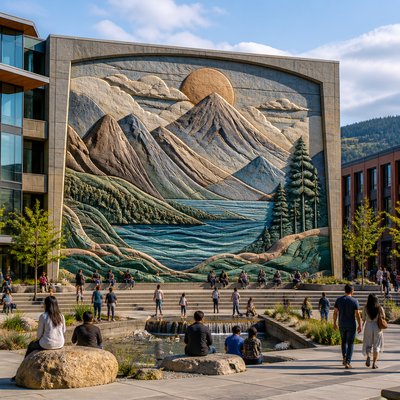
It suits cultural illustration, travel and heritage posters, editorial artwork, book covers, murals, textile design, architectural visualization, and contemplative landscape studies. It is especially effective when the subject involves regional memory, sacred architecture, craft, or rural identity.
Create your first Moldovan artwork
Describe anything — or upload a photo — and see it in Moldovan Art Style in seconds.
Related Styles
Discover similar art styles