Finnish Art Style
Explore Finnish art style: Kalevala-inspired heroes, lake landscapes, birch-white light, rune-like contours, and aurora colors.
Instantly rendered in Finnish — or transform a photo
Finnish Gallery
Tap any artwork to explore it
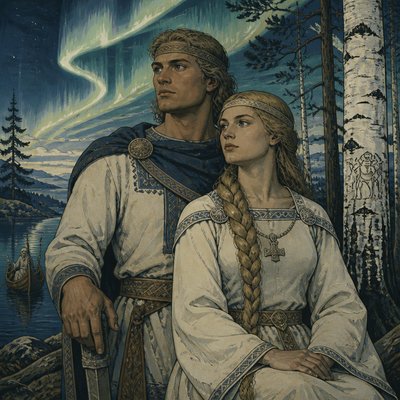
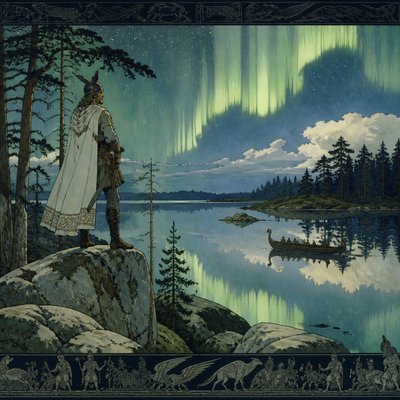
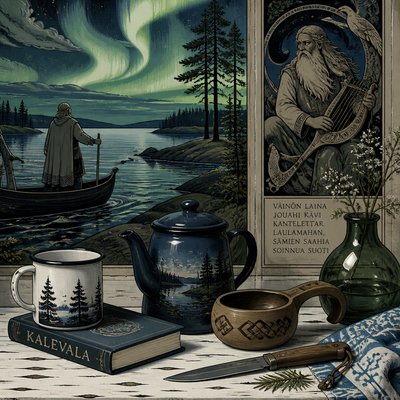
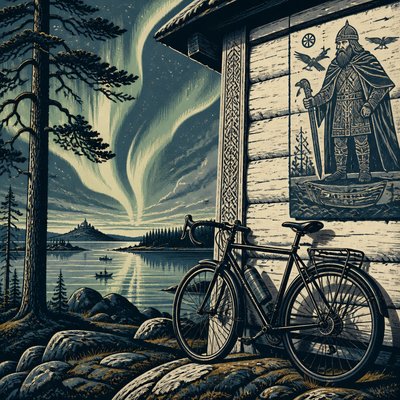
What is Finnish Art Style?
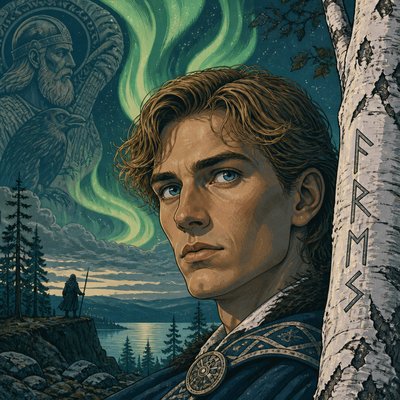
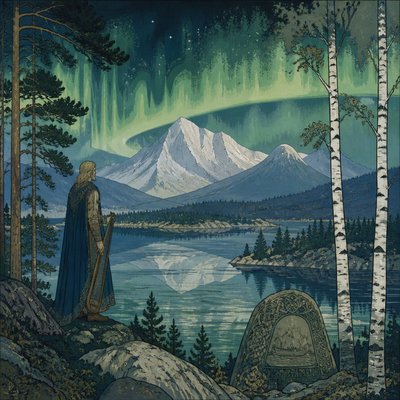
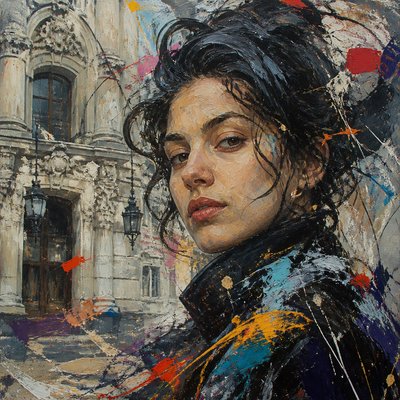
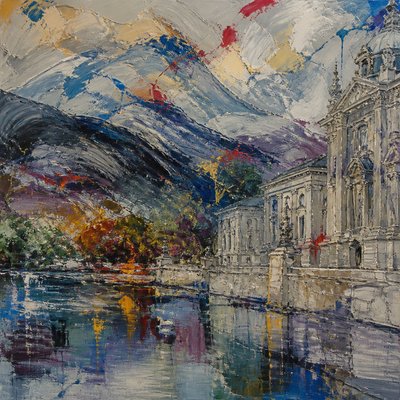
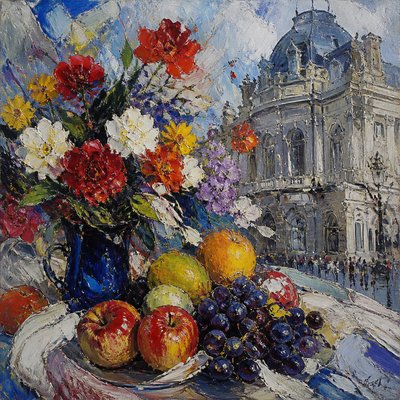
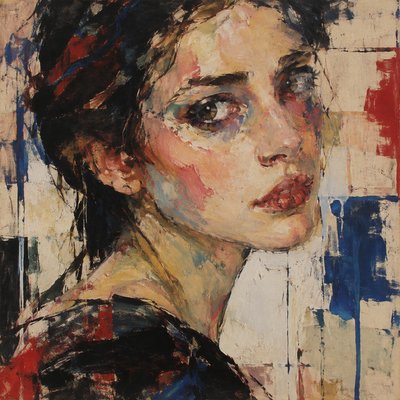
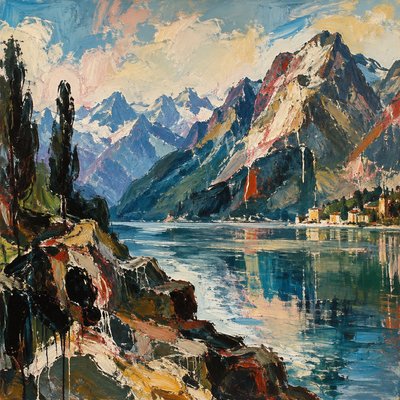
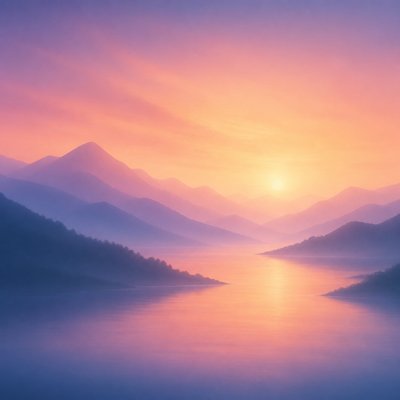
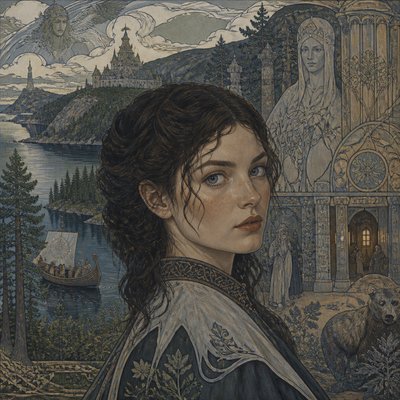
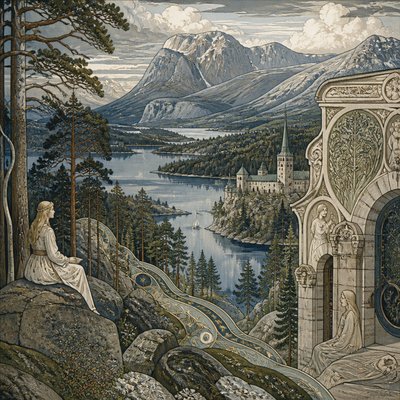
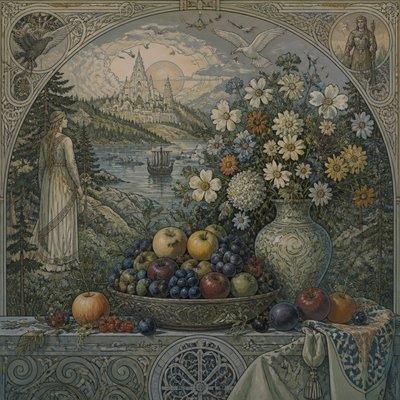
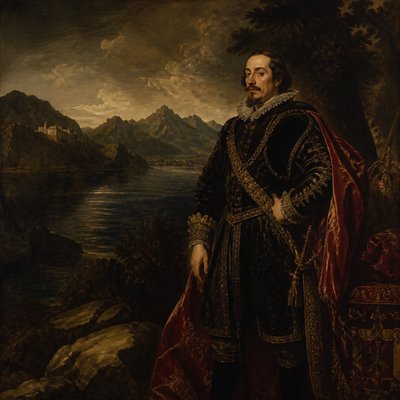
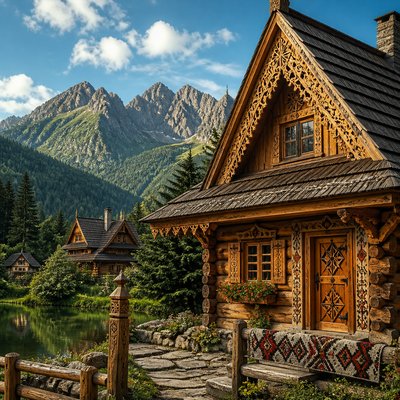
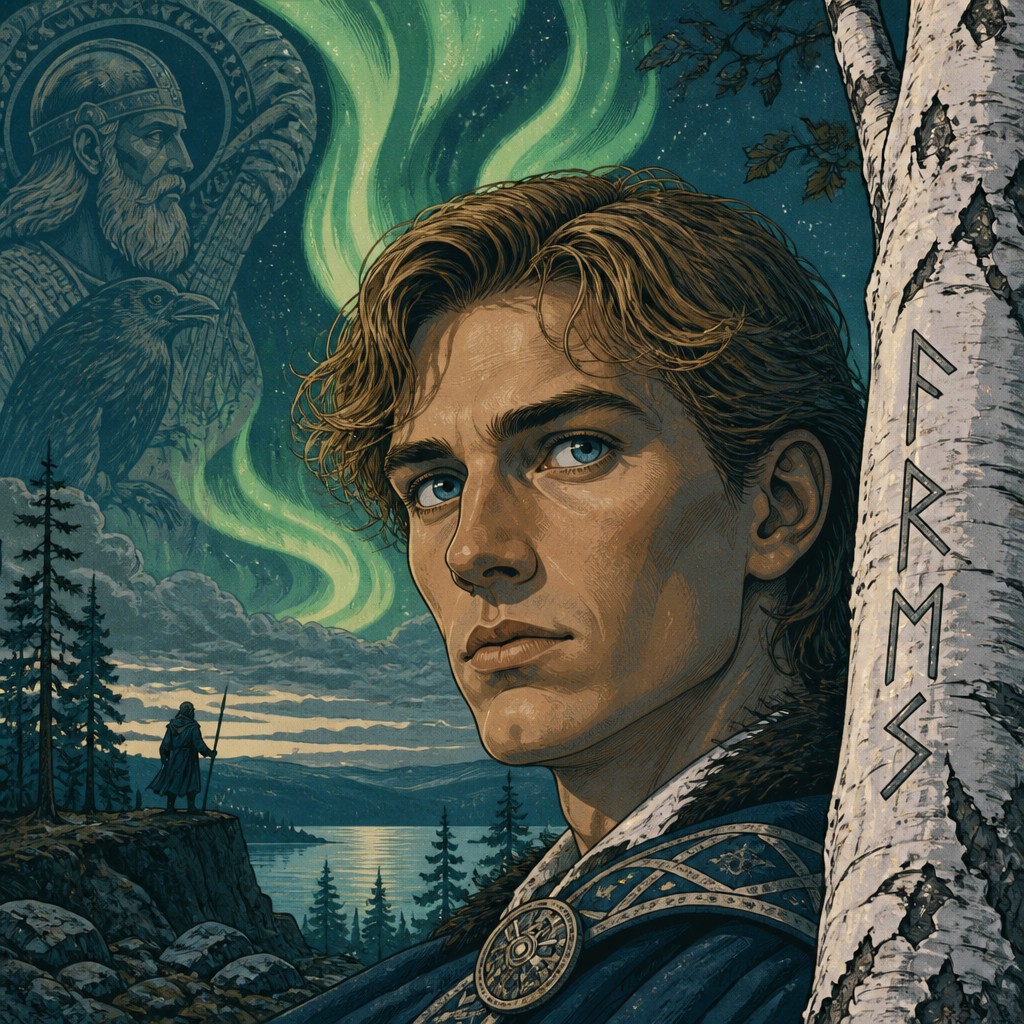
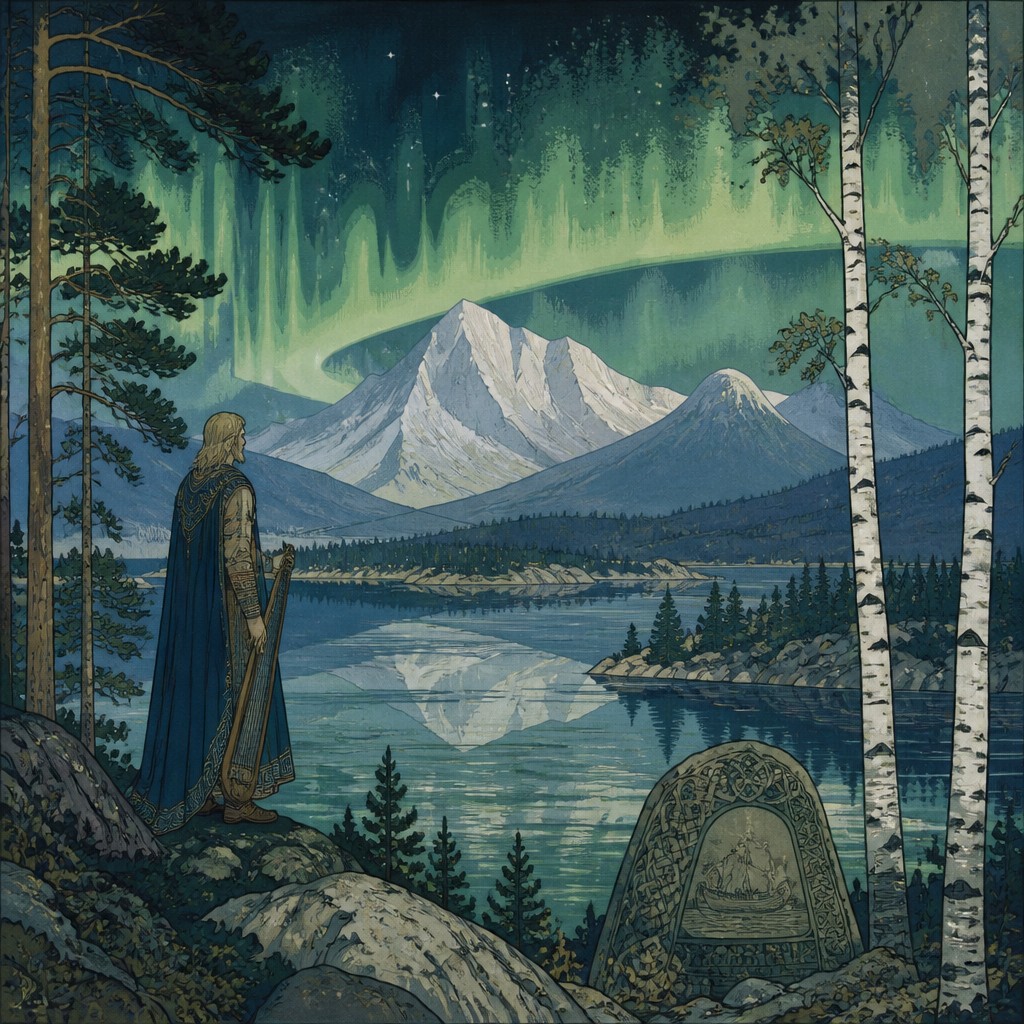
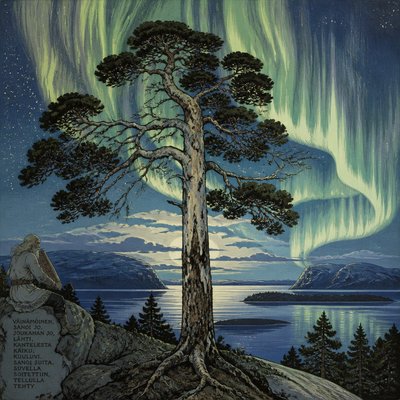
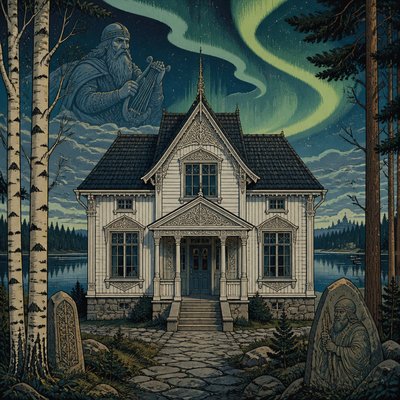
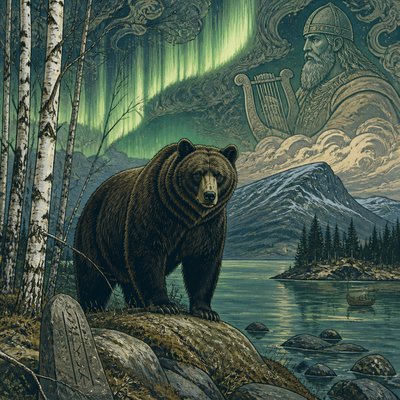
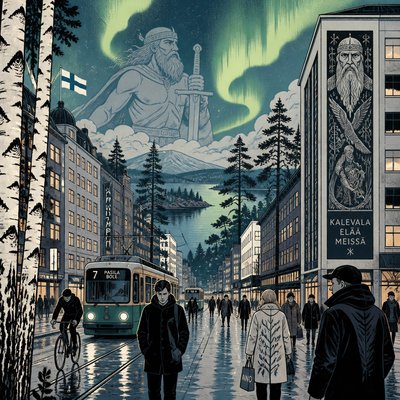
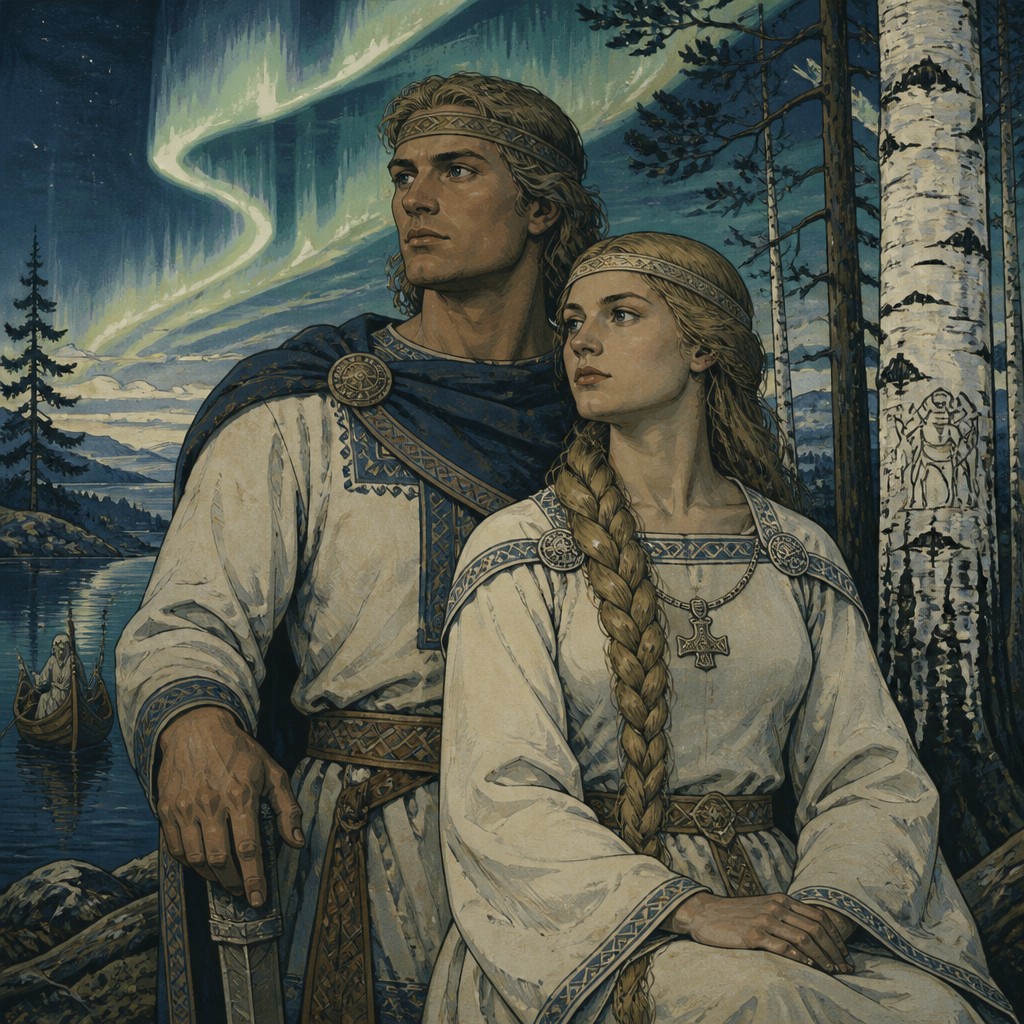
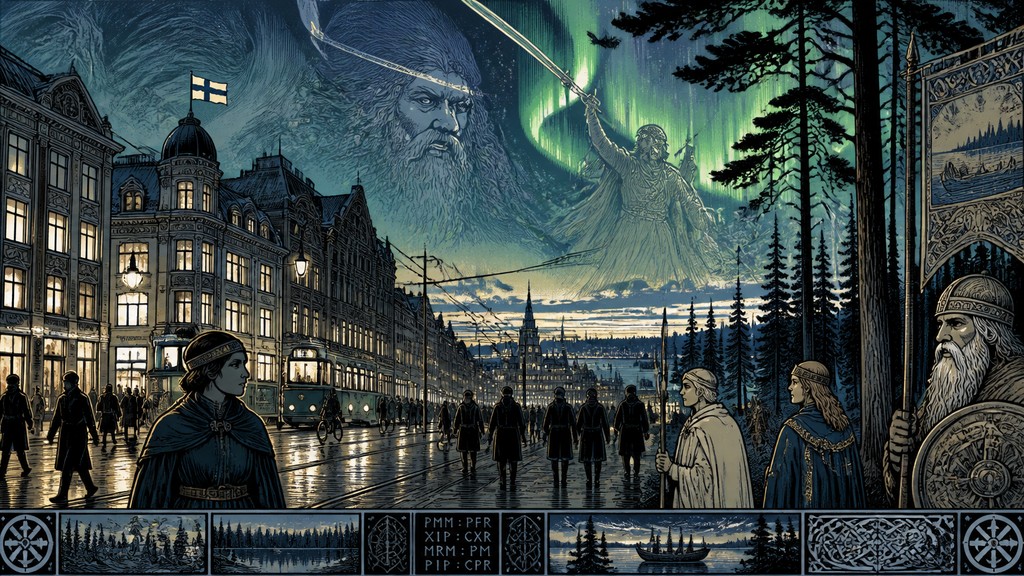
Finnish art style is a mythic, northern visual language centered on the landscapes and legends of Finland. Its characteristic subjects include forested lakes, birch groves, snowfields, solitary cabins, heroic wanderers, and scenes inspired by the Kalevala, Finland’s epic cycle of oral poetry. The mood is solemn, spacious, and contemplative, with nature presented as a powerful spiritual presence rather than a passive backdrop.
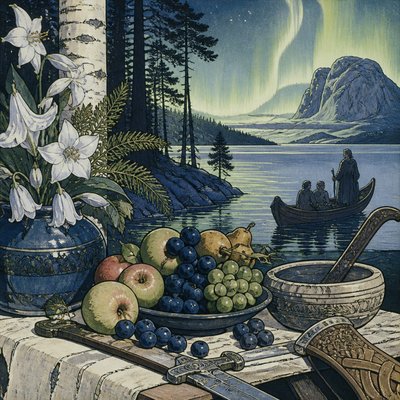
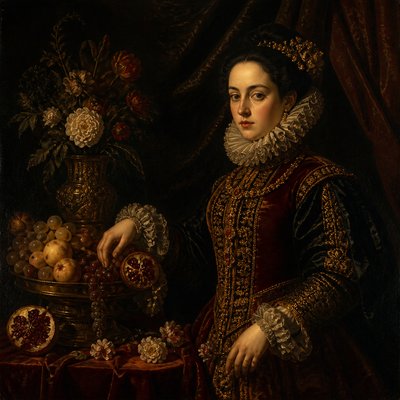
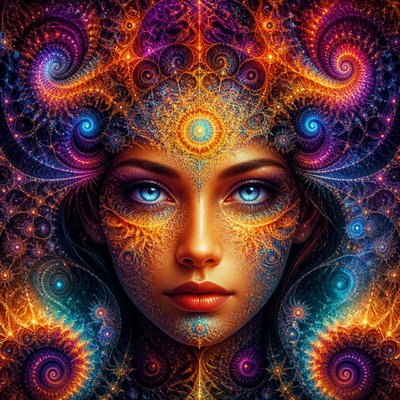
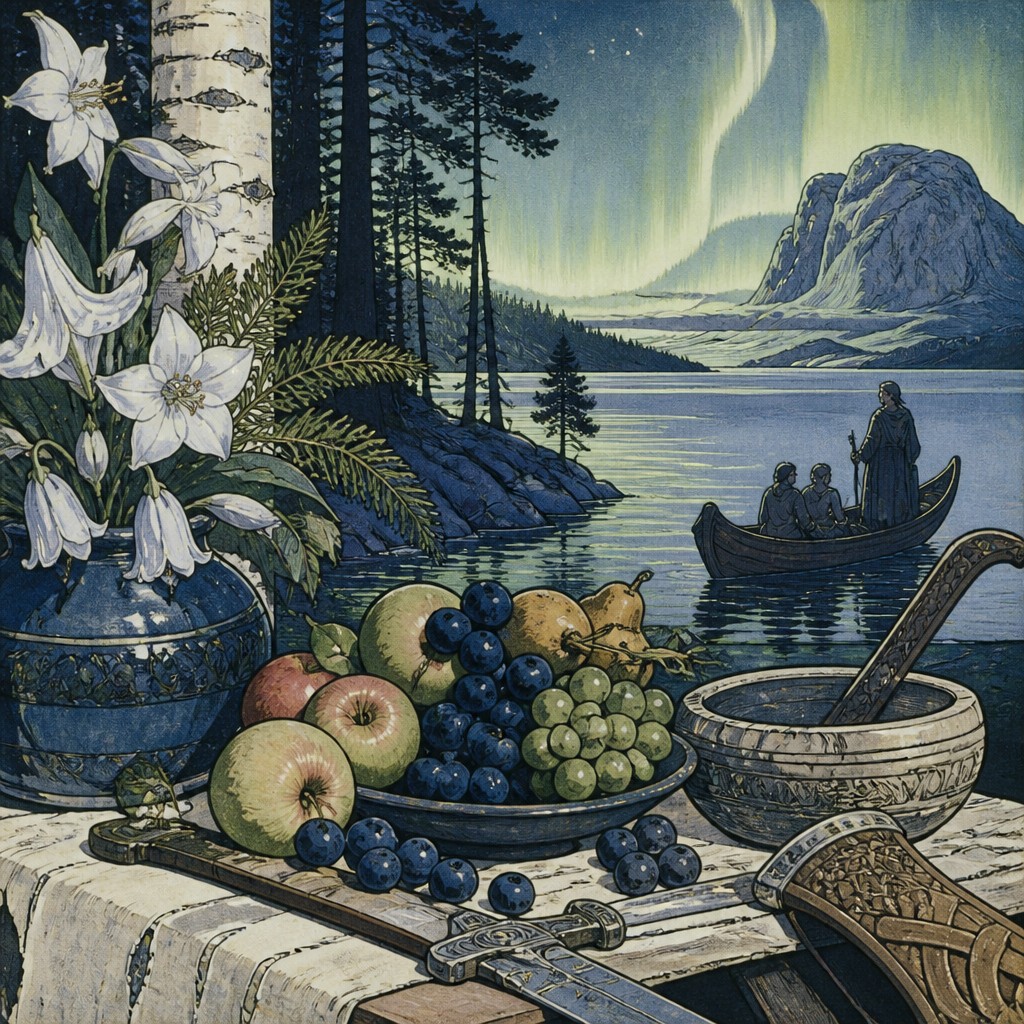
Visually, the style combines crisp graphic contours with national-romantic landscape painting, folk ornament, and the symbolic intensity of Northern European art. Aurora greens, lake-steel blues, snow white, charcoal, and muted earth tones create a restrained palette, while simplified forms and strong silhouettes give images the clarity of illustrated myth. The result can feel both historically rooted and fantastical: grounded in Finnish wilderness, yet shaped by rune-song, legend, and dreamlike northern light.
Try It On Your Photos
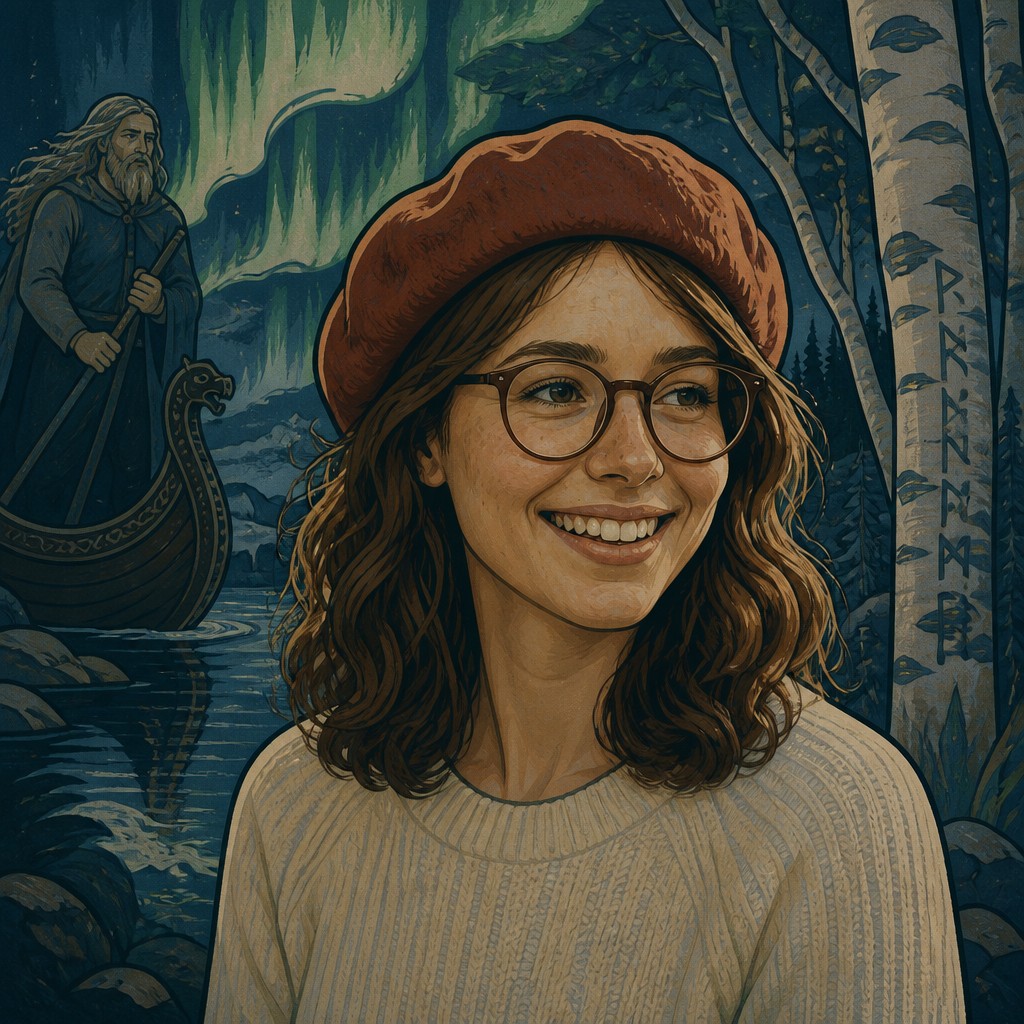
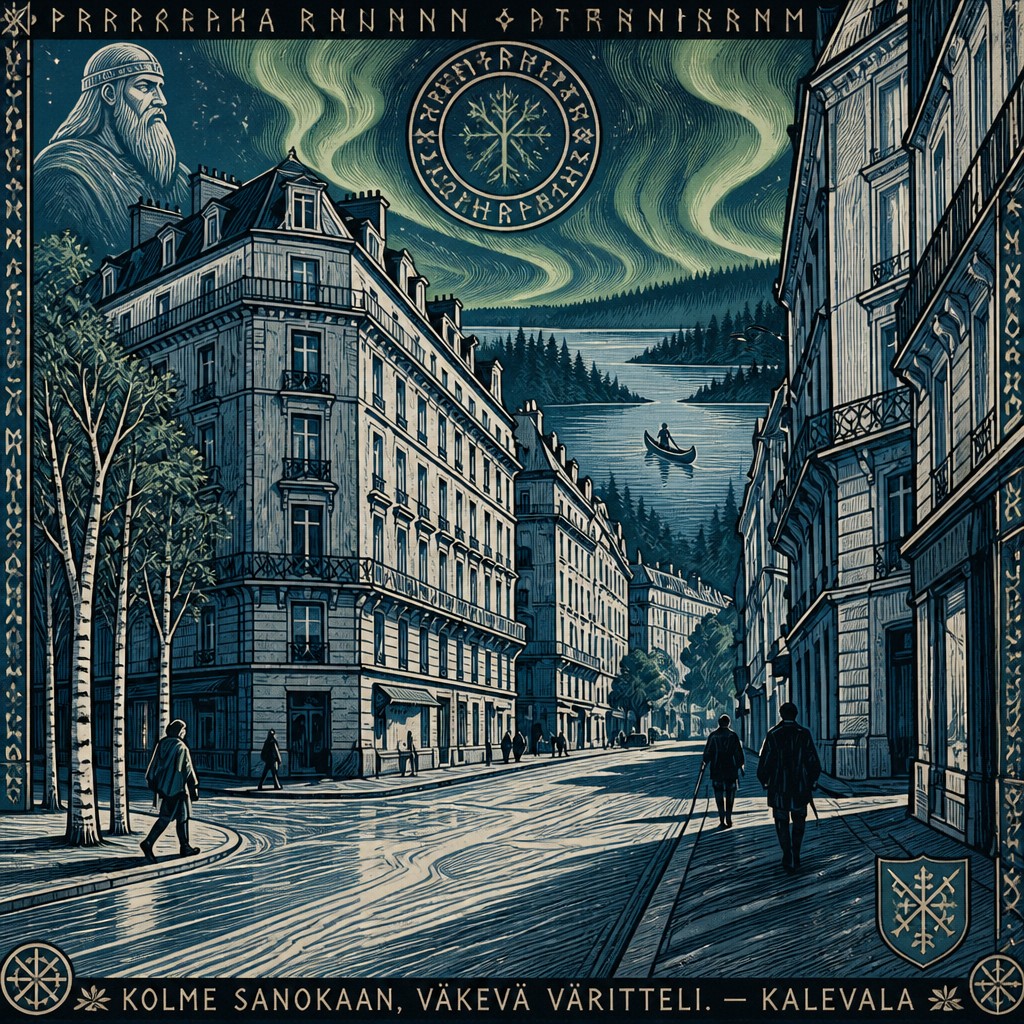
Upload any photo and convert it into Finnish Art Style — drag the sliders to compare before and after.


What Defines Finnish Art Style
The signature details, up close
Mythic northern subjects
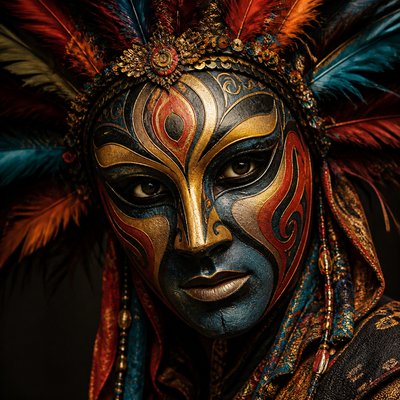
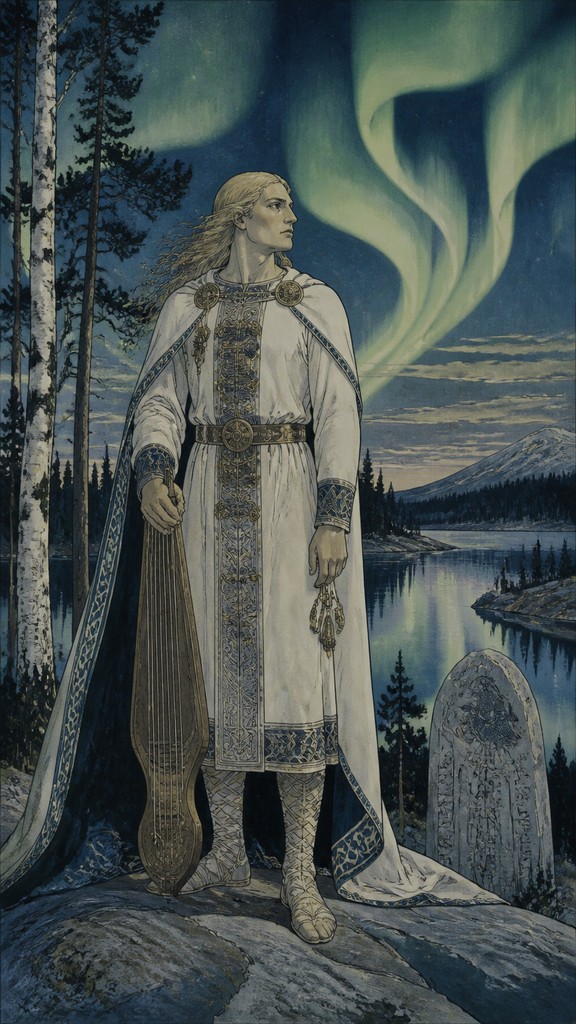
Scenes often depict epic travelers, sages, warriors, hunters, spirit figures, and legendary encounters drawn from or inspired by Finnish folklore. Human figures are typically integrated into the landscape rather than separated from it.
Lake and forest environments
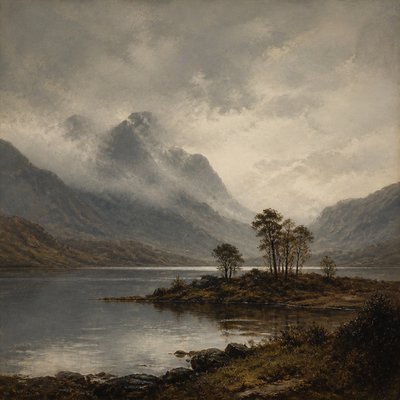
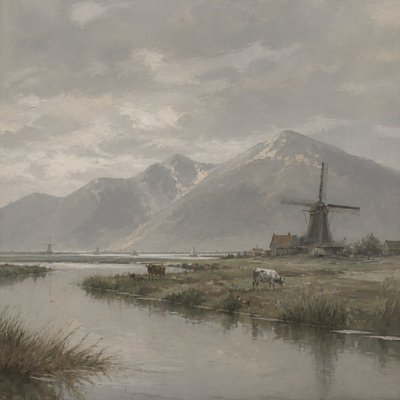
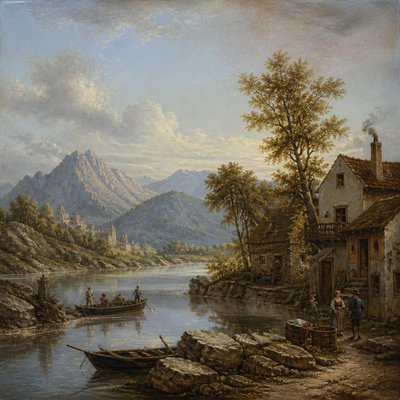
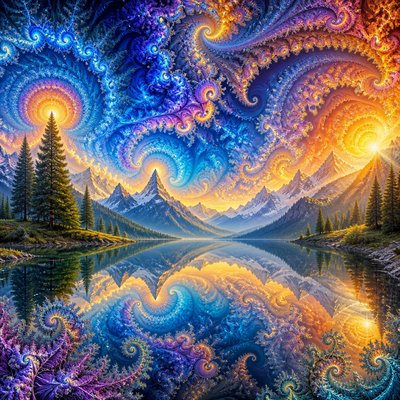
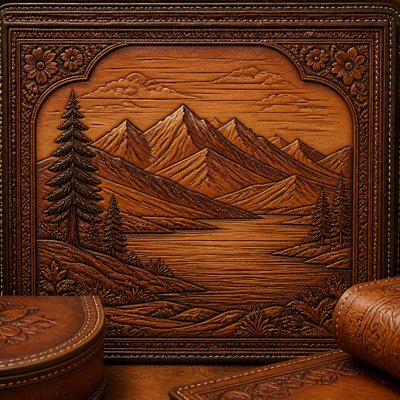
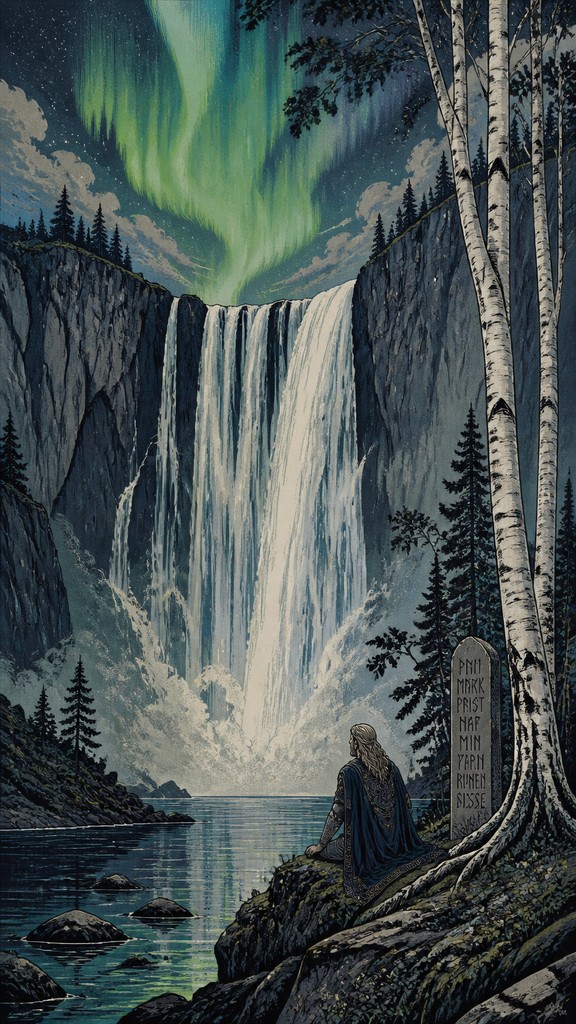
Still lakes, dark pine forests, rocky shores, birch stands, snow plains, and distant hills provide the dominant settings. The landscape is expansive and emotionally charged, conveying endurance, solitude, and hidden forces.
Crisp graphic contours
Clear outlines and carefully simplified shapes give the imagery an illustrated or print-derived character. Contours may define trees, clothing, rocks, and figures with deliberate firmness instead of soft naturalistic blending.
Aurora and winter palette
Aurora greens and turquoise are set against steel blue, midnight blue, birch white, charcoal, and restrained ochre. Bright color is used selectively, making the northern lights or a magical object carry much of the visual emphasis.
National-romantic gravity
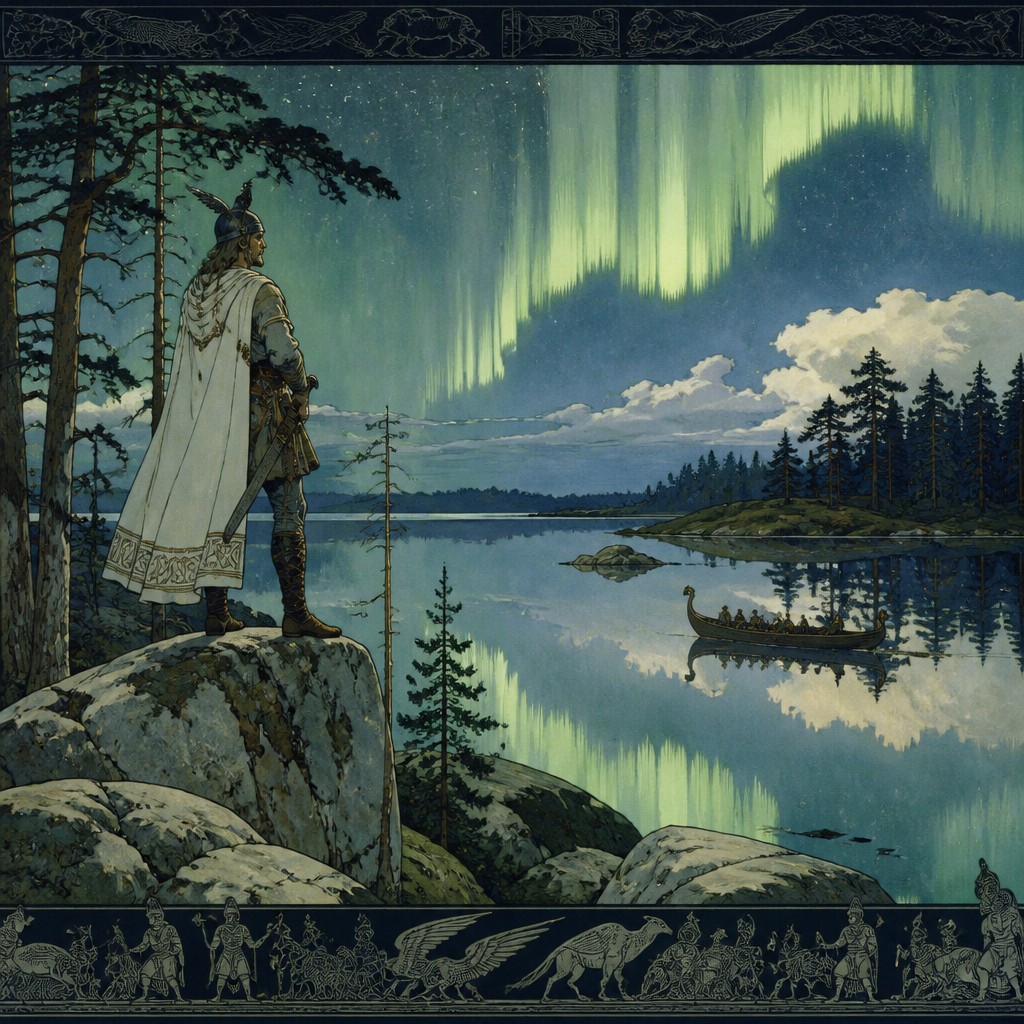
The emotional register is dignified, quiet, and monumental rather than playful or ornamental. Figures and places suggest cultural memory, ancestral stories, and a serious relationship between people and wilderness.
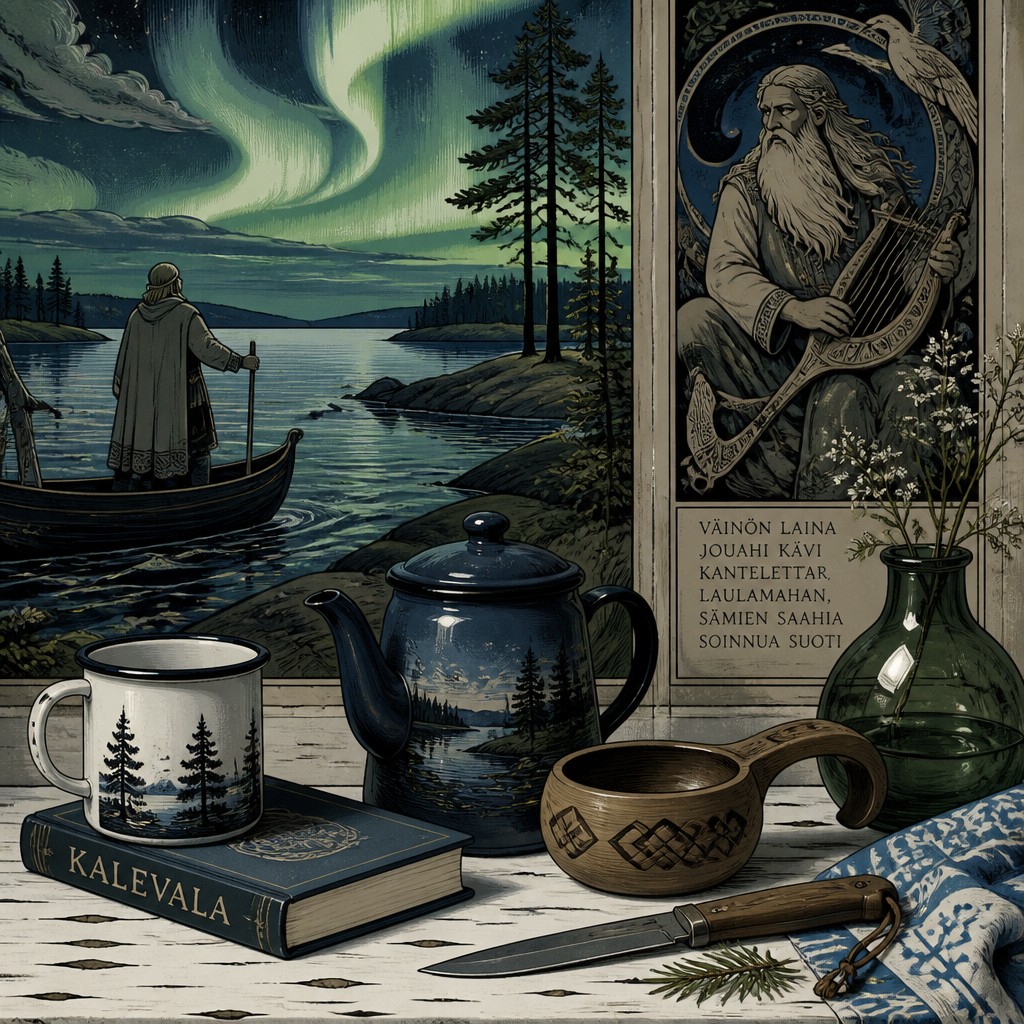
Rune-song symbolism
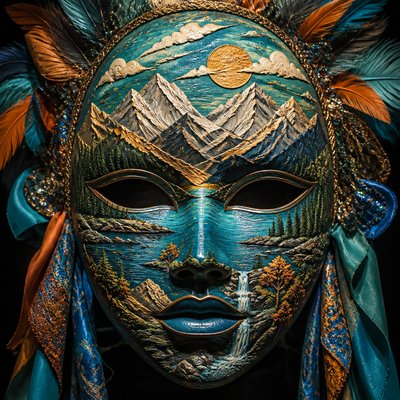
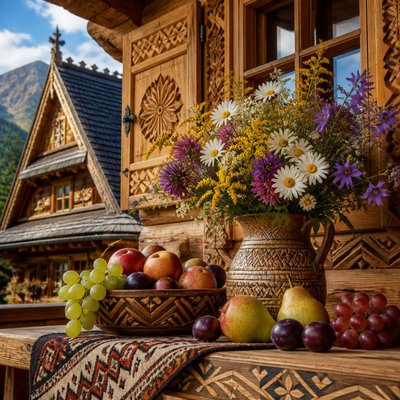
Repetition, emblematic objects, patterned borders, carved-looking marks, and symbolic animals can evoke oral poetry and folk tradition. The imagery favors archetypal meaning over incidental detail.
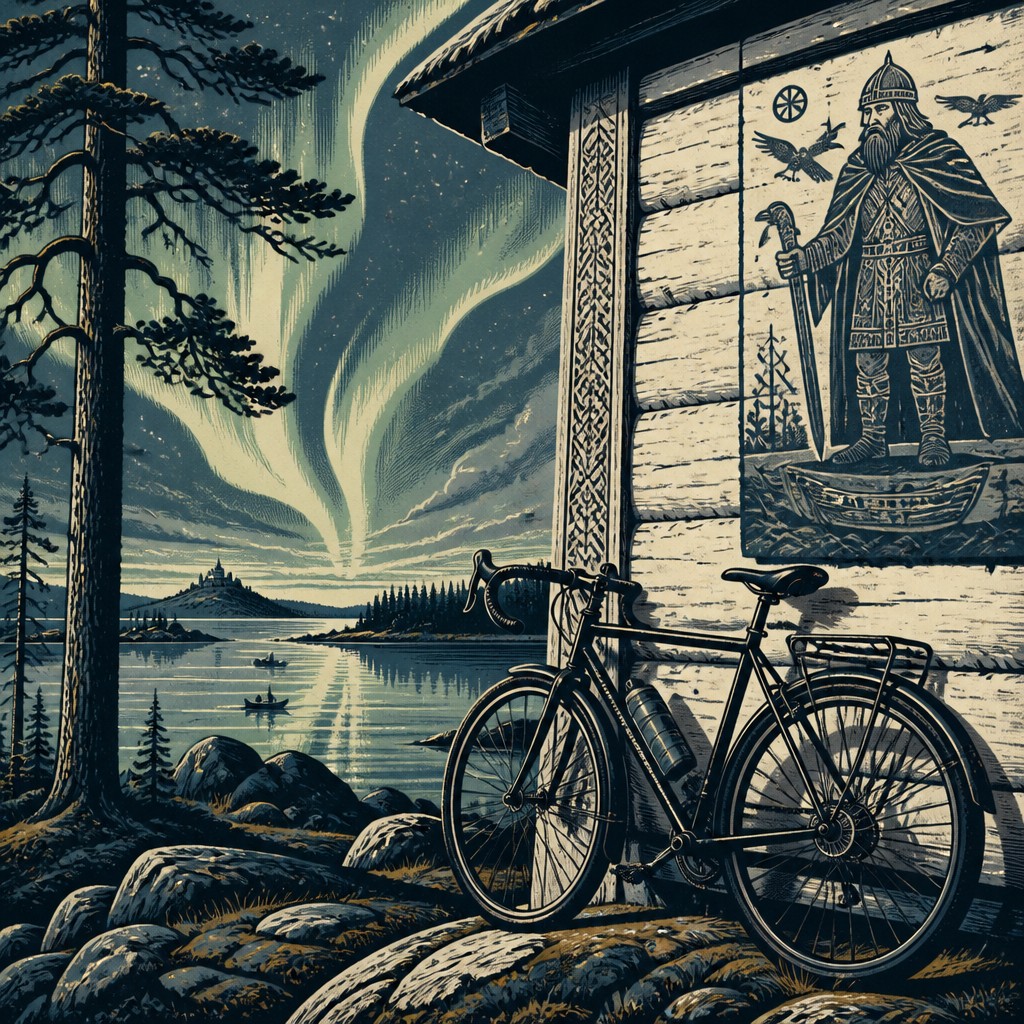
Atmospheric stillness
Large areas of open sky, reflective water, mist, snow, or darkness create pauses around the subject. Even an action scene often retains a sense of silence, distance, and elemental scale.
Try It
Create Videos in Finnish Art Style
Styles aren't just for stills — describe a scene or animate an image and get a short video rendered in Finnish. Press play to see this pond come to life.
Make a VideoFinnish Prompt Ideas
Start from an idea — each one opens the generator with the style ready to go. See all 40 Finnish prompts →
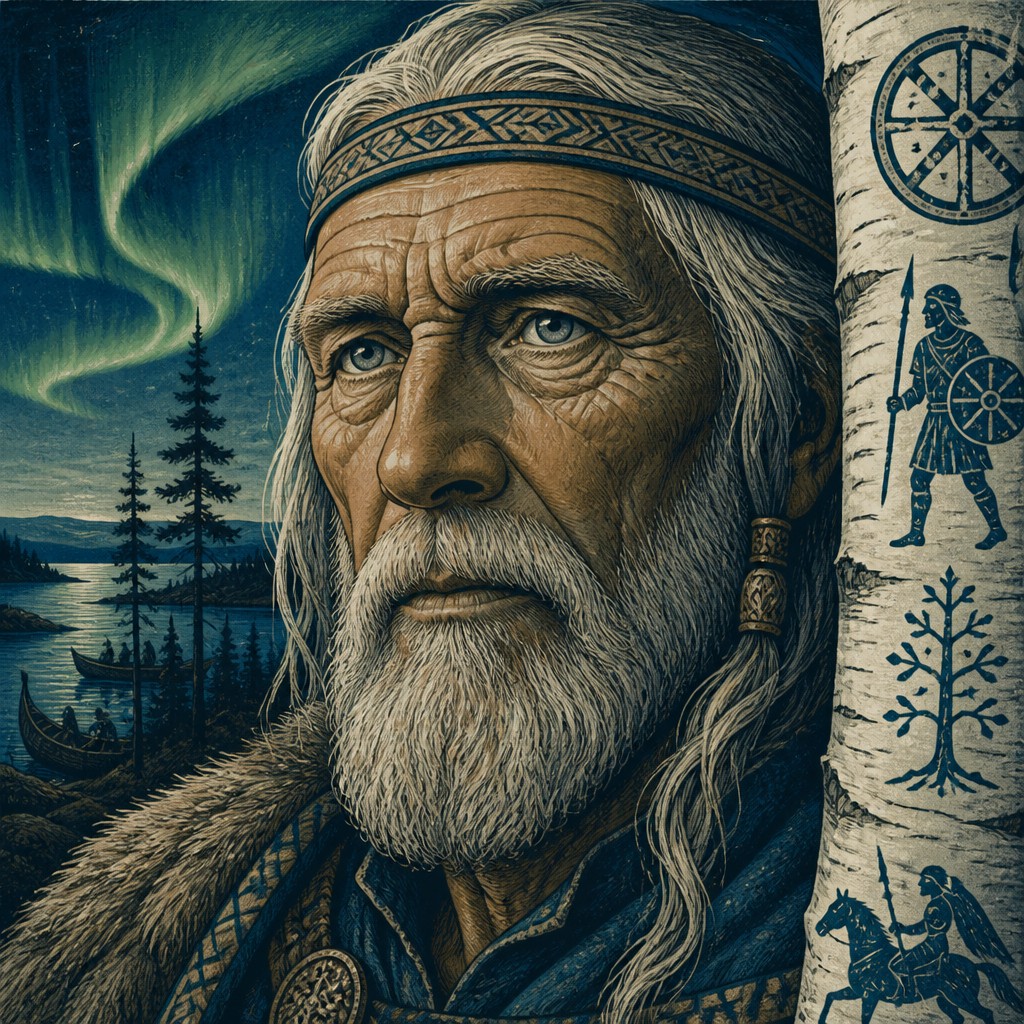
“close-up portrait of an elderly person with expressive weathered features”
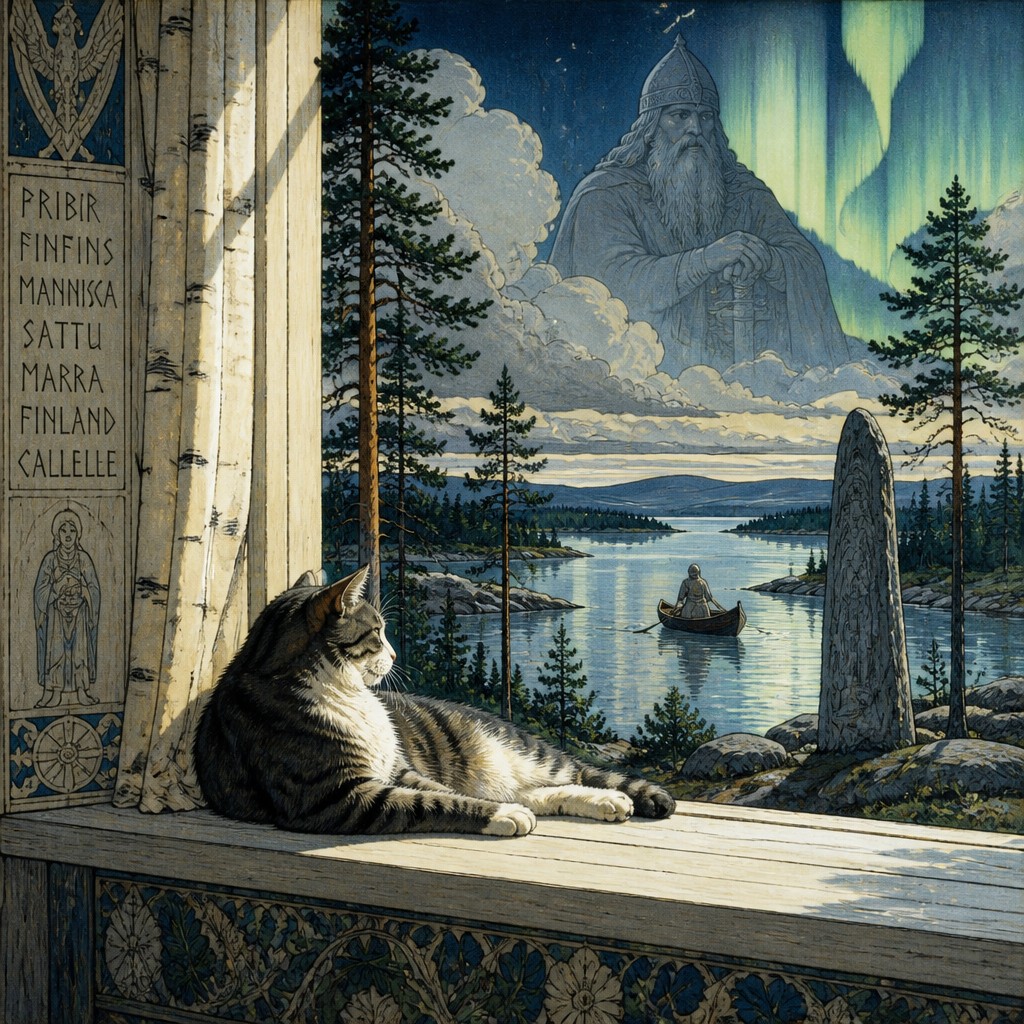
“a cat lounging in a sunlit window”
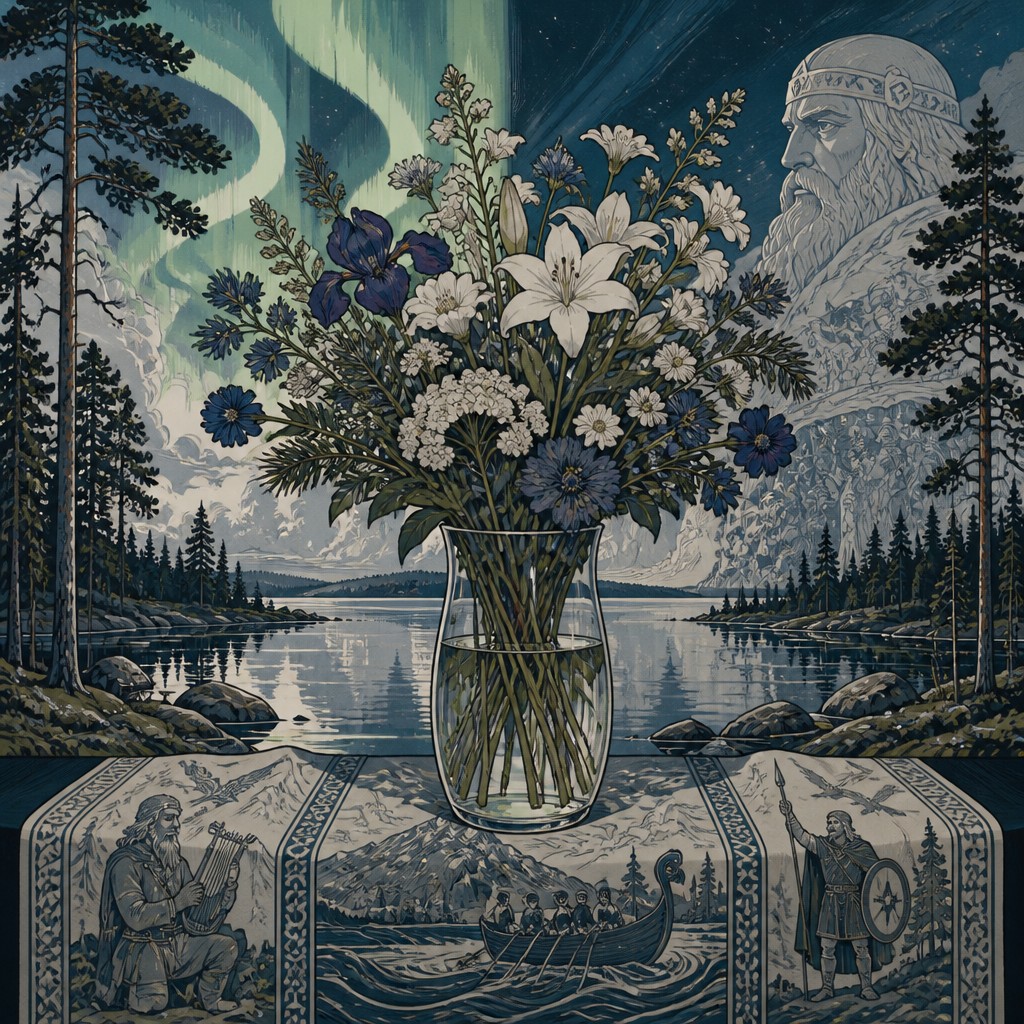
“bouquet of flowers in a glass vase”
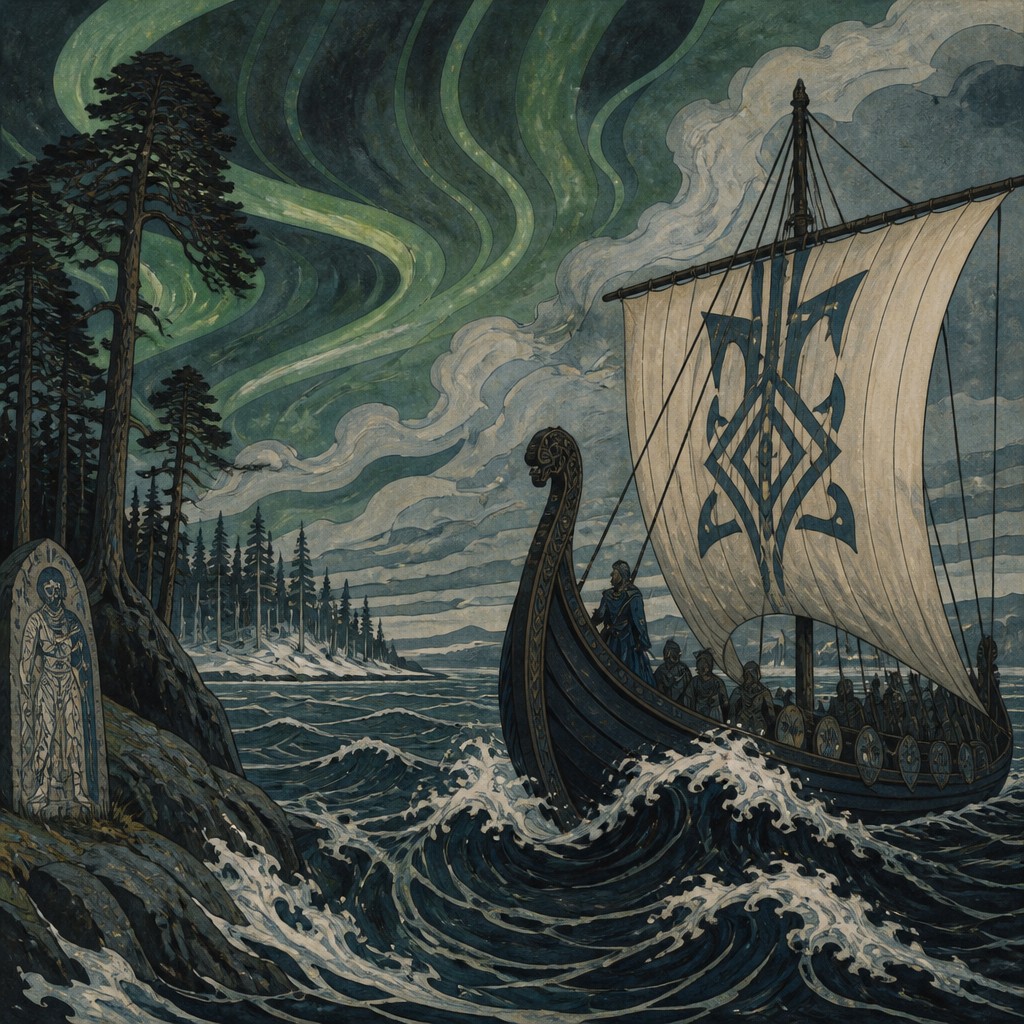
“sailing ship on a stormy sea”
How to Create Finnish Art
Master the craft step by step — or skip straight to creating. Read the full guide →
- 1
Build a restrained northern palette
Start with steel blues, pine greens, snow white, charcoal, and muted browns, then reserve luminous green or turquoise for the aurora, magic, or a focal garment. Avoid filling every area with saturated color.
- 2
Use shape before texture
Block in strong silhouettes for the hero, trees, shoreline, and mountains before adding surface detail. In traditional work, ink, gouache, tempera, woodcut, or lithographic methods can reinforce the style’s graphic clarity.
- 3
Organize the scene like a legend
Give the image a readable narrative structure: a solitary figure crossing a frozen lake, a ritual beside a fire, or a meeting beneath the northern lights. Use scale and placement to make the landscape feel older and more powerful than the character.
- 4
Add restrained folk pattern
Introduce geometric borders, woven bands, carved marks, or textile-like motifs in clothing and props, keeping them secondary to the landscape. Research Finnish and broader Finno-Ugric references carefully rather than combining unrelated symbols indiscriminately.
- 5
Control light and atmosphere
Use reflected aurora on water, snow, and armor, with dark foreground shapes framing the glow. Layer mist, low contrast, and distant blue values to create the quiet depth associated with northern wilderness.
- 6
Guide digital or AI-assisted generation precisely
Specify the subject, Finnish lake or forest setting, Kalevala-inspired mood, crisp contours, national-romantic gravity, limited palette, and aurora lighting in that order. For image-to-image work, preserve the source pose or composition while requesting simplified forms, graphic outlines, and northern atmospheric color.
The Story
History & Origins of Finnish
This formulation is a contemporary synthesis rather than a single historically defined movement. Its principal lineage comes from Finnish National Romanticism of the late nineteenth and early twentieth centuries, when artists and cultural scholars turned to Finnish language, folklore, rural life, and northern landscapes as sources of national identity. The Kalevala, compiled from traditional oral poetry in the nineteenth century, became a major reservoir of characters, symbols, narrative themes, and visual motifs.
The style also draws on Symbolism, decorative illustration, folk art, woodcut and lithographic clarity, and the broader Nordic tradition of landscape painting. Modern digital interpretation often heightens the graphic edges, cinematic atmosphere, and aurora colors, bringing these older cultural and artistic references into a unified fantasy-oriented image language without claiming to reproduce one historical school exactly.
Influences: Finnish National Romanticism provides the central cultural framework, especially its engagement with the Kalevala, rural identity, wilderness, and northern history. Related influences include European Symbolism, Nordic landscape painting, folk textile and wood-carving traditions, illustrated epic literature, woodcut and lithographic printmaking, and contemporary fantasy concept art. The style also shares with other Northern European traditions an interest in stark seasonal light, monumental nature, and legends embedded in place.
Frequently Asked Questions
What defines the Finnish art style?
It is defined by Finnish and Kalevala-inspired subject matter, expansive lake and forest landscapes, solemn mythic storytelling, crisp contours, and a restrained palette of blues, greens, white, and charcoal. Aurora light and folk-derived pattern often provide distinctive accents.
Is Finnish art style a historical art movement?
Not in this exact unified form. It is best understood as a contemporary synthesis of Finnish National Romanticism, Symbolism, Finnish folklore, Nordic landscape art, printmaking, and fantasy illustration.
How does it differ from general Nordic or Viking art?
Finnish art style is especially tied to Finnish lakes, forests, birch landscapes, the Kalevala, and the musical or poetic atmosphere of rune singing. Viking imagery may emphasize maritime raiding, Norse mythology, or archaeological ornament, while this style generally favors solitude, wilderness, and Finnish cultural references.
Can I create this style with traditional materials?
Yes. Ink with watercolor or gouache is well suited to its clear contours and limited palette, while woodcut, linocut, tempera, and colored pencil can produce a more tactile graphic surface. Begin with a strong silhouette and atmospheric landscape, then add selective folk-inspired details.
What subjects work best in this style?
Mythic travelers, forest spirits, rune singers, legendary animals, lakeside rituals, cabins, winter journeys, and encounters beneath the aurora are especially compatible. Ordinary subjects can also work when framed by Finnish wilderness and treated with quiet symbolic weight.
How should I describe it in an image prompt?
Name the subject and setting first, then specify Kalevala-inspired myth, Finnish lake or pine forest, crisp graphic contours, national-romantic solemnity, a limited blue-and-green palette, and aurora or winter light. Mentioning a woodcut, illustrated epic, or symbolic landscape influence can further clarify the intended finish.
Create your first Finnish artwork
Describe anything — or upload a photo — and see it in Finnish Art Style in seconds.
Related Styles
Discover similar art styles