Sci-Fi Fantasy vs Epic Fantasy: What's the Difference?
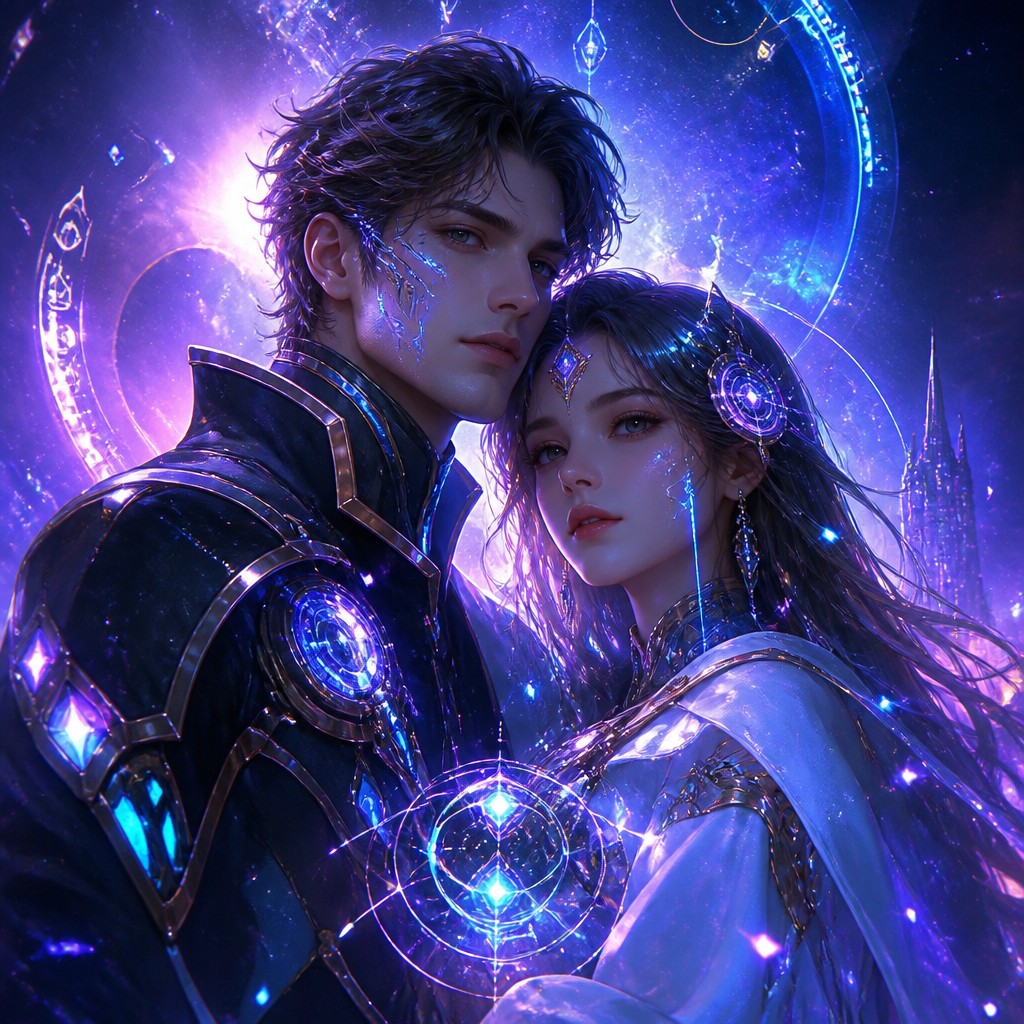
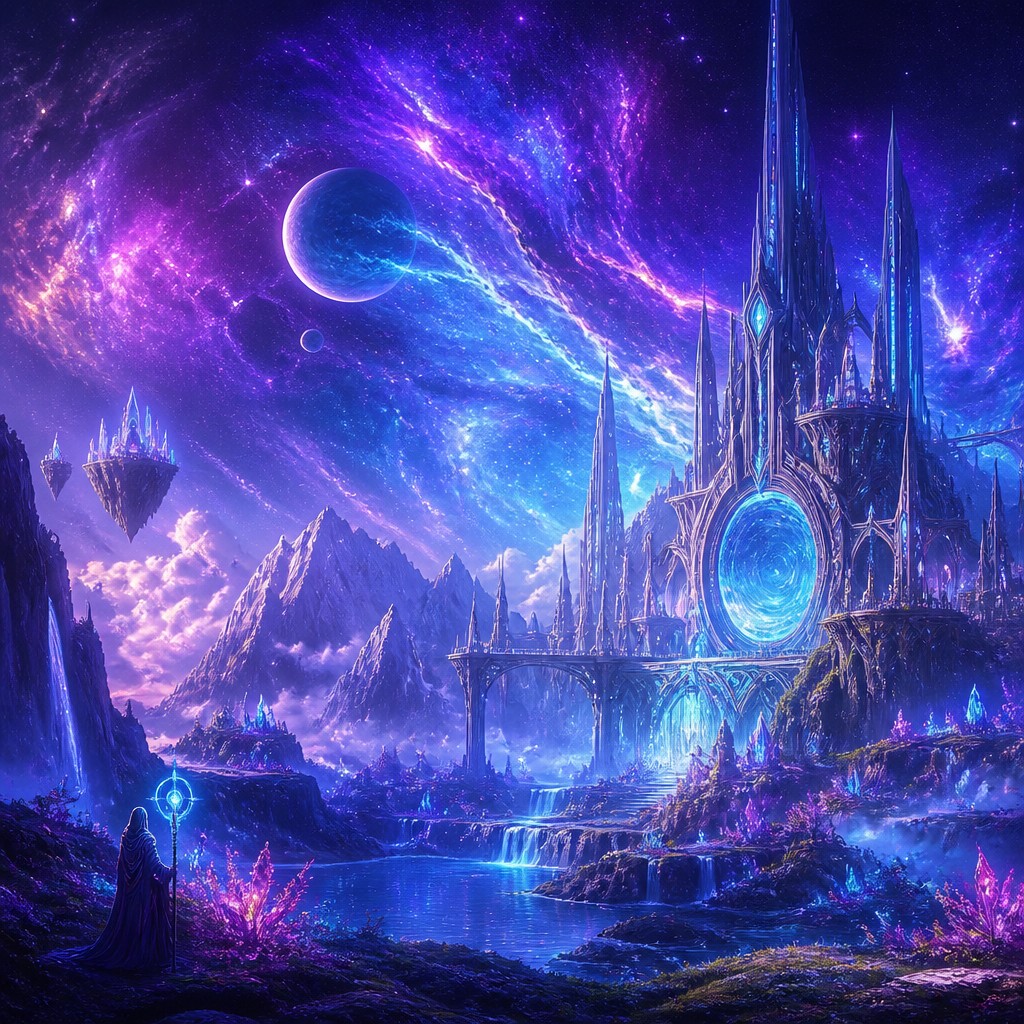
Sci-Fi Fantasy Art combines the wonder of magic with the logic of advanced technology. It often shows alien landscapes, glowing systems, starships, enchanted devices, and luminous energy effects, all rendered with painterly drama and a sense of cosmic scale.
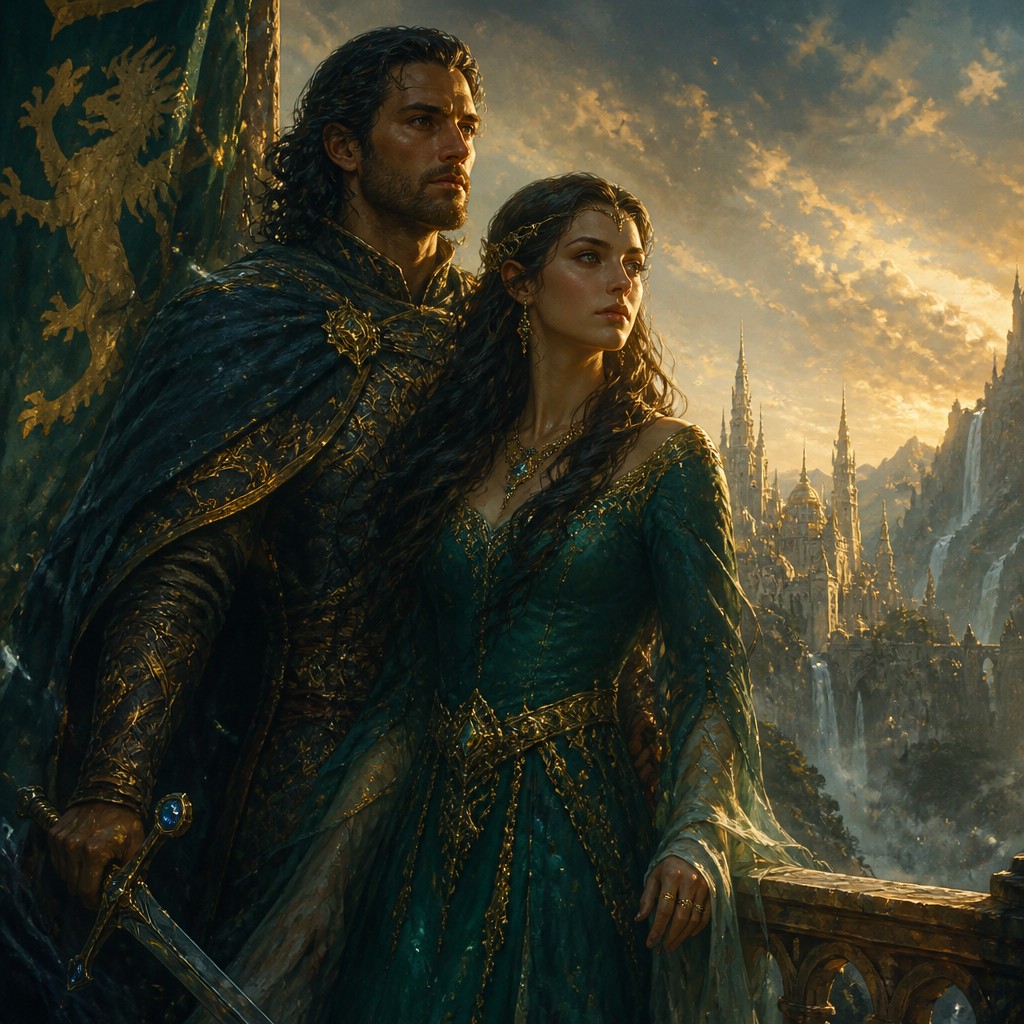
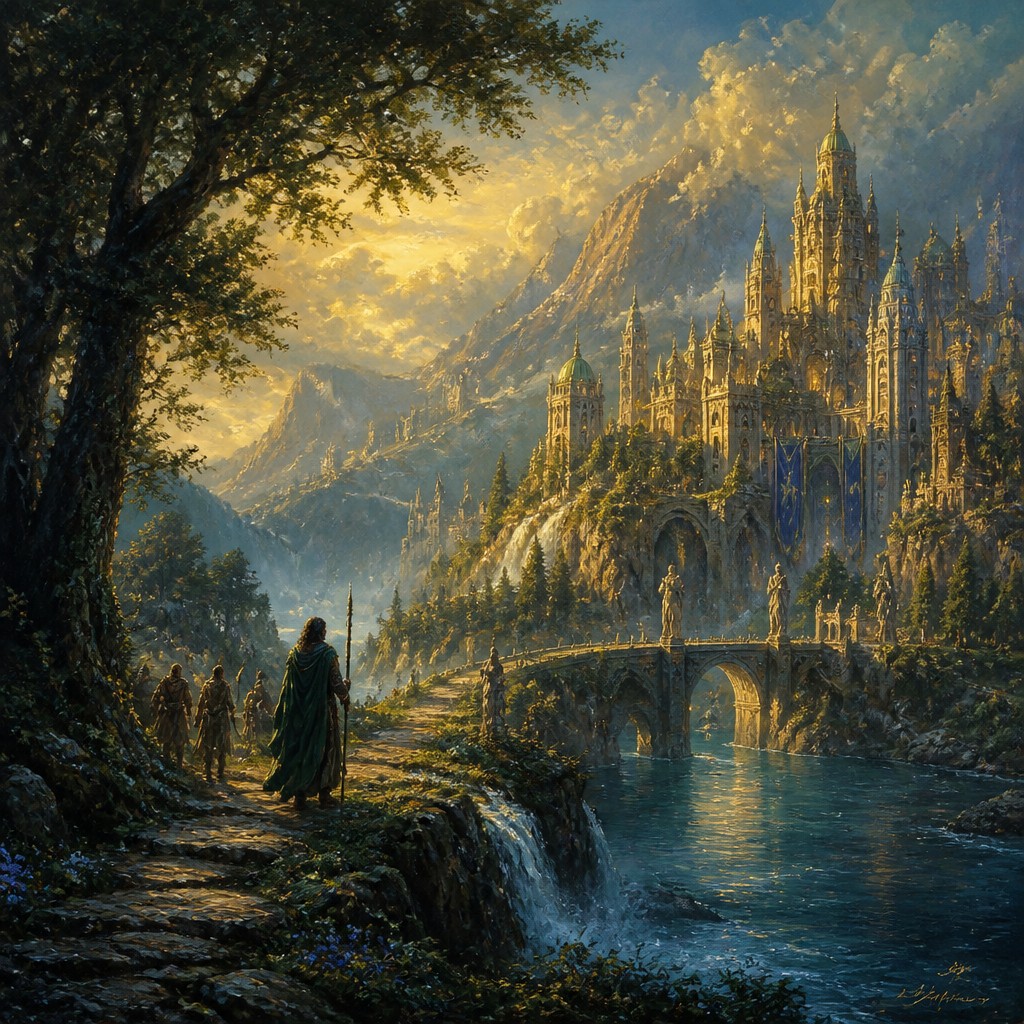
Epic Fantasy Art focuses on mythic worlds, heroic figures, dragons, castles, and enchanted landscapes. It emphasizes adventure, atmosphere, and cinematic storytelling. People compare these styles because both use dramatic lighting, rich detail, and imaginative worldbuilding, but they differ in whether the setting leans more toward futuristic science-fiction elements or traditional high fantasy imagery.
Same Prompt, Both Styles
Each pair below was generated from the identical prompt — only the style changed.
“portrait of two people together”
“wide landscape with natural scenery”
“still life with everyday objects”
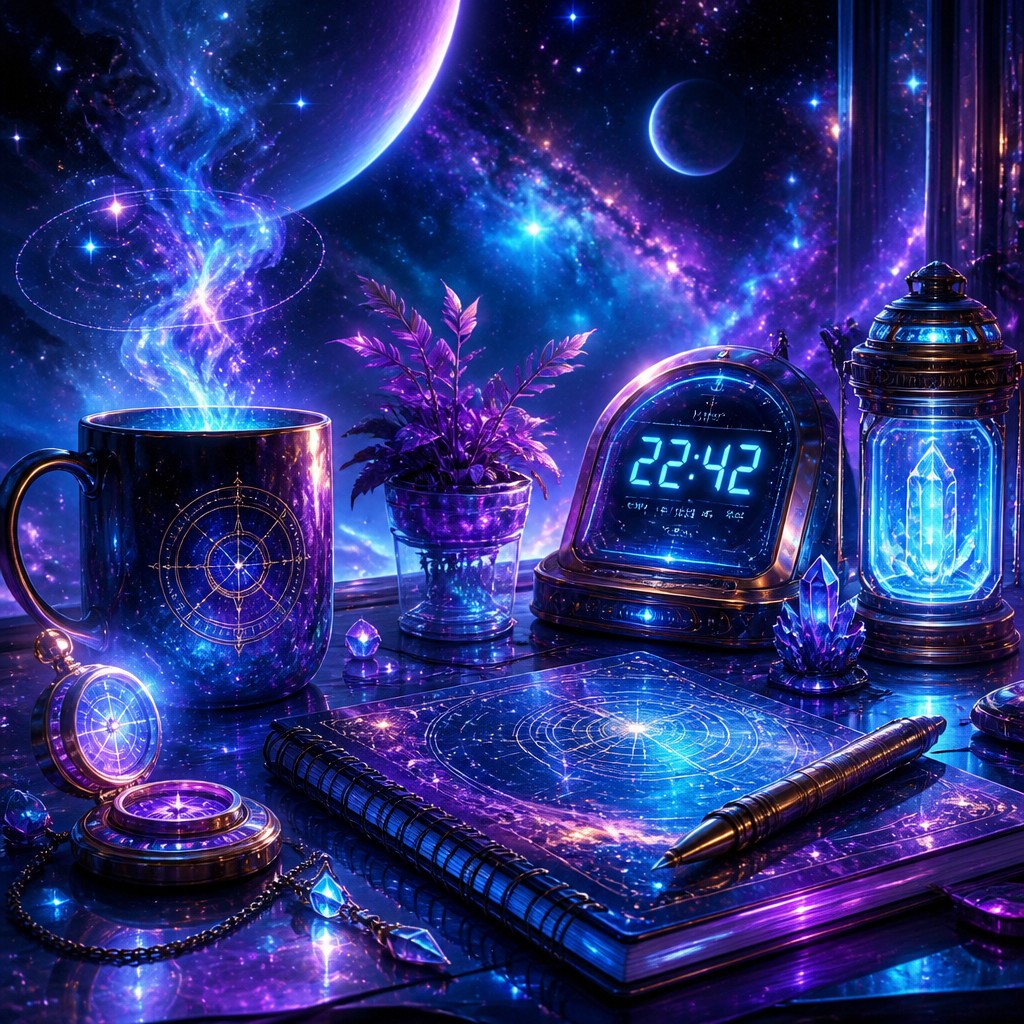
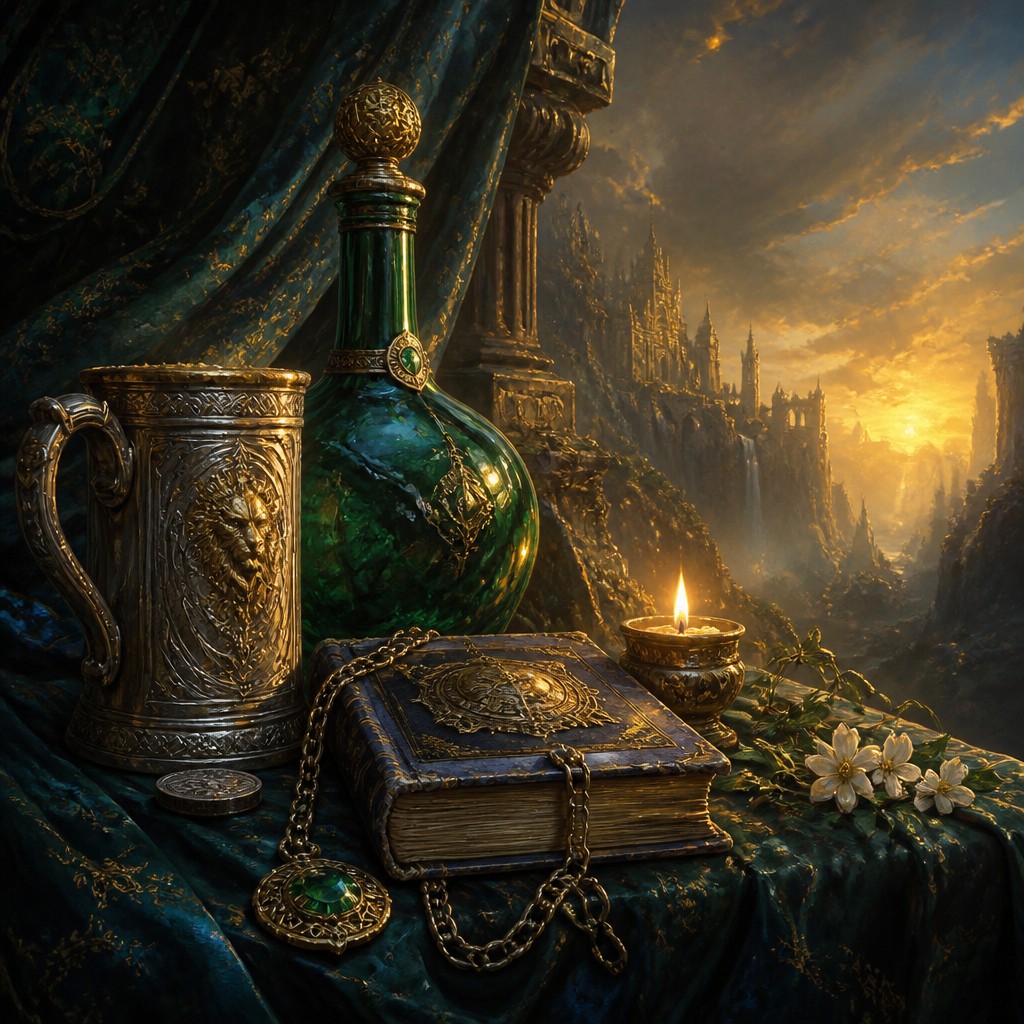
“bicyle resting against a wall”
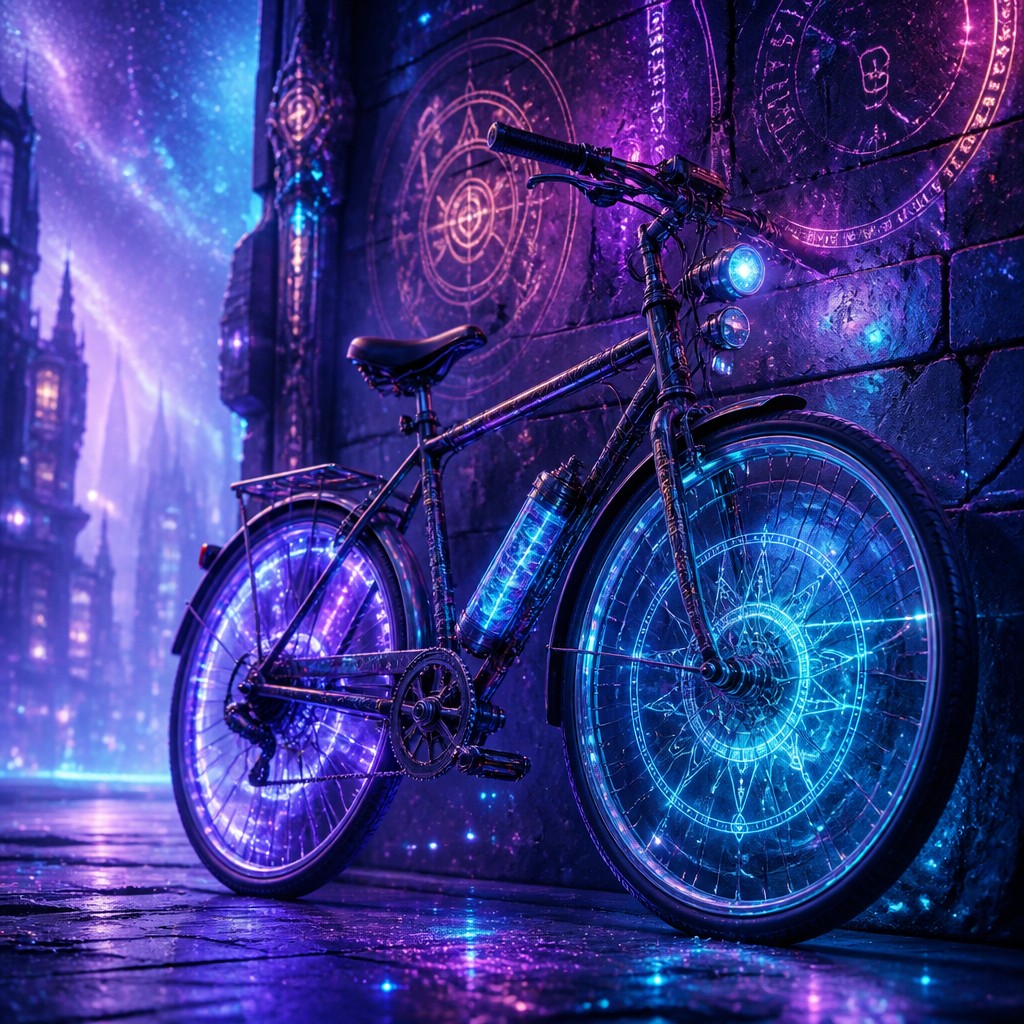
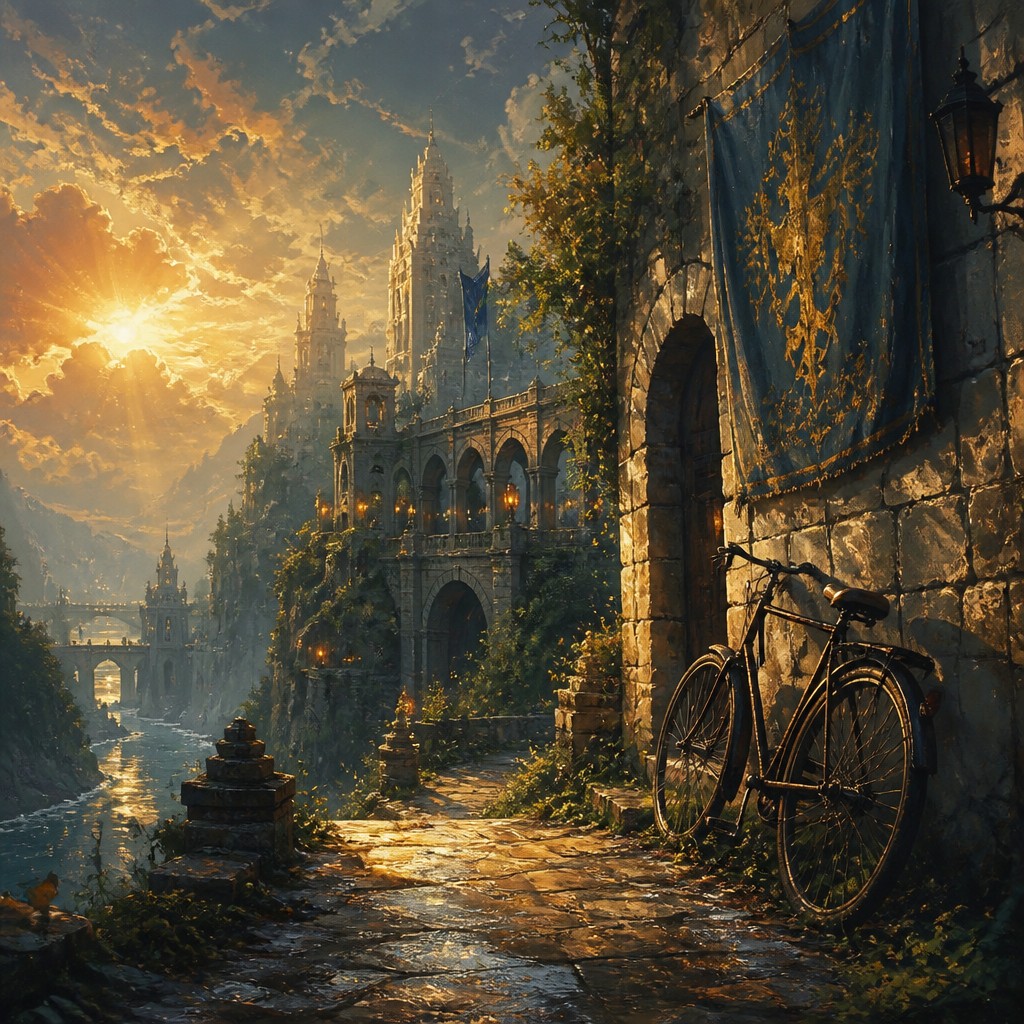
Key Differences
| Sci-Fi Fantasy | Epic Fantasy | |
|---|---|---|
| Core setting | Fuses magic with advanced technology in spacefaring or alien worlds. | Centers on medieval-inspired realms, kingdoms, and legendary lands. |
| Iconic subjects | Starships, energy weapons, cybernetic beings, and mystical machinery. | Heroes, dragons, knights, castles, and enchanted creatures. |
| Visual language | Sleek forms mixed with ornate, otherworldly details and glowing systems. | Organic, mythic shapes with armor, architecture, and natural grandeur. |
| Mood | Awe, cosmic mystery, and technological wonder. | Adventure, heroism, and legendary destiny. |
| Color and light | Neon accents, luminous energy, and high-contrast sci-fi glow. | Warm cinematic light, atmospheric skies, and radiant magical effects. |
| Story emphasis | Exploration of strange worlds where science and sorcery coexist. | Quest-driven tales of conflict, courage, and ancient power. |
| Mood | awe-inspiring, mysterious, adventurous, otherworldly | heroic, awe-inspiring, mythic, dramatic, adventurous |
| Energy | intense | intense |
| Detail level | detailed | intricate |
| Color | neon cosmic hues with metallic contrasts | rich jewel tones, stormy contrasts, glowing highlights |
| Texture | glossy, luminous, layered | painterly, luminous, layered, atmospheric |
| Origin | digital-native aesthetic | digital-native aesthetic |
| Best for | book covers, game art, movie posters, album covers, concept art | book covers, game key art, movie posters, fantasy maps, collectible card art, RPG splash screens |
| Difficulty | advanced | advanced |
Which Should You Choose?
Pick Sci-Fi Fantasy Art if you want cosmic settings, futuristic technology, alien life, and a stronger emphasis on advanced systems mixed with magic. Pick Epic Fantasy Art if you want a more traditional heroic feel with dragons, kingdoms, enchanted landscapes, and mythic adventure. If your scene needs starships and sorcery, choose A; if it needs quests and legend, choose B.
Frequently Asked Questions
Are sci-fi fantasy and epic fantasy the same thing?
No. They overlap in their use of spectacle, imagination, and large-scale worldbuilding, but Sci-Fi Fantasy Art blends technology with magic, while Epic Fantasy Art usually stays within mythic or medieval-inspired worlds.
Which style is more cinematic?
Both can be cinematic. Sci-Fi Fantasy often feels more futuristic and luminous, while Epic Fantasy tends to feel more mythic and heroic.
Can dragons appear in Sci-Fi Fantasy Art?
Yes, if they are reimagined with technological or alien elements. In Epic Fantasy Art, dragons usually appear as classic mythical creatures within a traditional fantasy setting.
Which style is better for game or book cover art?
It depends on the story you want to signal. Choose Sci-Fi Fantasy for a tech-and-magic setting, or Epic Fantasy for quests, kingdoms, and legendary adventure.