Character Sticker Design
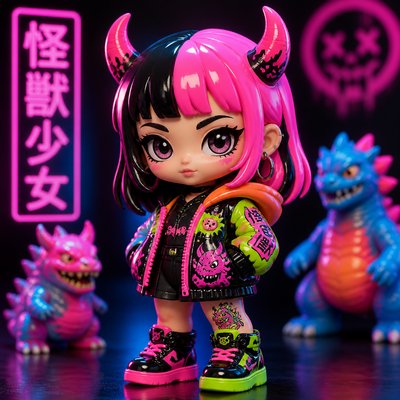
Bold mascot stickers with clean outlines, rounded forms, glossy color, and strong readability for branding, chat, and storytelling.
Instantly rendered in Character Sticker Design — or transform a photo

Character Sticker Design Gallery
Tap any artwork to explore it
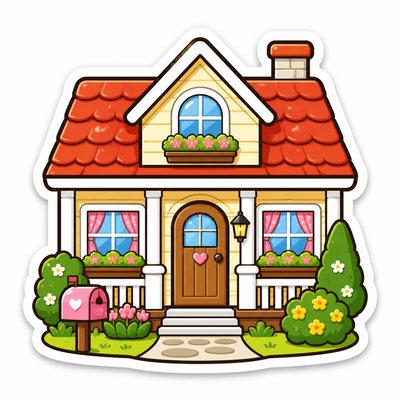
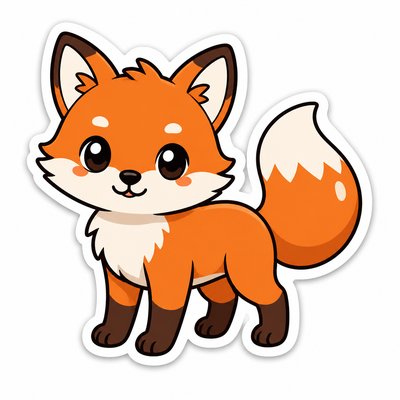
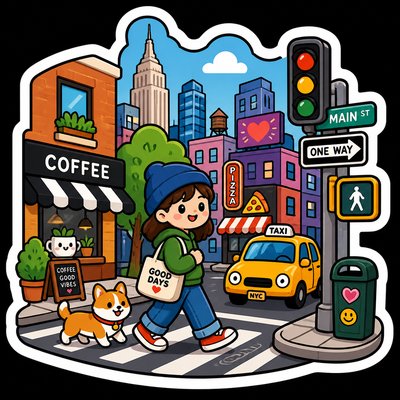
What is Character Sticker Design?
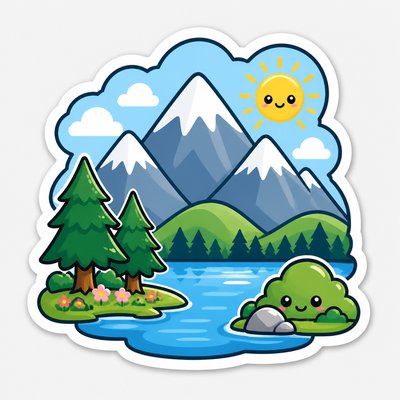
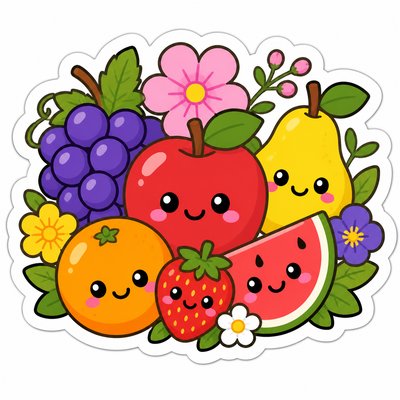
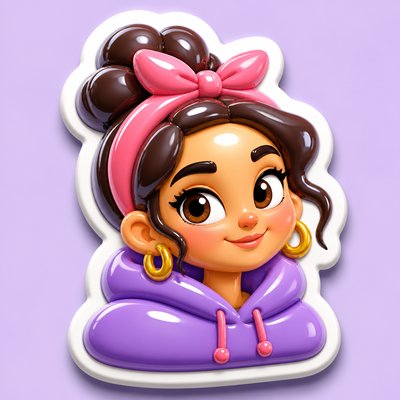
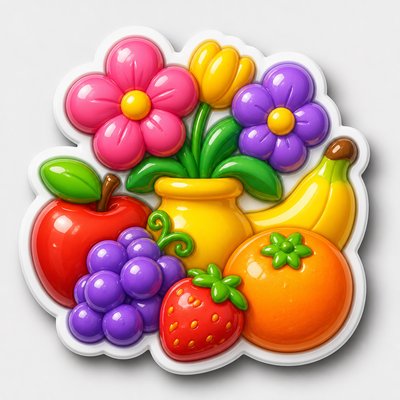
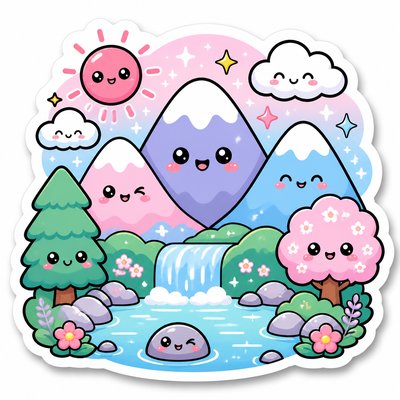
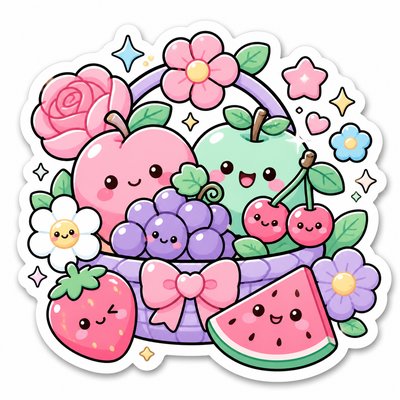
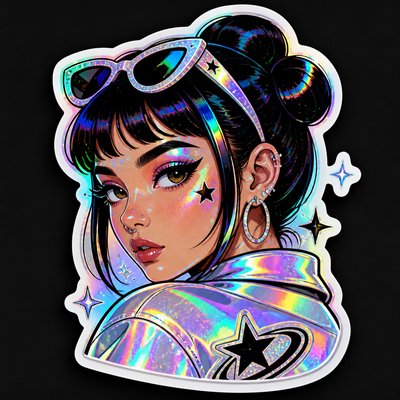
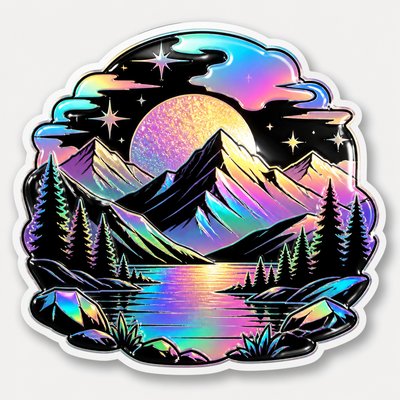
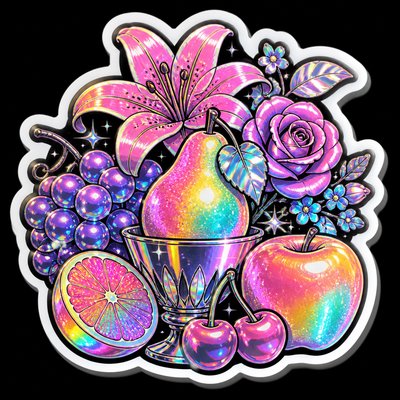
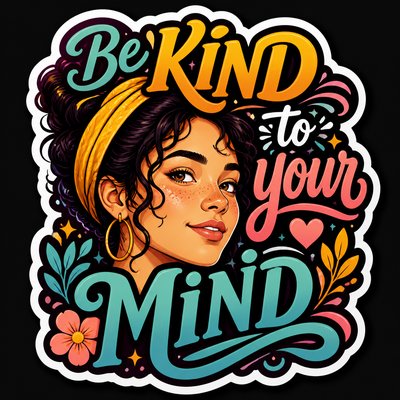
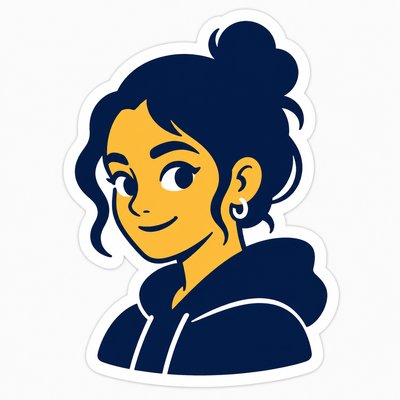
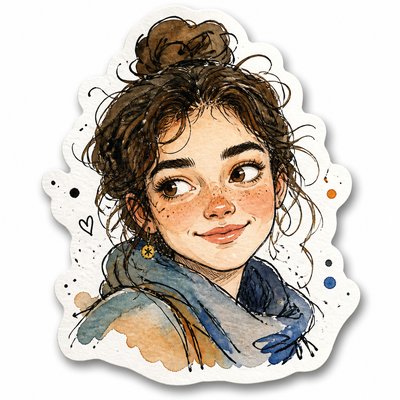
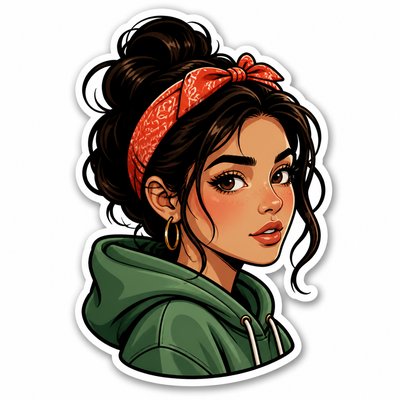
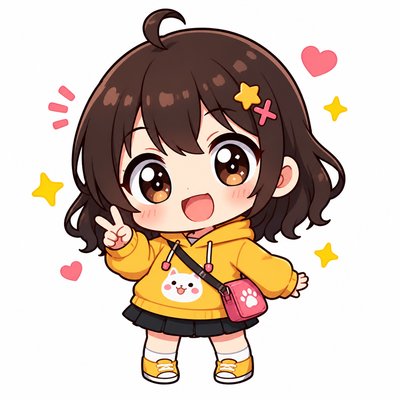
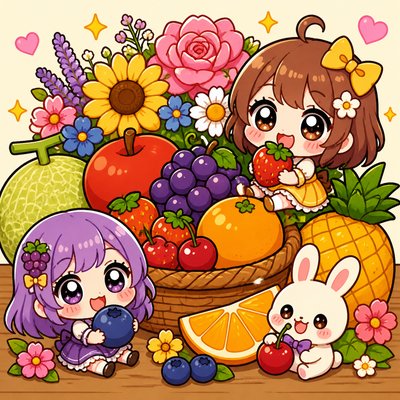
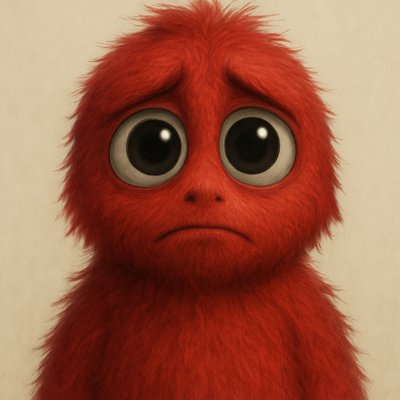
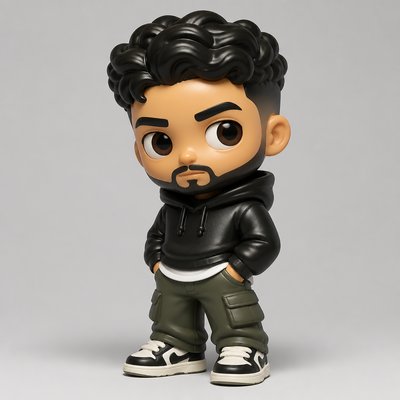
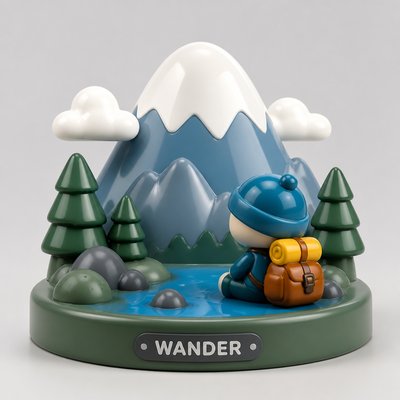
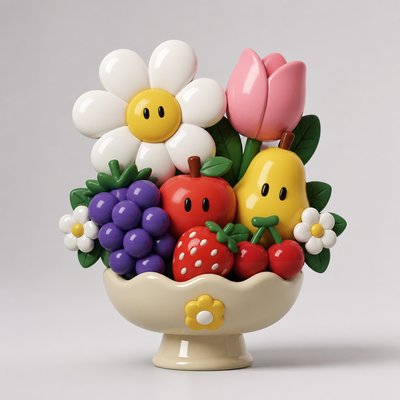
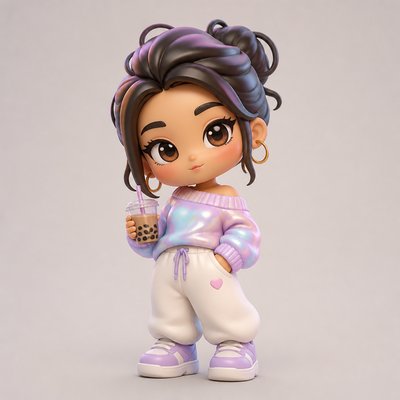
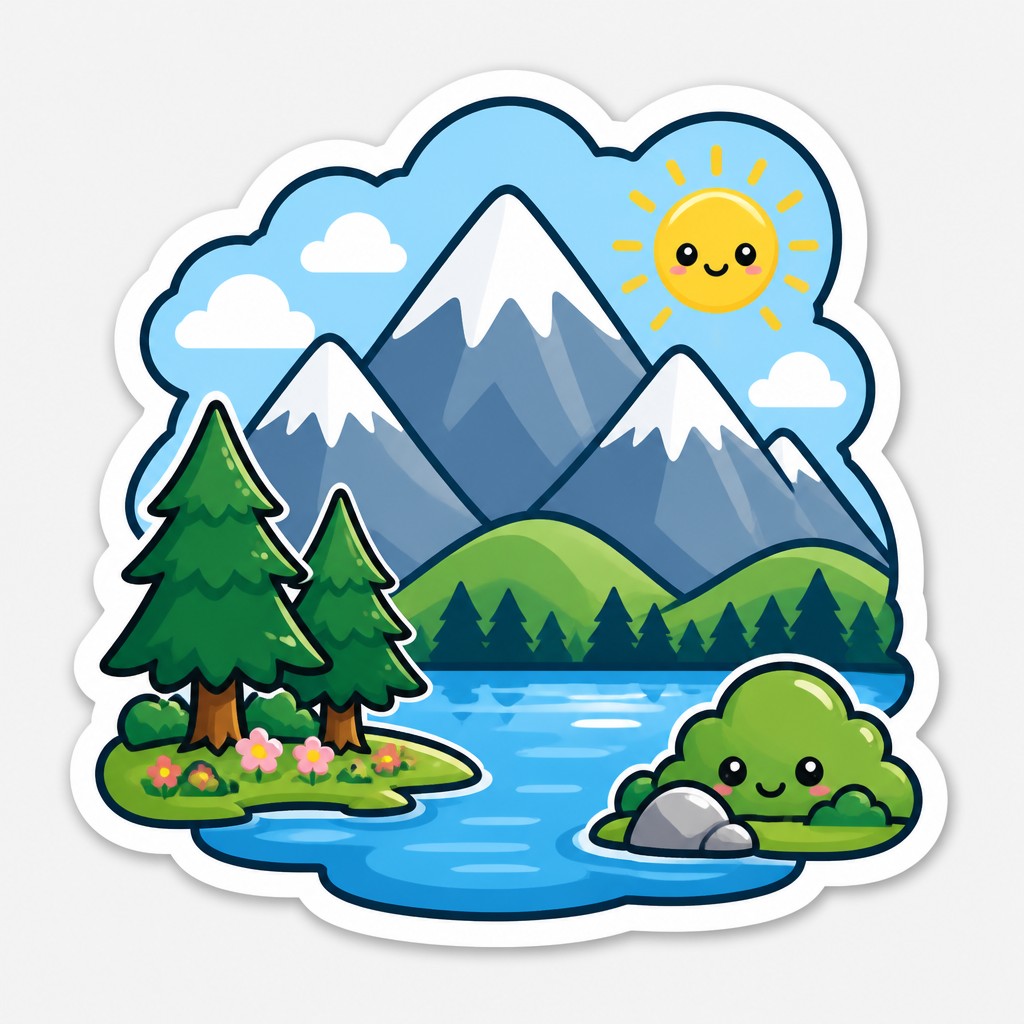
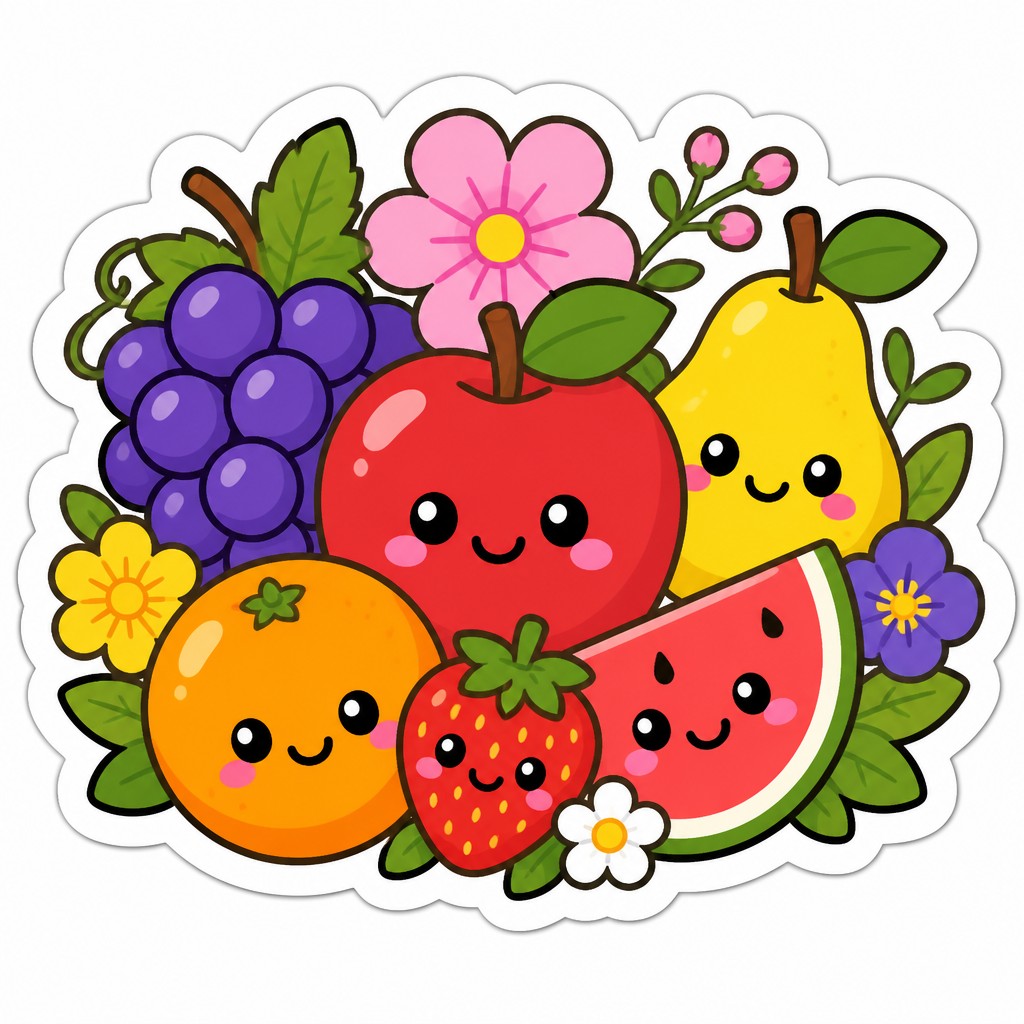
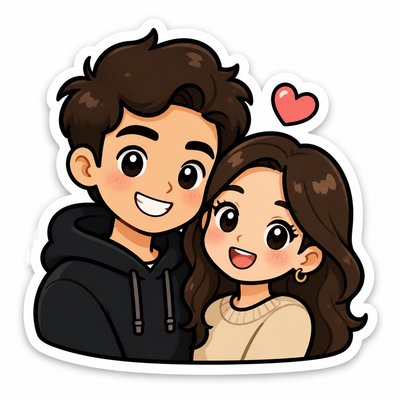
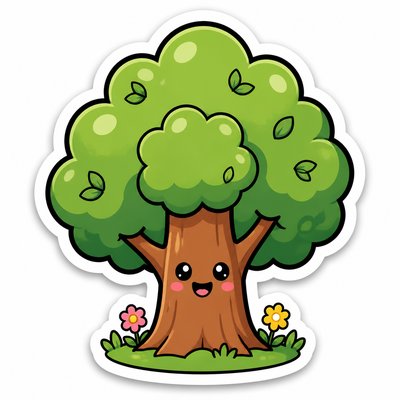
Character sticker design is a contemporary illustration style built around a single, easily recognizable persona, mascot, or original character presented as a self-contained sticker. The look emphasizes bold outlines, simplified rounded shapes, flat cheerful colors, and a thick white border that separates the character from its background. Because the image must stay legible at small size, details are reduced to the essentials: a clear silhouette, expressive face, and a compact pose that reads instantly.
The style is especially effective for storytelling and identity systems because it turns a character into a reusable visual unit. Multiple expressions, gestures, and reactions can be designed as a set, allowing the same figure to communicate mood, humor, and brand tone across chats, labels, packs, merchandise, and social media. Its visual logic comes from sticker culture, mascot design, cartoon iconography, and modern vector illustration, with a touch of kawaii charm that favors friendliness over realism.
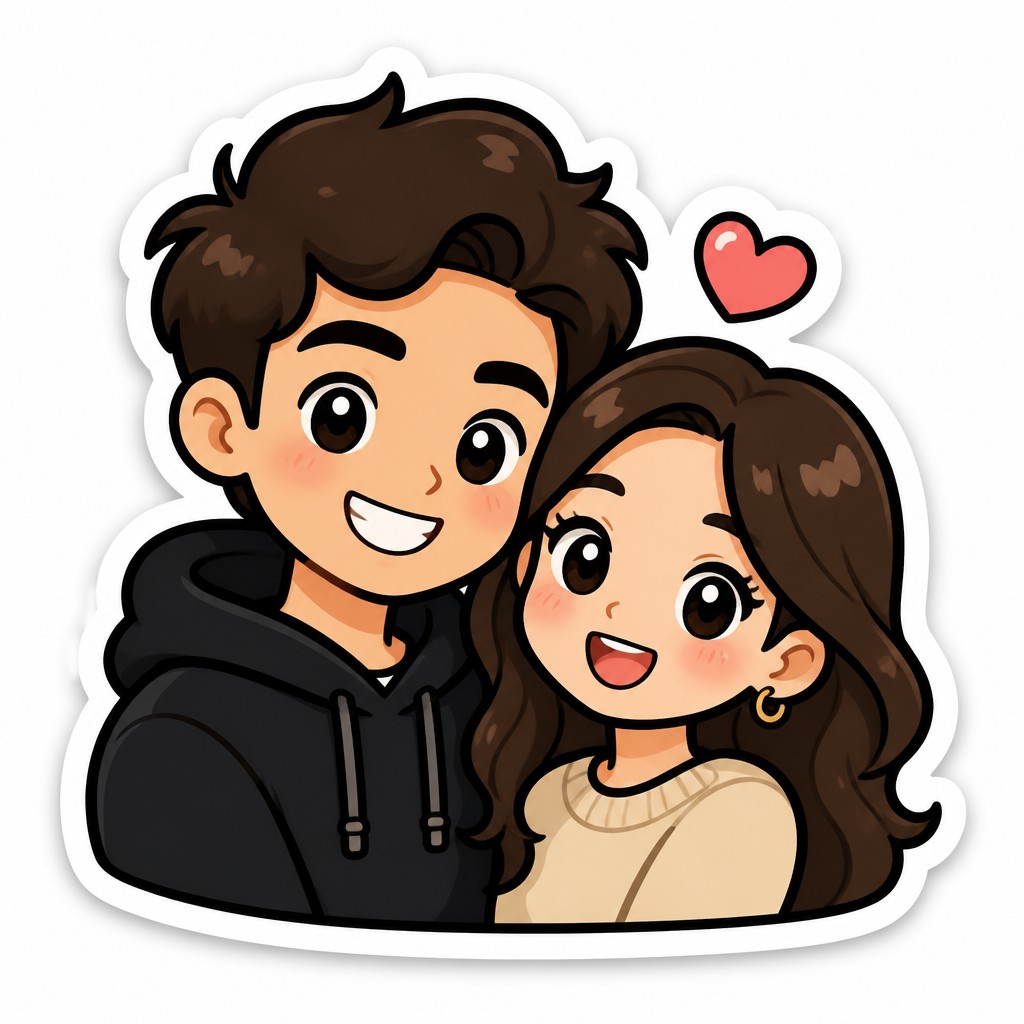
Try It On Your Photos
Upload any photo and convert it into Character Sticker Design — drag the sliders to compare before and after.


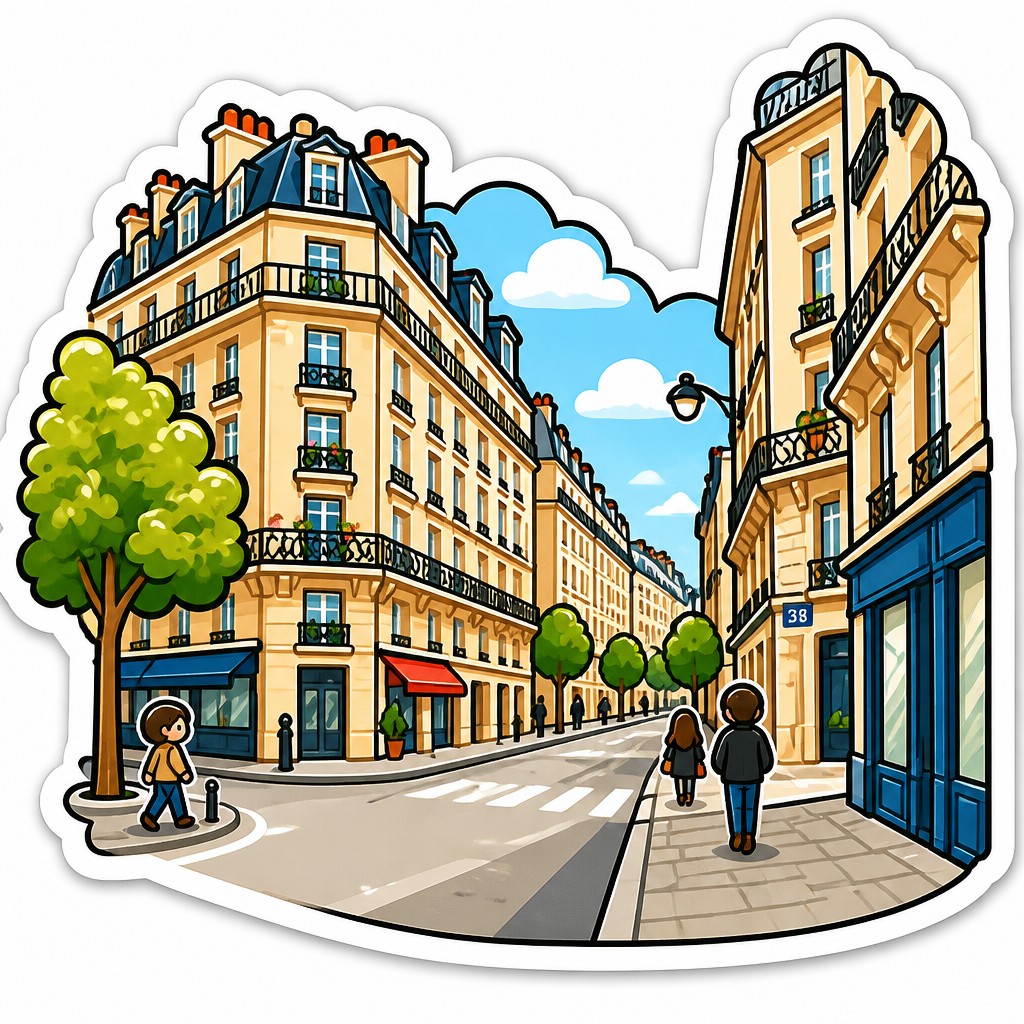

What Defines Character Sticker Design
The signature details, up close
Die-cut silhouette
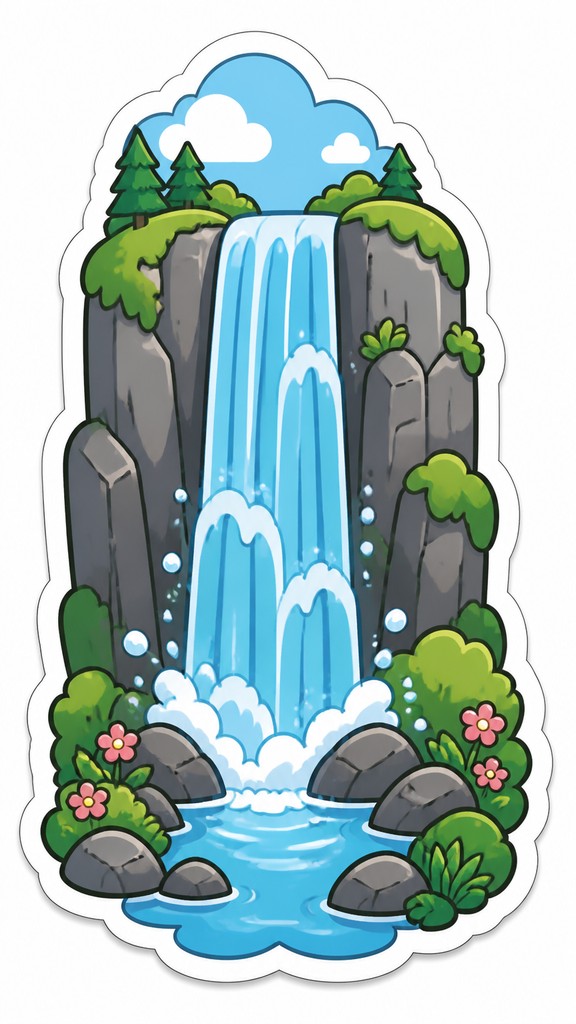
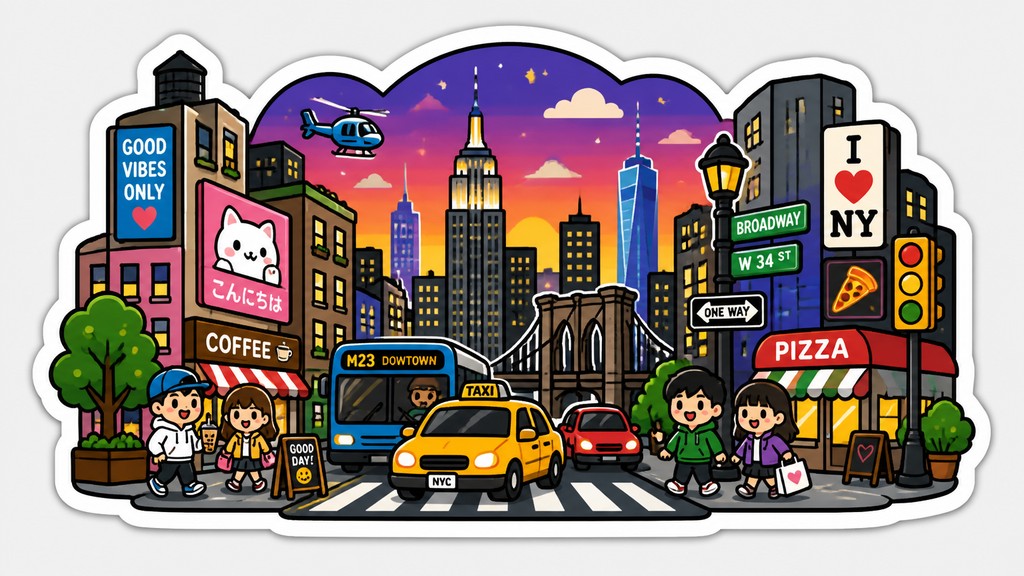
The character is framed as if cut from a sticker sheet, usually with a thick white border that creates separation from any background. This border also makes the figure feel portable and instantly readable.
Rounded, simplified forms
Shapes are soft, compact, and easy to recognize, with minimal anatomical complexity. Limbs, heads, and props are often exaggerated into friendly, chubby proportions.
Bold outline structure
Clean, dark contour lines define the figure and keep it legible at small sizes. Interior linework is usually limited so the design stays uncluttered.
Flat color with light highlights
Colors are typically bright, cheerful, and evenly filled, with only subtle shading. Small glossy accents or soft highlights add a polished, playful finish.
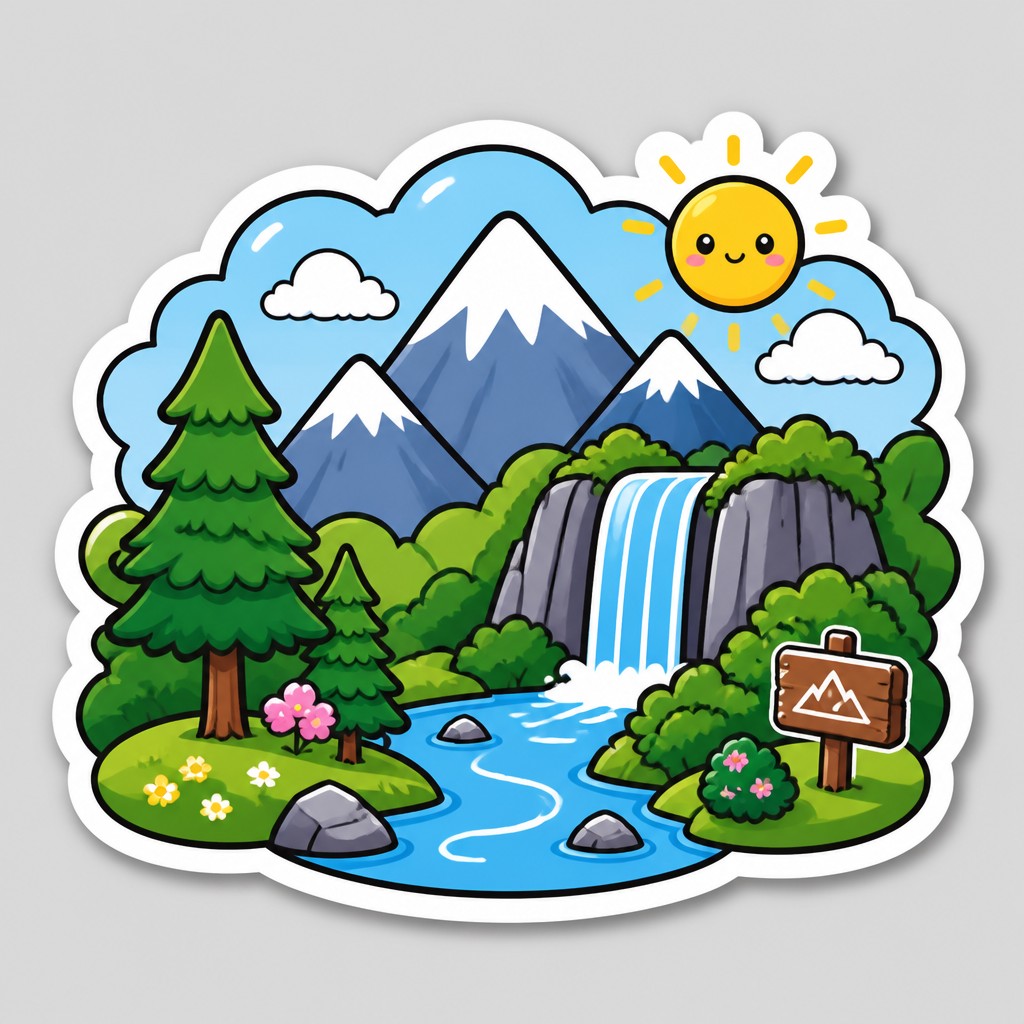
Expressive facial language
Large eyes, simple mouths, brows, blush marks, and gesture-based poses do most of the storytelling. The character is usually designed in multiple moods so it can communicate reactions quickly.
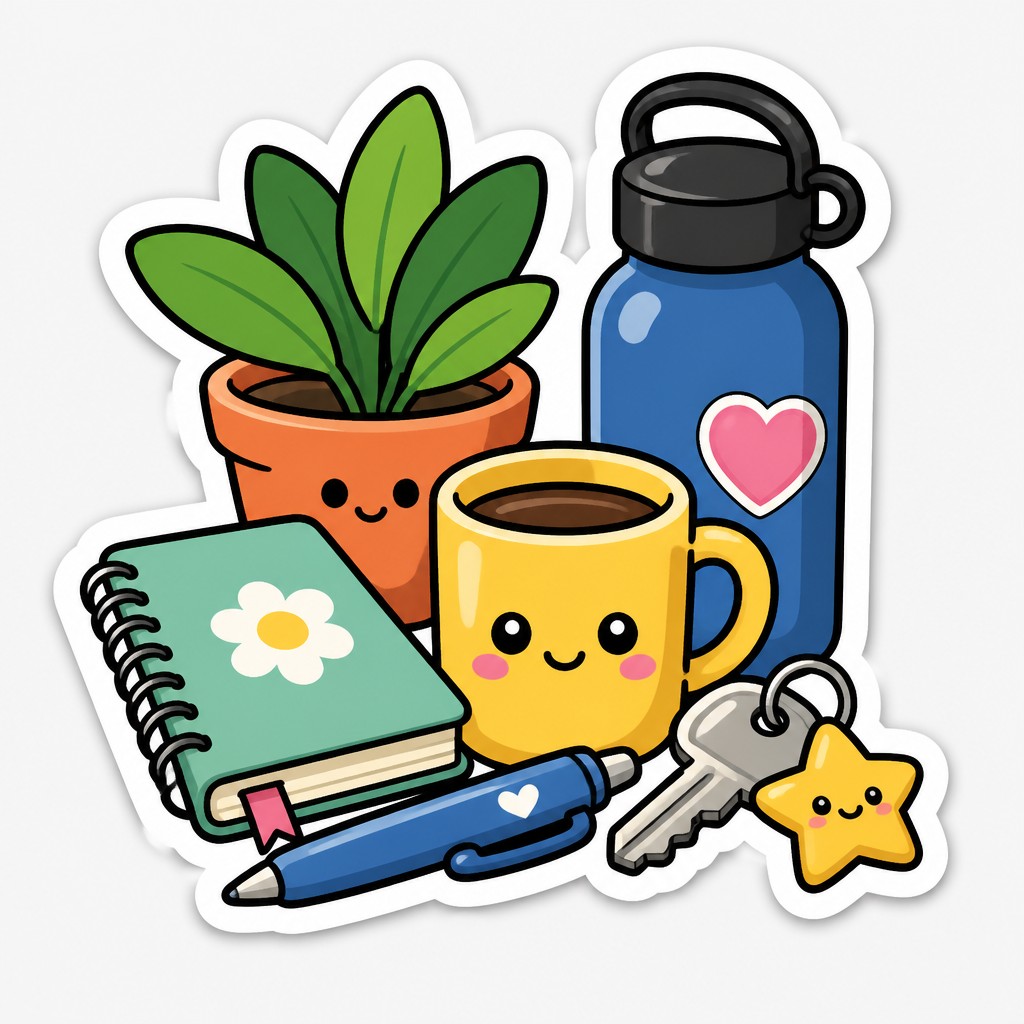
Compact self-contained composition
The figure occupies a tight crop and avoids complex environments. Any accessories or props are kept secondary to the character so the silhouette remains clean.
Try It
Create Videos in Character Sticker Design
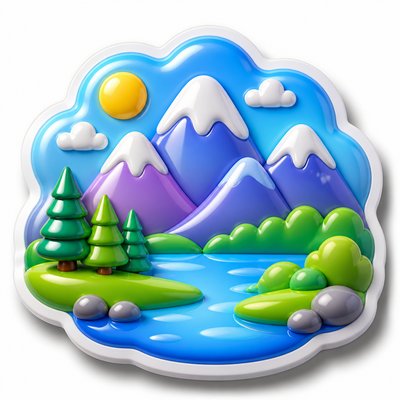
Styles aren't just for stills — describe a scene or animate an image and get a short video rendered in Character Sticker Design. Press play to see this pond come to life.
Make a VideoCharacter Sticker Design Prompt Ideas
Start from an idea — each one opens the generator with the style ready to go. See all 40 Character Sticker Design prompts →
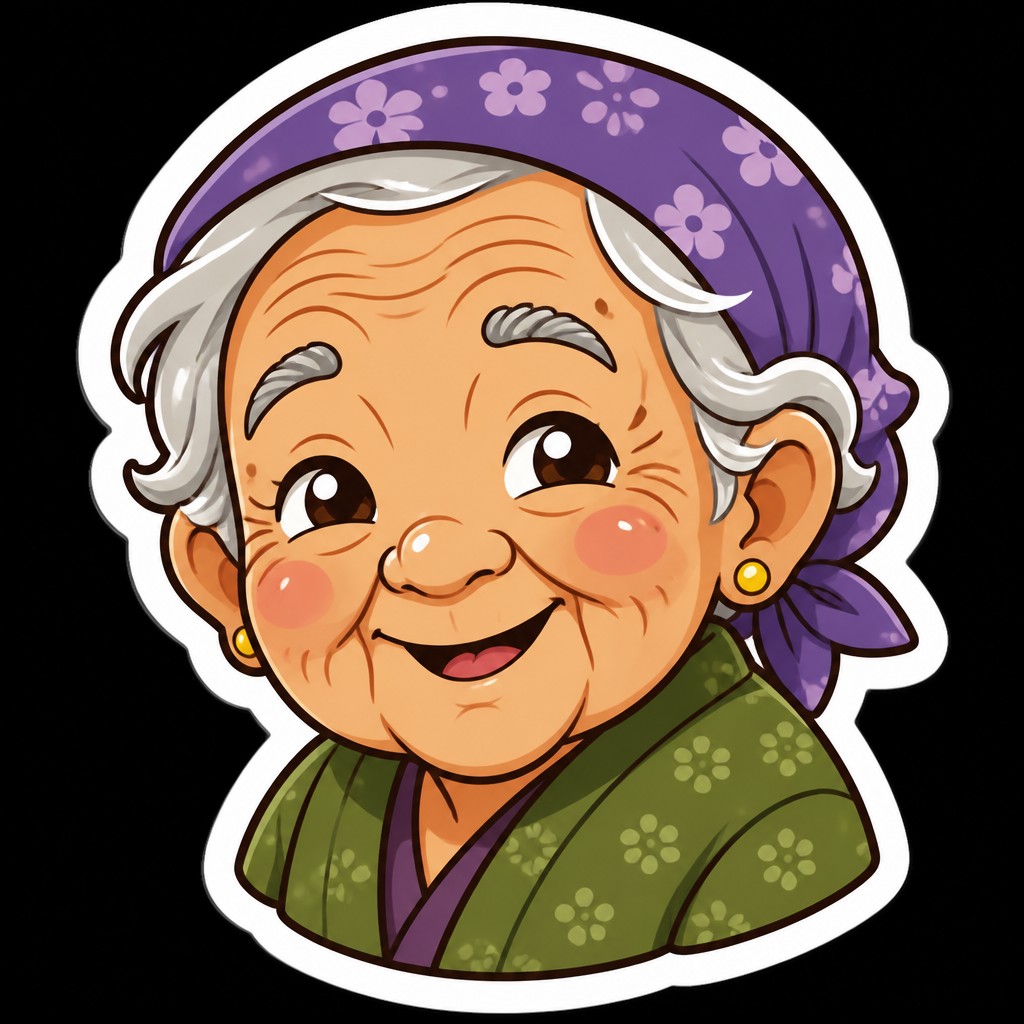
“close-up portrait of an elderly person with expressive weathered features”
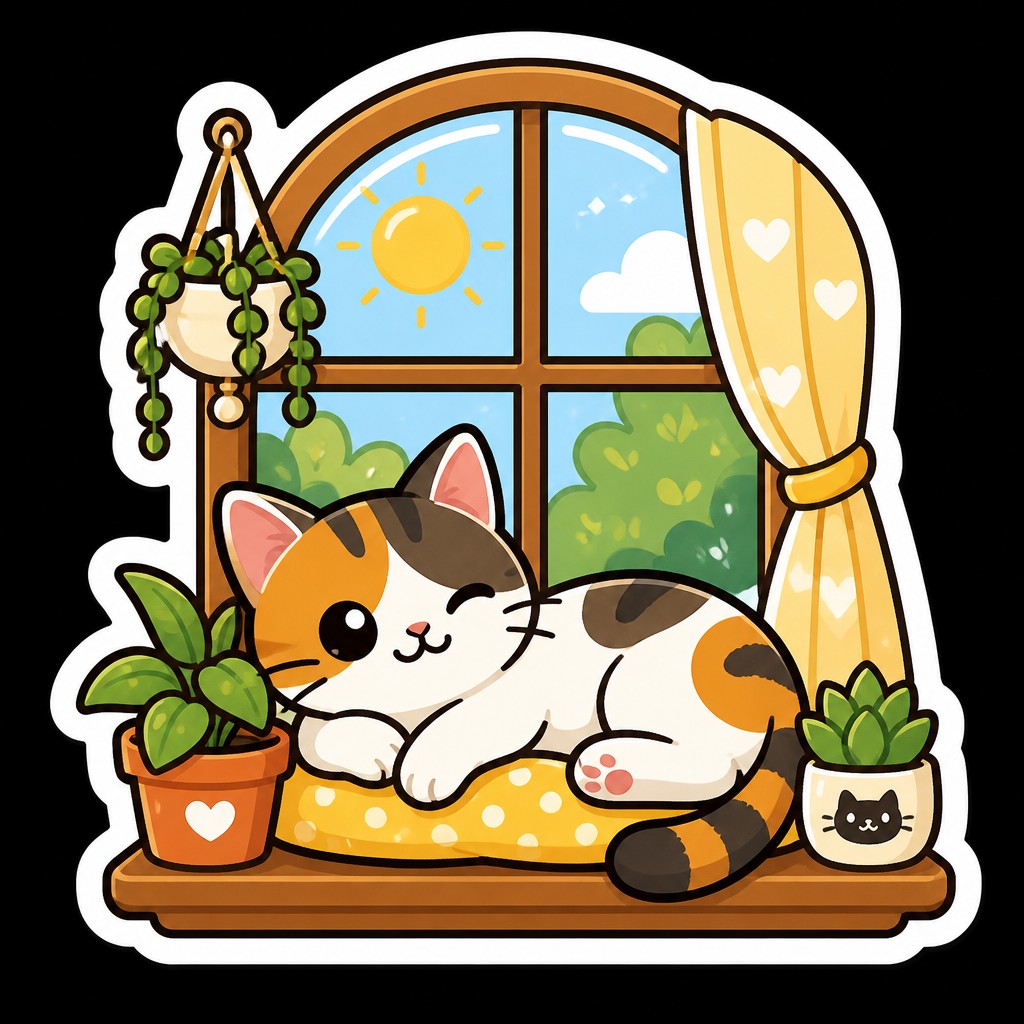
“a cat lounging in a sunlit window”
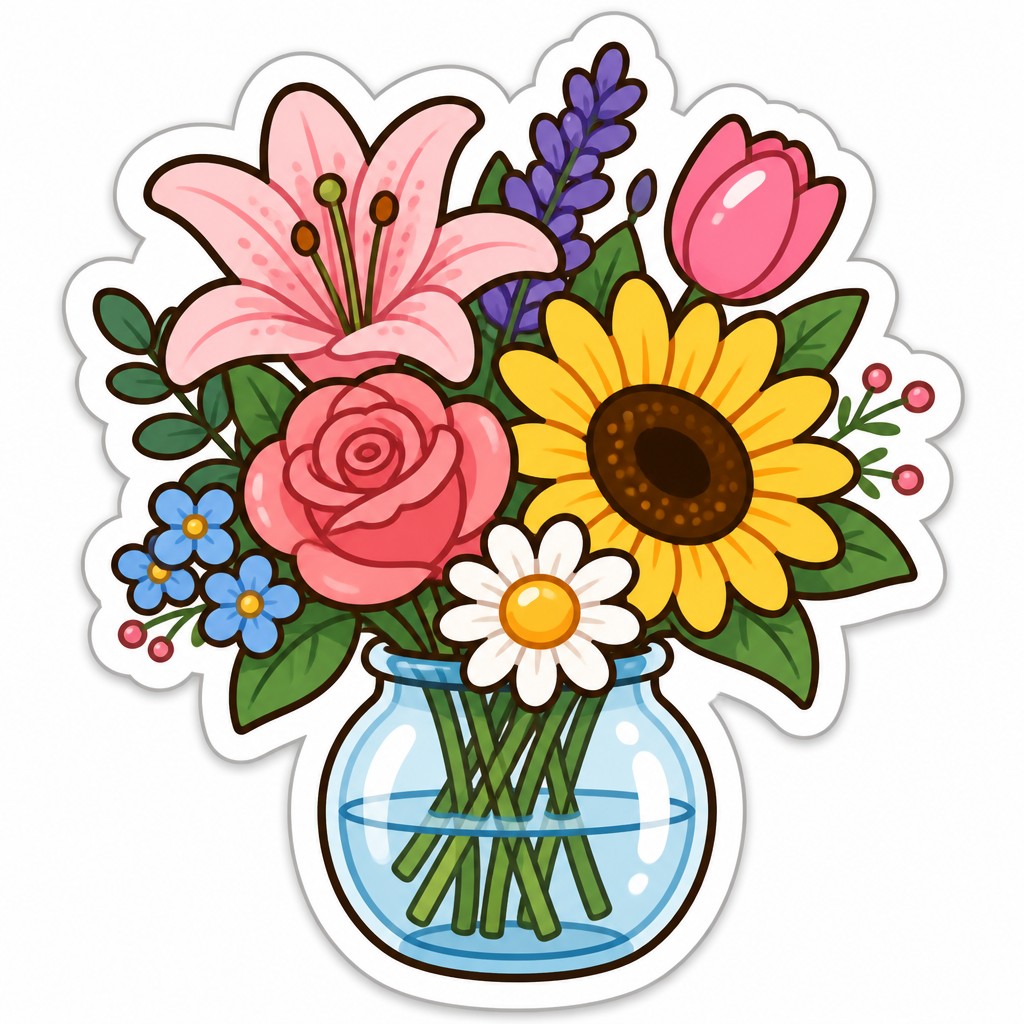
“bouquet of flowers in a glass vase”
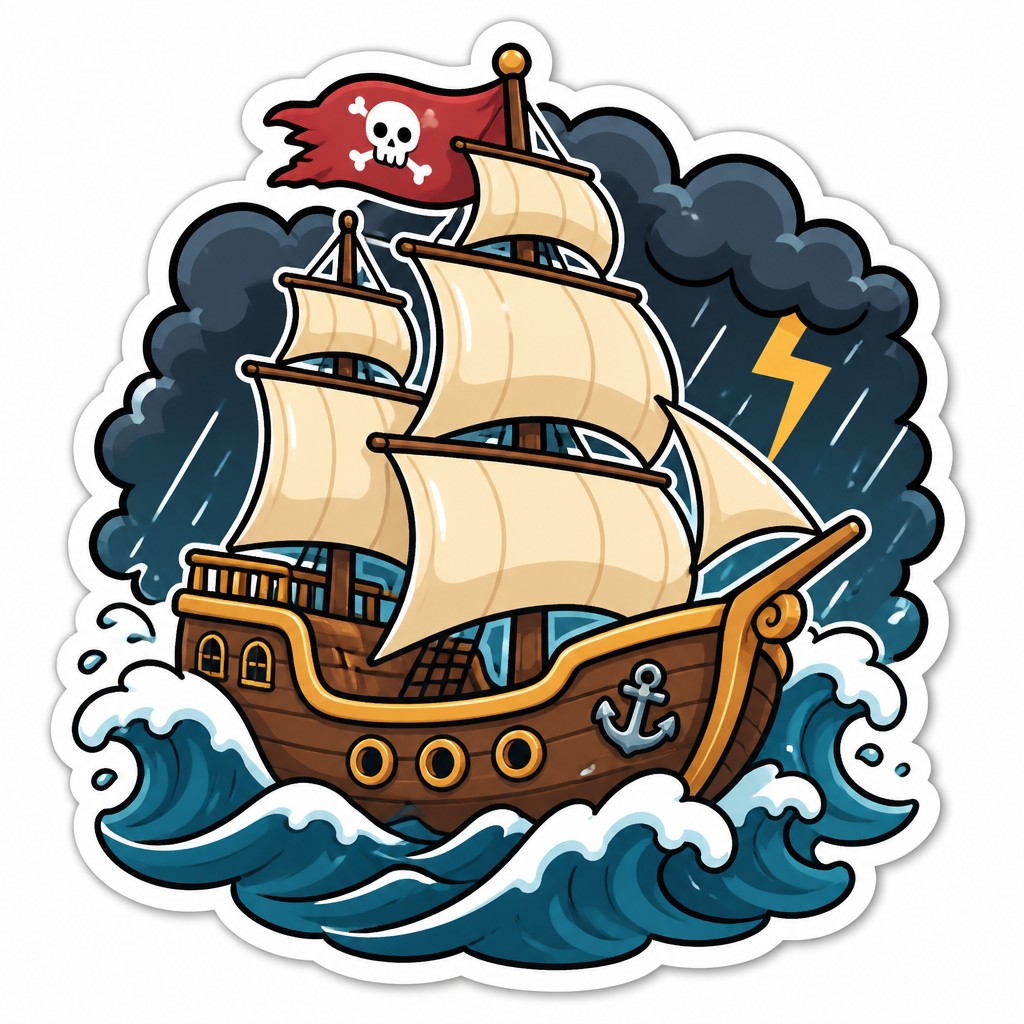
“sailing ship on a stormy sea”
How to Create Character Sticker Design Art
Master the craft step by step — or skip straight to creating. Read the full guide →
- 1
Design the character for instant recognition
Start with a simple silhouette, one clear emotional personality, and a few repeatable visual markers such as a hat, tail, antenna, or signature color. In traditional sketching, reduce the design until it reads from a distance; in digital work, test it at thumbnail size.
- 2
Use clean outlines and limited interior detail
Ink or draw with confident contour lines and keep interior features sparse. A sticker design should remain readable when scaled down, so avoid delicate textures, busy backgrounds, or too many small accessories.
- 3
Choose flat, cohesive color relationships
Use a restrained palette with cheerful contrast and minimal shading. Apply soft highlights only where they support form and surface, not to simulate realistic lighting.
- 4
Build the sticker border intentionally
Add a thick white contour around the full outer edge of the character and any attached elements. This border should be even and visually strong enough to lift the design off any background.
- 5
Create expression variants as a set
Develop the same character in multiple emotional states—happy, confused, sleepy, angry, celebratory—while keeping the core design unchanged. This is the key to the style’s usefulness in storytelling and messaging.
- 6
When generating from text, specify shape and legibility
Prompt for a die-cut sticker illustration, bold clean vector outlines, rounded simplified forms, flat cheerful colors, and a thick white border. Mention the mood, pose, and character identity clearly, and ask for a compact self-contained silhouette with crisp 2D graphic clarity.
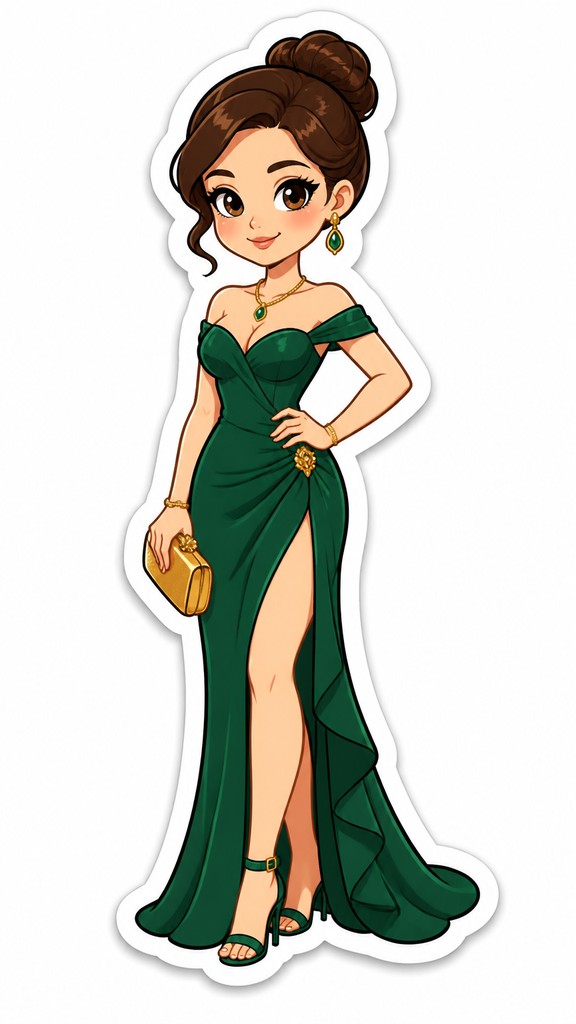
The Story
History & Origins of Character Sticker Design
Character sticker design does not belong to a single historical art movement; it is a contemporary synthesis of several visual traditions. Its roots lie in cartoon character design, commercial mascot illustration, and the long history of die-cut paper stickers and decals, where a bold outline and compact shape improved visibility and handling. It also draws heavily from Japanese kawaii culture and the expressive shorthand of comics and emoticon-like communication, where simple faces and exaggerated gestures carry meaning efficiently.
In digital culture, the style expanded through messaging apps, social platforms, and brand systems that rely on reusable character sets. Vector illustration tools made it easier to produce clean edges, consistent proportions, and scalable artwork, while online sticker packs encouraged series-based design: one character, many expressions. The result is an illustration form shaped less by fine-art lineage than by practical communication needs, merchandising, and the visual grammar of contemporary internet identity.
Influences: Character sticker design draws from cartoon illustration, mascot branding, comics, and kawaii visual culture. It shares the readability of simplified icon design and the expressive shorthand of editorial cartoons, while its sticker border and self-contained composition come from die-cut decals and collectible sticker sheets. In spirit, it is closer to modern character branding than to a fine-art movement, though it inherits from the clean line emphasis of animation design and the flat graphic logic of vector art.
Frequently Asked Questions
What defines character sticker design?
It is defined by a clearly named or implied character presented as a sticker-like image with a thick white border, simplified rounded shapes, and strong facial expression. The design is meant to be instantly readable at small size and to work as part of a repeatable character set.
How is it different from general cartoon illustration?
Cartoon illustration can include scenes, backgrounds, and a wide range of styles, while character sticker design is more compact and utility-driven. The sticker format prioritizes a clean silhouette, bordered cutout look, and quick emotional readability over narrative depth or environmental detail.
What kinds of subjects work best in this style?
Mascots, original characters, cute animals, fantasy creatures, and simplified personified objects work especially well. The style depends on a strong personality and a shape that can be recognized quickly, even when very small.
Can this style be used for branding?
Yes. It is often used for brand mascots, social media assets, packaging accents, chat stickers, and community identity systems because it can communicate tone in a friendly and flexible way. A set of expressions also helps a brand feel more personable and memorable.
How do I make it look like a real sticker?
Use a thick white border around the full outer contour and keep the figure isolated from the background. The silhouette should feel as if it could be peeled off a sheet, which means compact composition, minimal clutter, and strong edge definition.
What should I avoid when making this style?
Avoid thin outlines, heavy realism, complex backgrounds, and subtle tonal rendering that reduces clarity. Too much detail can make the character feel less like a sticker and more like a general illustration.
Create your first Character Sticker Design artwork
Describe anything — or upload a photo — and see it in Character Sticker Design in seconds.
Make Something with Character Sticker Design
Compare Character Sticker Design
Related Styles
Discover similar art styles