Japanese Raku Ceramic Art Style
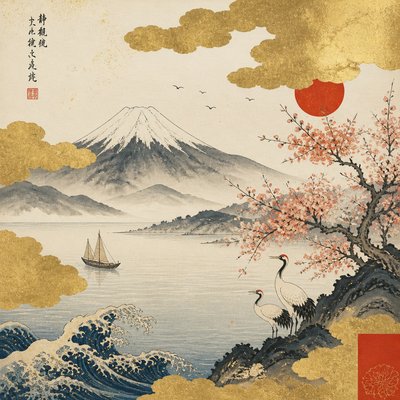
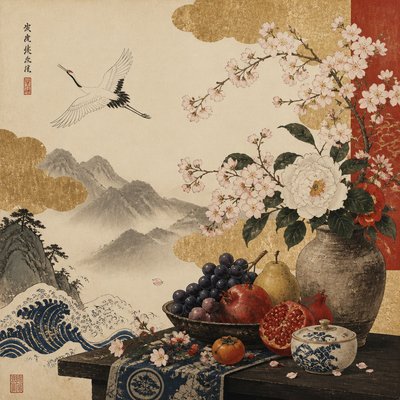
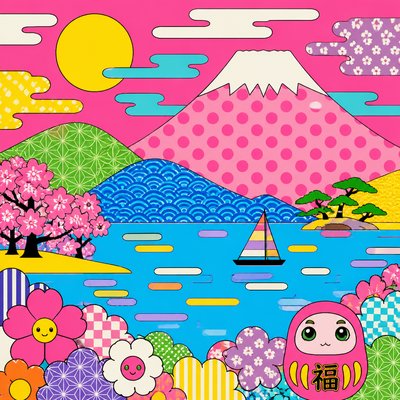
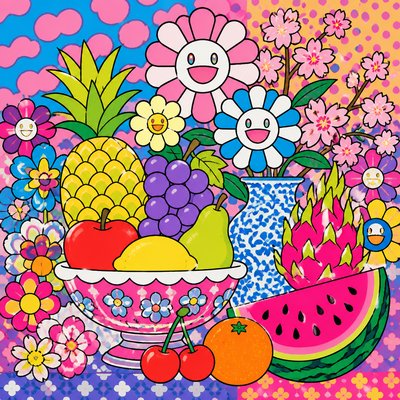
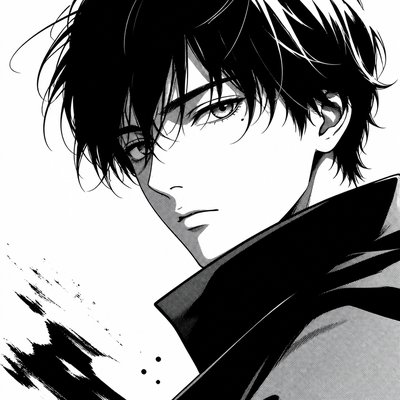
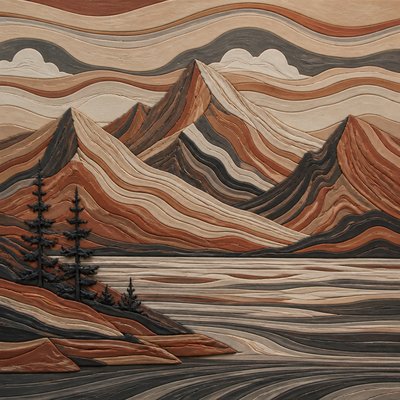
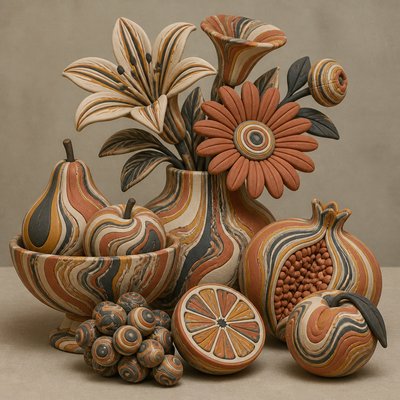
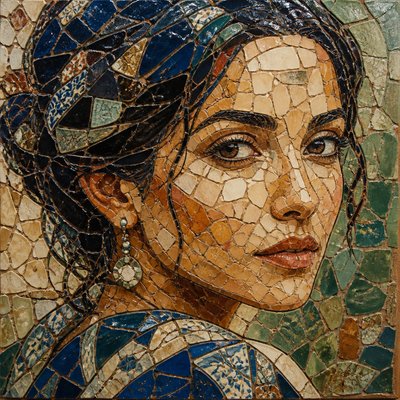
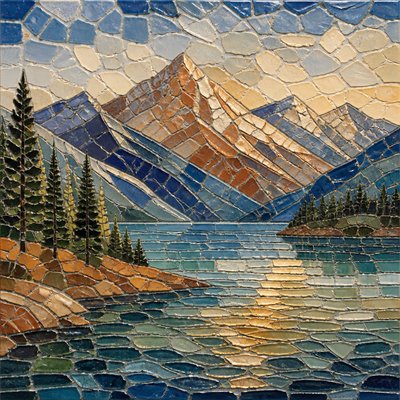
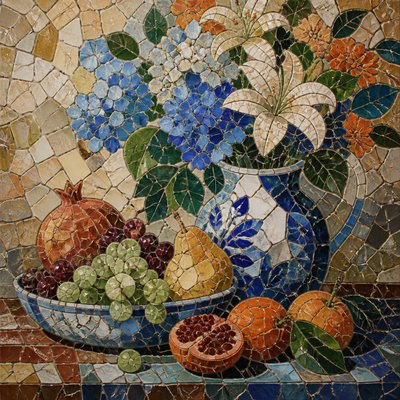
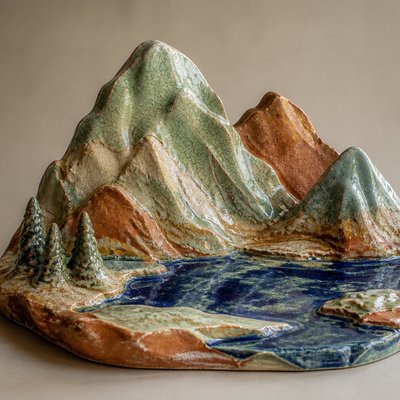
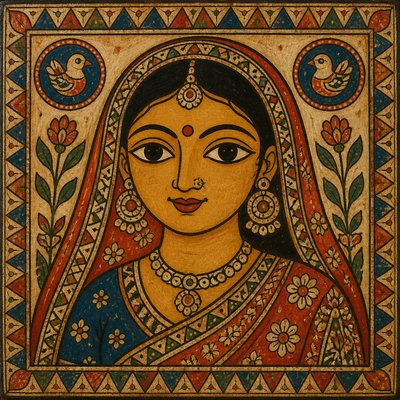
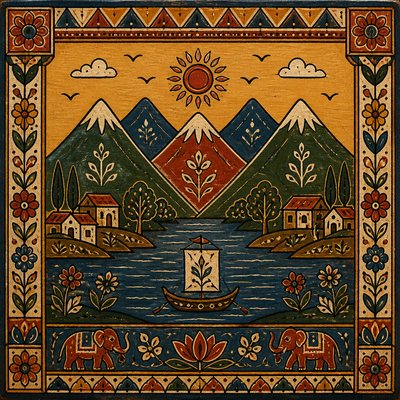
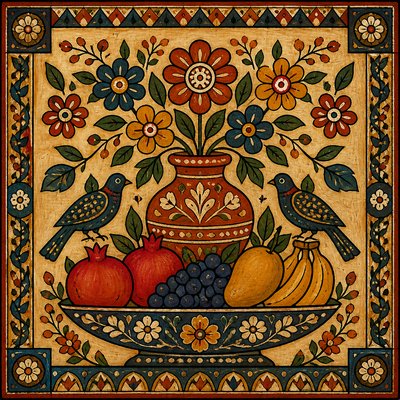
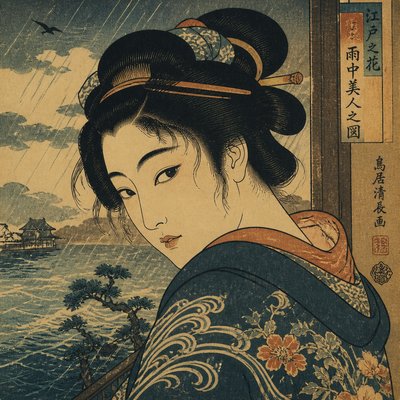
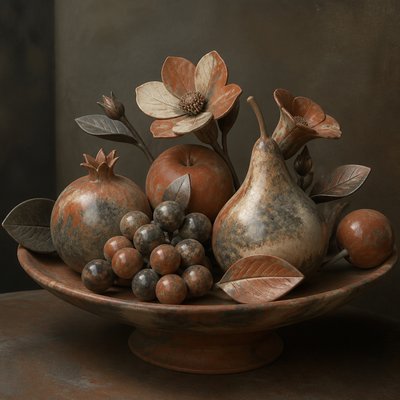
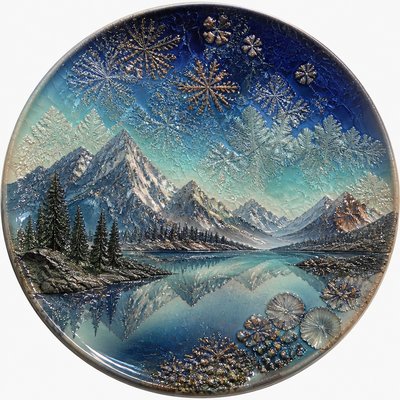
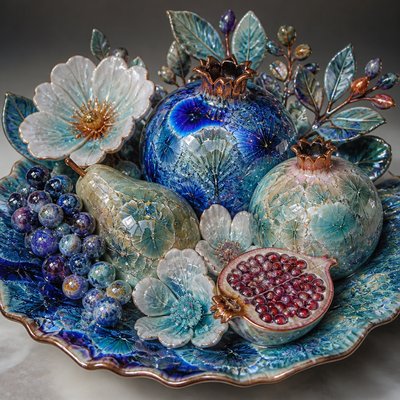
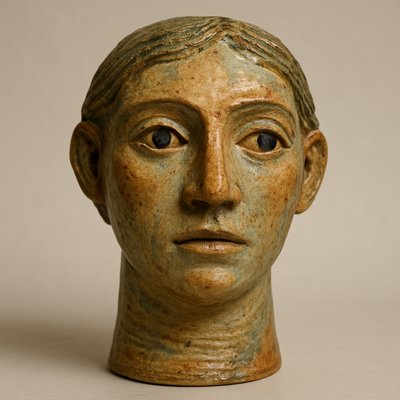
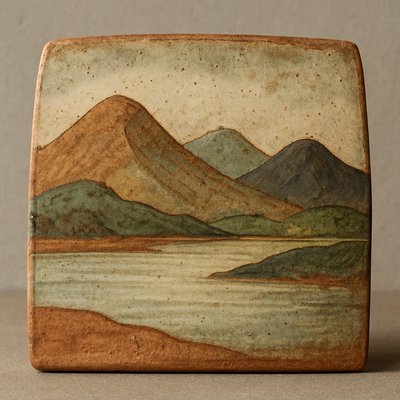
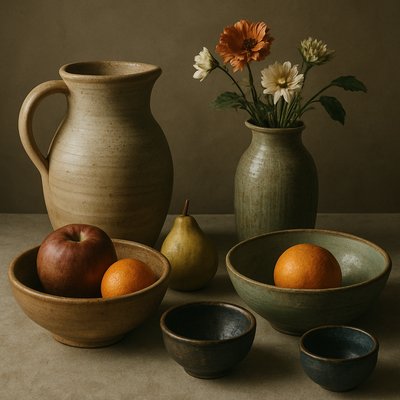
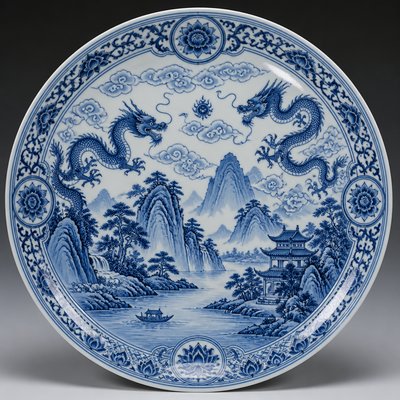
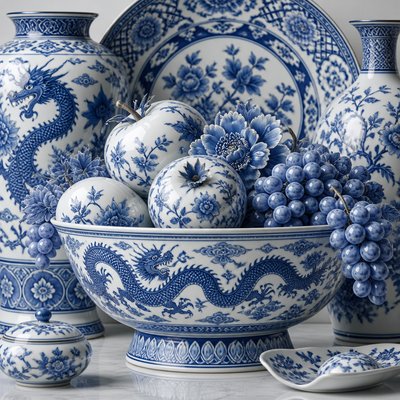
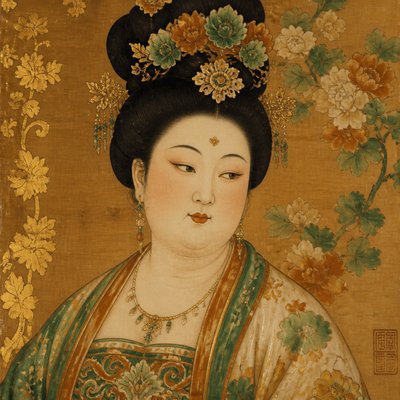
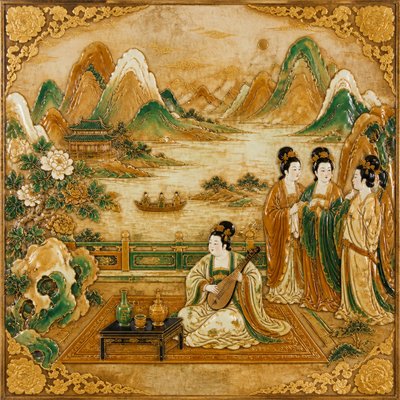
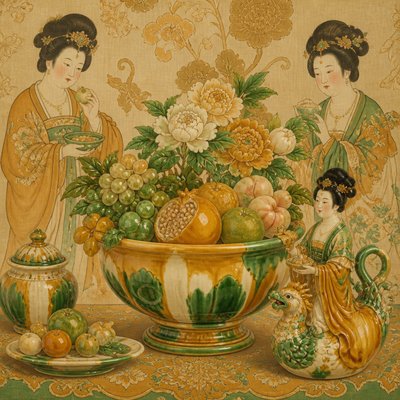
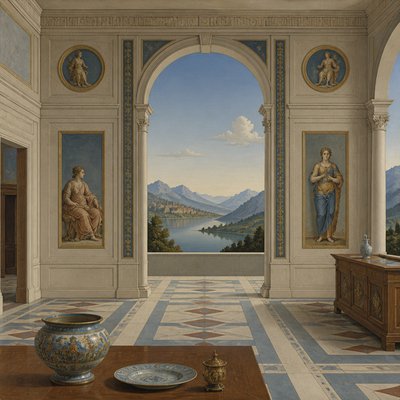
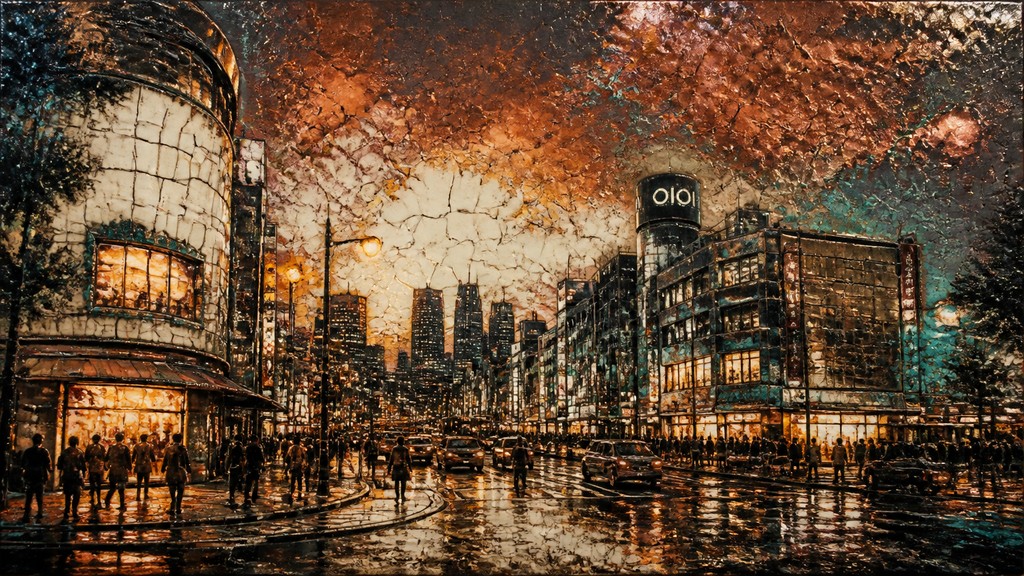
Japanese Raku ceramic art: crackled glazes, smoky black surfaces, metallic luster, and wabi-sabi imperfection shaped by rapid firing.
Instantly rendered in Japanese Raku Ceramic — or transform a photo

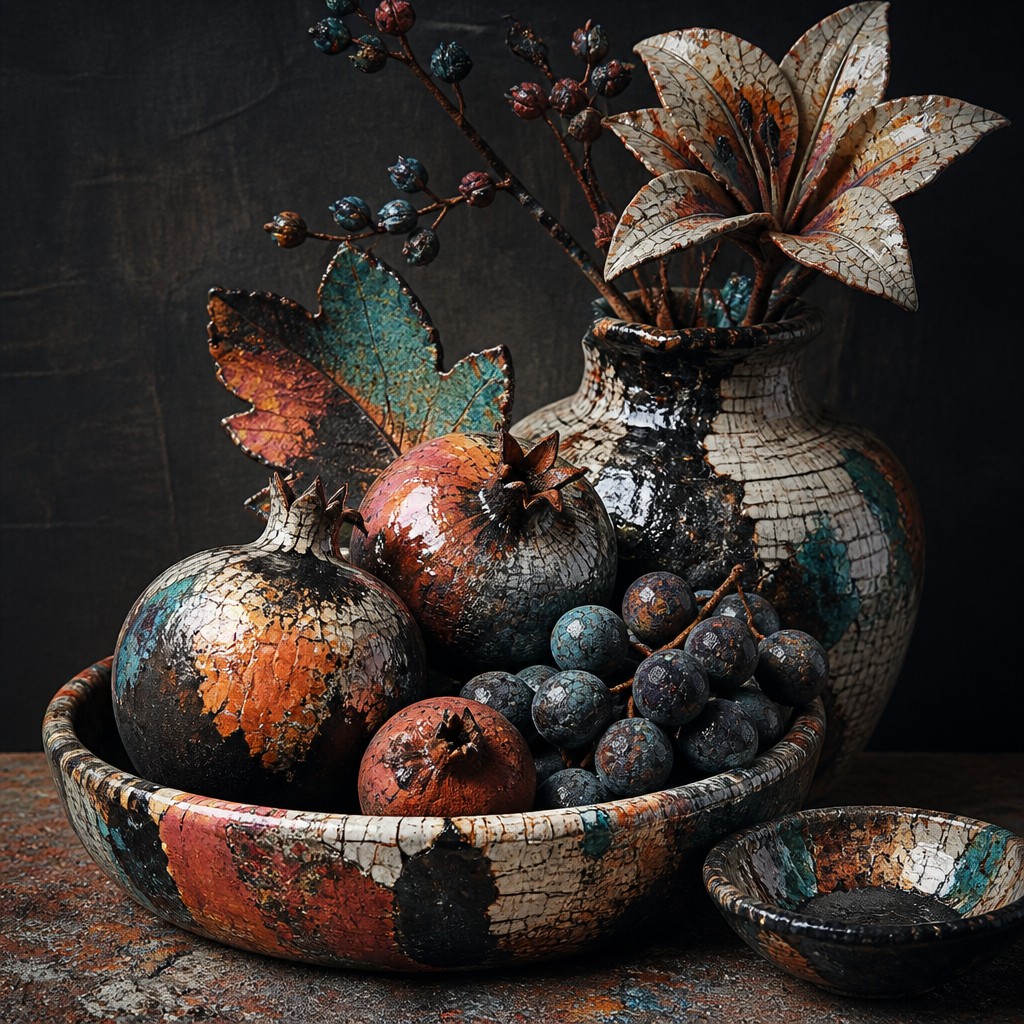
Japanese Raku Ceramic Gallery
Tap any artwork to explore it
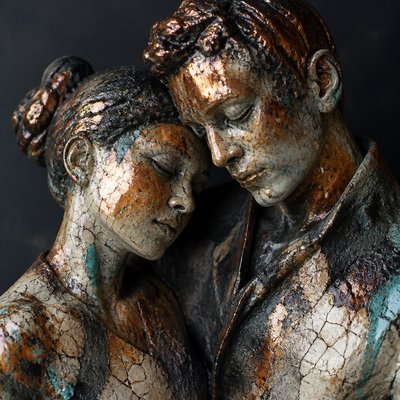
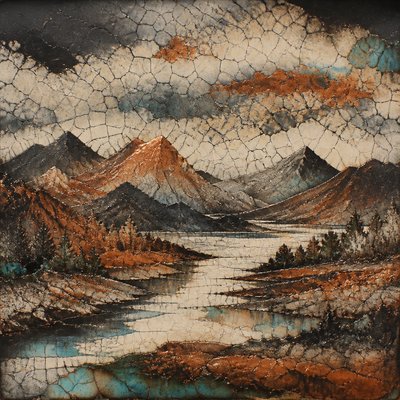
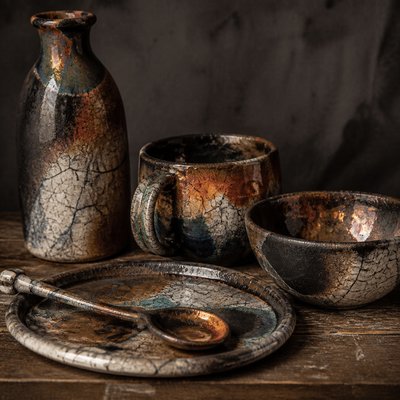
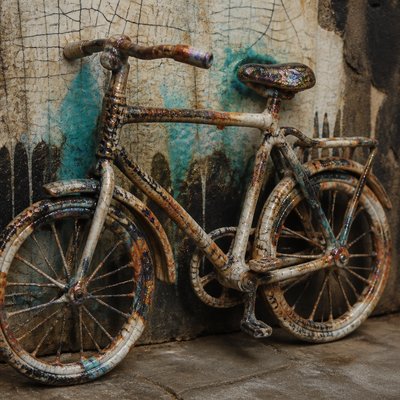
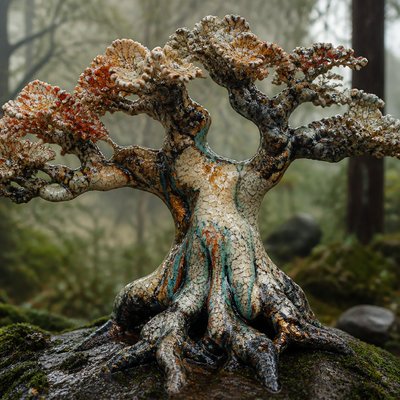
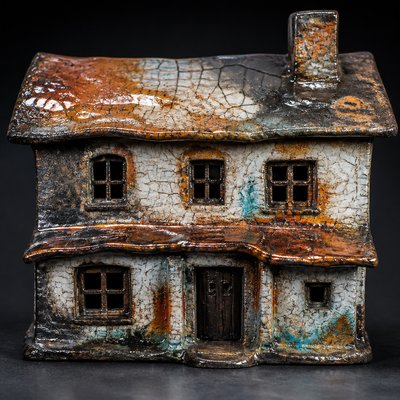
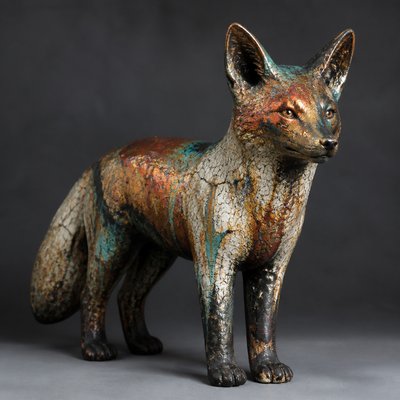
What is Japanese Raku Ceramic Art Style?
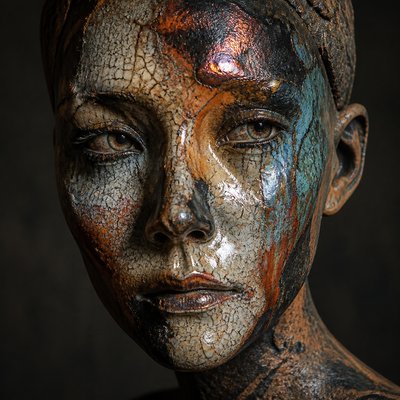
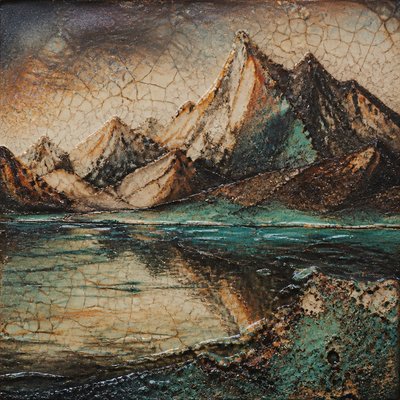
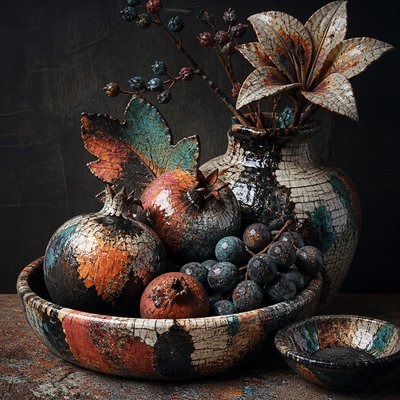
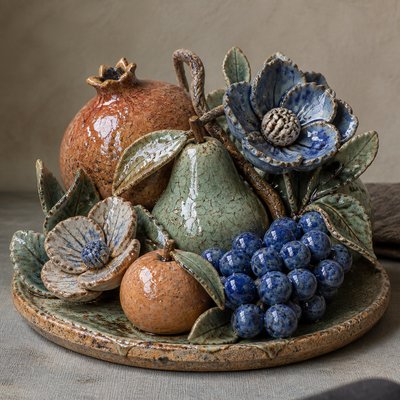
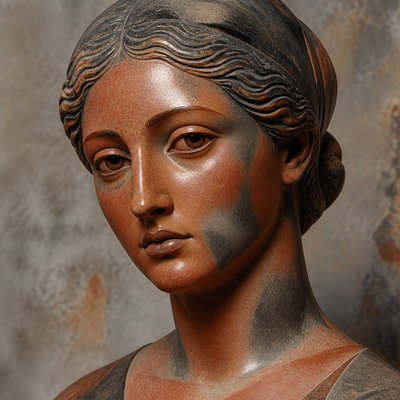
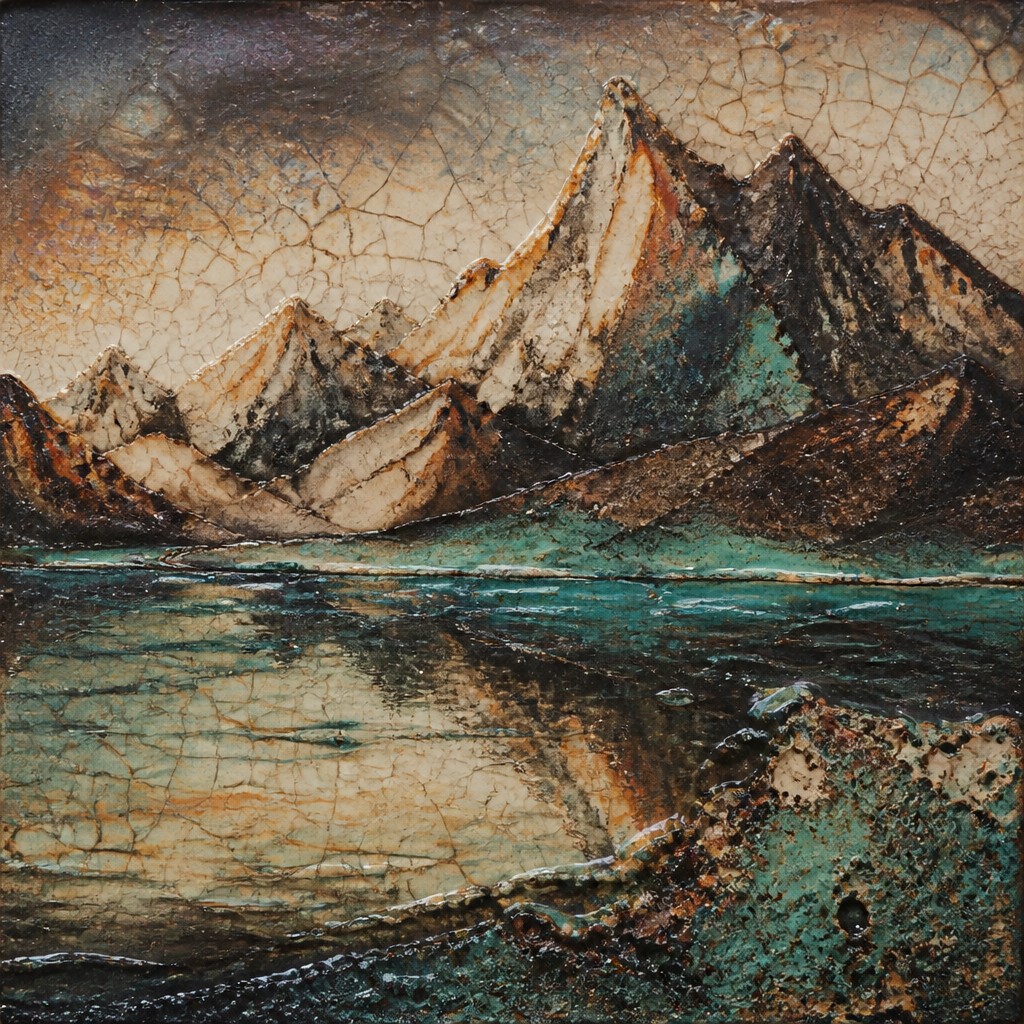
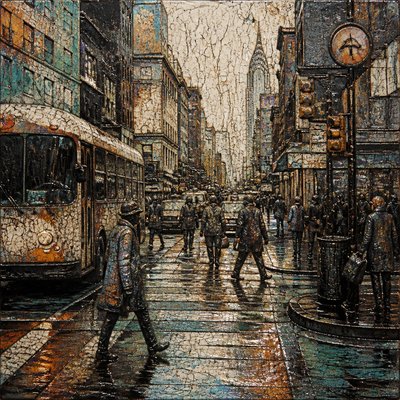
Japanese Raku ceramic art is a pottery tradition and visual aesthetic defined by immediacy, irregularity, and the visible traces of fire. Its surfaces often combine crackled glazes, glossy pooled passages, matte carbon-black areas, and spontaneous color shifts that make each object feel singular rather than mechanically perfected.
What gives Raku its distinctive look is the interaction between clay, glaze, heat, oxygen, and cooling. Vessels are typically removed from the kiln while hot, then exposed to open air, combustible materials, or rapid cooling conditions, creating smoked surfaces, metallic lusters, and unpredictable fractures in the glaze. The result is an aesthetic rooted in wabi-sabi: asymmetry, transience, and the beauty of chance.
Try It On Your Photos
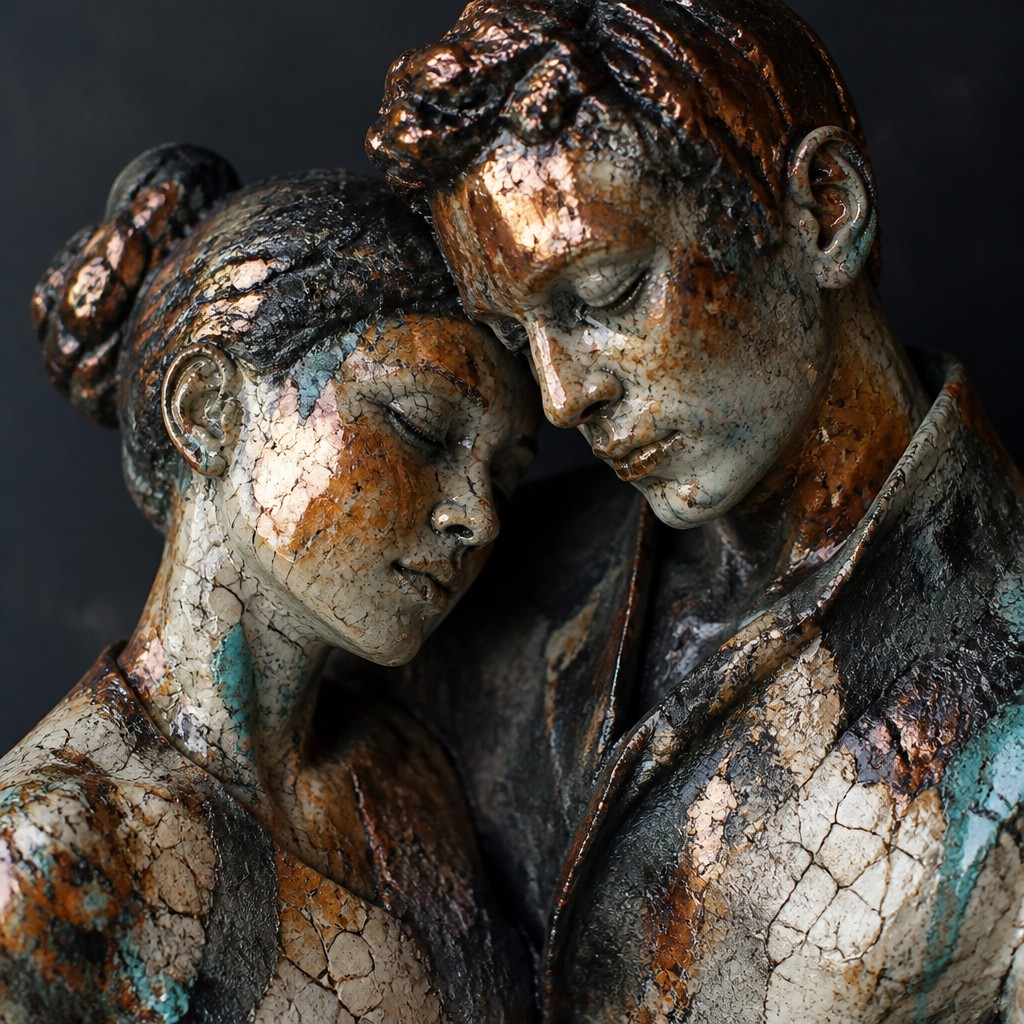
Upload any photo and convert it into Japanese Raku Ceramic Art Style — drag the sliders to compare before and after.



What Defines Japanese Raku Ceramic Art Style
The signature details, up close
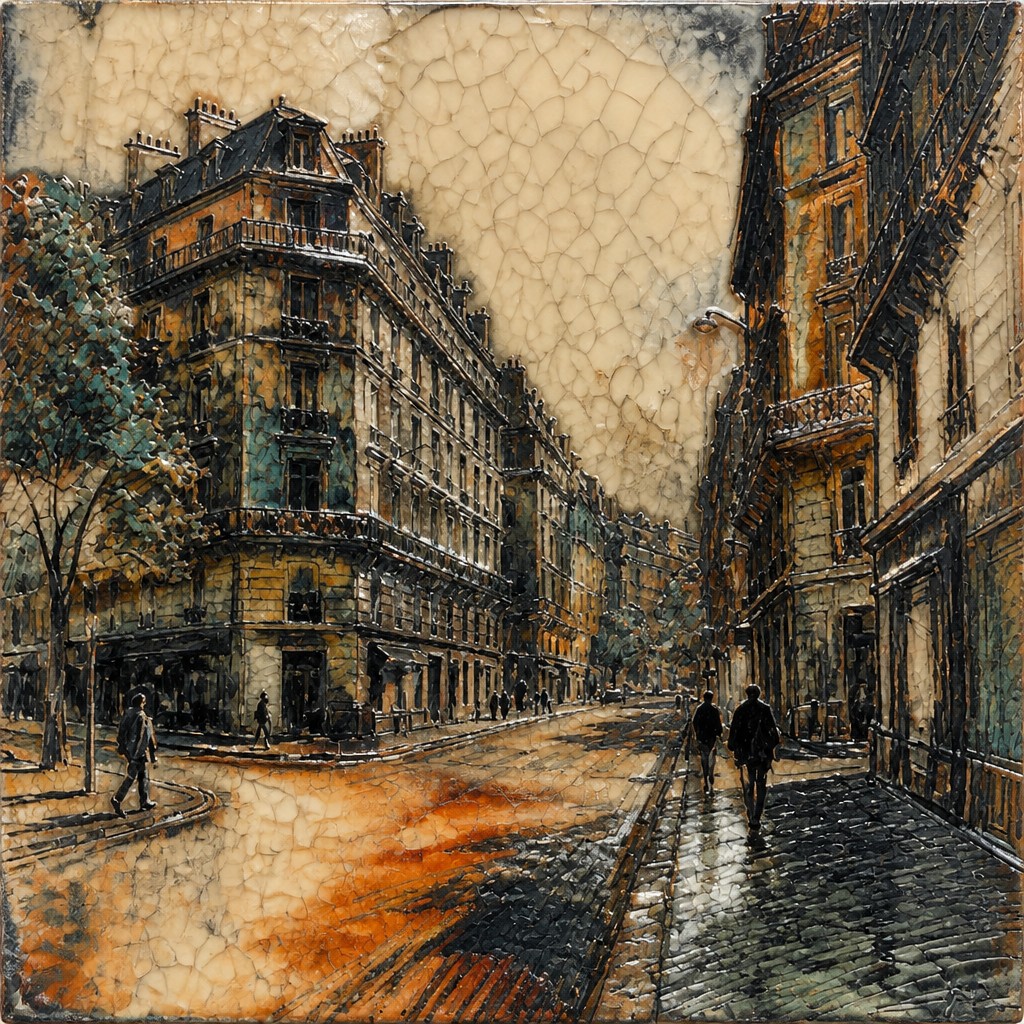
Crackled glaze webs
A hallmark of the style is a network of fine cracks across the glaze surface, formed by the rapid cooling and the tension between glaze and clay. These crackle patterns read like organic maps or frost lines and make every piece visibly unique.
Smoked and carbon-blackened areas
Uncoated or low-oxygen zones often darken to deep black or charcoal when exposed to smoke during cooling. This contrast between burnt, matte passages and glossy glaze heightens the sense of fire acting directly on the object.
Metallic lusters and iridescence
Raku surfaces frequently display flashes of copper, bronze, or oil-slick sheen where glaze chemistry and reduction conditions produce metallic effects. These highlights can shift dramatically with the angle of light.
Unpredictable color drift
Colors often move from ivory and cream into rust, amber, turquoise, or soot-black with soft boundaries rather than clean gradients. The style depends on atmospheric accident, so exact outcomes cannot be fully controlled.
Frozen drips and pooled glaze
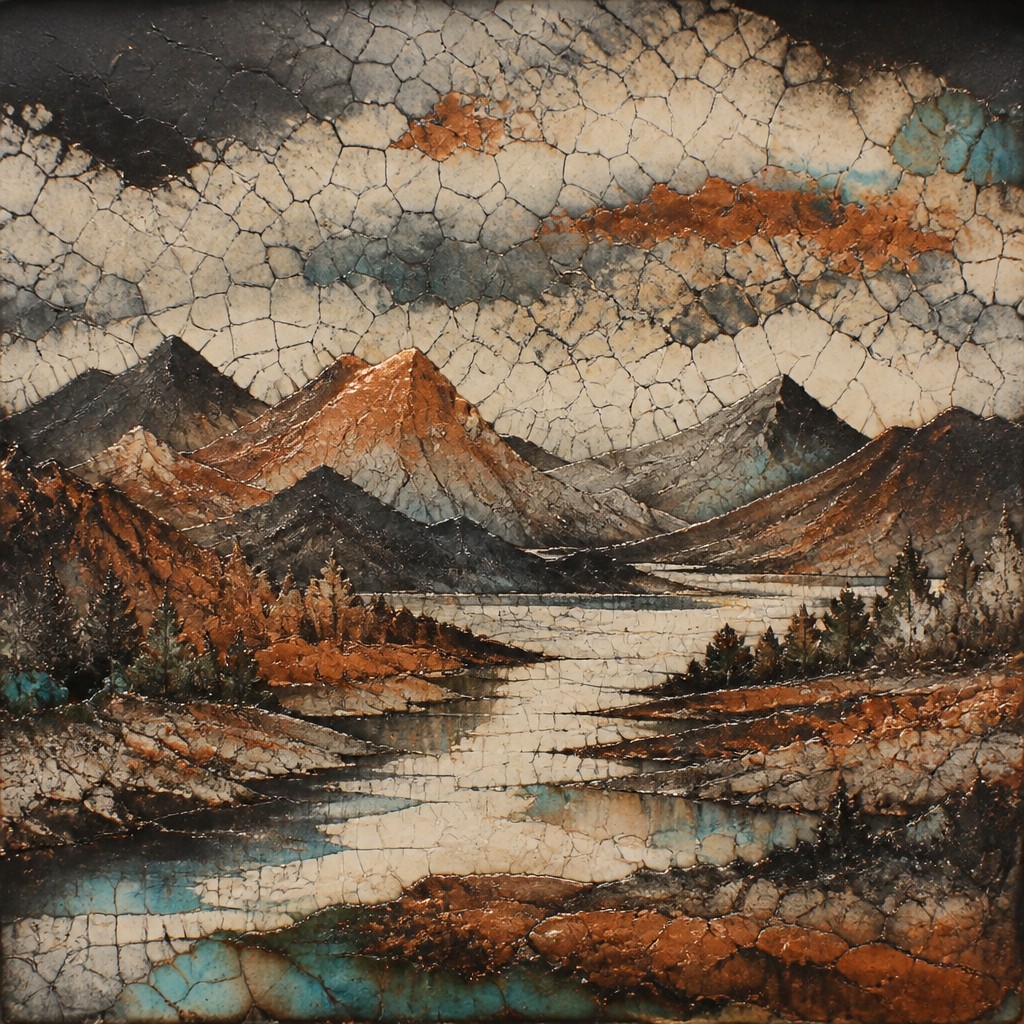
Glaze may collect in thick pools, drip down edges, or harden in streaks that record gravity and movement. Instead of hiding these events, Raku emphasizes them as part of the work’s visual truth.
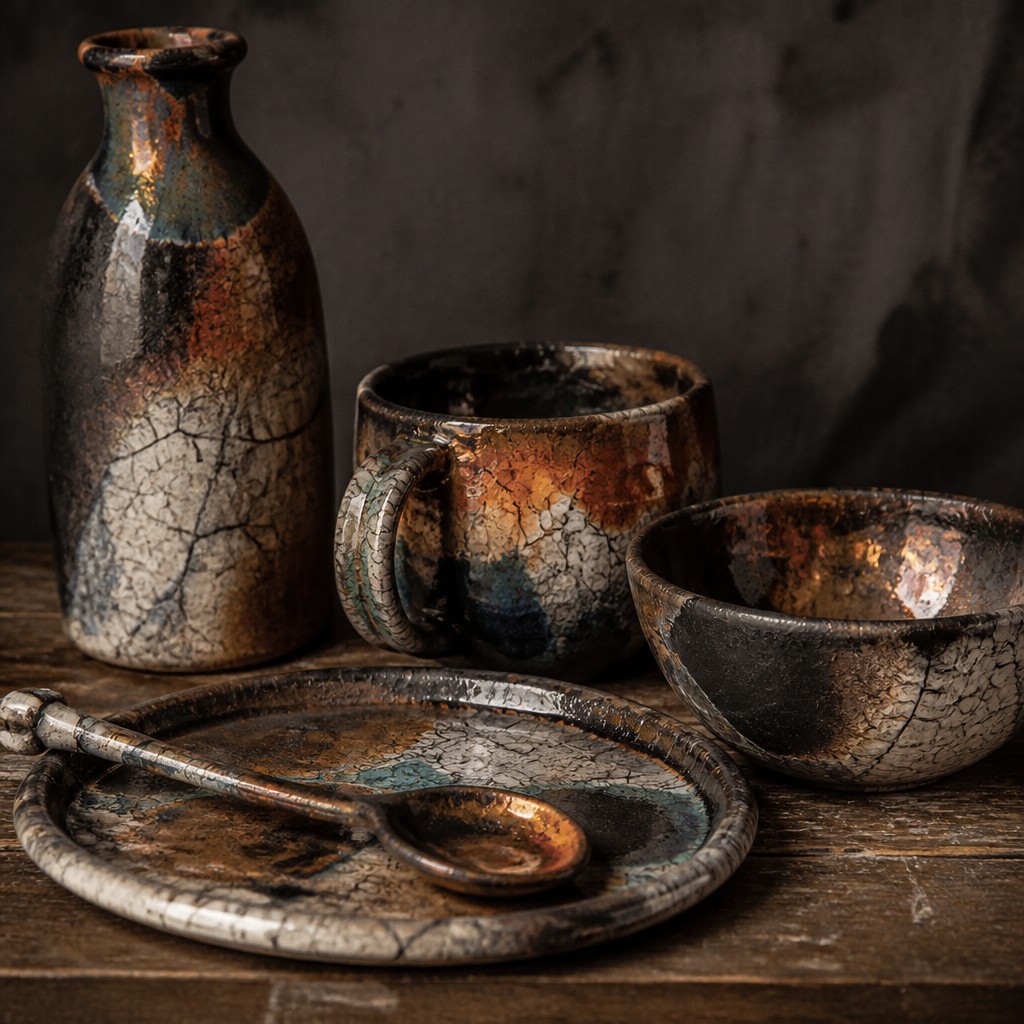
Raw clay and tactile texture
The underlying clay body often remains visible through thin glaze or in unglazed areas, reinforcing the handmade character of the object. This physicality gives Raku a warm, earthy presence even when the surface is luminous.
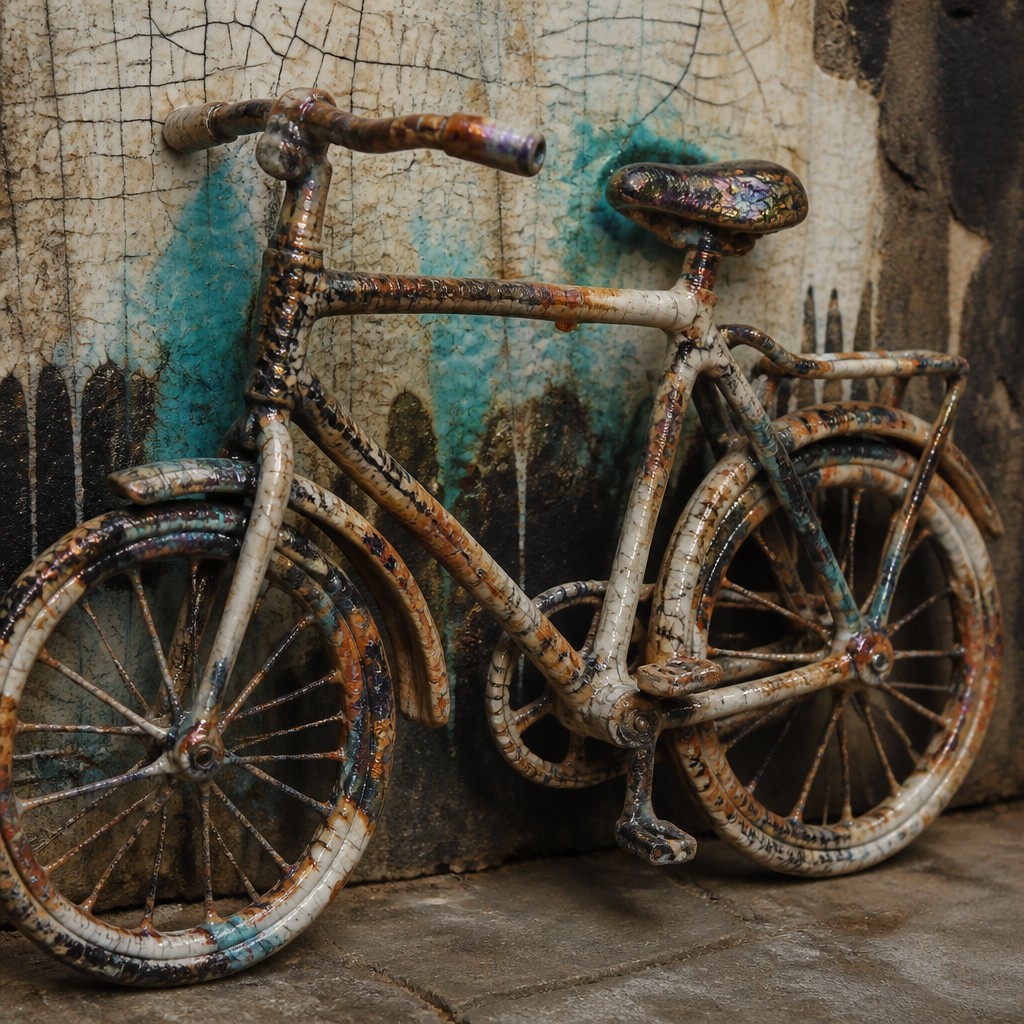
Asymmetry and wabi-sabi balance
Forms tend to feel hand-shaped, slightly uneven, and intentionally non-mechanical. The composition favors tension and liveliness over symmetry, reflecting a beauty that welcomes imperfection.
Try It
Create Videos in Japanese Raku Ceramic Art Style
Styles aren't just for stills — describe a scene or animate an image and get a short video rendered in Japanese Raku Ceramic. Press play to see this pond come to life.
Make a VideoJapanese Raku Ceramic Prompt Ideas
Start from an idea — each one opens the generator with the style ready to go. See all 40 Japanese Raku Ceramic prompts →
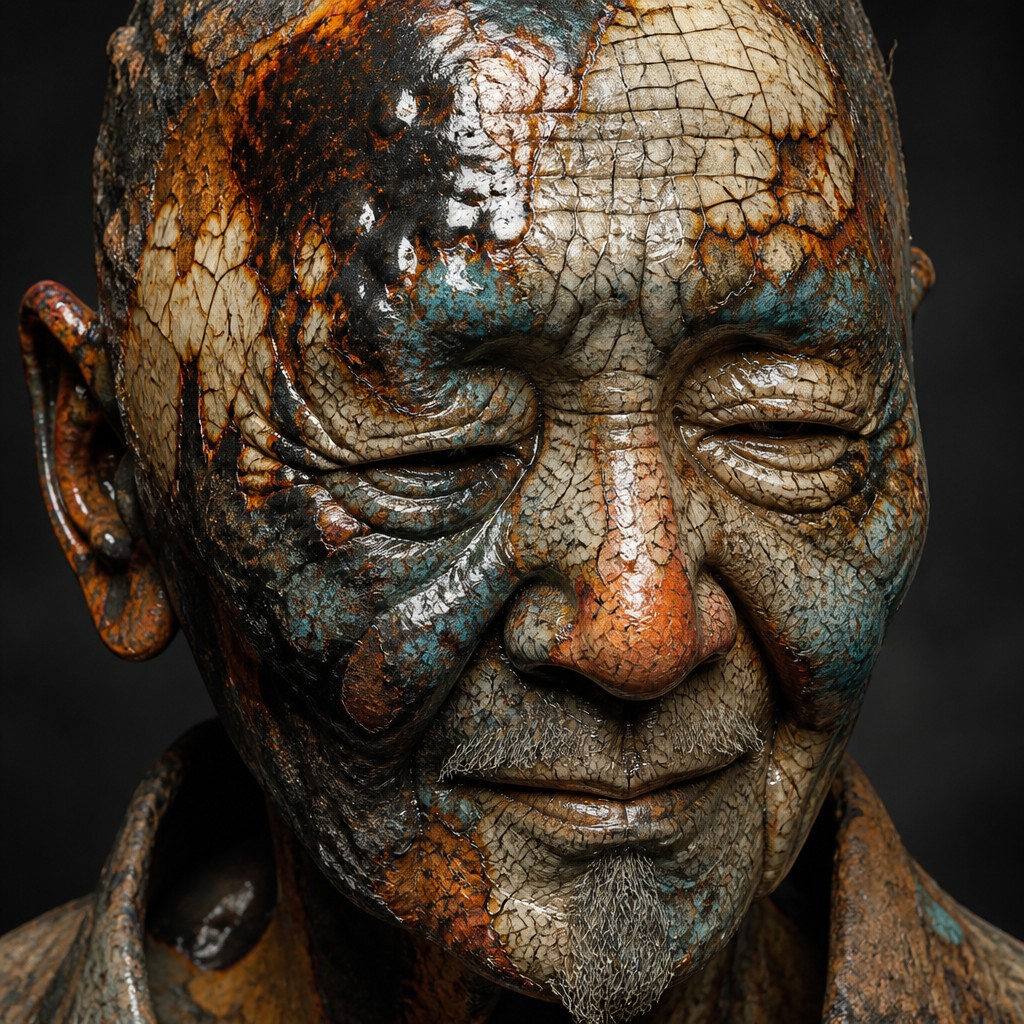
“close-up portrait of an elderly person with expressive weathered features”
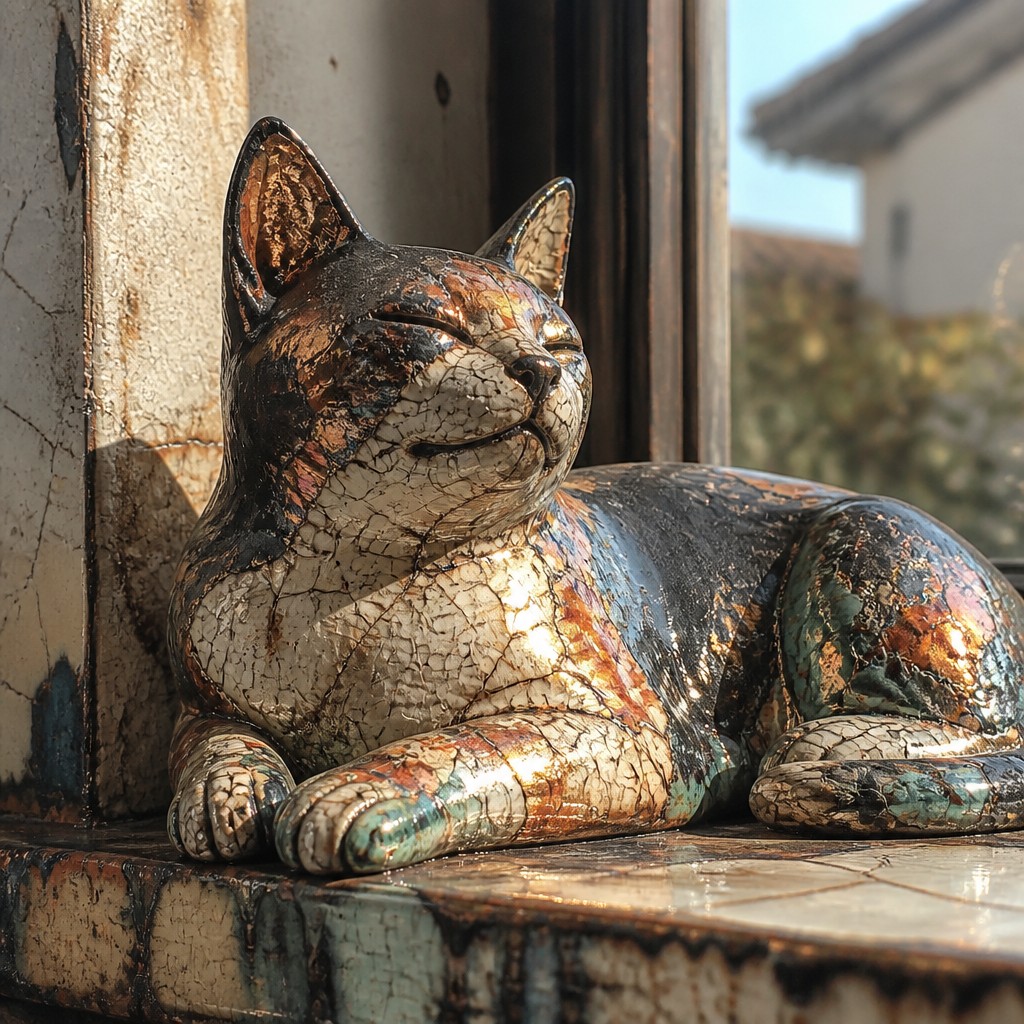
“a cat lounging in a sunlit window”
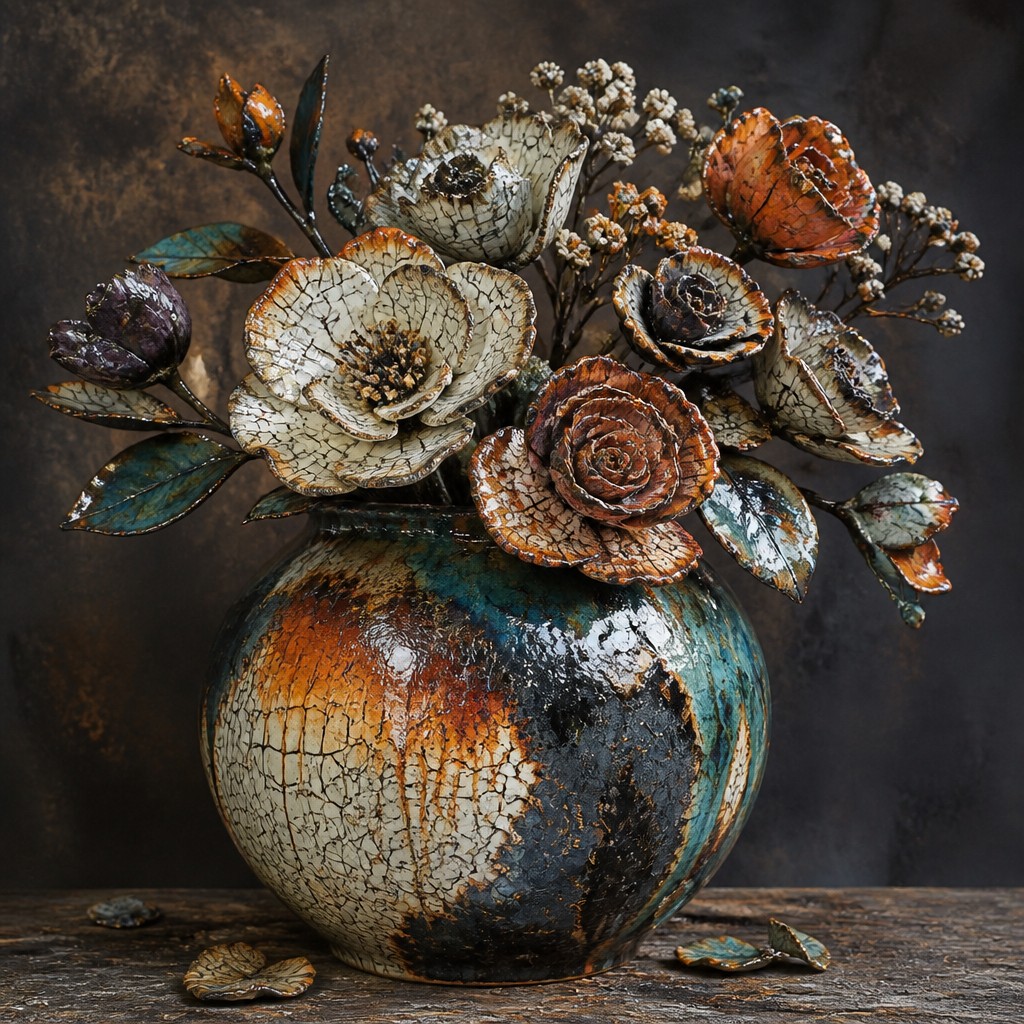
“bouquet of flowers in a glass vase”
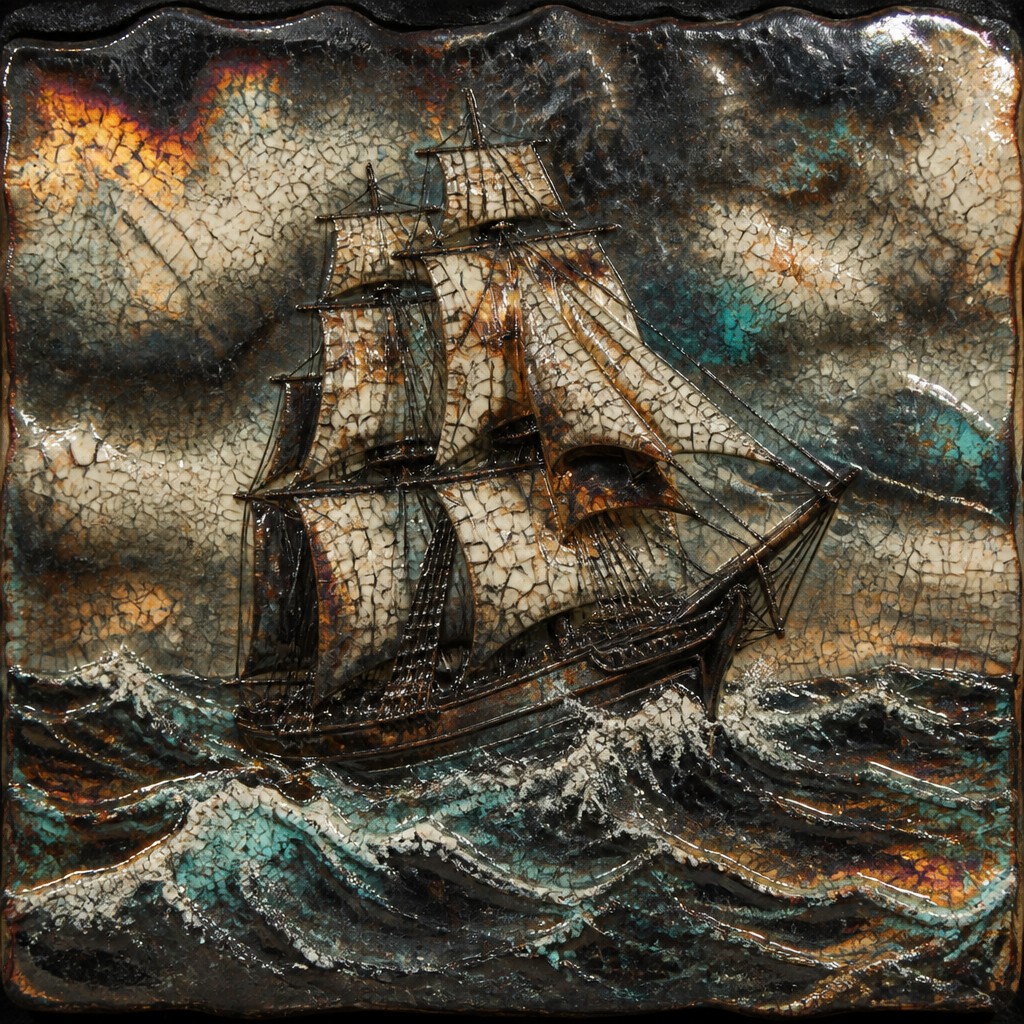
“sailing ship on a stormy sea”
How to Create Japanese Raku Ceramic Art
Master the craft step by step — or skip straight to creating. Read the full guide →
- 1
Shape for irregularity
When working traditionally, hand-build or loosely wheel-throw forms that can tolerate visible asymmetry and surface variation. In digital image-making, prompt for uneven contours, tactile clay geometry, and hand-formed proportions rather than polished symmetry.
- 2
Use crackle-friendly glaze logic
Real Raku effects come from glaze and clay bodies that respond well to thermal shock, so choose materials and firing approaches known for crackling and smoke marking. For digital rendering, specify fine glaze cracks, pooled gloss, and micro-fractures that follow the object's curves.
- 3
Emphasize fire, smoke, and reduction
Traditional Raku depends on removing hot ware from the kiln and introducing smoke or rapid cooling to create carbon-darkened zones and atmospheric marks. In prompts, include phrases such as smoked surface, reduction firing, open-flame cooling, and soot-stained edges to guide the look.
- 4
Layer contrast carefully
Balance luminous glaze passages with matte, burned, or raw areas so the object reads as both refined and elemental. A strong Raku image usually relies on contrast: bright against dark, glossy against dry, and controlled shape against accidental surface events.
- 5
Preserve the handmade trace
Avoid smoothing away tool marks, slight wobble, or glazing inconsistencies; they are central to the style’s character. If generating digitally, ask for tactile ceramic texture, visible throwing marks, and authentic kiln irregularity rather than sterile perfection.
- 6
Specify a believable material story
For text-to-image prompts, describe the object as a raku-fired ceramic piece with crackled glaze, metallic luster, smoke, and raw clay showing through. For image-to-image, preserve the original subject’s silhouette but translate its surfaces into ceramic skin, glaze runs, and fired-earth coloration.
The Story
History & Origins of Japanese Raku Ceramic
Raku ware originated in Japan in the late 16th century, closely associated with the tea ceremony culture of Kyoto. It is traditionally linked to the founding early Raku potter, who was patronized by the tea master who helped shape the austere tea ideal and produced hand-shaped tea bowls valued for their quiet form, tactile surfaces, and suitability for wabi-cha, the austere tea practice that prized restraint over display.
Over time, Raku became both a historical ceramic lineage and a broader aesthetic model for fire-driven surface effects. In later centuries, especially through modern studio ceramics in Japan and abroad, potters expanded Raku beyond tea bowls into sculptural and expressive forms. Contemporary use of the term often refers not only to the traditional Japanese lineage but also to related firing methods that emphasize rapid thermal shock, crackle, smoke, and atmospheric marks.
Influences: Japanese Raku draws directly from the tea ceremony ceramics of Momoyama-period Japan and from the wabi-sabi appreciation of restraint, transience, and irregular beauty. In broader visual terms, it relates to studio ceramics, pit-firing, and other atmospheric ceramic traditions that foreground flame, smoke, and material accident rather than uniform industrial finish. Its aesthetic ideals are often discussed alongside the tea bowls associated with the founding early Raku potter and the taste of the tea master who helped define wabi-cha, although later Raku practice expanded far beyond the original tea context.
Frequently Asked Questions
What defines Japanese Raku ceramic art?
It is defined by fast firing, rapid cooling, and surfaces shaped by chance: crackle, smoke, metallic luster, and uneven glaze movement. The overall effect is warm, tactile, and intentionally imperfect. The style is as much about process as appearance.
Is Raku the same as all crackled ceramics?
No. Crackle glaze can appear in many ceramic traditions, but Raku is distinguished by its specific firing method, smoky reduction effects, and strong association with Japanese tea culture. A crackled surface alone does not make a piece Raku.
Why do Raku pieces look blackened or smoky?
Hot pieces are often exposed to smoke and low-oxygen conditions during cooling, which deposits carbon on the surface. Unglazed or porous areas darken especially well, producing the characteristic carbon-black contrast. This is a direct record of fire interacting with the object.
What kinds of objects are commonly made in this style?
Traditionally, Raku is best known for tea bowls, but the aesthetic has also been applied to vases, sculptures, masks, and decorative vessels. Contemporary makers often use the style for expressive forms where surface variation is part of the meaning.
How is Raku different from glossy porcelain or factory ceramics?
Raku generally emphasizes hand-shaped form, visible material texture, and unpredictable surface effects rather than precision or uniform finish. Factory ceramics aim for consistency, while Raku celebrates variation, irregularity, and the marks of the firing process.
How can I make art in this style digitally or from a photo?
Use prompts that specify raku-fired surfaces, crackled glaze, smoke-blackened areas, metallic luster, and raw clay texture. If transforming a photo, keep the subject recognizable but translate it into a ceramic object with fired glaze behavior, asymmetric contours, and visible kiln marks.
Create your first Japanese Raku Ceramic artwork
Describe anything — or upload a photo — and see it in Japanese Raku Ceramic Art Style in seconds.
Make Something with Japanese Raku Ceramic
Compare Japanese Raku Ceramic
Related Styles
Discover similar art styles