Anime vs Chibi Anime: What's the Difference?
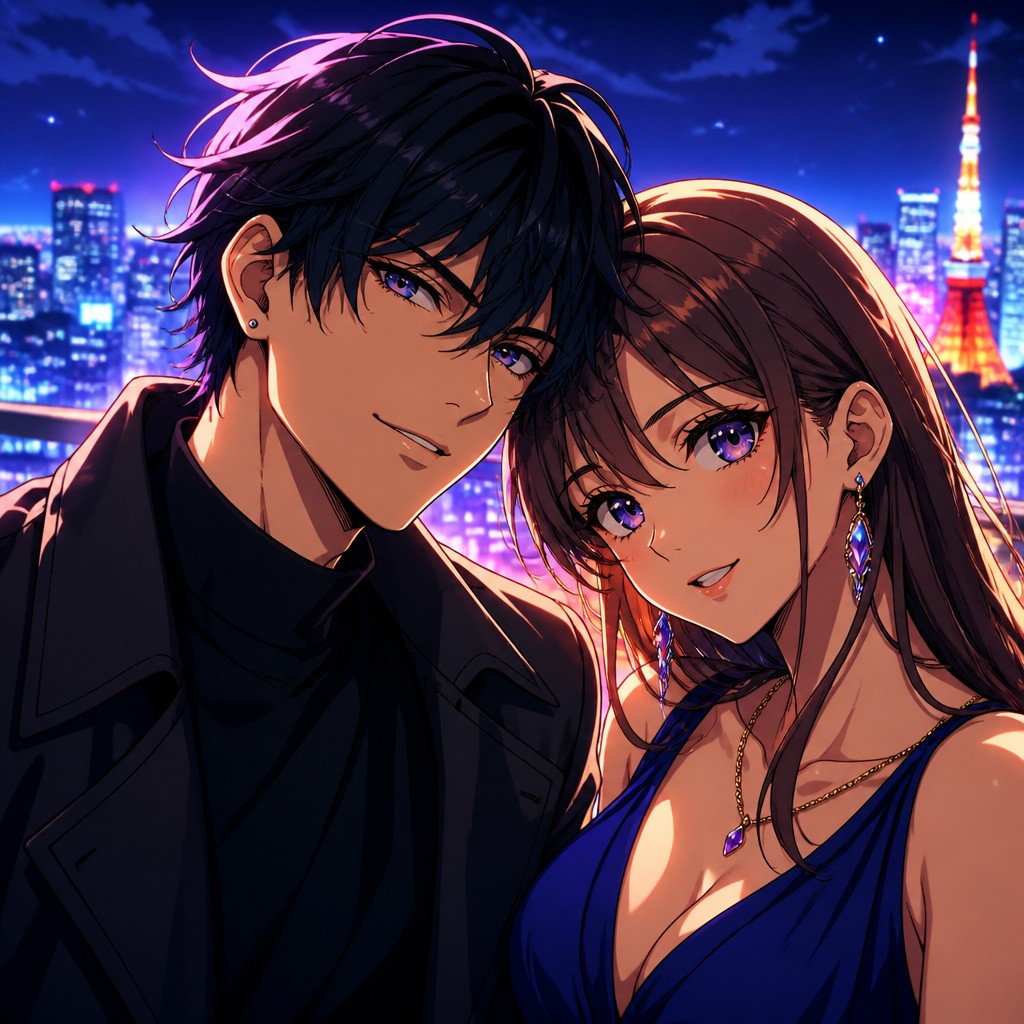
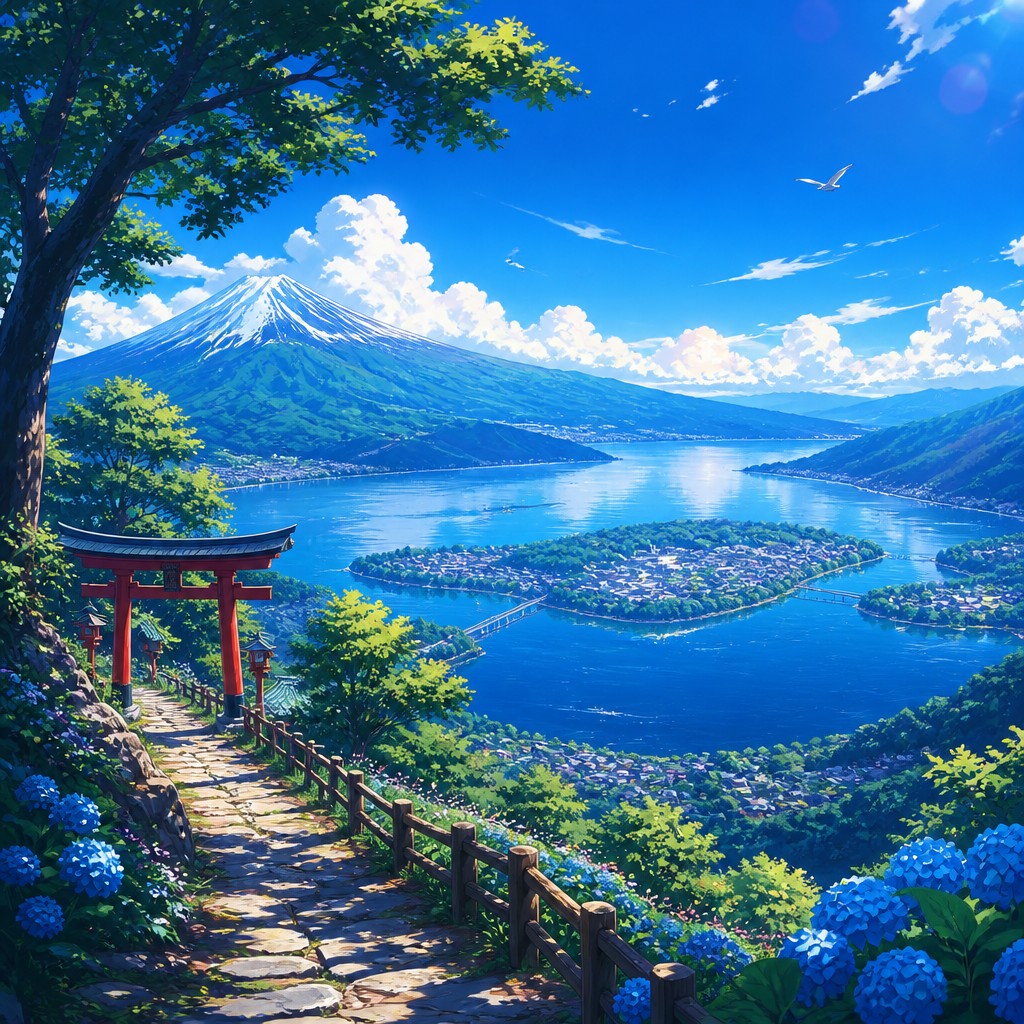
Anime art style is a broad Japanese animation-inspired visual language known for clean linework, cel shading, vivid color, stylized faces, and cinematic lighting. It often aims for clarity, emotional range, and strong scene composition, whether the subject is dramatic, realistic, or fantastical.
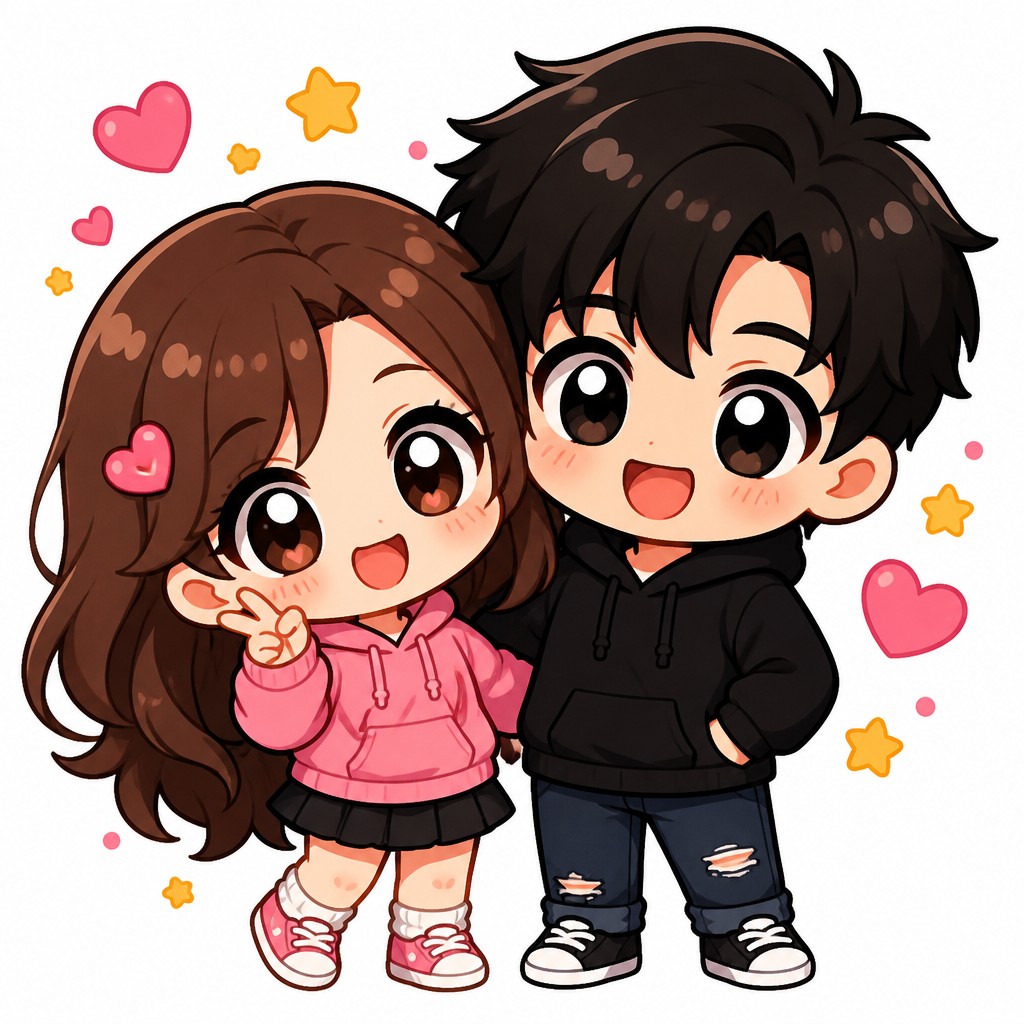
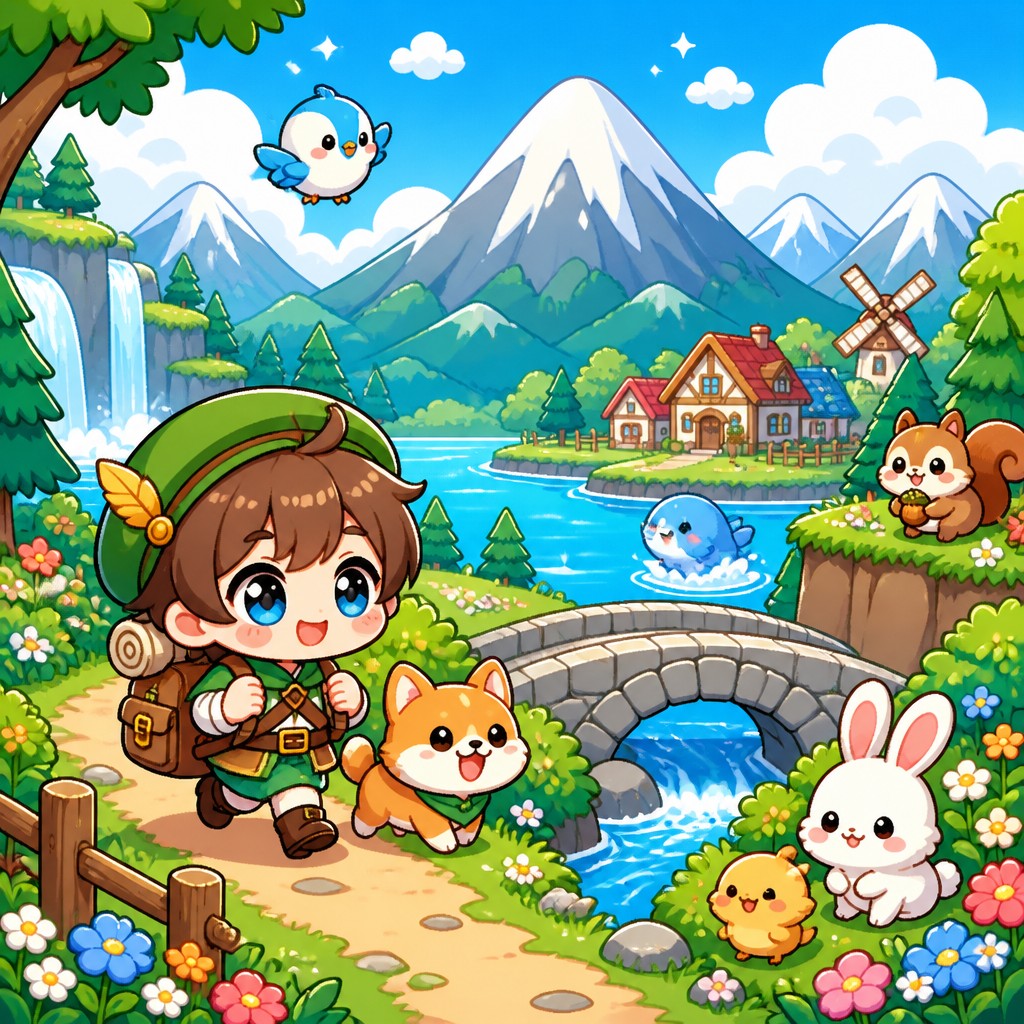
Chibi anime art style is a simplified, exaggerated offshoot that makes characters look super-deformed, with oversized heads, tiny bodies, bold outlines, and highly expressive features. People compare the two because they share anime roots, but they serve different purposes: one emphasizes story and atmosphere, while the other emphasizes cuteness, humor, and instant readability.
Same Prompt, Both Styles
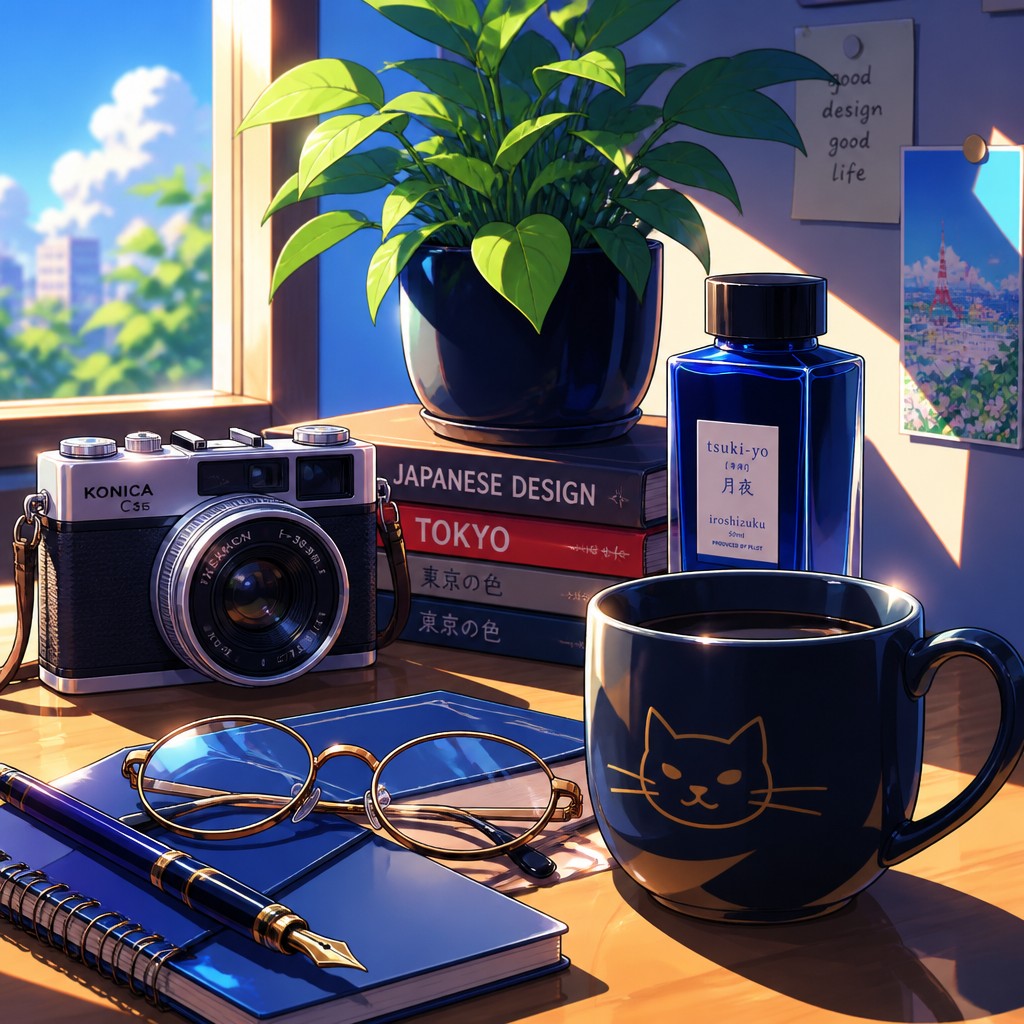
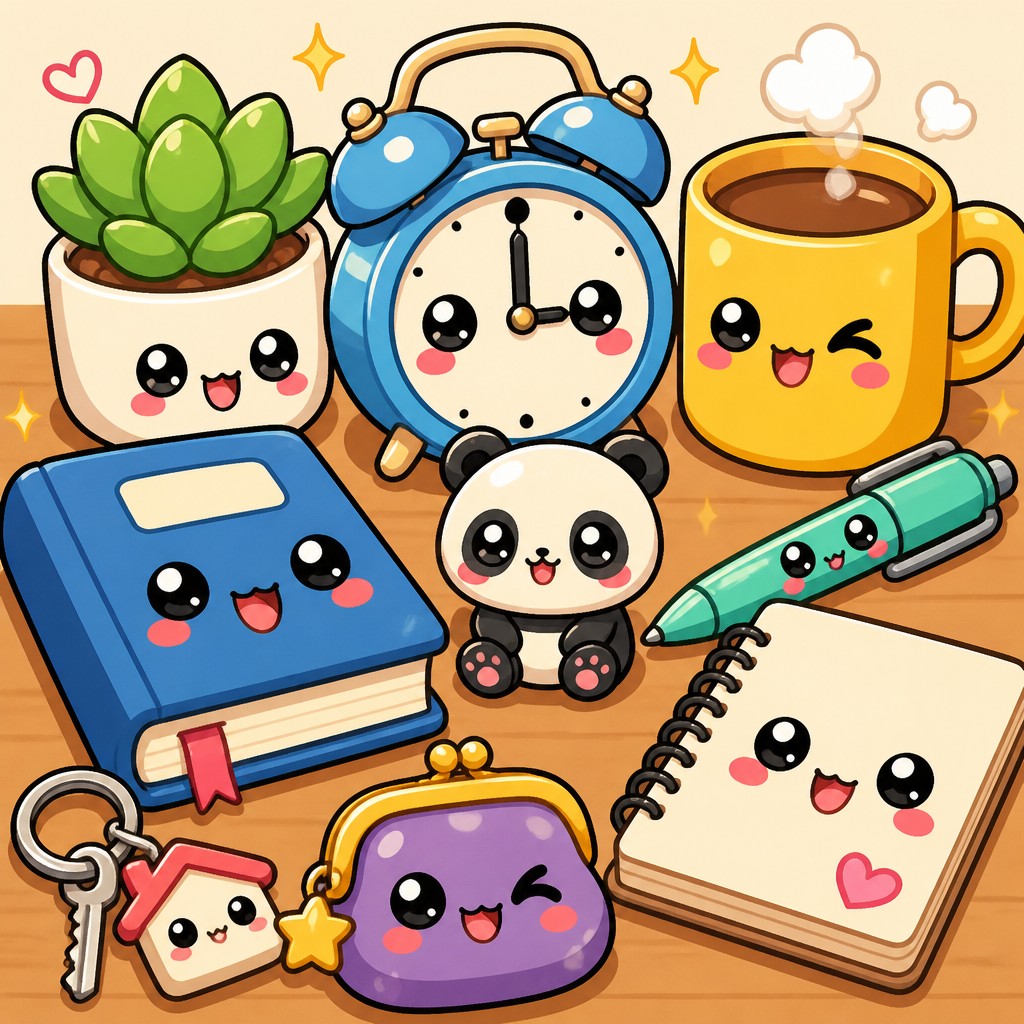
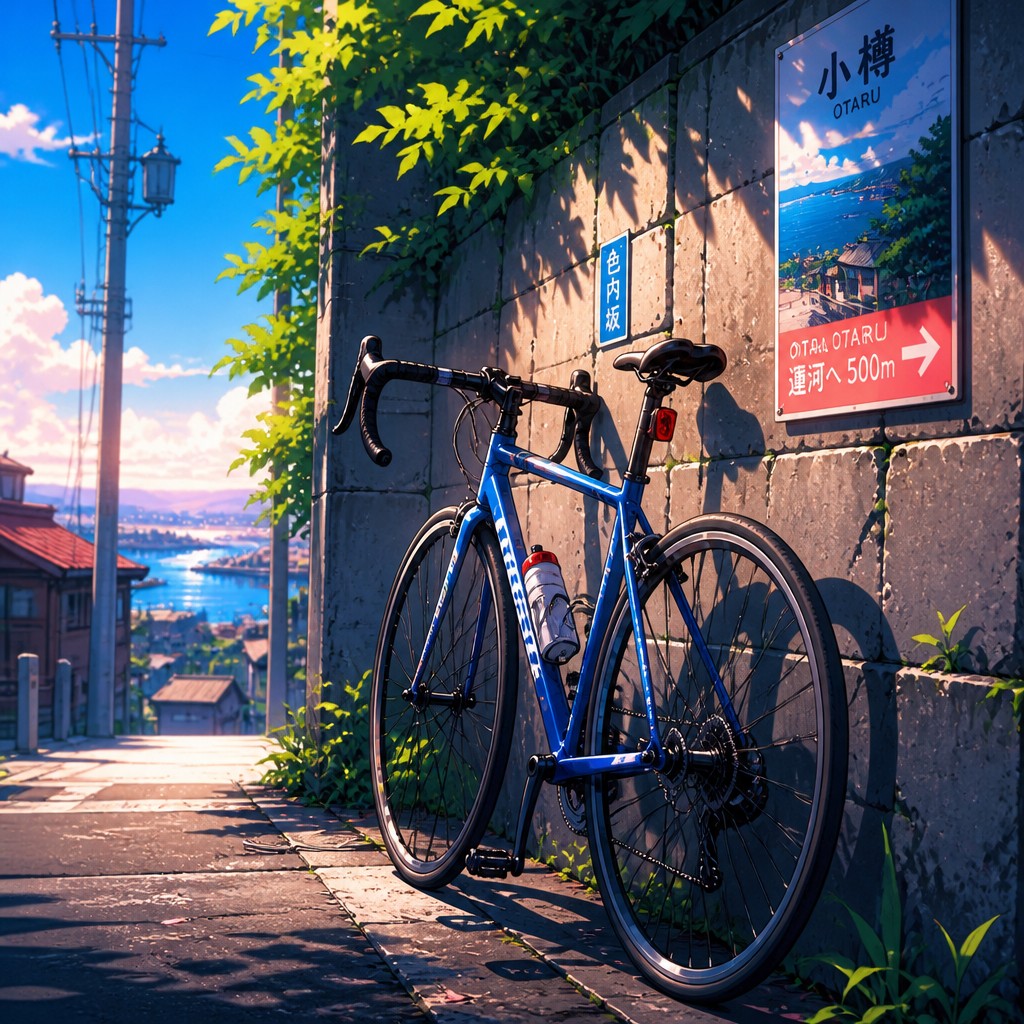
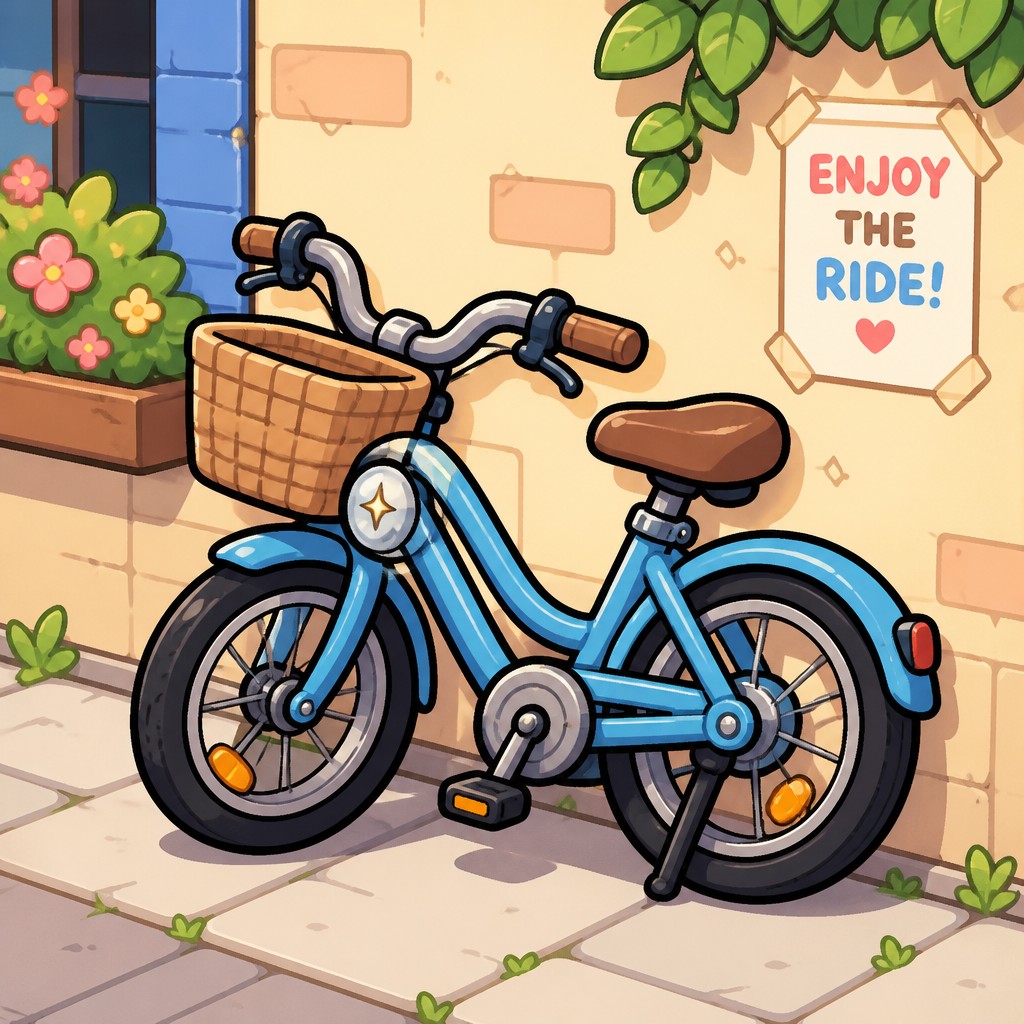
Each pair below was generated from the identical prompt — only the style changed.
“portrait of two people together”
“wide landscape with natural scenery”
“still life with everyday objects”
“bicyle resting against a wall”
Key Differences
| Anime | Chibi Anime | |
|---|---|---|
| Proportions | Near-human proportions with stylized facial features and body shapes. | Huge heads, tiny bodies, and exaggerated super-deformed anatomy. |
| Expression | Expressions can be subtle or dramatic, supporting serious storytelling. | Expressions are bold, simple, and intentionally cute or comedic. |
| Detail level | More detail in hair, clothing, lighting, and scene elements. | Simplified details for quick recognition and playful charm. |
| Line & shading | Clean linework with cel shading and polished lighting effects. | Bold outlines with flatter shading and minimal rendering. |
| Mood | Works well for action, romance, drama, fantasy, and cinematic scenes. | Best for cute, lighthearted, humorous, or collectible-style imagery. |
| Visual clarity | Can show complex scenes while keeping characters readable. | Prioritizes instant readability through simplified shapes. |
| Mood | expressive, vivid, playful, dramatic | cute, playful, whimsical, endearing |
| Energy | lively | lively |
| Detail level | detailed | minimal |
| Color | bright, saturated, high-contrast colors | bright, soft, cheerful pastels |
| Texture | smooth lines, crisp cel-shaded surfaces | clean, smooth, flat shading |
| Origin | Japan, late 20th-century animation | Japanese manga and anime merchandising |
| Best for | posters, anime fan art, games, comics, key art, merchandise | character stickers, cute mascots, fan art, social icons, children's books, merch designs |
| Difficulty | moderate | beginner-friendly |
Which Should You Choose?
Choose anime art style if you want flexible storytelling, stronger atmosphere, and a look that can handle detailed scenes, dynamic action, or emotional drama. Choose chibi anime art style if you want maximum cuteness, comedic emphasis, or a simplified design that is easy to recognize at small sizes. In general, use A for immersive visuals and B for playful character-focused designs.
Frequently Asked Questions
Is chibi a type of anime art style?
Yes. Chibi is a stylized variation within anime-inspired art, not a separate tradition. It uses exaggerated proportions to create a cute, simplified look.
Which style is better for serious stories?
The standard anime style is usually better for serious stories because it supports nuanced expressions, cinematic lighting, and more detailed composition. Chibi can still be used in serious works for humor or side moments.
Which style is easier to draw?
Chibi is usually easier because it simplifies anatomy, detail, and shading. Standard anime art can take more time due to proportions, rendering, and scene complexity.
Can both styles be used in the same project?
Yes, many projects mix them for contrast. A story may use standard anime art for main scenes and chibi versions for comedy, reactions, or bonus illustrations.