Traditional Interior Design vs Bohemian Interior Design: What's the Difference?
Traditional Interior Design emphasizes balance, formality, and timeless refinement. It often features rich woods, layered but controlled patterns, elegant upholstery, and European-inspired details that create a polished, orderly look.
Bohemian Interior Design is more relaxed, eclectic, and personal. It combines layered textiles, global accents, vintage pieces, plants, and warm earthy colors to create an inviting, collected-over-time atmosphere. People compare the two because both can feel rich and decorative, but they differ strongly in structure, symmetry, and how much visual freedom they allow.
Same Prompt, Both Styles
Each pair below was generated from the identical prompt — only the style changed.
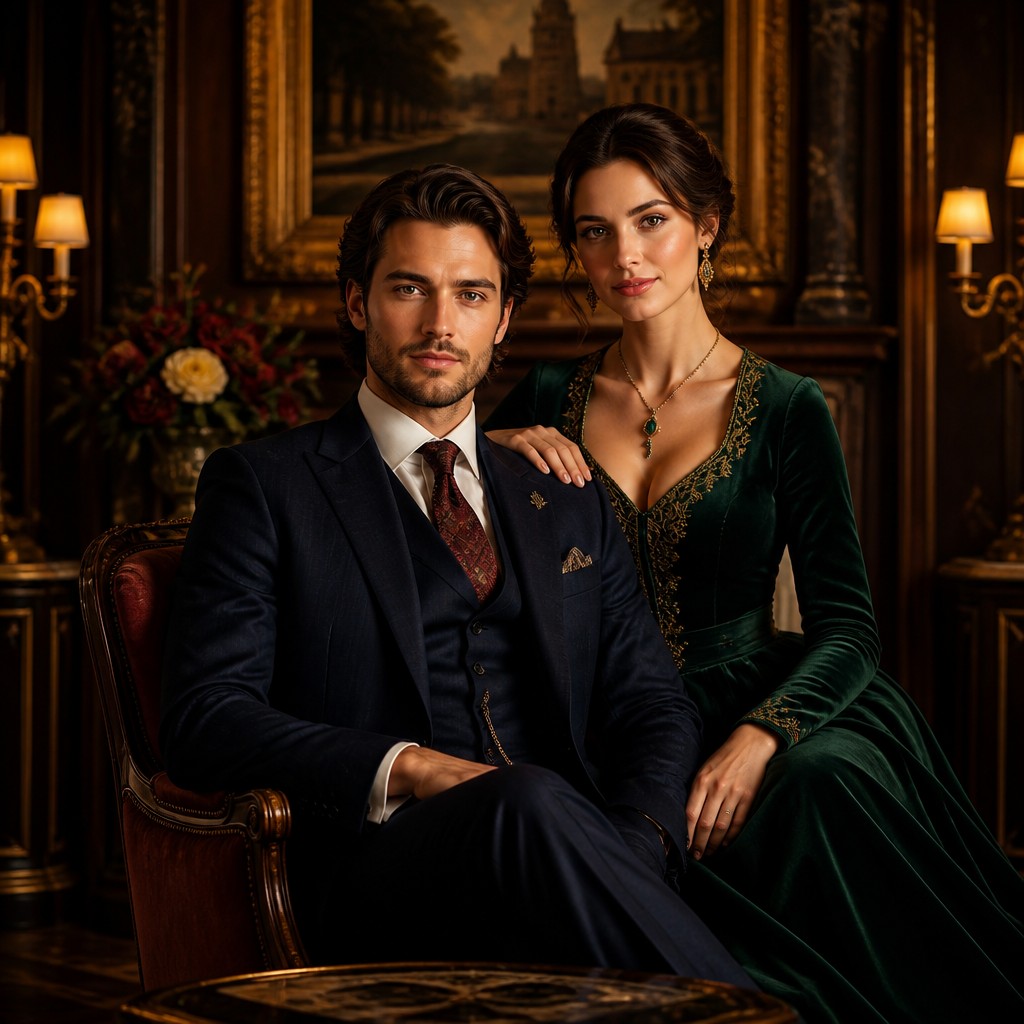
“portrait of two people together”

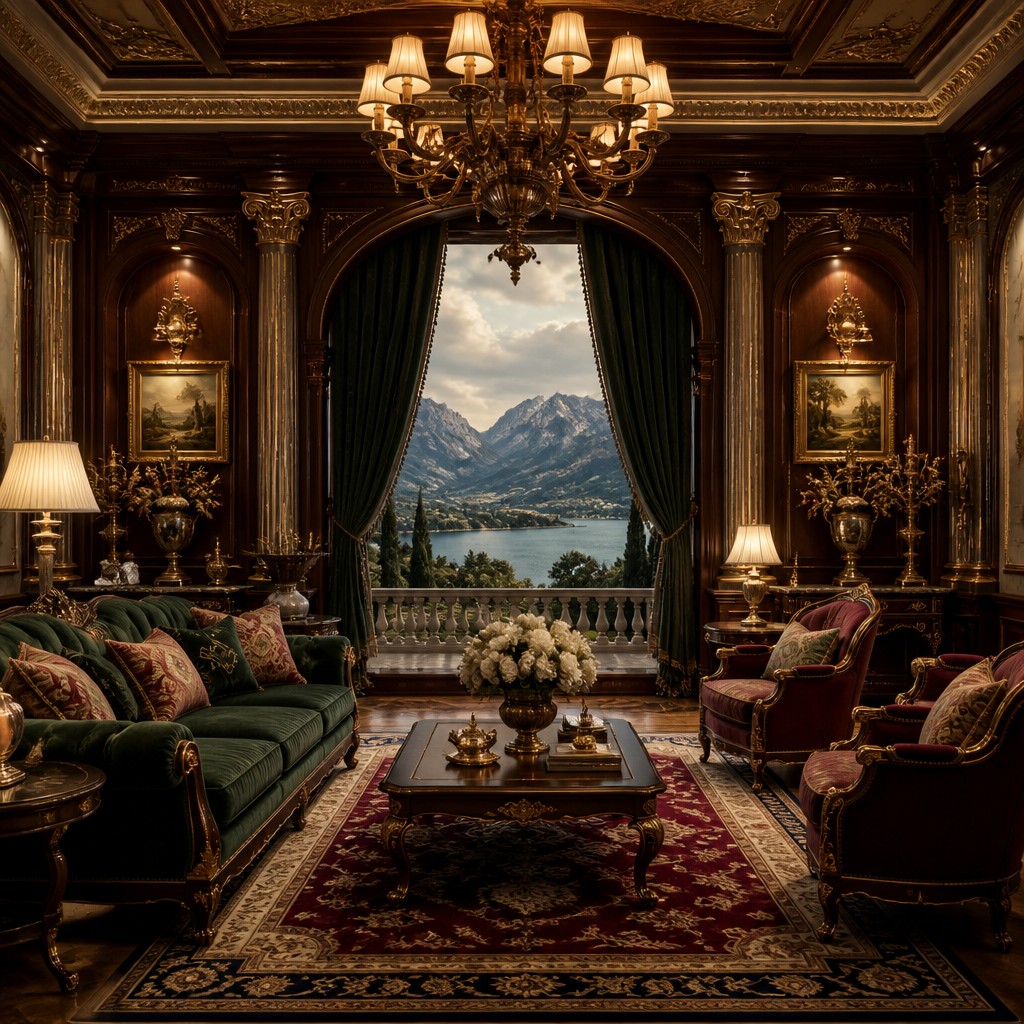
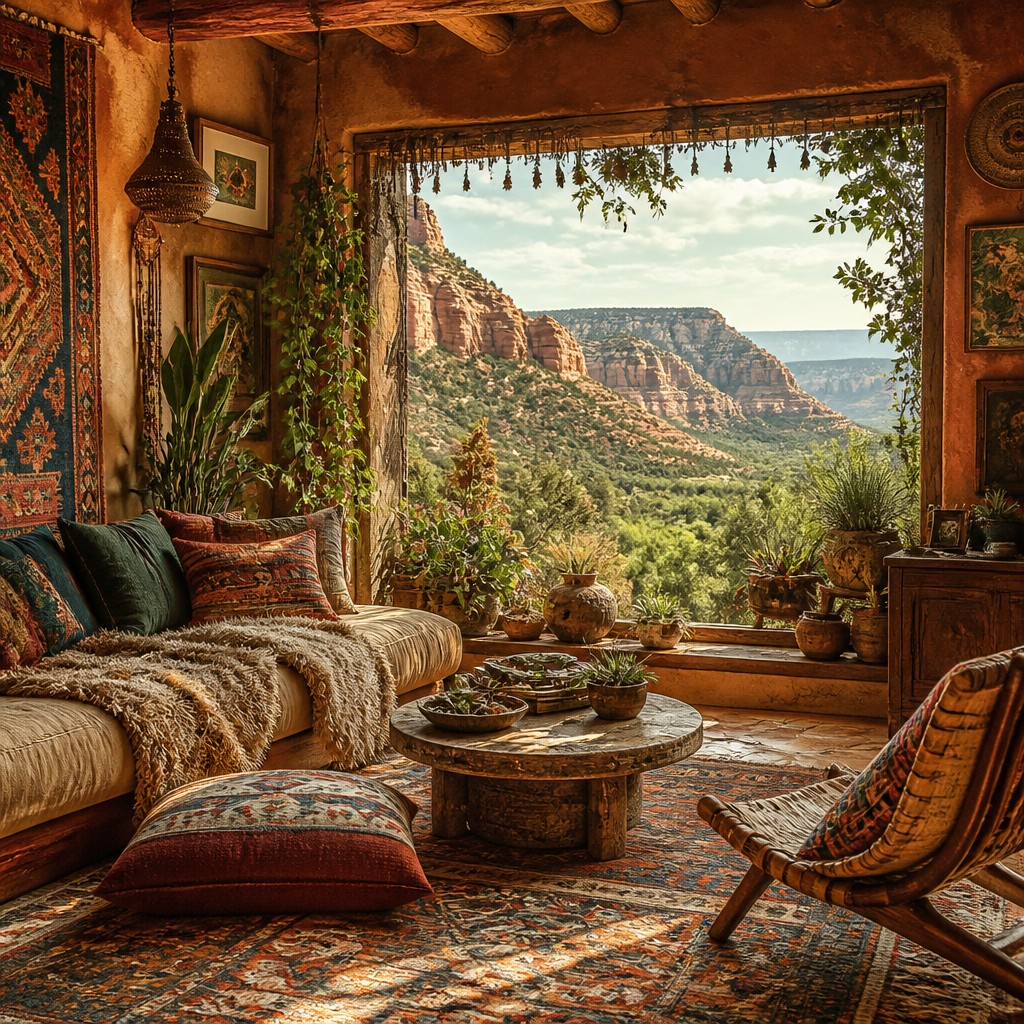
“wide landscape with natural scenery”
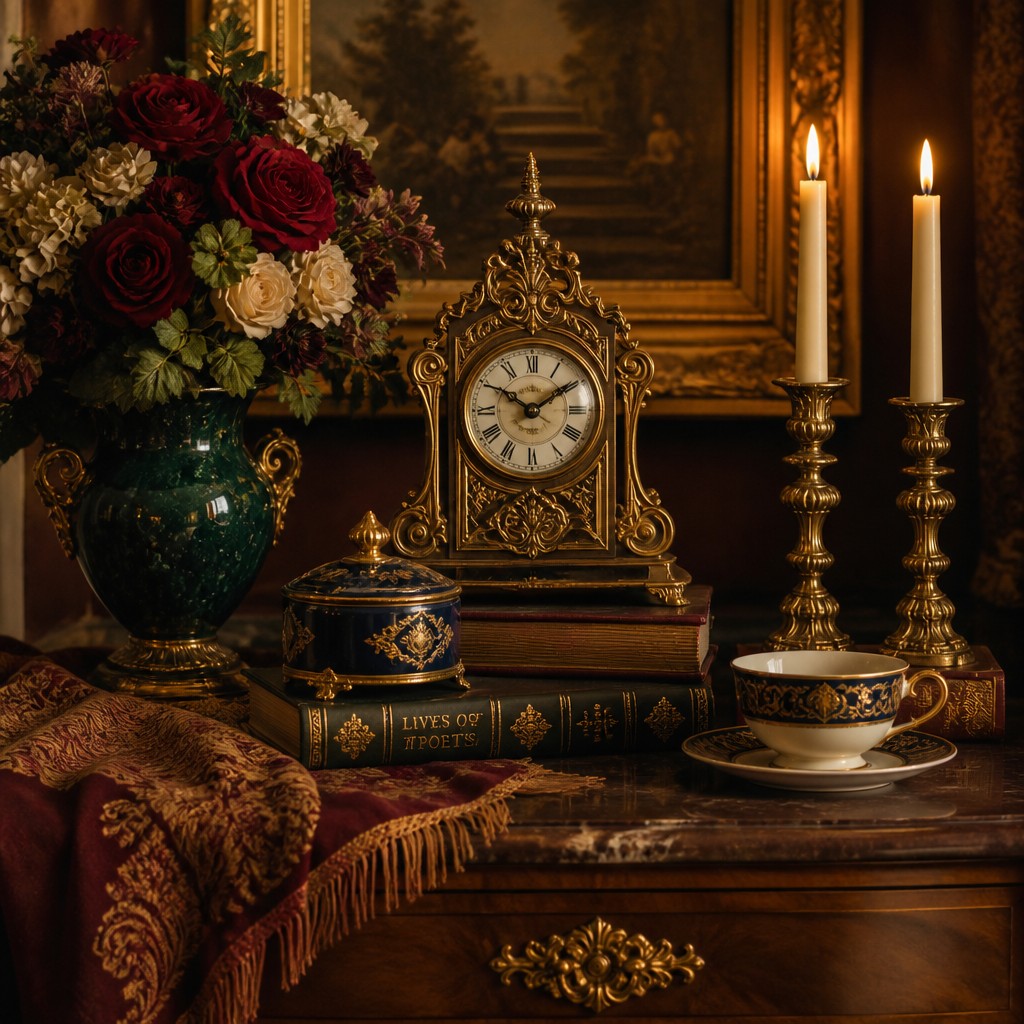
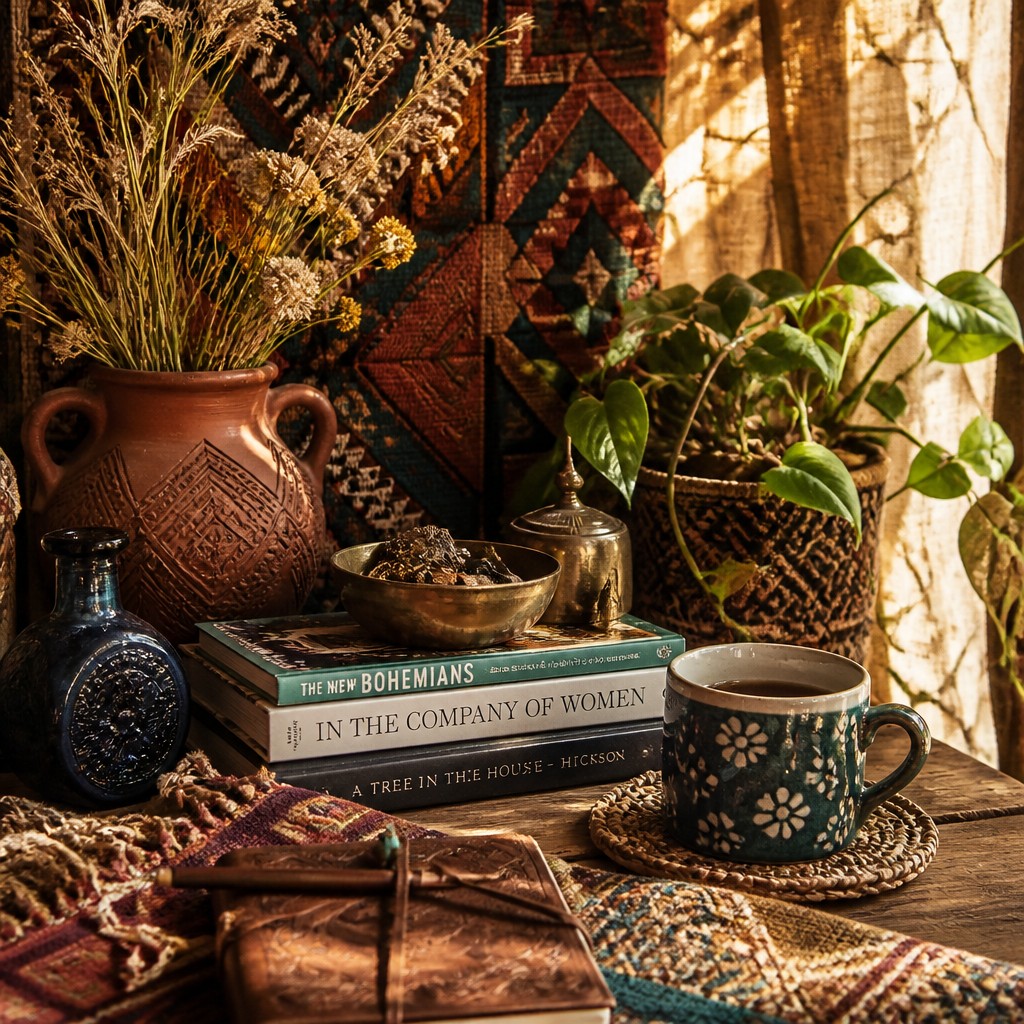
“still life with everyday objects”
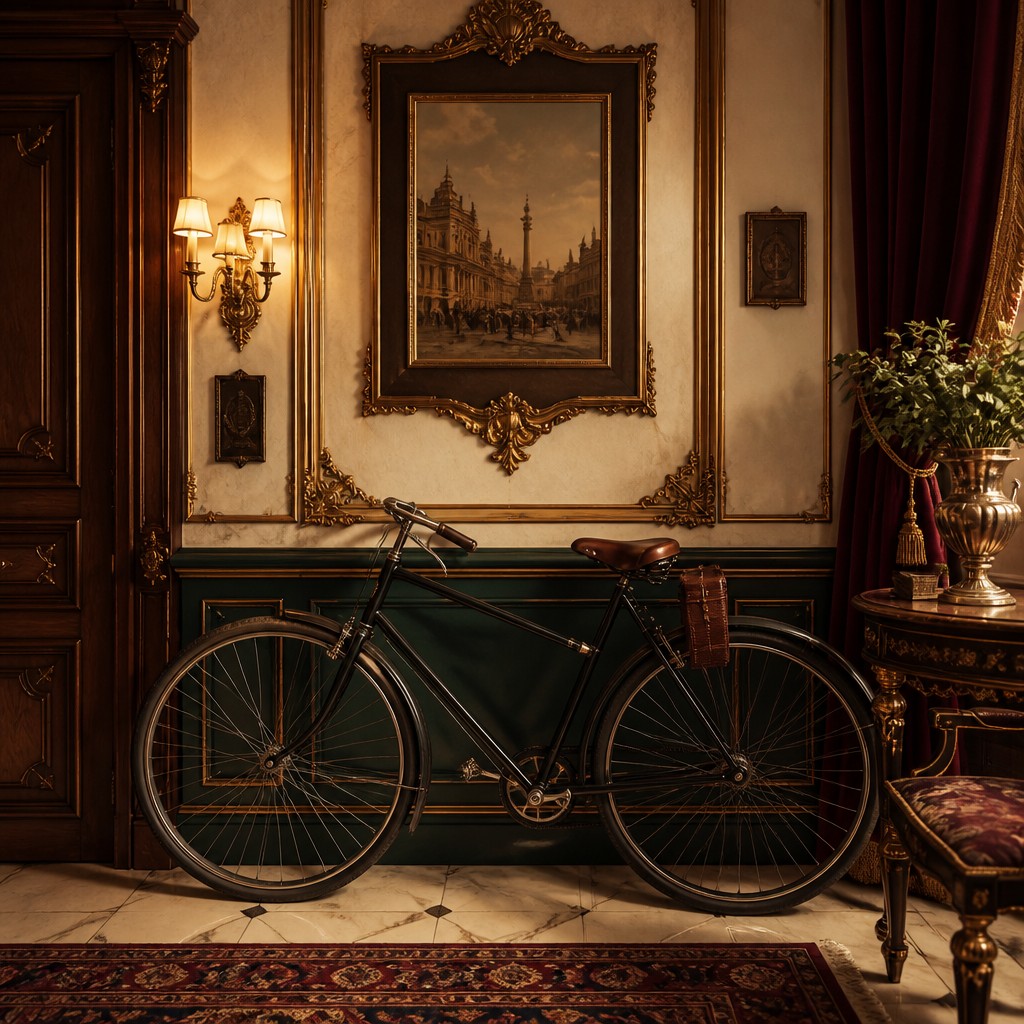
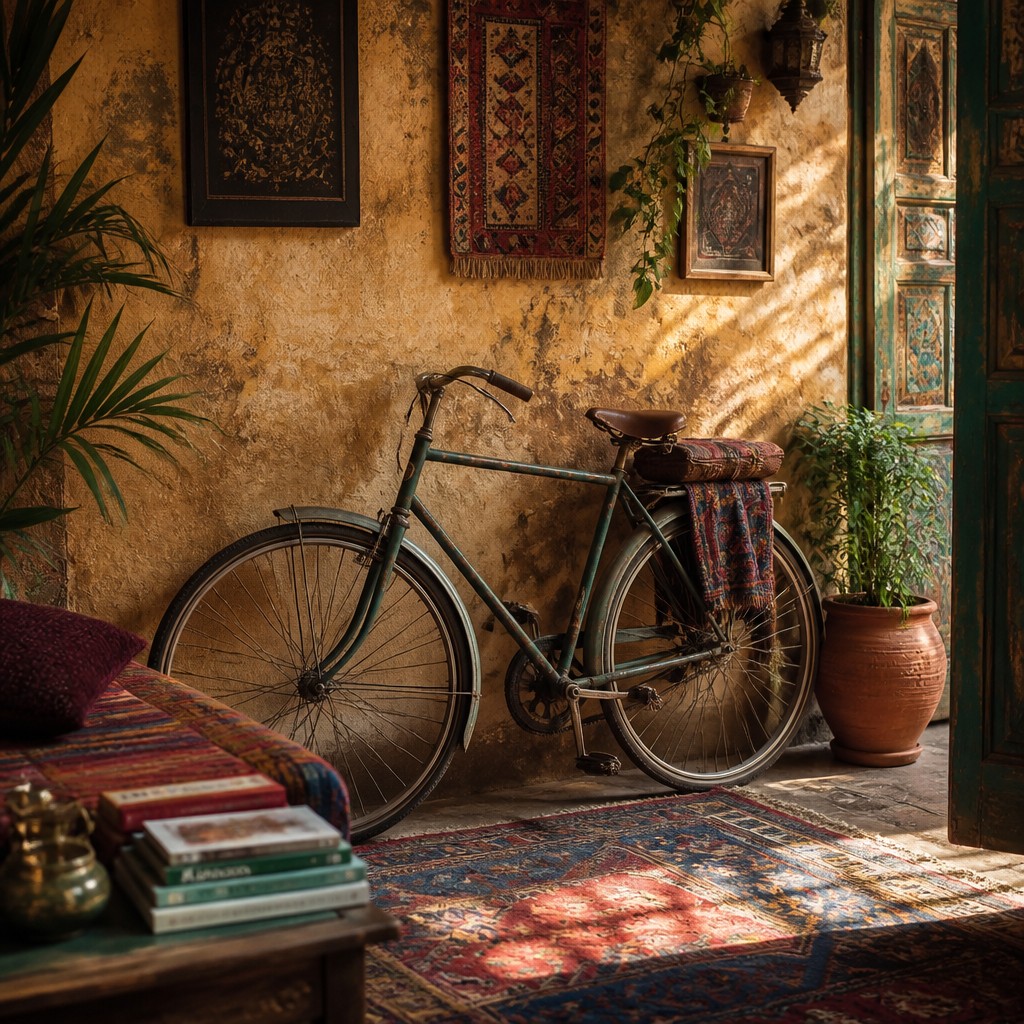
“bicyle resting against a wall”
Key Differences
| Traditional Interior Design | Bohemian Interior Design | |
|---|---|---|
| Overall structure | Symmetrical, planned, and visually balanced. | Asymmetrical, relaxed, and intentionally mixed. |
| Furniture style | Formal, refined pieces with classic proportions. | Collected, varied pieces with a casual feel. |
| Materials | Rich woods, polished finishes, and luxe fabrics. | Natural fibers, worn textures, and handmade details. |
| Color palette | Deep neutrals, muted tones, and understated richness. | Warm earth tones with layered color and accents. |
| Pattern use | Controlled patterns used sparingly and harmoniously. | Multiple patterns mixed freely for visual depth. |
| Decor approach | Curated accessories placed with restraint and order. | Personal objects, plants, and finds displayed abundantly. |
| Mood | refined, formal, warm, timeless | free-spirited, eclectic, cozy, artistic, collected |
| Energy | balanced | balanced |
| Detail level | detailed | detailed |
| Color | rich neutrals with deep, muted accents | earthy, warm, jewel-toned, muted accents |
| Texture | polished woods, plush fabrics, carved details | layered, tactile, woven, lived-in |
| Origin | 18th-early 20th century Europe | 1960s-1970s global counterculture interiors |
| Best for | living rooms, dining rooms, hotel interiors, interior decor catalogs, real estate staging, period dramas | living rooms, bedrooms, mood boards, lifestyle branding, magazine spreads |
| Difficulty | moderate | moderate |
Which Should You Choose?
Choose Traditional Interior Design if you want a room that feels elegant, orderly, and timeless, especially if you prefer symmetry and a more formal atmosphere. Choose Bohemian Interior Design if you want a space that feels relaxed, expressive, and layered, with room for collected objects, texture, and a more personal, less structured look.
Frequently Asked Questions
Which style looks more formal?
Traditional Interior Design is generally more formal because it relies on symmetry, classic furniture, and restrained decoration. Bohemian interiors usually feel more casual and lived-in.
Can these styles be mixed?
Yes. A room can use the structure and elegant forms of traditional design while adding bohemian textures, plants, or global accents. The key is to keep one style as the main framework so the mix feels intentional.
Which style works better in a small room?
Both can work in small spaces, but Traditional Interior Design may feel more organized and visually calm. Bohemian design can also succeed in small rooms if the layers are edited carefully to avoid clutter.
Which style is easier to personalize?
Bohemian Interior Design is often easier to personalize because it welcomes collected objects, handmade pieces, and mixed influences. Traditional design can still be personal, but it usually favors a more controlled and curated approach.