Sustainable Fashion Design vs Streetwear Fashion Design: What's the Difference?
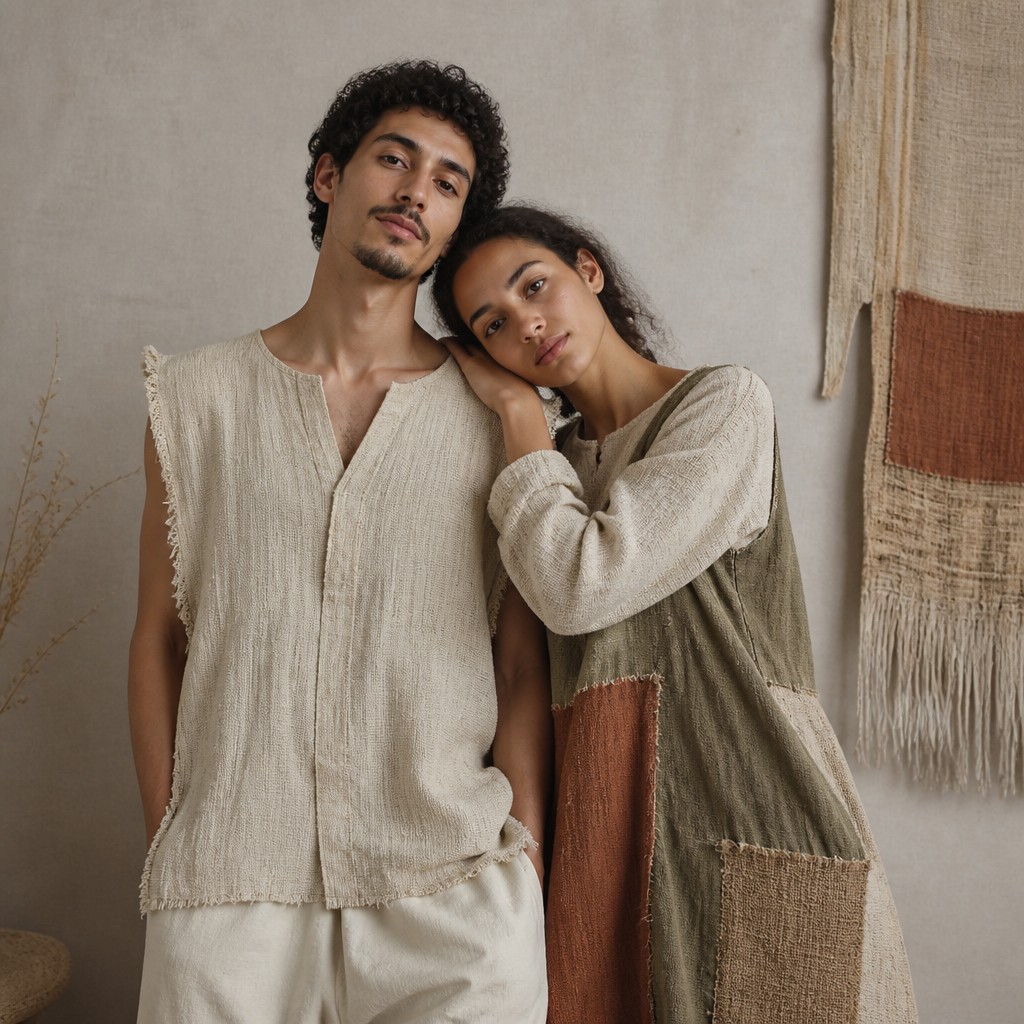
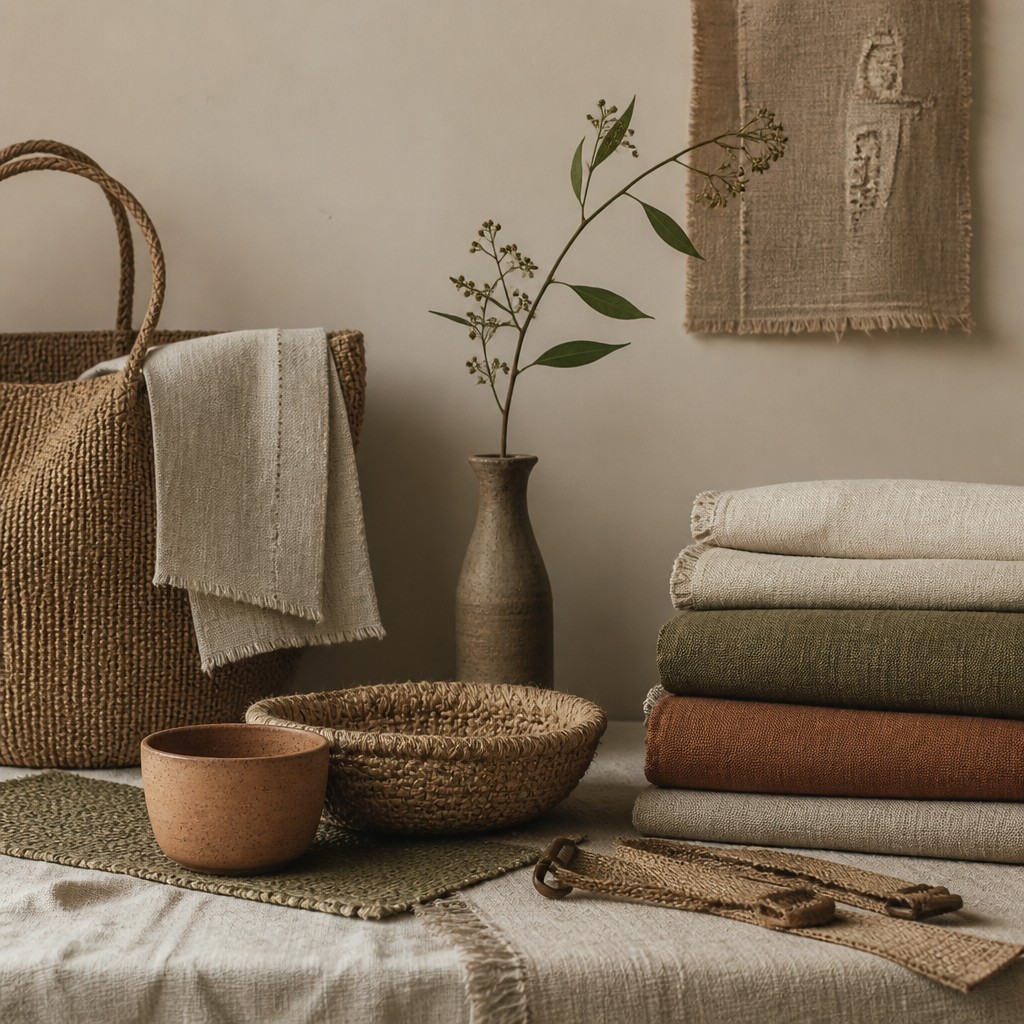
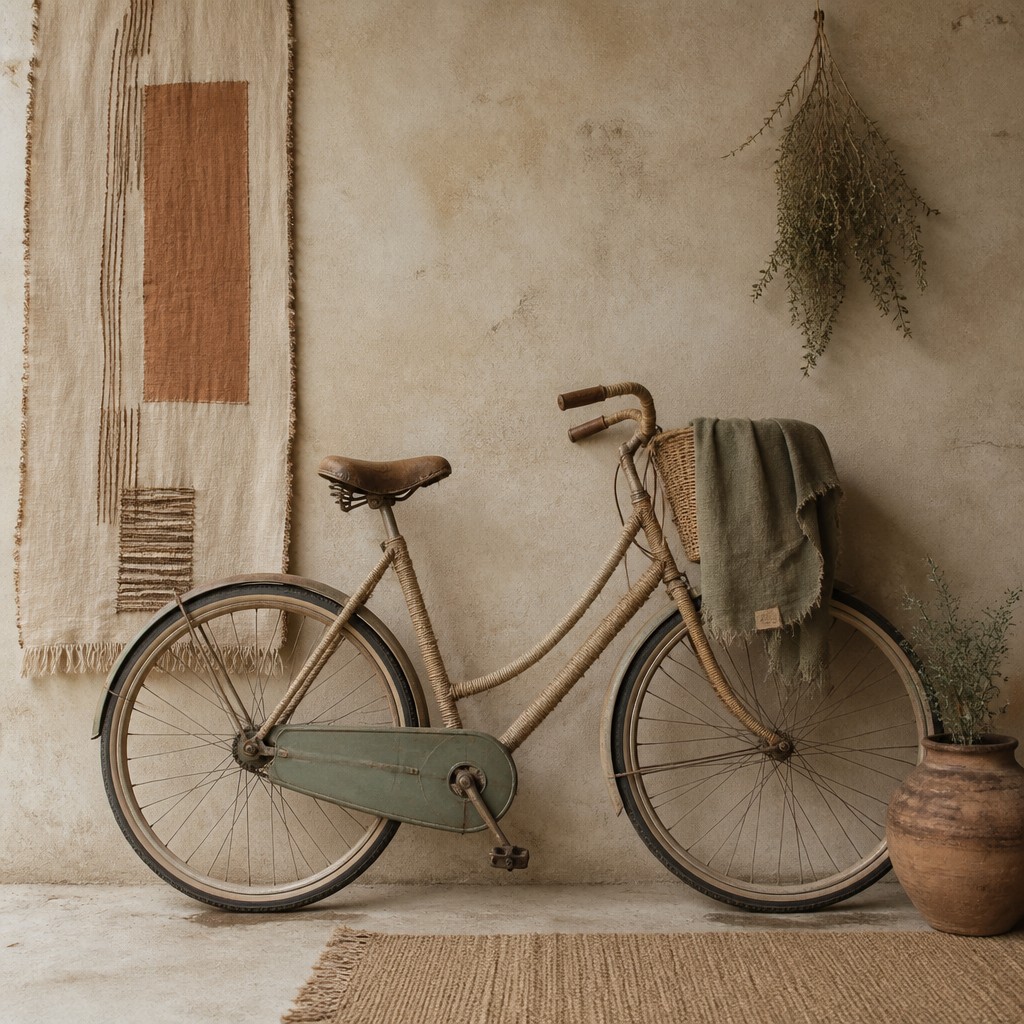
Sustainable fashion design focuses on clothing made with environmental responsibility in mind. It often uses organic or recycled fibers, zero-waste pattern cutting, earthy color palettes, and handcrafted details that emphasize longevity, repairability, and lower impact.
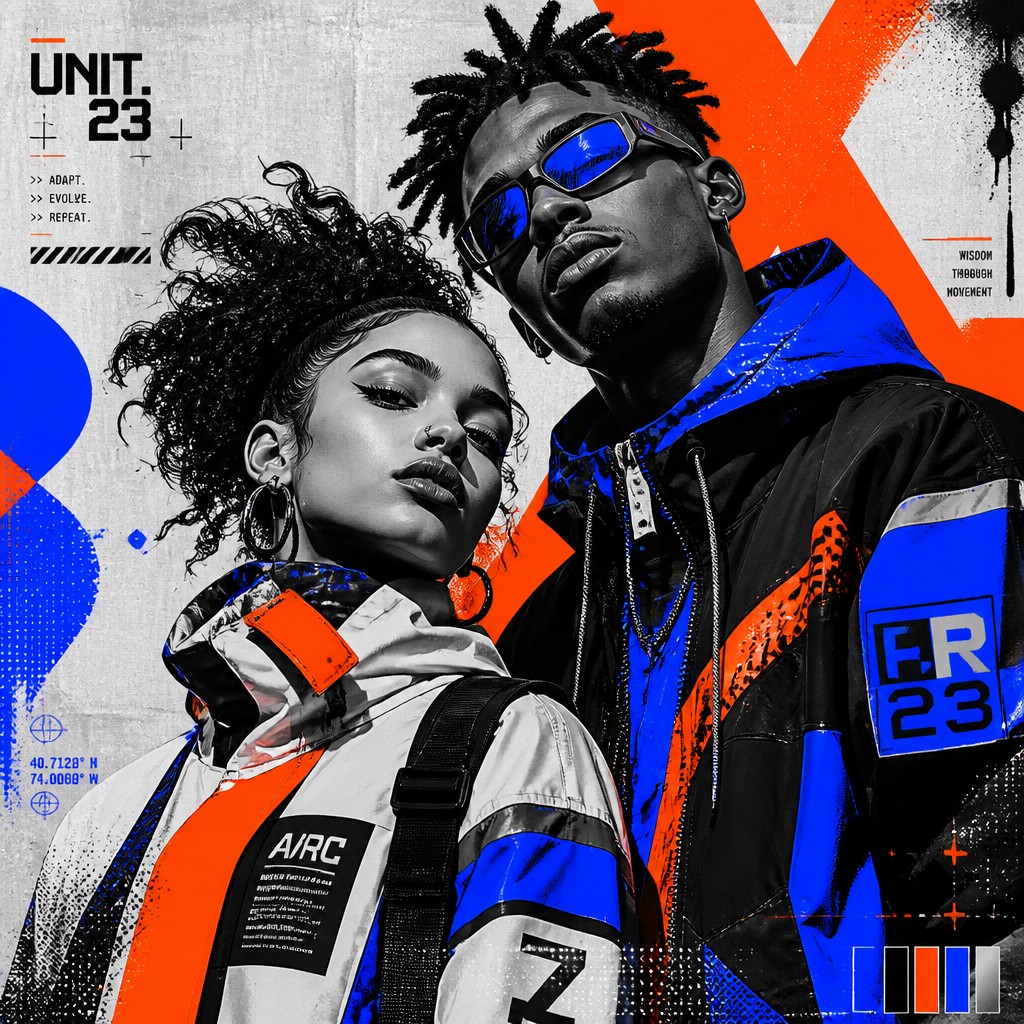
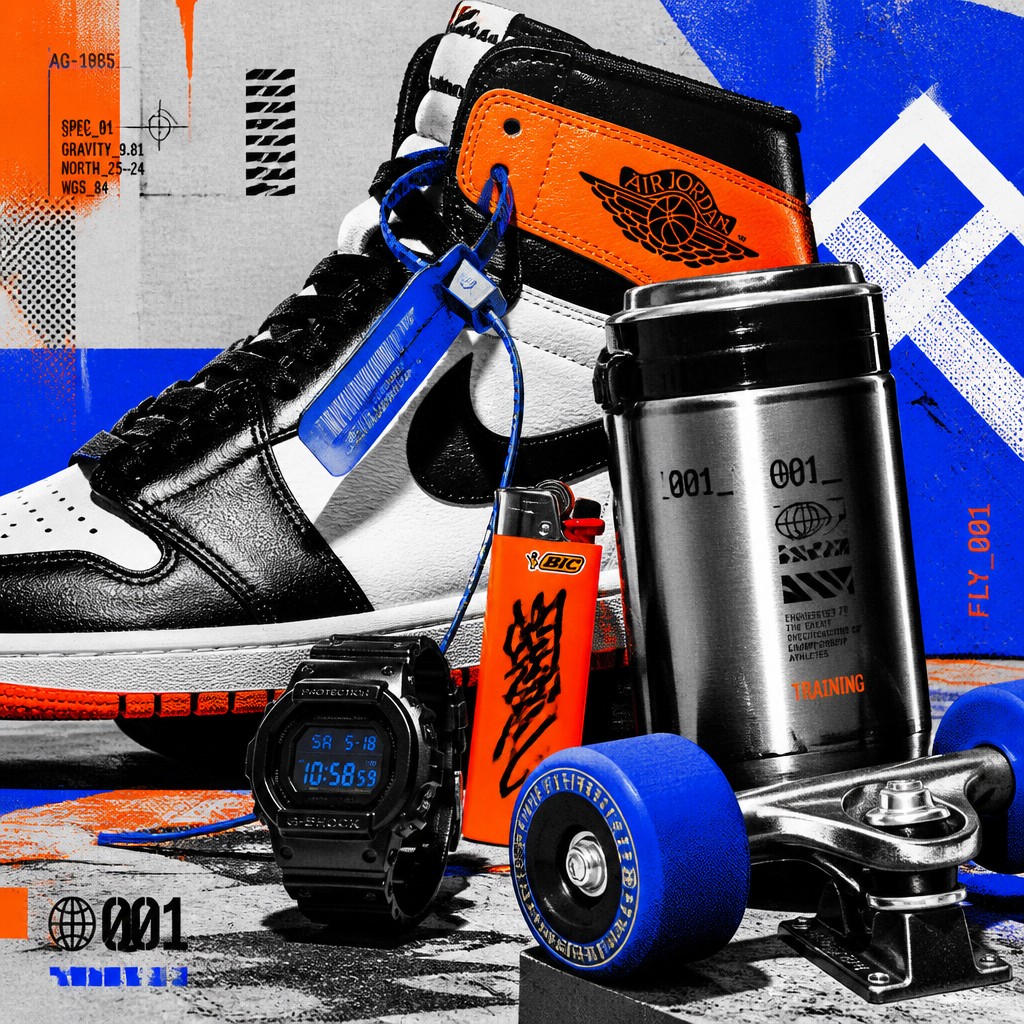
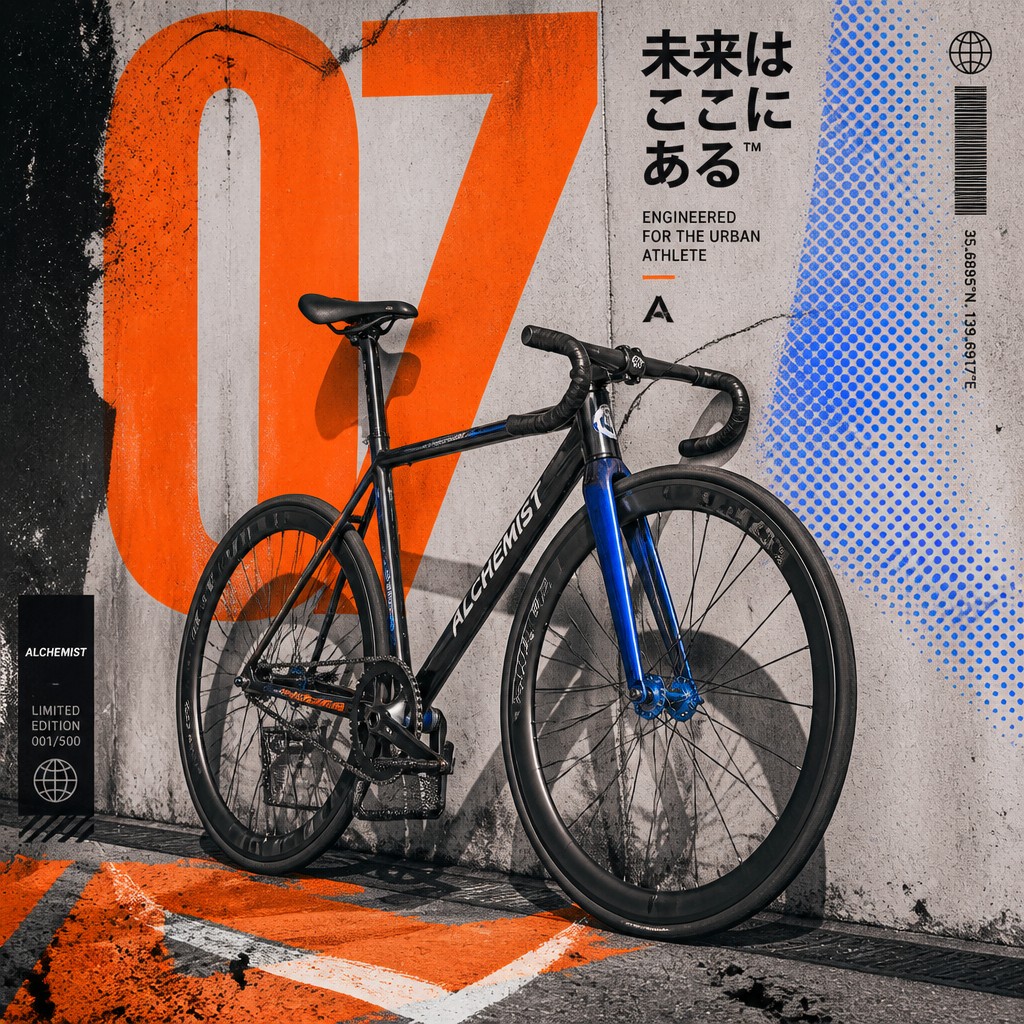
Streetwear fashion design is rooted in urban culture and blends athletic influences, bold graphics, oversized silhouettes, and sneaker-driven styling. People compare the two because both can feel contemporary and expressive, but they differ strongly in values, materials, and the kinds of visual impact they create.
Same Prompt, Both Styles
Each pair below was generated from the identical prompt — only the style changed.
“portrait of two people together”
“wide landscape with natural scenery”


“still life with everyday objects”
“bicyle resting against a wall”
Key Differences
| Sustainable Fashion Design | Streetwear Fashion Design | |
|---|---|---|
| Materials | Uses organic, recycled, or low-impact fibers. | Often uses cotton blends, synthetics, and performance fabrics. |
| Cut & construction | Prioritizes zero-waste cuts and efficient pattern use. | Often favors roomy cuts, paneling, and layered construction. |
| Color palette | Leans toward earthy, muted, natural tones. | Uses high-contrast neutrals, brights, and graphic color blocking. |
| Surface detail | Relies on subtle texture, stitching, and handcrafted finishes. | Features logos, prints, patches, and eye-catching graphics. |
| Silhouette | Usually streamlined, practical, and body-aware. | Commonly oversized, relaxed, and exaggerated. |
| Cultural emphasis | Highlights sustainability, craftsmanship, and durability. | Highlights youth culture, sport, music, and street identity. |
| Mood | grounded, thoughtful, ethical, austere | bold, urban, confident, edgy, casual |
| Energy | calm | lively |
| Detail level | moderate | detailed |
| Color | earthy neutrals, muted naturals, low-saturation tones | high-contrast neutrals with vivid accents |
| Texture | organic fibers, visible weave, tactile stitching | smooth fabrics, dense graphics, layered materials |
| Origin | late 20th century global sustainability movement | late 20th-century urban youth culture |
| Best for | brand identities, editorial spreads, lookbooks, packaging, campaign posters, product catalogs | fashion lookbooks, brand campaigns, album covers, posters, social media ads, product mockups |
| Difficulty | moderate | moderate |
Which Should You Choose?
Choose sustainable fashion design when the goal is lower environmental impact, long wear, and a calm, natural look with thoughtful construction. Choose streetwear fashion design when you want a bold, casual, trend-forward style with strong graphic presence and a sporty, oversized feel. If your project needs both, you can combine sustainable materials with streetwear silhouettes, but the priority should guide the final design direction.
Frequently Asked Questions
Are sustainable fashion and streetwear completely opposite styles?
Not completely. They can overlap in silhouettes, utility details, and casual wearability. The biggest difference is that sustainable fashion centers environmental responsibility, while streetwear centers urban style and visual impact.
Can streetwear be made sustainably?
Yes. Streetwear can use recycled fabrics, organic cotton, responsible dyeing, and better production methods. The style stays recognizable through its silhouette and graphics, even when the materials are more eco-conscious.
Which style is more minimal?
Sustainable fashion is often more minimal in color and decoration, especially when it emphasizes natural materials and clean construction. Streetwear is usually more visually loud, though some versions can be understated.
Which style is better for everyday wear?
Both can work well daily, but in different ways. Sustainable fashion is often chosen for versatile, durable basics, while streetwear is favored for comfort, personality, and a more trend-driven look.