Gothic Fashion Design vs Victorian Gothic: What's the Difference?
Gothic Fashion Design is a modern style of dress that turns dark romance into clothing. It often uses black velvet, corsetry, lace, Victorian-inspired tailoring, and dramatic silhouettes to create a mysterious, elegant look.
Victorian Gothic Art is a 19th-century-inspired visual style rooted in Gothic Revival taste and mourning culture. It emphasizes spiritual atmosphere, ornate filigree, symbolic imagery, and romantic darkness, which is why the two are often compared: both share a refined, somber, historically inspired aesthetic.
Same Prompt, Both Styles
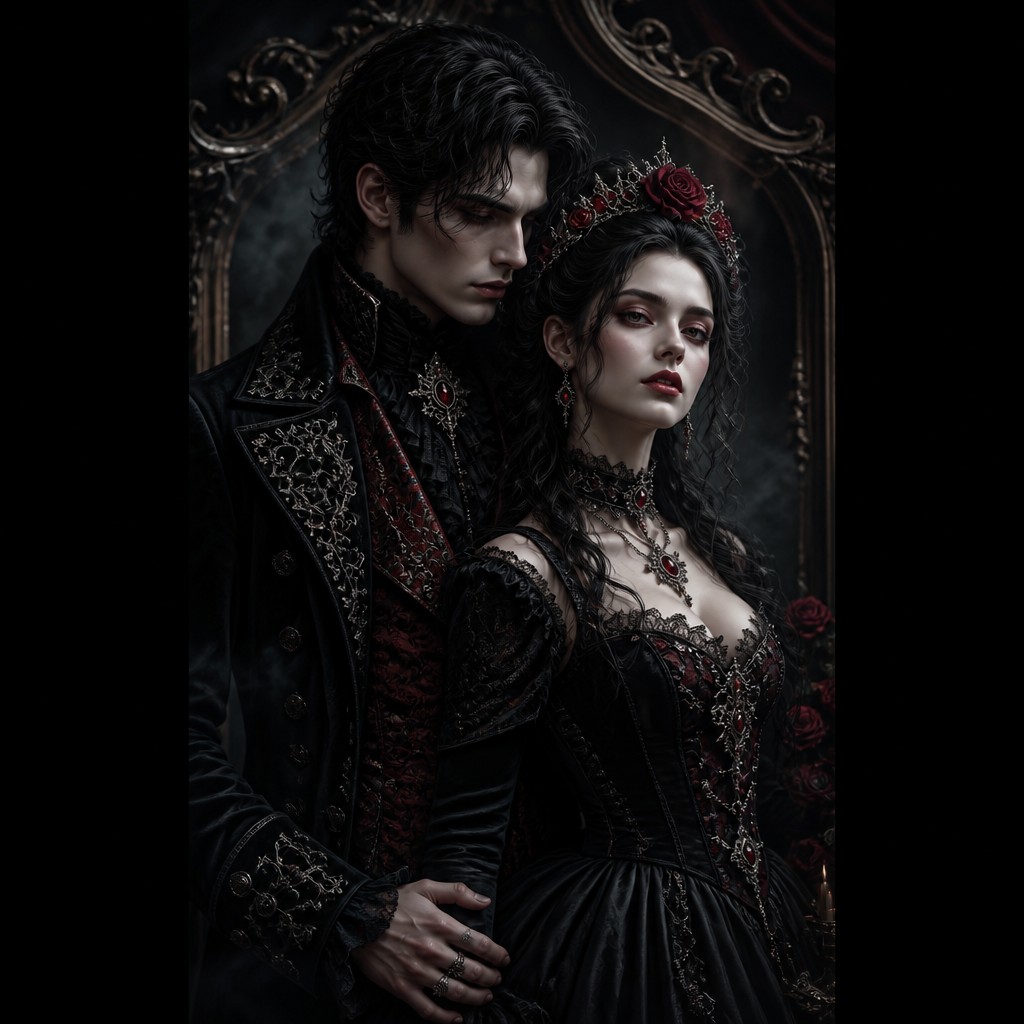
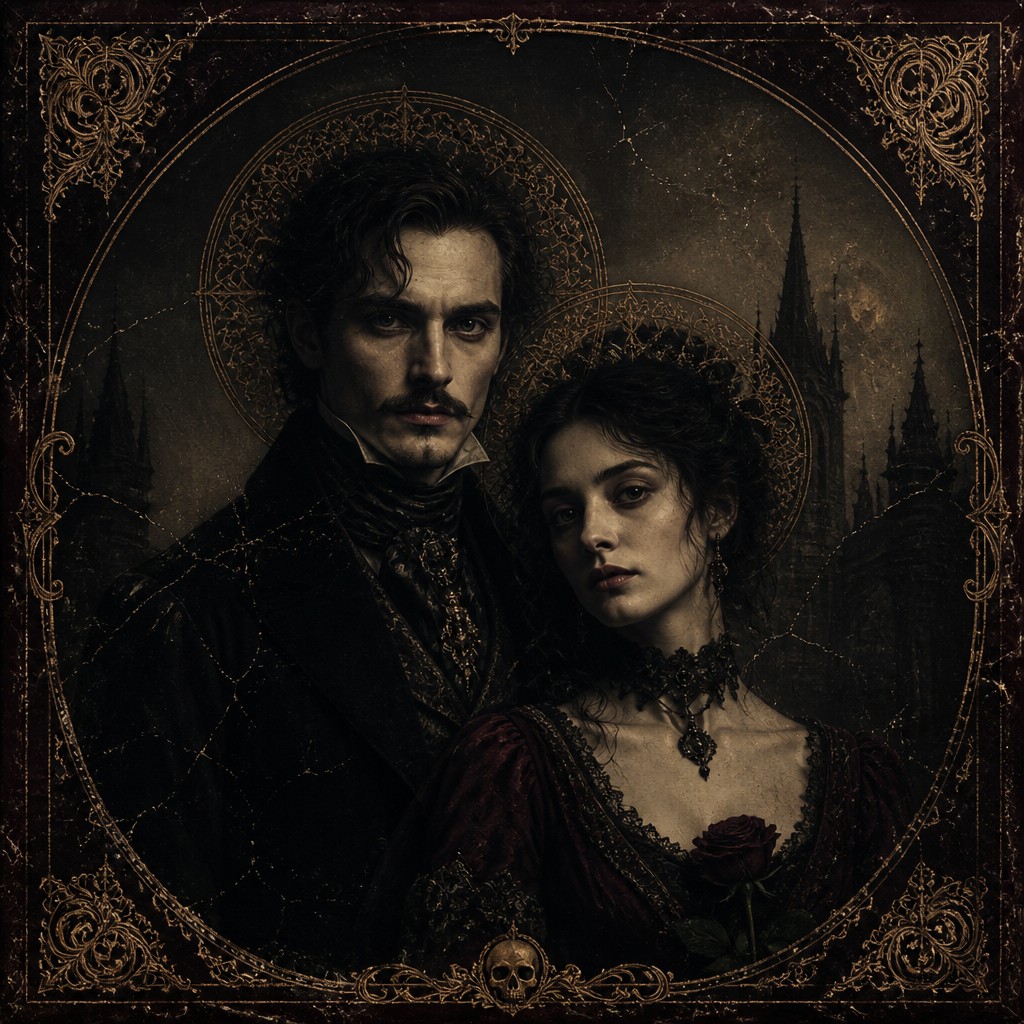
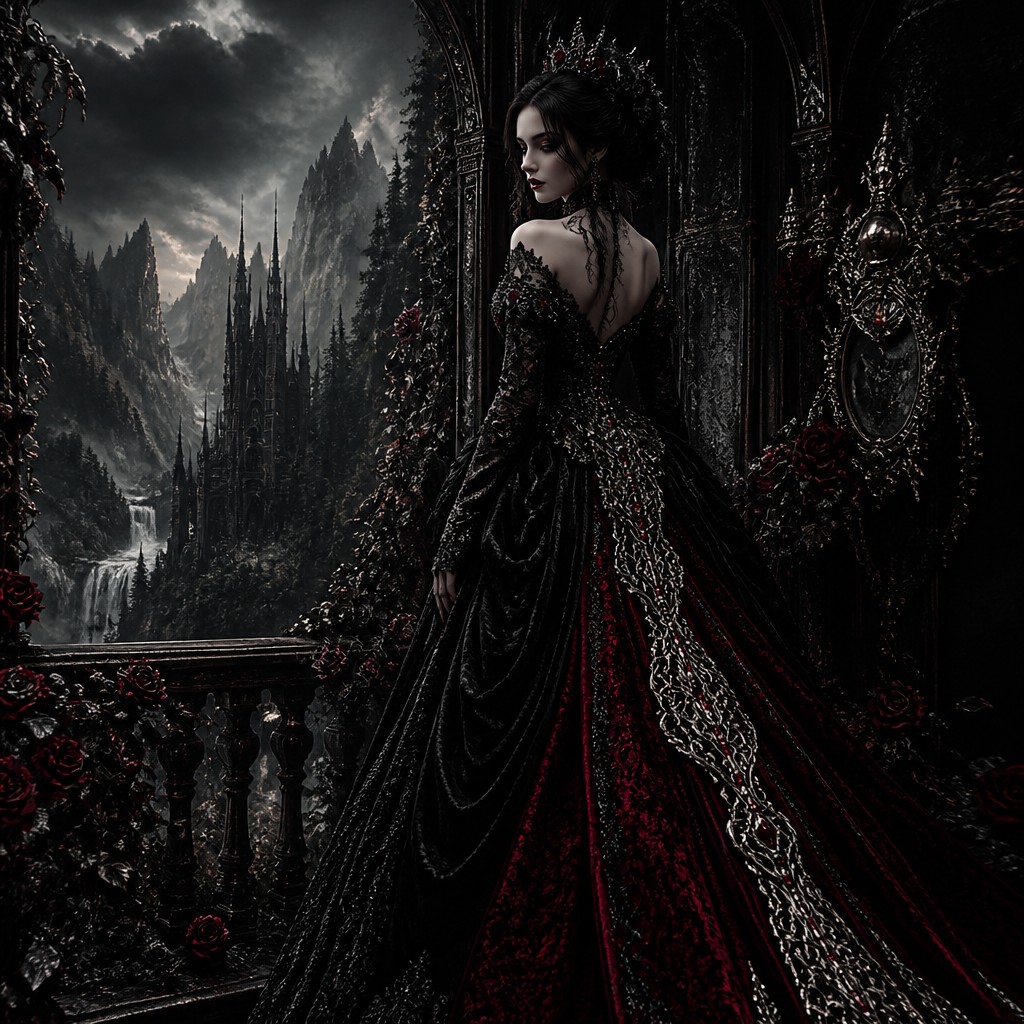
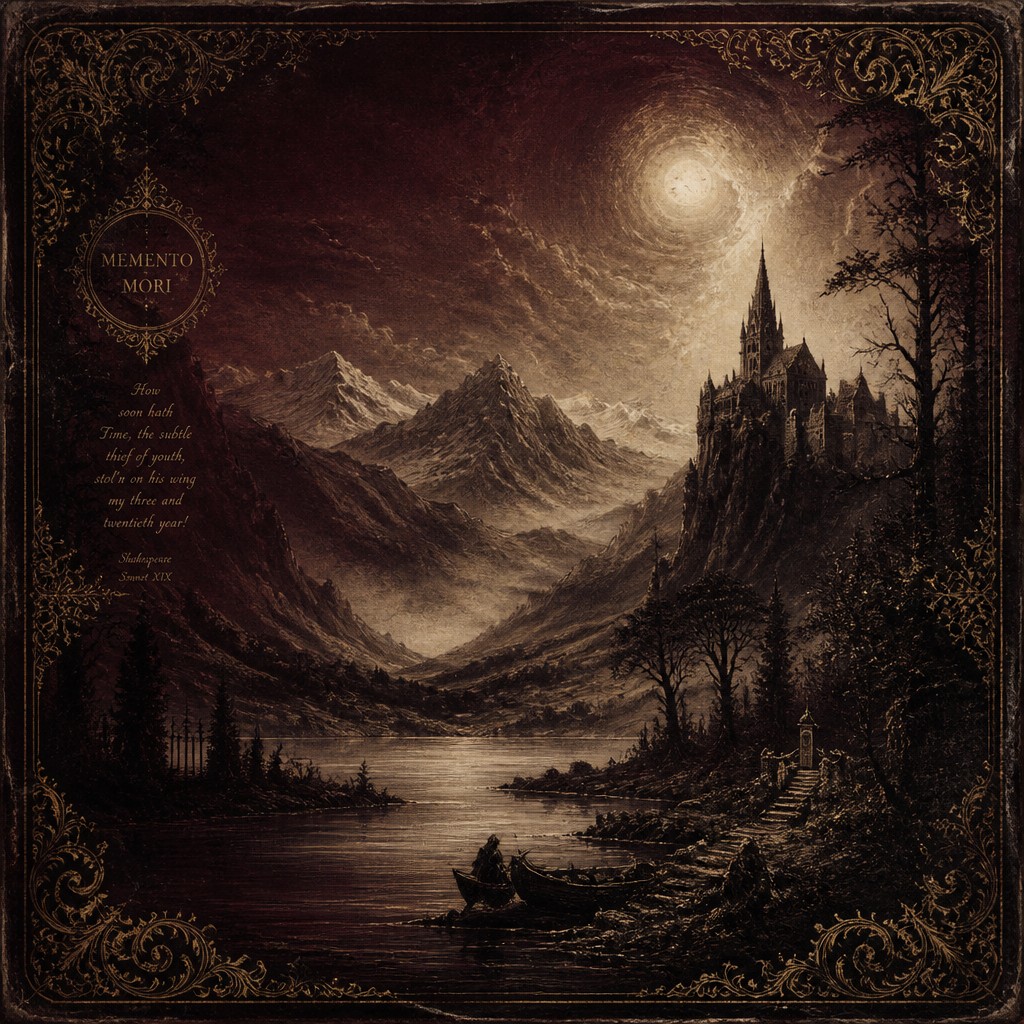
Each pair below was generated from the identical prompt — only the style changed.
“portrait of two people together”
“wide landscape with natural scenery”
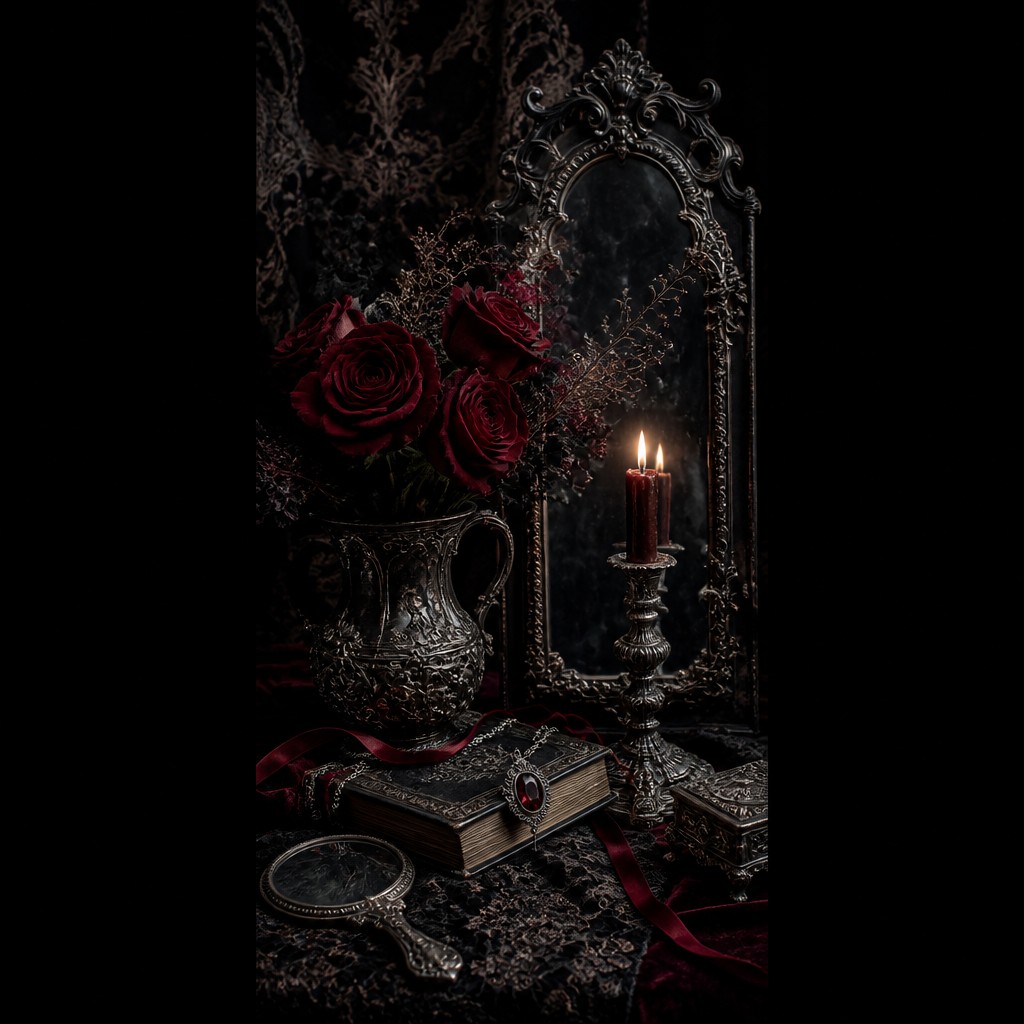
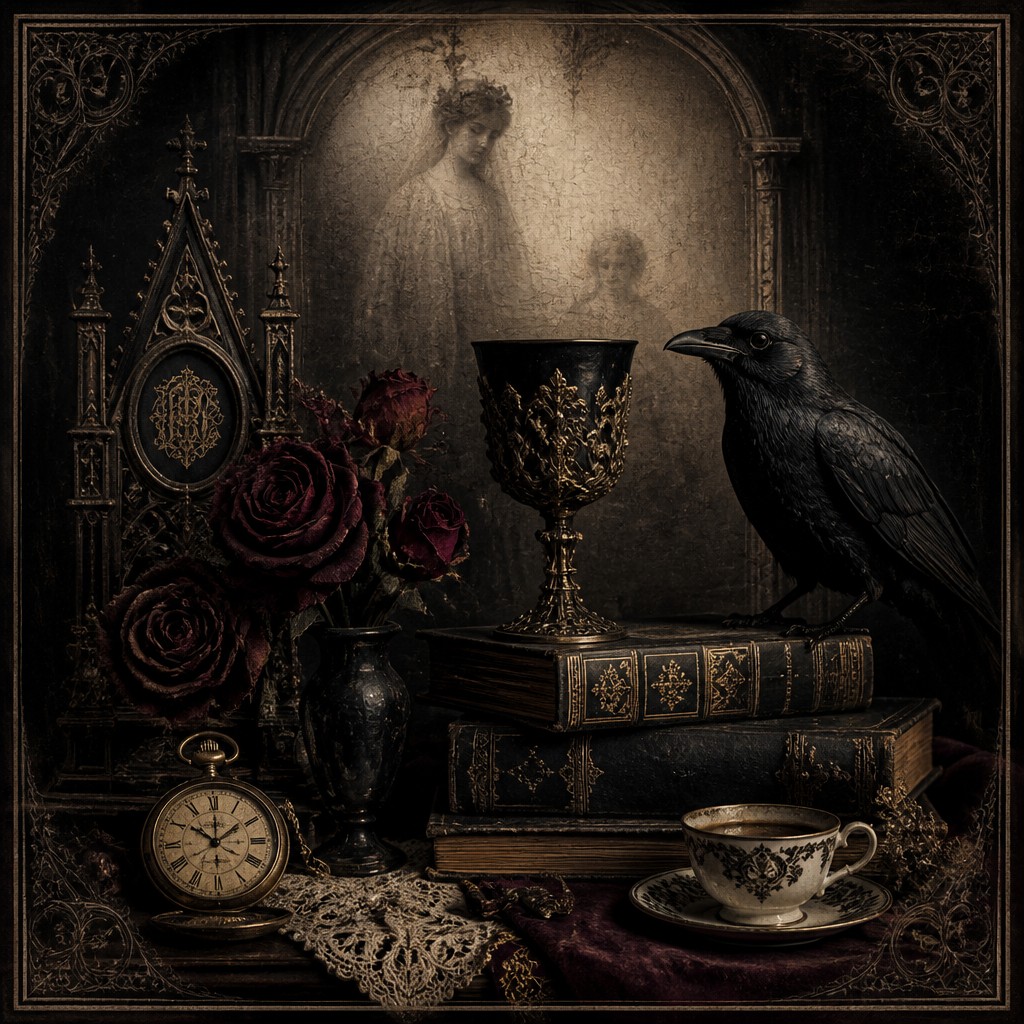
“still life with everyday objects”
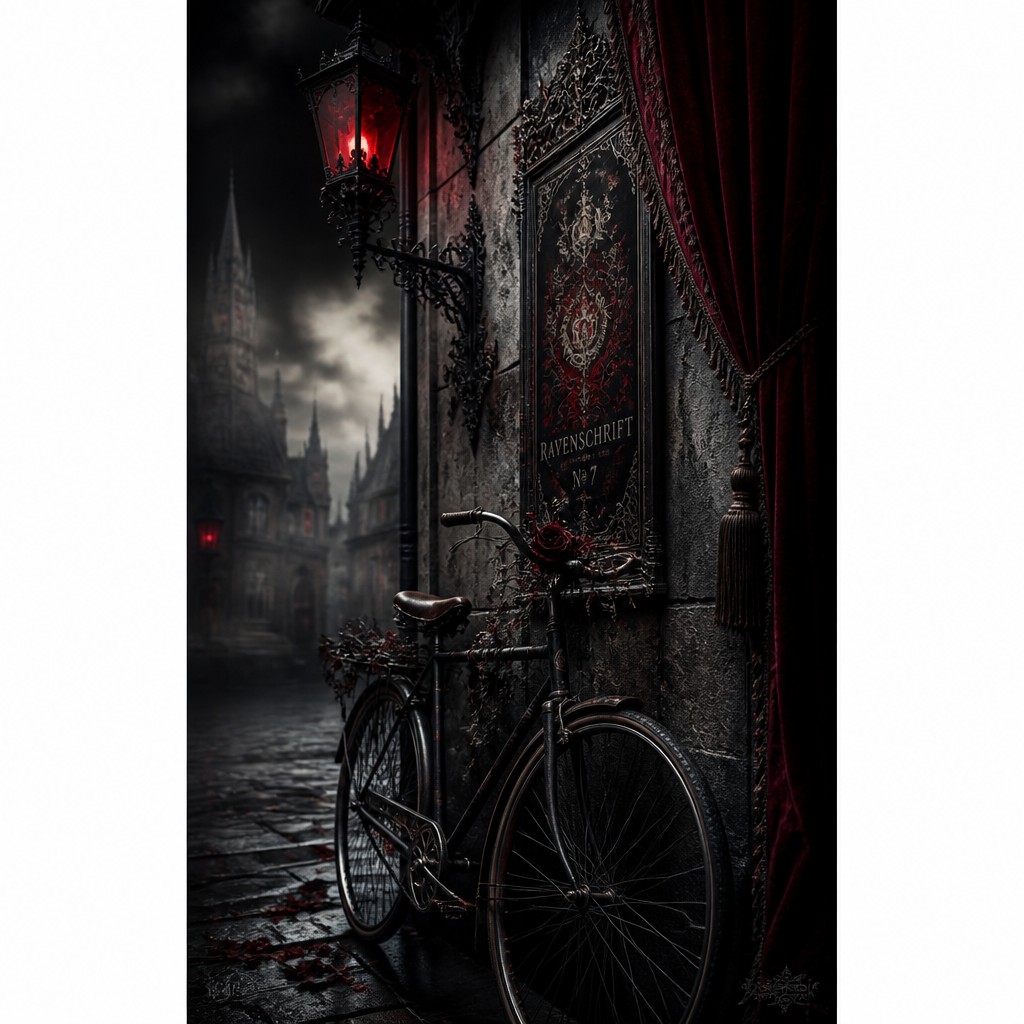
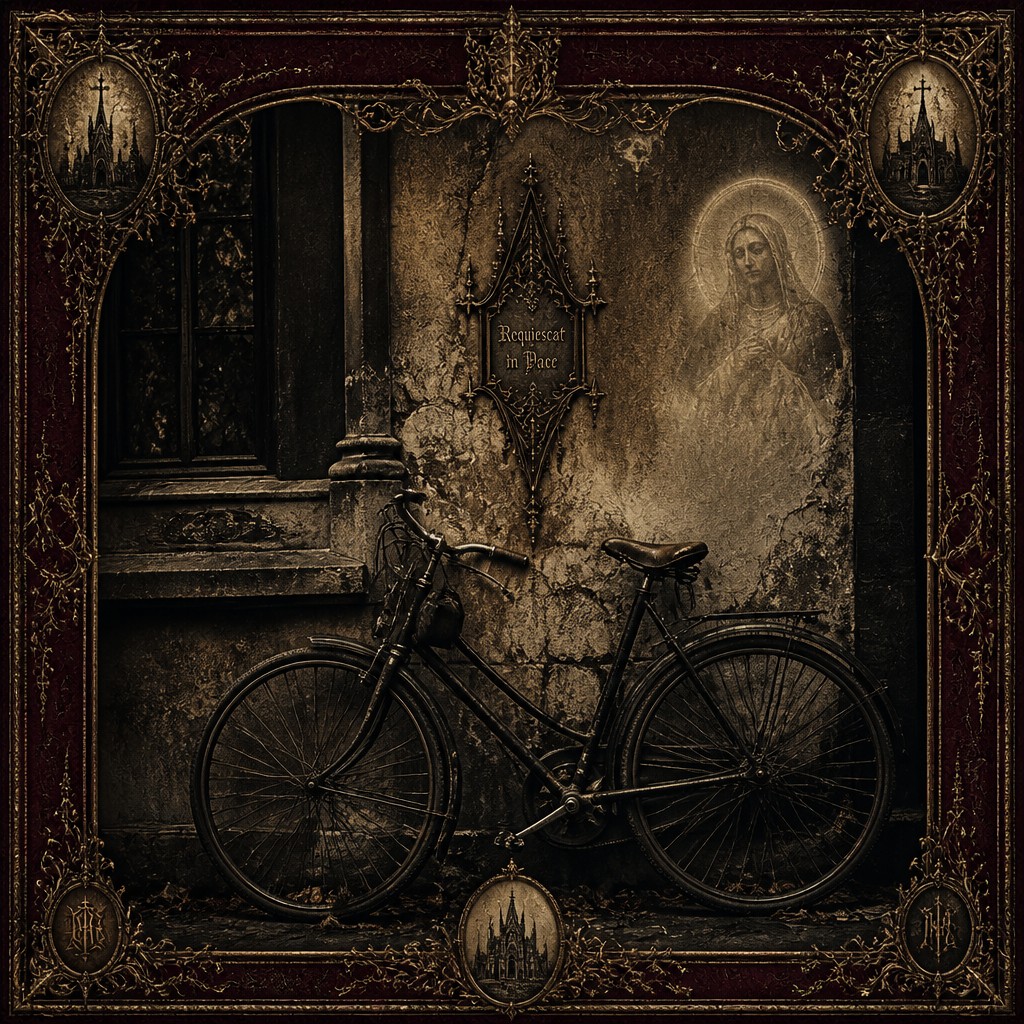
“bicyle resting against a wall”
Key Differences
| Gothic Fashion Design | Victorian Gothic | |
|---|---|---|
| Purpose | Designed to be worn as clothing and express identity. | Created as visual art to evoke mood, symbolism, and narrative. |
| Historical focus | Uses Victorian references as fashion cues and styling elements. | Reflects 19th-century Gothic Revival sensibilities more directly. |
| Materials and texture | Relies on velvet, lace, satin, leather, and structured fabrics. | Suggests texture through paint, linework, engraving, or illustration. |
| Silhouette and form | Emphasizes garments, waist shaping, volume, and movement. | Emphasizes composition, decorative framing, and symbolic arrangement. |
| Mood | Elegant, theatrical, seductive, and contemporary. | Mourning, spiritual, antique, and atmospherically solemn. |
| Symbolism | Uses style codes like black clothing, corsets, and accessories. | Uses symbolic motifs such as veils, crosses, flowers, and funerary imagery. |
| Mood | mysterious, dramatic, elegant, somber | somber, romantic, mysterious, melancholic |
| Energy | intense | intense |
| Detail level | intricate | intricate |
| Color | black-dominant, deep jewel tones, muted metallics | black, deep crimson, sepia, muted gold |
| Texture | lace, velvet, brocade, structured fabrics | velvet, lace, carved wood, candlelit gloom |
| Origin | Victorian-era Europe, gothic revival influence | 19th-century Britain, Victorian era |
| Best for | editorial fashion, album covers, poster art, character concept art, themed branding | book covers, album covers, theater posters, Halloween art, historical fantasy |
| Difficulty | advanced | advanced |
Which Should You Choose?
Pick Gothic Fashion Design if you want a look that can be worn, photographed, or styled for events, with emphasis on silhouette, texture, and personal expression. Choose Victorian Gothic Art if you want imagery for illustration, design references, or décor that leans into symbolism, historical atmosphere, and romantic melancholy. If you need both, use Style A for clothing concepts and Style B for mood boards or visual storytelling.
Frequently Asked Questions
Are these two styles basically the same thing?
No. They overlap in darkness, romance, and Victorian influence, but one is fashion and the other is a visual art mood rooted in historical Gothic Revival imagery. They share aesthetics, not purpose.
Which style is more historically accurate?
Victorian Gothic Art is closer to 19th-century visual culture and mourning symbolism. Gothic Fashion Design borrows historical details, but it is usually a modern reinterpretation.
Can Gothic Fashion Design include Victorian elements without being historical costume?
Yes. It often uses Victorian cues like high collars, bustles, lace, and corsetry in a contemporary way. The result is inspired by history rather than a strict reconstruction.
Which style works better for a brand or editorial project?
Use Gothic Fashion Design for clothing collections, styling, and fashion editorials. Use Victorian Gothic Art for posters, album art, book covers, and imagery that needs a haunted, symbolic atmosphere.