Gothic Architecture vs Gothic Cathedral: What's the Difference?
Gothic Architecture Art and Gothic Cathedral Art both draw from medieval church design, so they share pointed arches, vertical emphasis, stained glass effects, and intricate stone details. People compare them because they can look very similar at first glance, yet one leans more toward architectural composition and structural drama while the other emphasizes sacred atmosphere and devotional imagery.
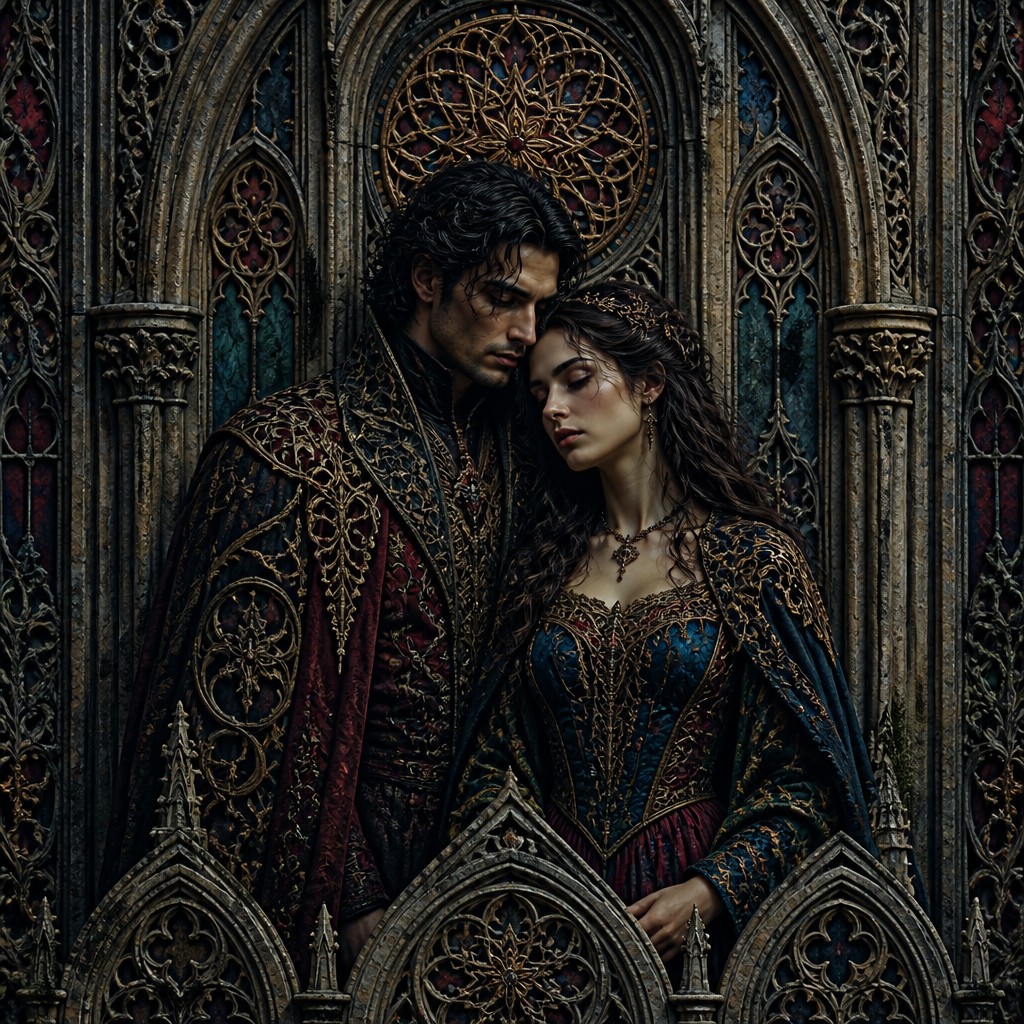
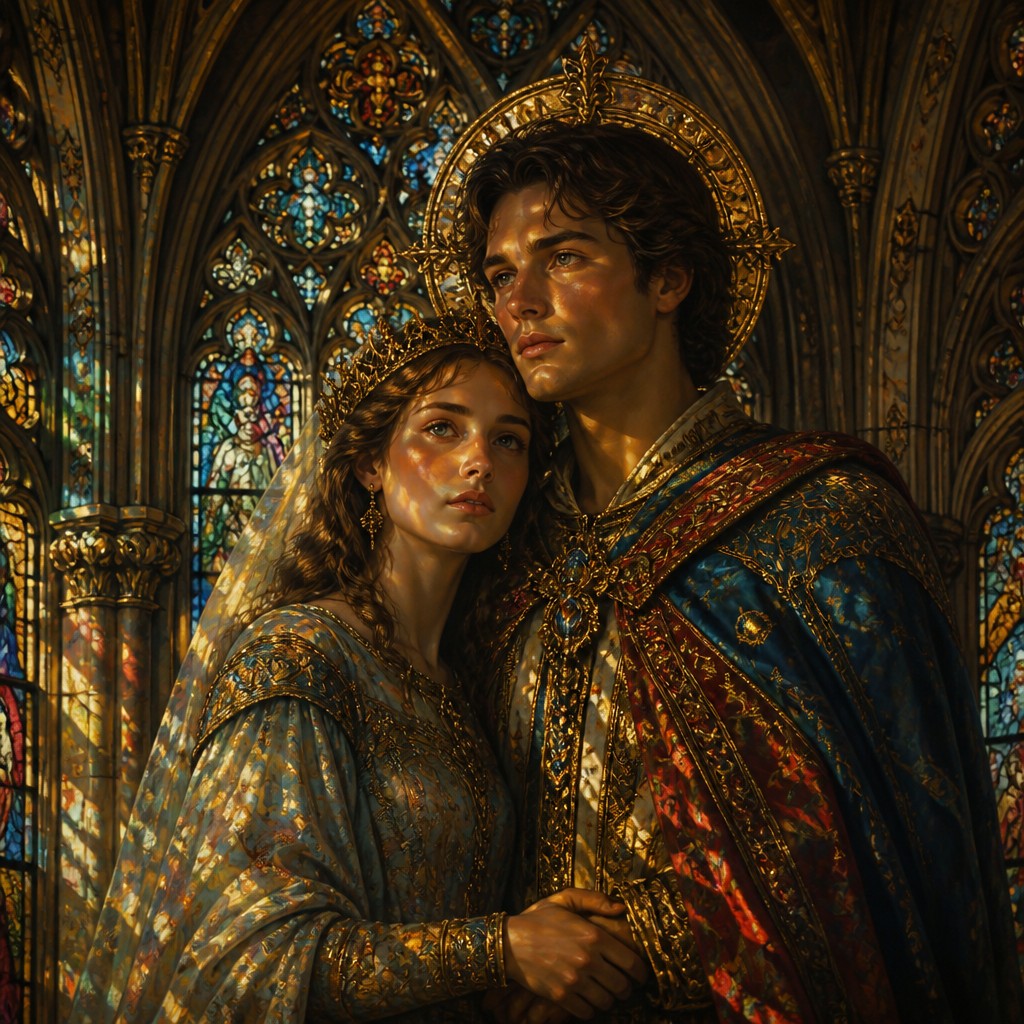
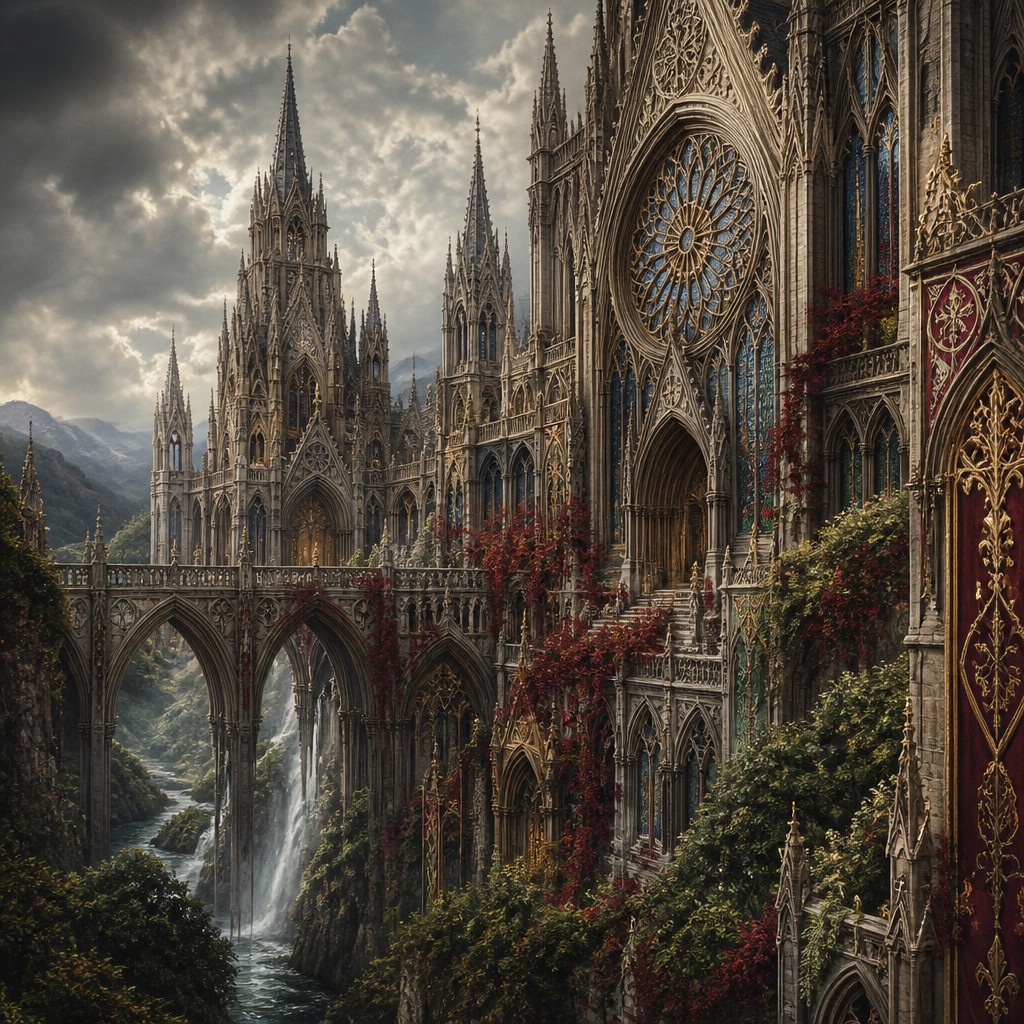
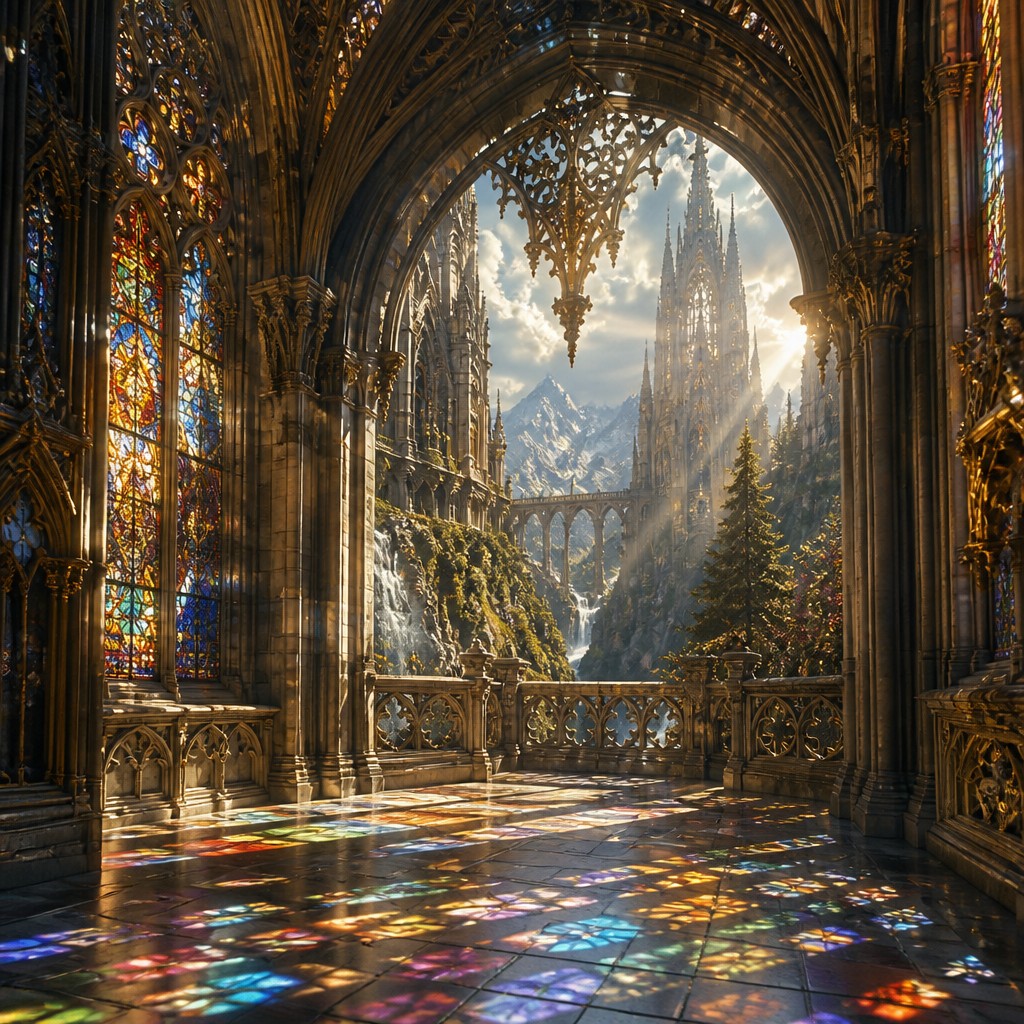
Style A focuses on the external and structural beauty of Gothic buildings: spires, rose windows, flying buttresses, and elaborate masonry arranged in strong, upward-moving compositions. Style B centers on the interior experience and spiritual meaning of the Gothic cathedral, using stained glass, carved stone, and divine light to create a reverent, monumental mood.
Same Prompt, Both Styles
Each pair below was generated from the identical prompt — only the style changed.
“portrait of two people together”
“wide landscape with natural scenery”
“still life with everyday objects”
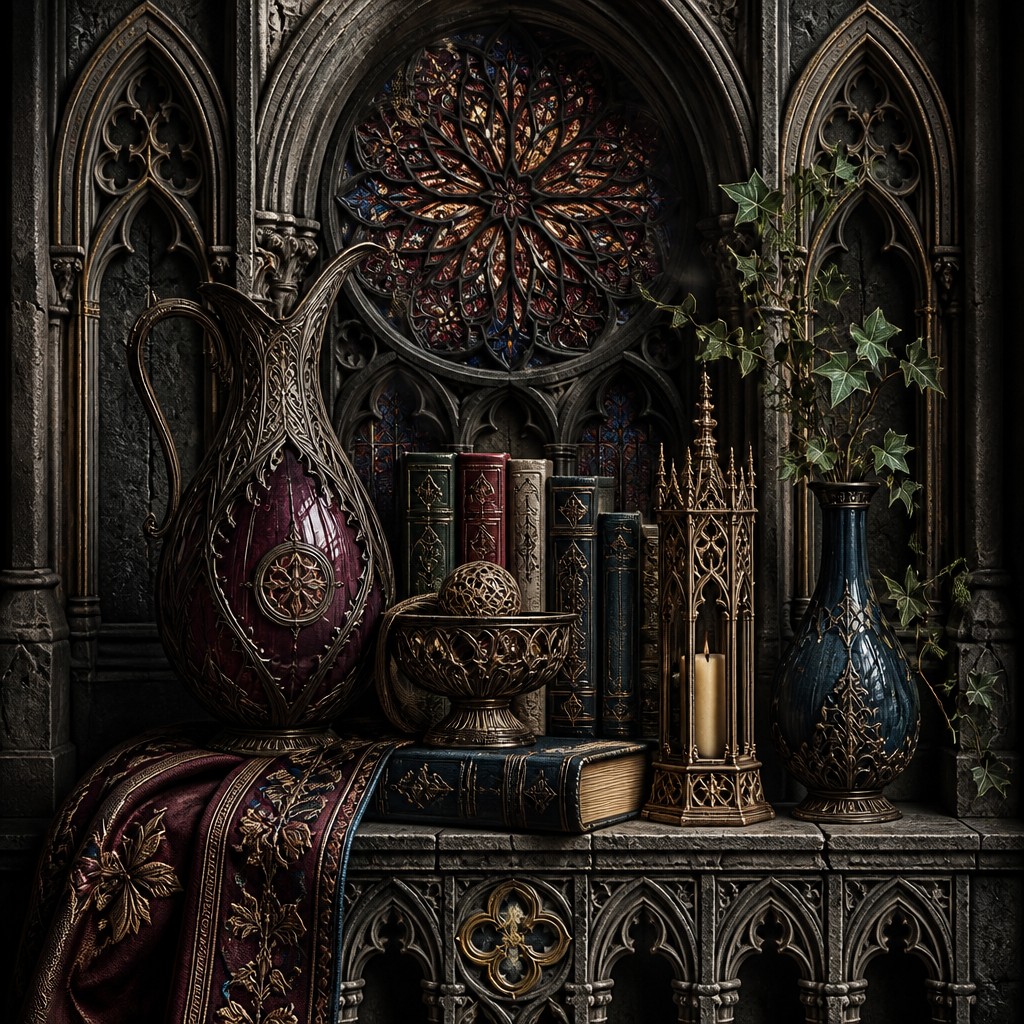
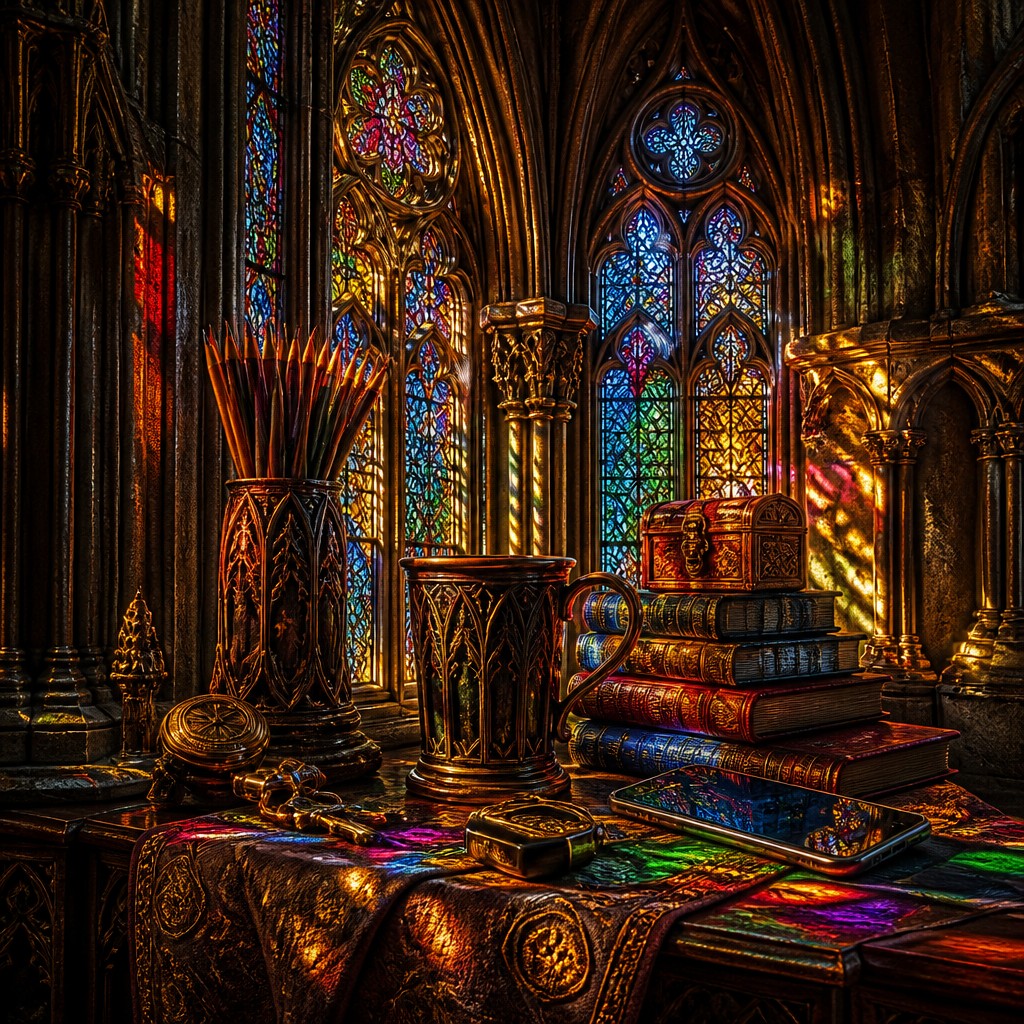
“bicyle resting against a wall”
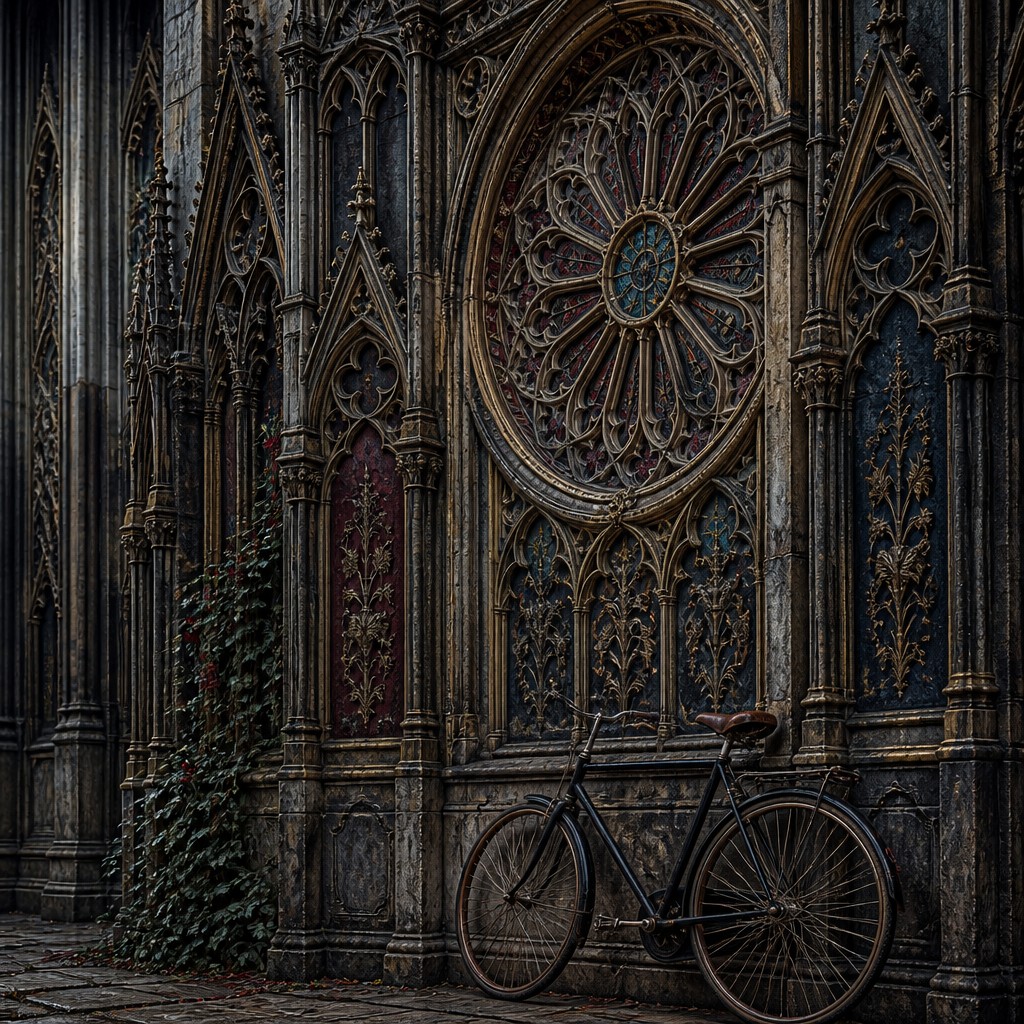
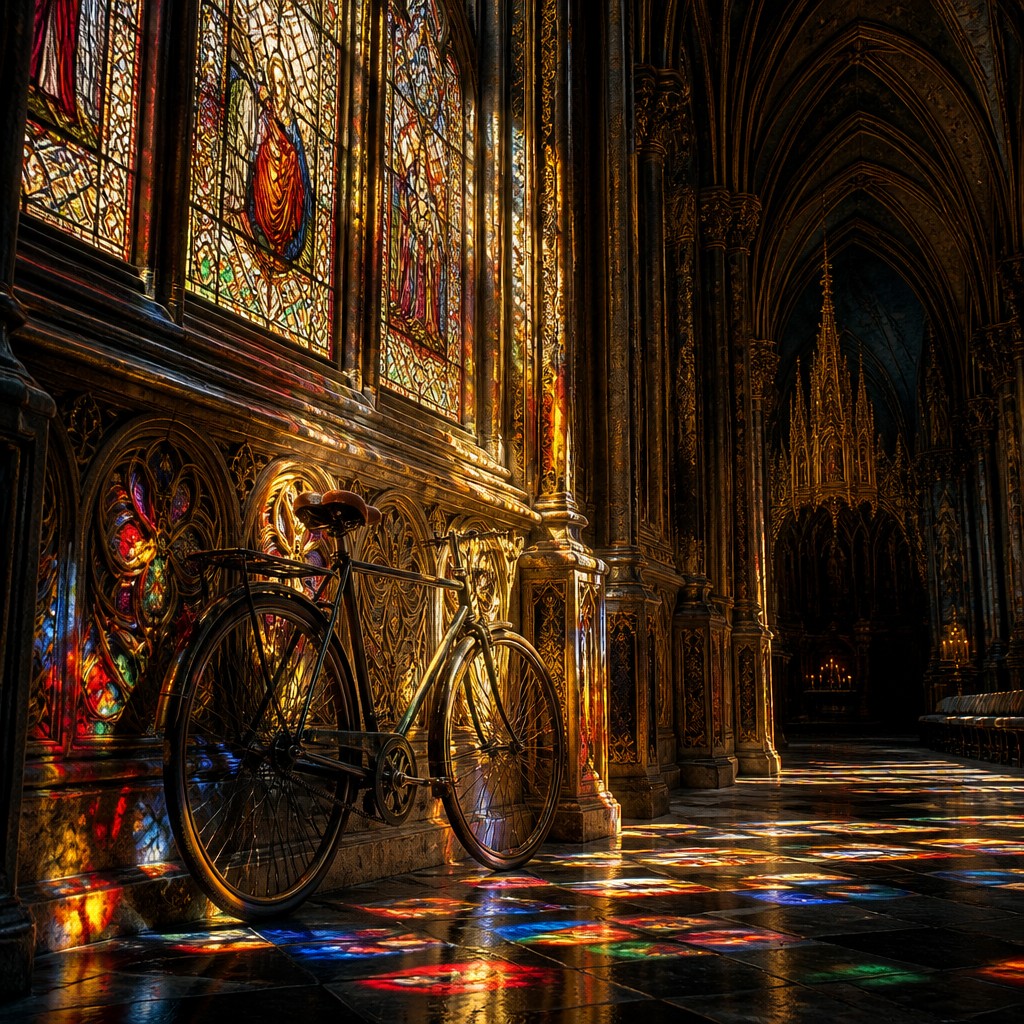
Key Differences
| Gothic Architecture | Gothic Cathedral | |
|---|---|---|
| Primary focus | Architecture as subject, highlighting structure and form. | Cathedral atmosphere, emphasizing sacred mood and symbolism. |
| Composition | Tall exteriors with sharp vertical lines and balanced facades. | Monumental interiors or facades shaped by light and reverence. |
| Light use | Uses contrast to define stone details and silhouette. | Uses colored light to suggest divinity and spiritual presence. |
| Detail emphasis | Spires, buttresses, tracery, and rose windows dominate. | Stained glass, carved stone, and ceremonial ornament dominate. |
| Mood | Dramatic, precise, and structurally imposing. | Reverent, luminous, and devotional. |
| Viewer experience | Invites admiration for engineering and design. | Invites contemplation and awe within a sacred setting. |
| Mood | awe-inspiring, solemn, elevated, mysterious, reverent | reverent, solemn, awe-inspiring, ethereal, majestic |
| Energy | intense | balanced |
| Detail level | intricate | intricate |
| Color | stone gray, muted earth, stained-glass jewel tones | deep jewel tones with luminous gold |
| Texture | carved stone, weathered masonry, ornate tracery | stone-carved, glassy, ornate, luminous |
| Origin | medieval Europe, 12th-16th centuries | medieval Europe, 12th-15th centuries |
| Best for | cathedral illustrations, historical posters, fantasy worldbuilding, book covers, museum exhibits, architectural studies | religious posters, fantasy book covers, museum graphics, cathedral interiors, saint iconography, medieval-themed album art |
| Difficulty | advanced | advanced |
Which Should You Choose?
Pick Style A if you want to showcase the architecture itself, especially the exterior structure, vertical grandeur, and decorative stonework of Gothic buildings. Pick Style B if you want a more spiritual or ceremonial feeling, with emphasis on divine light, sacred space, and the emotional presence of a cathedral interior or facade.
Frequently Asked Questions
Are these two styles actually the same thing?
Not exactly. They overlap strongly because both are rooted in Gothic cathedral design, but Style A is more architecture-centered while Style B is more atmosphere- and meaning-centered.
Which style is better for showing tall buildings?
Style A is usually better for tall buildings because it highlights spires, buttresses, and strong vertical composition. Style B can also show height, but it usually prioritizes sacred mood over architectural clarity.
Which style uses stained glass more effectively?
Style B generally makes better use of stained glass because it treats colored light as part of the spiritual experience. Style A may include rose windows or tracery, but usually as structural and decorative features.
Which style feels more dramatic?
Style A often feels more dramatic in a structural, imposing way because it emphasizes sharp lines and soaring forms. Style B feels dramatic in a more reverent and mystical way, shaped by light and sacred symbolism.