Neo-Expressionism vs Abstract Expressionism: What's the Difference?
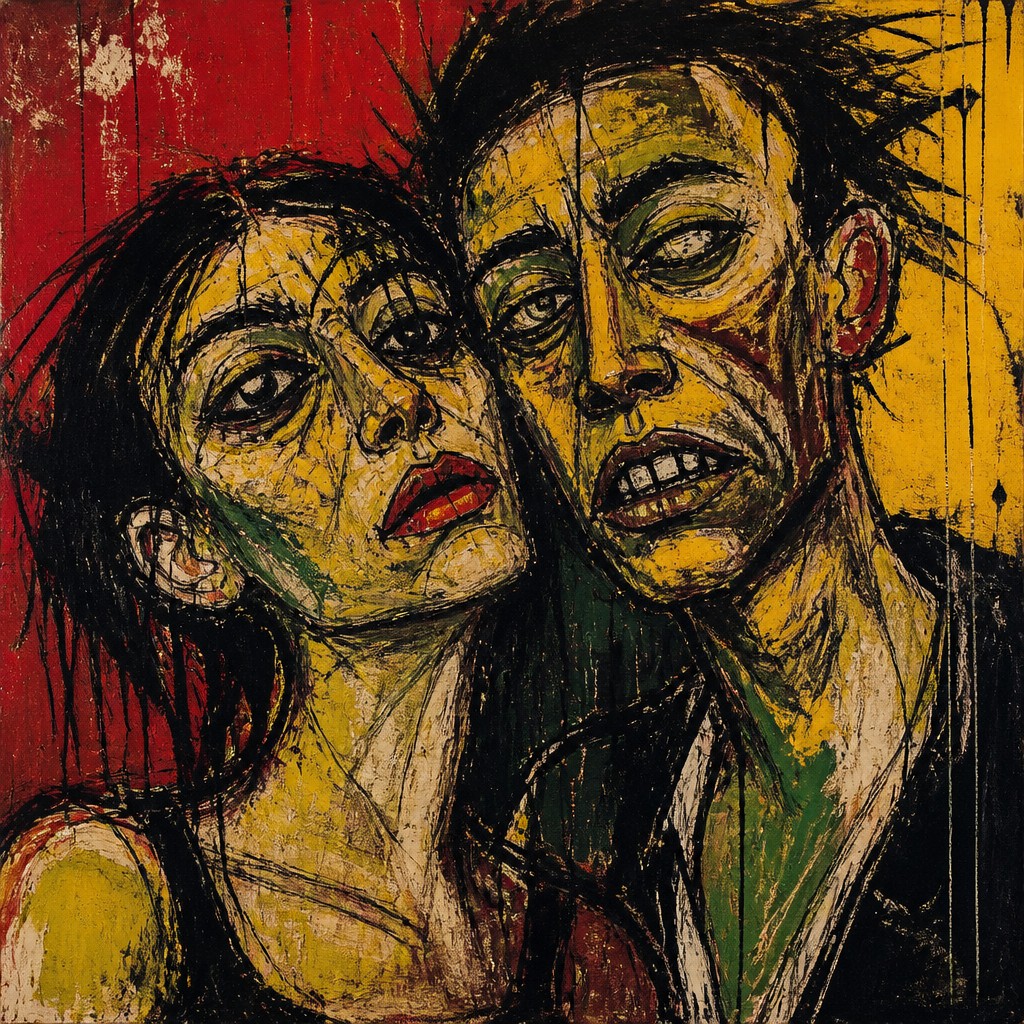
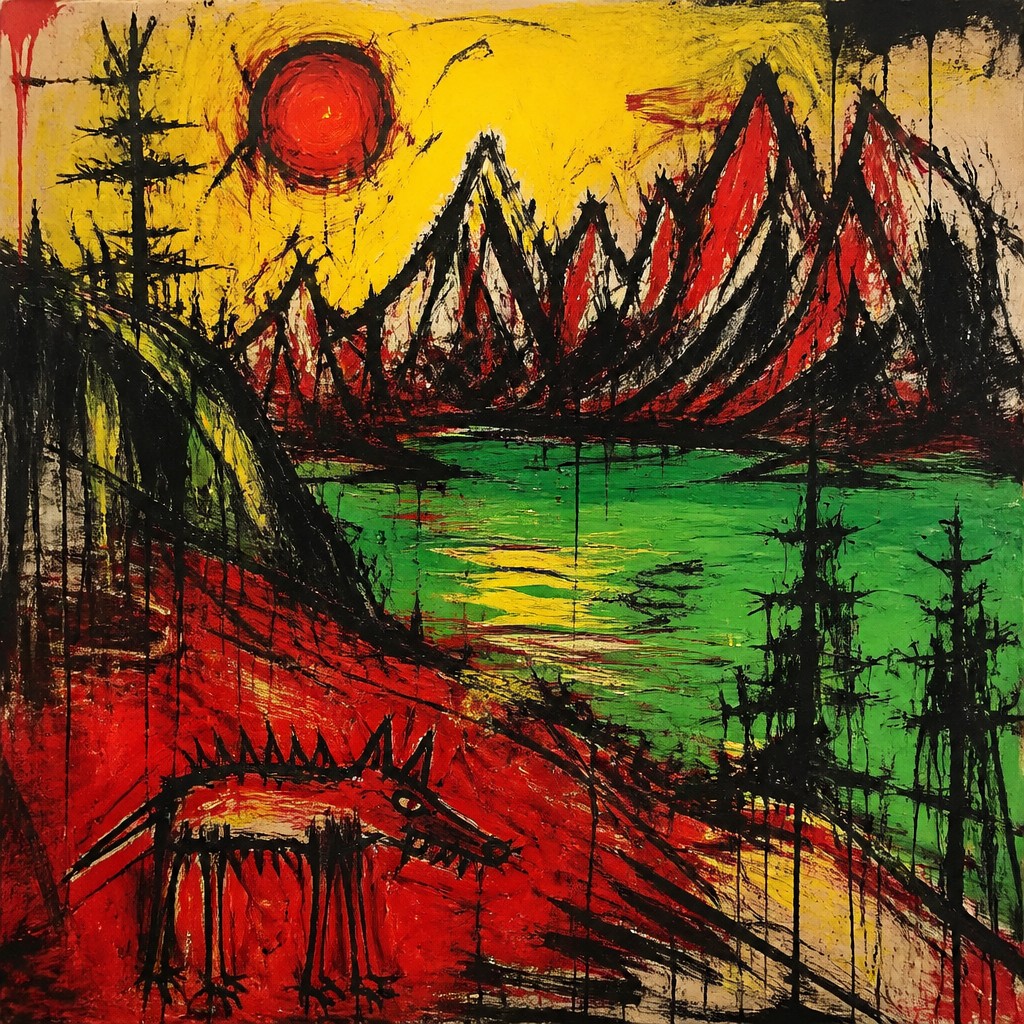
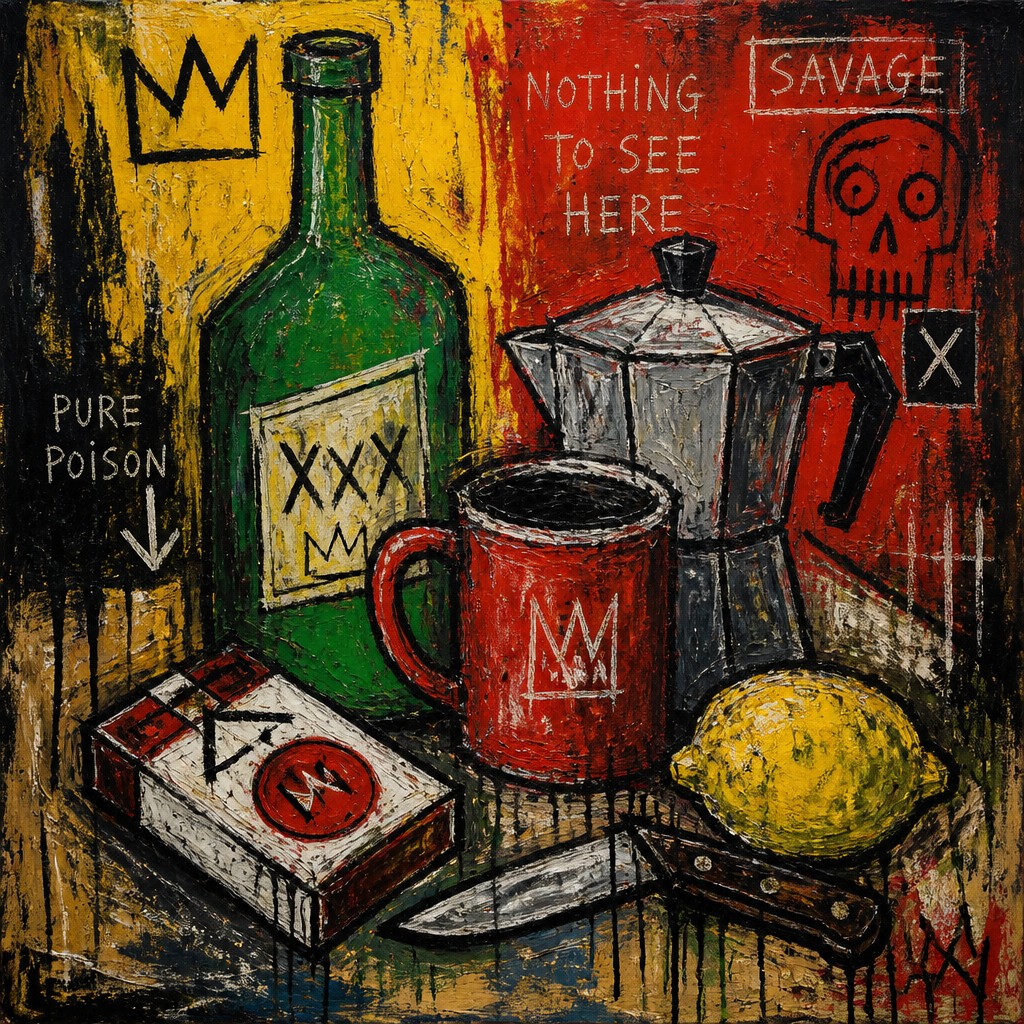
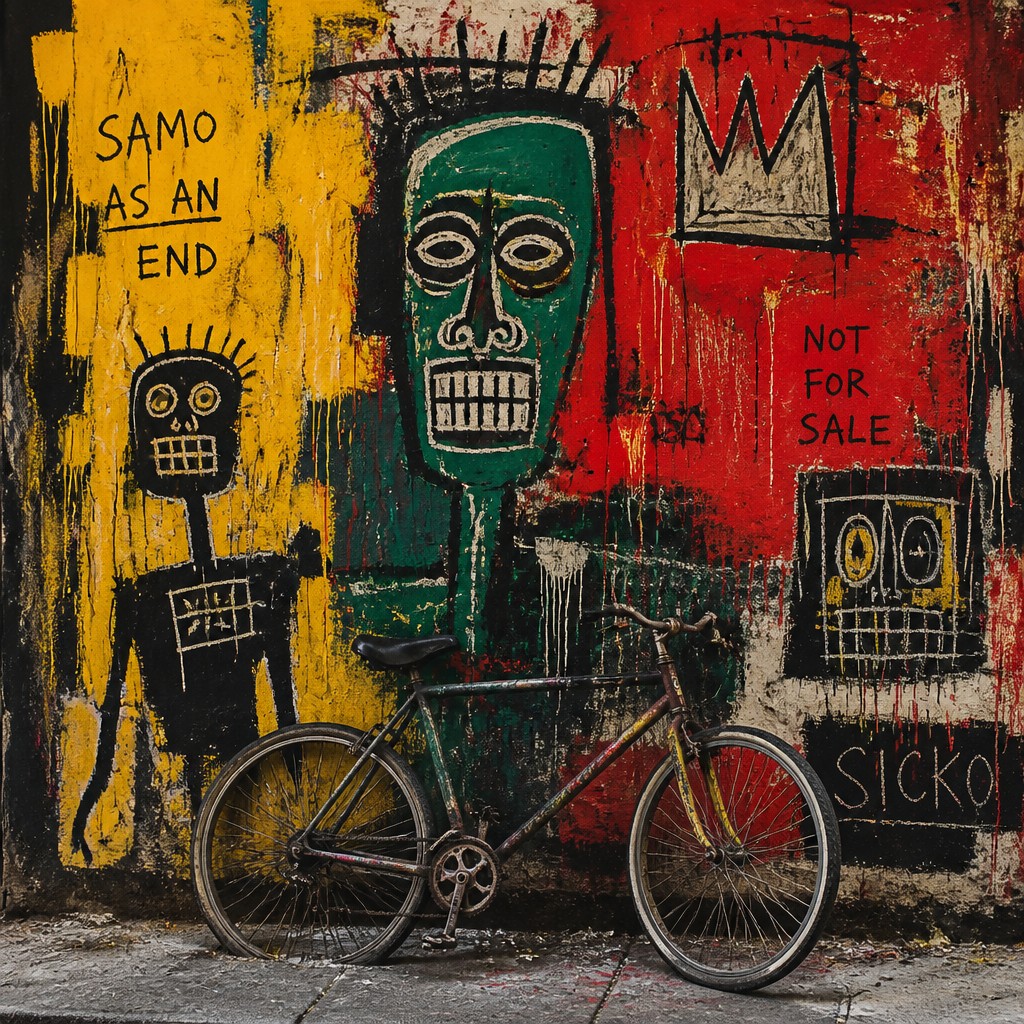
Neo-Expressionism is a late-20th-century painting style known for raw, aggressive brushwork, distorted figures, thick paint, and intense color contrasts. It often feels figurative or semi-figurative, using recognizable subjects to heighten psychological tension, urgency, and emotional conflict.
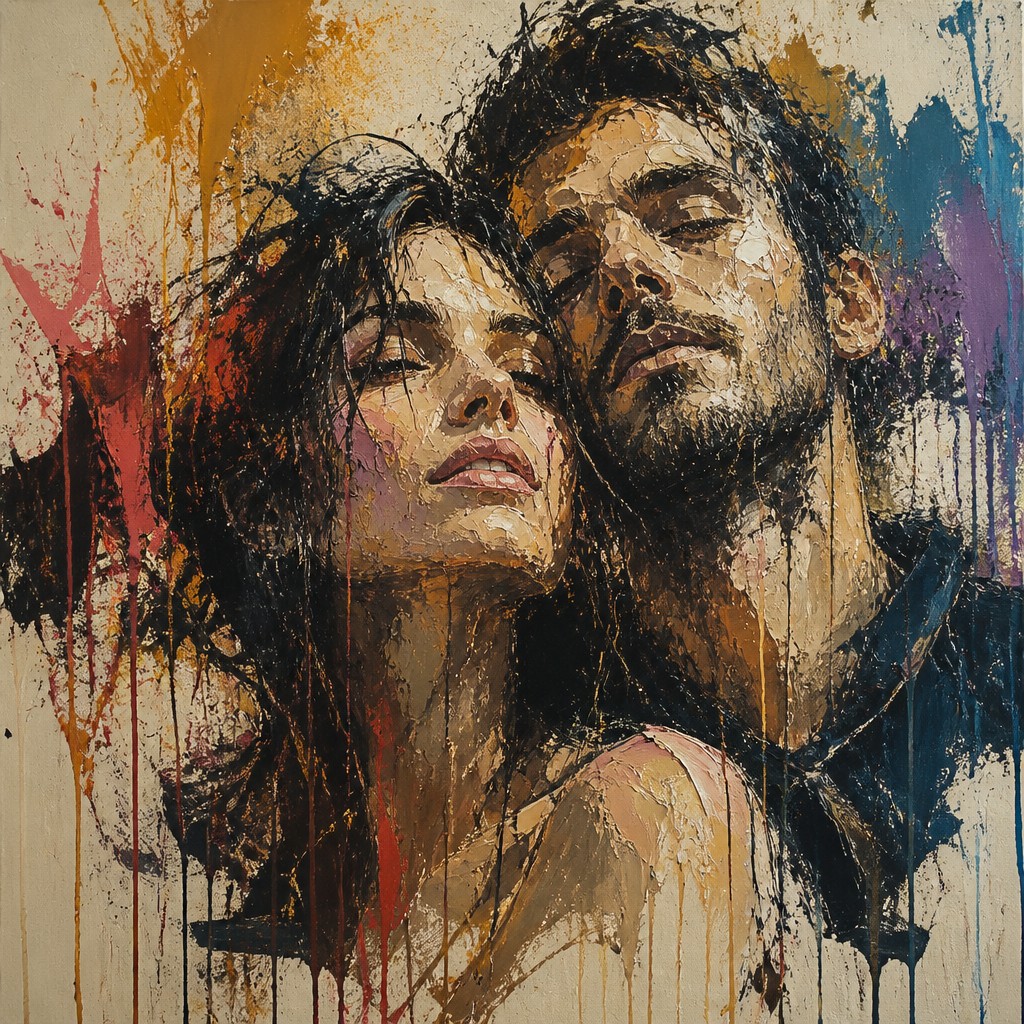
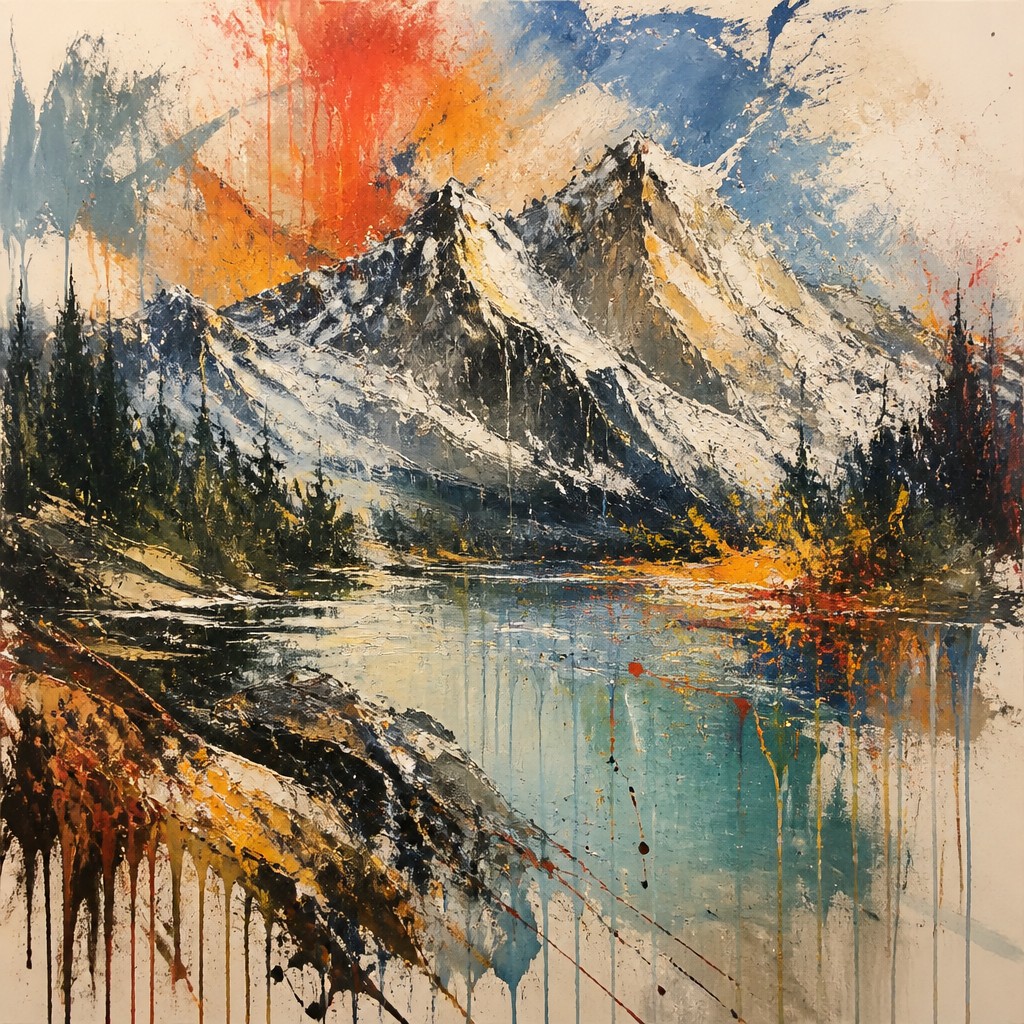
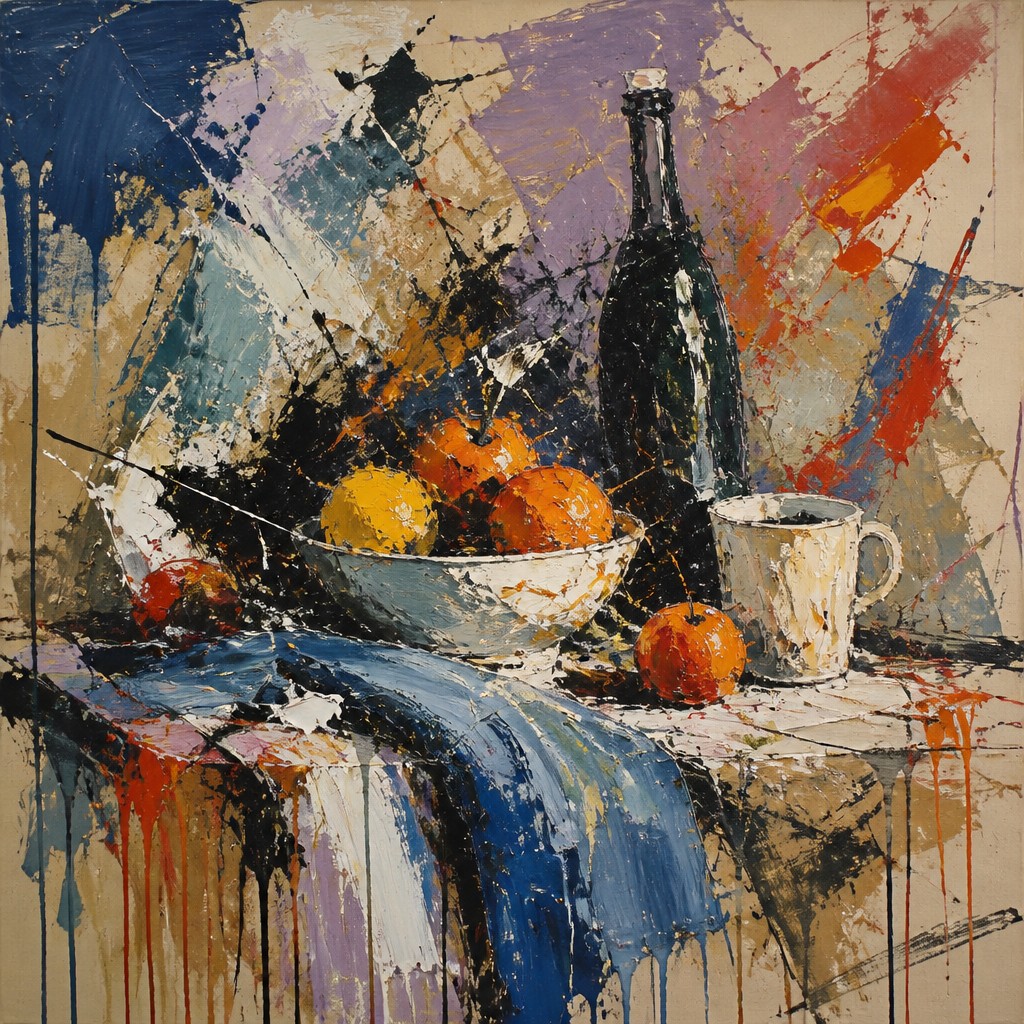
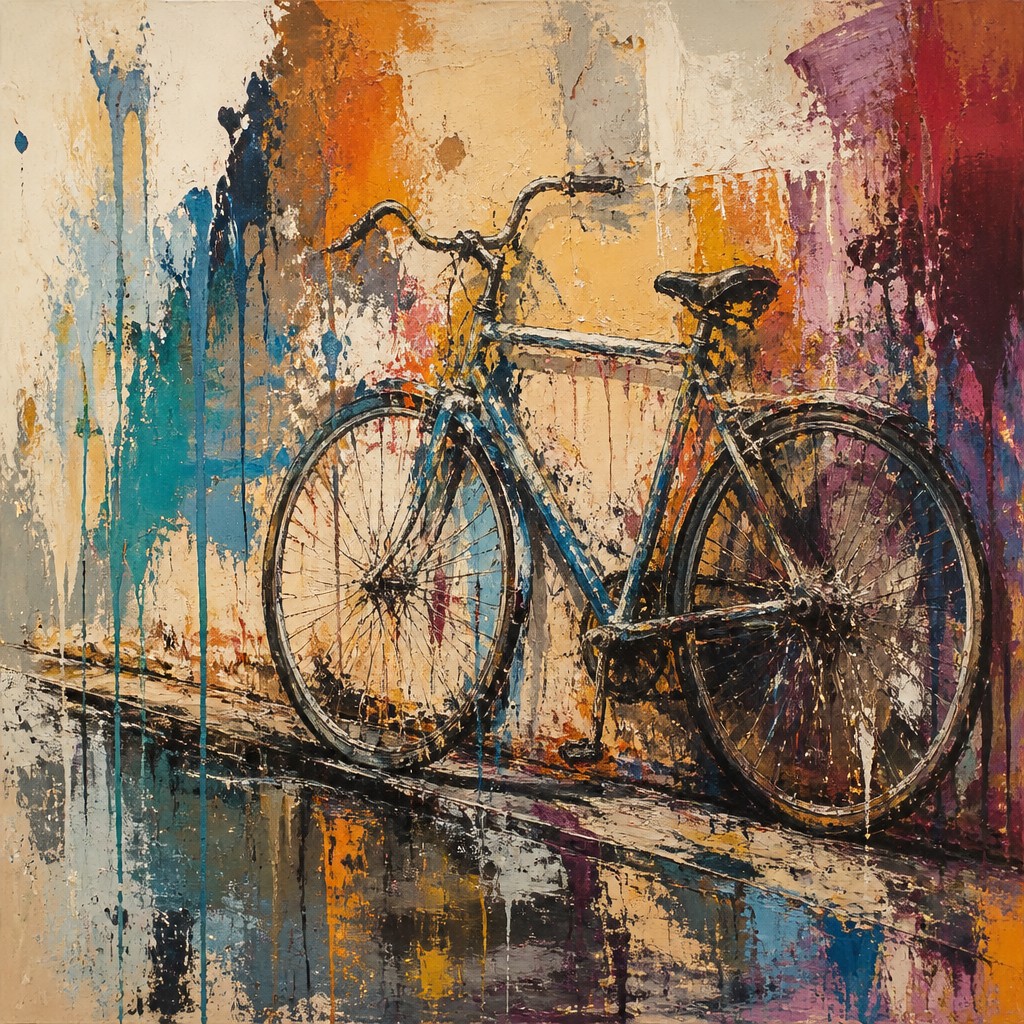
Abstract Expressionism is an earlier large-scale painting movement centered on gesture, spontaneity, and the physical act of painting. It usually reduces or removes recognizable subject matter, emphasizing drips, splashes, broad strokes, and open-ended emotional expression. People compare the two because both rely on visible mark-making, scale, and intensity, but they differ in how much they retain image, narrative, and figural distortion.
Same Prompt, Both Styles
Each pair below was generated from the identical prompt — only the style changed.
“portrait of two people together”
“wide landscape with natural scenery”
“still life with everyday objects”
“bicyle resting against a wall”
Key Differences
| Neo-Expressionism | Abstract Expressionism | |
|---|---|---|
| Subject matter | Often depicts distorted figures or objects. | Usually non-representational or highly abstract. |
| Form | Recognizable forms are twisted and exaggerated. | Forms dissolve into gesture, fields, or traces. |
| Mark-making | Heavy, forceful strokes build tension and texture. | Spontaneous strokes, drips, and splashes dominate. |
| Emotional tone | Feels confrontational, anxious, or psychologically charged. | Feels immediate, immersive, and open-ended. |
| Color | Uses vivid, clashing colors for impact. | May use bold color, but not always clash-driven. |
| Composition | Often centered on the figure or narrative hint. | Often expansive, all-over, and structure-light. |
| Mood | angry, raw, brooding, psychological | expressive, turbulent, introspective, raw, dynamic |
| Energy | intense | intense |
| Detail level | moderate | moderate |
| Color | bold, saturated, often dark contrasts | bold, contrasting, often earth-toned or saturated |
| Texture | rough, visibly brushed, heavily worked | thick, layered, dripped, gestural |
| Origin | late 20th century Europe and New York | mid-20th century New York |
| Best for | album covers, posters, gallery paintings, book covers, emotive figurative art | large-scale canvases, album covers, posters, editorial art, museum exhibitions, statement interiors |
| Difficulty | advanced | advanced |
Which Should You Choose?
Choose Neo-Expressionism if you want visible figures, symbolic distortion, and a more narrative or psychologically explicit image. Choose Abstract Expressionism if you want the painting process itself to be the subject, with less literal imagery and more emphasis on gesture, scale, and pure emotional energy.
Frequently Asked Questions
Are Neo-Expressionism and Abstract Expressionism the same thing?
No. They overlap in their emphasis on energy and painterly marks, but they are distinct styles from different periods. Neo-Expressionism is generally more figurative and image-driven, while Abstract Expressionism is usually more non-representational.
Which style is more abstract?
Abstract Expressionism is typically more abstract because it often avoids recognizable subject matter altogether. Neo-Expressionism may be distorted and expressive, but it often keeps figures or objects visible.
Which style uses thicker paint?
Both can use thick paint and impasto. Neo-Expressionism often uses it to intensify rough surfaces and distorted imagery, while Abstract Expressionism uses it as part of broader gestural expression.
Which style feels more emotional or aggressive?
Both can feel emotionally intense, but in different ways. Neo-Expressionism often feels more confrontational and psychologically pointed, while Abstract Expressionism often feels immediate, physical, and expansive.