Abstract vs Abstract Expressionism: What's the Difference?
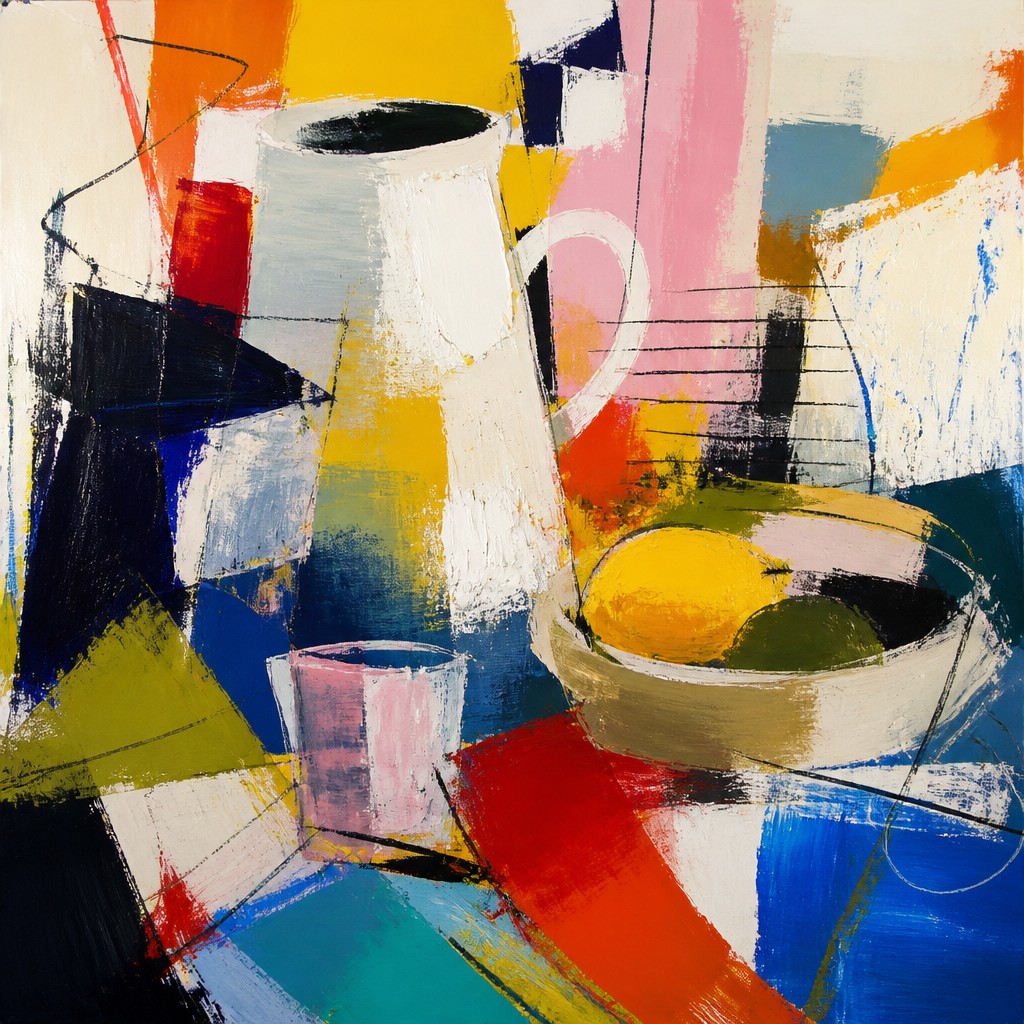
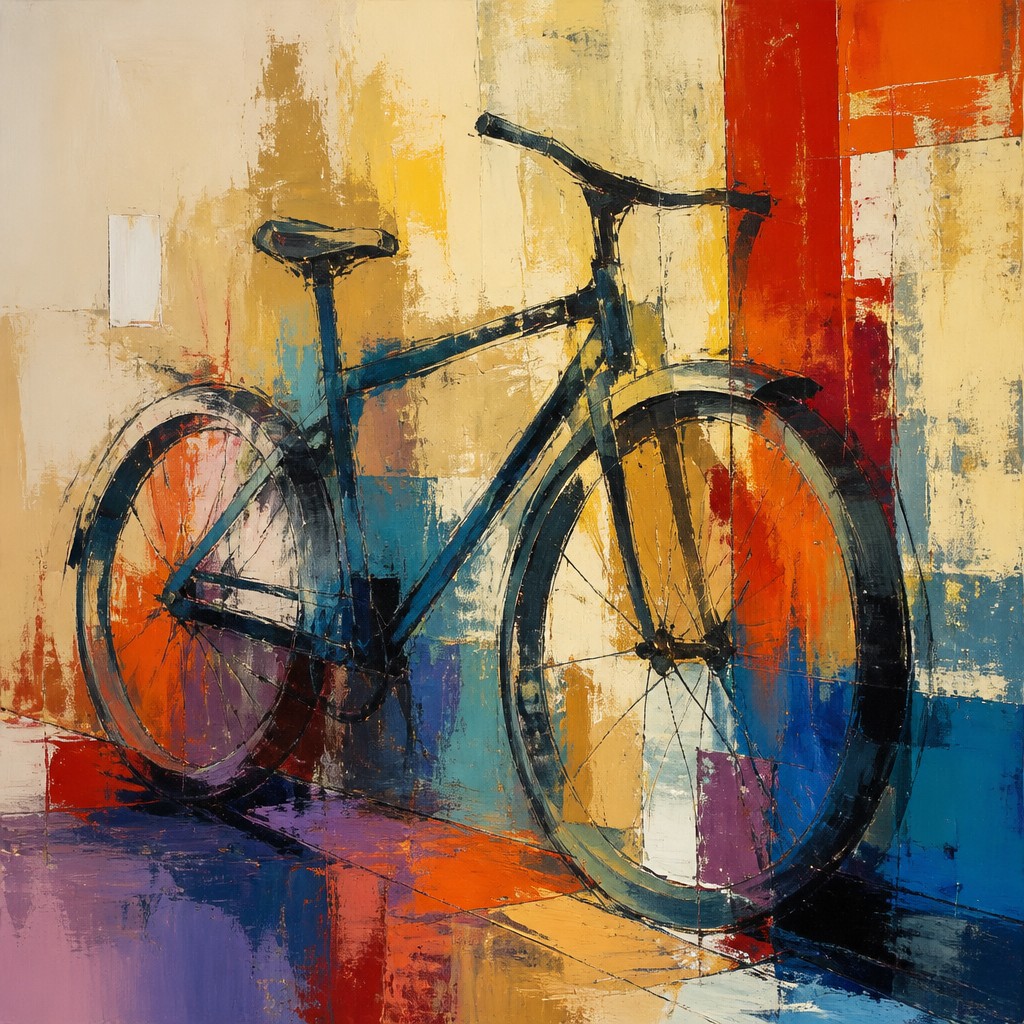
Abstract art is a broad style that uses color, shape, line, texture, and composition to express ideas or emotions without showing recognizable objects or scenes. It can be calm, structured, playful, minimal, or highly expressive, and it includes many different approaches to non-representational art.
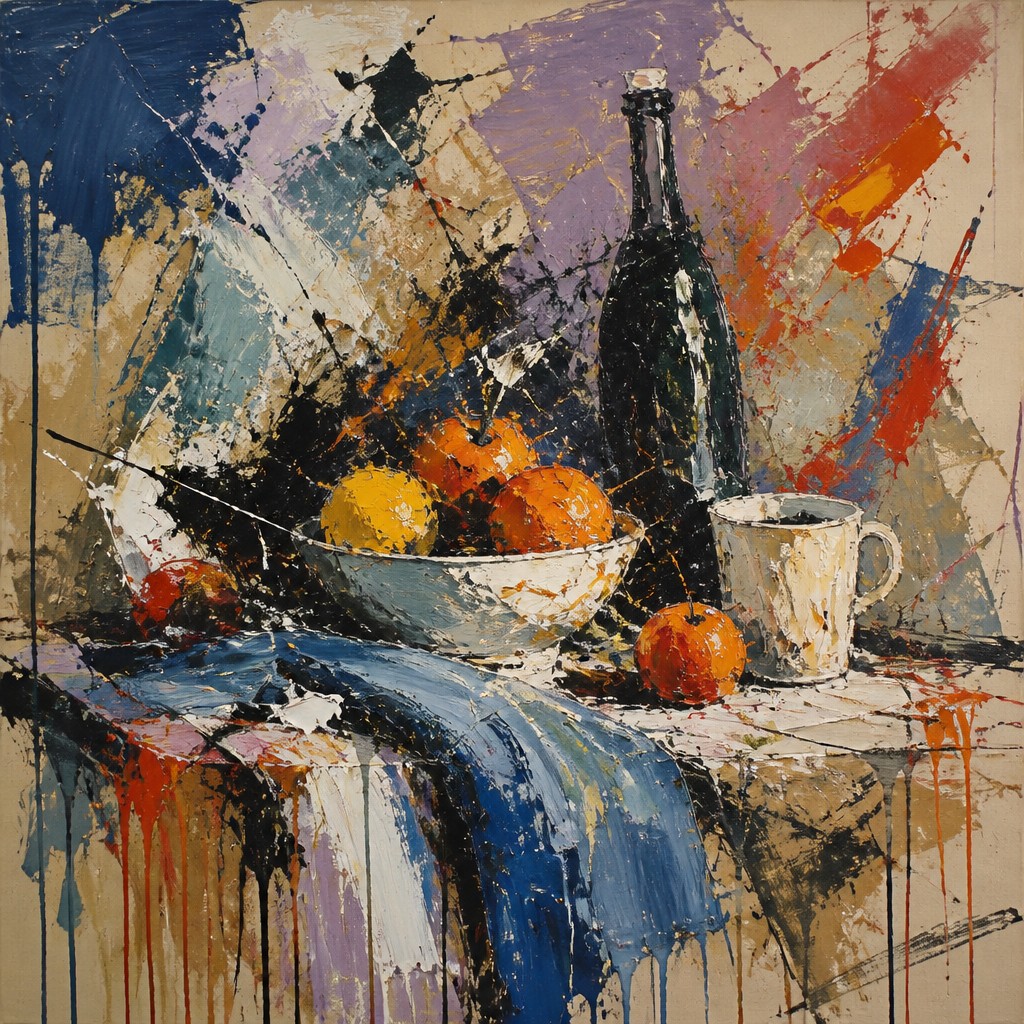
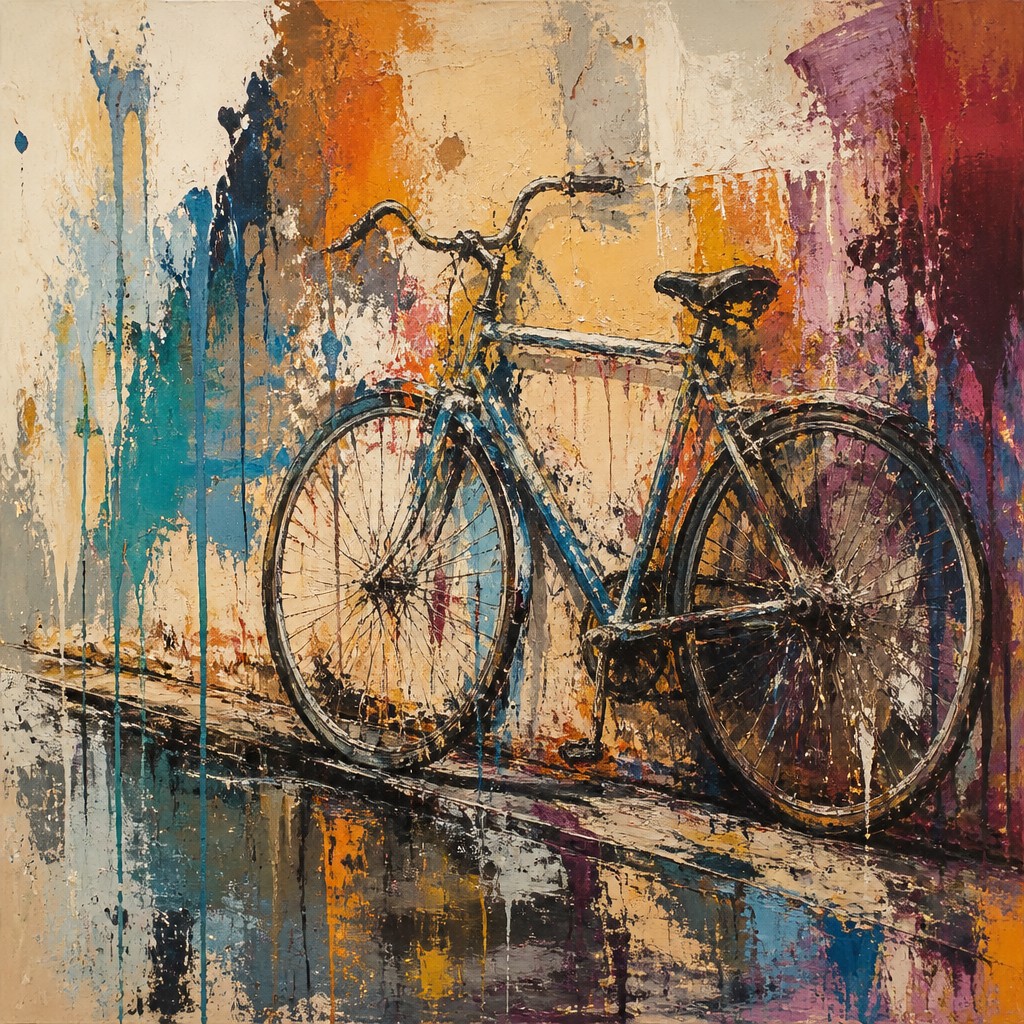
Abstract Expressionism is a more specific art movement within abstraction, known for large-scale works, energetic gestures, drips, splashes, and visible, physical paint handling. People compare the two because they overlap visually, but one is a wide category and the other is a particular style focused on intensity, scale, and immediate emotional impact.
Same Prompt, Both Styles
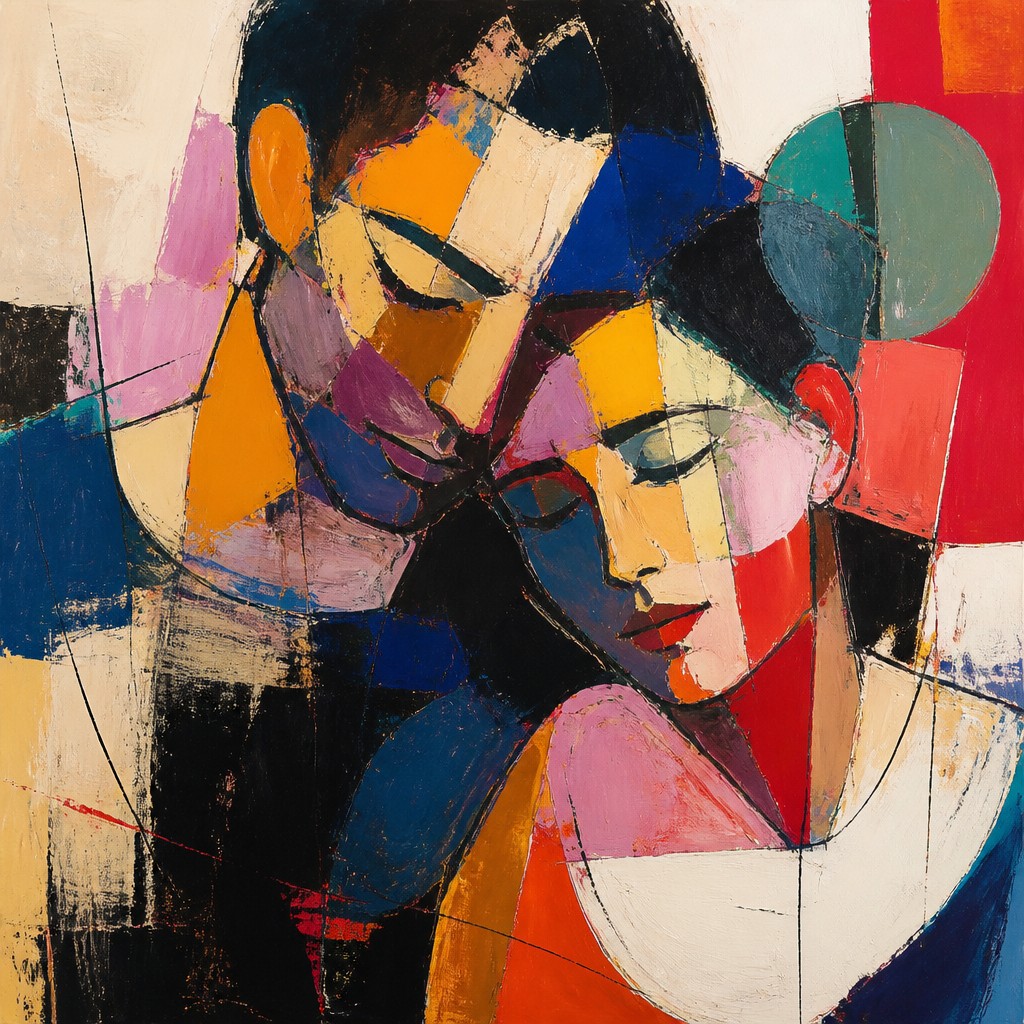
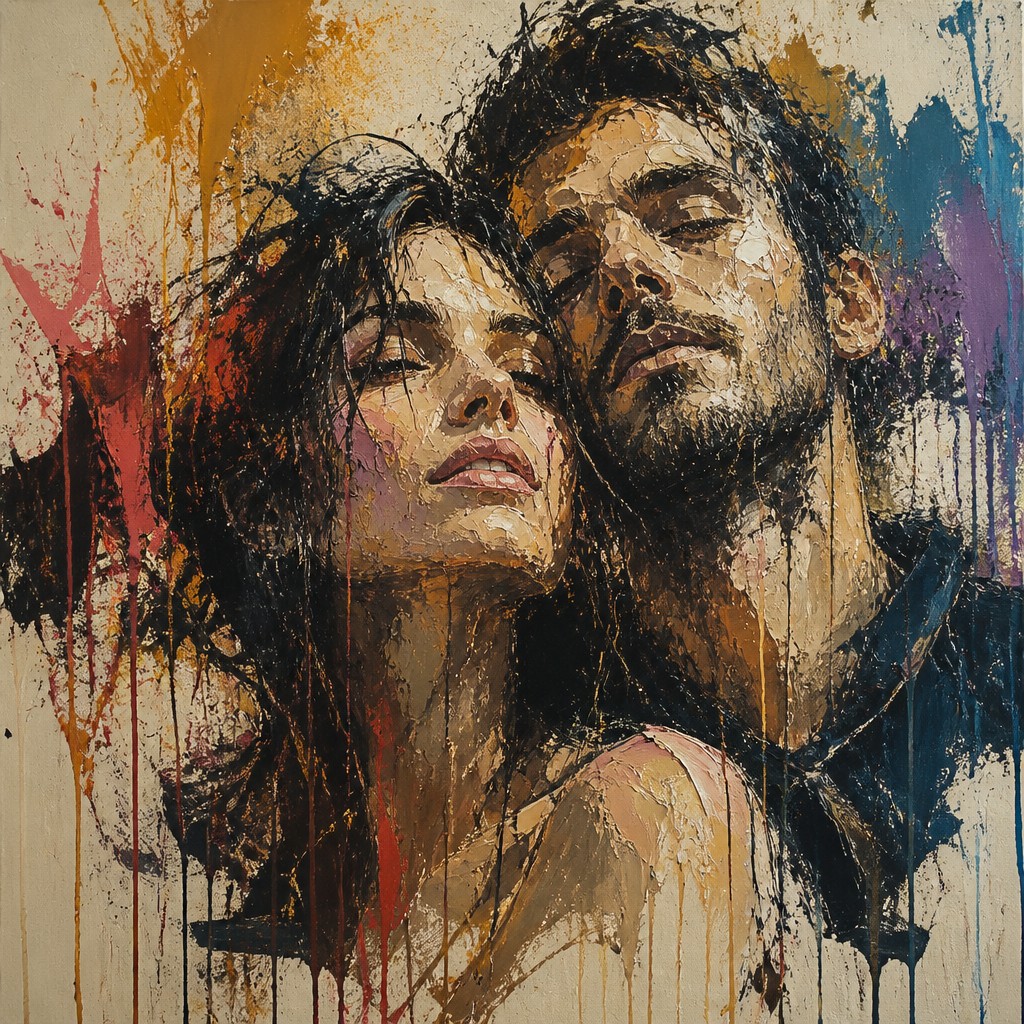
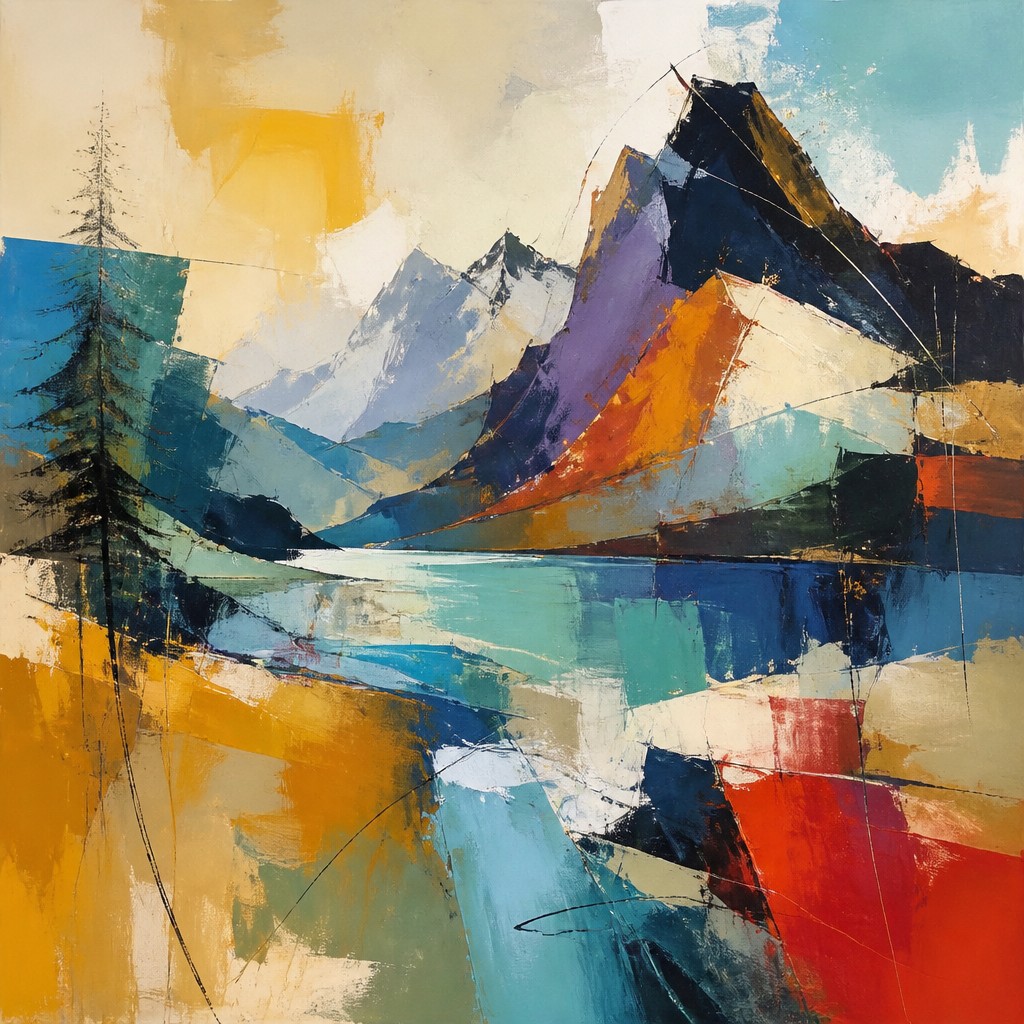
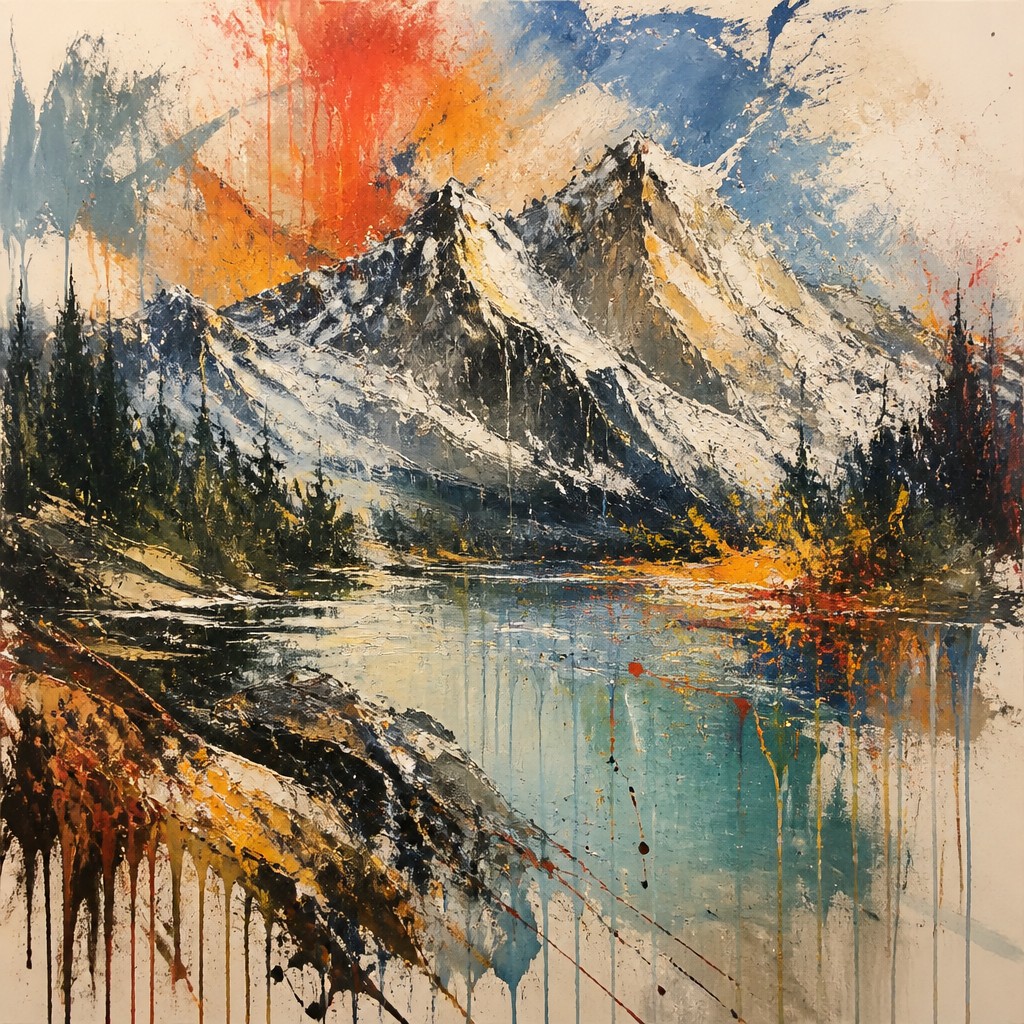
Each pair below was generated from the identical prompt — only the style changed.
“portrait of two people together”
“wide landscape with natural scenery”
“still life with everyday objects”
“bicyle resting against a wall”
Key Differences
| Abstract | Abstract Expressionism | |
|---|---|---|
| Scope | Broad category of non-representational art. | Specific movement within abstract art. |
| Mood | Can be quiet, balanced, or experimental. | Often intense, urgent, and emotionally charged. |
| Scale | Works may be small or large. | Often large-scale and immersive. |
| Mark-making | May use clean shapes or subtle brushwork. | Uses gestural strokes, drips, and splashes. |
| Surface texture | Texture varies widely or may be minimal. | Often thick paint and visible impasto. |
| Composition | Can be orderly, geometric, or free-form. | Usually dynamic, physical, and spontaneous-looking. |
| Mood | expressive, contemplative, dynamic, ambiguous | expressive, turbulent, introspective, raw, dynamic |
| Energy | intense | intense |
| Detail level | moderate | moderate |
| Color | varied, often bold or subdued | bold, contrasting, often earth-toned or saturated |
| Texture | layered, gestural, tactile | thick, layered, dripped, gestural |
| Origin | early 20th-century Europe | mid-20th century New York |
| Best for | posters, album covers, gallery prints, editorial art, book covers | large-scale canvases, album covers, posters, editorial art, museum exhibitions, statement interiors |
| Difficulty | moderate | advanced |
Which Should You Choose?
Choose Abstract Art if you want a broad, flexible style that can be minimal, geometric, lyrical, or conceptual. Choose Abstract Expressionism if you want bold scale, visible movement, and a raw, emotional presence in the paint handling. In short, pick A for variety and structure, and pick B for dramatic gesture and physical energy.
Frequently Asked Questions
Is Abstract Expressionism the same as abstract art?
No. Abstract art is the broader category, while Abstract Expressionism is a specific movement inside it. All Abstract Expressionism is abstract, but not all abstract art is Abstract Expressionism.
Which style is more emotional?
Abstract Expressionism is usually more overtly emotional because it emphasizes gesture, scale, and physical paint application. Abstract art can also express emotion, but it may do so in a calmer or more controlled way.
Does abstract art have to be totally non-objective?
No. Abstract art can be fully non-representational or loosely based on real-world forms. The key is that recognizable reality is transformed or reduced rather than directly depicted.
Which style is better for beginners?
Abstract art is often easier for beginners because it allows more freedom in shape, color, and composition. Abstract Expressionism can also be accessible, but its loose, gestural approach may feel less controlled and harder to plan.