Nigerian Art Style
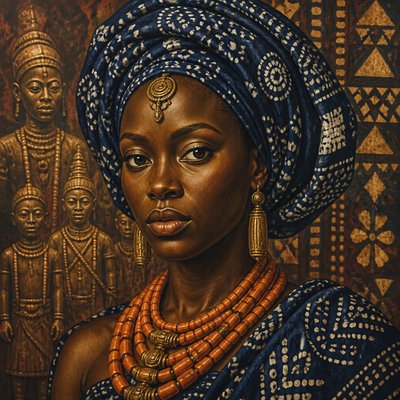
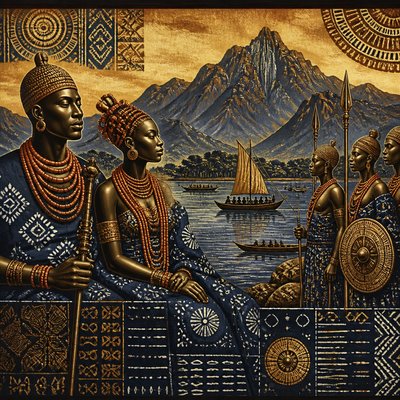
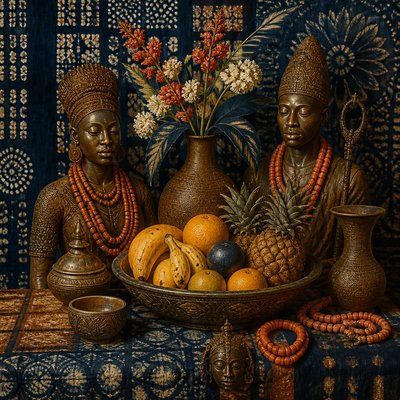
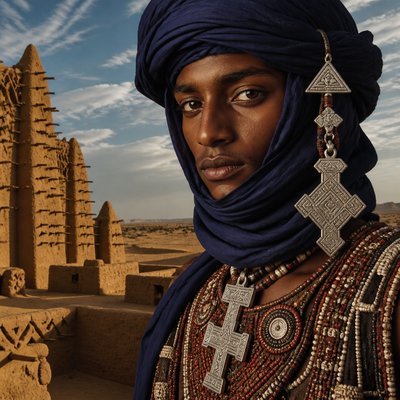
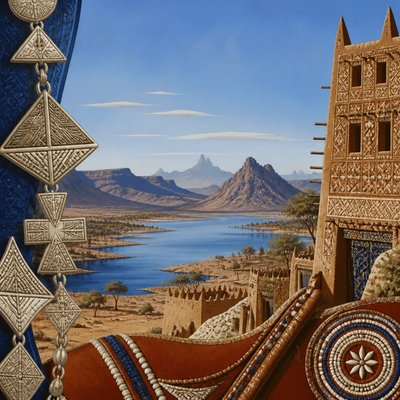
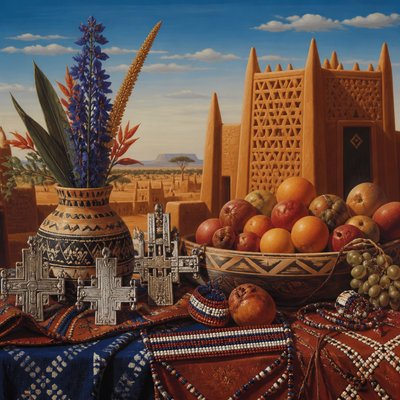
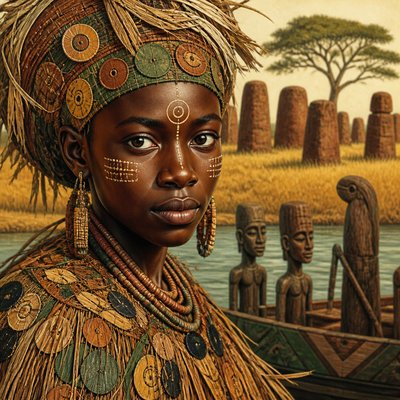
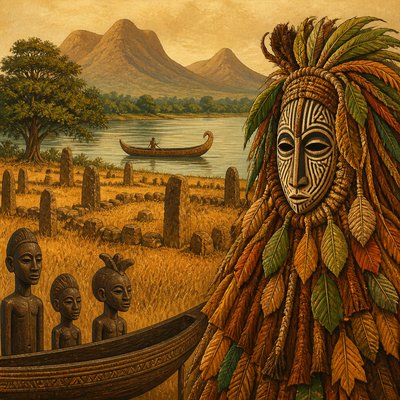
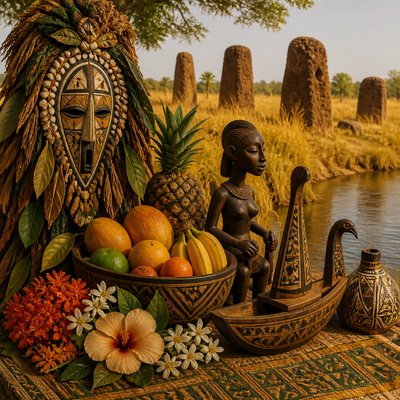
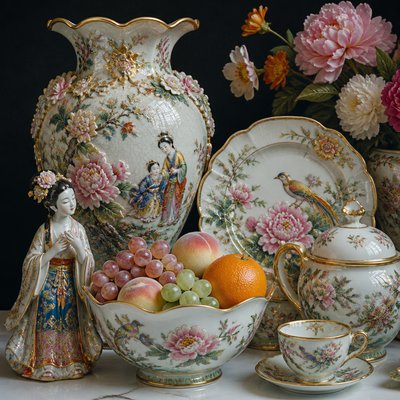
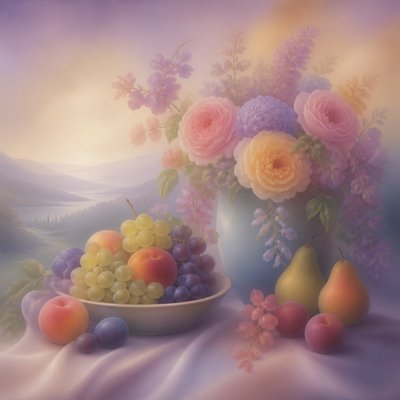
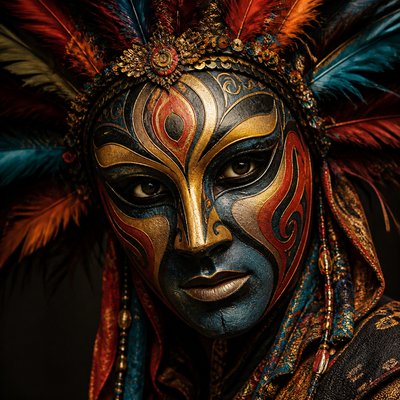
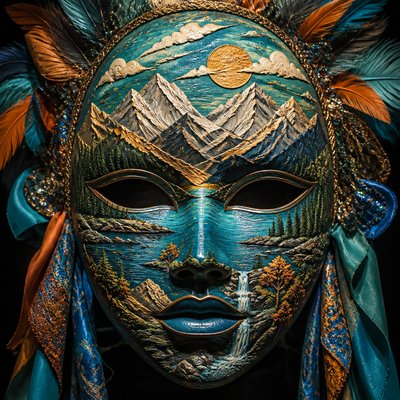
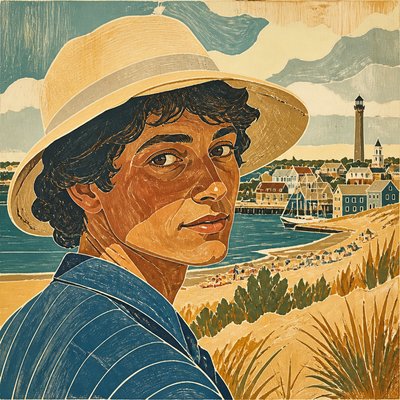
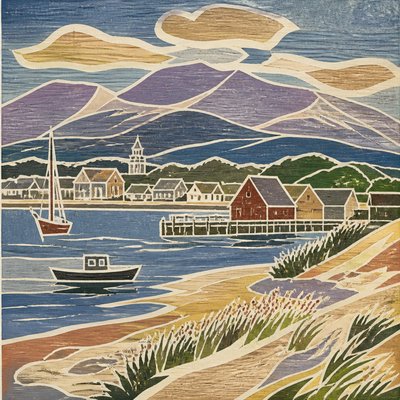
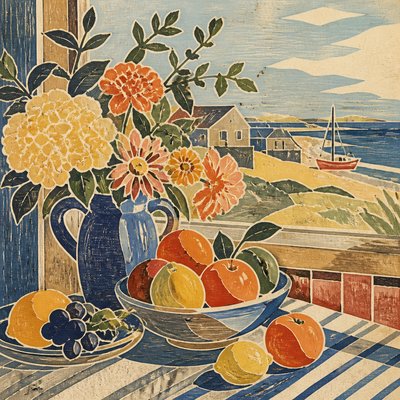
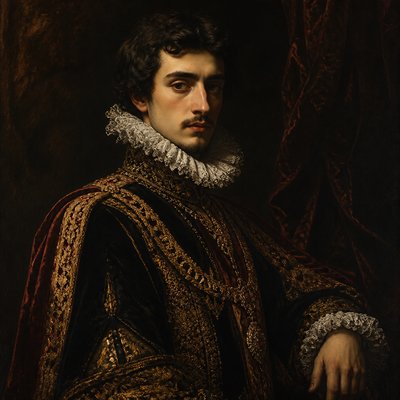
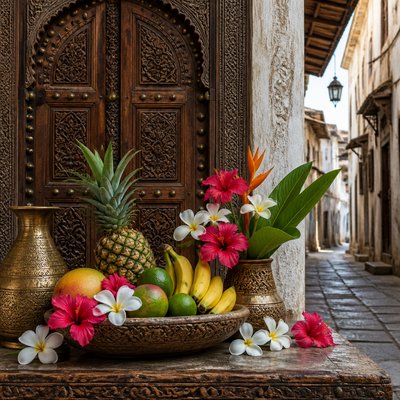
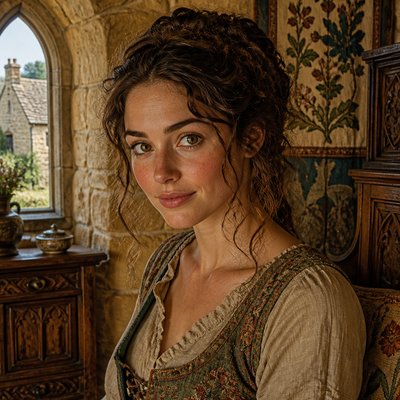
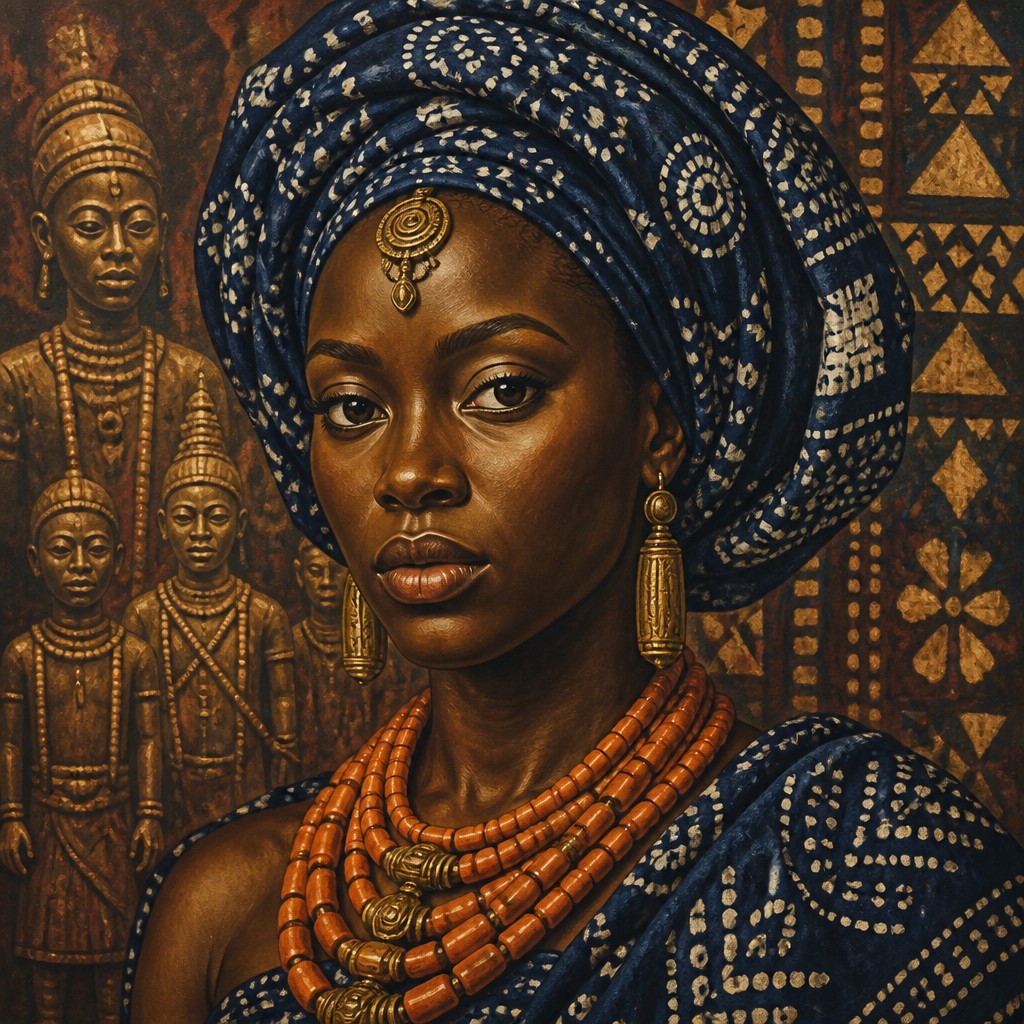
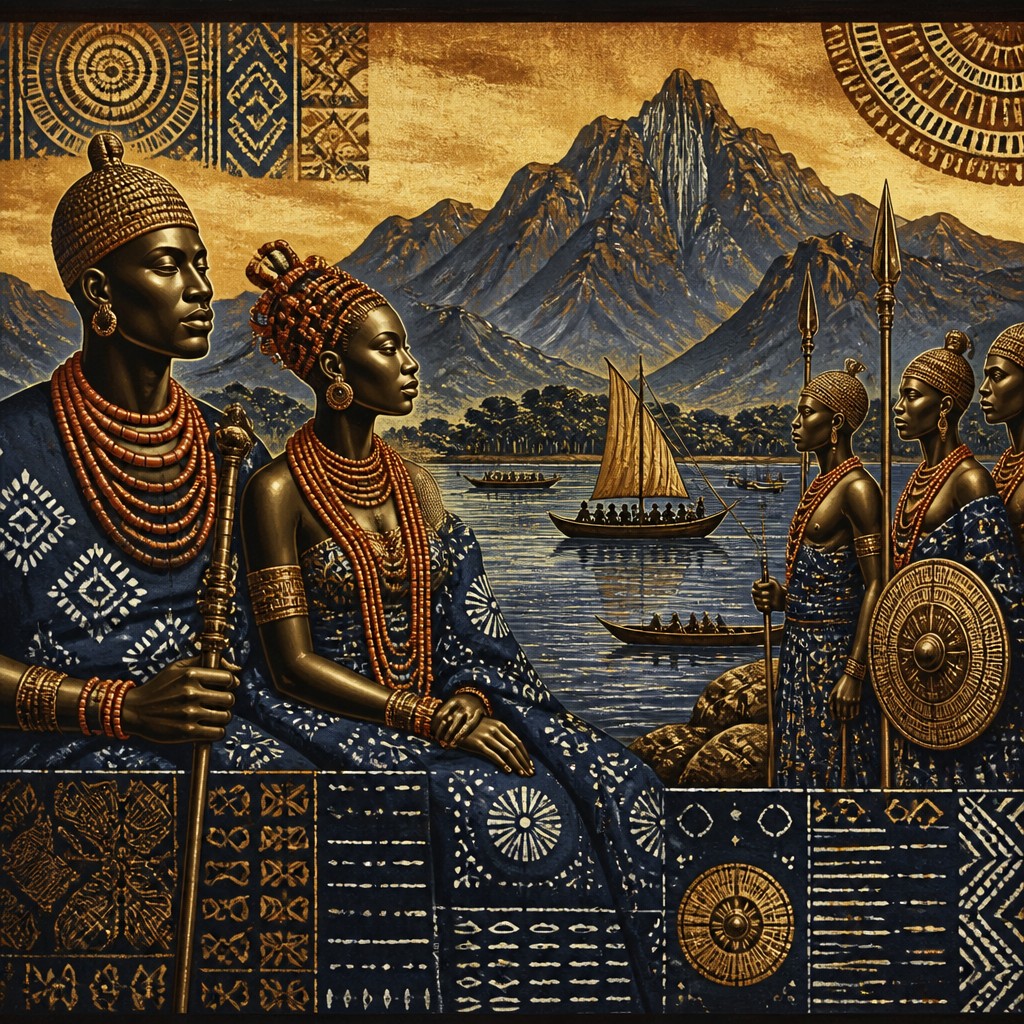
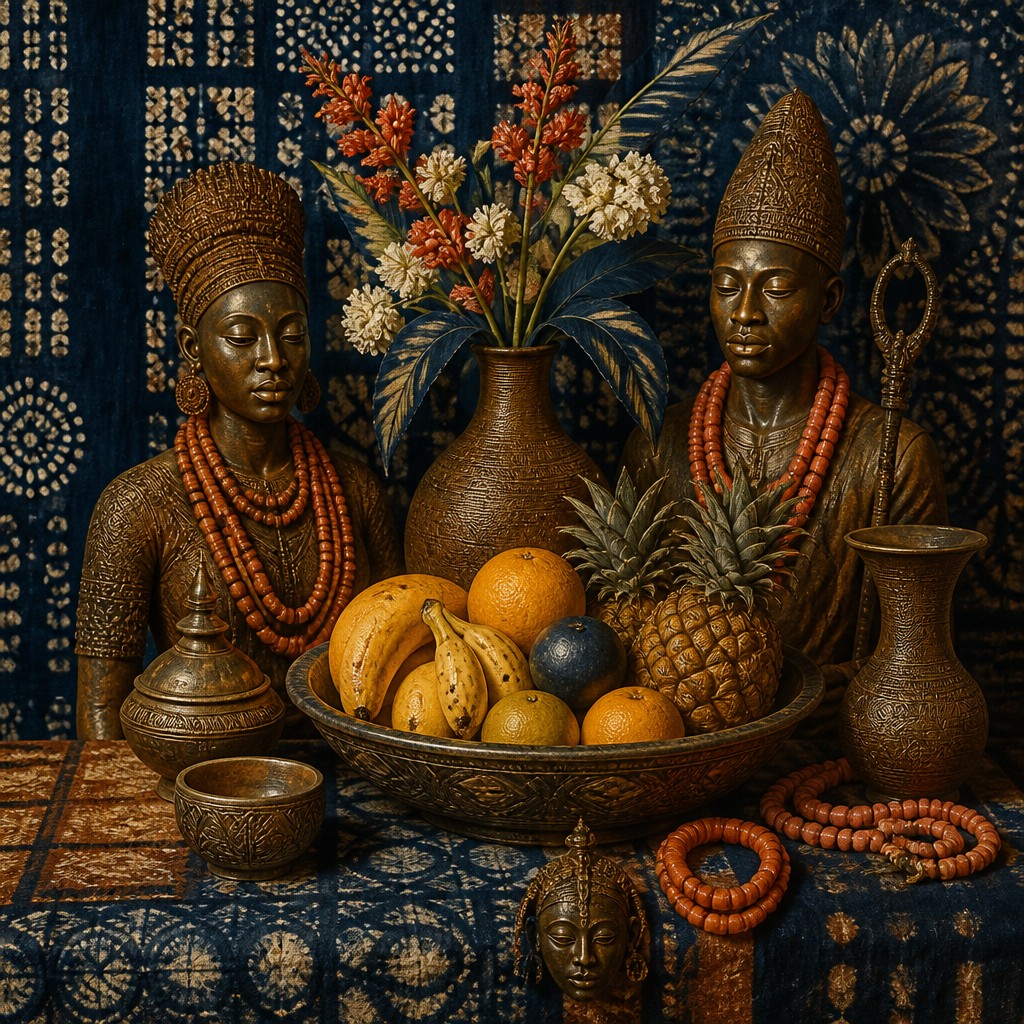
Explore Nigerian Art Style: dignified bronze-like figures, Yoruba adire indigo patterns, coral beads, brass accents, and ceremonial warmth.
Instantly rendered in Nigerian — or transform a photo
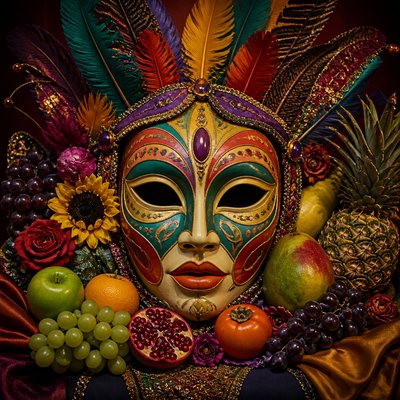
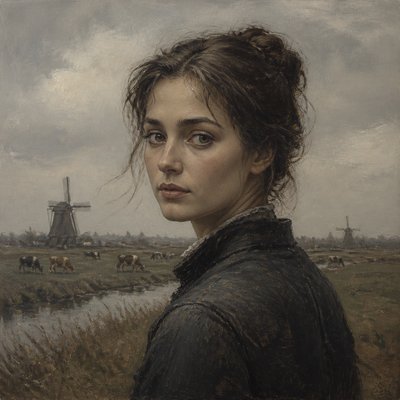
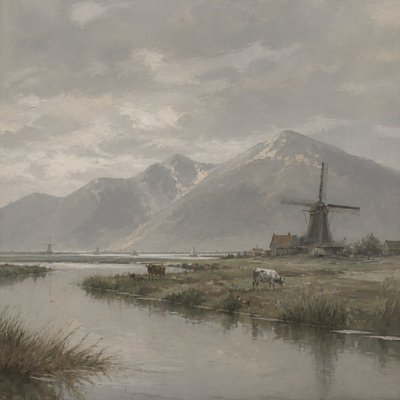
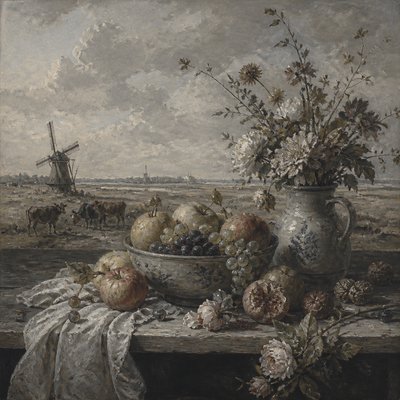
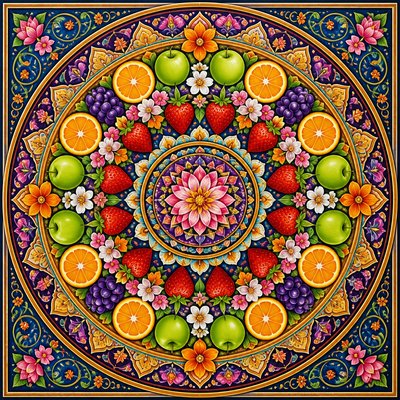
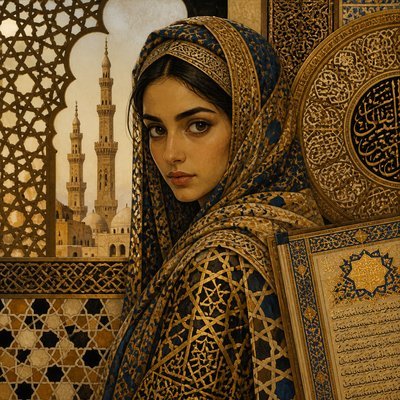
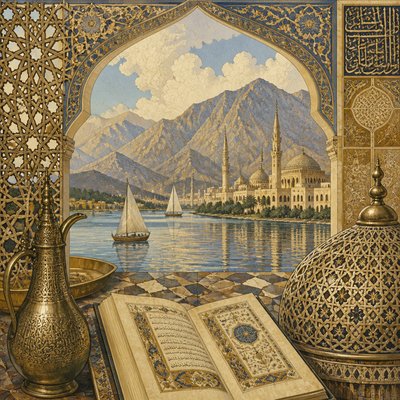
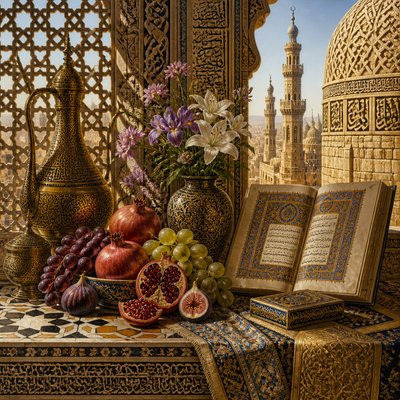
Nigerian Gallery
Tap any artwork to explore it
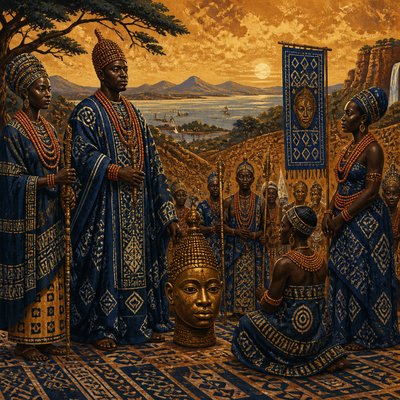
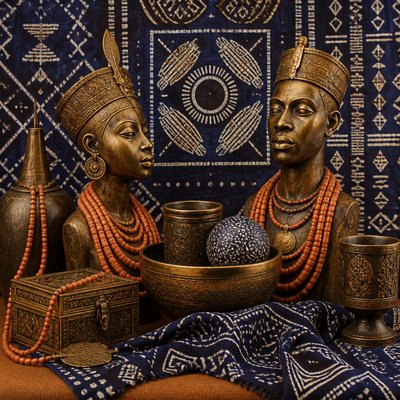
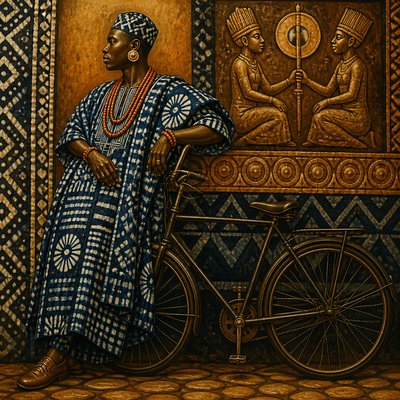
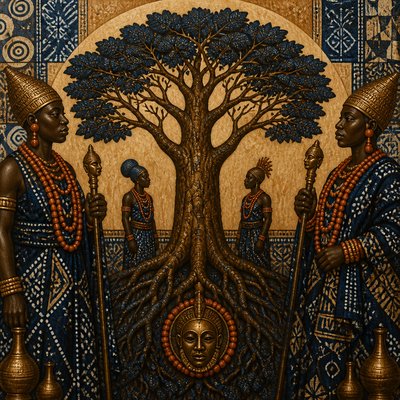
What is Nigerian Art Style?
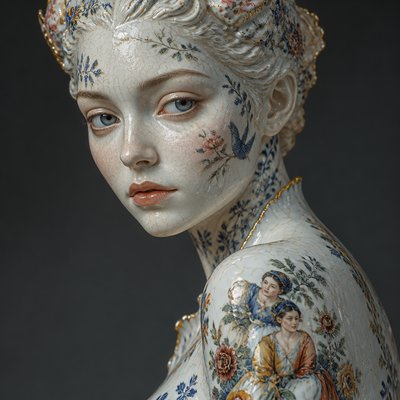
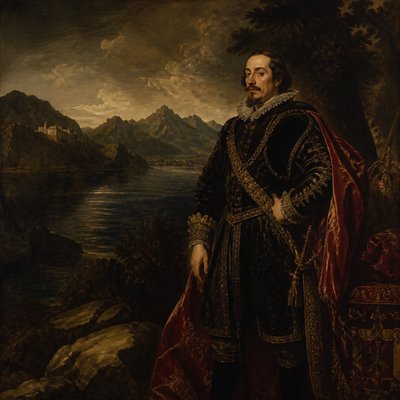
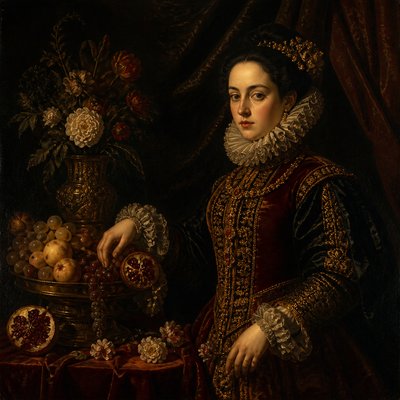
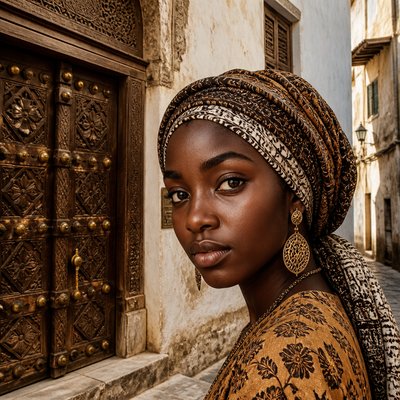
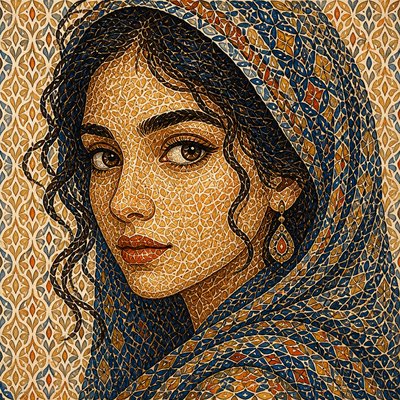
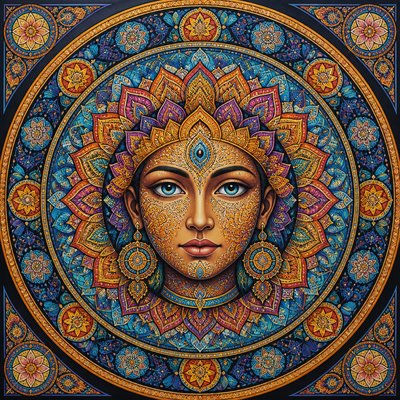
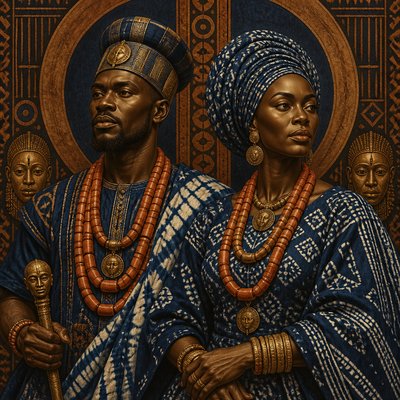
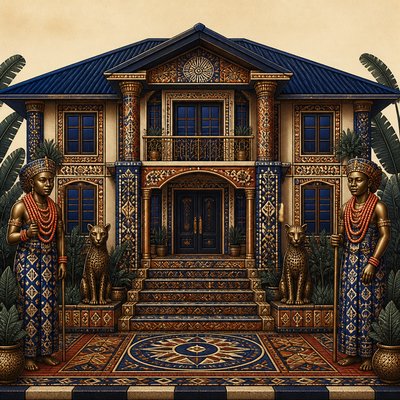
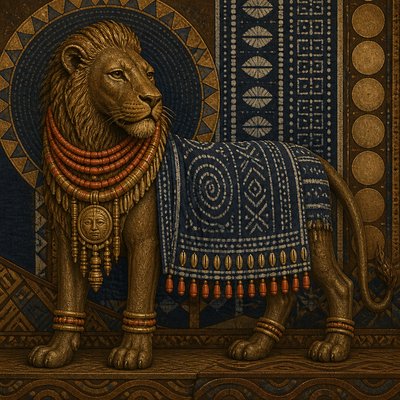
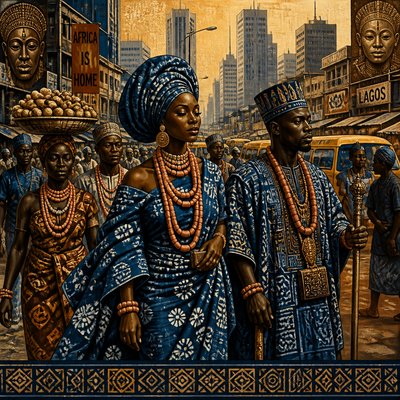
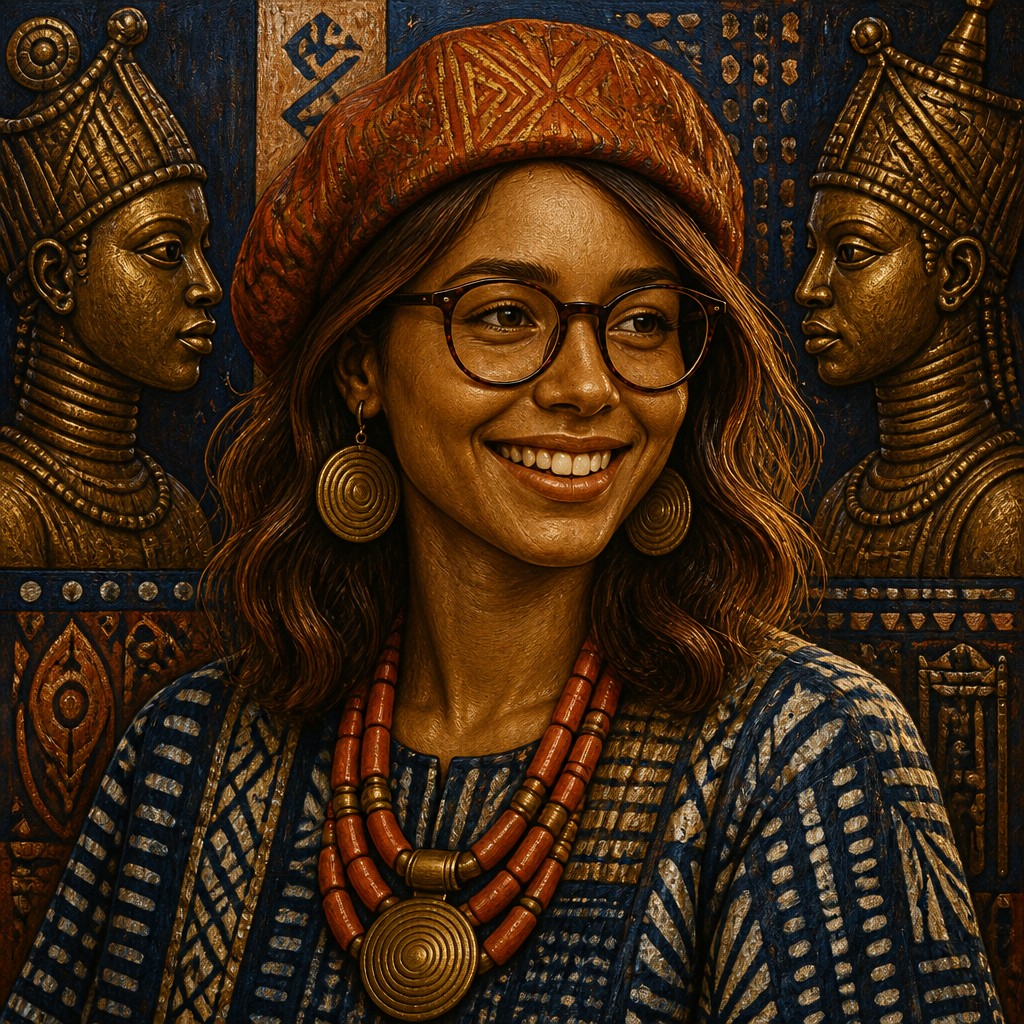
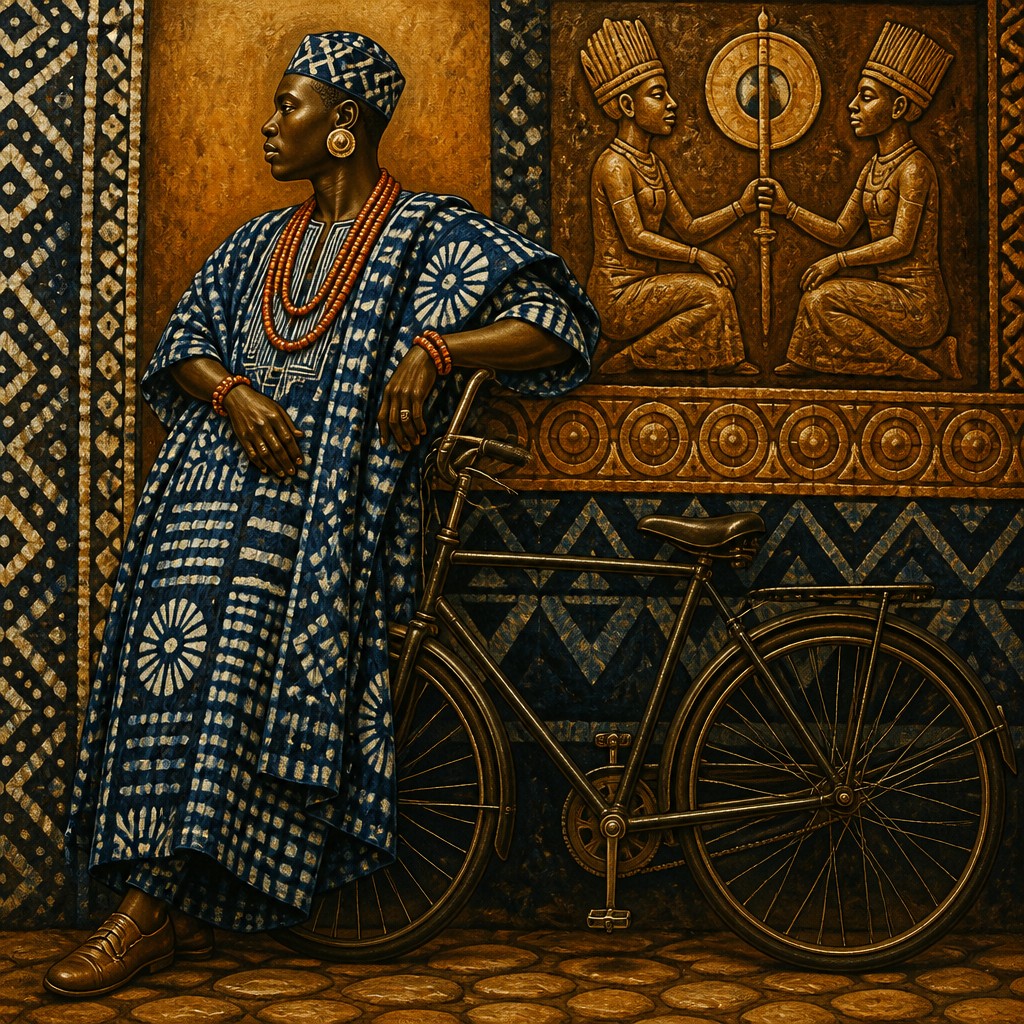
The style often presents figures frontally or in measured profile, arranged in balanced, processional compositions. Warm umbers, clay reds, burnished golds, and deep indigos create a grounded palette, while repeated textile motifs, polished surfaces, and carefully organized adornment suggest status, community, ancestry, and ritual dignity without requiring a literal historical scene.
Try It On Your Photos
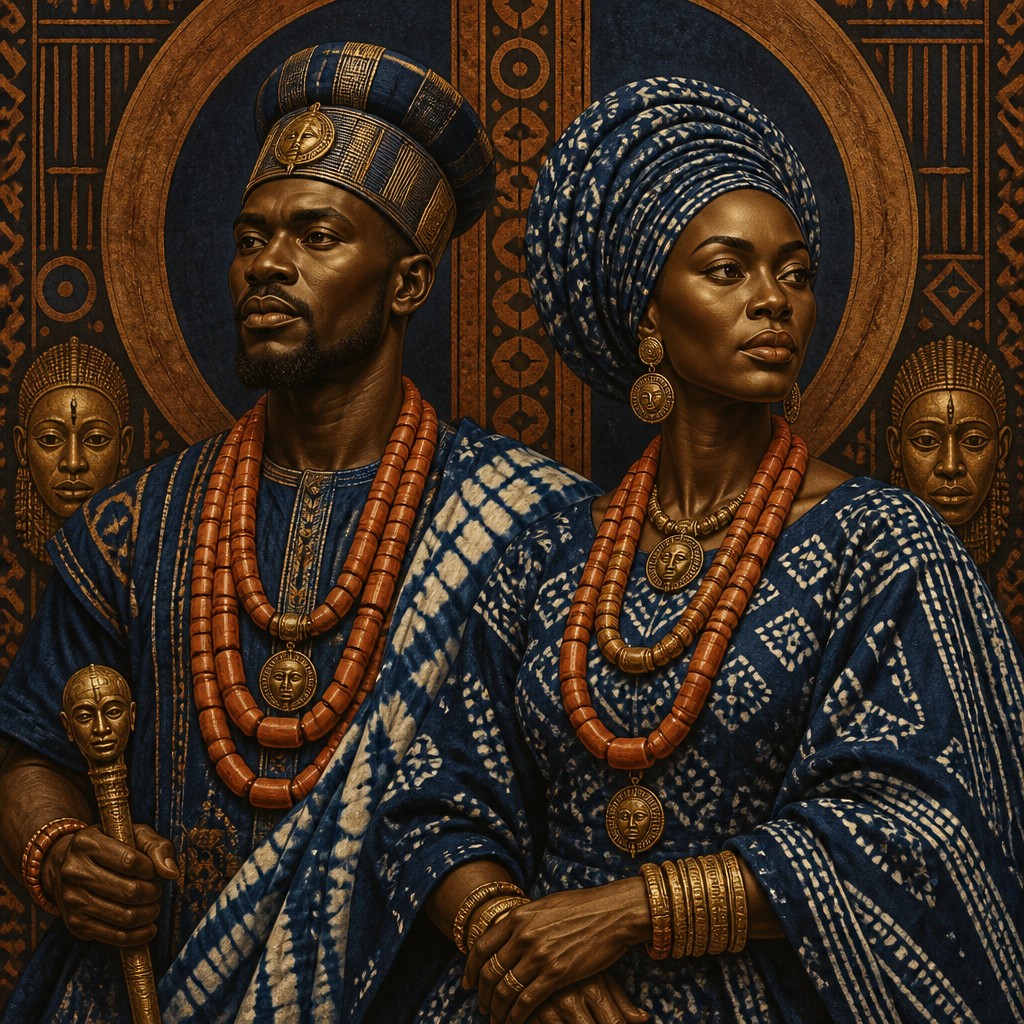
Upload any photo and convert it into Nigerian Art Style — drag the sliders to compare before and after.


What Defines Nigerian Art Style
The signature details, up close
Regal naturalism
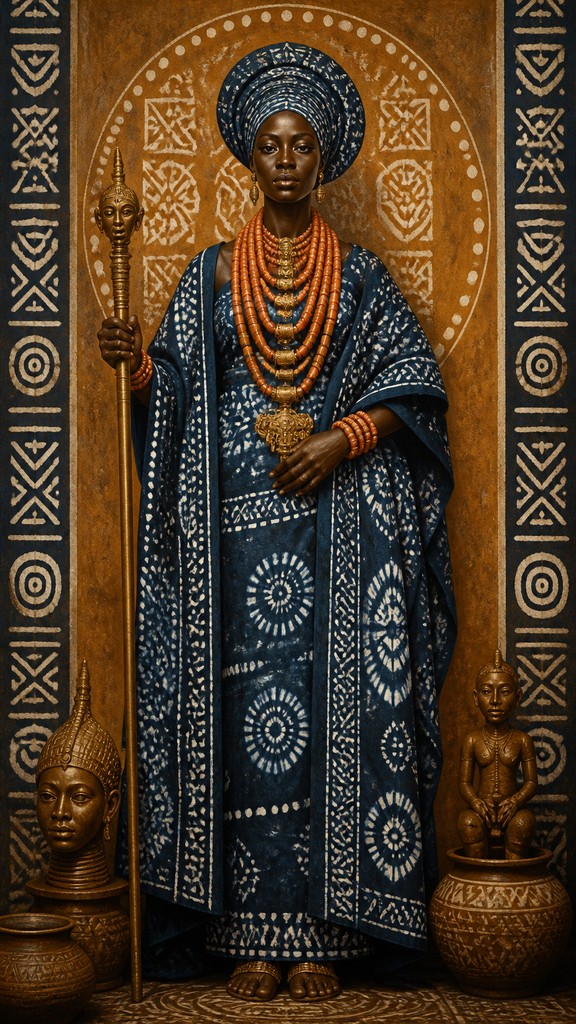
Figures are composed with upright posture, calm expressions, balanced proportions, and a sense of civic or ceremonial importance. The effect recalls the dignified presence of cast metal sculpture without requiring literal bronze.
Adire-inspired indigo pattern
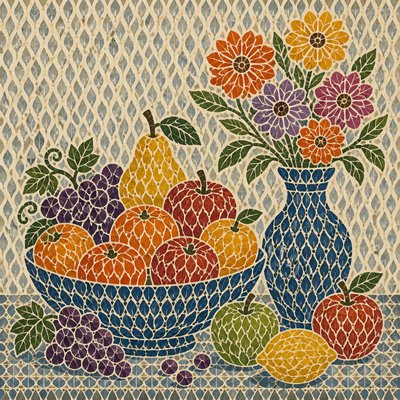
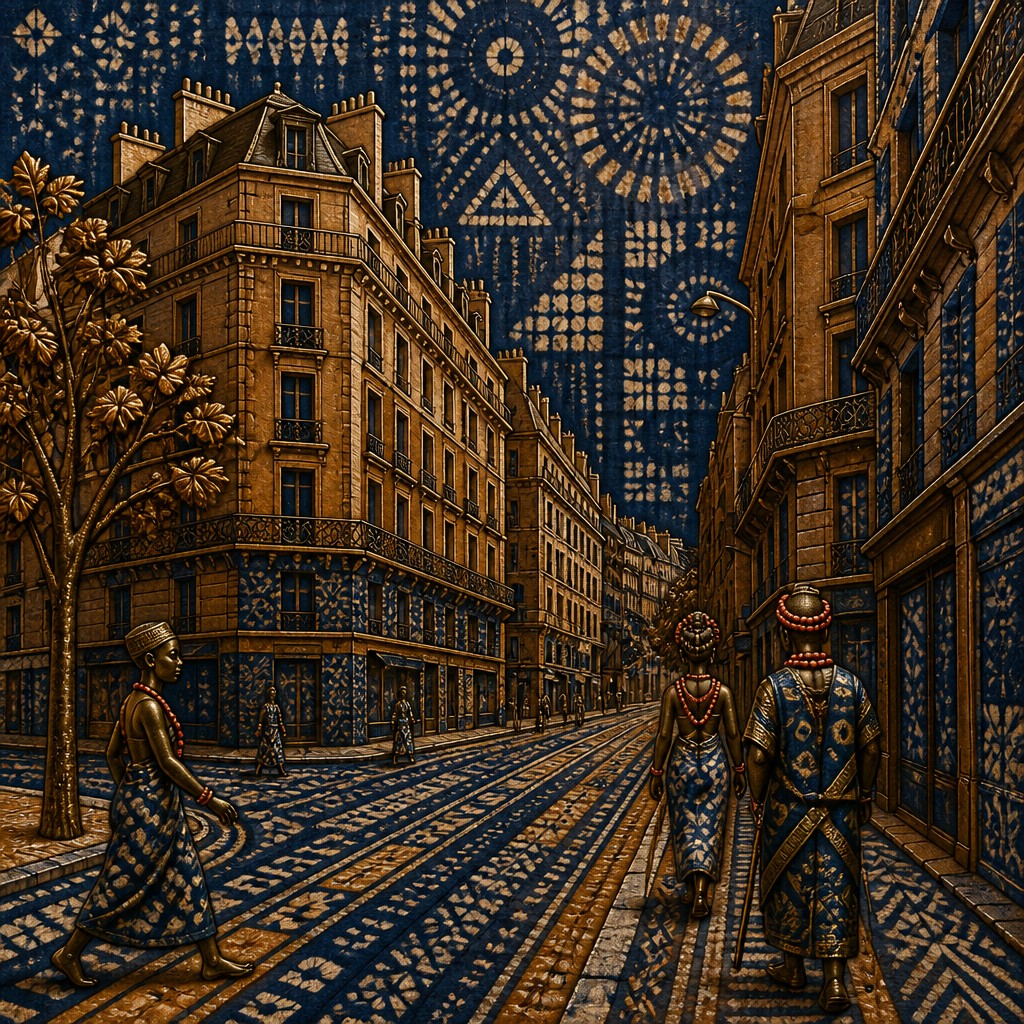
Deep blue grounds carry resist-dye-like marks, geometric repeats, organic symbols, stripes, and irregular tonal breaks. Patterns may appear on robes, wraps, backdrops, or architectural surfaces.
Coral and brass ornament
Layered coral beads, brass collars, cuffs, crowns, pendants, and embroidered trims provide visual hierarchy and warm highlights. Jewelry is usually substantial but carefully arranged rather than randomly decorative.
Warm umber and indigo palette
Earth browns, terracotta, ochre, muted red, charcoal, and aged gold are set against saturated indigo. Controlled highlights suggest polished metal, dyed cloth, or sculpted patina.
Ceremonial composition
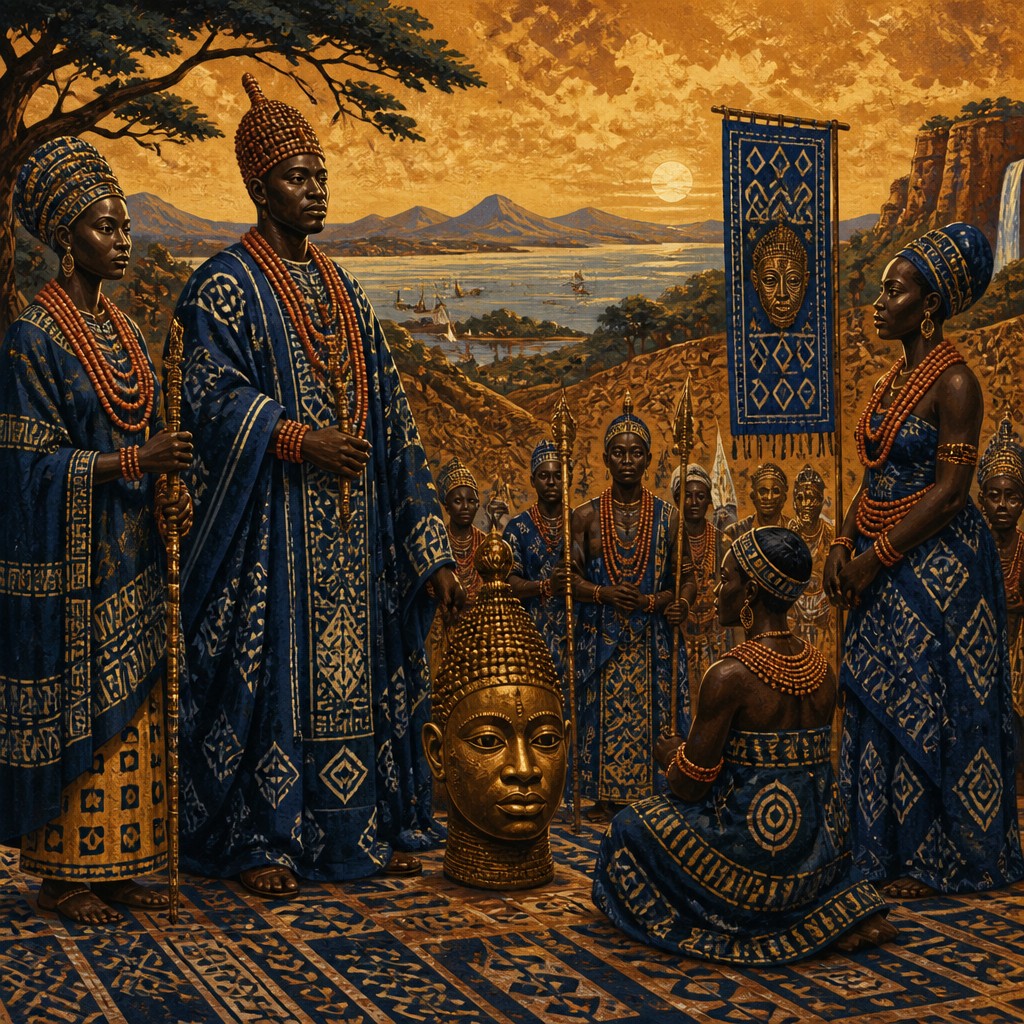
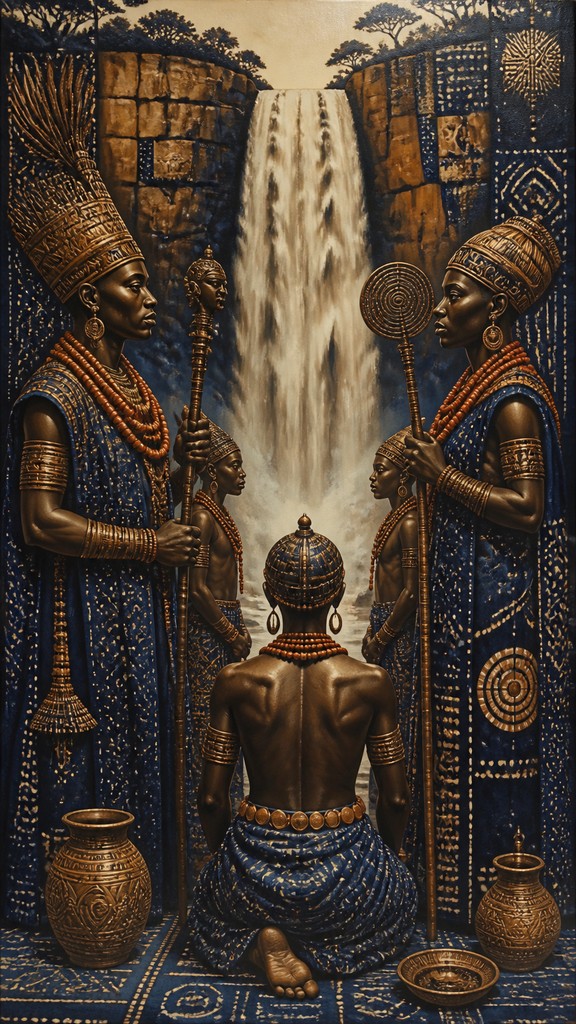
Subjects are often centered, symmetrically framed, or arranged in rhythmic groups resembling processions and formal portraits. Repetition of bodies, motifs, staffs, beads, and textile bands creates visual cadence.
Tactile surfaces
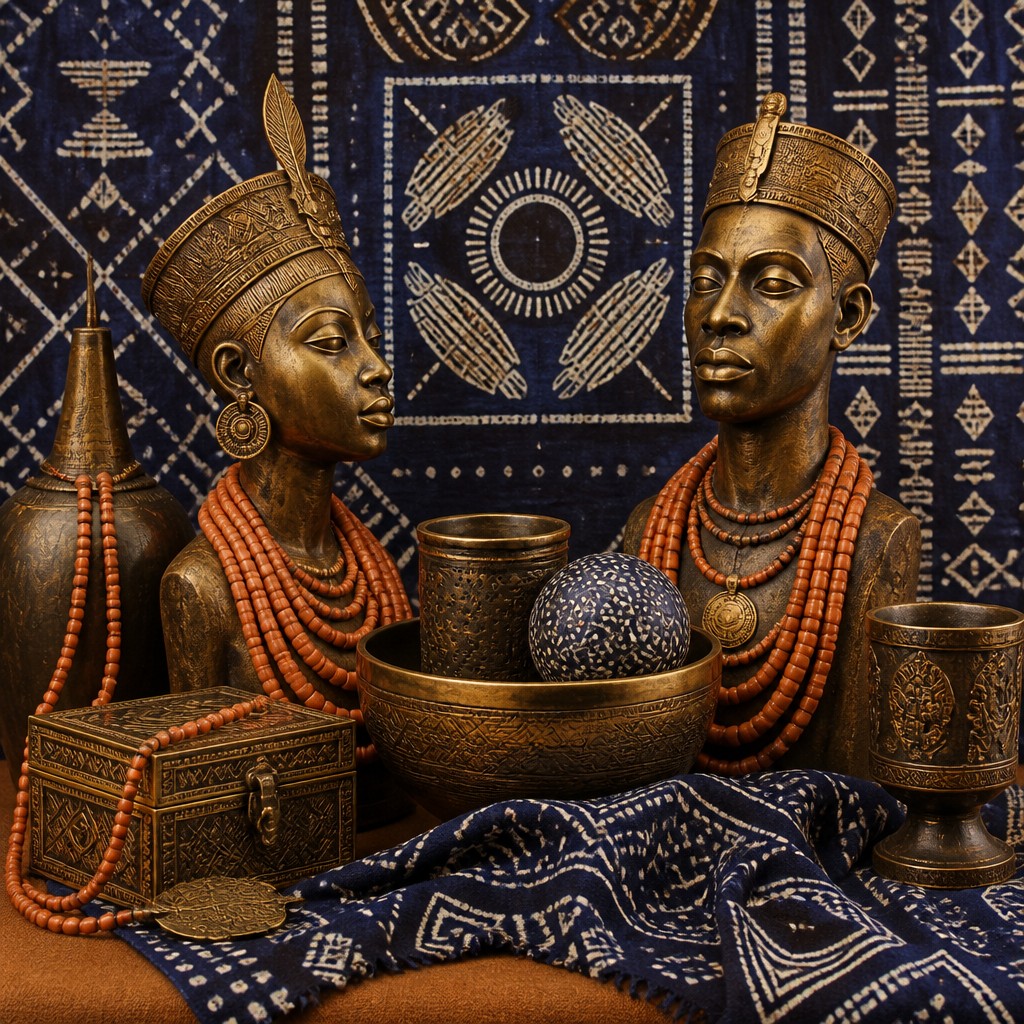
Successful images distinguish the matte absorbency of dyed cotton from the reflective quality of metal and the soft sheen of beads. Relief, patina, woven fibers, and incised patterning add material depth.
Symbolic adornment
Headwear, staffs, beads, cloth wrapping, and emblems communicate rank, belonging, celebration, or ancestral continuity. Details should support the subject's identity and pose rather than overwhelm the composition.
Try It
Create Videos in Nigerian Art Style
Styles aren't just for stills — describe a scene or animate an image and get a short video rendered in Nigerian. Press play to see this pond come to life.
Make a VideoNigerian Prompt Ideas
Start from an idea — each one opens the generator with the style ready to go. See all 40 Nigerian prompts →
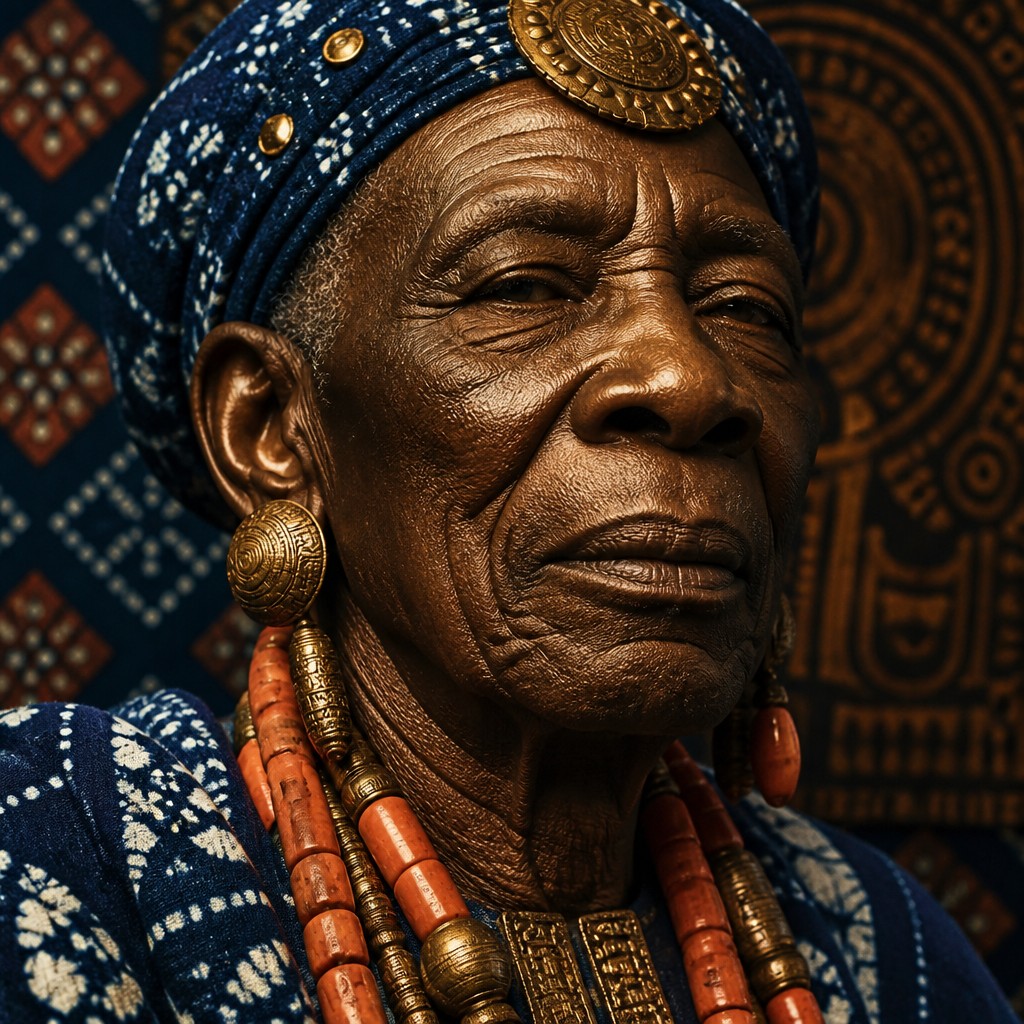
“close-up portrait of an elderly person with expressive weathered features”
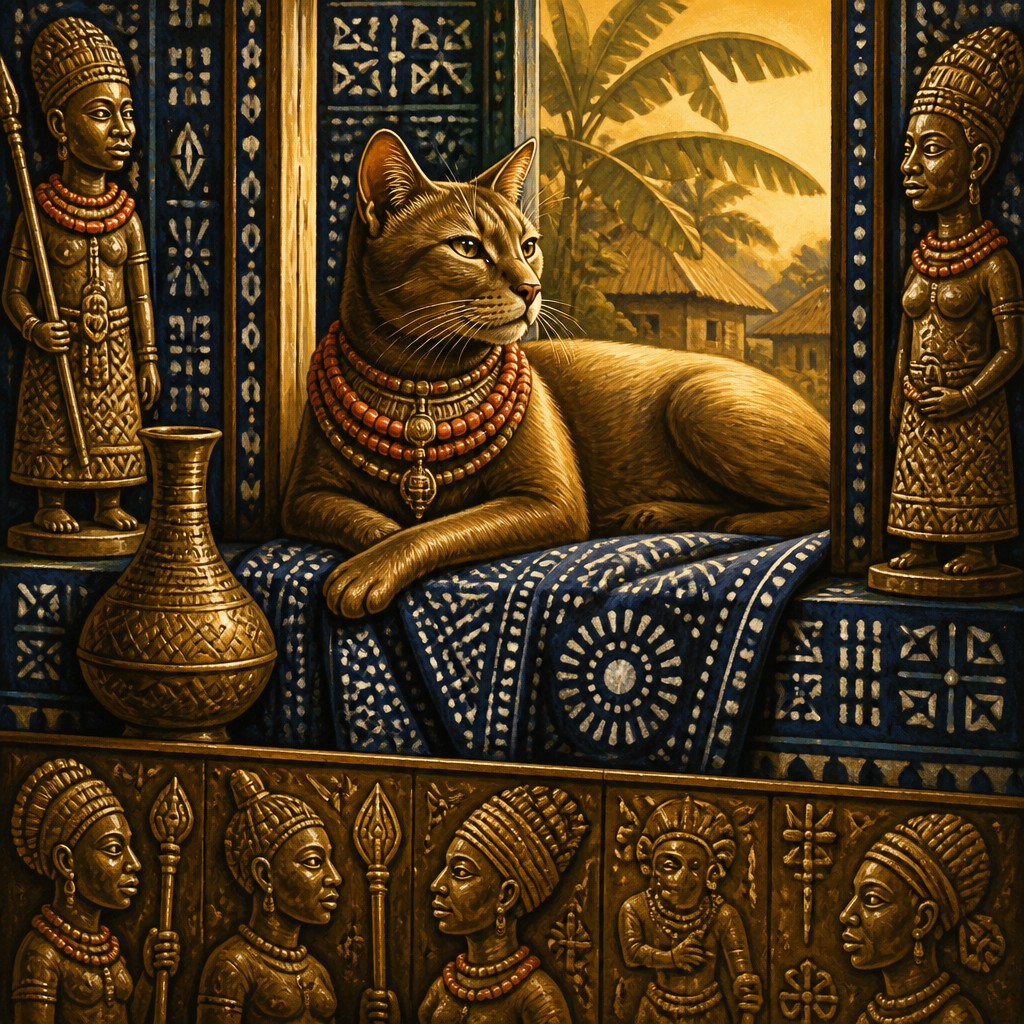
“a cat lounging in a sunlit window”
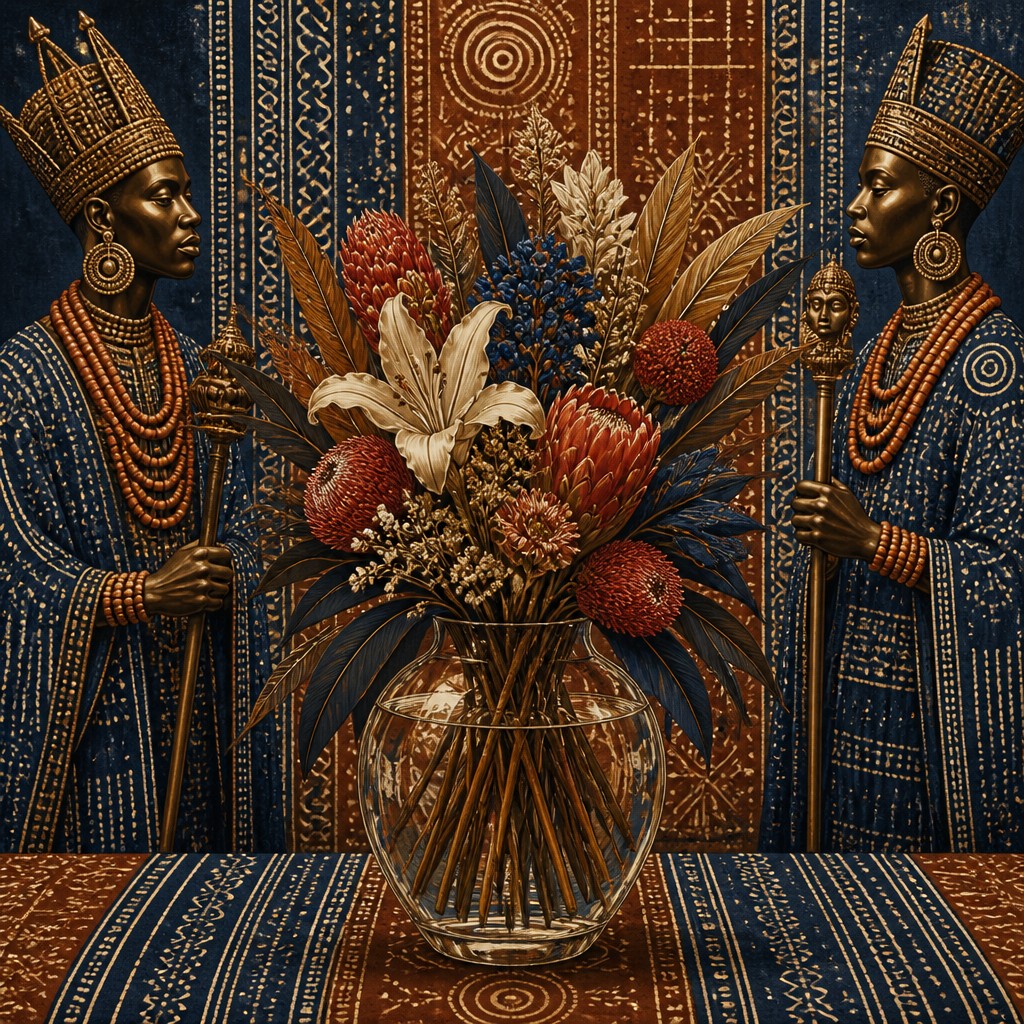
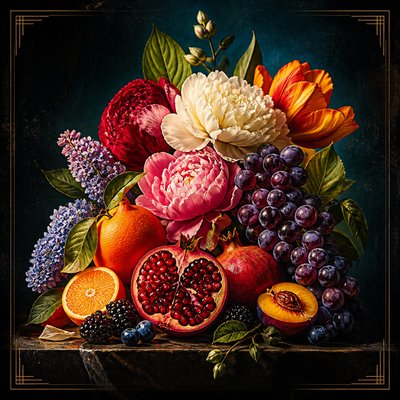
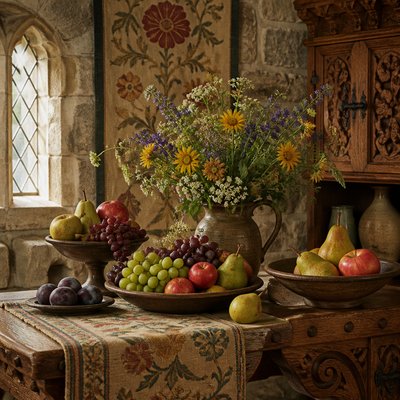
“bouquet of flowers in a glass vase”
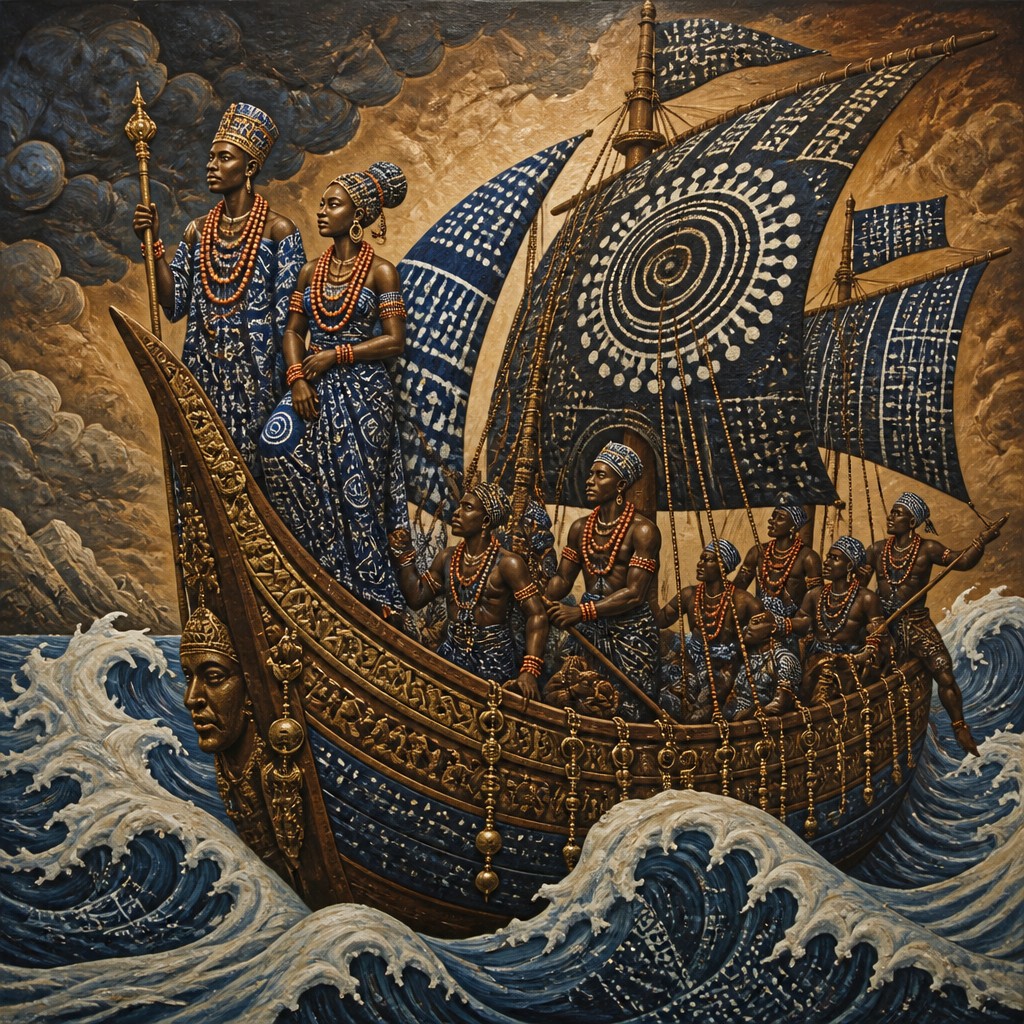
“sailing ship on a stormy sea”
How to Create Nigerian Art
Master the craft step by step — or skip straight to creating. Read the full guide →
- 1
Establish a dignified pose
Begin with a frontal portrait, formal three-quarter view, or slow ceremonial procession. Keep gestures deliberate and proportions stable, using the posture to communicate authority before adding ornament.
- 2
Build the palette first
Work from indigo, umber, terracotta, ochre, charcoal, and restrained brass or coral accents. Reserve the brightest highlights for jewelry, metal edges, eyes, and selected textile folds.
- 3
Design the textile pattern
Create adire-inspired resist marks as repeated but slightly irregular motifs rather than generic blue decoration. Vary scale and density so the pattern supports the figure and remains legible at a distance.
- 4
Separate materials clearly
Use sharp specular highlights for brass, rounded luminous forms for coral beads, and softened directional texture for cloth. In painting or 3D work, contrasting roughness and reflectivity makes the image feel tangible.
- 5
Organize the setting
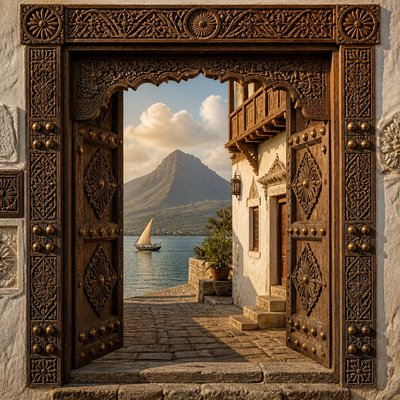
Frame the subject with a patterned textile, palace-like geometry, earthen wall, courtyard, or restrained atmospheric background. Symmetry and repeated verticals can reinforce the ceremonial mood without turning the scene into visual clutter.
- 6
Guide a digital or prompt-based workflow
Specify the subject, pose, material cues, palette, textile pattern, lighting, and composition in that order; for image-to-image work, preserve the source pose while adding indigo cloth, coral ornament, brass detail, and sculptural dignity. Add negative guidance such as avoiding random costume mixing, plastic-looking beads, excessive fantasy armor, or unreadable patterns.
The Story
History & Origins of Nigerian
Modern interpretations frequently merge these sources with editorial portraiture, illustration, digital collage, and stylized 3D rendering. Because Nigerian artistic traditions are regionally diverse, the style should be understood as a respectful synthesis, not as a complete representation of Nigerian art or as a substitute for specific traditions such as Edo metalwork or Yoruba textile design.
Influences: The style draws on historic Edo bronze casting, Yoruba adire resist-dye textiles, Nigerian ceremonial dress and beadwork, West African portrait traditions, and the formal language of courtly regalia. It also intersects with contemporary African fashion imagery, editorial portraiture, textile-based abstraction, figurative sculpture, digital collage, and stylized 3D rendering.
Frequently Asked Questions
What defines Nigerian Art Style?
It is defined by dignified figures, indigo resist-dye-inspired patterning, coral and brass adornment, warm earth colors, and balanced ceremonial composition. It is best understood as a contemporary synthesis of Nigerian visual references rather than one historical school.
Is Nigerian Art Style a recognized historical art movement?
No. The label is a modern descriptive category used for an aesthetic blend. Its references include specific traditions such as Edo bronze casting and Yoruba adire, but those traditions have distinct histories and should not be treated as interchangeable.
How is it different from African art in general?
African art encompasses thousands of cultures, regions, periods, and media, so it is far broader than this style. Nigerian Art Style narrows its visual vocabulary to selected Nigerian references, especially indigo textiles, ceremonial adornment, sculptural portrait presence, and formal regalia.
Can this style be used for portraits and photographs?
Yes. It works particularly well for formal portraits, family groups, fashion editorials, ceremonial scenes, and image transformations. Preserve the subject's facial structure and pose while introducing patterned indigo textiles, carefully placed jewelry, warm directional light, and a composed background.
How can I avoid making the result look generic or culturally confused?
Name specific visual elements instead of relying only on broad labels: adire-inspired indigo resist marks, Edo-influenced sculptural dignity, coral bead layers, brass regalia, and Nigerian architectural or textile settings. Avoid combining unrelated costumes and symbols indiscriminately, and distinguish historical reference from imaginative styling.
What subjects suit this aesthetic best?
Formal portraits, elders, musicians, dancers, family groups, royal or civic processions, textile studies, and ceremonial interiors are especially effective. Everyday contemporary subjects can also work when the styling emphasizes dignity, pattern, material contrast, and intentional composition.
Create your first Nigerian artwork
Describe anything — or upload a photo — and see it in Nigerian Art Style in seconds.
Related Styles
Discover similar art styles