Ife Art Style
Explore Ife art: Yoruba terracotta and bronze sculpture known for idealized naturalism, refined facial detail, regalia, and burnished earth tones.
Instantly rendered in Ife — or transform a photo
Ife Gallery
Tap any artwork to explore it

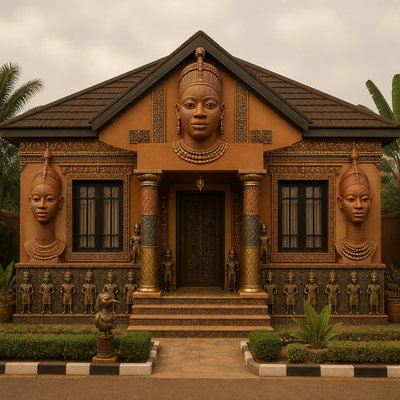
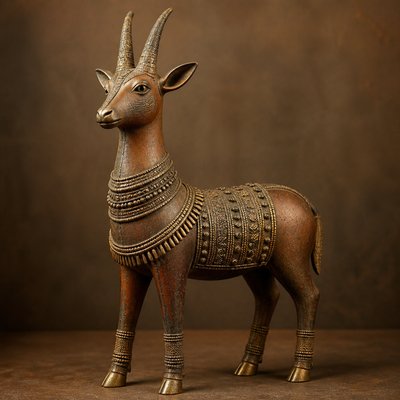
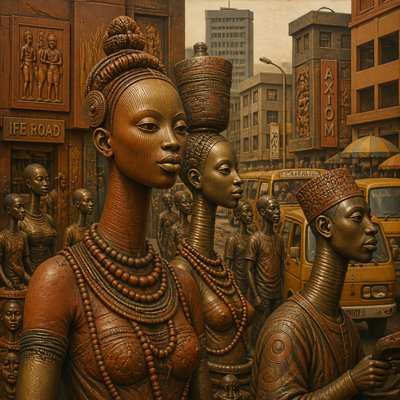
What is Ife Art Style?
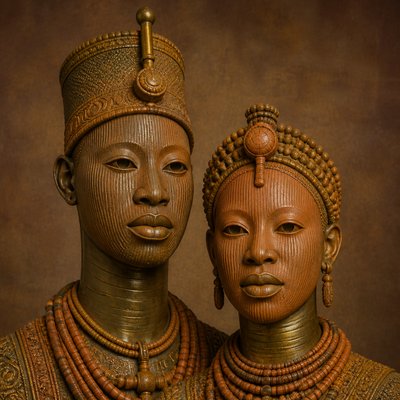
Ife art refers to the refined sculptural tradition associated with Ile-Ife, a major Yoruba sacred and political center in present-day southwestern Nigeria. It is especially recognized for naturalistic terracotta heads and copper-alloy sculptures made between approximately the 12th and 15th centuries, though related Yoruba artistic traditions continued beyond this period. Many works represent rulers, ancestors, deities, or spiritually significant figures, combining individualized facial structure with an idealized, composed presence.
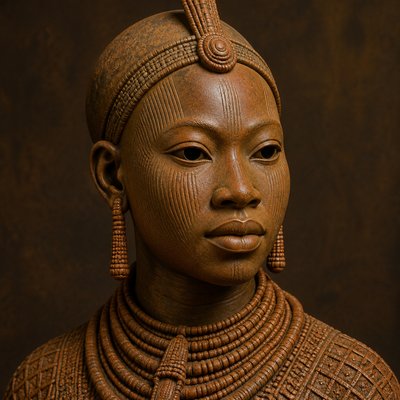
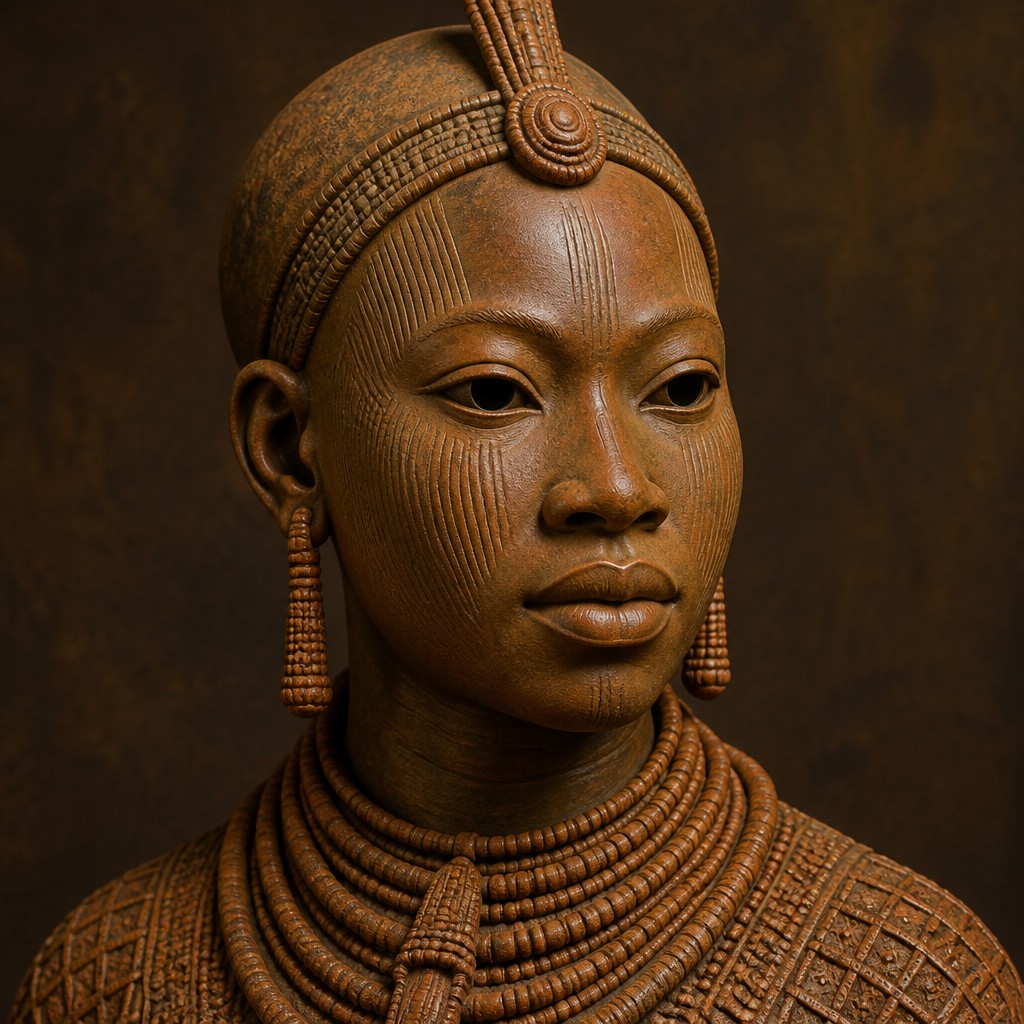
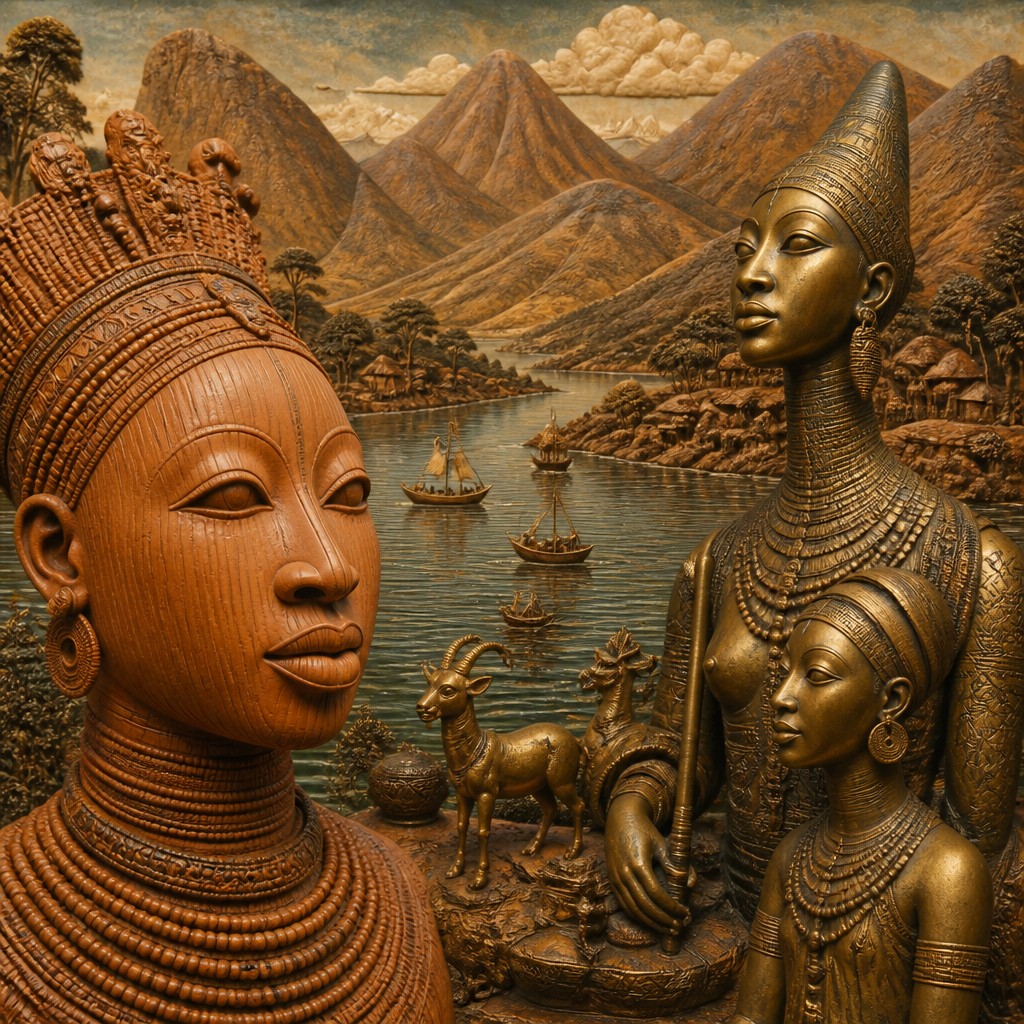
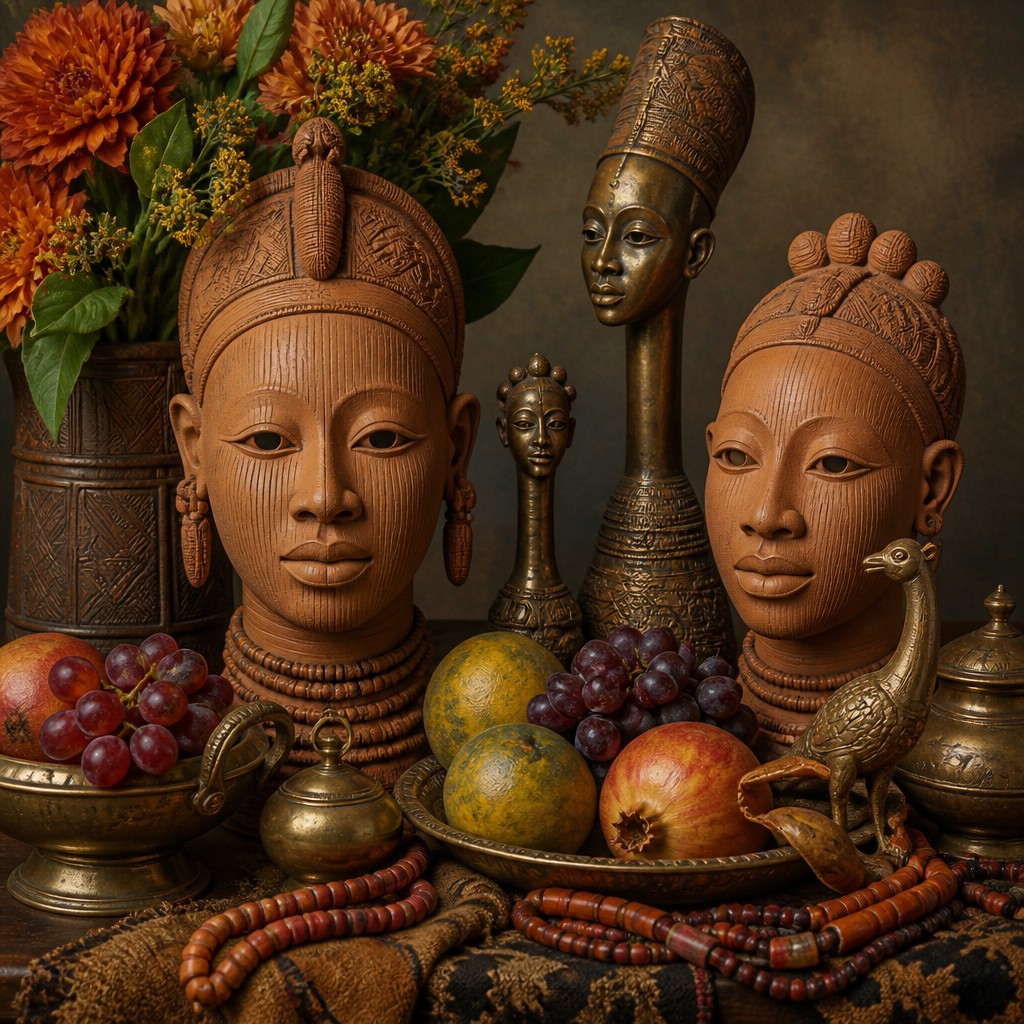
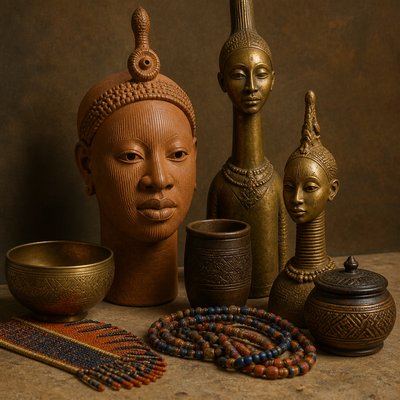
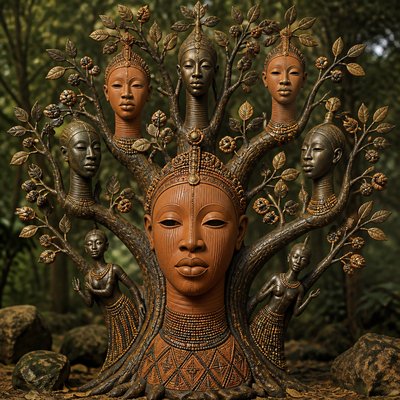
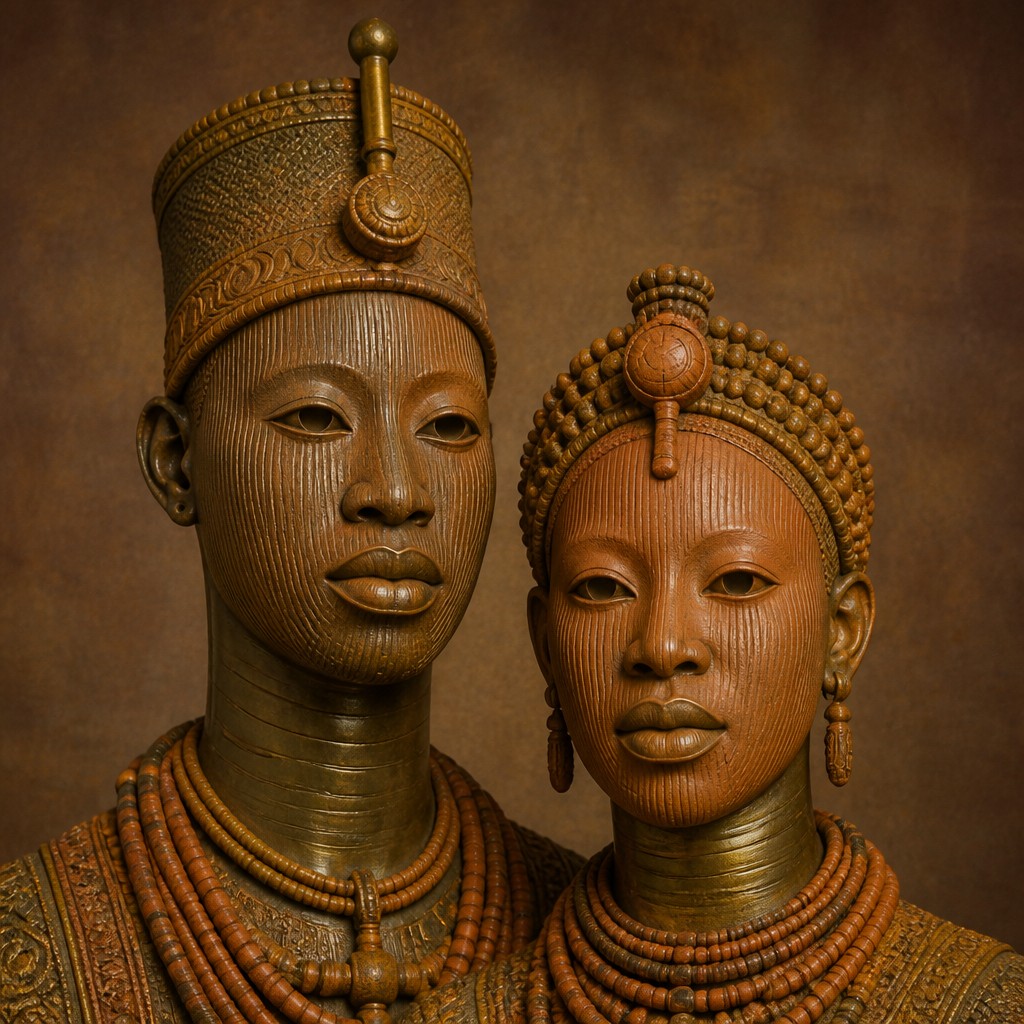
The style’s visual identity comes from close attention to anatomy, carefully controlled surfaces, and the ceremonial importance of dress and bodily adornment. Terracotta works often have warm red, orange, and brown clay surfaces, while cast metal sculptures may display dark, golden, or reddish patinas. Fine incisions, facial striations, pierced eyes, elongated necks, and detailed beads or crowns create a surface language that is both observational and symbolic.
Try It On Your Photos
Upload any photo and convert it into Ife Art Style — drag the sliders to compare before and after.
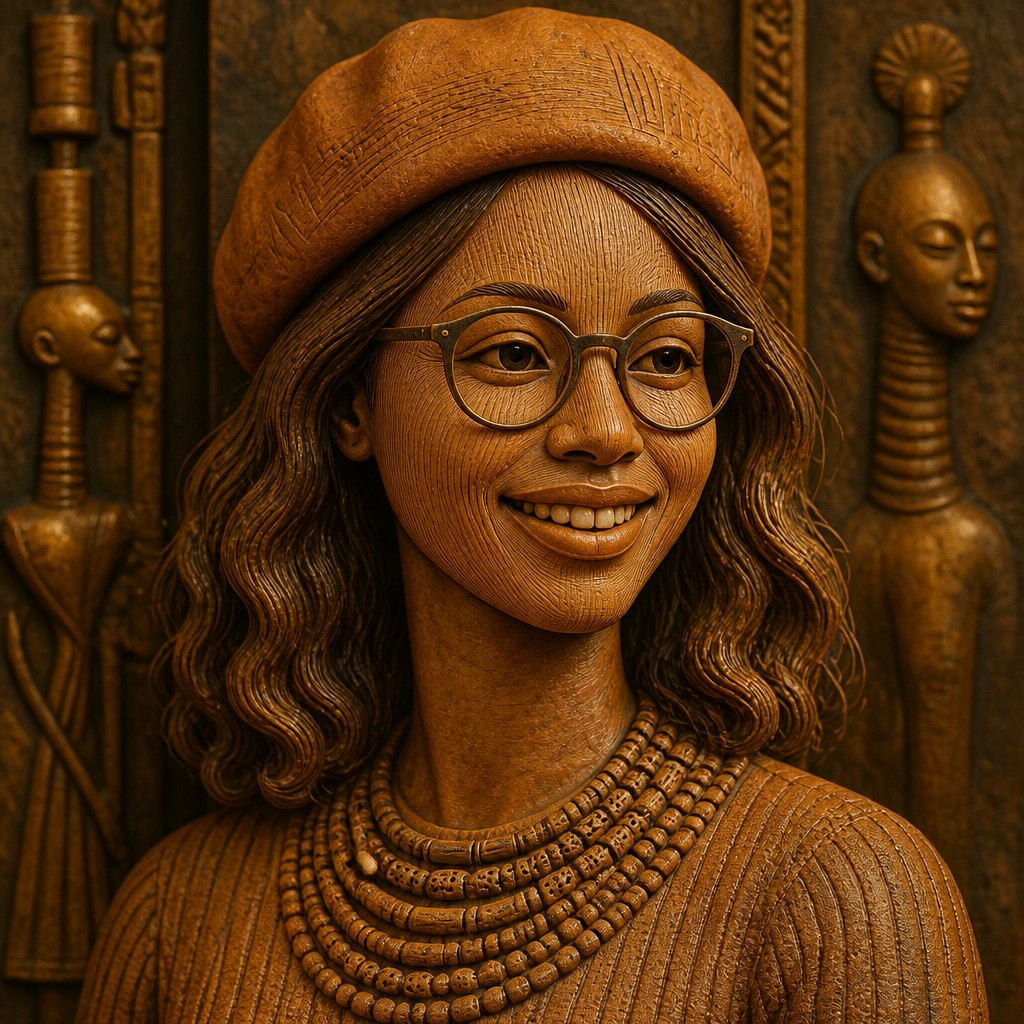

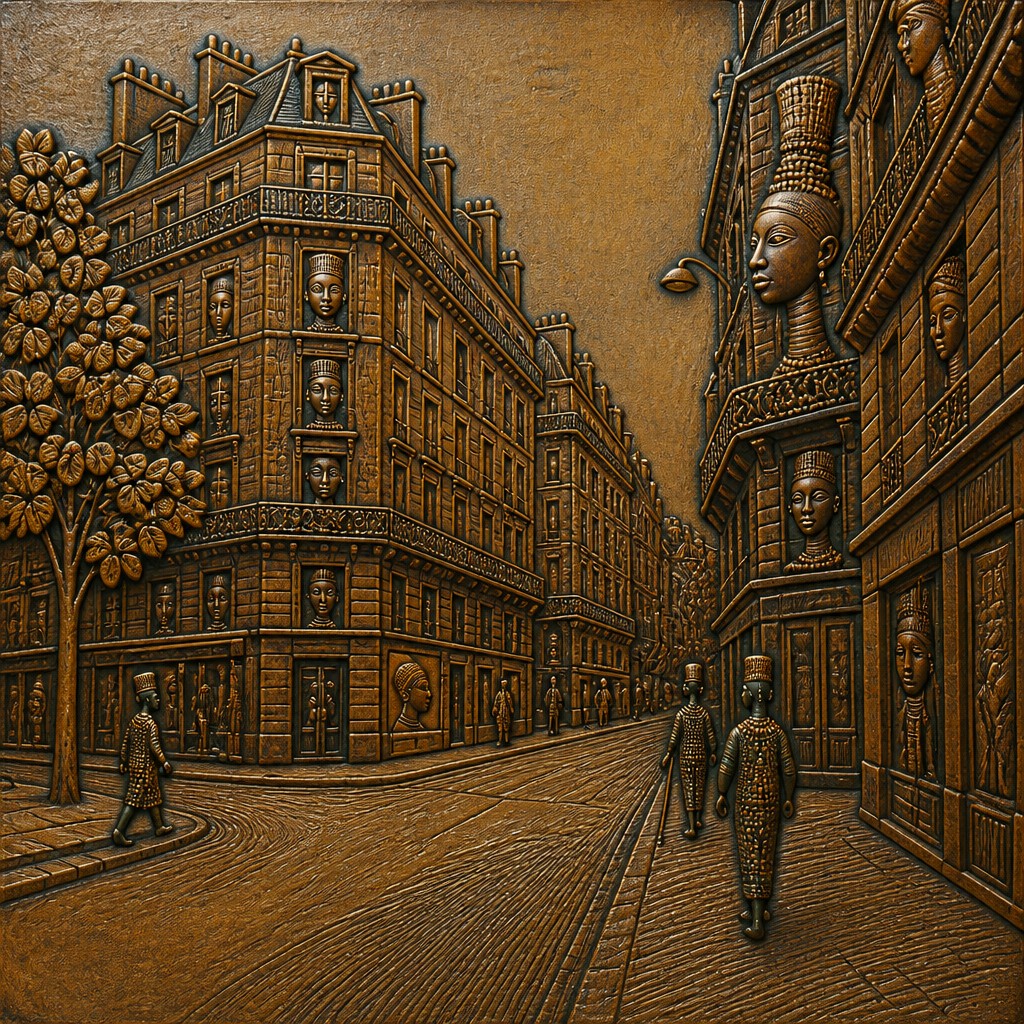

Or use the free Ife photo filter
What Defines Ife Art Style
The signature details, up close
Idealized naturalism
Faces and bodies are modeled with unusually close attention to proportion, anatomy, and individual structure. The result is lifelike without abandoning the calm, formal presence associated with sacred or courtly imagery.
Terracotta heads
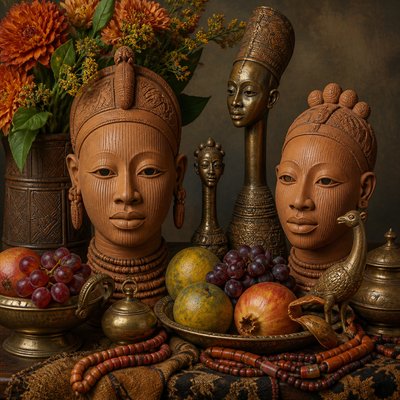
Hollow or solid clay sculptures often feature warm ochre, russet, and umber surfaces with softly burnished finishes. Subtle modeling around the cheeks, lips, eyelids, and jaw gives the heads a vivid physical presence.
Copper-alloy casting
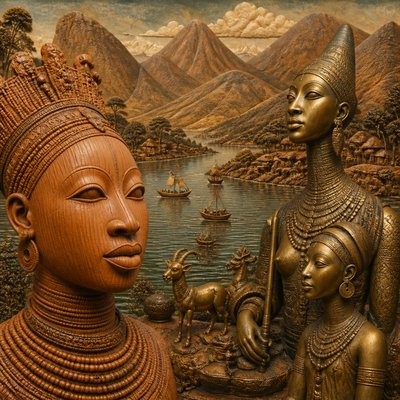
Bronze and brass figures or heads were commonly produced through the lost-wax process, allowing intricate forms and finely controlled details. Dark, golden, or reddish patinas can emphasize the sculptural relief.
Facial striations and incisions
Delicate linear markings across the face may indicate scarification, identity, status, or stylized surface design. They should be treated as culturally meaningful details rather than generic decoration.

Pierced eyes and controlled openings
Eye openings, nostrils, ears, and other perforations can create strong light-and-shadow contrasts. These apertures also reveal the technical precision of the modeling or casting process.
Ceremonial regalia
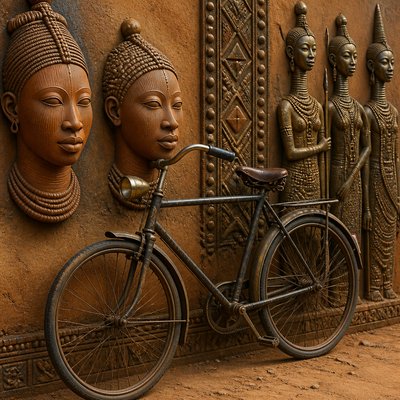
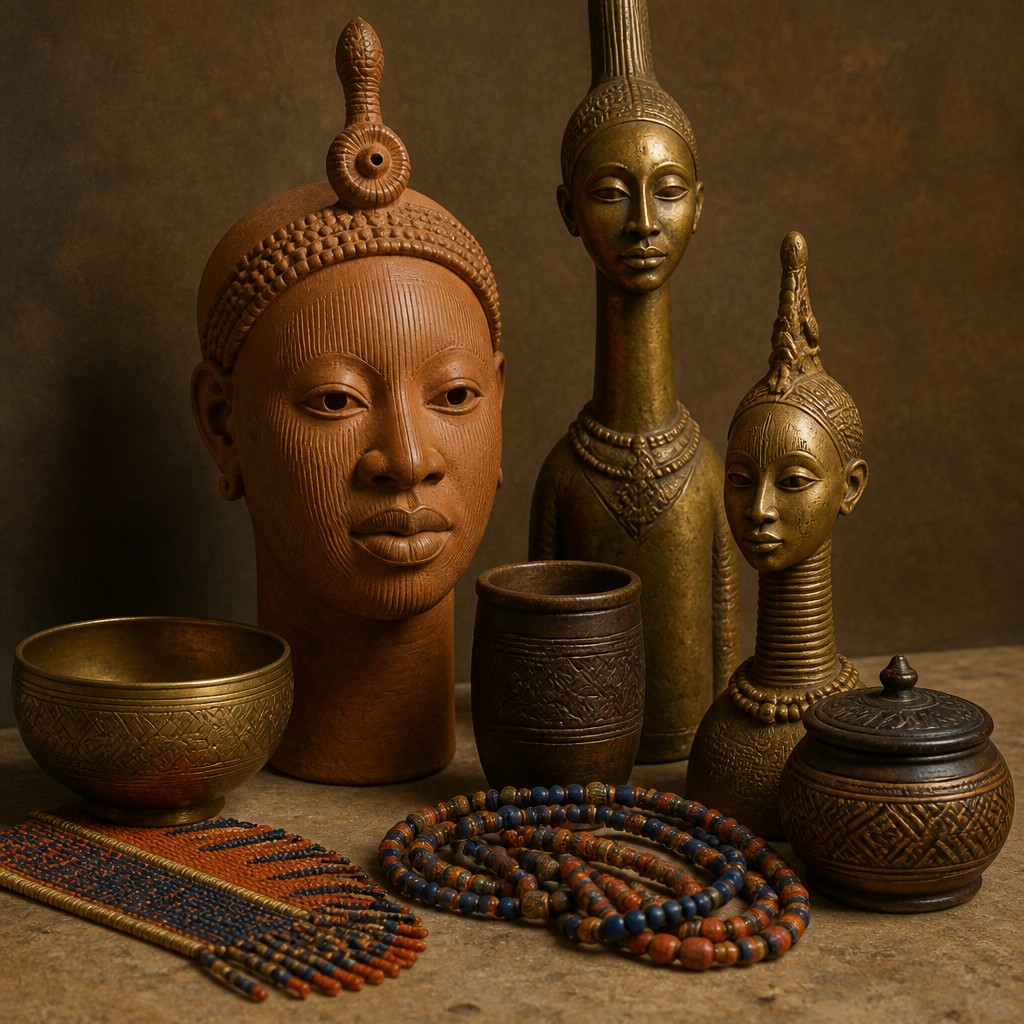
Crowns, beads, necklaces, collars, and patterned garments often signal rank and spiritual authority. In relief or incised form, these details contrast with the smooth planes of the face and neck.
Restrained earth-toned palette
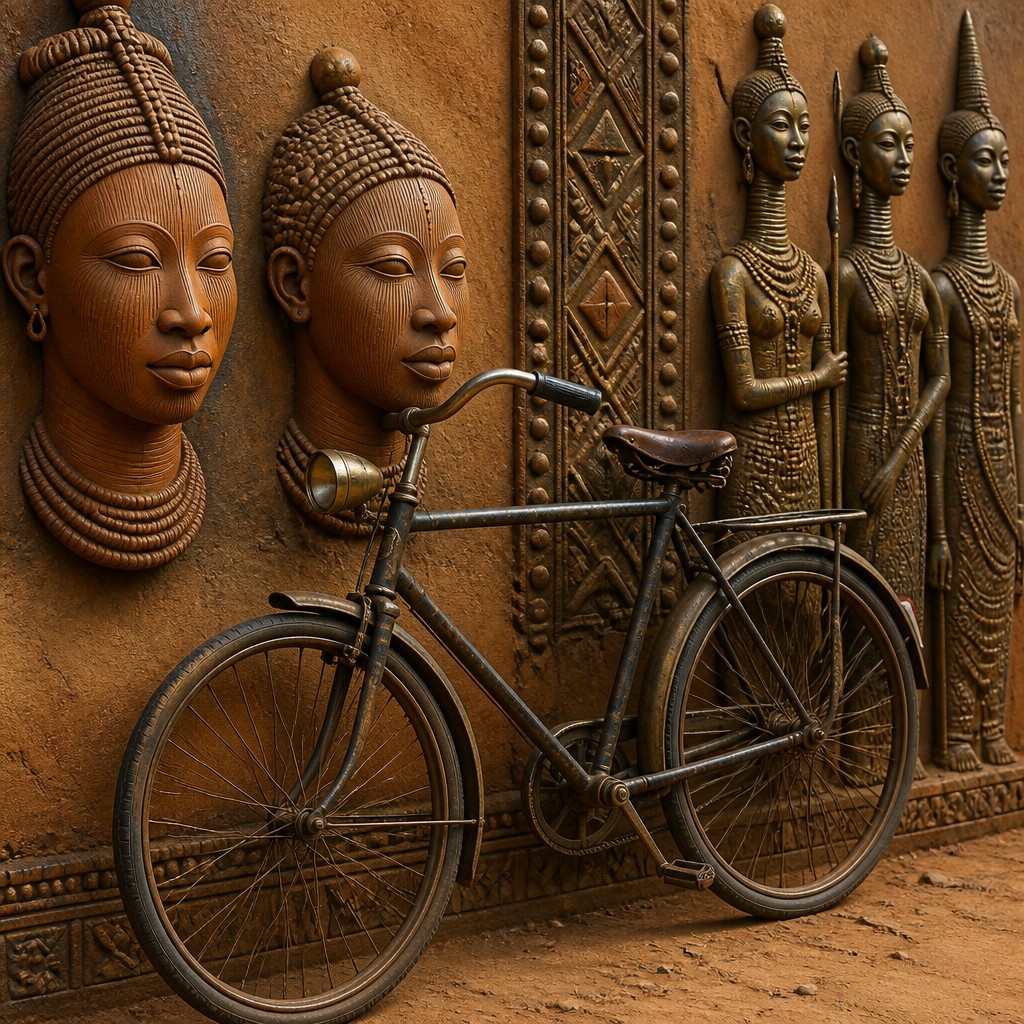
Visual interpretations commonly use clay red, ochre, umber, charcoal brown, muted gold, and aged brass. The palette supports the material character of fired earth and weathered metal.
Ife Prompt Ideas
Start from an idea — each one opens the generator with the style ready to go. See all 40 Ife prompts →
How to Create Ife Art
Master the craft step by step — or skip straight to creating. Read the full guide →
- 1
Build the head from structure
Begin with a solid skull, jaw, neck, and facial centerline before adding eyes, nose, lips, and ears. Keep the expression composed and refine planes gradually rather than exaggerating caricature.
- 2
Use clay or a clay-like surface
For traditional work, model terracotta with controlled hollowing and an even wall thickness, then burnish the surface before firing where appropriate. Digitally, use sculpting brushes and subtle roughness maps to imitate fired clay rather than polished stone.
- 3
Suggest lost-wax metalwork
For a metal interpretation, design crisp undercuts, raised ornaments, and readable negative spaces, then apply bronze, brass, or copper materials with restrained patina. Avoid making every surface mirror-bright; historical metal sculpture often benefits from varied oxidation and wear.
- 4
Add meaningful adornment
Use beads, collars, crowns, and patterned textiles to establish ceremonial status, placing detail around the head and torso without obscuring the facial modeling. Incised markings should be deliberate, symmetrical where appropriate, and integrated with the anatomy.
- 5
Control lighting and composition
Use frontal or three-quarter lighting with soft shadows so facial planes, pierced openings, and relief details remain legible. A neutral earthen backdrop, museum-like presentation, or carefully framed ritual setting helps preserve the sculptural focus.
- 6
Write precise digital prompts
Specify the subject, terracotta or cast-metal material, idealized naturalistic anatomy, facial incisions, regalia, earth palette, and lighting separately. For image-to-image work, preserve the source subject’s pose while asking for sculptural modeling, burnished clay, or aged bronze rather than a generic historical filter.
The Story
History & Origins of Ife
Ife art developed in and around Ile-Ife during the medieval period, within a sophisticated Yoruba urban and religious culture. Archaeological discoveries have revealed exceptional terracotta heads, copper-alloy heads, figures, and vessels, demonstrating advanced modeling, mold-making, and lost-wax casting techniques. The works are not simply portraits in the modern sense; their naturalism often communicates rank, sacred identity, ancestry, or ideal personhood.
The tradition is notable because its highly naturalistic treatment differs from the more generalized forms often associated with assumptions about premodern African sculpture. Its techniques and visual principles belong to wider West African histories of metalworking, ceramics, court art, and religious image-making. Contemporary artists and designers may draw on Ife’s formal vocabulary, but modern reinterpretations should distinguish historical objects from newly invented composites.
Influences: Ife art is related to broader Yoruba traditions of court sculpture, ancestor veneration, sacred image-making, ceramic modeling, and metal casting. Its visual language also belongs to the wider history of West African lost-wax metallurgy and royal arts, while its emphasis on individualized anatomy invites comparison with naturalistic sculptural traditions in other regions. Contemporary interpretations may intersect with modern figurative sculpture, archaeological reconstruction, museum display aesthetics, and material-focused digital art, but these connections should not erase the specific cultural context of Ile-Ife.
Frequently Asked Questions
What defines the Ife art style?
Ife art is defined by idealized naturalism, especially in terracotta and copper-alloy heads and figures associated with Ile-Ife. Carefully modeled anatomy, calm expressions, facial incisions, pierced openings, and ceremonial regalia are recurring features. The style also depends strongly on material presence: burnished fired clay, cast metal, and subdued earth-toned patinas.
When and where did Ife art originate?
The tradition developed around Ile-Ife in present-day southwestern Nigeria. Its best-known surviving works date broadly from the 12th through the 15th centuries, within the medieval period. Related Yoruba artistic practices continued before and after this era.
What materials and techniques are associated with Ife art?
Terracotta was modeled and fired to create durable clay heads and figures. Copper-alloy sculptures were often made using lost-wax casting, a process capable of reproducing intricate contours and ornament. Incision, relief, burnishing, and controlled patination contribute to the characteristic surface detail.
How is Ife art different from generic African tribal art?
“African tribal art” is an overly broad label that collapses thousands of distinct cultures and histories. Ife art specifically refers to a Yoruba tradition centered on Ile-Ife and is recognized for exceptional naturalism, courtly symbolism, ceramic work, and metal casting. It should be discussed through its historical and cultural context rather than treated as a generalized continent-wide style.
How can I make an image in the Ife art style?
Start with a clearly defined subject, then specify terracotta or bronze material, idealized naturalistic anatomy, facial striations, pierced eyes, beaded regalia, and an ochre-umber palette. For physical sculpture, focus on proportion, hollow clay construction or wax modeling, and surface finishing. For digital work, combine sculptural form with roughness, patina, and directional lighting that reveal the material.
Where is Ife art commonly used or referenced today?
Its forms are studied in archaeology, African art history, museums, education, sculpture, illustration, fashion imagery, and cultural design. Contemporary references are most responsible when they identify the Yoruba and Ile-Ife context and avoid inventing historical meanings for particular regalia or facial markings.
Create your first Ife artwork
Describe anything — or upload a photo — and see it in Ife Art Style in seconds.
Related Styles
Discover similar art styles