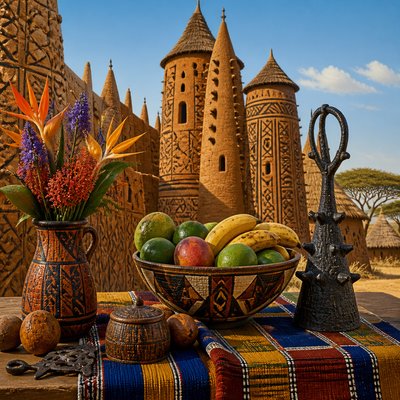
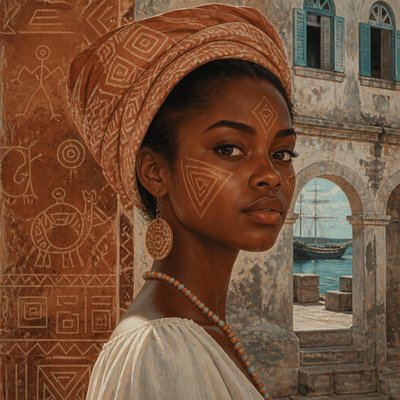
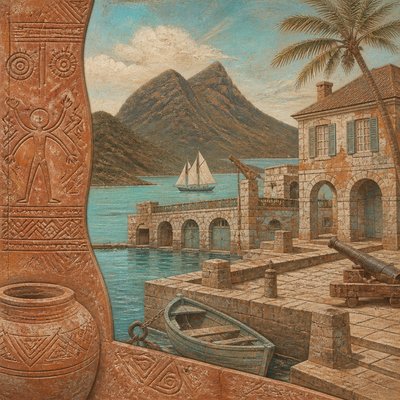
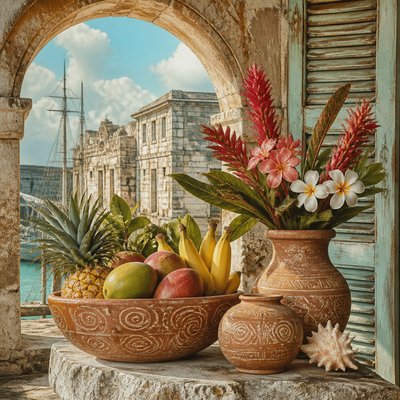
Actual Texture Art Style
Explore Actual Texture Art: tactile relief, impasto, collage, and embedded materials transformed into richly dimensional visual surfaces.
Instantly rendered in Actual Texture — or transform a photo
Actual Texture Gallery
Tap any artwork to explore it
What is Actual Texture Art Style?
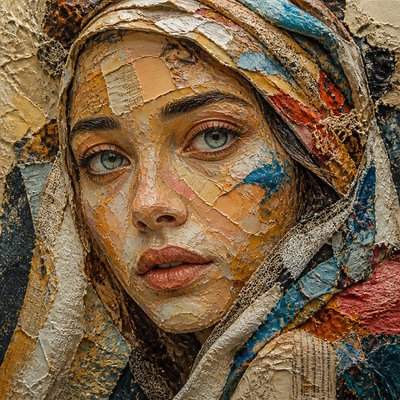
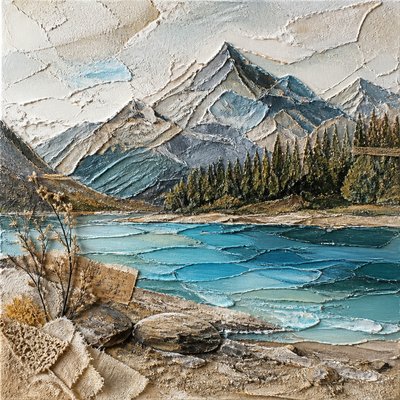
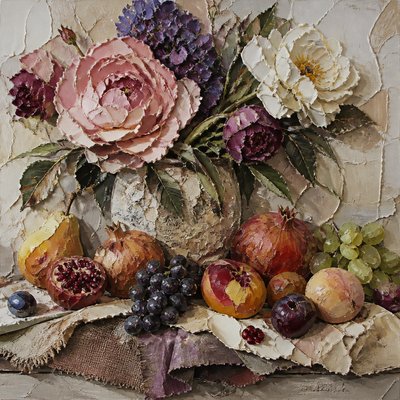
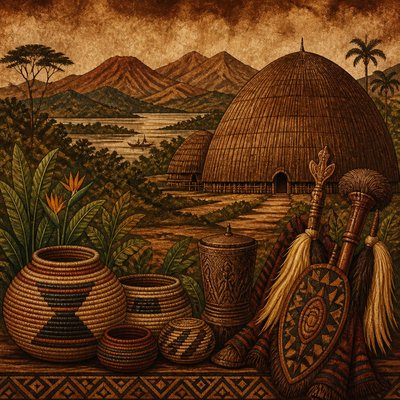
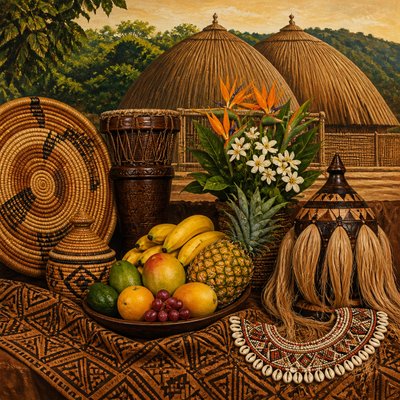
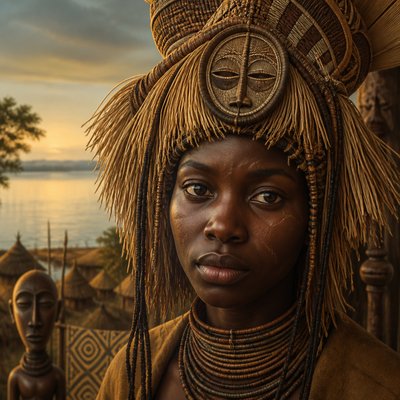
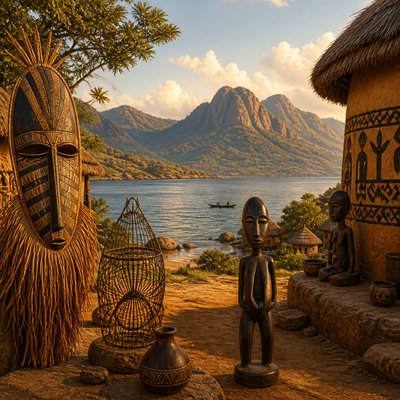
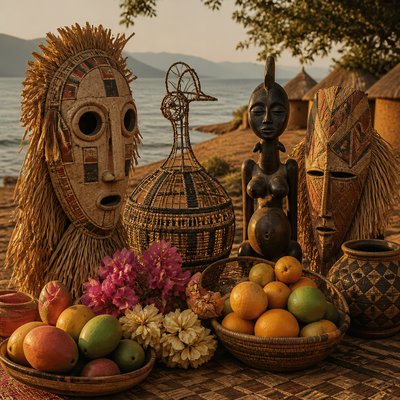
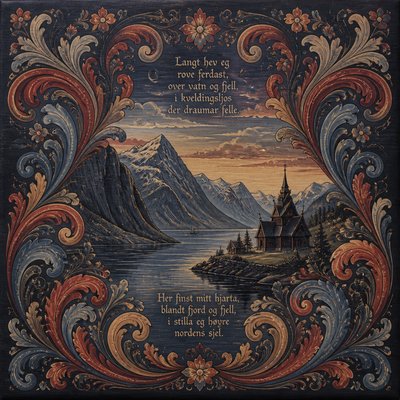
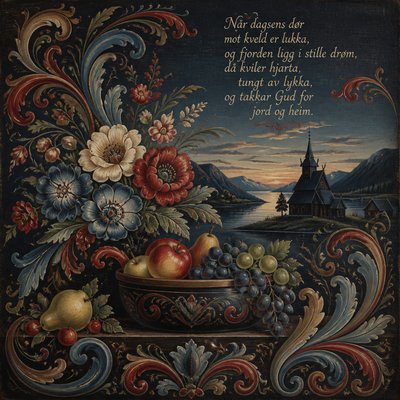
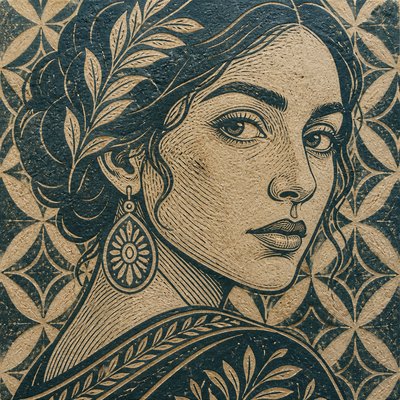
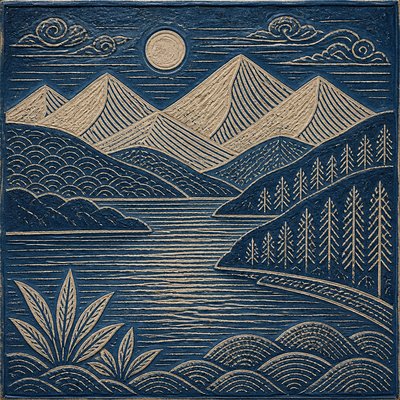
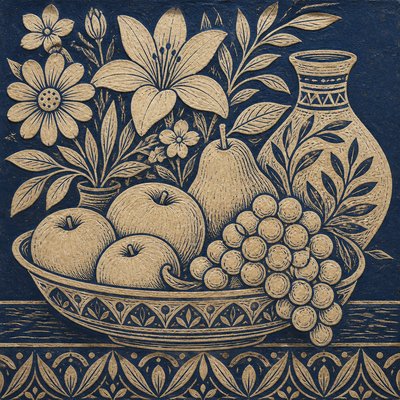
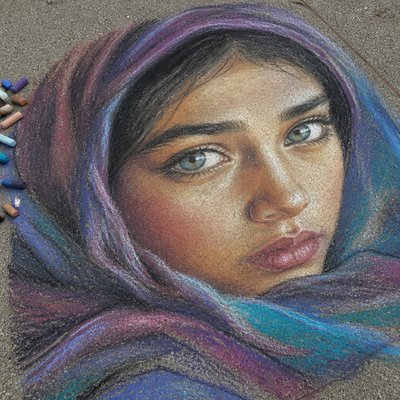
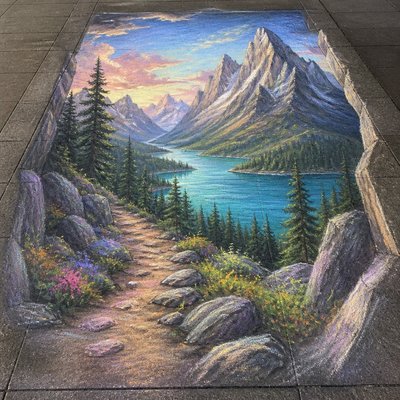
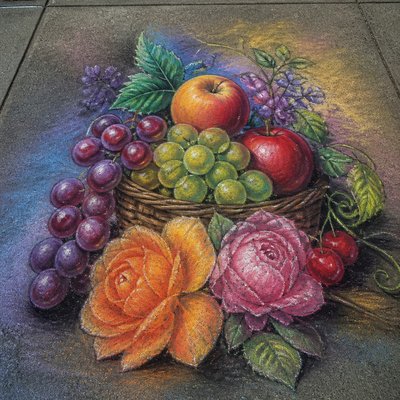
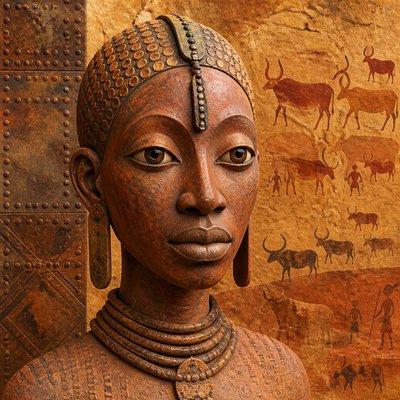
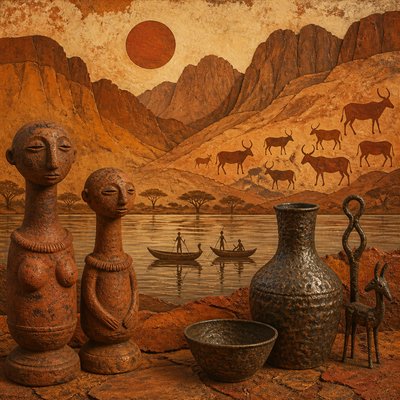
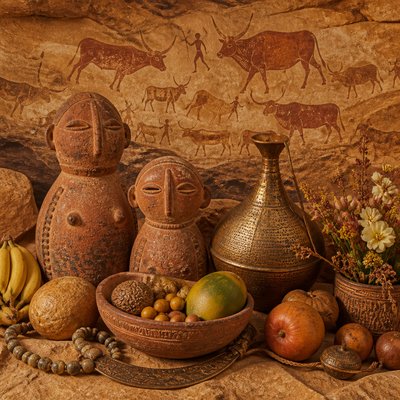
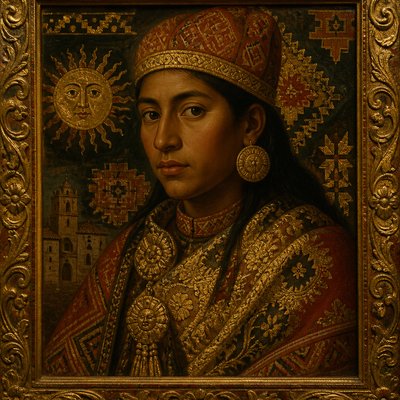
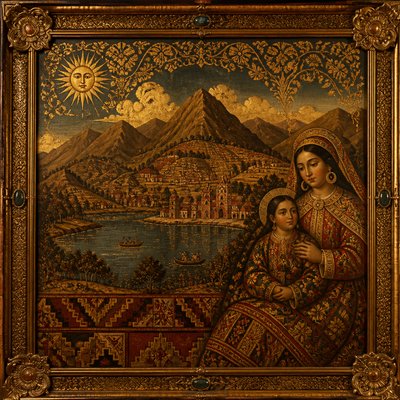
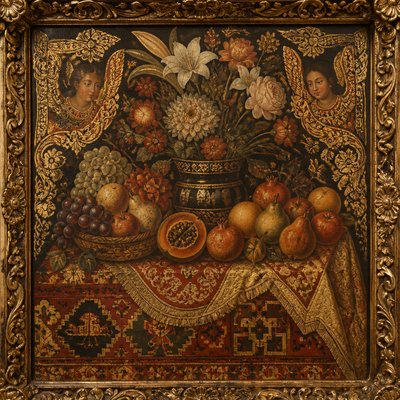
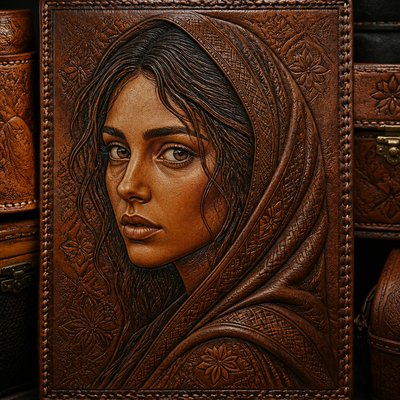
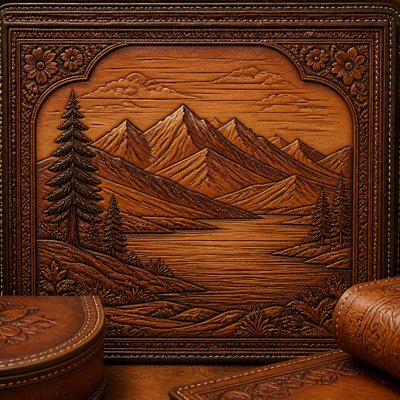
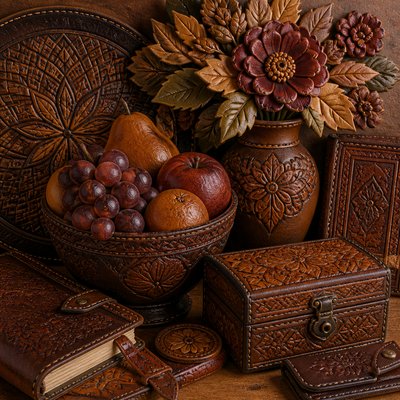
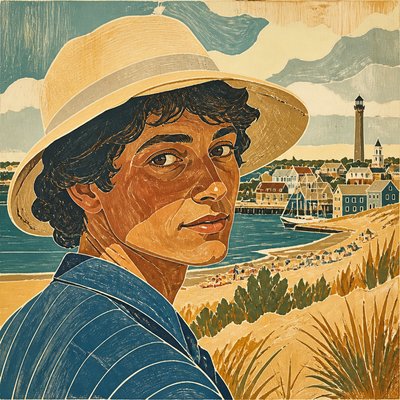
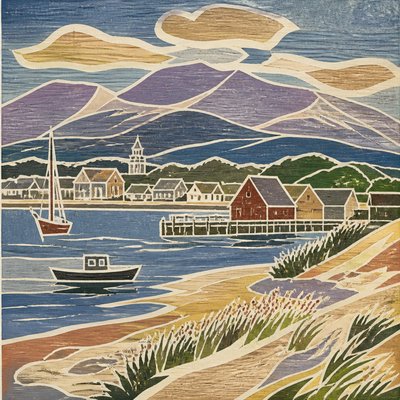
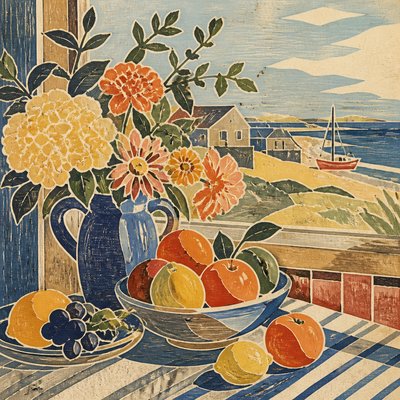
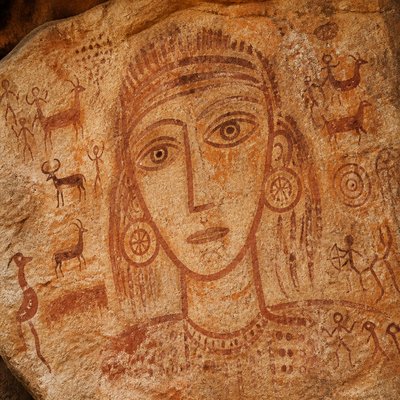
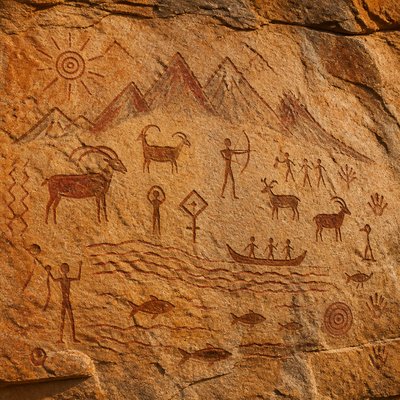
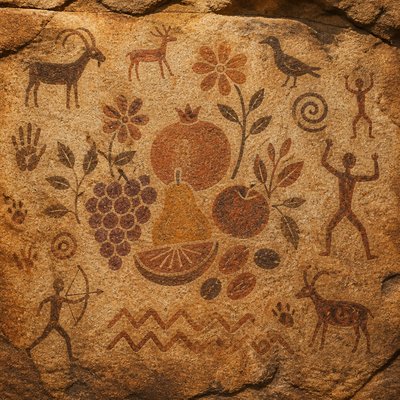
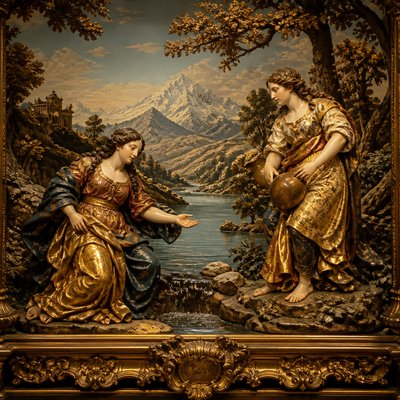
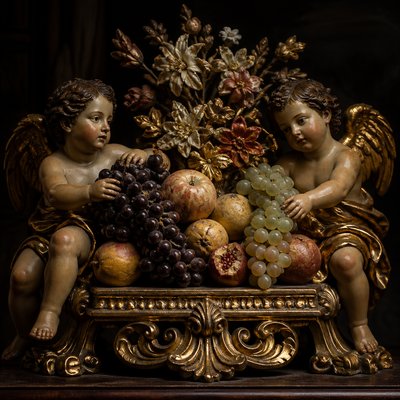
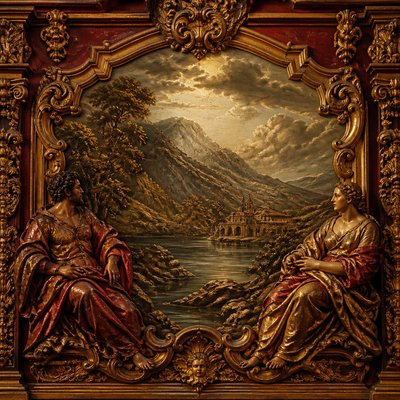
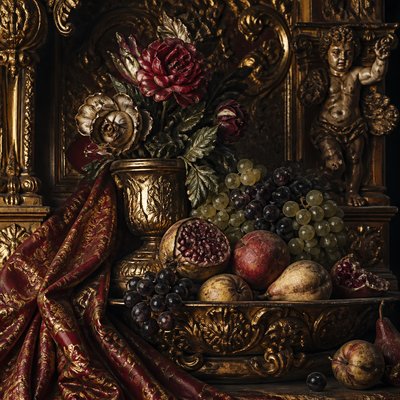
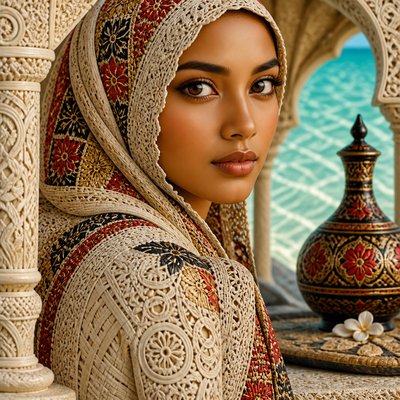
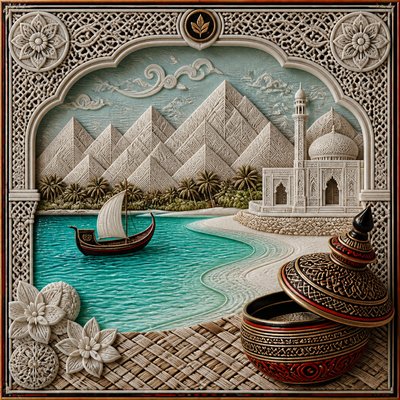
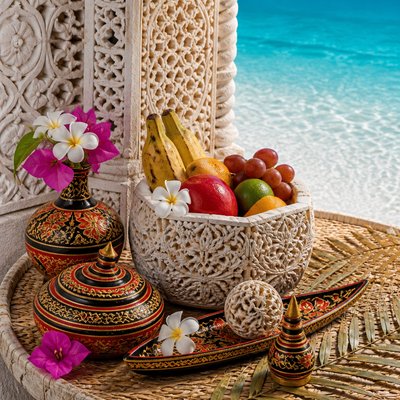
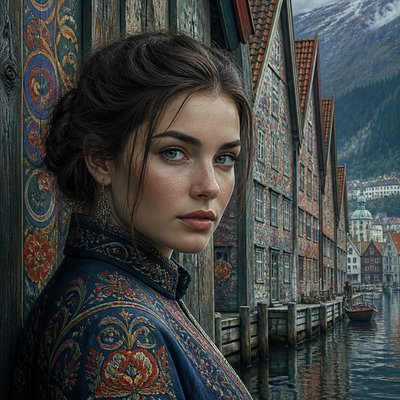
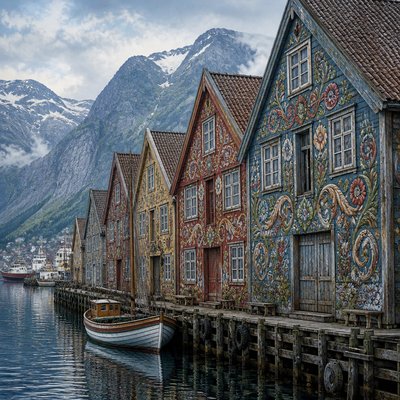
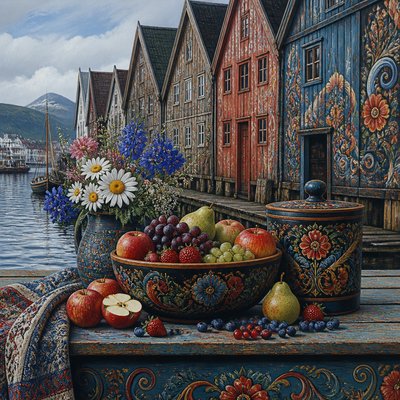
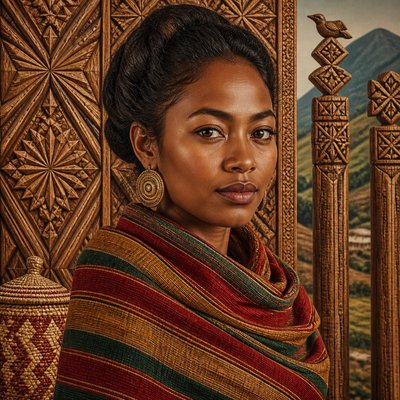
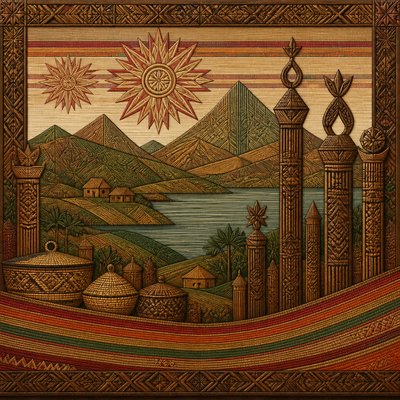
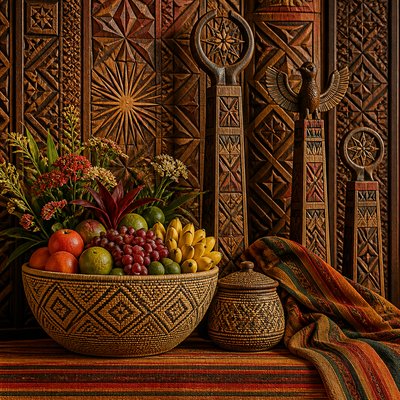
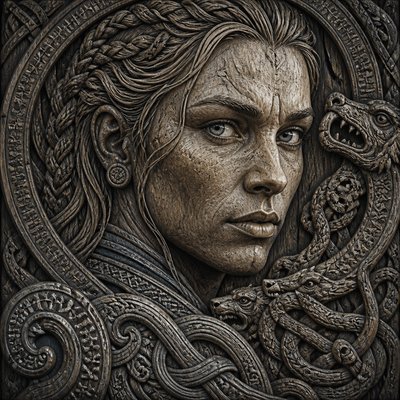
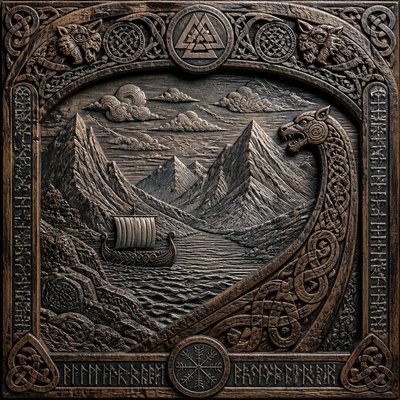
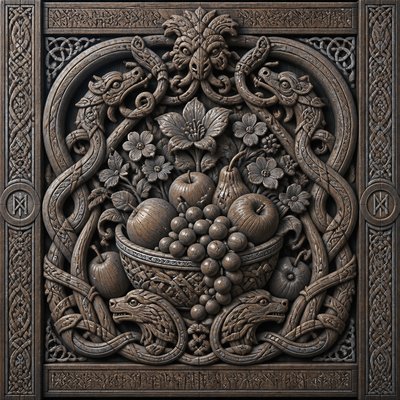
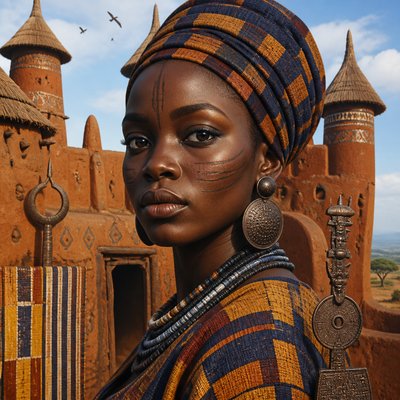
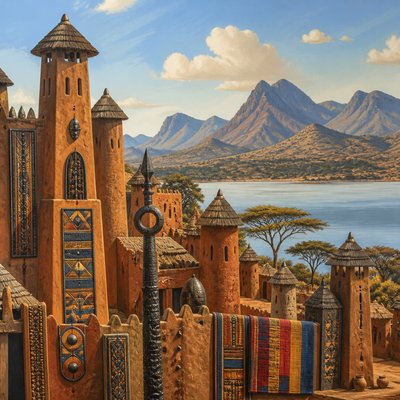
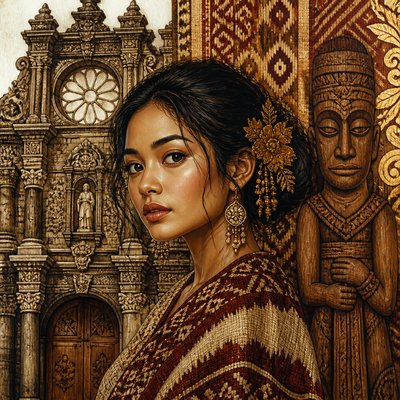
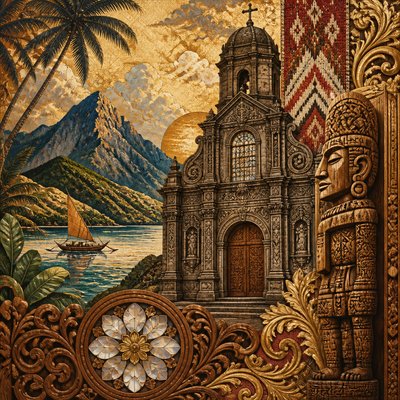
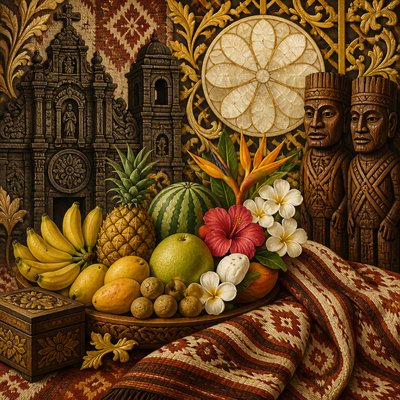
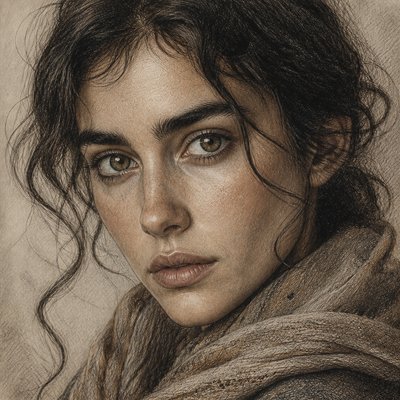
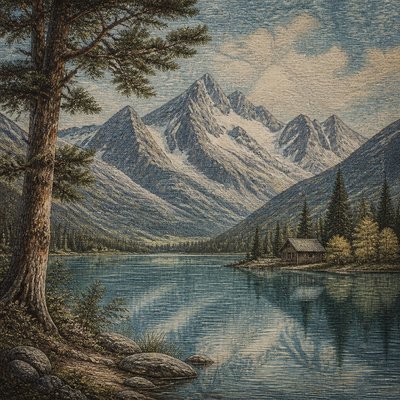
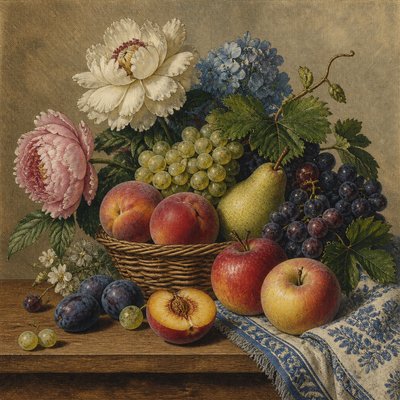
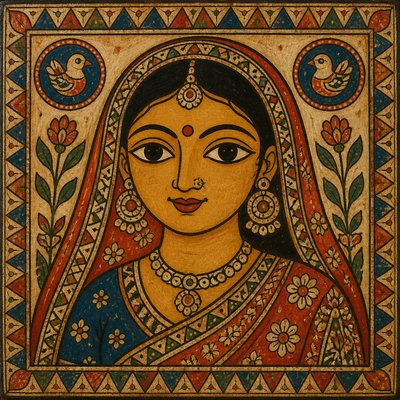
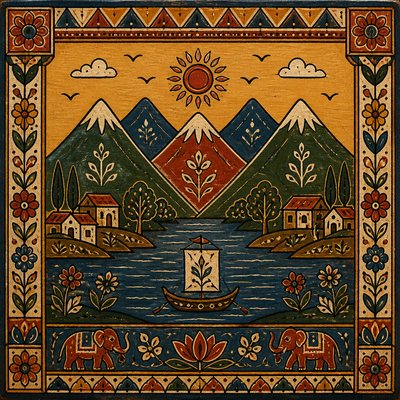
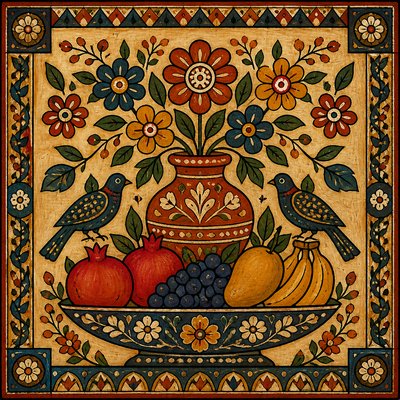
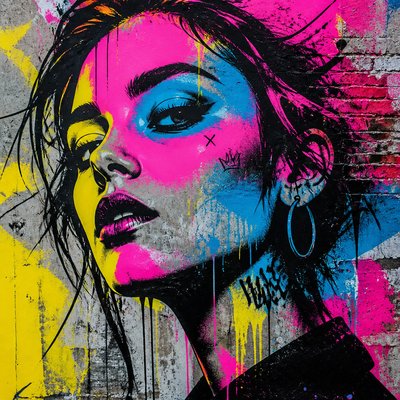
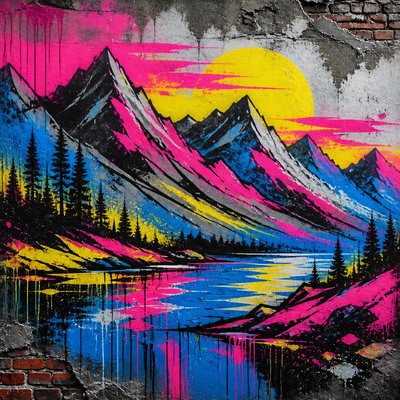
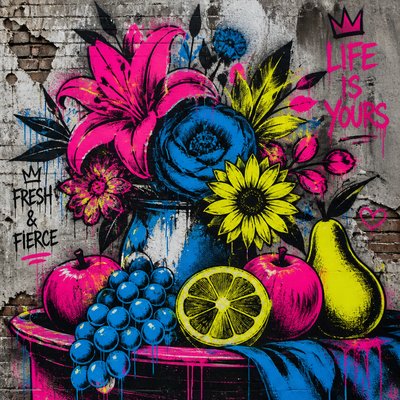
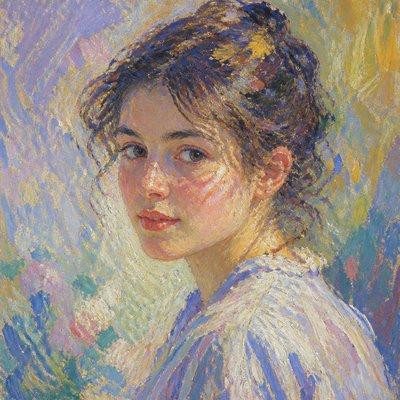
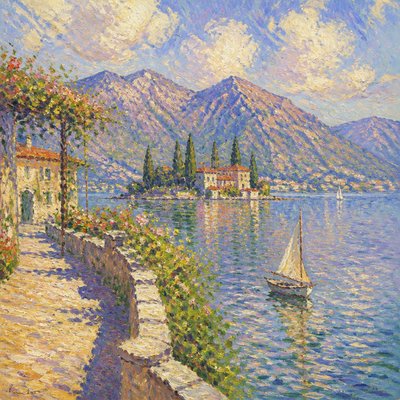
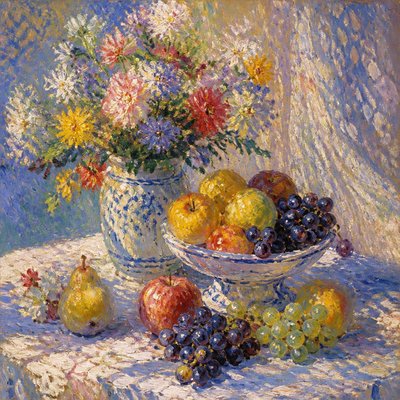
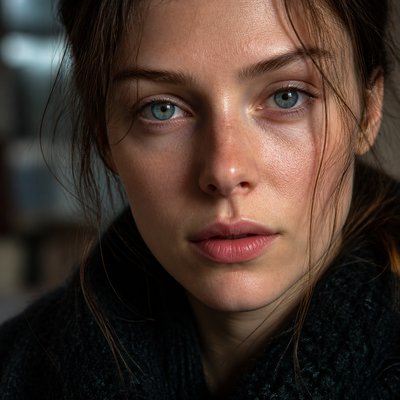
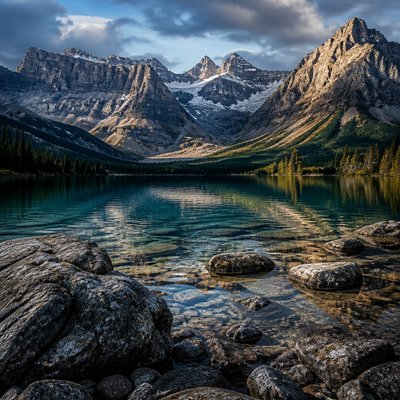
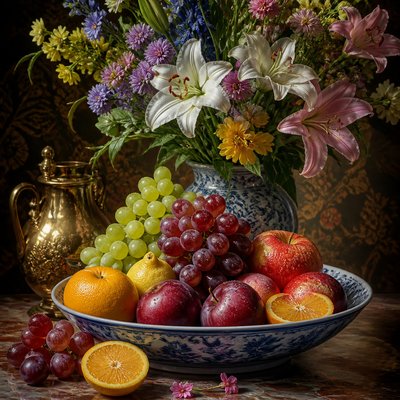
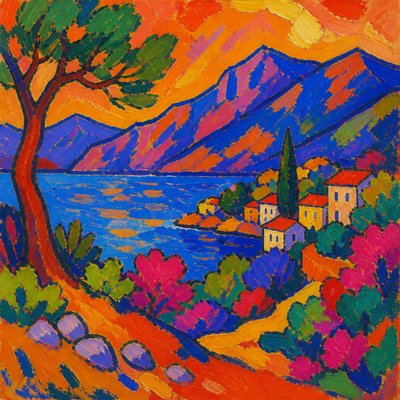
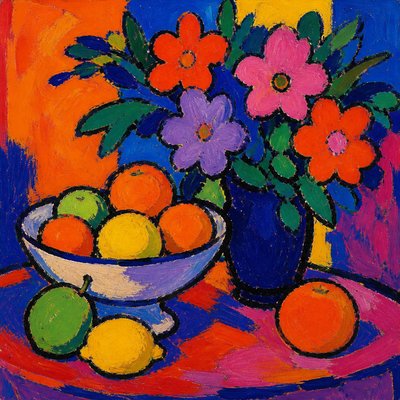
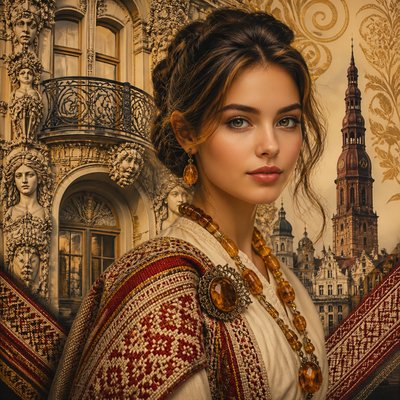
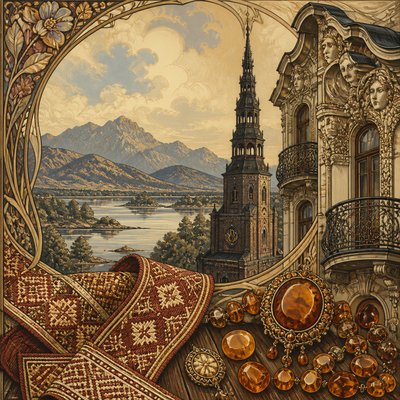
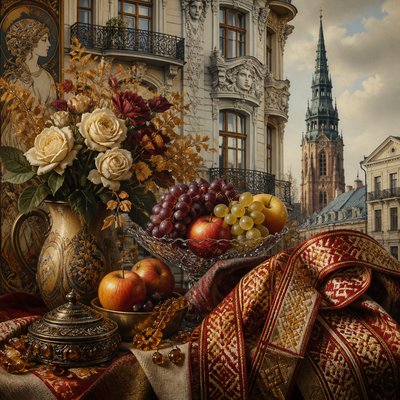
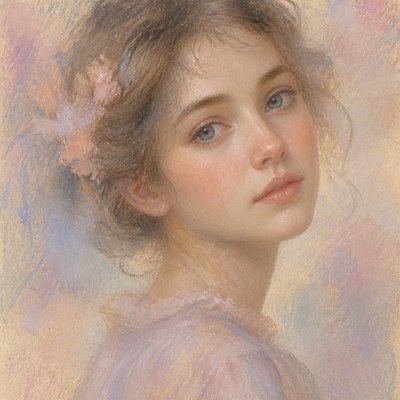
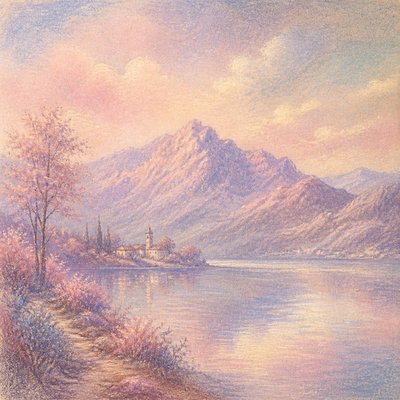
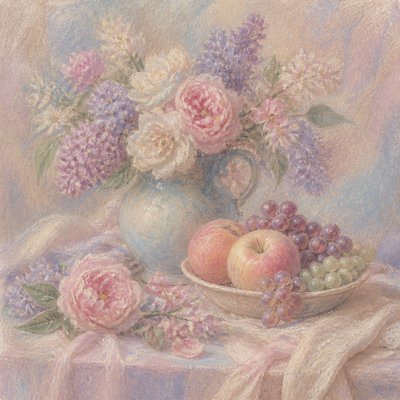
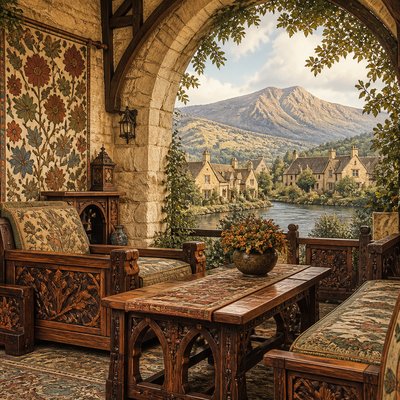
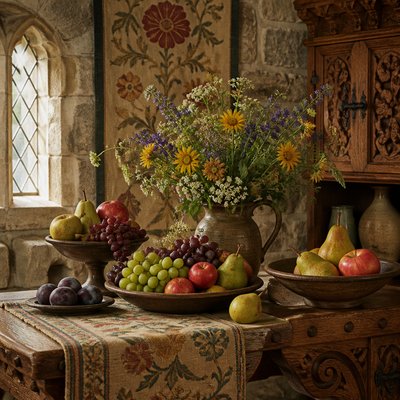
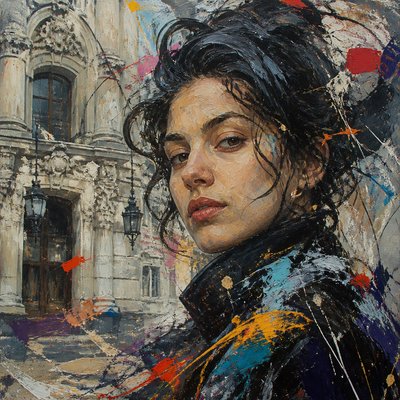
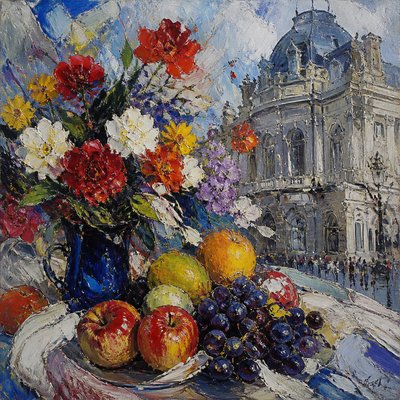
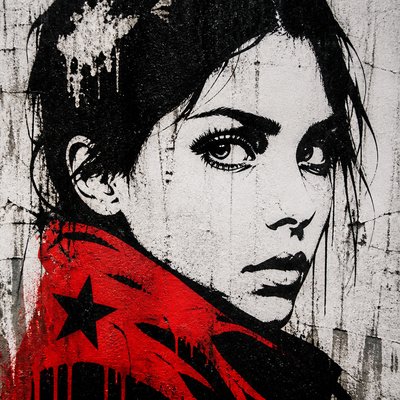
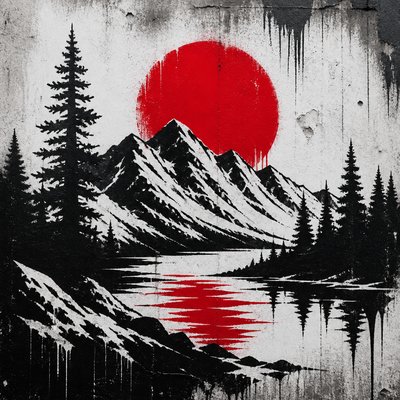
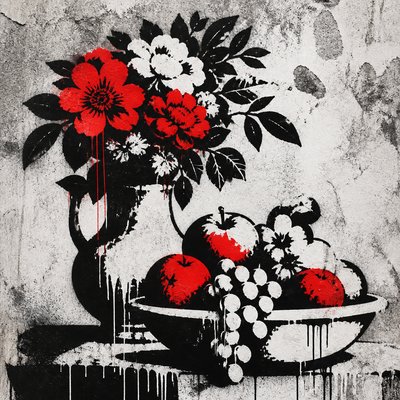
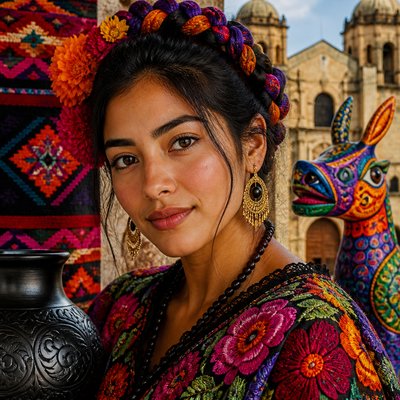
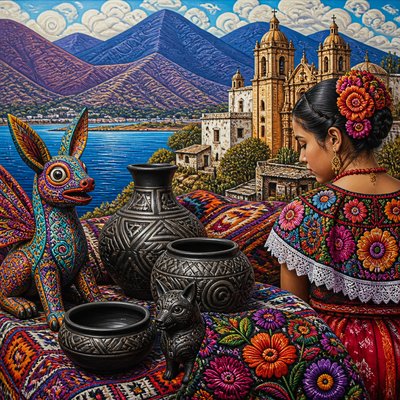
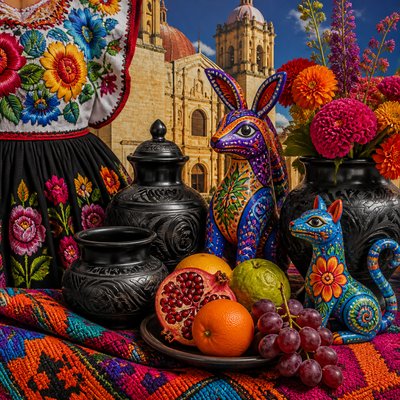
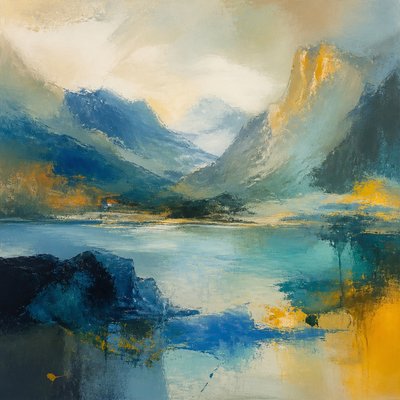
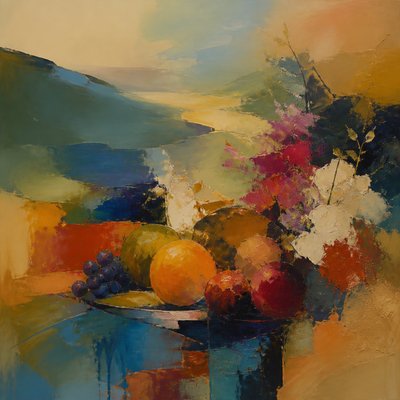
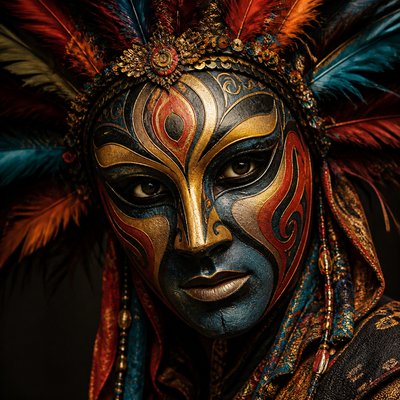
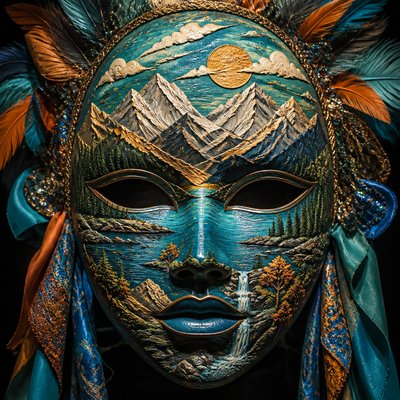
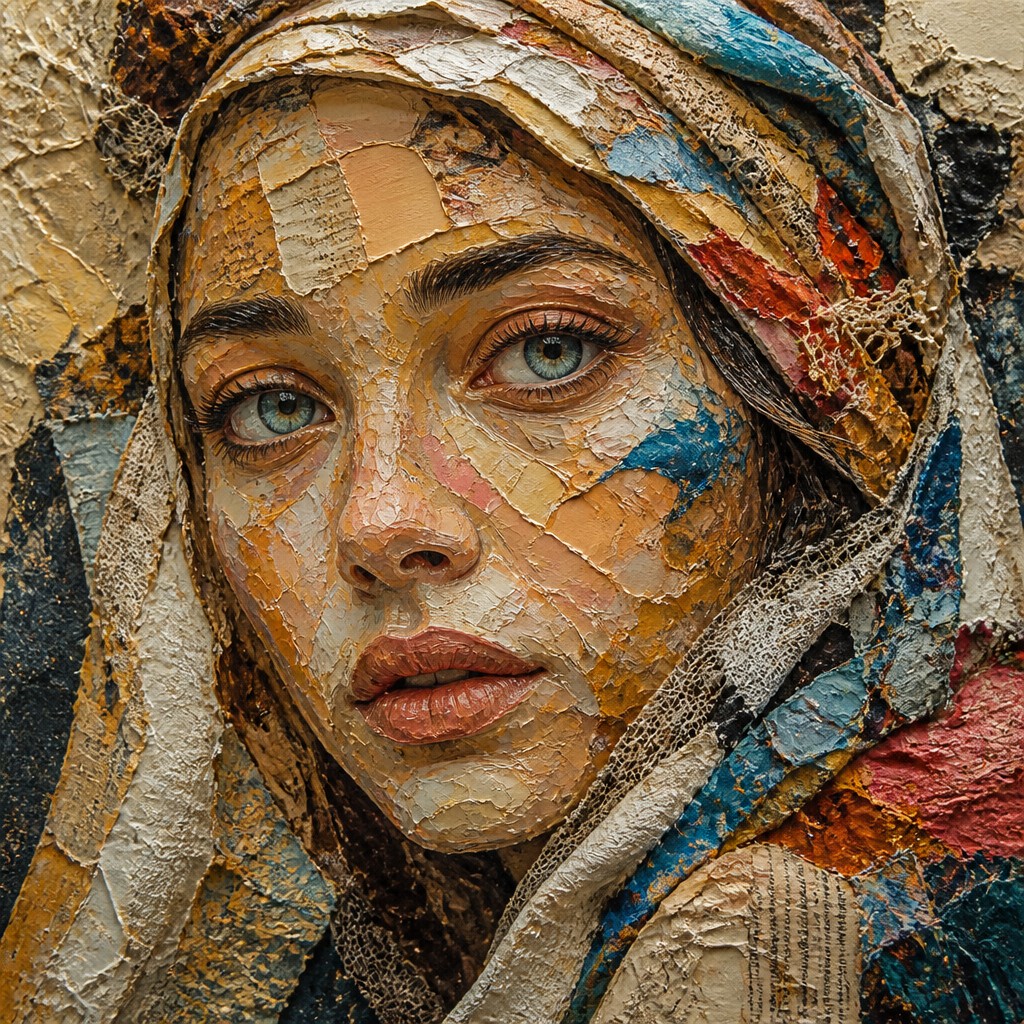
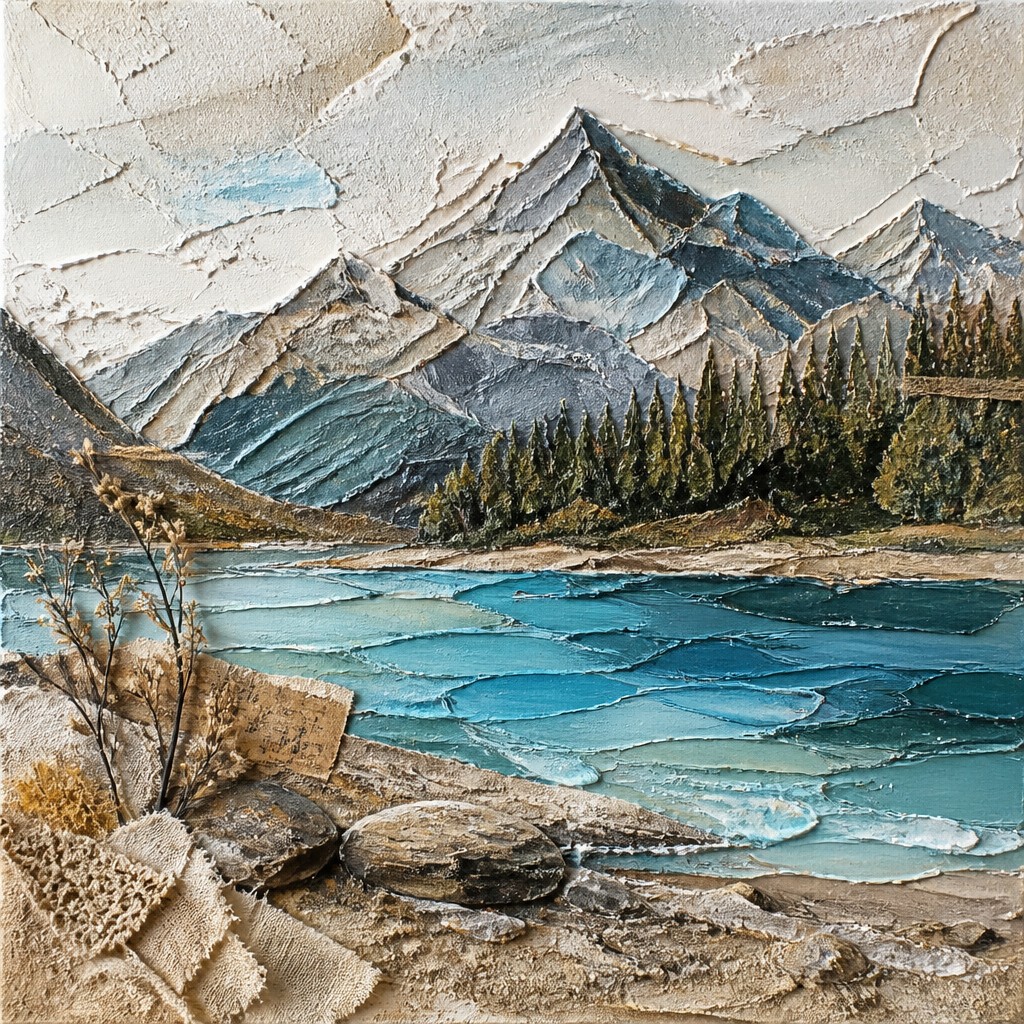
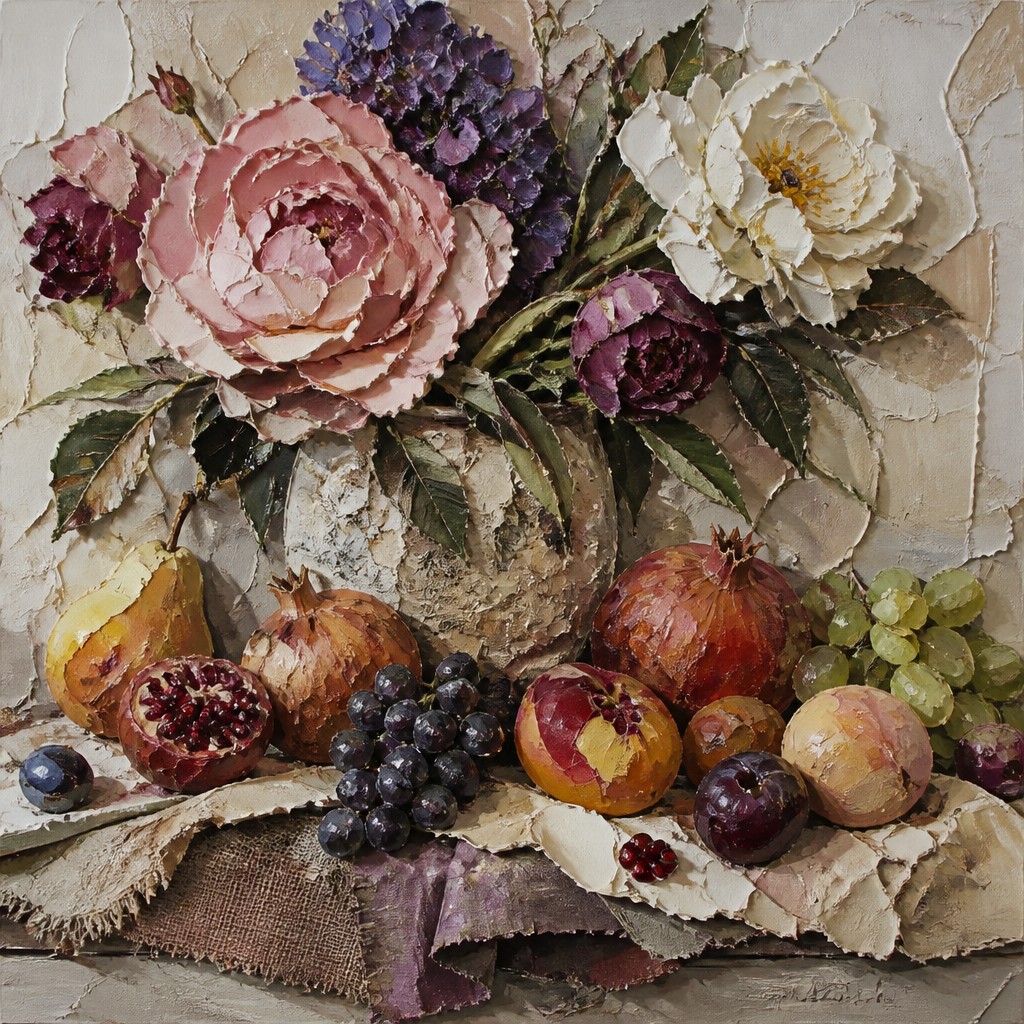
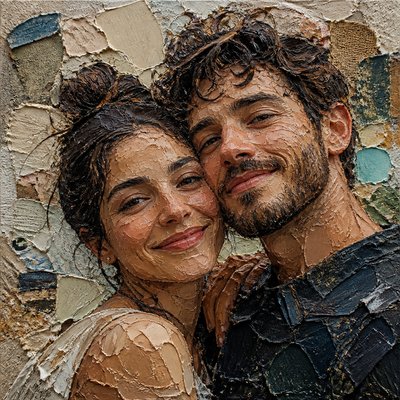
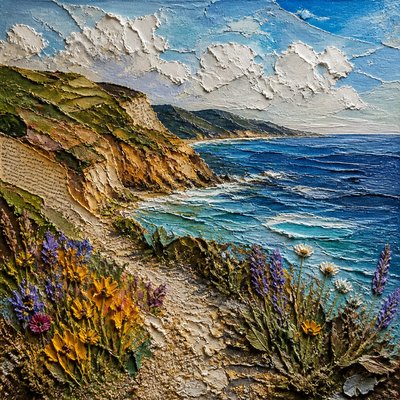
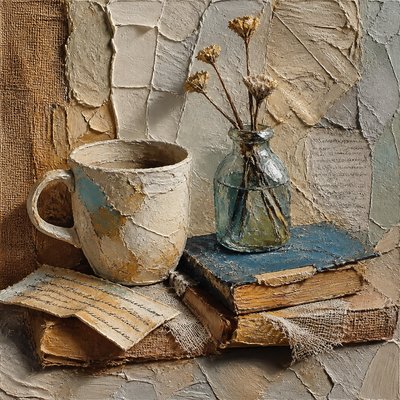
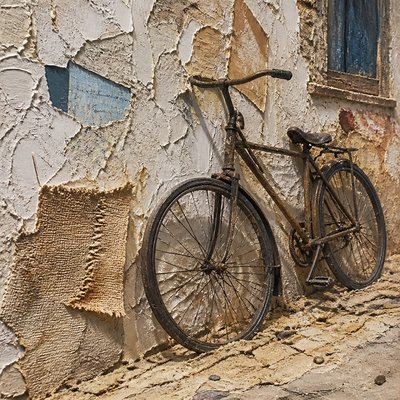
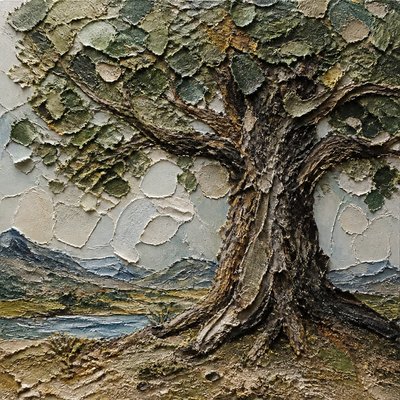
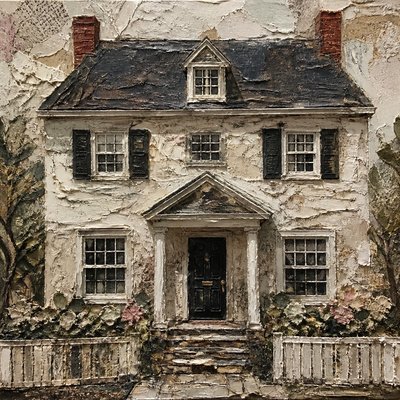
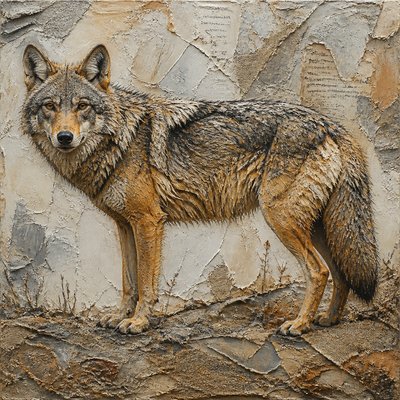
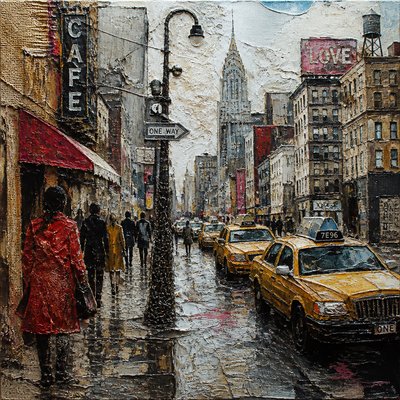
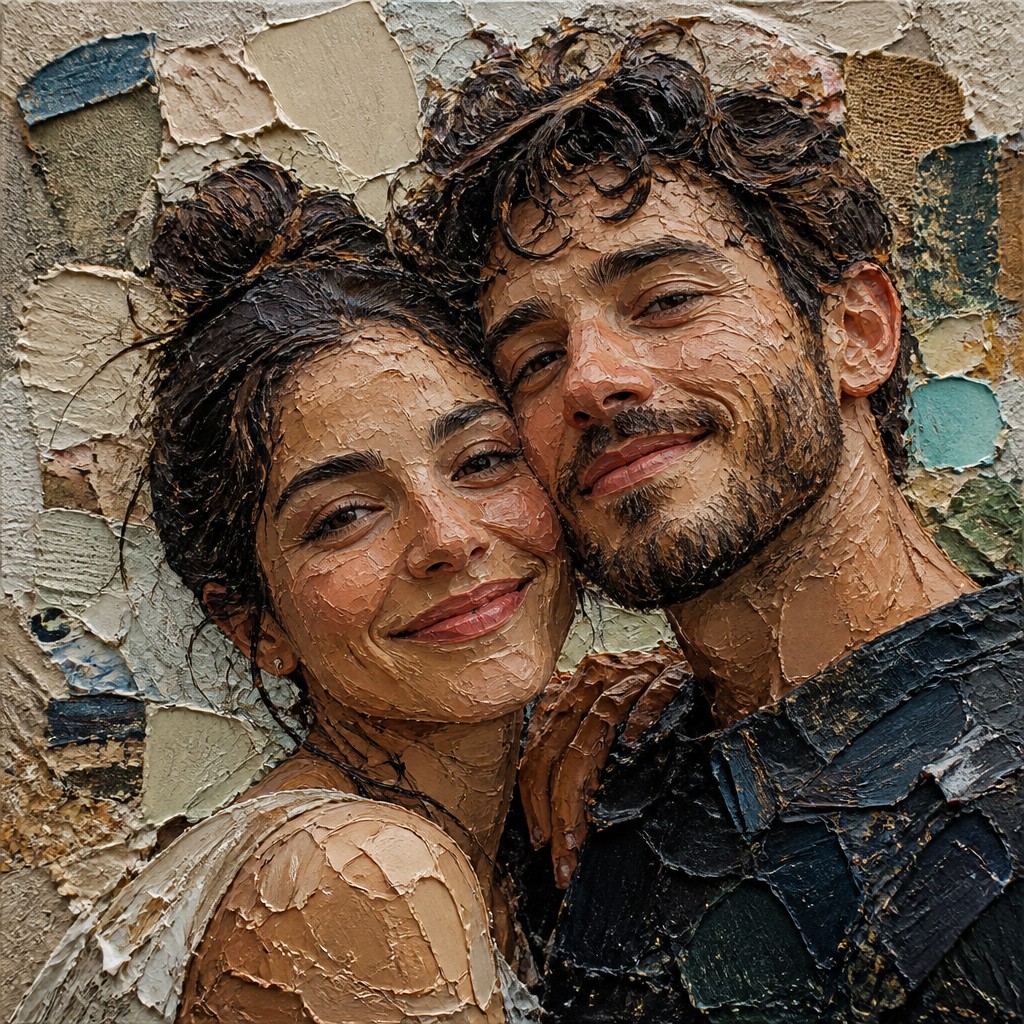
Actual Texture Art treats surface and material sensation as the primary subject rather than as a finishing detail. Images are built to suggest something that could be touched: thick raised paint, torn paper, woven fibers, granular sand, scraped ridges, and layered relief catch light across an uneven three-dimensional surface.
The style may depict a landscape, portrait, object, or abstract arrangement, but its visual identity comes from material construction. Strong directional lighting reveals peaks, recesses, frayed edges, and shadows between layers, making the work feel closer to a shallow relief or mixed-media object than a uniformly flat image.
Try It On Your Photos
Upload any photo and convert it into Actual Texture Art Style — drag the sliders to compare before and after.


What Defines Actual Texture Art Style
The signature details, up close
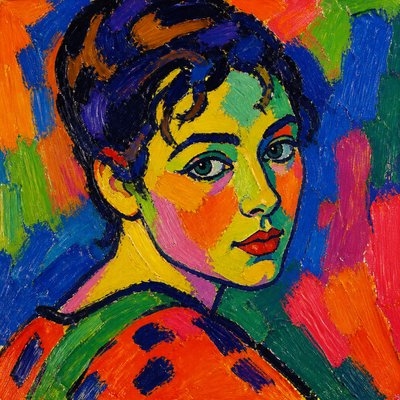
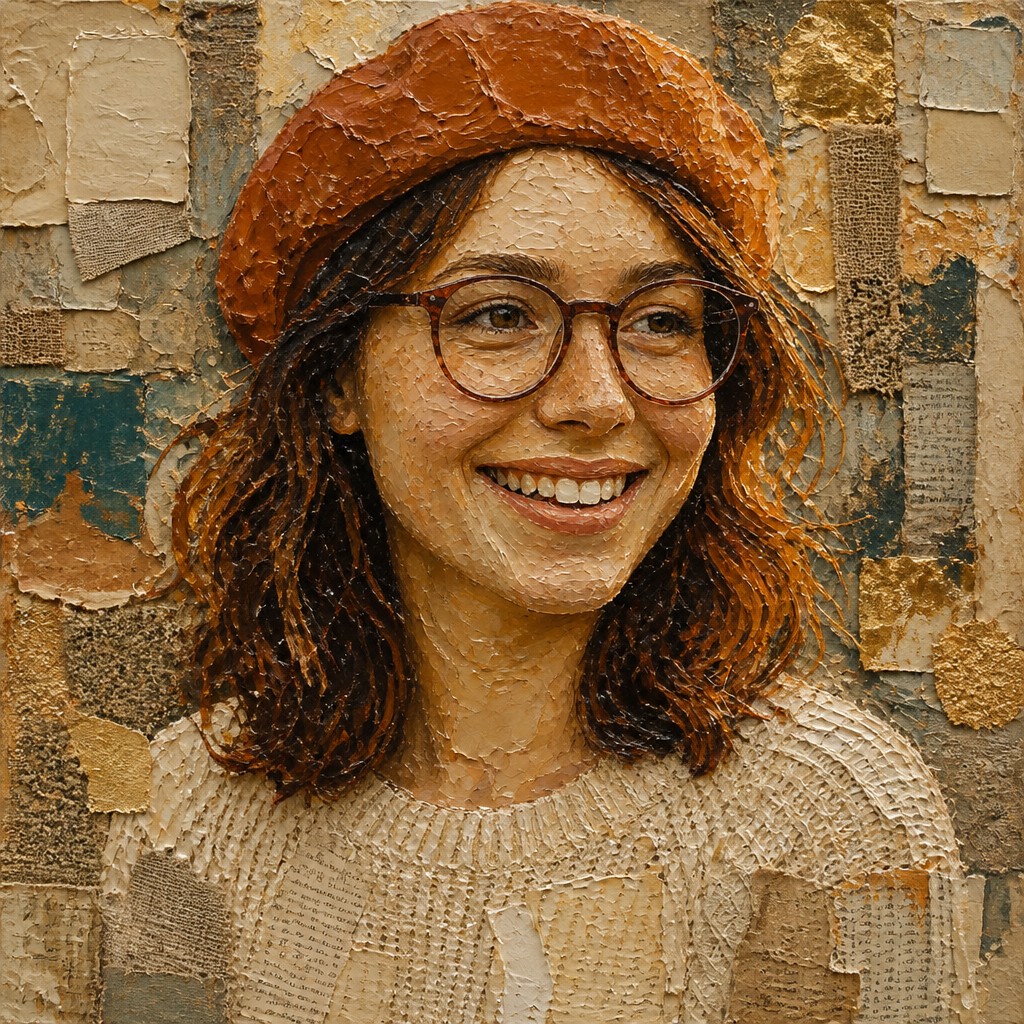
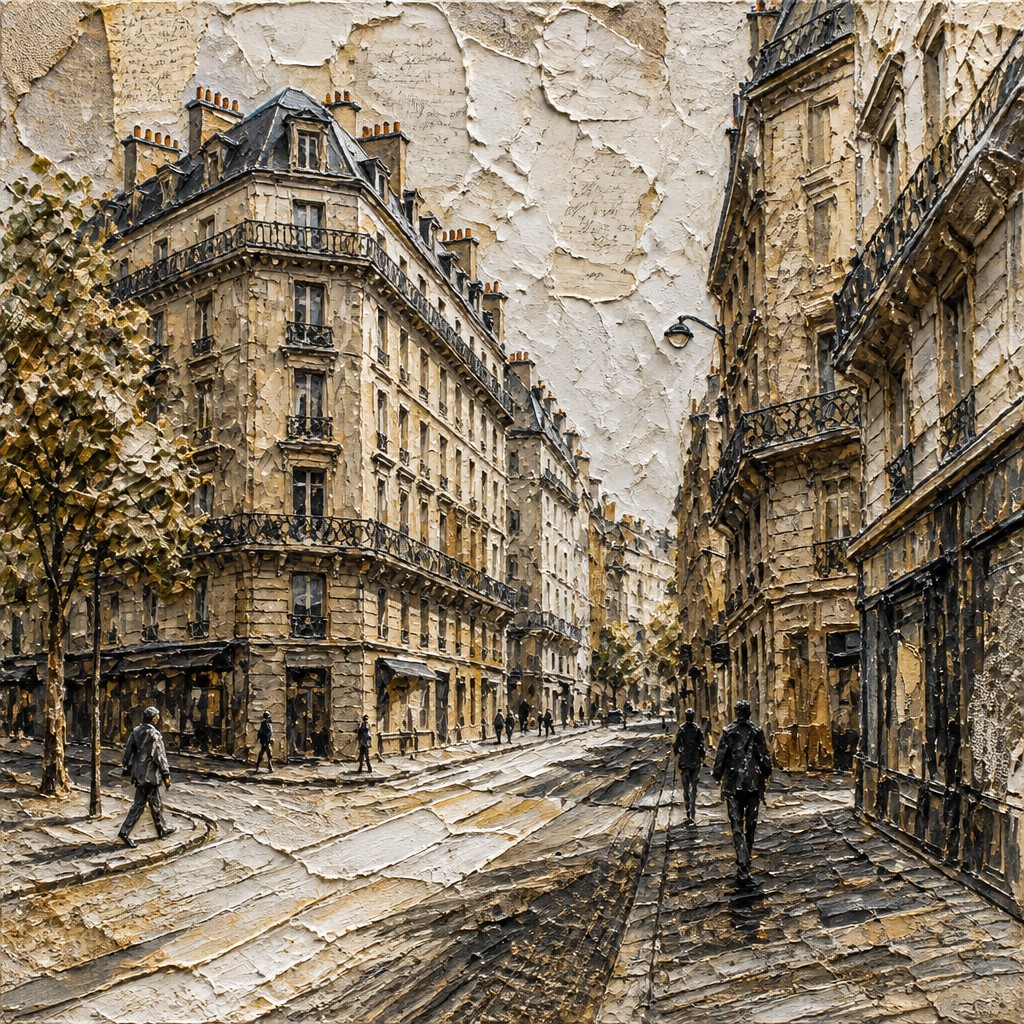
Raised impasto
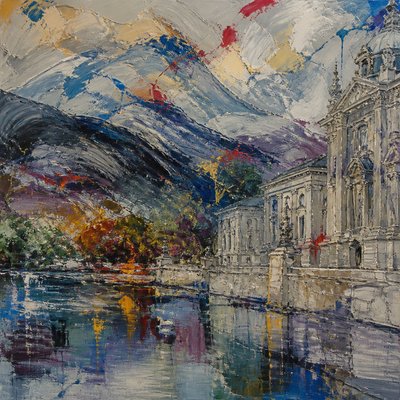
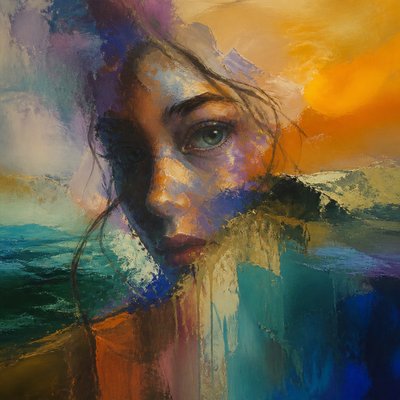
Paint appears thickly applied in ridges, peaks, and compressed strokes rather than as a smooth coating. These elevations cast small shadows and create visible changes in light across the image.
Layered collage structure
Overlapping papers, painted fragments, and cut surfaces create a stratified composition. Torn, curled, or irregular edges remain visible instead of being concealed.
Embedded materials
Sand, fabric, fibers, threads, grit, wood-like fragments, or other relief elements appear incorporated into the surface. Their differing grain and reflectivity provide tactile contrast.
Palette-knife ridges
Scraped, dragged, and pressed marks produce angular grooves and flattened planes. These marks often remain legible as evidence of the making process.
Physical light and shadow
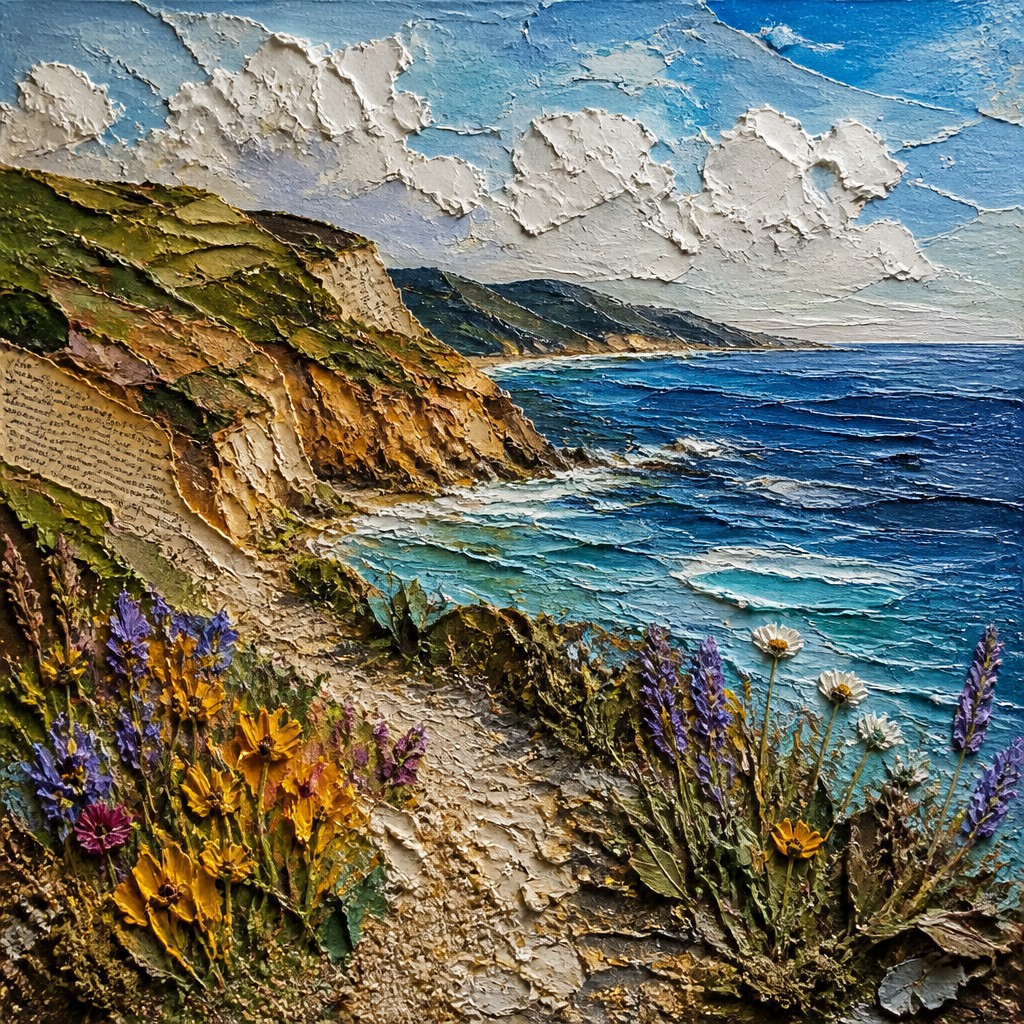
Directional illumination emphasizes the height and depth of the surface. Contact shadows, occlusion, and highlights help distinguish genuine-looking relief from printed texture.
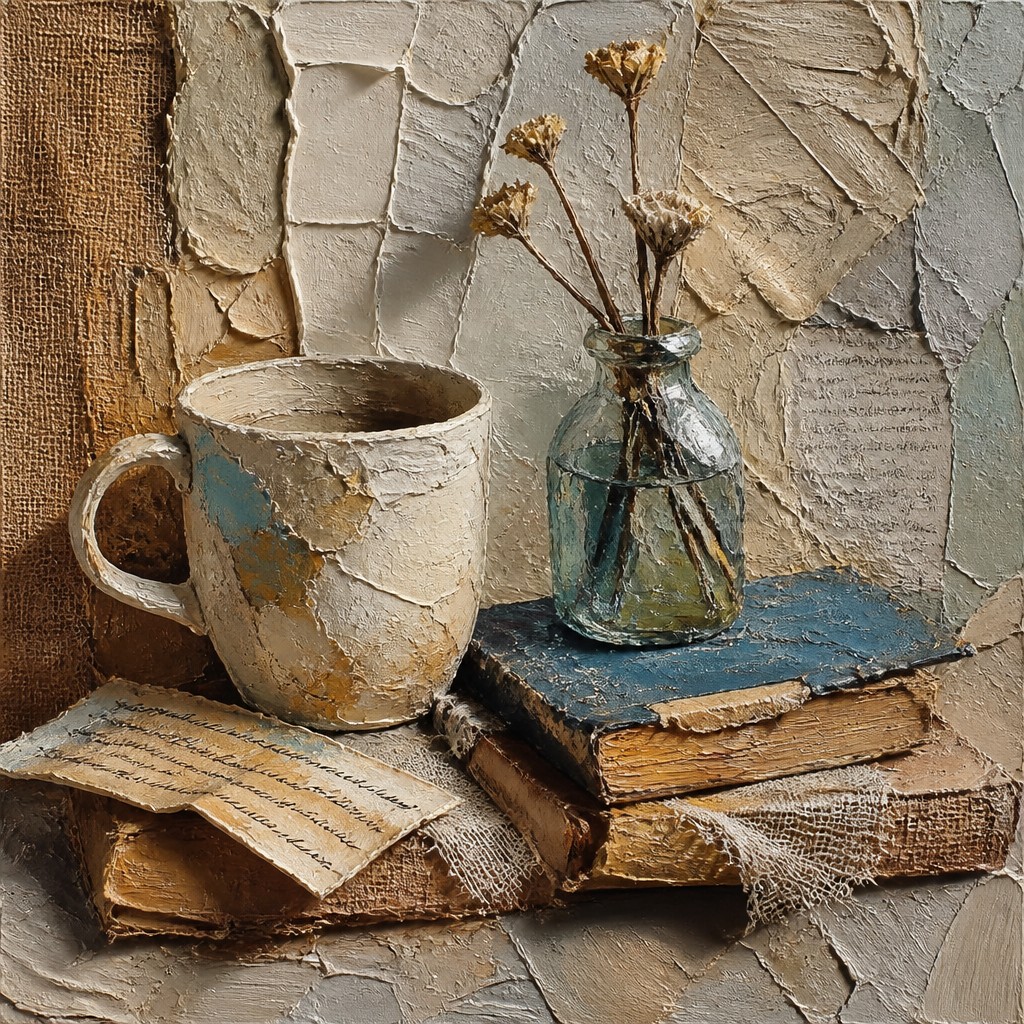
Material contrast
Rough and smooth, matte and glossy, fibrous and granular surfaces are placed together. Contrast in texture can organize the composition as strongly as color or shape.
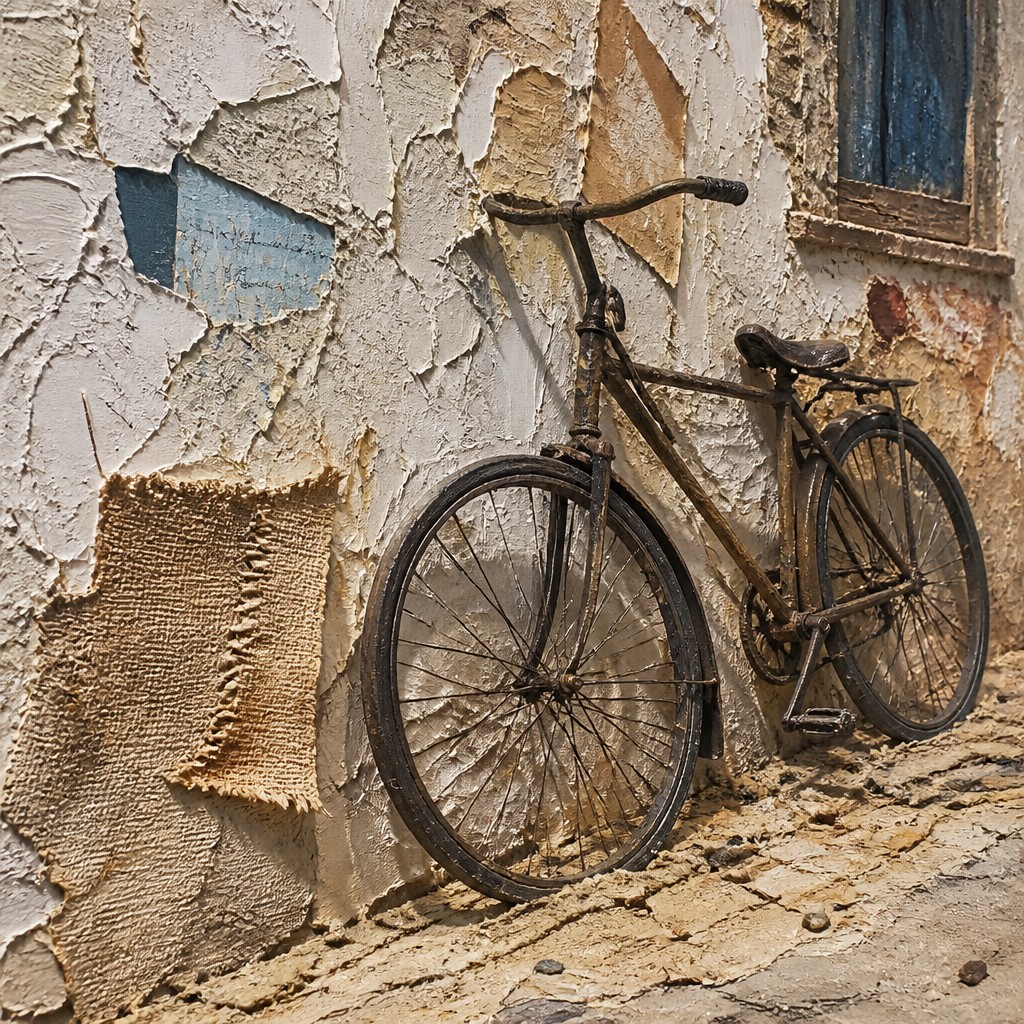
Built-up dimensionality
The surface accumulates through many visible layers, giving the work the character of a shallow sculpture. Depth is usually tactile and localized rather than dependent on conventional perspective.
Actual Texture Prompt Ideas
Start from an idea — each one opens the generator with the style ready to go. See all 40 Actual Texture prompts →
How to Create Actual Texture Art
Master the craft step by step — or skip straight to creating. Read the full guide →
- 1
Build physical relief
For a traditional work, apply modeling paste, thick paint, sand, paper, cloth, or other stable materials in controlled layers. Allow each layer to set as needed so ridges and embedded elements retain their definition.
- 2
Use directional lighting
Place a strong light source low or to one side of the surface to reveal grooves, torn edges, and raised marks. Avoid evenly frontal illumination, which can flatten the relief.
- 3
Control the material hierarchy
Choose one dominant texture and a few supporting materials rather than making every area equally busy. Reserve the highest relief or strongest contrast for focal regions.
- 4
Translate marks digitally
In digital painting or 3D workflows, combine displacement, bump, normal, and roughness information with layered masks. Render soft contact shadows and grazing highlights so texture affects light, not just color.
- 5
Write material-specific prompts
For prompt-based creation, name the subject first, then specify raised impasto, torn collage edges, embedded fibers or grit, palette-knife grooves, and directional physical lighting. Add terms such as shallow relief, tactile surface, and visible material layers to discourage a flat printed appearance.
- 6
Preserve legibility
Keep the subject recognizable beneath the material buildup by varying texture density and leaving some quieter passages. Texture should clarify form and atmosphere rather than obscure every contour.
The Story
History & Origins of Actual Texture
Actual Texture Art is a contemporary, descriptive style rather than a formally established historical movement. Its lineage draws from impasto painting, mixed-media collage, assemblage, bas-relief, material-based abstraction, and craft traditions that emphasize the physical properties of a medium.
Digital image-making extends these ideas by simulating or exaggerating tactile depth. The style developed conceptually through the meeting of traditional surface experimentation with high-resolution rendering, which can represent raised marks, embedded materials, and physically plausible shadows even when no physical object exists.
Influences: The style is related to impasto traditions in painting, mixed-media collage, assemblage, material-based abstraction, papier-mache, textile art, plaster relief, and bas-relief sculpture. It also shares the interest in process and surface found in postwar material experimentation, while digital displacement and physically based rendering extend those concerns into simulated three-dimensional space.
Frequently Asked Questions
What defines Actual Texture Art?
It is defined by the suggestion or presence of a genuinely built-up surface. Raised paint, torn edges, embedded materials, incised marks, and physically readable shadows matter as much as the depicted subject.
Is Actual Texture Art a historical art movement?
No. It is a contemporary descriptive style rather than a recognized historical movement with a fixed founding date or canon. Its aesthetic lineage comes from impasto, collage, assemblage, relief, craft, and material-focused abstraction.
How is it different from ordinary textured painting?
Ordinary textured painting may use a visual pattern or brush effect to imply surface. Actual Texture Art makes material depth central, using relief, occlusion, edge irregularity, and directional lighting to suggest that the surface physically projects from the image.
Can this style be made with digital tools?
Yes. Digital artists can combine displacement maps, sculpted geometry, textured brushes, roughness variation, and controlled lighting to simulate physical relief. Prompt-based image creation can also describe specific materials and shadows, although generated texture may remain a visual simulation rather than a touchable object.
What materials work well for a physical version?
Heavy-body acrylic or oil paint, modeling paste, textured grounds, handmade paper, cloth, thread, sand, sawdust, and lightweight relief materials are common choices. Materials should be securely bonded and selected for archival stability, weight, and compatibility with the support.
Where is this style commonly used?
It suits tactile fine-art panels, mixed-media paintings, relief-like wall works, editorial imagery, packaging concepts, book covers, and digital artwork intended to communicate craft or material richness. It is especially effective when lighting and close viewing are important to the subject.
Create your first Actual Texture artwork
Describe anything — or upload a photo — and see it in Actual Texture Art Style in seconds.
Related Styles
Discover similar art styles