Perfect Symmetry Art Style
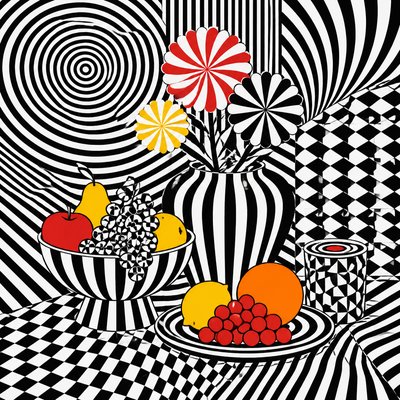
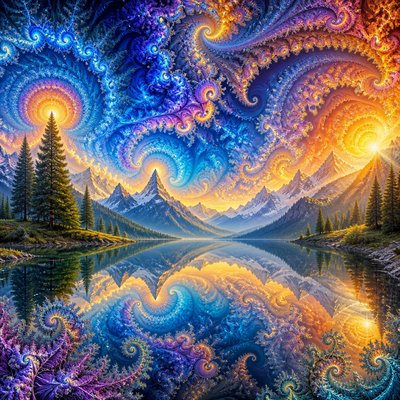
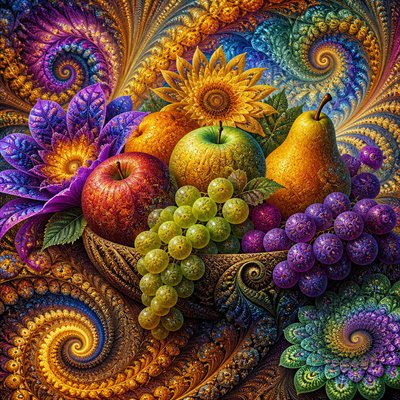
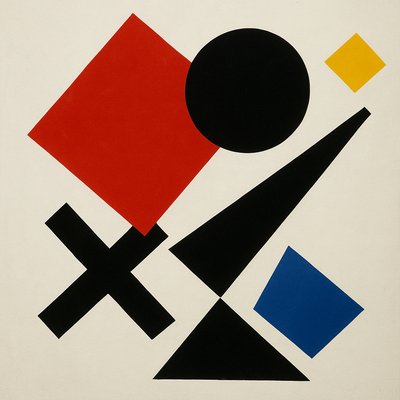
Explore Perfect Symmetry Art: ceremonial mirror-order compositions, central axes, mandala accents, and cathedral-like visual authority.
Instantly rendered in Perfect Symmetry — or transform a photo

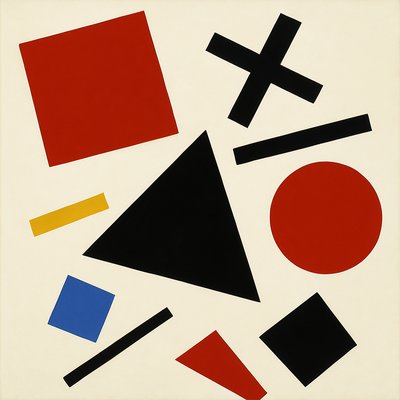
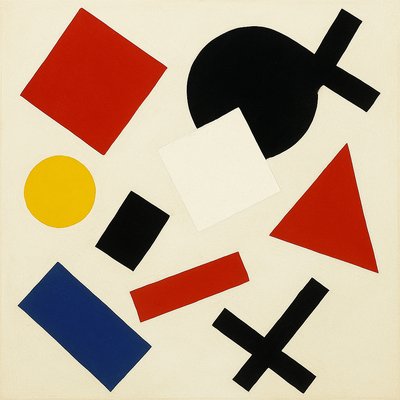
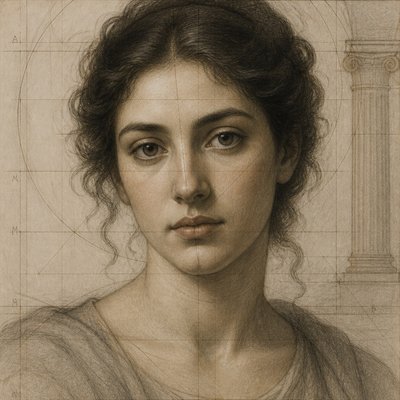
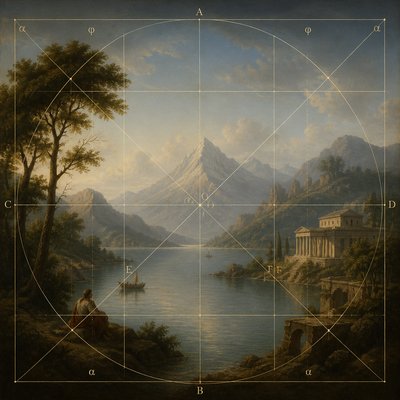
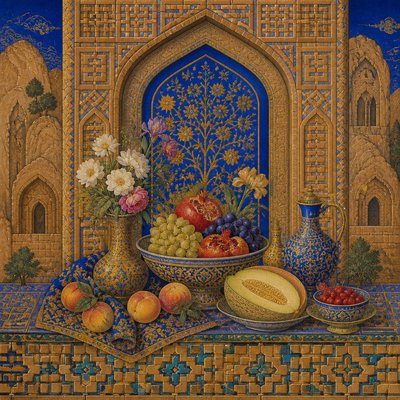
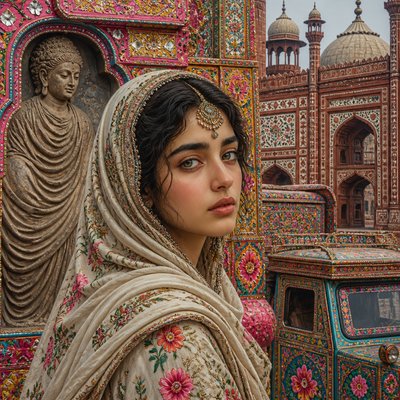
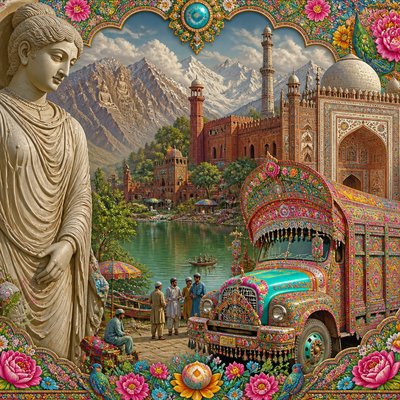
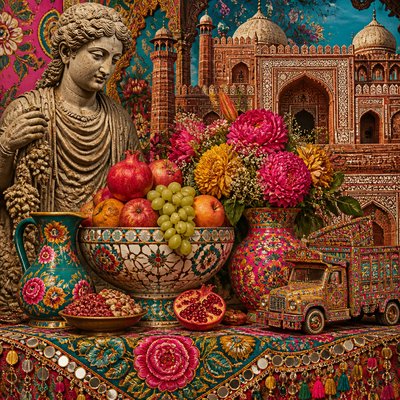
Perfect Symmetry Gallery
Tap any artwork to explore it


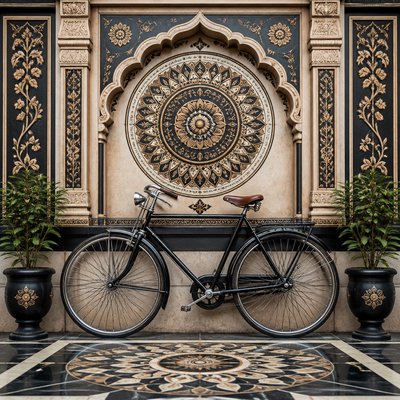
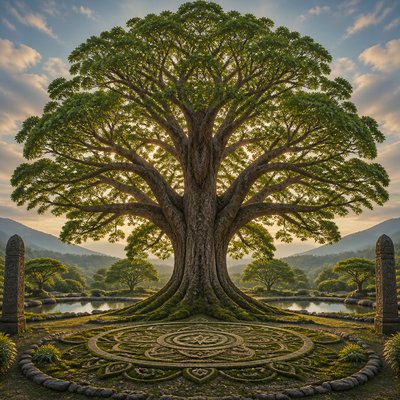
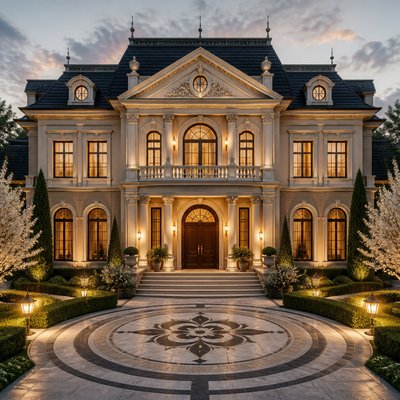
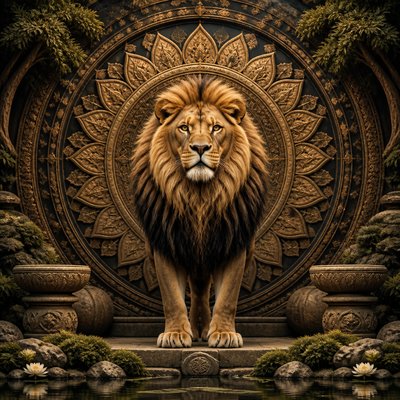
What is Perfect Symmetry Art Style?
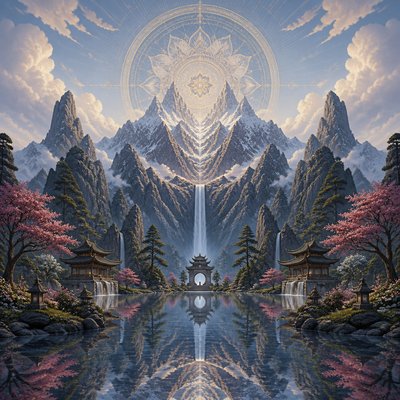
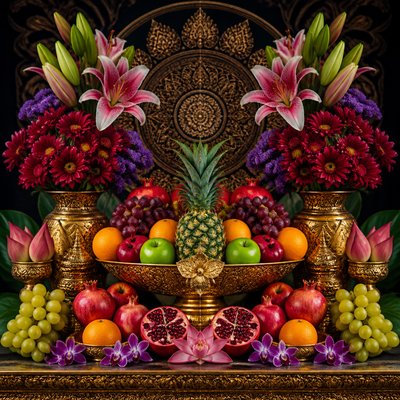
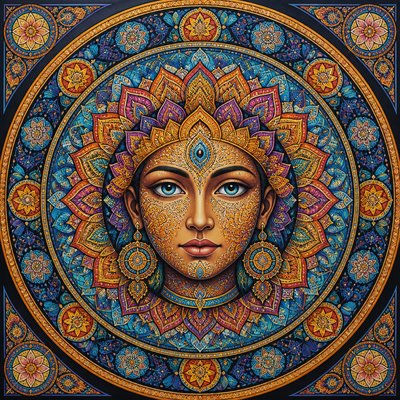
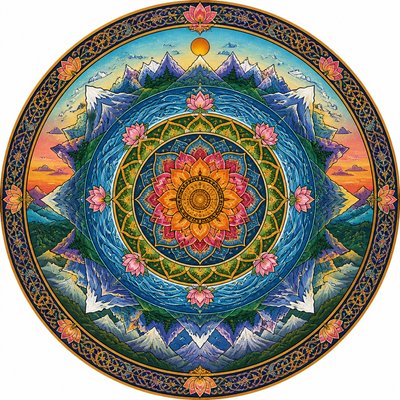
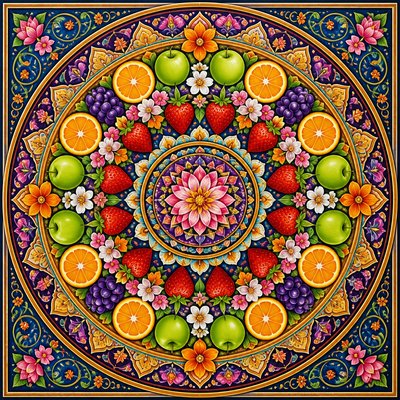
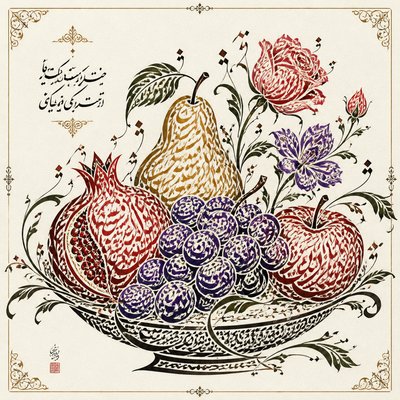
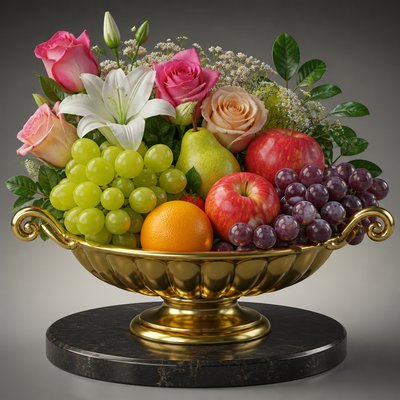
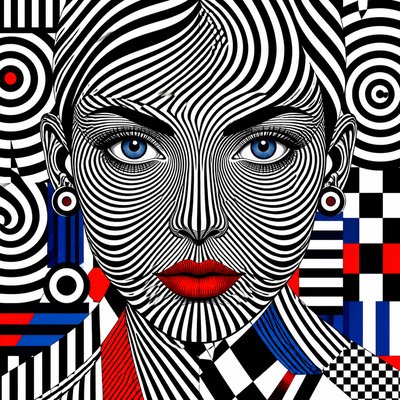
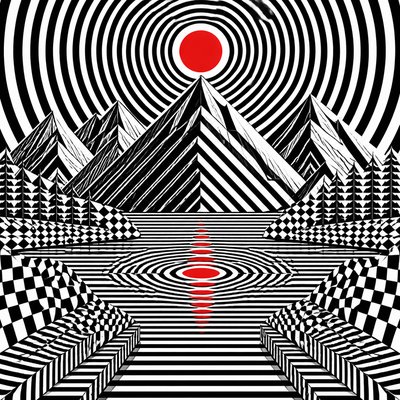
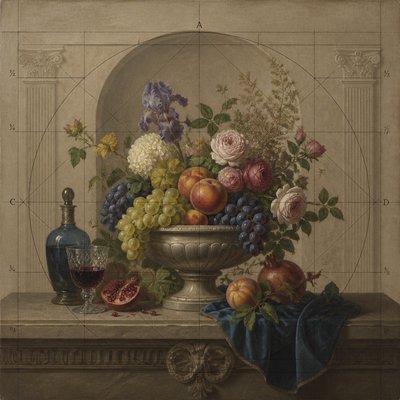
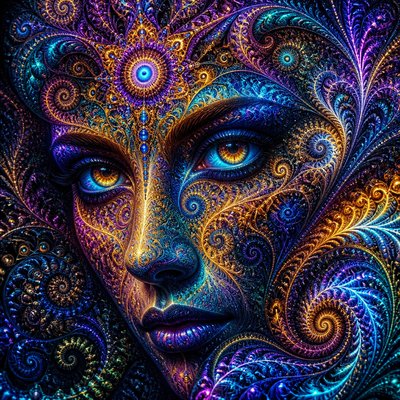
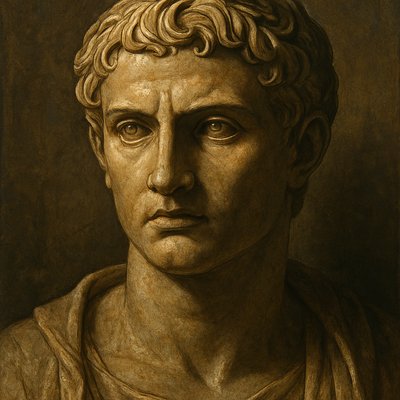
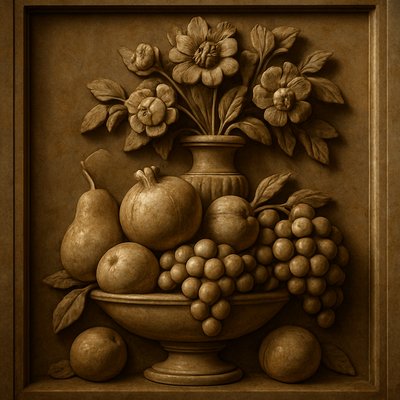
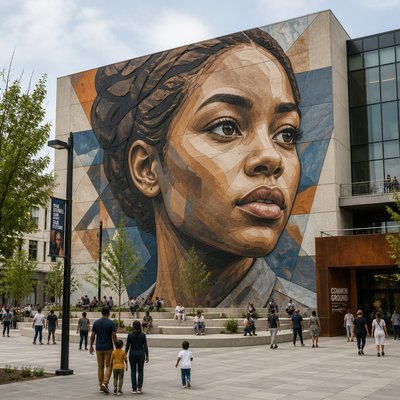
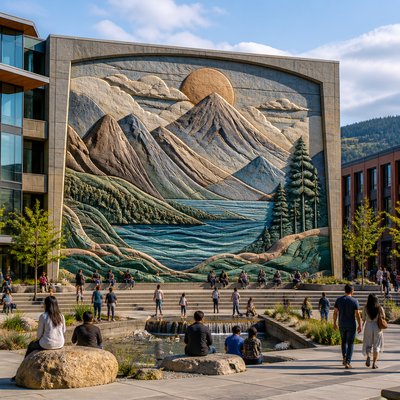
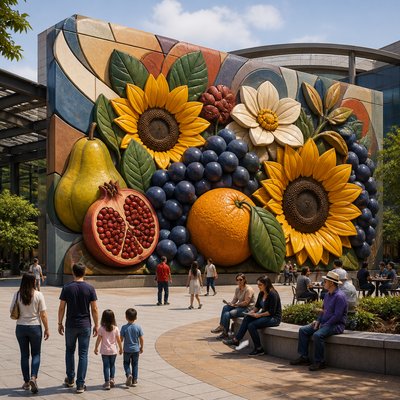
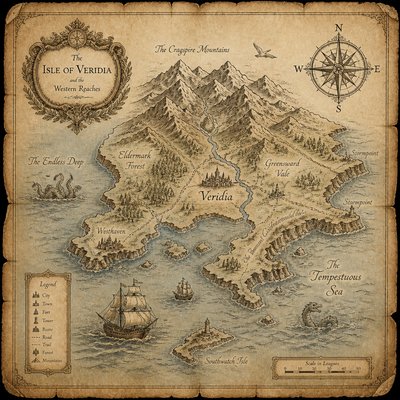
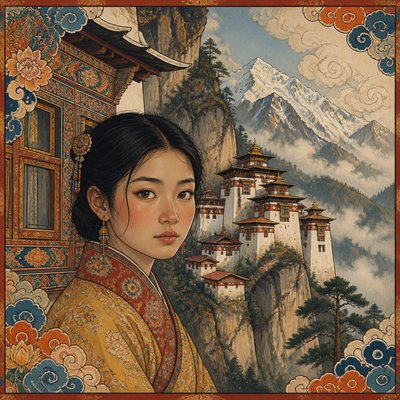
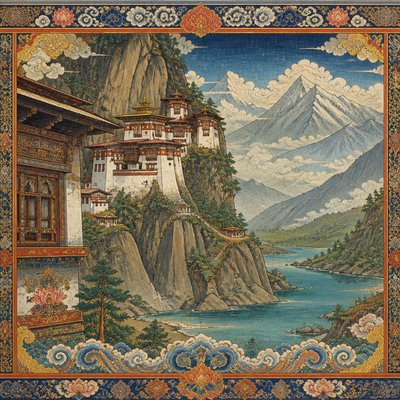
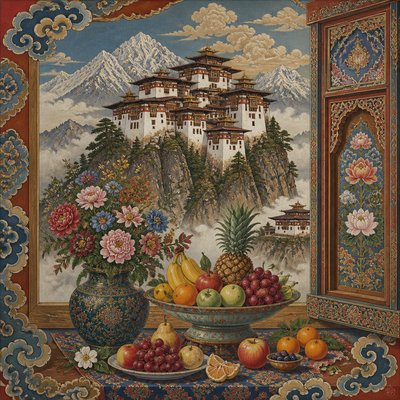
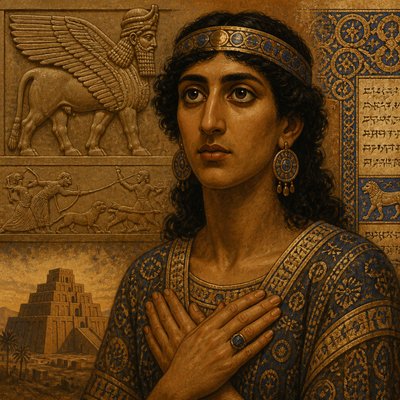
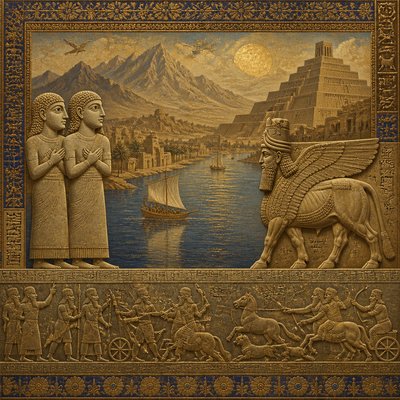
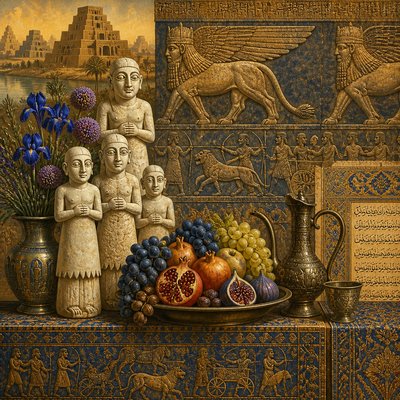
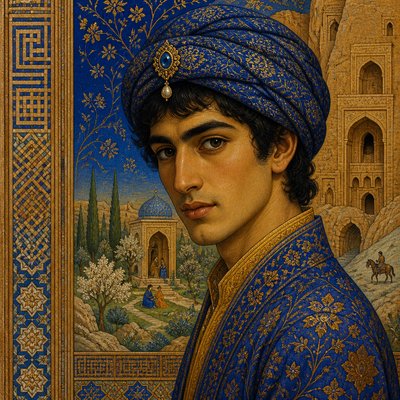
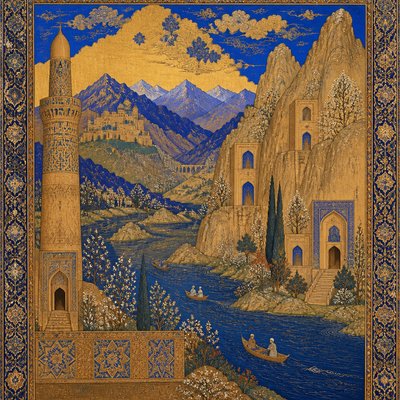
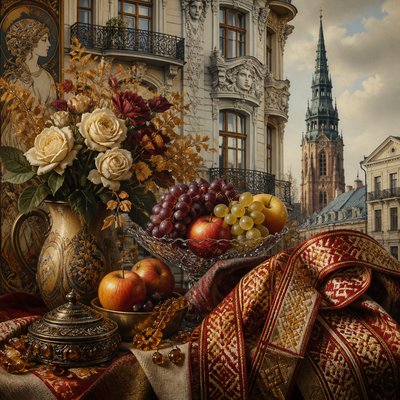
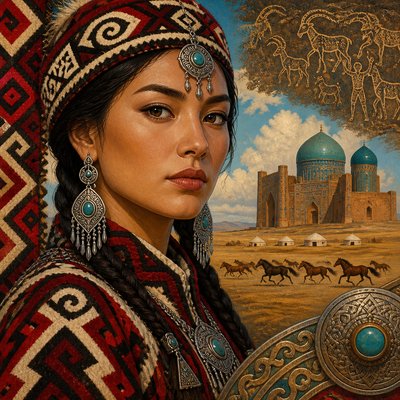
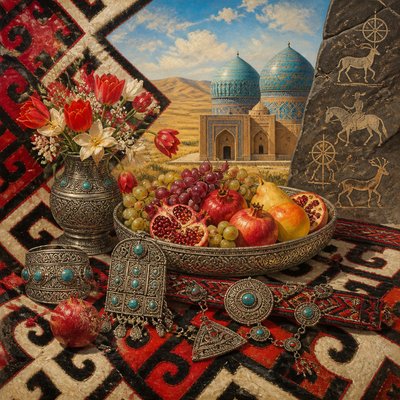
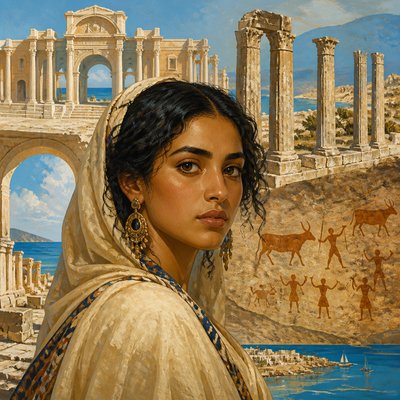
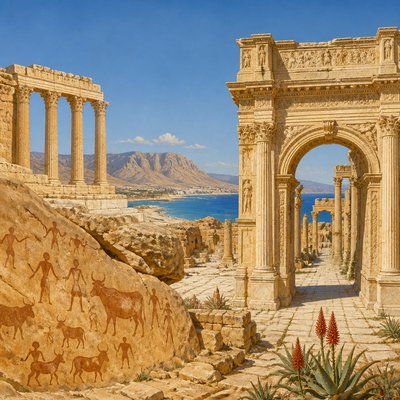
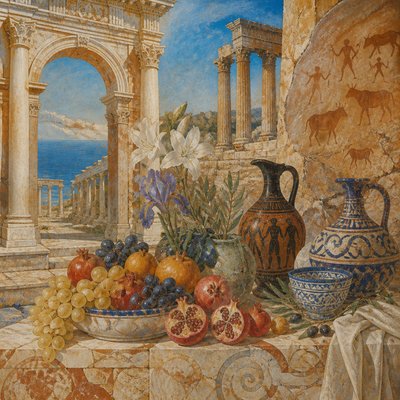
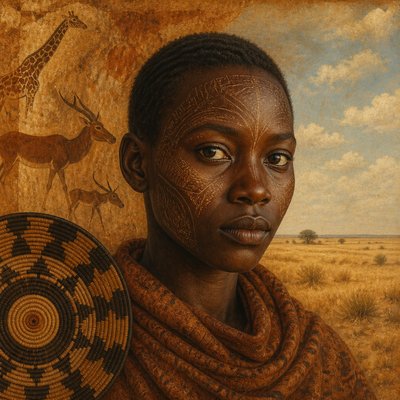
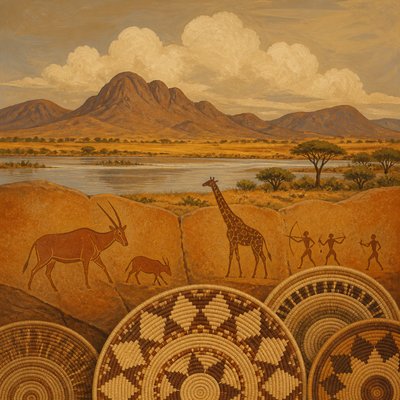
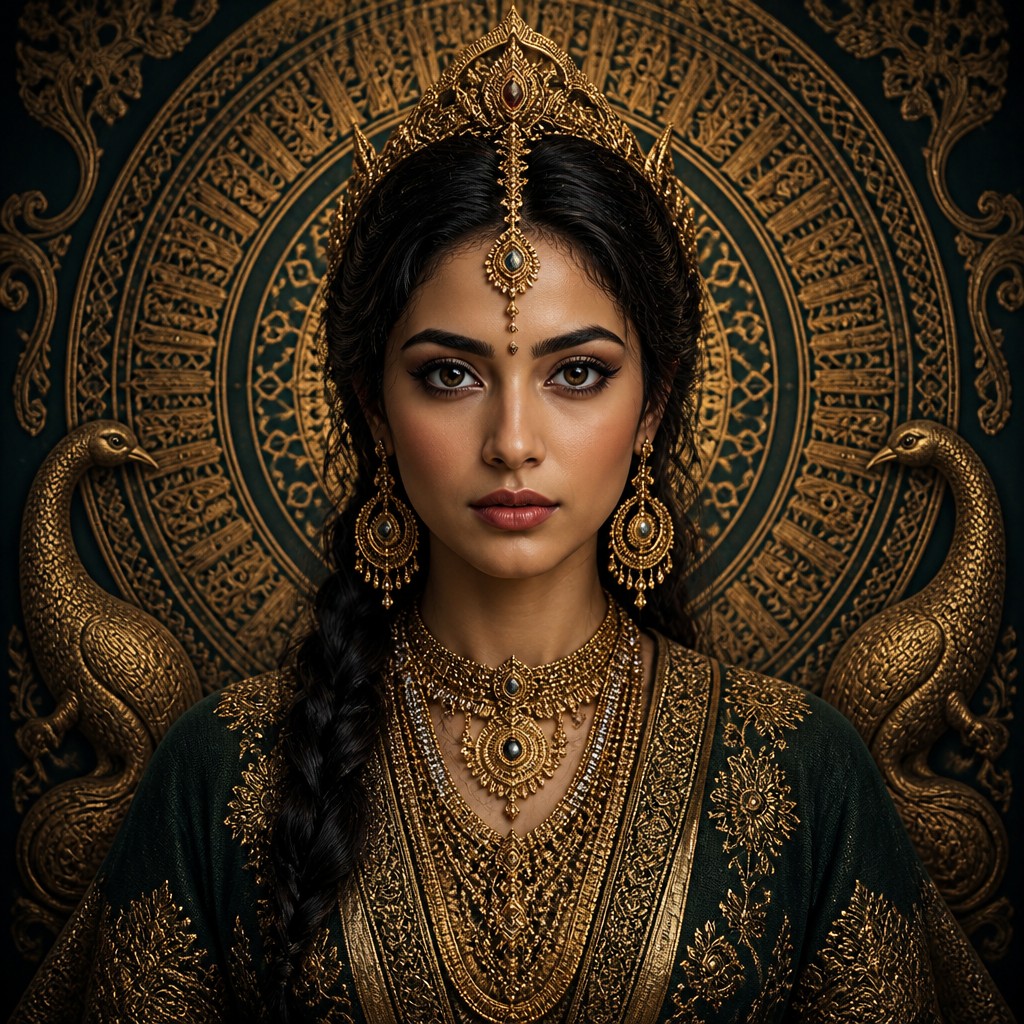
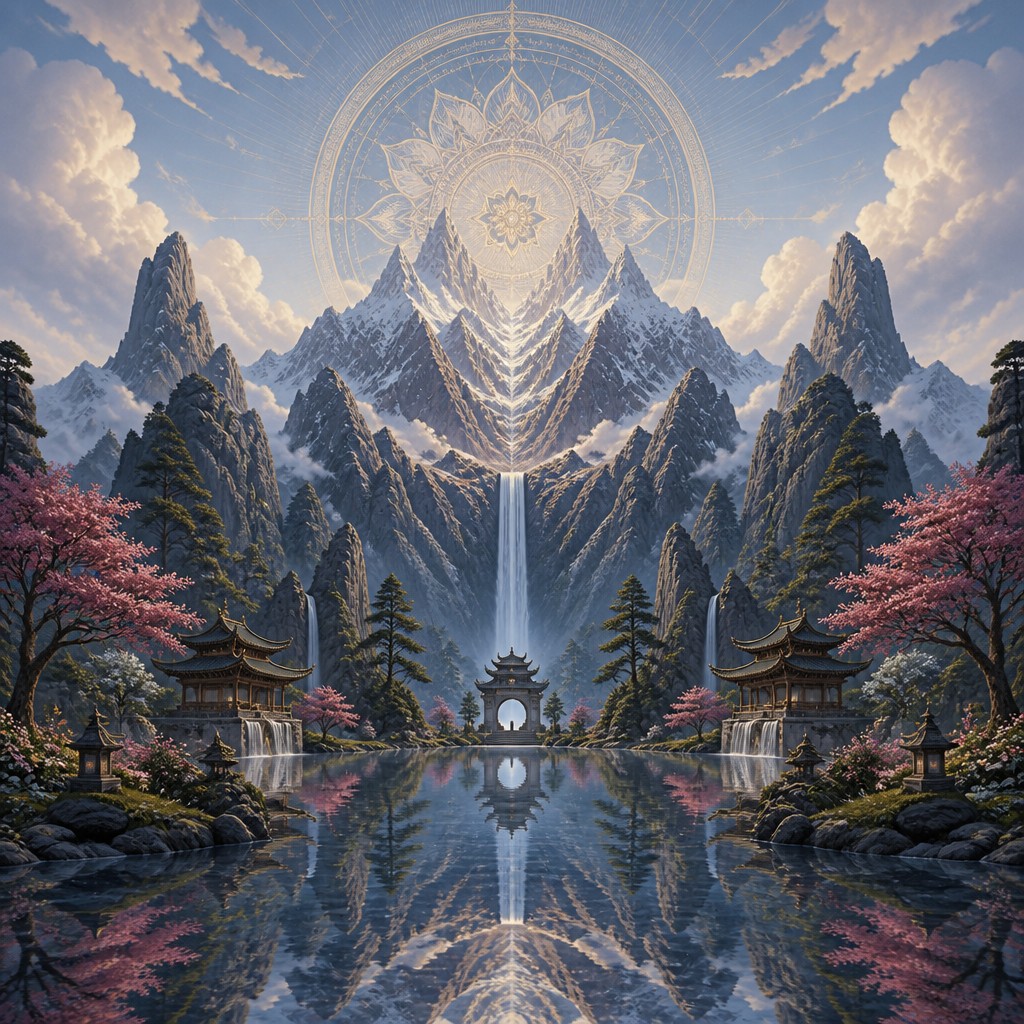
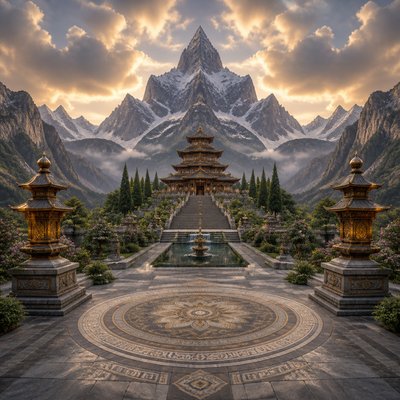
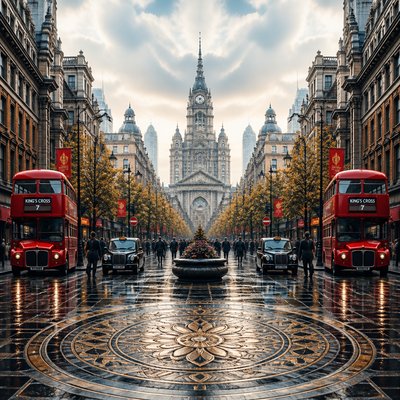
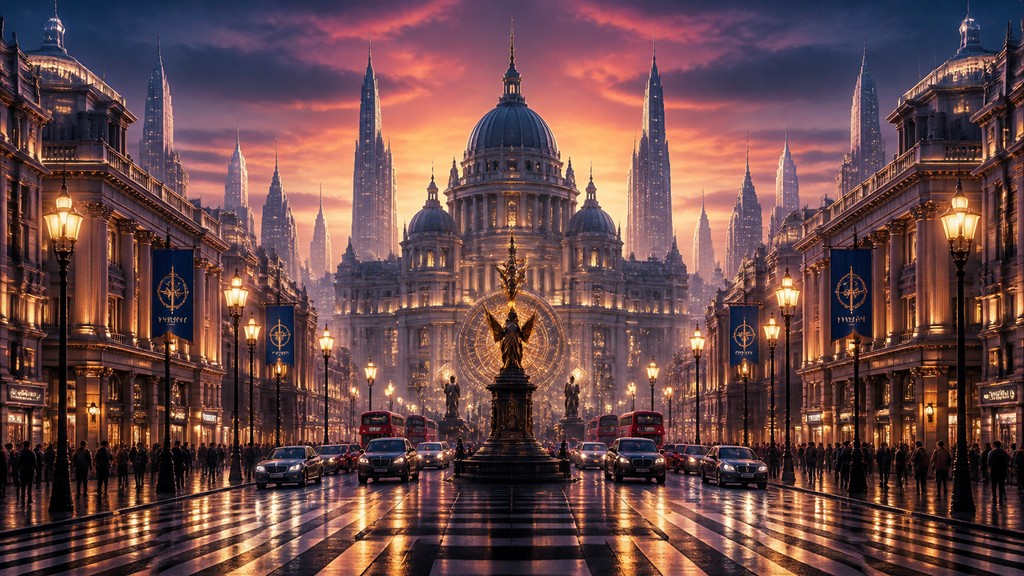
Perfect Symmetry Art is an invented, contemporary visual style built around strict bilateral balance, frontal presentation, and a commanding central axis. Subjects are arranged as if seen in a ceremonial façade: a dominant figure, object, doorway, emblem, or architectural feature occupies the center, while matching forms, ornaments, or figures flank it on either side.
Its visual identity comes from order made visible. Radial accents, mandala-like geometry, repeated motifs, controlled spacing, and hierarchical scale create an impression of ritual, permanence, and institutional authority. The style can be austere and architectural or richly ornamental, but it generally avoids casual movement, irregular cropping, and spontaneous asymmetry.

Try It On Your Photos
Upload any photo and convert it into Perfect Symmetry Art Style — drag the sliders to compare before and after.



What Defines Perfect Symmetry Art Style
The signature details, up close
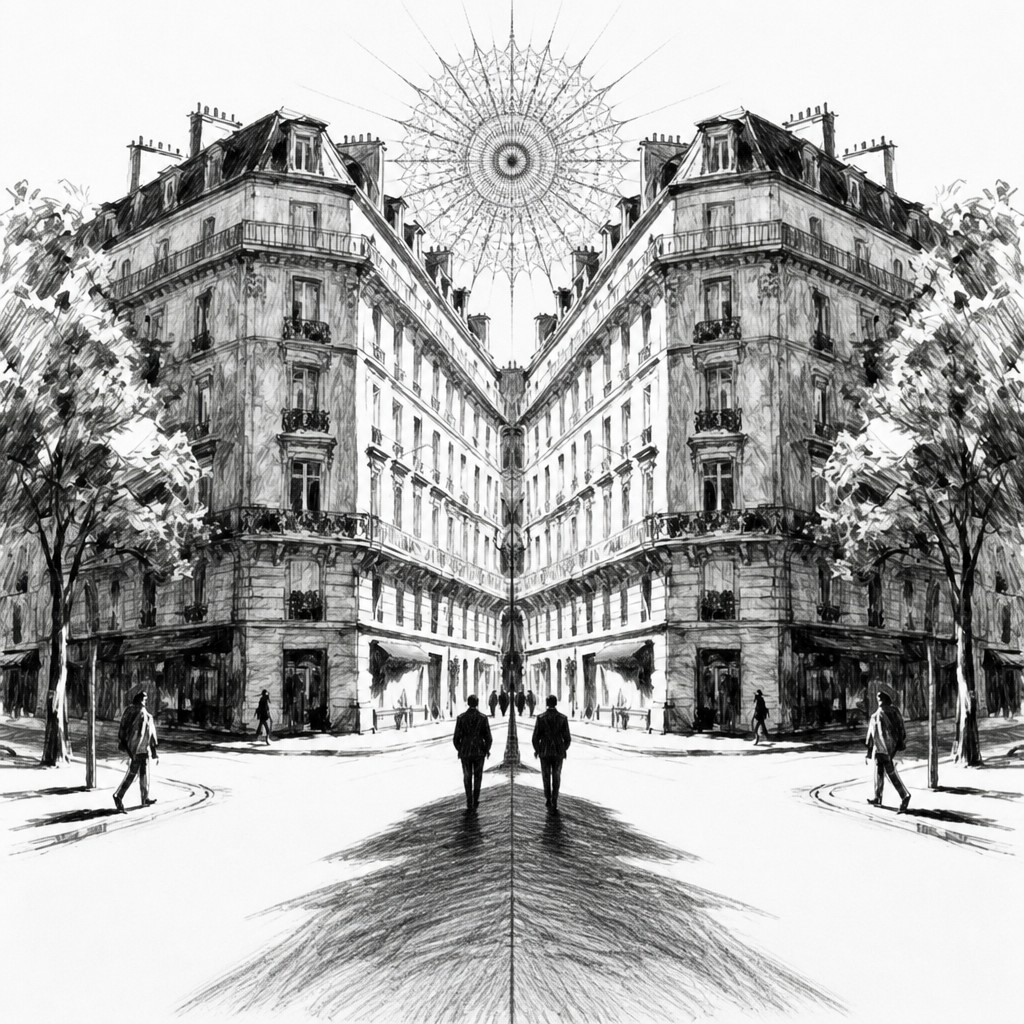
Strict bilateral symmetry
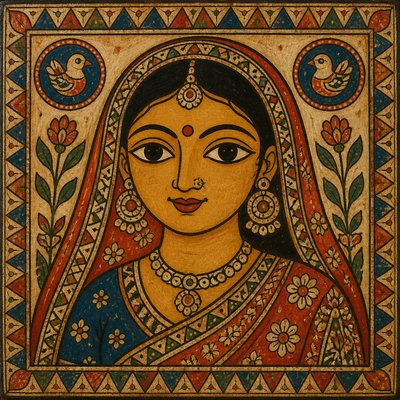
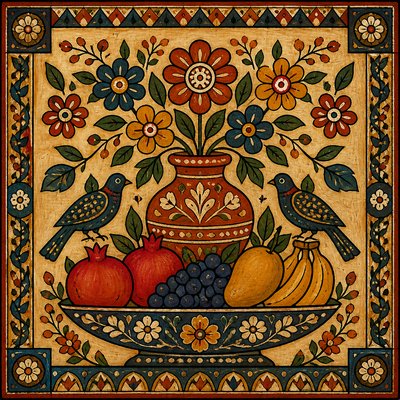
The left and right sides closely mirror one another around a clearly defined vertical axis. Paired figures, columns, ornaments, lights, or architectural forms reinforce the sense of measured equilibrium.
Commanding central axis
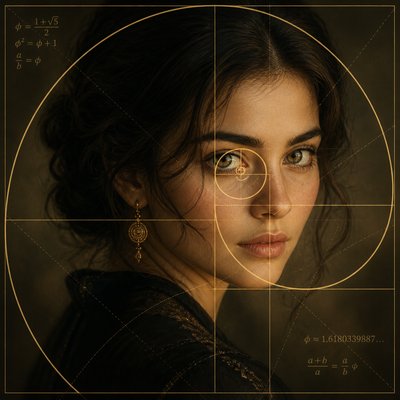
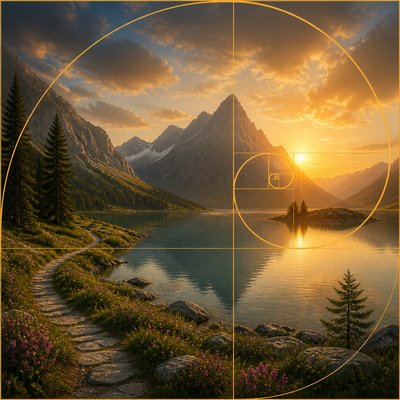
The most important subject is placed directly in the center, often facing the viewer. A central doorway, face, throne, tower, emblem, or beam of light can act as the composition's visual and symbolic anchor.
Ceremonial frontal staging
Subjects are presented frontally and with limited gesture, producing stillness rather than narrative motion. The arrangement resembles an icon, formal portrait, altar, façade, or official insignia.
Radial and mandala geometry
Circular halos, concentric rings, rosettes, starbursts, and radial patterns add a secondary organizing system around the central subject. These accents can suggest sanctity, cosmic order, or mathematical precision.
Hierarchical scale
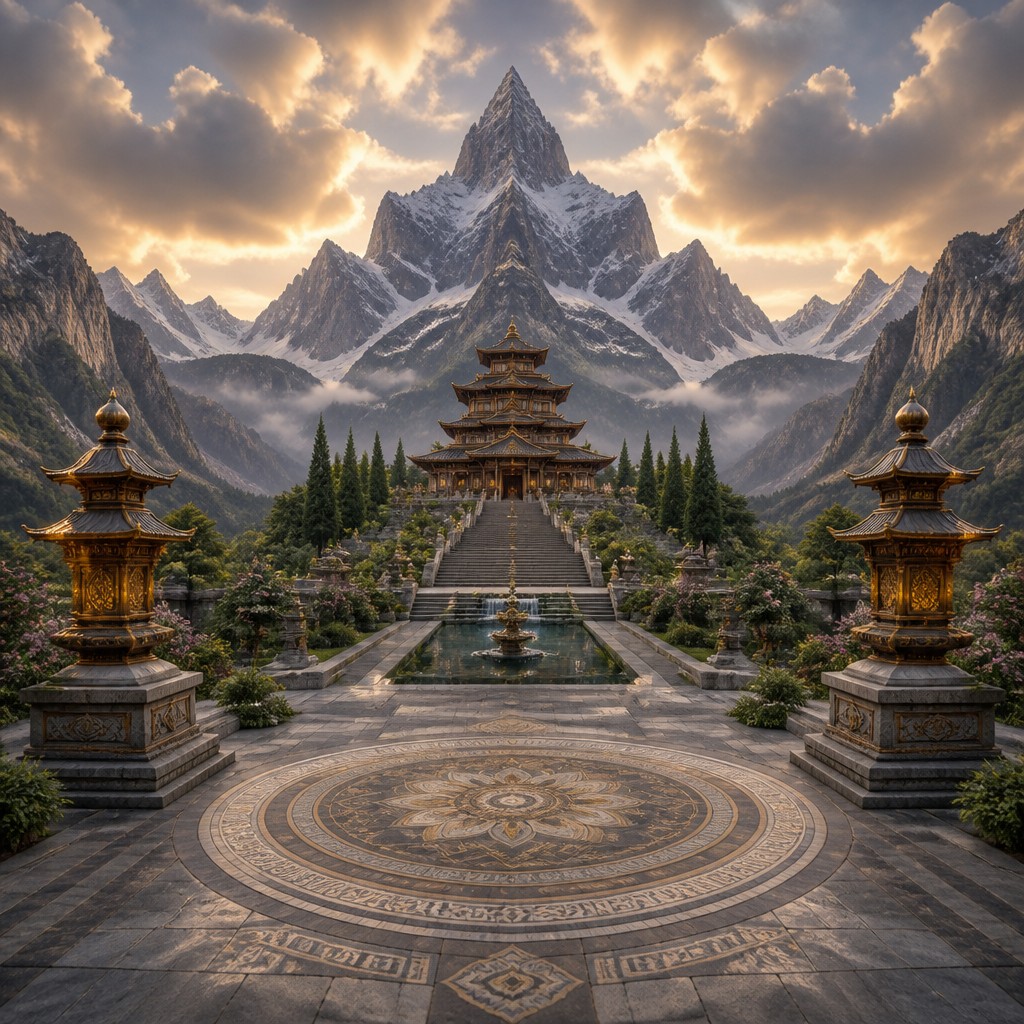
The central subject is often larger, brighter, or more detailed than surrounding elements. Size, illumination, and placement establish a clear visual hierarchy.

Architectural framing
Arches, columns, steps, niches, portals, pediments, and cathedral-like interiors provide a stable structural frame. Even natural subjects may be enclosed within an implied architectural or emblematic setting.
Controlled ornament and surface
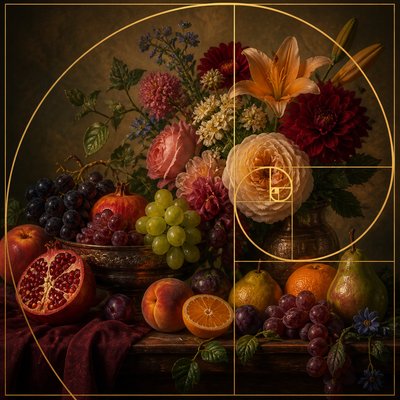
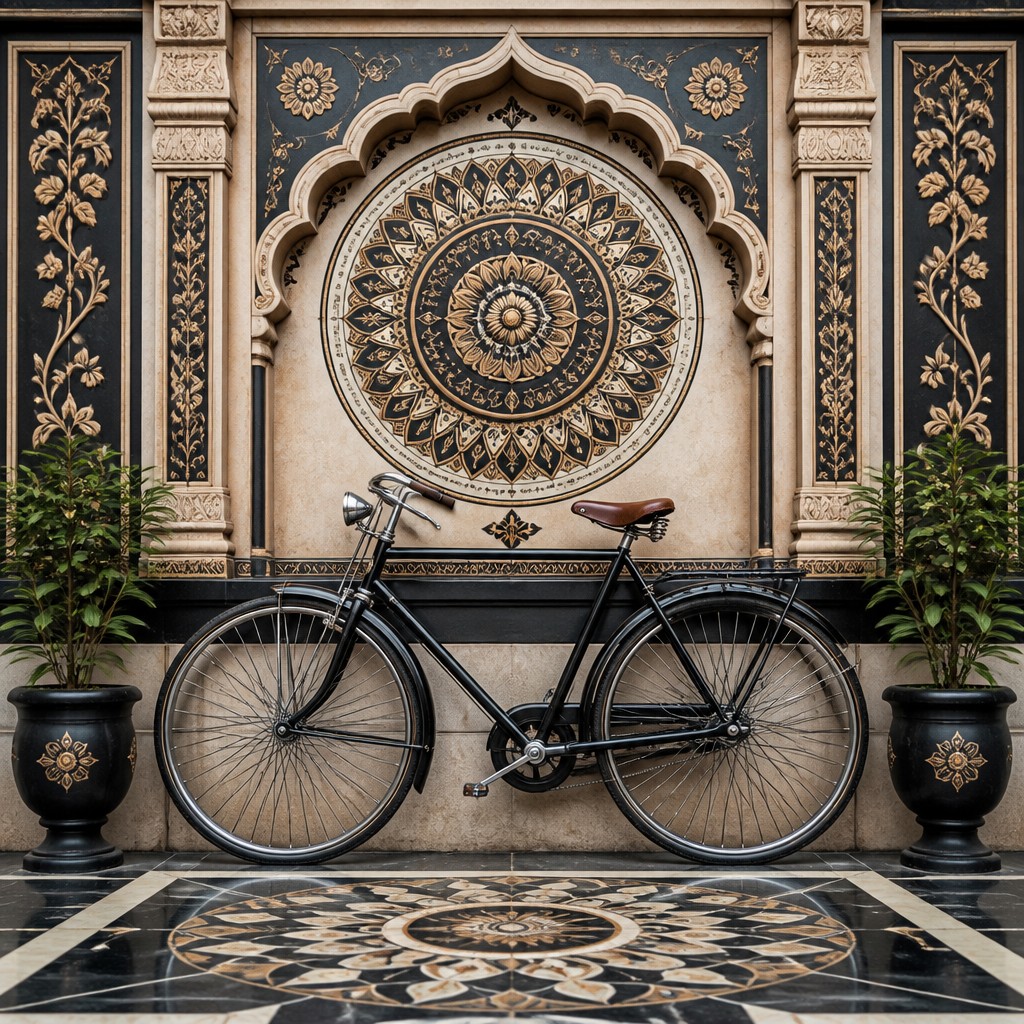
Decoration is repeated rather than randomly distributed, with metallic accents, patterned textiles, stone, stained color, or polished digital surfaces used to emphasize formality. Texture supports the structure instead of disrupting it.
Try It
Create Videos in Perfect Symmetry Art Style
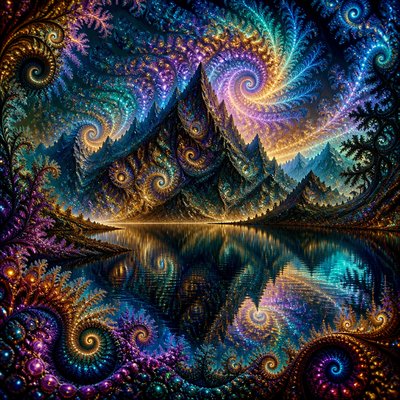
Styles aren't just for stills — describe a scene or animate an image and get a short video rendered in Perfect Symmetry. Press play to see this pond come to life.
Make a VideoPerfect Symmetry Prompt Ideas
Start from an idea — each one opens the generator with the style ready to go. See all 40 Perfect Symmetry prompts →
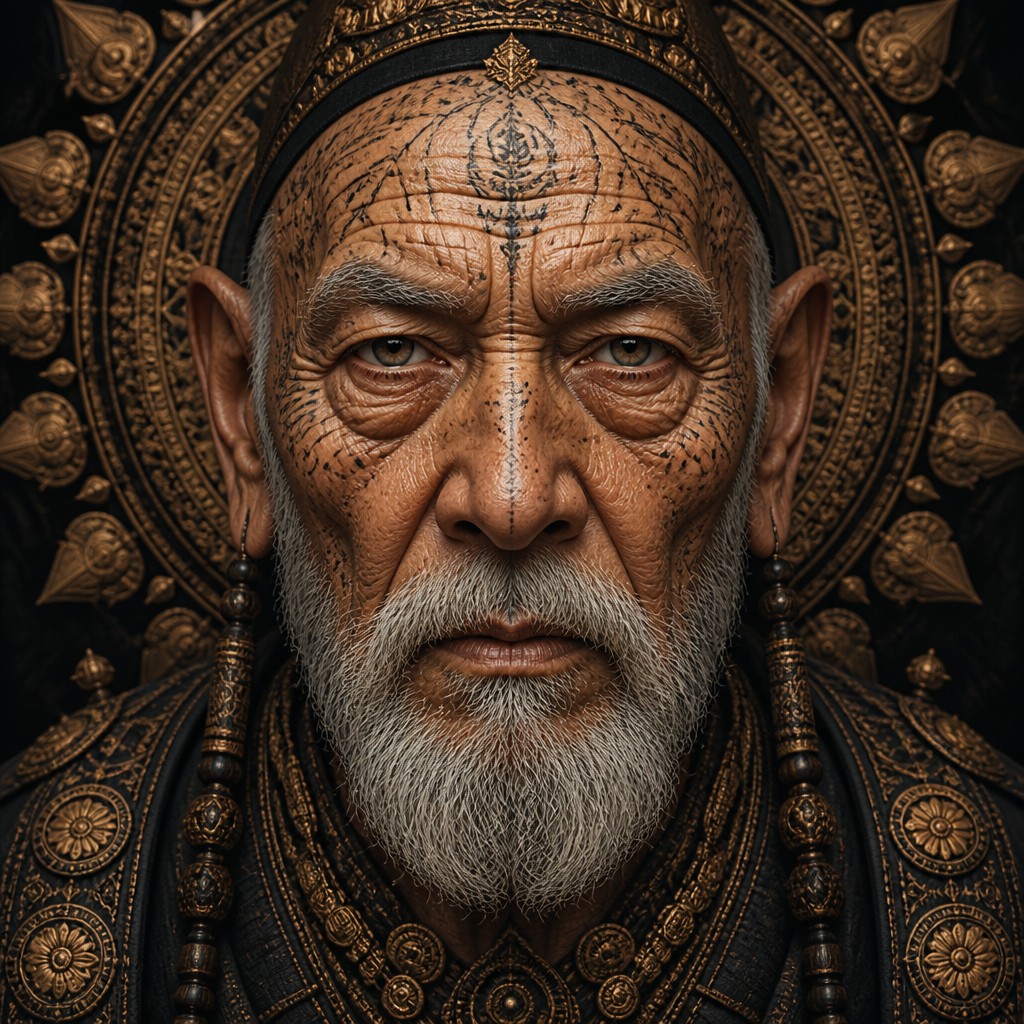
“close-up portrait of an elderly person with expressive weathered features”

“a cat lounging in a sunlit window”
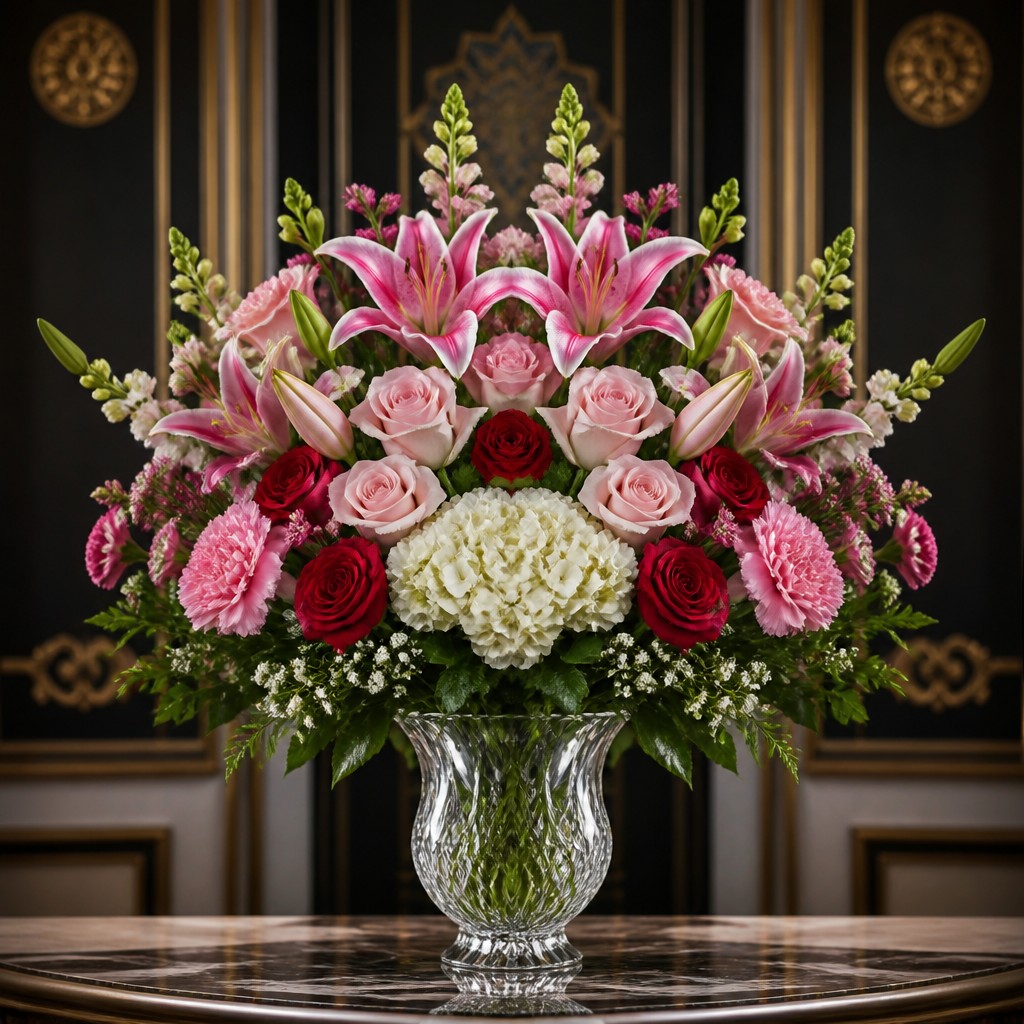
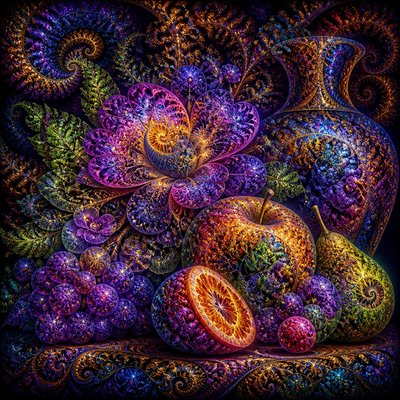
“bouquet of flowers in a glass vase”

“sailing ship on a stormy sea”
How to Create Perfect Symmetry Art
Master the craft step by step — or skip straight to creating. Read the full guide →
- 1
Establish the axis first
Begin with a vertical centerline and place the main subject directly on it. In drawing or layout software, use guides, grids, and duplication or reflection tools to keep paired elements accurately aligned.
- 2
Build a symmetrical frame
Surround the subject with mirrored columns, arches, figures, trees, lamps, or ornamental panels. Repeat the same spacing and scale on both sides before introducing any restrained variation.
- 3
Use hierarchical lighting
Give the central subject the strongest illumination, highest contrast, or most saturated color, while keeping the flanking elements subordinate. A centered halo or radial glow can reinforce the focal order.
- 4
Add geometry with purpose
Use concentric circles, rosettes, tessellations, heraldic shapes, and radial ornament to organize empty space. Avoid filling every area equally; symmetrical negative space is essential to the style's authority.
- 5
Control the finish
Traditional artists can combine measured drawing, architectural perspective, stencil work, gilding, tempera-like flatness, or polished paint surfaces. Digital artists can use vector symmetry, mirrored layers, procedural patterns, masks, and precise tonal grading.
- 6
Specify the structure in a prompt
For text-to-image creation, describe the subject first, then request a strict central axis, bilateral mirroring, frontal staging, paired flanking forms, radial ornament, and ceremonial stillness. For image transformation, preserve the subject's identity while asking for centered composition, architectural framing, symmetrical lighting, and controlled decorative detail.
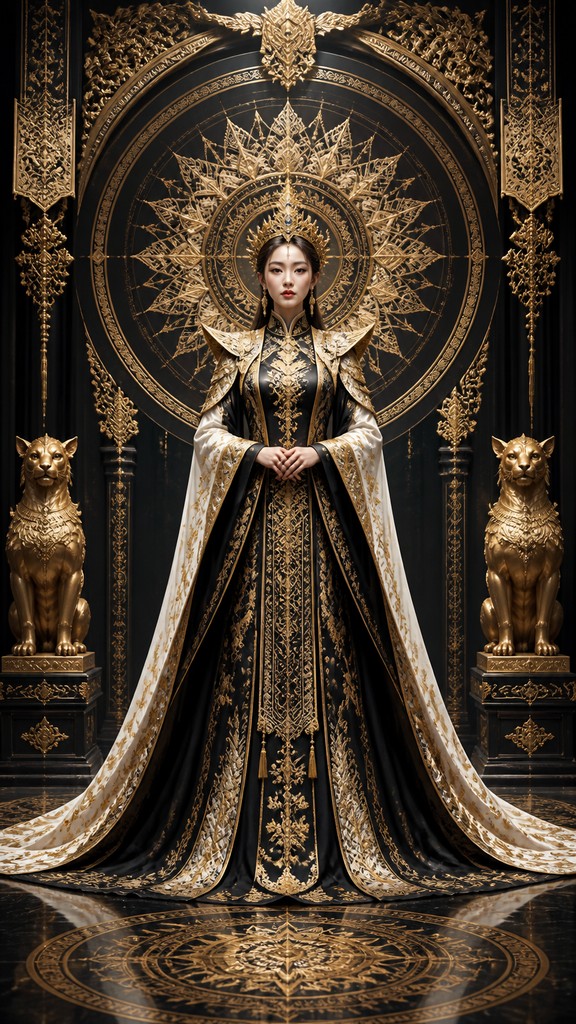
The Story
History & Origins of Perfect Symmetry
Perfect Symmetry Art has no established historical movement or single period of origin. It is best understood as an AI-native and digitally adaptable synthesis of older visual traditions that use symmetry to communicate sacred importance, civic order, or power.
Its aesthetic lineage includes the frontal solemnity of Byzantine religious images, the geometric logic of mandalas, heraldic emblems, axial religious and civic architecture, neoclassical planning, formal portraiture, and contemporary graphic design systems. Digital compositing and generative image tools have made it easier to combine these references into highly controlled, subject-specific compositions.
Influences: The style draws on Byzantine icon composition, mandala and yantra geometry, heraldic design, sacred and civic architecture, neoclassical axial planning, formal portraiture, ceremonial costume, stained-glass ornament, and modern grid-based graphic design. It also relates to symmetrical surrealism, fantasy concept art, emblem design, and digitally constructed architectural imagery, but distinguishes itself through the combined emphasis on mirror order, frontal authority, and radial centrality.
Frequently Asked Questions
What defines Perfect Symmetry Art?
Its defining features are a strong vertical centerline, mirrored left and right elements, frontal staging, and a visually dominant central subject. Radial ornament and architectural framing often add a sacred, civic, or ceremonial character.
Is Perfect Symmetry Art a historical art movement?
No. It is an invented contemporary style rather than a documented historical movement. It synthesizes established visual traditions, including icons, mandalas, heraldry, formal architecture, and graphic grid systems.
How is it different from ordinary symmetrical design?
Ordinary symmetry may simply balance a layout, while Perfect Symmetry Art uses symmetry as the primary source of meaning and mood. The central axis establishes hierarchy, authority, and ritual stillness, not just visual neatness.
Can asymmetry appear in this style?
Minor irregularities can add life, texture, or naturalism, but they should not weaken the main axis. Uneven details work best when the overall silhouette, lighting, and weight of the composition remain balanced.
What subjects work well with this style?
Portraits, animals, monarchs, religious or mythic figures, monuments, temples, futuristic machines, and symbolic objects are especially effective. Subjects with a clear front view or emblematic silhouette are easiest to organize around the center.
How can I create an image in this style?
Start with a centered subject and explicitly describe bilateral mirroring, paired flanking elements, radial geometry, formal frontal staging, and ceremonial lighting. In traditional or digital work, guides, mirrored layers, grids, architectural perspective, and repeated motifs help maintain the required order.
Create your first Perfect Symmetry artwork
Describe anything — or upload a photo — and see it in Perfect Symmetry Art Style in seconds.
Related Styles
Discover similar art styles