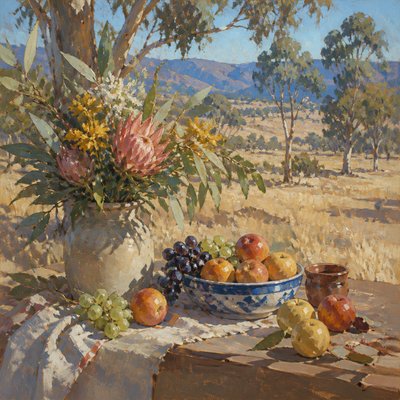
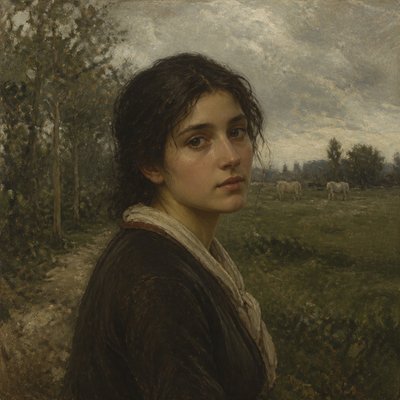
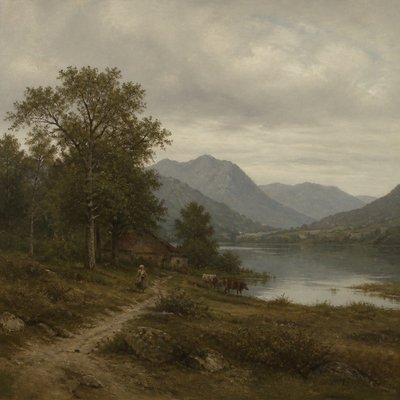
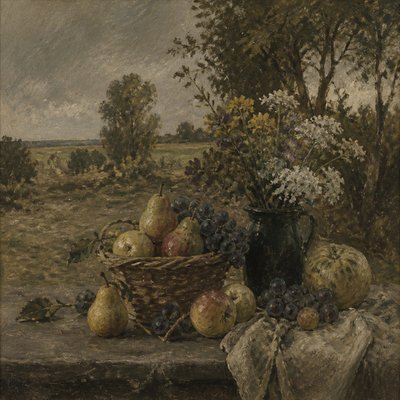
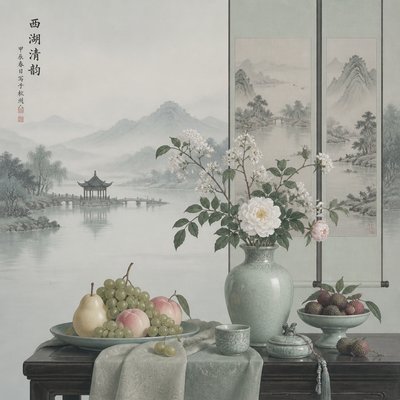
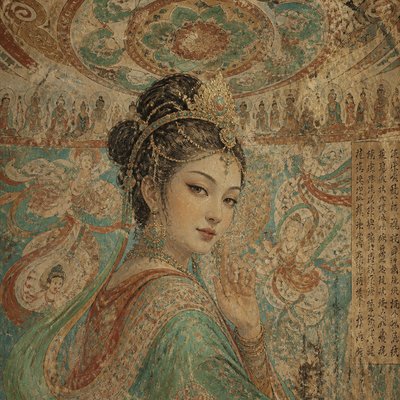
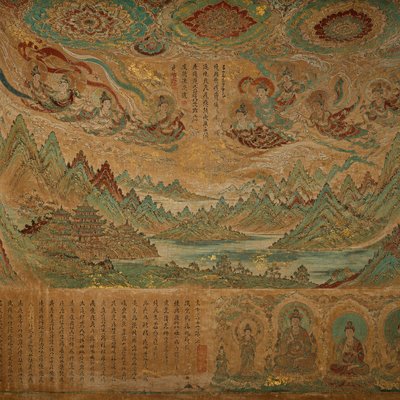
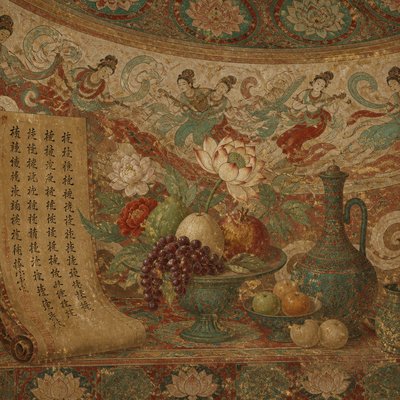
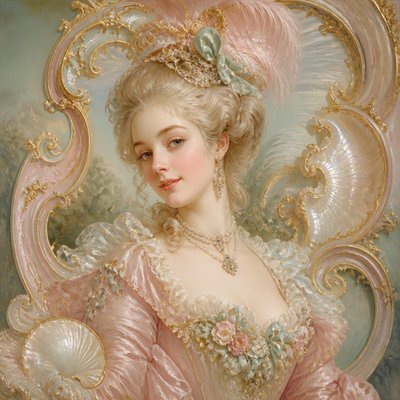
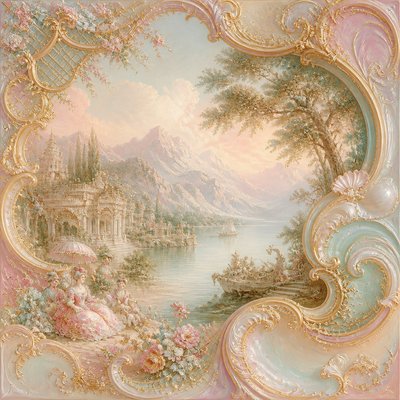
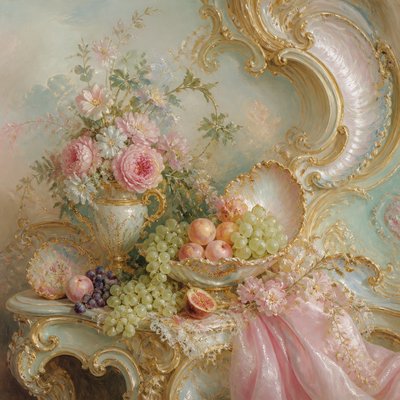
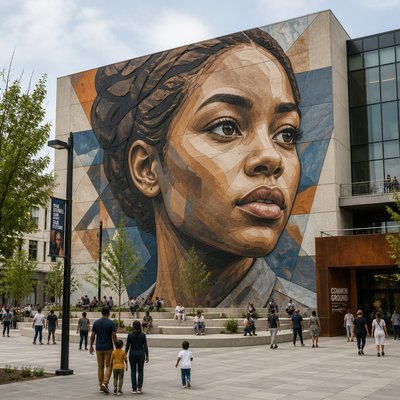
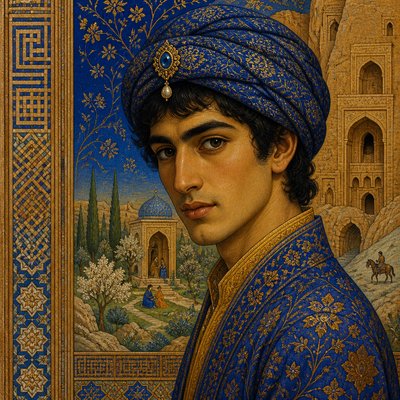
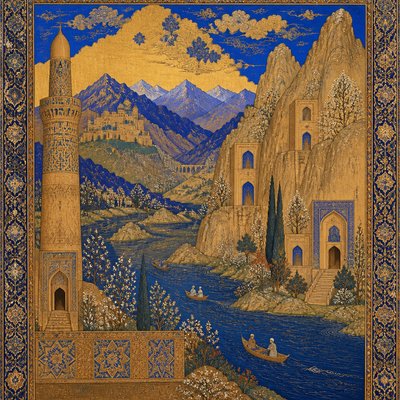
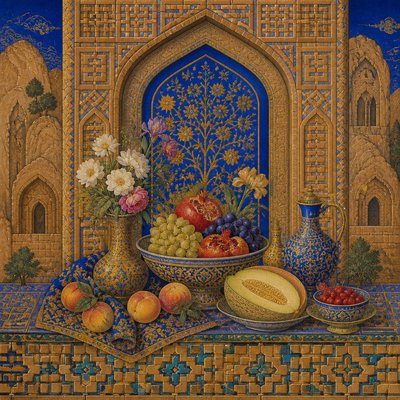
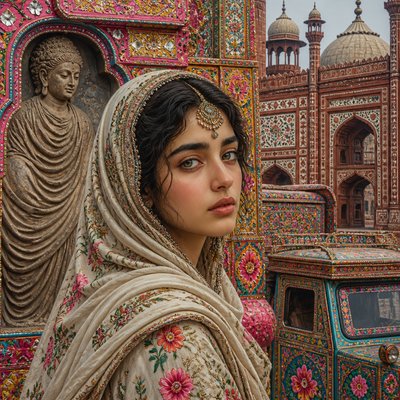
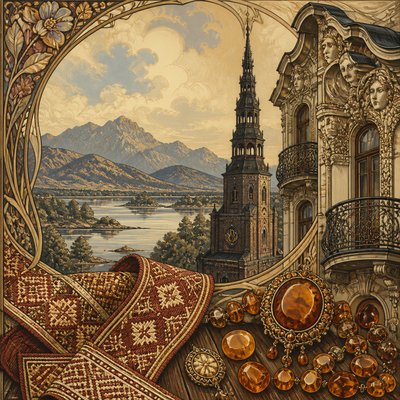
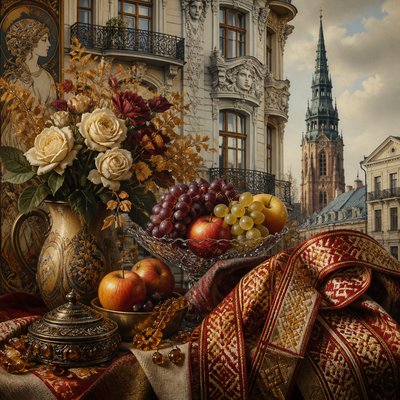
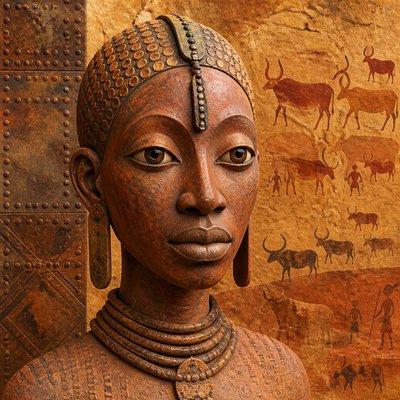
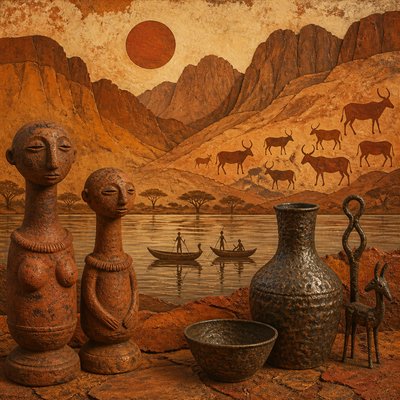
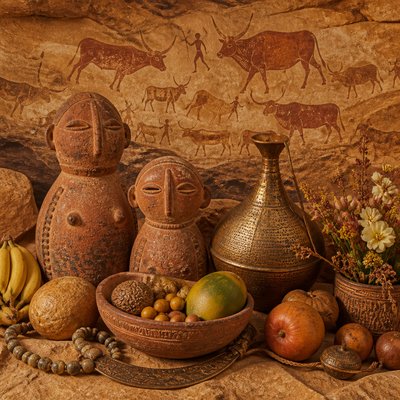
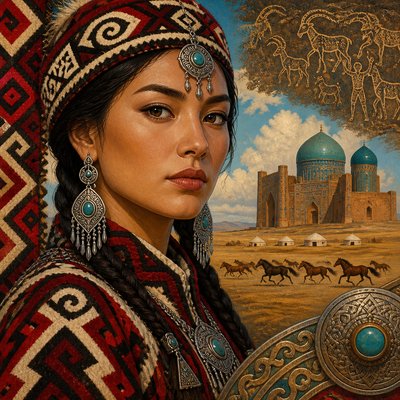
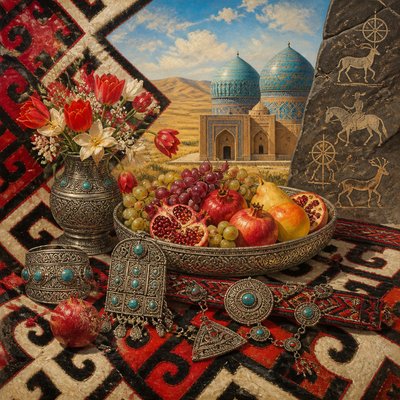
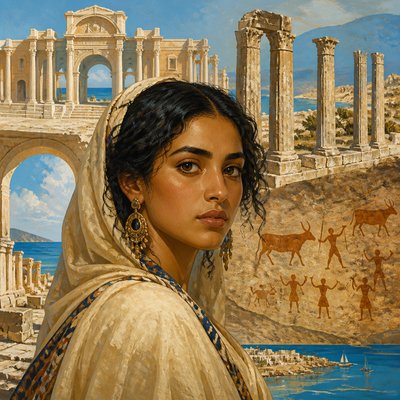
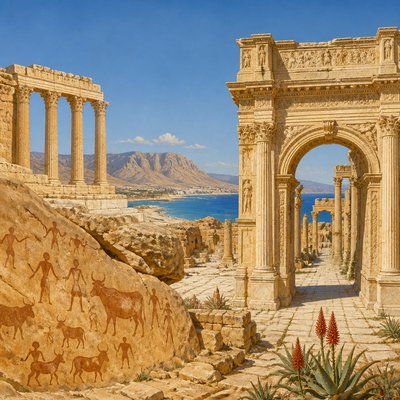
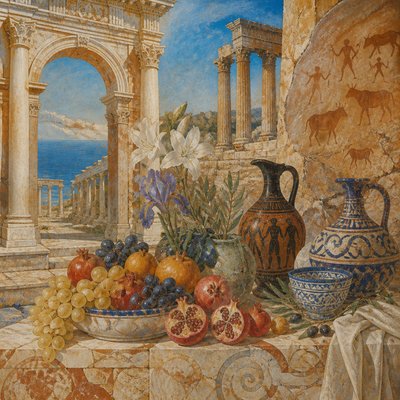
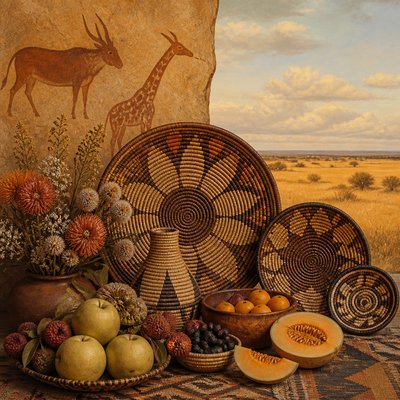
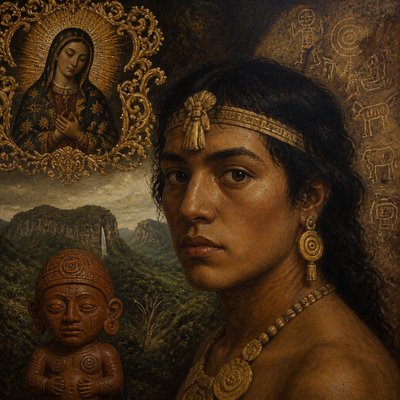
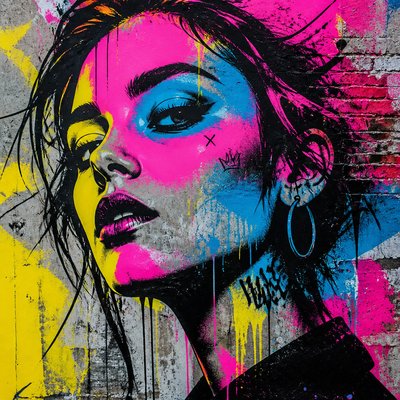
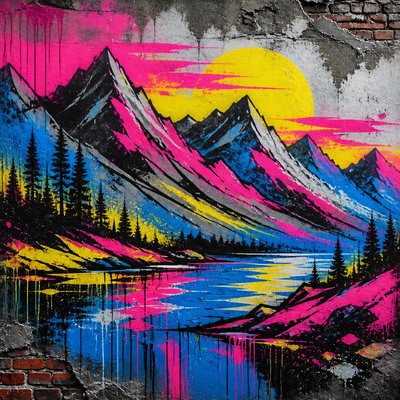
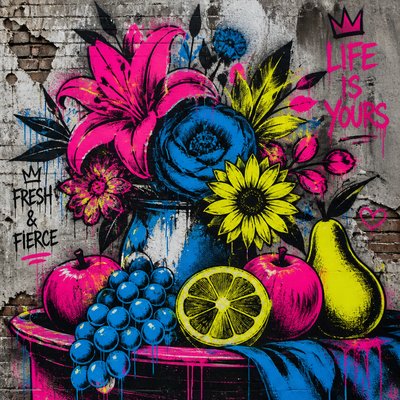
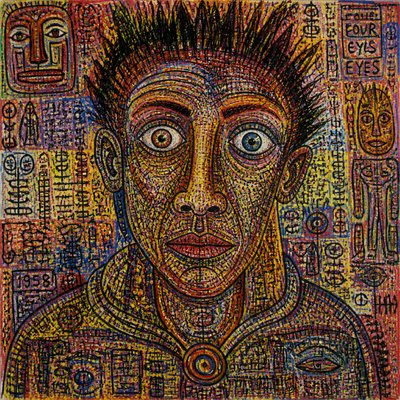
Munich School Art Style
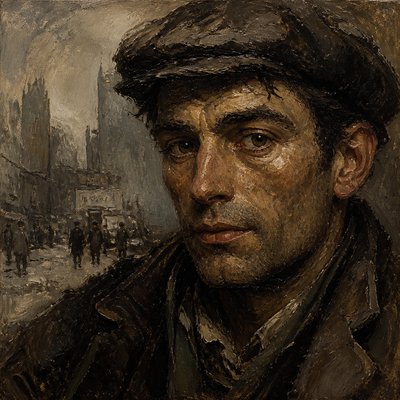
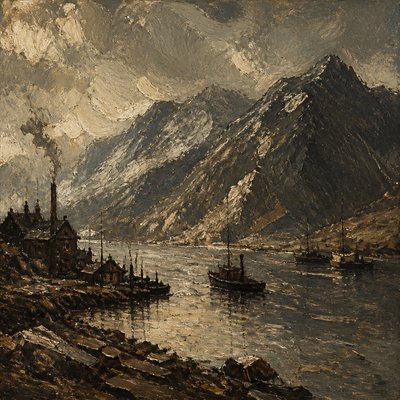
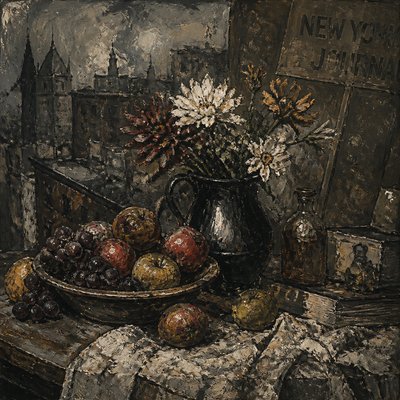
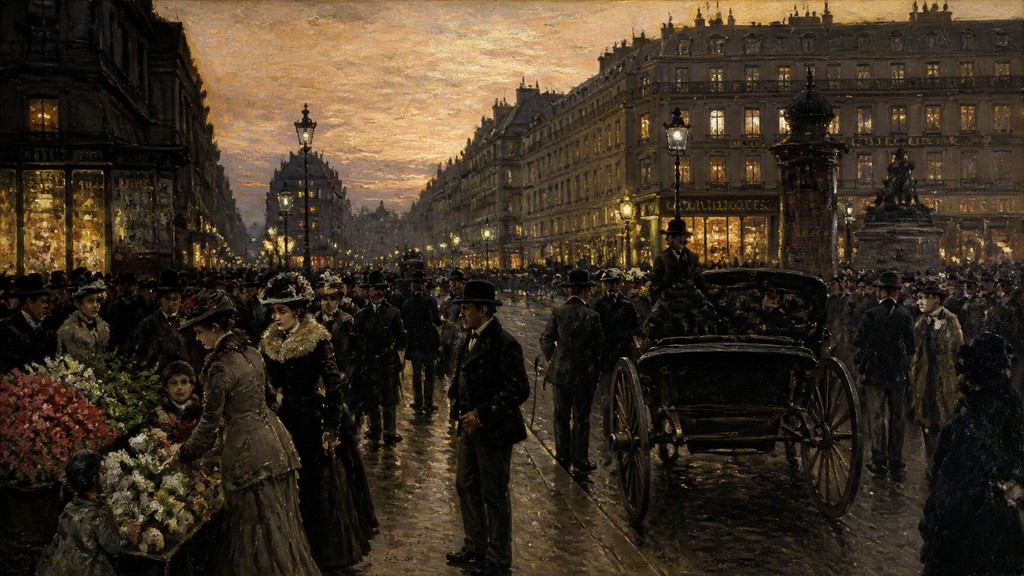
Explore Munich School art: dark academic realism, dramatic studio light, rich brushwork, restrained color, and historically grounded painterly detail.
Instantly rendered in Munich School — or transform a photo
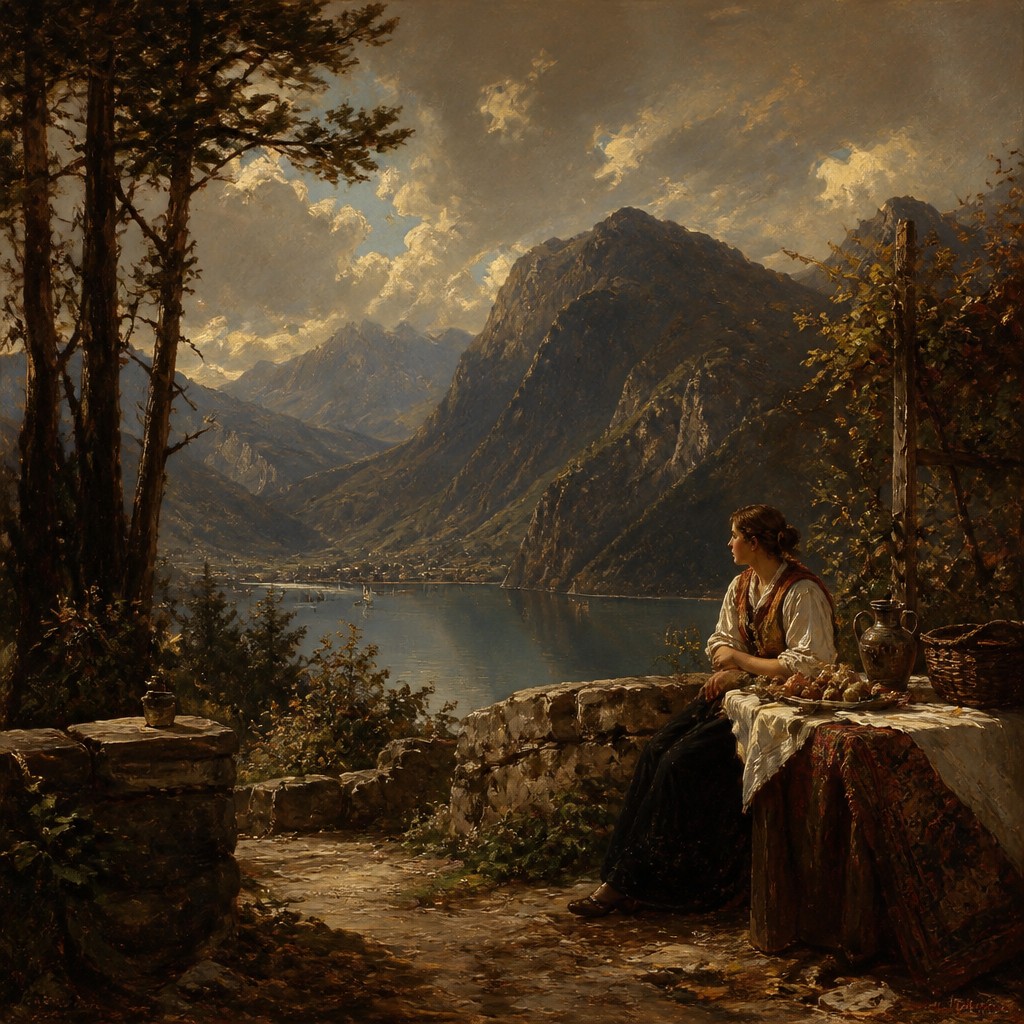
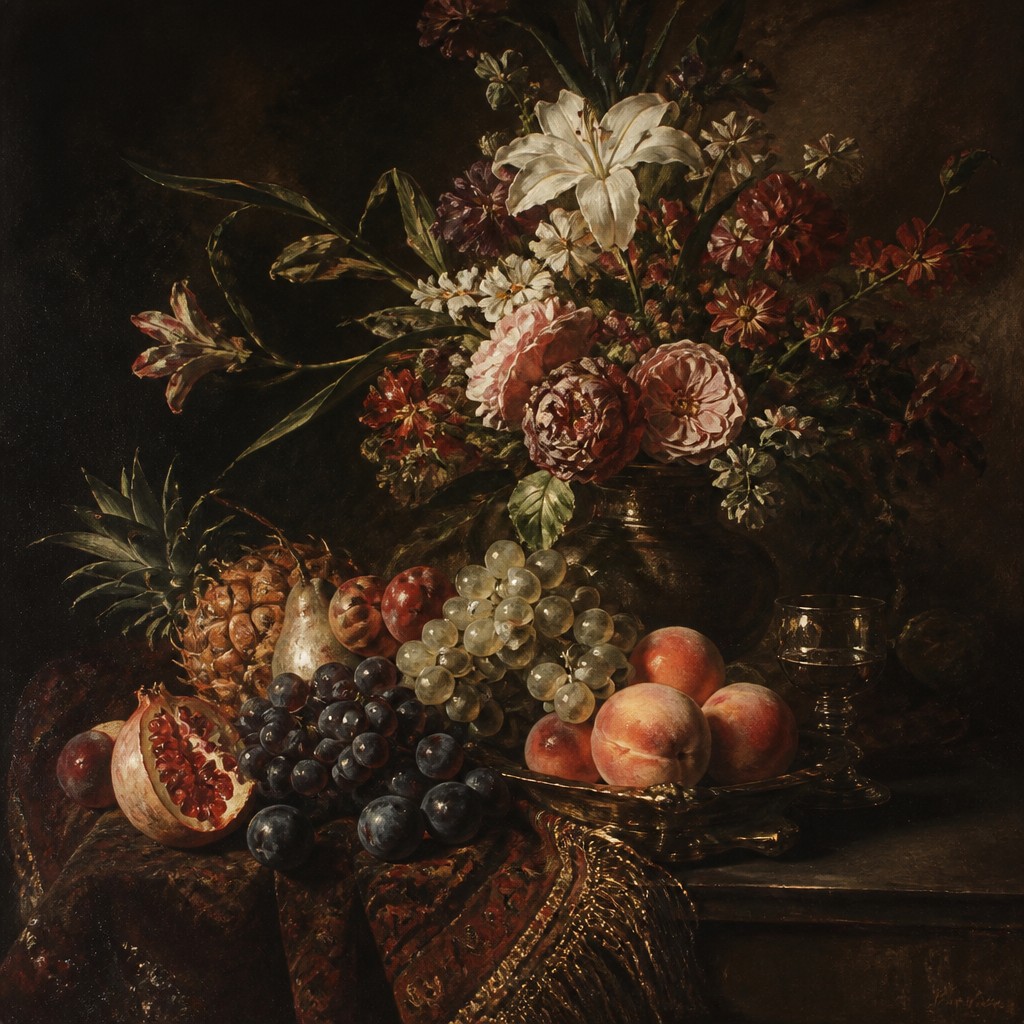
Munich School Gallery
Tap any artwork to explore it
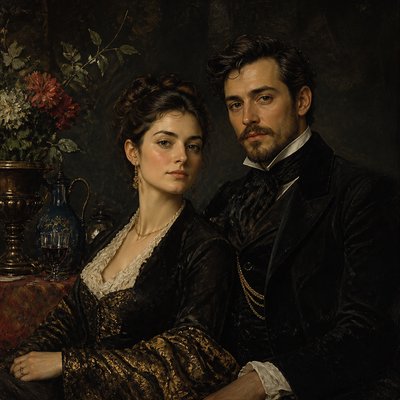
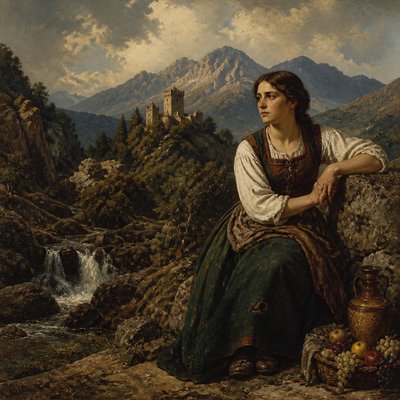
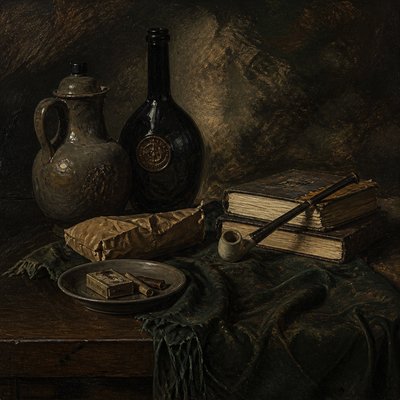
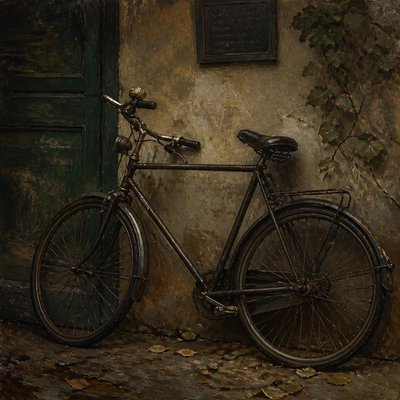
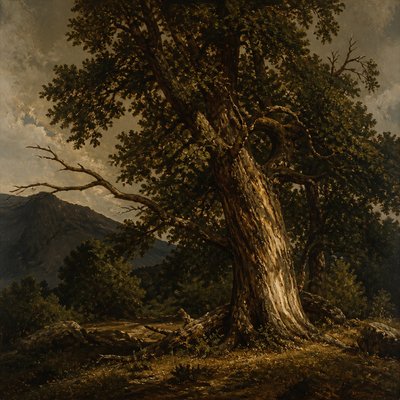
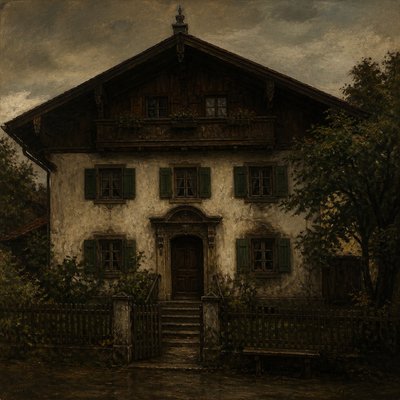
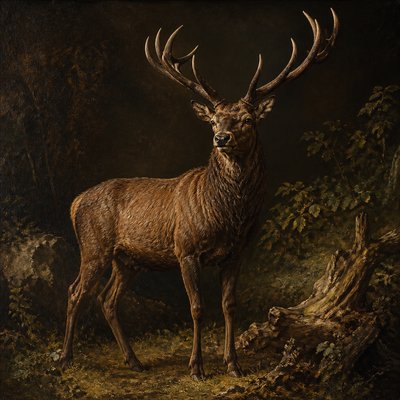
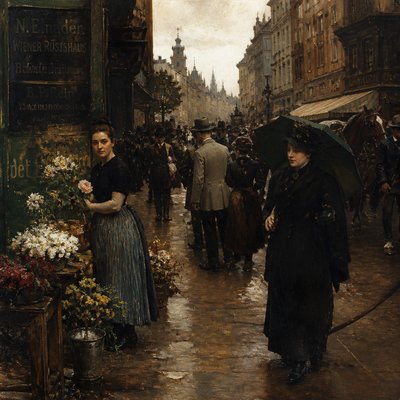
What is Munich School Art Style?
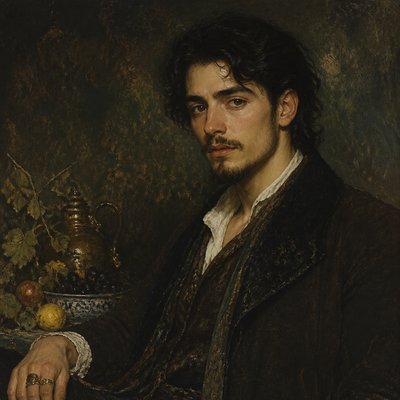
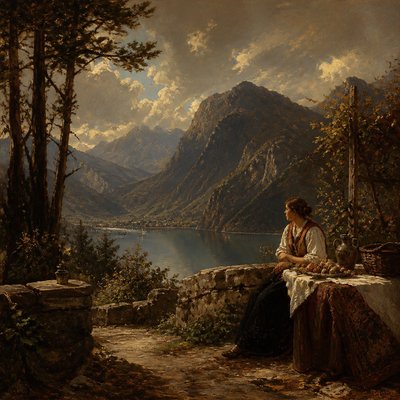
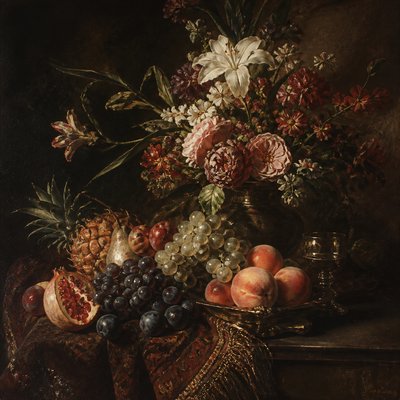
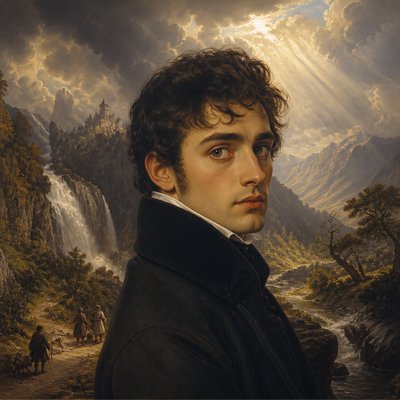
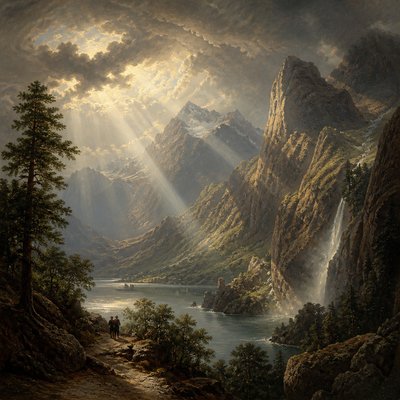
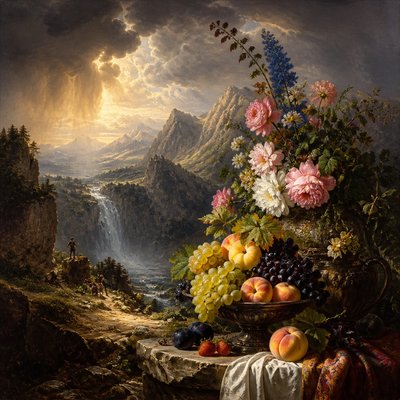
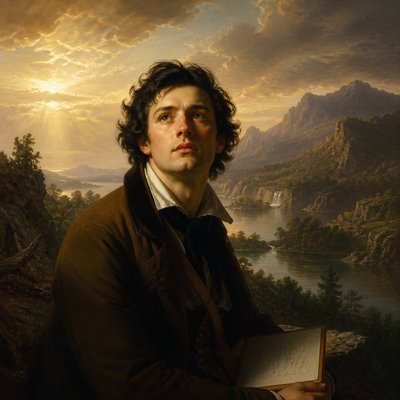
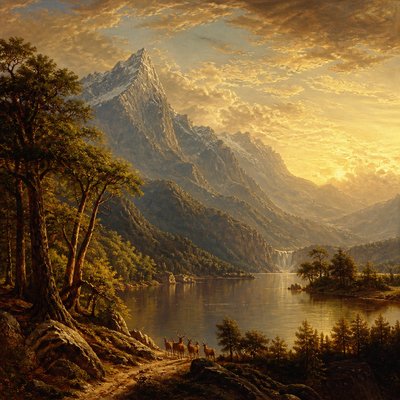
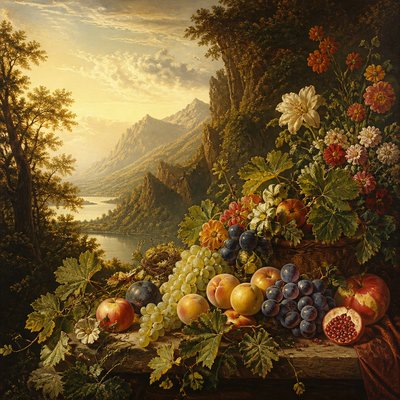
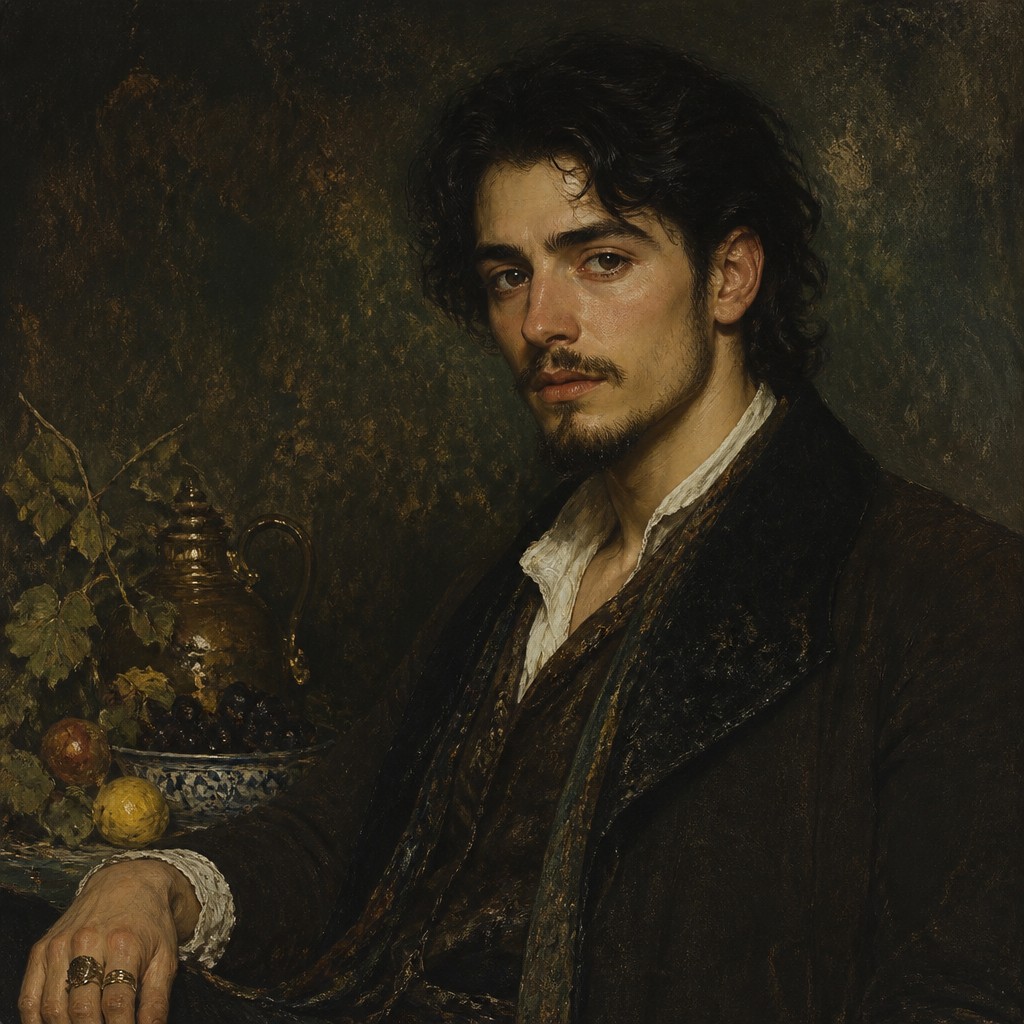
Munich School art refers to the academic painting tradition that developed around Munich, Germany, particularly during the second half of the nineteenth century and into the early twentieth century. It is recognized for dark tonal harmonies, disciplined drawing, substantial paint handling, and a serious interest in historical, religious, literary, portrait, and genre subjects. The style often places carefully observed figures and objects against deep brown, green, or nearly black grounds.
Its visual identity depends on the tension between academic structure and visibly worked paint. Forms are modeled through controlled light and shadow, while costumes, metal, wood, flesh, and still-life details may receive thick, energetic brushwork. The resulting images feel theatrical but restrained: dramatic studio illumination, sober color, and tactile surfaces create a sense of dignity, gravity, and material presence.
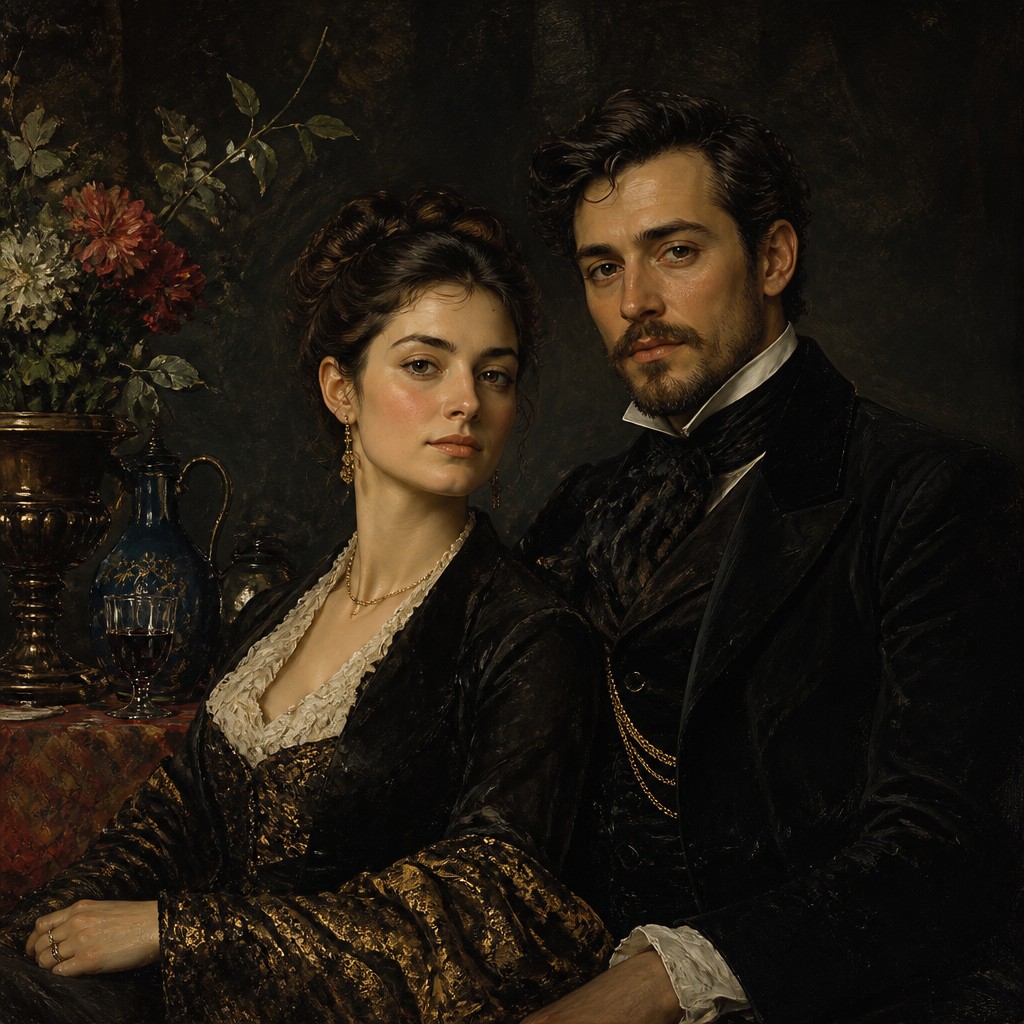
Try It On Your Photos
Upload any photo and convert it into Munich School Art Style — drag the sliders to compare before and after.
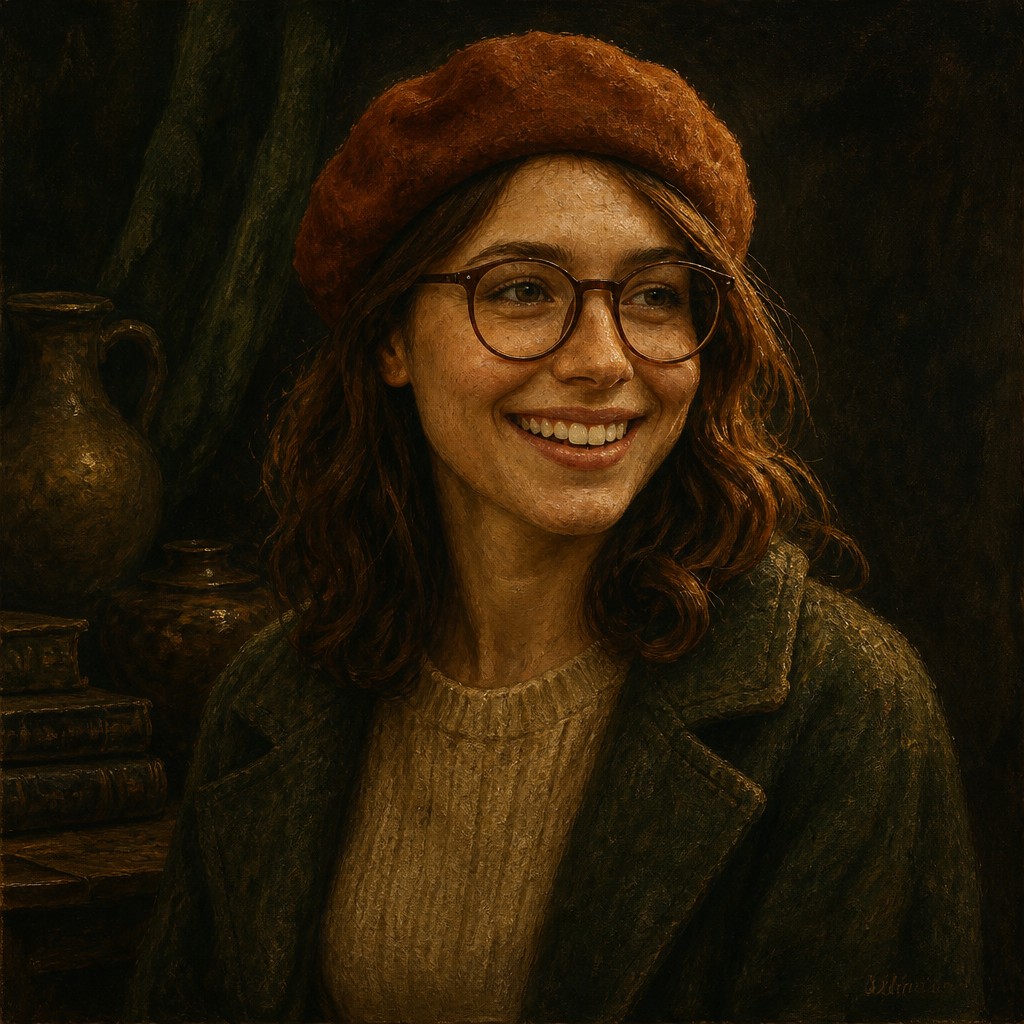


What Defines Munich School Art Style
The signature details, up close
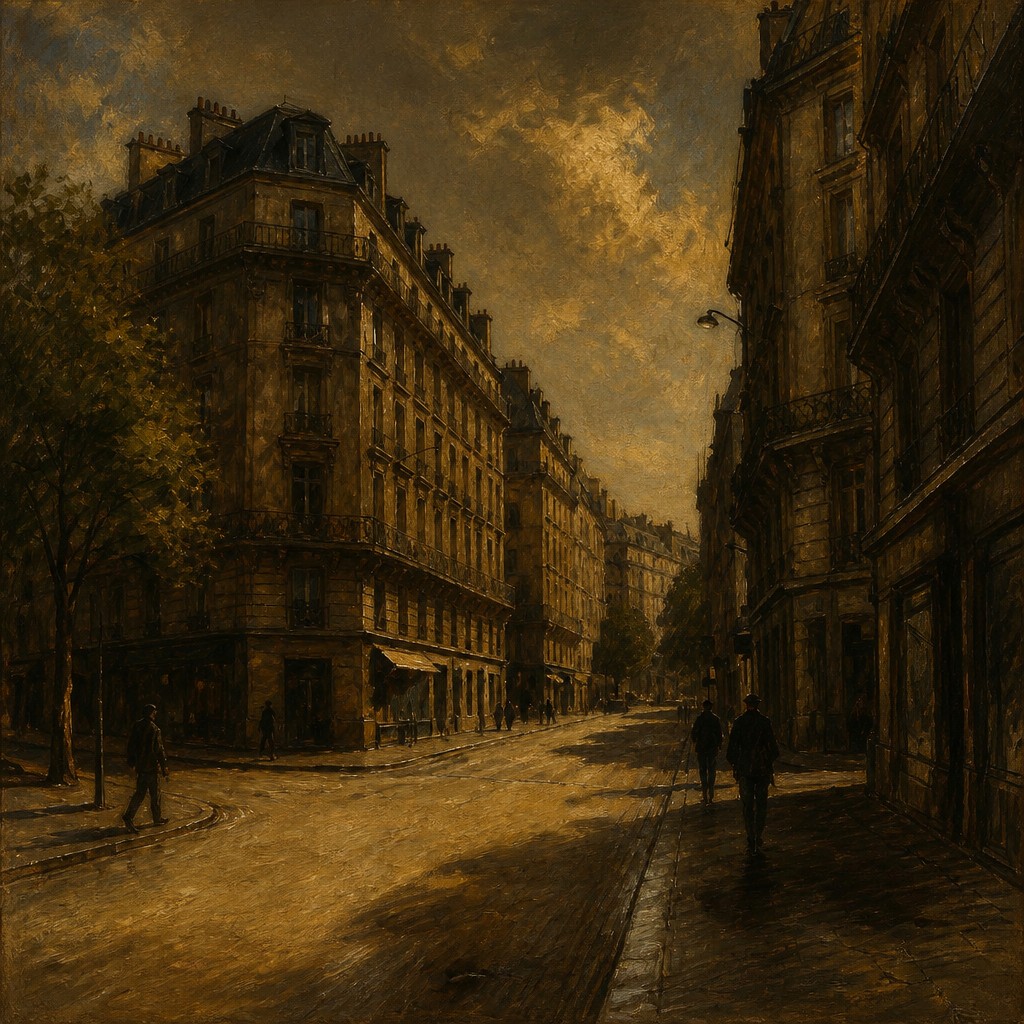
Dark tonal palette
Bitumen-like browns, umbers, deep greens, muted reds, and charcoal shadows dominate the image. Small areas of warm flesh, brass, cream, or vermilion provide controlled accents rather than bright overall color.
Academic drawing
Figures are built on careful anatomy, proportion, gesture, and compositional planning. Even expressive passages remain anchored by a clear underlying structure.
Dramatic studio light
A concentrated light source illuminates faces, hands, fabrics, and selected objects against a subdued ground. Chiaroscuro produces depth and directs attention without becoming theatrical fantasy.
Bravura brushwork
Loaded, visible strokes give paint a physical, confident character, especially in hair, textiles, foliage, armor, and still-life passages. Brushwork varies from smoothly modeled flesh to rugged impasto.
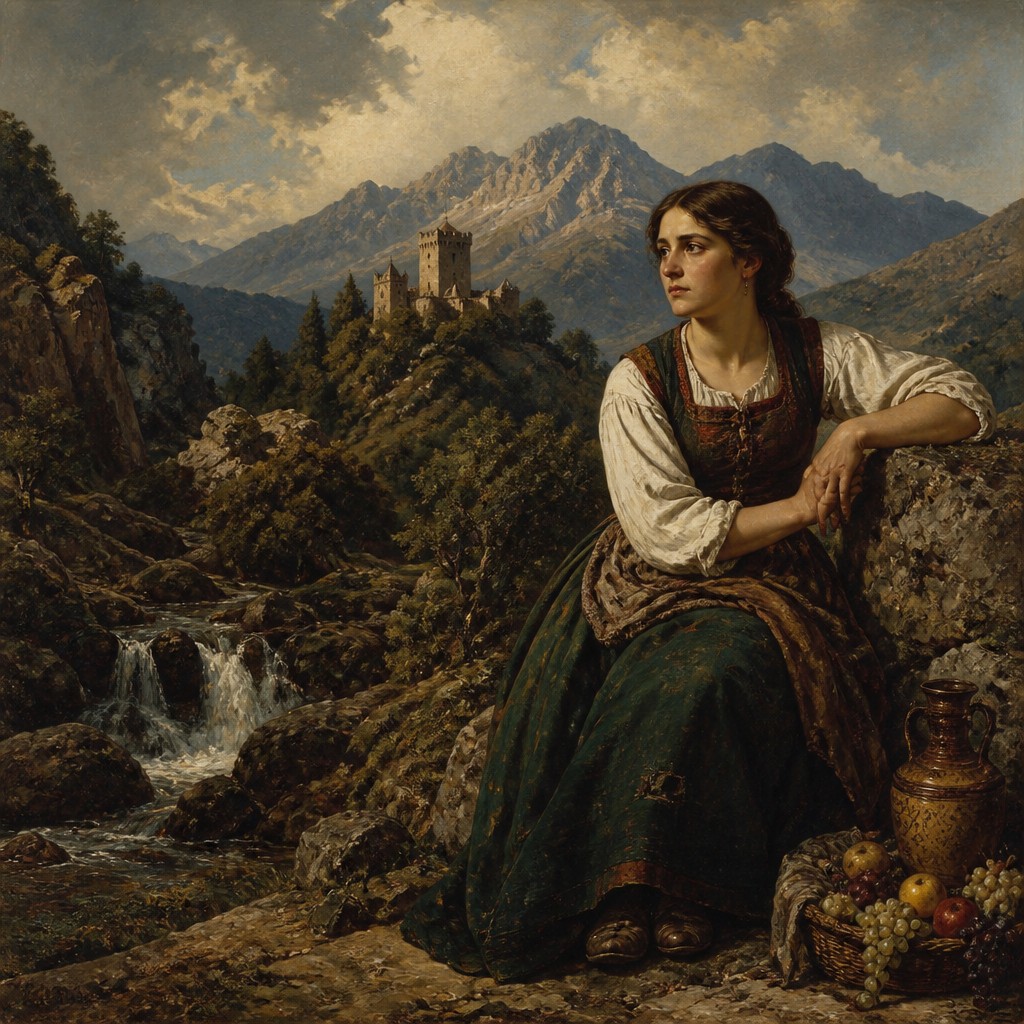
Historical and literary gravity
Common subjects include historical episodes, religious narratives, legends, portrait studies, domestic interiors, and costumed figures. Poses and props are arranged to suggest dignity, memory, or moral seriousness.
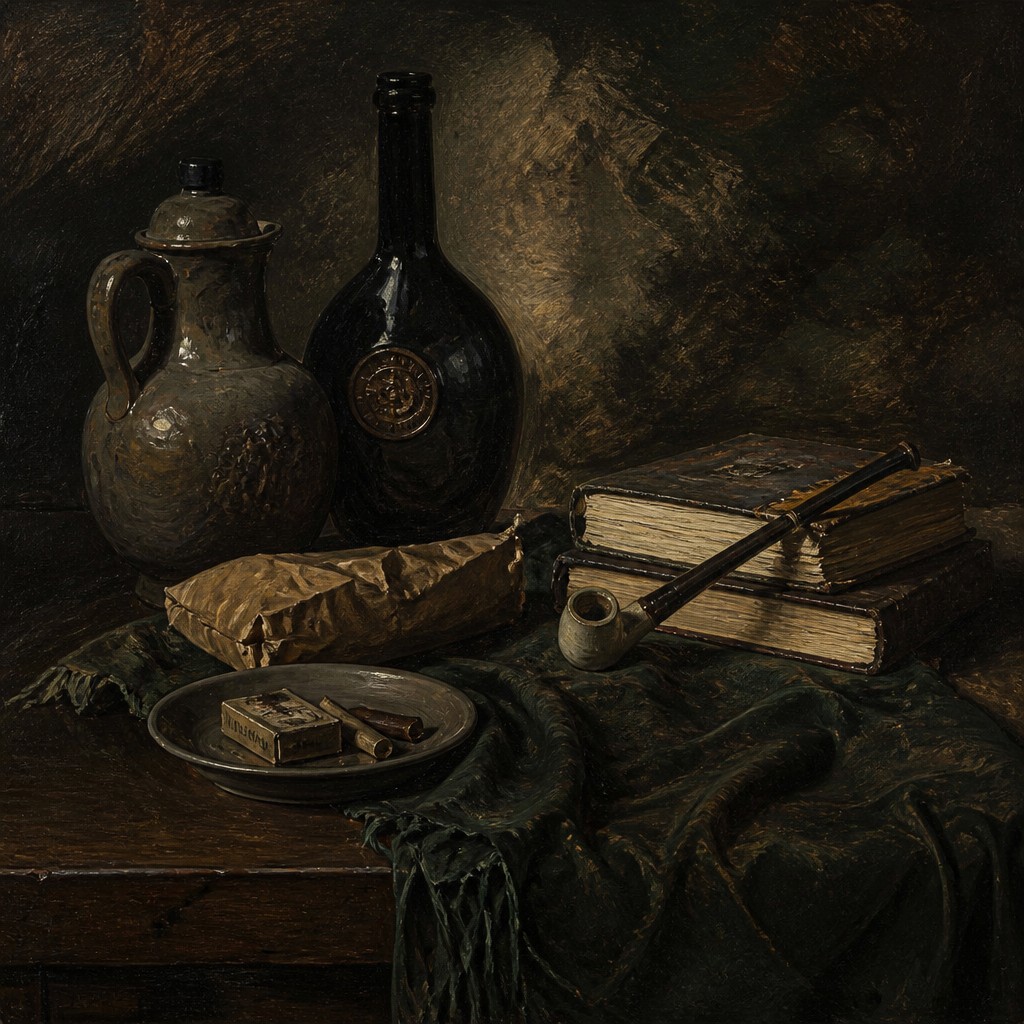
Rich material description
Velvet, brocade, leather, wood, ceramic, metal, and aged paper are differentiated through changes in edge control, texture, reflectivity, and paint thickness.
Try It
Create Videos in Munich School Art Style
Styles aren't just for stills — describe a scene or animate an image and get a short video rendered in Munich School. Press play to see this pond come to life.
Make a VideoMunich School Prompt Ideas
Start from an idea — each one opens the generator with the style ready to go. See all 40 Munich School prompts →
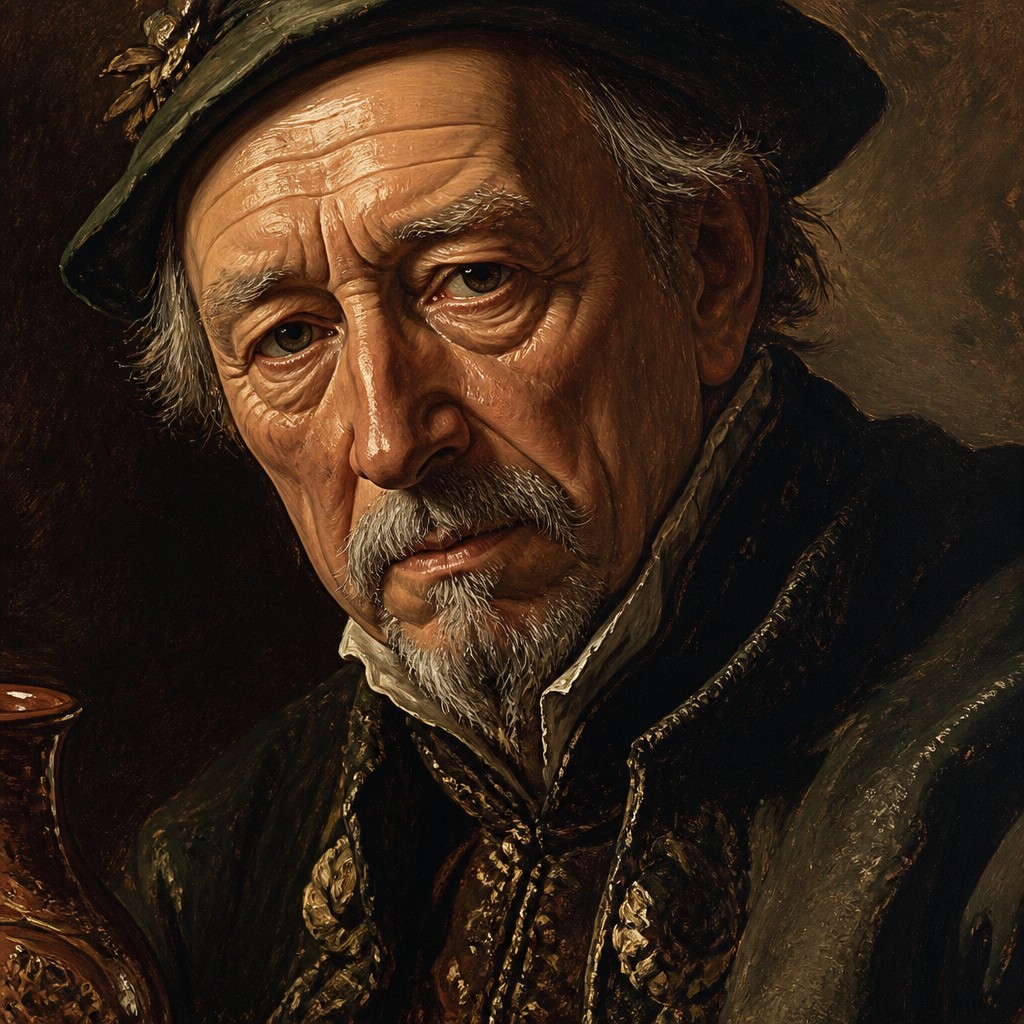
“close-up portrait of an elderly person with expressive weathered features”
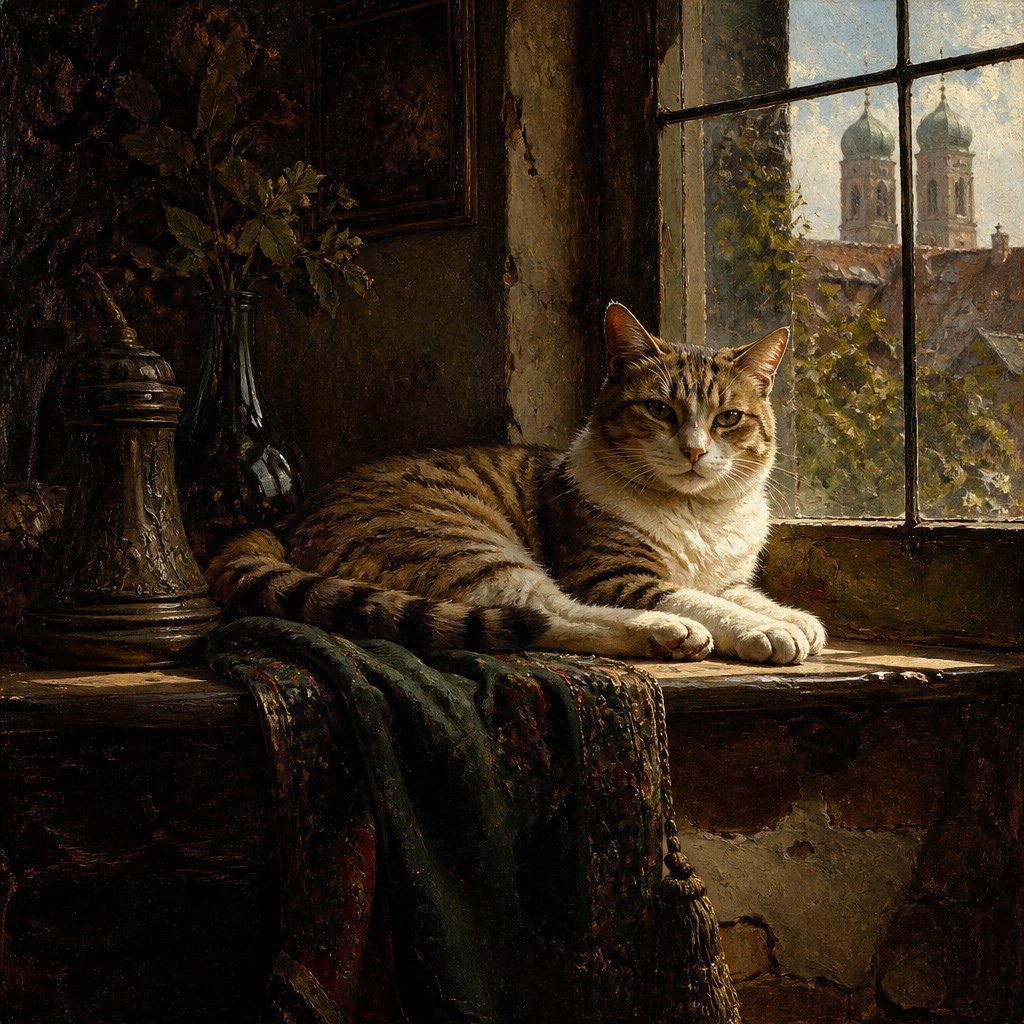
“a cat lounging in a sunlit window”
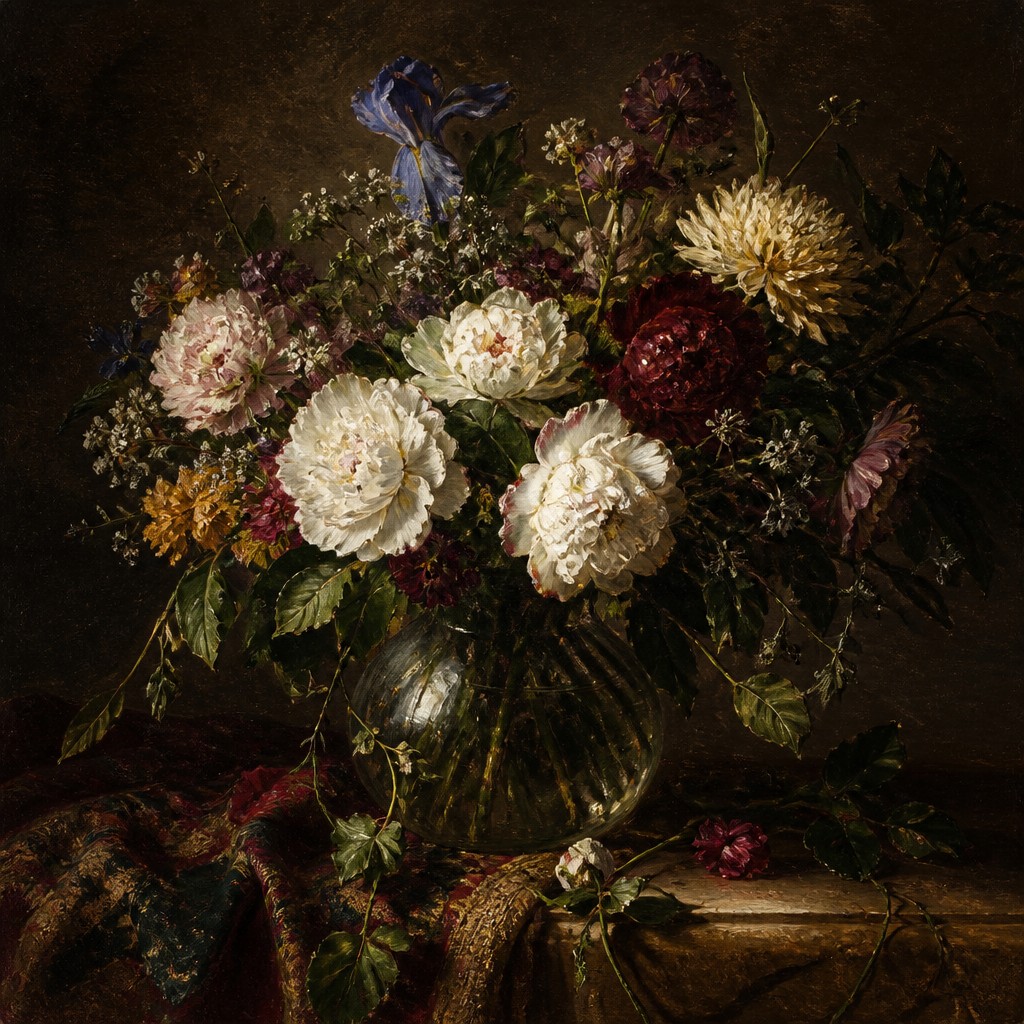
“bouquet of flowers in a glass vase”

“sailing ship on a stormy sea”
How to Create Munich School Art
Master the craft step by step — or skip straight to creating. Read the full guide →
- 1
Establish a dark ground
Begin an oil painting or digital study with a warm brown, green-black, or neutral umber ground. Keep the background unified and low in contrast so the principal forms emerge through light.
- 2
Plan the academic structure
Use preliminary thumbnails, gesture studies, and value sketches before rendering details. Place the strongest light on the face, hands, or symbolic objects, and keep the overall composition stable and legible.
- 3
Build values before color
Develop the subject from shadow to halftone to controlled highlights, reserving the lightest values for focal areas. Introduce muted color afterward so the image retains a coherent tonal architecture.
- 4
Vary paint handling
Use smoother transitions for flesh and distant forms, then apply thicker, directional strokes to clothing, hair, wood, and still life. Avoid making every surface equally sharp or equally textured.
- 5
Use photographic or digital references carefully
Choose references with a single strong light source, grounded poses, and tangible materials, then simplify distracting modern details. In digital painting, textured brushes, layered glazing, and a restrained color grade can reproduce the effect.
- 6
Write a focused generation prompt
Specify academic realism, a dark brown-green ground, dramatic studio light, restrained nineteenth-century color, visible loaded brushwork, and richly described materials. Add the subject, period-neutral setting, composition, and focal light rather than relying on style labels alone.
The Story
History & Origins of Munich School
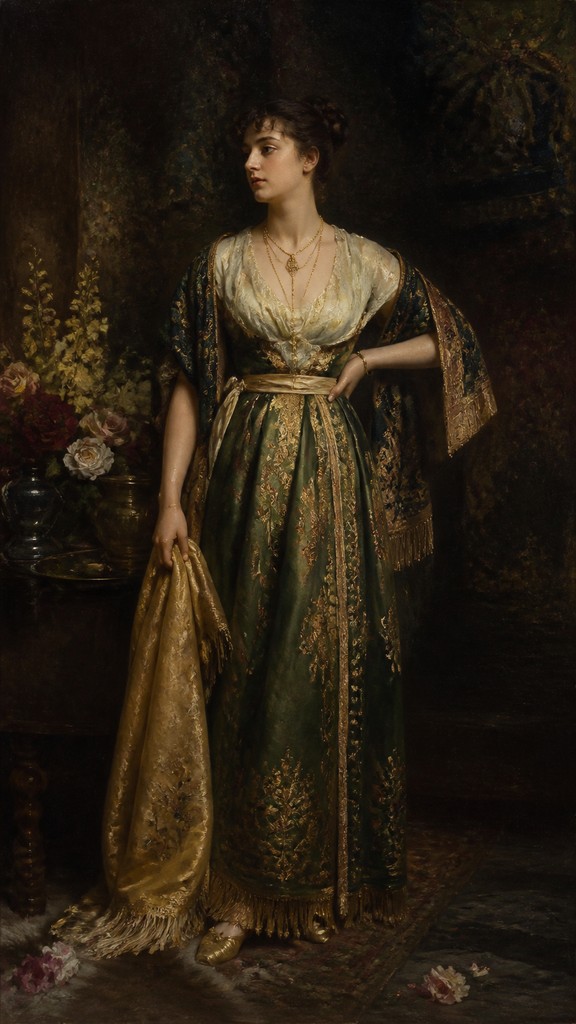
The Munich School emerged from the prestige of the Munich Academy and the city's expanding role as an international center for art education in the nineteenth century. Its training emphasized rigorous drawing, anatomy, life study, composition, historical subject matter, and technically controlled oil painting. Students and visiting painters from across Europe and beyond helped spread its methods through exhibitions, teaching, and academic networks.
The tradition developed from earlier European academicism, seventeenth-century chiaroscuro, and the polished historical painting of the nineteenth century. Although later modernist movements challenged its institutional authority, its dark palette, studio lighting, and forceful handling continued to influence academic realism, salon painting, historical illustration, and contemporary figurative work.
Influences: Munich School art is closely related to nineteenth-century European academicism, historical painting, salon realism, and the chiaroscuro traditions of Baroque and seventeenth-century studio art. It also shares the tactile material observation of Dutch and Flemish still life, the sober portraiture of northern Europe, and the controlled theatricality of academic history painting. In contemporary practice, it connects with atelier training, cinematic low-key lighting, realist illustration, and digitally simulated oil texture.
Frequently Asked Questions
What defines the Munich School art style?
It is defined by academic drawing, dark tonal harmony, dramatic but controlled studio light, and richly worked oil-paint surfaces. Historical, religious, portrait, genre, and still-life subjects are treated with seriousness and strong material detail.
Is the Munich School the same as dark realism?
Not exactly. Dark realism is a broad descriptive category, while the Munich School specifically refers to an academic tradition associated with Munich and its nineteenth-century art institutions. The Munich approach usually includes stronger emphasis on formal training, historical composition, and deliberate painterly finish.
Why are Munich School paintings often so dark?
The darkness comes from a combination of dark grounds, layered oil techniques, restrained nineteenth-century palettes, and strong chiaroscuro. Shadows are used to unify the composition and make illuminated flesh, textiles, and objects carry greater visual weight.
How can I paint in this style traditionally?
Start with a toned ground, a carefully drawn composition, and a limited palette of earth colors. Work from broad shadow masses toward modeled light, then add selective thick brushwork to materials while preserving smooth control in faces and hands.
How can I create a digital image with this appearance?
Use a low-key reference image, a dark brown or green-black base layer, textured oil brushes, and layered glazing or color adjustments. Specify academic realism, studio chiaroscuro, restrained color, visible brushwork, and tactile period materials in the prompt.
What subjects work best for this style?
Costumed figures, historical scenes, solemn portraits, workshops, interiors, religious narratives, and richly arranged still lifes are especially compatible. Modern subjects can also work when they are given a deliberate pose, grounded setting, and concentrated light.
Create your first Munich School artwork
Describe anything — or upload a photo — and see it in Munich School Art Style in seconds.
Related Styles
Discover similar art styles