Early Christian Art Style
Explore Early Christian Art: catacomb frescoes, sacred symbols, calm figures, and earthy late-antique visual language shaped by faith and ritual.
Instantly rendered in Early Christian — or transform a photo
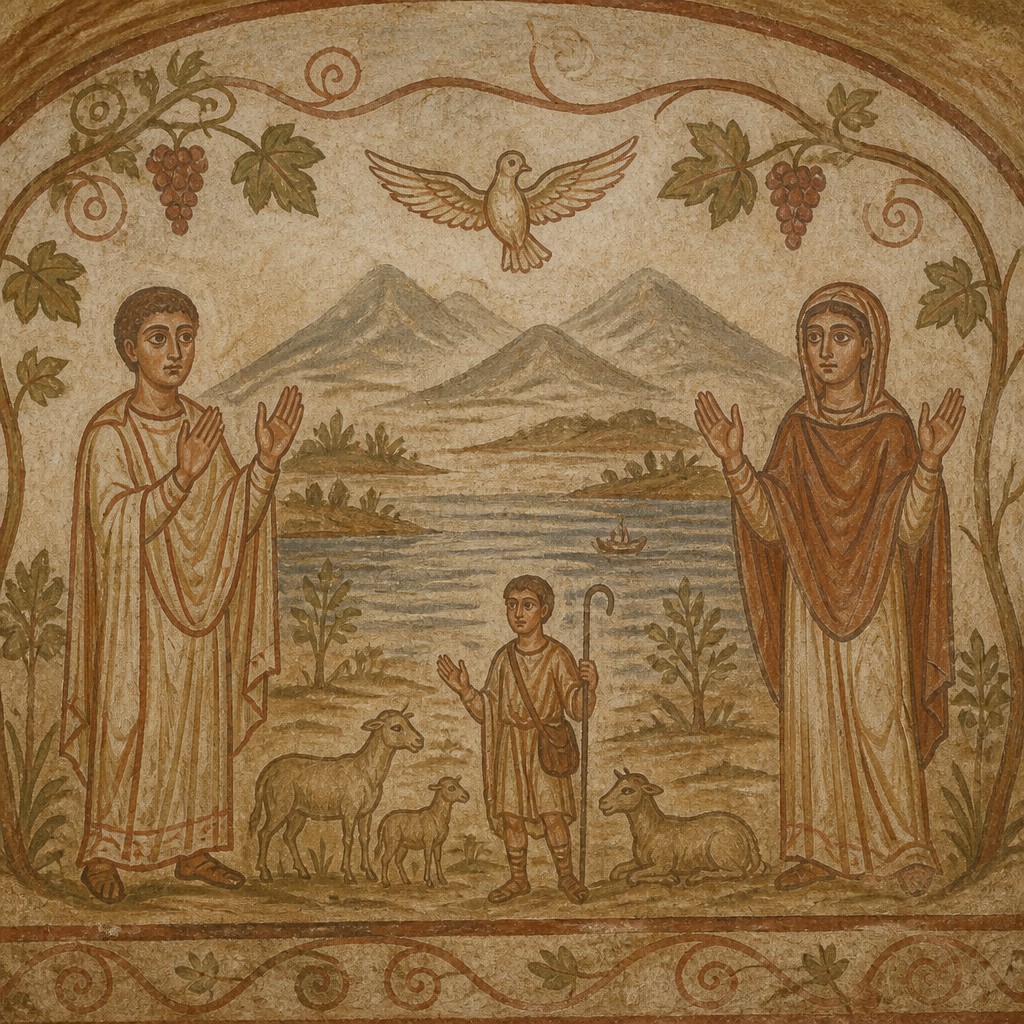
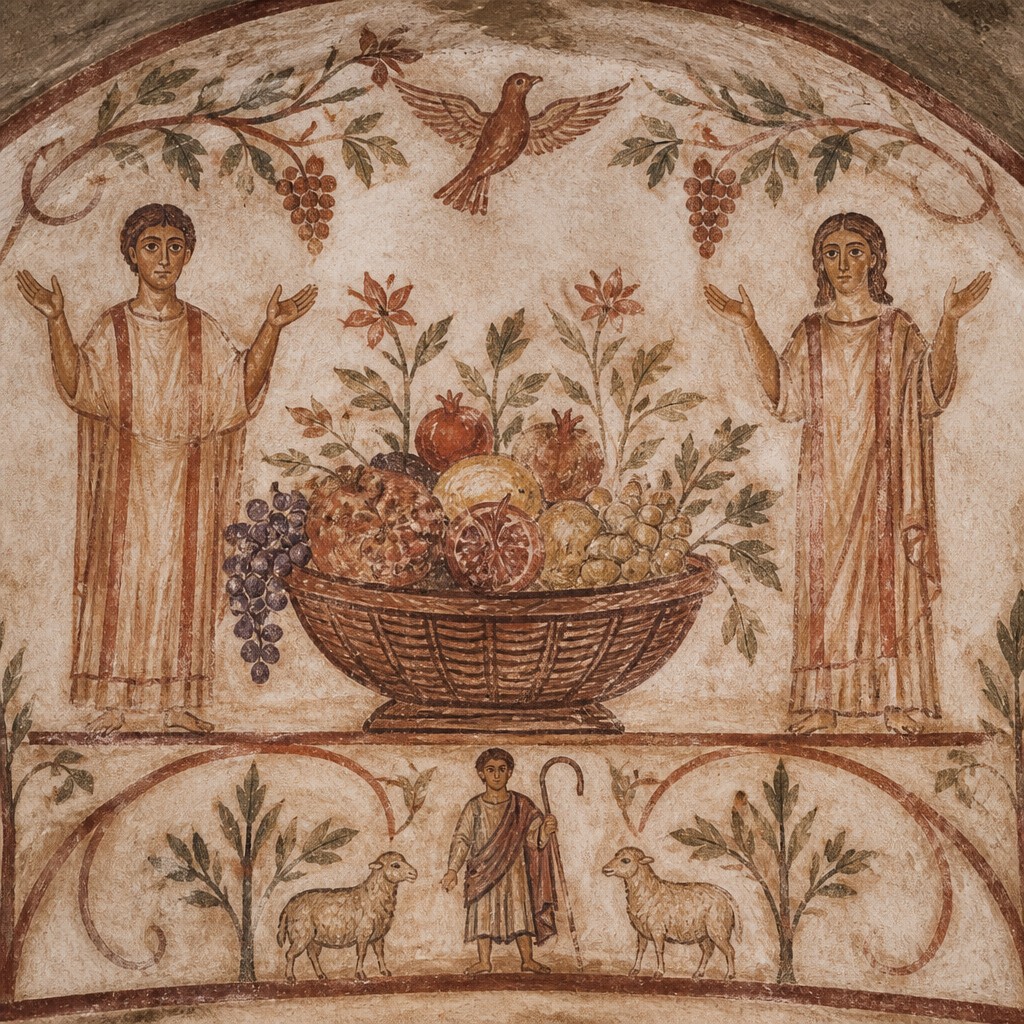
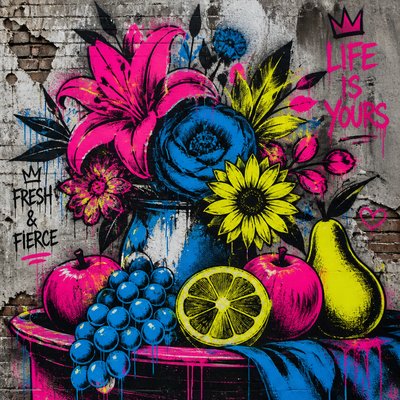
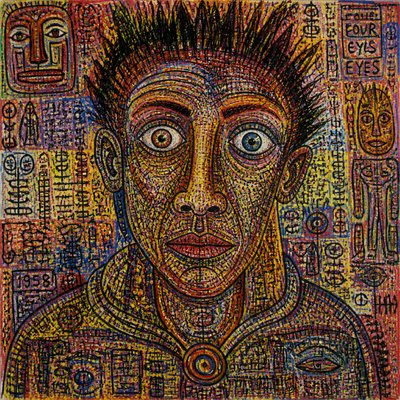
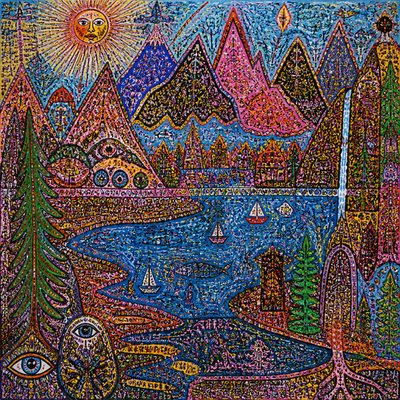
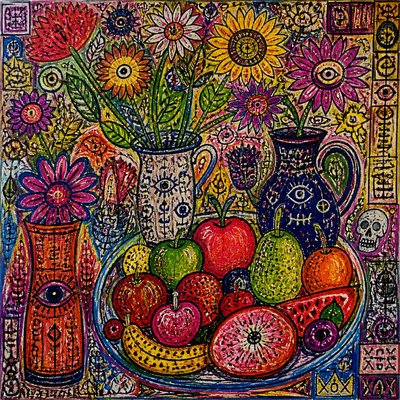
Early Christian Gallery
Tap any artwork to explore it
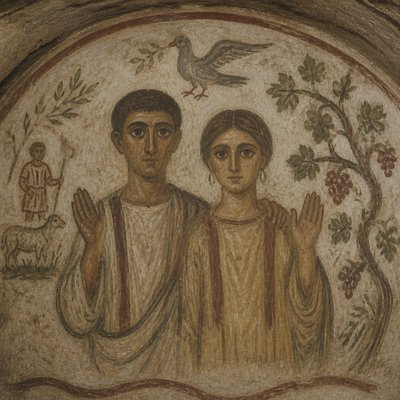
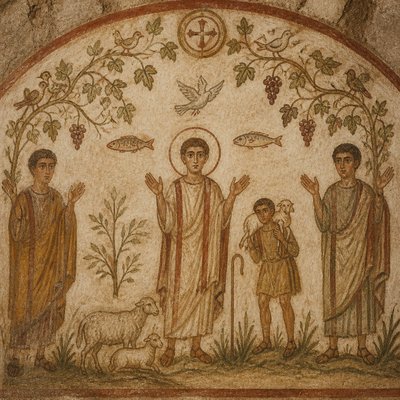
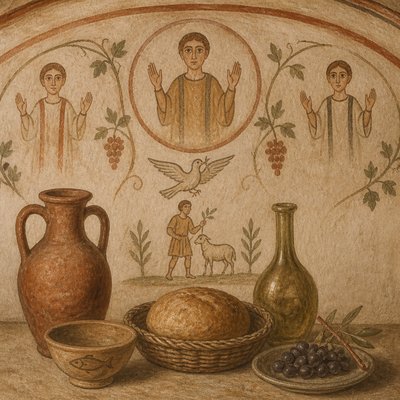
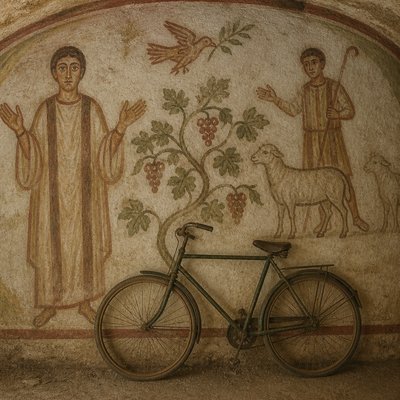
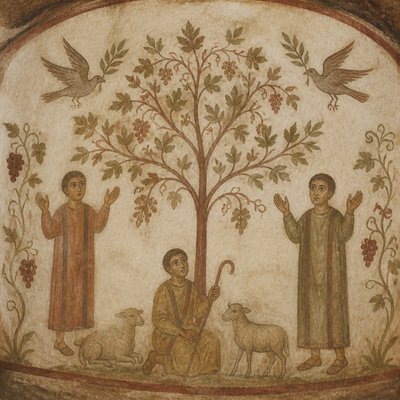
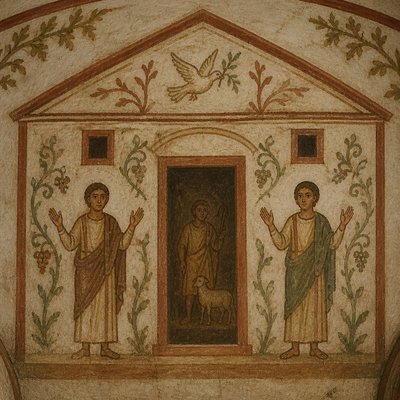
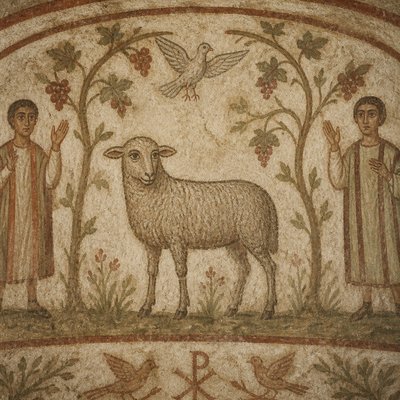
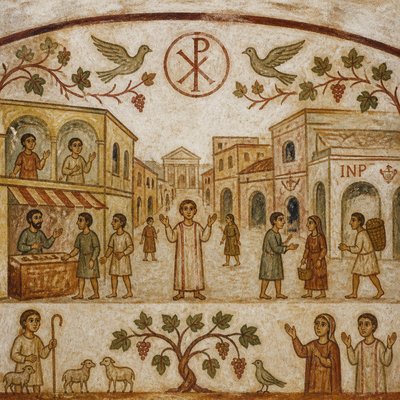
What is Early Christian Art Style?
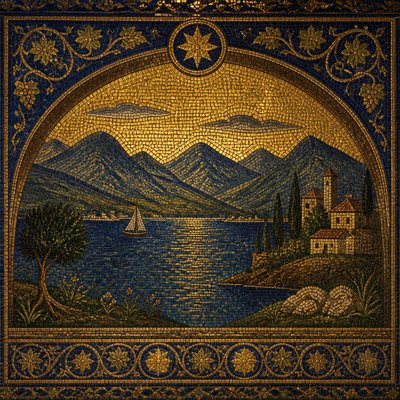
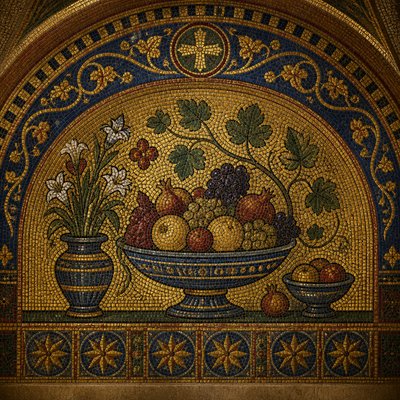
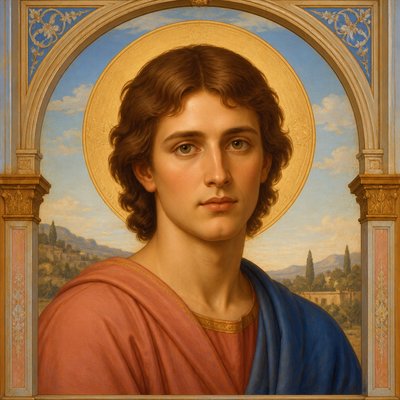
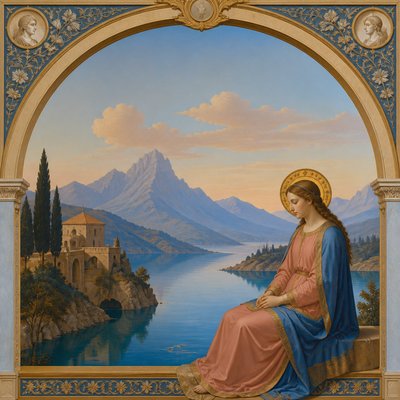
Early Christian Art is the visual culture produced by Christian communities from roughly the 2nd through the 6th centuries, first within the Roman Empire and later across the Byzantine and post-Roman worlds. Its best-known forms include catacomb frescoes, painted sarcophagi, mosaics, illuminated manuscripts, carved reliefs, and architectural decoration. Rather than relying on a single uniform style, it combines Roman artistic conventions with a growing symbolic language centered on salvation, resurrection, scripture, and communal worship.
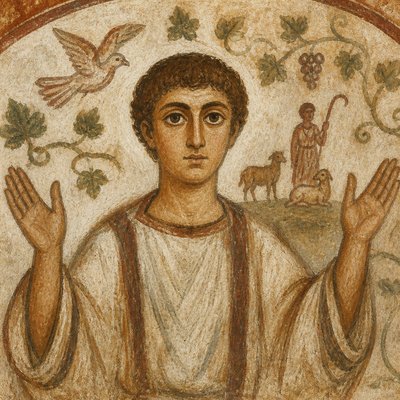
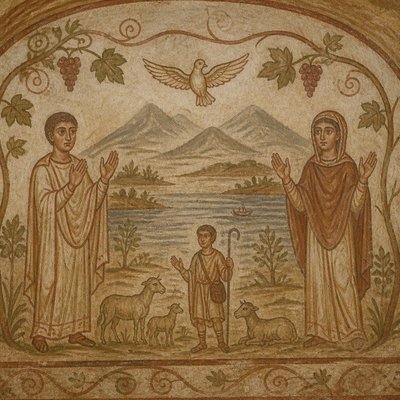
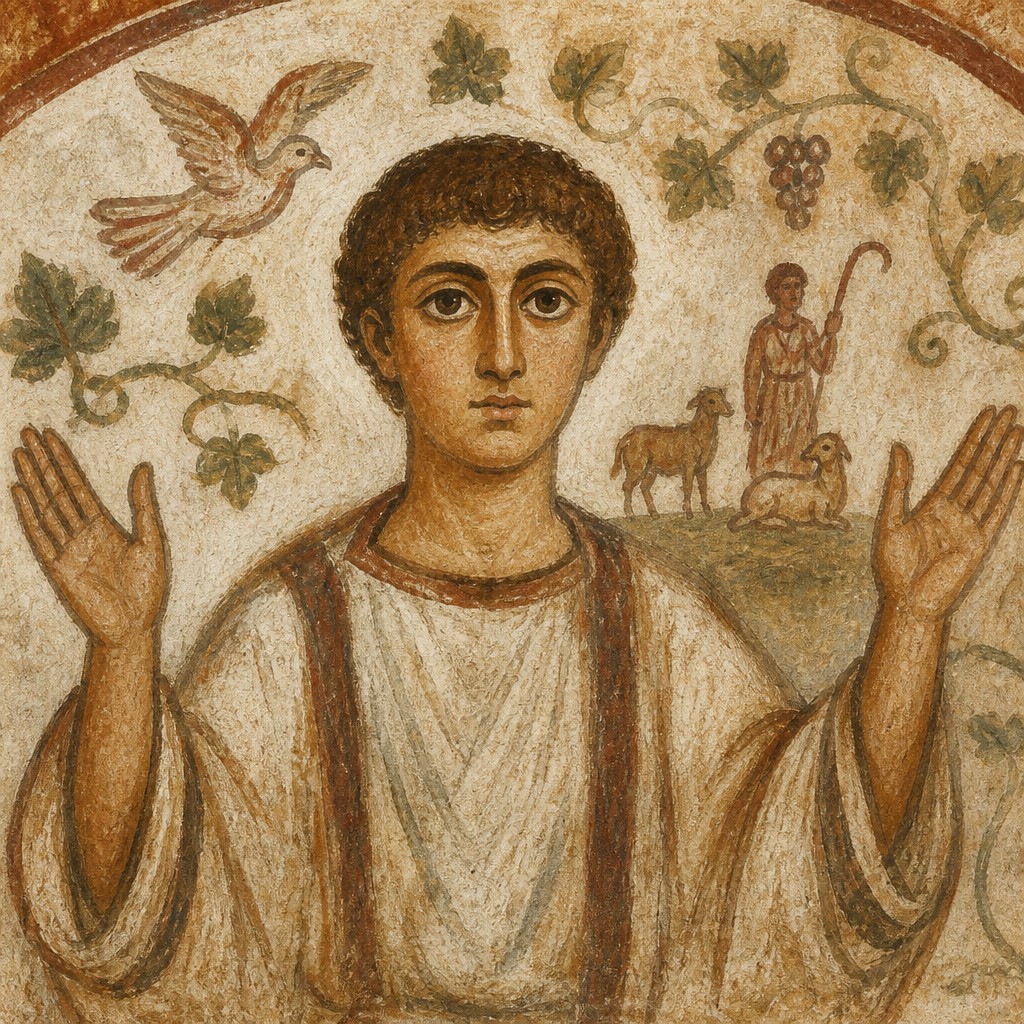
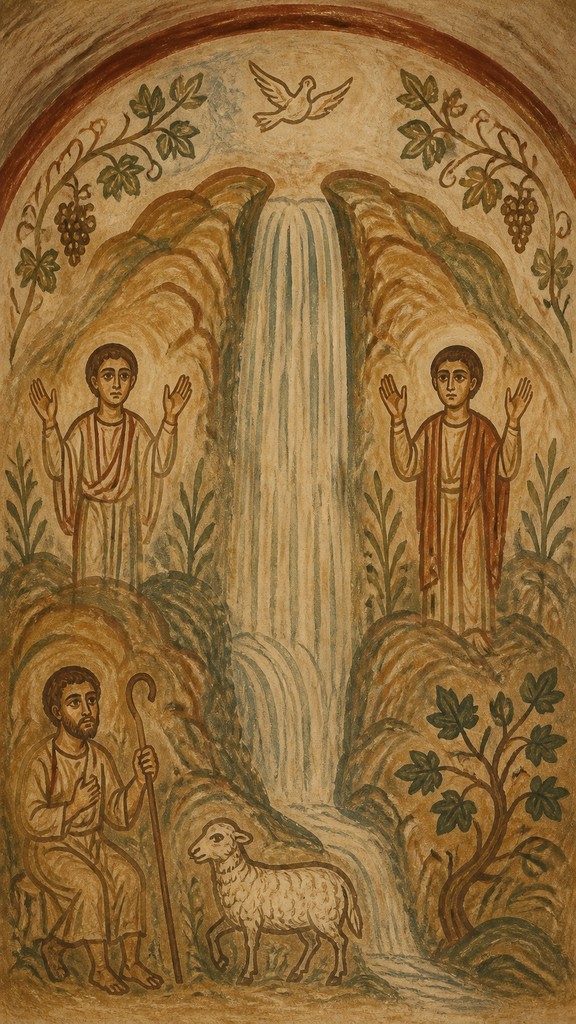
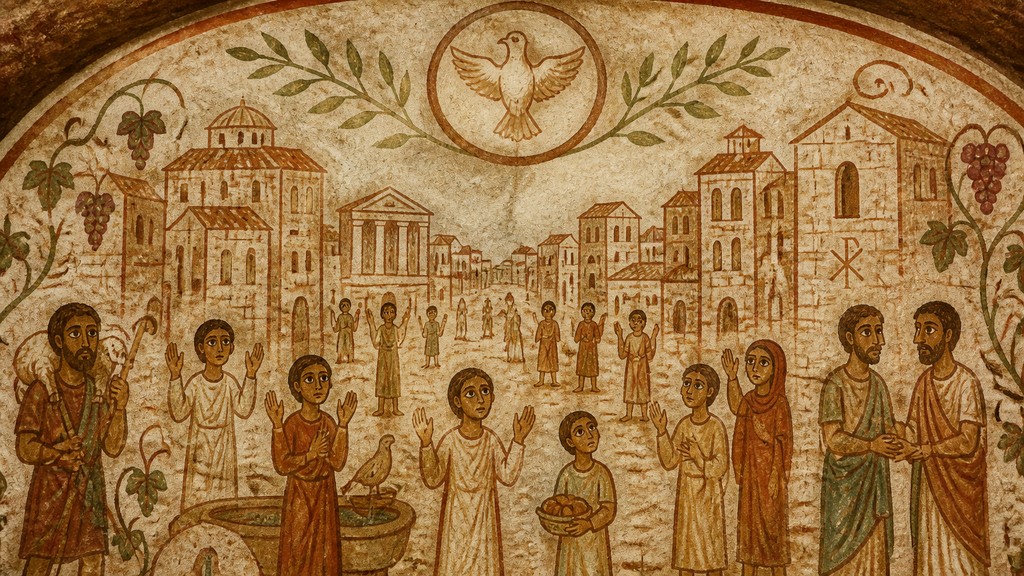
The style is recognized for its direct, legible imagery: praying figures, shepherds, doves, fish, vines, ships, anchors, lambs, and scenes of biblical deliverance. Early examples may retain Roman spatial modeling and naturalistic gestures, while later works become more frontal, solemn, and hieratic. Muted earth pigments, pale plaster grounds, simplified anatomy, large attentive eyes, and compact compositions create an intimate visual language suited to burial spaces, worship, and devotional instruction.
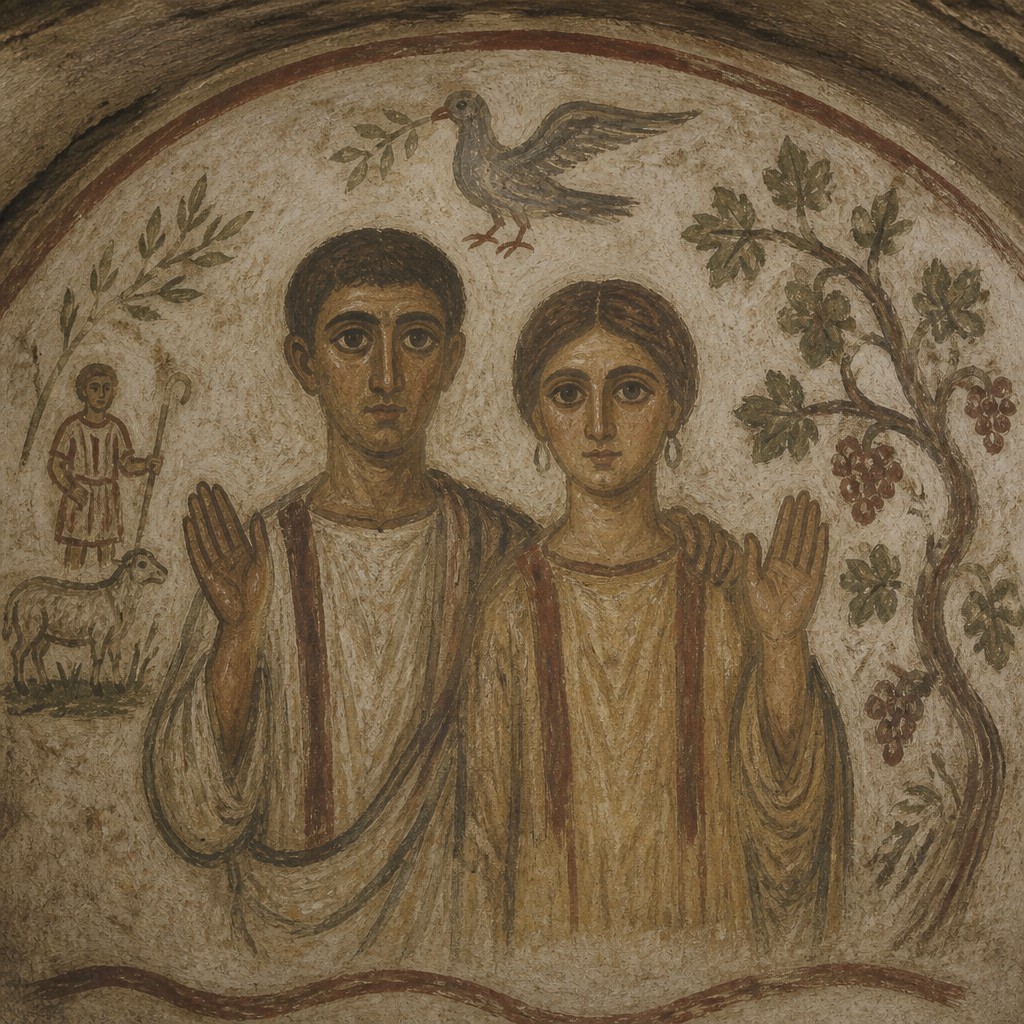
Try It On Your Photos
Upload any photo and convert it into Early Christian Art Style — drag the sliders to compare before and after.
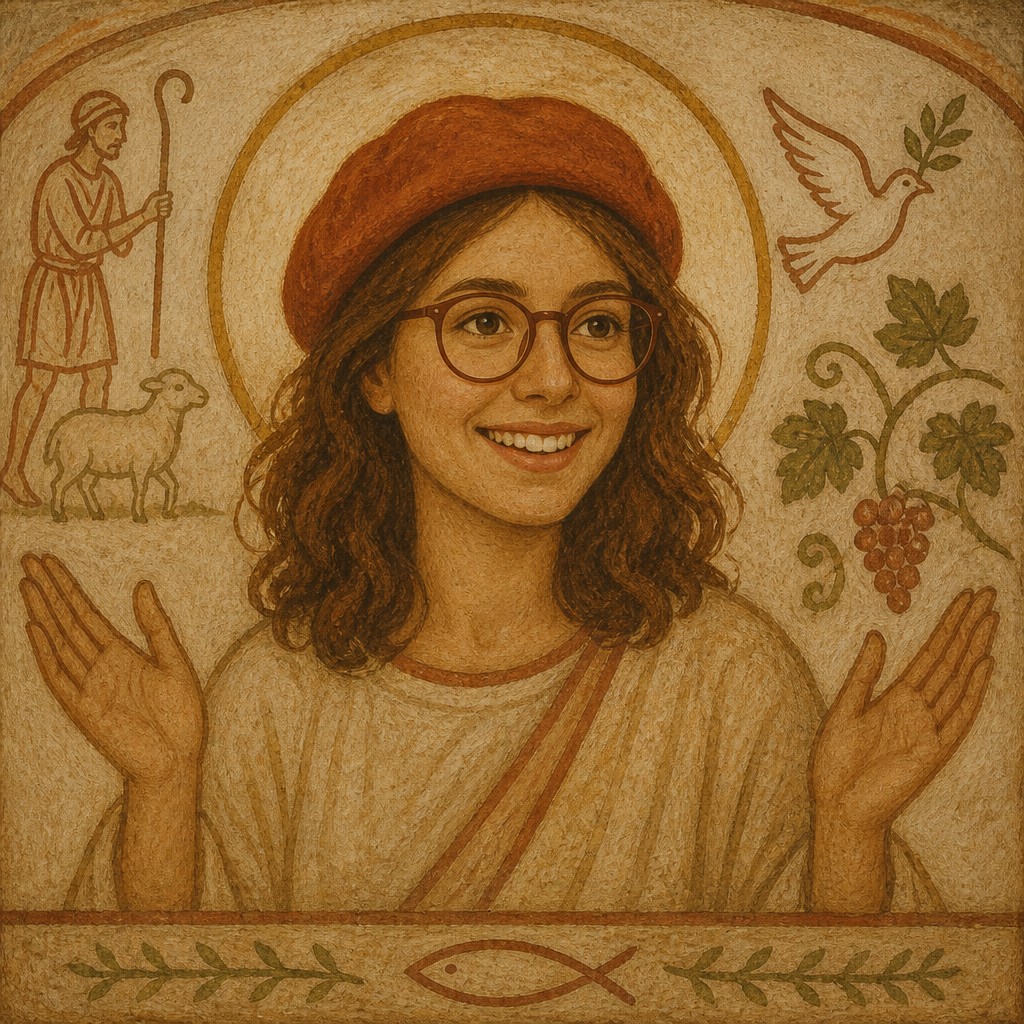


What Defines Early Christian Art Style
The signature details, up close
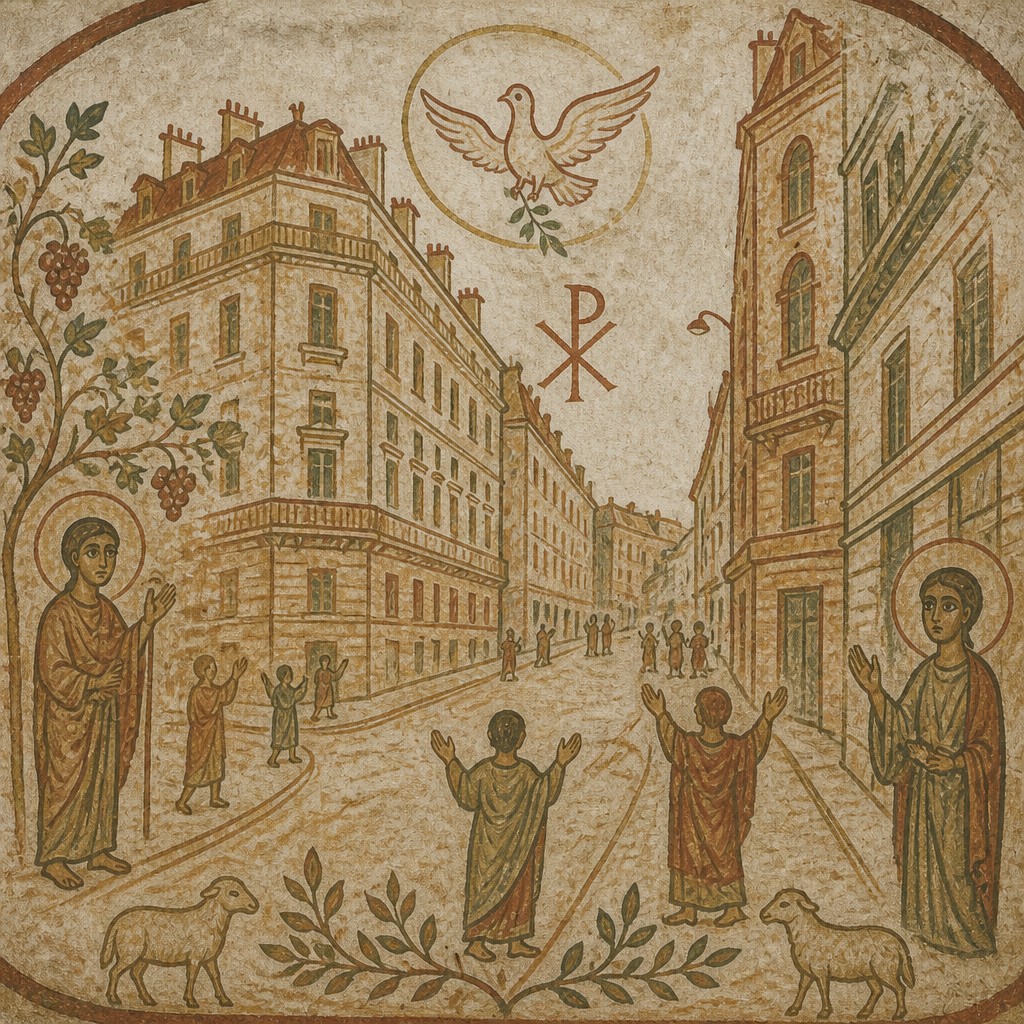
Symbolic vocabulary
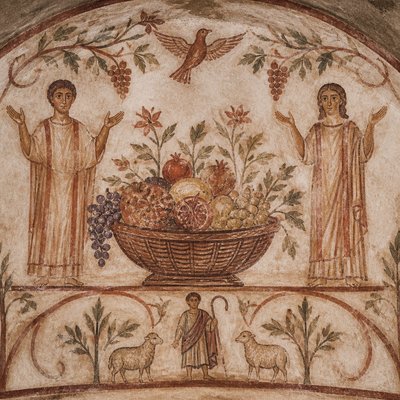
Images often communicate through compact symbols rather than detailed narrative: fish, doves, anchors, vines, ships, lambs, and shepherds can express faith, hope, salvation, or eternal life.
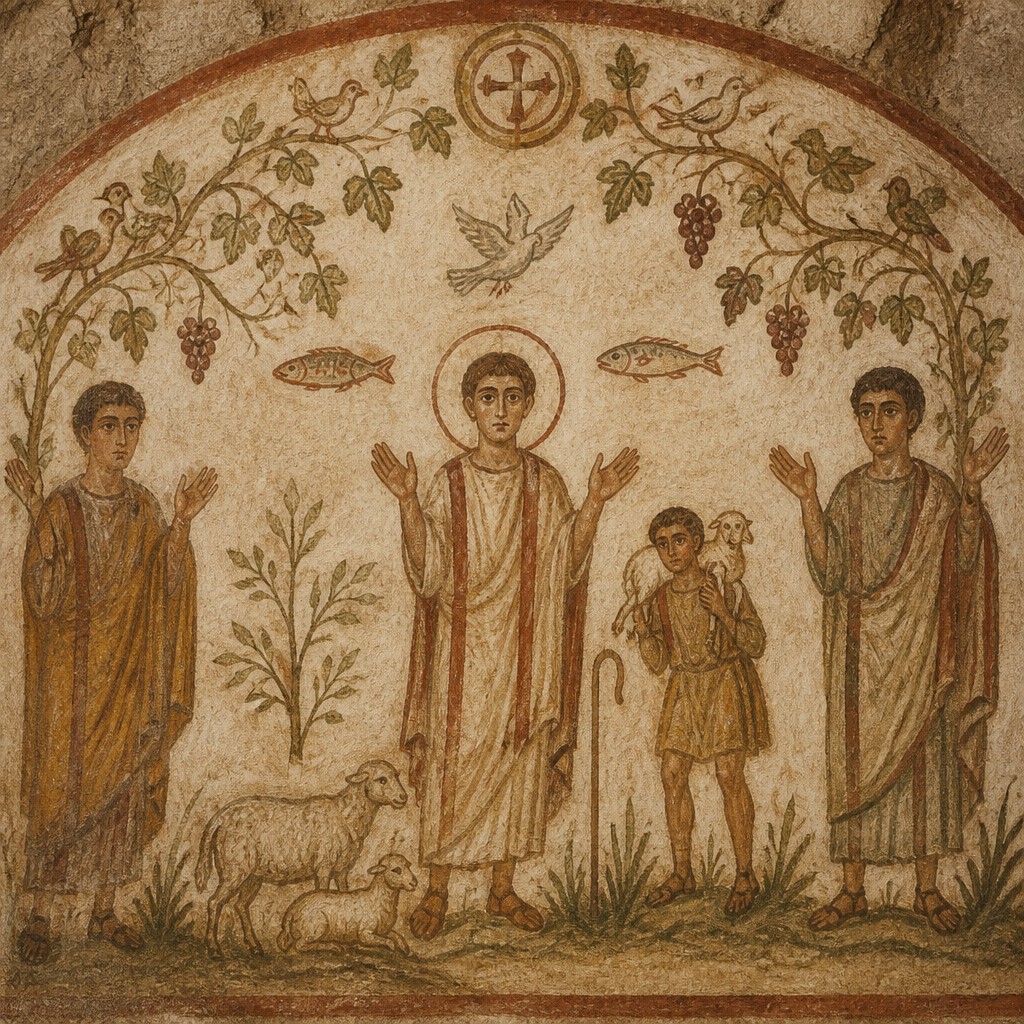
Orant and frontal figures
Standing figures with raised hands, known as orants, are common devotional motifs. Later figures often face the viewer directly, creating a calm, solemn presence rather than theatrical action.
Muted earth palette
Catacomb painting commonly uses ochre, brick red, olive green, brown, black, and pale cream on plaster. Color is restrained and functional, with brighter tones reserved for emphasis.
Simplified anatomy
Bodies are reduced to clear silhouettes and economical gestures, although early works may still show traces of Roman modeling. Large eyes and composed expressions support spiritual attentiveness.
Fresco and plaster texture
Painted surfaces often appear matte, uneven, and softly worn because pigments were applied to plaster or tempera-like grounds. Visible brush marks and abbreviated contours contribute to the style's handmade intimacy.
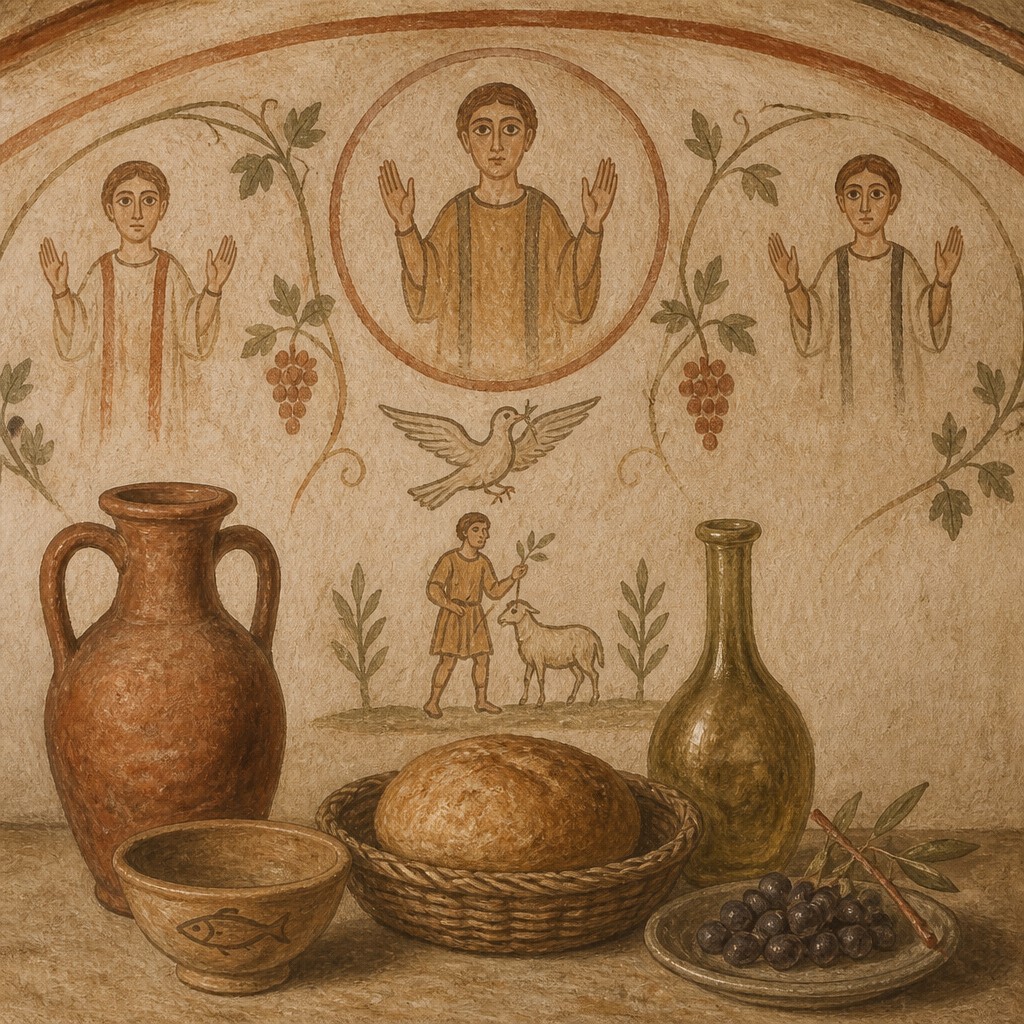
Biblical and funerary themes
Scenes of deliverance, healing, resurrection, paradise, and pastoral care recur in burial and worship contexts. Subjects were selected for their promise of protection, renewal, and life after death.
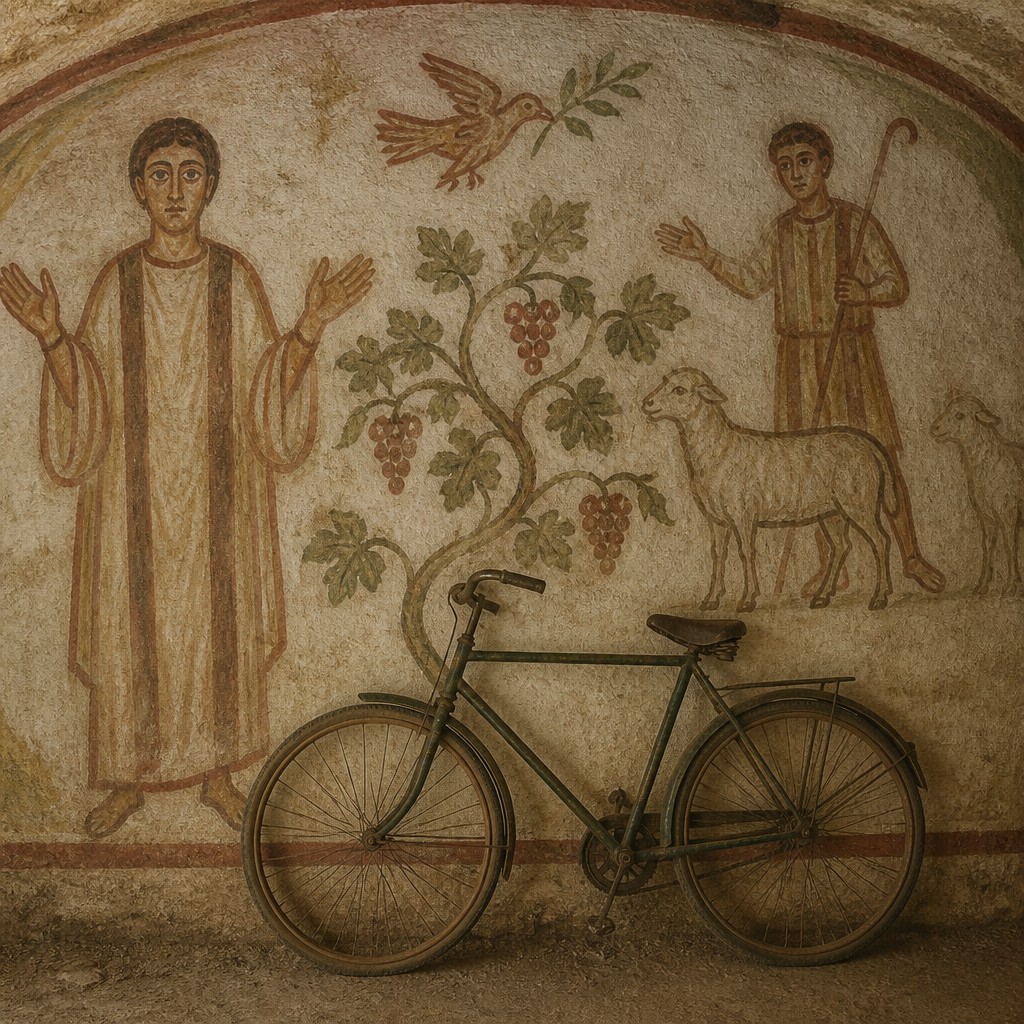
Ordered compositions
Figures and motifs are arranged for immediate recognition, often within medallions, bands, arches, or symmetrical fields. Narrative detail is secondary to clarity, rhythm, and sacred association.
Try It
Create Videos in Early Christian Art Style
Styles aren't just for stills — describe a scene or animate an image and get a short video rendered in Early Christian. Press play to see this pond come to life.
Make a VideoEarly Christian Prompt Ideas
Start from an idea — each one opens the generator with the style ready to go. See all 40 Early Christian prompts →
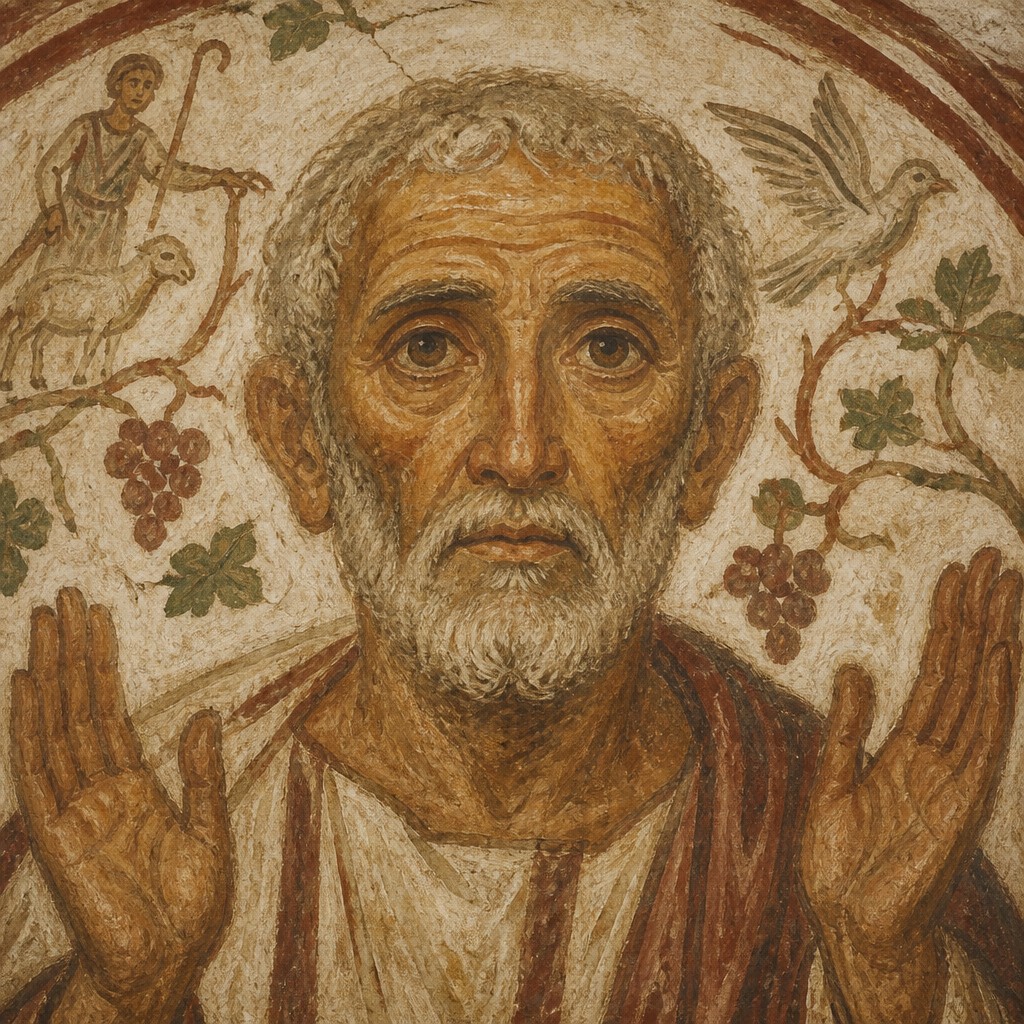
“close-up portrait of an elderly person with expressive weathered features”
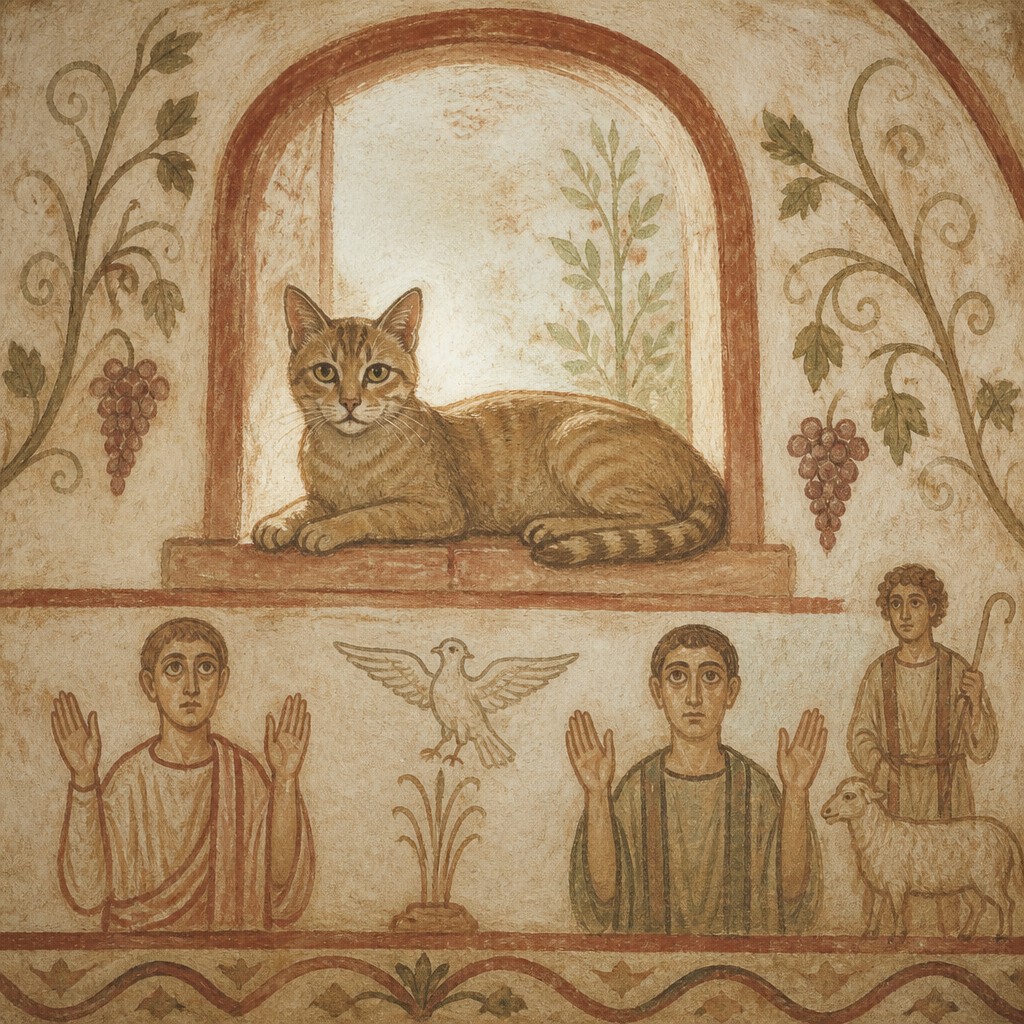
“a cat lounging in a sunlit window”
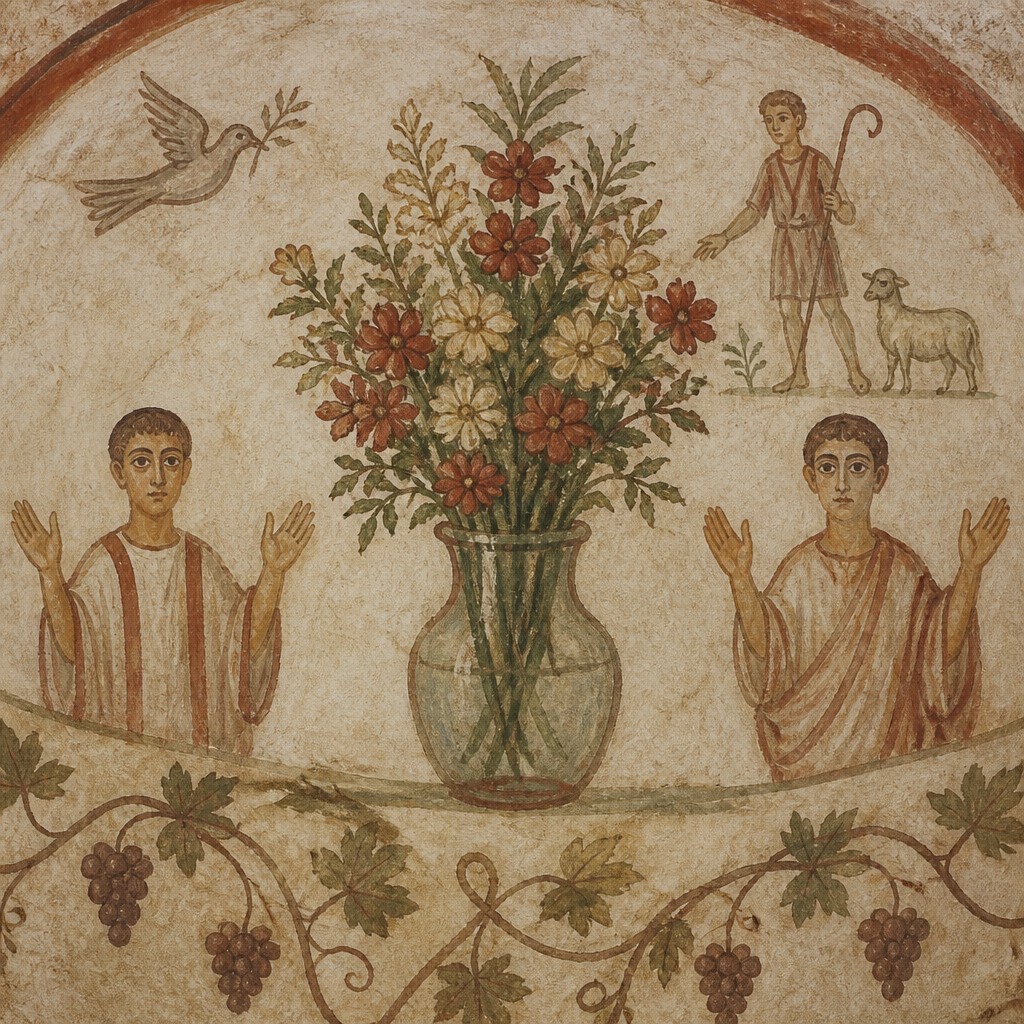
“bouquet of flowers in a glass vase”
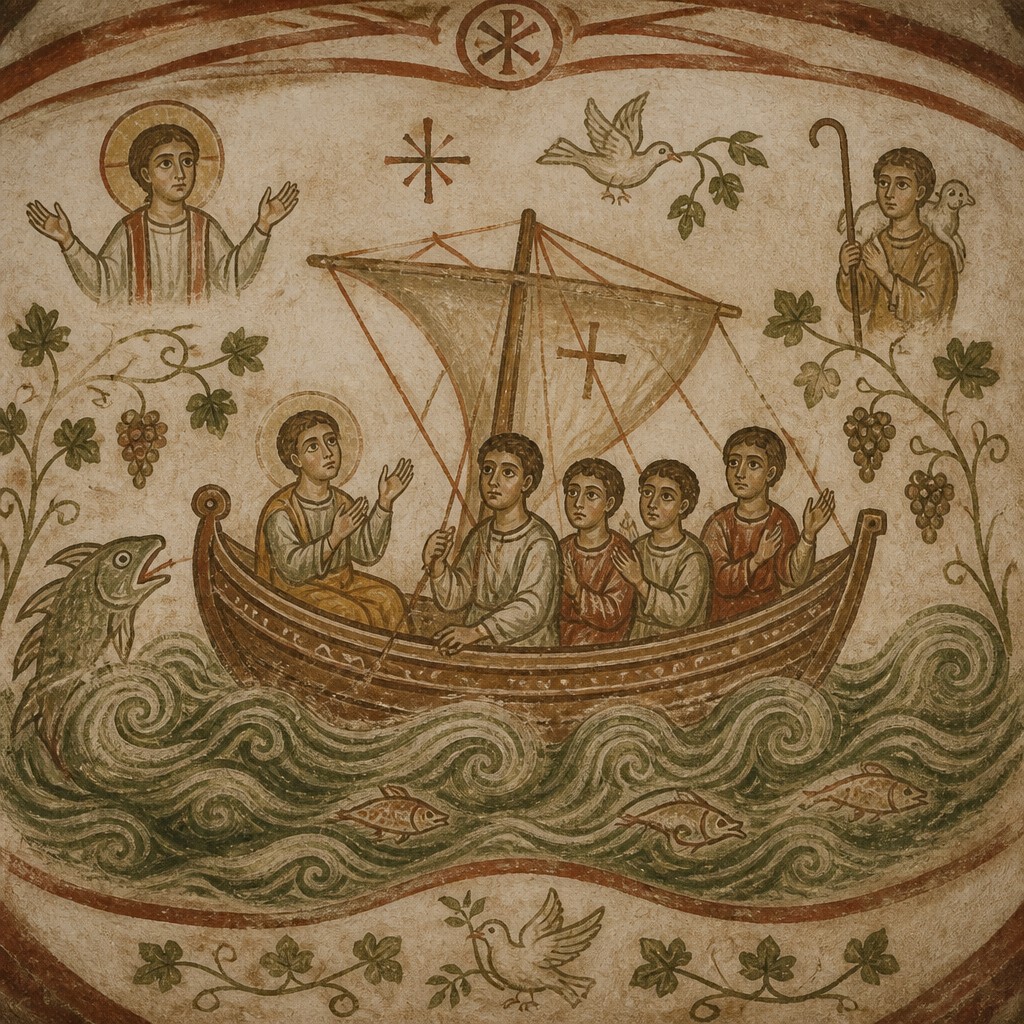
“sailing ship on a stormy sea”
How to Create Early Christian Art
Master the craft step by step — or skip straight to creating. Read the full guide →
- 1
Begin with a plaster-like ground
For traditional work, apply thin mineral or earth-colored layers over a rough or lightly textured surface. In digital work, use a pale plaster base with subtle grain, stains, cracks, and uneven pigment absorption.
- 2
Build a symbolic composition
Choose one central devotional subject and surround it with a few recognizable motifs such as a dove, vine, fish, anchor, shepherd, or lamb. Keep the arrangement legible and avoid excessive background detail.
- 3
Use restrained color
Favor ochre, muted red, olive, umber, charcoal, and chalky cream. Add only limited highlights so the image feels aged, matte, and connected to earth pigments rather than glossy modern paint.
- 4
Simplify gesture and expression
Use frontal or gently turning figures, raised hands, calm faces, abbreviated anatomy, and large attentive eyes. Suggest spiritual meaning through posture and placement instead of dramatic facial emotion.
- 5
Preserve handmade irregularity
Allow uneven outlines, soft brushwork, pigment gaps, faded patches, and imperfect symmetry. Digital artists can layer scanned plaster textures and low-opacity paint marks to prevent a sterile finish.
- 6
Write focused generation prompts
Describe the subject, symbolic motifs, catacomb-like plaster surface, earth-red and olive palette, simplified figures, and quiet devotional mood. Specify what to exclude—photorealism, glossy gradients, cinematic lighting, and crowded detail—when a more historically grounded result is desired.

The Story
History & Origins of Early Christian
Early Christian art emerged during the 2nd and 3rd centuries as Christianity spread through Roman cities. Because the religion was periodically restricted and lacked monumental public buildings at first, early communities used domestic interiors, burial chambers, sarcophagi, and underground catacombs. Their imagery adapted familiar Roman forms while giving them new meanings: a shepherd could signify spiritual care or salvation, a vine could evoke communion and eternal life, and a peacock could suggest immortality.
After Christianity gained legal recognition in the 4th century, Christian art expanded into basilicas and other public settings, incorporating large-scale wall painting, marble decoration, and mosaics. By the 5th and 6th centuries, especially in the eastern Mediterranean and Italy, imagery became more ceremonially frontal and symbolically ordered, forming a bridge between late Roman art and Byzantine visual culture.
Influences: Early Christian Art draws on Roman funerary painting, domestic mural decoration, classical figure types, Jewish scriptural traditions, and the symbolic visual culture of the ancient Mediterranean. Its later development connects to late antique court art, early basilica decoration, Byzantine mosaic, Coptic painting, illuminated manuscripts, and medieval Christian iconography. Related visual traditions include Roman catacomb art, late antique art, Byzantine art, and early medieval religious painting.
Frequently Asked Questions
What defines Early Christian Art?
It is defined by Christian subject matter expressed through a compact symbolic vocabulary, including orants, shepherds, doves, fish, vines, anchors, and scenes of biblical salvation. Its visual language ranges from relatively naturalistic Roman-derived painting to more frontal and hieratic late antique imagery.
When and where did Early Christian Art develop?
It developed mainly from the 2nd through the 6th centuries in the Roman Empire and its successor regions. Important evidence survives in the catacombs and churches of Italy, North Africa, the eastern Mediterranean, and the Near East.
Is Early Christian Art only catacomb painting?
No. Catacomb frescoes are among its most recognizable forms, but the broader tradition also includes sarcophagus reliefs, church mosaics, basilica decoration, carved objects, manuscripts, and small devotional works. Catacomb art represents an early and especially intimate phase of the style.
How does it differ from Byzantine art?
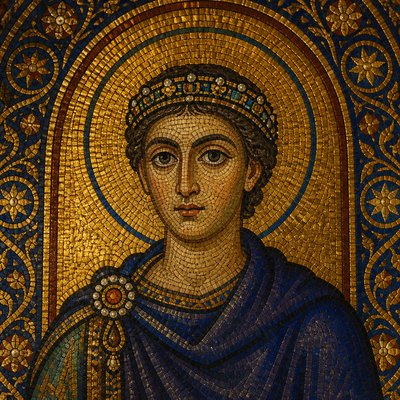
Early Christian Art is a broad transitional period that includes varied Roman and late antique approaches. Byzantine art develops from this foundation and generally places greater emphasis on formal icons, frontal sacred figures, gold backgrounds, liturgical hierarchy, and highly ordered mosaic programs.
How can I make a convincing image in this style?
Use a limited earth-based palette, simplified figures, clear symbols, calm gestures, and a plaster or fresco surface. Avoid polished realism and elaborate perspective; instead, emphasize worn pigment, abbreviated contours, frontal presentation, and a quiet devotional atmosphere.
Where was Early Christian Art used?
It appeared in burial chambers, cemeteries, domestic worship spaces, sarcophagi, churches, baptisteries, manuscripts, and personal devotional objects. Its imagery served memorial, instructional, liturgical, and protective functions.
Create your first Early Christian artwork
Describe anything — or upload a photo — and see it in Early Christian Art Style in seconds.
Related Styles
Discover similar art styles