Manga vs Shoujo Romance Manga: What's the Difference?
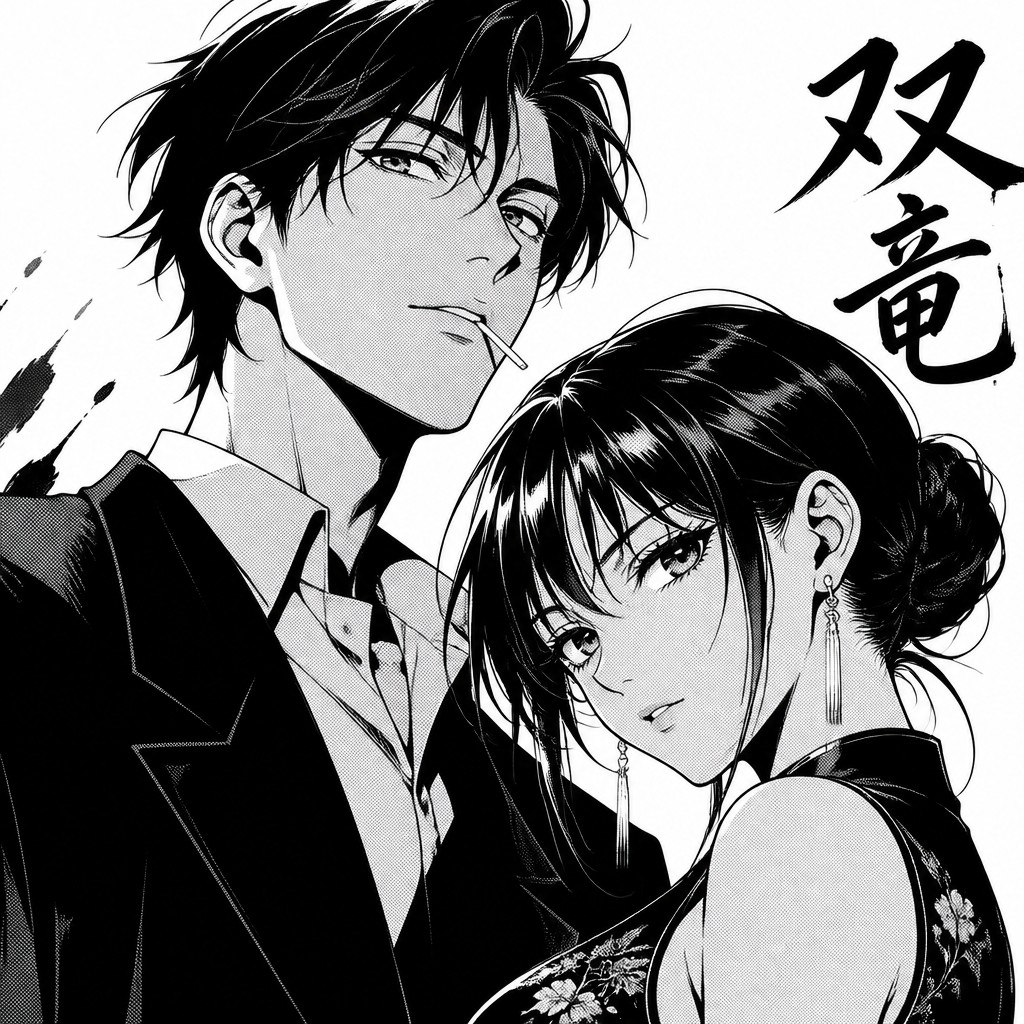
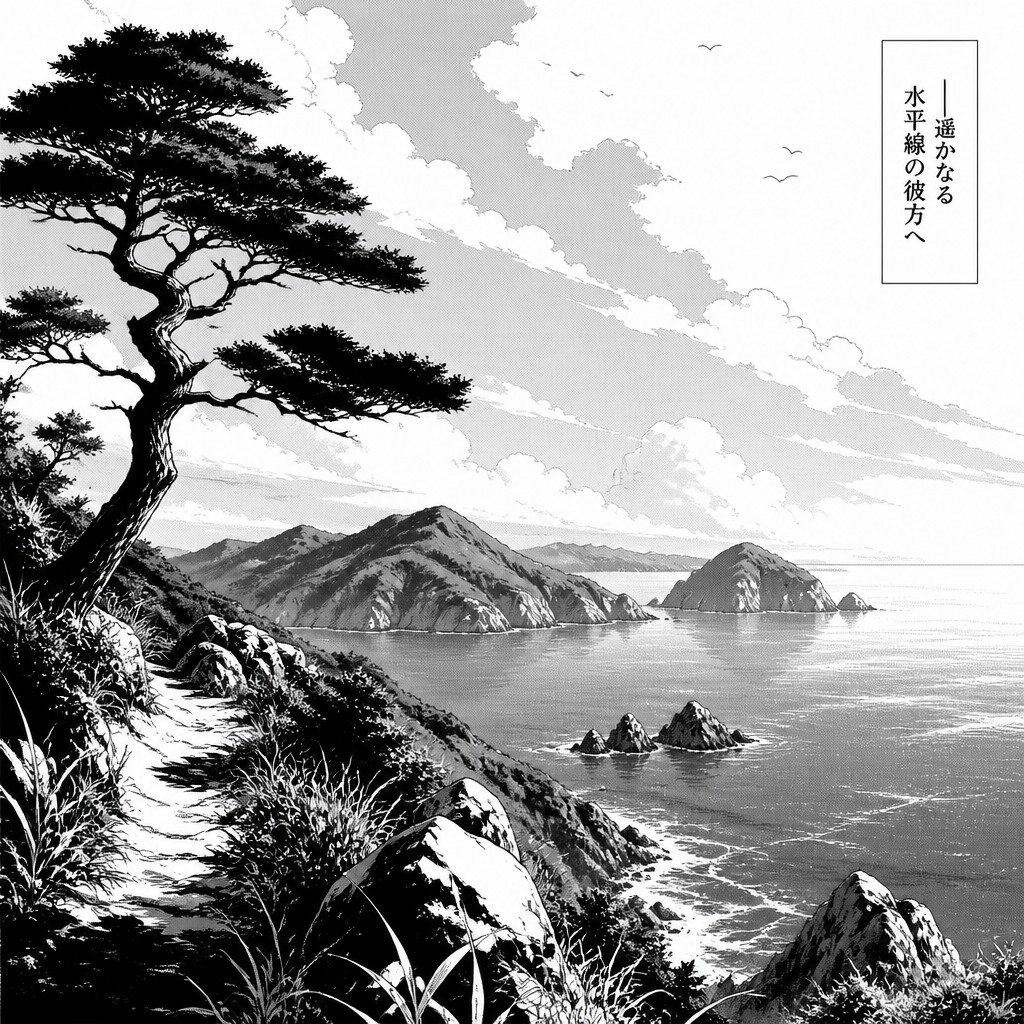
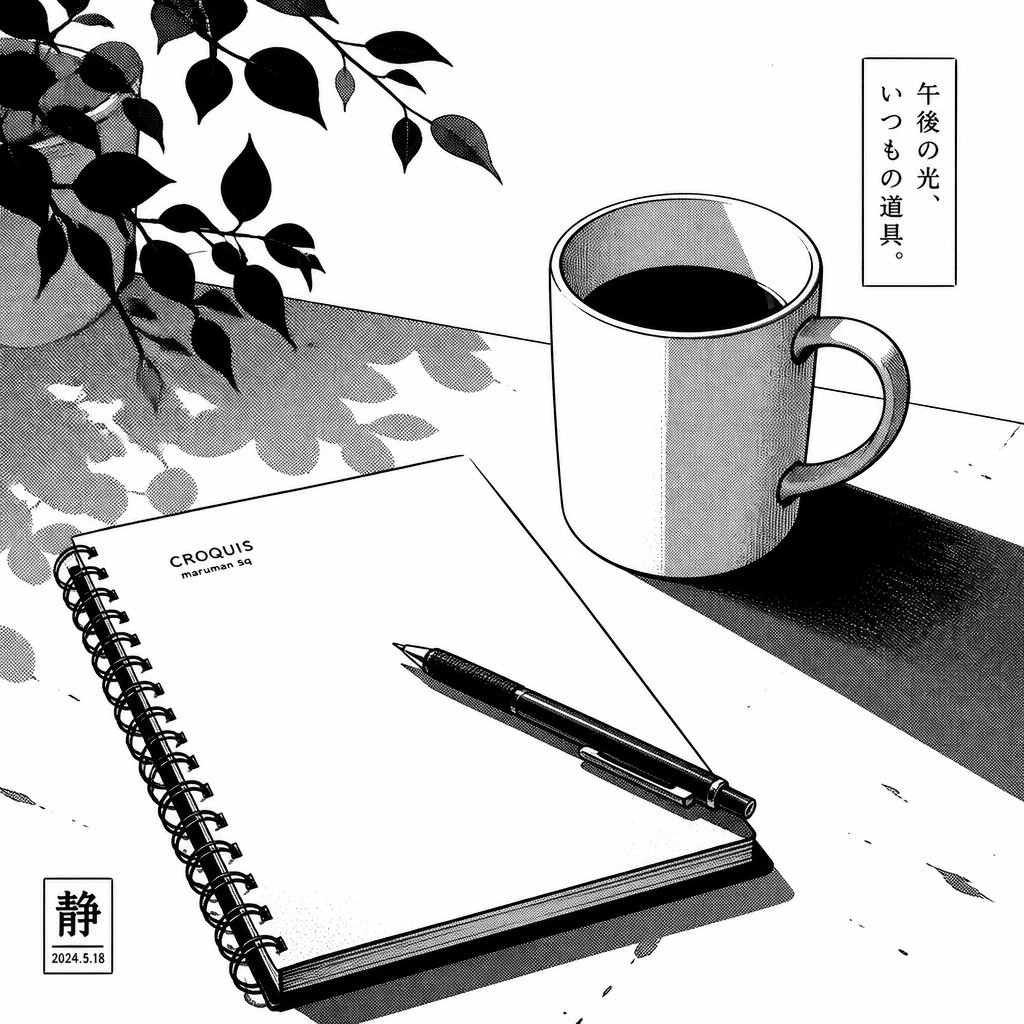
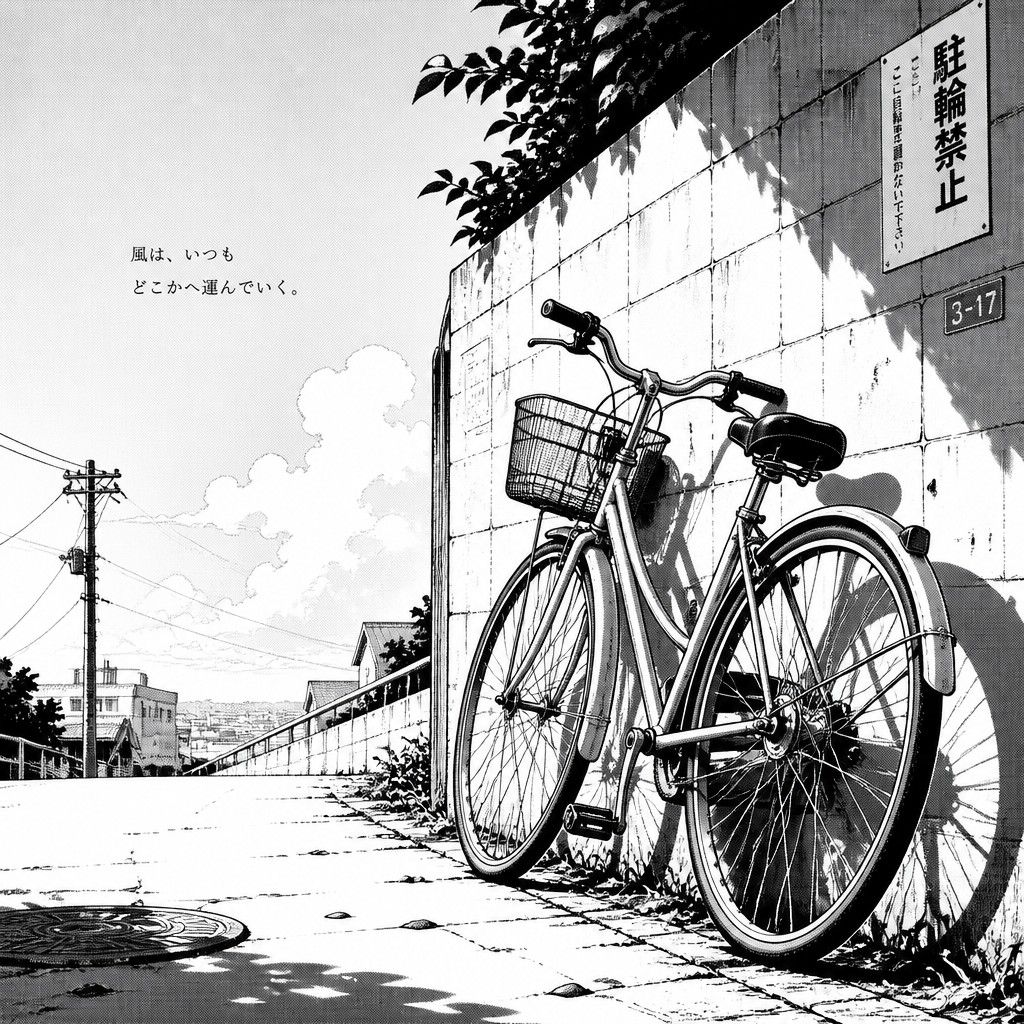
Manga art style is a broad Japanese comic art approach built around bold inks, screentones, expressive faces, and cinematic black-and-white storytelling. It often uses strong contrast, varied panel layouts, and clear visual acting to move readers through action, humor, drama, or suspense.
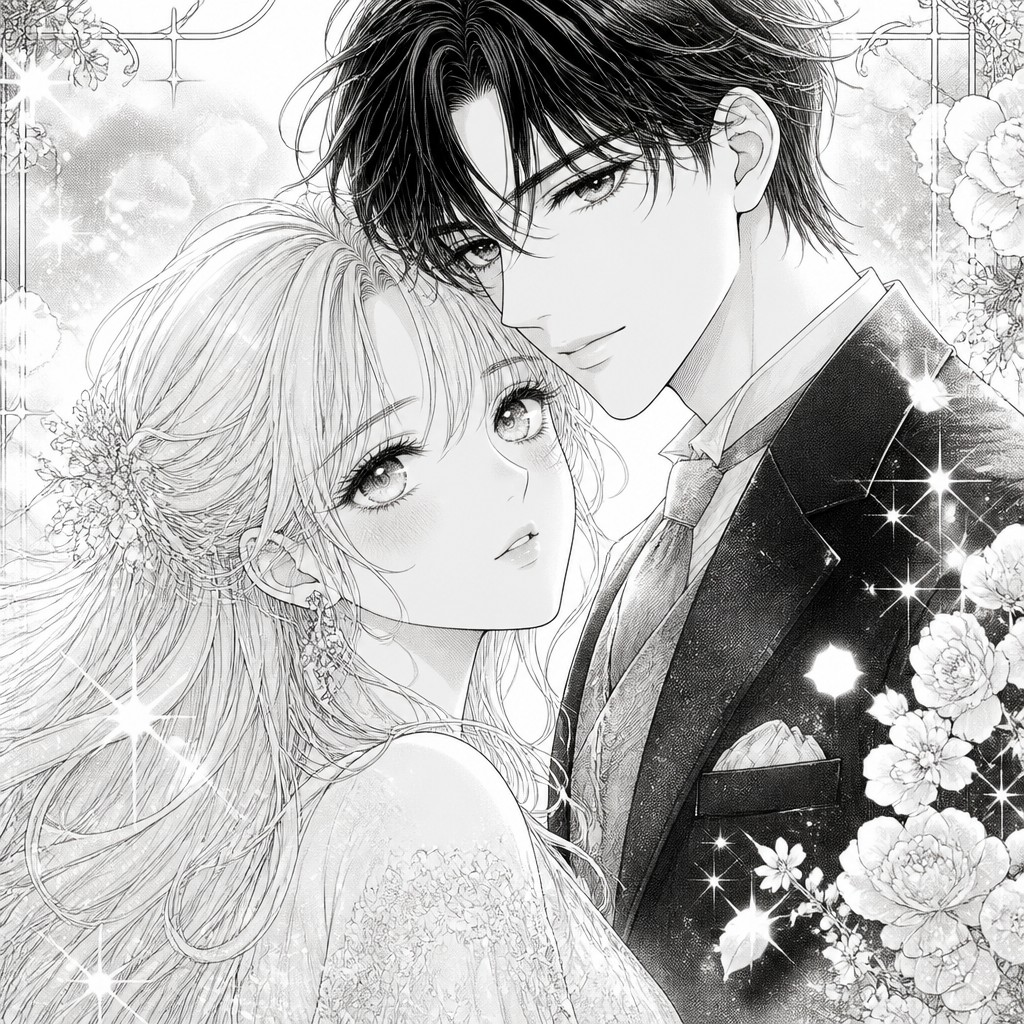
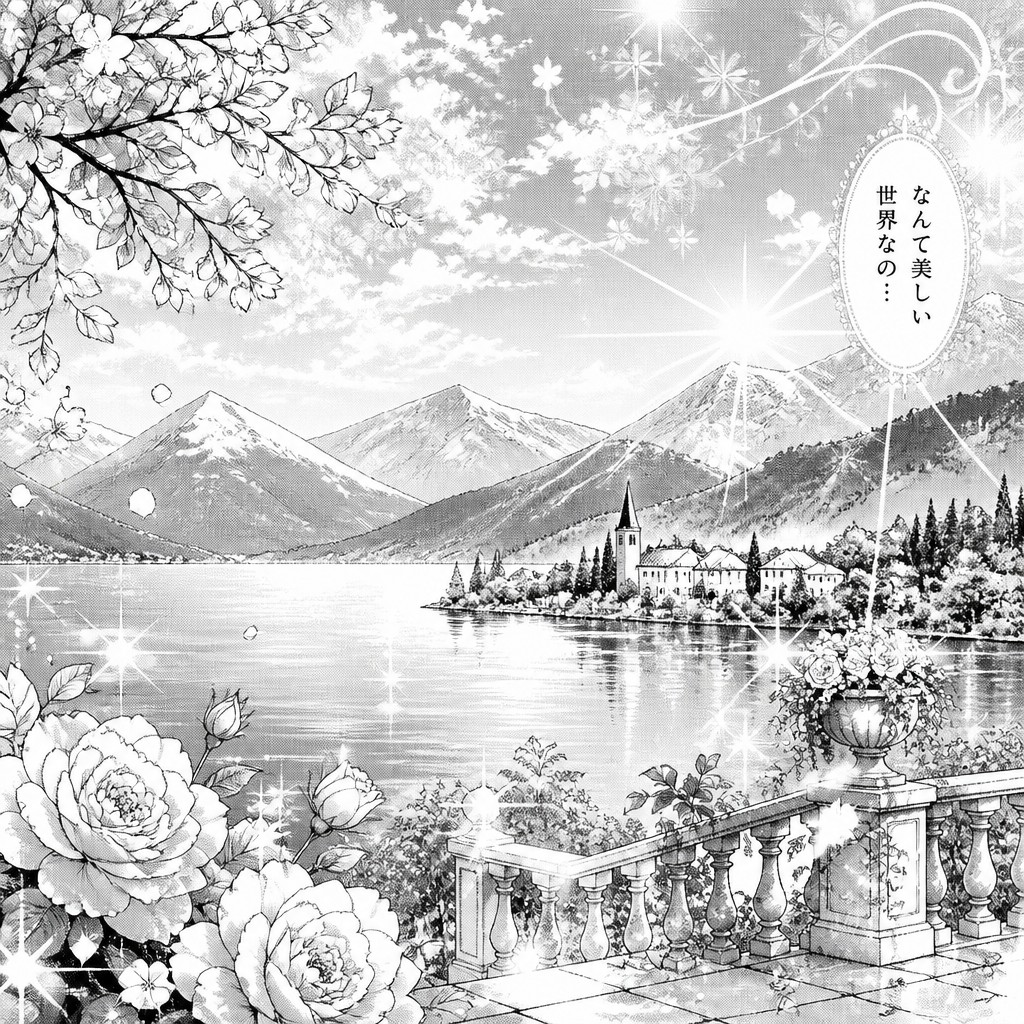
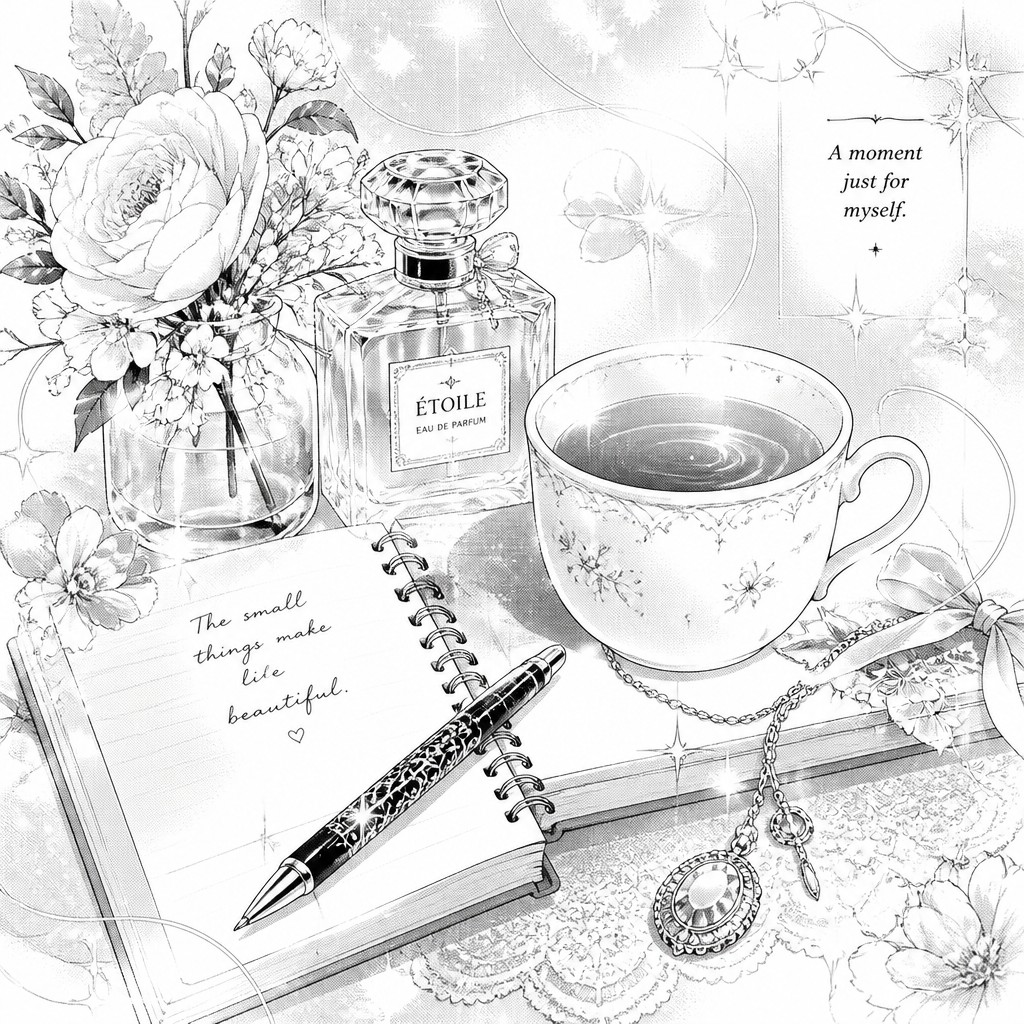
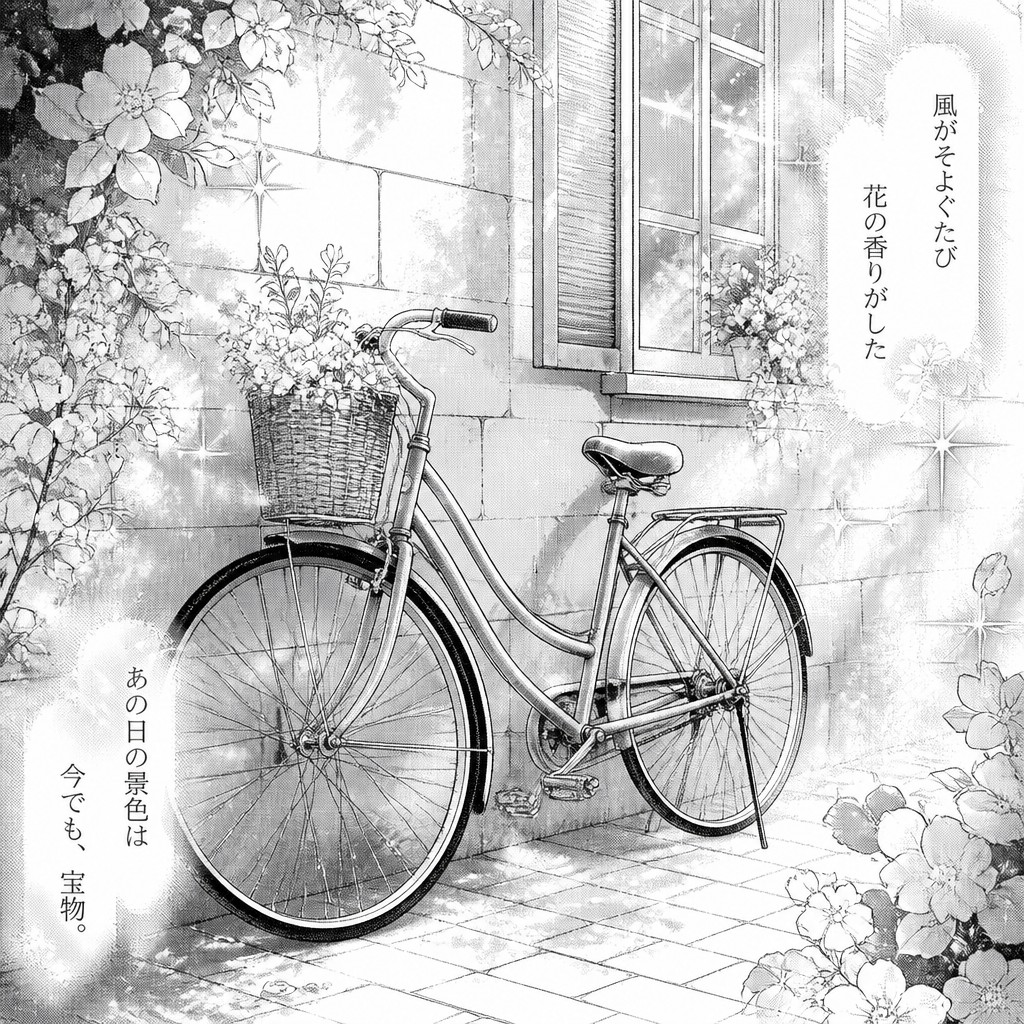
Shoujo romance manga art style is a more specific monochrome style associated with emotional, romantic storytelling. It emphasizes delicate linework, floral screentones, sparkling effects, flowing hair, and close-up expressions that highlight tenderness, longing, and inner feelings. People compare the two because shoujo romance manga is part of the wider manga tradition, but it uses a softer, more decorative visual language.
Same Prompt, Both Styles
Each pair below was generated from the identical prompt — only the style changed.
“portrait of two people together”
“wide landscape with natural scenery”
“still life with everyday objects”
“bicyle resting against a wall”
Key Differences
| Manga | Shoujo Romance Manga | |
|---|---|---|
| Scope | Broad comic style used across many genres and tones. | Genre-focused style centered on romance and emotion. |
| Line & form | Bold, clean outlines with strong shapes and contrast. | Delicate lines with softer contours and graceful features. |
| Texture & effects | Uses screentones for shadows, depth, and atmosphere. | Uses floral tones, sparkles, and decorative background effects. |
| Facial expression | Highly expressive, often exaggerated for clarity and impact. | Subtle, emotive expressions aimed at tenderness and intimacy. |
| Framing & pacing | Dynamic angles and varied panels for action or drama. | Close-ups and lingering shots to emphasize emotional beats. |
| Visual mood | Can feel dramatic, energetic, humorous, or suspenseful. | Usually feels dreamy, romantic, and emotionally focused. |
| Mood | expressive, dramatic, dynamic, emotive | romantic, tender, dreamy, emotional |
| Energy | lively | serene |
| Detail level | detailed | intricate |
| Color | black-and-white with selective accent color | monochrome with bright white highlights |
| Texture | clean lines, crisp inked shading | fine linework with screentone grain |
| Origin | Japan, postwar comic print culture | Japan, late 20th century manga culture |
| Best for | comic pages, character portraits, storyboards, action scenes, editorial illustrations | romance comics, character portraits, emotive scenes, greeting cards, editorial illustrations |
| Difficulty | advanced | advanced |
Which Should You Choose?
Choose style A if you want a flexible manga look that works well for action, comedy, adventure, or general storytelling with strong clarity and contrast. Choose style B if your goal is romance, emotional intimacy, or a softer decorative mood with elegant figures and expressive close-ups. If you want a scene to feel broadly manga-like, pick A; if you want it to feel tender and romantic, pick B.
Frequently Asked Questions
Is shoujo romance manga the same as manga art style?
Not exactly. Shoujo romance manga is a specific subset within the broader manga tradition, with visual choices tuned for romantic and emotional storytelling. Manga art style is the larger umbrella that includes many genres and visual approaches.
Do both styles usually use black-and-white?
Yes, both are commonly presented in monochrome. They rely on line, shading, and screentones rather than color, though the mood and decorative details differ.
Which style is better for action scenes?
Style A is usually better for action because it often uses dynamic framing, strong contrast, and clearer motion cues. Style B can include dramatic moments, but it is generally designed for emotional rather than physical intensity.
Can a work combine both styles?
Yes, many comics blend them. A story may use the broad manga structure of style A while borrowing romantic close-ups, floral tones, and sparkling effects from style B for specific scenes.