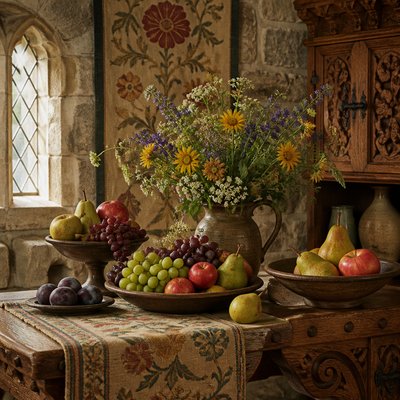
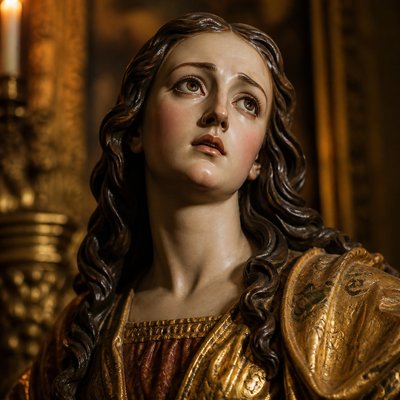
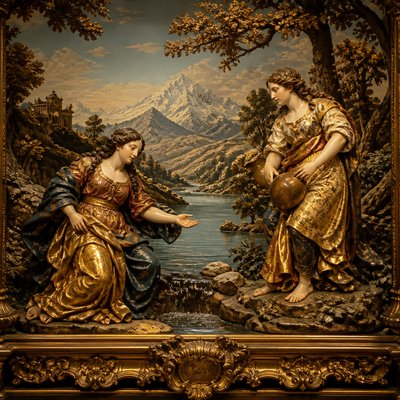
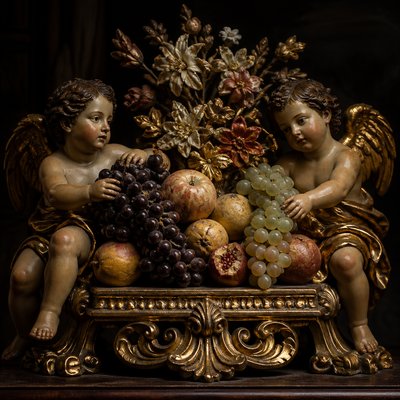
Shoujo Romance Anime Art Style
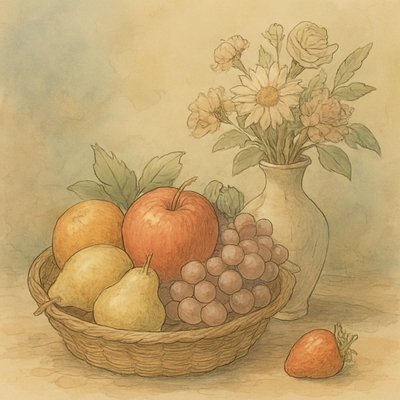
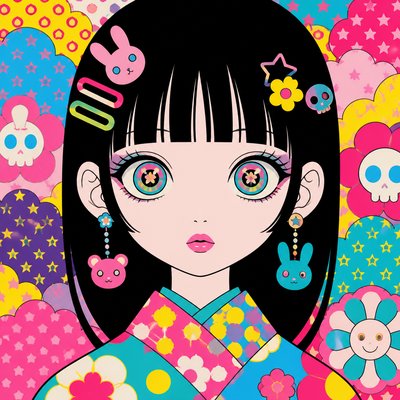
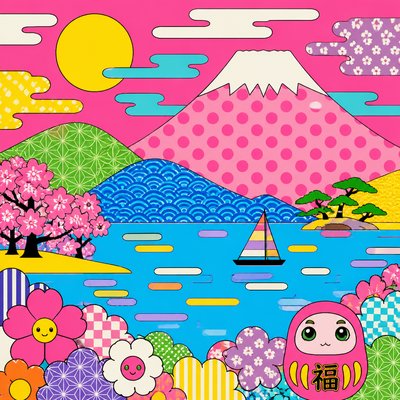
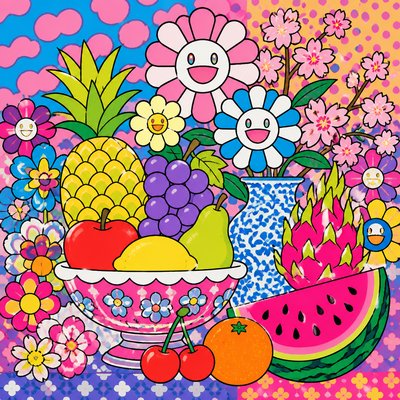
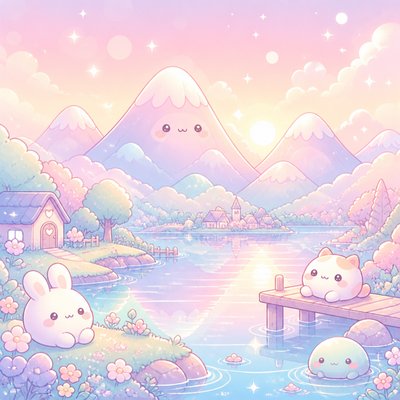
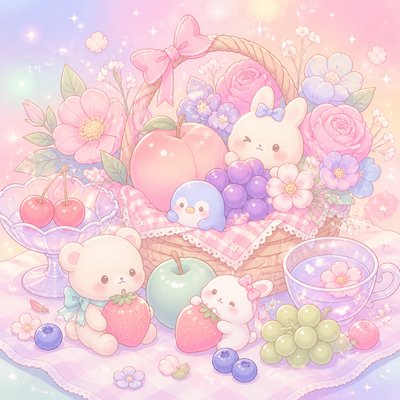
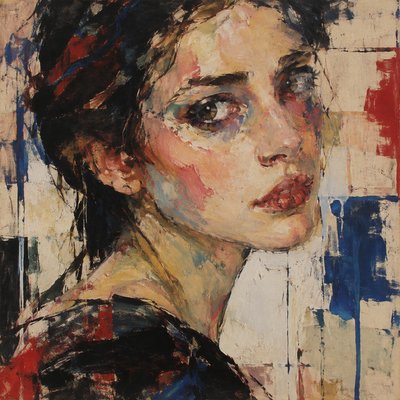
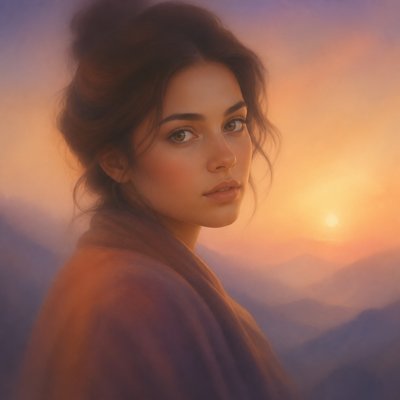
Delicate anime romance art with soft watercolor washes, pastel florals, glowing light, and tender emotional expressions.
Instantly rendered in Shoujo Romance Anime — or transform a photo
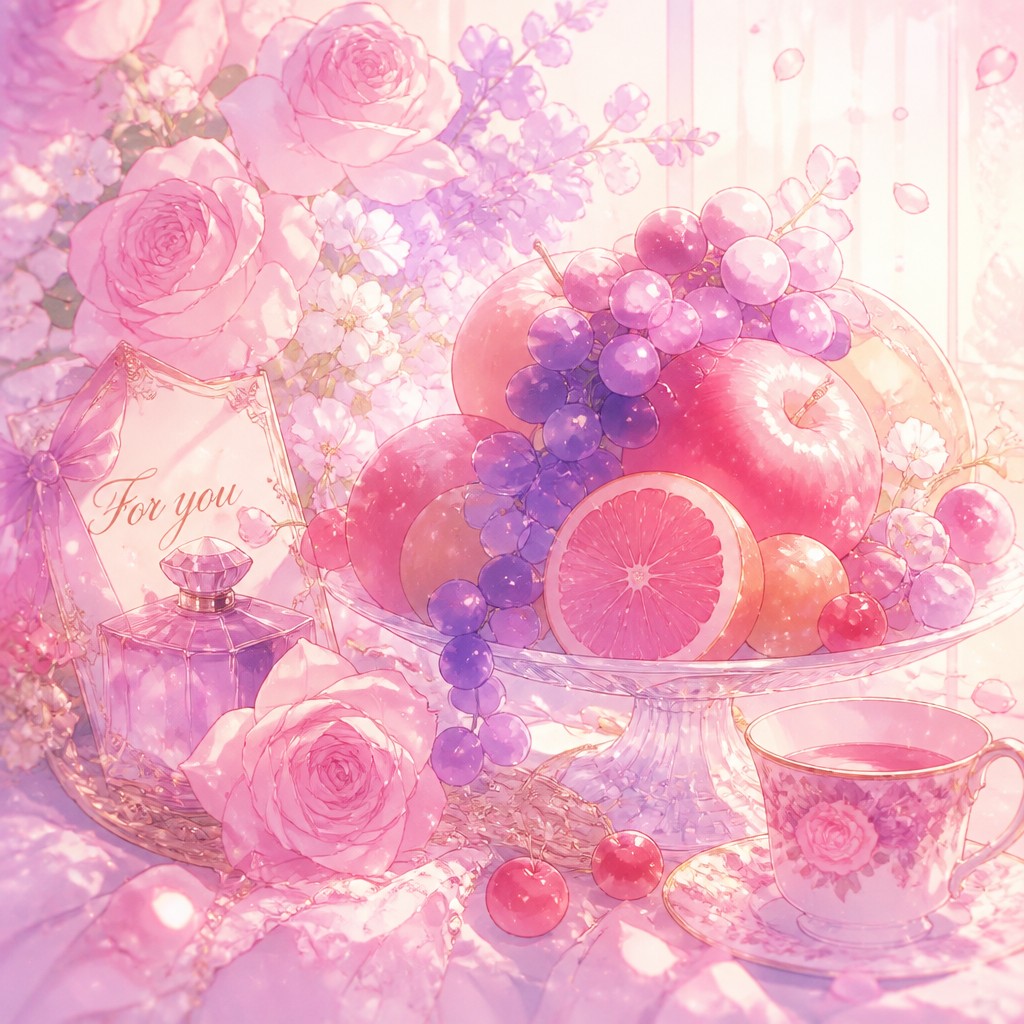
Shoujo Romance Anime Gallery
Tap any artwork to explore it
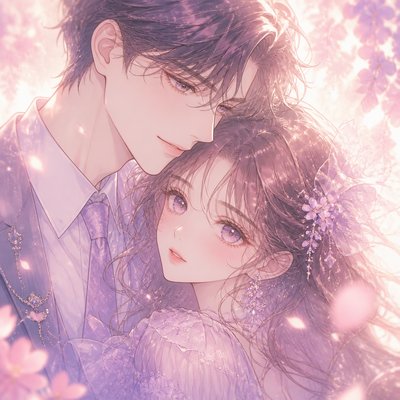
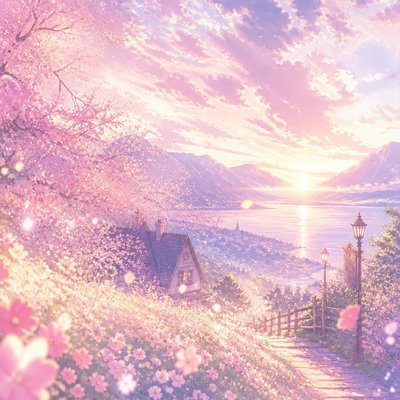
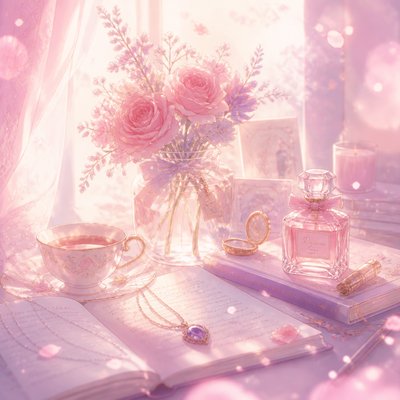
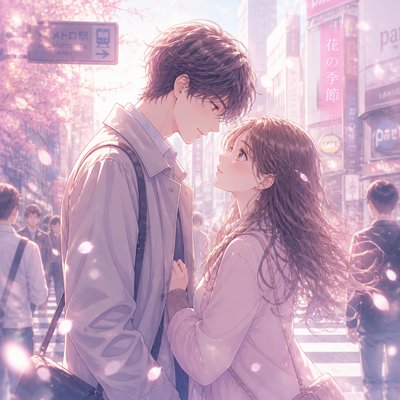
What is Shoujo Romance Anime Art Style?
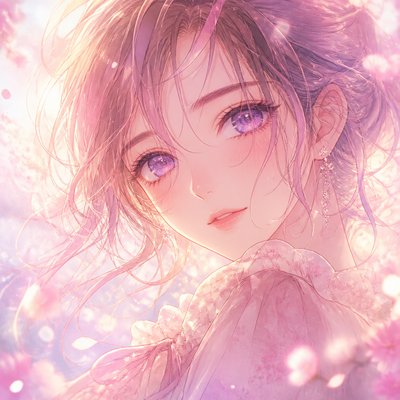
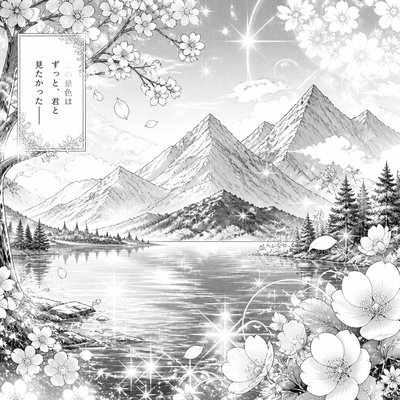
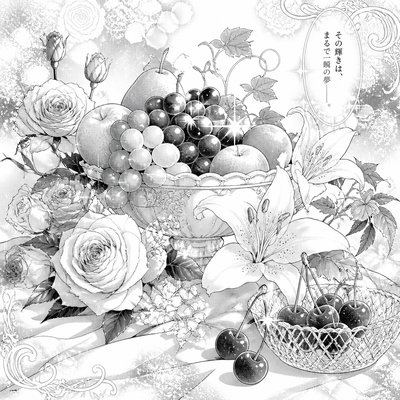
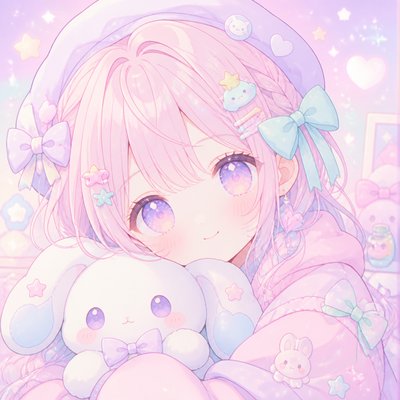
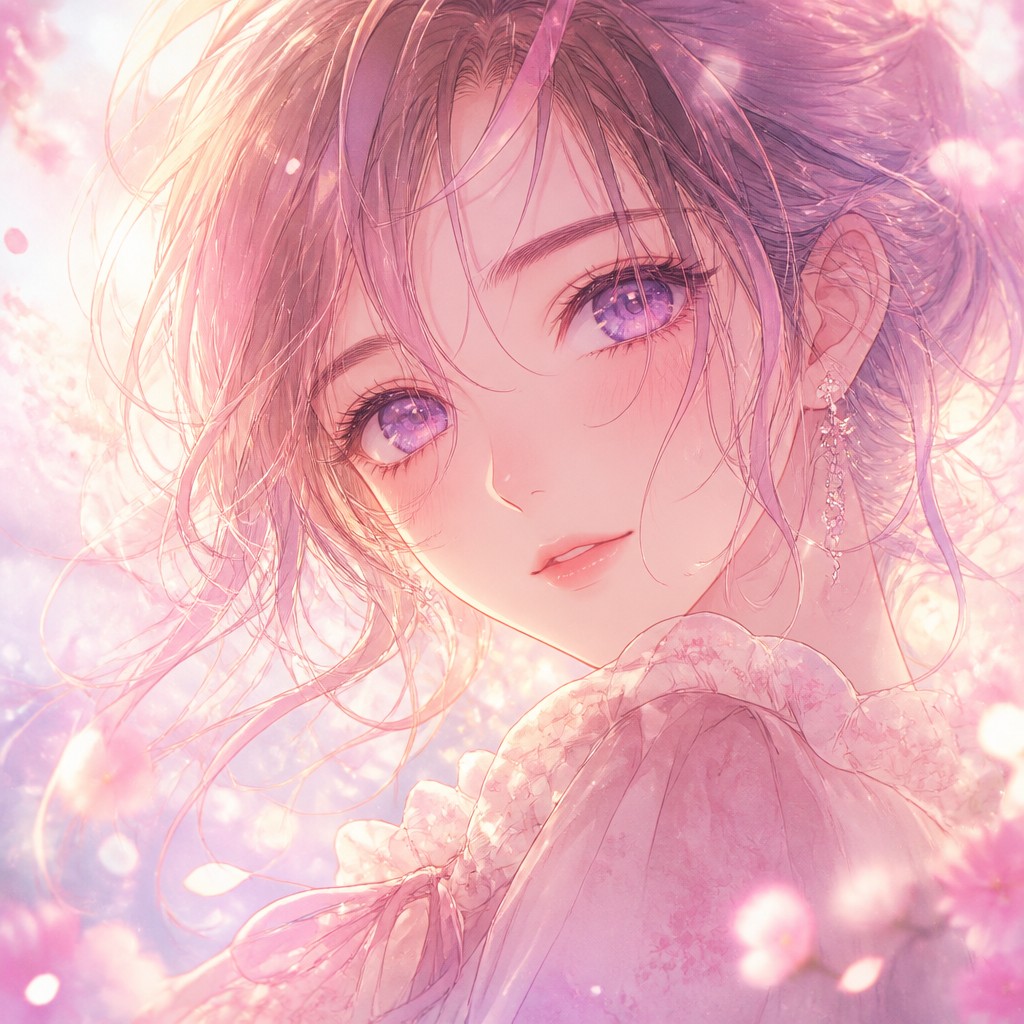
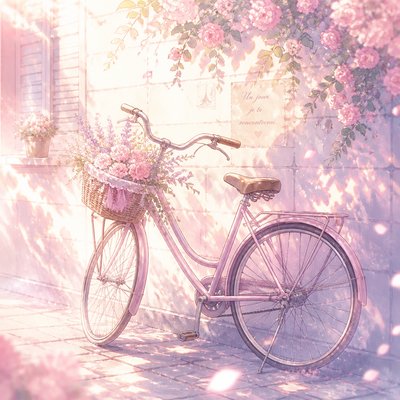
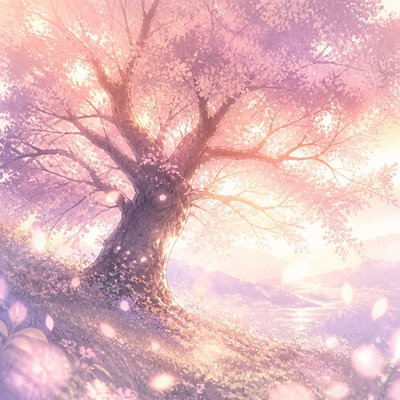
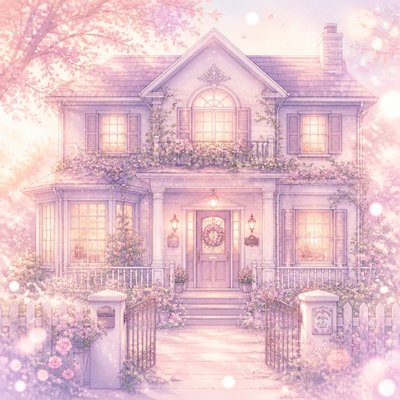
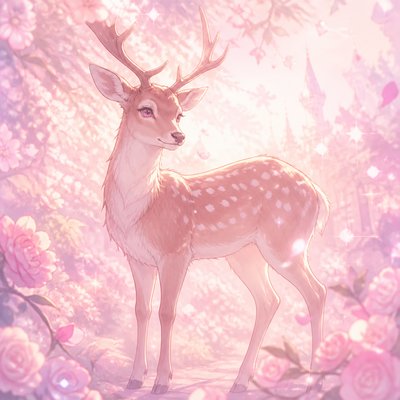
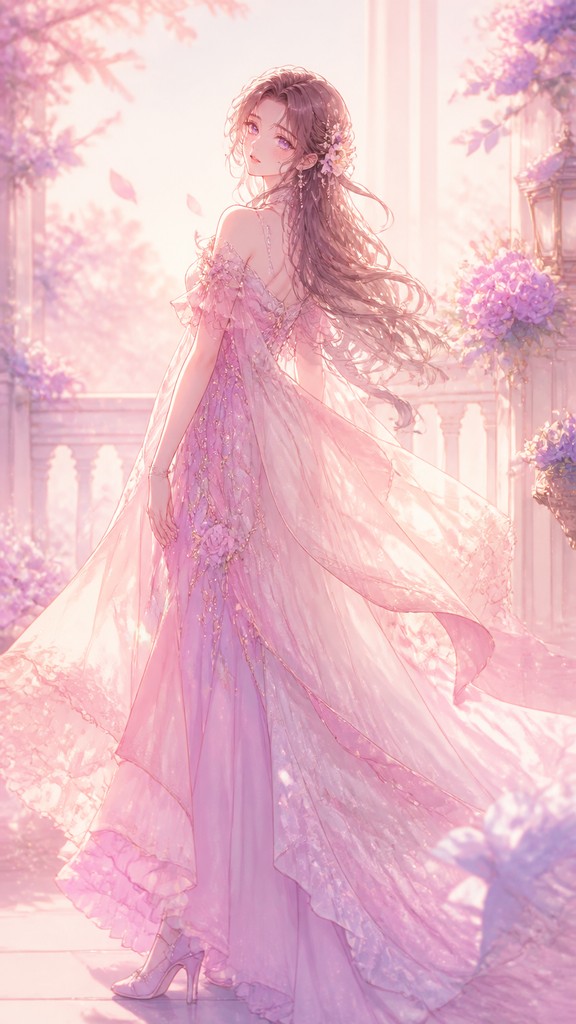
Shoujo romance anime art is a character-focused illustration style associated with tenderness, emotional immediacy, and a heightened sense of delicacy. It is defined by slender linework, expressive eyes, soft facial features, pastel color harmonies, and atmospheric effects such as sparkles, floral motifs, and luminous backgrounds. The style is especially common in romance-driven manga, anime key art, and fan illustration where mood and feeling matter as much as narrative clarity.
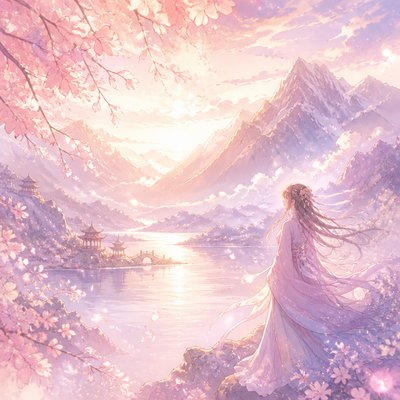
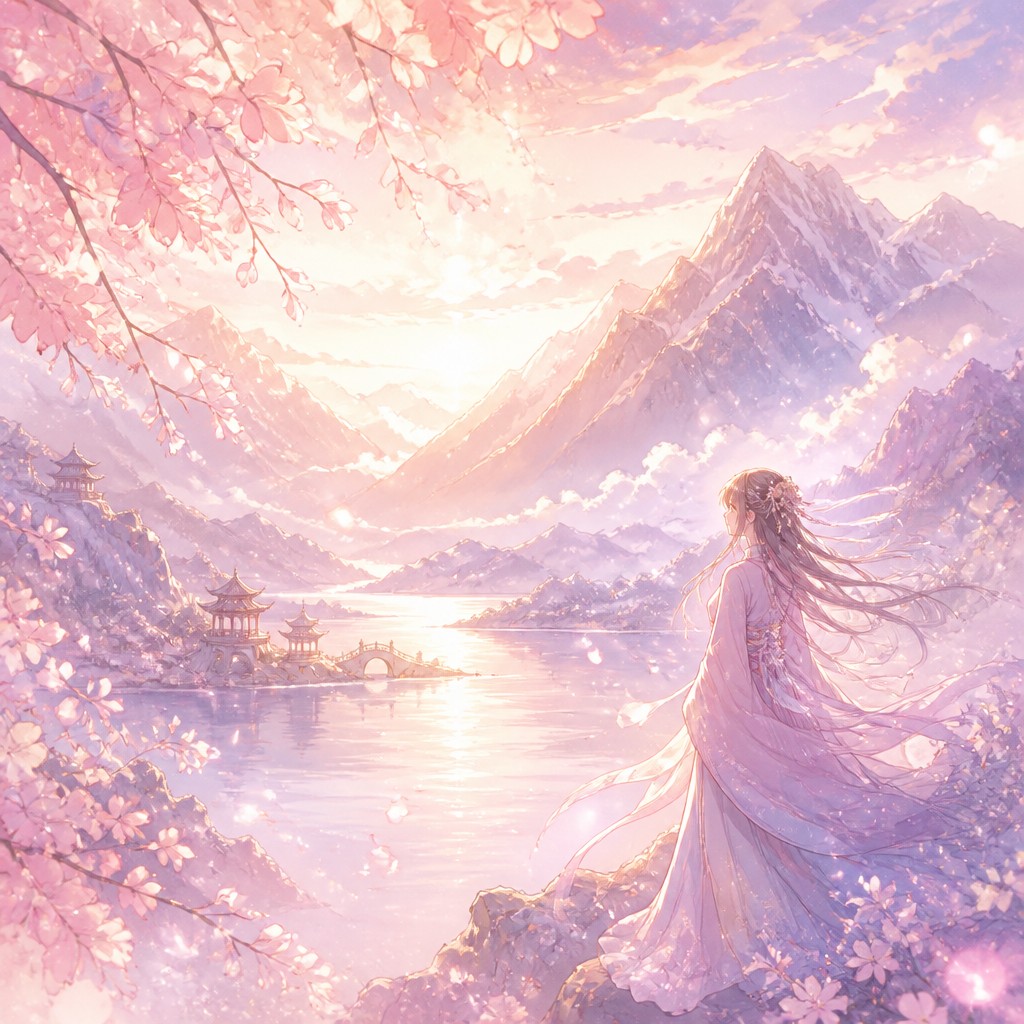
Its visual identity comes from the broader shoujo manga tradition, where image design is often used to externalize emotion. Large or shimmering eyes, gentle blush, fluttering hair, and decorative overlays such as petals or bokeh create a sense of romantic distance and emotional saturation. The backgrounds are often simplified or dreamlike so the figures remain the focus, while soft gradients, watercolor-like washes, and backlit glow help the image feel airy, intimate, and nostalgic.
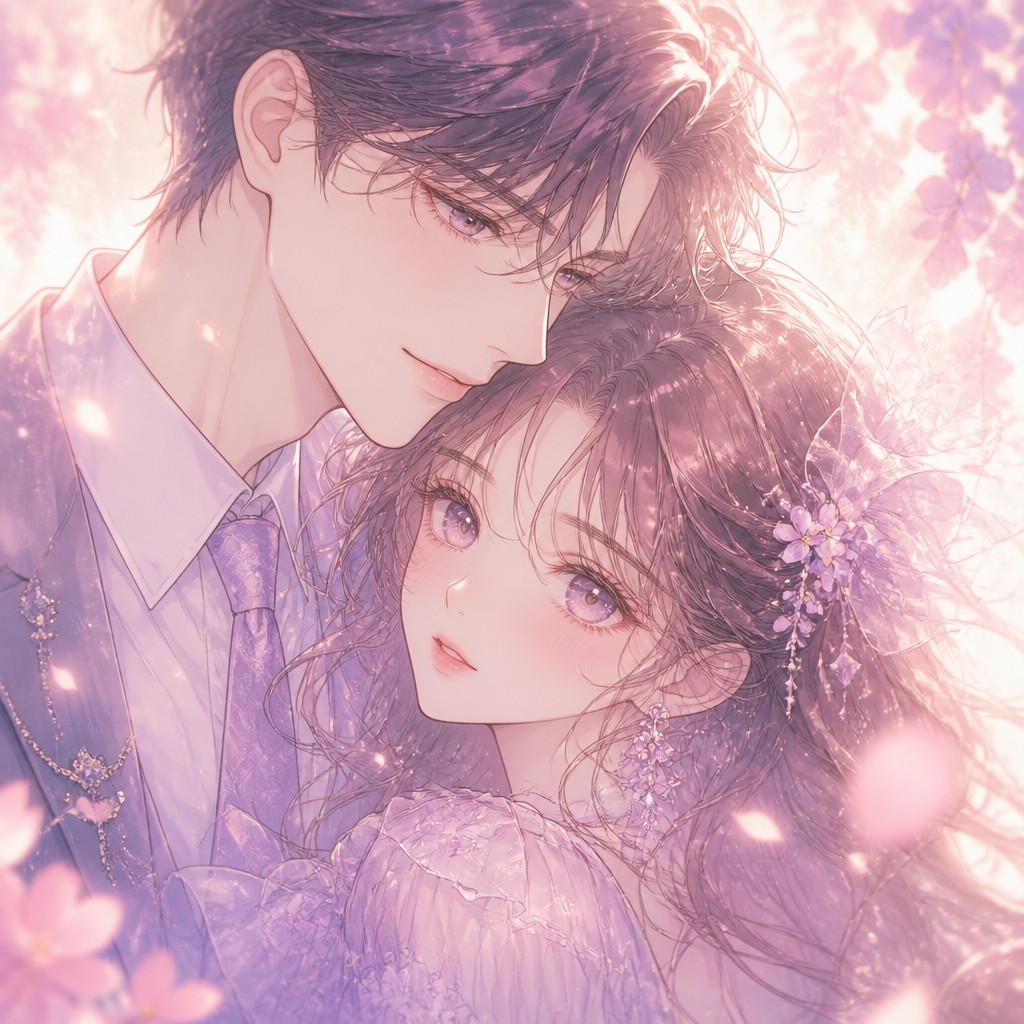
Try It On Your Photos
Upload any photo and convert it into Shoujo Romance Anime Art Style — drag the sliders to compare before and after.
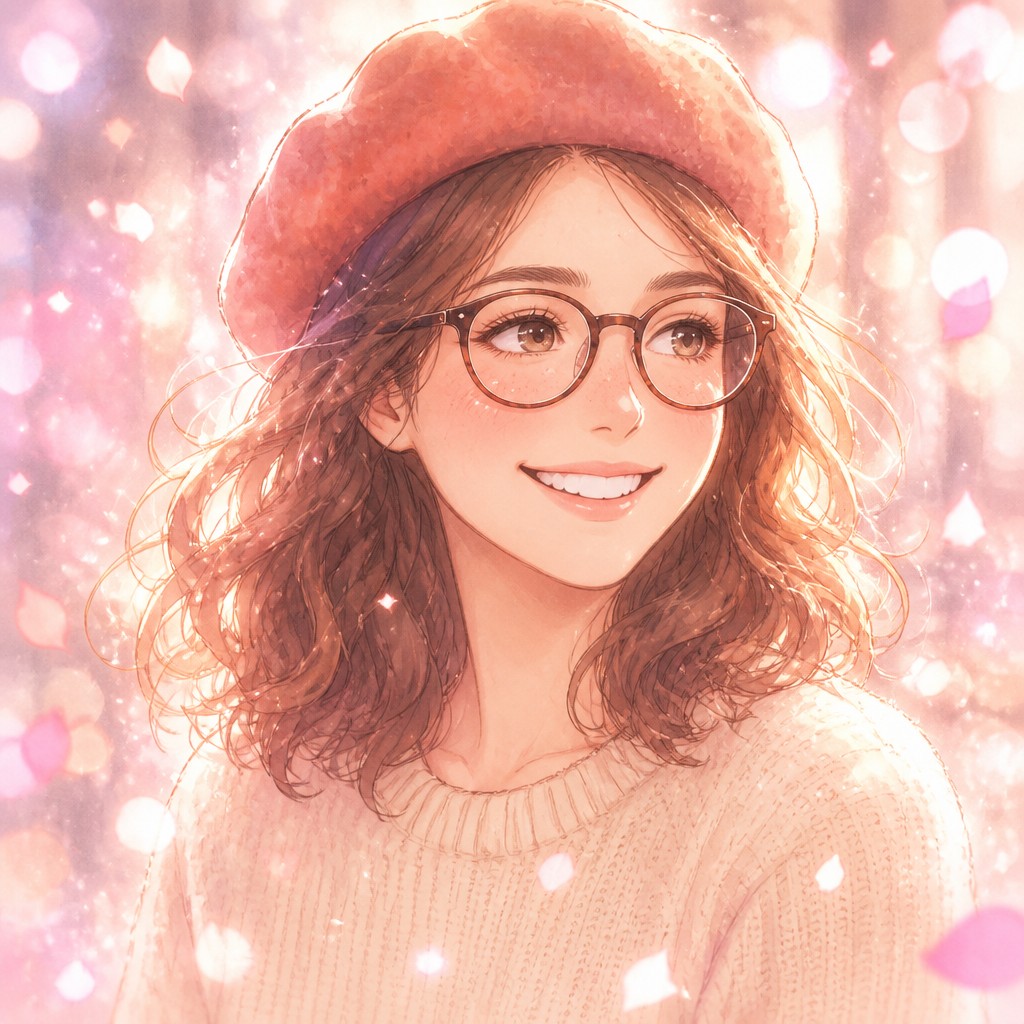

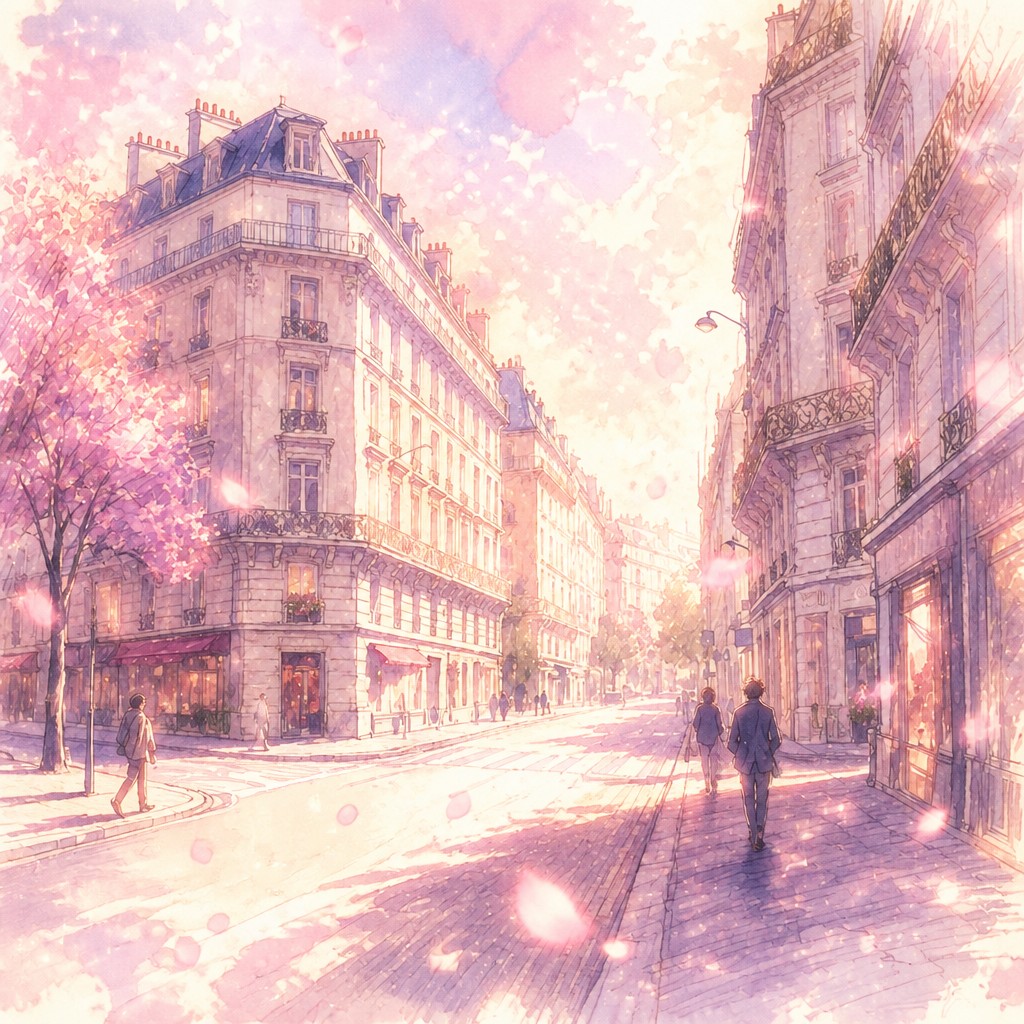

What Defines Shoujo Romance Anime Art Style
The signature details, up close
Delicate facial design
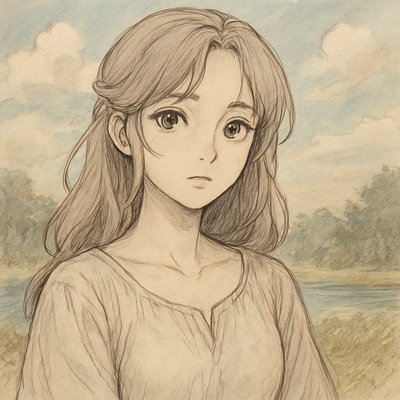
Faces are typically small, refined, and symmetrical, with softly shaped noses, subtle mouths, and large expressive eyes. Emotional nuance is conveyed through blush, highlights, and the positioning of brows and eyelids.
Romantic light and glow
Backlighting, rim light, and luminous gradients make figures appear softly radiant. The lighting often feels more emotional than realistic, using glow to suggest warmth, longing, or a private moment.
Pastel and candy-toned palettes
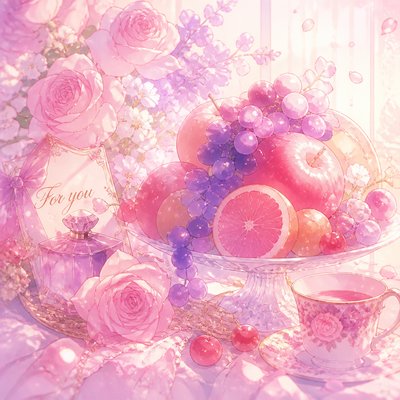
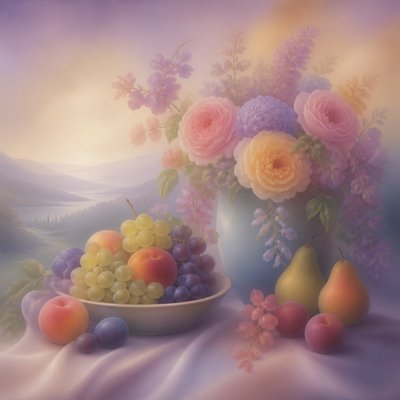
Rose pink, lavender, cream, peach, and pale blue are common, often blended into light gradients. Dark shadows are usually minimized in favor of airy tonal transitions.
Floral and particle decoration
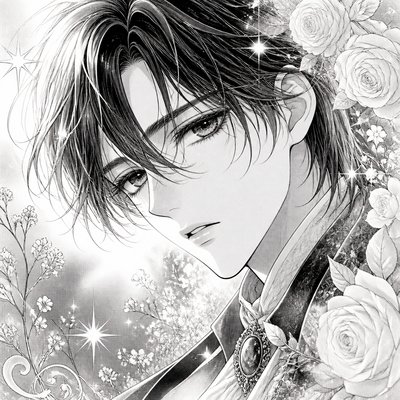
Petals, sparkles, hearts, and soft bokeh are used as decorative overlays rather than literal environmental detail. These motifs reinforce romance and create a dreamy, emotionally coded space.
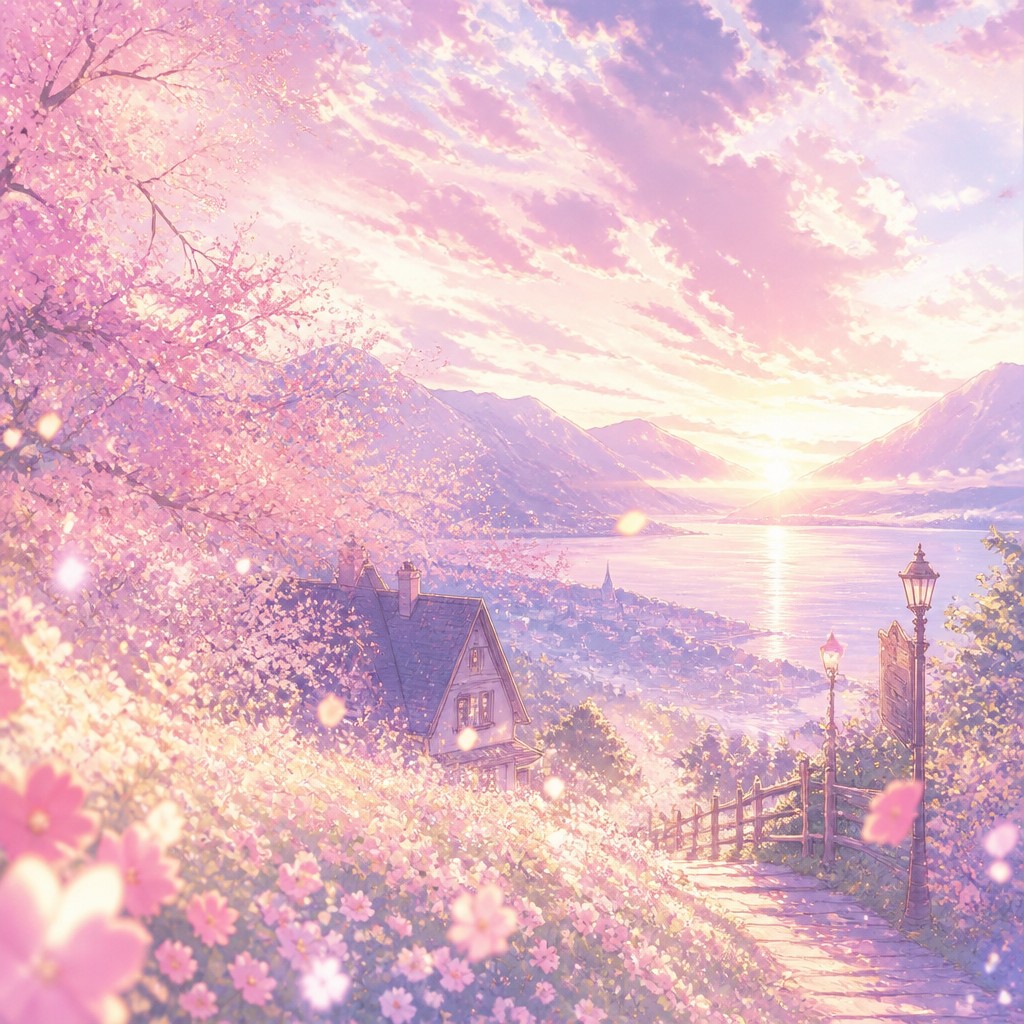
Soft watercolor-like treatment
Color may appear washed, layered, or translucent, as though painted with diluted pigment. Even in digital work, the finish often imitates watercolor softness and paper-like diffusion.
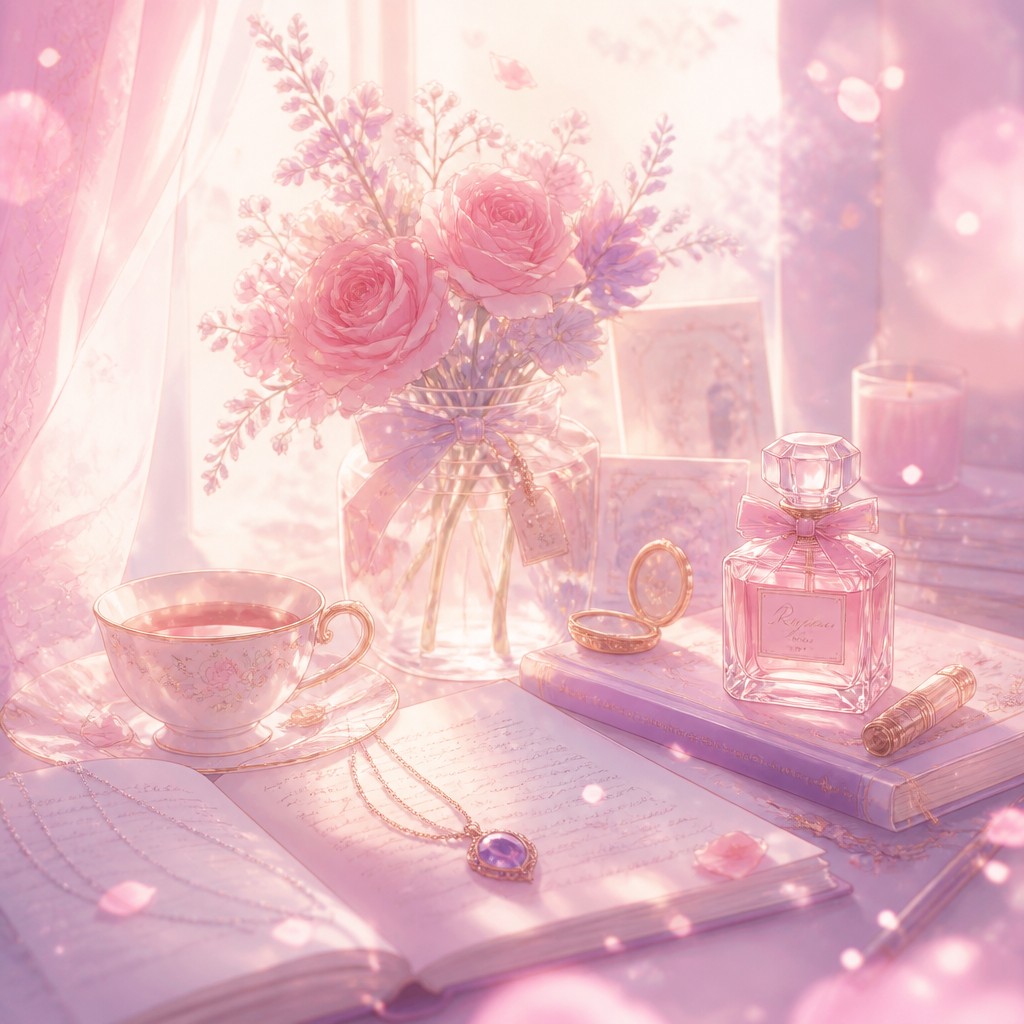
Dreamlike backgrounds
Backgrounds are often abstracted into haze, light fields, floral settings, or simplified interiors. This keeps attention on the characters while supporting the emotional tone of the scene.
Try It
Create Videos in Shoujo Romance Anime Art Style
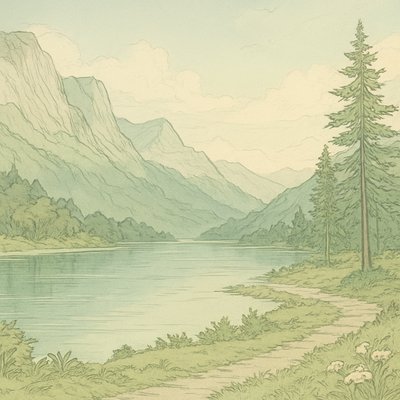
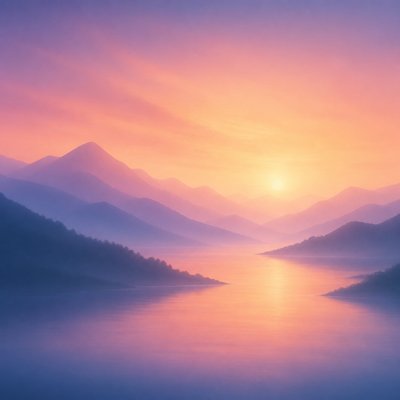
Styles aren't just for stills — describe a scene or animate an image and get a short video rendered in Shoujo Romance Anime. Press play to see this pond come to life.
Make a VideoShoujo Romance Anime Prompt Ideas
Start from an idea — each one opens the generator with the style ready to go. See all 40 Shoujo Romance Anime prompts →
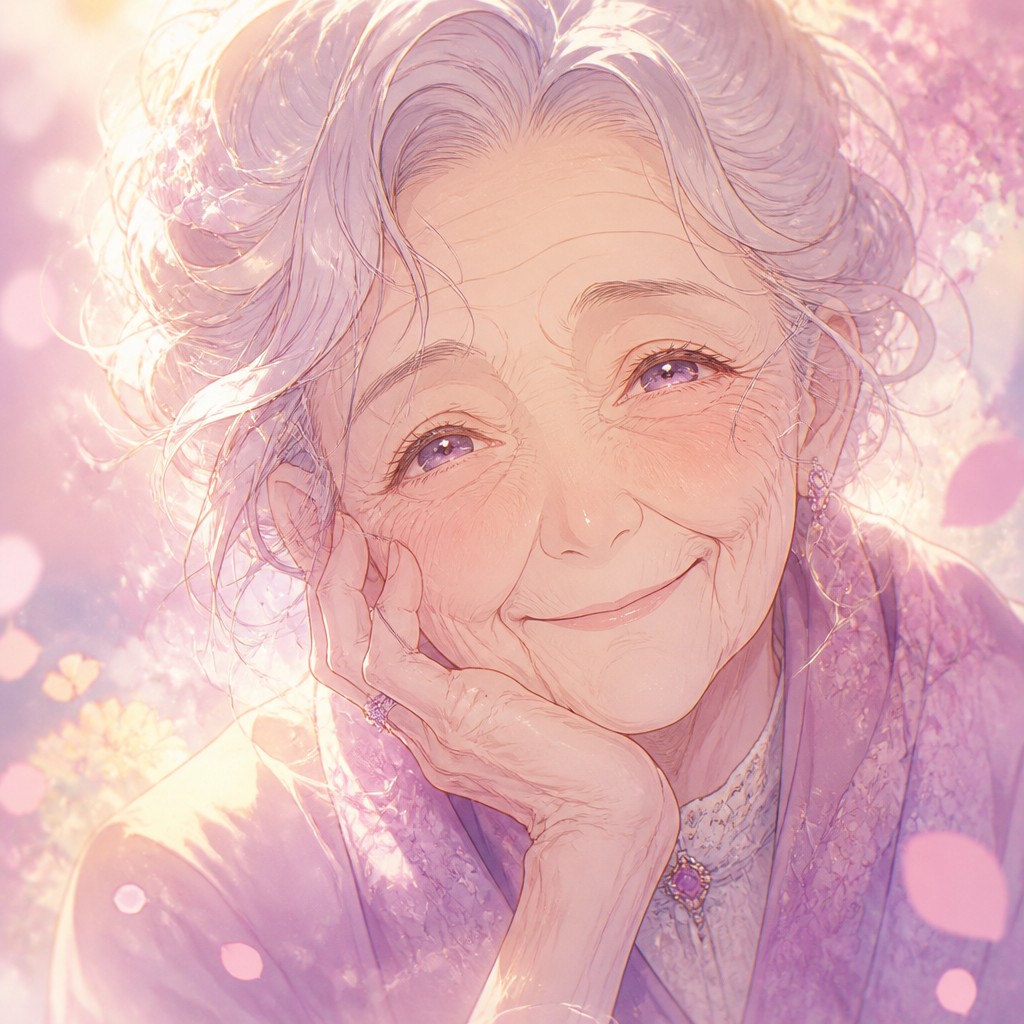
“close-up portrait of an elderly person with expressive weathered features”
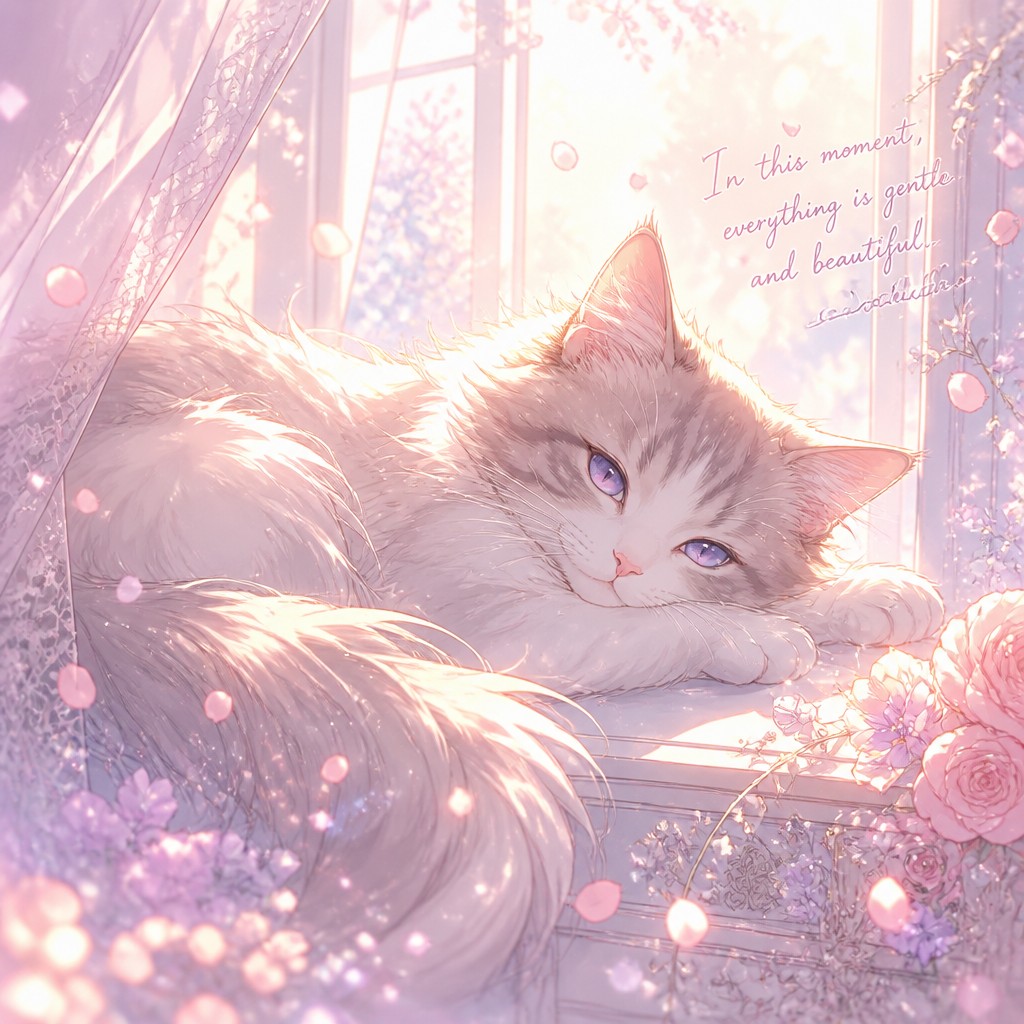
“a cat lounging in a sunlit window”
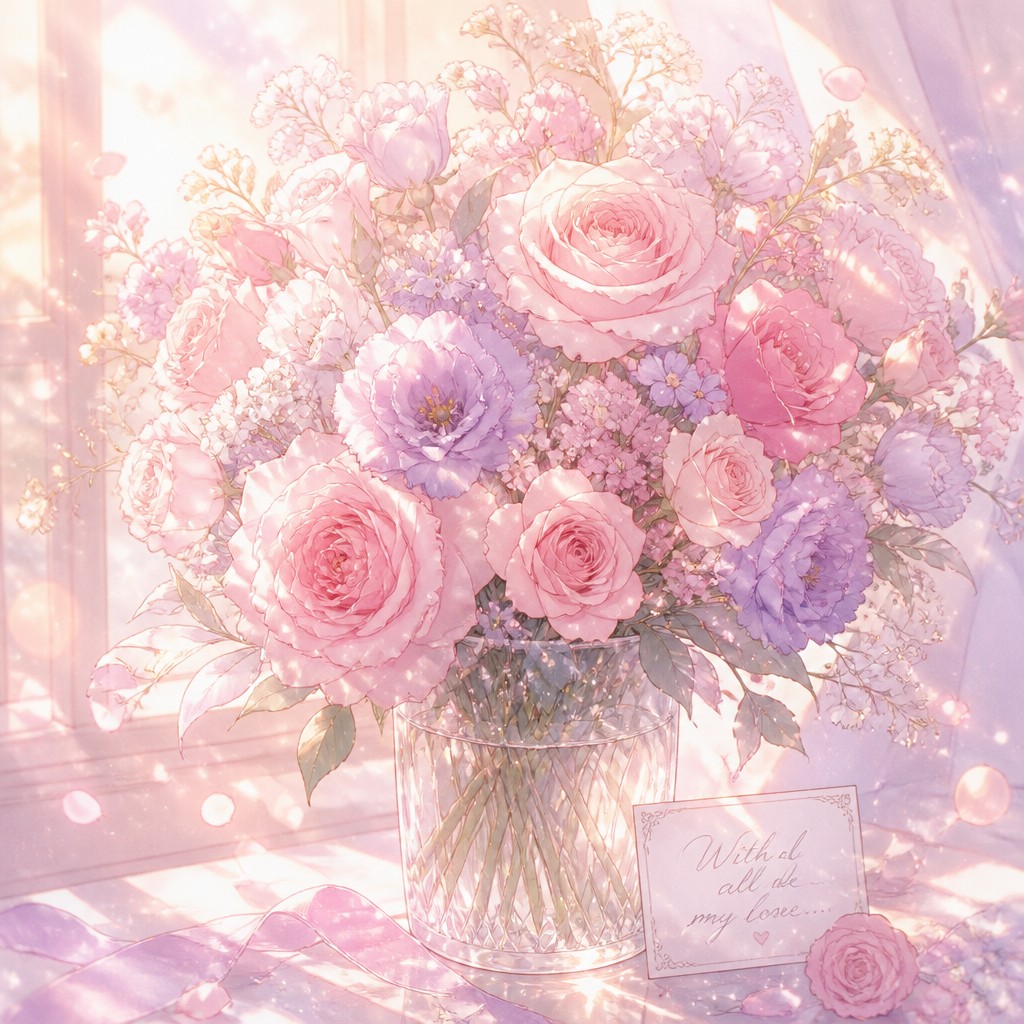
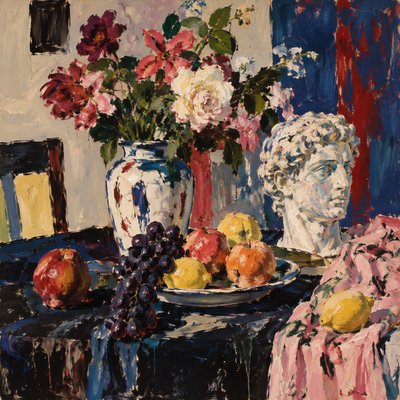
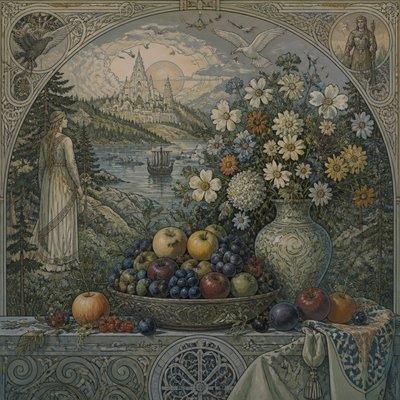
“bouquet of flowers in a glass vase”
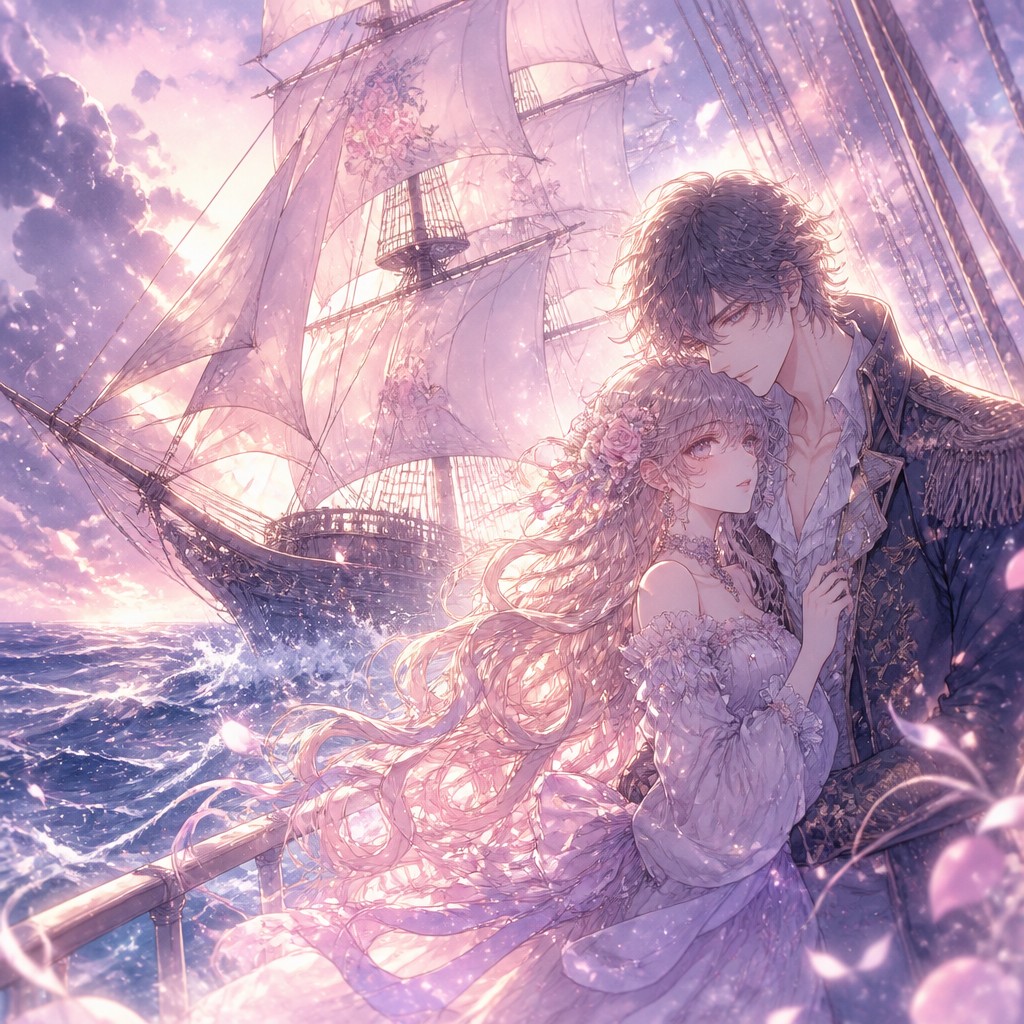
“sailing ship on a stormy sea”
How to Create Shoujo Romance Anime Art
Master the craft step by step — or skip straight to creating. Read the full guide →
- 1
Draw the face first for expression
Build the composition around the eyes, mouth, and blush because this style depends on readable emotion. Keep the features delicate and avoid overly harsh contours or hyper-realistic anatomy.
- 2
Use soft linework and minimal contrast
In traditional media, choose fine pens, pencils, or watercolor pencils and preserve clean contours. In digital work, use tapered brushes and layer soft shading instead of heavy rendering.
- 3
Blend colors gently
Work with pastel hues and smooth transitions, allowing highlights to bloom softly into surrounding tones. Avoid abrupt shadow edges unless you want a specific dramatic accent.
- 4
Add symbolic romantic elements
Petals, sparkles, lace, ribbons, flowers, and bokeh help establish the genre instantly. Use them sparingly enough to frame the subject rather than overpower the portrait.
- 5
Keep the atmosphere airy
Leave some areas lightly detailed or softly blurred so the image feels spacious and tender. For text-to-image prompting, specify luminous backlighting, soft-focus edges, pastel gradients, and decorative floral particles.
- 6
Prompt for emotional context
Subject, pose, and mood matter as much as style cues: include words like shy smile, gentle gaze, reunion, confession, or quiet warmth. For image-to-image, preserve the facial proportions and lighting feel while simplifying background clutter into soft decorative space.
The Story
History & Origins of Shoujo Romance Anime
Shoujo romance anime art does not refer to a single historical movement so much as a recognizable aesthetic lineage rooted in postwar shoujo manga and later anime adaptation practices. Its foundations lie in Japanese girls’ comics of the 1960s and 1970s, when artists expanded the visual language of manga to emphasize inner life, romance, and subjective emotion. Over time, this approach became associated with elegant page design, symbolic backgrounds, and highly expressive facial acting.
The style was further shaped by anime production design and by illustration trends that favored soft linework, pastel coloring, and decorative effects. It also draws on visual traditions beyond manga, including watercolor illustration, fashion illustration, and floral ornament. In contemporary use, the style appears across manga covers, character art, light novel illustration, idol imagery, and digital fan art, where the classic shoujo emphasis on mood and romantic tension remains central.
Influences: This style is closely related to shoujo manga illustration, especially the decorative emotional language developed in Japanese girls’ comics, and to anime character design that emphasizes expressive eyes and lyrical atmosphere. It also borrows from watercolor illustration, fashion illustration, and floral ornament, with a broader kinship to the symbolic visual storytelling seen in works by influential Japanese shoujo manga creators. In anime and digital illustration, its soft glow and pastel finish also overlap with contemporary pastel fantasy and light novel cover aesthetics.

Frequently Asked Questions
What defines shoujo romance anime art?
It is defined by delicate characters, emotionally expressive faces, pastel color palettes, soft lighting, and romantic decorative elements like flowers, sparkles, and petals. The style aims to make emotion visible through composition and atmosphere, not just through the subject matter.
How is it different from generic anime art?
Generic anime art covers a wide range of moods, genres, and render styles, from action-heavy cel shading to gritty realism. Shoujo romance anime art is gentler, more decorative, and more emotionally intimate, with softer lines and a stronger emphasis on romantic atmosphere.
Is this the same as shoujo manga style?
It is related, but not identical. Shoujo manga is a broader publishing and visual tradition, while shoujo romance anime art refers more specifically to the dreamy, romantic visual mood commonly associated with that tradition in illustration and animation.
What subjects work best in this style?
Romantic scenes, quiet portraits, school-life moments, reunions, confessions, and sentimental seasonal settings work especially well. The style can also be used for fashion, fantasy, or everyday scenes if the mood remains gentle and emotionally expressive.
How can I make my artwork feel more authentic to this style?
Focus on eye expression, blush, soft gradients, and symbolic background elements rather than complex rendering. A restrained palette, airy composition, and subtle decorative details will usually read more authentically than heavy contrast or realistic shading.
Can this style be used for digital and traditional art?
Yes. Traditional artists often use watercolor, markers, colored pencil, or mixed media to achieve the soft finish, while digital artists simulate those effects with layered transparency, blending, and brush textures. The key is preserving delicacy and emotional warmth in the final image.

Create your first Shoujo Romance Anime artwork
Describe anything — or upload a photo — and see it in Shoujo Romance Anime Art Style in seconds.
Make Something with Shoujo Romance Anime
Compare Shoujo Romance Anime
Related Styles
Discover similar art styles