Neural Network Digital Art Style
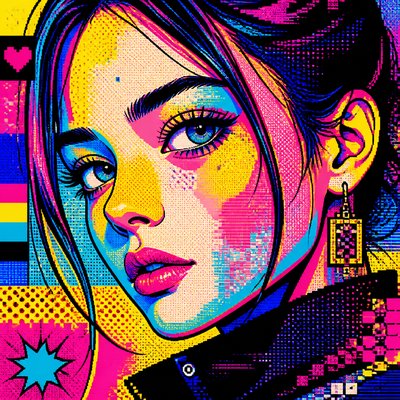
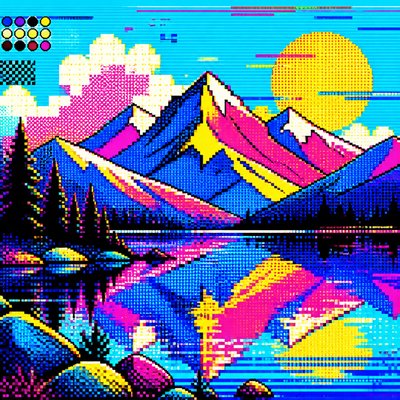
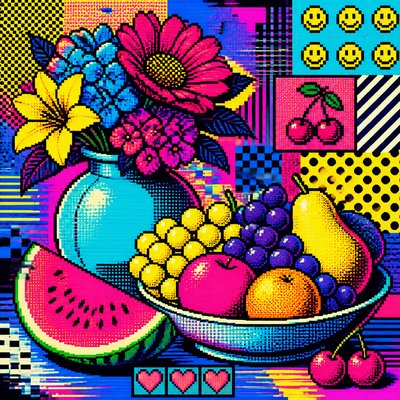
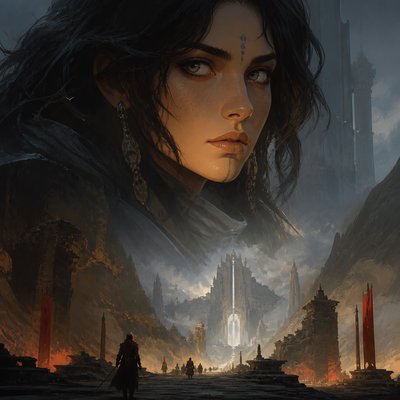
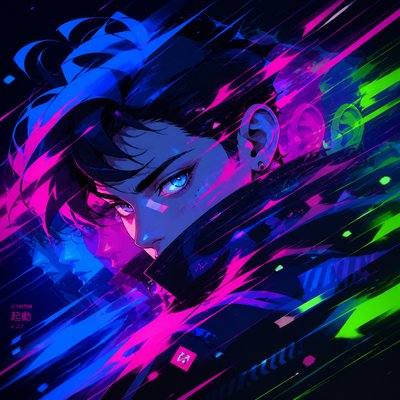
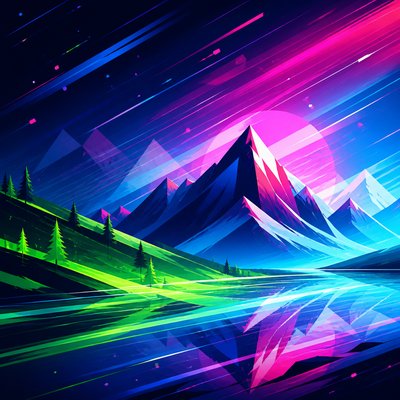
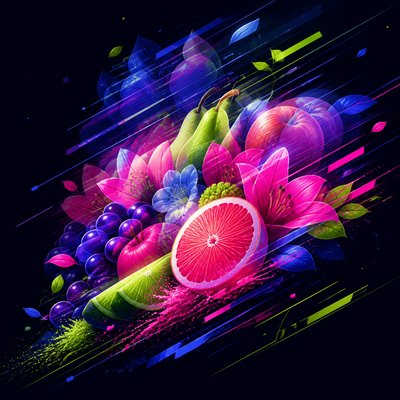
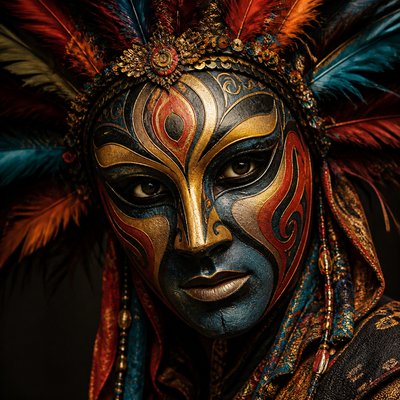
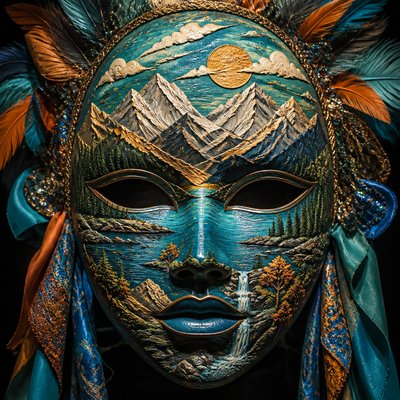
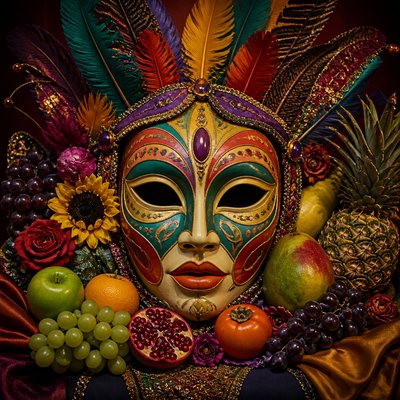
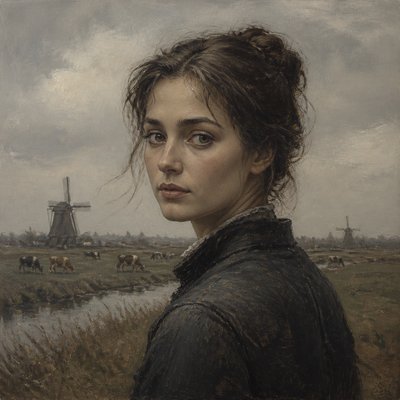
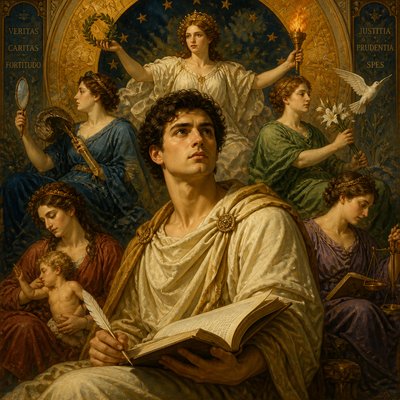
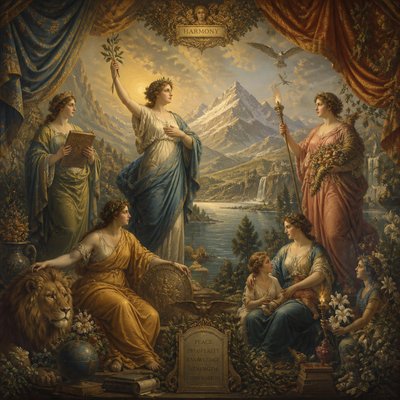
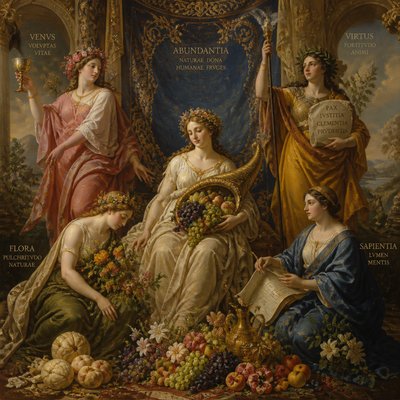
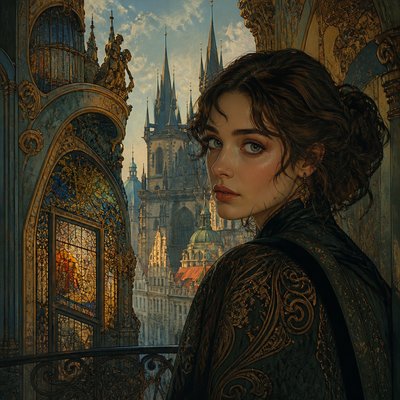
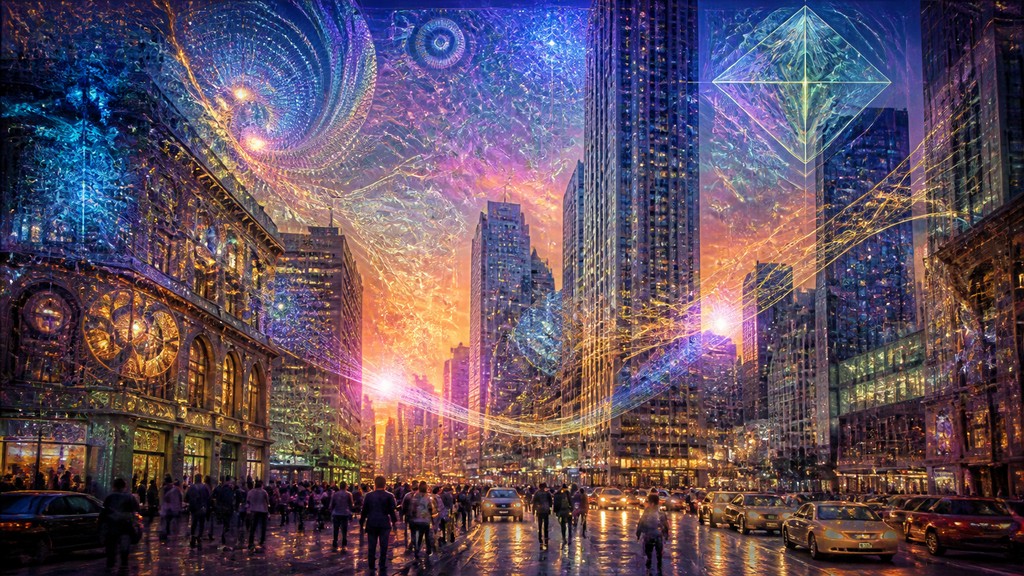
Dreamlike AI-inspired digital art with recursive patterns, luminous gradients, translucent layers, and a balance of realism and abstraction.
Instantly rendered in Neural Network Digital — or transform a photo
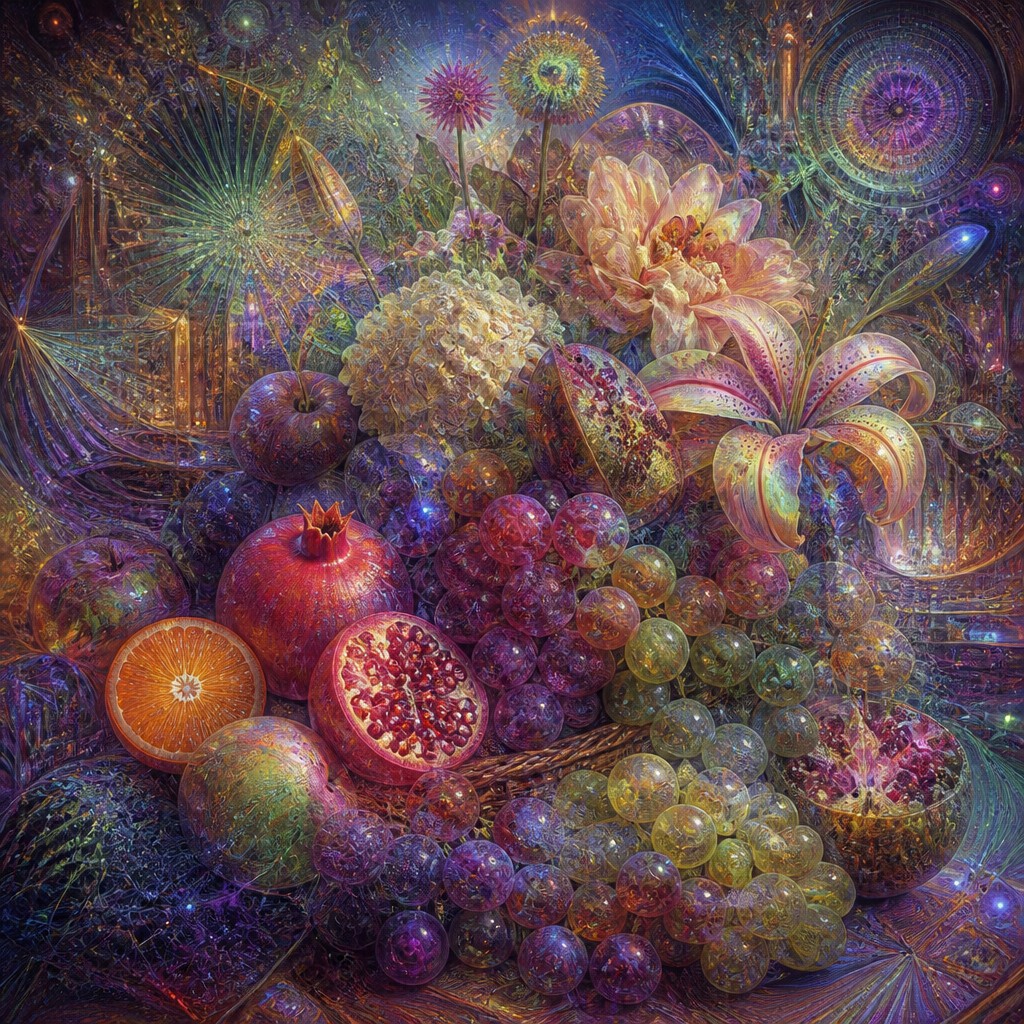
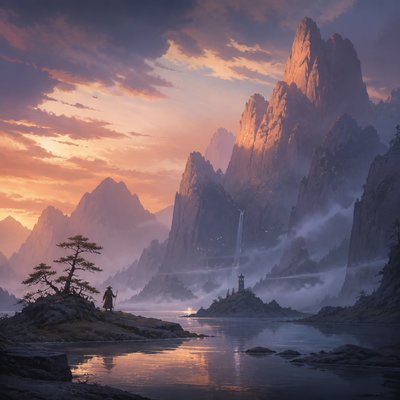
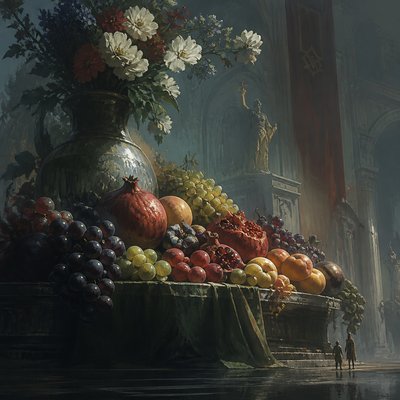
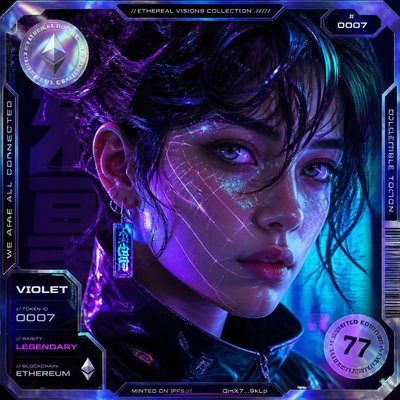
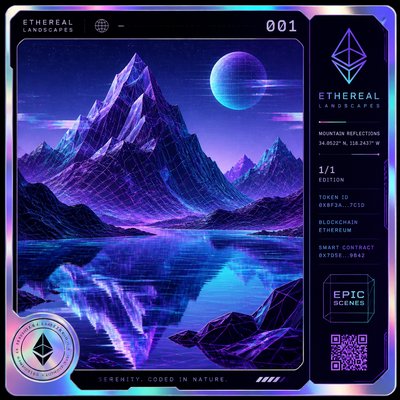
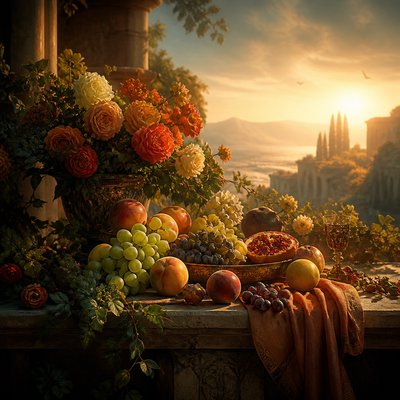
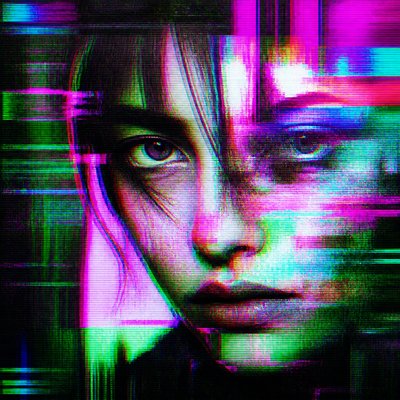
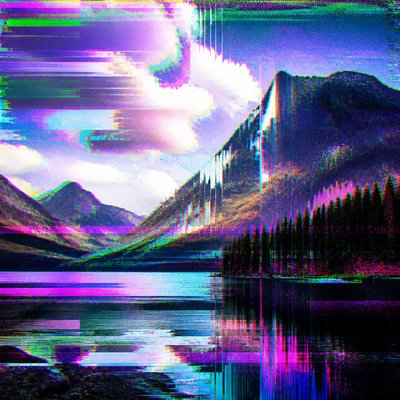
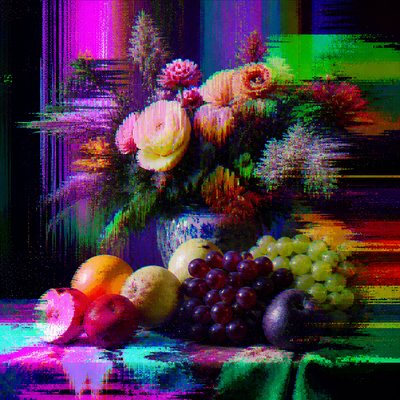
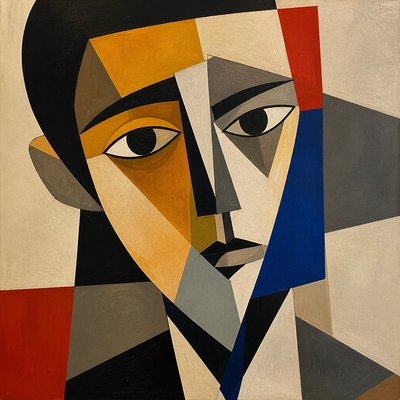
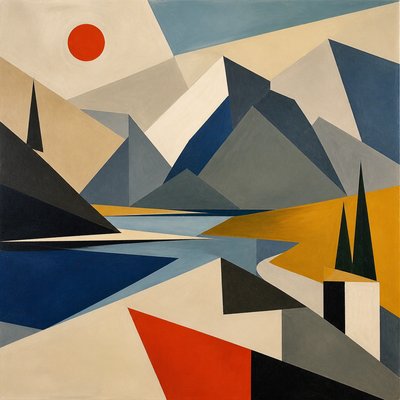
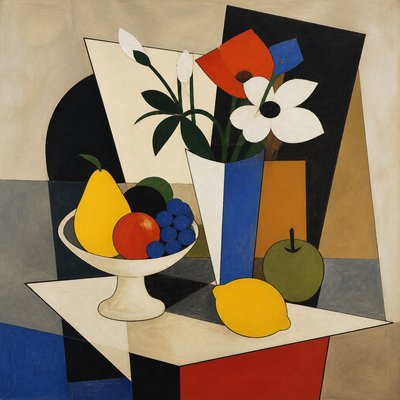
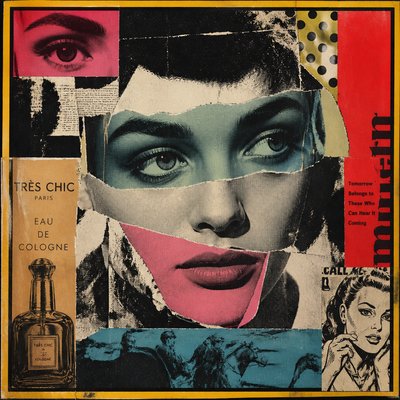
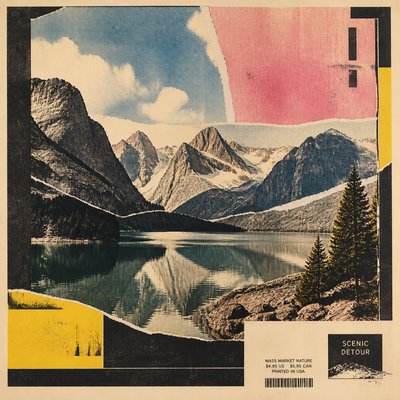
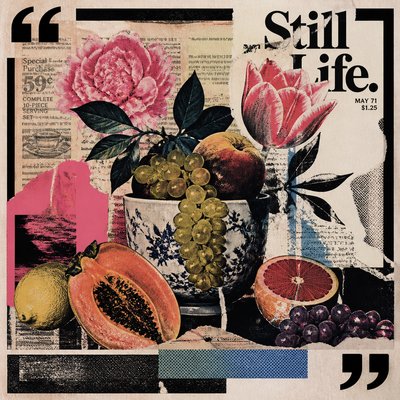
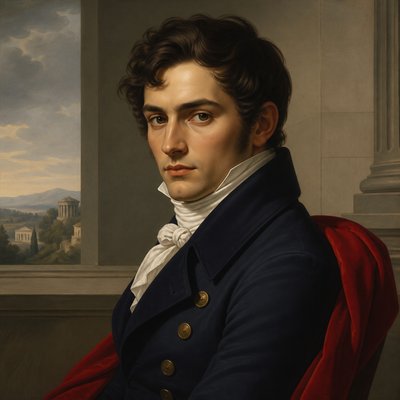
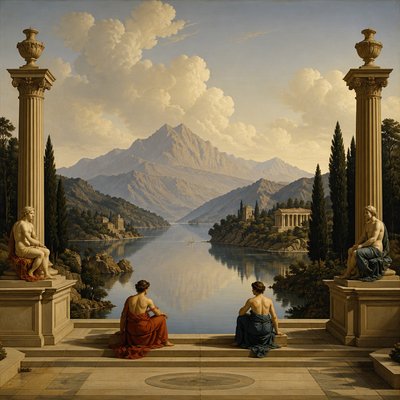
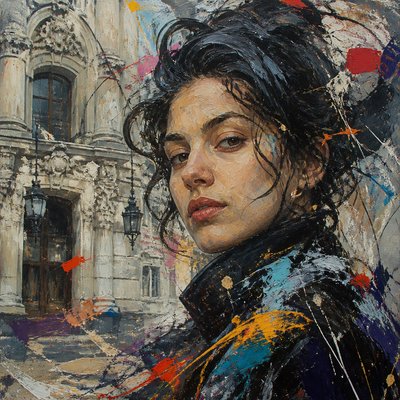
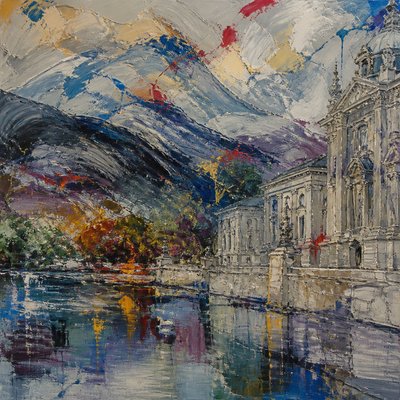
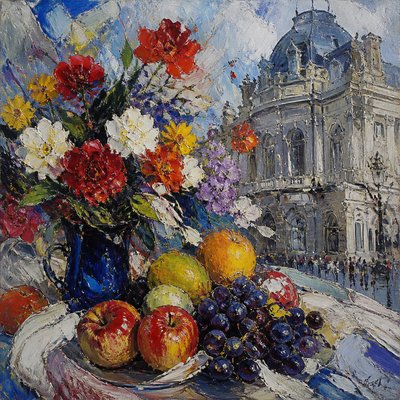
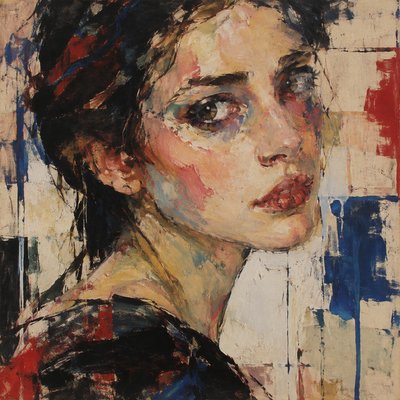
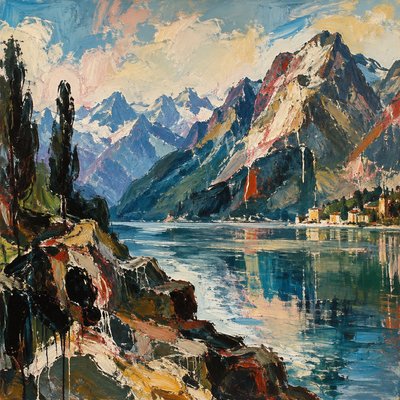
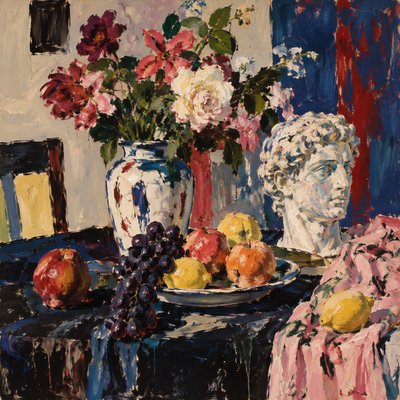
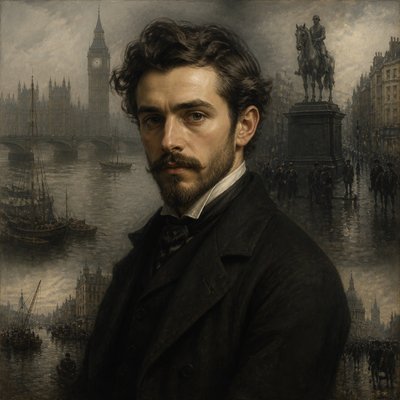
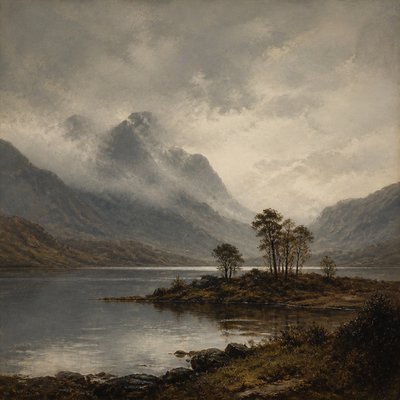
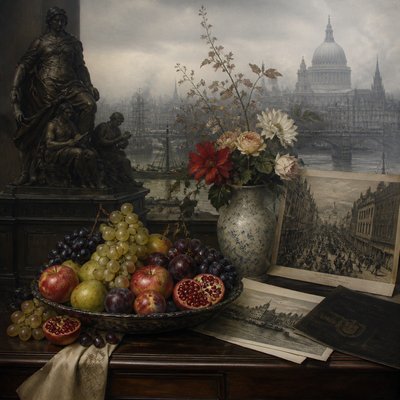
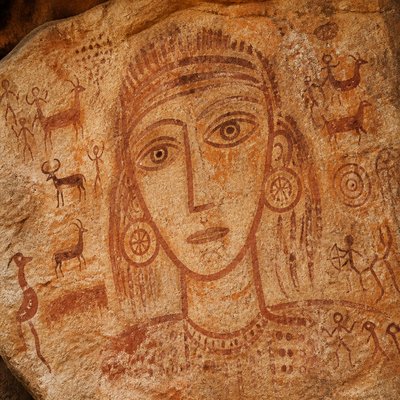
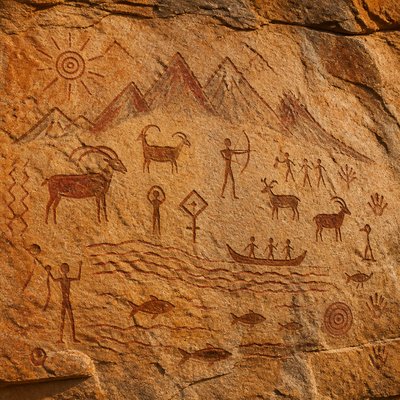
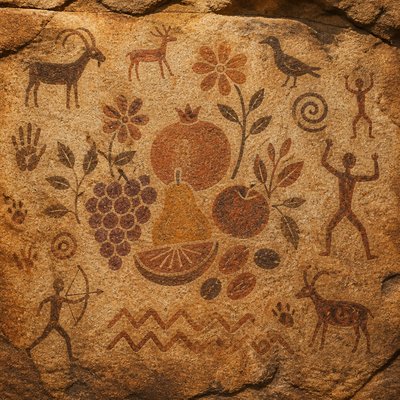
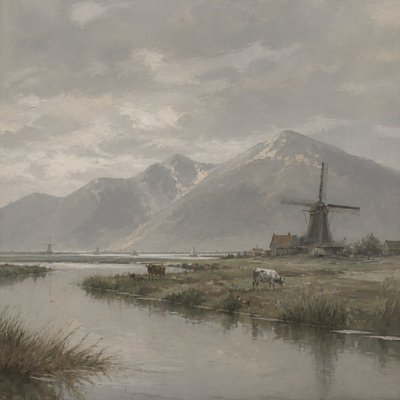
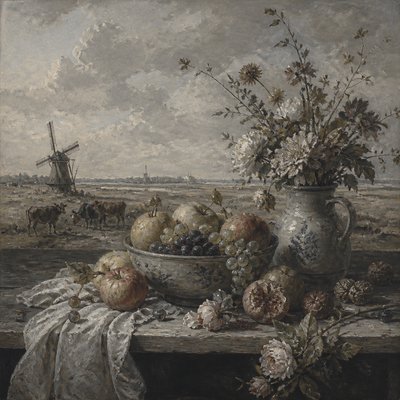
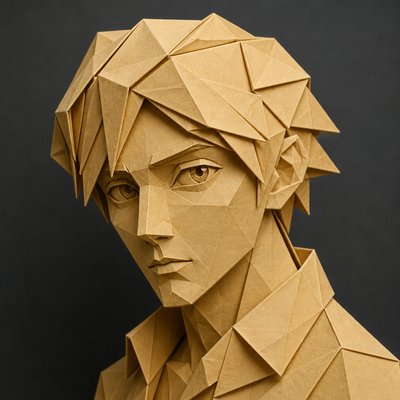
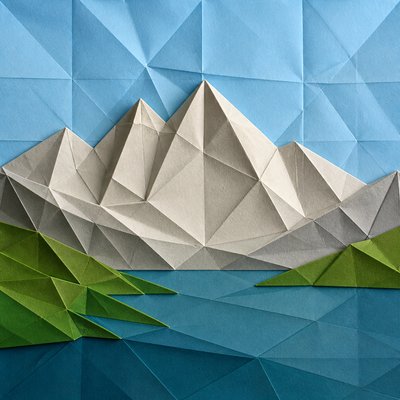
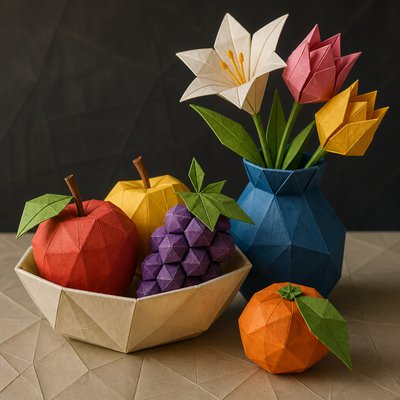
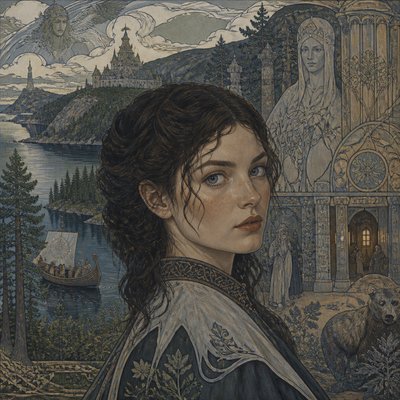
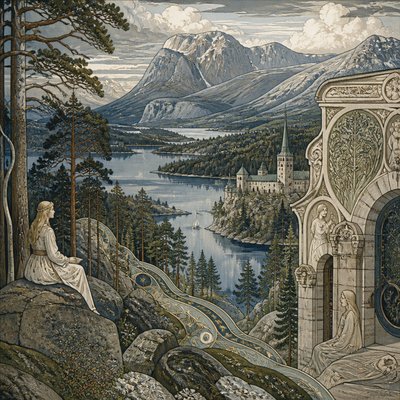
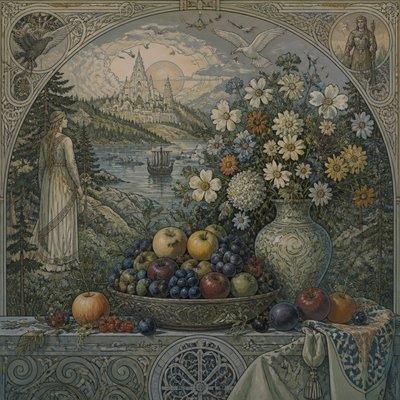
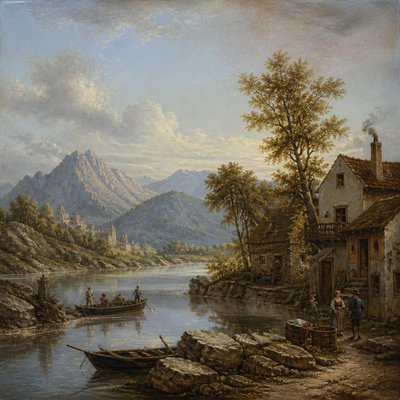
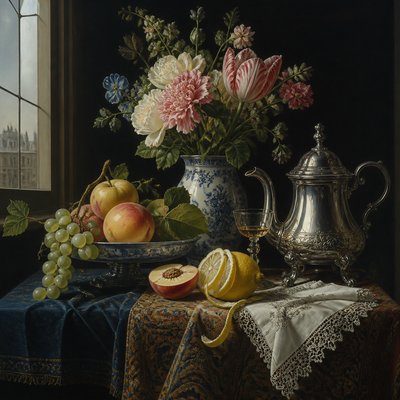
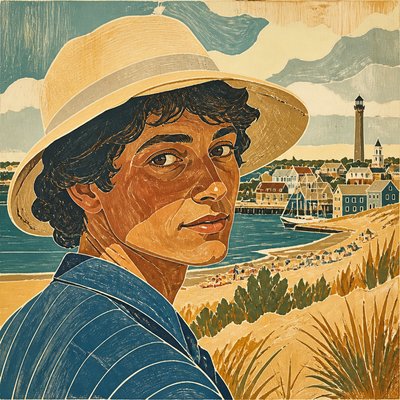
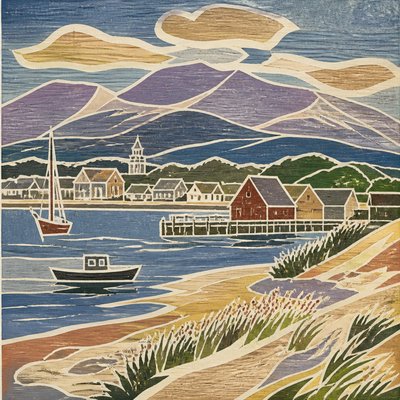
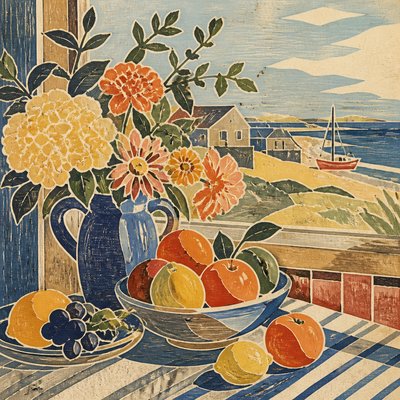
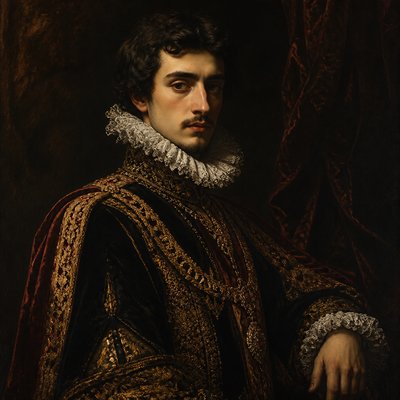
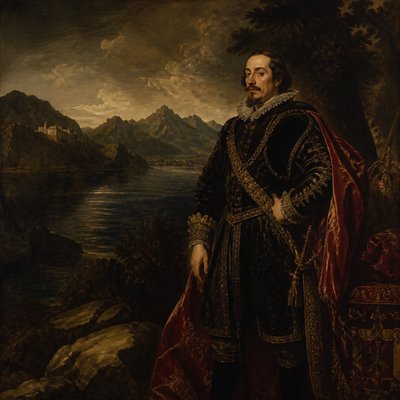
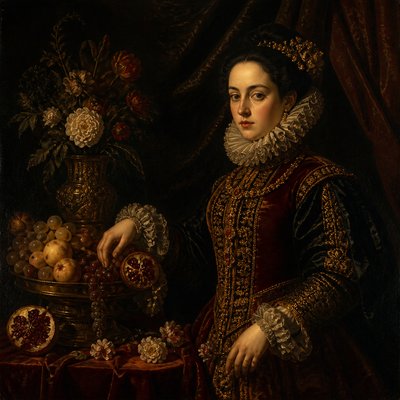
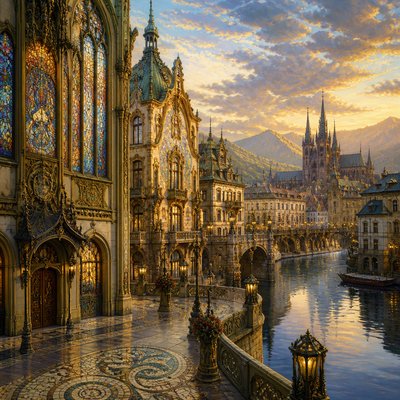
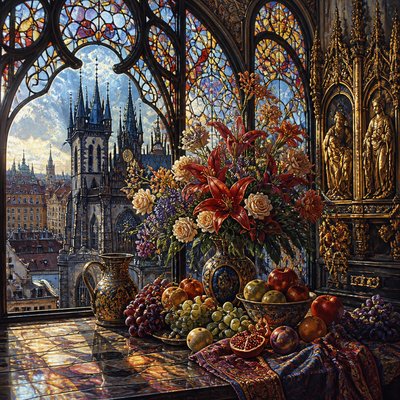
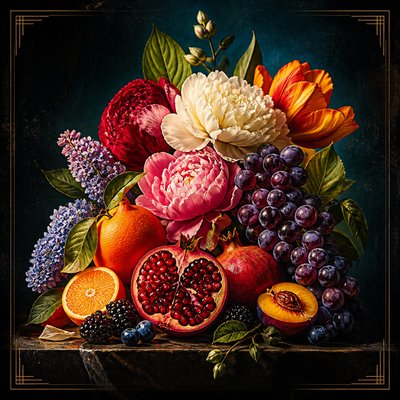
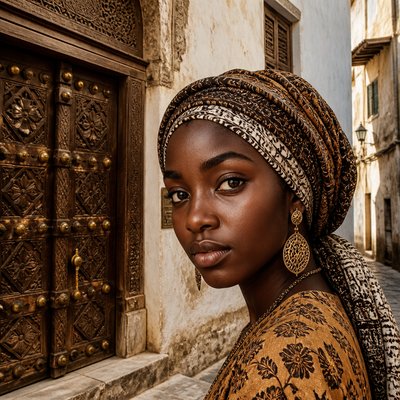
Neural Network Digital Gallery
Tap any artwork to explore it
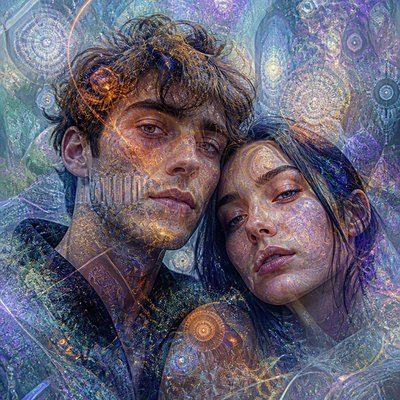
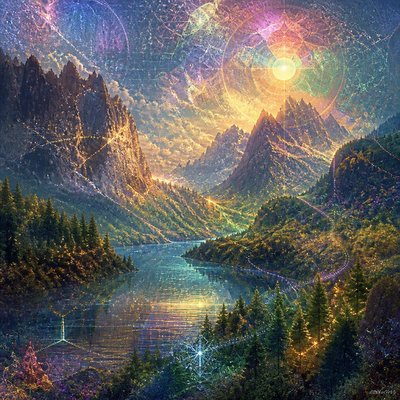
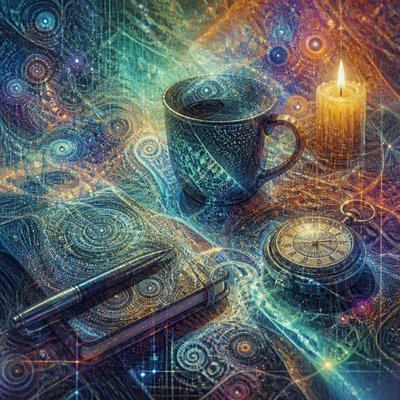
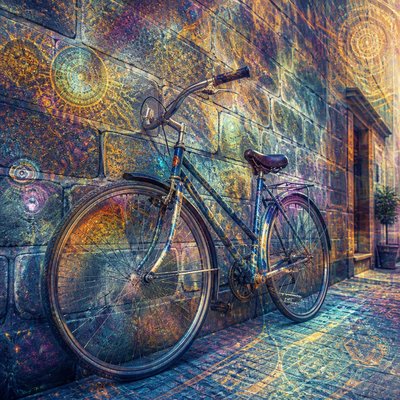
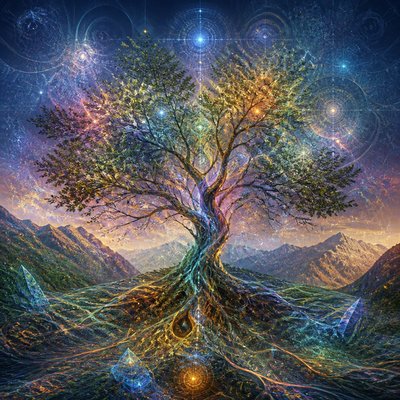
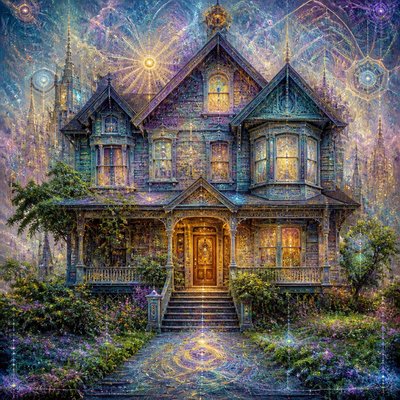
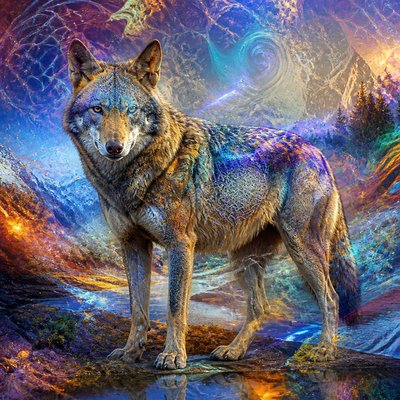
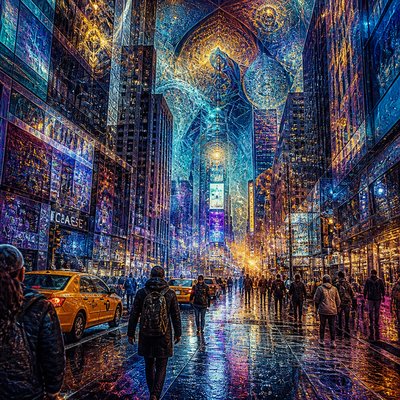
What is Neural Network Digital Art Style?
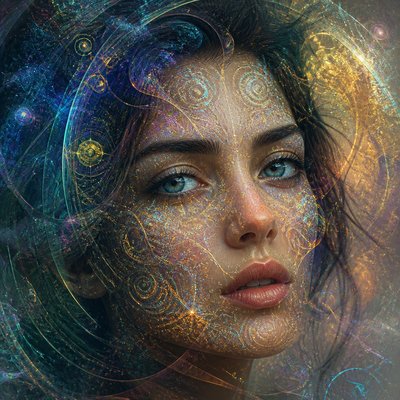
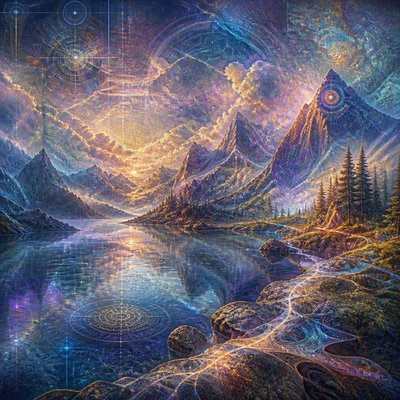
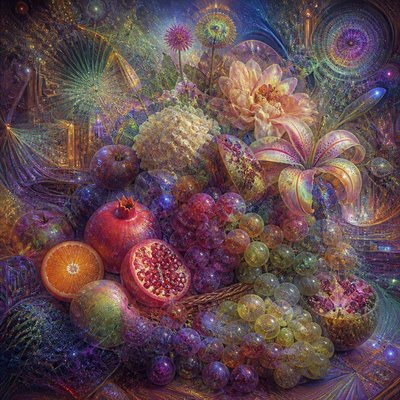
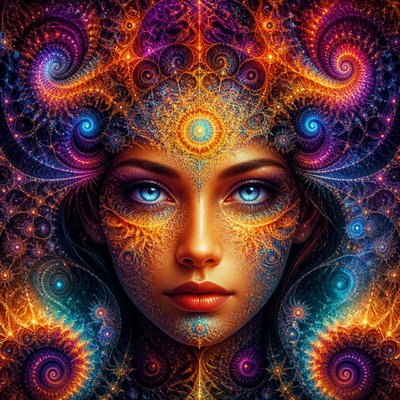
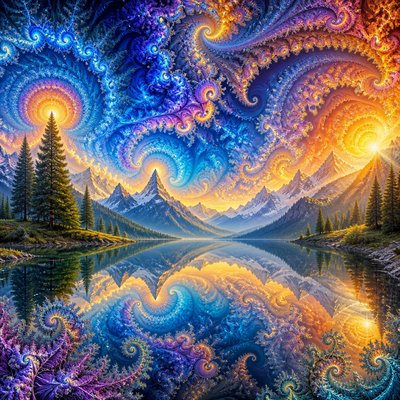
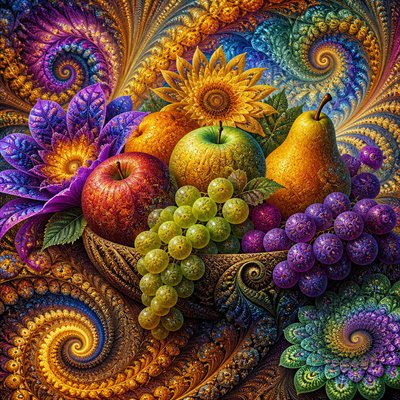
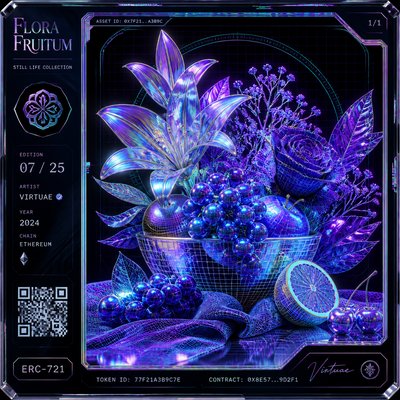
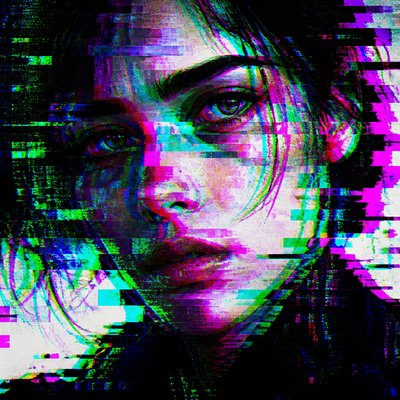
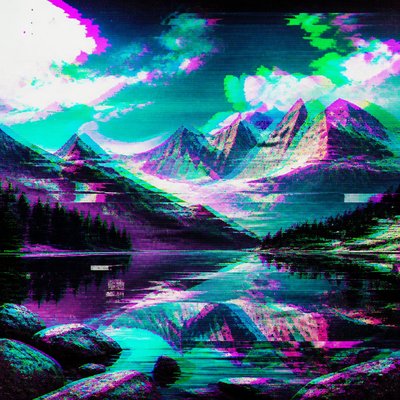
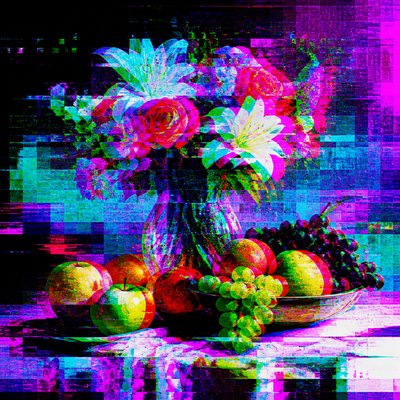
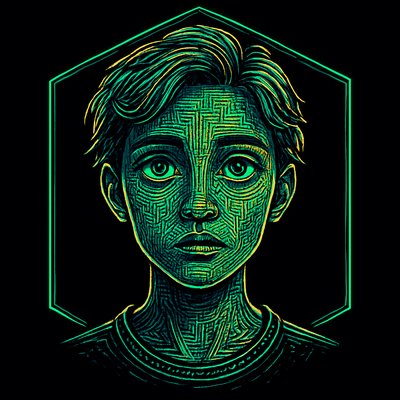
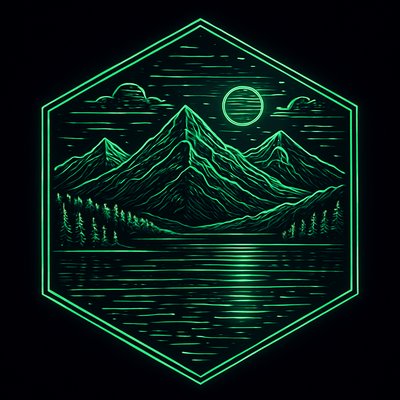
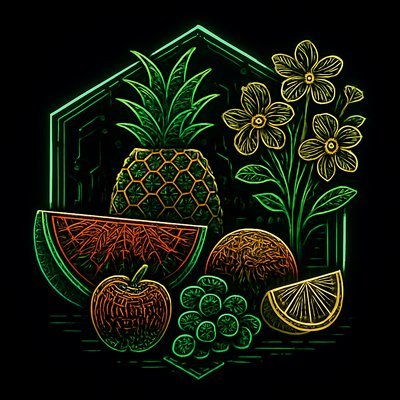
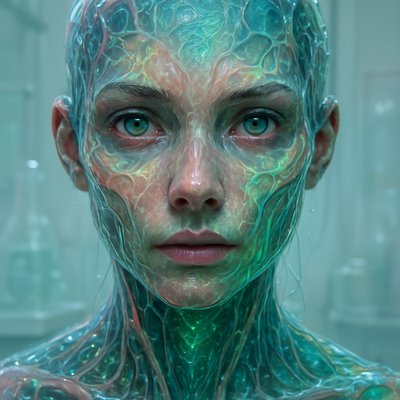
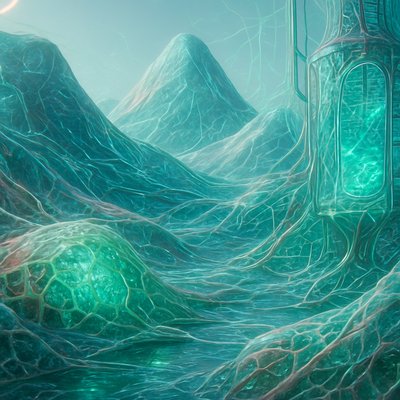
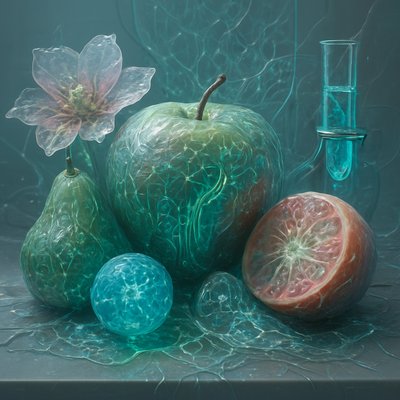
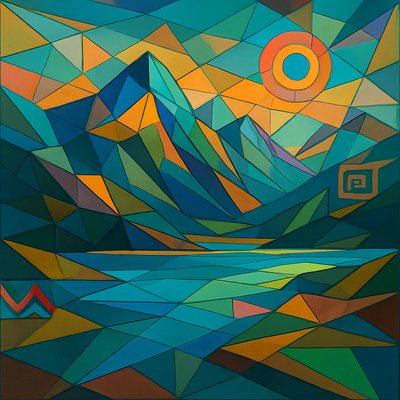
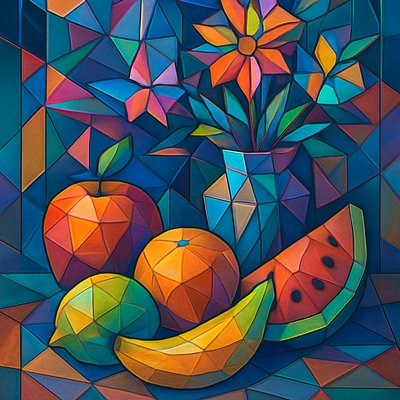
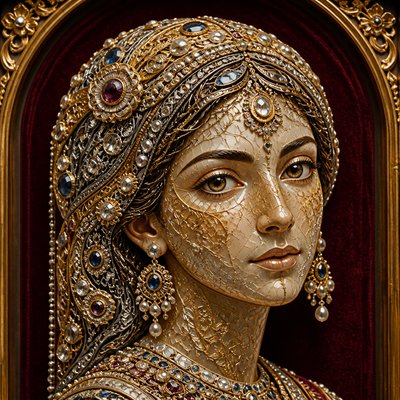
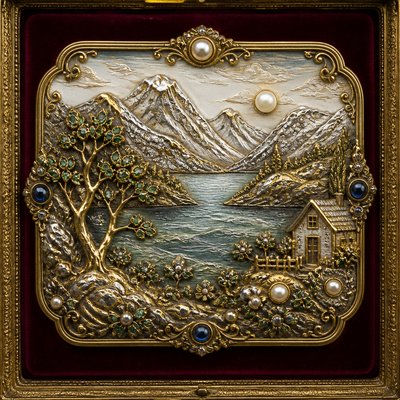
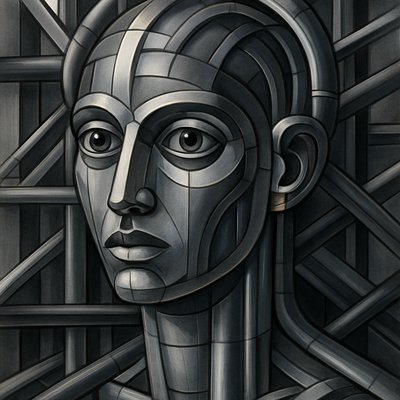
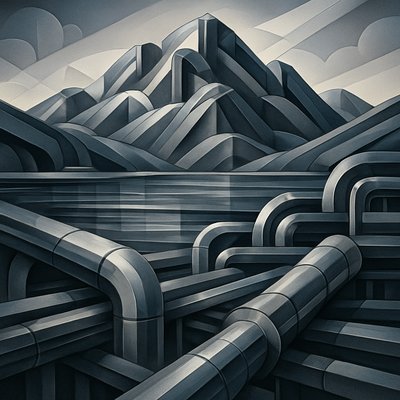
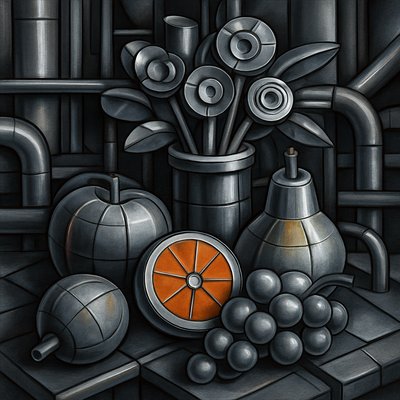
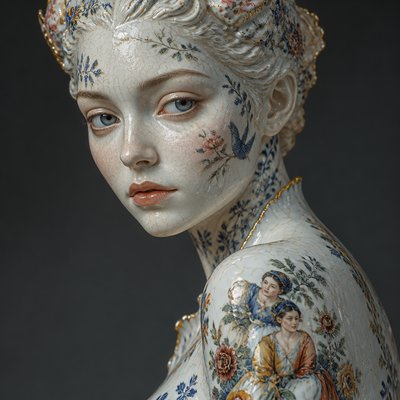
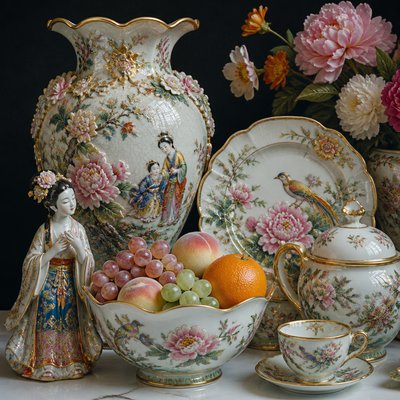
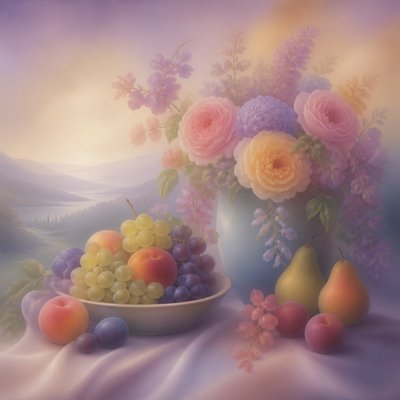
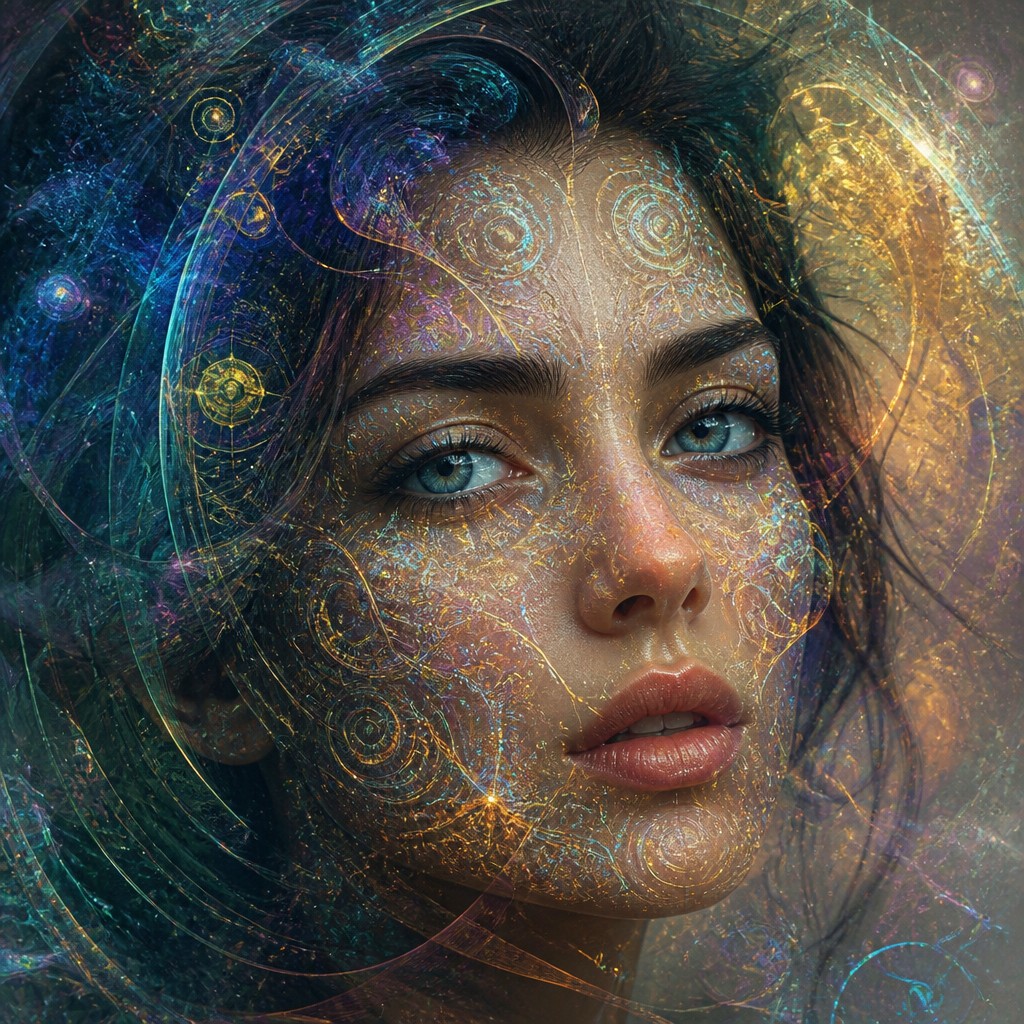
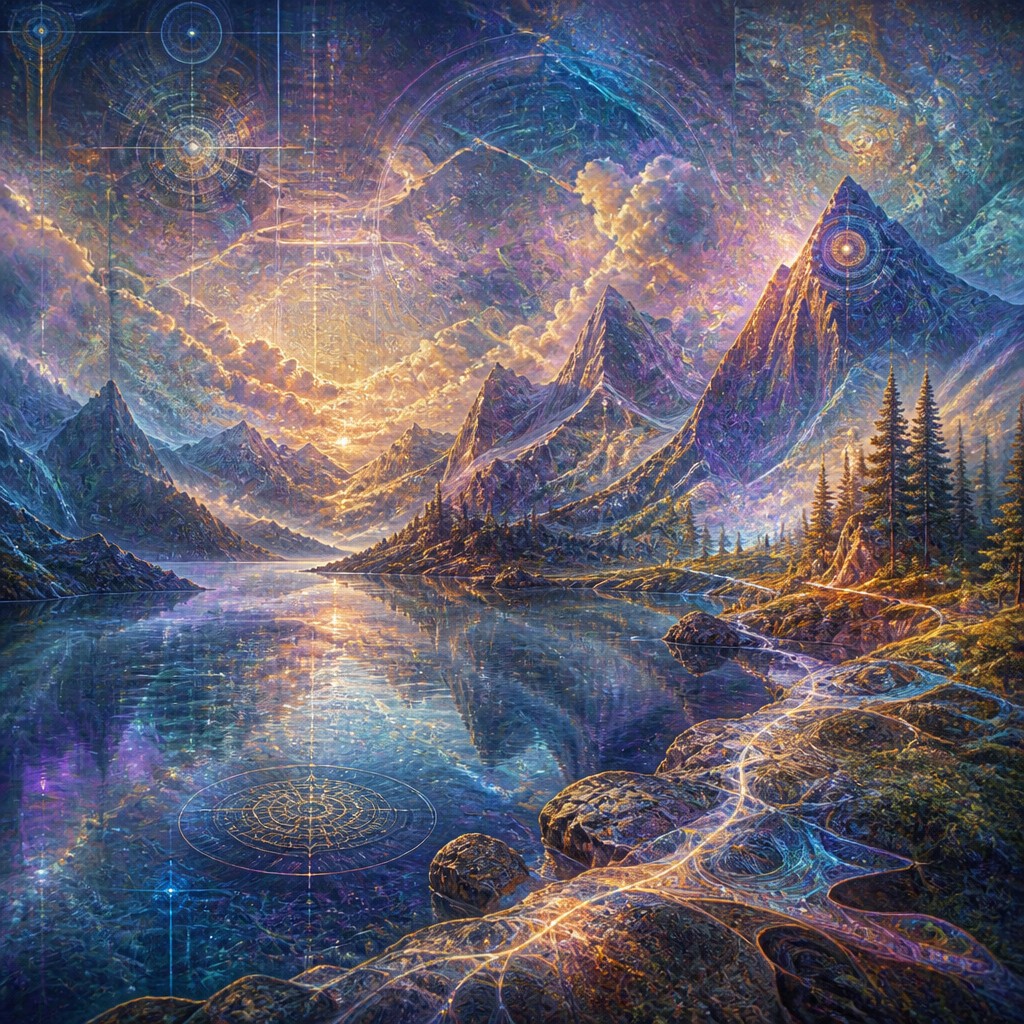
Neural Network Digital Art Style is a contemporary AI-native aesthetic shaped by machine-learning image synthesis and by the visual logic of computational imagery. Its defining look is a tension between recognizable form and algorithmic mutation: subjects may remain legible, but their surfaces, edges, and environments often dissolve into recursive textures, layered translucency, crystalline overlays, and energy-like traces that imply continual transformation.
The style feels dreamlike because it borrows from several visual registers at once: digital matte painting, generative abstraction, glitch aesthetics, sci-fi concept art, and the soft instability of neural-image output. Color often arrives in unexpected pairings, with luminous gradients and granular noise unifying disparate forms. The result is imagery that appears to hover between human intention and machine interpretation, as though the image is being assembled in real time from latent patterns rather than depicted all at once.
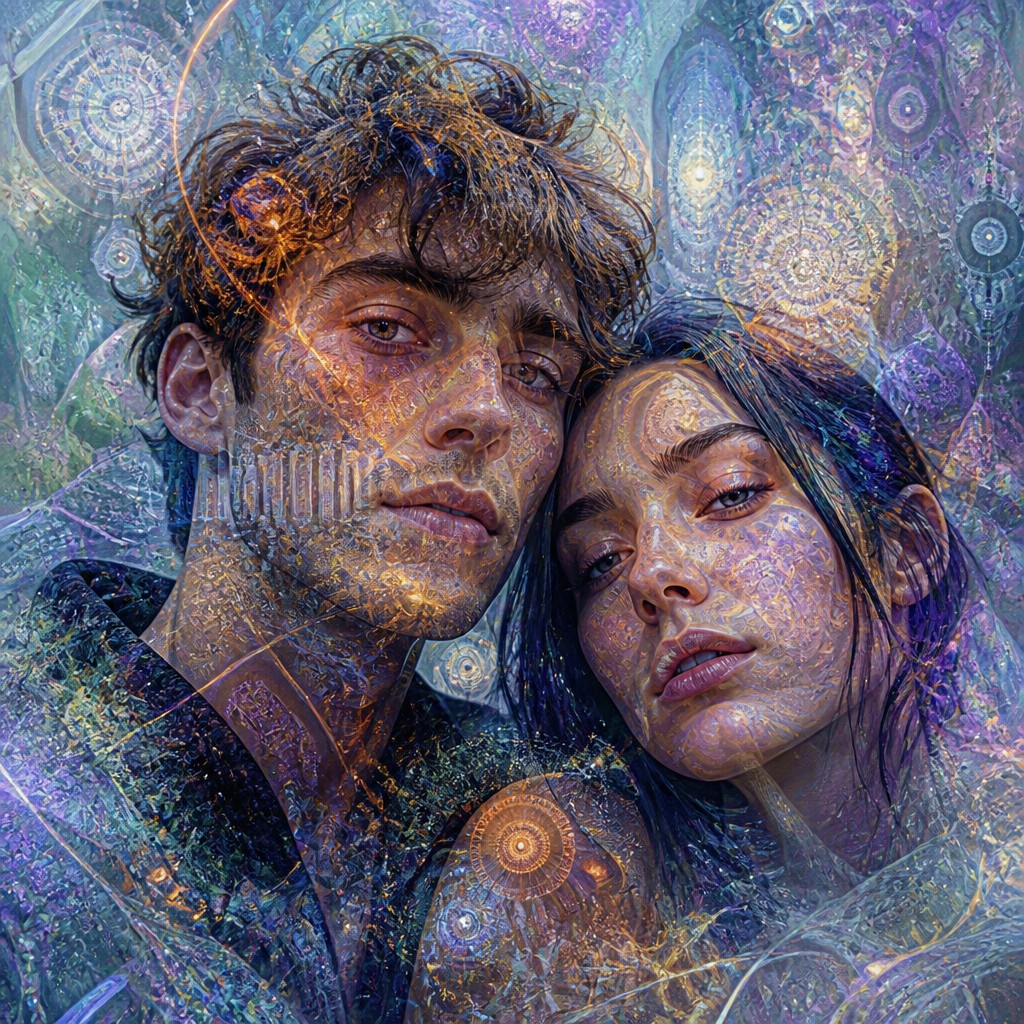
Try It On Your Photos
Upload any photo and convert it into Neural Network Digital Art Style — drag the sliders to compare before and after.
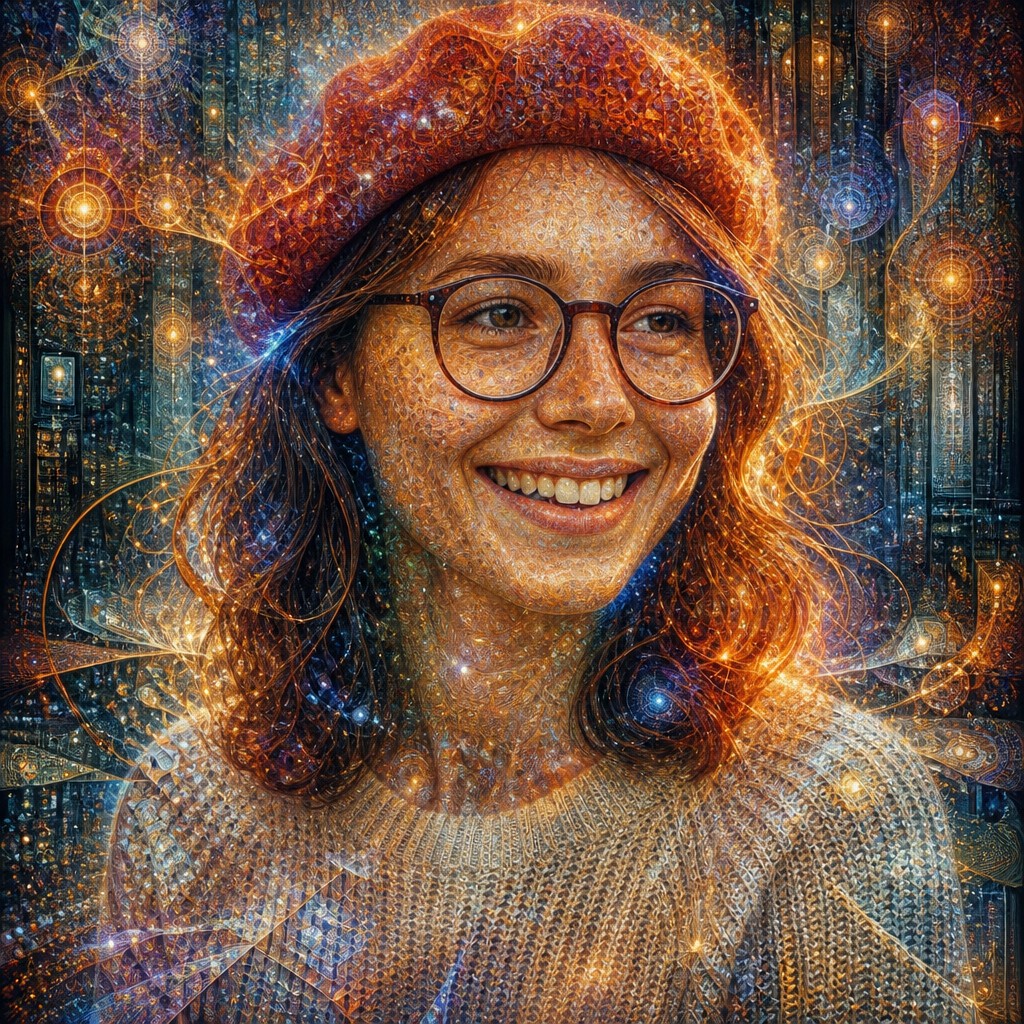

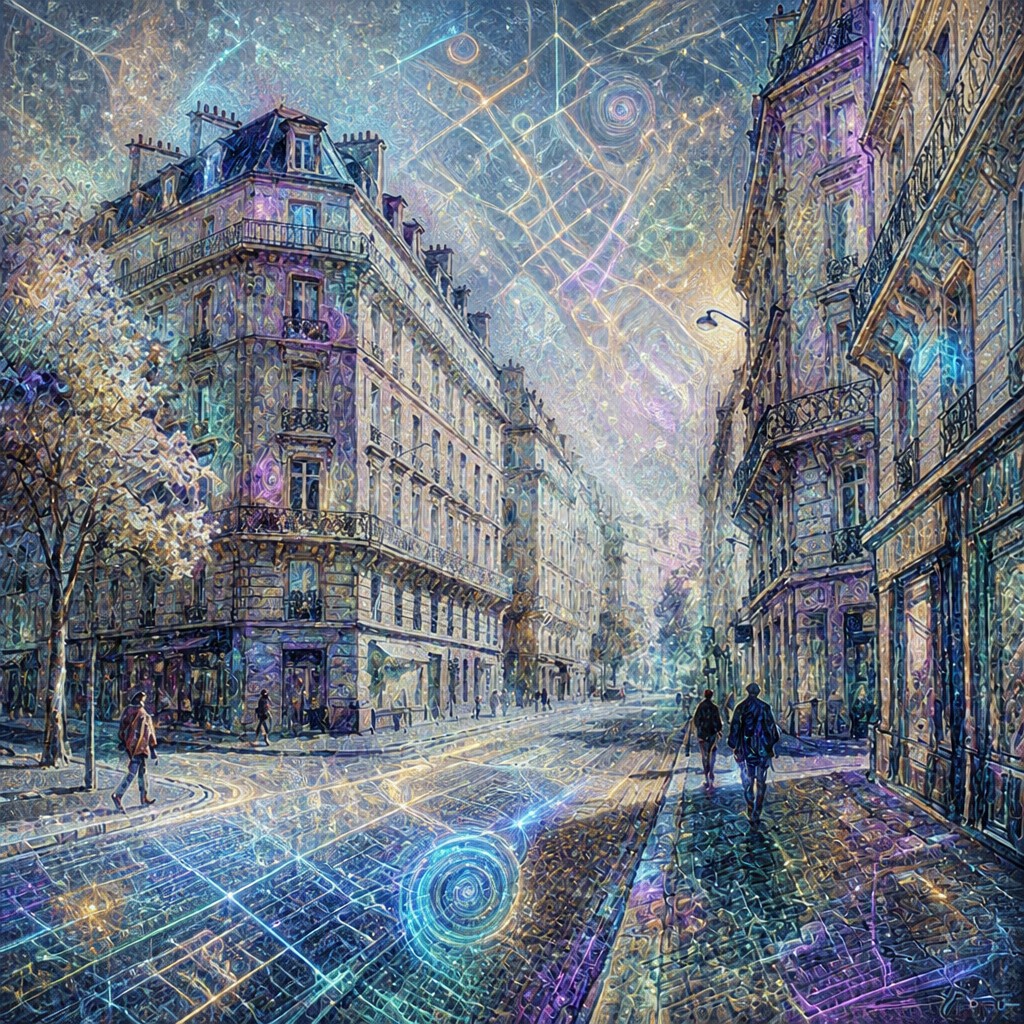

What Defines Neural Network Digital Art Style
The signature details, up close
Recursive emergent patterning
Forms often repeat, branch, and echo across the image, creating the sense of an image generating itself from within. These patterns can read as biological, fractal, or signal-like depending on the subject.
Latent-space morphing
Edges and surfaces blend rather than terminate cleanly, so objects seem to transition into adjacent shapes. This produces an uncanny sense of metamorphosis, as if the image is halfway between multiple states.
Luminous data-driven color
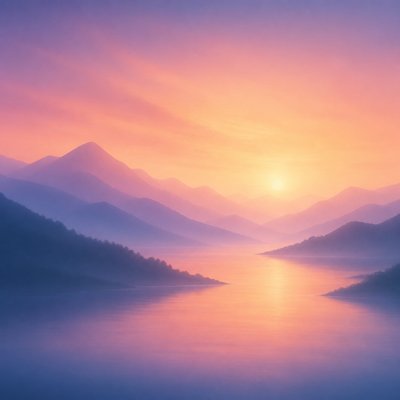
Color palettes often combine saturated highlights with soft gradients and unexpected hue pairings. The lighting can feel synthetic yet atmospheric, as though it were emitted from within the composition.
Translucent layered structure
Overlapping veils, crystalline planes, and semi-transparent forms give the image depth without relying on traditional modeling alone. The composition often feels built from stacked visual information.
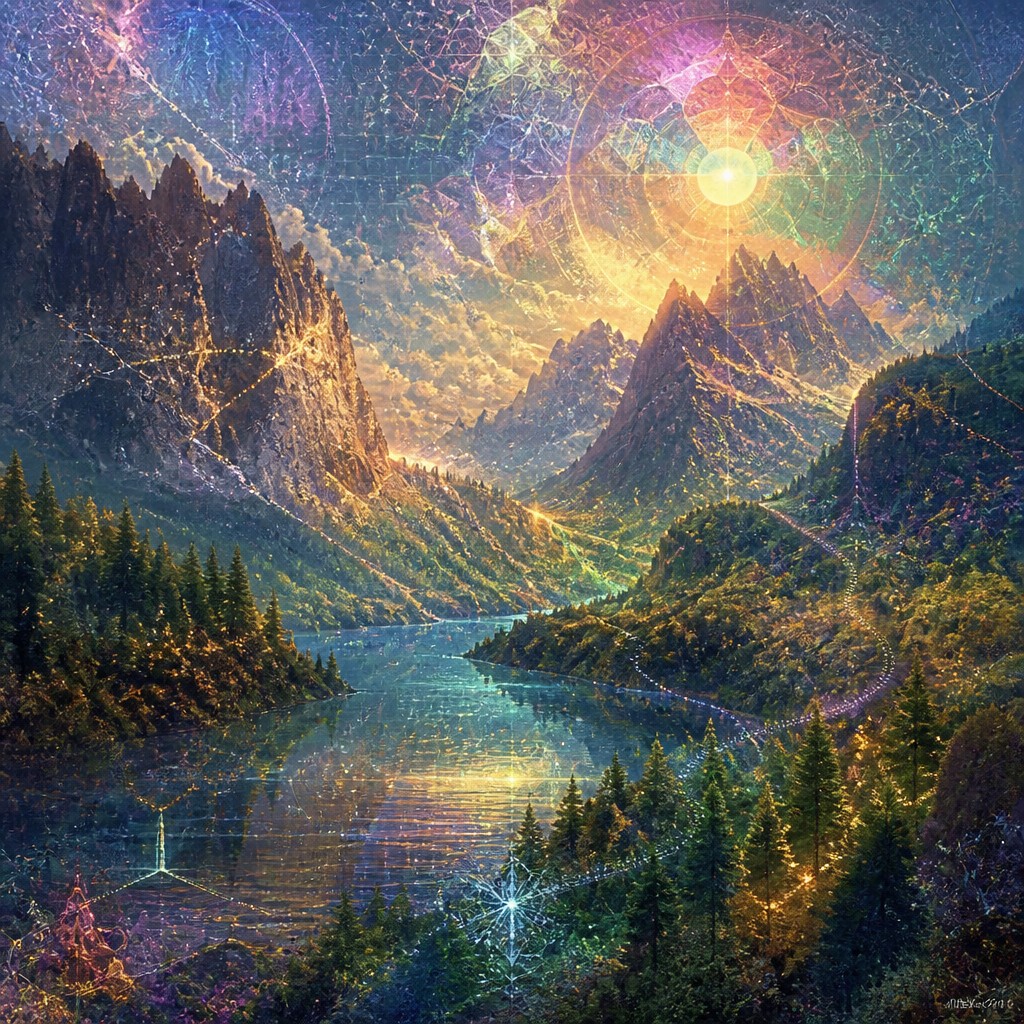
Energy traces and pathway lines
Fine streaks, arcs, or filament-like traces thread through the scene and suggest neural activity, circuitry, or flowing data. These elements help unify the composition and reinforce its computational character.
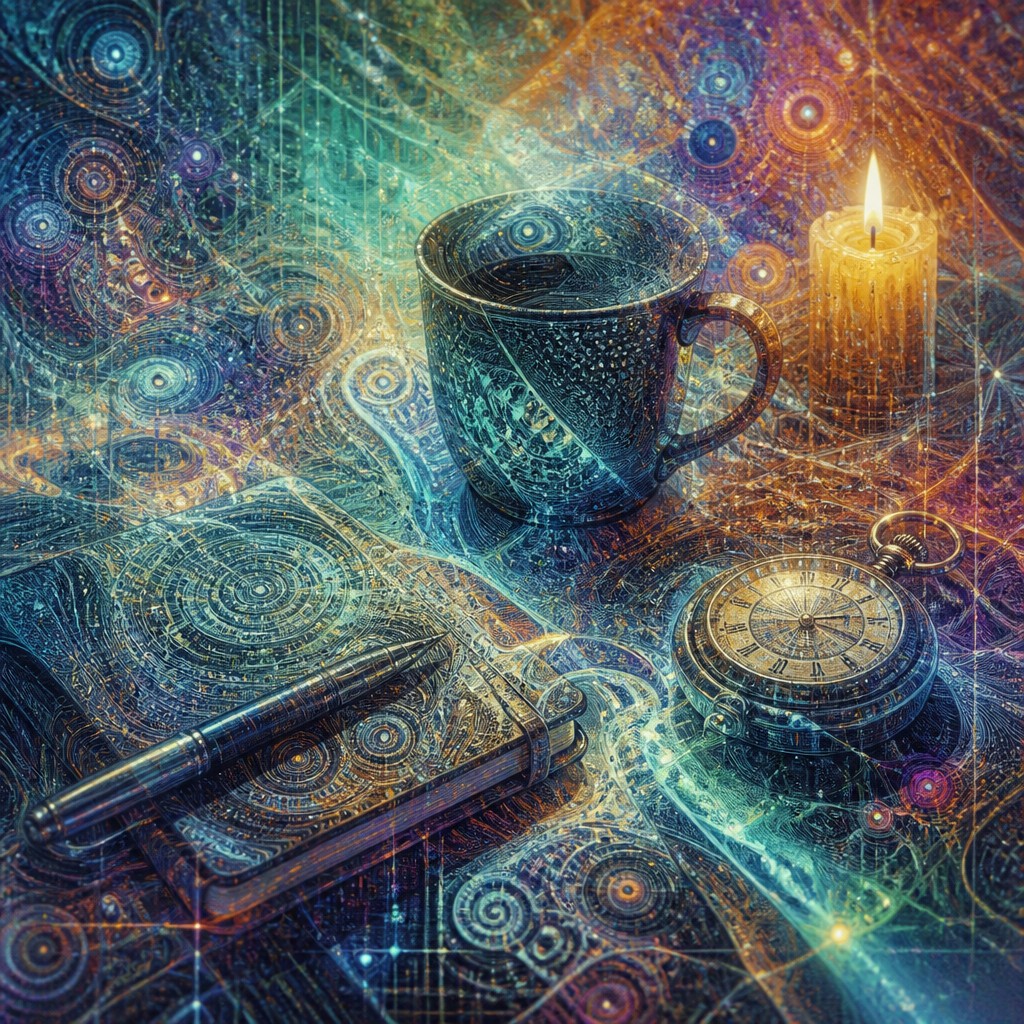
Granular diffusion noise
A soft, textured noise frequently blurs hard edges and creates a tactile digital haze. This noise can make the image feel simultaneously precise and unstable.
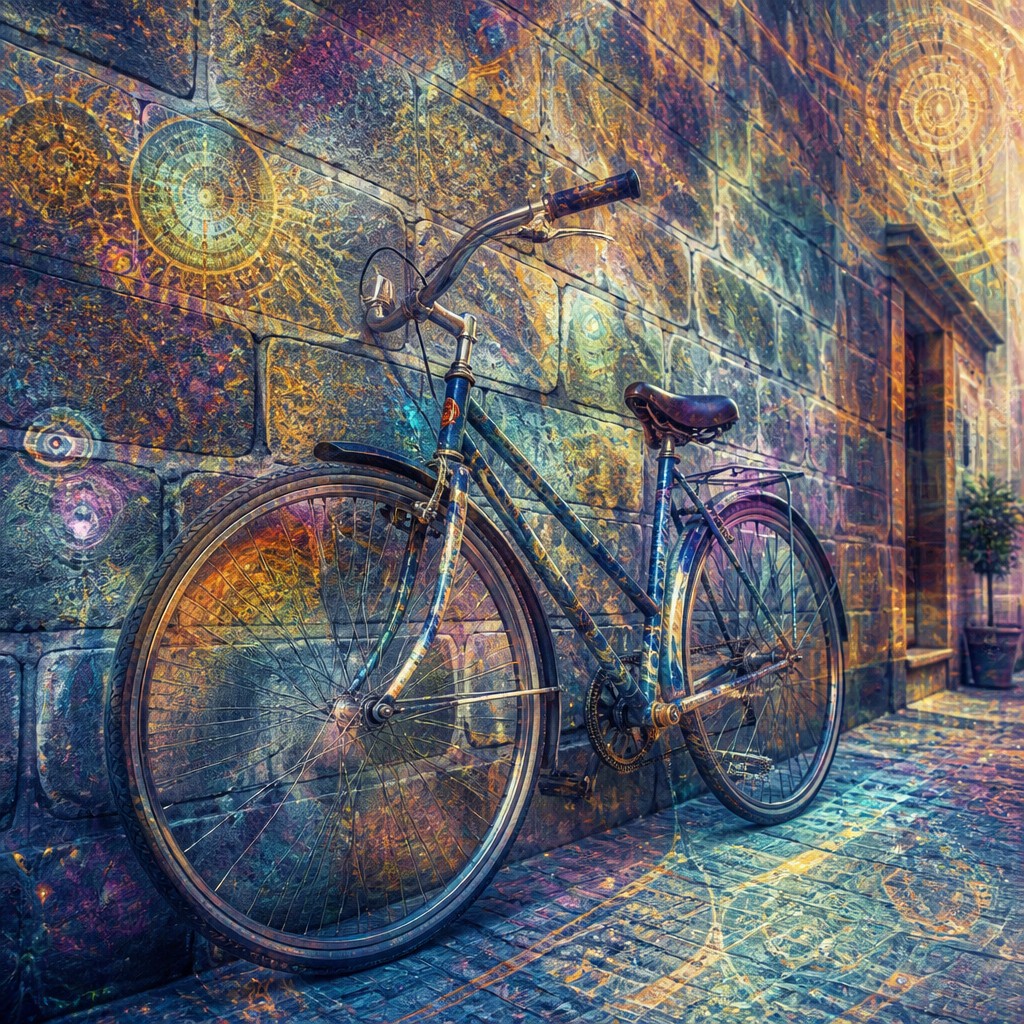
Balance of realism and abstraction
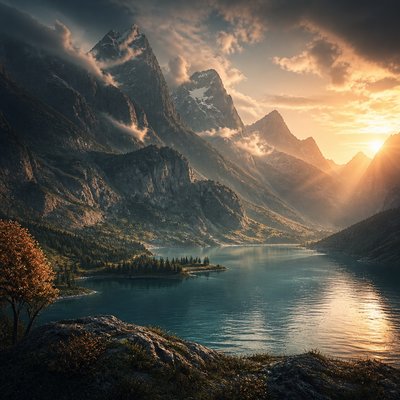
Subjects may remain partly photographic or figurative, but they are pushed toward algorithmic reinterpretation. That ambiguity is central to the style’s identity.
Try It
Create Videos in Neural Network Digital Art Style
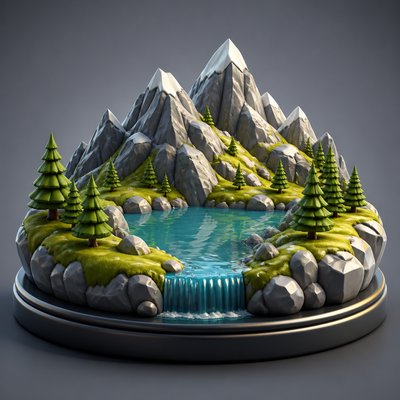
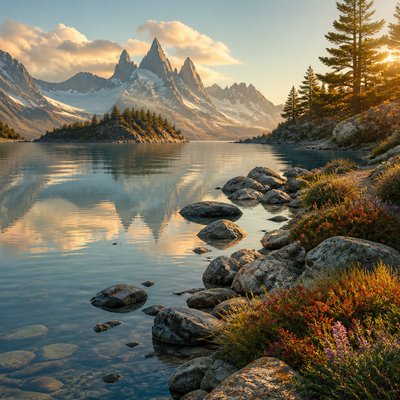
Styles aren't just for stills — describe a scene or animate an image and get a short video rendered in Neural Network Digital. Press play to see this pond come to life.
Make a VideoNeural Network Digital Prompt Ideas
Start from an idea — each one opens the generator with the style ready to go. See all 40 Neural Network Digital prompts →
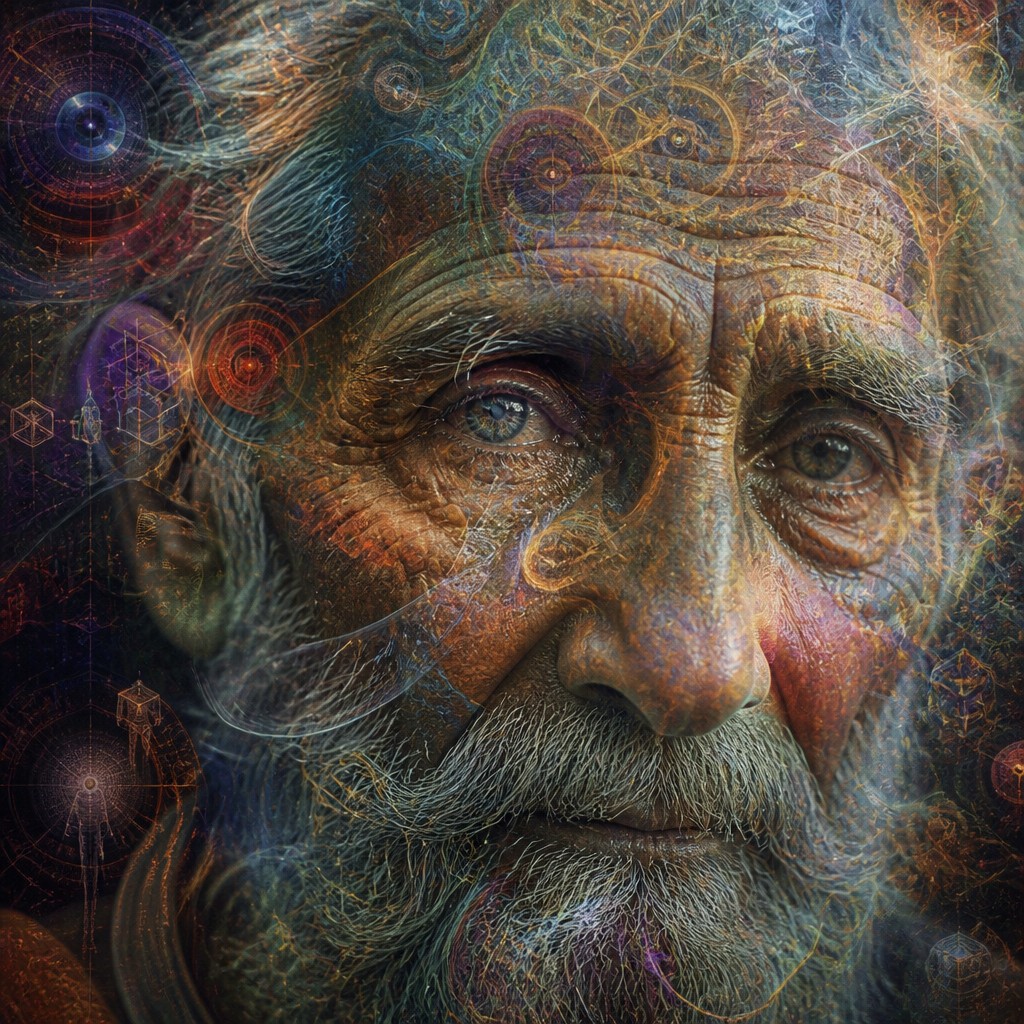
“close-up portrait of an elderly person with expressive weathered features”
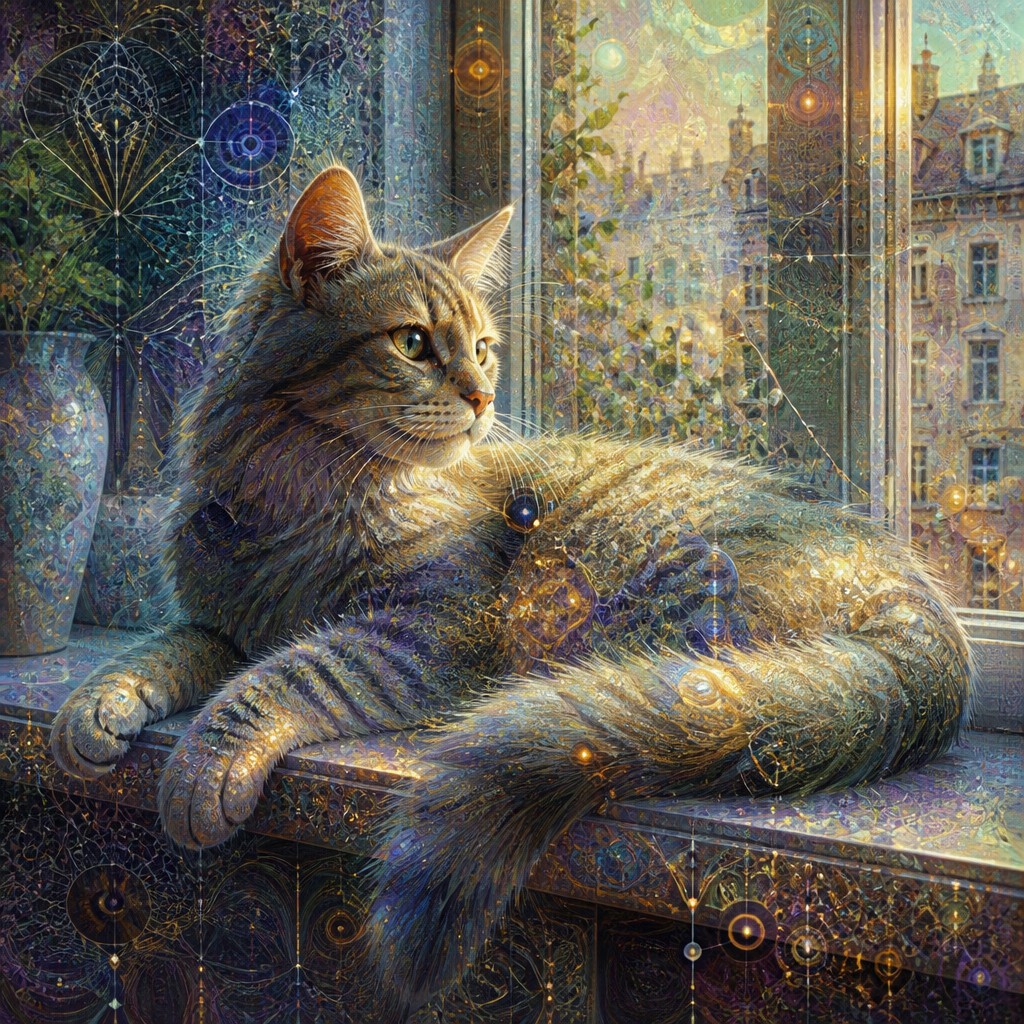
“a cat lounging in a sunlit window”
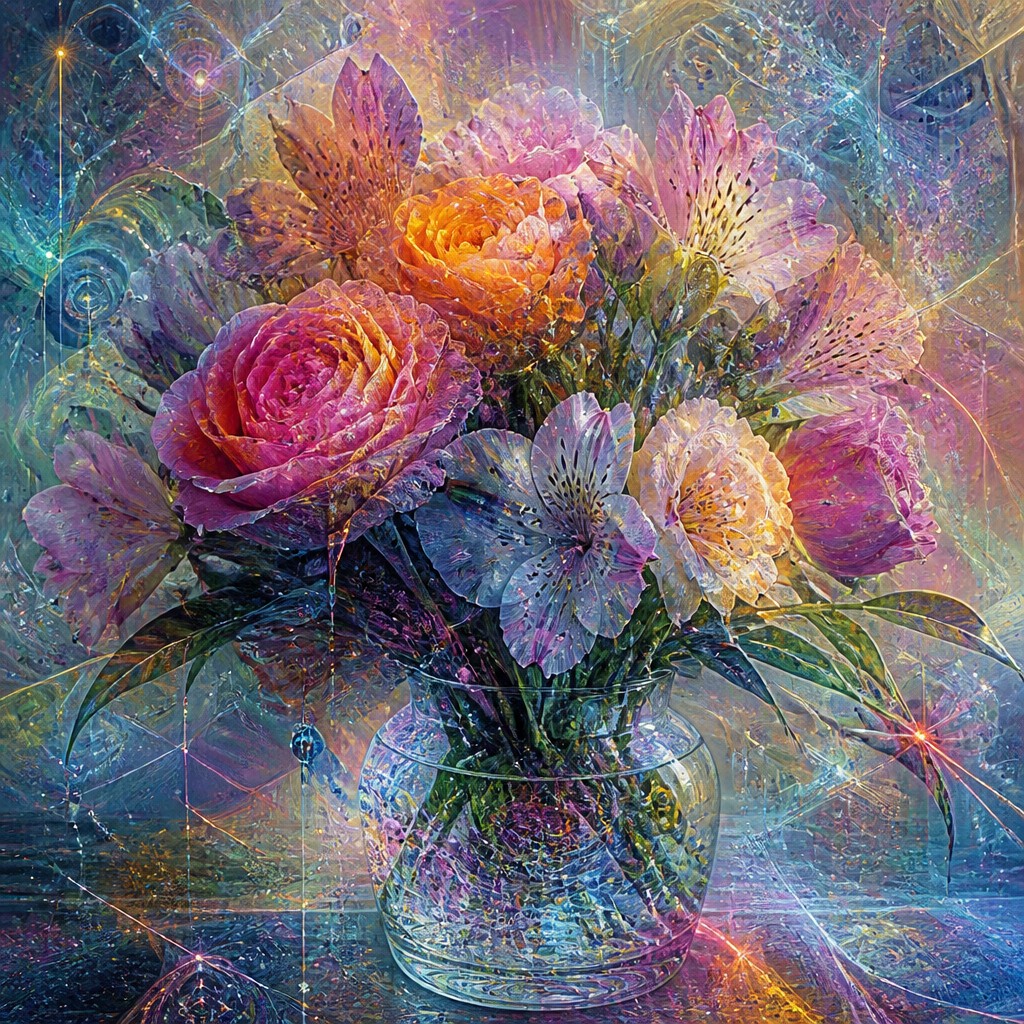
“bouquet of flowers in a glass vase”
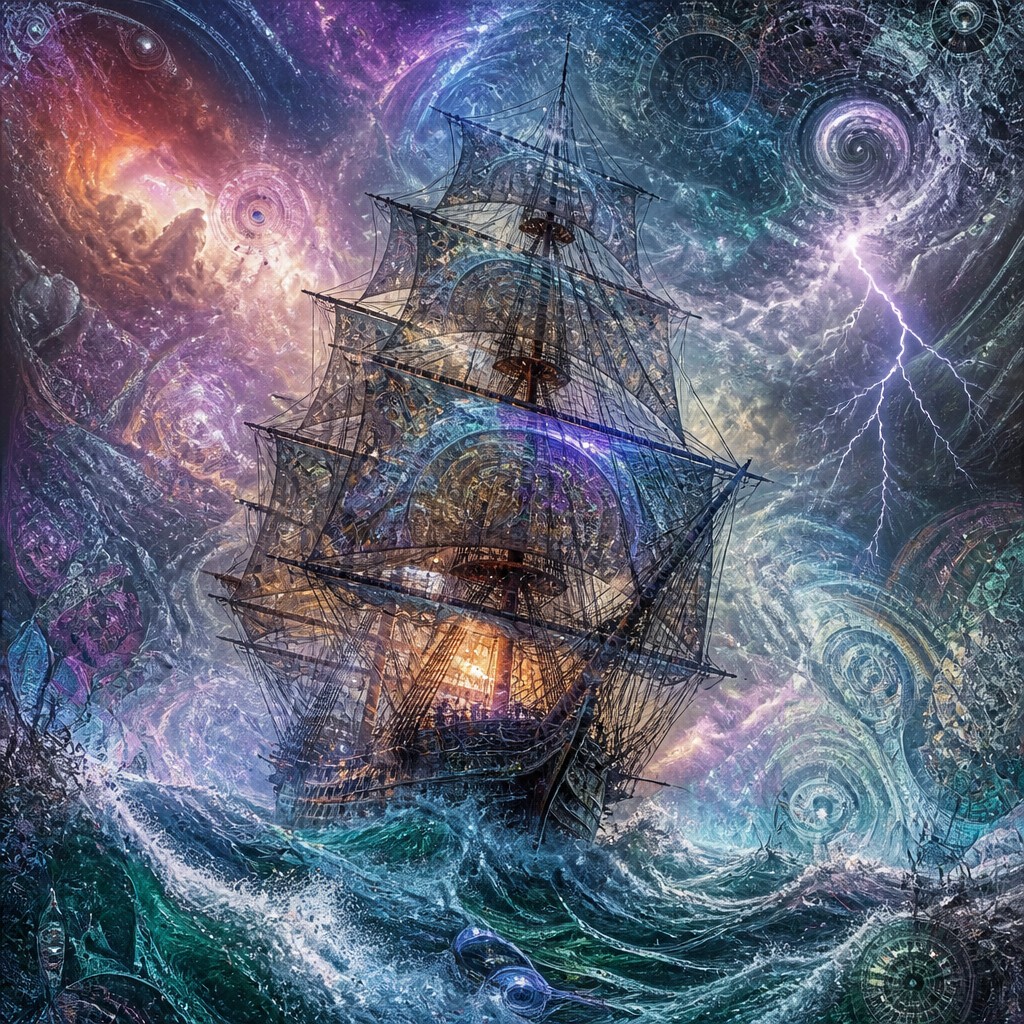
“sailing ship on a stormy sea”
How to Create Neural Network Digital Art
Master the craft step by step — or skip straight to creating. Read the full guide →
- 1
Start with a clear anchor subject
Choose a subject that remains recognizable even after transformation, such as a portrait, animal, cityscape, or object. A strong anchor helps preserve readability while allowing the style’s distortions and layered effects to develop.
- 2
Build in layered transparency and geometry
In digital painting or compositing, combine soft gradients with translucent overlays, crystalline shapes, and repeated motifs. Avoid flattening the image; instead, let structure emerge through stacking and partial occlusion.
- 3
Use controlled color contrasts
Work with luminous palettes that mix cool and warm tones in nonliteral ways. Unexpected pairings—violet with amber, teal with rose, cyan with rust—help the image feel algorithmic rather than purely naturalistic.
- 4
Introduce fine noise and diffusion
Add subtle grain, glow, and edge diffusion so forms do not resolve too sharply. This creates the soft, machine-generated atmosphere associated with neural-image aesthetics.
- 5
For prompt-based generation, describe both subject and process
Combine a concrete subject with terms that suggest transformation, such as recursive patterns, translucent layers, crystalline overlays, and latent-space transitions. The most effective prompts balance object identity with visual behavior.
- 6
Iterate and refine the instability
Whether painting or generating, adjust the image so some areas are highly legible and others are partially dissolved. The style depends on calibrated ambiguity rather than total abstraction or total realism.
The Story
History & Origins of Neural Network Digital
This style does not belong to a single historical movement; it emerged from the broader rise of machine-learning tools for image synthesis in the 2010s and 2020s. Its aesthetic lineage, however, reaches back through generative art, digital painting, computer graphics, glitch art, and the long tradition of artists exploring systems that produce images through rules, iteration, and chance. In that sense, it sits near the intersection of computational abstraction and contemporary concept art.
Visually, it also inherits from earlier traditions of surrealism, sci-fi illustration, and optical experimentation. The dreamlike morphing of forms recalls surrealist imagery, while the translucent layering and structured geometry echo digital art and post-internet aesthetics. Unlike a fixed historical style, it continues to evolve as models, training data, and rendering workflows change, making it more of a living computational visual language than a closed movement.
Influences: Neural Network Digital Art Style draws from computational art, digital painting, generative design, glitch aesthetics, and sci-fi concept illustration. Its abstract logic echoes the systems-based work of pioneering geometric abstraction artists and early computer-art practitioners, as well as the generative art tradition more broadly, while its dreamlike image-making also recalls surrealism and metamorphic imagery associated with major surrealist painters and visionary women artists. In contemporary visual culture, it overlaps with post-internet aesthetics, digital matte painting, and the visual language of machine-learning image synthesis.

Frequently Asked Questions
What defines Neural Network Digital Art Style?
It is defined by the feel of algorithmic transformation: recognizable subjects are broken into recursive patterns, layered transparencies, luminous gradients, and soft noise. The image often looks as if it were assembled through a computational process rather than hand-rendered in a conventional way.
Is this a real historical art movement?
No. It is an AI-native contemporary aesthetic rather than a formal historical movement with a fixed period or manifesto. Its lineage comes from digital art, generative art, surrealism, sci-fi illustration, and computer graphics.
How is it different from glitch art?
Glitch art emphasizes visible errors, corruption, compression artifacts, and signal failure. Neural Network Digital Art Style is usually smoother and more coherent, using instability, translucency, and morphing forms to suggest machine cognition rather than technical malfunction.
How is it different from surrealism?
Surrealism often centers symbolic dream imagery and irrational juxtaposition in a human-authored painted or drawn language. This style can feel surreal, but its hallmark is computational transformation: layered, emergent, and data-like forms that resemble machine interpretation of reality.
What subjects work best in this style?
Portraits, animals, architecture, landscapes, and sci-fi subjects all work well because they can remain legible while being transformed. Subjects with strong silhouettes or rich surface detail tend to produce the most compelling hybrid between clarity and abstraction.
Can this style be made without digital tools?
Yes. A traditional artist can approximate it through layered painting, glazing, translucent materials, repeated motifs, and careful use of line and diffusion. Digital tools simply make the compositing, noise, and iterative transformation easier to control.
Create your first Neural Network Digital artwork
Describe anything — or upload a photo — and see it in Neural Network Digital Art Style in seconds.
Make Something with Neural Network Digital
Related Styles
Discover similar art styles